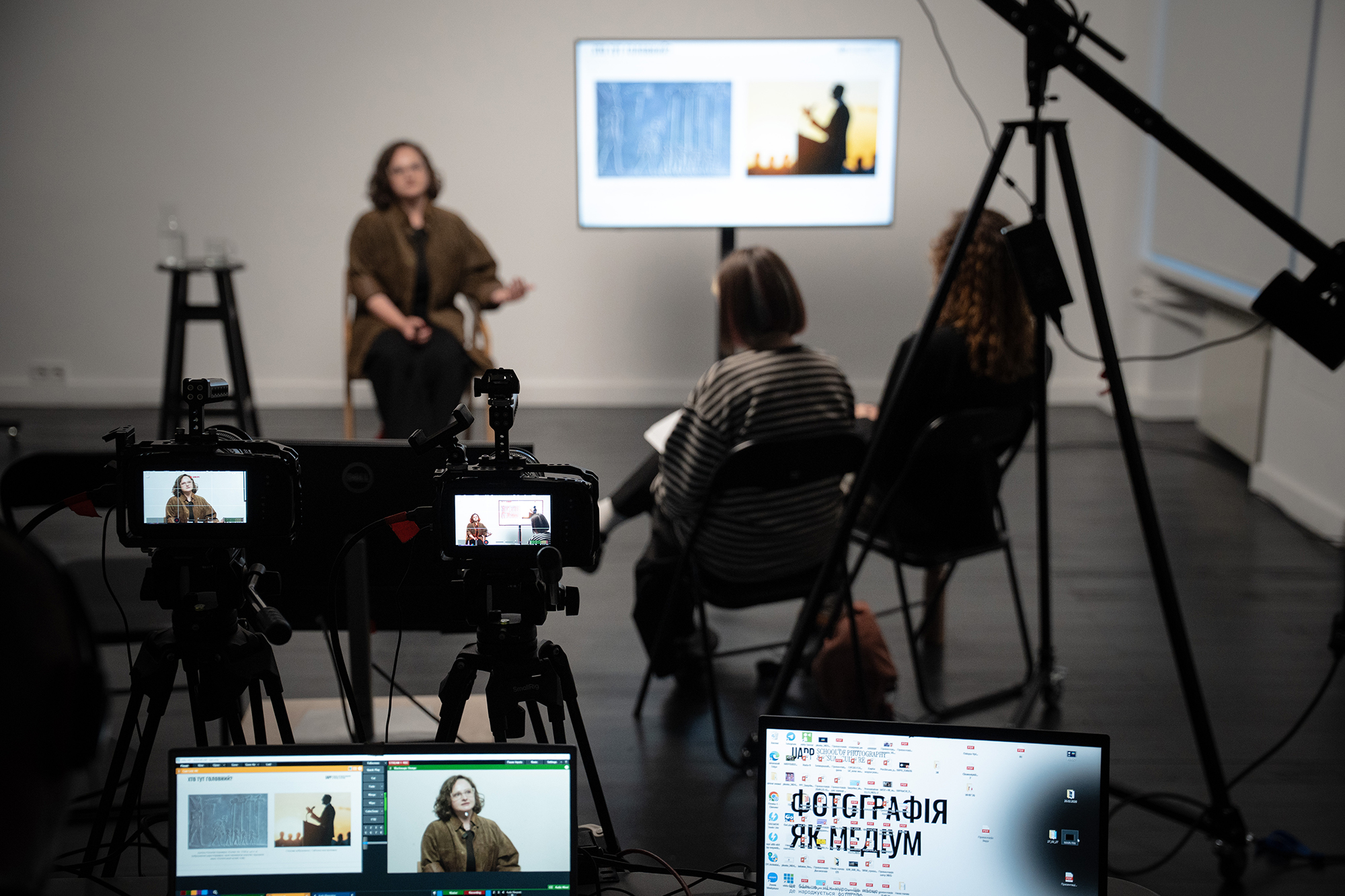
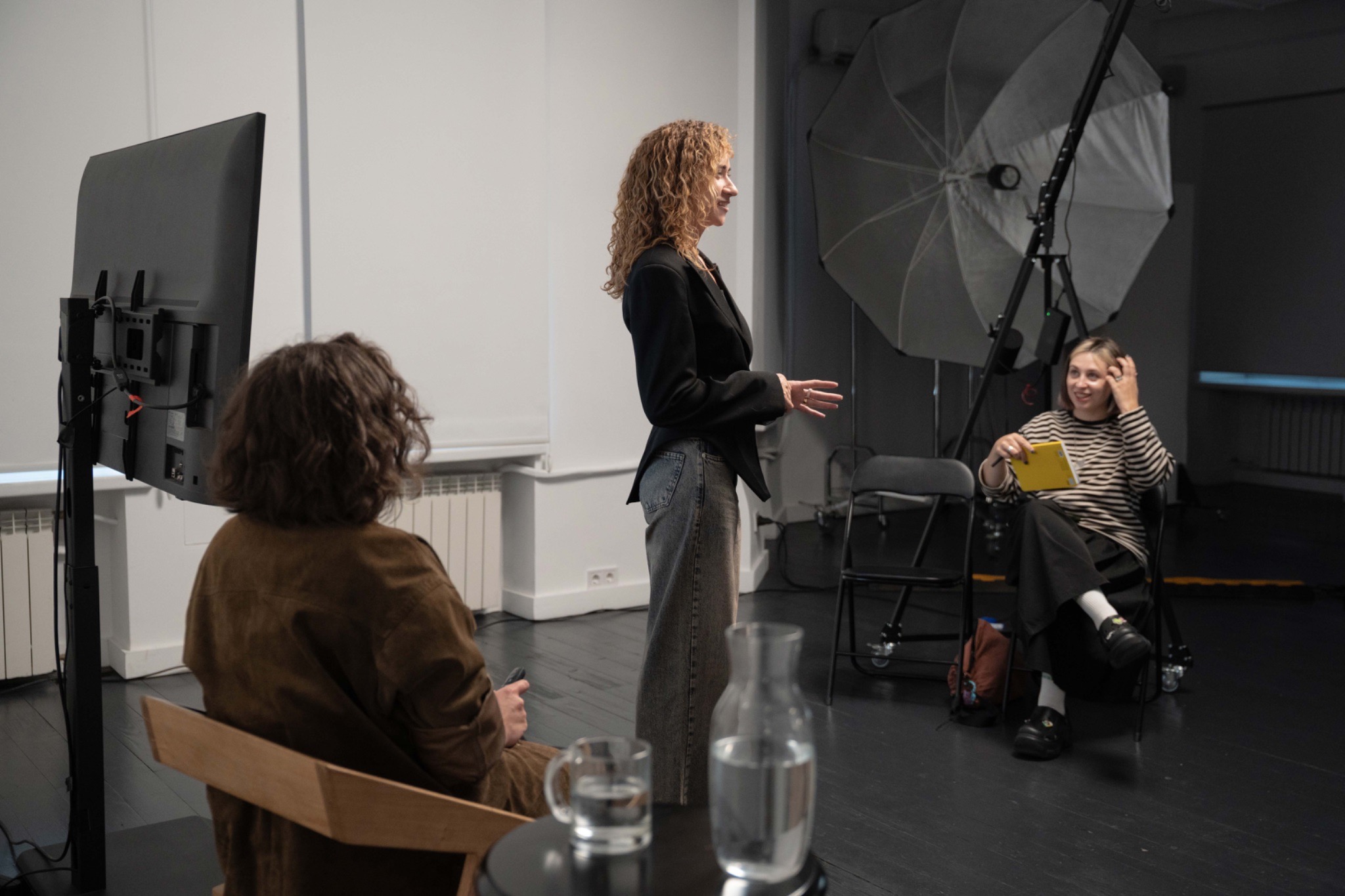
The educational process at the UAPP School of Photography and Visual Culture is officially underway: the first group of 15 students has started the basic three-month course "Photography as a Medium." The course consists of five modules working in synergy, covering art history, technical solutions, composition, ethics, and reading contemporary art.
At the heart of the program is the development of visual thinking: moving from simply taking pictures to the ability to see, analyze, and deliberately create images. Here, technology serves as a tool for implementing ideas rather than an end in itself. Students learn to understand how and why photography works, justify their own visual choices, work with composition, context, and form, and gradually develop their own series or photographic project.
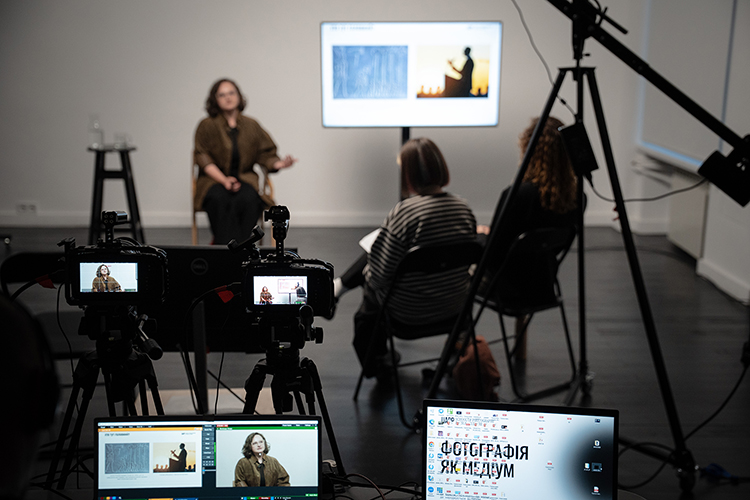
Participants of the "Photography as a Medium" course have already mastered the first module, dedicated to the history of art and photography. Together with art historian Halyna Hleba, students learned to recognize the origins of visual formulas in their own frames and intentionally use artistic expressions as tools for generating meaning.
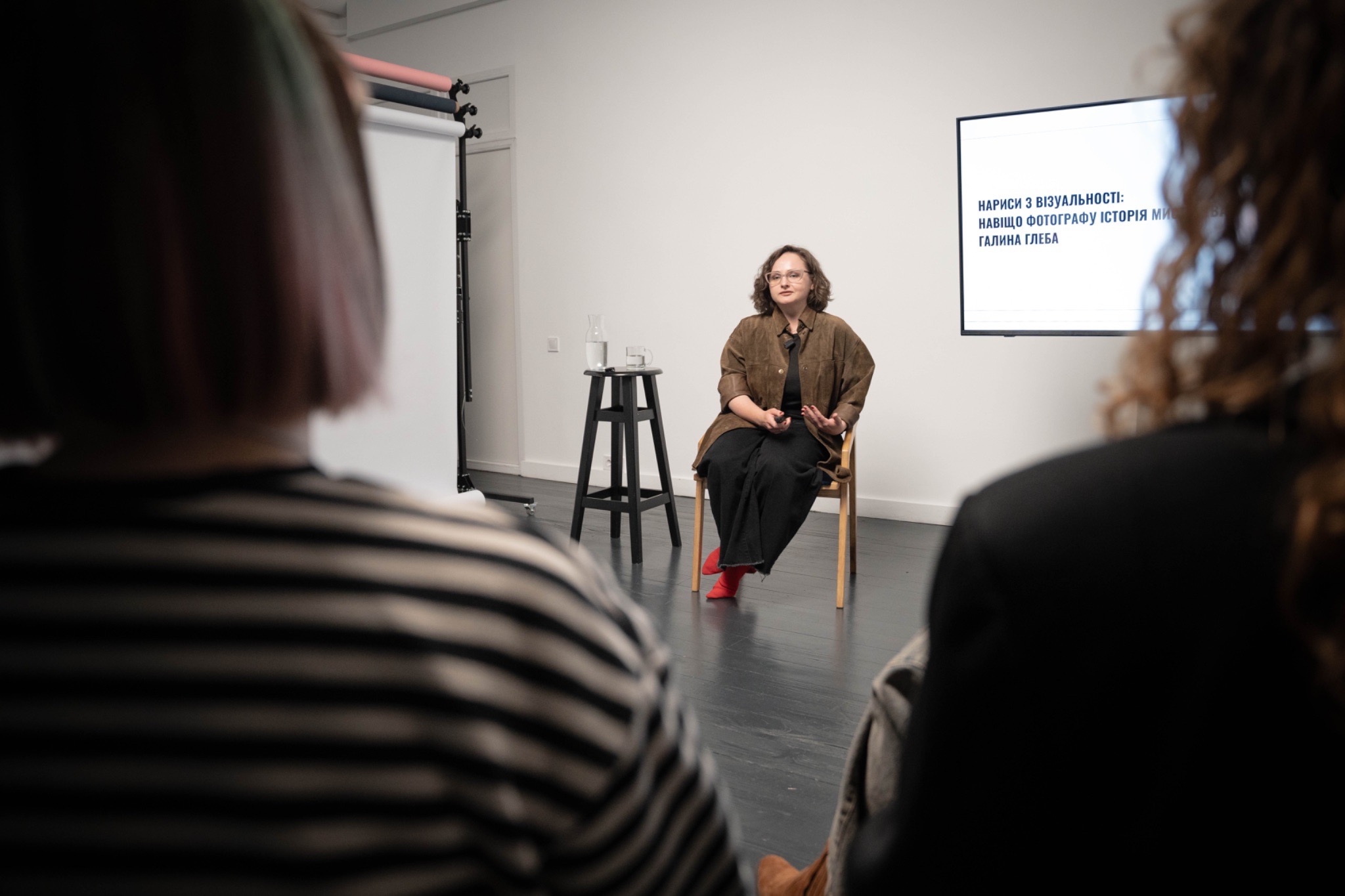
Currently, the second module on technical skills is underway, curated by photographer Valentyn Kuzan. According to him, the remote format does not prevent students from actively participating in learning and planning offline meetings.
“I haven’t seen the students in person because the teaching format is online, but they show great engagement: at the end of each lecture, they ask questions, process the material, and join the discussion. Beyond the main curriculum, we decided to visit a darkroom together, and I’m really glad we have this opportunity,” says Valentyn Kuzan.
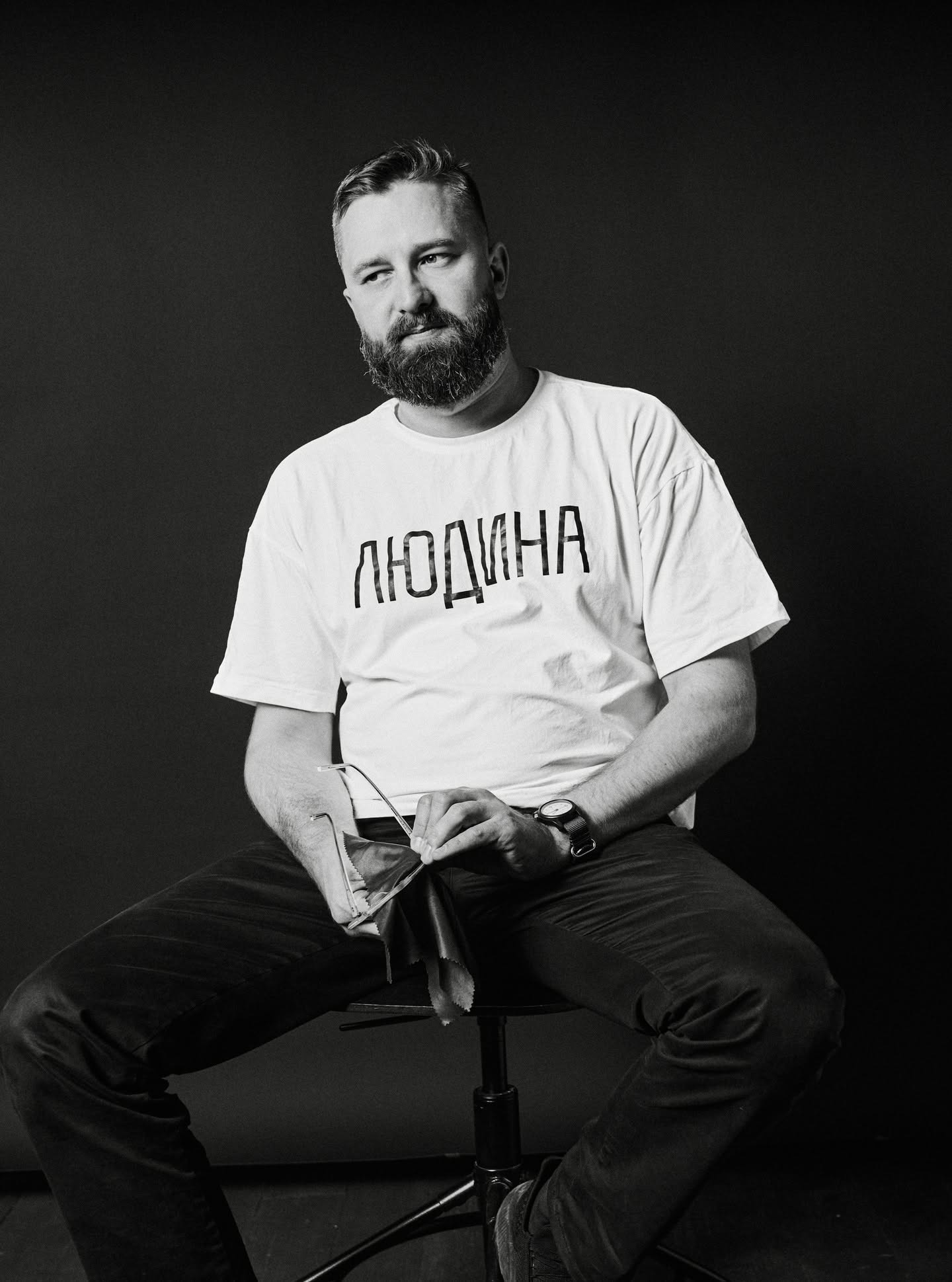
The value of the inaugural cohort at the UAPP School lies in the diversity of experiences and perspectives. The group brings together veterans and active military personnel, journalists, cultural studies scholars, managers, beginners, and experienced artists from across Ukraine, as well as Germany and the USA. Despite their varied professional backgrounds, all students share a desire to move beyond merely capturing moments and learn how to translate their personal experiences and the reality of war into profound visual projects.
For instance, Lviv-based portrait photographer Viktor Melnychuk notes that he joined the program specifically to gain professional focus and a collaborative environment:
“I want to study here because I’m interested in working with photography as an independent medium. I have long had the ambition to create cohesive projects and series in the format of visual storytelling rather than just standalone shots. I need a professional environment to learn how to transform my ideas into structured, conceptual statements.”
A key motivation for the students was trust in the founders of UAPP and the authority of the instructors. Participants seek a community of like-minded individuals that can help them break through their inner creative ceiling and transform their work into signature projects.
Nastya Vil, a cultural scholar from Germany, emphasizes the importance of such a professional environment for her growth:
“Until now, I studied on my own through volunteering and practice. I wanted an environment where stories are discussed through the lens of photography and with people with whom I can share doubts and continue to grow.”
Beyond inspiration and motivation, each student arrived with specific practical goals. The creators need tools to bring their ideas to fruition and expect honest, constructive feedback to help overcome doubts and hone their unique voice. Ultimately, it is a search for points of support—ranging from learning how to promote photography to finding a way to reset for those who are at the front lines or returning from war.
Lukyan Tsymbal, a veteran of the Russo-Ukrainian War from Drohobych, shares his need for professional feedback and structured knowledge:
“From this course, I aim to gain a deeper understanding of photography as a language—to learn not just how to capture beautiful images, but how to intentionally work with ideas, light, composition, and storytelling. I want to organize my knowledge, receive professional feedback (which I miss greatly), develop my own style, and better understand how to transform a concept into a visual work. It’s important for me to be in a creative environment where I can grow, experiment, and learn from the experience of other photographers.”
A team of 12 instructors and mentors will help bring these ambitious goals to life. This combination of academic expertise and practical experience creates a unique perspective that is unavailable in other educational projects.
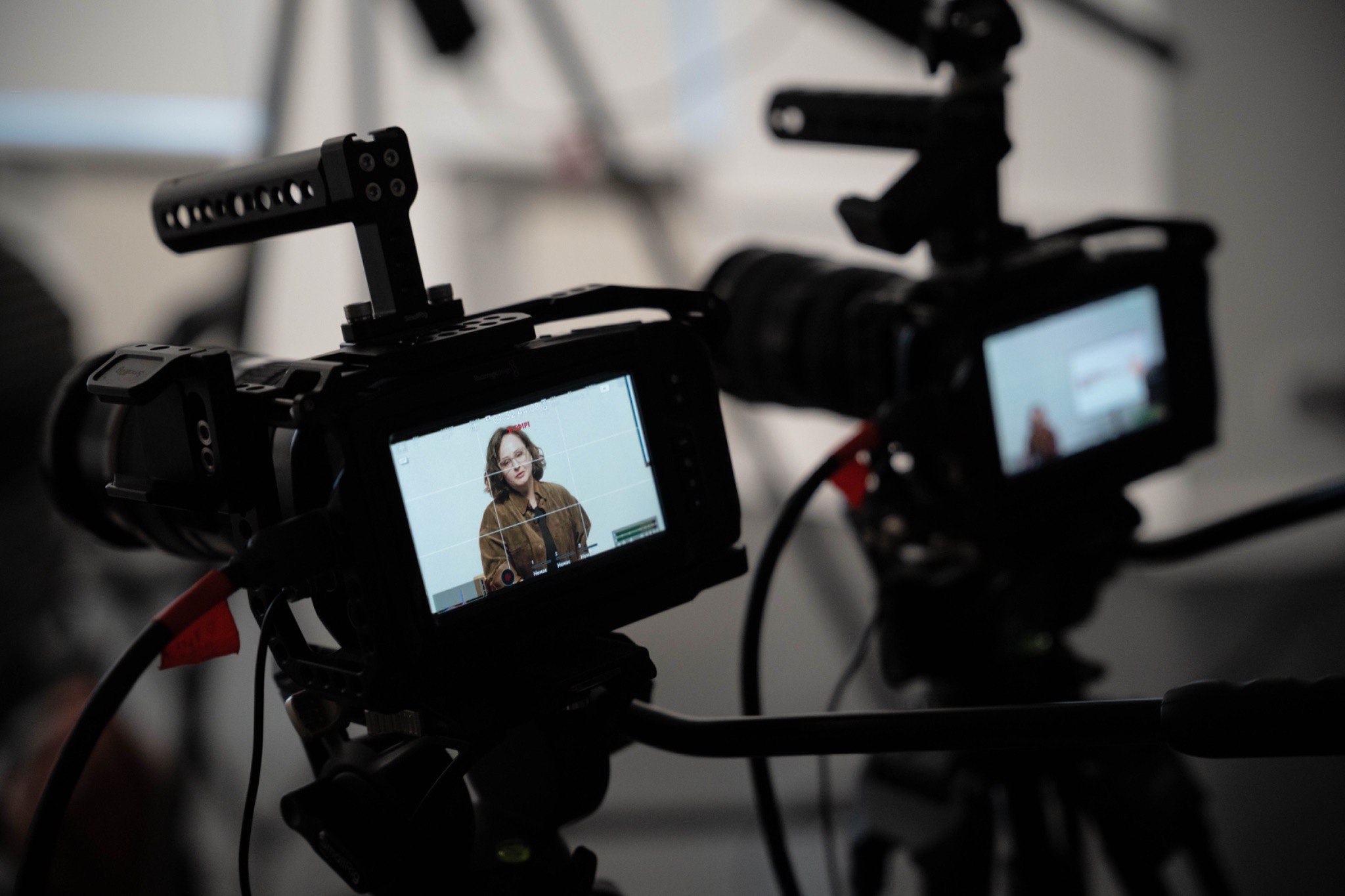
The course "Photography as a Medium" creates a space for artists who strive to remain connected to the Ukrainian context and document meaningful ideas even from a distance. For Nastya Vil, the course served as a bridge between her upcoming practice in Germany and her work with events in Ukraine:
“To be honest, when I first saw the announcement, I was so glad that something like this appeared in Ukraine—that the concept of photography’s visual language is highlighted separately. This resonates deeply with what I plan to study in Germany, and the opportunity to work with Ukrainian contexts while preparing for admission is very valuable to me. I choose documentary photography because it captures reality and draws attention to what matters—and right now, nothing is more important to me than the Ukrainian context, even when I’m away from home.”
Stories like these from students confirm that the value of the project lies not only in imparting knowledge, but also in building a community of like-minded individuals. Outlining the philosophy and main directions of the project, Olha Kovalova, head of UAPP and founder of the UAPP School of Photography and Visual Culture, notes:
“It is important for us not merely to teach someone how to take photographs, but to help them think through photography: understanding how images work, how to articulate their own expression, and how to develop their voice within a broader cultural context. The experience from previous mentorship programs greatly helped us understand what the School should be: not a place that offers ready-made answers, but an environment where students learn to ask questions, analyze their practice, and gradually discover their own way of working with photography.”
The project is implemented with the support of partners: Room 8 Group, ZMIN Foundation, The VII Foundation, Fritt Ord Foundation, as well as media partners Frontliner and Studio 72.
UAPP School of Photography and Visual Culture is an educational initiative of the Ukrainian Association of Professional Photographers, established for systematic work with photography as a medium, a way of thinking, and a cultural statement. The School combines technical training, history of photography and art, visual literacy, ethics, and professional practice, helping students move from simple shot creation to conscious work with images, series, and their own authorial stance.
Credits:
Topic researcher, author: Yana Yevmenova
Photo editor: Olha Kovalova
Literary editor: Yulia Futey