.png)
Mykhailo Markovych is a well-known Zakarpattia local historian and researcher of history and ethnography. The main focus of his scientific interests is the visual history of Zakarpattia from the late 19th to the first half of the 20th century.
For many years, Mykhailo Markovych has been searching for, collecting, and systematizing old original and rare photographs of the region. A special place in his collection is occupied by photographs of foreign travelers, ethnographers, and photojournalists who captured the daily life of Zakarpattia people, folk traditions, architecture, and the region's nature.
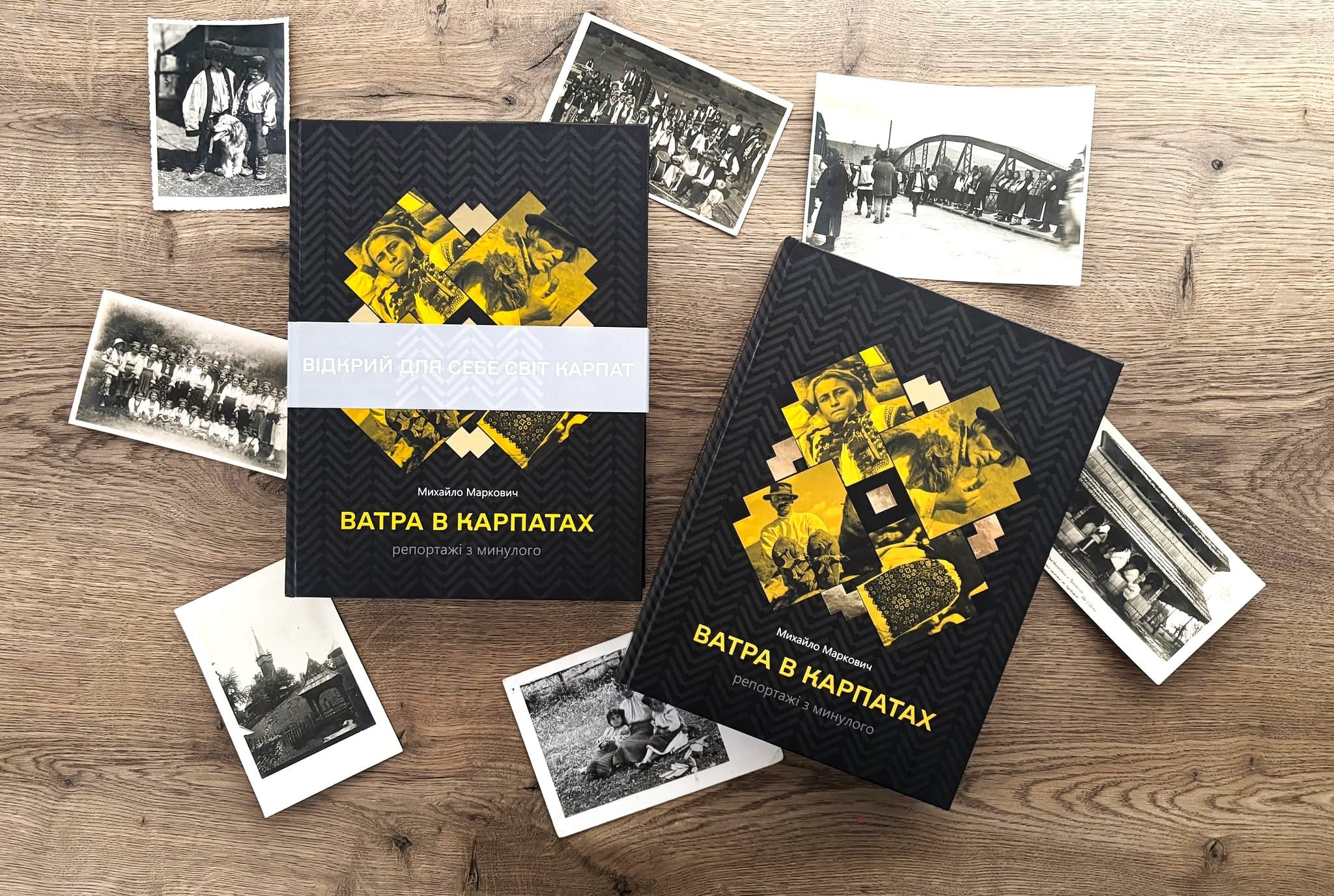
His historical and ethnographic book, "Vatra in the Carpathians: Reports from the Past," immerses the reader in the interwar period when Zakarpattia was part of the First Czechoslovak Republic. This period is often referred to as a time of modernization, social change, and the cultural flourishing of the region.
The researcher spoke about the oldest and most valuable photographs from his collection, why he began searching for and collecting photographs of Zakarpattia from a century ago, and explained why this region so attracted photojournalists from world-famous publications like National Geographic and LIFE.
A Vanished World in Old Photographs
In May 2017, a unique exhibition of photographs titled "The Vanished World of Carpathian Rus in the Photographs of Rudolf Hůlka" took place in Uzhhorod. Lukáš Babka, director of the Slavonic Library, brought large-format reproductions of the photos from Prague. I didn't make it to the opening, but I visited the exhibition at the ILKO Gallery art center a few days later. There was no one in the hall, and I was left alone with these photographs. It was a special atmosphere. At that moment, I discovered the lost, or rather, vanished world of the region where I live.
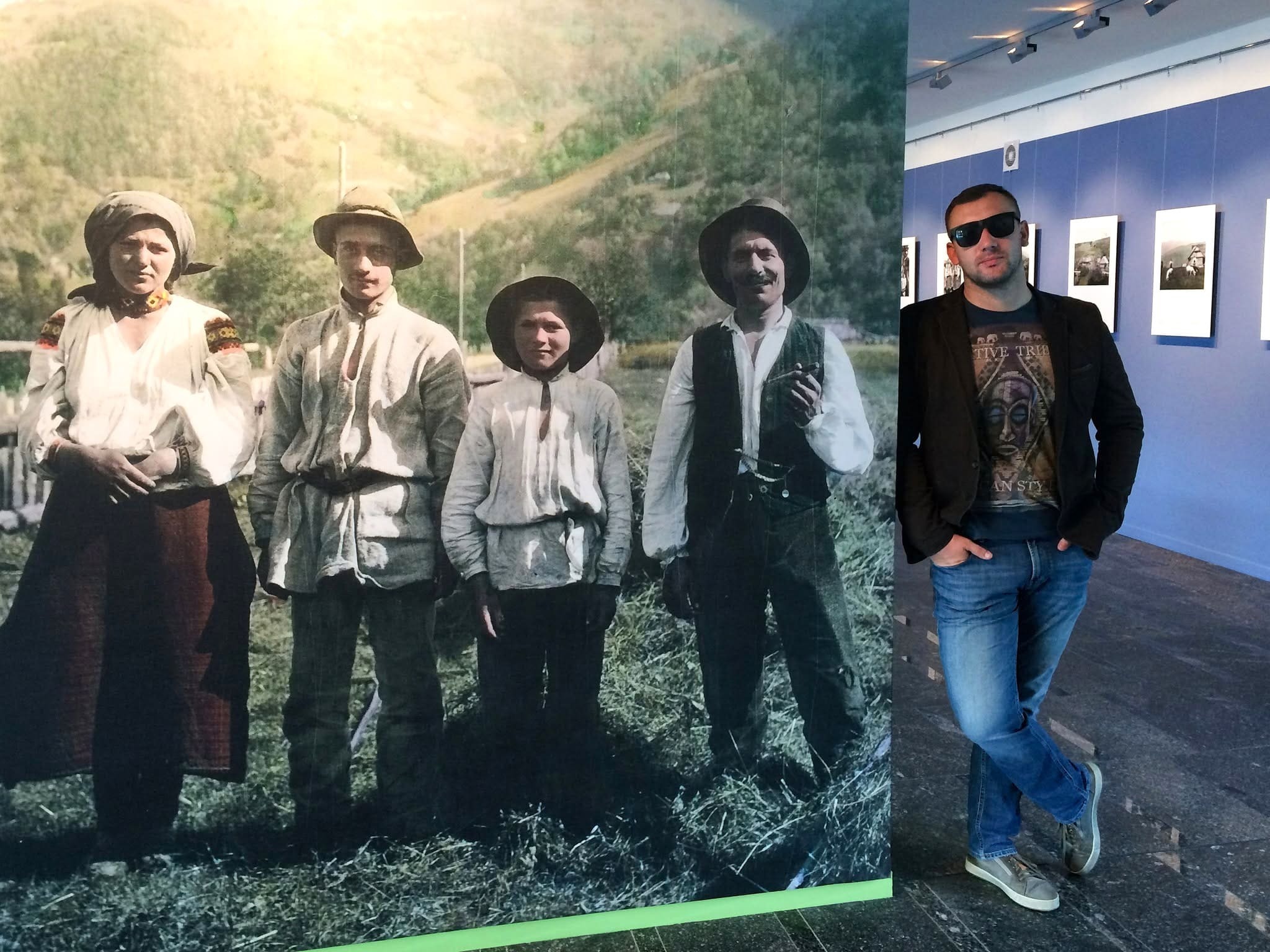
Rudolf Hůlka's photographs became a portal into another dimension for me, another world entirely different from the one I had seen before. I realized that, having lived in Zakarpattia for about thirty years at that time, I hardly knew what my region looked like a hundred years ago. In fact, it wasn't that long ago, as it's the span of a single person's life. The exhibition of Rudolf Hůlka's photographs became a trigger that prompted me to look for more visualizations of life in Zakarpattia from at least a century ago.
The photograph that started my collection is a postcard made in my native village of Maidan during the First World War. Its author was a German non-commissioned officer named Neudeck, who was with the army on the fronts in the Carpathian passes. I saw the postcard itself on the internet auction eBay. It depicts a group of men and women riding horses. And I thought that I had never seen a woman in the village of Maidan riding a horse. Now people only have "iron horses." In 1915, it turns out, everything was different—the photograph preserved the vanished world of my village during the First World War.
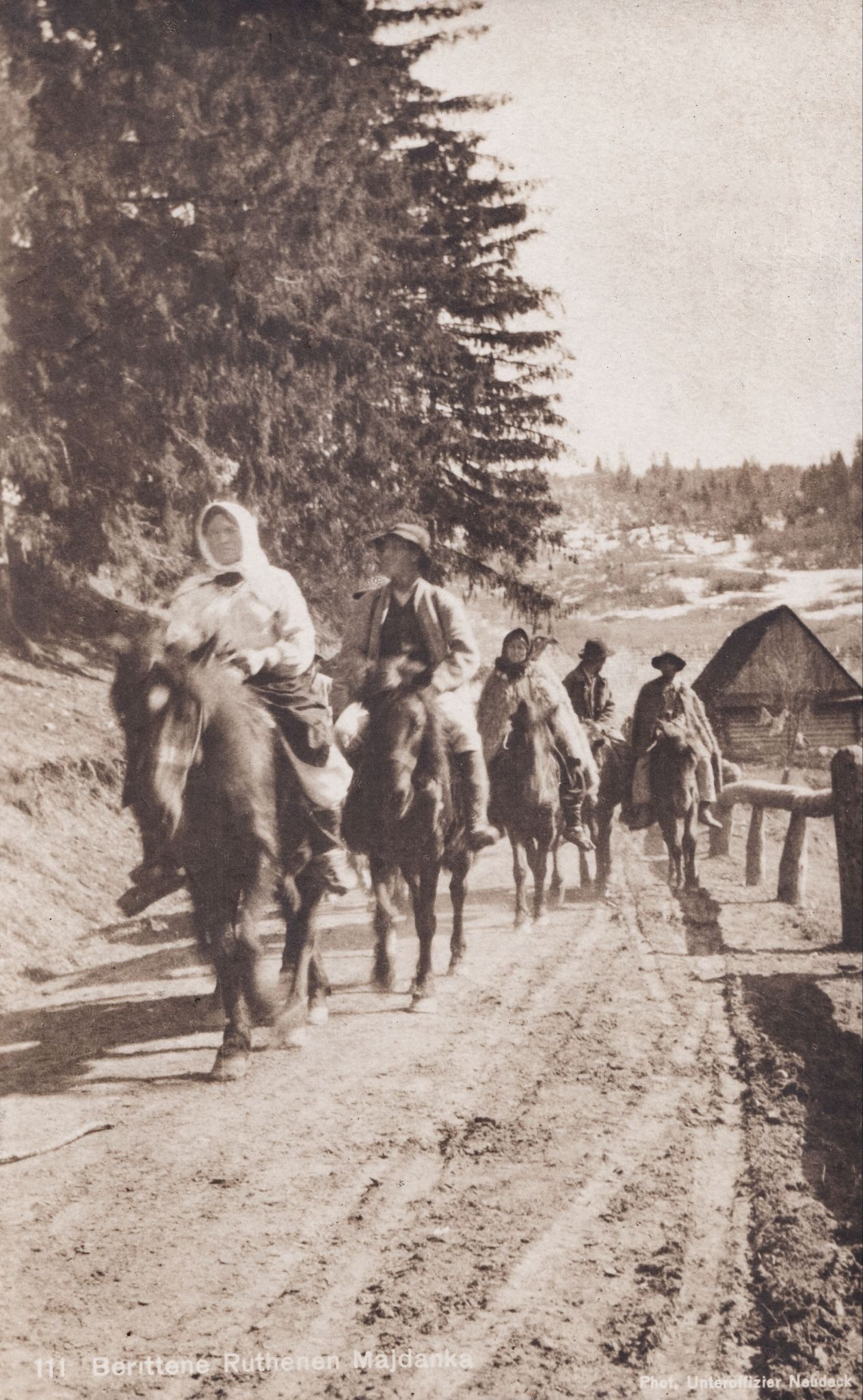
I collect photographs from Zakarpattia's past for the purpose of research and illustrating articles of an ethnographic and historical nature. One can describe at length how a certain object, element of clothing, or the architectural style of an old church looked, but sometimes a single photograph is enough to make everything clear without unnecessary words.
Initially, I published selections of photographs on Facebook that I found on various thematic sites and social media groups. However, over time, I realized that I was more interested in the quality of the images and examining the details in them. I thought it would be great to have the originals, which could be scanned and kept in better quality to see all the small elements of folk clothing or architecture. Additionally, I wanted to have ownership rights to the photographs to use them for publications in journals and books.
Photographs No One Has Seen Before
Thanks to my requests to various European archives and museums, many new images from Zakarpattia's past have appeared in the media space. Negatives or printed photographs lie in various funds around the world, but no one had worked with them before me. I ask for a digital copy—it is placed on the website and becomes available to other researchers. This happened, for example, with the photographs of the Czech photographer Bohumil Vavroušek, who was in Zakarpattia at the beginning of the 20th century. In particular, he visited in the 1920s when the region became part of the Czechoslovak Republic.
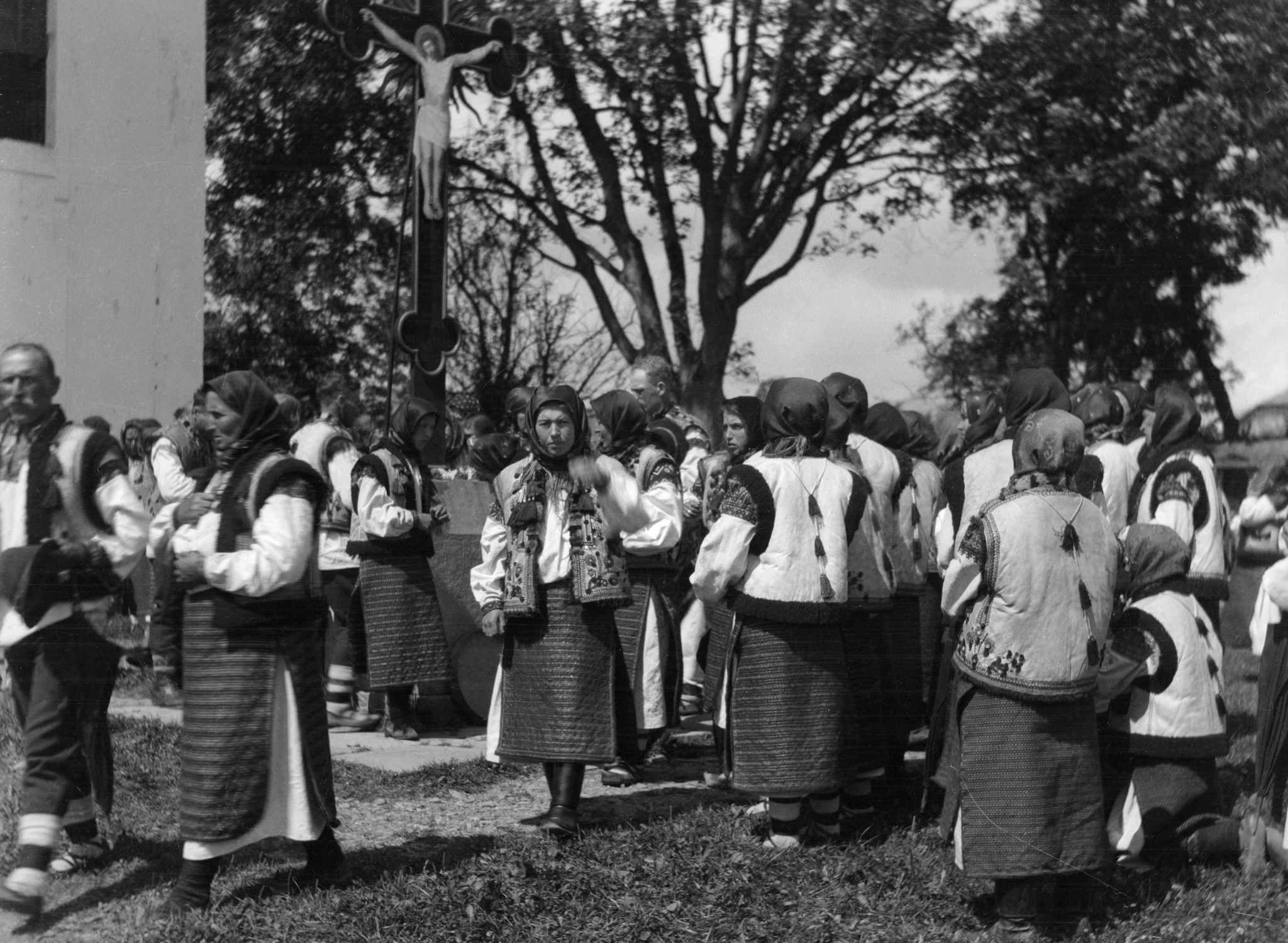
Bohumil Vavroušek was an incredibly prolific photographer who visited our region many times. He photographed literally everything he saw around him—Zakarpattia landscapes, architecture, portraits of people, various crafts, traditions, and more. Vavroušek's photographs can illustrate materials for researching many aspects of life in Zakarpattia. His photographs are stored in various archives, but the largest collections are in the Academy of Sciences and the National Museum of the Czech Republic in Prague.
I also managed to find photographs by Bohumil Vavroušek in the collection of the National Library of France, where they had remained unidentified for a long time. The catalogs contained only general descriptions: photographs of mountains, people on horses, or everyday scenes. From these descriptions, I realized that Zakarpattia was depicted in the photographs. At my request, the library staff scanned and sent the photographs. In style and handwriting, they very much resembled the images taken by Vavroušek. Later, I found identical angles and even the same people in other known photographs by the master.
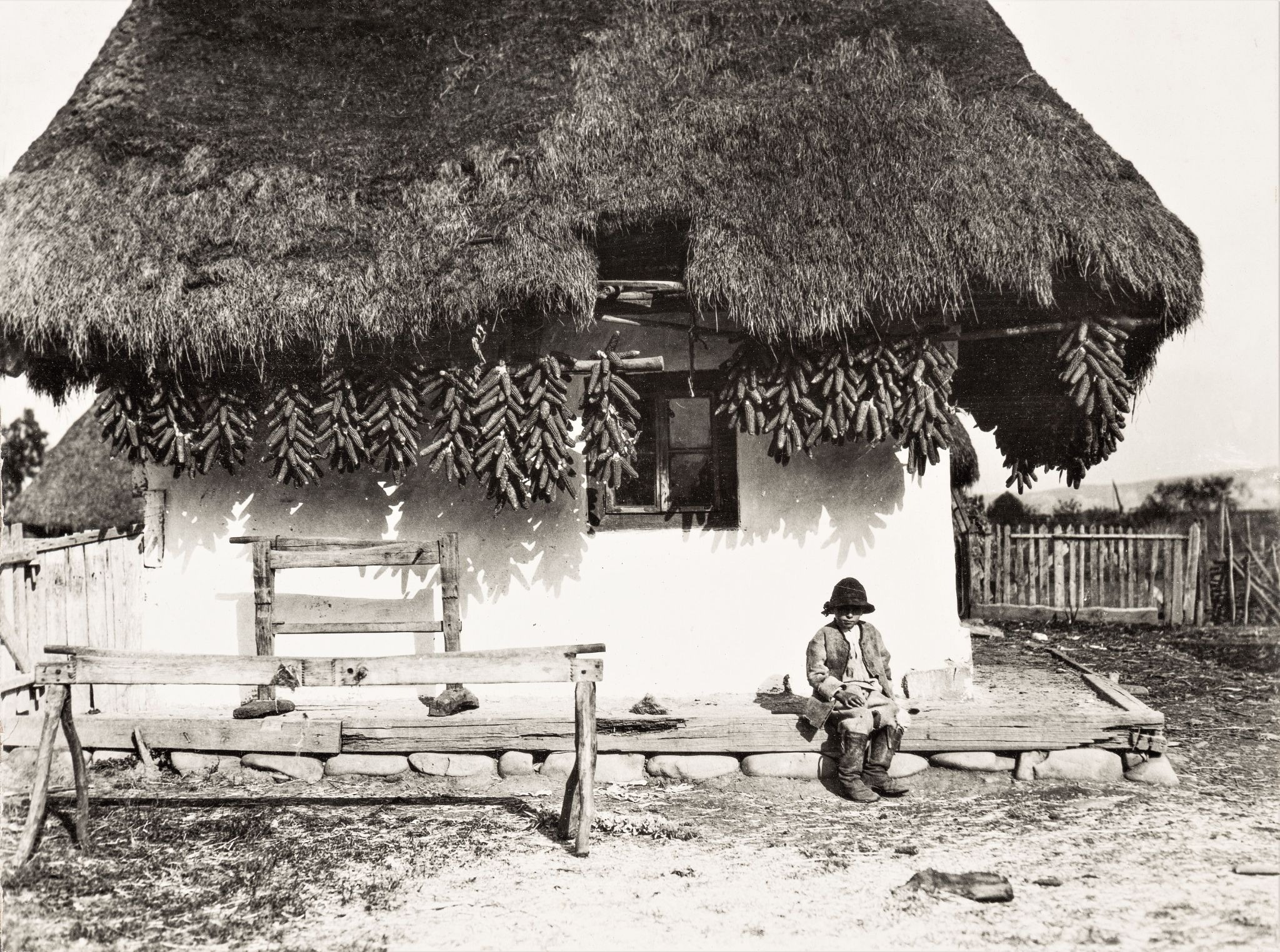
And this is just one of the authors whose legacy I managed to uncover. Among other important names are Amálie Kožmínová, Josef Provazník, Vojtěch Suk, Zdeněk Fejfar, Jaromír Funke, and many others. At one time, before I became seriously interested in searching for photo archives, a book about Florián Zapletal was published, thanks to the work of Academician Mykola Mushynka. Meeting him, as well as Mykhailo Syrokhman—a researcher of the wooden architecture of Zakarpattia—was significant for me. It was thanks to them that I gained access to the unique photo archive of Florián Zapletal. I think it would be good to publish an updated photo album with his photographs.
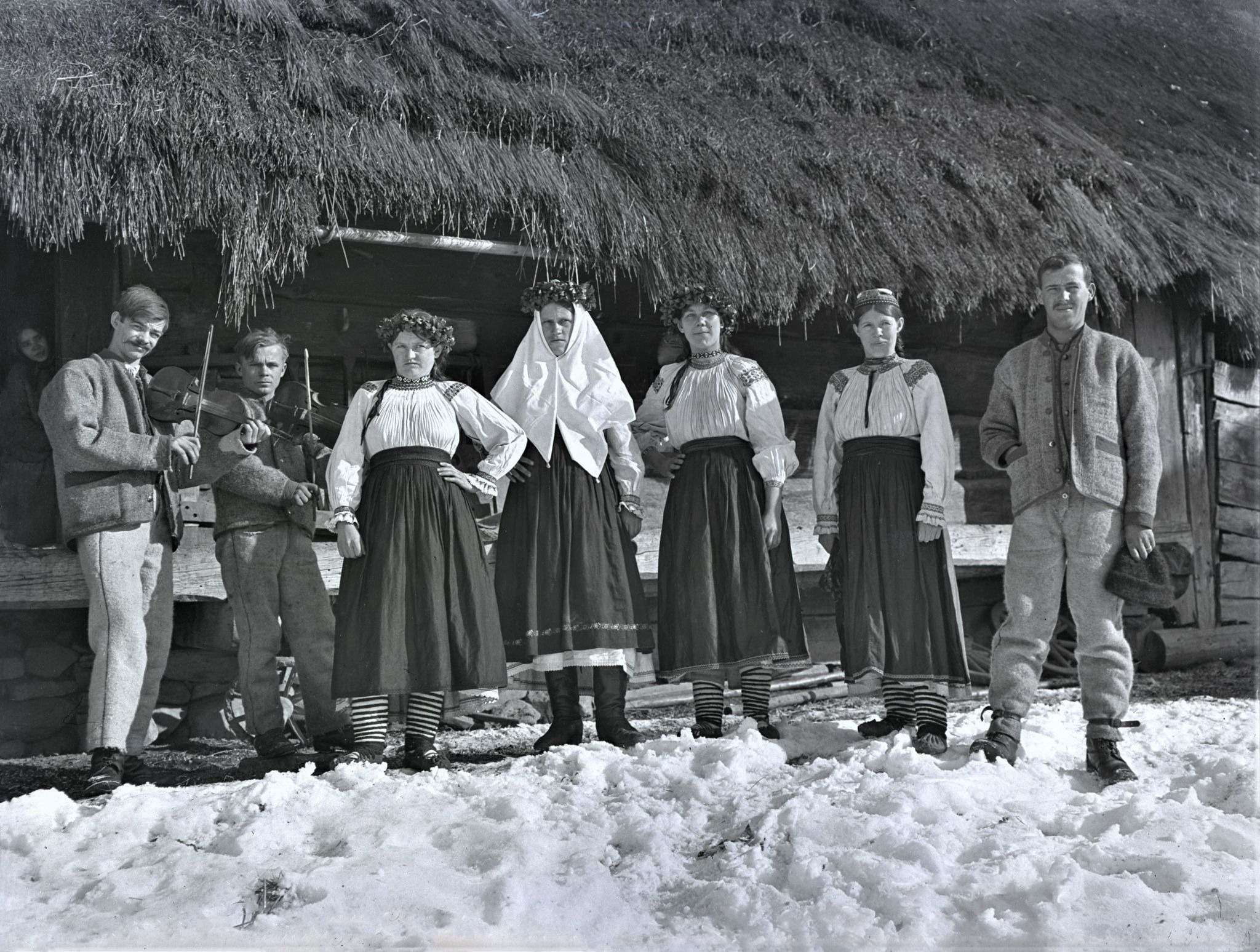
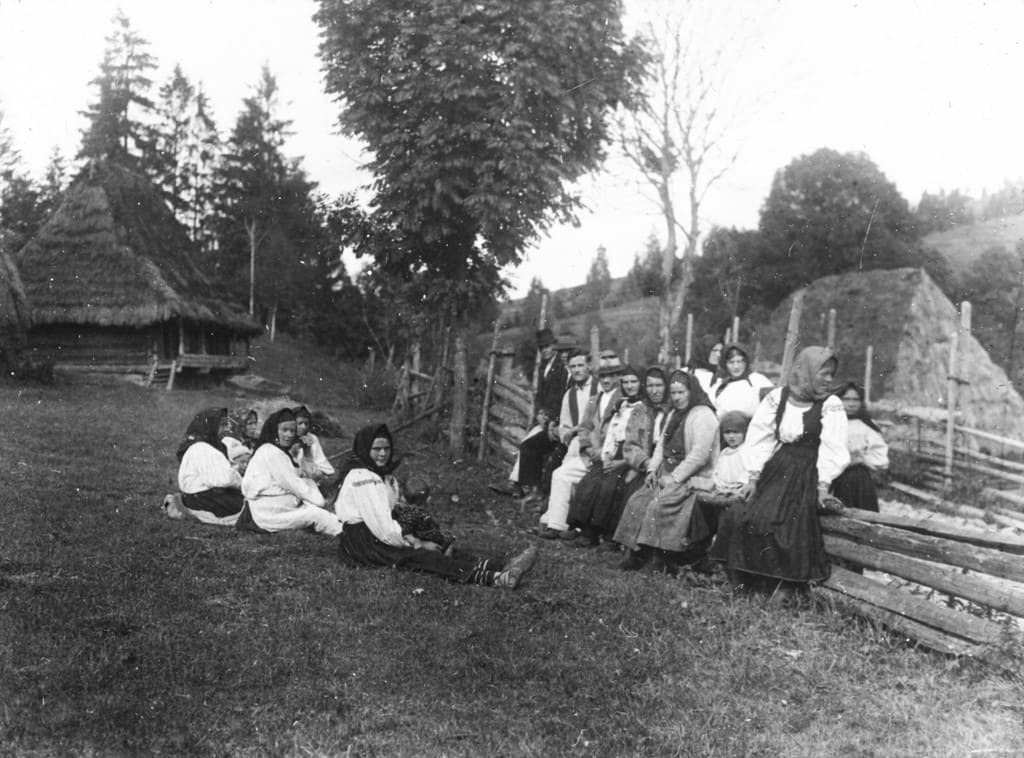
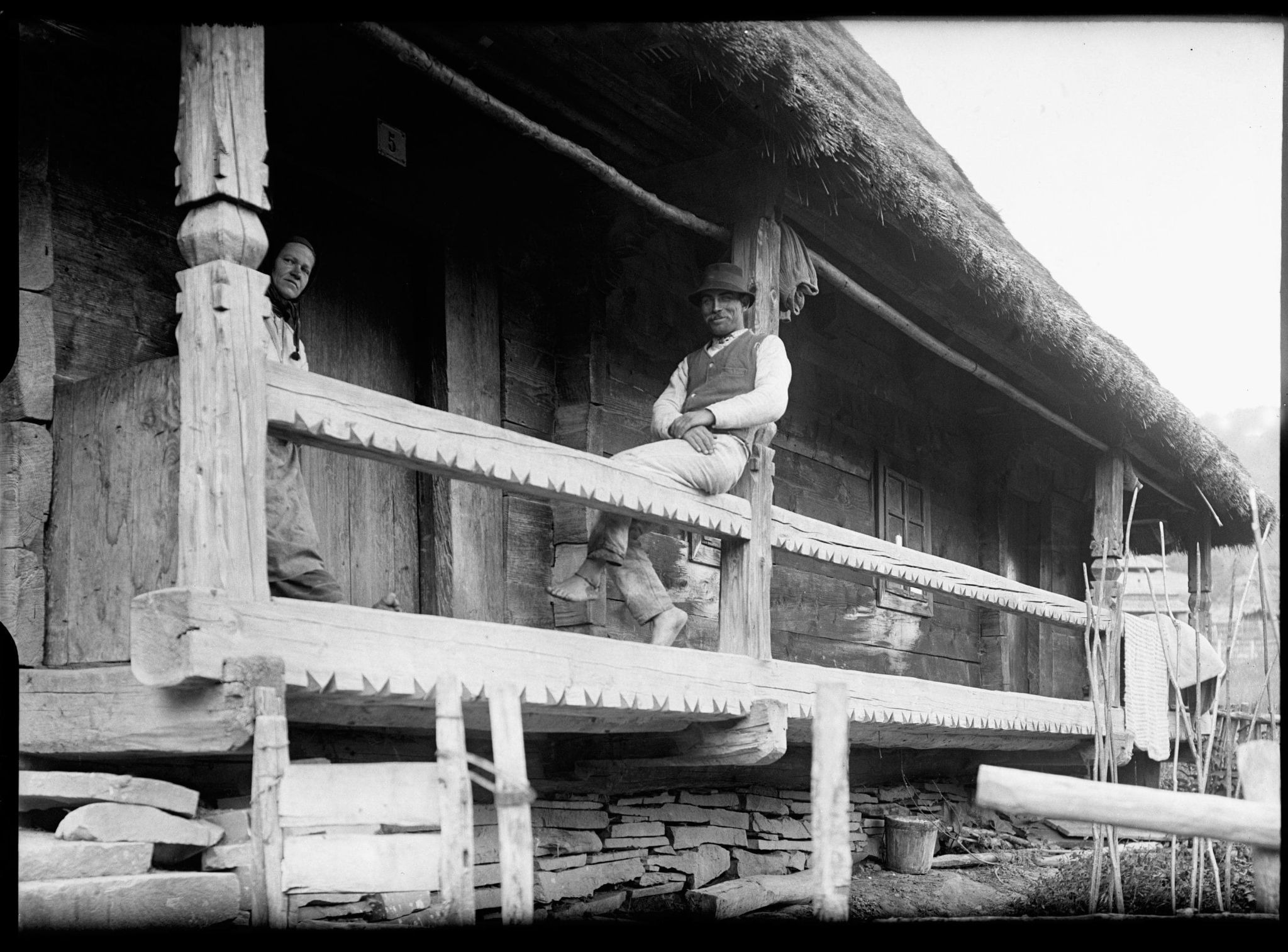
"The Land Where Lions Live" in Photos
Since 2019, I have managed to find about fifty photographers who took pictures in Zakarpattia during the 1920s and 30s. Not only photojournalists or reporters, but also professional photographers who traveled to Zakarpattia specifically to see and capture this special world.
Zakarpattia was lucky in a sense then, as it is a unique region at the civilizational junction of East and West, lost in the mountains. At least that's how it was for the Czechs at the beginning of the 20th century. Having received Carpathian Rus as part of their territory after the First World War, they described it as the "discovery of a new continent," as "Africa in the center of Europe." Throughout the 1920s, researchers and travelers flocked here, eager to catch the unique, authentic world that they believed was bound to disappear with the arrival of progress. Czechs were discovering this amazing corner in the mountains, and contemporary reporters, like the Irishman Robert Smyllie, called it the "land where lions live"—by analogy with the designation of unknown lands, the white spots on ancient maps of the world.
I noticed that in the 1920s, photography of Zakarpattia was commissioned by the state, which sent expeditions through then-Carpathian Rus. With the development of photographic equipment, tourists from various countries began to come here. I found photographs taken by amateur photographers from Ireland, Sweden, the USA, Germany, Austria, Poland, Slovakia, Romania, Hungary, and, of course, the Czech Republic.
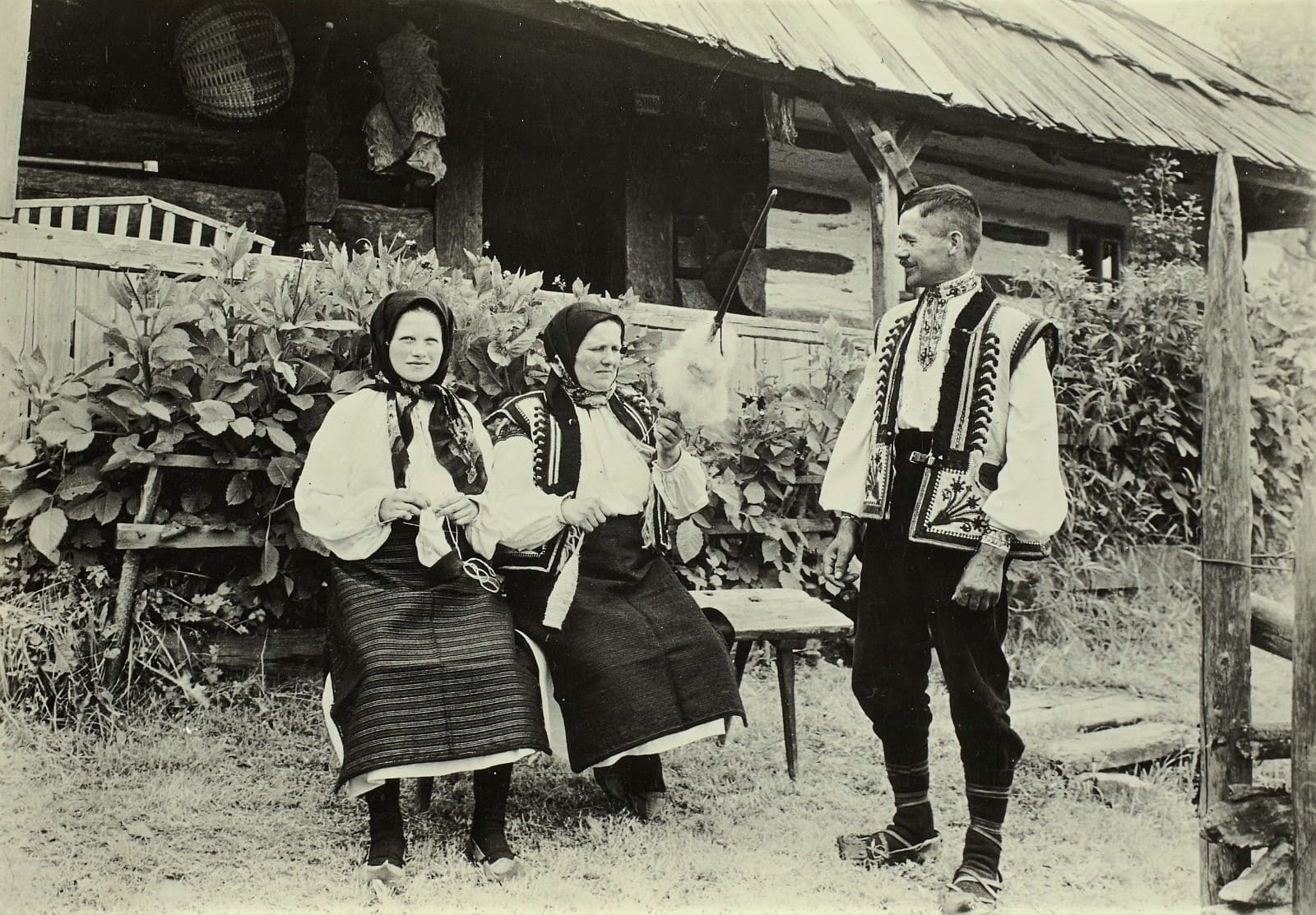
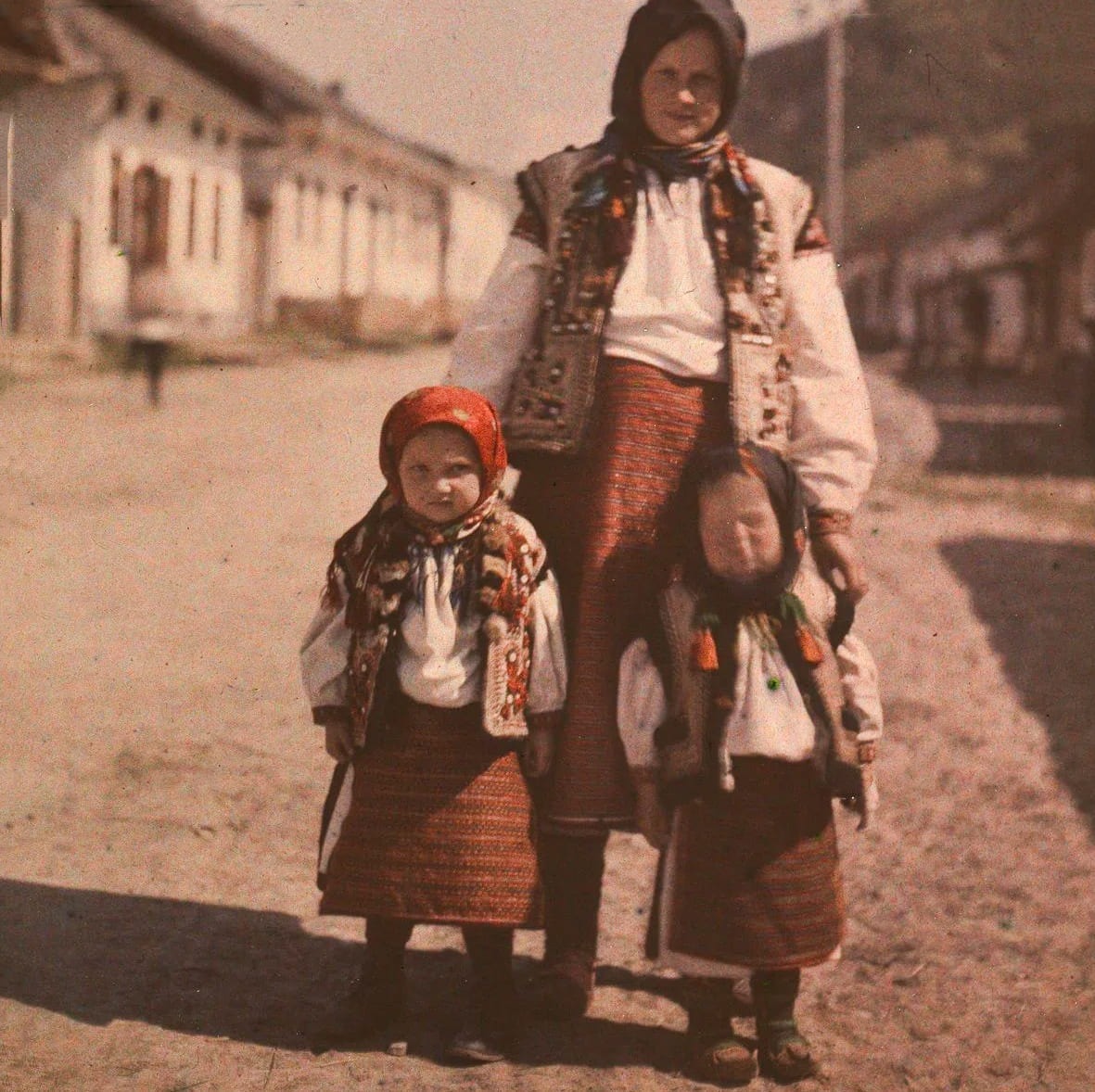
Photographs from Zakarpattia appeared in National Geographic and Life magazines. For example, in the late 1920s, our region was visited by the German photographer and pioneer of color photography, Hans Hildenbrand. He gained world fame as one of the first masters to shoot in color using the autochrome technology (Lumière Autochrome). Thus, his color photographs from Zakarpattia were included in National Geographic magazine.
However, through my research, I found the very first color photographs of Zakarpattia—they were taken in 1921 by the aforementioned Rudolf Hůlka. Photographer Hans Hildenbrand worked for the media, whereas Rudolf Hůlka took photographs for himself, and they were very rarely published in the press of that time. Hůlka's images were likely not only the first color photographs of Zakarpattia, but also some of the first for all of Ukraine. The photographer captured the folk clothing of the Hutsuls to preserve this rich color palette—multicolored vests (keptars), embroidered shirts, and jewelry. This is exactly what attracted foreigners to the Zakarpattian Hutsul region.
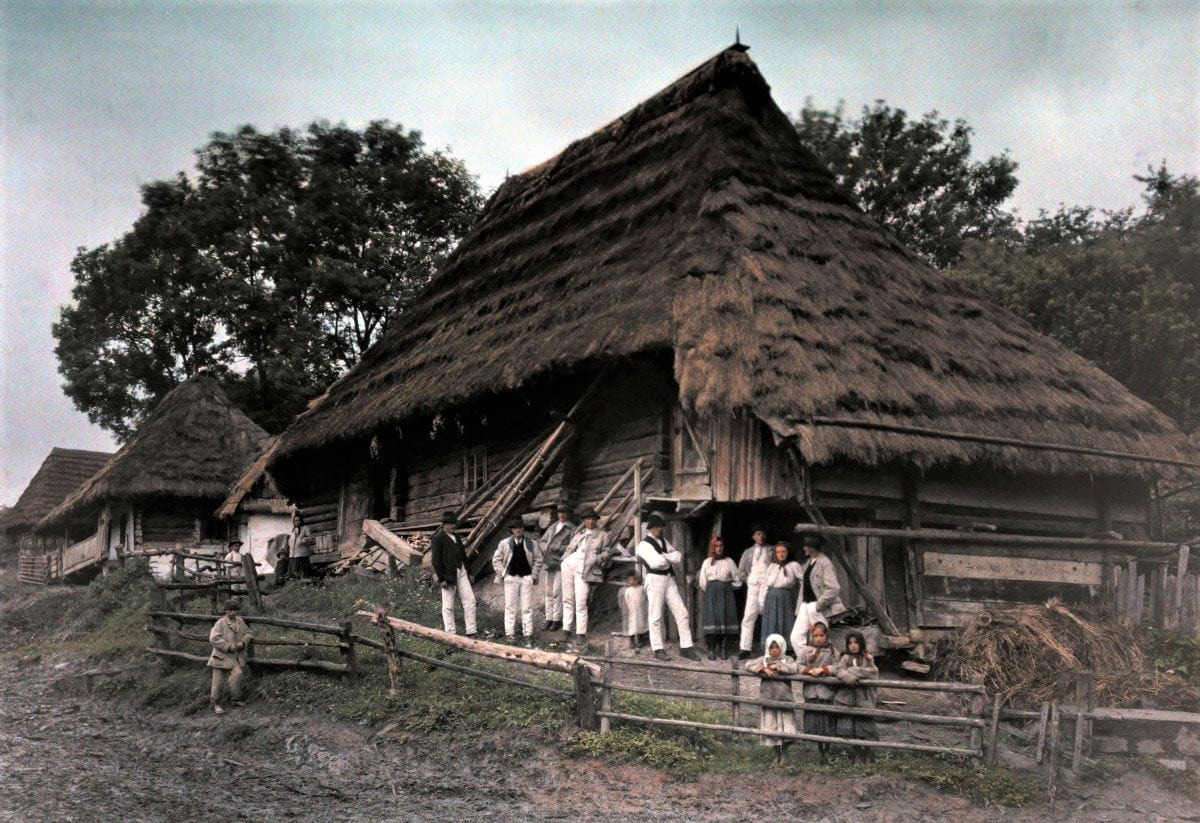
Images of Zakarpattia in the Pages of National Geographic and LIFE
In the 1930s, the German photographer Felix H. Man visited Zakarpattia. The photographer left behind one of the most poignant photo essays about the Jewish community of Zakarpattia before the Holocaust. Felix Man received an editorial assignment to travel to the eastern outskirts of Czechoslovakia—Carpathian Rus. His report titled "Ruthenia Under Czech Rule" was later published in the photo book "60 Years of Photography," where the region was described somewhat exotically: "Here live bears, Jews, and Hutsuls."
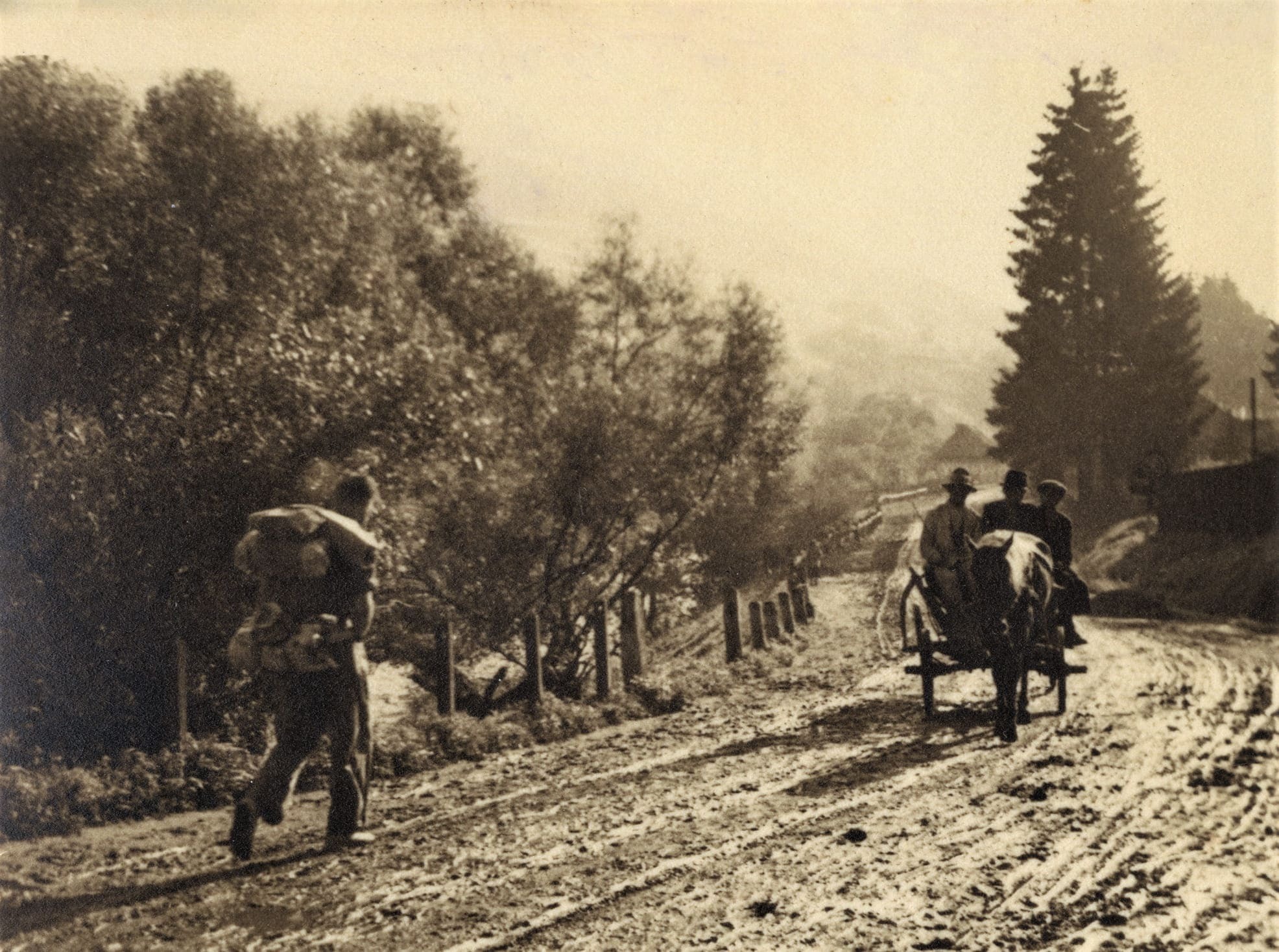
In 1934, the future classic of Czech photography Zdeněk Fejfar came to photograph Zakarpattia. He eventually had exhibitions on all continents of the planet. However, at that time, he was an ordinary medical student and was traveling through the mountains of Zakarpattia with a friend. Yet his work already showed his own style and a special view of the mountains and the people who live here.
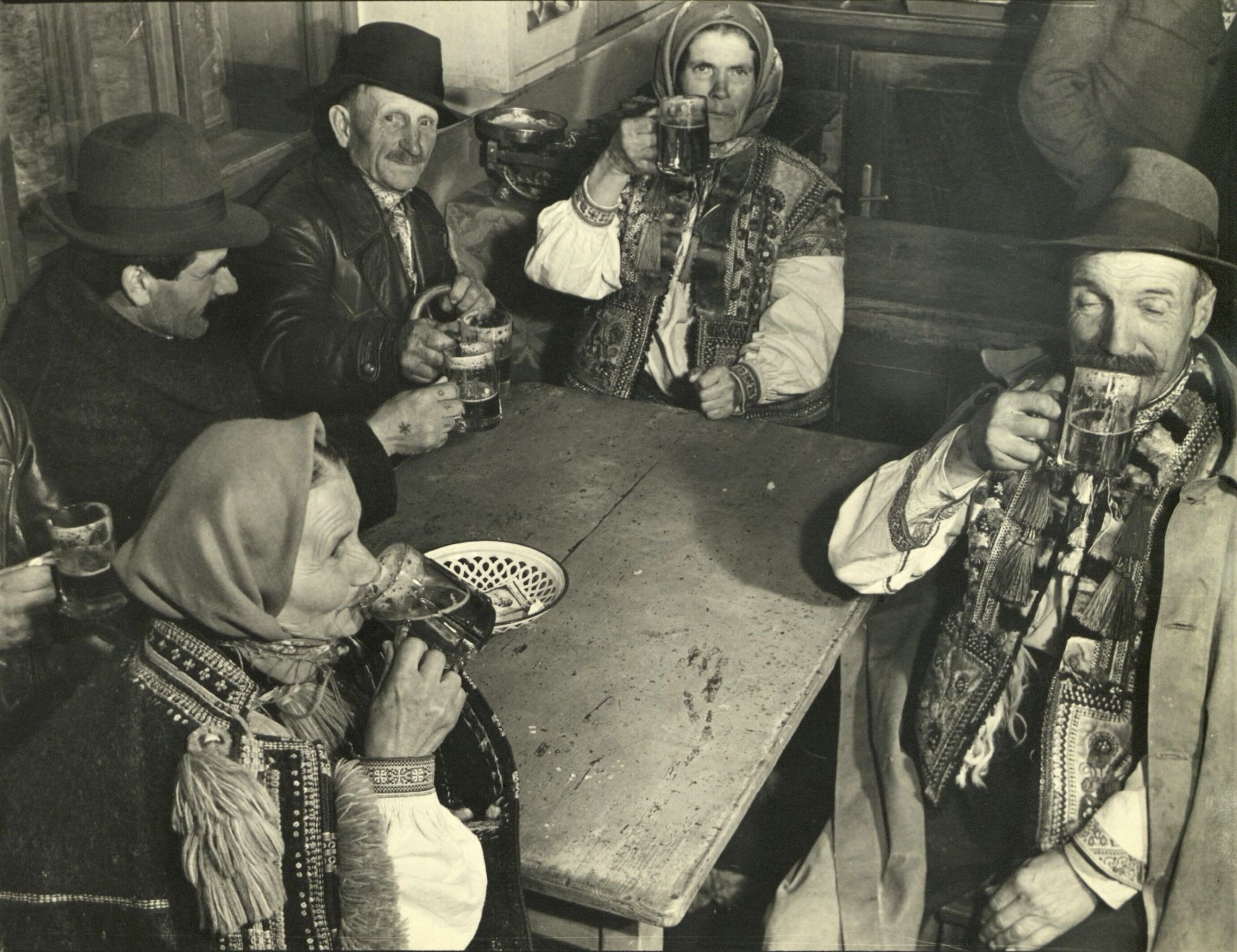
In 1937, our region was visited by the American photographer Margaret Bourke-White. she achieved extraordinary fame thanks to her work, in particular numerous historical photographs she took later during the Second World War. On the other hand, the trip to Zakarpattia took place at a time when the danger of an attack by Hitler's Germany loomed over Czechoslovakia. Margaret Bourke-White, along with her husband, the writer Erskine Caldwell, came to the Carpathians to look for manifestations of Nazism and signs of anything that could help Adolf Hitler break up Czechoslovakia from within. The photographer did not find the expected manifestations of Nazism in the Carpathians. However, she saw an extremely colorful local population. Margaret's husband later described these people and his impressions in the book of reports "North of the Danube," which was published in 1939. Margaret Bourke-White used her Zakarpattia photos as illustrations for this edition. In addition, her photographs were published by the popular magazine LIFE, which revealed the story of this journey to Zakarpattia.
In my electronic collection, I have photographs by Roman Vishniac, who documented the life of Jews in Zakarpattia. He managed to capture a world that literally completely vanished just a few years later. The photographer recorded people who were subsequently destroyed in the concentration camps of Nazi Germany. In particular, among his works are many photographs of Jews from Mukachevo, Uzhhorod, as well as from the remote areas of Zakarpattia—the Tyachiv and Rakhiv regions. He also photographed the local Ukrainian population, but this was not the main focus, as about 90% of his photographs are dedicated exclusively to Jews.
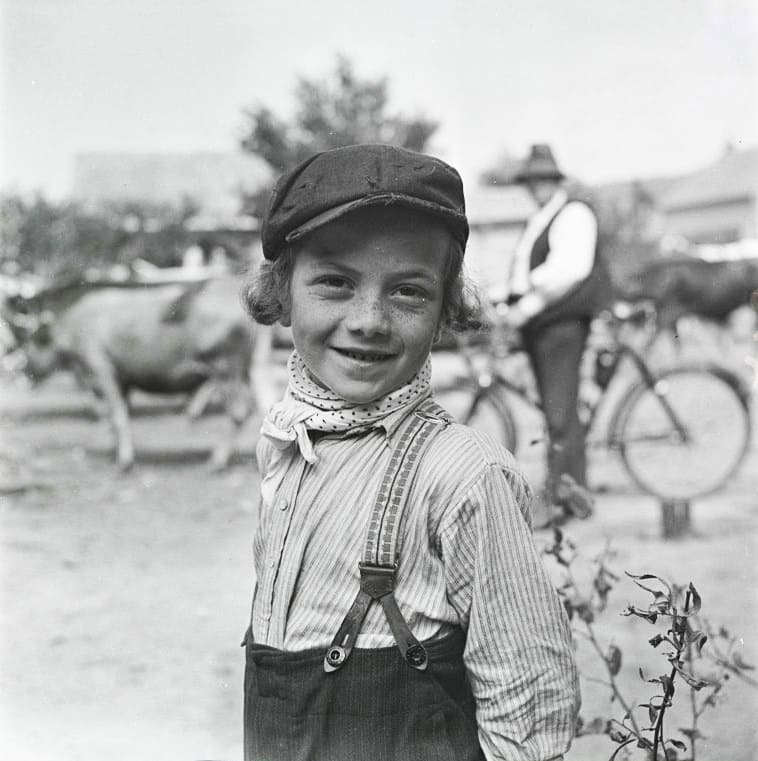
Working in Zakarpattia was a true mission for Roman Vishniac. The photographer seemed to feel that a colossal danger was hanging over his people, and therefore he sought to catch everything in his lens. Later, his daughter Mara Vishniac Kohn preserved these unique photographs. She transferred the originals to the archive of an American university—specifically, to the Magnes Collection at the University of California, Berkeley, where they are kept now. In 2023, director Laura Bialis made the feature documentary film "Vishniac" about the life of Roman Vishniac and his travels through Czechoslovakia, Poland, and other regions of Eastern Europe.
The Oldest Photographs of Zakarpattia
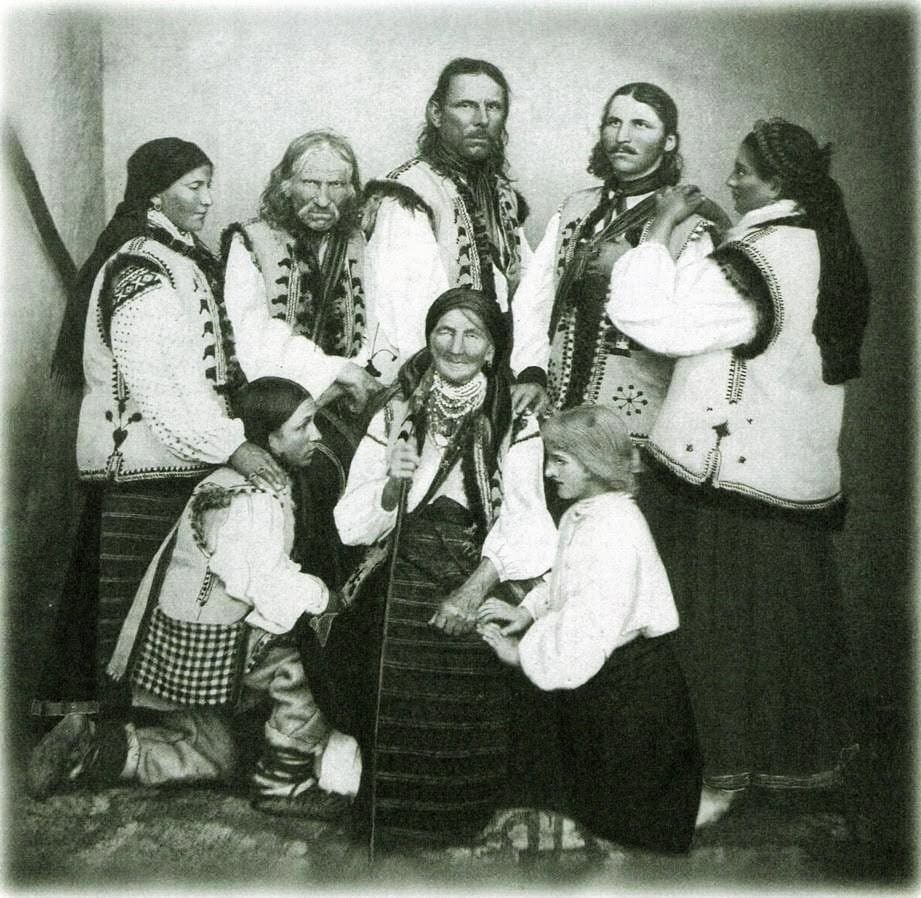
Of course, I was interested in finding the oldest images taken in Zakarpattia. There is a photograph of Hutsuls that is considered the oldest photograph of this ethnographic group in Ukraine. It was taken in the village of Luhy in Zakarpattia in 1867. Its author is not definitively known.
One of the first photographers in Zakarpattia was Károly Divald. He was born into a Hungarian family in the town of Banská Štiavnica in present-day Slovakia, so he is considered both a Slovak and a Hungarian photographer. In the 1870s, Divald carried out a large-scale expedition through Zakarpattia. The result of this trip was a monumental photo album dedicated to the Eastern Carpathians, officially published in Budapest in 1888. It included the first panoramic and urban shots of our region in history.
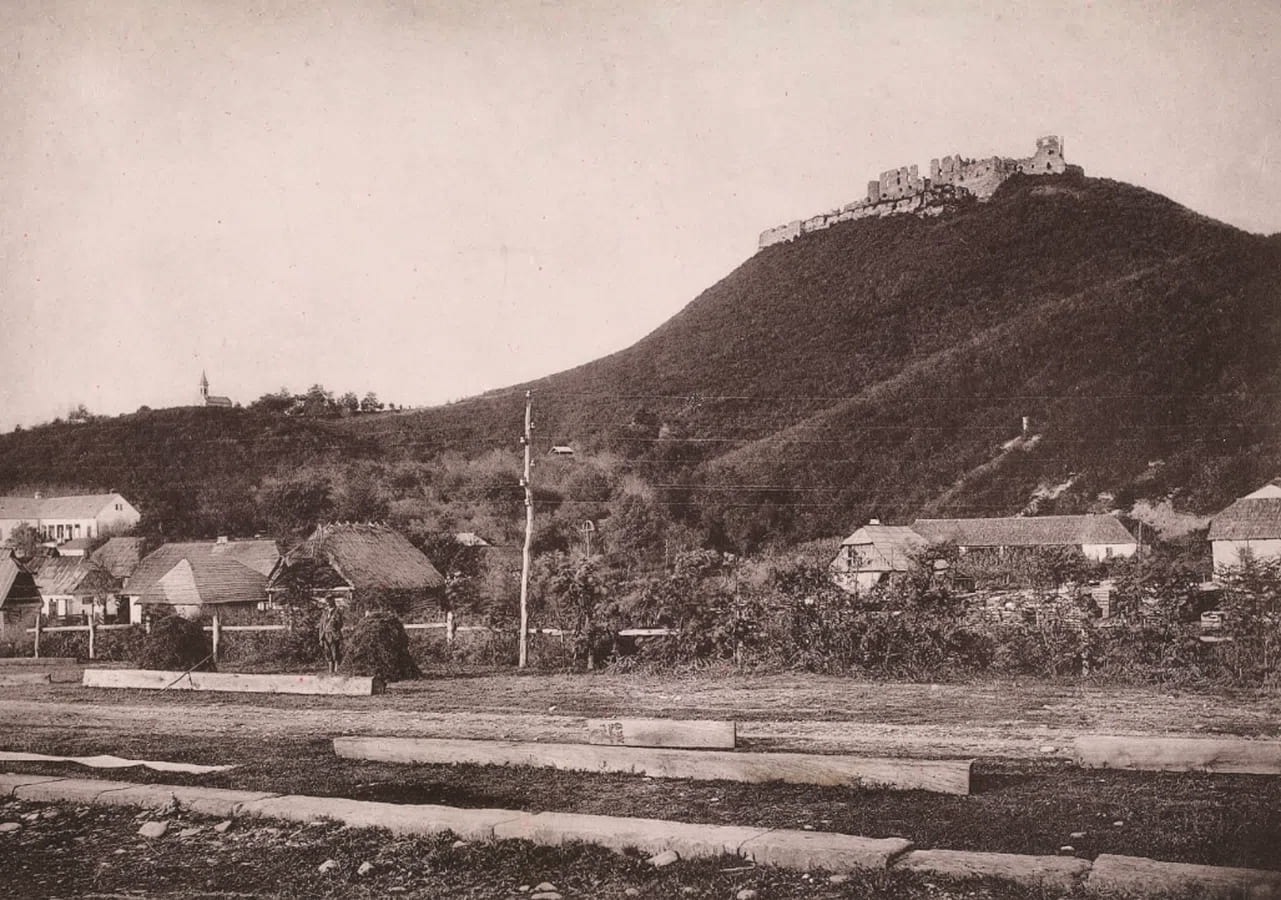
Károly Divald photographed the architecture and panoramas of Zakarpattia cities, in particular Uzhhorod, Mukachevo, and Khust. Due to the specifics of photography at that time, he shot immobile objects—general plans of cities, castles, buildings, and mountain landscapes, particularly in the Rakhiv region. The invention of the wet collodion process was a real liberation for photographers from the brightly lit rooms of photo studios. Prior to this, daguerreotype significantly limited masters, and the new technology opened the door to reportage, landscape, and expedition photography.
My private collection contains several dozen unique photographs and portraits created in the first photo studios of Uzhhorod and Mukachevo. The oldest of them date back to the 1860s. In particular, the work of a photographer named Zsigmond London is extremely interesting.
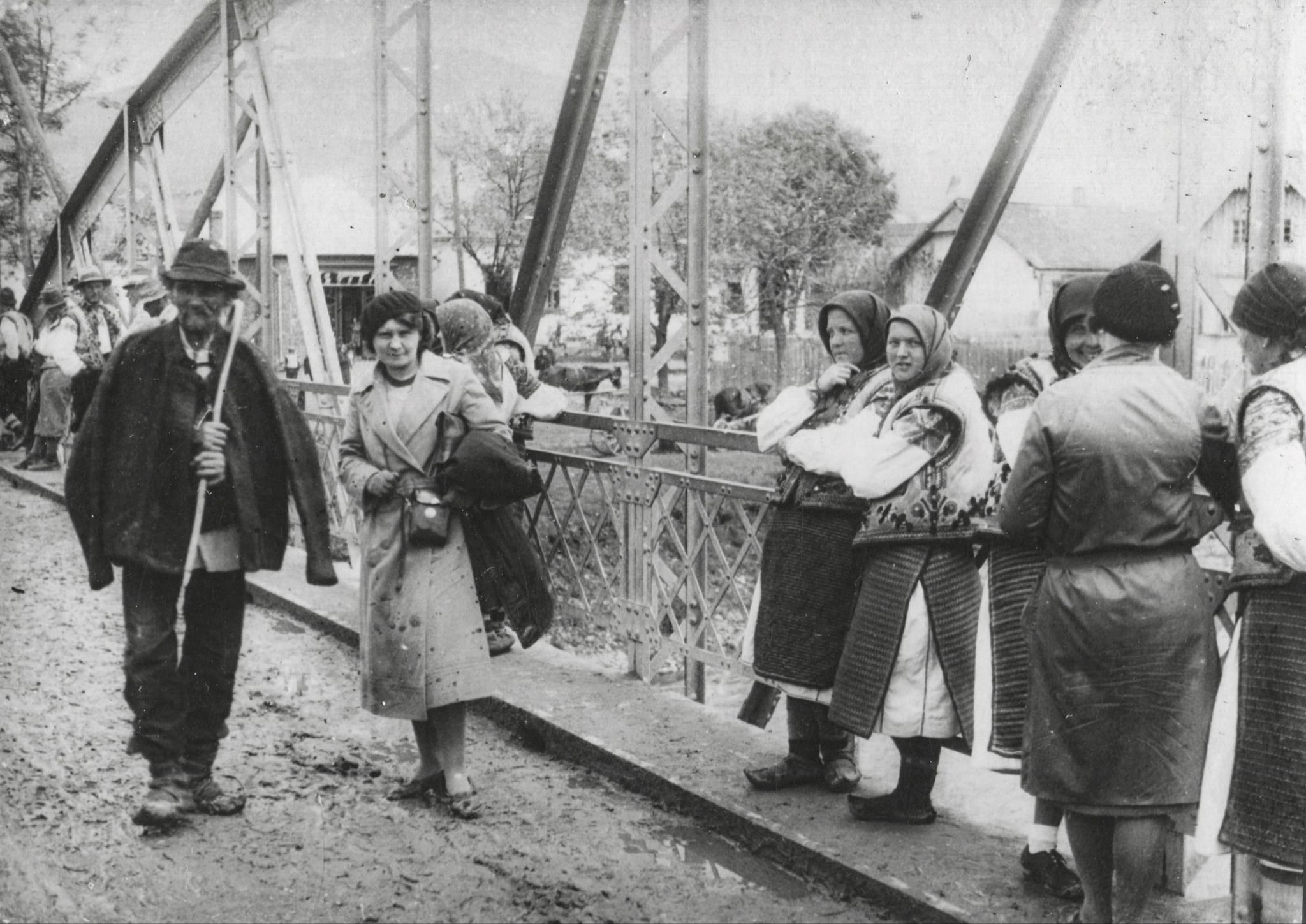
Later, with the development of photography and film, especially in the 1920s and 1930s, the amount of visual material grew rapidly each year. New, more mobile equipment allowed researchers with cameras to look through the lens at practically all corners of Zakarpattia. On the pictures, not only towns and villages located along the main roads began to appear, but also remote high-altitude settlements. Contemporary photographers carried their equipment on horses and carts, and in winter—on sleds. Until then, Zakarpattia was part of Austria-Hungary, and the fascination with photography spread through the empire. Thanks to this, we have many photographs of Zakarpattia—virtually from the time photography emerged.
Sometimes I find descriptions of photographs and the people depicted in them, the names of those who commissioned these images, and the detailed process of their manufacture, but without the photographs themselves. In Mukachevo lived a priest named Anatoliy Kralytsky, who essentially made a textbook for people who wanted to take photos. He, for example, detailed the process of making light-sensitive emulsions. I found descriptions of photographs that the photographer made for Yakiv Holovatsky for a large exhibition about people who "live in Hungarian Rus." Judging by the descriptions, the photographer did not shoot the Hutsul region with its colorful inhabitants, but the outskirts of Mukachevo, "where the clothes of people were close to urban." However, the photographs themselves could not be found.
Photographs from European Museums and Family Albums
My collection includes about 500 original photographs and over 5,000 digitized copies shared with me by museums and archives. I am interested in photographs of Zakarpattia from the oldest shots to images from the Second World War, when differences between the various ethnographic groups of local residents were still noticeable. At the beginning of the 20th century, the regions of Zakarpattia differed in features of clothing and architecture, and this makes it possible to research and systematize old photographs.
I began searching for printed photographs, negatives, or postcards on the internet as early as the beginning of the 2010s. However, at that time, not much material had been digitized, unlike in the 2020s. I send requests to libraries, archives, and museums—I ask them for digital copies and buy the rights to use them for printing and articles. Many photographs were provided to me by, among others, the Czech National Museum, the Czech Academy of Sciences, the Moravian Museum, the Slavonic Library in Prague, Masaryk University in Brno, the Postal Museum in Prague, the Ethnographic Museum in Budapest, the German photo archive Deutsche Fotothek, the Austrian National Museum, and many others.
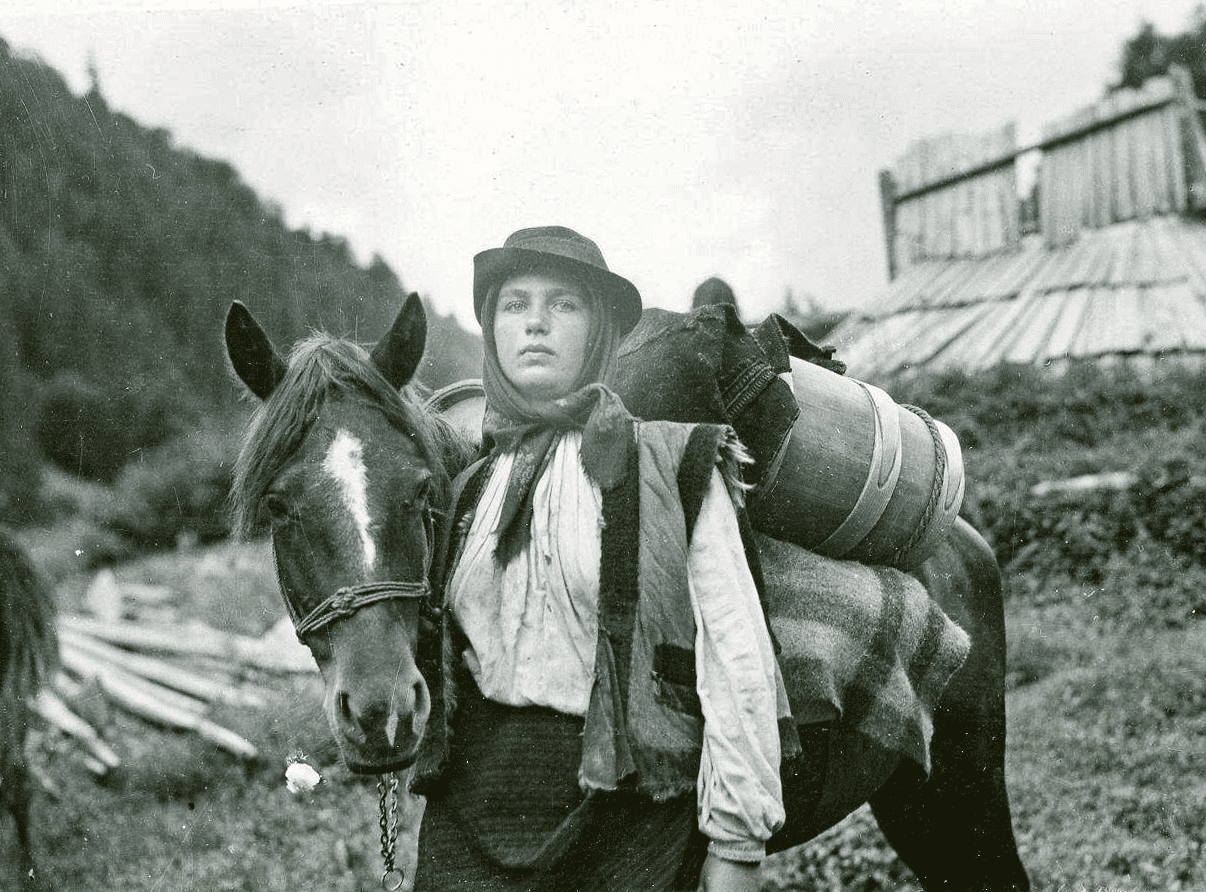
Quite a few photographs were found in private and family archives. People in the 1930s traveled through Zakarpattia and photographed their journeys. I also managed to find the photo archives of contemporary civil servants who came with their families and photographed their lives in Carpathian Rus. The photographs are valuable because they show the environment in which Czech officials lived and how they gradually integrated into a new space for them.
I cannot help but mention the photo albums for high-ranking officials who came on business visits to Zakarpattia. The first half of such an album was filled with photographs directly from the visit of the statesman, and the second—with commissioned photographs illustrating the life of the region's people, the features of its architecture, and nature.
Snapshots of a Life That Vanished with the Start of WWII
When I look for photographs and stories, it's like unwinding a ball of yarn. It has happened that I had only one clue, and as a result, I obtained three photo archives. I managed to find the archive of the Czech photographer Ferdinand Bučina, who was in Zakarpattia in 1936. With his wife, he traveled through the mountains of Carpathian Rus; it was their wedding trip. When they got married, they wanted to fly to Africa. However, their parents were worried; they were scared of the long flight and said: "We have our own Africa in the center of Europe right next door—go to Carpathian Rus."
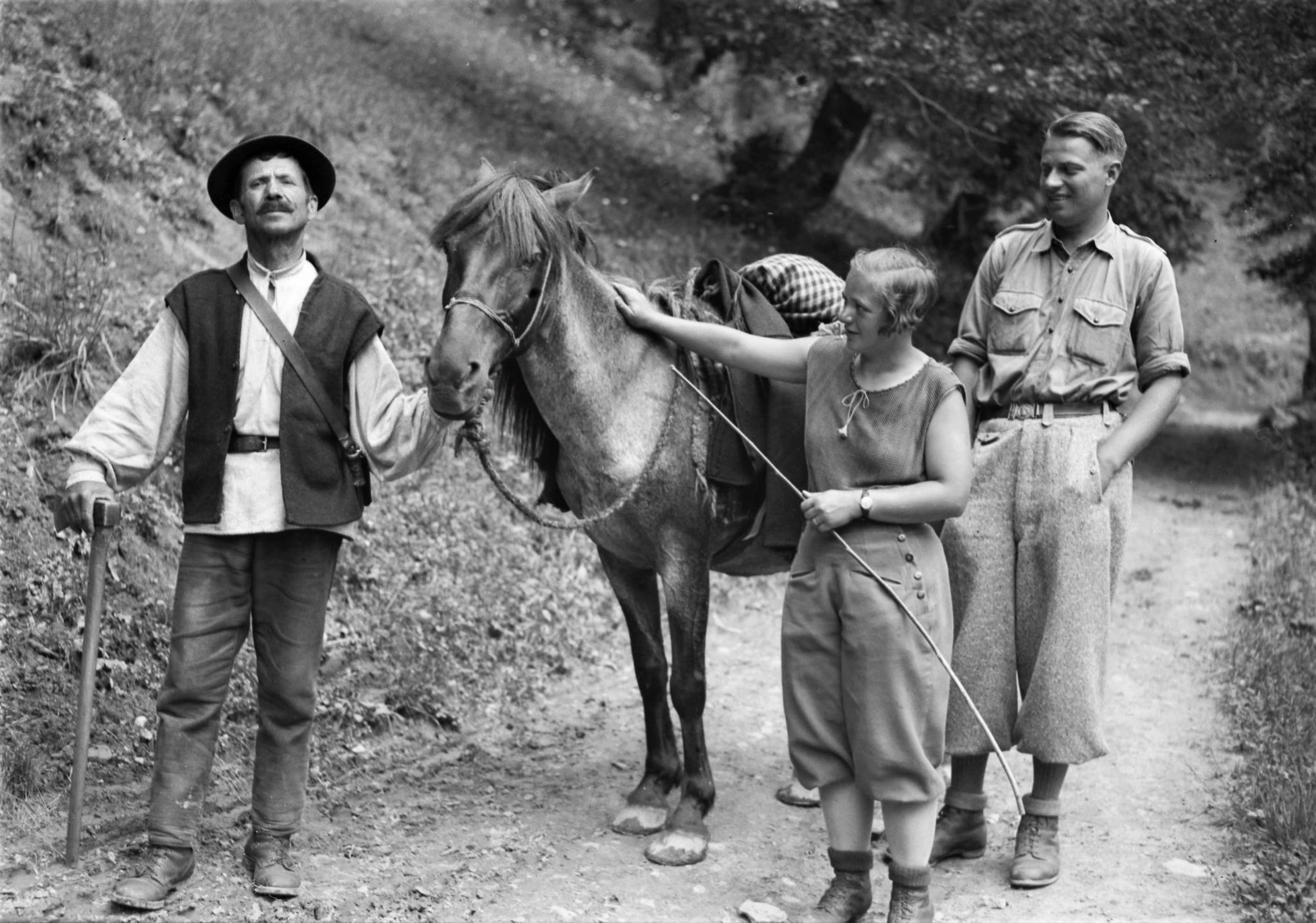
Ferdinand Bučina and his wife were scouts, and cities were not as interesting to them as mountains. When they arrived in Uzhhorod, Ferdinand took a few shots and said that the Czechs had come here and were building their Czech towns. Therefore, they immediately went to the mountain pastures (polonynas). Ferdinand Bučina shot for many Czech tourist magazines. In Zakarpattia, he took photographs that later ended up in publications promoting travel and tourism, in particular on the covers of "Ahoj" magazine and others. When I found mentions of this and several photographs, I naturally wanted to see the photographer's entire archive.
I found a student paper where the references mentioned that photographs by Ferdinand Bučina are stored in the archive of Tomáš Rasl. He turned out to be a photographer and Bučina's grandson, who took over the care of his grandfather's vast creative legacy after his death. He didn't accept my friend request on social media for a long time, and when we finally communicated, he was very surprised that someone was still interested in photographs of Zakarpattia. Friends helped me with funds so that Tomáš Rasl could digitize his grandfather's archive and transfer it to me. Interestingly, Ferdinand Bučina not only photographed but also wrote diaries of his travels. I am currently translating his entries, which are titled "In the Land of Polonynas," and I plan to publish a photo book with the same name, which will include Ferdinand Bučina's texts and photographs.
Tomáš Rasl helped me get in touch with Petr Fejfar—the son of the famous photographer Zdeněk Fejfar, whom I mentioned. This was during the time of the coronavirus epidemic, and Petr Fejfar, who was over eighty years old at that moment, was in the hospital. He said that if he managed to get out of the hospital alive, he would definitely share his father's Zakarpattia archive with me. He recovered, and on Easter, I received a gift—Zdeněk Fejfar's digitized archive.
Thanks to my acquaintance with Tomáš Rasl, I was able to find the archive of another photographer—Jaromír Funke. He was one of the most influential theorists and photographers of the Czech avant-garde in the first half of the 20th century.
In March 1945, during the Allied bombing of Prague, Jaromír Funke was forced to hide in a bomb shelter. There he had a severe attack of appendicitis. Due to the air raid siren and curfew, he could not be taken to the hospital in time and operated on—he died of peritonitis. Jaromír Funke's daughter, Miloslava Rupešová, mentioned in one of her interviews that her father wanted to publish a book with his photographs of Carpathian Rus. The foreword to the book was planned to be written by the famous Czech writer Ivan Olbracht. Tomáš Rasl wrote to Miloslava Rupešová, and she sent me her father's photographs from Zakarpattia.
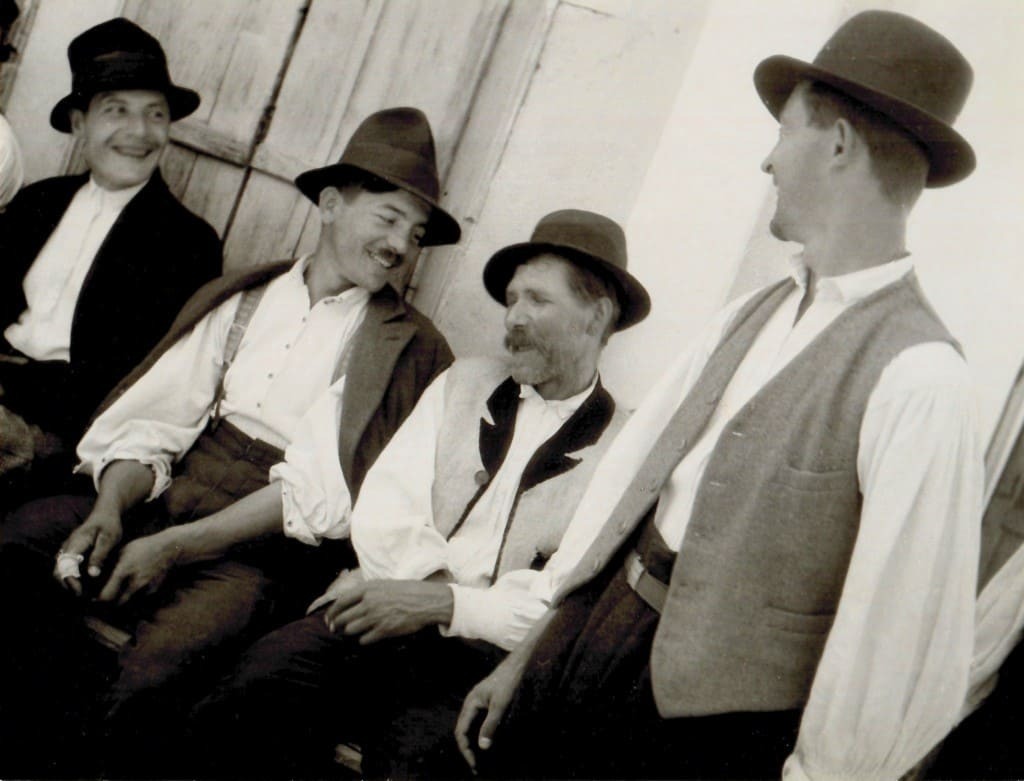
Jaromír Funke, Zdeněk Fejfar, and Ferdinand Bučina are united by their fascination with Zakarpattia and their desire to capture this unique, then-still-authentic world of the 1930s, which was rapidly disappearing before the start of the Second World War. It is noteworthy that the descendants of these photographers, when the full-scale war began, wrote me words of support and hoped that Ukraine would finally break free from the influence of the RF and become part of the European Union.
Unusual and Extraordinary Photographs of Zakarpattia
I have rare photographs in my collection that show wooden churches that no longer exist. For example, like the one in the photograph by Ukrainian ethnographer Volodymyr Shukhevych. Photographer Florián Zapletal mentions in letters to his wife that he walked several kilometers under the burning sun to the church photographed by Shukhevych, but was unable to photograph it—the church had burned down shortly before.
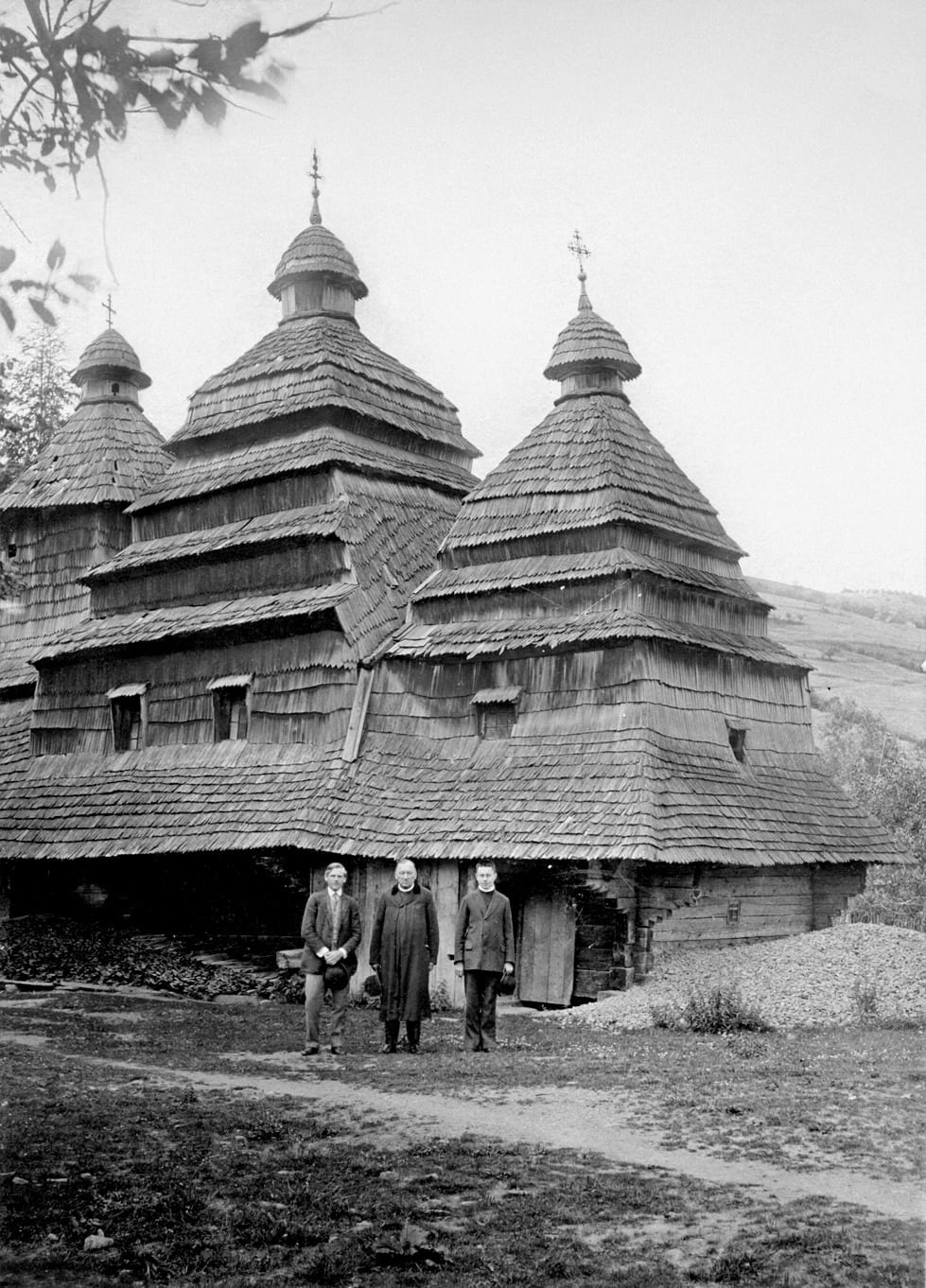
Photo by Volodymyr Shukhevych from M. Dragan's book "Ukrainian Wooden Churches."
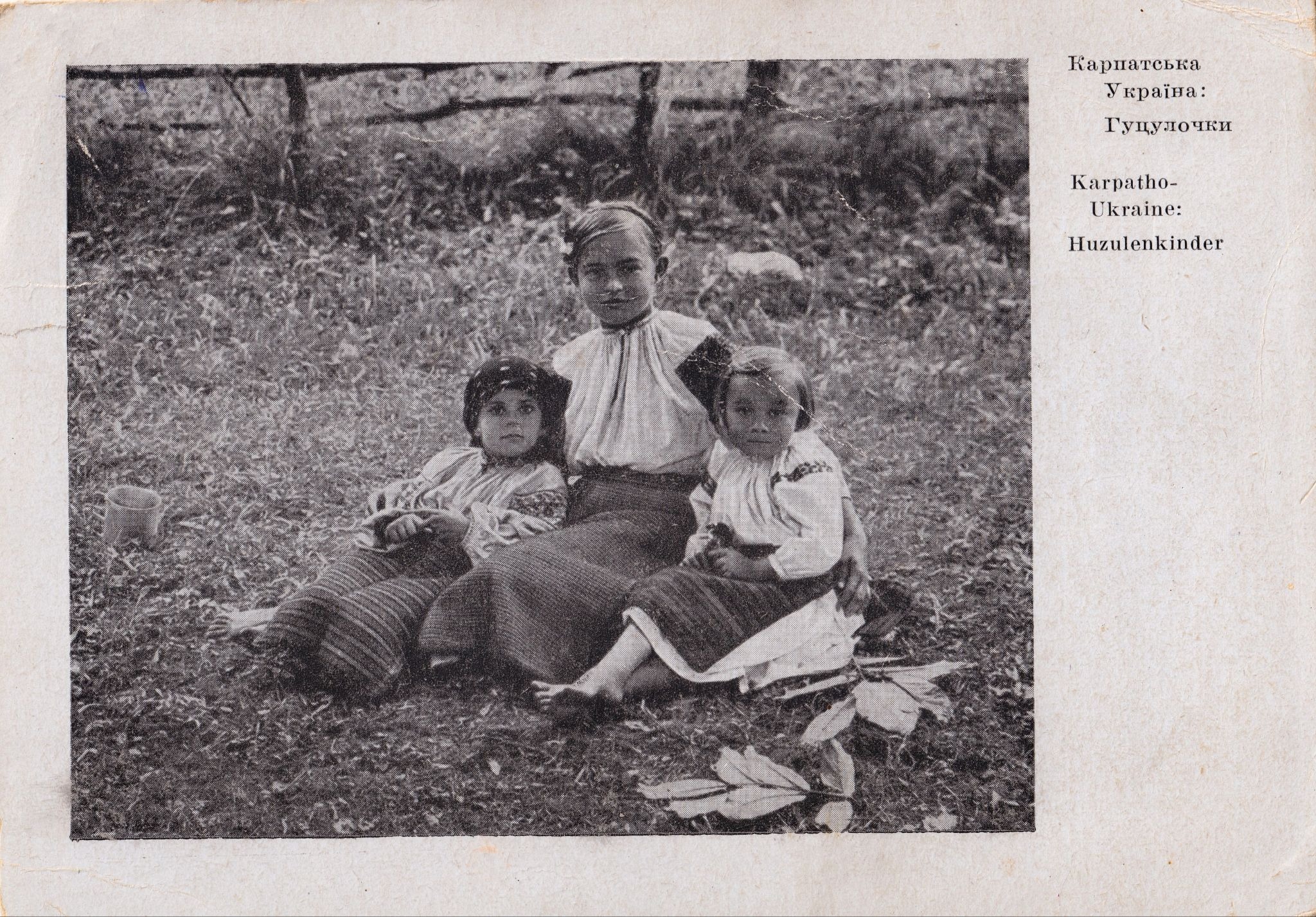
A photograph of a Hutsul man in a winter hat very atypical for the region is valuable. I have not seen such headgear anywhere else and still do not understand whether this was a separate trend in clothing or if the Hutsul simply invented such a hat for himself.
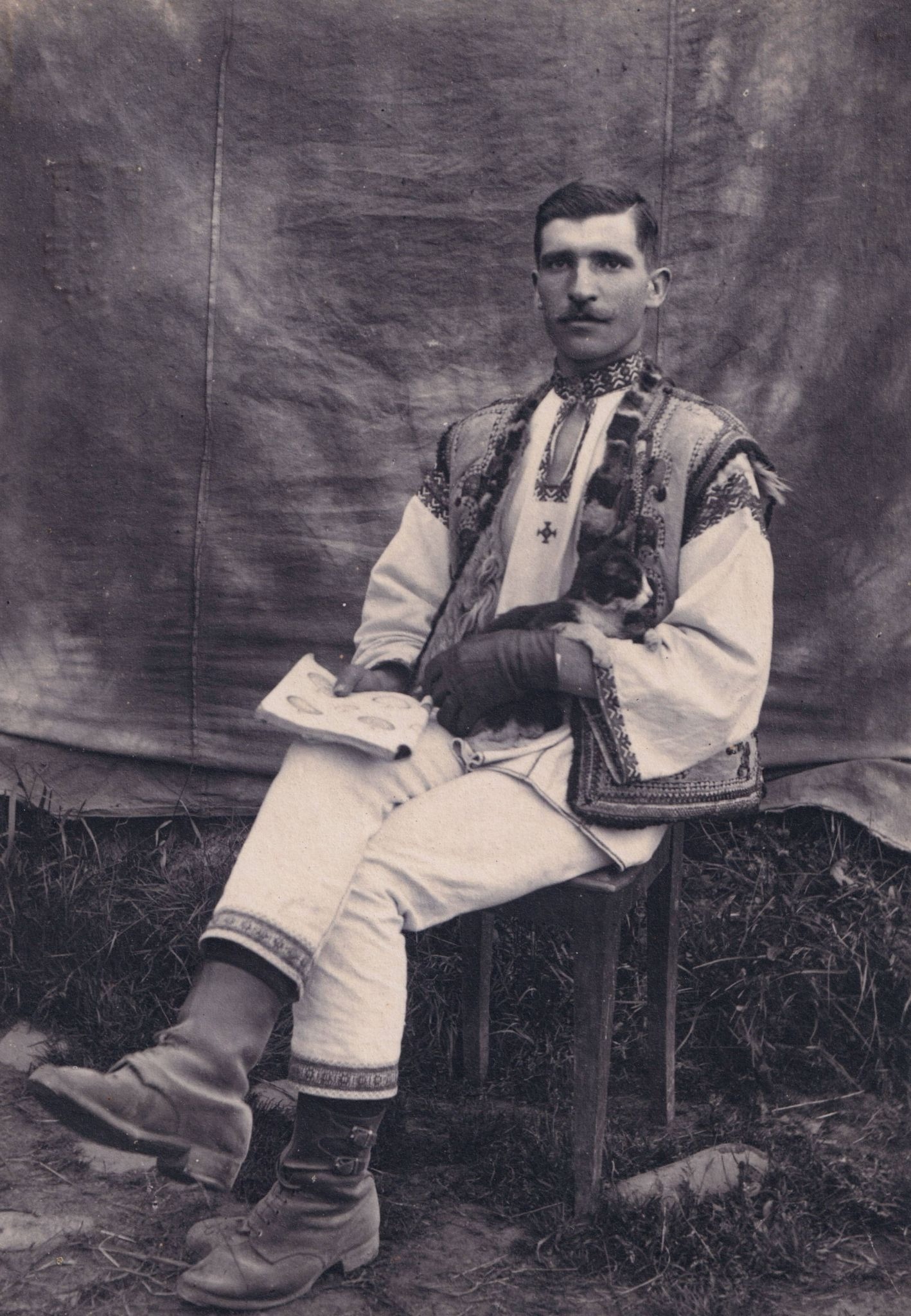
Also special is a shot with a Hutsul man, on the back of which is the inscription "Invalid." Perhaps he is a veteran of the First World War. He is holding a cat, and a leather glove is worn on his hand—probably a prosthesis. Photographs taken in infirmaries, where people are depicted with medals for participation in military actions during the First World War, are also interesting.
In my opinion, photographs of Zakarpattia from the last century can destroy one of the most harmful myths—that the people living there are not Ukrainians. The pictures show that clothing, architecture, and daily life are very similar on both sides of the Carpathians. It can be confidently said that this is one people, part of whom at one time simply crossed over the Carpathian ridges.
An Illustrated History
I gather and preserve my own collection of archival photographs and postcards for research activities and illustrating articles and books on the historical and ethnographic themes of Zakarpattia. An example of such work is the book "Vatra in the Carpathians: Reports from the Past," which was published at the beginning of 2025 by the "Oleksandra Harkusha Publishing House" in Uzhhorod. It includes 25 articles that detail the life of Zakarpattians a hundred years ago. The book introduces the reader to the rituals, holidays, and traditions of various ethnographic groups of the region. The book also discusses crafts that have already completely disappeared today. For example—the salt extraction of that time, the dangerous rafting of timber by bokorashs (rafters), and unique wedding traditions that are no longer found in our villages.
I am currently working on a new book of a similar nature, which will be titled "In the Land of Forests and Animals." It is exactly like this—wild, mysterious, and full of unknown beasts—that European travelers imagined Zakarpattia at the beginning of the 20th century. However, behind these forests, amidst the wild nature, lived people with their deep traditions, original culture, lifestyle, and their own unique Carpathian universe.
In 2026, the book "Carpathian Contrasts" was published by the "Oleksandra Harkusha Publishing House." This is a collection of travel reports by the Irish journalist and editor-in-chief of The Irish Times, Robert Maire Smyllie, who visited Carpathian Rus in 1937. Vladyslava Kizman made the Ukrainian translation of this unique work. Naturally, Robert Smyllie liked it very much in Zakarpattia. He wrote that if he had stayed in Uzhhorod longer, he would have remained in this city forever. He describes every step of his journey with great accuracy and humor. I decided to illustrate his travels with contemporary photographs so that the reader could best feel what the writer saw and once again get confirmation of how detailed his descriptions were. I found photographs that perfectly captured the year and the place mentioned in the description—for example, trade at the market in the village of Yasinya, the railway station in Rakhiv, or the border of then-Czechoslovakia and Poland.
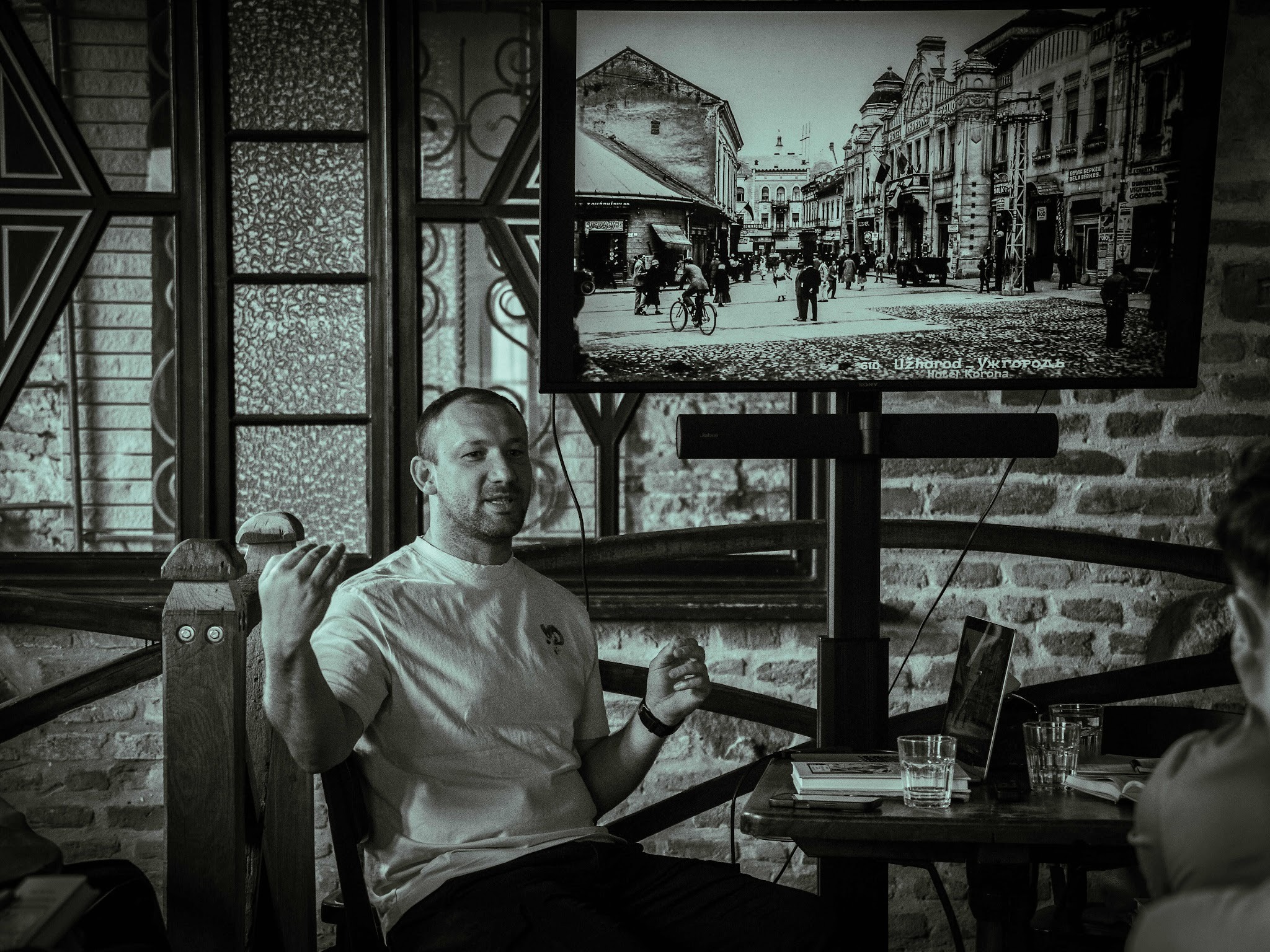
Historians, ethnographers, and museum workers often approach me with requests to provide photographs for illustrating their materials or thematic exhibitions. A striking example of such cooperation is the Zakarpattia Museum of Folk Architecture and Life. The museum regularly hosts exhibitions dedicated to, for example, traditional sheep farming or authentic clothing of various ethnographic groups of Zakarpattia. When real museum exhibits are combined with old photographs, it creates an incredible effect. This approach much more deeply reveals the world of that time, helps visitors visualize the era, and maximally accurately conveys the author's intention of the exposition.
I continue to gather my collection of photographs, find various photo archives, and albums, and I know that there are still many of them left. Unique archival photographs and ancient postcards are a real time machine that transports us to a world that remains only in images. This is a wonderful opportunity for travel into the past, to which I invite more and more people.
Contributors to this material:
Text authors: Mykhailo Markovych, Kateryna Moskaliuk
Photo editor: Marusia Maruzhenko
Literary editor: Yulia Futey
.png)