.png)
To preserve heritage, support authors, and show the world the truth about the war through the lenses of top photographers. Curators Oleh Sosnov and Tetiana Lysun talk about how Oleksandr Hliadielov's iconic photograph from the project "And I Saw" ended up in their home, why they invest in the works of their photographer friends, and how their work helps Ukrainian art resonate louder on the international stage.
Oleh Sosnov is a contemporary art curator, collector, and cultural project manager who has worked at the French Institute in Ukraine for nearly 15 years, overseeing art projects there. Tetiana Lysun is an art historian, curator, art critic, and photography researcher who is also a co-curator of the "Wartime Art Archive" by the NGO Cultbureau.
— When and how did your passion for photography specifically begin? Which photograph or series marked the beginning of your collection?
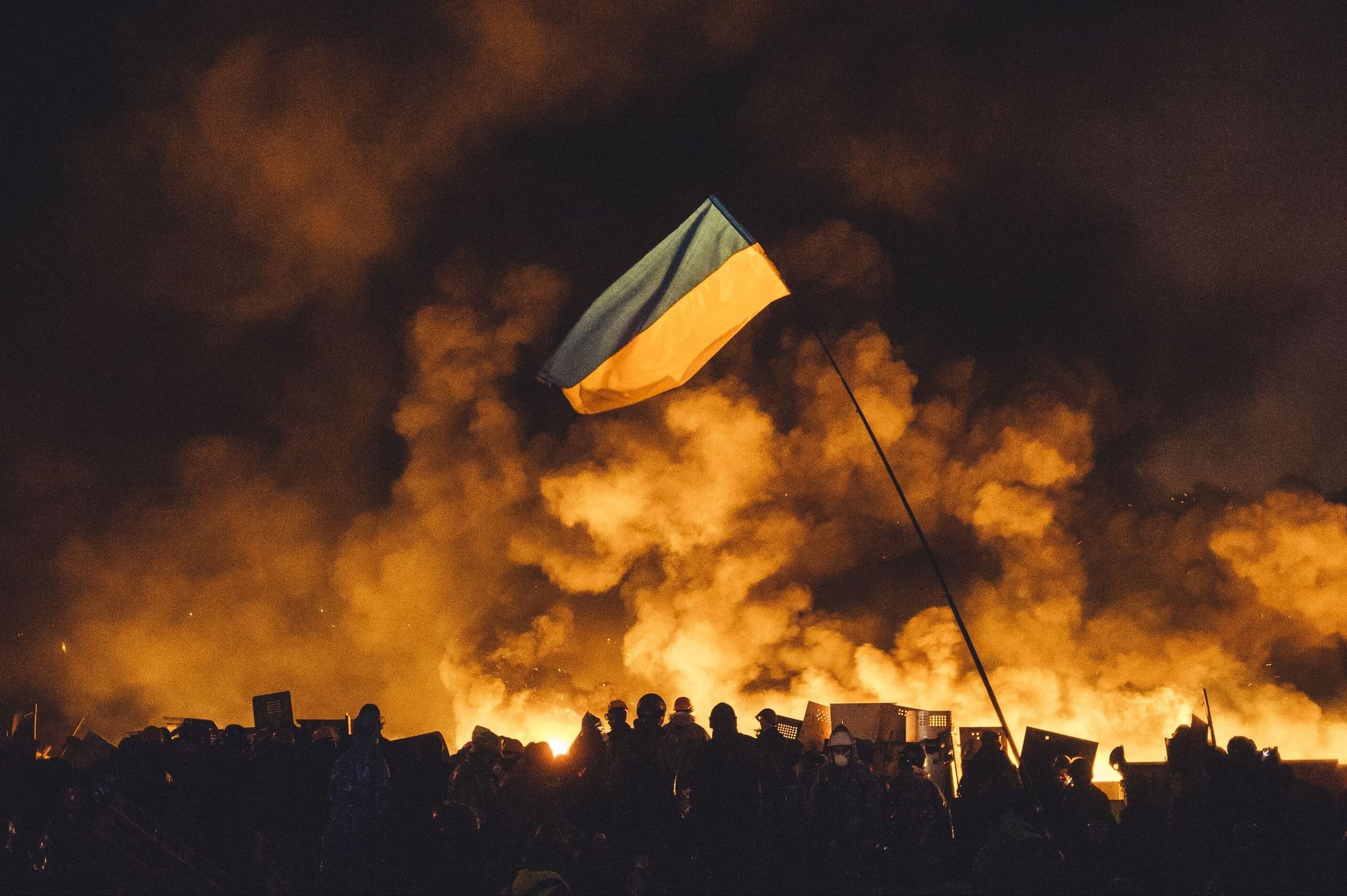
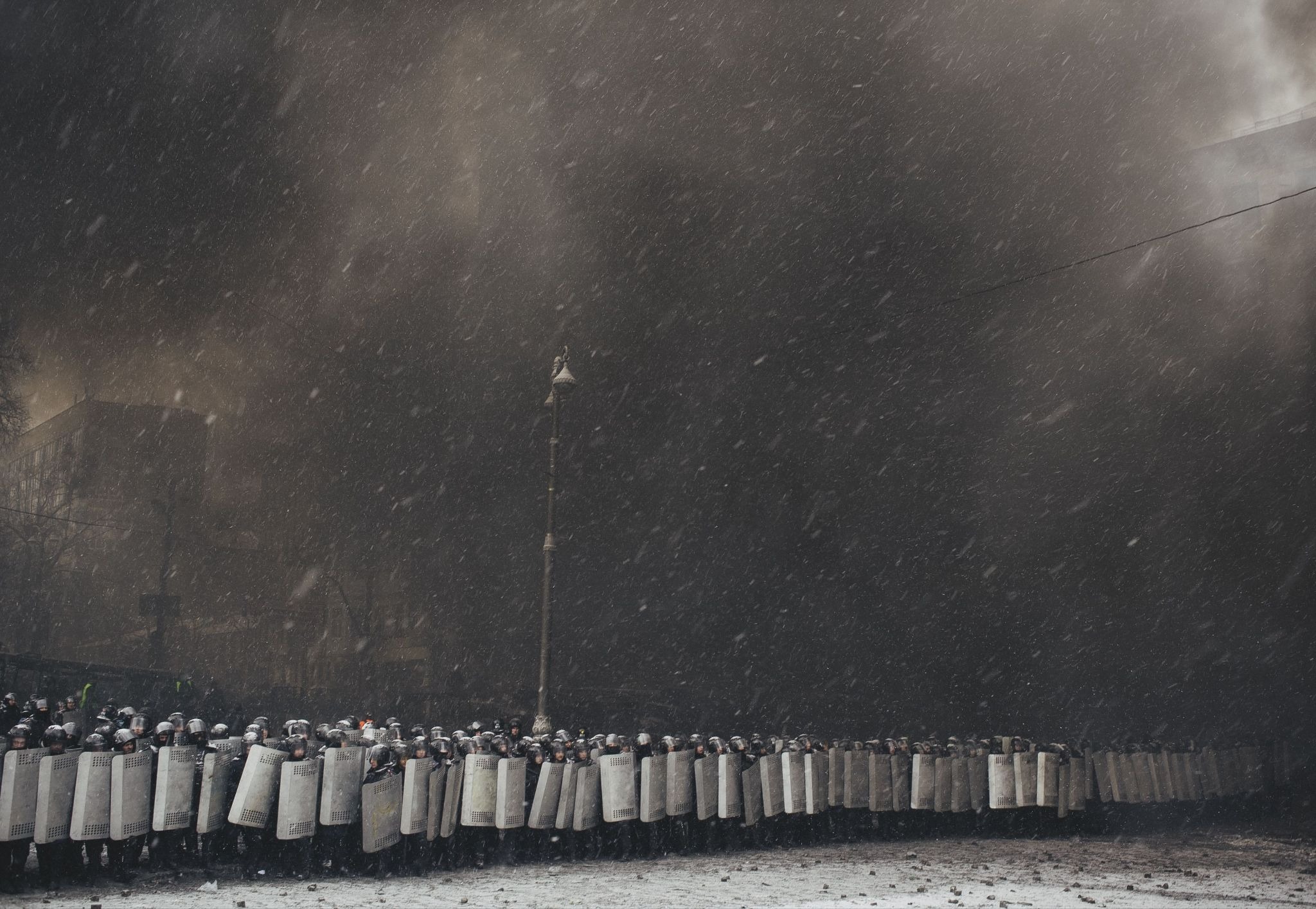
Oleh Sosnov: In January 2014, I organized a small, spontaneous exhibition of Maksym Dondyuk's photographs dedicated to the Revolution of Dignity. The exhibition, titled "Culture of Confrontation," took place at the Partkom Gallery on Reytarska Street in Kyiv. That summer, I helped Maksym submit his application to the International Festival of Photojournalism in Perpignan, where he received the honorable Rémi Ochlik Award for his series on the Revolution of Dignity. As a gesture of gratitude, he presented me with a large-format series of his works from the Maidan. It was the first substantial selection of photos to enter my collection, though at that point I didn't yet view myself as a collector or fully realize the value of these photographs.
I am an independent curator, but I mostly work with the French Institute at the Embassy of France in Ukraine, coordinating cultural and artistic projects. I once had the honor of working with the renowned French photographer Antoine d'Agata from Magnum Photos; after several joint projects, a few of his works also ended up in my collection.
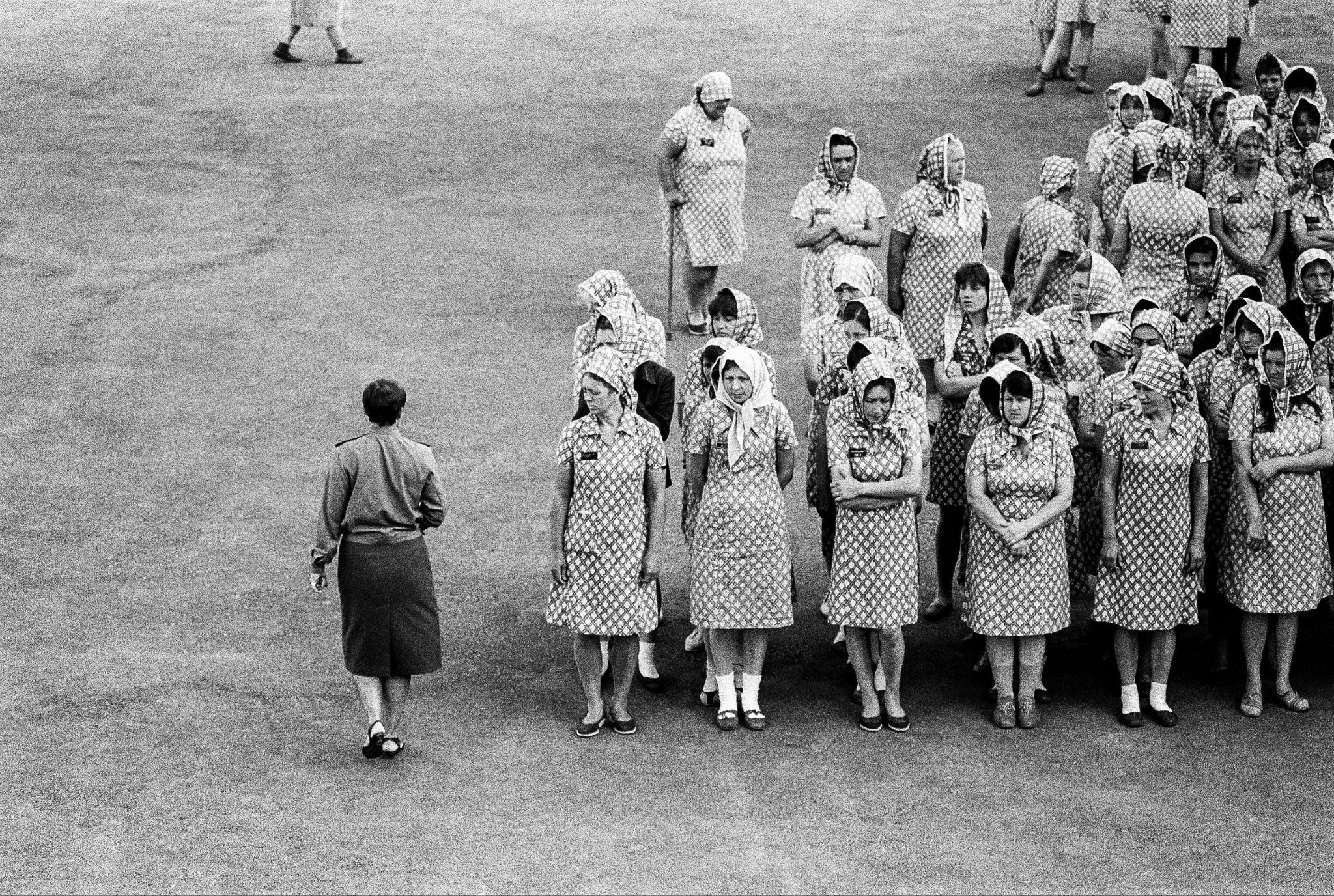
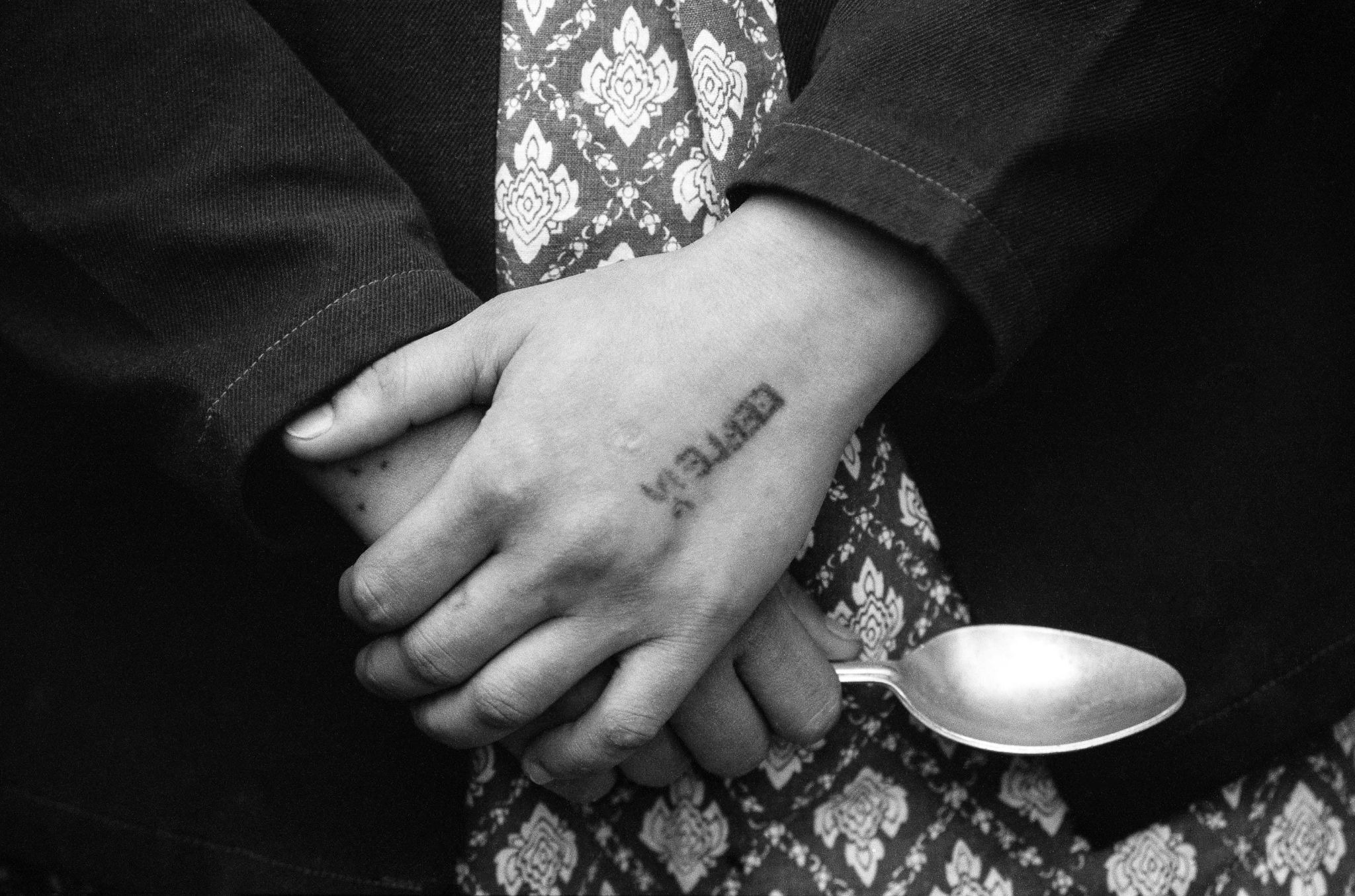
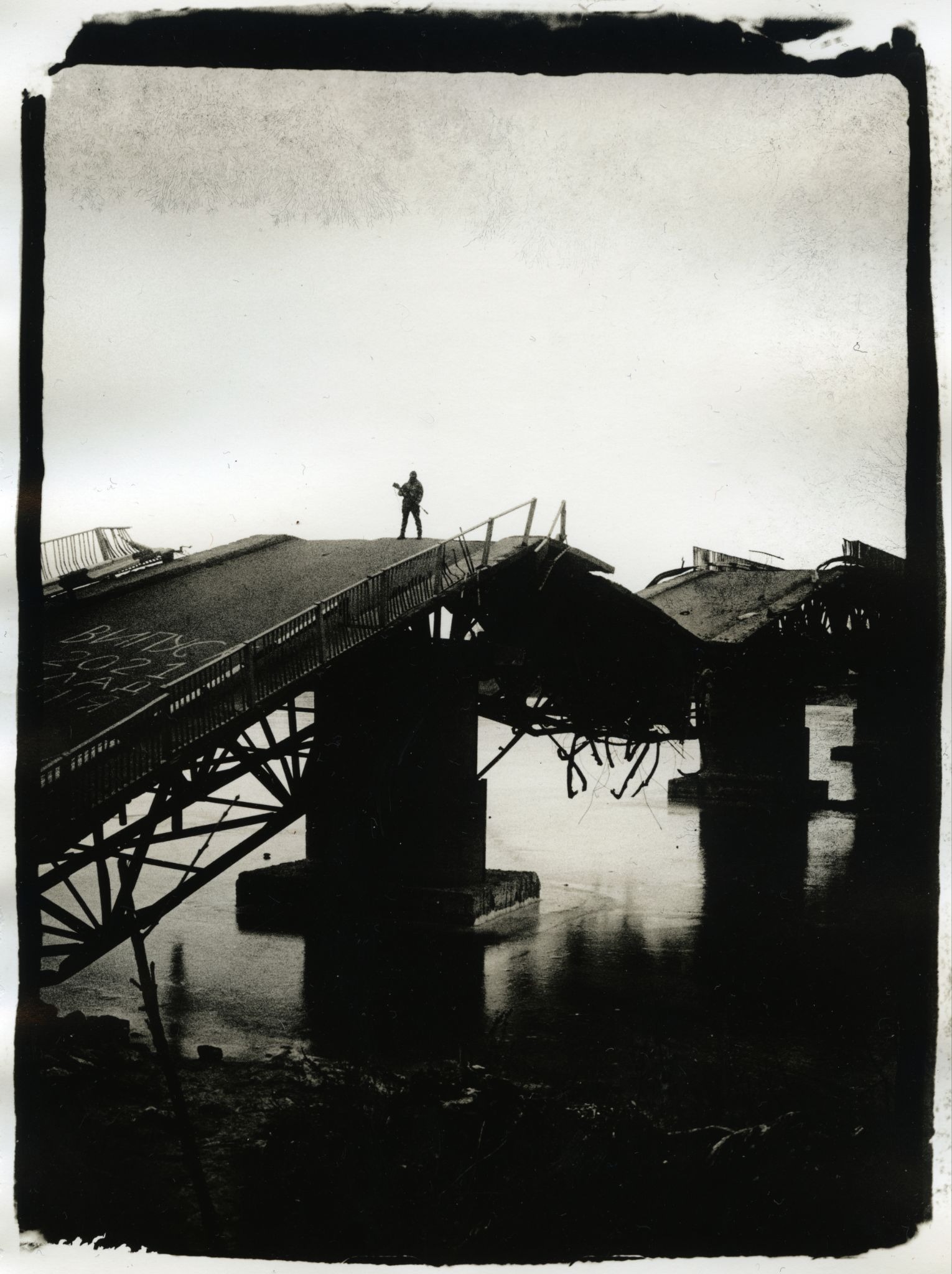
In 2012, I met the Ukrainian photographer Oleksandr Hliadielov, and in 2019, we held our first joint exhibition. I curated his exhibition "Carousel," which took place at the MAYAK Gallery in Kyiv. The exposition comprised photos spanning various periods of Oleksandr's career, including series from the 1990s. The exhibition addressed pressing social issues: revolutions, the outbreak of war, orphanages, prisons, and the fates of people on the margins of society. For the "Carousel" exhibition project, Oleksandr Hliadielov was awarded the Taras Shevchenko National Prize of Ukraine in 2020. Since then, Oleksandr has trusted me to curate several more of his exhibitions in Ukraine and abroad. Last year, Tetiana Lysun and I co-curated a major retrospective of Oleksandr Hliadielov's photographs titled "And I Saw," held at the Ukrainian House National Center in Kyiv.
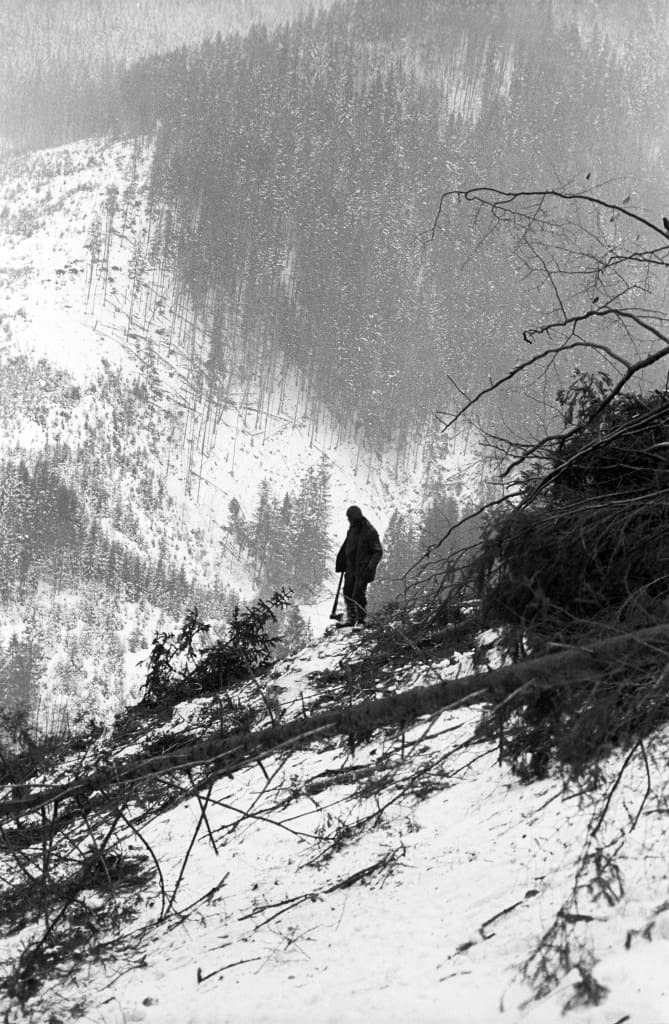
Perhaps from the moment I met Oleksandr Hliadielov, I became more interested in photography, and works by various authors began appearing in my collection. With the start of the full-scale Russian invasion of Ukraine, I focused my projects entirely on documentary photography. However, I wouldn't say I am a collector of photography in a broad sense; as it happened, I mostly collect works by my friends — Maksym Dondyuk, Vladyslav Krasnoshchok, Oleksandr Hliadielov, Oleksandr Chekmenev, Victoria Ivleva, and Antoine d'Agata.
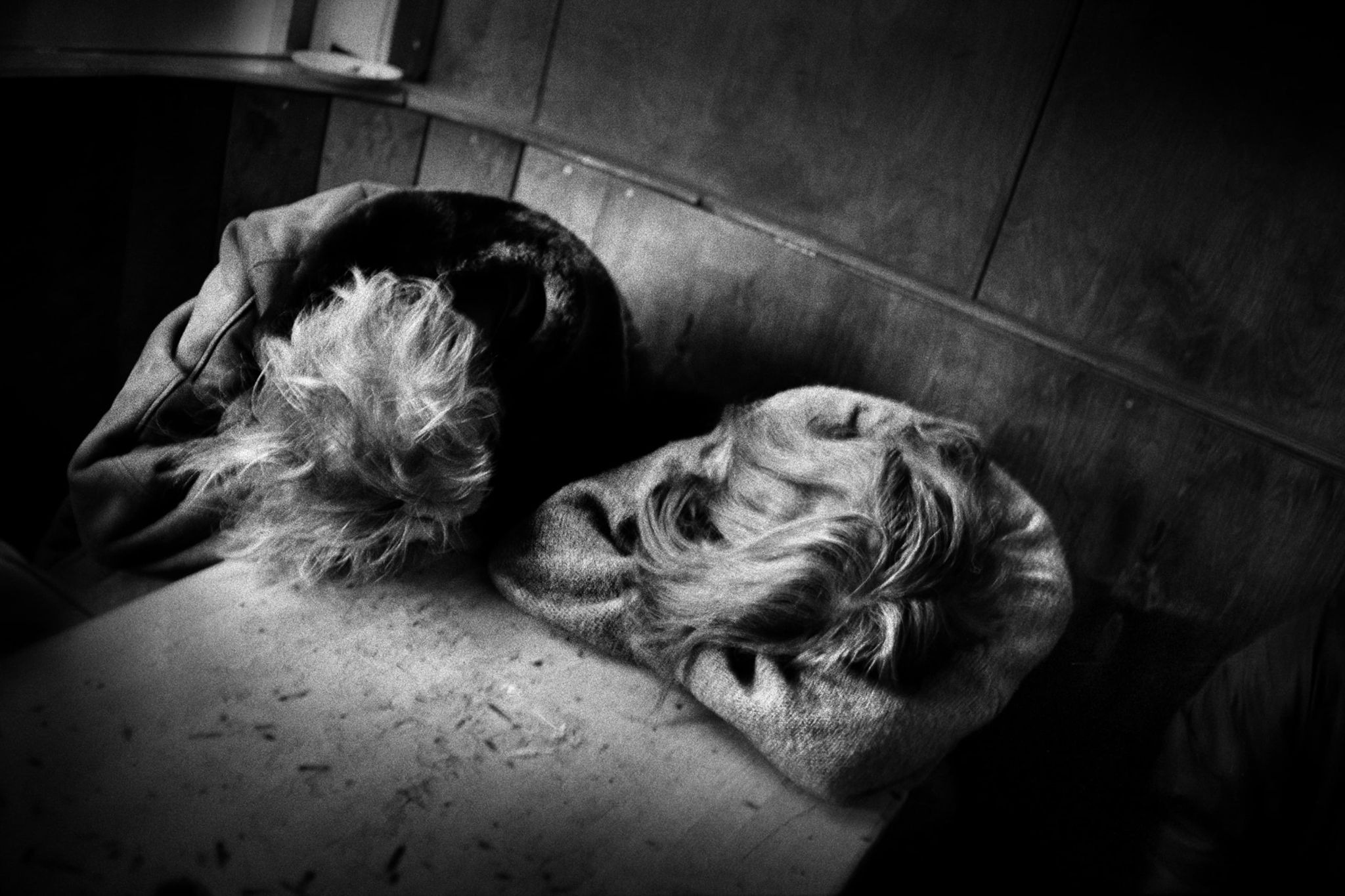
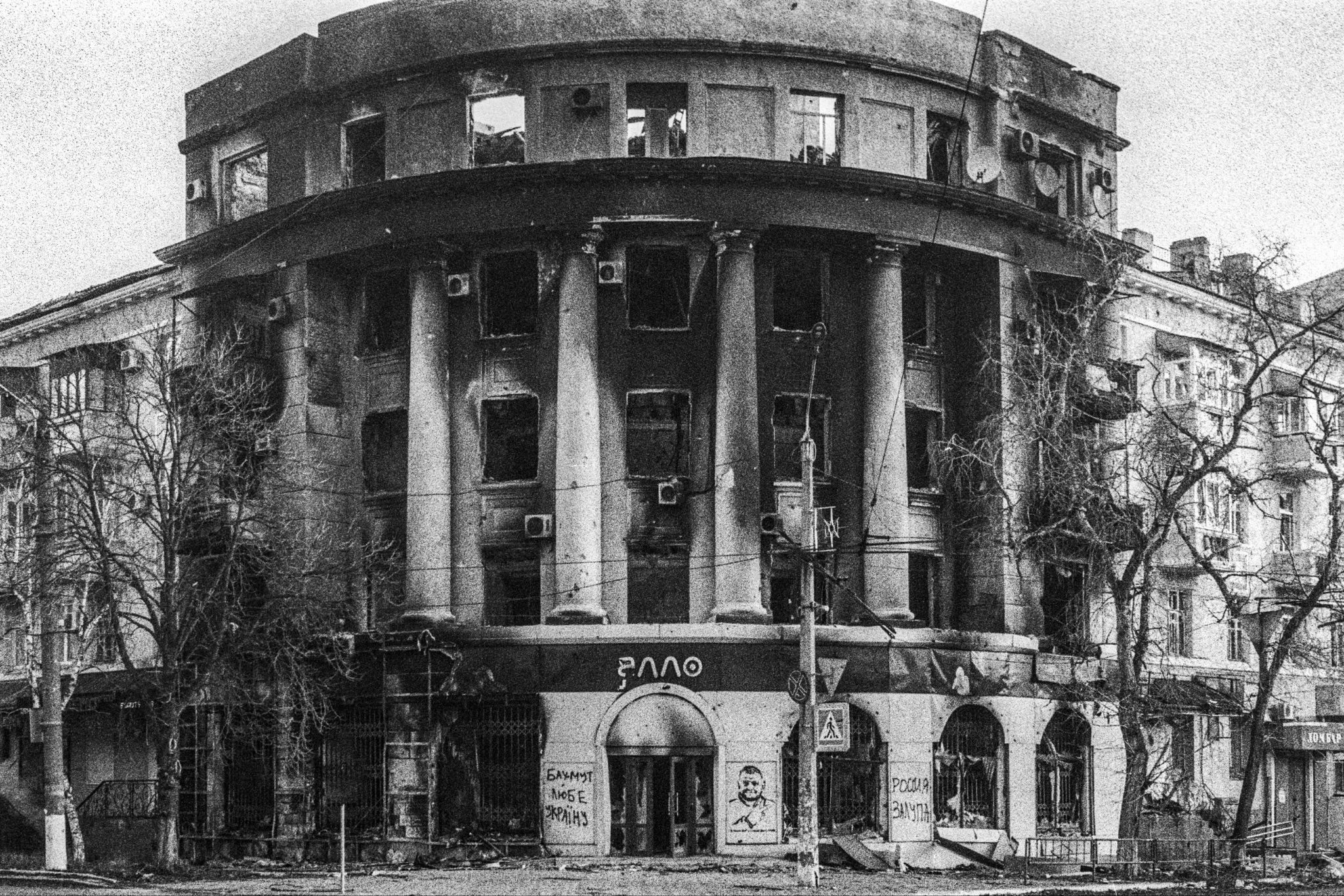
Since 2022, documentary photography has become the "queen of genres." Our wartime reality is striking, captivating, full of contrasts, and deeply moving, which makes documentary photography more engaging to me today than other artistic media. Recently, Tetiana Lysun and I have focused on collecting documentary photographs taken in Ukraine. By a happy coincidence, the artists I like also resonate with her. Today, our joint collection includes many artworks, with photography occupying a large, though not yet primary, share.
— How do you define the main concept of your collection today? How do you decide which photographs will join the collection?
Oleh Sosnov: Initially, photographs entered the collection as gifts from artists as tokens of gratitude. For instance, I might have helped them put on exhibitions, sell works, or handle organizational matters. Unlike Tetiana, I don't have a formal art education, so my acquisitions were probably driven more by an emotional component. I feel art with my heart more than with my mind.
Tetiana Lysun: For the most part, our choice of works is intuitive, grounded in visual literacy and accumulated experience. Often, when Oleh and I discuss someone's work and see something compelling, we jokingly (or maybe not) say, "That belongs in a museum." Acquiring a piece for the collection is an emotional decision that simultaneously draws on our expertise.
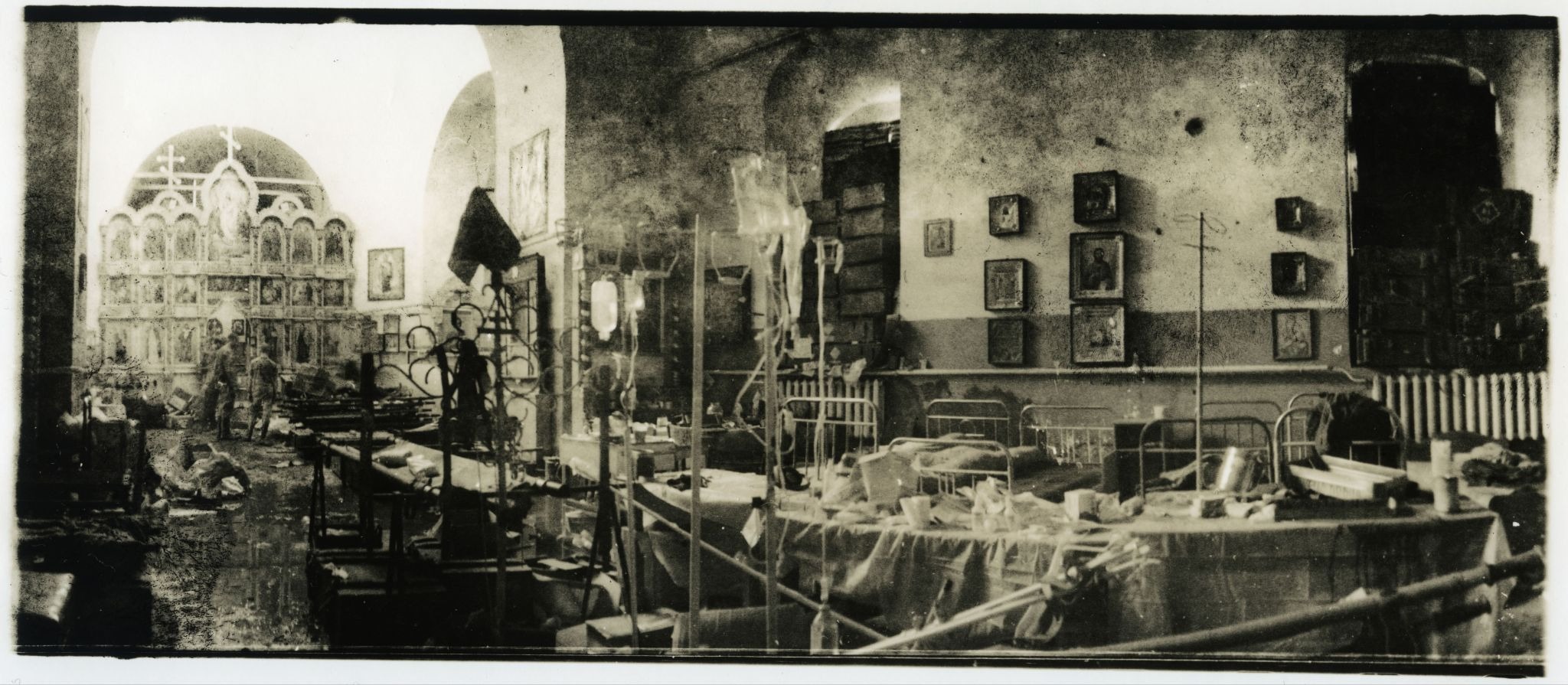
Oleh Sosnov and I bring visual projects to life — that is our core activity. We don't work exclusively with photography; we work with contemporary Ukrainian art as a whole. Ultimately, for us, all of this is continuous practical work, exploration, and learning. Unlike many collectors who work in fields unrelated to art, our passion is directly tied to our profession.
Oleh Sosnov: The photographs in our collection are primarily works by our friends, whom we try to support financially to the best of our ability. However, it also happens that photographers simply gift us their works or offer substantial discounts. They know we have a large and high-quality collection containing not only photographs but also other contemporary artworks. We don't buy pieces to resell them at a higher price later. We are building a collection whose value grows with every new artwork, and I believe the artists also appreciate being part of this collection. At least, we like to hope so.
— What has been your most interesting or challenging acquisition story?
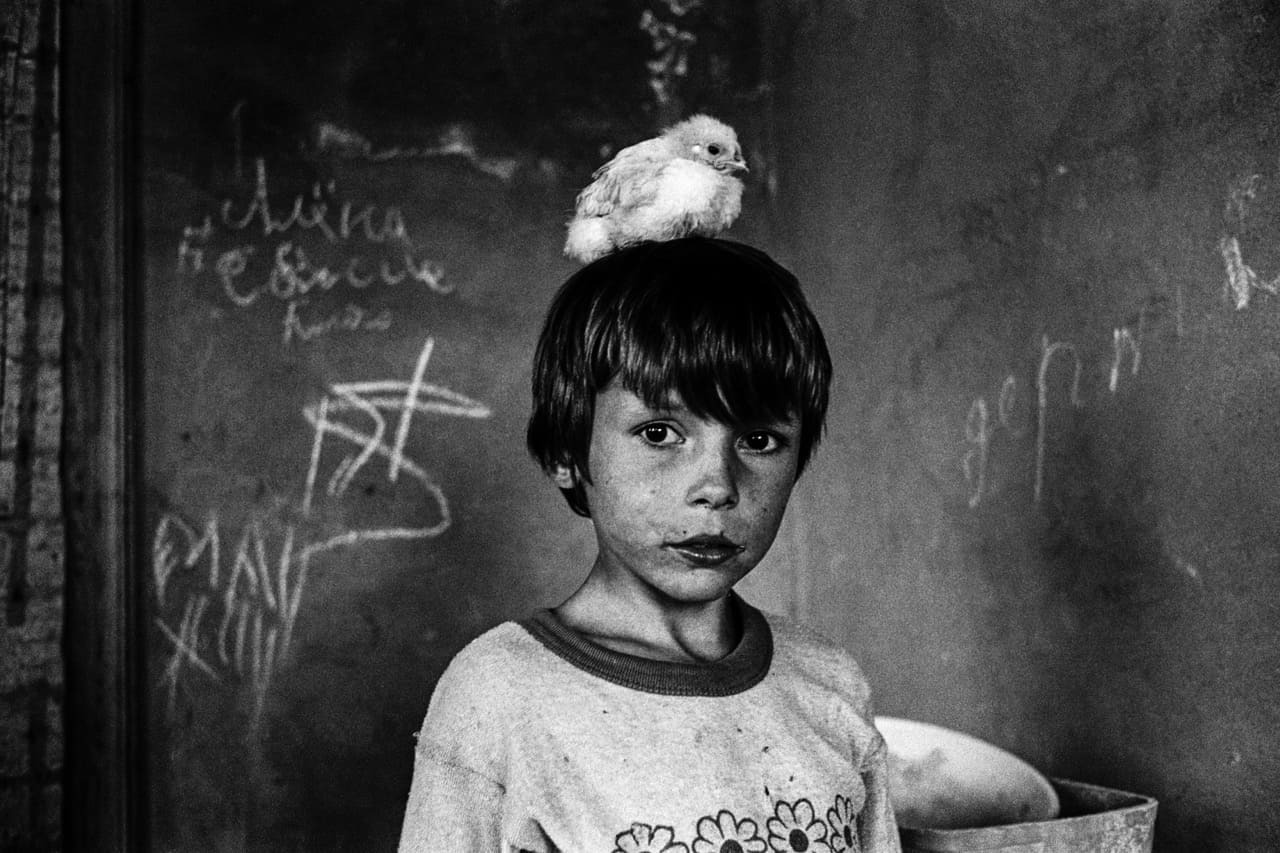
Oleh Sosnov: The most important story for us involves an iconic shot by Oleksandr Hliadielov depicting a boy with a bird on his head. It is a very famous photograph, and we are incredibly fortunate that it graces our collection. Oleksandr hand-printed it himself in a large format and presented it to us after we organized a major showcase of his work at the Ukrainian House. It is a landmark piece, very popular, and its edition size is shrinking. Thanks to the "And I Saw" project, this print found its home with us.
— Could you share whether you maintain a catalog of the collection or systematically organize your works? What role do edition numbers and artist signatures play for you?
Tetiana Lysun: Our shared story started when Oleh was looking for someone to organize his collection. I took on that responsibility. We cataloged the pieces and created a digital database detailing key information about each work. The descriptions include the edition size, dimensions, and sometimes the backstory of how a piece joined our collection.
Oleh Sosnov: Having an edition number and a signature naturally defines the authenticity and value of a work. Since we operate in the realm of collecting, we naturally want to own exclusive pieces, so order is essential. However, if a photograph lacks a designated edition number, an artist's signature alone is sufficient.
Tetiana Lysun: Editions and signatures are more about institutional history. Such a print is no longer just a image that pleases the eye; it becomes embedded in a framework of research and study. Naturally, as we build our collection, we strive to catalog it properly. Oleh and I dream of a museum of contemporary art in Ukraine. If it comes to fruition one day, our collection could become part of it. Therefore, authenticity and a clear provenance for every photograph are vital to us, guaranteeing undeniable authorship — even though authorized certificates and clear provenance remain rare in practice.
Oleh Sosnov: Unfortunately, Ukraine lacks an official institution dedicated systematically to photography. There are many independent initiatives, such as the Museum of the Kharkiv School of Photography, whose holdings are currently relocated abroad out of necessity. That is why it is essential for our collection to contain original works — signed and numbered. Over time, these pieces acquire historical significance, forming our own archive of contemporary art. We don't buy prints secondhand; we acquire them directly from the photographers. For example, I bought my first works by Vladyslav Krasnoshchok directly from him in Kharkiv while visiting with foreign journalists in July 2022, early in the full-scale invasion. Today, Ukraine is experiencing a pivotal historic period, captured in documentary photographs. It is crucial for us that these photographs are preserved in our collection as well.
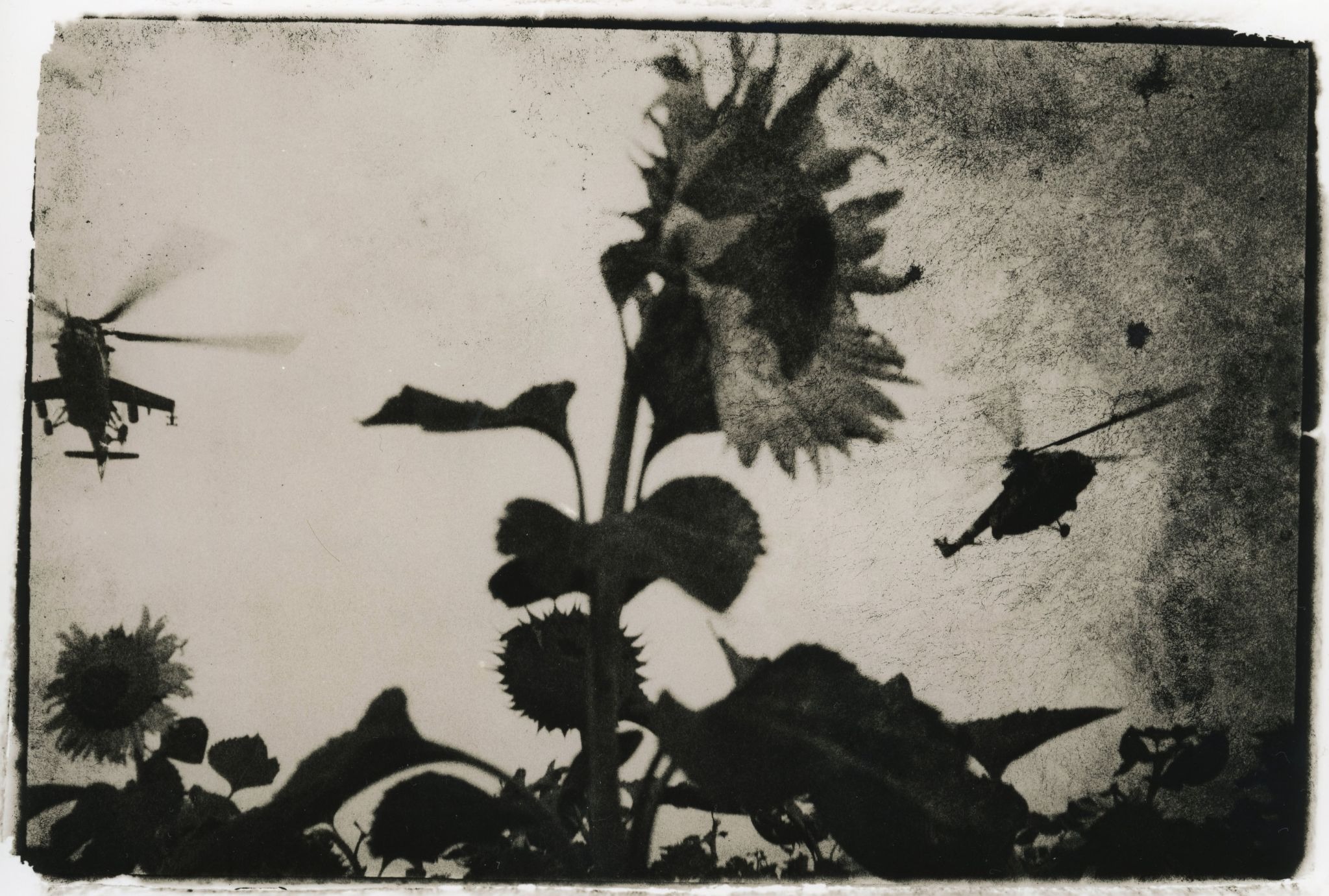
— In your view, is collecting photography in Ukraine primarily a passion, or is it a calculated act of patronage and heritage preservation?
Oleh Sosnov: Undoubtedly, every collector is driven by passion or even a competitive thrill, gathering works that personally intrigue them. Of course, some collectors view artworks purely as financial investments to resell at auctions. They tend to buy safe bets — such as works by Ivan Marchuk or Anatoly Kryvolap — expecting their value to rise over time. (These artists are mentioned as examples, not as definitive authorities on contemporary art.) However, Tetiana's and my collecting philosophy rests on passion and personal artistic discovery. We don't collect photographs just for the sake of collecting — many hang in our home, and we live with them every day.
Naturally, when you work with or become friends with artists you admire as individuals and creators, it feels natural to support them. Sometimes, when they face financial difficulties, they offer us their works — and in those moments, we simply cannot refuse. Other times, we simply know artists are struggling, so we purchase their pieces for whatever amount we can afford at the moment. We collect art objects, including photography, focusing primarily on hand-printed black-and-white silver gelatin prints. The exceptions are photographs by Maksym Dondyuk and Antoine d'Agata, who work predominantly with digital photography.
Tetiana Lysun: Beyond personal interest, private patronage, and preserving heritage, we genuinely want photography to thrive as a medium. Over the past year alone, we organized around 15 exhibitions for Oleksandr Hliadielov in Ukraine and abroad. For us, this endeavor is not only about cultivating the photographic ecosystem in Ukraine, but also a way to tell Ukraine's story internationally.
Oleh's work at the French Institute involves constant engagement with international guests, to whom we show Ukrainian photography. It is gratifying that Europeans, who possess refined visual awareness, recognize the merit of Ukrainian photography and appreciate its world-class standard. Furthermore, many guests visit our home privately, including foreign ambassadors, to whom we present works from our collection — such as the Maidan in Maksym Dondyuk's series, Donbas miners in Oleksandr Hliadielov's prints, or events of the full-scale Russian invasion captured by Vladyslav Krasnoshchok. Every photograph carries a date and location. Ukrainian photography is not only an art form, but also a counter-propaganda tool: it serves as a document with a powerful impact on international audiences. In the context of war, a collection of documentary photographs carries a clear ideological focus.
To me, collecting is a unique language. When we show our works to art enthusiasts, it feels like we are speaking a shared dialect that unites us. Thus, collecting is also a distinct form of human communication.
— How do Ukrainian and international art balance within your collection?
Oleh Sosnov: 90% of our collection — perhaps even more — consists of works by Ukrainian creators. From the beginning, I, and later Tetiana and I together, were primarily interested in Ukrainian art and promoting it abroad. Especially now, during wartime, when artists are dying, museums are being looted, archives are being removed, and heritage sites are being destroyed, it is vital to buy, collect, and preserve our own culture.
— Do you acquire works by emerging or lesser-known artists if the piece holds artistic value?
Oleh Sosnov: Most collectors probably own works by artists who showed promise but stepped away over time. Pursuing art, especially in Ukraine today, is a demanding path. When I started collecting, I certainly acquired pieces by unknown artists, but over the last seven or eight years, we have made a conscious effort to avoid random acquisitions.
What matters most to us is a sense of synergy and kinship with the author's work. If we feel an artist's worldview aligns with ours, that connection usually extends to a personal level as well. An author's accolades and status can build over time, but for us, that is secondary. We don't purchase works or cultivate friendships simply because an artist is famous. Our primary benchmark is our personal taste.
If an artist whose work we collect gains widespread recognition, we are genuinely happy for them. But if they haven't reached that stage yet, their work remains just as valuable to us. What counts is sharing common values and a mutual perception of what we are living through together. Artists can document reality through their talent, whereas we cannot — so we realize that impulse through our collection.
Tetiana Lysun: When Oleh takes a liking to an artist, he usually supports them not just by purchasing their work, but also by helping advance their career. While I have focused more on group exhibitions, Oleh has frequently curated solo shows, particularly for emerging artists at the start of their journey. For instance, he organized one of Maksym Dondyuk's early exhibitions in Kyiv and curated a major series of shows for Oleksandr Hliadielov.
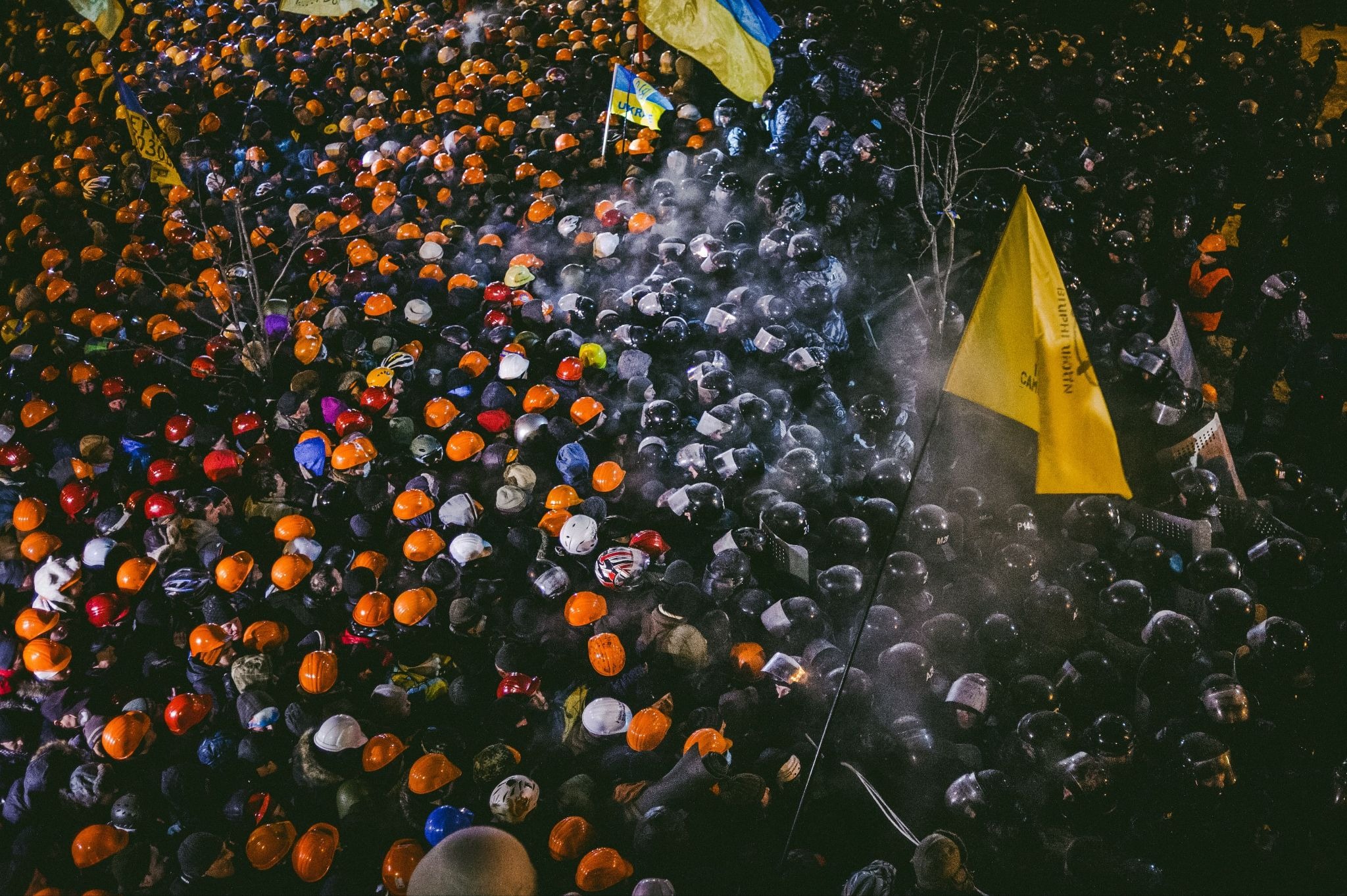
Oleh Sosnov: The "And I Saw" exhibition at the Ukrainian House drew significant attention to Oleksandr Hliadielov's work and documentary photography in general. We hope it also provided a tangible catalyst for collecting and energized the broader photography community. That is why we aim to work systematically: we acquire works, organize exhibitions in Ukraine and abroad, and facilitate publication of specialized books and articles, particularly in European media. It is systematic work aimed at advancing Ukrainian photography domestically and internationally.
— Given your experience managing large archives, what are the primary challenges of preserving physical prints and negatives amidst war and instability?
Tetiana Lysun: The answer, unfortunately, is obvious — a missile strike could instantly destroy everything. For instance, we ordered a fireproof safe for Oleksandr Hliadielov. While we've been waiting over a month and a half for its delivery, a strike occurred just 500 meters from his home. Previously, our collection was stored at a friend's apartment on the Left Bank, but we recently moved it closer to the center. We care deeply about safeguarding original works; for example, we own vintage prints by Oleksandr Hliadielov from the 1990s. Yet recently, another strike landed just 500 meters from our own apartment. Ideally, we would store our collection in a climate-controlled underground bunker, but that isn't an option for us right now.
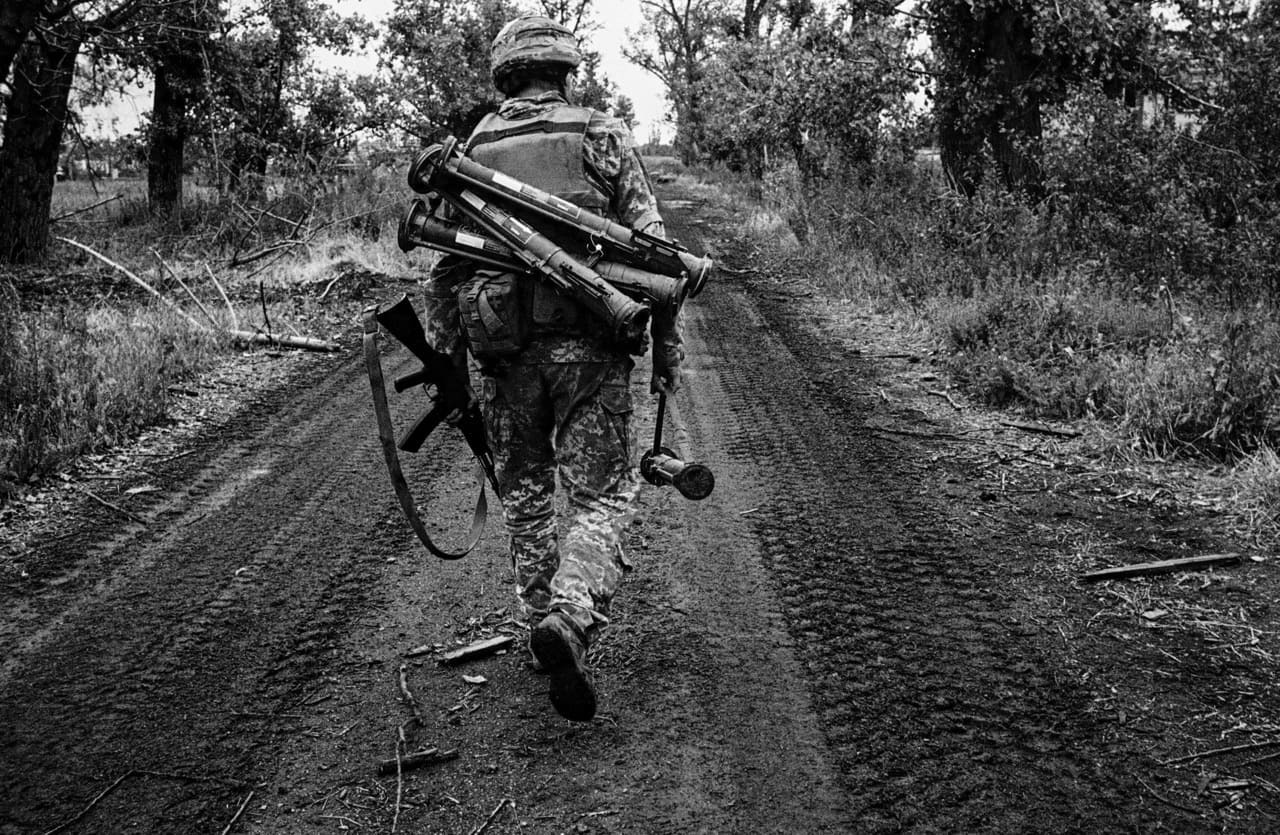
I would also emphasize general preservation challenges beyond wartime threats. Strikes aren't the only thing that can damage photographs. Through hard experience, we learned that framing and storage materials must have specific archival chemical properties; otherwise, they can discolor or ruin prints over time. There are numerous technical nuances to consider.
In Europe, archival storage culture operates at a different standard: you can simply visit a specialized store and purchase everything you need. Here, we must navigate complex logistics to order essential archival supplies from abroad.
— Do you plan to establish a private museum, donate your collection to state funds, or digitize it for public access?
Oleh Sosnov: Our immediate goal for this spring is an exhibition featuring selection of works from our collection, including photography. We would also like to publish a printed catalog featuring a portion of the holdings. If resources allow, we hope to establish a foundation or center for contemporary Ukrainian art so the public can view the collection.
Tetiana Lysun: I love the dream of Ukraine one day establishing a museum of contemporary art where we could entrust our collection. It is crucial for these works to be accessible to the public and fellow artists. At the same time, we want to retain the flexibility to sell individual pieces if needed to support ourselves or loved ones. Ultimately, I would love to leave this collection to the state and the people of Ukraine, so it serves society and reflects the pivotal history our country is experiencing.
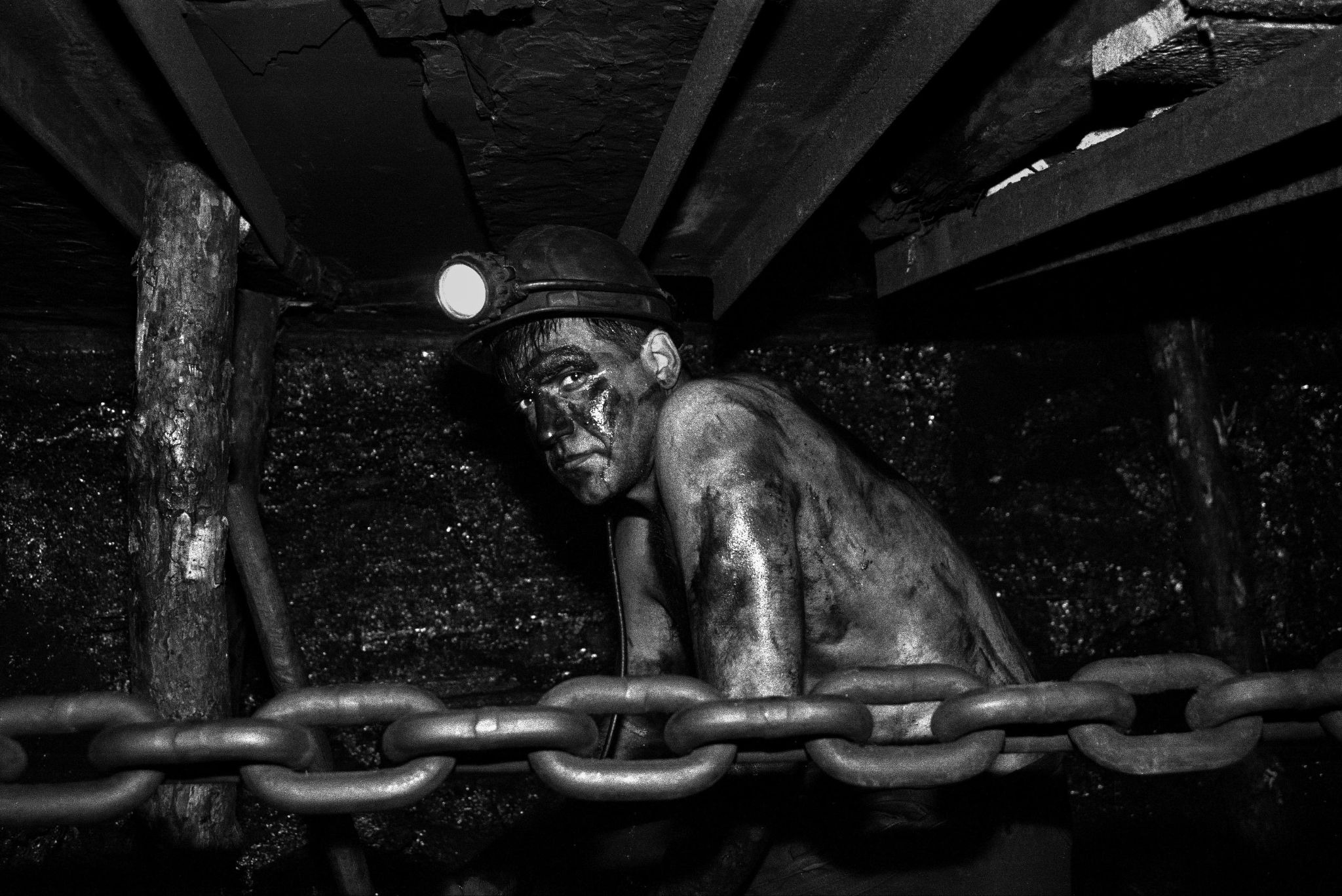
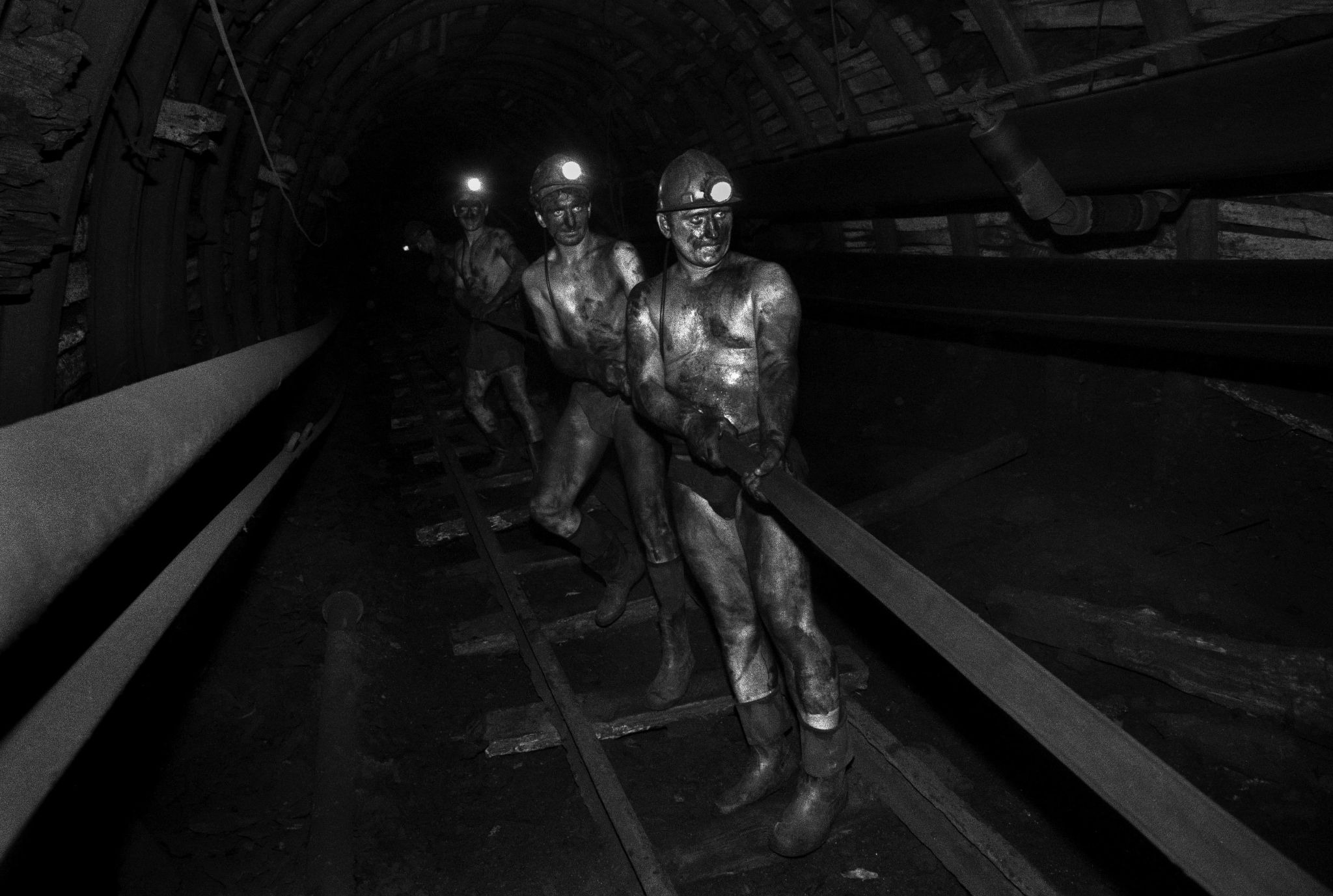
Listening to Oleh, I thought about museum professionals who work with private collections. It would be wonderful if researchers and curators recognized that every private collection is a deeply personal endeavor. Essentially, a collection is a reflection of an individual or family, capturing different facets of their identity. A collection is a living organism; even if the items within it appear diverse, in the collector's mind, they form a unified narrative. Exploring collections through that lens is fascinating.
Oleh Sosnov: A collection is a lifelong project. I began assembling mine when I was 25 — a relatively young age to start collecting. A collection derives its character from the collector's personality, taste, and outlook; without them, it simply wouldn't exist. Every assemblage mirrors the individuality of the person or people who built it.
Beyond the collector's persona, a contemporary art collection reflects the complex layers of a nation's history. For example, considering wartime and postwar Europe, one remembers how artworks were bought for pennies or expropriated from Jewish families, later restored to them, while shaping renowned global museum collections in the process. Or take the Musée Fesch in Corsica — a classic example of how a private collection gathered by an ambitious individual, Cardinal Joseph Fesch, during major political and economic crises eventually formed a regional national treasure, even though parts of it were later auctioned off. Cardinal Fesch, uncle to Napoleon Bonaparte, leveraged his position to purchase artworks en masse from impoverished families and estate sales during the political shifts of the late 18th and early 19th centuries. Regrettably, Ukraine has its own unfortunate examples of lost or fragmented collections.
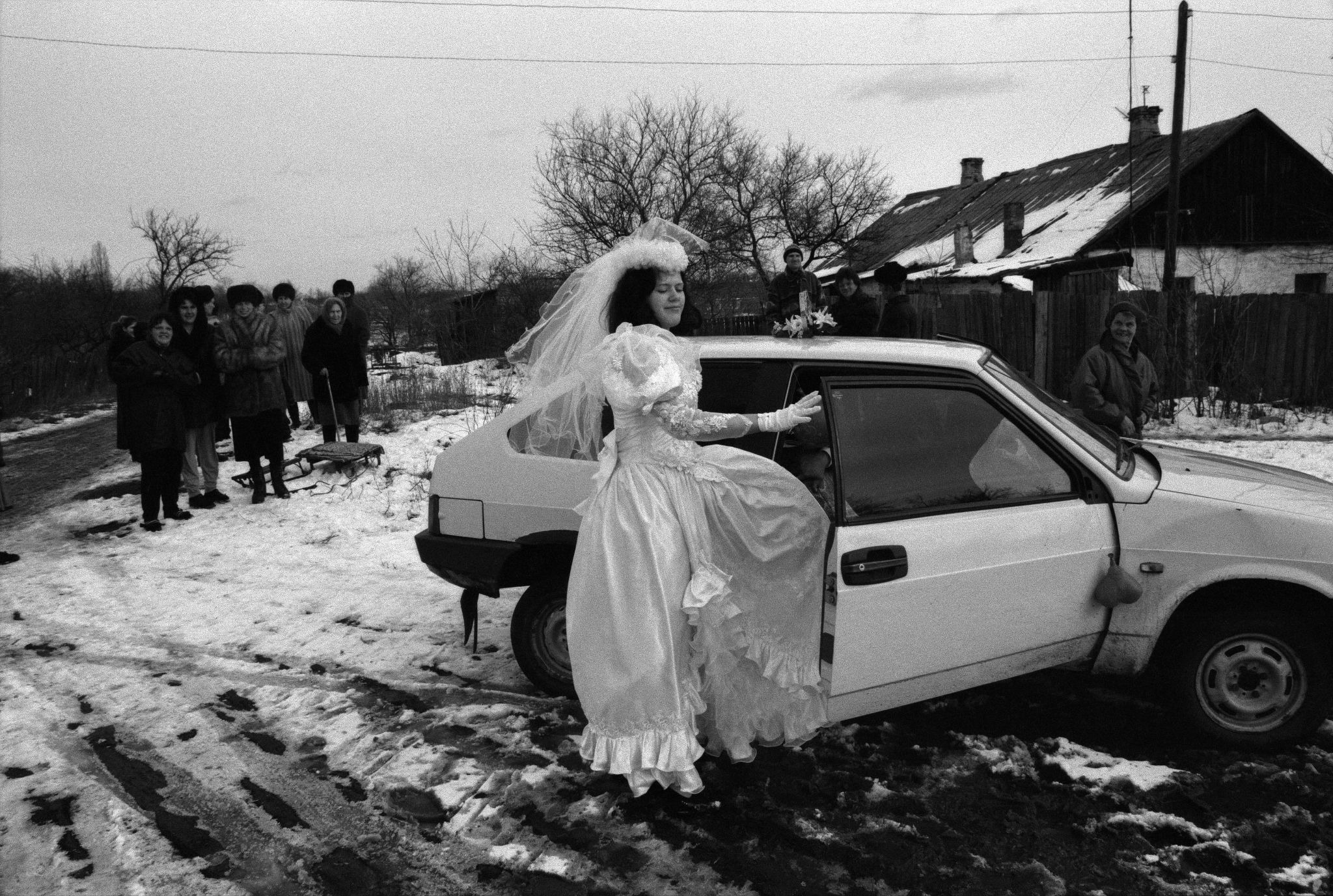
Behind every collection lies a vivid tapestry of national history: aesthetic, intellectual, philosophical, political, economic, and cultural. When someone views a public or private art collection, each individual artwork or photograph conveys far more than dry historical summaries or Wikipedia pages. That is why we must write our own narrative, support Ukrainian creators, and collect their works. Today's collections should remain accessible to future generations, for art — especially visual art — offers a timeless medium to transmit human experience across eras.
Oleh Sosnov is a curator of visual and cultural art projects, and a collector of contemporary art and photography. He works at the French Institute in Ukraine and has curated art projects for the "French Spring in Ukraine" festival since 2012. Co-founder of the MAYAK Gallery, he has curated numerous gallery and public space projects, including Oleksandr Hliadielov's exhibitions "Carousel," "Farewell of Slavianka," and "And I Saw."
Tetiana Lysun is an art historian, curator, cultural project manager, and writer. She works with contemporary art, photography, memory, war, and societal transformations. Co-founder of the "Wartime Art Archive," co-curator of the projects "How Are You?" and "And I Saw: Exhibition by Oleksandr Hliadielov," as well as exhibitions of Ukrainian art domestically and internationally.
Contributors:
Interviewer: Katya Moskalyuk
Photo Editor: Marusya Maruzhenko
Copy Editor: Yulia Futey
.png)