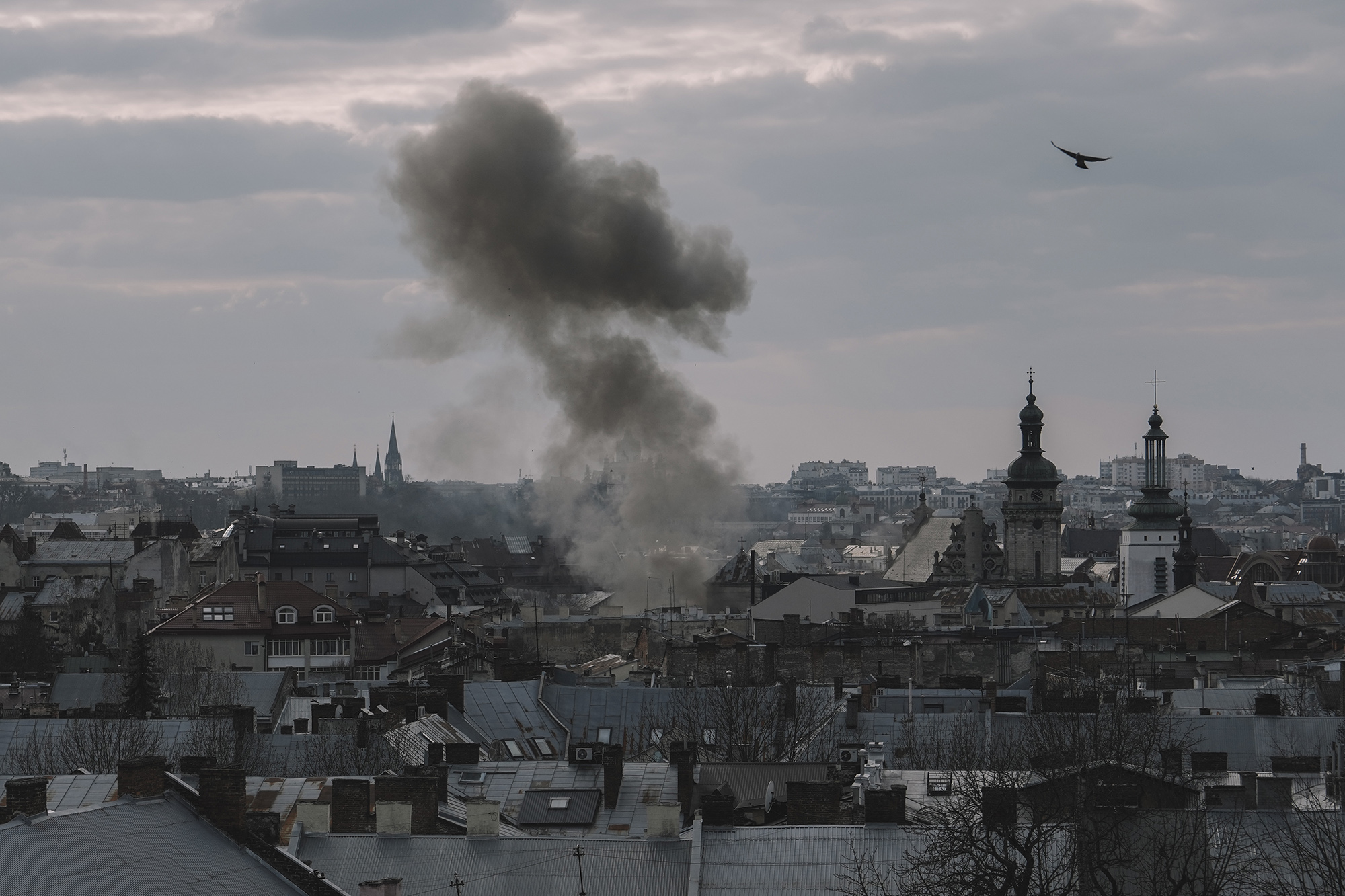
The last week of March will be remembered for unprecedented drone attacks that covered almost all regions of Ukraine day and night. On March 24, Russians carried out the most massive UAV attack on Ukraine, launching nearly 1,000 drones in a single day. They attacked the centers of Ukrainian cities, cultural landmarks, maternity hospitals, and people’s homes. In particular, the historic center of Lviv was damaged. One of the most tragic episodes of that day occurred near a maternity hospital in Ivano‑Frankivsk, where a father and his daughter were killed while he was visiting his wife who had just given birth. The week was also difficult for Dnipro and Odesa — Russian drones hit residential buildings and a medical facility. Over the week in Ukraine, three maternity hospitals became targets of Russian attacks, and at least four kindergartens were damaged.
Chronicle of Russian shelling from March 22 to March 29, 2026
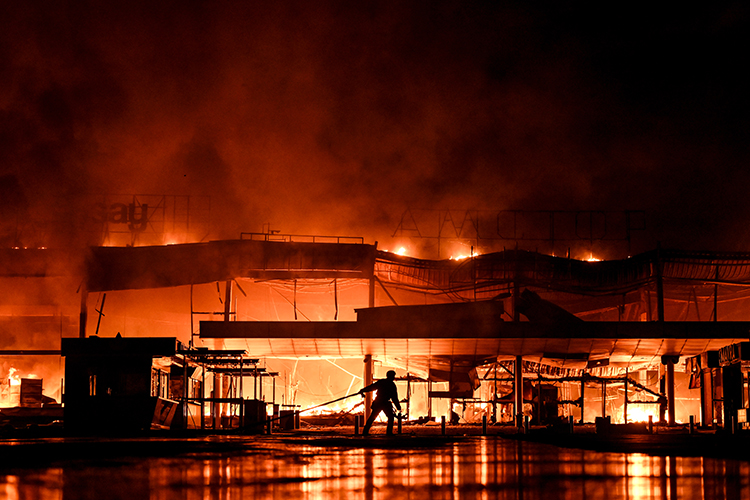
In the second half of the day on March 22, during an air‑raid alert, an explosion occurred in one of Chernihiv’s supermarkets; four people are known to have been injured, and experts are establishing the circumstances.
On March 23, in the Sumy region, drones attacked a civilian car and a minibus; a 13‑year‑old boy and his father were injured, and the driver was wounded. In the Chernihiv region, drones attacked private enterprises, transport infrastructure, and private yards. In the morning in Bucha in the Kyiv region, several explosions were heard near a multi‑storey building; two law enforcement officers were injured and hospitalized, windows in the building were damaged, and the perpetrator of the terrorist attack was detained. In Druzhkivka, the enemy dropped eight aerial bombs, the industrial zone caught fire; fires raged in Kramatorsk; in the region one person was killed and four were injured, including a child. One person was killed and two were injured in the Kherson region, and two people were injured in the Kirovohrad region.
During the day on March 24, Russia launched a massive attack on Ukraine, using nearly a thousand drones of various types in total; at night, Russians also used 34 missiles. Critical infrastructure facilities were under attack, with damage recorded in 11 regions. Residential buildings were also hit, in particular in Zaporizhzhia and Poltava. In Poltava, two people were killed and 11 injured, including a five‑year‑old child; houses, a hotel, and industrial facilities were damaged. Zaporizhzhia was attacked with drones and ballistic missiles; one person was killed, fires broke out, and residential and industrial buildings were damaged. Four dozen drones attacked Shostka in the Sumy region. In the Kharkiv region, a commuter train car on the Slatyne–Kharkiv route was struck; one person was killed. During the day, western regions were mostly under attack; there were also hits in the Kharkiv region and in the Dnipropetrovsk region. In Vinnytsia, one person was killed and 21 others were injured, two of them in critical condition; in three communities, 84 households were damaged, including 71 in the regional center: private houses, seven apartment buildings, and four buildings in public‑use areas. Ukrainska Pravda reported that the person killed was Doctor of Technical Sciences, Professor Borys Avksentiuk. In Zhytomyr, a 12‑year‑old girl was hospitalized; there was also an injured person in the Khmelnytskyi region.
On the night of March 25, in the Poltava region, a Russian shelling damaged an educational institution, two shops with warehouse facilities, a multi‑storey building, private houses, and a freight railcar with grain. In the Chernihiv region, cities and villages were under drone attack; the enemy also struck critical infrastructure facilities, leaving subscribers without power in Chernihiv and parts of the district — in the Nizhyn, Pryluky, and Novhorod‑Siverskyi areas. In Kharkiv, due to Russian UAV attacks, eight people were injured, including a child; there were hits near a 12‑storey residential building and a strike on a private house, fires, and damage to nearby buildings. In the Sumy region, drones attacked a fire depot building twice; it was destroyed together with fire‑fighting equipment.
On the night of March 26, railway infrastructure in the Kirovohrad region was hit; UAVs attacked a locomotive maintenance point, and several machines were damaged. In the Kharkiv region, Russians carried out an airstrike on a fire‑rescue unit. There were hits on a fire station building in the Kherson region. During the day, Chernihiv was under enemy attack: Russians hit industrial and transport infrastructure facilities; one railway worker was hospitalized, and a warehouse building, equipment, and products were damaged at an enterprise. In the region, residential buildings, boiler houses, and communication facilities were destroyed by enemy fire.
At night on March 27, Russians attacked an industrial enterprise in the Poltava region, causing a fire. In the Kharkiv region, 25 people were injured due to Russian aggression. In Kharkiv, a drone hit a multi‑storey building, injuring two people. During the day, the enemy again shelled the Kherson CHP plant, killing a female employee. In the Sumy region, critical infrastructure facilities were also under attack. In the Zaporizhzhia region, a State Emergency Service fire‑rescue unit came under fire; the building was damaged, and fragments riddled a service vehicle.
On March 28, one person was killed in each of the Kherson and Chernihiv regions as a result of a UAV strike on a residential building. In the Chernihiv region, drones hit a grain storage facility and an energy facility. The company Naftogaz reported that Russians had been attacking its facilities in the Poltava region for the third consecutive day; during one of the attacks, an employee of the enterprise was killed. In the Sumy region, a 20‑year‑old woman was killed in a UAV attack, and her six‑year‑old sister was injured.
As a result of the night attack on March 29 in the Chernihiv region, a large‑scale fire broke out at a woodworking enterprise with a fire area of 200 square meters; the enterprise’s facilities, nearby houses, and a kindergarten were damaged. In the Mykolaiv region, ten people were hospitalized from a public recreation area due to a UAV attack, including eight children aged 10 to 16. As of the morning, one adult and two children were in critical condition; the other children were in moderate condition. The Russian army shelled Sloviansk with MLRS and UAVs; there were hits on a garage cooperative and a hotel in the city center. In Kherson, one person was killed by a drone strike on a car, and another person was hospitalized. On the night of March 29, the enemy used one Kinzhal ballistic missile and 442 strike UAVs to attack Ukraine. Over the week, Russians used more than 3,000 strike drones, more than 1,450 guided aerial bombs, and 40 missiles of various types.
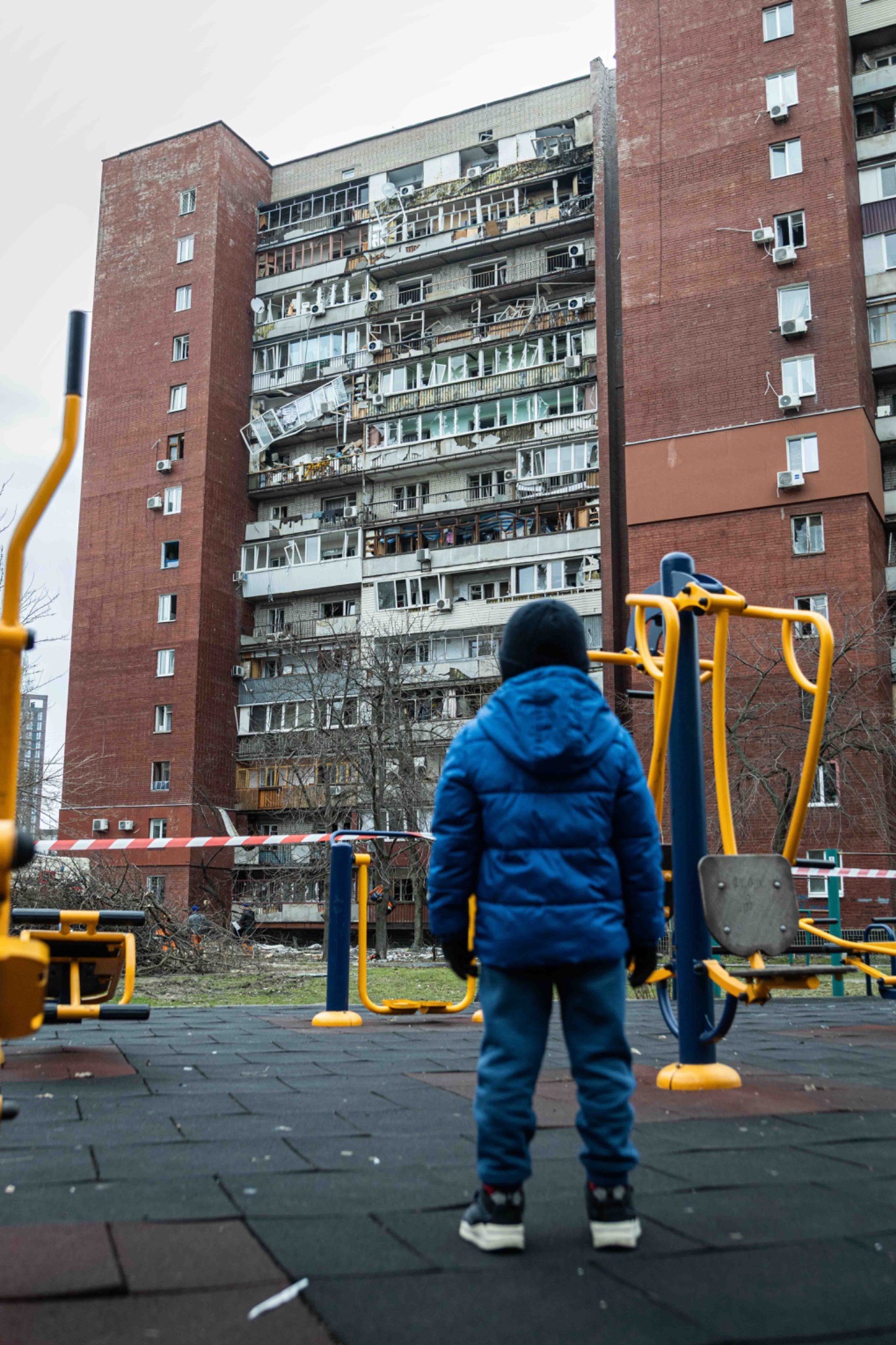
Dnipro: Shahed strikes on residential buildings
In the Dnipropetrovsk region, cities, towns, and villages were under enemy attack; Russians are destroying infrastructure necessary for the well‑being of the population using all types of weapons. Nikopol, Synelnykove, Kryvyi Rih, and the Kamianske and Dnipro districts most often suffer from Russian attacks. Over the week, there were fatalities and dozens of injured people in the region, including children.
Throughout the week, Kryvyi Rih suffered from constant enemy shelling. Ahead of the weekend, Russians intensified Shahed attacks on the city’s industrial and energy infrastructure, with hits also recorded in residential areas. As a result of a morning enemy attack on March 28 in Kryvyi Rih, two people were killed and two others were injured; an industrial enterprise was damaged.
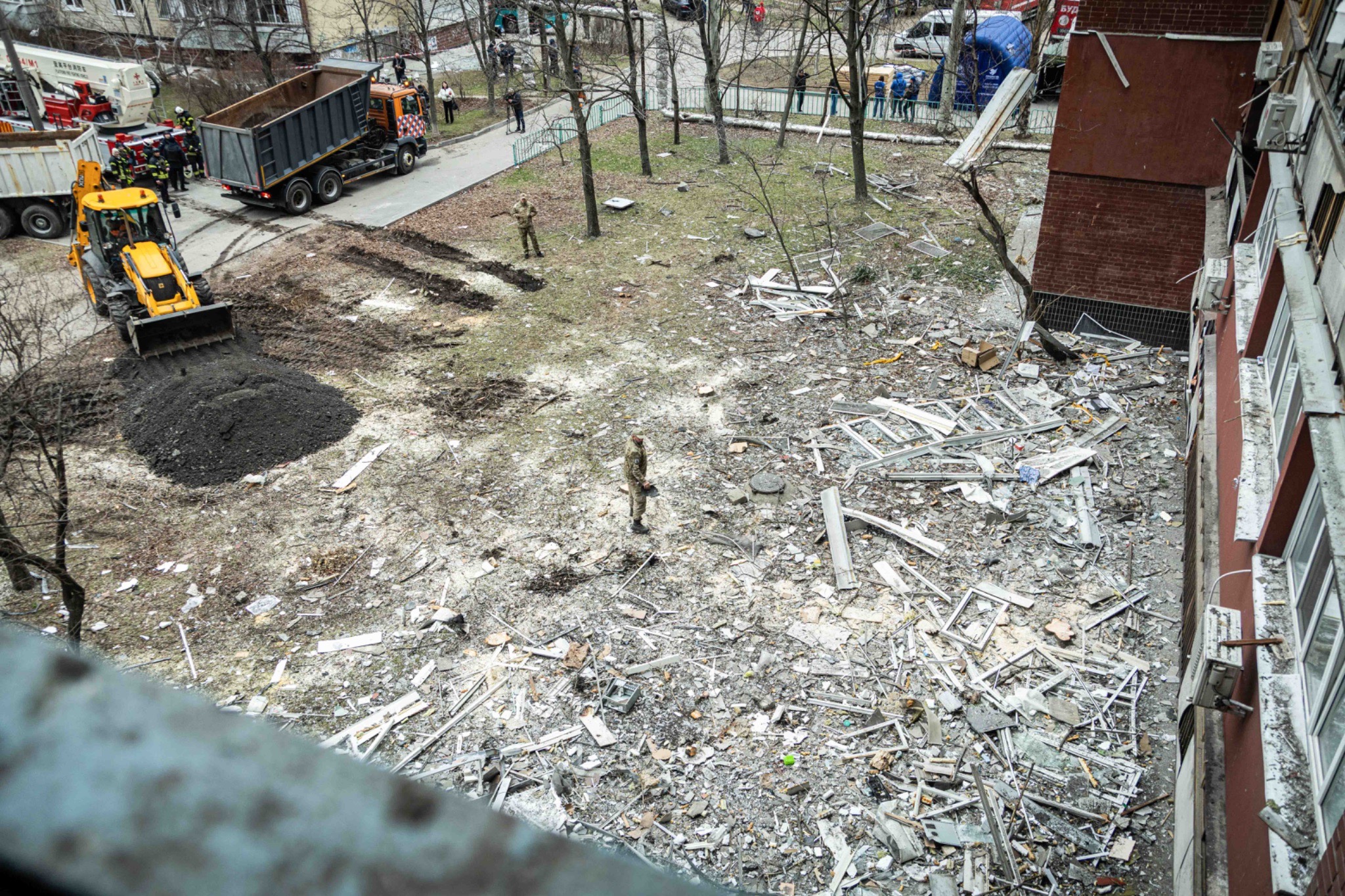
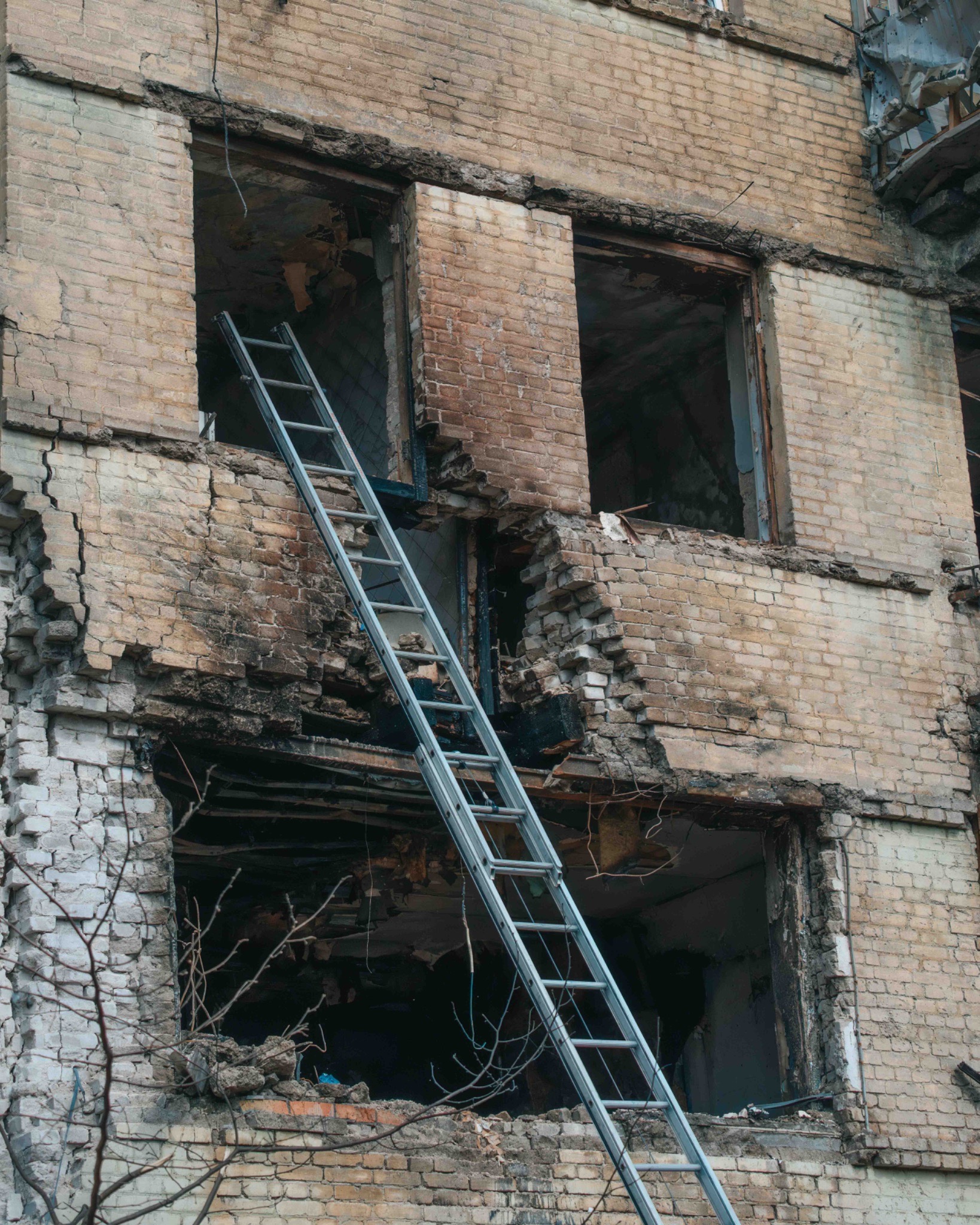
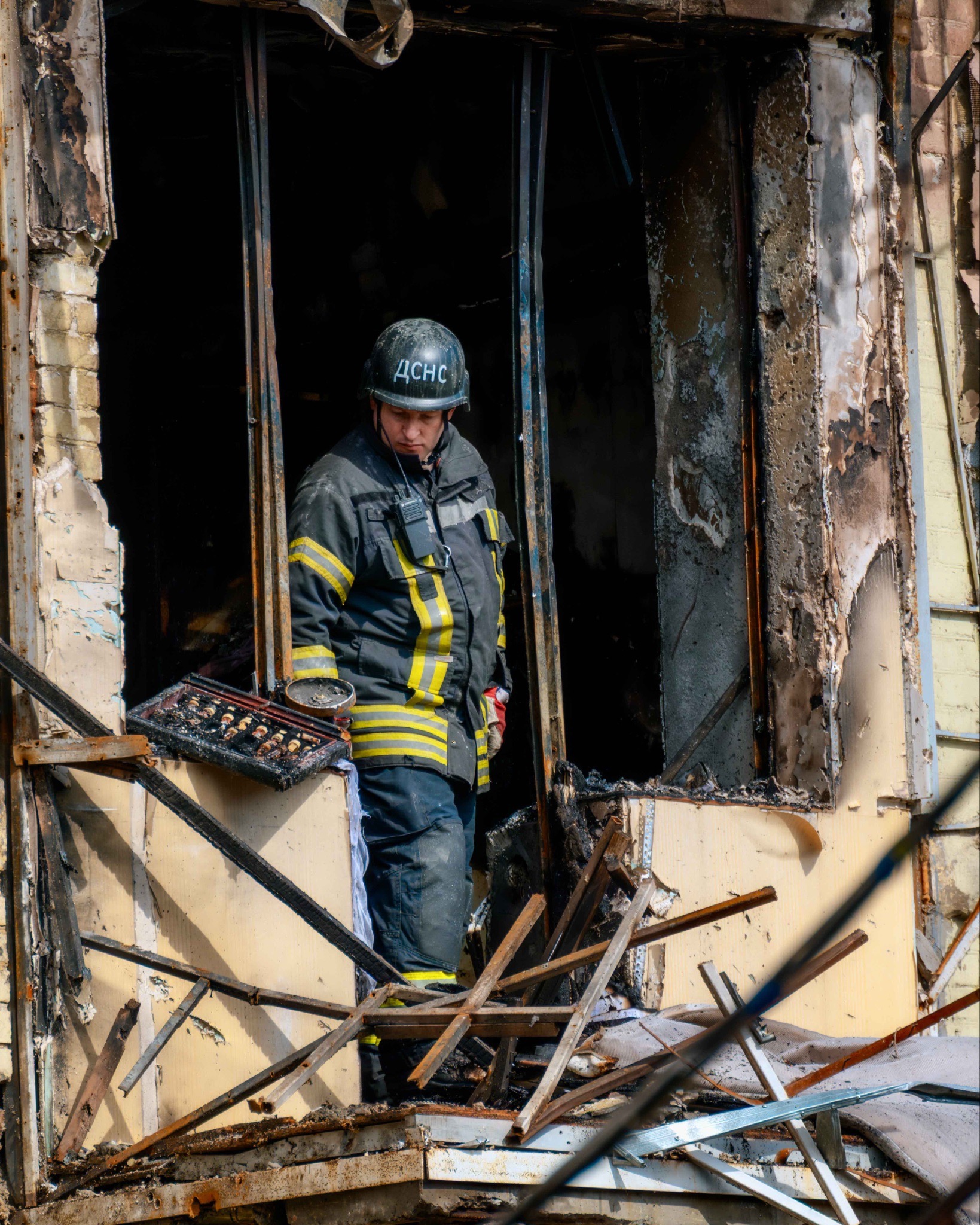
For several consecutive days, Russians attacked Dnipro, each time hitting residential buildings. On the morning of March 24, 13 people were injured as a result of a drone attack, including three children, among them a one‑and‑a‑half‑year‑old boy in moderate condition. In a 14‑storey building, as a result of a direct drone hit, walls, balconies, windows, and the roof were damaged; fires broke out on the top two floors, and about 300 windows were blown out. In the city, the blast wave damaged four apartment buildings and three preschool institutions. In the educational facilities, children and staff were in shelters.
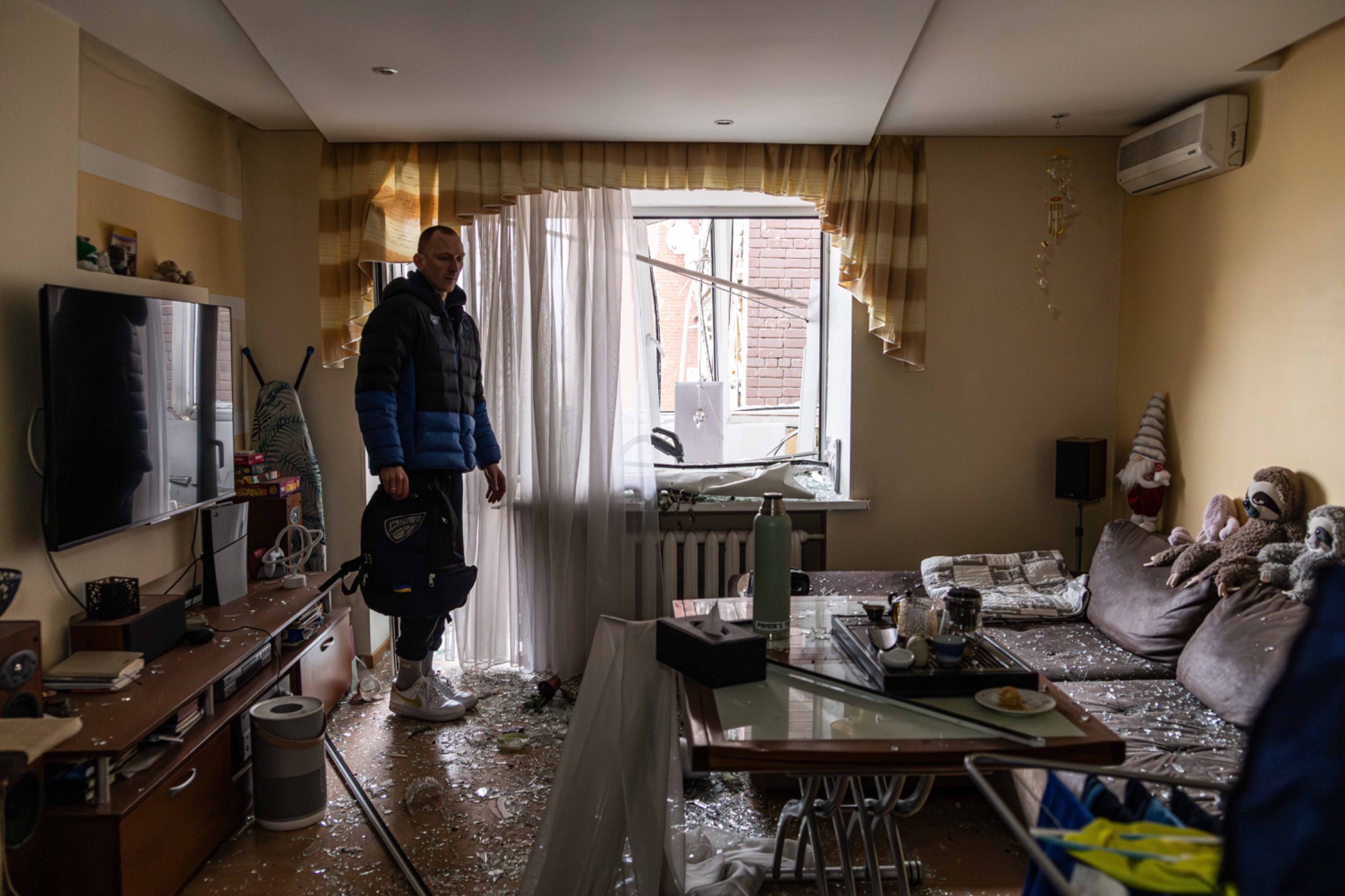
Dnipro Mayor Borys Filatov reported that a fragment flew through a window into the office of his home, breaking the shutters and glass.
The next day, Russian UAVs again carried out a raid on the central part of Dnipro. As a result of the attack, five people were injured, and a 90‑year‑old woman was hospitalized. Emergency responders rescued seven people. A four‑storey residential building was damaged, and fires broke out on the second and fourth floors. In total, seven apartment buildings and a gymnasium were damaged.
Attack on the western regions
During the day on March 24, Russians attacked cities in western Ukraine; direct hits on buildings were recorded in Lviv, Ivano‑Frankivsk, Ternopil, in the Khmelnytskyi region, and in the Rivne region; medical institutions and UNESCO cultural heritage sites were damaged. Lviv and Ivano‑Frankivsk suffered the most.
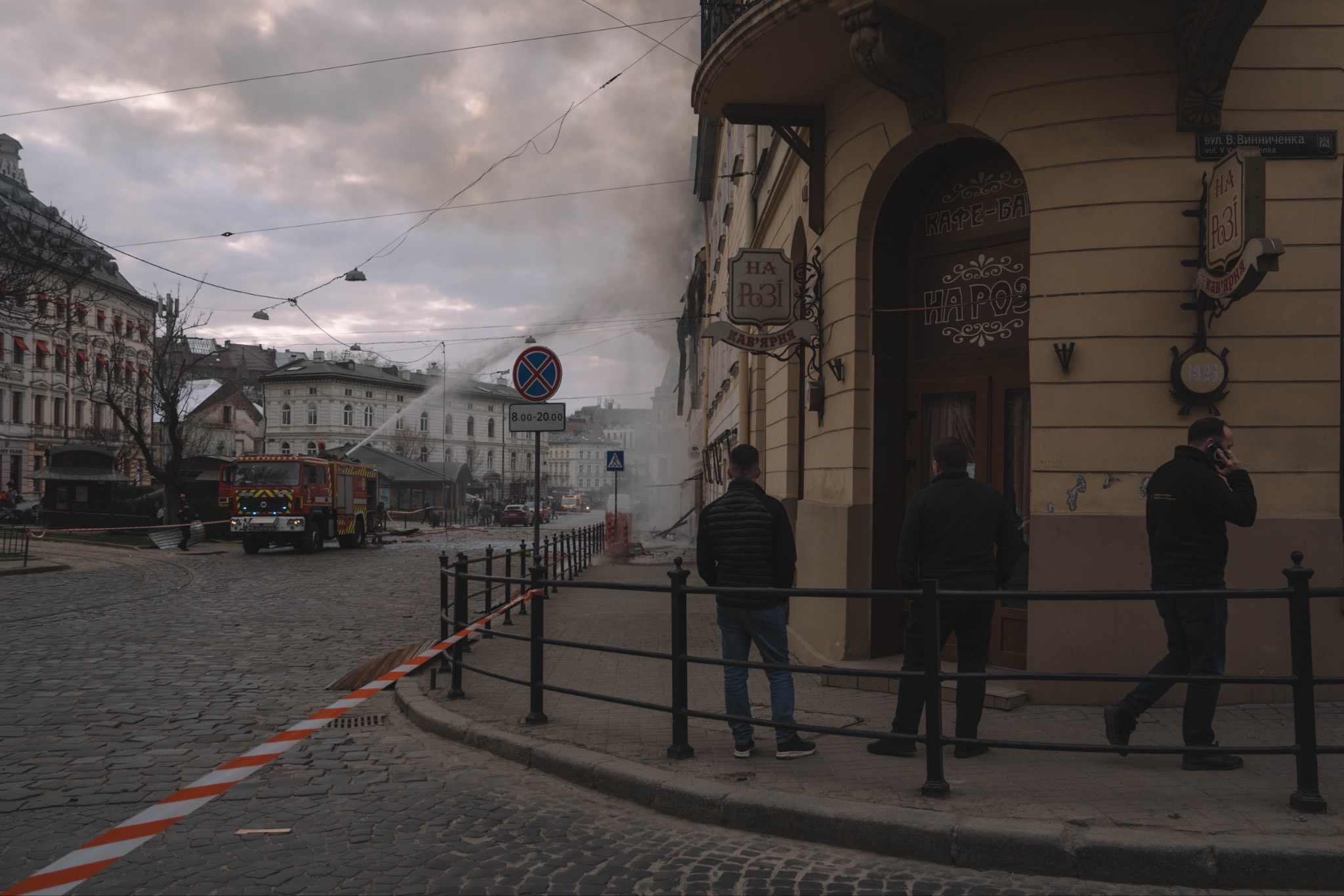
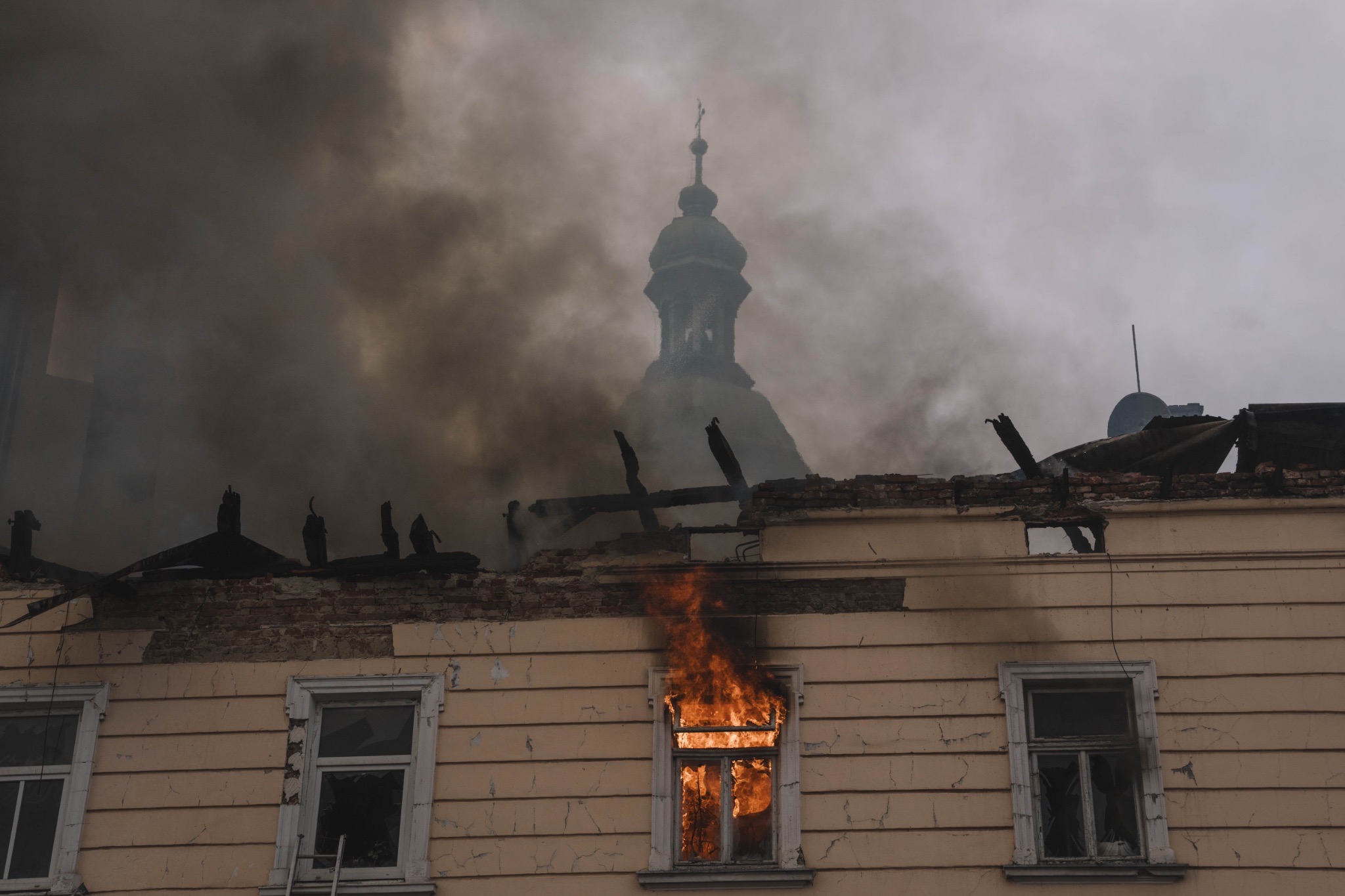
In the Lviv region, 32 people were injured as a result of the Russian attack; fires raged, buildings and cars were damaged. In Lviv’s Sykhiv district, two hits were recorded on one building, damaging nearly two dozen homes. In the Halytskyi district, a nationally significant architectural monument was damaged, and 17 apartments were affected. At another location in this district, four buildings were damaged. Municipal transport was also damaged.
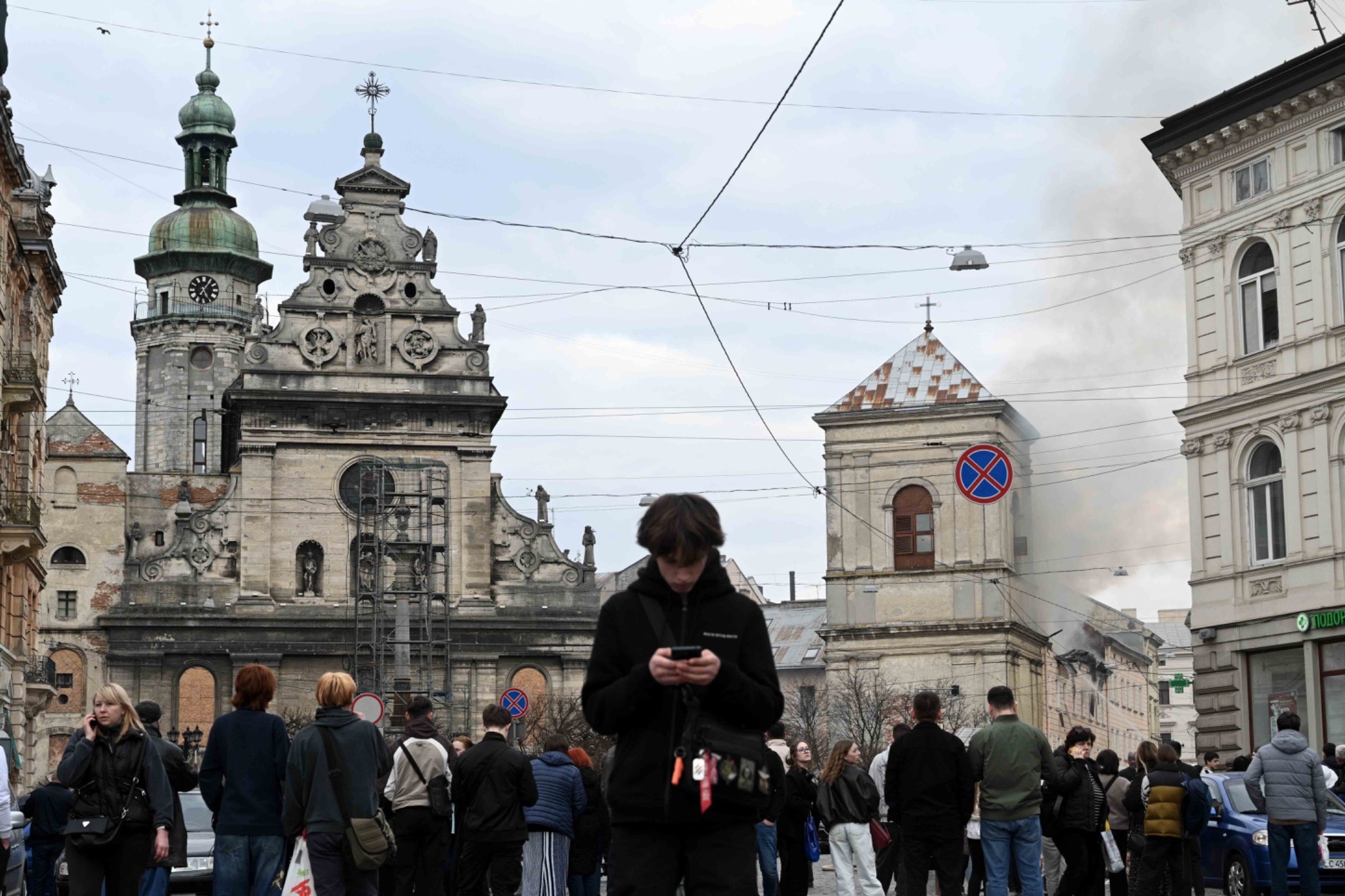
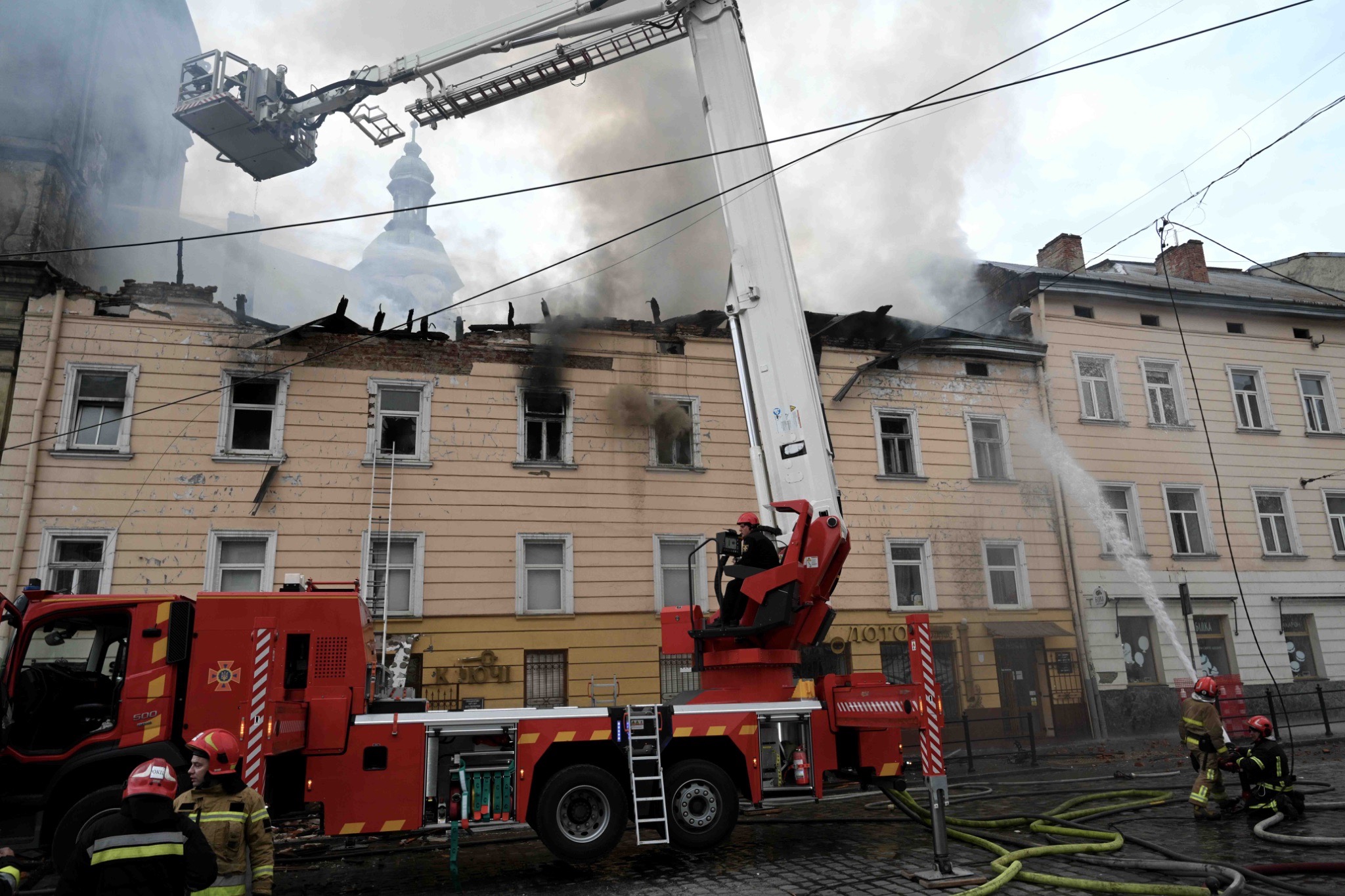
As of the morning of the next day, seven people were hospitalized, three of them in critical condition.
Ukrainska Pravda. Zhyttia reported that during the attack, the ensemble of the Bernardine Monastery was damaged, in particular adjacent buildings were on fire. The Bernardine Monastery is a key historical monument of Lviv from the 17th century, listed as a UNESCO cultural heritage site. In addition, the premises house one of the oldest and richest archives of documents from the 12th to the first half of the 20th century. UNESCO stated its readiness to assess the damage and provide assistance. A residential building near the monastery, close to Cathedral Square, was also damaged; there is destruction on Stepan Bandera Street, near the National Museum‑Memorial “Lontsko Prison”.


As became known after specialists examined the damage, the damage to the church is minor: four of 16 stained‑glass windows were blown out, another one was damaged, the bell tower was affected by the blast, and windows in the archive were shattered. However, the nearby residential building that was hit by a Shahed drone was declared аварійним and unfit for living. Seventeen apartments were damaged in the building, and part of the premises was destroyed by fire.
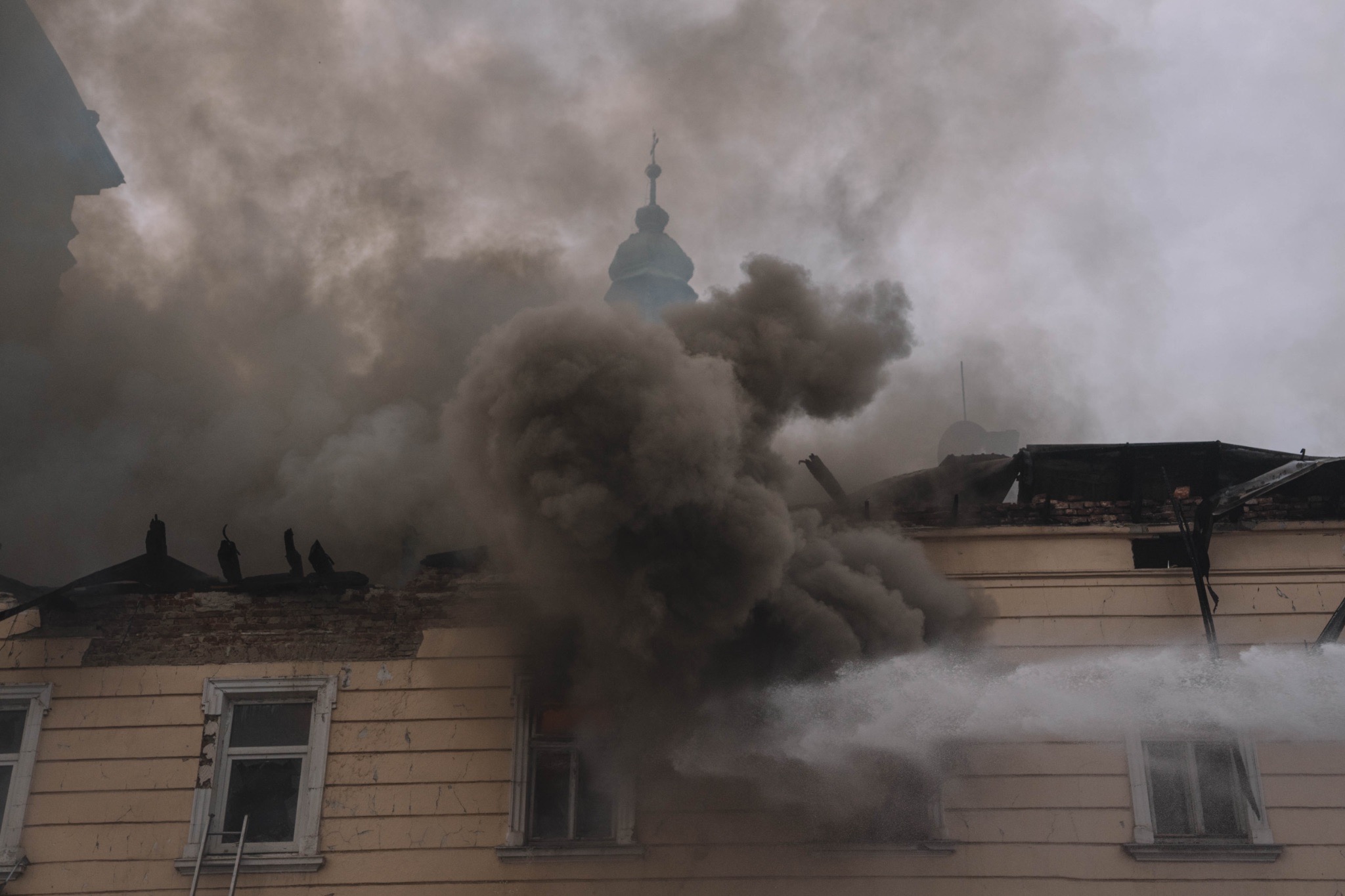
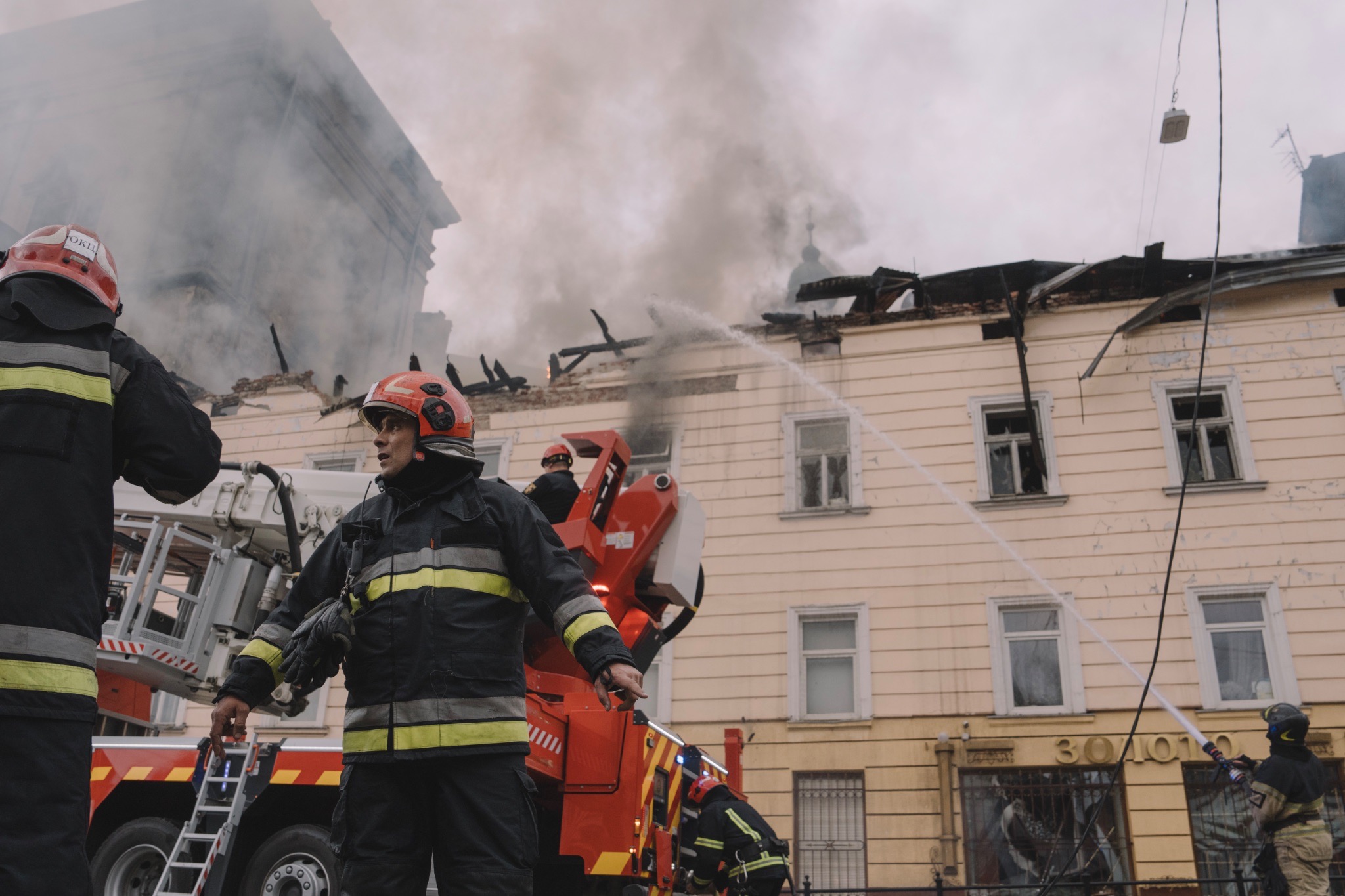
In Ivano‑Frankivsk, two people were killed as a result of a drone attack, and six people were injured, most of them in moderate condition, including a six‑year‑old child who is in stable condition. Buildings of the city and regional maternity hospitals were damaged, as well as about ten residential buildings. Among those killed were a National Guard serviceman and his 15‑year‑old daughter. The man had come to the maternity hospital to visit his wife, who had given birth to a son days earlier. In the shelled medical facilities, patients and staff were in shelters and were not injured.
Volodymyr Zelenskyy spoke about the targets of the Russian army in the west of the country: “There was a fire in the buildings of St. Andrew’s Church in Lviv. The history of this church dates back to the early 17th century. Iranian ‘Shaheds’, modernized by Russia, are striking a church in Lviv — this is absolute perversion, and only people like Putin could enjoy this. In Ivano‑Frankivsk, a maternity hospital was damaged. The scale of this attack very clearly shows that Russia has no intention of truly ending this war.”
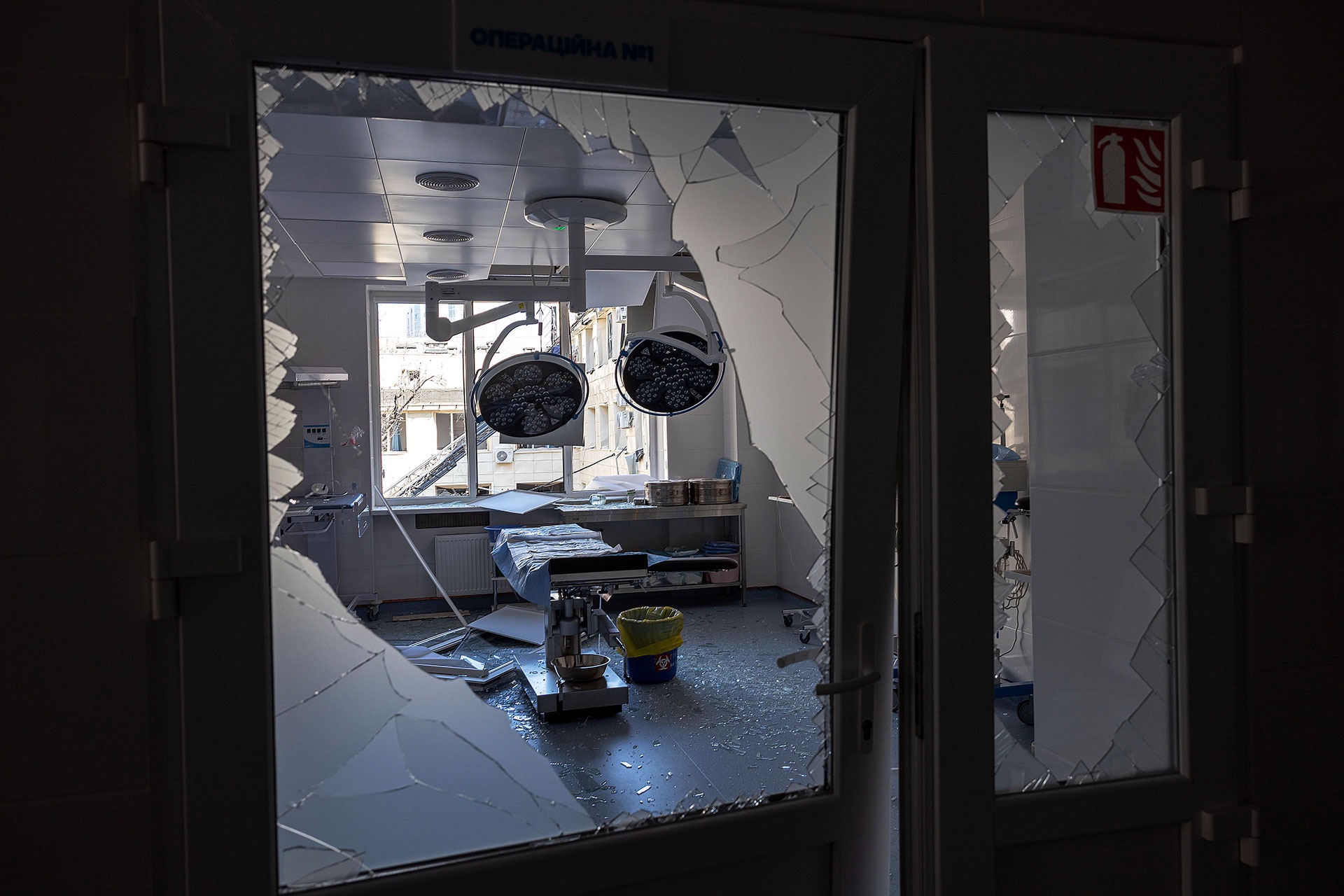
Targeted strike on a maternity hospital in Odesa
The Russian army continues to terrorize the population in southern Odesa region and in the regional center with constant attacks. The enemy repeatedly shelled port, transport, critical, and industrial infrastructure of the region. A farm and grain hangars were damaged; buildings of port operators and the maritime terminal were hit. Due to a strike on a residential building in the Izmail district, one person was killed and others were injured. In some settlements, power supply disruptions were observed. Odesa district also suffered from shelling. On March 23, Russians struck residential infrastructure in the suburbs of Odesa. In the evening of March 24, as a result of a hit on a bus stop in Odesa district, two people were injured and are in moderate condition. The week for Odesa region ended with strikes on civilian and energy infrastructure; an energy facility was damaged, a private residential building was partially destroyed, and there was damage on the territory of a dacha cooperative.
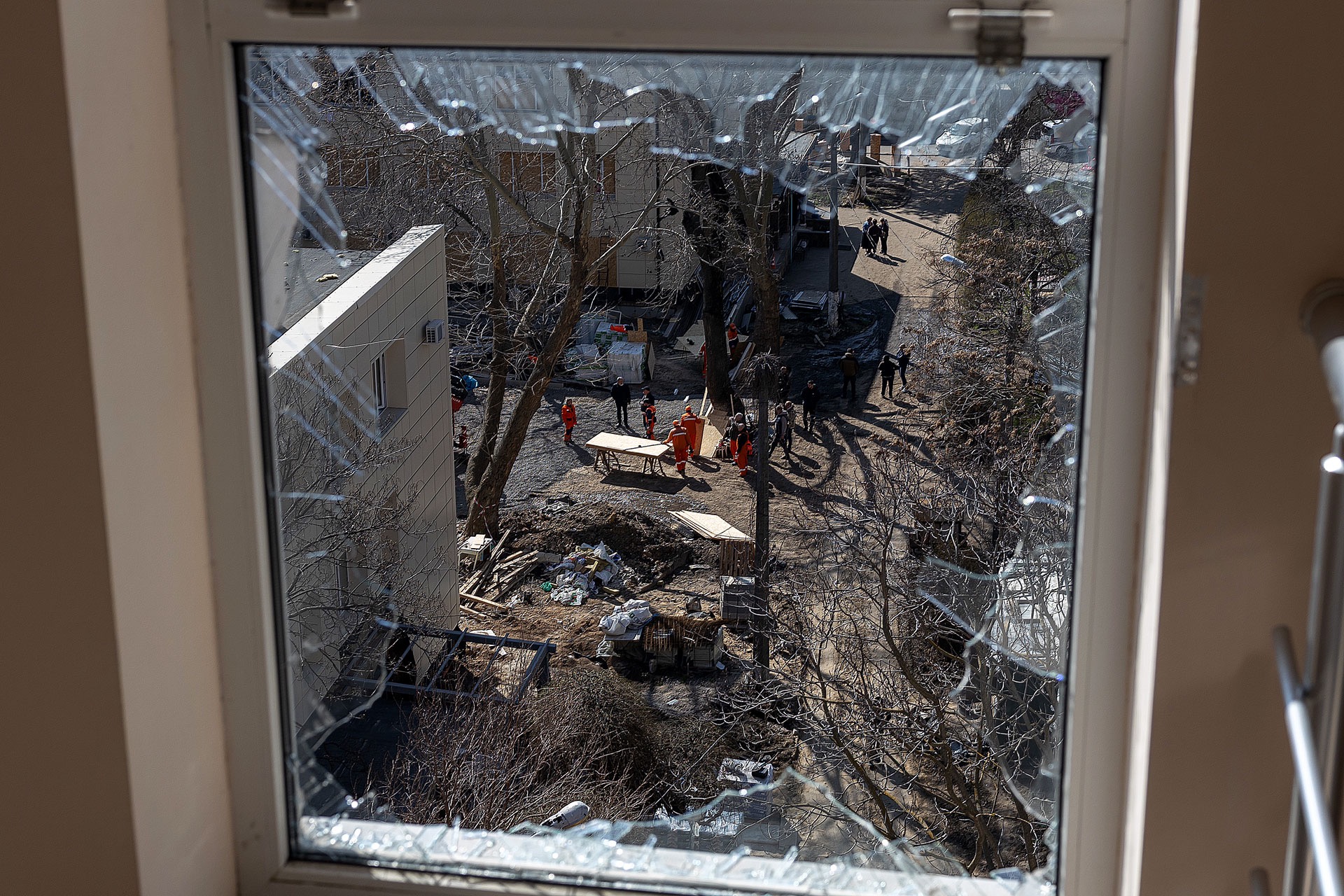
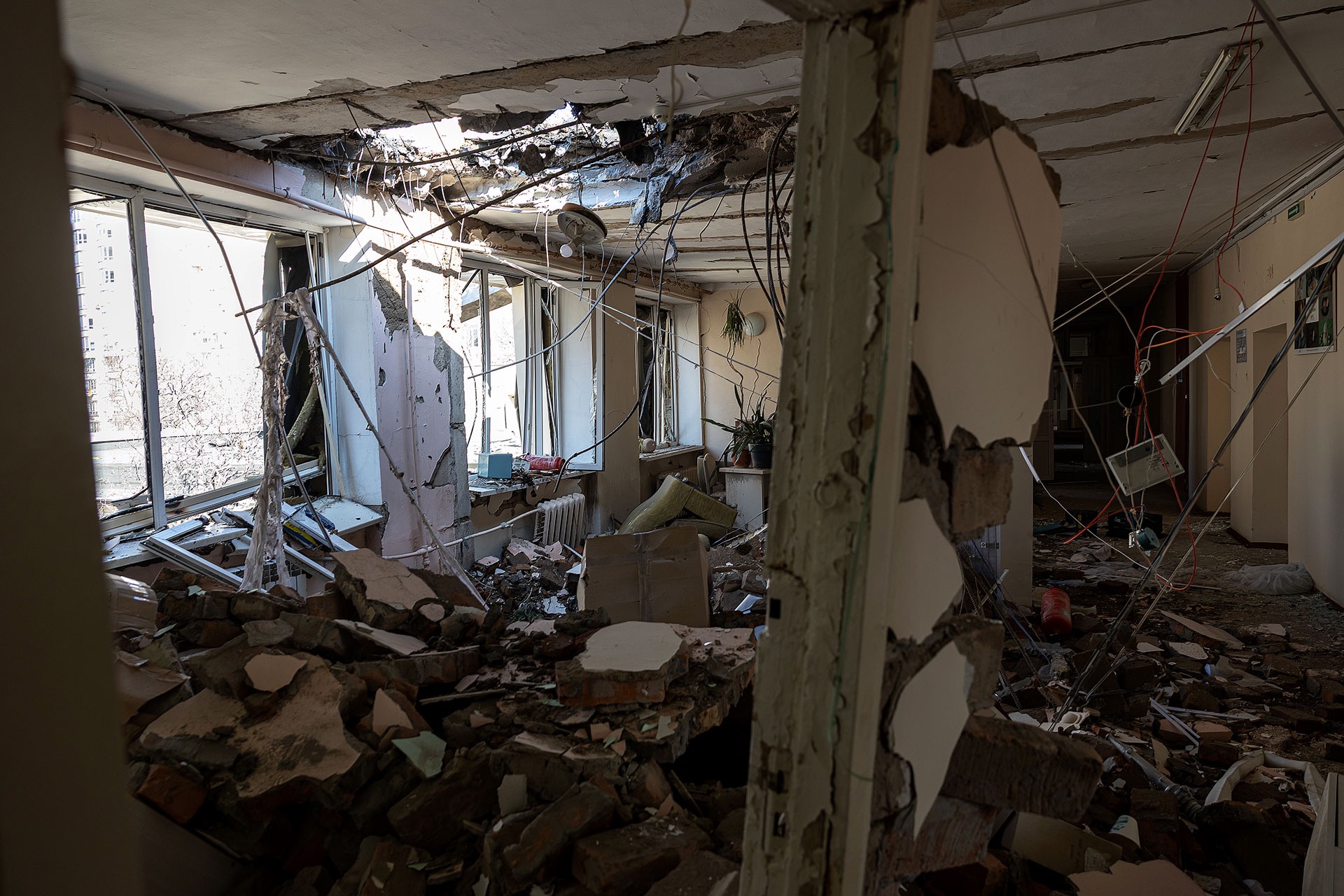
On the night of March 28 and in the morning, the enemy launched more than 100 drones at Odesa region; the most devastating consequences were recorded in Odesa district. Odesa was attacked by more than 60 strike UAVs, resulting in extensive damage and two civilian fatalities: a 34‑year‑old man died on the spot in his own apartment, and a 35‑year‑old woman died in hospital. Sixteen people were injured, two in critical condition, the others in satisfactory or moderate condition, including a nine‑year‑old boy.
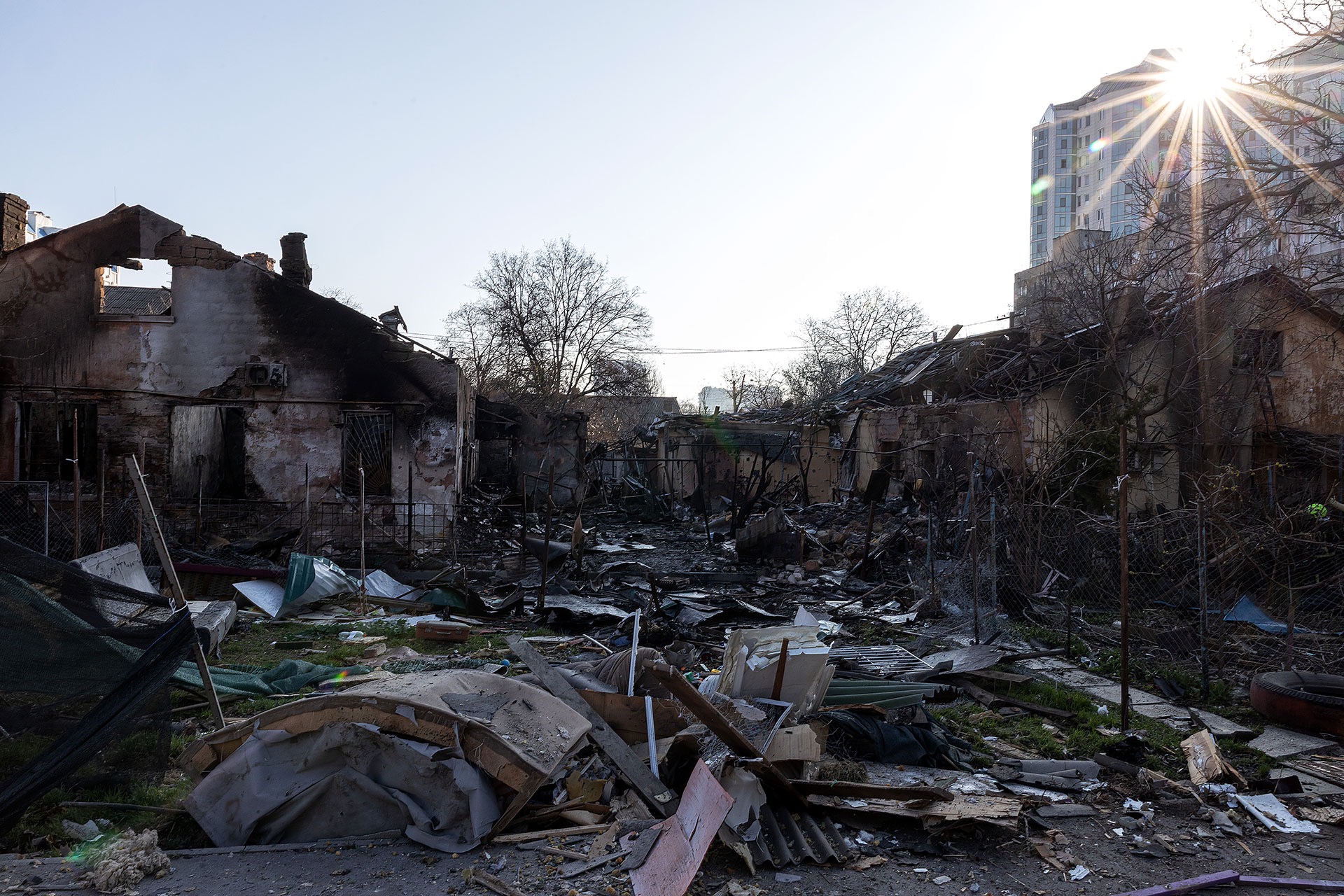
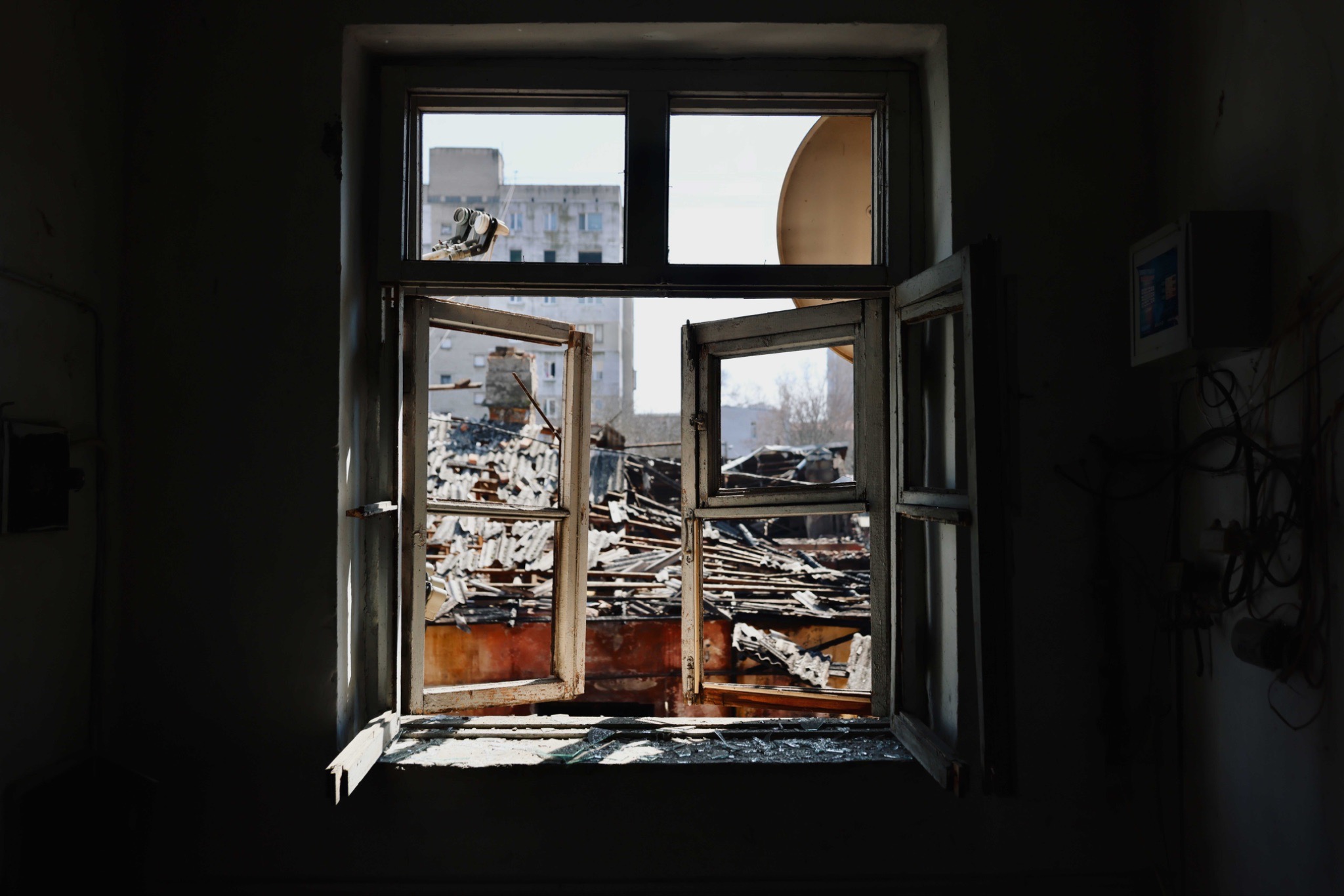
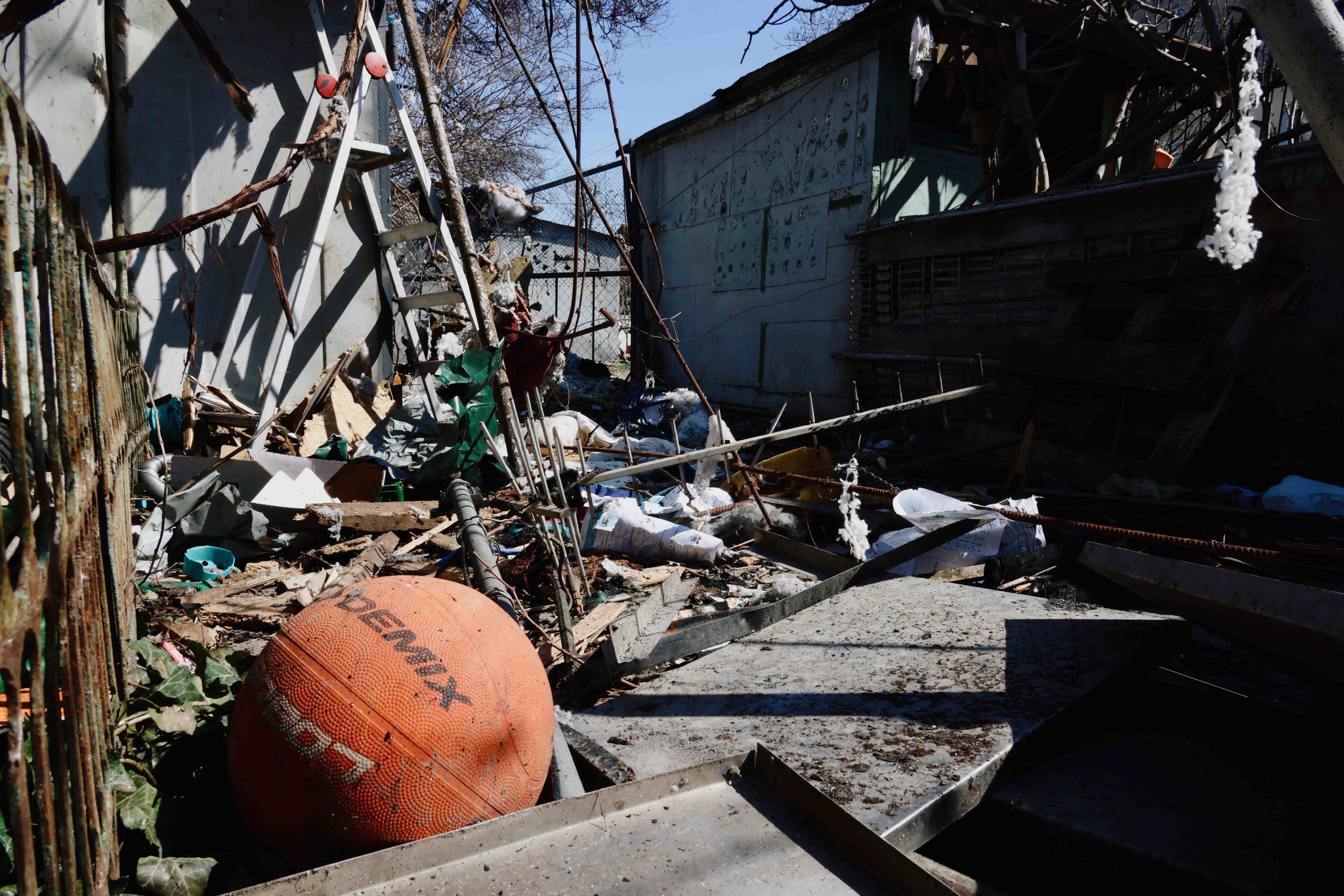
The consequences of the shelling were recorded in the Prymorskyi, Khadzhibeyskyi, and Kyivskyi districts of Odesa. In total, more than 70 residential buildings were damaged — apartment blocks and private houses — as well as port and critical infrastructure facilities; a maternity hospital was damaged, there was destruction on the territory of the television center, cars were damaged, and in one of the ports there was damage to a grain gallery and an empty tank. Fires raged at the strike locations.
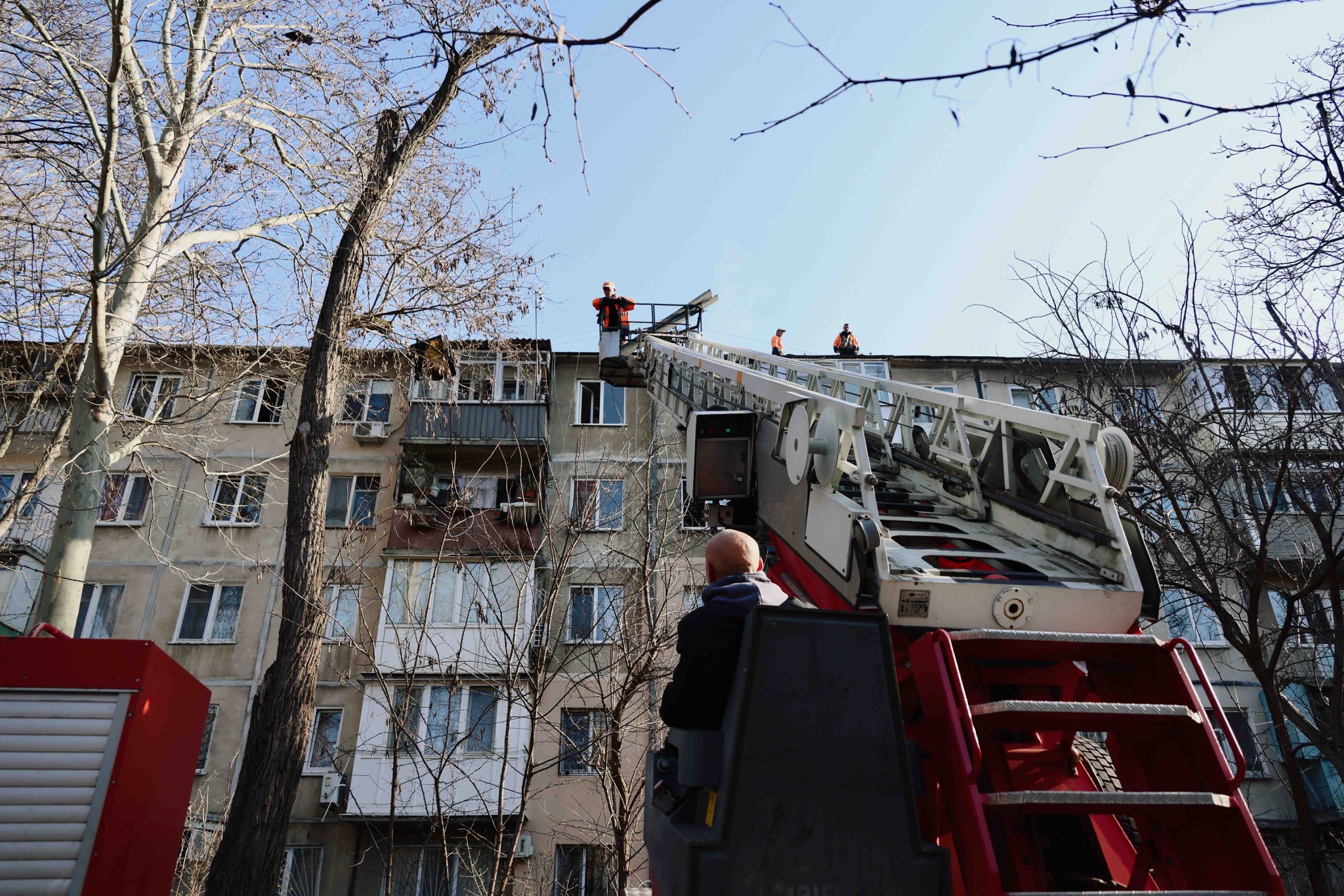
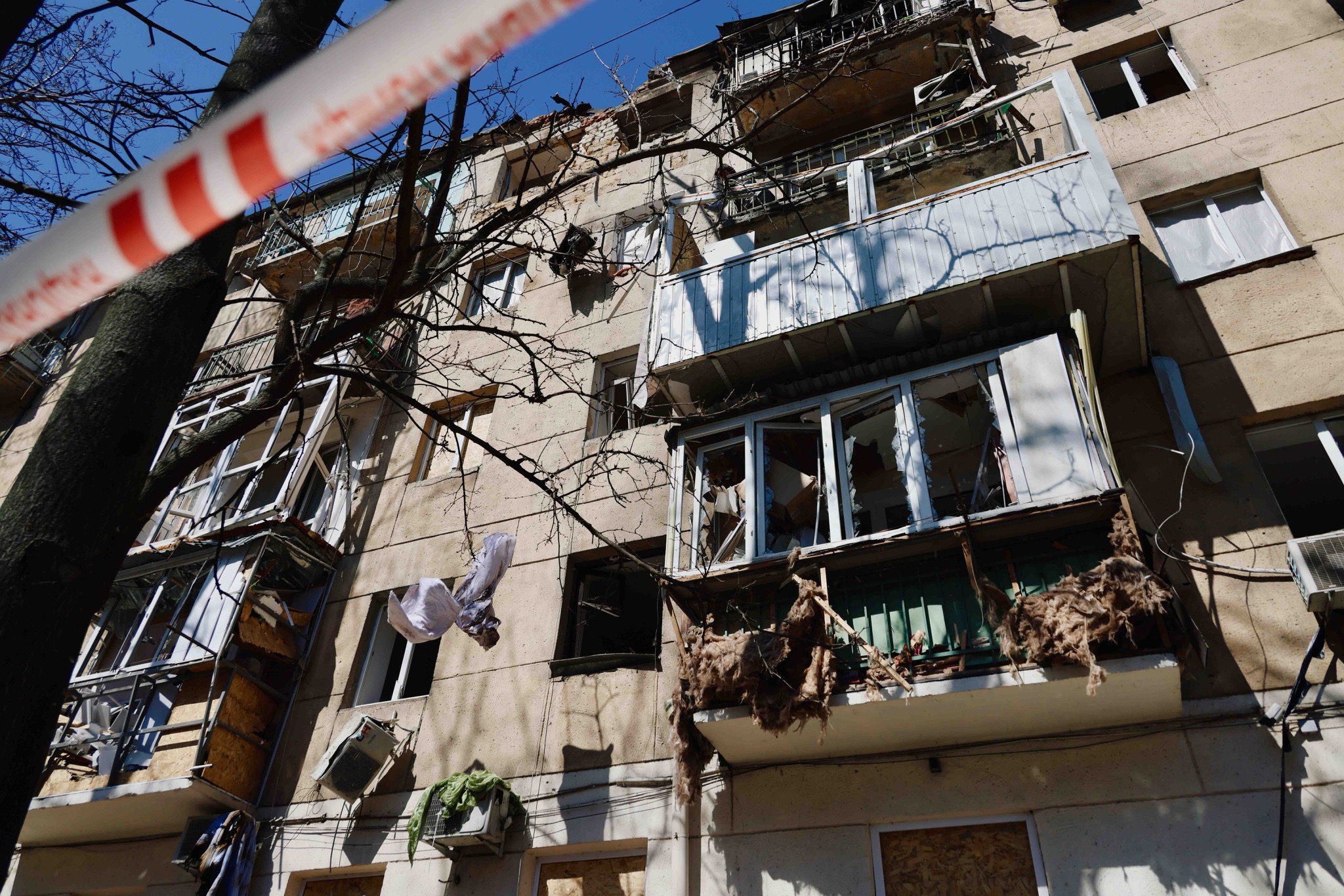
In the maternity hospital, as a result of the hit, the roof and the ceiling between the third and fourth floors were damaged. At the time of the attack, 80 people, including 33 medical staff, were in shelters; they were evacuated. Journalists learned that before rescuers arrived, medics tried to extinguish the fire on their own; one of the doctors was putting out the fire on the roof of the building.
“Two people were killed and 12 were injured. This time, the enemy deliberately struck one of Odesa’s maternity hospitals. Fortunately, all the women in labor and the babies are unharmed. It was in this maternity hospital that my eldest son was born”, — shared local photojournalist Oleksandr Himanov.
Worked on the material:
Researcher, text author: Yana Yevmenova
Photo editor: Olga Kovalova
Literary editor: Yuliia Futei
.png)