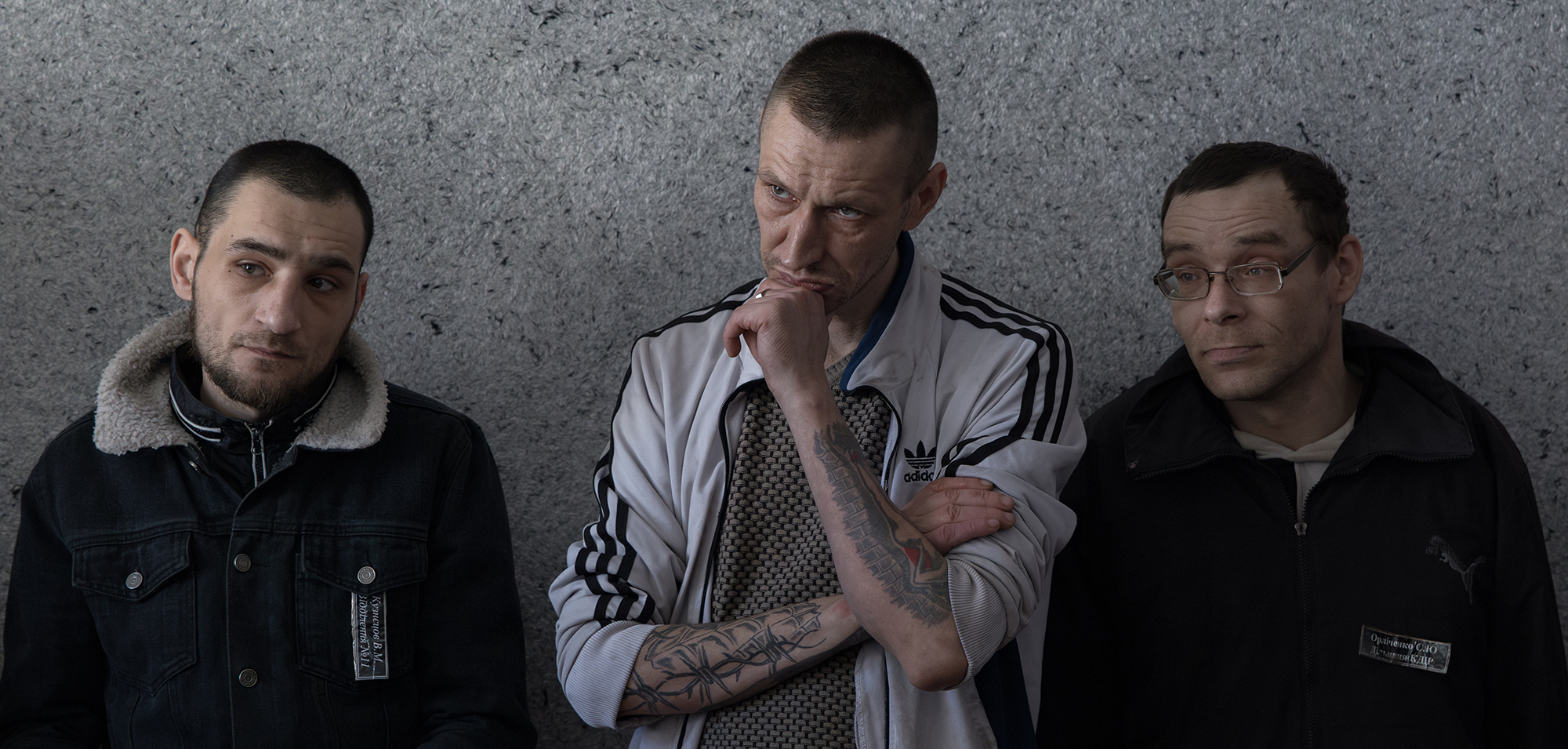
In the early days of the full-scale Russian invasion, thousands of volunteers joined the ranks of the Armed Forces of Ukraine. However, the protracted war and immense losses created new challenges for the state. After failed mobilization campaigns and an exhausting counter-offensive, a decision was made to reinforce the army with prisoners. As of March 2026, over 12,000 individuals have joined the military and are serving in specialized "Shkval" units. Nadiia Karpova’s photo project, "Beyond the Sentence," explores how war erases the boundaries between "criminal" and "hero."
"I have seen too many deaths of people I had grown fond of"
In May 2024, Law No. 11079-1 came into effect in Ukraine, granting convicts the right to mobilization. At first, I was very critical of this, as I didn't understand how it would affect the army and our society. The Russian "Wagner" group immediately came to mind, which became synonymous with cruelty and war crimes.
Andrii Dubchak and I arrived to report for the Frontliner outlet on the training of former inmates, now soldiers of the 1st Separate Assault Regiment. I didn't even realize where I had ended up and that this story would drag on for at least two years.
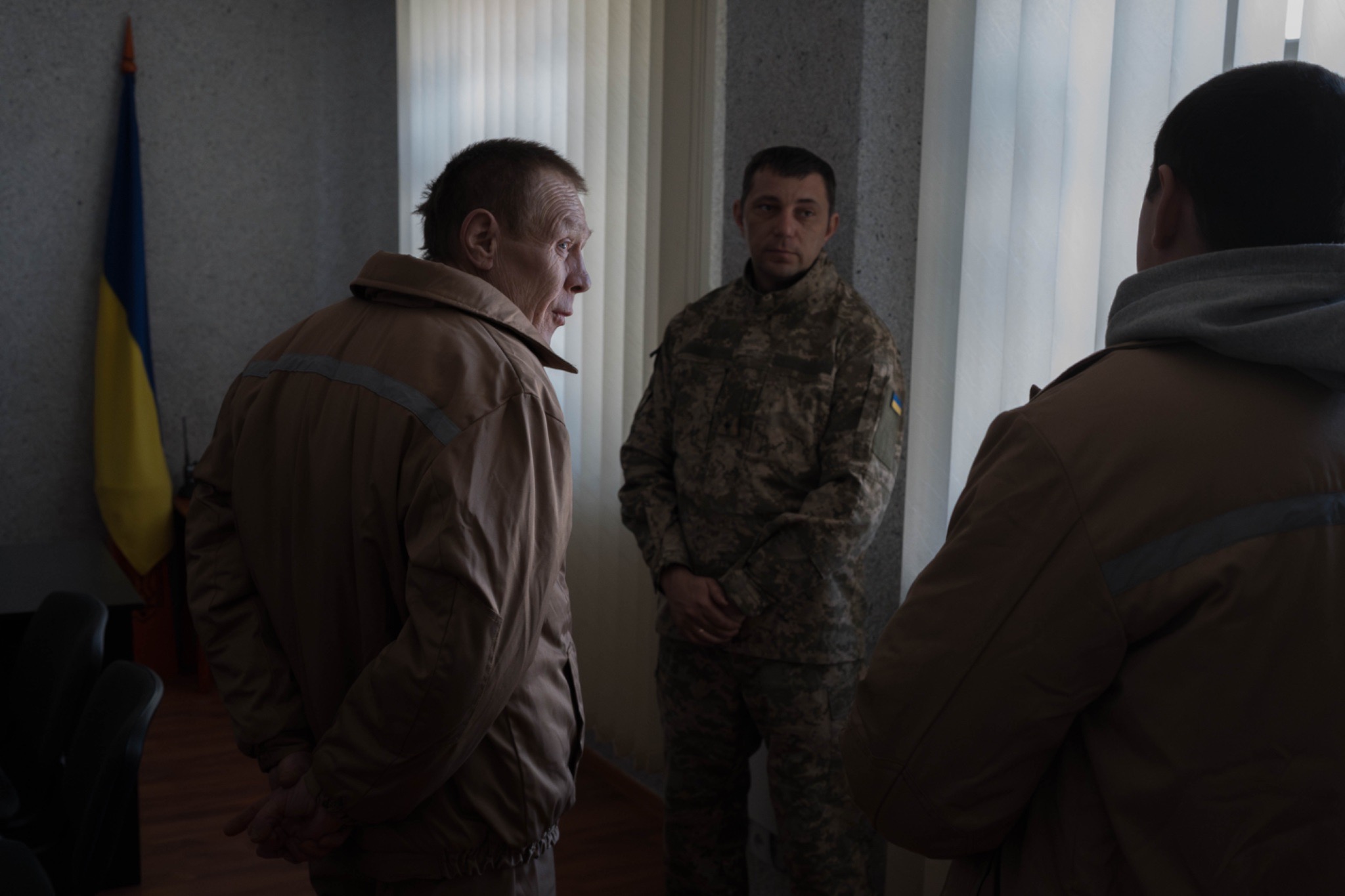
I have been working on this topic literally from the very beginning, when the first 34 prisoners signed a contract — Pupsik, Chasik, Bakha, Samosval, Liam, Smokey, and others. Without a clear state plan, each brigade independently determines how to integrate former convicts into combat units. This is how their journey begins — from stigmatized inmates to soldiers holding the most difficult sections of the front.
At first, I was very afraid of these people. They have had difficult lives, they are "problematic," and society perceives them with difficulty. However, punishment is being replaced by service, and their identity is transforming accordingly. They become brothers-in-arms, and support, trust, and responsibility begin to form between them. One of the guys told me that a woman approached him on the street and thanked him for his service. "If she knew that I was an ex-con, she wouldn't have spoken to me for anything in the world. But now I'm a soldier, and that's cool," the fighter smiled.
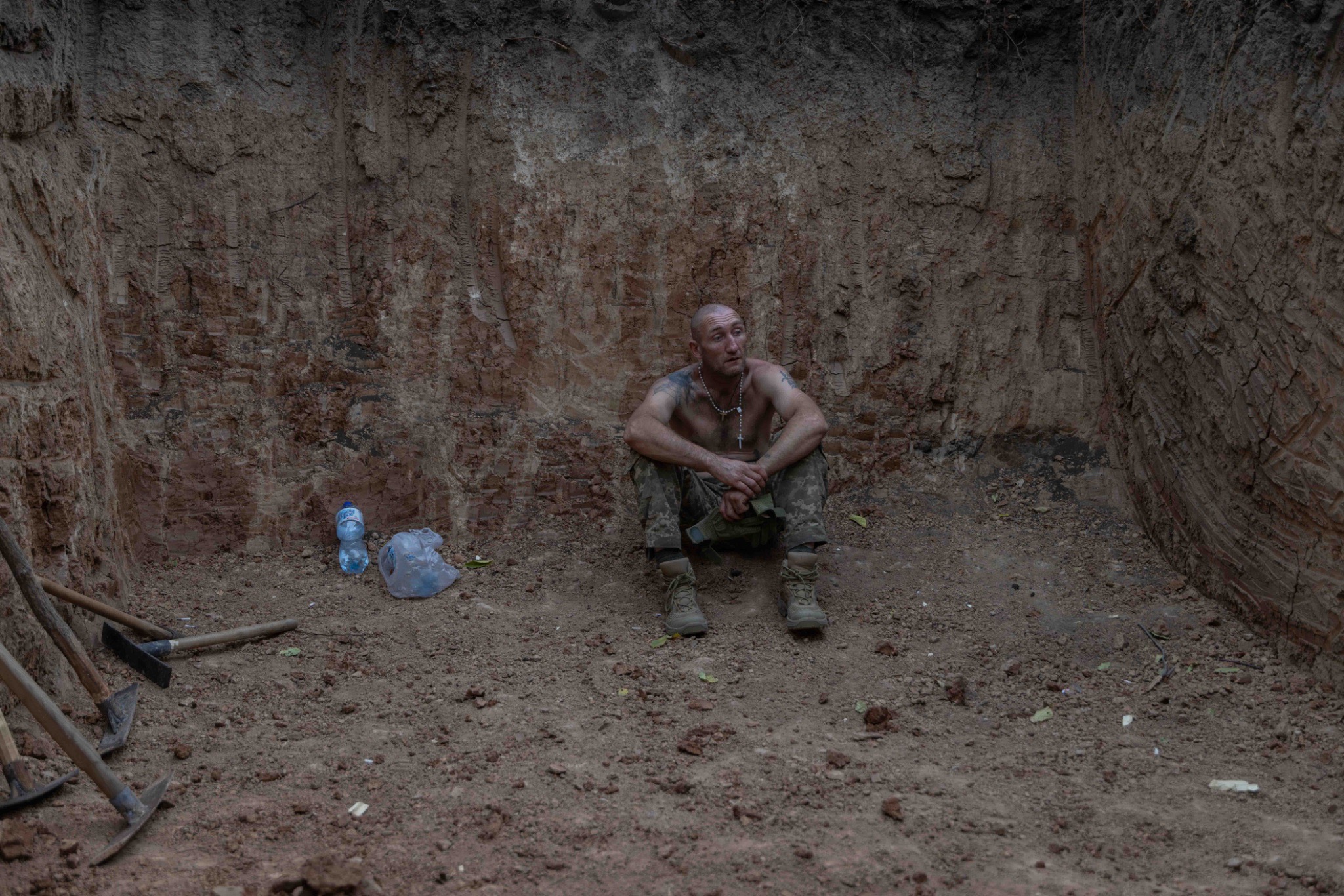
The first days in the military remind the guys of a game, a risky adventure, where they can try on new roles and start life anew. Reality quickly destroys these romantic notions as losses appear. Against the backdrop of the massive use of drones and new tactics of warfare, former inmates become part of the mechanism for holding the front. I have seen too many deaths of people I had grown fond of.
"Former inmates take pride in their desperation and zeal, and show exemplary results in combat"
For many convicts, military service has become a chance for a new life. The fighters often repeat that after leaving prison, they most likely would have followed the beaten path and ended up behind bars again. The war gave them an opportunity to restart their life’s path, allowed them to feel needed, and to help their families. Of course, former inmates understand that this is most likely a one-way ticket, because they can only be assault troops.
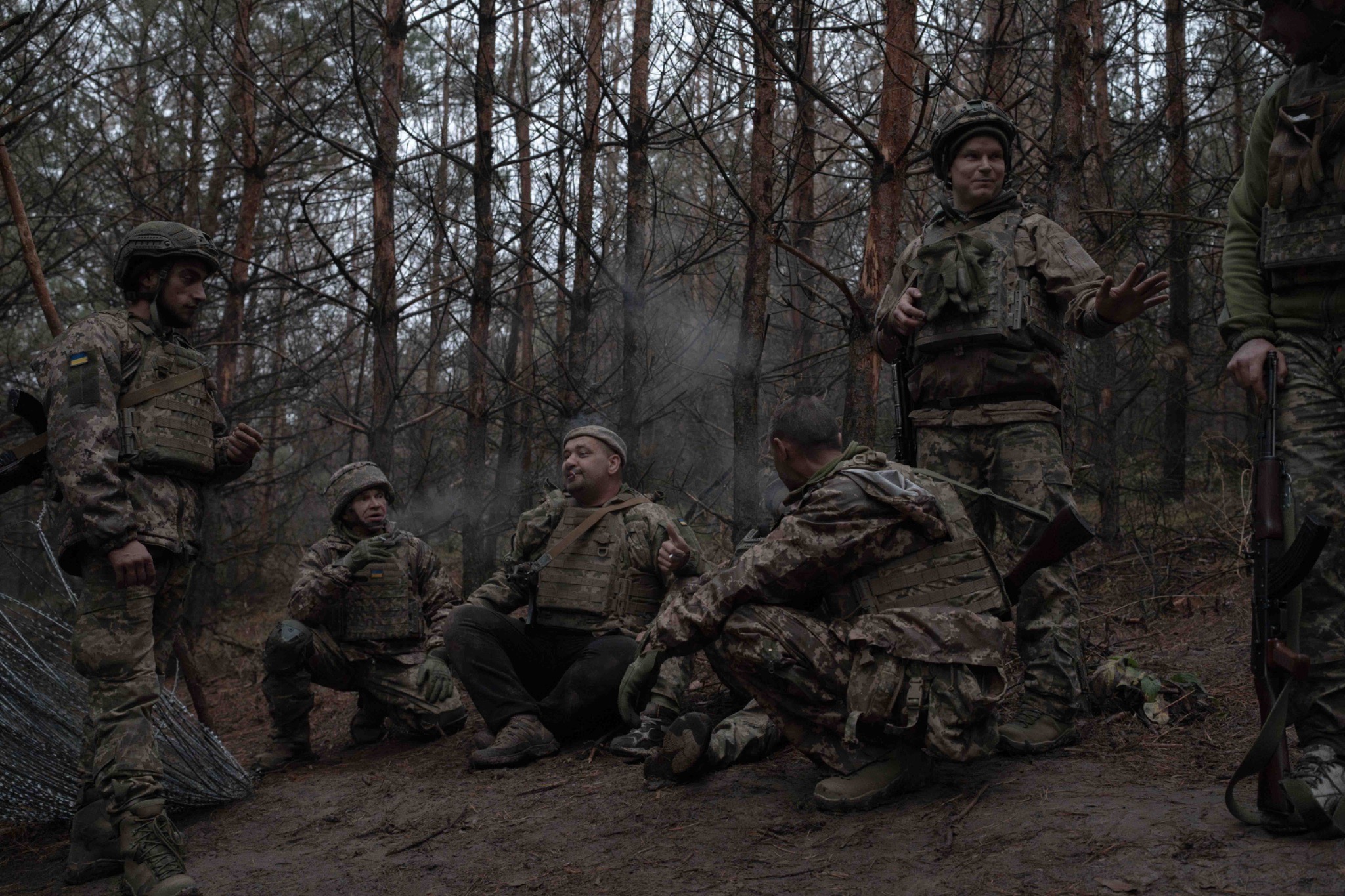
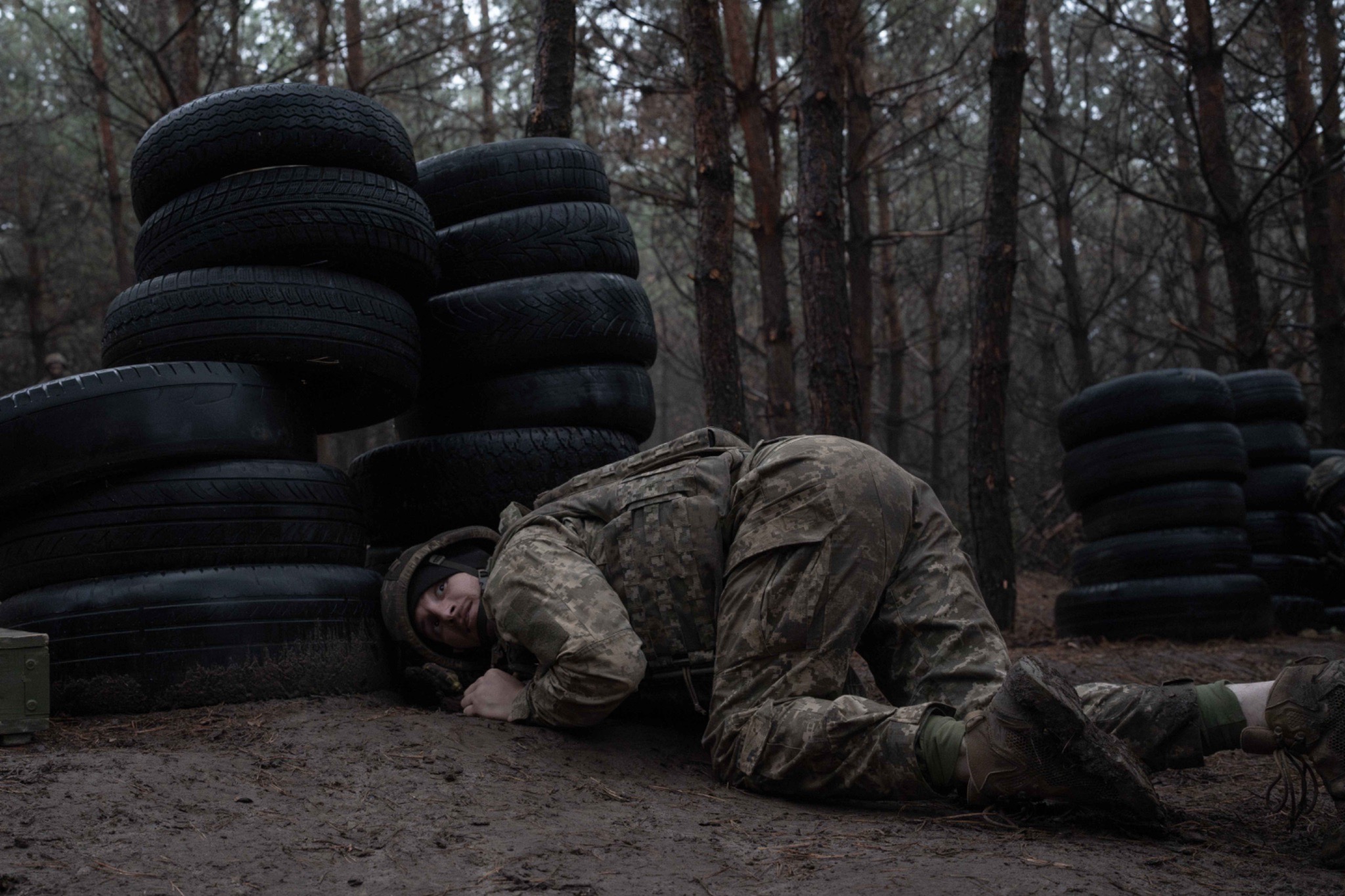
My project is an attempt to capture a unique historical moment and ask the question: can war become a space not only for destruction, but for the radical transformation of a person and their second chance at life? For the first time during the full-scale war, the state began to involve people who had been excluded from society in the country's defense. On the one hand, they joke about themselves, saying that they will remain invisible to other people forever. However, on the other hand, former inmates take pride in their desperation and zeal, and show exemplary results in combat.
I have a very deep emotional attachment to these fighters. They ended up in prison due to a difficult past, they were forced to survive, and usually, they did not commit serious crimes. Yes, they are far from being "cuddly," and often resemble a difficult child who provokes a thousand problems, yet they do their job perfectly in war. They have many successful assaults, they support each other, and never leave their own behind on the battlefield. I remember once the guys dragged a wounded brother-in-arms for 12 kilometers.
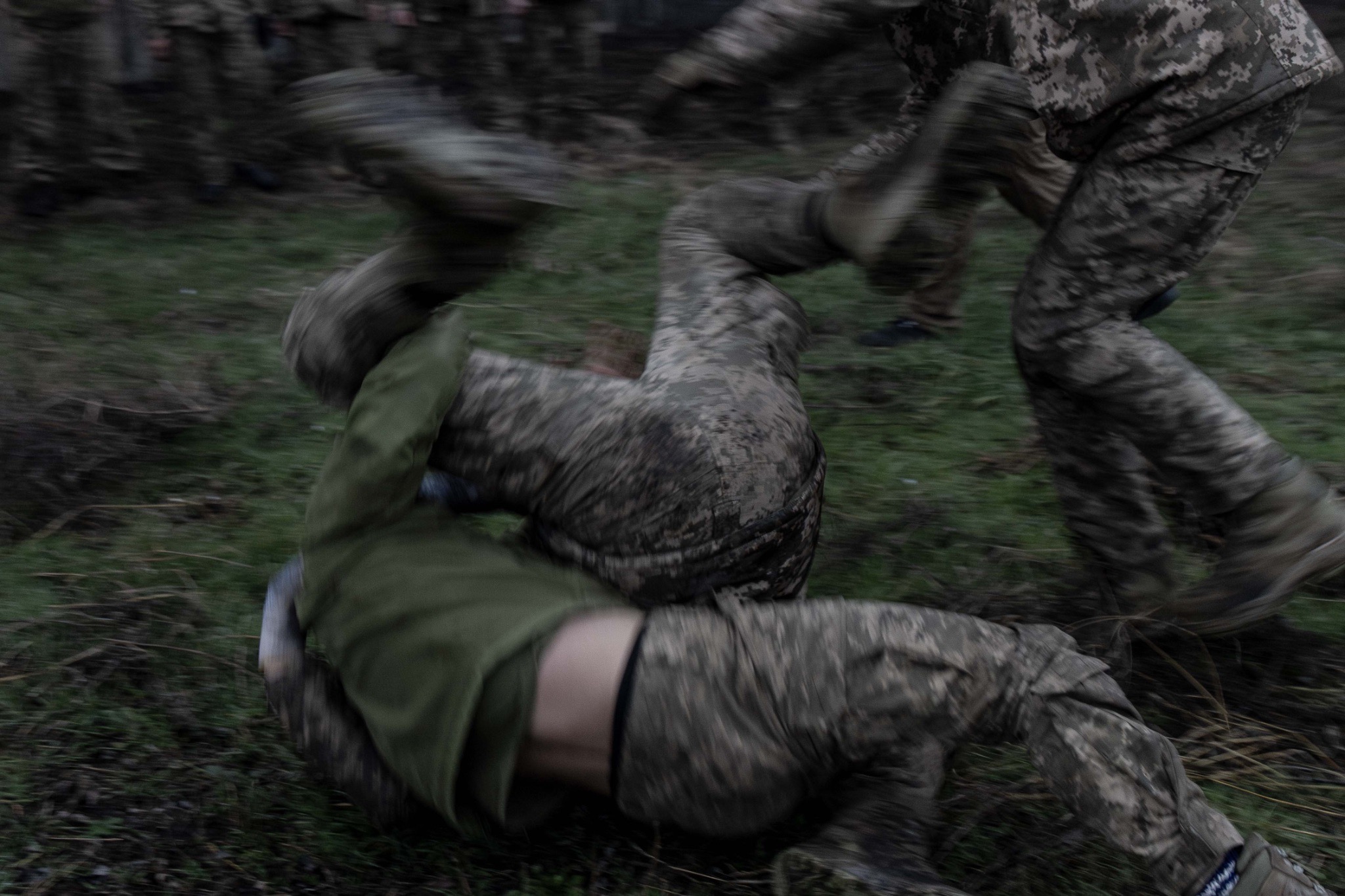
"I told myself I would no longer ask their names"
I am photographing the "Shkval" battalion within the Armed Forces of Ukraine. At first, they were in the Zaporizhzhia direction, near Orikhiv. Then they were transferred to the Donbas — Kurakhove, Myrnograd, Pokrovsk, Dobropillia. The "Shkval" units operate in various directions and always confirm their effectiveness. One fighter told me that he feels like a character in the game Counter-Strike, who only has one life. He really is fearless; he takes Russian soldiers prisoner and saves his comrades. He is confident that he will not die in this war.
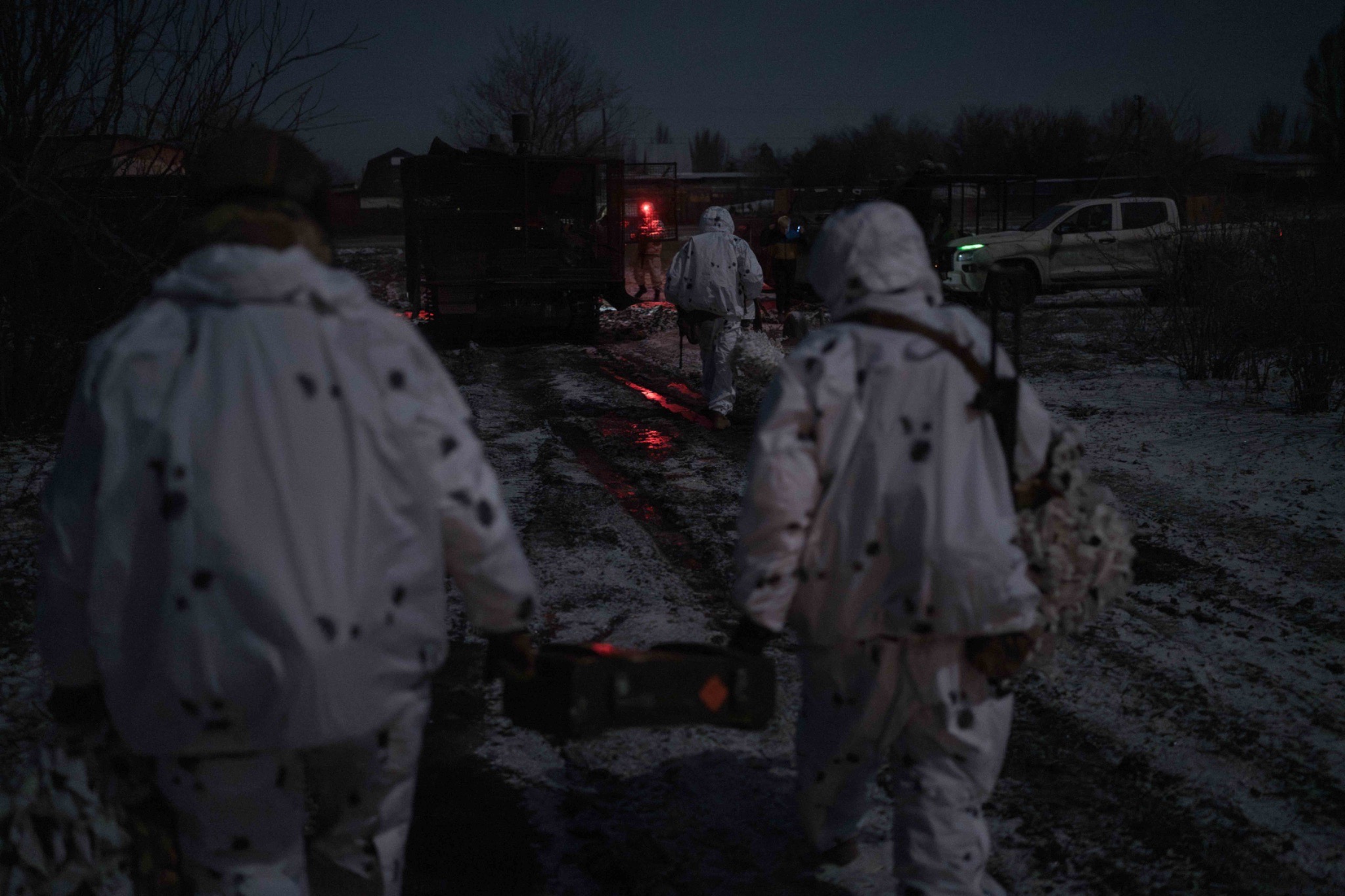
I hoped to film a long-term project about the first former inmates who mobilized. However, almost none of them remain alive. I took the deaths of these people very hard — I spent the whole summer of 2024 with them, filming their daily lives and training. In the evening, we would sit and talk a lot. It was probably the best summer of my life. At that time, it seemed that these guys had a wonderful future ahead and that everything would be for the best. They were all convinced that they would stop the Russian military and show the whole world how to defend their country. They reminded me of the volunteers who joined the army at the beginning of the full-scale Russian invasion.
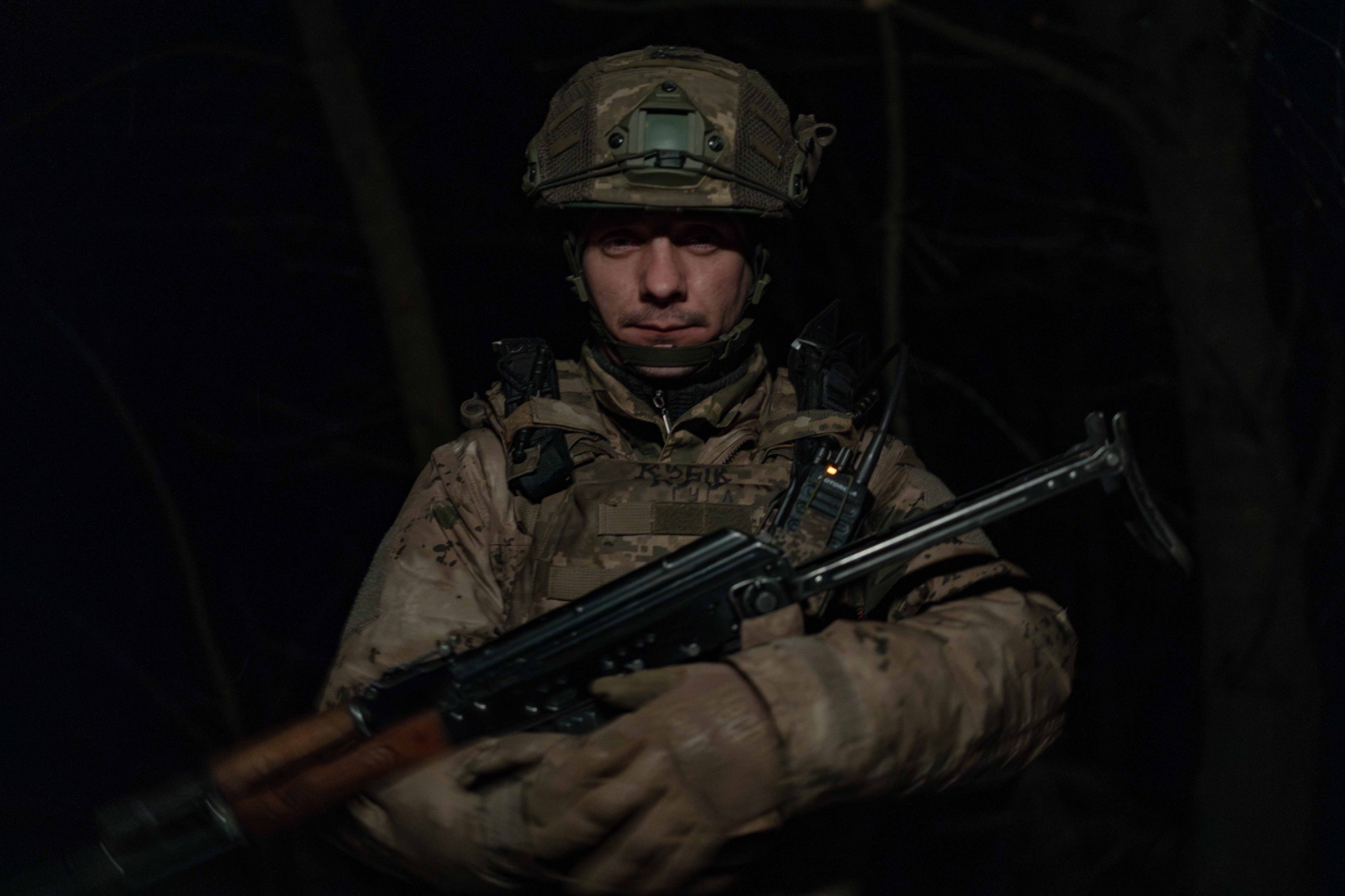
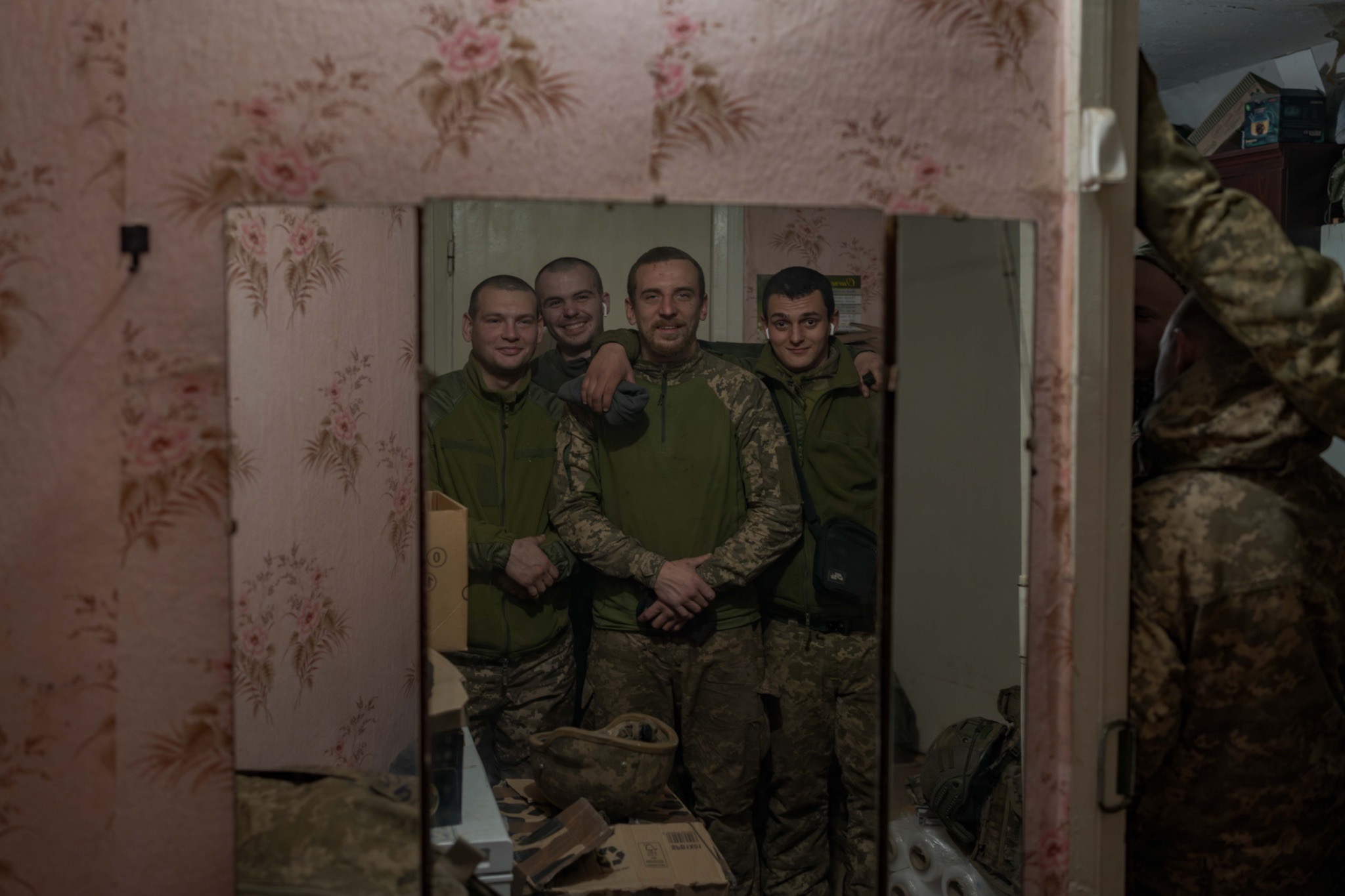
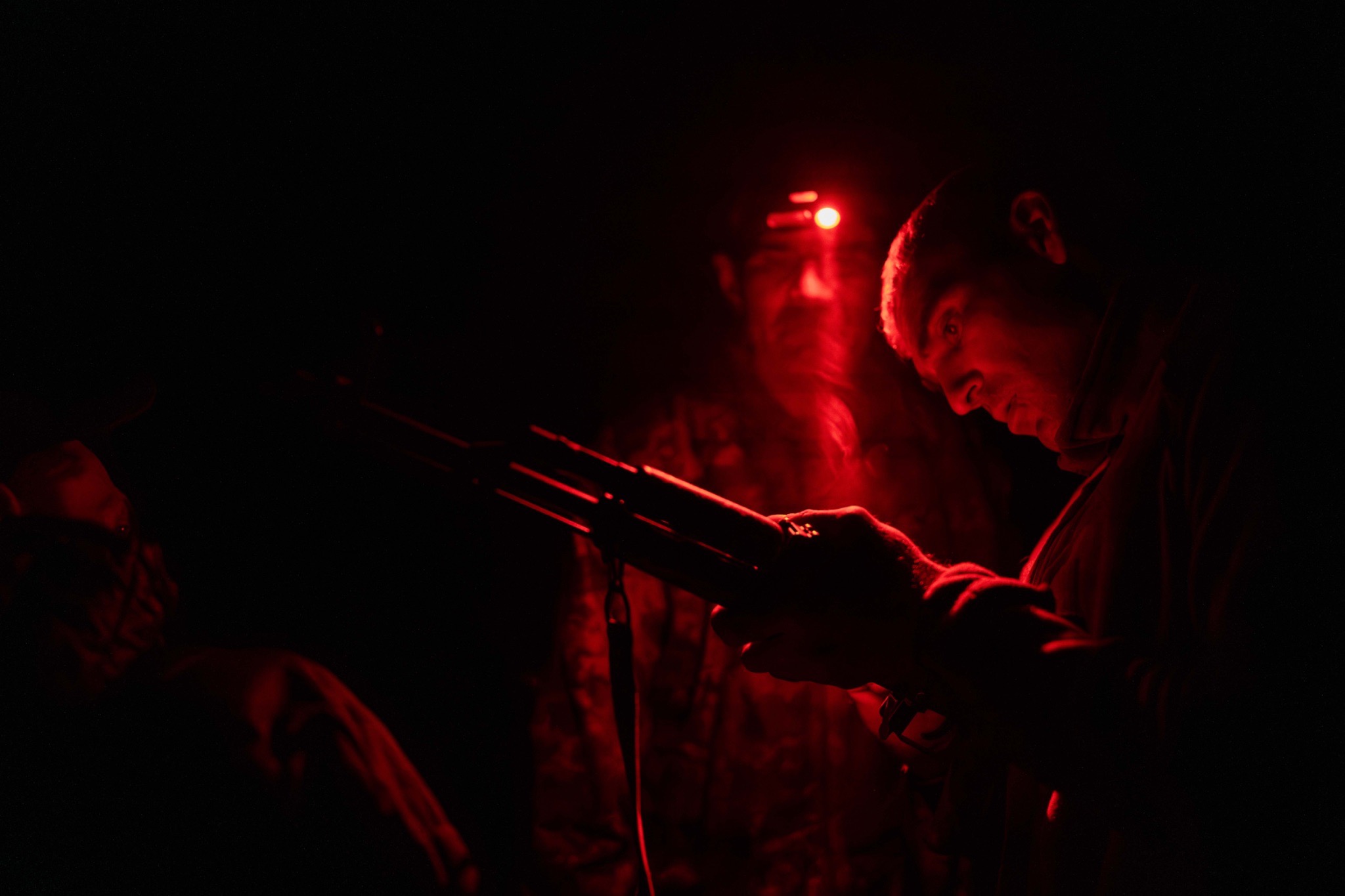
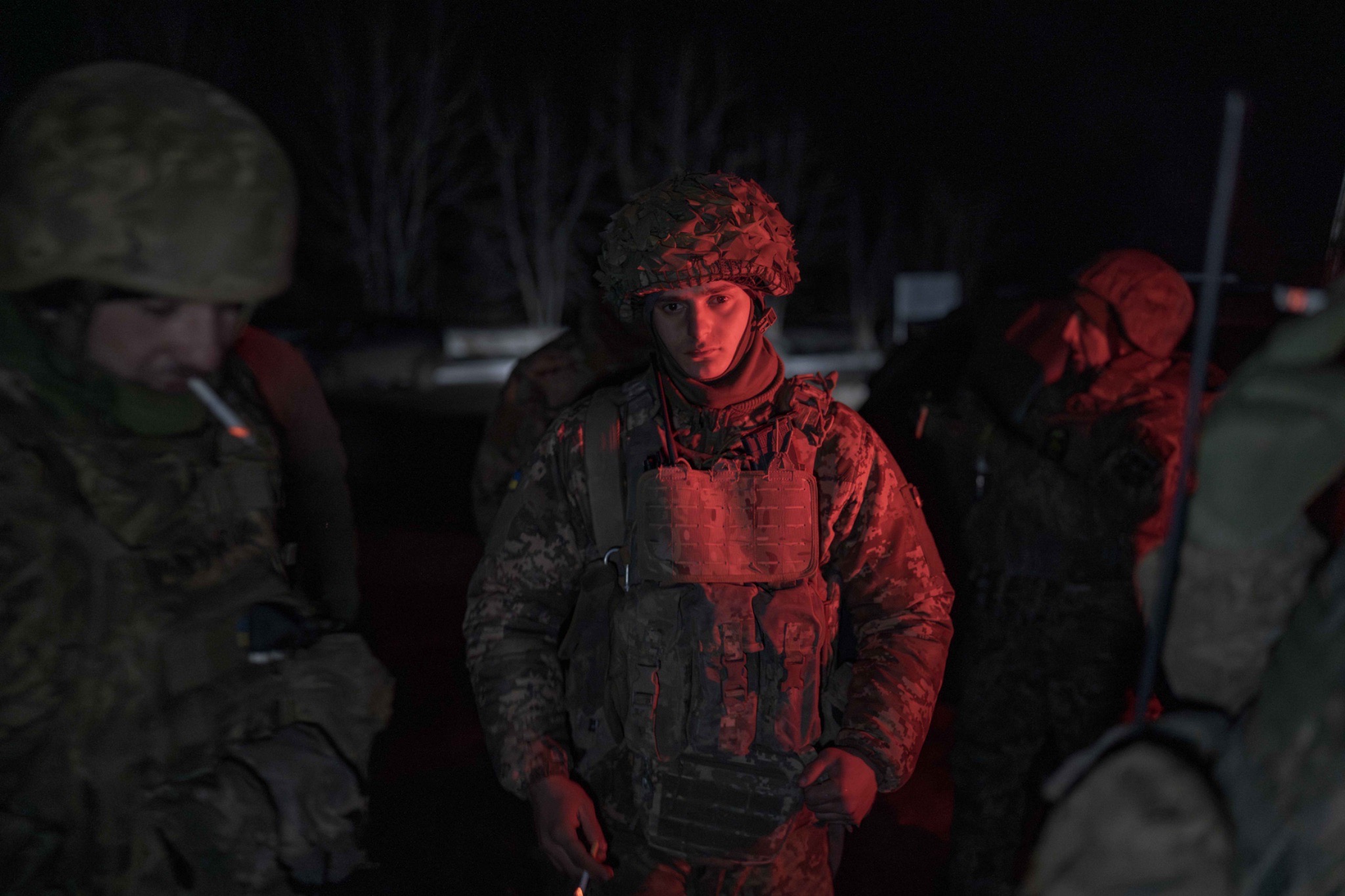
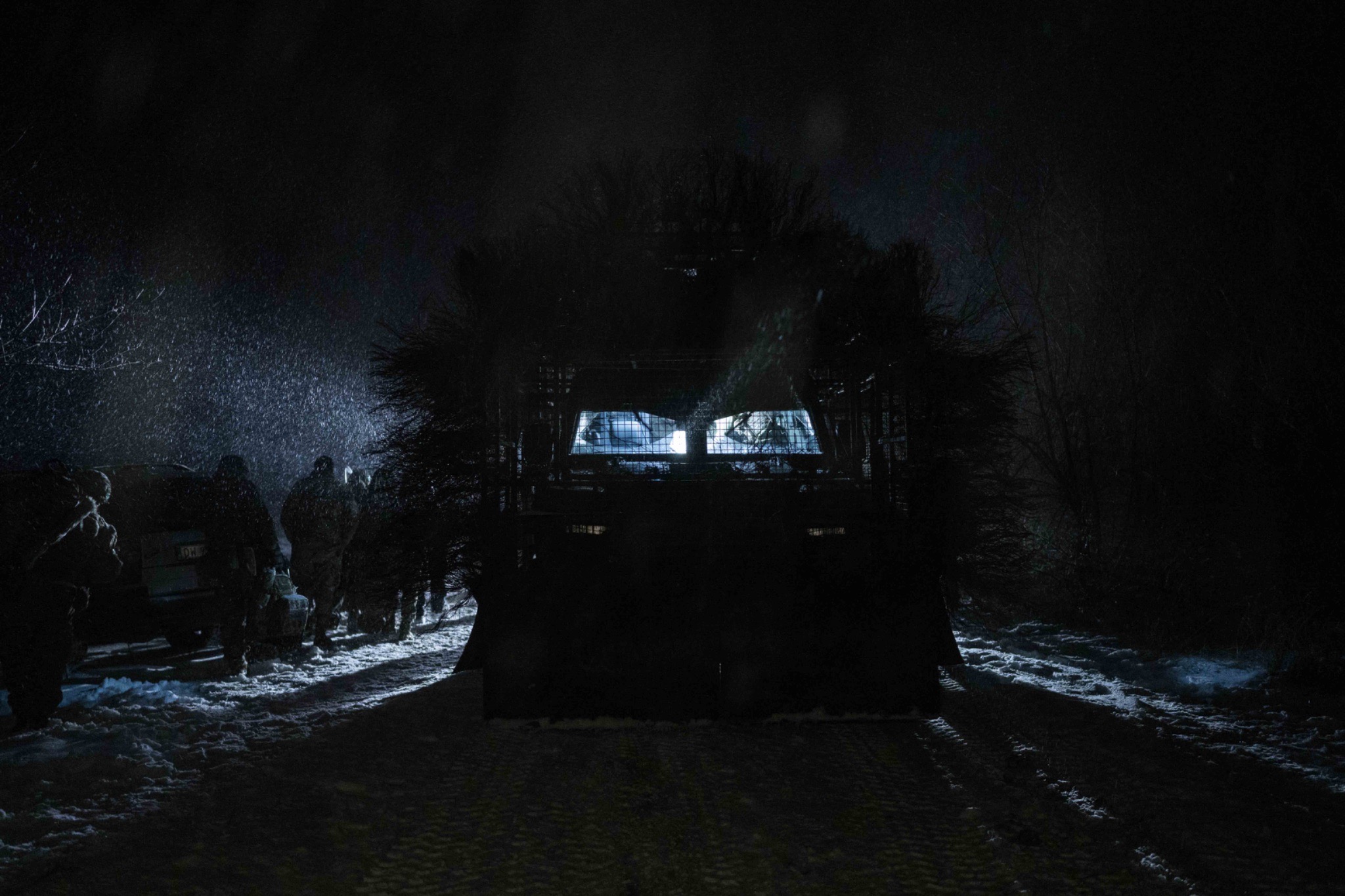
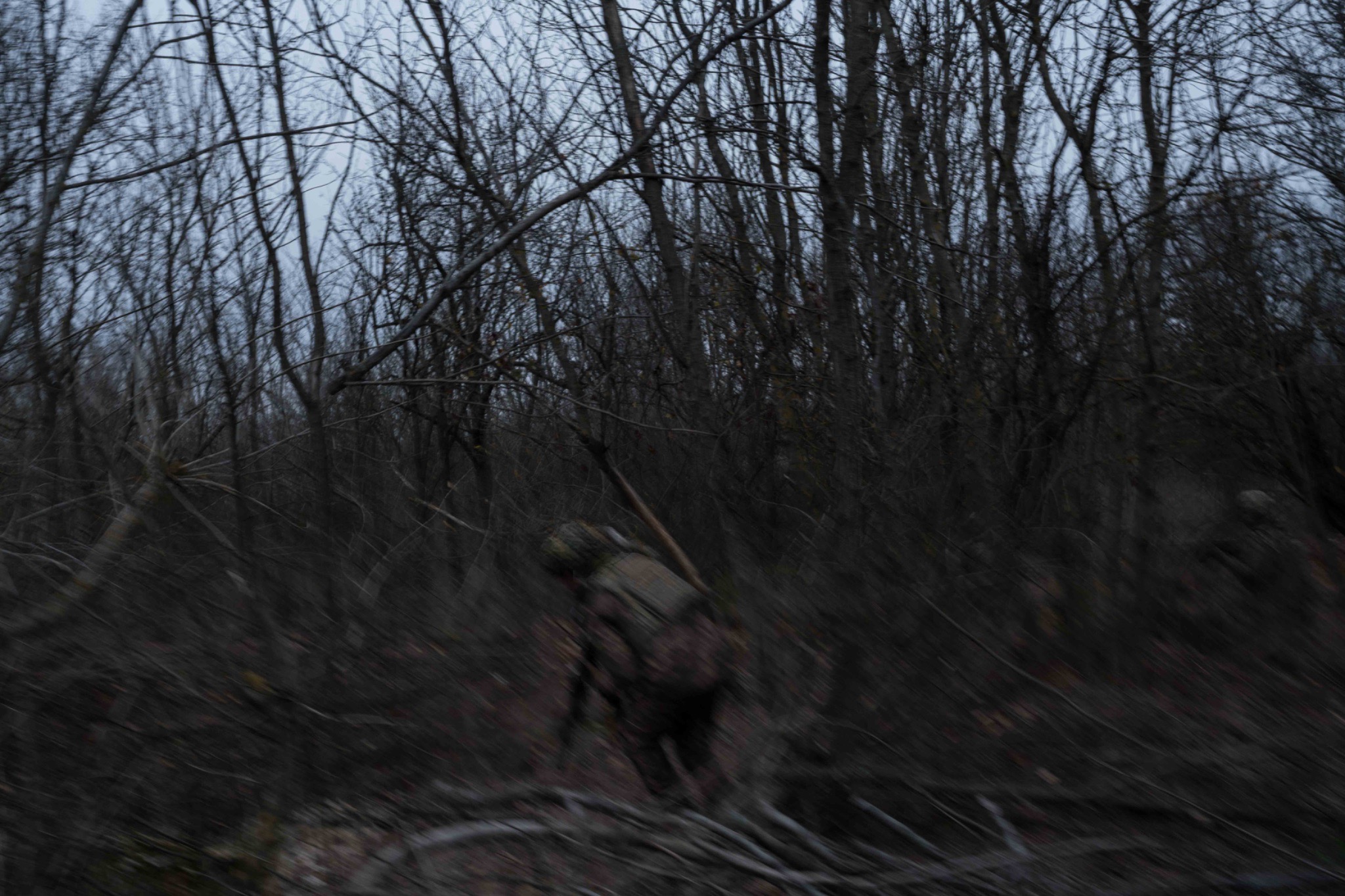
I photographed former inmates who became soldiers in various directions. For two months in the winter of 2026, I was with them near Huliaipole — photographing their daily life, trips to the front line, and their return. Unfortunately, I didn't have the opportunity to go on an assault with them, and could only watch from the observation control point; I often saw the moments of their death. Many of the photographs I took of the guys capture the last hours of their lives. I accompanied them to the point where they would transfer to the armored vehicle and leave for the assault. Then I would hear attempts to reach them via radio, but no one would answer. It is very difficult for me to work on this project. Very.
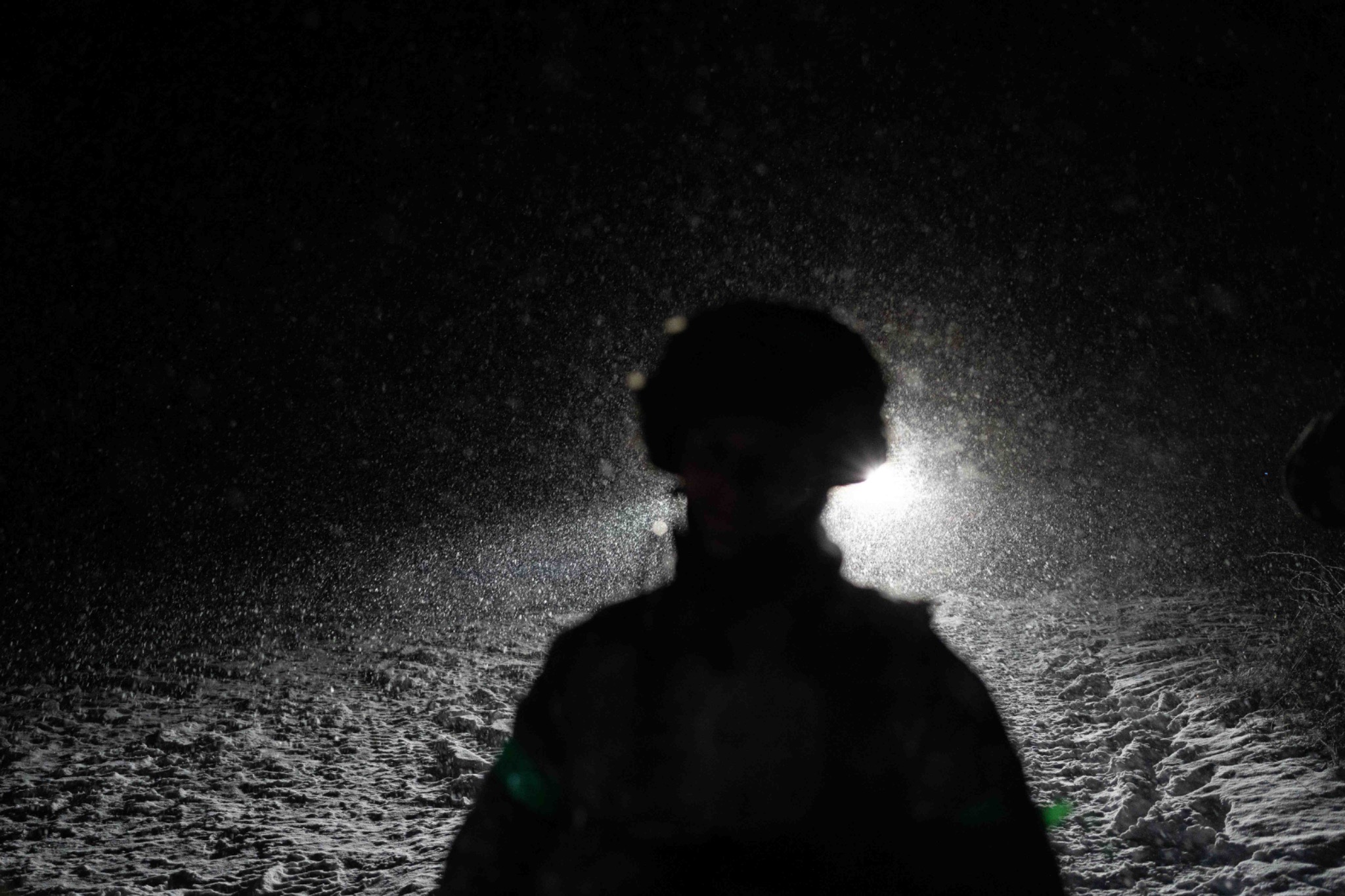
I was struck by the funeral of a fighter whom I only knew by the callsign "Chasik" (Timepiece). On the cross, I saw a plaque with his name — Dmytro Haidai, born in 1992. Not Chasik, but Dmytro, Dima. After that, when I returned to the positions to the fighters, I immediately began asking for their real names. I literally approached everyone and asked: "What is your name?". The distance between us disappeared, and they became Sashas, Lyoshas, Ilyushas to me — ordinary guys who ended up in prison due to minor offenses. There were no hardened criminals among them; none of them ever offended me. I spent a lot of time with them, talking. Then, when they started dying en masse, I told myself that I would no longer ask for their names, that I would keep my distance.
However, I fail to keep this promise. Someone always comes up to me and tells me about themselves. We communicate on social media, they send their photos, and share their achievements at the front. They have become a part of my life.
"Instead of taking photos, I often hug those who returned alive"
The fighters often joke that I am taking photos for their gravestones. In response, I explain that I am filming them for Ukrainian history, that I want to tell about them as fighters who directly influence the holding of the front line. I believe it is right to leave a memory of them, to give them the opportunity not to be just objects of statistics or social stereotypes, but full-fledged witnesses and participants in historical events. I try to record their experience honestly — without glorification or demonization, and to show the complexity of their decisions, motivations, fears, and losses.
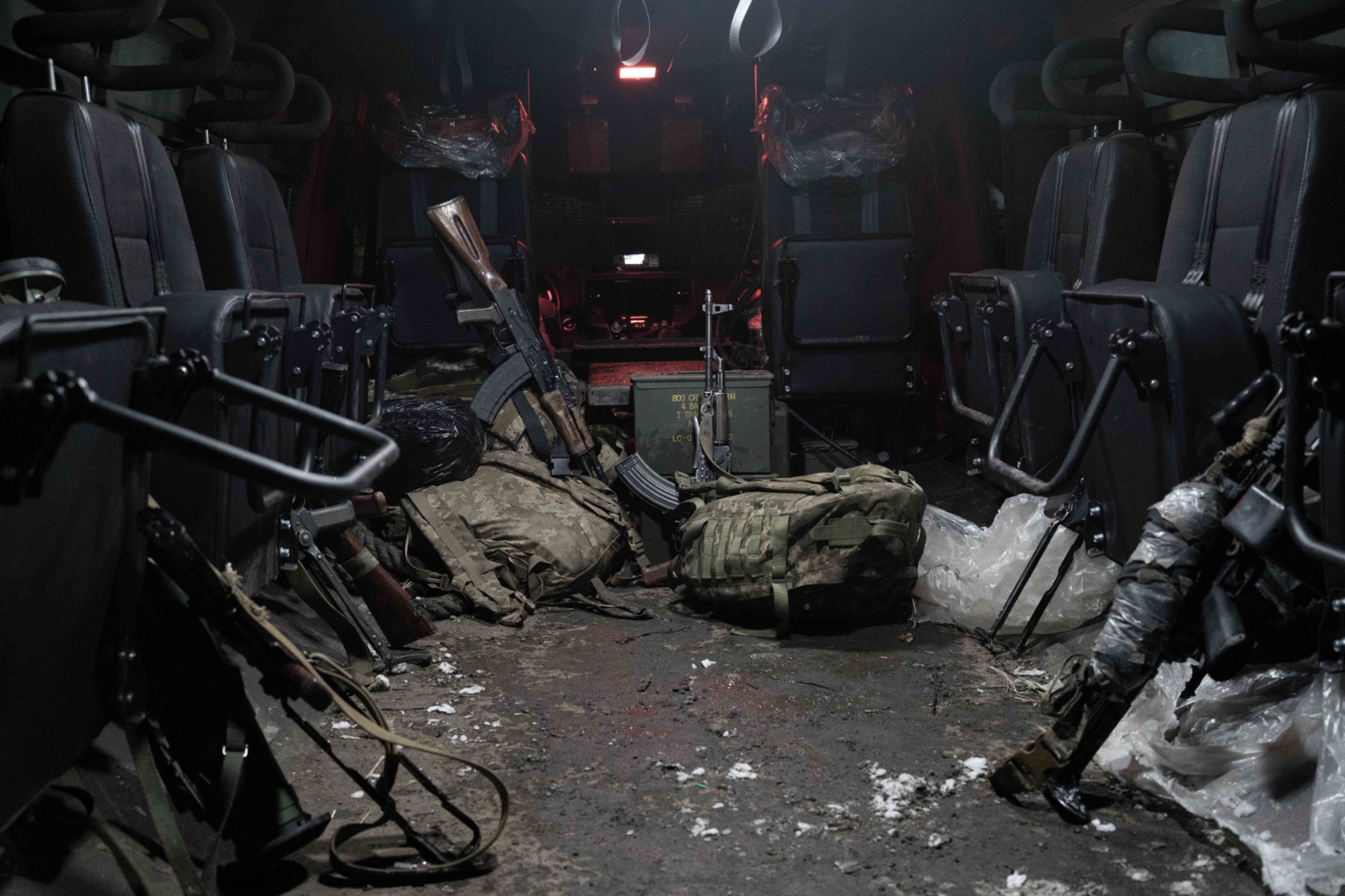
Today, not many prisoners are willing to mobilize. Perhaps correctional facilities do not want to lose capable workers; perhaps prisoners understand that war is very dangerous and their story as a fighter may be too short. I very much regret that I did not take more shots and did not record more conversations with those who mobilized among the first. Sometimes I just talked to them, but I should have been filming. However, I didn't always have the emotional strength to shoot.
I really wanted to take portraits of each of the fighters. I looked through photos of my favorite photographers, flipped through photo books, and searched for references for the shoot. However, on the spot, all my plans instantly fall apart. When I am photographing an evacuation from the front line, when fighters are wounded, I cannot tell them to stop and look at my camera. I just try to catch the moments. Besides that, I am emotionally attached to them — instead of taking photos, I often hug those who returned alive.
I also planned to take a series of photos of the fighters before and after the assault. However, these moments are often too touching to ruin with photography. The guys before battle are too deep in thought to be distracted for a shot. Many of them even developed a superstition — if I don't photograph them before they leave, they will return unharmed. Although the photos are important to them. When a publication comes out, they forward it, for example, to their mother. They ask for the photos to share on their social media or to send to their family.
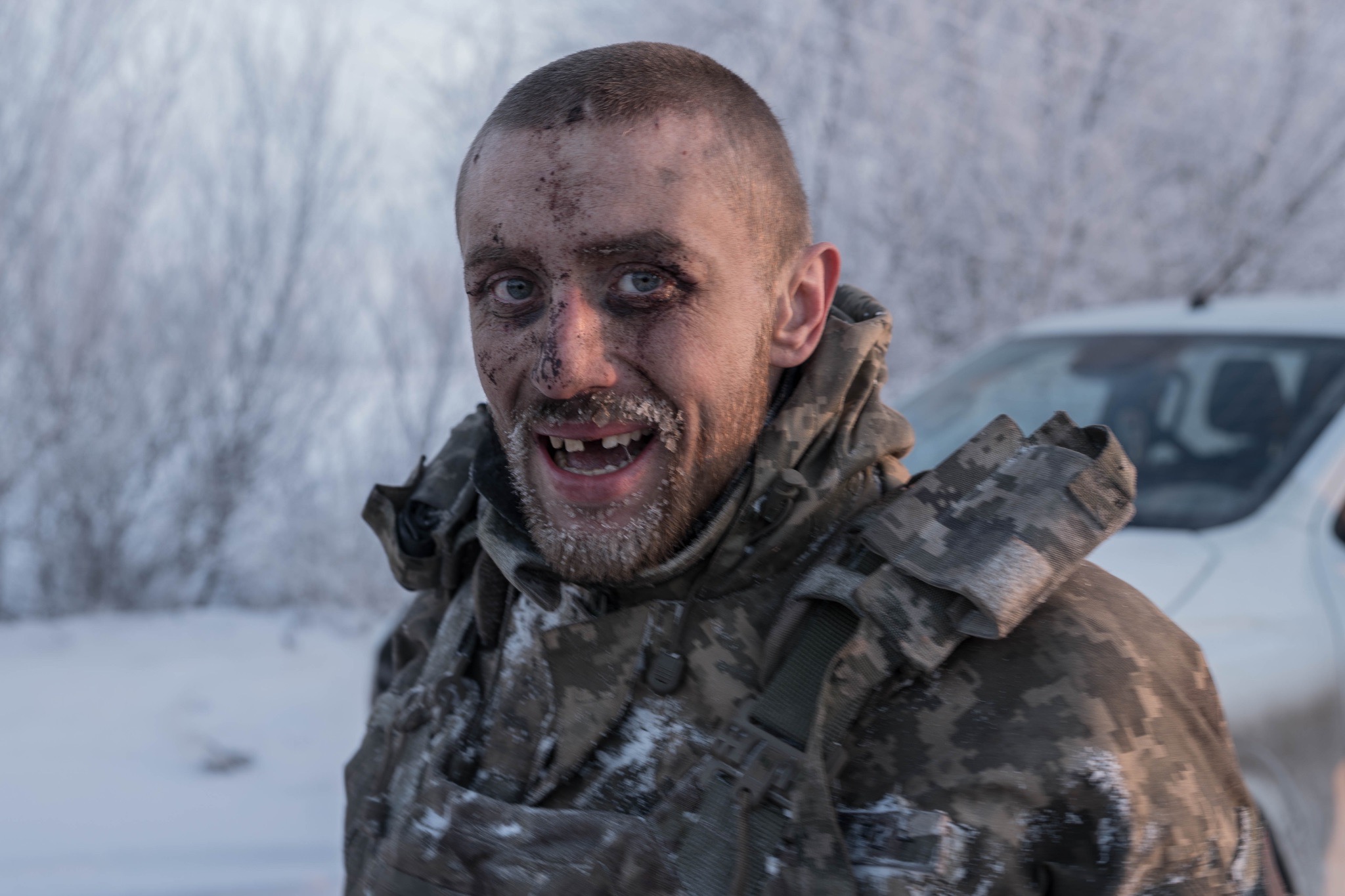
"I continue to photograph people who lost their freedom, and are now ready to give their lives for the freedom of others"
In my opinion, no photograph conveys the full spectrum of emotions of an infantryman before going on an assault. Each time, I painfully experience their departures to the front line, subconsciously saying goodbye to each one. I often remember a guy named Zhenia, with the callsign "Malikhan," who was only 21. He always kept to himself, didn't want to talk to anyone. I remember we were standing in the middle of the night in the snowfall, waiting for the order to depart, and Zhenia approached me. He said he hadn't told his mother anything and that she thinks he is currently at training. He told me about his sisters, about his family, about his fear of dying — it was important for him to speak out. I probably should have filmed a video, but I just sat and held his hand. He died an hour and a half after the assault began.
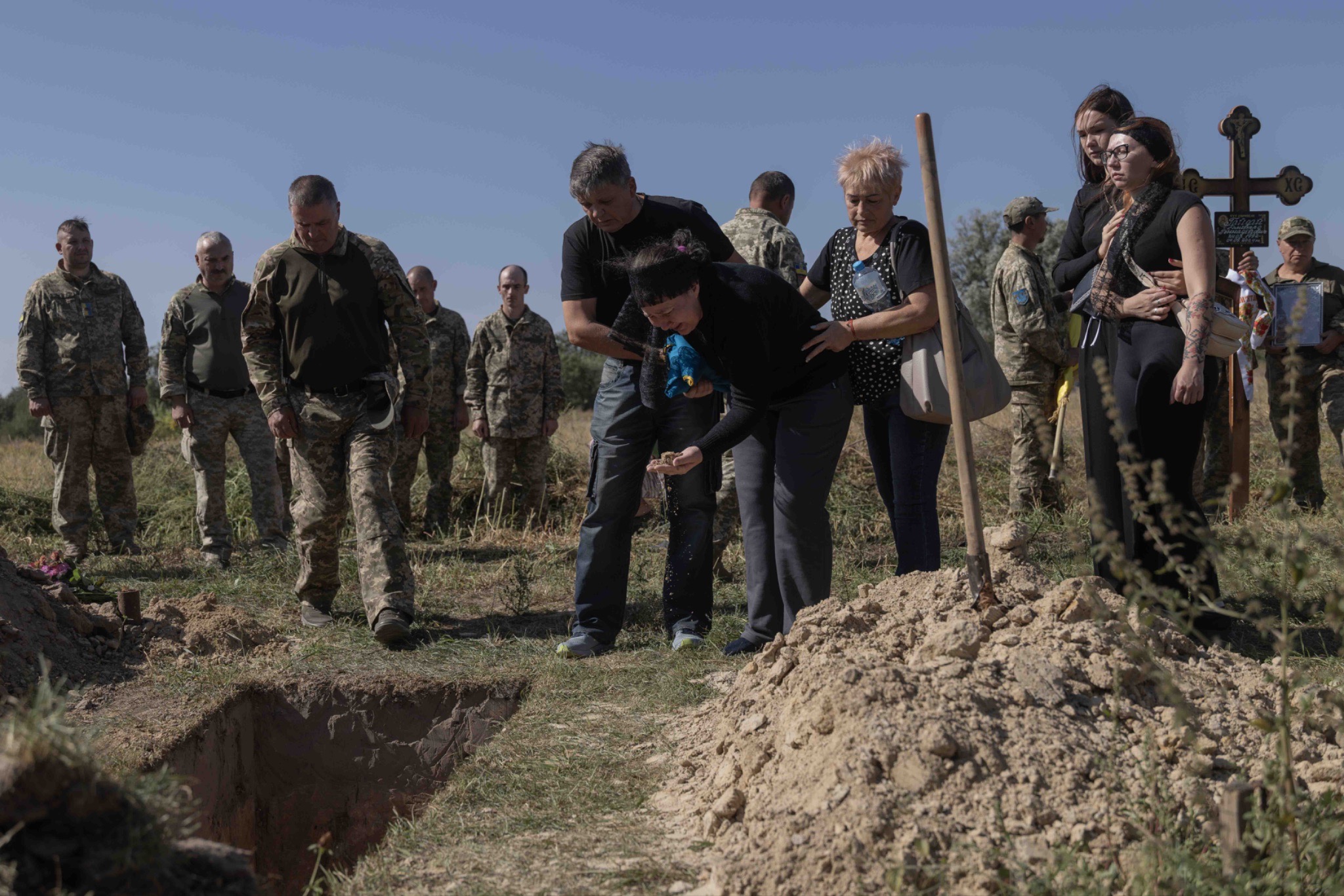
I dream that people change their attitude toward former inmates, that they value them as defenders. We cannot judge them, as none of us is a saint. I even saw a tattoo on one of the guys that read "Only God is my judge." I spend a lot of time with them, I share food and water with them, and above all, I see them as people with their own complicated stories. I am very grateful to them for their choice to become soldiers, and the only thing I can give in return is to photograph them and record their stories. I continue to photograph people who lost their freedom, and are now ready to give their lives for the freedom of others.
Material created with the support of the British Council's "Grants for Creative Economy Development" program
Nadiia Karpova is a Ukrainian reporter, videographer, and documentary filmmaker from Dnipro, working for the independent media outlet Frontliner. Before the full-scale invasion, she worked as an actress; since 2022, she has focused on front-line reporting and visual storytelling about the war.She has been shooting documentary stories for about three years and consciously chooses long-term projects where one can trace changes and transformations — how war takes away and simultaneously provides meaning. One of the key directions of her work is the long-term documentation of former inmates who have signed a contract with the Armed Forces of Ukraine: Nadiia photographs the heroes, accompanies their journey, and prepares material for a future documentary film. In her practice, she speaks about the transience of life and the value of short moments.
Working on the material:
Topic researcher, author of the text: Katia Moskaliuk
Photo editor: Olga Kovalova
Literary editor: Yuliia Futei