.jpeg)
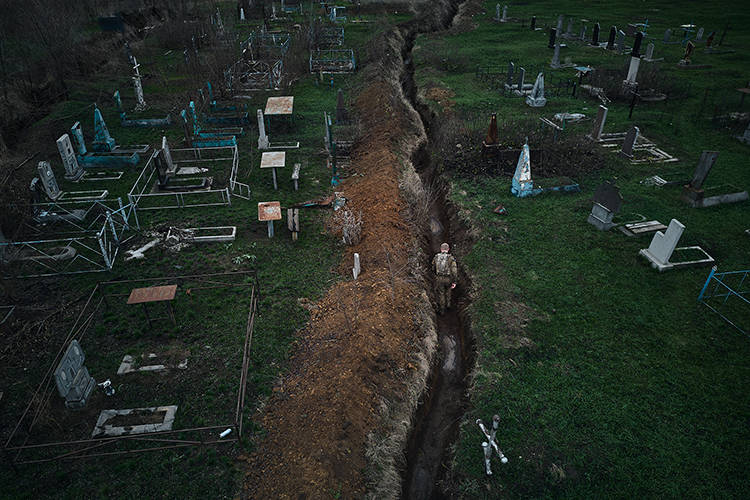
Over theweek of Nov. 4–9, 2024, Russian forces intensified attacks on peacefulUkrainian cities far from the front line. Kharkiv, Odesa, Kyiv, and othercommunities—home to hundreds of thousands, and even millions, of people—becametargets for drones and missiles. These strikes left behind not onlydestruction, but deep psychological and physical scars, forcing Ukrainians toremember every day that even in the rear, safety remains conditional.
KYIV
On thenight of Nov. 7, 2024, Kyiv endured another drone attack—an intense ordeal forthe city and its residents. The air-raid alert lasted eight uninterruptedhours, during which air-defense forces shot down more than 30 enemy drones.Still, debris from the intercepted targets fell in the Pecherskyi,Solomianskyi, Obolonskyi, and Darnytskyi districts, leaving destruction andfires in its wake.


In theHolosiivskyi district, the blast wave shattered windows in a residentialbuilding, and fires broke out at the debris impact sites—quickly extinguishedby responders. One fragment damaged a medical facility and a high-riseapartment building. A fire erupted there, and residents were evacuated. Twocivilians were injured.
“The dayno one died” — that’s how Serhii Nuzhnenko, a Radio Svoboda photojournalist whodocumented the aftermath of the overnight attack, describes Nov. 7. “I open agate torn apart by the blast wave into the yard of a private house. Outside, awoman is sweeping up shattered glass. ‘May I come in and shoot?’ I ask. ‘Yes —your TV colleagues were here, and they didn’t even ask permission,’ shereplies, continuing to gather the fragments,” Nuzhnenko recounts, describingthe moments he witnessed in this latest ordeal for the capital.


His clothes absorbed the smell of smoke from a morning fire in warehouses, where firefighters, journalists and random witnesses shared hot tea and coffee near a destroyed coffee shop.
ODESA
On thenight of Nov. 7, 2024, Odesa was once again targeted by Russian drones, whichinflicted new damage on the city. The strike destroyed 14 cars, damaged thefacade and windows of an 11-story apartment building, and hit a gaspipeline—fortunately without causing a fire. The blast wave also blew outwindows in two neighboring five-story buildings.


OdesaRegional Military Administration head Oleh Kiper reported that a 30-year-oldman sustained minor injuries in the attack and was treated at the scene.


This weekbrought Odesa yet another attack: on the night of Nov. 9, Russian drones struckthe city again, killing one person and injuring 13 others, including twochildren. The strikes set dozens of cars on fire and sparked a large warehouseblaze, while residential buildings sustained significant damage. Among theinjured were two boys, ages 4 and 16.
KHARKOV
.jpeg)

.jpeg)

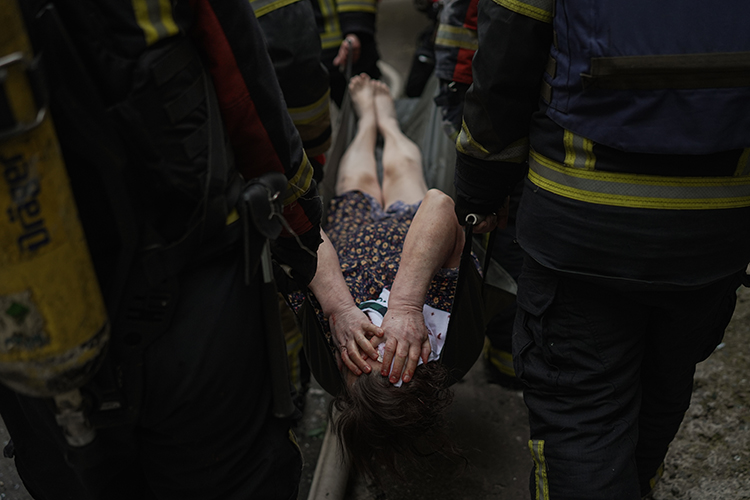
On thenight of Nov. 8, 2024, at around 3:30 a.m., Kharkiv was shaken by anotherRussian airstrike. Guided bombs hit the Saltivskyi district, striking a 12-story apartment building and leaving behind human pain and destruction.Twenty-five civilians were affected; five were injured and taken to hospitals.Rescue crews pulled 30 people—among them four children—from the dangerous areaand out from under debris that still smelled of smoke and dust.


Blast wavesalso hit nearby buildings, damaging homes, parked cars, and metro entrances.The city center did not escape unscathed either: historic buildings, publicspaces, and residential neighborhoods were damaged. Fortunately, there were nocasualties in the central part of the city this time. Photographers IvanSamoilov and Yevhen Hertner remain in Kharkiv and continue to document nearlyevery strike.
KHERSON
On Nov. 8,2024, Russian forces shelled Kherson’s Dniprovskyi district with artillery. Ataround 3:30 p.m., a blast wave swept through the area and struck pedestrianswho were trying to go about their usual lives. Among them was a 56-year-old manwho was injured in the attack and hospitalized.


In a citywhere residents have grown accustomed to constant danger, the debris nowincludes damaged apartment buildings, severed power lines, and destroyed busstops. Photojournalist Ivan Antypenko documented this evidence of a crimeagainst civilians, publishing photographs of the shelled neighborhood near thebus station. Law enforcement opened a criminal case, recognizing each suchattack as evidence of violations of human rights and international law.
This weekonce again reminded Ukraine that peace is the highest value—one that, however,comes at a steep price. In his address, President Volodymyr Zelenskyyemphasized that to withstand such attacks, the country needs continued supportfrom the world, particularly in air-defense systems. “We are continuingnegotiations with our partners,” he stressed, addressing Ukrainians and theinternational community.
Workedon the piece:
Topic researcher, text author: Vira Labych
Photo editor: Viacheslav Ratynskyi
Literary editor: Yuliia Futei