
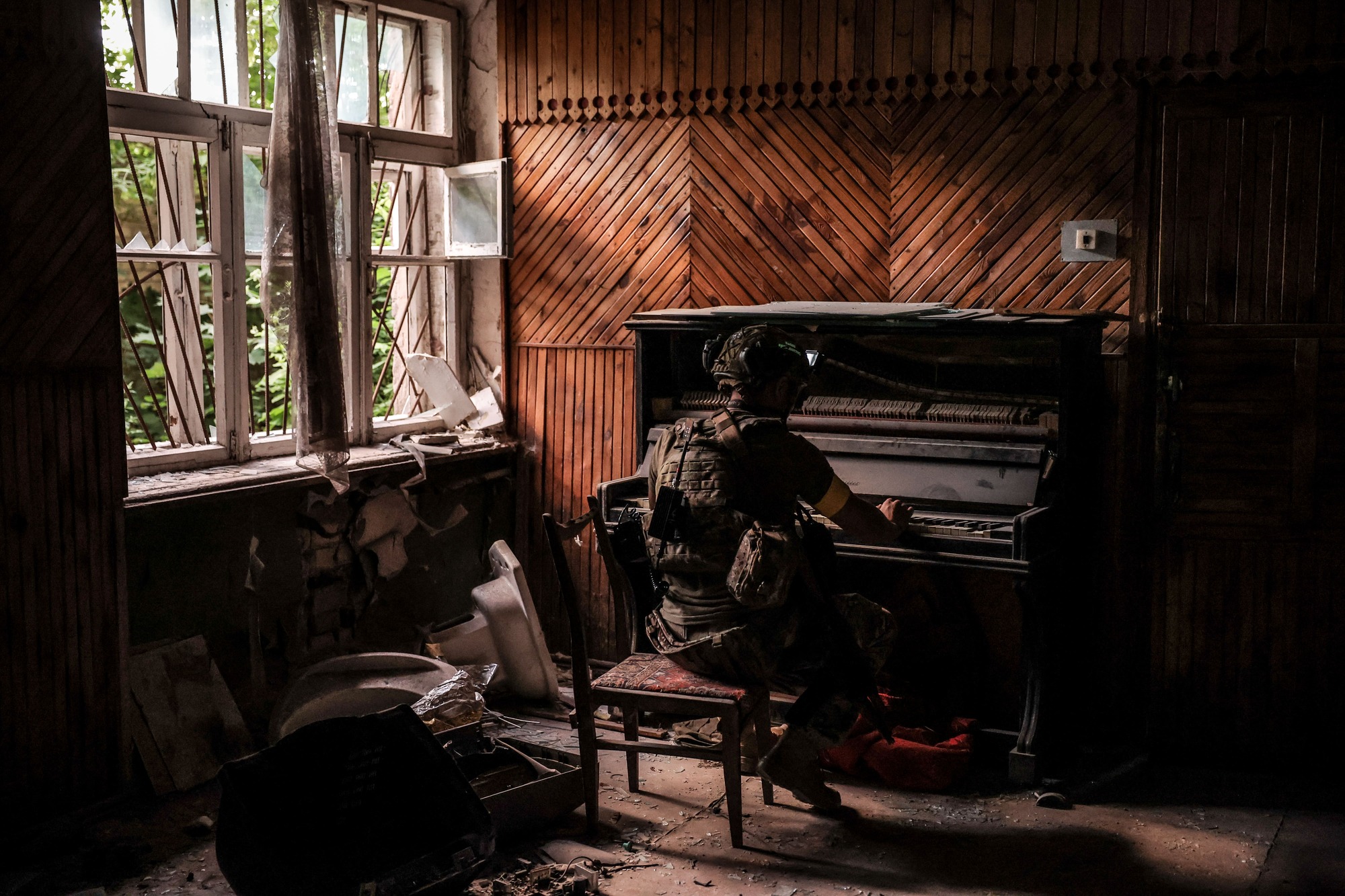
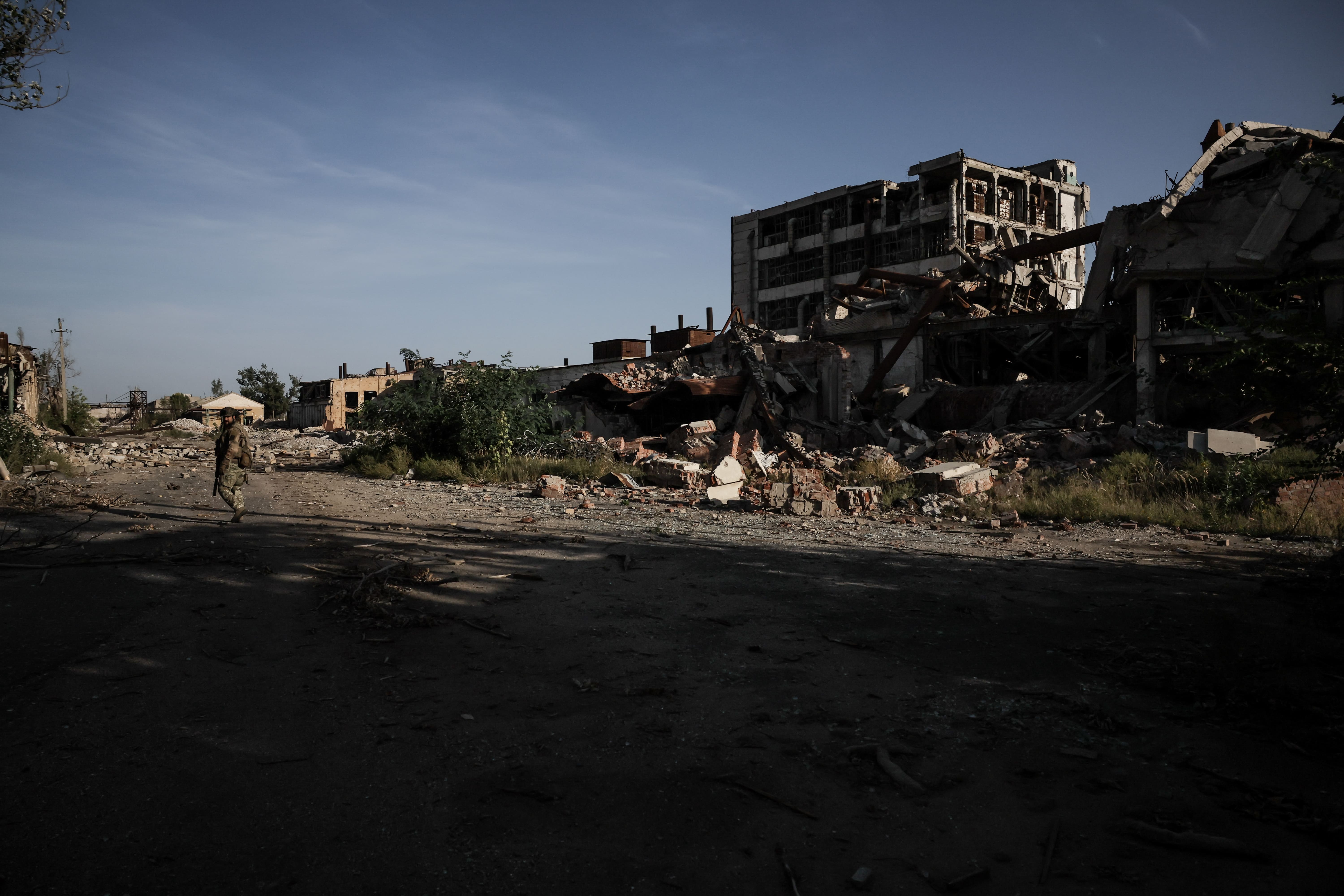
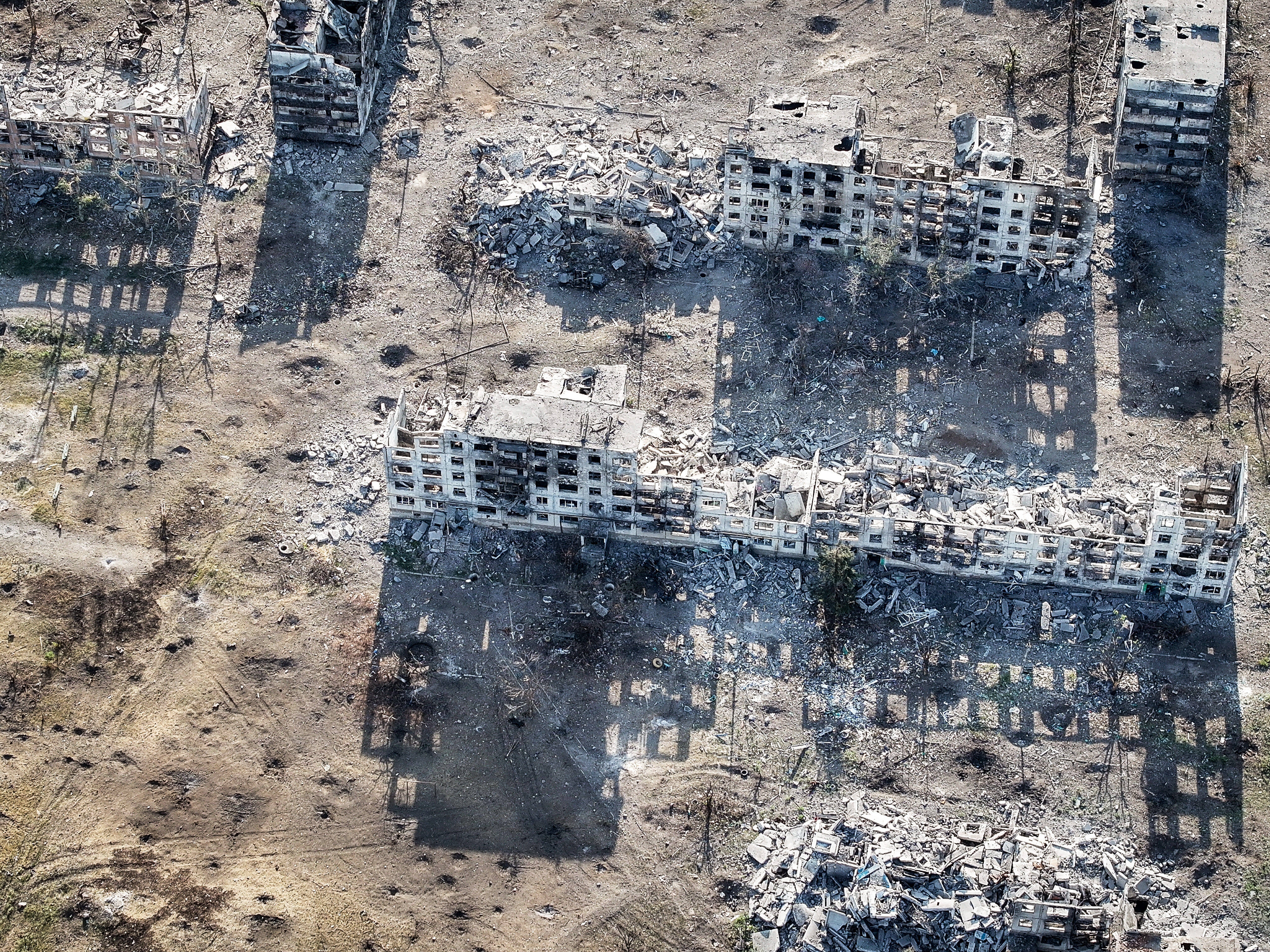
Chasiv Yar is one of those cities whose name is now familiar to anyone who follows the DeepState map. It is a key point in Donbas, where fierce fighting has been ongoing since April 2024.
Last year, the Ukrainian Association of Professional Photographers published documentary photographs taken in this city by Kostyantyn and Vlada Liberov, Serhiy Korovayny, Heorhiy Ivanchenko, and Yakiv Lyashenko. Each of them captured Chasiv Yar at a different moment — still wounded or already almost destroyed.
Today, we return to Chasiv Yar with Oleg Petrasyuk, press officer of the 24th Brigade named after King Danylo and member of the UAPF. His unit has been defending the city for a year, which the media call the “shield” and another fortress of Donbas. Chasiv Yar through the eyes of a soldier and photographer, followed by direct speech.
About defense
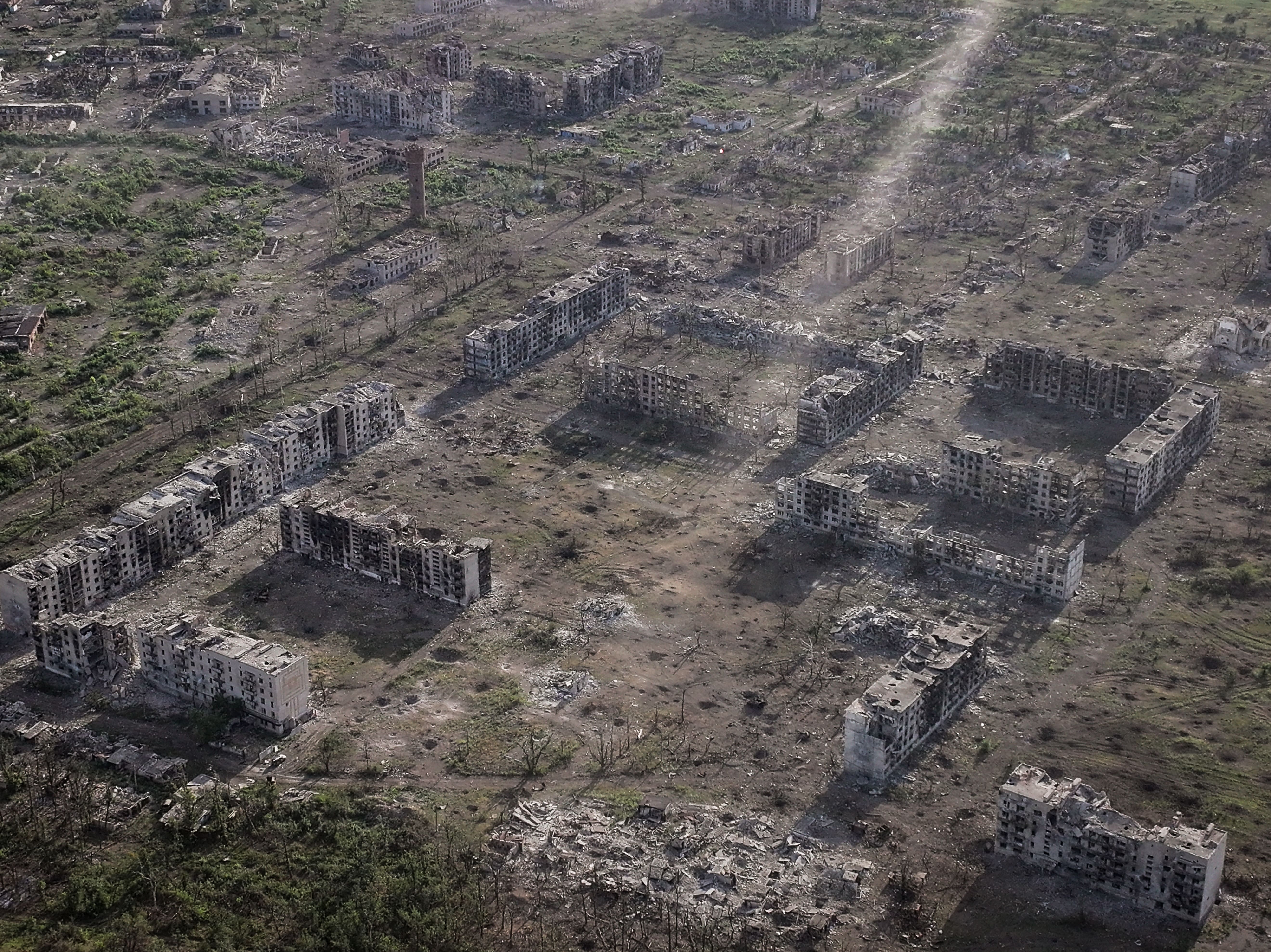
I serve in the 24th Mechanized Brigade. In June, it was a year since our brigade entered Chasiv Yar. When we entered the city, the front line ran along the canal, so we entered one of the neighborhoods. The canal is a serious obstacle that complicates logistics. The enemy was, so to speak, lying in wait for us — our vehicles, evacuation teams, supplies, everything that crossed the canal came under fire. This made it very difficult to deliver everything we needed to that area. So after a while, we crossed the canal.
As of today, our units have been stationed behind the canal for a year. The front line there is quite dynamic: 300 meters forward, 300 meters back. Some positions are lost, some are regained. And we have been fighting in this mode for a year now.
Essentially, the situation is not very optimistic: on the one hand, there are no territorial gains, and on the other hand, when we entered, everyone said that Chasiv Yar would not last a month. But it has been holding out for a year now.
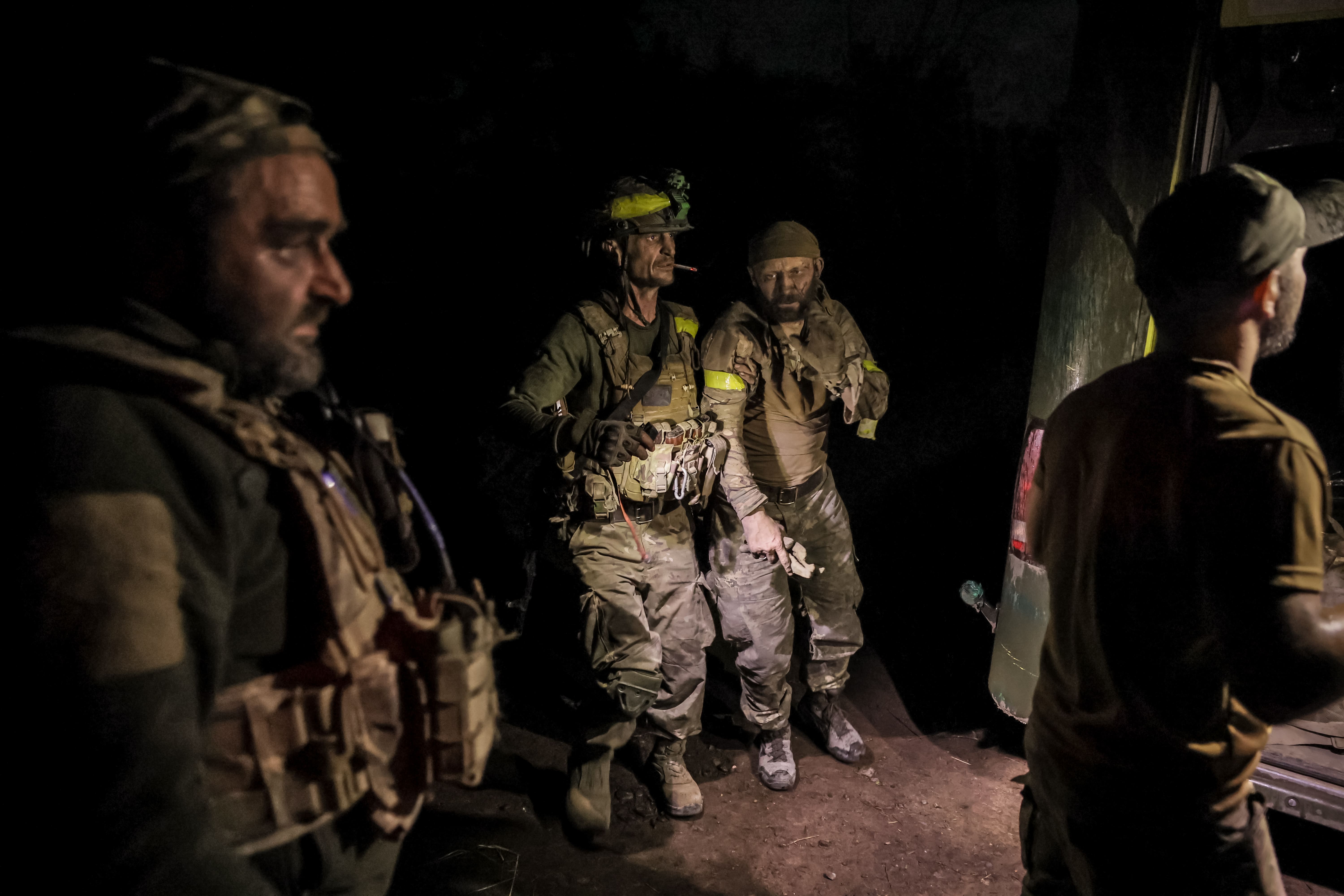
The city is holding out solely thanks to the resilience of our infantry
The situation with drones was already difficult when we arrived a year ago. And now it hasn't gotten any better — if anything, it's become even more intense. But this isn't just true of Chasiv Yar — it's the same picture along the entire front line. We now have a situation where the enemy cannot safely leave Bakhmut and reach Chasiv Yar, and we cannot normally leave Kostyantynivka and reach Chasiv Yar. The entire field between Kostyantynivka and Bakhmut is under the control of drones — both ours and Russian.
That's everything: “wings,” FPV drones, with and without fiber optics. There are slightly fewer fiber optic drones and slightly more conventional radio-controlled FPV drones. The enemy's strong point is the use of “Wing” type drones, in particular disposable “Molniya” kamikaze drones. They are made of cheap materials, but they are very active.
About civilians
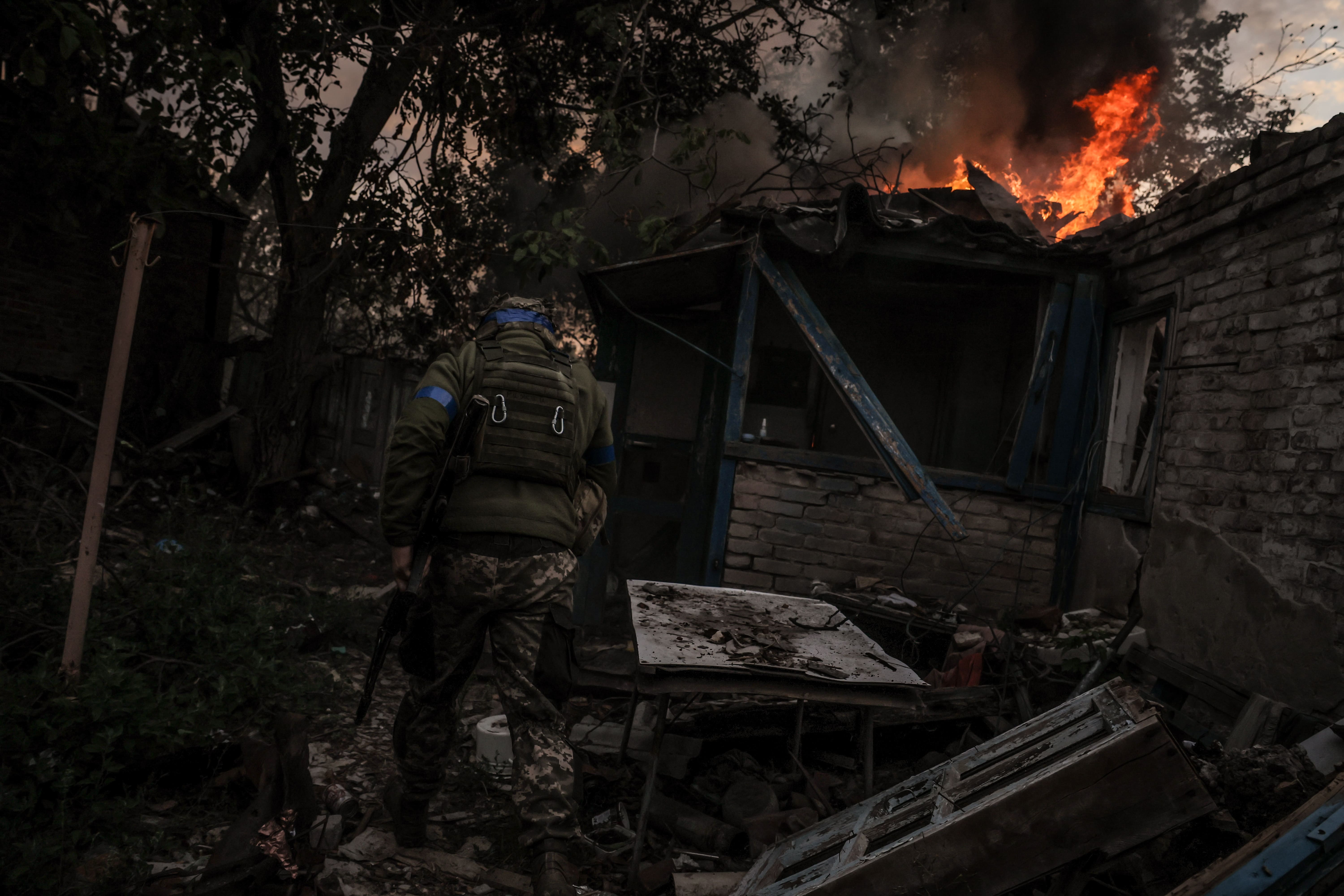
There is hardly any place for civilians in a combat zone. The enemy does not distinguish between civilians and military personnel. Often, this is impossible to do because observation is conducted from a great distance. At such a distance, you cannot tell who exactly is moving there. They just fire. When we entered the city, there were still civilians there. I think there are only a few left now. According to intelligence information obtained from prisoners, there were isolated cases of civilians crossing into Russian-controlled territory, but this was not widespread. Most of them were evacuated or killed. Unfortunately, most of the living things that were in the city have died.
During my entire time of service there, I saw very few civilians. Especially in the beginning, when we could still drive into the central areas, there were people there, but for the most part they were quite marginalized residents. I don't like to discuss this topic because it is not the main tragedy of the war. Yes, people were forced to leave their homes, but I don't want to focus on those who consciously remain in the combat zone. Emotionally, I understand them — they have attachments, they have homes. But from a rational point of view, I do not support this decision.
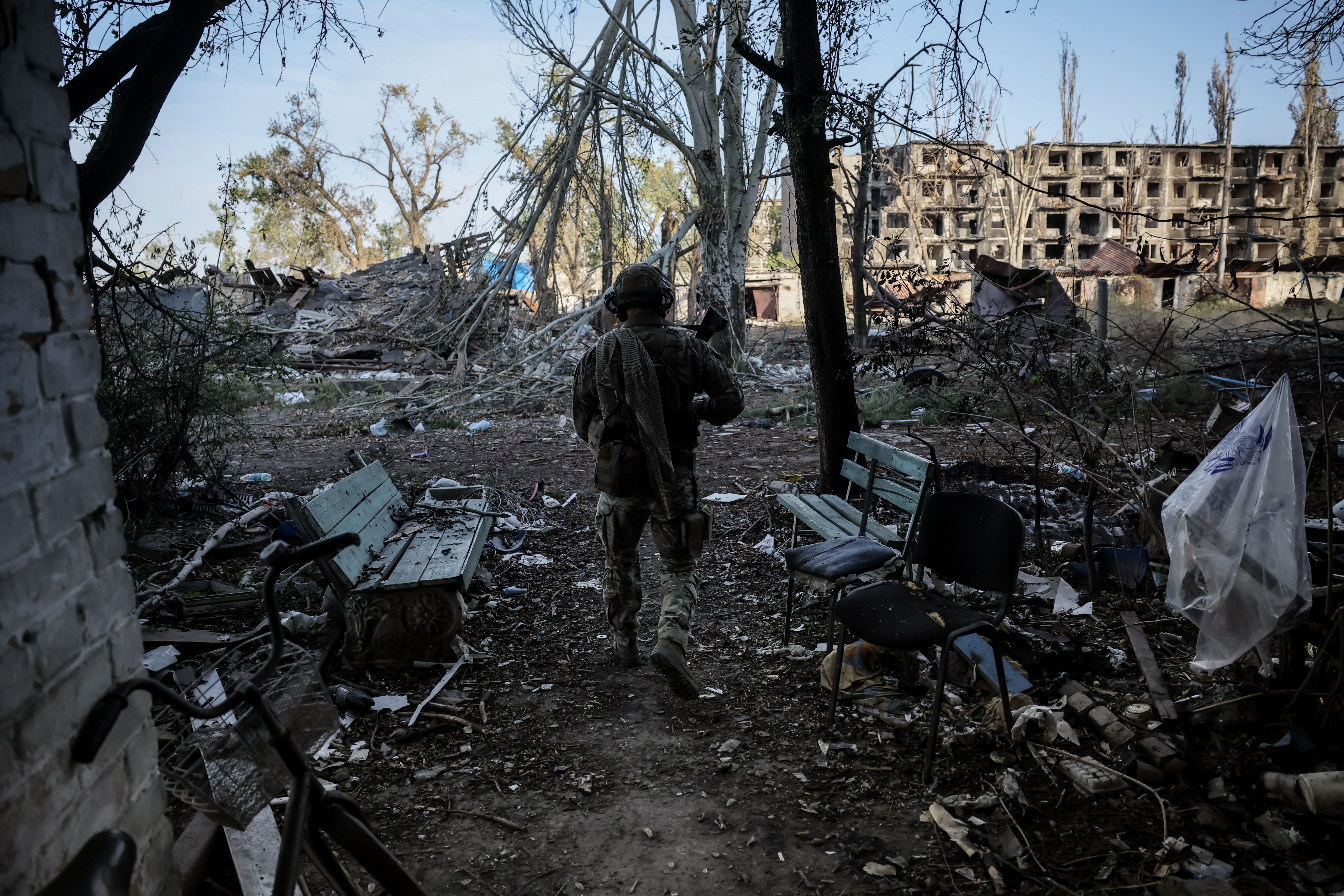
Western media love to exploit the phrase “civilian casualties.” In our Ukrainian army, 80% of the soldiers are people who were civilians before the war. Like me, they did not plan to make military service their profession, nor did they receive money for training for war, as is the case in the West. There, being a soldier is a profession: people receive a salary for years of training to participate in war. Here, it's not like that. That's why the lives of our soldiers are calculated differently, and for me, there is no clear line between “civilian” and “military” casualties.
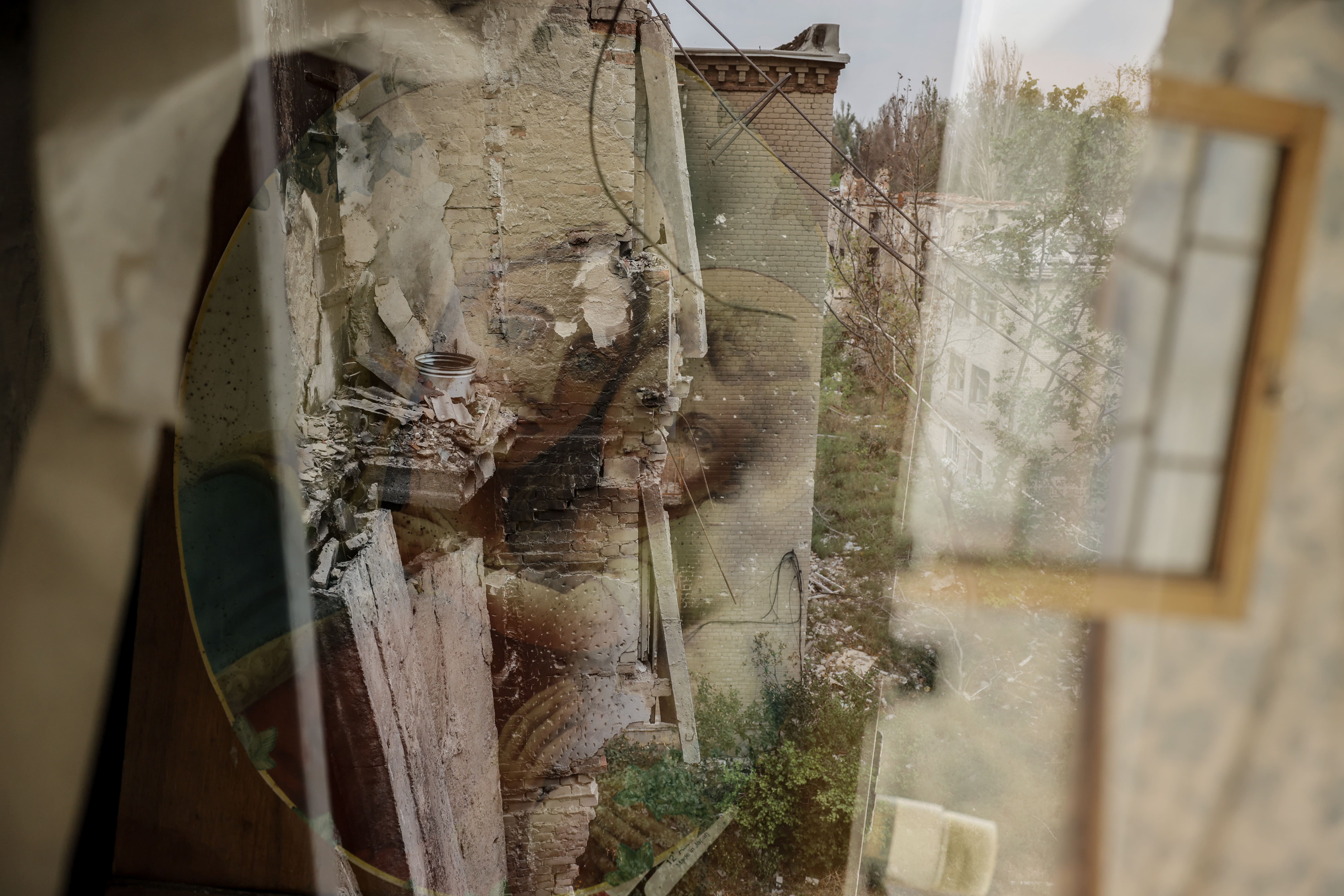
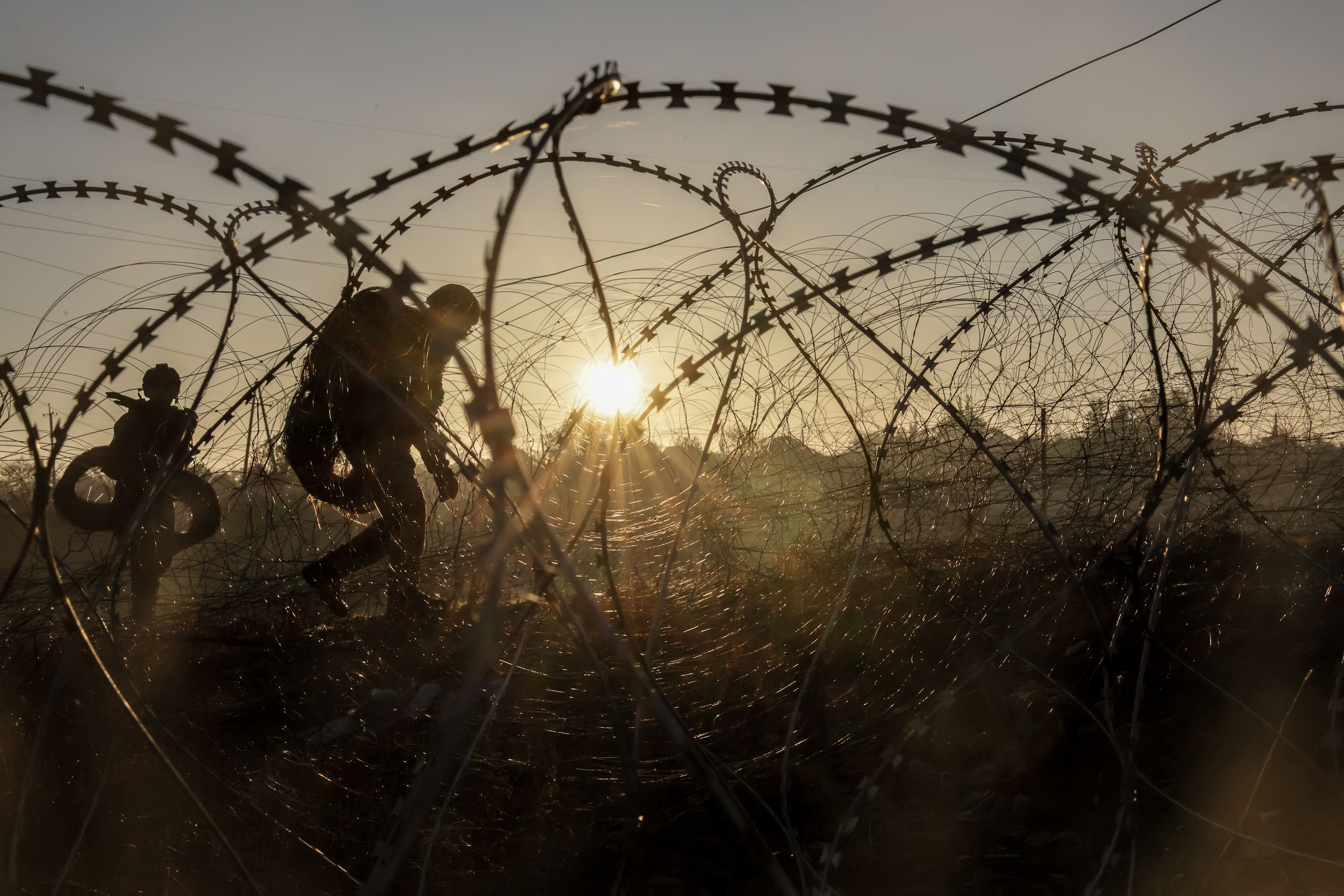
More former civilians who took up arms and dressed in Ukrainian Armed Forces uniforms died in Chasiv Yar than local residents who remained in the city. The question of “civilian or non-civilian” is emotional speculation. If society is not ready to realize this, then I am very sorry. We are already losing the war in the information field, and we cannot convey this reality in any way. Press services explain this to journalists, but they refuse to talk about it to their audience because for them it is an “impossible” thing.
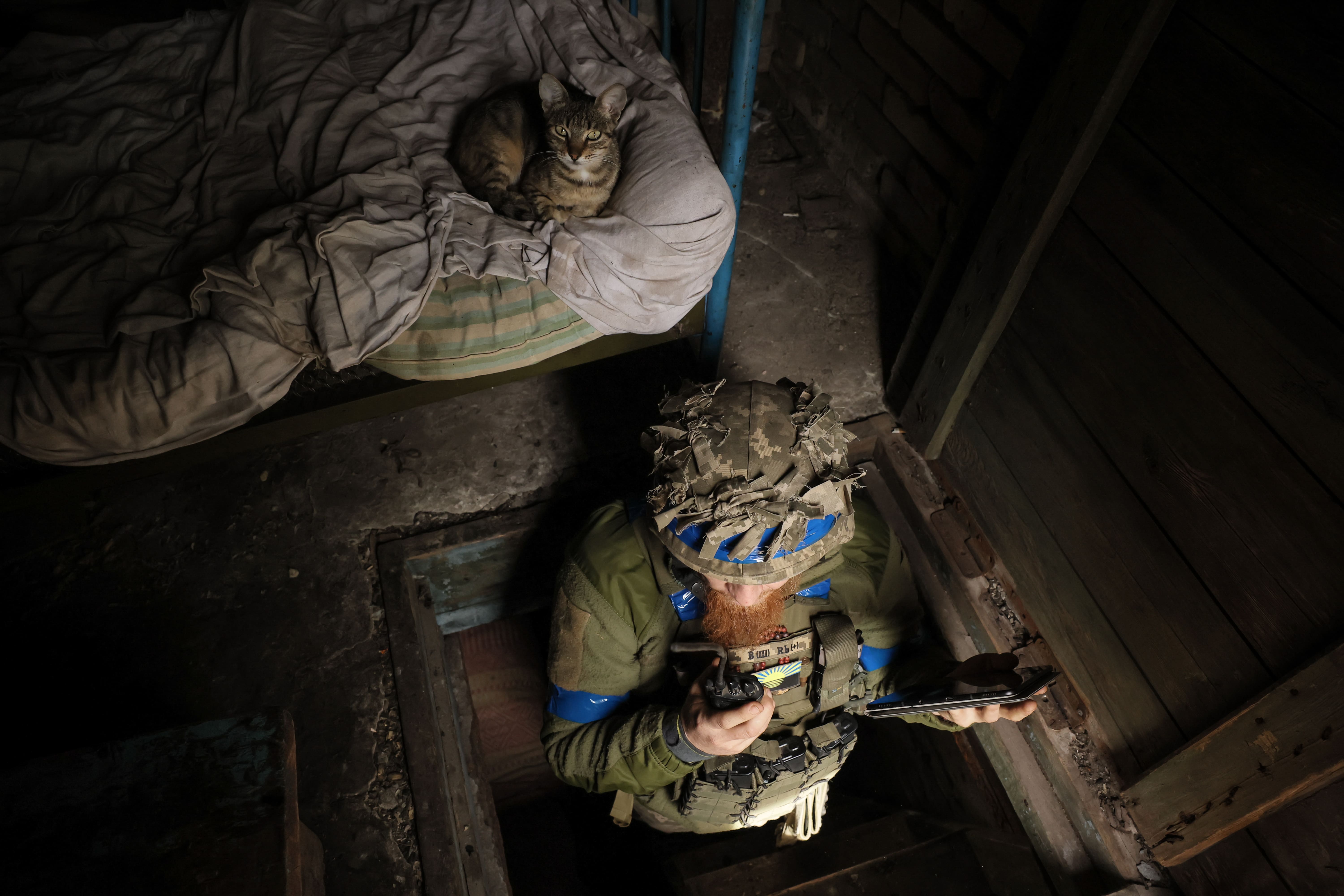
About working with the media
I decided to add photos mainly of combat operations to this material about Chasiv Yar. Why? First, as I already said, I do not focus on civilian casualties. Second, the fate of the war is decided on the battlefield. No matter how much else is going on around us — topics that journalists gravitate toward in order to “refresh” the view of the war and attract the reader’s attention — we forget the main thing: the fate of the war is decided on the front lines.

I believe that combat operations should be shown every day. Even if it looks “the same,” even if readers aren’t interested, we are obliged to film it. Because as long as we do this, the people who are fighting exist in the consciousness of others. As soon as we stop showing what is not popular, it will mean that it does not exist for the media.

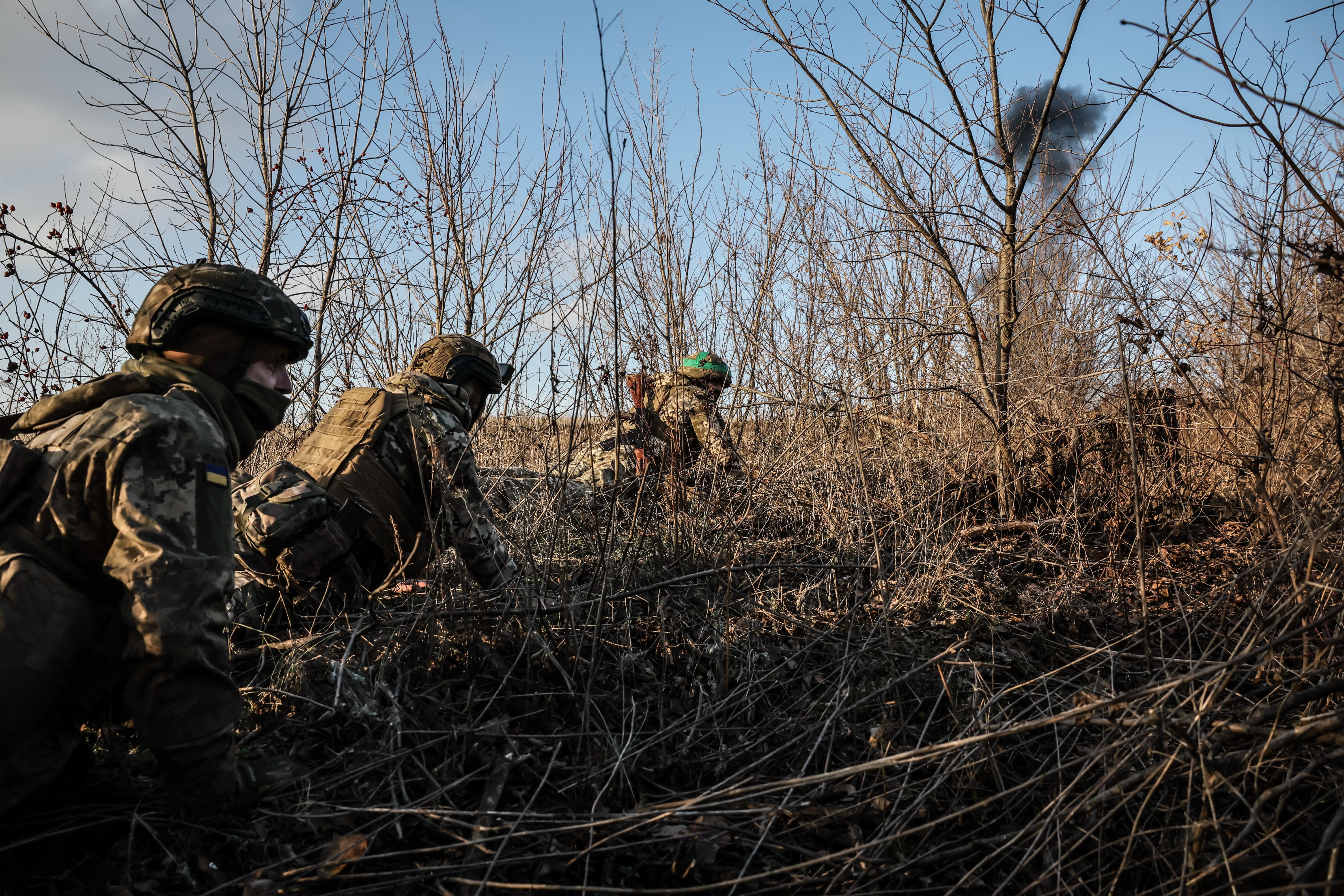
This is how the information space works. And that is why I urge my colleagues to come here and spend more resources than in 2022, 2023, or 2024 on work that is underappreciated by viewers but must be done.
Unfortunately, there is currently a tendency in the country to “show less of the war.” But the fate of the war is decided only here, on the front lines. Not by “shahids” in Kyiv, not in other rear cities — only by the people who are on the front lines every day.
About special photos
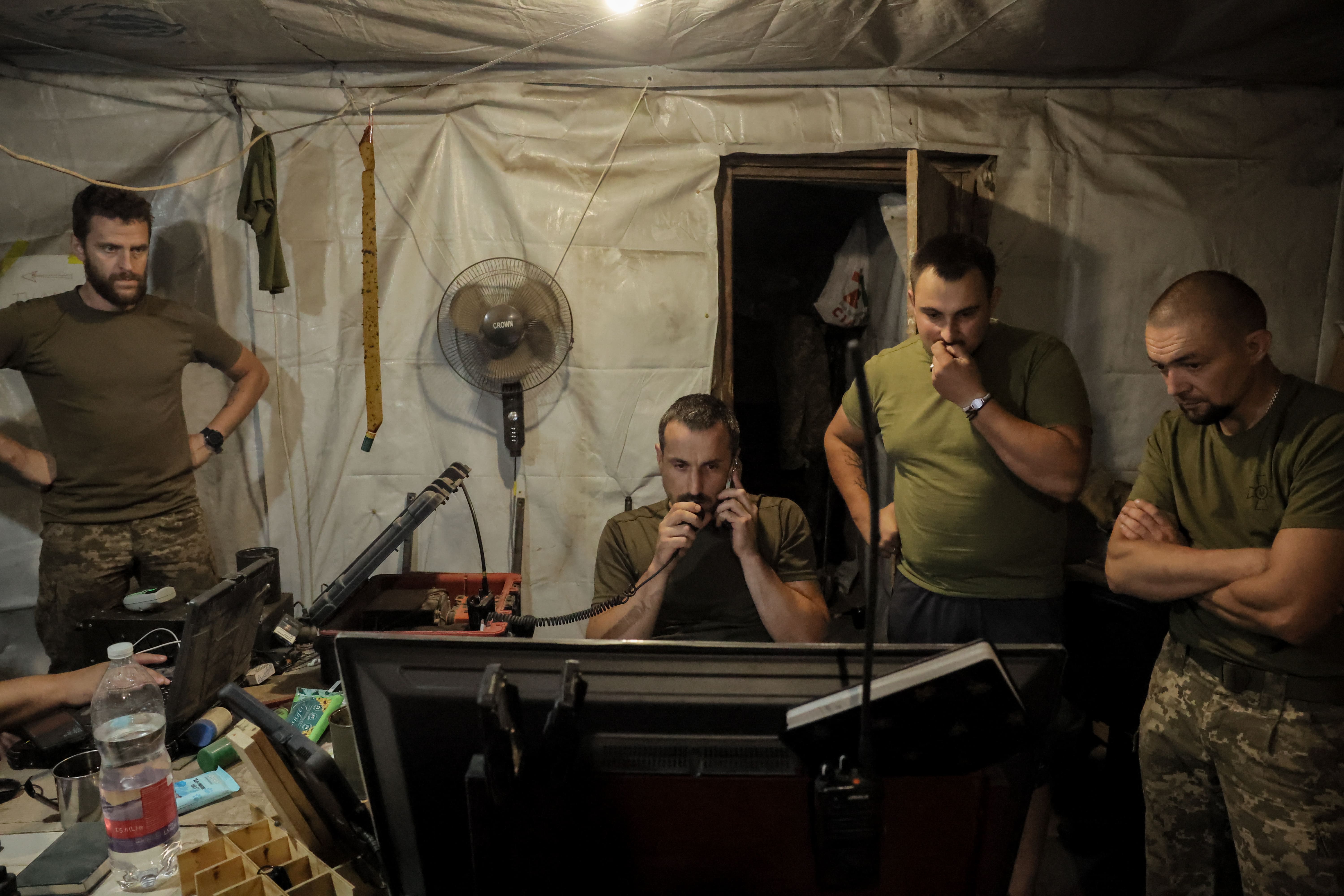
There is one photo from the company command post that I remember particularly well. In it, people are standing behind a monitor and looking at the screen—our infantrymen are dying live on air. We see this, and we look for cover for them. The infantryman is in contact with the pilots and intelligence, and the photo captures the very process of commanding the battle. It would seem to be an ordinary scene, a banal composition for a photographer. But there is a whole story behind it.
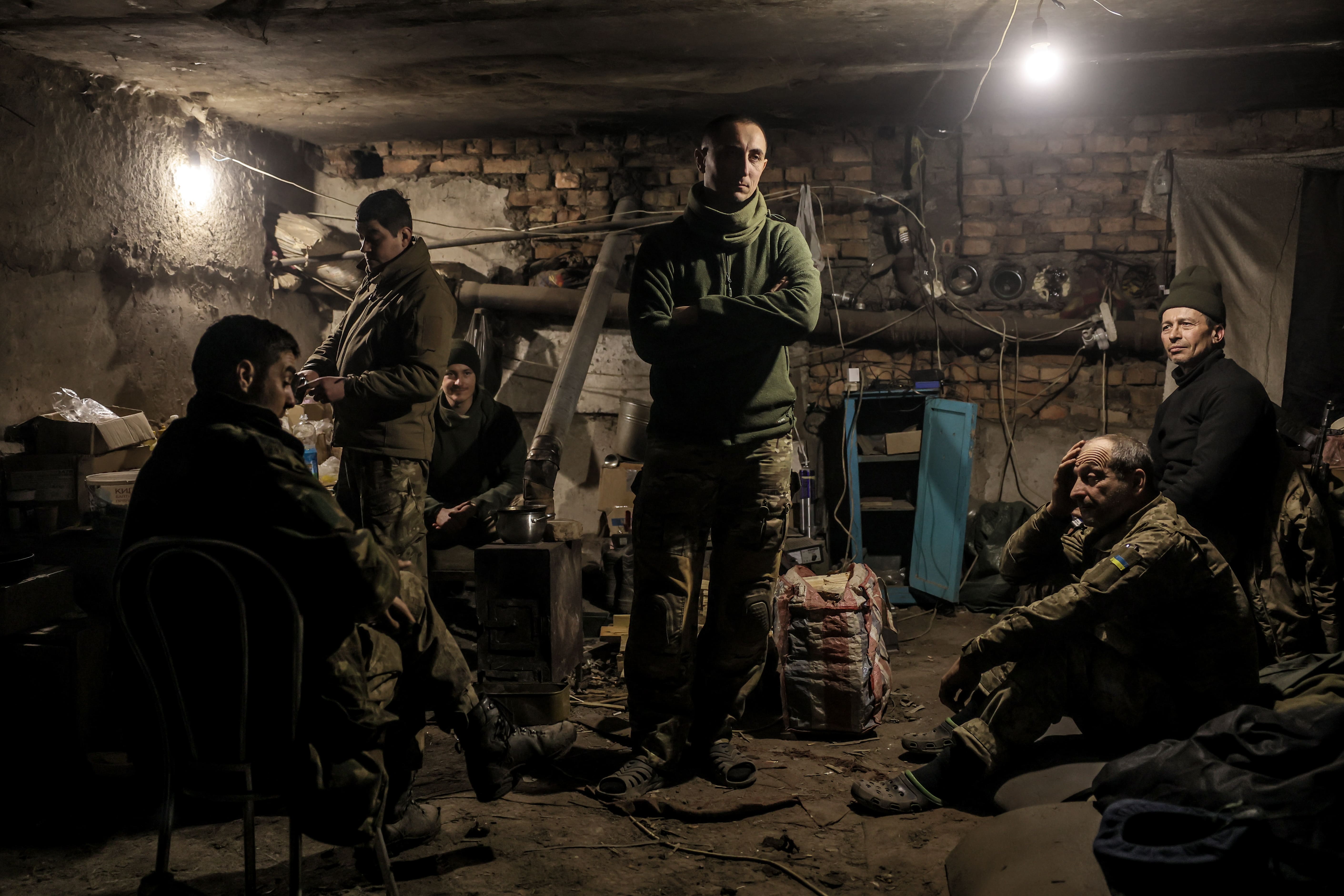
Each photograph is connected to a specific person. When we arrive at the position where I live with these soldiers, I communicate with them and eat from the same bucket. And then I find out that these people are no longer here, but the photographs of them remain. The commander writes to me: “People have died here, but thank you for the photographs.”
I don't want to single out any one story or emphasize a “special” photo — every photo is special. Sometimes I feel like I didn't take enough photos, even though I worked every day. Now I open the archives and think: this wasn't photographed, that wasn't photographed, something wasn't finished. For me, Chasiv Yar is a story about how the struggle continues. Although the Russians have repeatedly claimed that they have already captured the city, including a week and a half ago.
Oleg Petrasyuk is a Ukrainian photographer born in Kyiv in 1991. He received his master's degree from Taras Shevchenko National University of Kyiv in 2014, specializing in history and archaeology. Early in his studies, in 2009, he began his career in photojournalism, first as a freelancer at the UNIAN agency, and from 2013 to 2016 he worked at the Ukrinform agency. After a short break, he returned to journalism in 2017 and worked for the Kyiv Post newspaper. Since the end of 2022, he has been working at EPA images. He was mobilized into the Armed Forces of Ukraine in early 2024 and is serving in the 24th Mechanized Brigade named after King Danylo.
Contributors:
Researcher, author: Vira Labych
Image editor: Olga Kovalova
Literary editor: Yulia Futey
Website manager: Vladislav Kukhar















.jpg)


