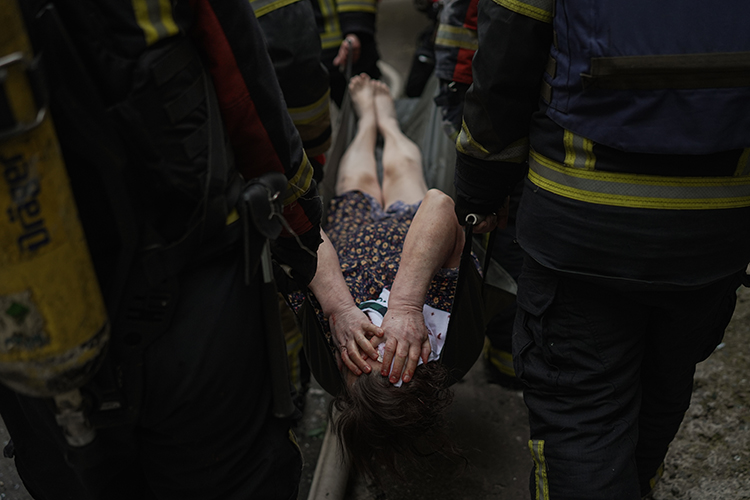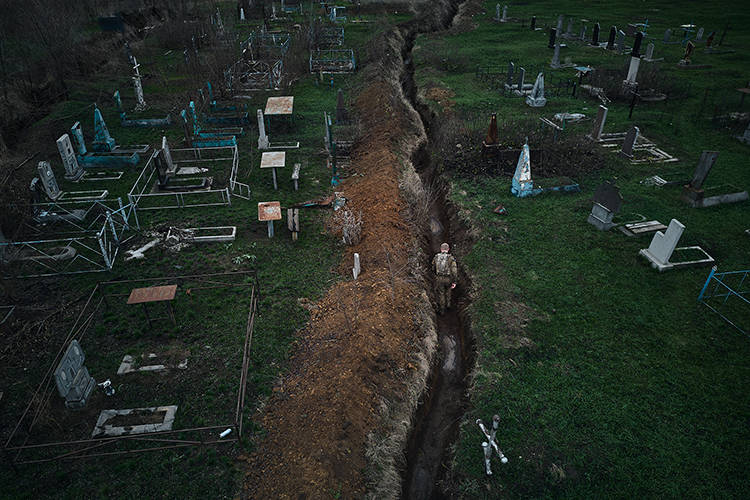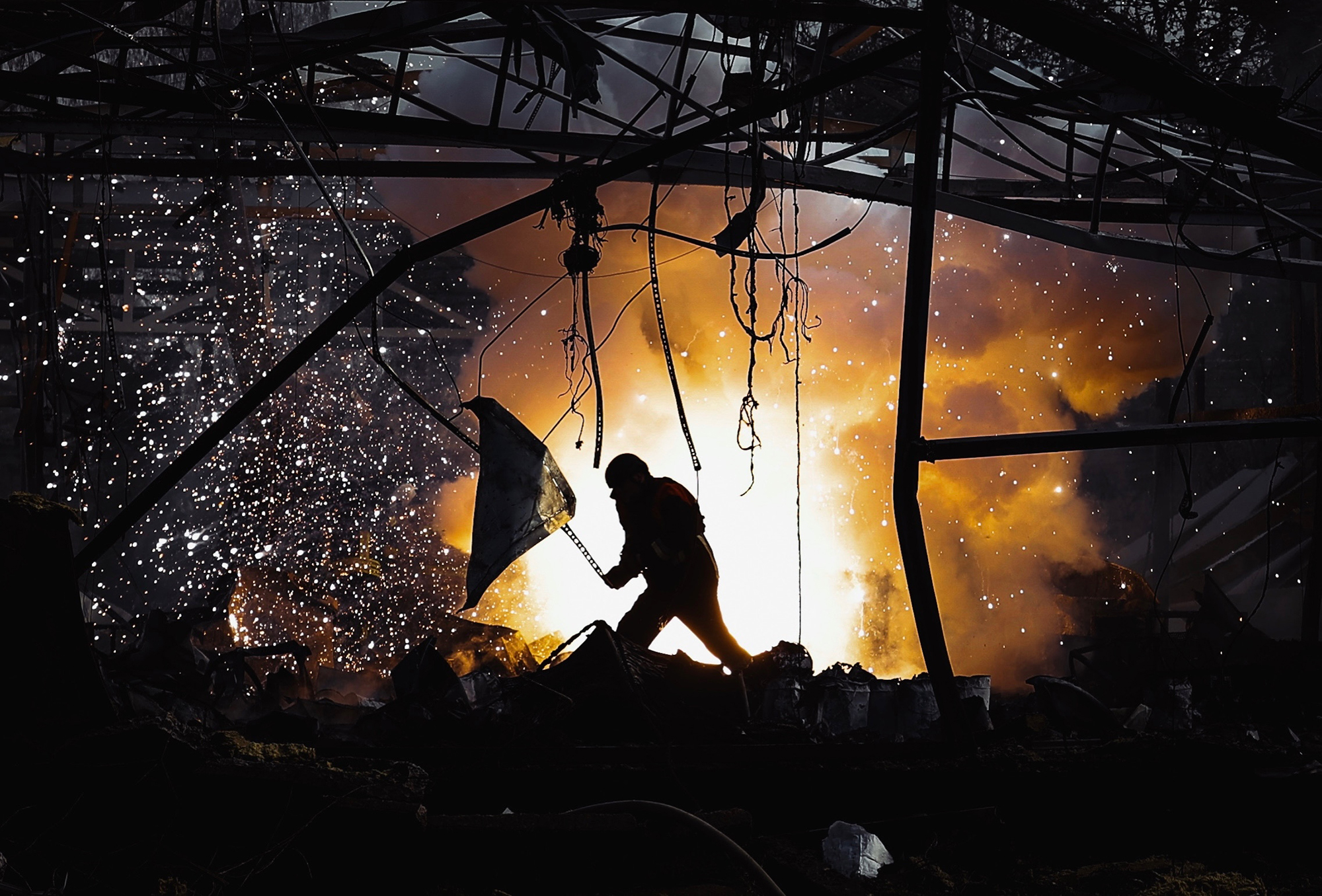
Russians are increasingly choosing daylight hours for massive strikes, expanding the impact zone across all of Ukraine. Early April will be remembered for devastating attacks on Lutsk, Poltava, and Zhytomyr region; Kharkiv was under shelling for several days in a row; there were attacks on Odesa, Sumy, and Chernihiv. Over the weekend, the Russian army carried out a deadly attack on a market in Nikopol; the day before, it shelled Kyiv region with drones and missiles. Every day, Donetsk and Sumy regions face bombings and drone raids. Drones and artillery strike Kherson; the enemy scatters anti-personnel mines across the city. Among the targets of Russian attacks this week were a veterinary clinic with animals, food warehouses, and the Nova Poshta terminal, as well as the only maternity hospital in Donetsk region. Due to constant aerial threats, there were delays and passenger evacuations from trains on railway routes.
Chronicle of Russian shelling from March 29 to April 5, 2026
March 29 — A 13-year-old girl died in a hospital in Mykolaiv region after being wounded as a result of an attack and the fall of UAV debris on the territory of a public recreation area; eight children and two adults were injured at the time. In Zaporizhzhia region, the enemy attacked a private house, and in Kherson, a civilian car — there were killed and injured. Four people were injured in Dnipropetrovsk region, one in moderate condition.
In Kherson, on the morning of March 30, a Russian drone attacked a minibus; the driver was hospitalized in moderate condition. During the day, Russians dropped two KABs on a dormitory of an educational institution in Hlukhiv, Sumy region; 13 people are known to have been injured, including a six-year-old child; one man is in serious condition; at least 15 houses were damaged. In Dnipropetrovsk region, one person was killed and 12 were injured; there are victims in serious and moderate condition. There were also casualties in Kharkiv region: in Kharkiv’s Kholodnohirskyi district, Russian UAVs attacked the private sector.
In Poltava, on March 31, drones hit an industrial facility; a high-rise building was damaged; one person was killed, and four more were injured, including two children. In Dnipropetrovsk region, three people were hospitalized, including a 16-year-old girl who is in serious condition.
On the night of April 1 and throughout the day, the enemy attacked a number of regions of Ukraine with more than 700 strike UAVs. The main target was the energy sector; there were also hits on industrial facilities and residential buildings; there are killed and injured. In Lutsk, food warehouses and the Nova Poshta terminal were attacked; a drone fragment damaged a residential building; large-scale fires raged. In Khmelnytskyi, an enterprise was attacked; in Zakarpattia — critical infrastructure facilities. In Cherkasy region, four people were killed and another four were injured; in Poltava, six people were injured, including three children; in Sumy region, three were injured; there were fires on the premises of a civilian enterprise and in residential areas. In Sumy region, a six-year-old girl who was wounded on March 28 by a drone strike on a house died in hospital; during that strike, her older sister was killed and her parents were injured. In Kherson, drones hunt people and attack residential neighborhoods — three people were killed there; civilians were injured and houses damaged. There are injured in Dnipropetrovsk and Kharkiv regions.
On the night of April 2, the enemy attacked Chuhuiv and Kharkiv with jet-powered drones; fires raged everywhere, and in the region one person was killed and four were injured by shelling. In Kharkiv, a high-rise building and a civilian enterprise were damaged. As a result of a massive Russian attack on Synelnykove in Dnipropetrovsk region, one person was killed and two more were injured, including a 12-year-old child in moderate condition; houses were damaged; fires raged in a shopping complex and an administrative building; Pavlohrad and Nikopol were also attacked. At midnight, the enemy attacked Zaporizhzhia; the blast wave damaged a high-rise building and a municipal enterprise. In Kherson, a man was killed and another is in serious condition; there are injured in Sumy region and in Zaporizhzhia district.
From the night of April 3, Russians attacked regions of Ukraine with strike UAVs and missiles; the targets were critical infrastructure facilities, and there were hits on residential buildings. In Kyiv region, one person was killed and eight people were injured, including a child; more than 60 sites were damaged; there was a strike on the territory of the National Military Memorial Cemetery — infrastructure was damaged, but the burial sites of our Heroes remained intact; a veterinary clinic was damaged, where about 20 animals were killed. In Zhytomyr region, the residential sector was attacked: one person was killed and ten were injured; nine residential buildings were destroyed, and more than 100 houses were damaged. In Shostka, Sumy region, an airstrike on the residential sector killed a woman; four more people were injured; a 29-year-old woman is in serious condition. Sumy has been under attack since morning; one of the UAVs hit a shopping mall in the city center; six people were injured, including a 17-year-old girl. In the region, two people were killed due to drone attacks on civilian transport. For the third day in a row, Kharkiv was under shelling; 11 people were injured there, including an infant and an eight-year-old girl; in the region, one person was killed and more than a dozen were injured. Due to a missile-and-drone attack, a great deal of infrastructure in Kharkiv was damaged. Four people were injured as a result of enemy attacks on Zaporizhzhia and the district. In Kherson, seven people were injured after explosives were dropped from a drone onto a civilian minibus.
Over the course of April 4, Russians attacked Sumy; a high-rise building was hit, and three children were among the injured; there was a missile strike on the Konotop area. In Kyiv, as a result of an enemy UAV hit, a fire broke out in a three-story office-and-warehouse building. In Kharkiv, two people were killed and four were injured, including a two-year-old child; in the region, two more were killed and seven were injured. In Kharkiv, the occupiers damaged a medical facility and a civilian enterprise. Due to an FPV-drone attack on a market in Nikopol, Dnipropetrovsk region, five people were killed and 27 were injured; eight were hospitalized, including a 14-year-old girl; market stalls were destroyed. Among the injured in other communities of Dnipropetrovsk region were an infant and a six-year-old boy. In Kherson, two people were killed, one of them a medical worker at one of the hospitals; in Zaporizhzhia district, one person was killed; there are injured, including children.
On April 5 in Kharkiv, six people were injured, including a child; private houses, high-rise buildings, and three dormitories were damaged.
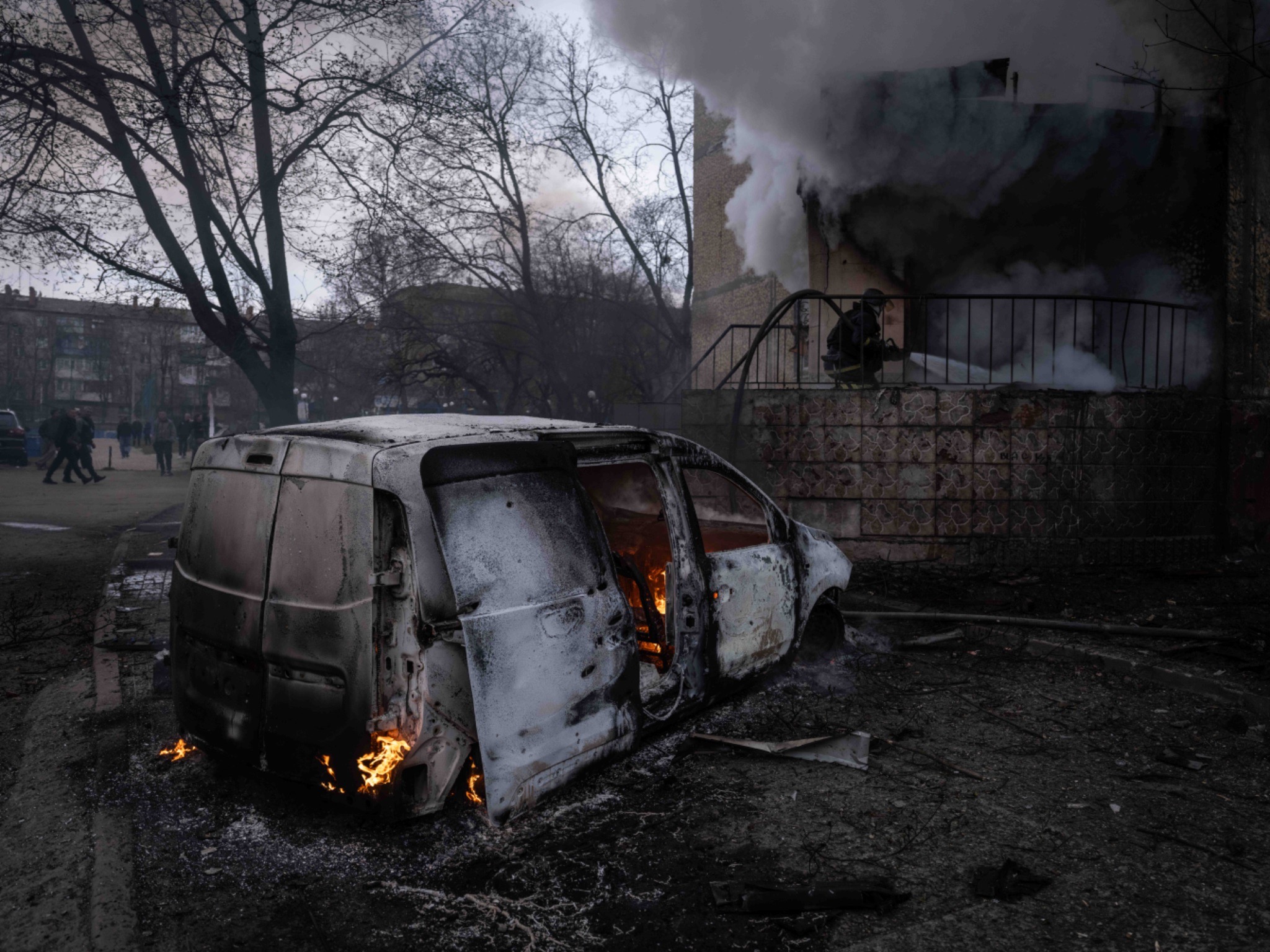
Donetsk region: KABs, “Shaheds”, “Molniias”
The Russian army is increasingly striking Kramatorsk and Sloviansk. Forced evacuation of families with children from part of the Sloviansk community continues; as of March 31, 59 out of 96 children who had lived there from the beginning had been evacuated.
On March 30 and 31, Russians struck Sloviansk with KABs. On March 30, one person was injured; an educational institution and a shop were destroyed; high-rise buildings and private houses, as well as government institutions, were damaged. The only maternity hospital in Donetsk region was damaged; staff and children with their parents were not injured. On March 31, the private sector was under attack; three people were injured, including a 12-year-old girl. On April 1, enemy drones damaged a government institution and a private enterprise.
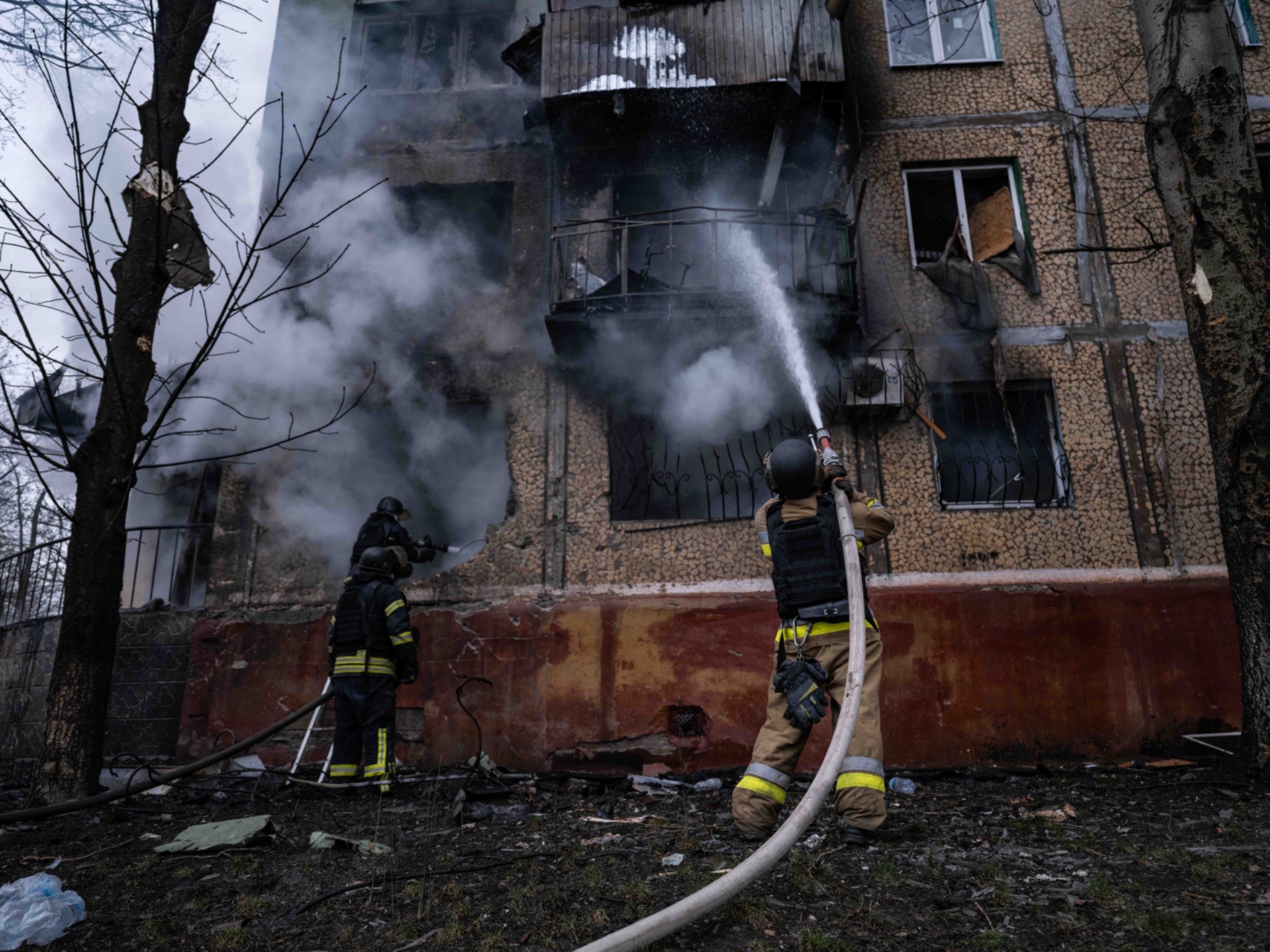
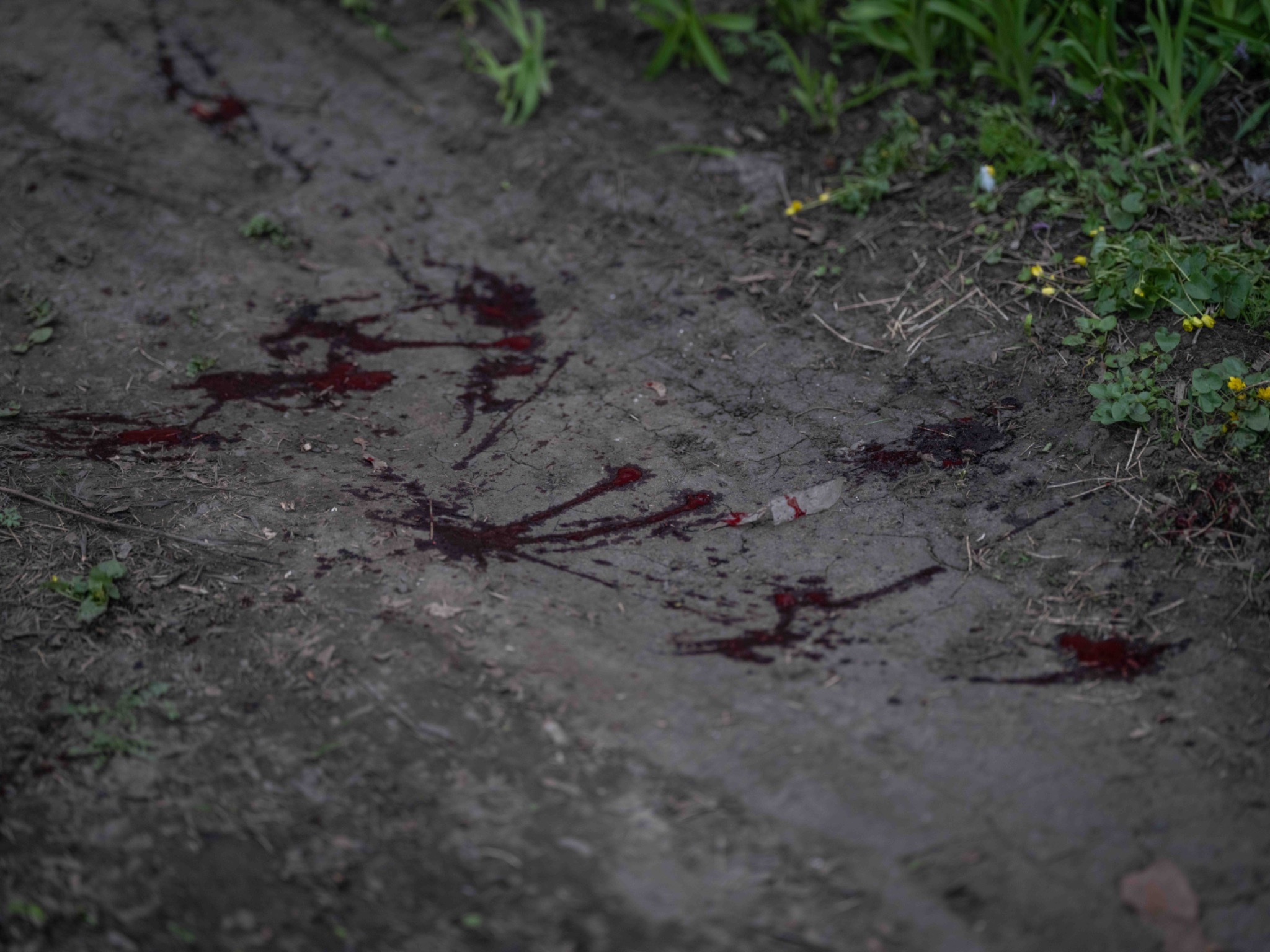
Kramatorsk is attacked by drones every day, most often FPV drones and Molniia-2 drones. On March 29, as a result of Russian shelling of the city, three people were killed, including a 13-year-old boy; 13 people were injured; seven high-rise buildings, 11 private houses, five administrative buildings, a shop, a café, and vehicles were damaged. Shelling continued throughout the day.
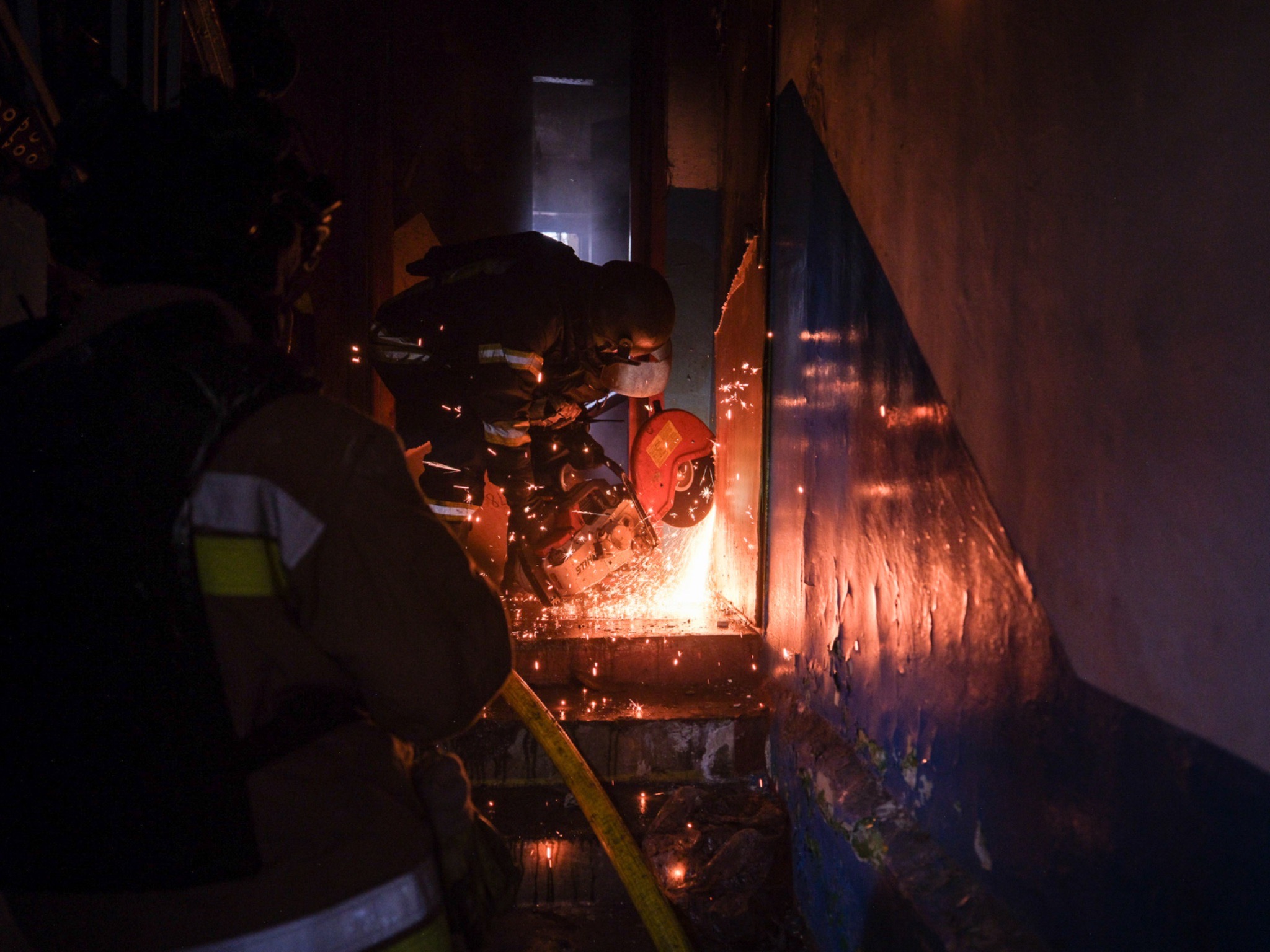
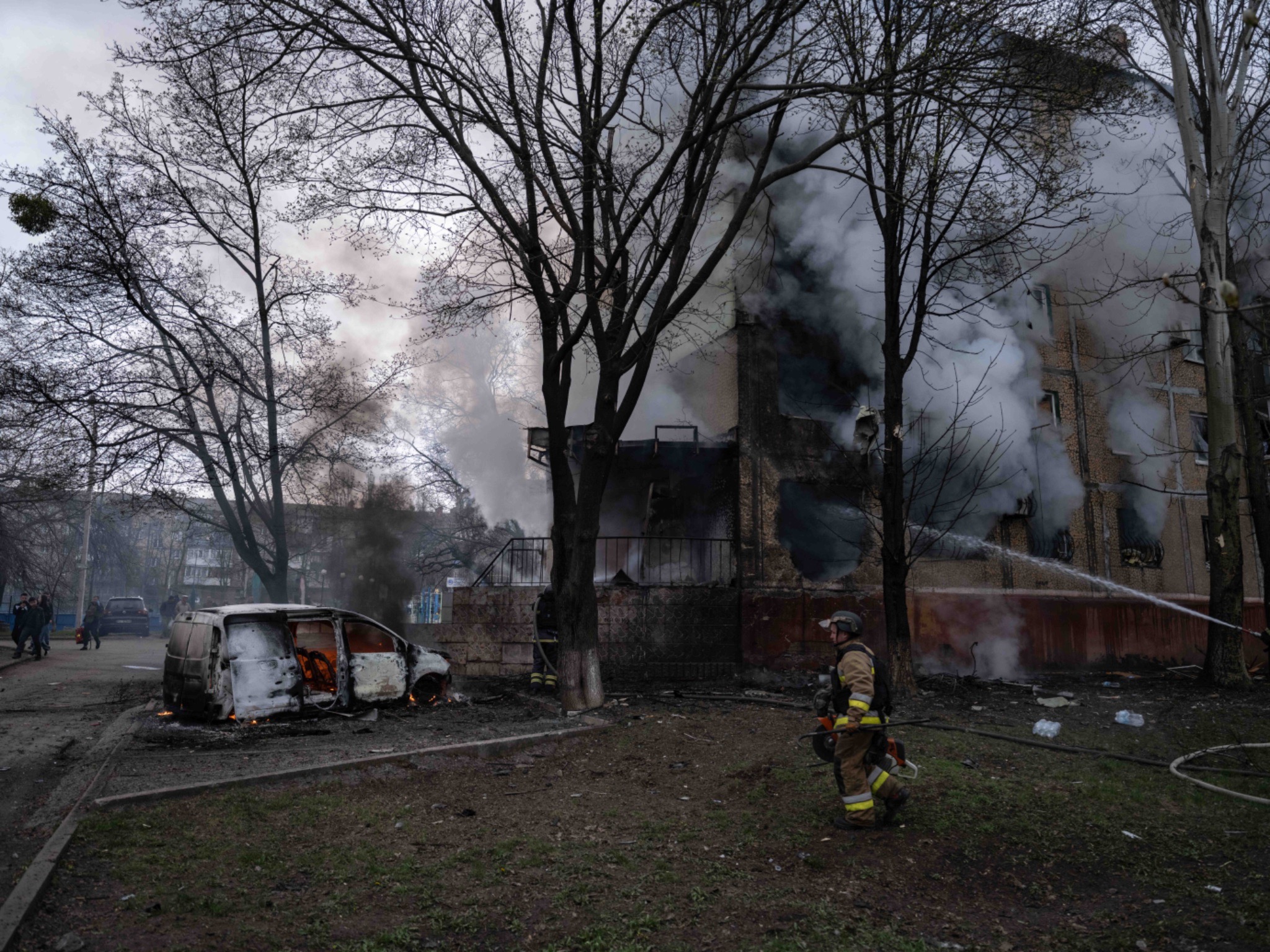
On the night of April 1, Russians struck the building of a local café. Firefighters extinguished a large-scale fire with an area of 1,000 sq m for about eight hours. Over the course of the day in the Kramatorsk community, three people were injured; there was extensive damage to residential infrastructure; critical infrastructure was also hit. Between 15:52 and 16:12, five Geran-2 UAVs attacked a residential neighborhood in Kramatorsk. One woman was injured; eight high-rise buildings and shops were damaged. In the evening, a UAV attacked a gas station; two more people were injured.
Press officer of the 93rd Brigade “Kholodnyi Yar,” photographer Iryna Rybakova, spoke on social media about the situation in Kramatorsk:
“Today I was a bit more shaken than usual. Because the fourth of the ‘Gerans’ that were striking somewhere very close exploded nearby, and I saw a mushroom of flame — it was about as tall as a building. I panicked a bit, because more was flying in. Russians burned out an entrance of a residential building in the center of Kramatorsk with a ‘Geran’. They are trying to make life in the city frightening. KABs, ‘Shaheds’, and ‘Molniias’ are tearing apart the center and the outskirts; cars sometimes catch fire between buildings. In the evening after 8–9 p.m., swarms of FPVs buzz in courtyards. Perhaps these are also our interceptors. But when you hear persistent buzzing and explosions, it feels unsettling.
A low bow to the State Emergency Service workers, who are doing an enormouly hard job. Watching how they rescue people from fire, how much effort they put in — it is truly impressive.”
At least six people were killed, including a teenager, and eight people were injured as a result of airstrikes and drone attacks on Kramatorsk on April 3; there is extensive damage to infrastructure in the city.
Overall, there were 13 killed and more than 50 injured in Donetsk region over the week.
Ballistic strike on Chernihiv
In the afternoon of April 2, Russians attacked an enterprise in Chernihiv with a ballistic missile; two people were killed and three were injured, including a 17-year-old girl who suffered an acoustic trauma. As reported by Suspilne Chernihiv, the girl was hospitalized in moderate condition. This is the girl’s second injury; the first time she suffered a temple injury and underwent surgery on February 28, 2022, during the shelling of Chernihiv. It later became known that the Yudytskyi couple were killed in the shelling; Oleksandr Yudytskyi was a teacher of sapper and weapons training.
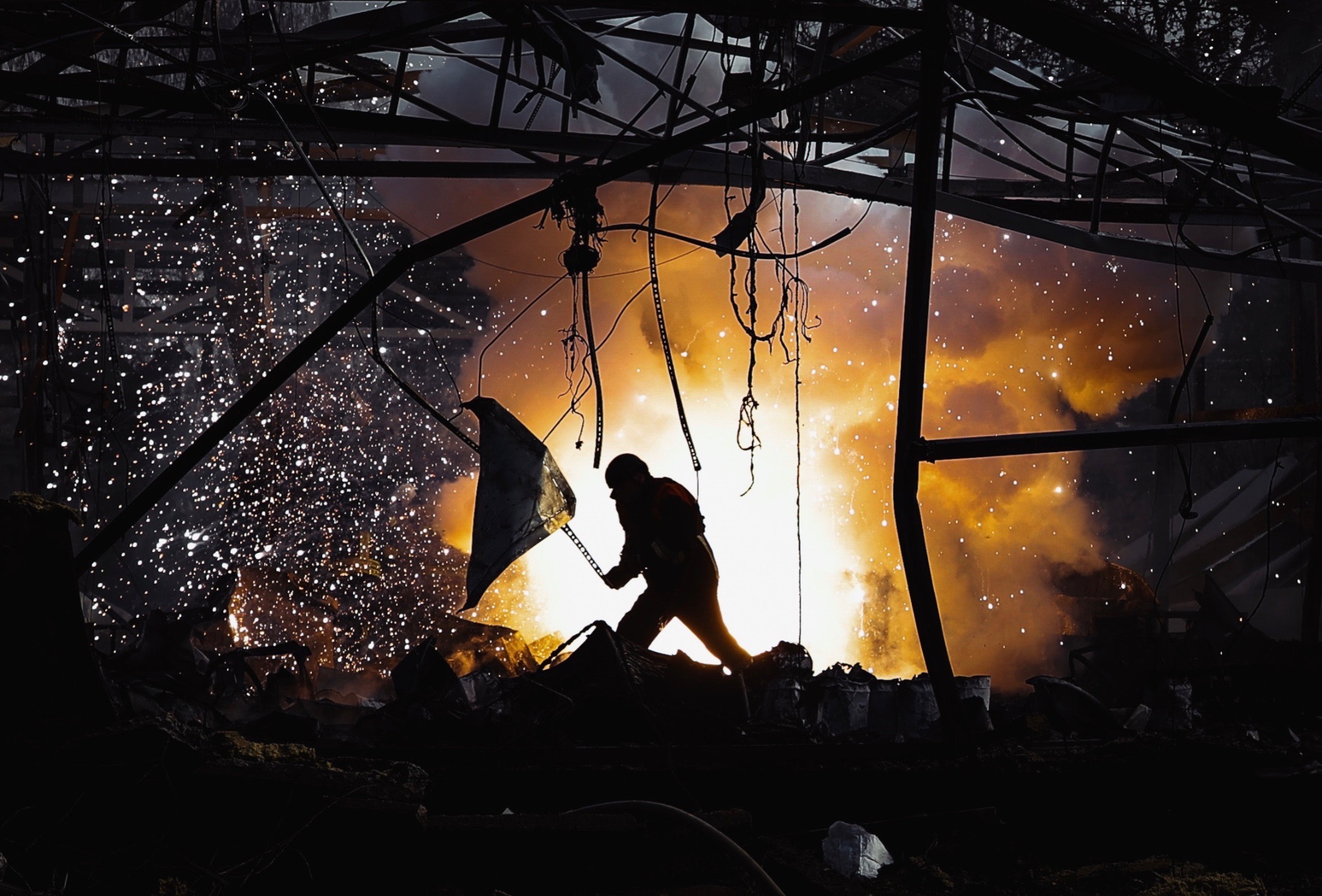
Overall over the week in the region, enterprises, critical, transport, and communications infrastructure facilities, a garage building, a local history museum, private yards, and a vehicle delivering bread were under enemy fire; there were killed and injured. Most FPV drone and ‘Herbera’ strikes fell on the border areas.
Palm Sunday in Odesa
Over the week, Russians carried out several night-time UAV attacks on Odesa. In the early morning of March 31, enemy drones shelled the Kyivskyi district; there was a hit to a balcony on the third floor of a nine-story building; a fire broke out, and one person was injured. Due to night-time UAV attacks on April 5 in the Khadzhibei district of the city, three people were injured, two of them hospitalized; the façade of a five-story building was significantly destroyed from the first to the third floors; apartments and balconies were on fire; the blast wave damaged nearby buildings and vehicles.
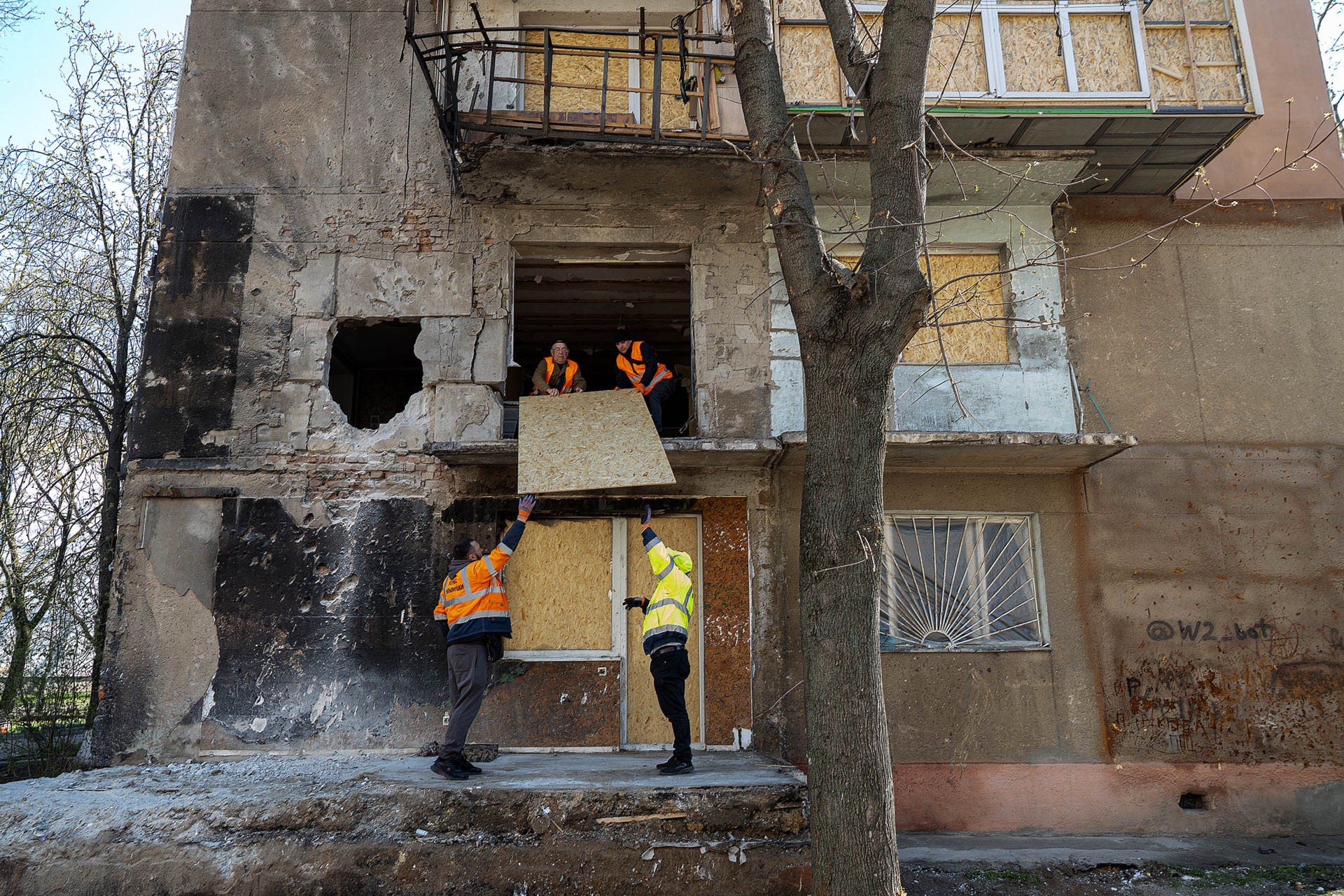
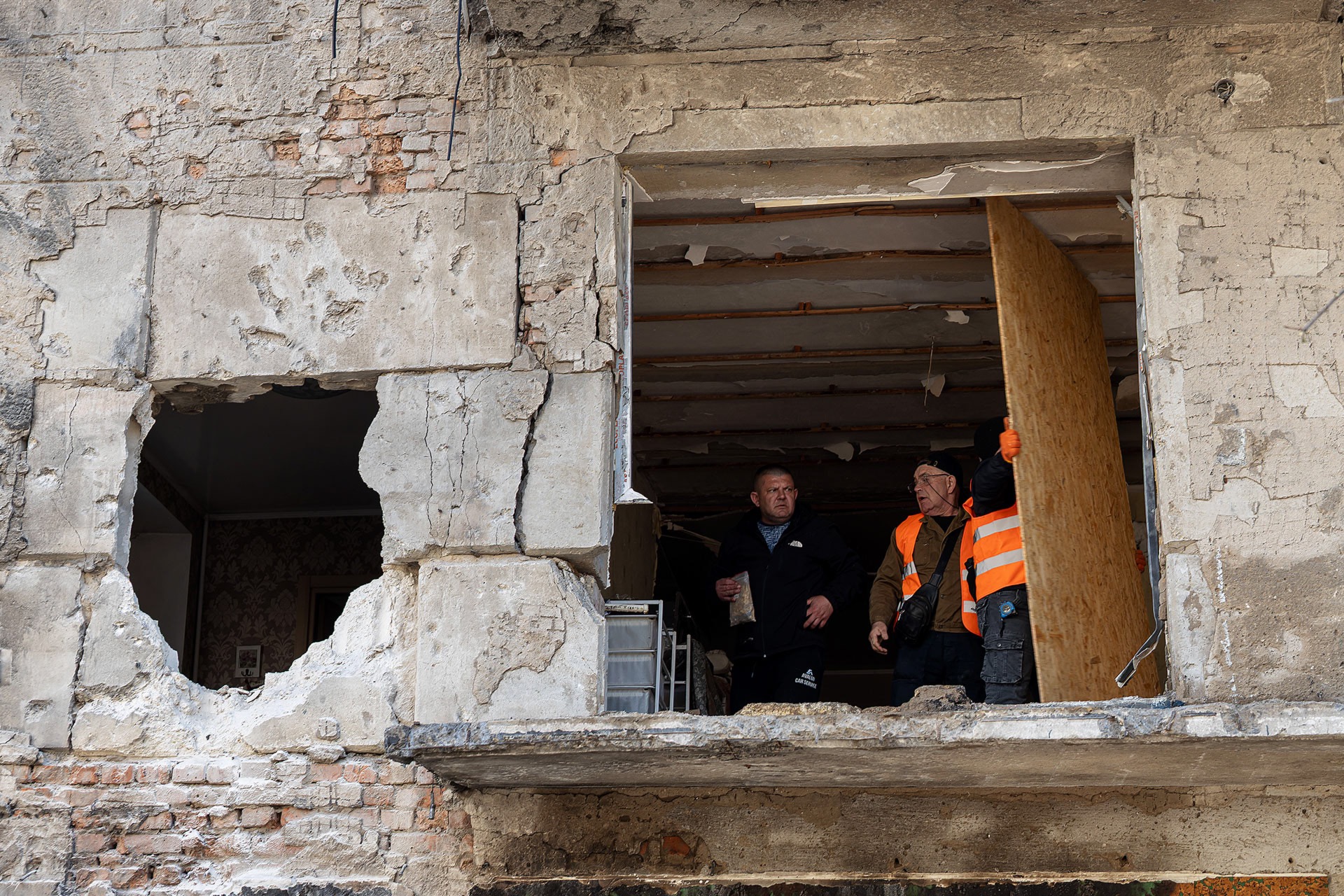
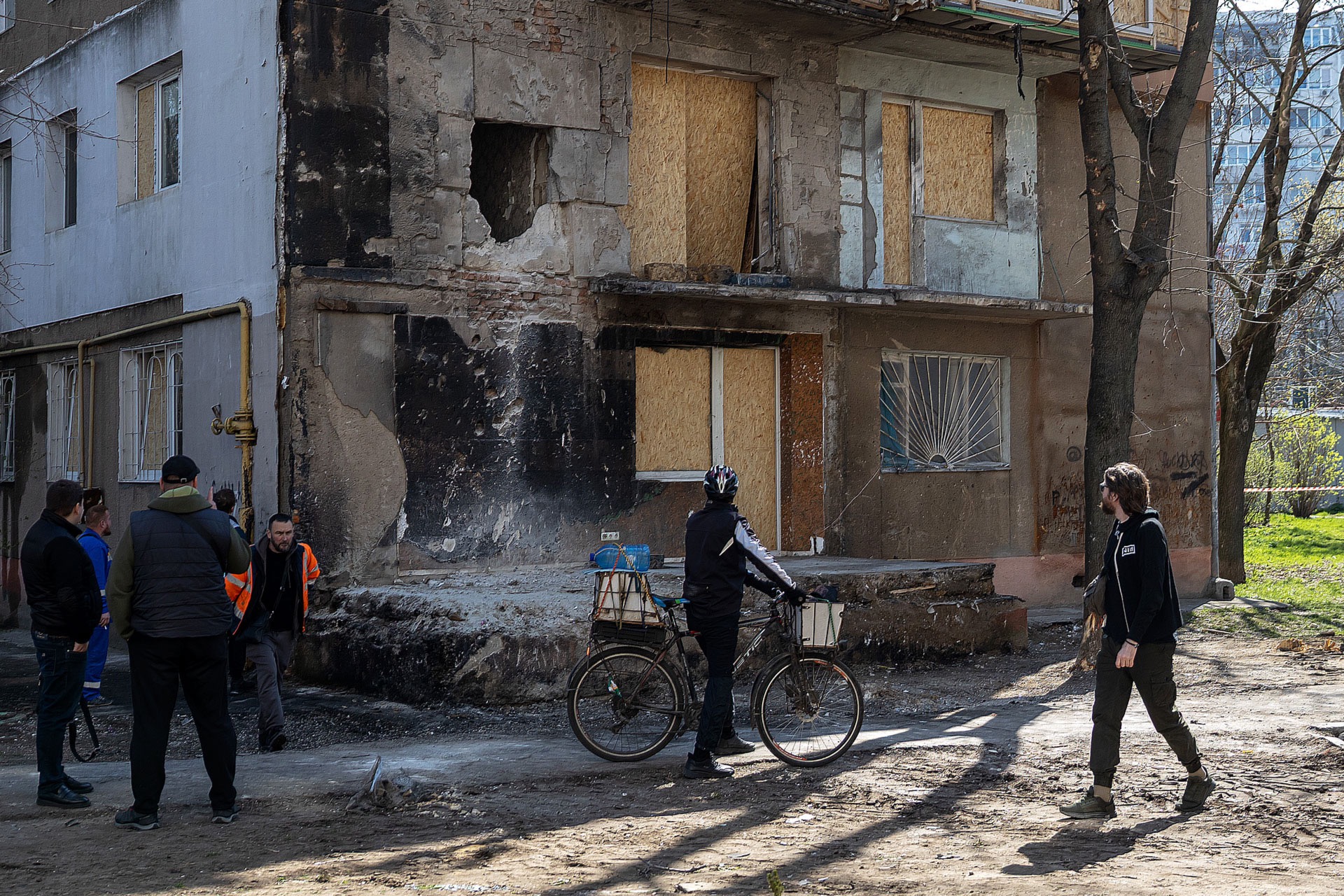
On April 1, the city was in mourning for those killed as a result of the March 28 attack. Two severely injured people died in hospital, bringing the death toll to four.
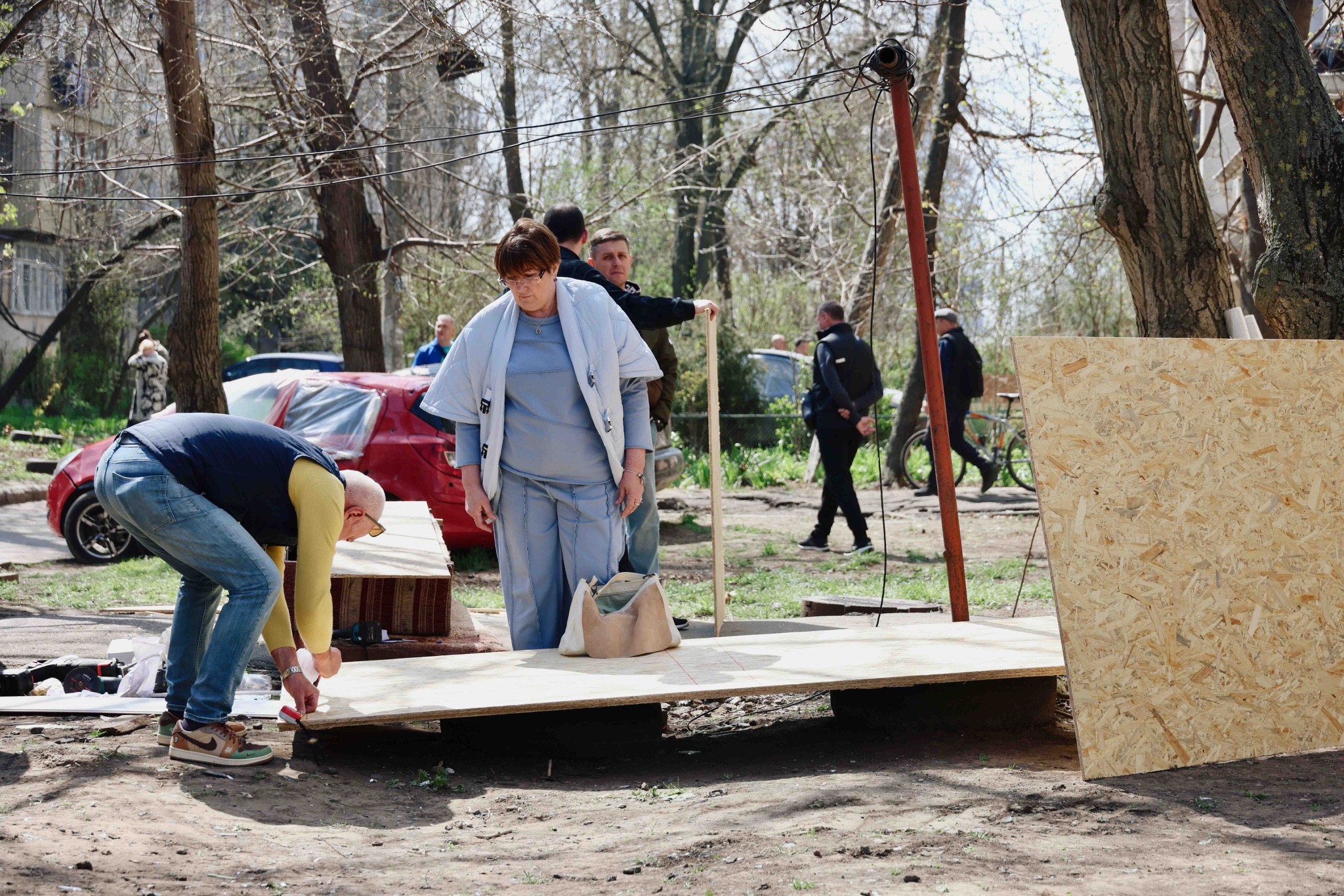
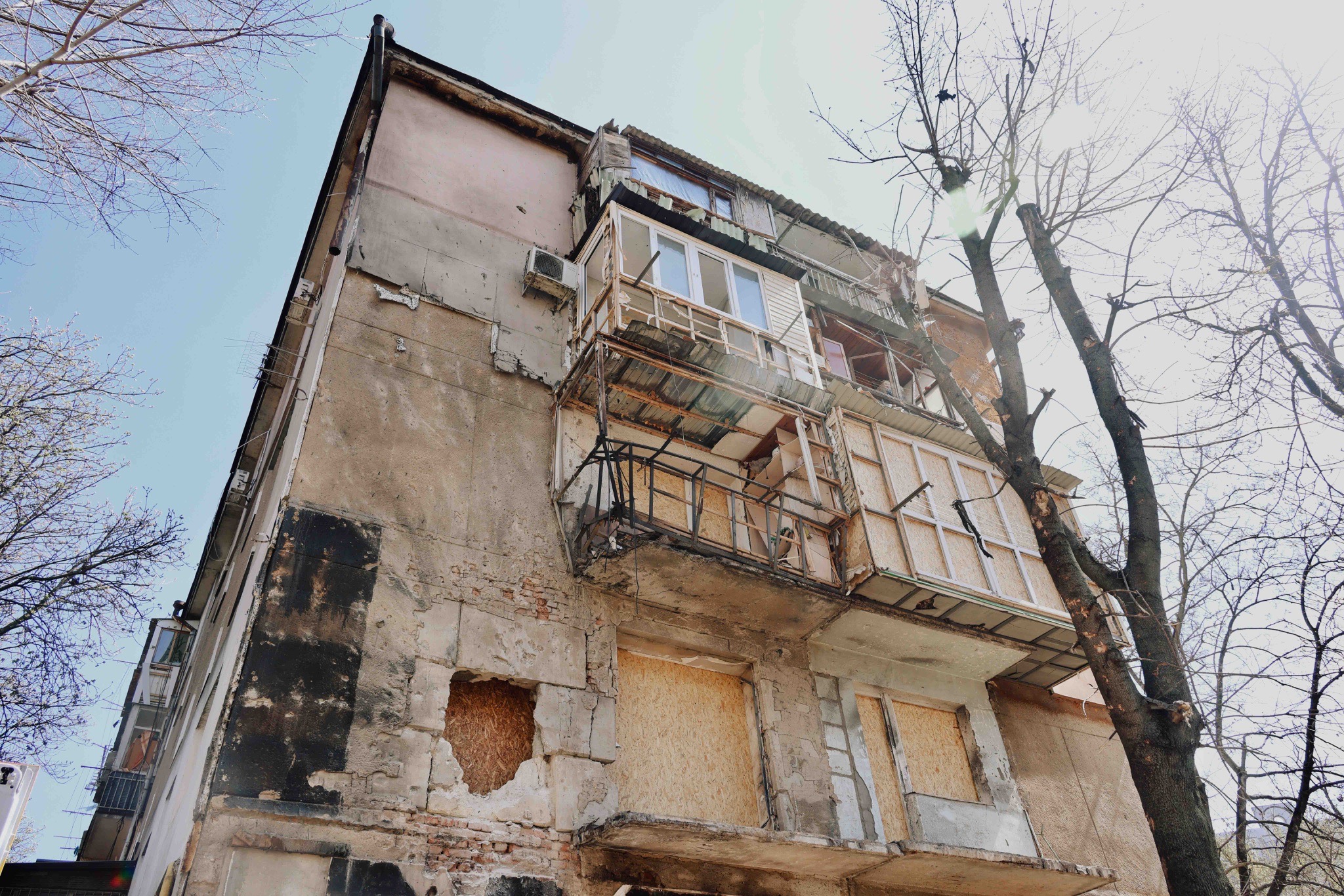
Other communities in the region were also under enemy shelling; in particular, Russians attacked Chornomorsk several times. Port, civilian, and residential infrastructure was damaged; containers with sunflower oil burned in the port area; two hangars were damaged. There were strikes on energy infrastructure; an energy facility was damaged; power outages occurred in a number of settlements.
Danger on the railway
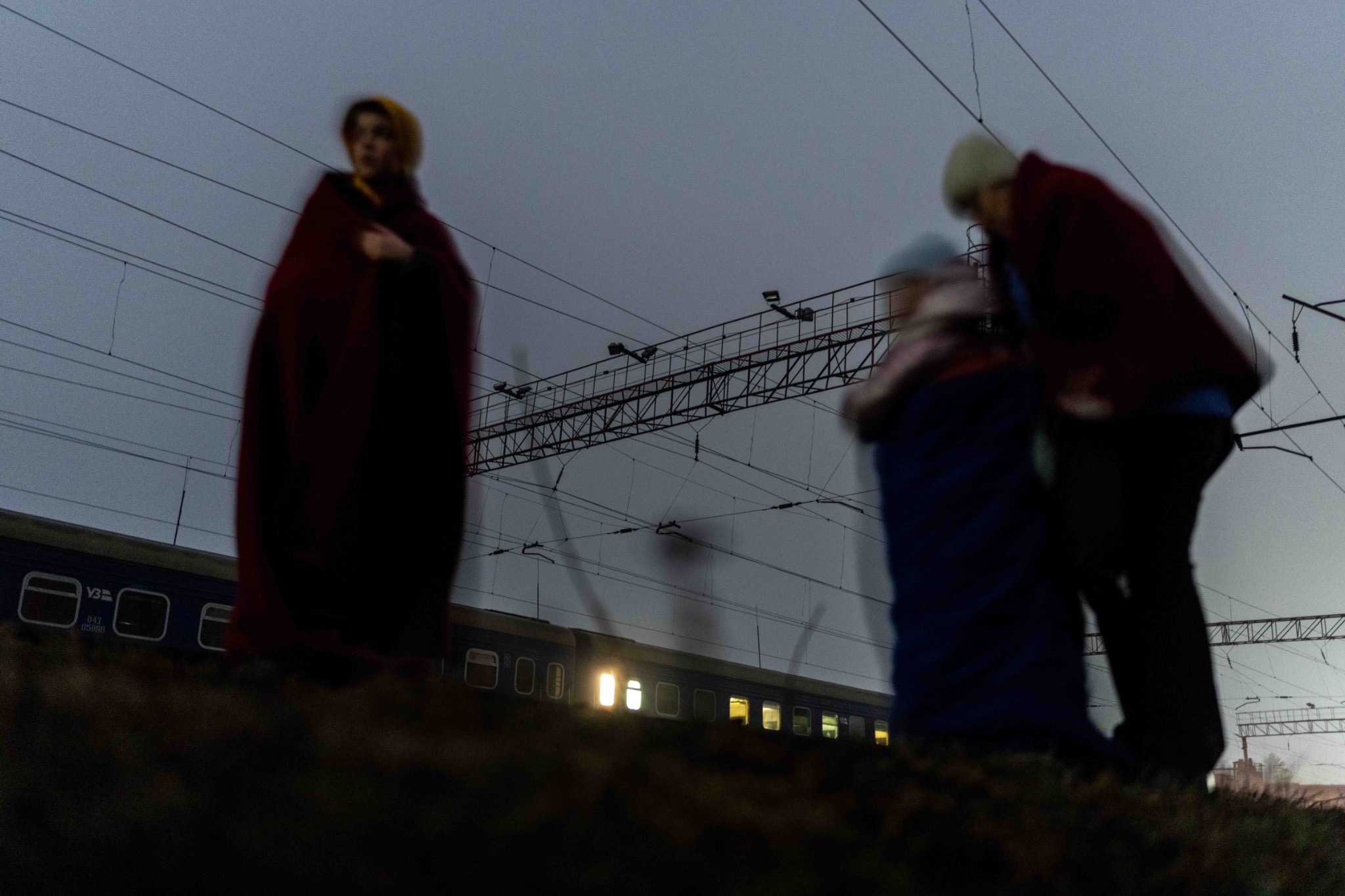
Russians have significantly intensified shelling of logistical routes, including railway connections; the enemy is targeting rolling stock. To secure trains and passengers, during massive attacks railway workers are forced to make stops and evacuate passengers and crews.
Ukrzaliznytsia urges passengers not to neglect safety rules and to follow the instructions of railway workers. In the event of direct activity of enemy UAVs or other means of destruction near the route of a particular train, railway employees announce an evacuation.
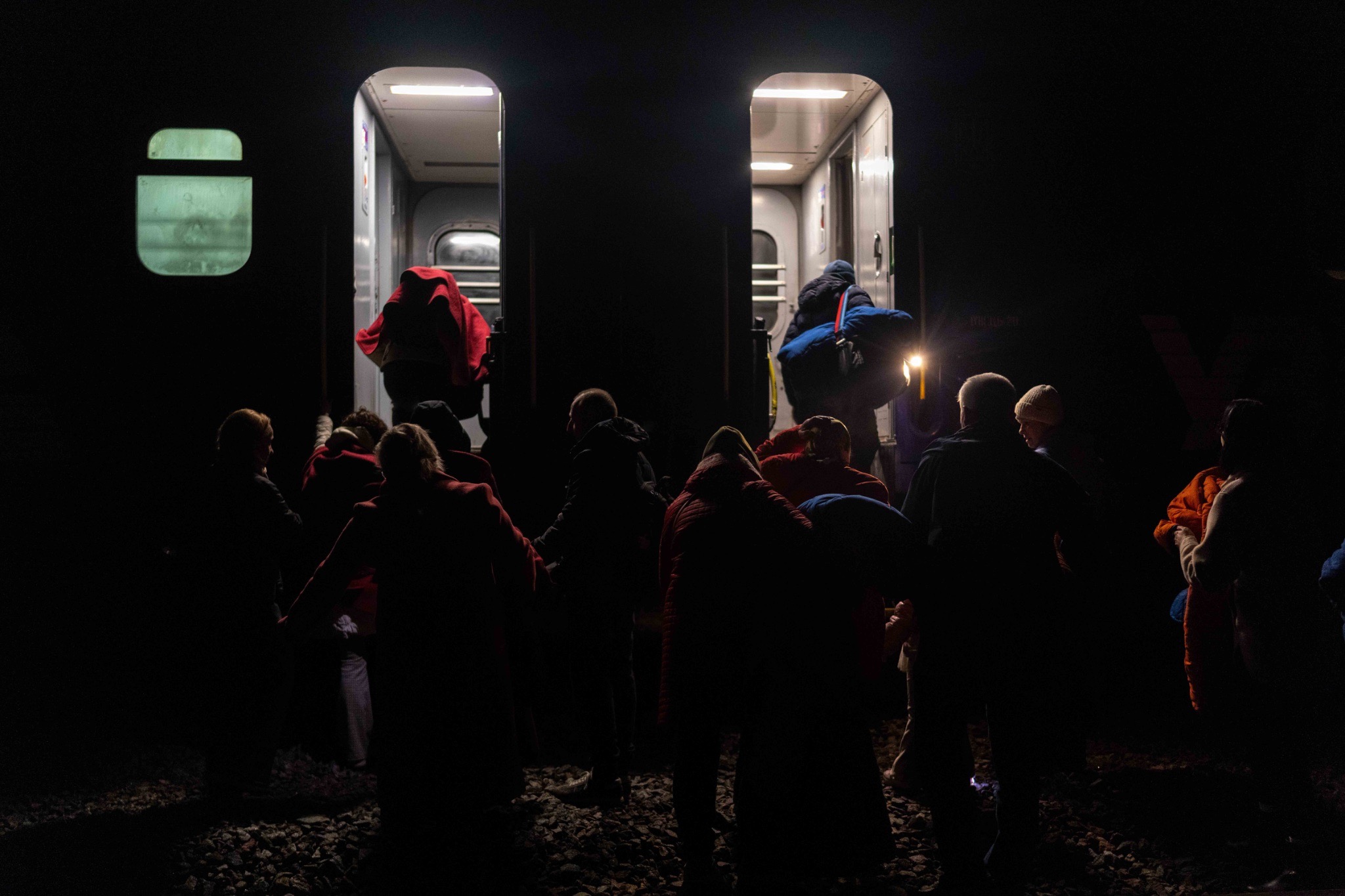
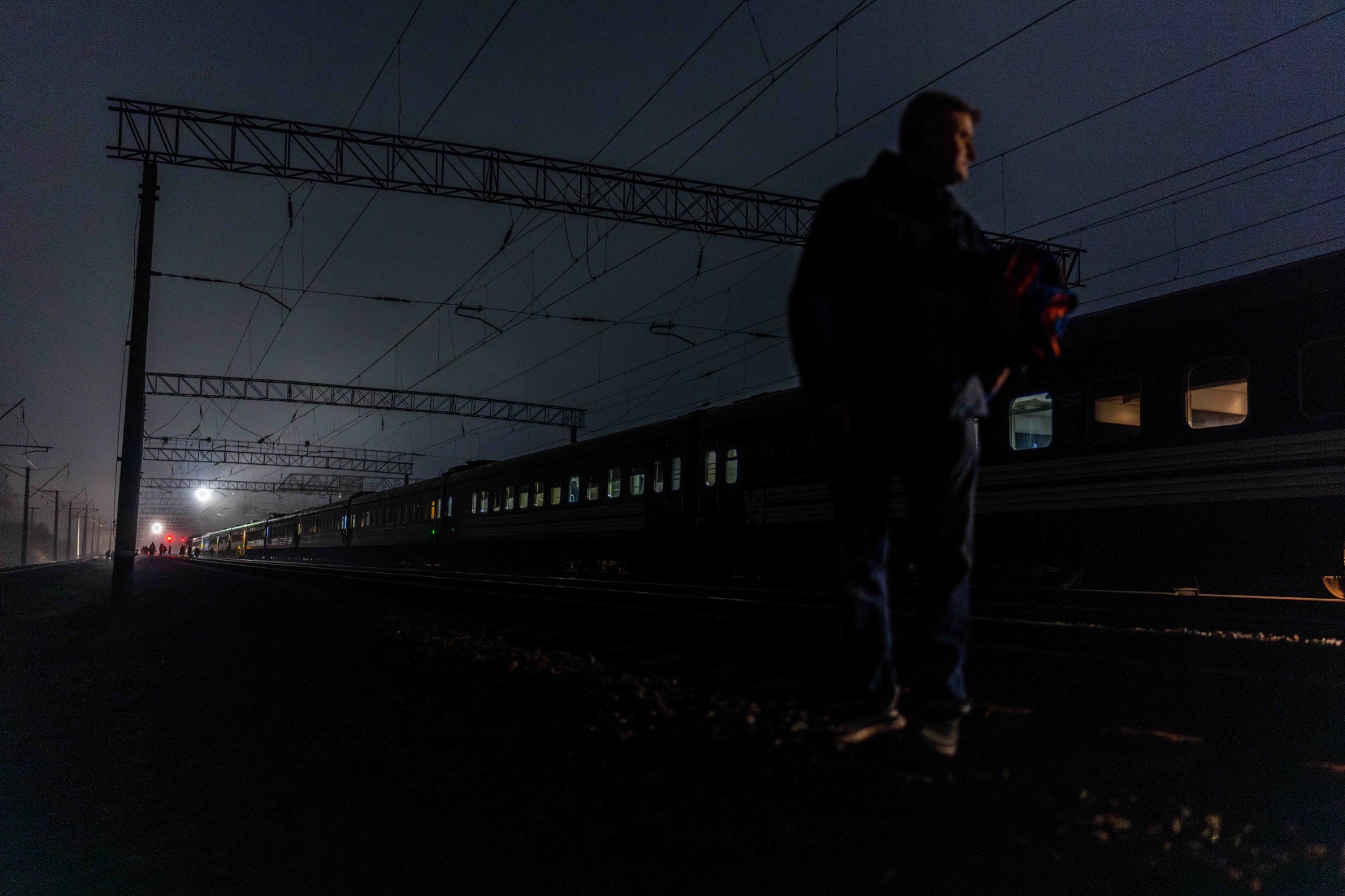
Ekonomichna Pravda, citing the Head of the Management Board of Ukrzaliznytsia, Oleksandr Pertsovskyi, reports that evacuation during attacks is necessary because if a train car is hit, it can become a trap for a person: metal bends quickly and fires break out, during which chemical substances are released.
Therefore, during an evacuation, passengers should take their documents and phone, leave the car, and disperse across the area at a distance that allows them to see a conductor in a high-visibility vest. In the event of an attack and nearby explosions, they should follow safety instructions. The end of danger is announced verbally or with the help of a megaphone or whistle.
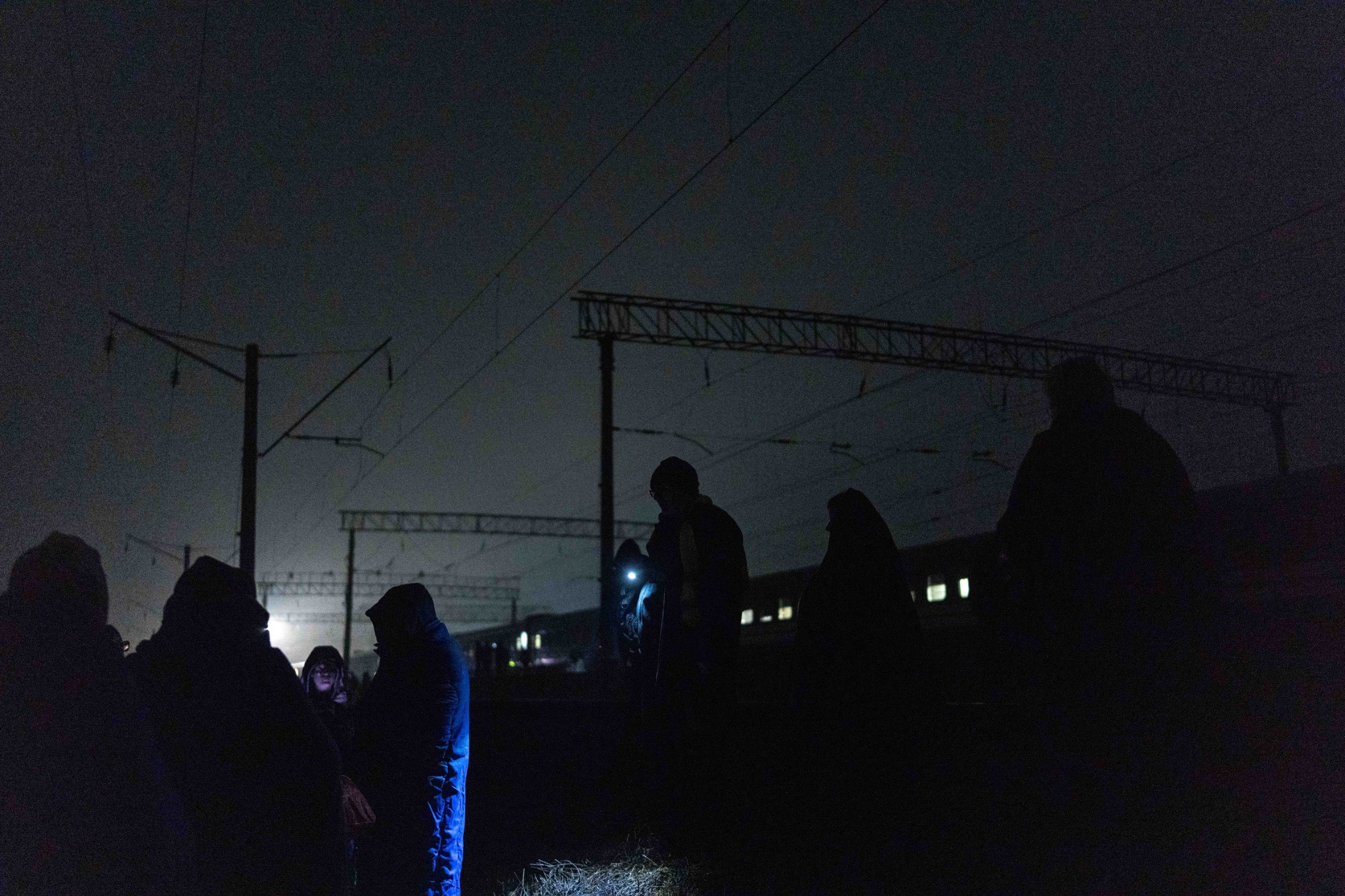
At Ukrzaliznytsia, they say trainings are conducted with crews to strengthen safety protocols.
This week, on March 31, the railway in Sloviansk, Donetsk region, was under attack; infrastructure and the locomotive depot were damaged; four depot workers were injured, one female worker is in serious condition.
“My train from Kharkiv to Kyiv ended up in a real evacuation. Due to the threat of drones, all passengers were taken outside four times during the night and given warm blankets. Unfortunately, these are the new realities of traveling across Ukraine. @ukrainianrailways continues to work in extremely difficult conditions,” documentary photographer Oleksii Filipov, who experienced an evacuation on the railway, recounted on Instagram.
This material was created with the support of the British Council program “Creative Economy Grants.”
Worked on the material:
Topic researcher, text author: Yana Yevmenova
Photo editor: Olga Kovalova
Literary editor: Yuliia Futei