Oleksandr Rupeta works in Ukraine and internationally, specializing in social anthropology, social conflicts, and personalized stories. The people and communities, spaces and moments that shape our time are the focus of his attention. Oleksandr Rupeta discussed his authorial projects, ethics in photography, and international experience as a documentary photographer.
Oleksandr is a member of the International Federation of Journalists, the Federation of European Photographers, and the Independent Media Trade Union of Ukraine. His works have been published by The New York Times, Financial Times, The Times, The Guardian, The Economist, Time, Nature, Forbes, National Geographic Traveler, as well as specialized media Bird In Flight, C41 magazine, FotoRoom, Dodho Magazine, The Heavy Collective, and many others.
Inspiration and Photographers
“I started taking photographs very early. At ten years old, a darkroom was left to me by my uncle, and I developed frames from my film camera there,” — Oleksandr Rupeta recalls.
He considers his work for the Ukrainian edition of National Geographic magazine to be the starting point of his professional photography career.
“I simply came to them for an interview with my photos from various trips,” — Oleksandr recounts. — “At that time, I was interested in religions and offered them a photo project about Sufis—a mystical current of Islam.”
Rupeta traveled for shoots in Crimea, northern Cyprus, and Turkey with a female journalist. Oleksandr managed to gain access to very closed communities, and some rituals he was not even allowed to photograph. The final part of the project was supposed to be a shoot in Crimea, where Rupeta planned to photograph the guardian of an ancient Sufi center. However, the Revolution of Dignity and the annexation of Crimea soon took place, and the Ukrainian version of National Geographic closed.
“The story remained unfinished, but I gained very interesting experience. I think that is what prompted me not just to travel, but to travel as a journalist,” — Oleksandr Rupeta shares.
In 2014, Oleksandr Rupeta obtained a press card and traveled with an acquaintance journalist to countries in the Middle East, to Afghanistan and Iran. Almost every year, the photographer sought new ideas for trips and shoots—there were countries in Africa and Asia, and India, where Oleksandr spent about a month. In late 2017, he decided to create documentary projects.
“The idea that I needed to do something more interesting than what I was doing now was constantly in my head. At first, I didn't feel I had the strength, but in late 2017, I realized that I had matured enough for my own long-term projects,” — the photographer recalls.
Oleksandr Rupeta says he perceives photography through art. Both his parents are artists by education, and he was constantly in an artistic environment—in workshops, at plein airs, and creative gatherings.
“I met many people not only without an art education but completely outside this sphere, yet they chose the exact same photographs as me,” — Oleksandr Rupeta says. — “There is no correlation here between education or age. I know many very young photographers who shoot with great audacity and talent.”
One of Oleksandr Rupeta’s favorite photographers, who became a benchmark for reportage photography and documentary work, is Ed Kashi. He was particularly impressed by Ed Kashi's reportage from Crimea, shot for National Geographic.
“It’s a work with light irony, interesting and important topics raised, and I liked how Kashi works with fixers,” — says Rupeta. — “Ed Kashi became my mentor on one project, and we talked about this project in Crimea. It still seems to me that it is the best work Ed Kashi has done in his life. Regardless of the fact that it is in Ukraine and that it interested me.”

The list of works that impressed Oleksandr Rupeta also includes a book by English artist Gem Southam.
“He once met an artist in the forest who had created a small pool there, which he painted. The artist died, and Gem walked to that spot for many years and photographed how the artist's pool slowly fell into disrepair and nature took over,” — Rupeta recounts. — “It's a meditative series, shot over ten years. It is visually very beautiful, and every single frame is great. I had never encountered similar works before. For me, it was the first photo book with its own concept and very high quality execution.”
Oleksandr Rupeta likes the aesthetics of Jeff Wall's photographs. He artificially recreates frames that he once liked.
“I was once very impressed by Kurt Vonnegut’s book ‘Timequake,’ where humanity was thrown back years, and they relived what they had already done. In fact, in Jeff Wall’s photographs, the idea of recreating certain things that he liked is present. For example, there is a photograph of workers standing in a queue. Jeff hired these workers, and they posed for him in the same queue for several weeks,” — Oleksandr Rupeta recounts.
To the above list of photographers, Rupeta adds the name of Susan Lipper. The artist started with standard documentary photography, working on a book about a closed American community of people. Then she began shooting landscapes, which she calls “subjective documentation.”
“If they are landscapes—they are intellectual landscapes. Sometimes it is completely unclear what she liked about them, but the series looks wonderful,” — says Rupeta.
Oleksandr Rupeta says he likes many contemporary Ukrainian photographers.
“I can name Boris Mikhailov—for me, he is like Dovzhenko in cinematography,” — the photographer says.
Travel and projects
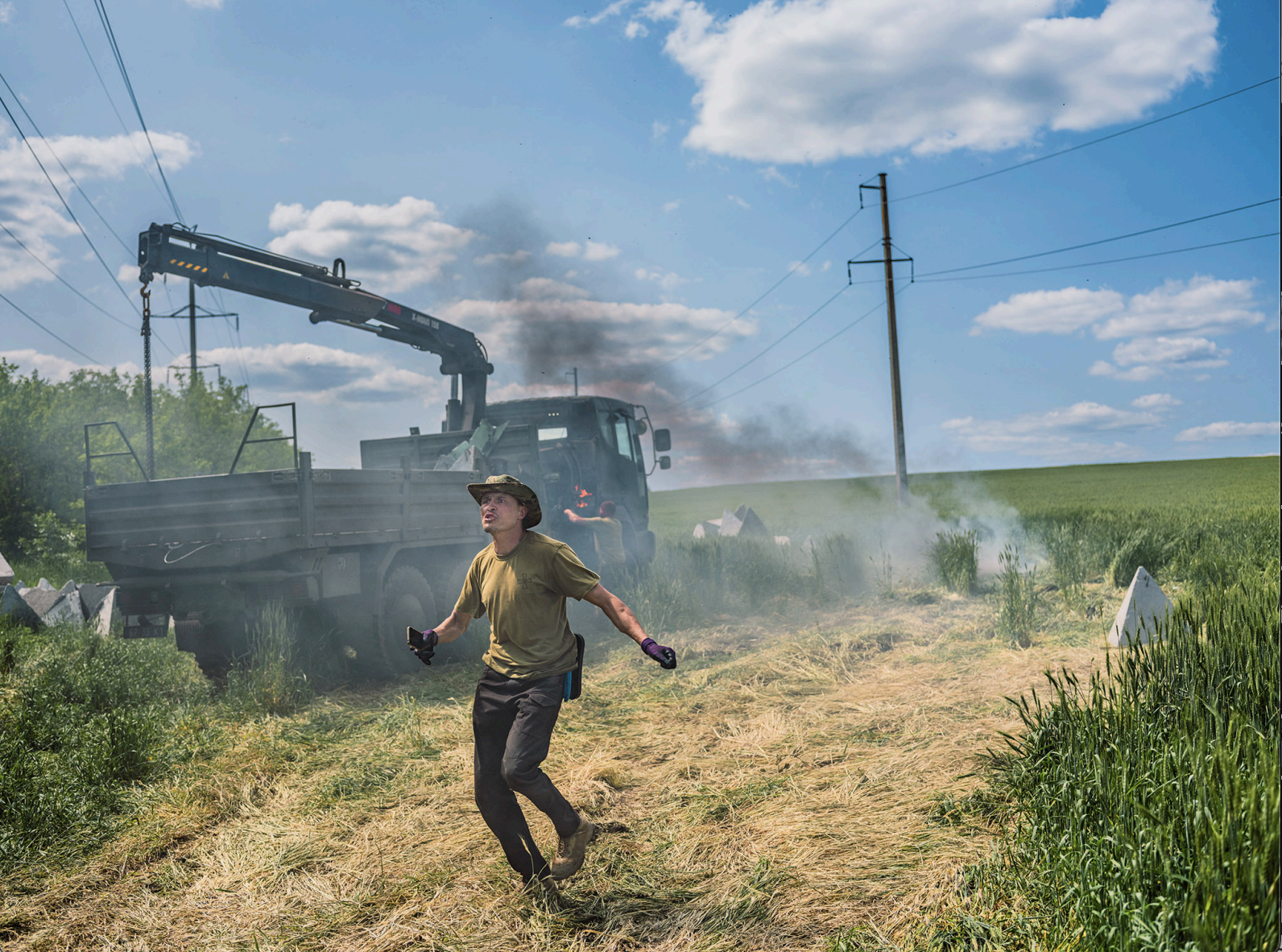
Currently, Oleksandr Rupeta documents the war, shooting the Donetsk region.
“Now I have slightly changed my approach to photography. I am not sure I did this very consciously. It’s just that over time, I started to let go, not to force certain topics. Sometimes you need to look at the situation more relaxed and see on the spot what comes out of it. I try to shoot on the vibe that is happening around,” — the photographer explains.
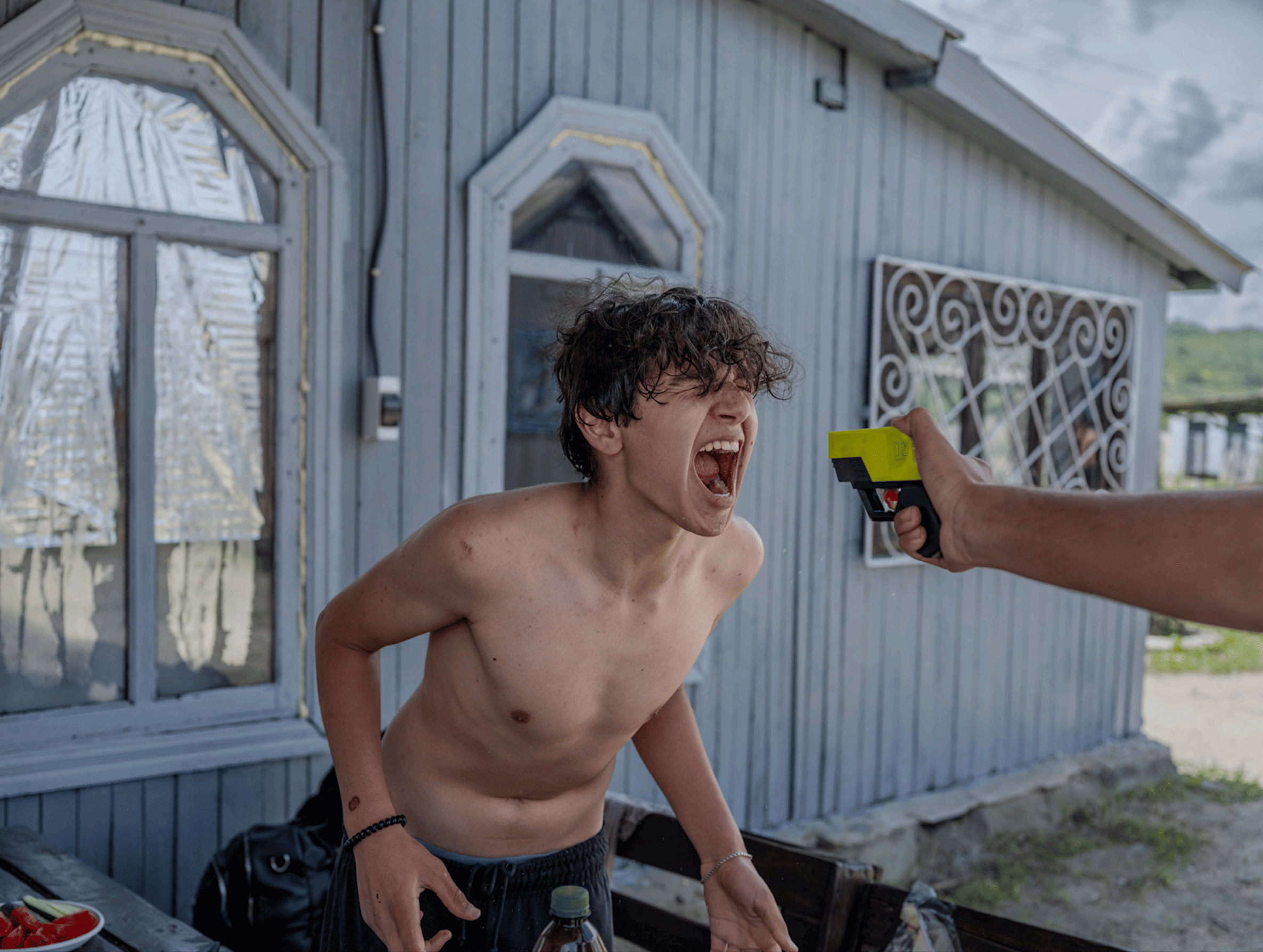

“The series that most 'shot' was about exotic animals. I won several competitions with it, there were several exhibitions, and people started paying attention to me, commissioning shoots,” — Oleksandr Rupeta says. — “Of course, I can tell something about every project, but this one was the first that resonated with people.”
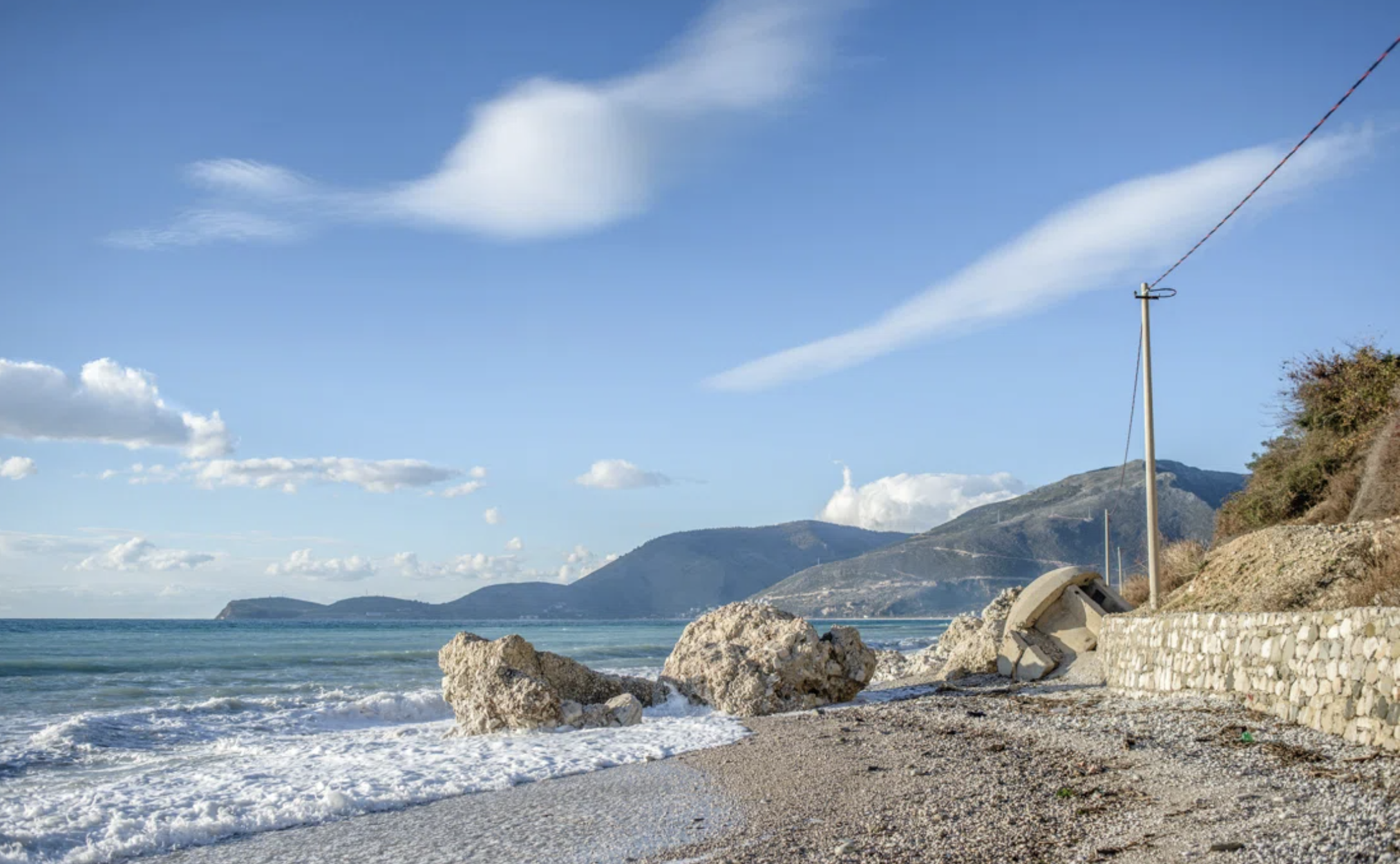
Oleksandr Rupeta recalls the project about the bunkers in Albania, “Temples of an Atheistic State,” which he worked on for a week.
“The project was done very intuitively; everything interested me. I really enjoyed working slowly, having the idea, the location, and plenty of time,” — the photographer explains. — “It’s comfortable when you can spend as much time as you want on location and then choose one photograph. Traveling further, looking for something—this project set the vector for how I want to work.”
Oleksandr adds that the project about the bunkers in Albania taught him to treat topics more freely. Initially, he had the idea of photographing people who live next door against the backdrop of the bunkers. However, the landscapes turned out to be surreal on their own, and he decided to shoot the project based on feeling, rather than a preliminary plan.
.png)
.png)
Oleksandr Rupeta has a music education, and he compares arranging photographs into a series with music.
“When you write a musical piece and there is only one climax, it will be quite boring—there must be dynamics in the piece. There must be climaxes and pauses, but they all must be on the same level. Even if you take a pause, it must be high-quality and in its proper place. This is something you can learn all your life,” — Oleksandr Rupeta concludes.
Oleksandr Rupeta currently does not shoot news due to ethical considerations.
“I didn't like that I couldn't control the process—how the photographs are used after the shoot, that I couldn't write captions for them, that they were then used to illustrate other articles,” — Oleksandr Rupeta says. — “I am not comfortable when you don't understand the situation and just ran in and snatched an emotion, even when the person being photographed doesn't want it.”
Oleksandr Rupeta says that even in the most difficult and horrific shoots, it is important for him to find a ray of hope.
“This war must be shown. If I personally don't feel comfortable shooting something, it doesn't mean it shouldn't be done. On the contrary—news must be shot,” — the photographer says.
Oleksandr usually does not write large texts for his projects.
“I am against unnecessary information; I am for the necessary minimum. It seems to me that one should relax a little and be in internal dialogue with the viewer, giving them space for interpretation. If you tell and show everything, it will be boring for both you and the viewer,” — the photographer explains. — “The serious questions that the series of photographs raises are much more important than the author's clumsy conclusions. A series with correctly posed questions will work best.”
Oleksandr Rupeta gives his photographs time to “settle.” Then he has the opportunity to look at his photos as if they were someone else's and try once again to assemble a series or project from them.
“You should shoot much wider than you initially planned. Over time, your attitude toward the issue may change, and then you will have the opportunity to choose different photographs,” — the photographer says.
When Oleksandr Rupeta works with a journalist, it solves many organizational problems. However, when he works alone, he tries to fully control the entire process. But in wartime conditions, this is quite difficult—he has to seek out contacts and acquaintances to shoot certain themes.
“I like working with people who understand what I am doing and why,” — Oleksandr Rupeta says.
Photography and War
With the start of the full-scale Russian-Ukrainian war, many foreign photographers came to Ukraine.
“I am for multiculturalism. Foreign photographers in Ukraine create healthy competition. You should not rely on the idea that a Ukrainian photographer should have some kind of preference because of that. You just need to shoot better than them.”
Oleksandr Rupeta currently shoots on medium format “Fuji” and mostly with one prime lens with a fixed focal length of 50mm.
“When I started, I shot with a 17–35mm lens. Then I realized that this dynamic looks artificial. Instead of looking for movement in the frame, you try to correct it with a wide angle. When you review the photographs, you realize that you simply could have added a brain, not a wide angle,” — Oleksandr Rupeta smiles. — “In Africa, I forced myself to shoot with a 50mm. I struggled until I learned to work with it. Ultimately, you can find an interesting theme for every focal length. For example, there is the photographer Christopher Anderson, who shot people at intersections with a telephoto lens.”
Oleksandr Rupeta compares working with a flash to makeup—if there is too much, it looks excessive. However, everything depends on the idea and theme of the photo project.
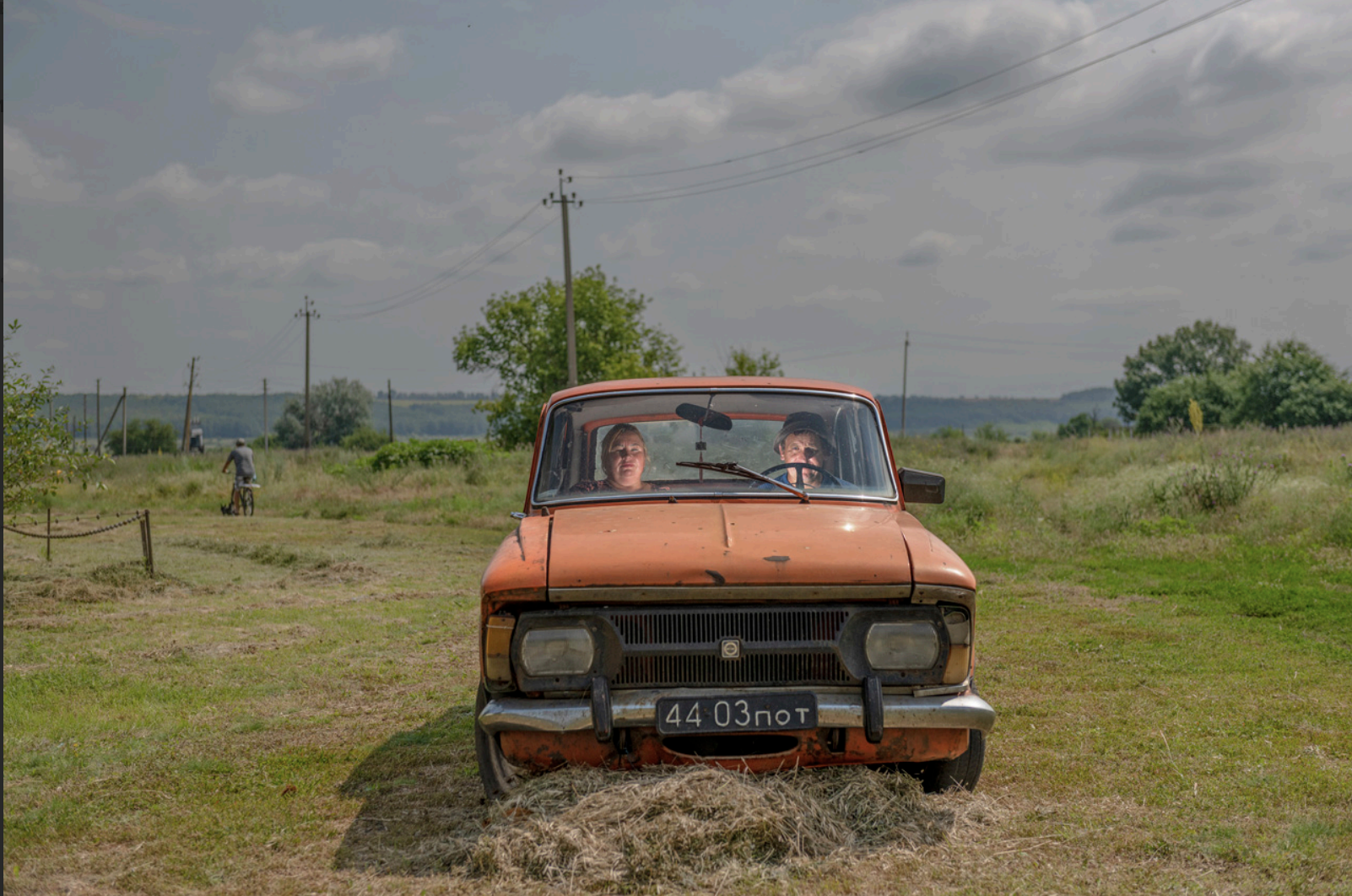
Photo by Alexander Rupeta
“I shoot a lot. However, in the final stage, I can choose photographs very quickly. I look at small icons, and when a photo emits a certain energy, I add it to the series. Choosing ten or twenty photographs from several thousand can be done in a few minutes. But that's where the problems begin — selecting the photographs so that they fit together,” — Oleksandr Rupeta shares.
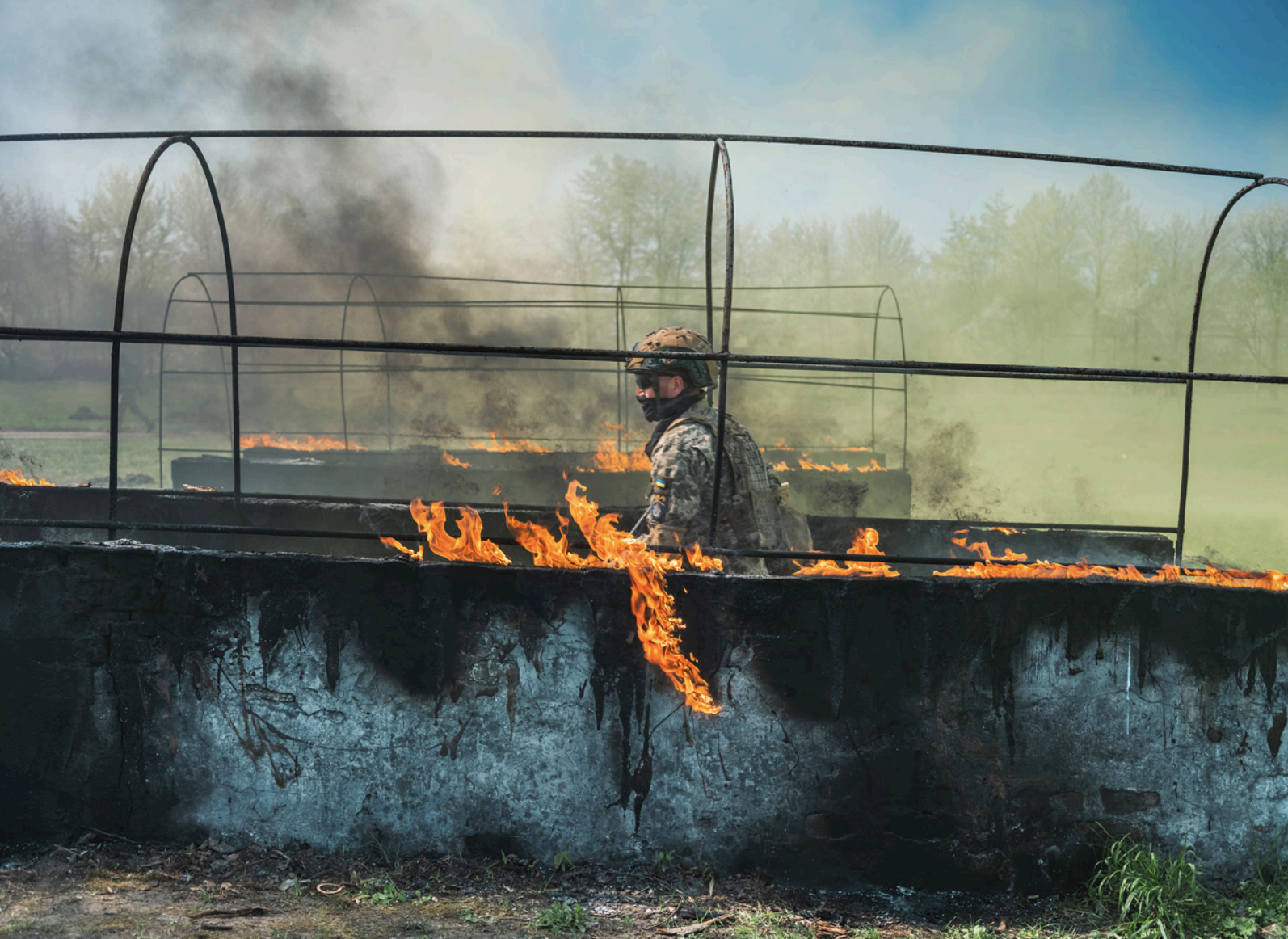
“It is great to have someone nearby who will support you, who can look at the photos and offer advice,” — Oleksandr says. — “I like the feeling when there is an idea for the next shoot or series of photographs overall. When there is an internal sense of drive that you are doing something right. Work inspires work.”
Oleksandr Rupeta — Ukrainian documentary photographer, working in Ukraine and internationally. His main interests are social anthropology and themes of social conflicts, with a focus on the individual and their personality.Rupeta is a member of the International Federation of Journalists, the Federation of European Photographers, the Independent Media Trade Union of Ukraine, and the Ukrainian Association of Professional Photographers.
As a reportage photographer, he works on short- and long-term projects about political, cultural, and social life in Europe, Africa, Asia, and the Middle East; he documents, in particular, military conflicts, the lives of people with disabilities, healthcare in less developed countries, persecuted religious communities, the LGBTQ+ community, ethnic minorities, animal welfare, robotization, and other sensitive topics.
His works have been published in The New York Times, Financial Times, The Times, The Guardian, The Economist, Time, Nature, Forbes, National Geographic Traveler, and other publications, and his news photos have been repeatedly recognized by the agencies NurPhoto, Zuma Press, and Getty Images Reportage
Contributors:
Researcher of the topic, author of the text: Katya Moskalyuk
Picture editor: Olga Kovalova
Literary Editor: Julia Futei
.png)
.png)