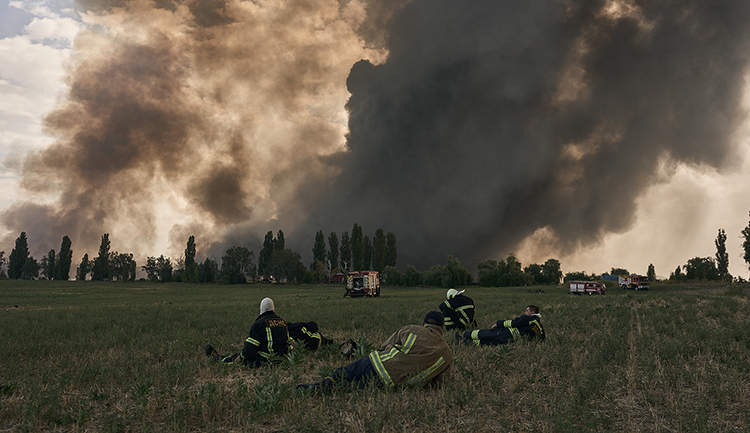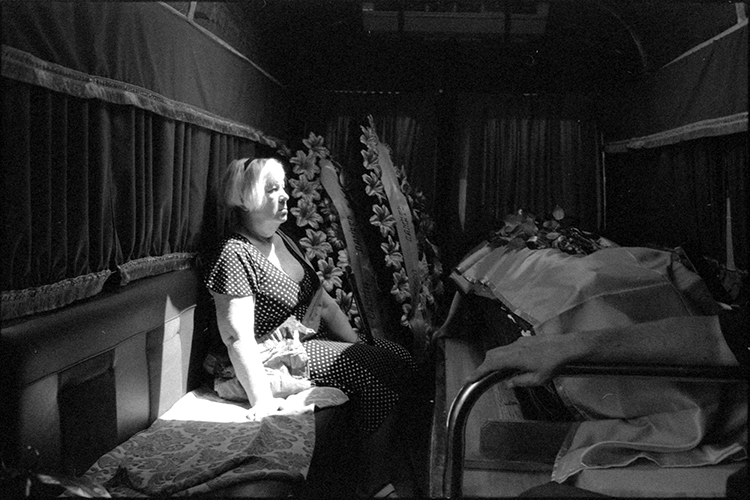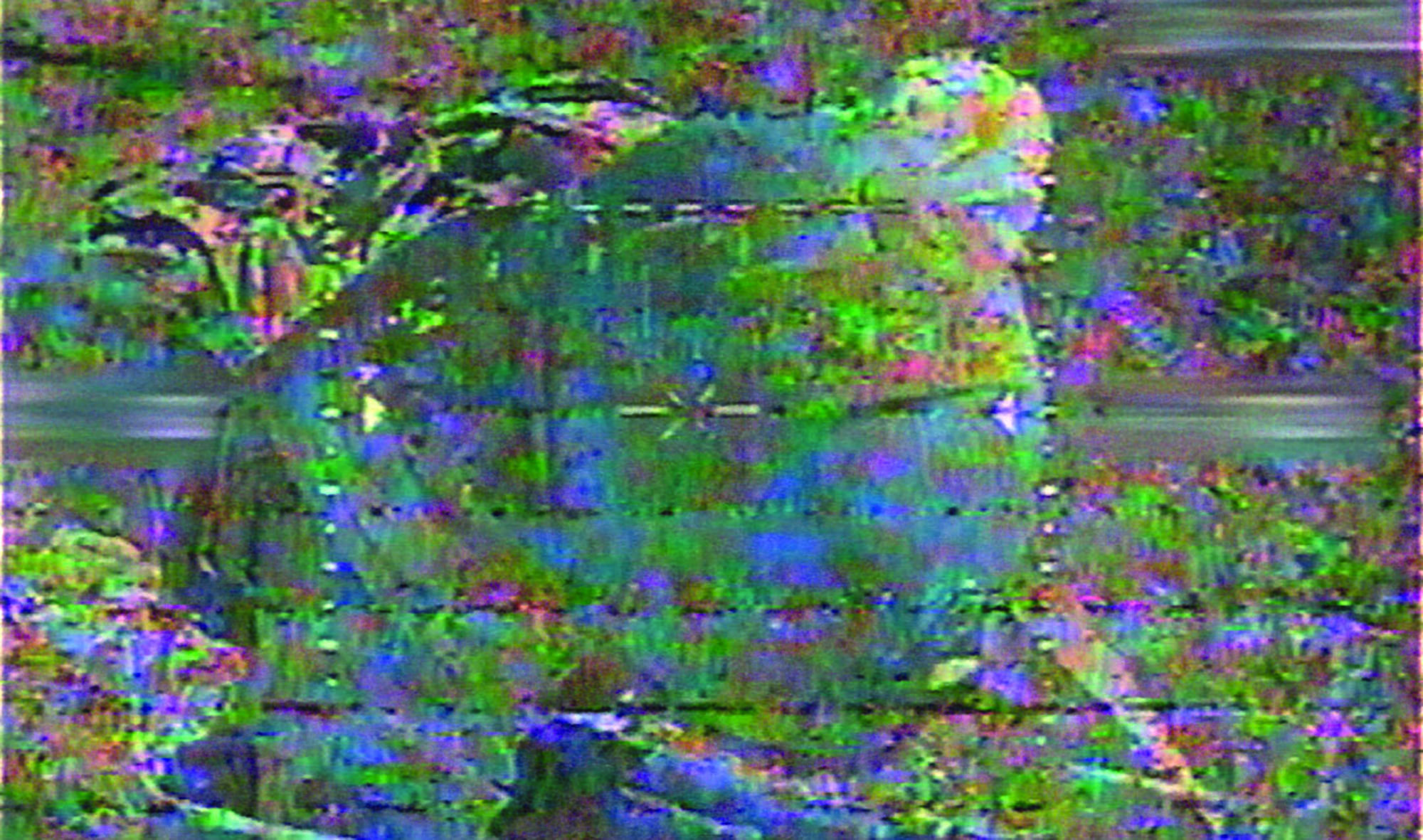
Semen Kuchvara's project "Pre Mortem," which translates to "Before death," captures the fleeting moment where a joke ends and the point of no return begins. The project is built on the sharp contrast between the ironic text on ammunition and the finality of its use. It speaks to the role of humor in the lives of soldiers and the outcome of their work against the enemy. "Pre Mortem" is a view from inside the war, where black humor is a tool for self-preservation, and a joke on a shell is a way to remain human.
"I could say that Ukrainians' sense of humor has changed — but only for those directly involved in the war"
The expression "Pre Mortem" literally translates as "Before death." It became an accurate reflection of the concept of my project — to capture the final moments before the enemy's demise. I cannot recall now which photograph became the first in this project or which inscription I photographed. Instead, I remember well that the "Pre Mortem" project arose from boredom and the desire to create something funny, to joke, and to distract from reality. I wanted to talk about the role of humor in the life of soldiers and explain how it helps us in war.
Discussions about the "Pre Mortem" project often suggest that the line between humor and black humor is quite thin. I previously thought this project was for a mass audience, both in Ukraine and abroad. Today, I am increasingly convinced that the project is truly understood by those in the military, veterans, or volunteers. I could say that the sense of humor of Ukrainians has changed, but only for those who are directly involved in the war. To me and my brothers-in-arms, the project seems genuinely funny.
Instead, people from European countries consider "Pre Mortem" undoubtedly interesting, but too cruel. The project forces people abroad to engage in a dialogue around fundamental things: where the boundary of humanity lies and how to remain human amidst total chaos. This is the start of a complex conversation and a new wave of interest in events in Ukraine.
"Let's have no hard feelings"
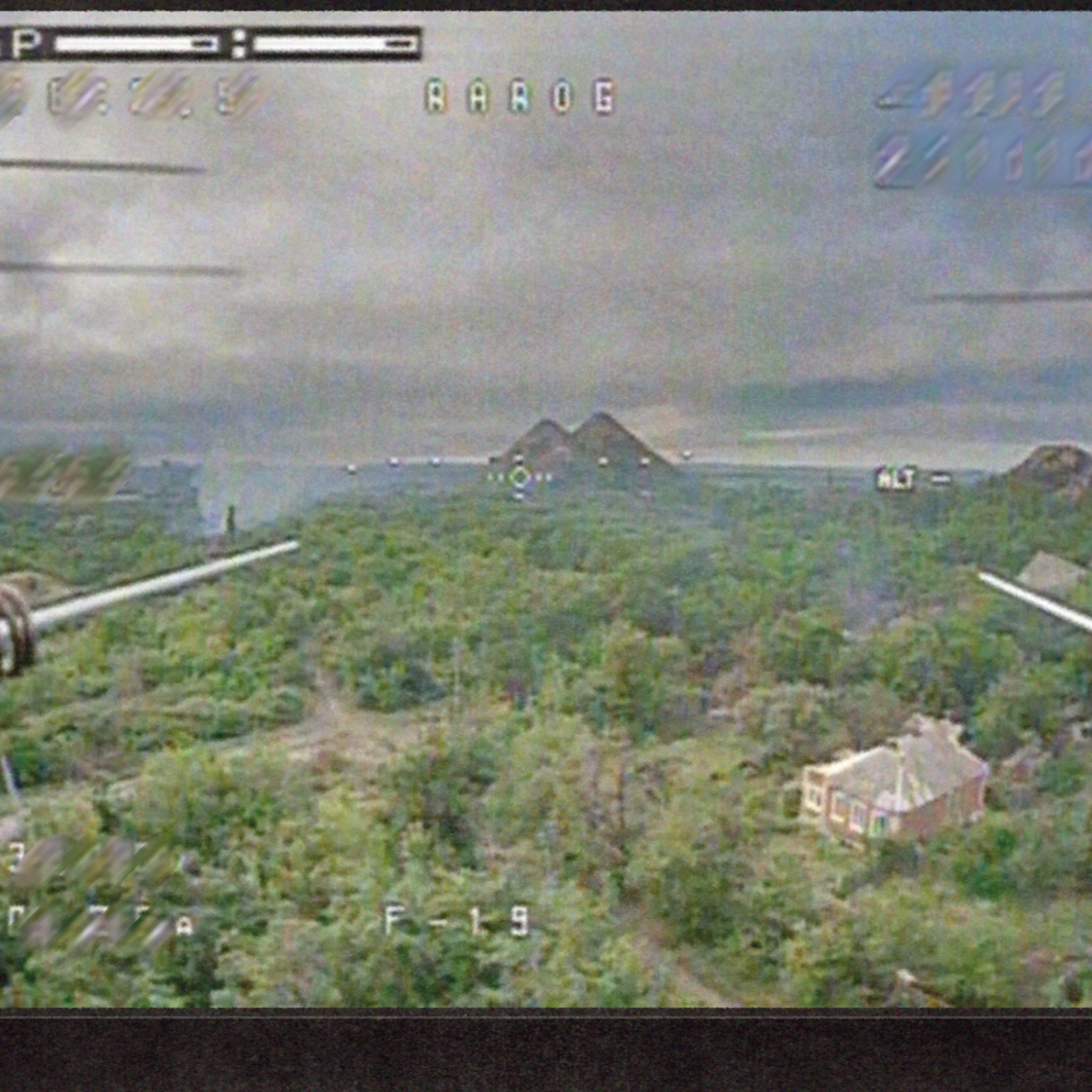
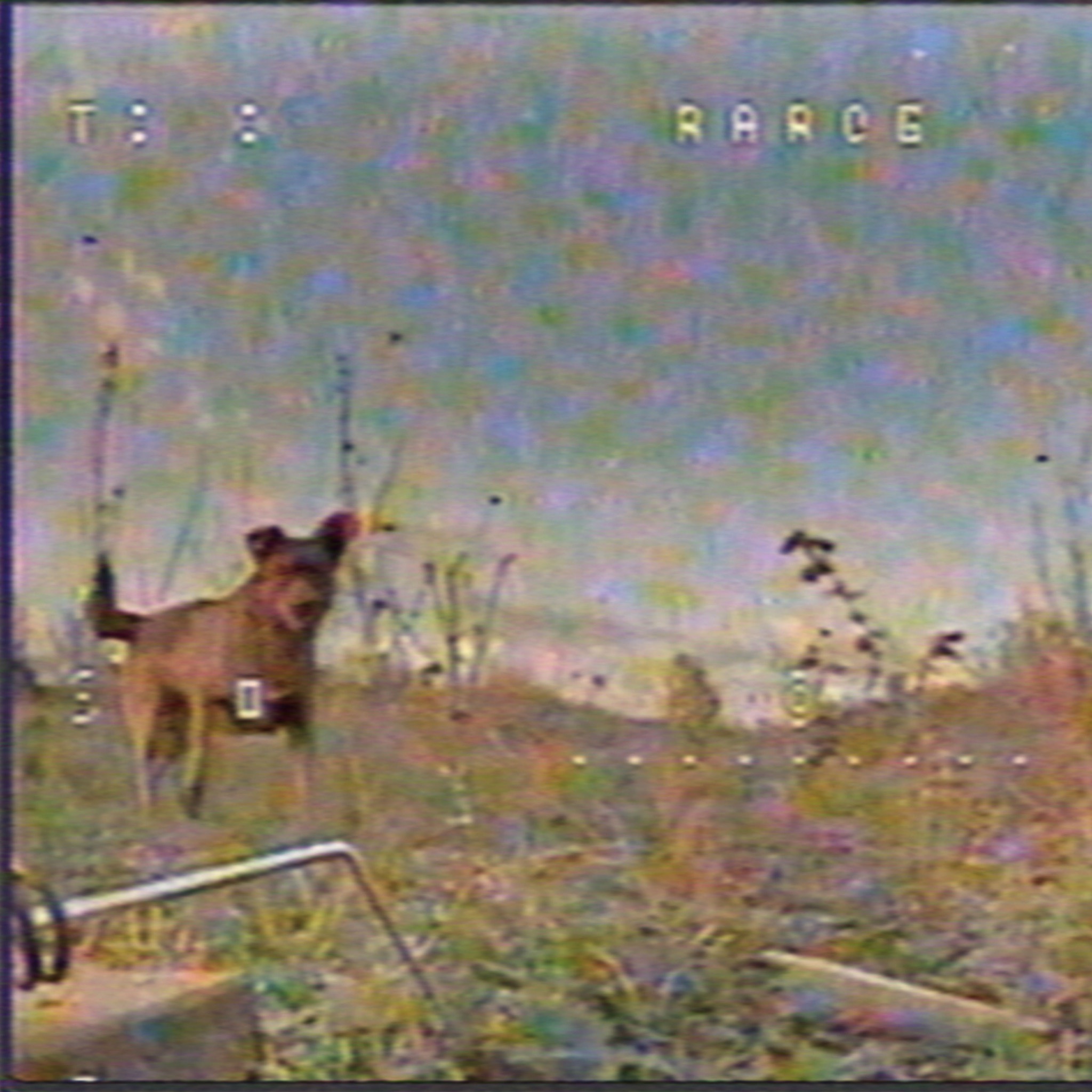
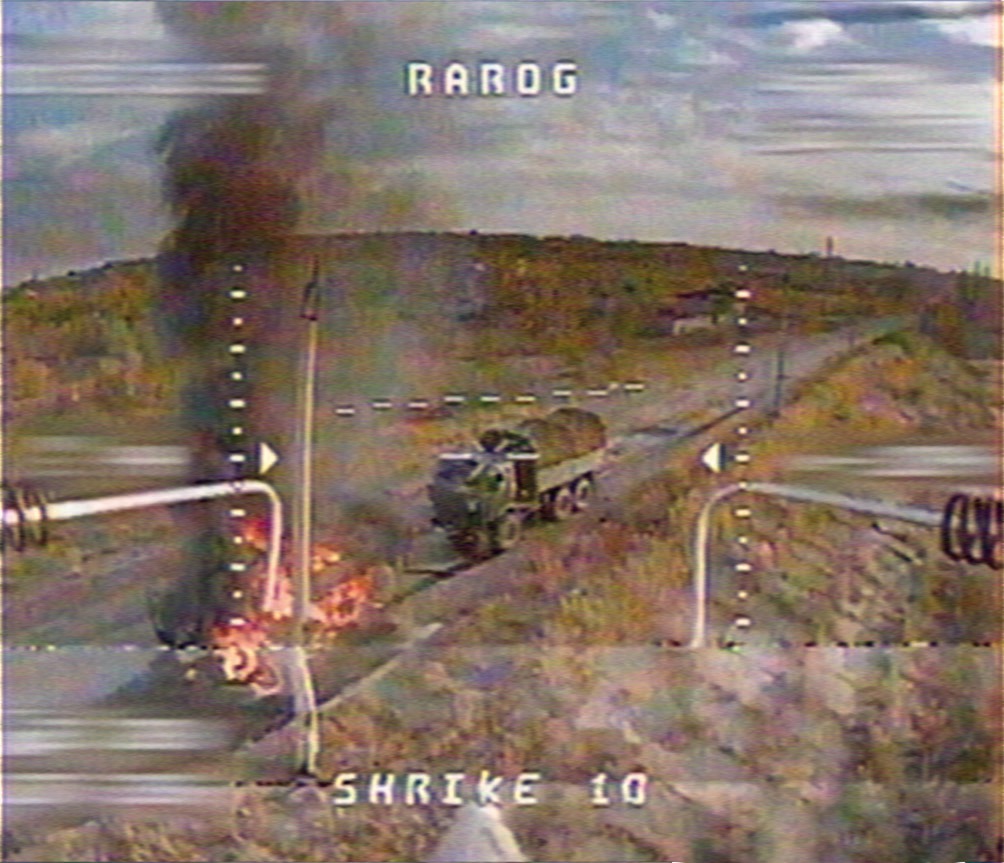
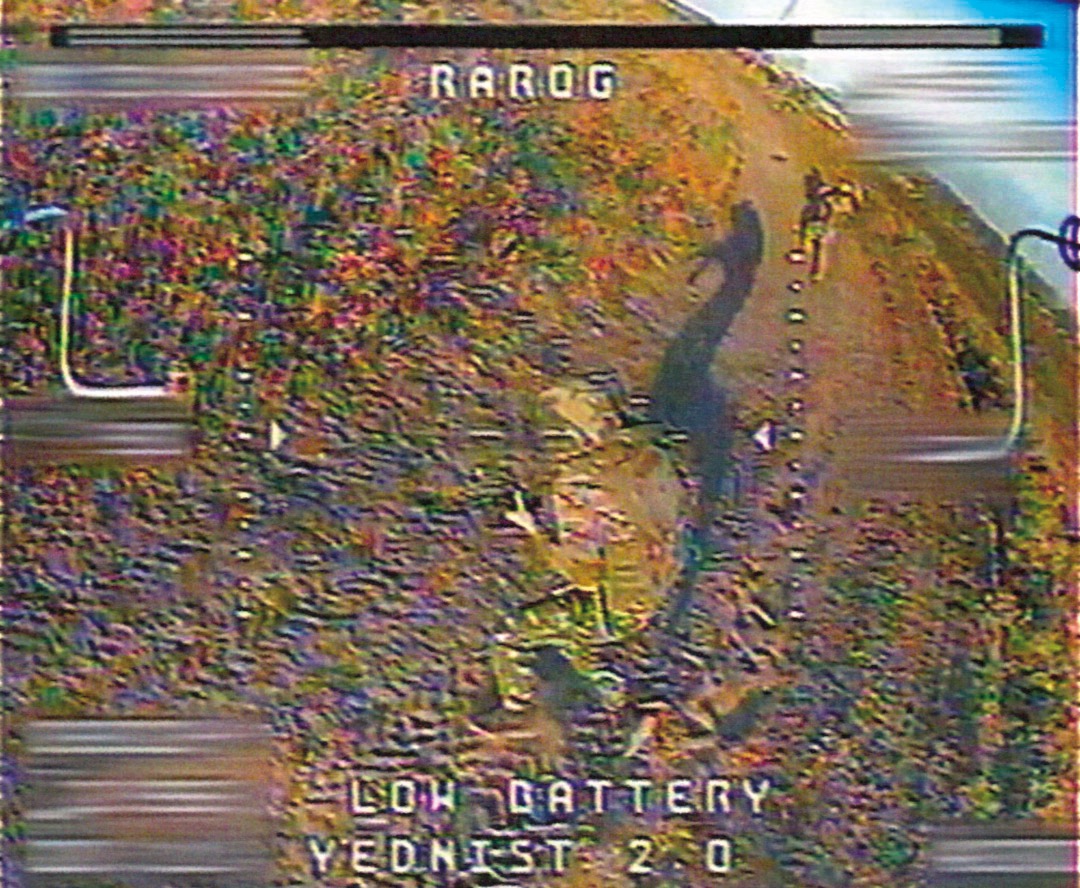
One of my favorite inscriptions I photographed is "Turn off the EW, goddammit." In reality, you can only see a perfect hit on a target from the first attempt, followed by an explosion and fire, in pictures and videos on the Internet. However, people who operate FPV drones know well that in reality, everything happens differently. Sometimes it is necessary to spend many rounds of ammunition to get the picture described above. We had situations where we burned a target, for example, from the twentieth drone.
The inscription "Turn off the EW, goddammit" arose in a similar situation. Our next drone didn't reach the target by 200 meters — we lost control. I have a video of how we smoothly "float" past. I made this inscription — and our drone reached the goal. We "unpacked" the sector and destroyed the target. It turned out quite ironically that the munition passed only with this inscription.
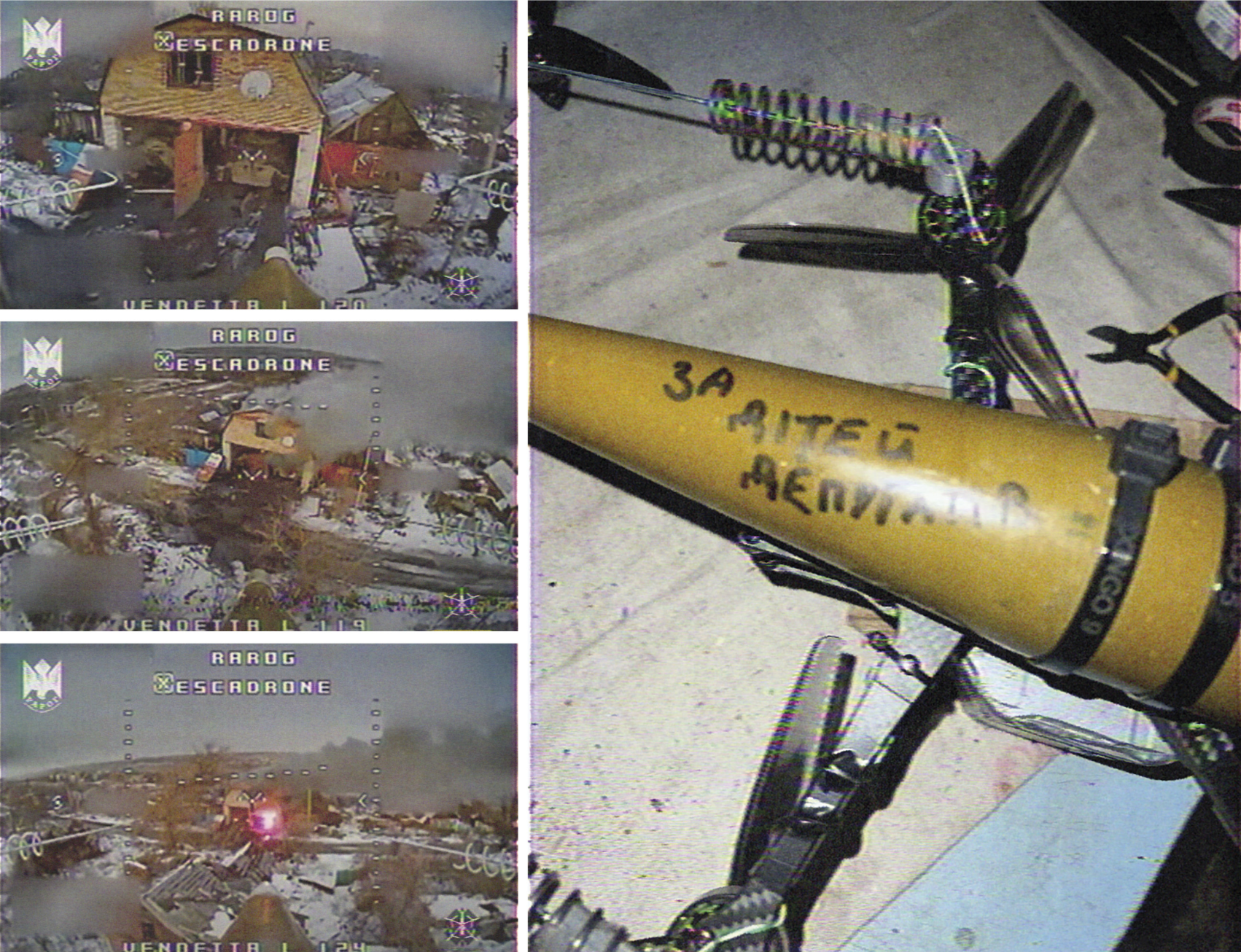
One of the funniest inscriptions I made and photographed is "This shit is more conceptual than Sonya Morozyuk." Sonya Morozyuk is a modern Ukrainian artist who, in my opinion, creates decor-art. It turns out she is very famous in Ukraine, and her works at the peak of popularity were estimated in the thousands of dollars. However, I had never heard of her.
Sonya Morozyuk gained wide fame and large-scale public resonance at the end of 2023 and the beginning of 2024 due to a loud corruption scandal related to her then-fiancé Roman Hrynkevych and his father, Lviv businessman Ihor Hrynkevych. The State Bureau of Investigation detained Ihor Hrynkevych on suspicion of schemes involving purchases of low-quality clothing and equipment for the Armed Forces of Ukraine in the amount of over a billion hryvnias. Doubts arose in society that the rapid funding of Morozyuk's exhibitions was carried out with money withdrawn from defense contracts of the Ministry of Defense. The inscription about Sonya Morozyuk, who creates outright shit, seemed to me quite relevant and comical.
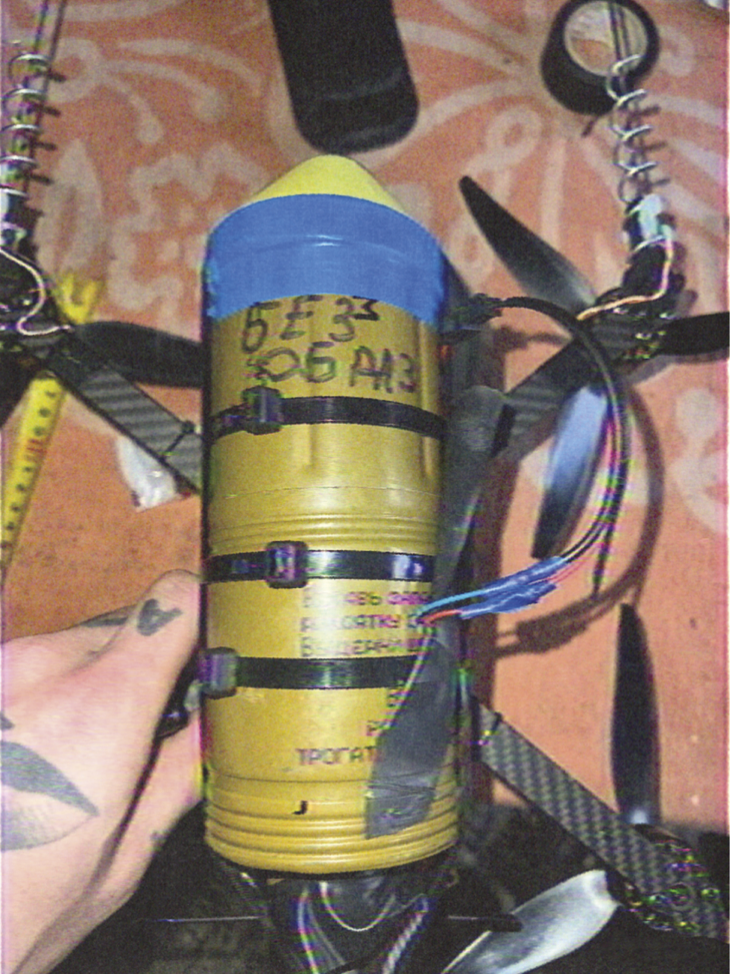
The inscription "No offense," as for me, is quite cool. It is funny in its own way, but contains a very subtle, barely noticeable empathy for the enemy soldier, for the concept of the enemy. With this inscription, I tell the enemies that your job is to bash us. Our job is to kill you. So let's have no hard feelings. There is a philosophical subtext here, the perception of war as a system in which everyone follows their orders. They came to us, and we are defending our land.
"No one will read my messages on the other end, but I thought it would be interesting to document them"
Even before the start of the full-scale Russian invasion, I liked the culture of inscriptions in the military. This topic, of course, is not new. Planes, missiles, and bombs were painted even during the Second World War. In the context of the Russian-Ukrainian war, inscriptions are created in revenge for fallen brothers-in-arms, or written at the request of people who made a donation to the military.
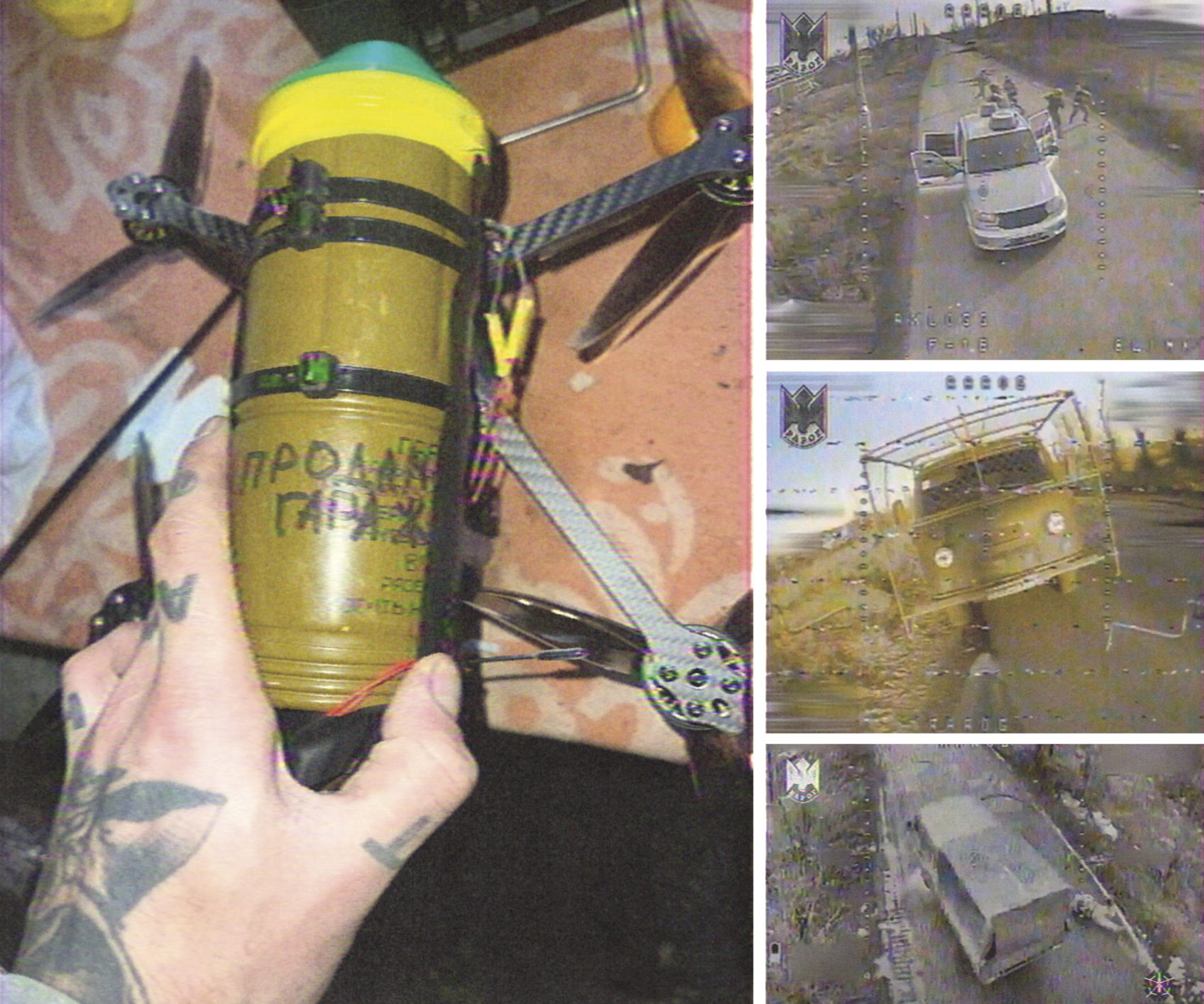
I wanted to do something special. All the inscriptions in the project I invented and made myself. In fact, no one will read my messages on the other end, but I thought it would be interesting to document them. I made the first inscriptions and photographs without the goal of creating a project. I was shooting for myself, posting photos on social networks.
When I returned from the combat zone to the rear, it was very difficult for me, if one can say so, to acclimatize. I had depression and apathy, I couldn't do anything. I created the "Pre Mortem" zine (a magazine — editor's note) only because I received a friendly kick from a countryman — a graphic designer who also served. He once saw my photographs and suggested making stickers for the brigade, which we distributed for donations. When I started the process of being discharged from the military, he wrote that he was ready to design my "Pre Mortem" zine. I really liked his design choice, and we started working on the project. The yellow skull on the cover is one of the stickers the designer made earlier.
The zine turned out to be small, since I did not aim to collect the largest possible number of random photos or screenshots from videos of destruction. It is important to me that the project be entirely authorial.
"It's not a selection of inscriptions from different soldiers — it's my personal story"
All the photographed inscriptions I made myself. Each recorded defeat of enemy positions, which is compared with these photographs, is the result of combat application of this particular type of ammunition. All the indicated defeats were carried out directly with my participation: either during my work as a UAV pilot, or while performing the duties of a squad leader, when I carried out direct target designation and navigation for the crew. This is not a selection of inscriptions from different soldiers — it's my personal story.
Ideas for inscriptions usually arose depending on the situation. For example, Sonya Morozyuk's story frankly bothered me. Often the inscription arose by itself during the assembly of the drone. If we talk about serious inscriptions, they are made for fallen brothers-in-arms. There are many such inscriptions, but only one entered the "Pre Mortem" project.
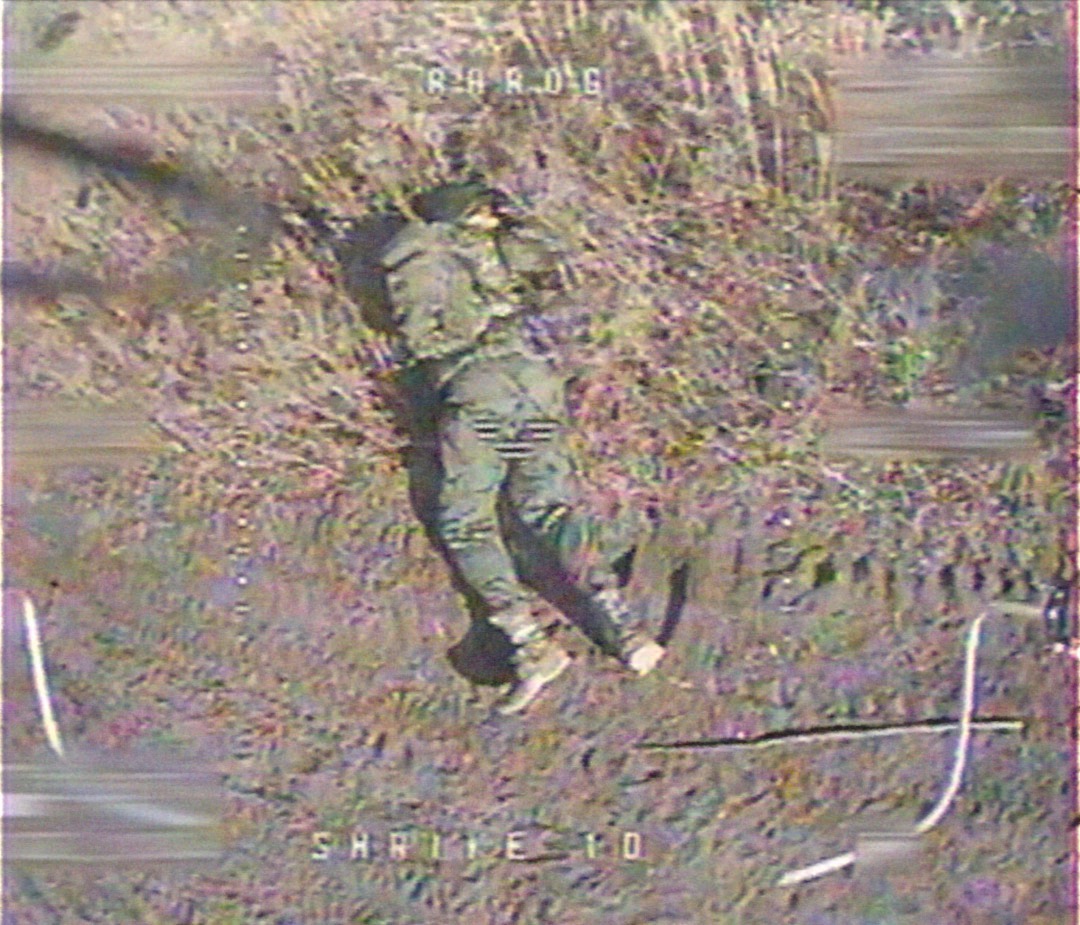
Today, a huge number of projects about the war are appearing. People take many photos, creating documentary, conceptual, and artistic stories. However, they are all heavy, oppressive, and uncompromisingly sad. This is understandable and obvious, because war is a tragedy. However, I wanted to show our reality differently — to break away from the usual "suffering" picture.
Material created with the support of the British Council's "Grants for Creative Economy Development" program
Semen Kuchvara — a Ukrainian photographer from Lviv. He works with themes of corporeality, youth, freedom, and sexuality, often shooting people close to him — friends who are not professional models, to maintain a sense of truthfulness and unfeignedness. He was published in Musashi Magazine, Resuer Magazine, Argentik Magazine, Sticks and Stones; participant of the "Revisions" exhibition (YermilovCenter, Kharkiv). From the beginning of the full-scale invasion, he joined the Armed Forces of Ukraine; he is currently a sergeant and continues to work with photography, capturing the experience of war from the inside.
Instagram of the author
Contributors to the material:
Topic researcher, author of the text: Katia Moskaliuk
Photo editor: Olga Kovalova
Literary editor: Yuliia Futei
.png)