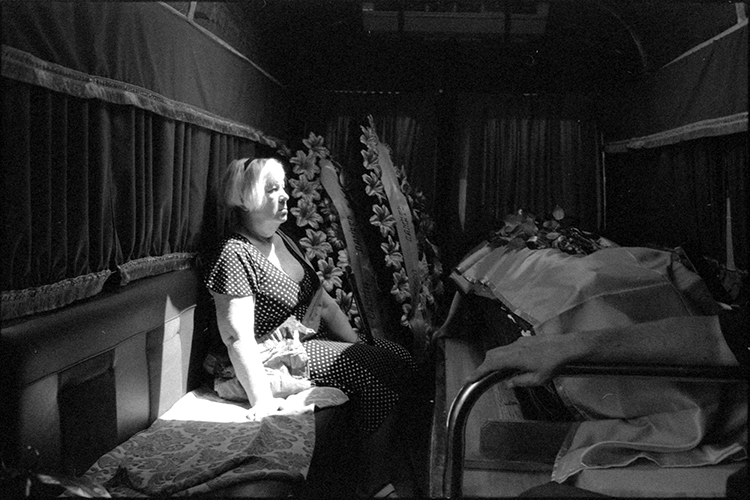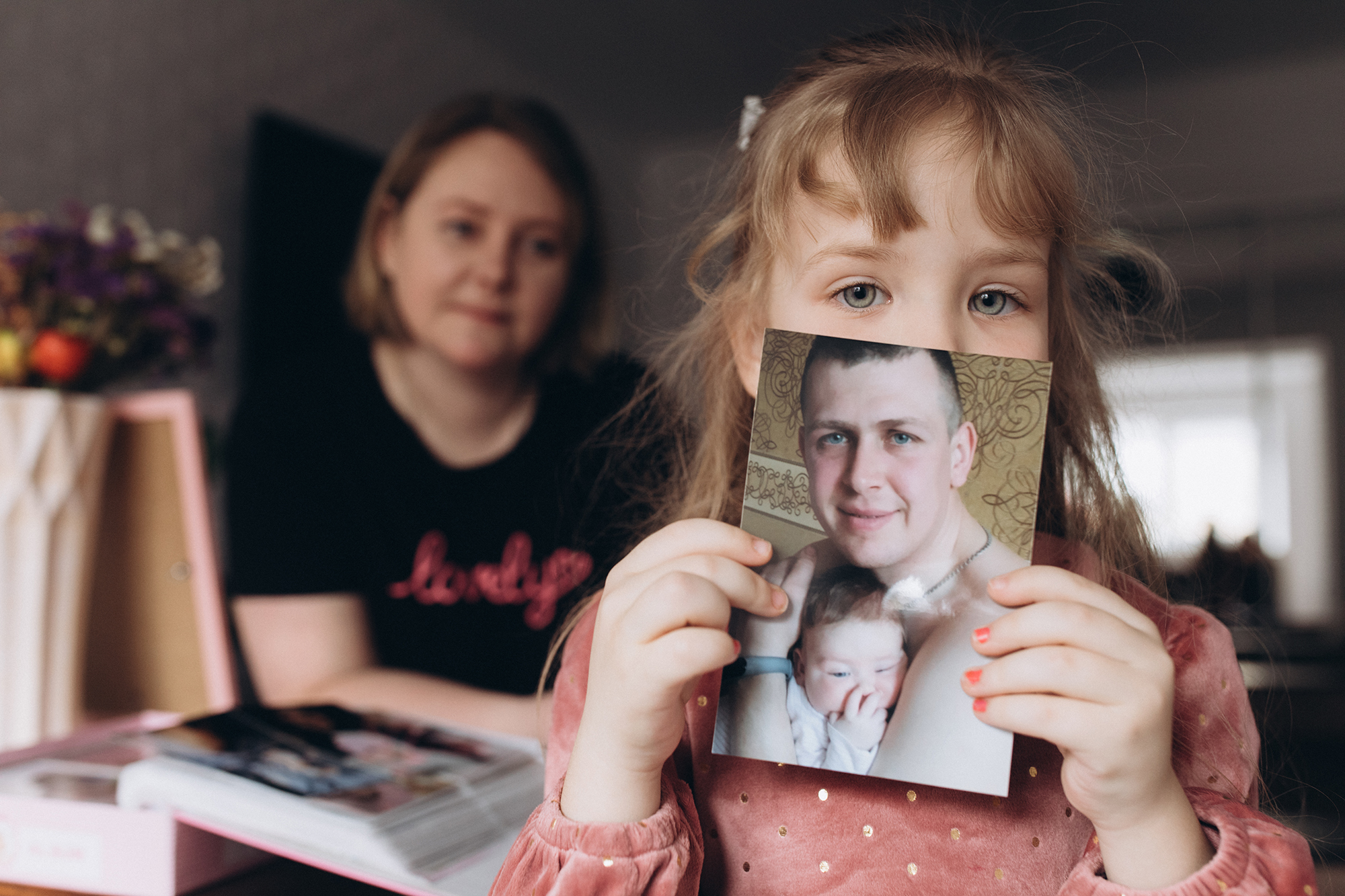
"Not Alone" is a sensitive documentary photo series by Dasha Tenditna, dedicated to Ukrainian motherhood during the war. The project tells the stories of women, in particular the wives of fallen Heroes, who are raising children in wartime. Dasha Tenditna strives to show the strength of spirit of Ukrainian mothers, as well as to remind society that they should not remain alone with their painful experience. This is a visual story about life that continues despite everything, and about love that never disappears.
"A mother is never truly alone, as she is constantly with the children for whom she is responsible"
I started shooting the "Not Alone" project in 2019. At that time, I was exploring motherhood without a partner, which arose for many reasons: domestic violence, men's lack of readiness for parenthood, addictions, or toxic relationships. Since 2022, after the full-scale Russian invasion of Ukraine, the loss of husbands in the war has been added to the reasons for single motherhood.
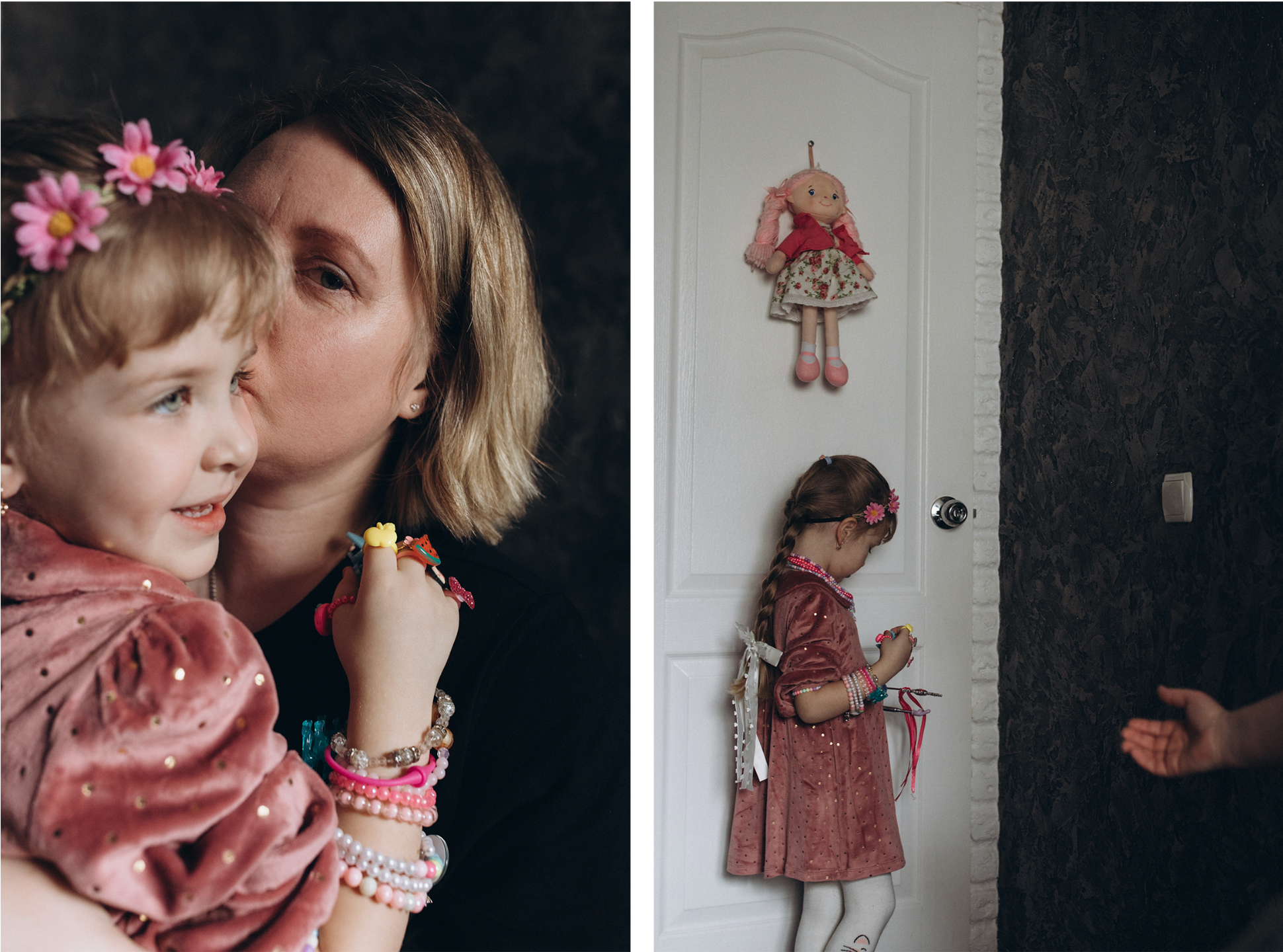
At the beginning of working on the project, I wanted to show that the common phrase "single mother" is inaccurate. A mother is never truly alone, as she is constantly with the children for whom she is responsible. A mother can be independent, but not alone. In the process of working, the meaning of the title "Not Alone" expanded. I want every mother to feel: she is not alone, not only because her children are nearby, but because she is seen, understood, and supported. That the world is safe, the world is friendly. We are this world. Each of us.
In my understanding and vision, a new model of motherhood is being formed in Ukraine today — wartime motherhood. Motherhood at a distance, motherhood in conditions of uncertainty, motherhood without full support from a partner, motherhood as an act of preserving the future, motherhood after the loss of a partner in the war, community motherhood.
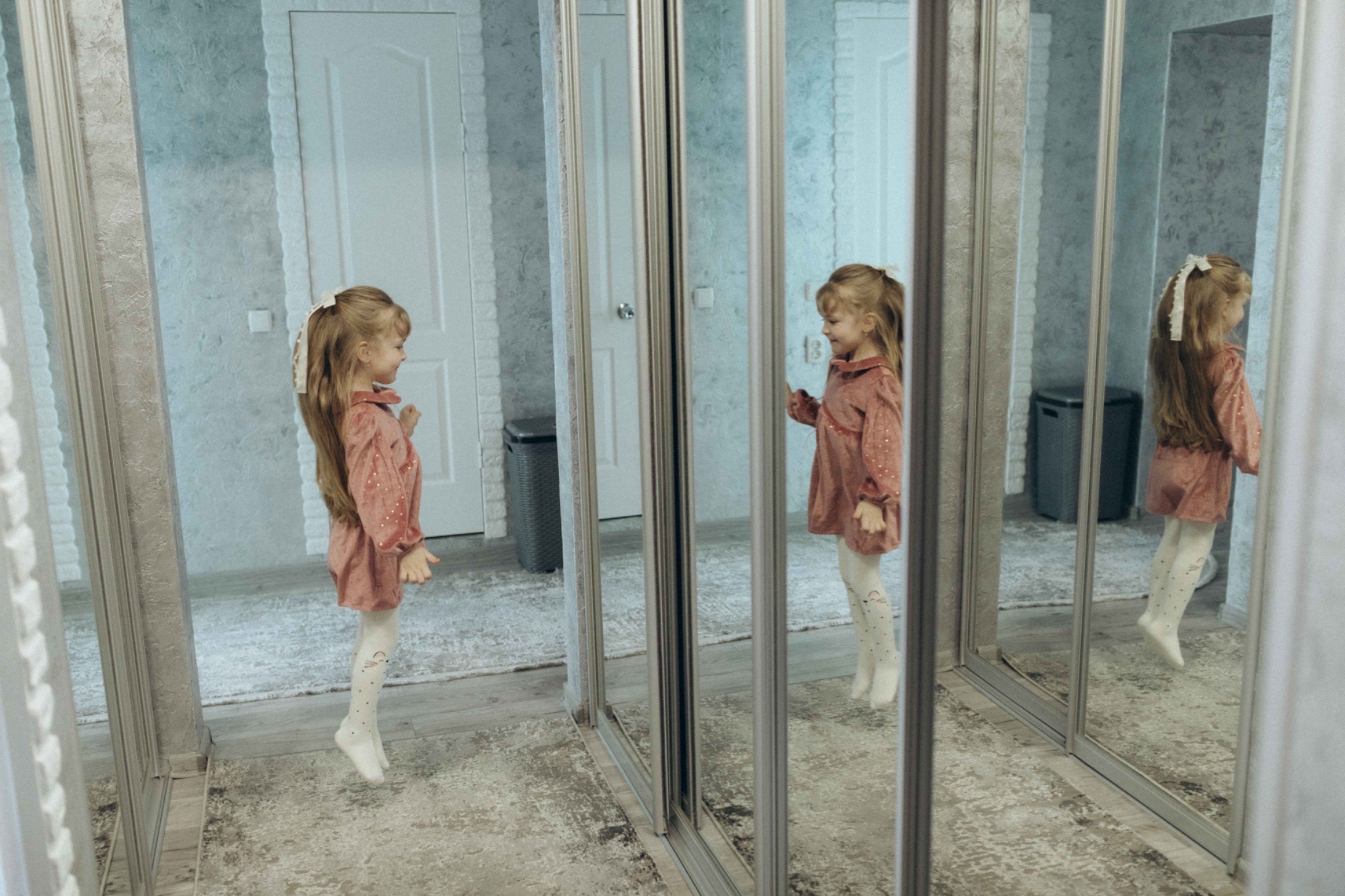
"Working on sharp social topics and long-term projects has taught me gentle reflection instead of interpretation"
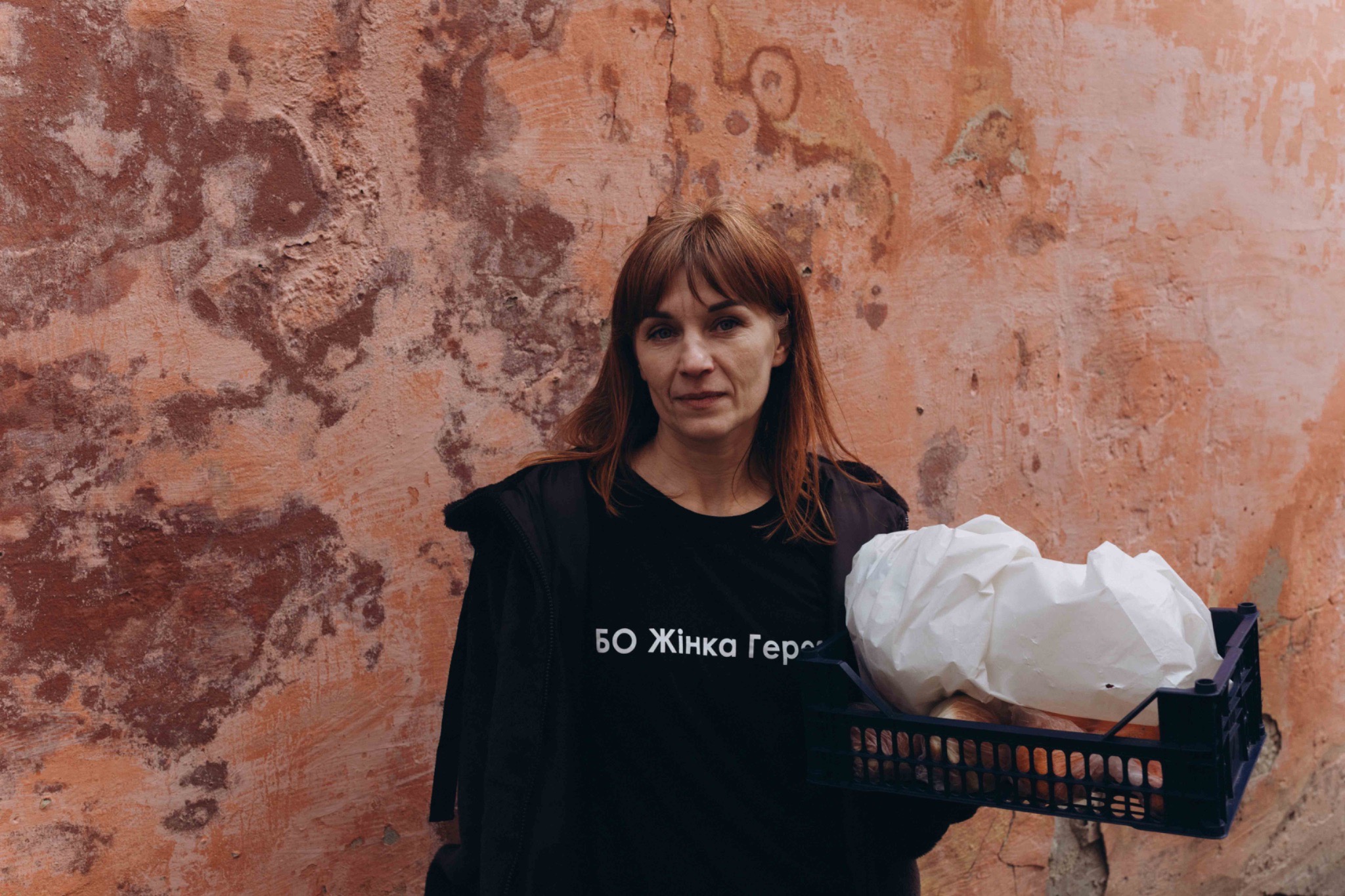
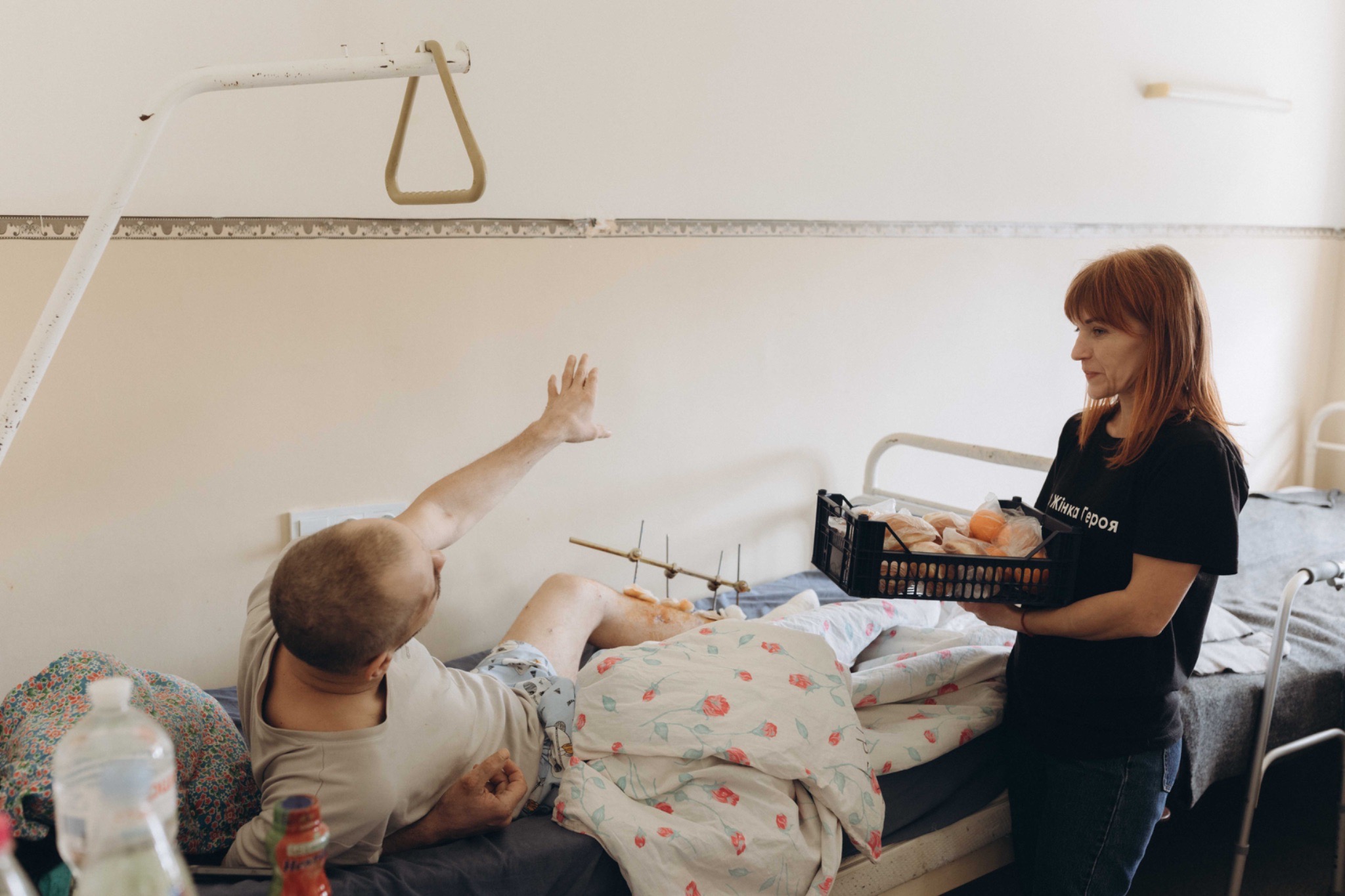
Since 2017, I have joined the team of Marta Levchenko and her "Misto Dobra" project. Today, "Misto Dobra" is the largest charitable center in Ukraine for comprehensive assistance to women and children who have found themselves in crisis life circumstances. Its mission is to create a safe space where one can receive not only shelter, but also the medical, psychological, legal, and humanitarian support necessary to start a new life. One of the directions of "Misto Dobra" is supporting the children of Heroes. That is how I found my heroines. I also attended an evening of support for families of fallen heroes, which took place in February 2026 in Chernivtsi. There, I met girls who laugh through tears, girls who need attention and our support.
Working on sharp social topics and long-term projects has taught me gentle reflection instead of interpretation. To be present without judgment. I respect the boundaries of my heroes, even the unspoken ones. I am never in a hurry. People read each other from the first seconds of a meeting. Sincerity in the gaze and intentions, inner peace, and confidence work even before the dialogue begins. I think that is what allowed me to build contact with the project's heroines from the first minutes.
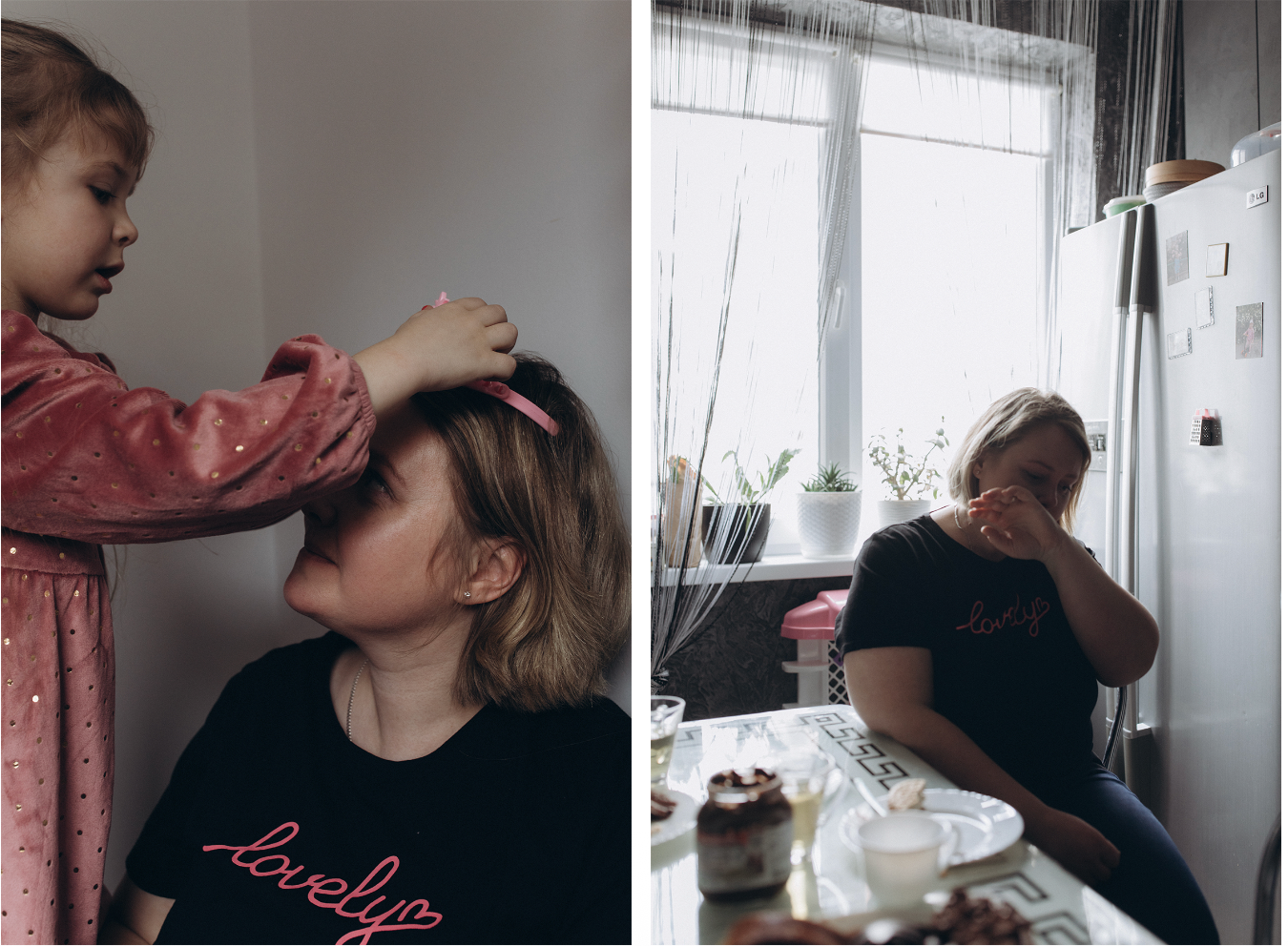
"The 'Not Alone' project is not about confessions, but about presence and living through the experience of trauma together"
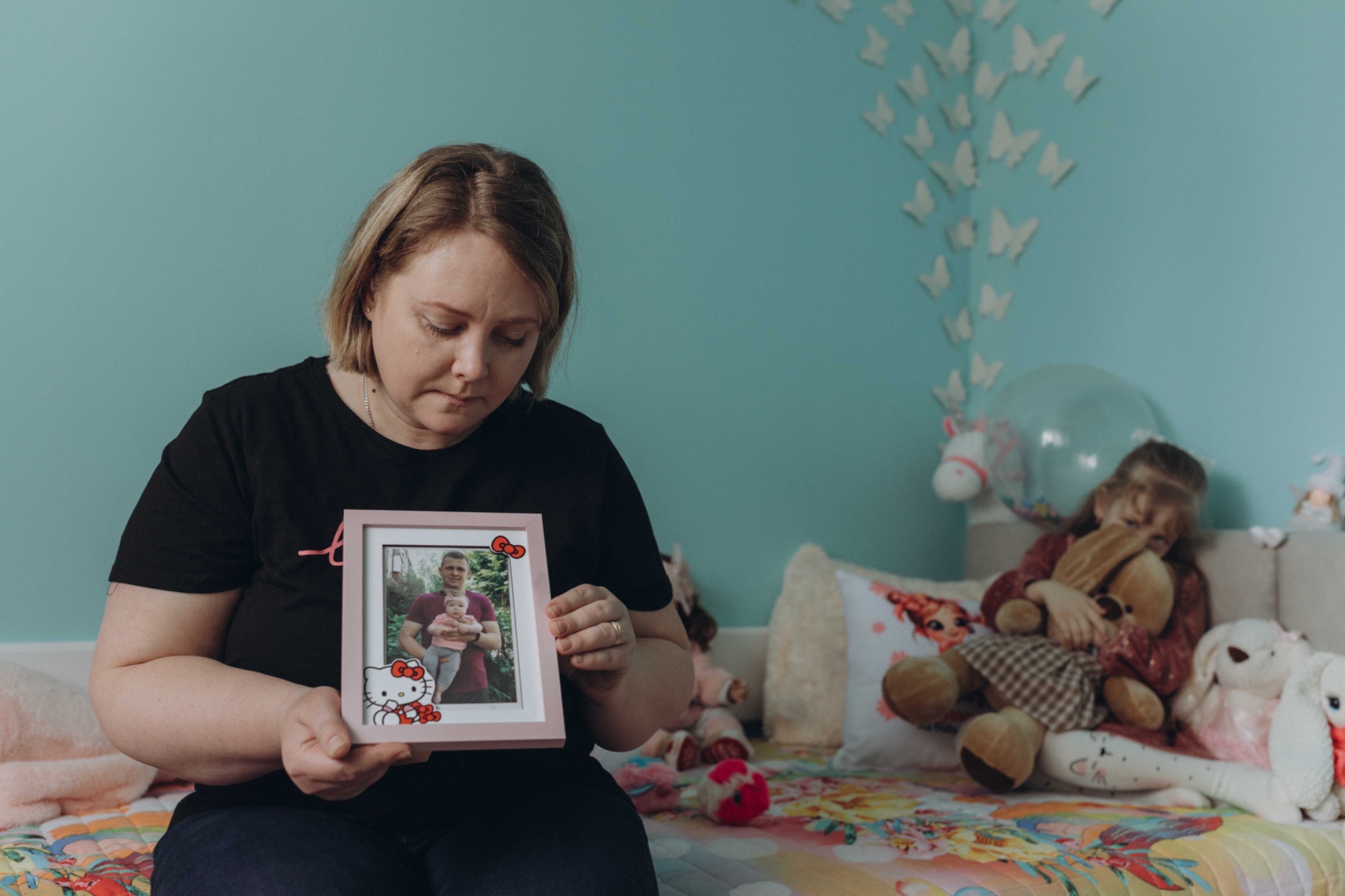
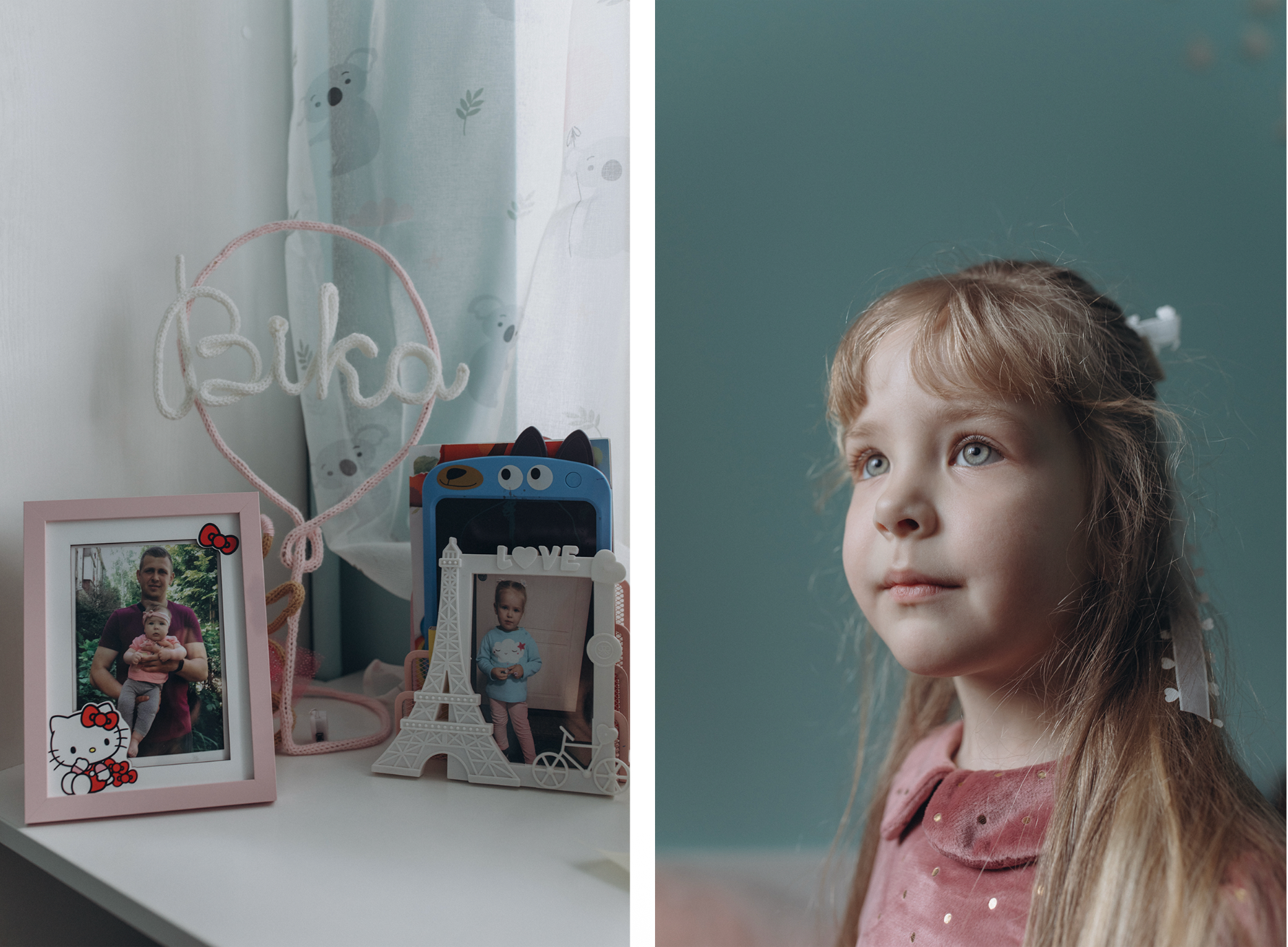
It is difficult to notice loneliness in a crowd. For me, as a photographer and as a person who empathizes, it was important to see the presence of life that is forever lost: in photographs, in domestic rituals that have not changed, in the everyday life that has become more complicated. And also to create maximum comfort for the women who are experiencing this loss. Often in isolation. Limited by the space of their homes. Therefore, it was important for me to photograph the girls in their homes.
I understand the caution and distrust with which the heroines met my idea, and I am grateful to everyone who agreed to be part of the project. "Not Alone" is not about confessions, but about presence and living through the experience of trauma together. I understand that the shooting experience was re-traumatizing, but at the same time, it gave the women an opportunity to let their emotions out, to frankly share their thoughts, and to be heard.
Of course, there were moments when the camera was inappropriate. Every meeting began with hugs and my sincere support and interest. Tea, a set hospitality table—I felt how the girls were preparing for the meeting. However, from the very first words, Pandora's box opened in the form of tears, pain, memories, and trauma. At that moment, it was important for me to just hold their hand or be present fully, to maintain eye contact, and not hide it behind a camera. First, there is trust, attentiveness to feelings, and only then, with permission, documentation. I am infinitely grateful to the girls for their sincerity.
"What struck me most was how children talk to their fathers' photographs"
The girls shared their personal experience of isolation and the realization that society does not know how, and, unfortunately, does not want to learn how to communicate with those who are experiencing the trauma of loss. It is not enough to just observe the pain of others. I believe that this is our collective responsibility. Those whom the war has touched to a lesser extent should support, socialize, and provide elementary support in the form of conversations, meetings, and caring for children who have lost their father.
I learned that some parents of classmates simply stopped greeting my heroines, instead of paying more attention to them. I was shocked that some call them "rich widows" and count their payments. People do not realize how this can wound. "I don't want to be singled out in any way, to be called a 'widow'. I am the wife of a fallen soldier," is a direct quote from one of the conversations. The girls say that it is enough to say: "We sympathize, but we do not know how or what is better to say, to ask." They do not want to be singled out in any way. They were left alone with themselves; it's just that grief came into their lives. A pain that does not disappear.
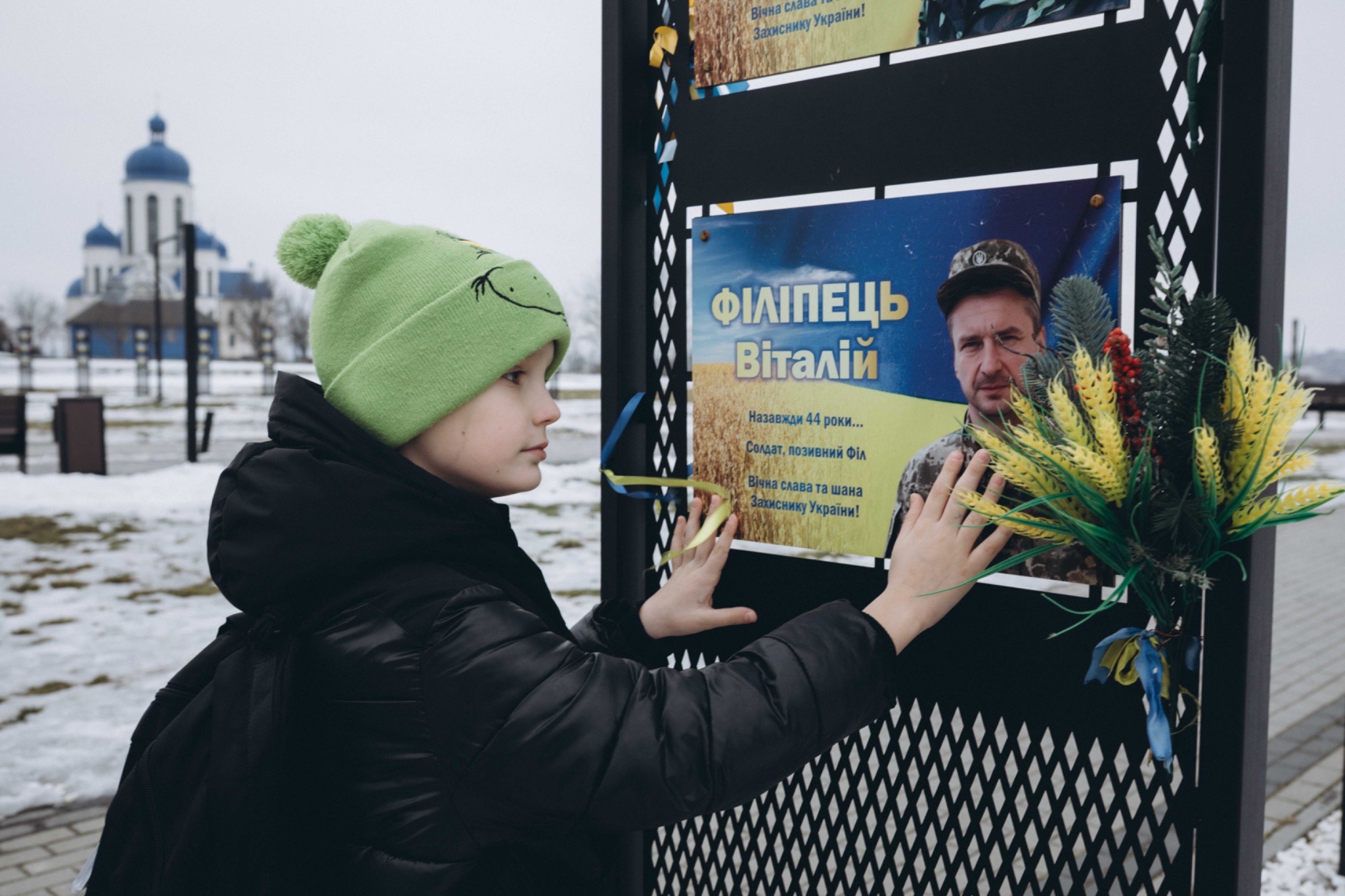

What struck me most was how children talk to photographs of their fathers. They ask: “Mom, does Dad see my dress? Does Dad see that I learned to swim?” I was touched by the words of a woman about the coffee machine that no longer serves its purpose: “Every morning I made him coffee. Now there’s no one to drink it…”
For each of my heroines I asked whether they allow themselves weakness. And each replied that they have no right to it. That for the sake of their children, and thanks to them, they continue to live and to create, as much as possible, a happy childhood and new memories. They are learning anew to rejoice in the little things.
“Mothers have the right to grieve and to be honest about their feelings”
For four years now, due to forced emigration, I have been raising my daughters alone. I experience similar emotional burdens, so during filming I was among my own.
Finding the inner strength for daily routines and raising children despite the deep trauma of loss is incredibly exhausting. I am glad that support funds and retreats exist, inviting women to exhale, switch to art therapy, yoga, and the beauty of nature. I truly wish these were not one‑time initiatives. I understand the therapeutic effect of such gatherings, even if, unfortunately, they are limited to communication only with other women who have lost their husbands because of the war. This inevitably brings my thoughts back to isolation.
I asked each of my heroines whether they allow themselves weakness. And each answered that they have no right to it. For the sake of their children, and thanks to them, they continue to live and to create, as much as possible, a happy childhood and new memories. They are learning anew to rejoice in the little things. In the children I felt a growing respect and reverence for their fathers. Families may have had different situations, but after the loss what remains is love, respect, tenderness, memories, and jokes. The women shared that at first they hid their grief from the children. Yet it is impossible to hide forever, and it is not fair to the children. Mothers have the right to grieve and to be honest about their feelings.
"The 'Not Alone' project has no statute of limitations, just as it has no end"
Children instantly feel a stranger, and if there is no threat in this meeting for them, they open up their world. Their trust is the most precious thing. While Vikusya, my heroine's daughter, was happy to show her festive dress for kindergarten, the boys were more emotionally closed. I felt their sense of responsibility for their moms.
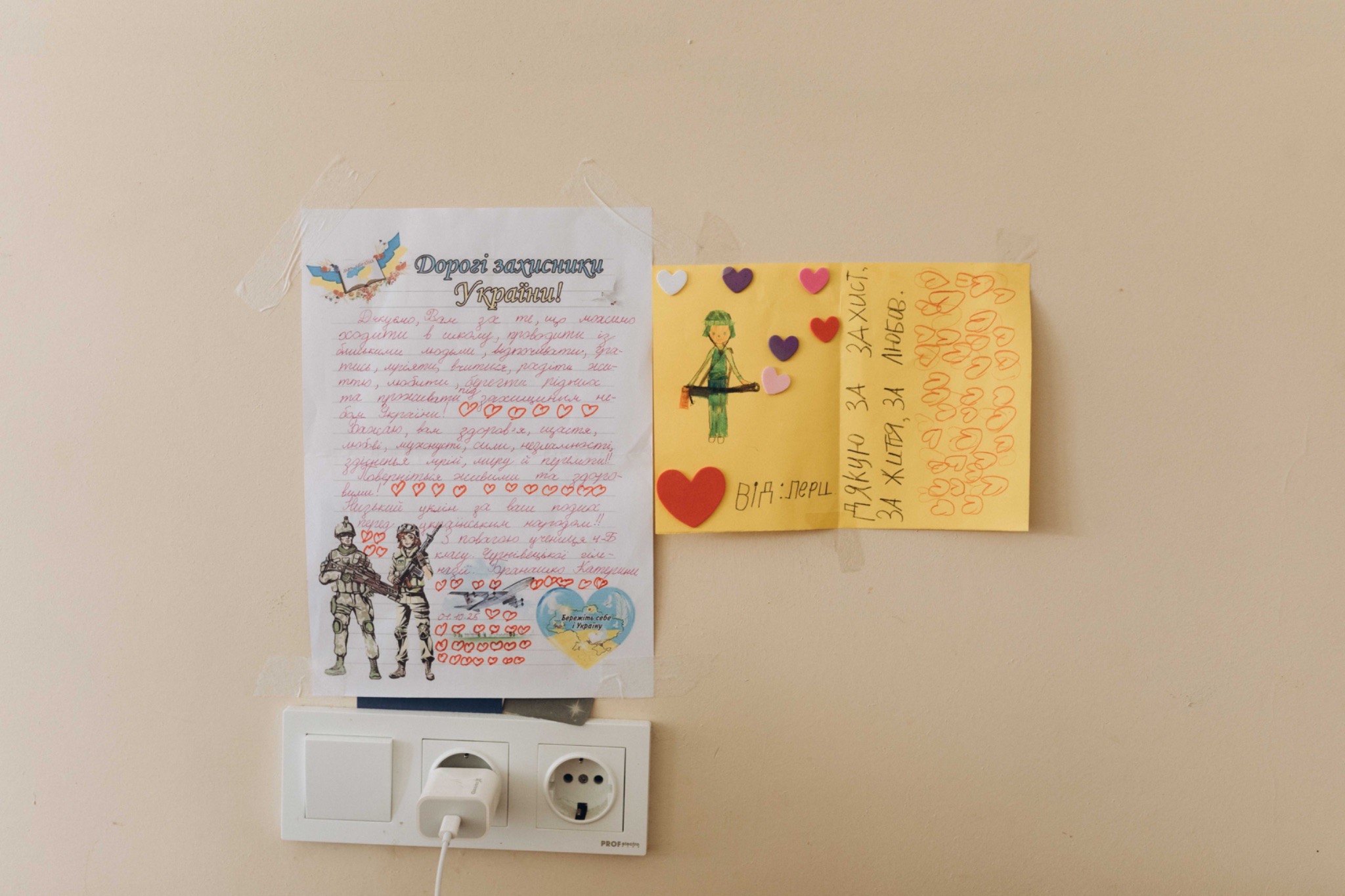
At the end of our meeting with the heroines, I asked them to advise something to the project's viewers. All the girls, without prior agreement, said the same thing: "Live. Live to the fullest—rejoice, enjoy every moment. Otherwise, what did our husbands die for?" This is the most valuable lesson. Despair is one of the main sins in the Christian tradition. The experience of my heroines, their desire to live despite the pain, taught me to value every minute of life, to believe in victory, to believe in the best, and not to hide my emotions. To allow myself to laugh and cry from the heart. To the fullest.
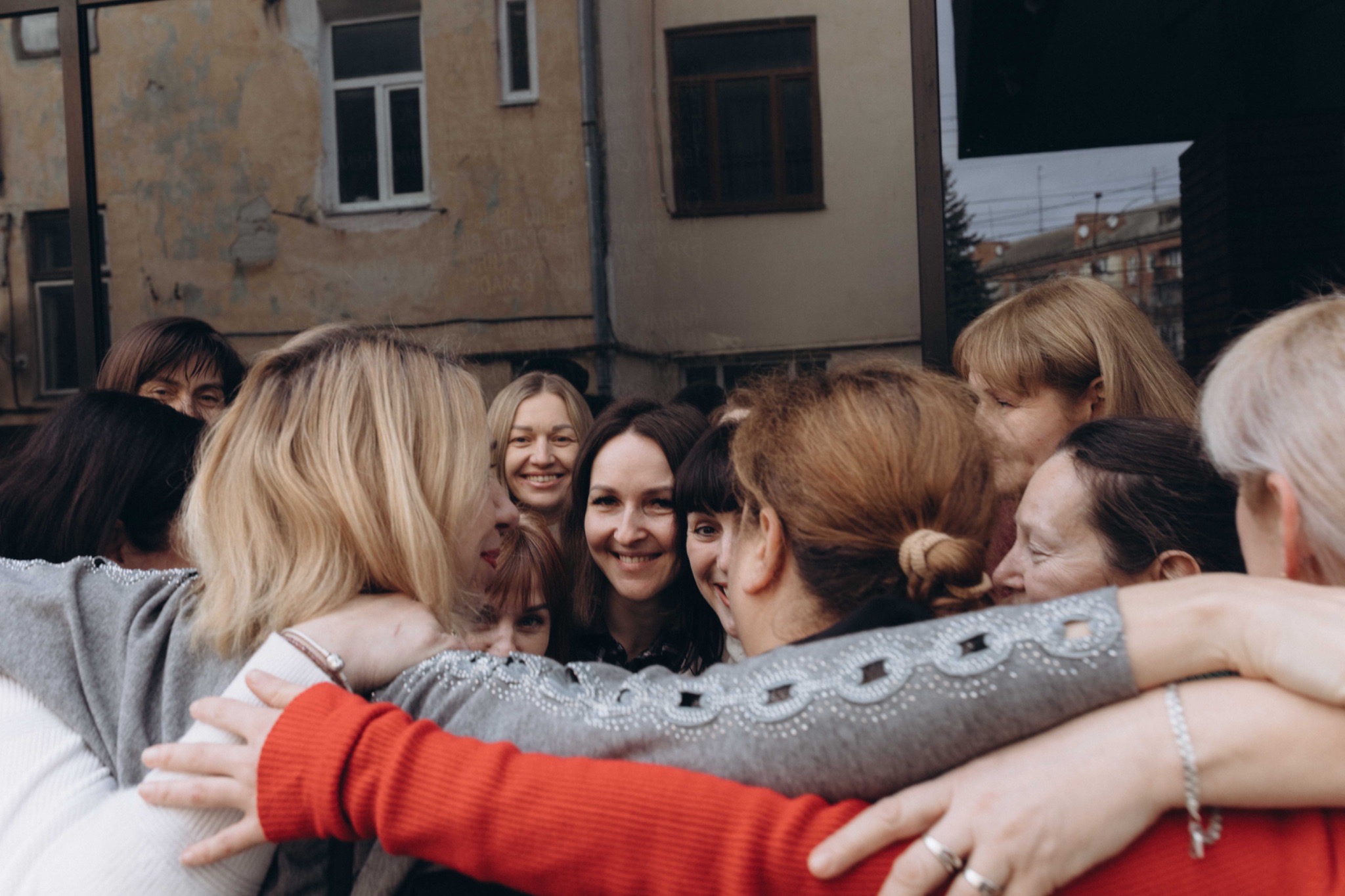
It was incredibly important for me to receive feedback after the shoot with words of gratitude. That it was to me that they opened up and shared their inner world, hidden from many. I sincerely hope that our shoot will grow into a friendship, and we will meet more than once for coffee or women's chats.
I understand that the "Not Alone" project has no statute of limitations, just as it has no end. Having become interested in this topic, I can no longer remain indifferent to the stories that emerge one after another. And if my attention can somehow alleviate the pain of others, draw attention to the trauma and its consequences, change opinion and push towards action—I am happy. I am on my path and I am not stopping.
Material created with the support of the British Council's "Grants for Creative Economy Development" program.
Dasha Tenditna is a portrait and documentary photographer from Kyiv. She has 15 years of professional experience. For the last three years, she has been living in Cambridge with her daughters, while continuing to work on social photo projects in Ukraine. Ambassador of the "Misto Dobra" crisis center for women and children.
The material was worked on by:
Theme researcher, text author: Katya Moskalyuk
Photo editor: Olga Kovalova
Literary editor: Yuliia Futey
.png)