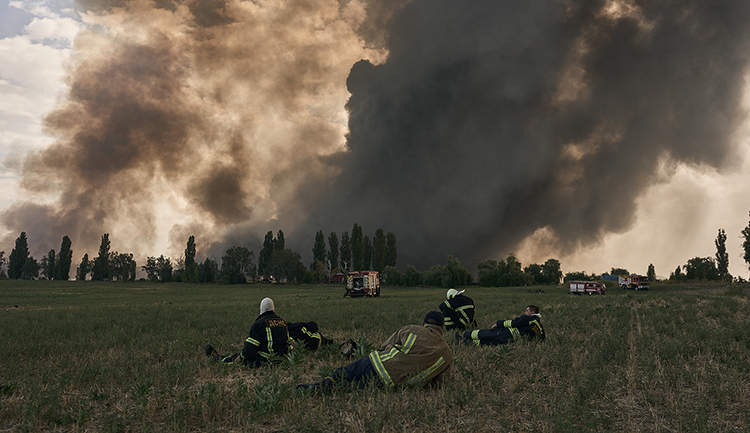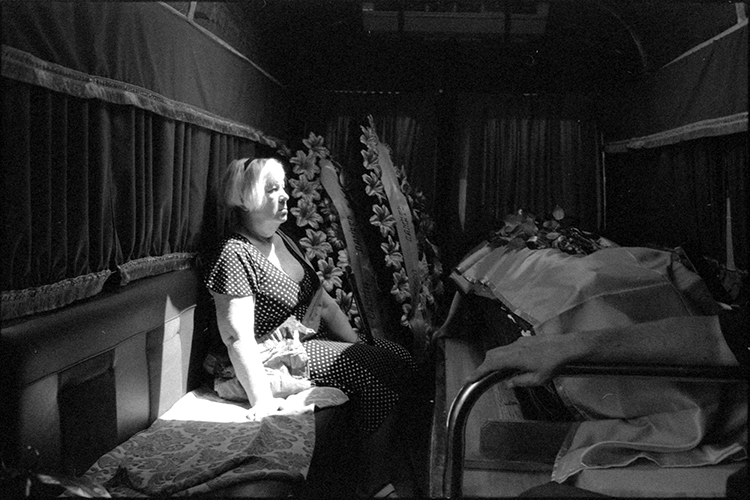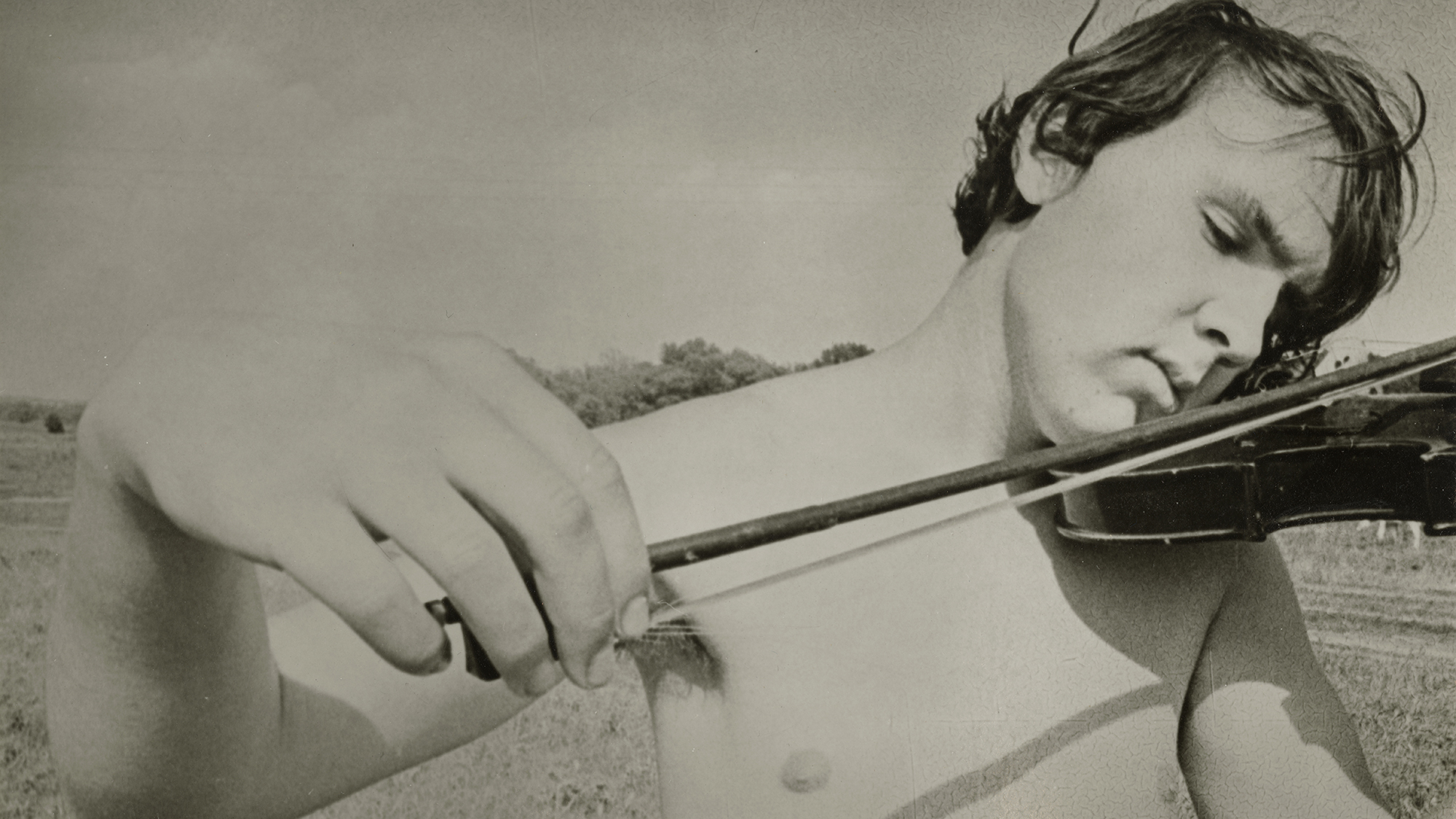
At the end of April 2026, the Lithuanian National Museum of Art opened the exhibition "Ukrainian Dreamers," dedicated to the Kharkiv School of Photography and organized by the Museum of the Kharkiv School of Photography (MOKSOP). The work of generations of Kharkiv photographers has entered the global canon of contemporary art. Works by Boris Mikhailov are in the collection of New York"s MoMA, and those of many other authors of the School are in the Centre Pompidou in Paris. The significance of the photographs by several generations of photographers from Kharkiv extends far beyond the city and photography as a whole.
The director of the Museum of the Kharkiv School of Photography and one of the curators of the "Ukrainian Dreamers" exhibition, Sergiy Lebedynskyy, spoke about what makes the work of Kharkiv photographers surprising today, the interconnections between several generations of the Kharkiv School of Photography, and named the photographers the world must know.
— In materials about the "Ukrainian Dreamers" exhibition, it is called a "major anthropological project dedicated to the study of Soviet and post-Soviet humans." Tell us, what was the initial concept behind it?
— The main goal of the exhibition, of course, is to showcase the Kharkiv School of Photography. To tell about the beauty and versatility of the works of Kharkiv photographers, which can be demonstrated in various contexts and semantic planes. Speaking about the Kharkiv School of Photography and striving to reveal the essence of its phenomenon, we immediately move to a larger scale: the history of the city of Kharkiv and our country. The photographs of Kharkiv artists are mostly saturated with information and the author"s interpretation of time. This makes the images a universal tool for various studies. When we mention the School, we immediately start a conversation about how the country and its people changed. All of this intertwines and unfolds on its own.
.jpg)
— How would you describe the phenomenon of the Kharkiv School of Photography in a few words?
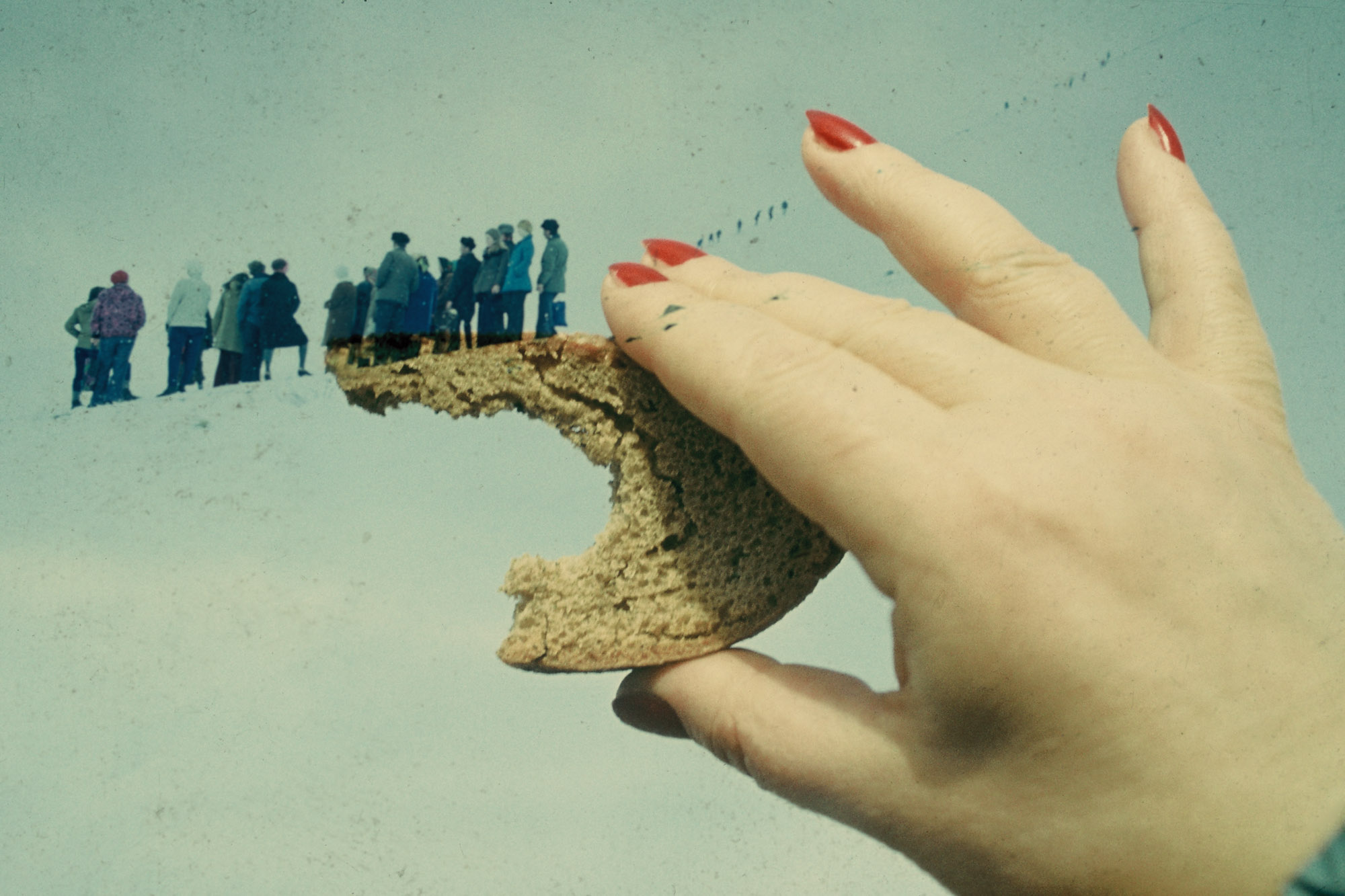
— The Kharkiv School of Photography is a community of several generations of authors that formed in Kharkiv and created a recognizable intellectual product through its activities. And by product, I mean not individual works, but the very methods of their creation and style, which remain relevant today and hold cultural and educational weight. Walking through our exhibition, I noticed a surprising thing—even the projects of the Kharkiv School of Photography from the 1970s and 80s look modern now. It is safe to say that these projects haven"t gathered dust—they have stood the test of time and have not lost their power.
The task of the representatives of the Kharkiv School of Photography has always been to create something new about a new time. Today, it is difficult to work in Ukraine, and almost impossible to work in Kharkiv. My task as the head of a museum institution is to create a foundation so that smart, creative people can emerge in Kharkiv or any other Ukrainian city.
— The exhibition brought together works by authors born from the 1940s to the 1990s and several generations of the Kharkiv School of Photography. Where, for you personally, does the line between the generations of the School lie?
— The exhibition presents, conditionally, three generations of the Kharkiv School of Photography—those of the 70s and 80s, which transition into the difficult 90s, and then something new emerges. It is important to emphasize that there is continuity between the generations; they do not exist separately from one another and do not replace each other, but together form the Kharkiv School of Photography, working in parallel. The exhibition, for example, begins with one project by Boris Mikhailov from the late 60s and ends with another of his projects from the 2020s. This is quite symbolic.
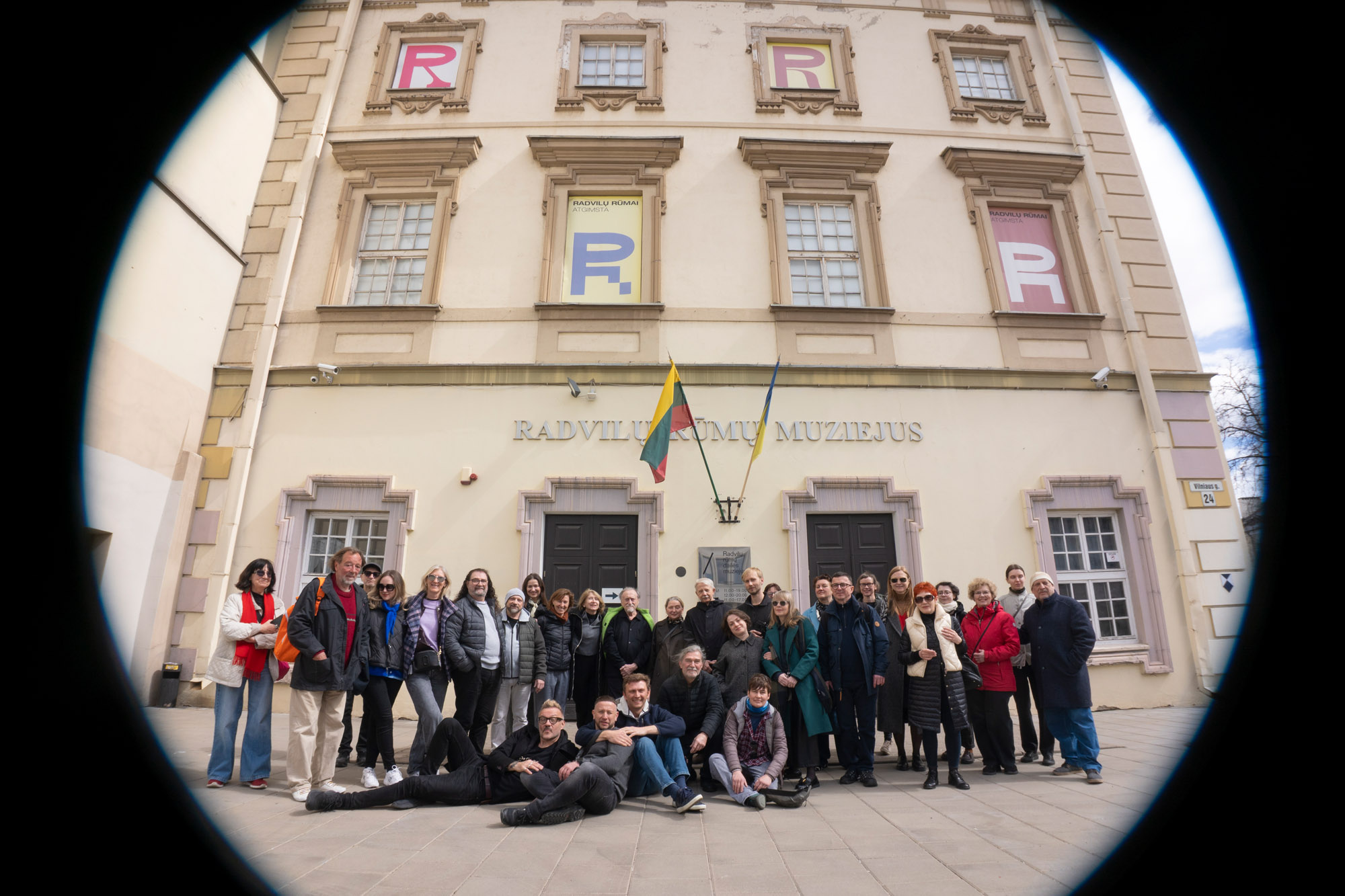
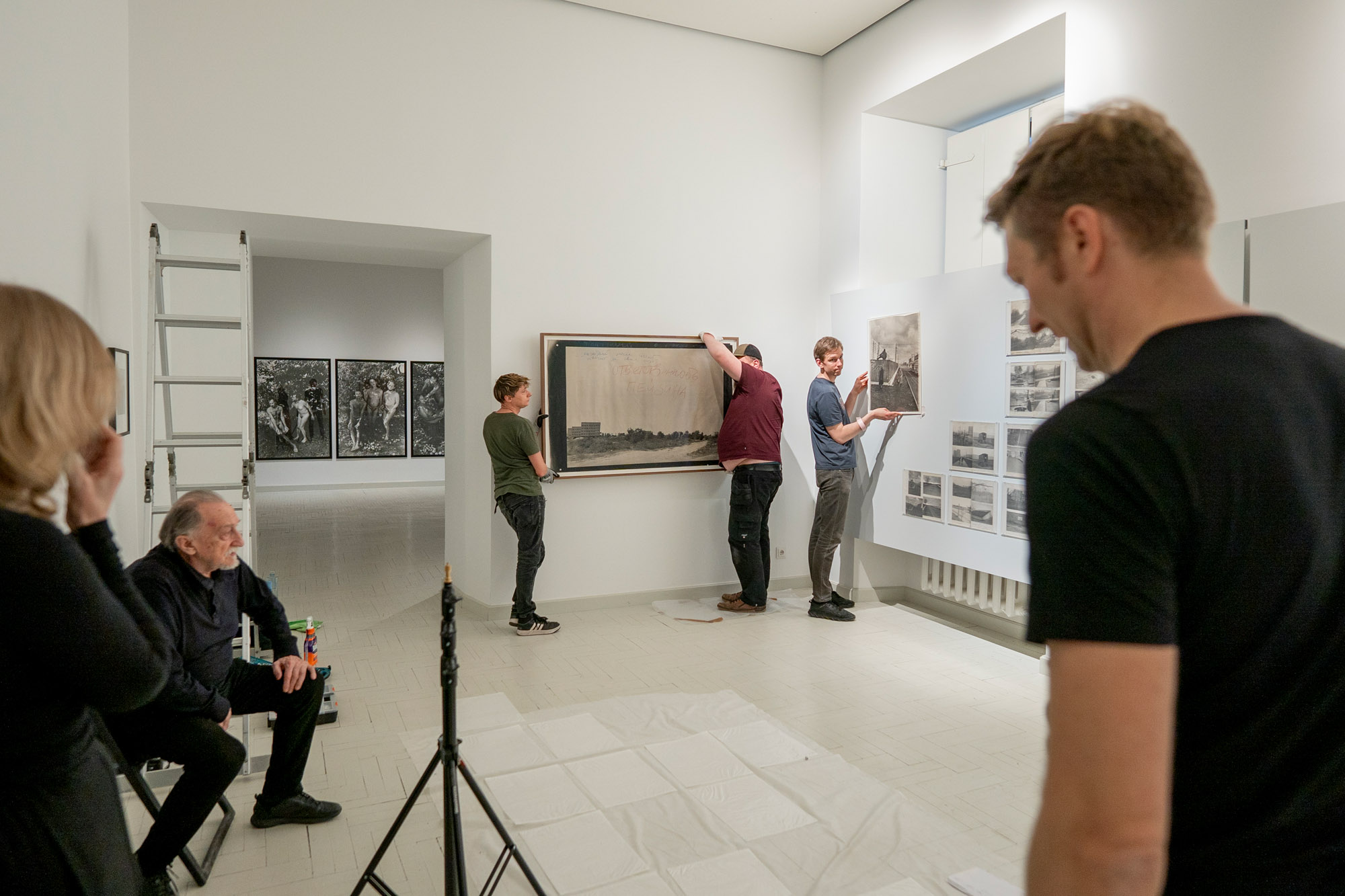
Many of the exhibition"s authors came to the opening; it was a very touching moment when several generations of Kharkiv photographers gathered together.
— Why was the word "Dreamers" chosen for the name of the exhibition? Can it be argued that the representatives of the Kharkiv School of Photography—from the "Vremya" group to contemporary authors—counterposed their artistic illusions to the reality of the totalitarian or wartime era?
— How else can you call people who work for an idea and on their own enthusiasm? All participants of the Kharkiv School of Photography already had an education and a profession, which they supplemented with photography.
When we look at the photographs of the first generation of the School from the 70s today, we try to understand that era. We try to imagine how, for example, in a closed system, Western music suddenly appears, Pink Floyd and The Beatles arrive, literature about Western authors with their artworks emerges, and perhaps people get a feeling that their own life must finally change too. My childhood passed in the 80s of the last century, and I remember long queues, fights over bread, empty shelves in stores, and glass three-liter jars of birch juice. Probably, such a difficult life sometimes encourages one to become a romantic.
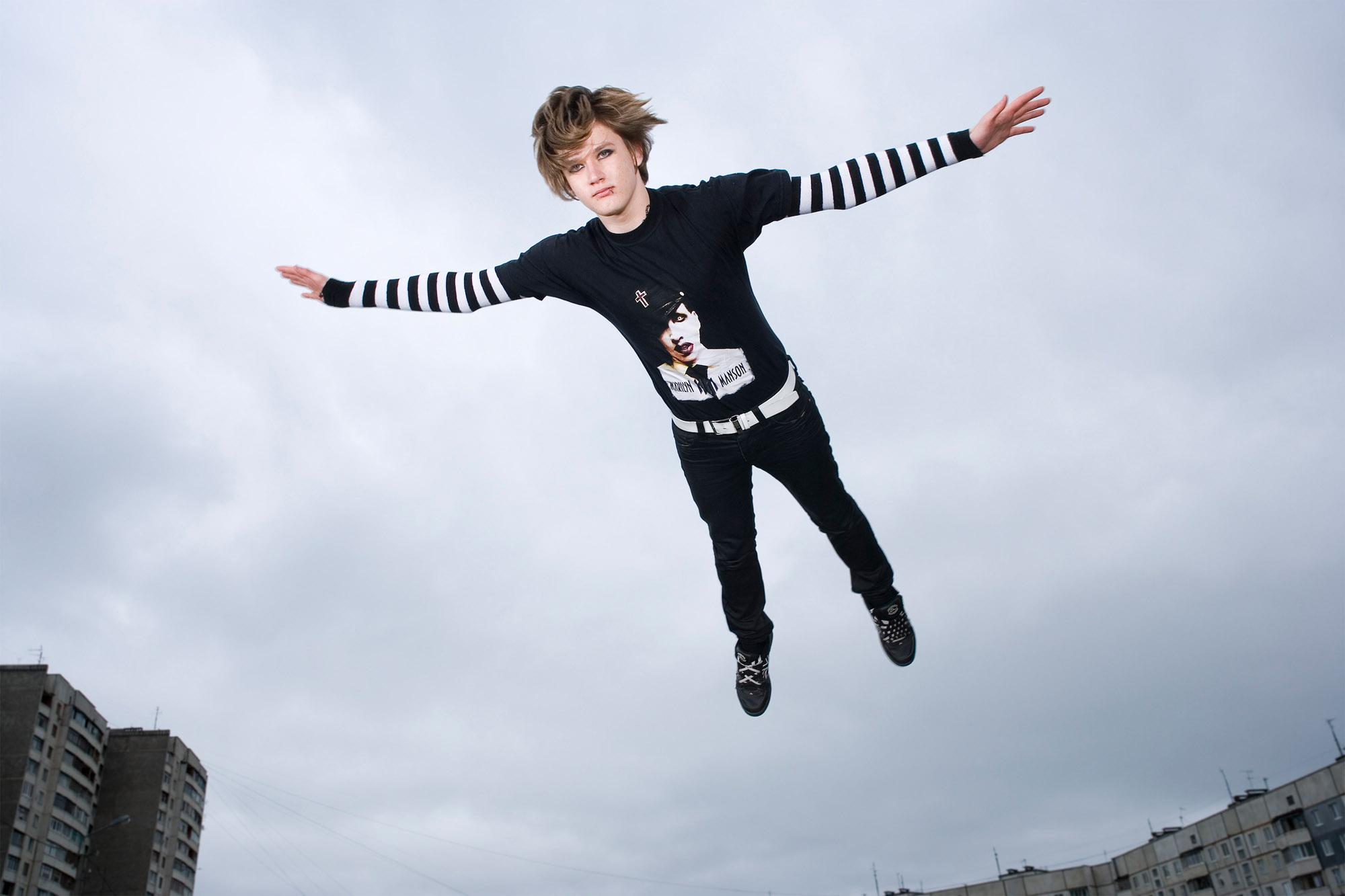
The exhibition "Ukrainian Dreamers" got its name from the eponymous series by the SOSka group, which belongs to the third generation of the Kharkiv School of Photography. In the photographs are teenagers from the emo subculture. They are depicted in a suspended and uncertain state, just like most people at that time. In the photo, it is not clear whether they are flying and everything is fine with them, or if they are falling and will break apart. However, in my opinion, the word "dreamers" in the exhibition title explains very well the meaning of photography for the authors whose works are presented there.
— Kharkiv photographers worked during times of harsh Soviet censorship and invented their own unique methods (such as the famous "overlay" method or coloring with aniline dyes). How do you think, if the Soviet authorities had not forbidden photographing reality "straight," would "Ukrainian Dreamers" have appeared at all?
— It"s hard for me to say now whether the Kharkiv School of Photography would have arisen and what it would have been like under other conditions. Probably, if the country had responded to the needs of the young generation, and if there had not been gaps in culture that photographers wanted to fill, then the methods would have been different.
Of course, the Kharkiv School of Photography arose at the time on confrontation. However, even my generation of photographers strove to create not only in spite of, but to create cohesive images in their own right. If one is lucky, then with meaning.
— The exhibition presents the work of 33 artists and collectives. The Kharkiv art environment is quite tight-knit, where everyone knows everyone else and where there are many strong photographers. How difficult was it for you, as a curator, to make the selection?
— The Kharkiv School of Photography as a community is distinguished by its meticulous attitude toward photographs. In our environment, the quality of the project or the image is paramount. When preparing the exhibition, we tried to reveal the phenomenon of the Kharkiv School of Photography both historically and by finding resonance with the present. In forming the exposition, we relied on the possibilities of the premises of the Lithuanian National Museum of Art, where the exhibition is being held. Of course, a lot of material did not make it into the exhibition; for example, I would have liked to place more materials from the "Gosprom" group of the 80s.
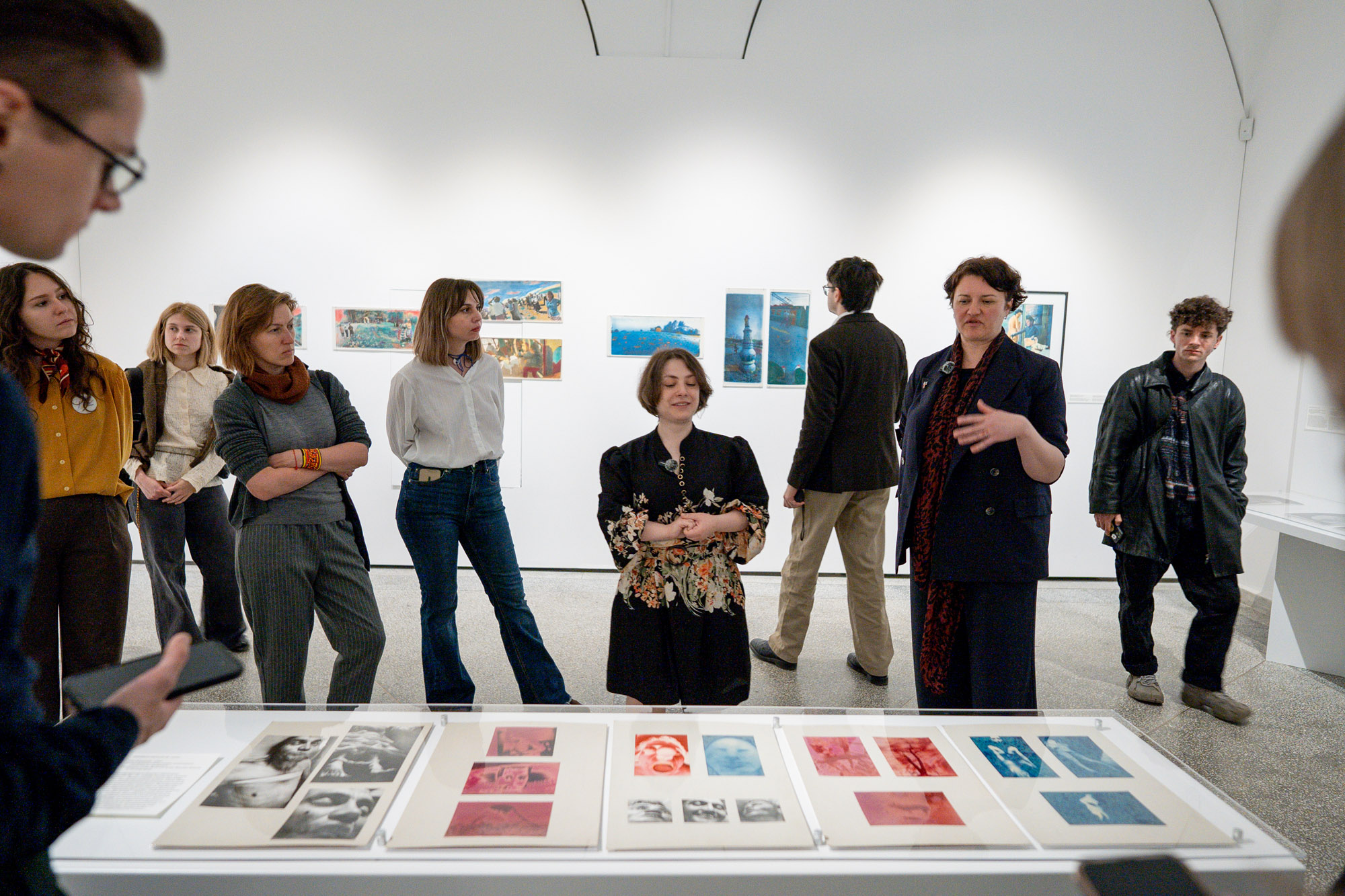
— You are a co-curator of the "Ukrainian Dreamers" exhibition. How did you work in a curatorial tandem with Boris and Vita Mikhailov on this retrospective?
— We had a wonderful symbiosis in the curatorial team of art historians and artists. Olena Chervonyk and Oleksandra Osadcha, with whom we work together at the Museum of the Kharkiv School of Photography, wrote wonderful texts about the projects. And thanks to Vita and Boris Mikhailov, we created a modern exposition.
— The "Vremya" group was held together by strong, ambitious personalities—Mikhailov, Pavlov, Malovanyy, Suprun, and others. Is such a unification of authors into a powerful community of like-minded people possible today?
— Absolutely possible. Now, many people are uniting into communities and conducting various collaborations. Uniting into communities is not just a method of working, but a way to find like-minded people and friends with whom you can discuss ideas. I say this primarily from personal experience.
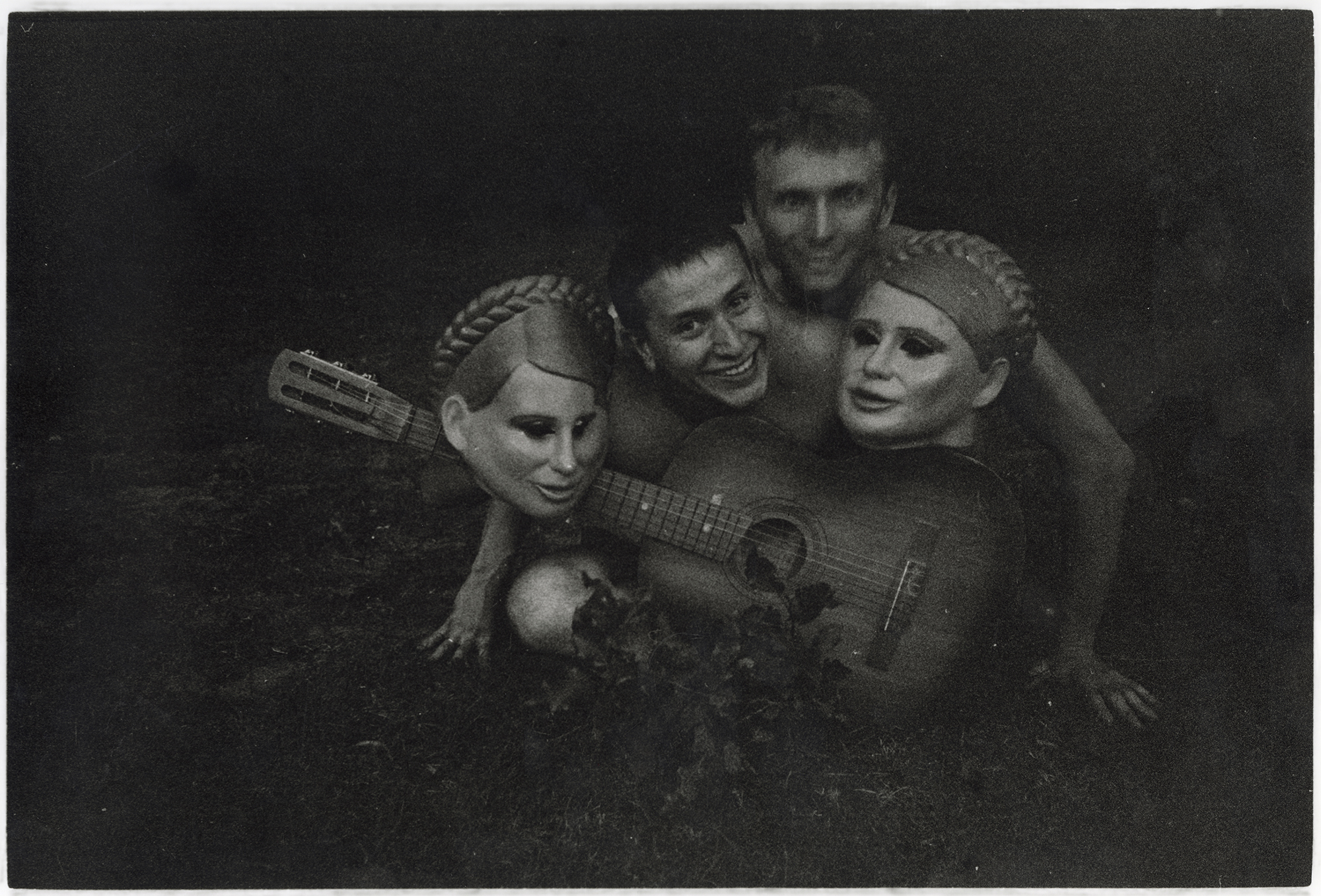
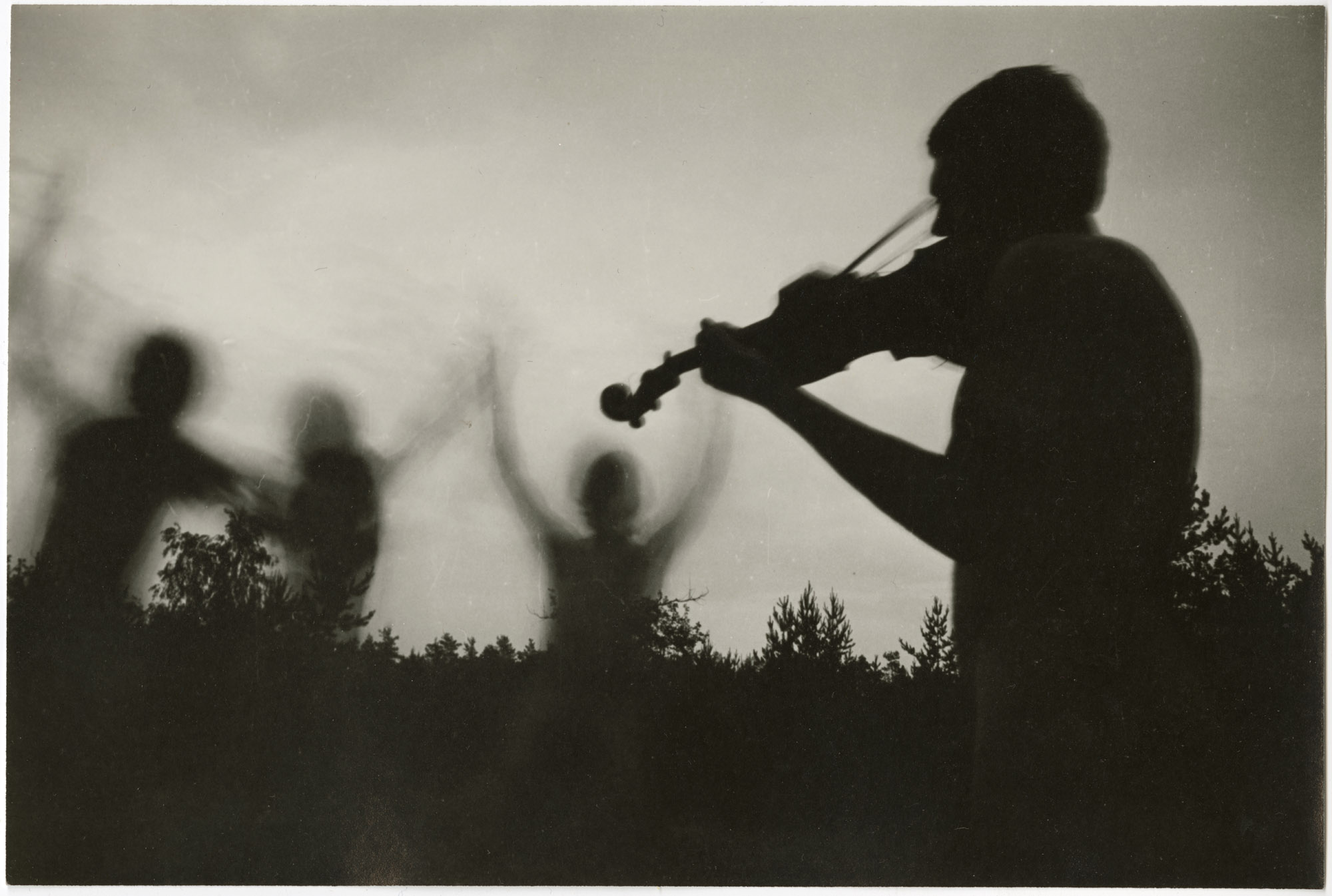
Without like-minded people, we would not have created the "Shylo" group, we would not have created, for example, the "Tymoshenko"s Escape" project. This series perfectly illustrates the concept of "joint action" on the verge of irony and social protest. We thought about the idea for a long time, but shot the project itself literally in one evening. The series "Tymoshenko"s Escape" is also a citation of all the previous experience of the Kharkiv School of Photography. For example, there is a photo with a guitar in a field—that"s a "hello" to Evgeniy Pavlov"s "Violin" series. And in general, this whole street theater was done under the influence of the "Fast Reaction Group" and their photographic project "If I Were a German."
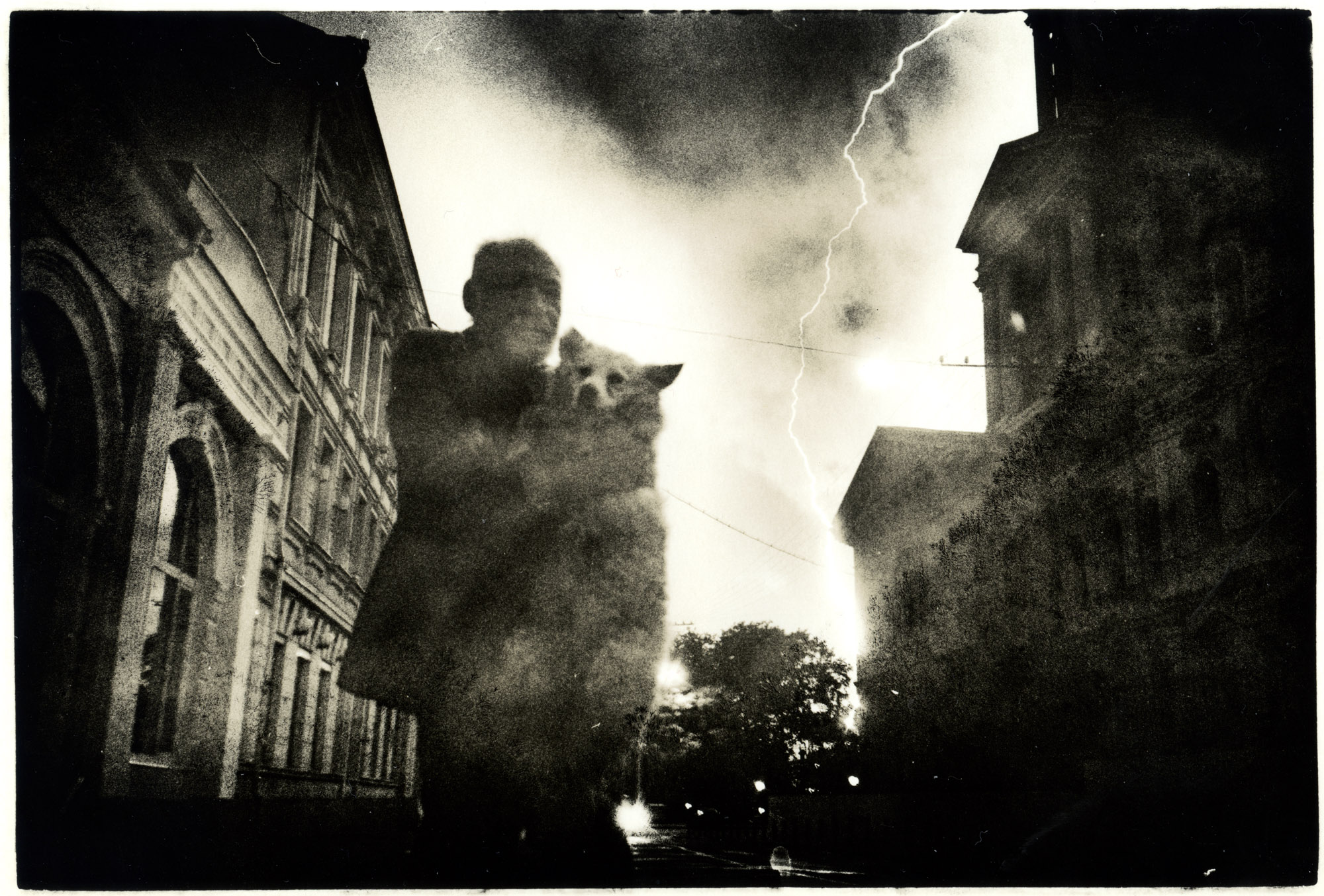
My group, "Shylo," began creating photographs already in the digital age. However, it seemed to us that through analog photography, it was easier to achieve this "subjective," more vital image. We felt that far from everything had been done in analog photography yet. This was our and Vlad"s (Vladyslav Krasnoshchok, photographer, participant of the "Shylo" group — ed.) maximalism, which we tried to prove to everyone. Everyone is familiar with the concept of the "decisive moment" by Henri Cartier-Bresson. I remember Vlad and I were walking in the rain in Kharkiv and we had the idea to shoot a cool picture with lightning, but with an interesting foreground. We met a man with a dog, asked him to pose for us, and indeed caught lightning in the background. We always tried to extract the visual maximum from any situation, and here—the moment, and interestingly printed—what could be "more maximal" than this?! That was our understanding of the theory of impact back then.
— Who among the authors of the Kharkiv School of Photography do you think is the most underrated? Who is it worth learning about?
— In my opinion, there are many underrated authors. For example, Oleksandr Suprun is a member of the legendary "Vremya" group and a key figure of the first generation of the Kharkiv School of Photography. He is little known, but he has simply extraordinary collages. Recently, they went viral on Threads, and many people saw them for the first time. Also, it is worth mentioning the father-and-son tandem—Viktor and Sergiy Kochetov; even Evgeniy Pavlov, one could say, is an underrated author—they all need to be shown again and again, and many others. Their works should not just be known, but one should learn from them. It is very difficult to reach the masses with such materials.
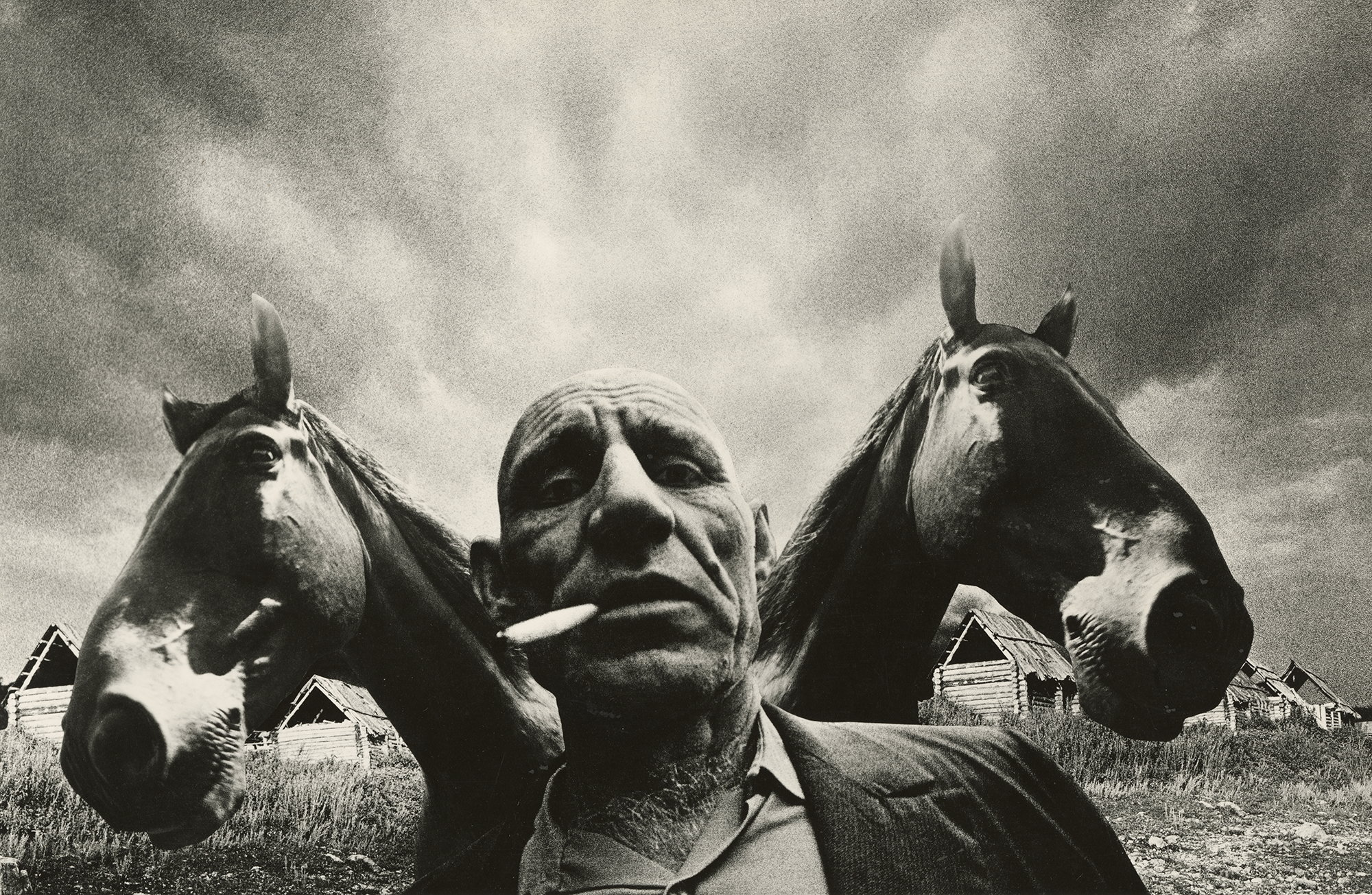
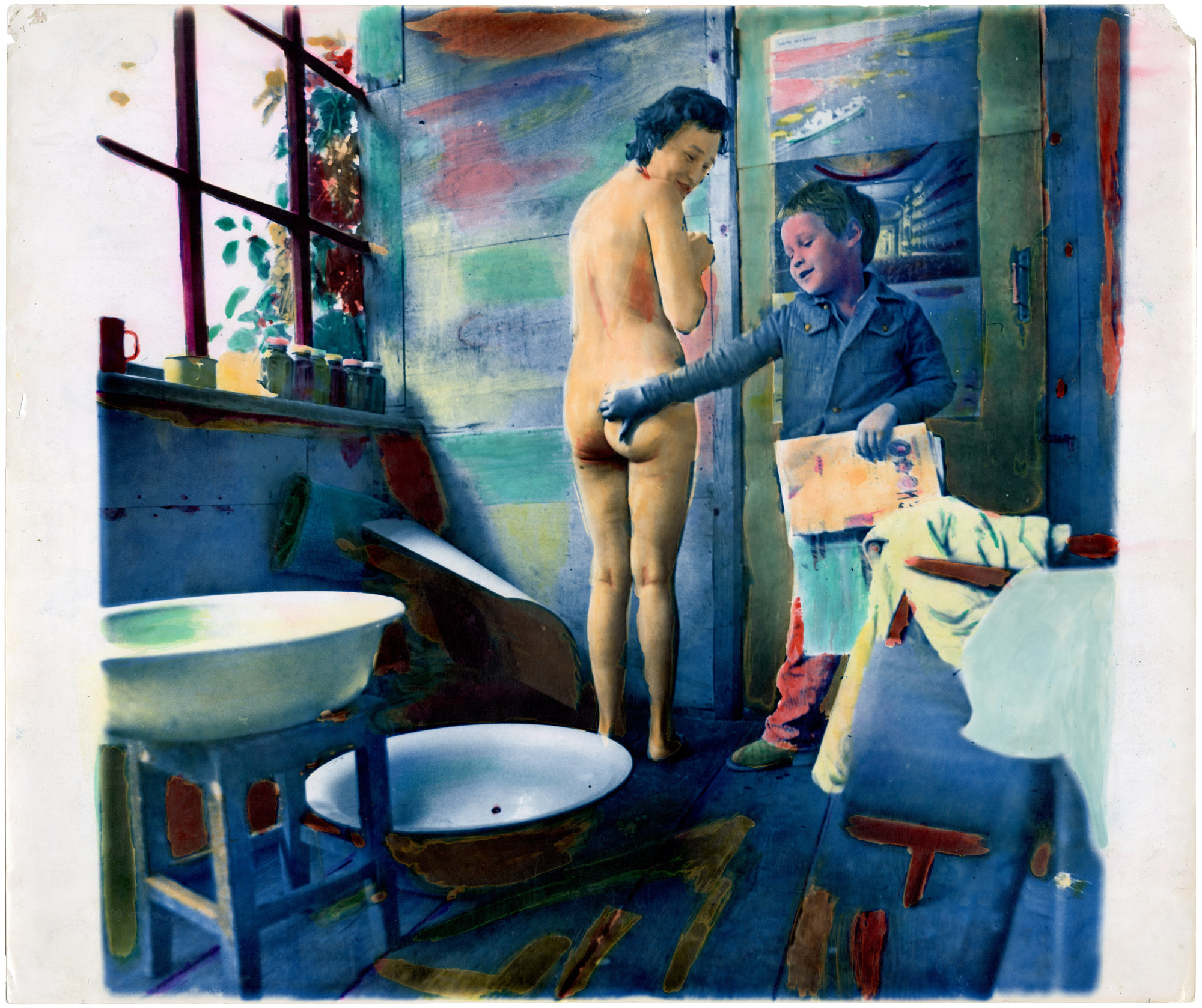
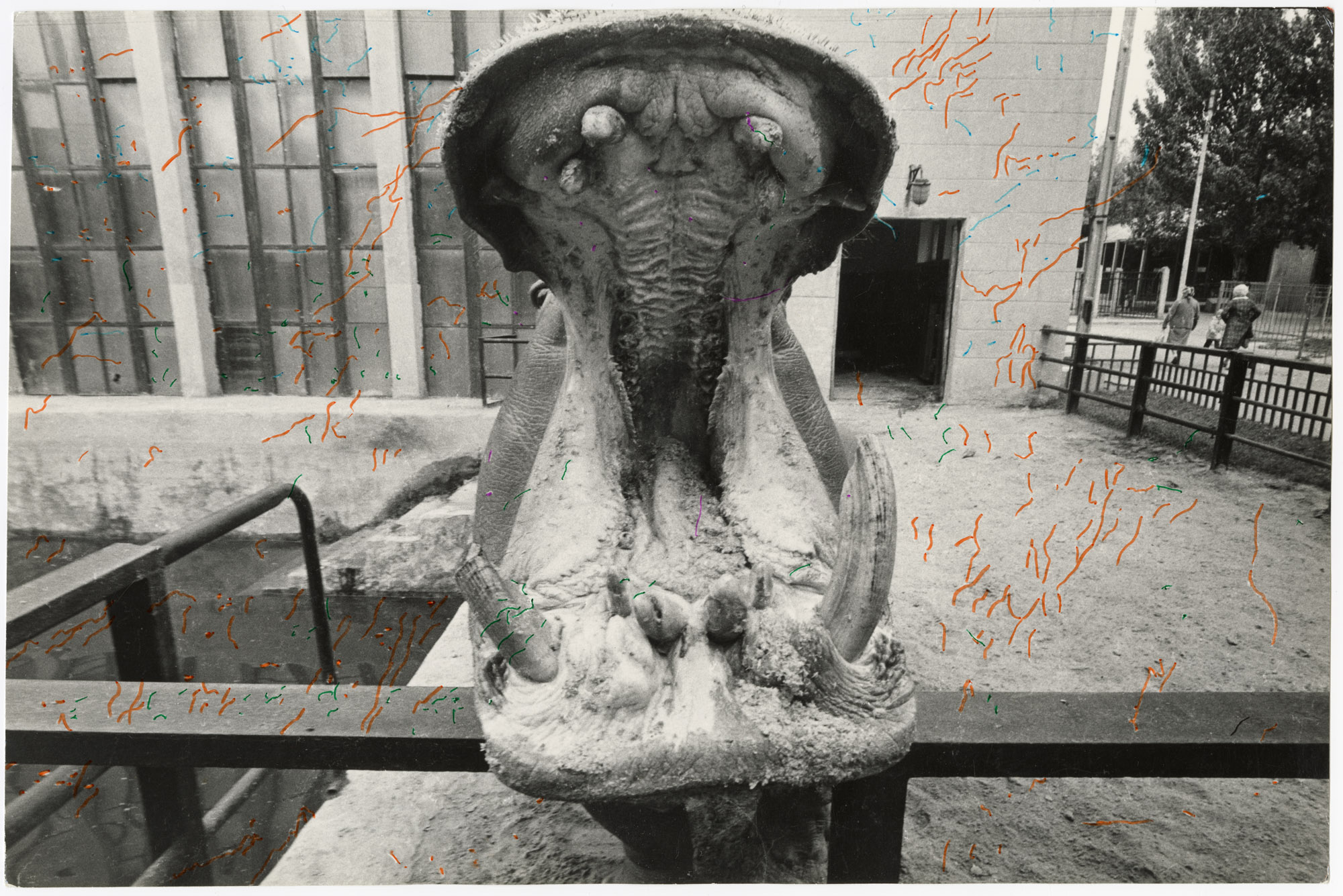
— Many authors of the exhibition arrived in Vilnius for the opening, including Boris Mikhailov. Why was the retrospective exposition of the Kharkiv School of Photography located specifically in the Lithuanian National Museum of Art?
— The Lithuanian curator and artist Darius Vaičekauskas helped us in organizing the exhibition. In fact, the Kharkiv and Lithuanian schools of photography have close historical ties. Lithuanian photography was, in its time, a powerful reference point for the first generation of Kharkiv authors. This dialogue between photographers in the 1960s-70s was of fundamental importance. Lithuanian photography was not just an aesthetic example; Lithuania was a living platform for communication where an equal exchange of information, ideas, and experience took place.
Darius and I always wanted to compare these two schools of photography in an exhibition format because there are obvious echoes in the works. For example, if we take the works of Boris Mikhailov and Vitas Luckus, or Aleksandras Macijauskas and Oleksandr Suprun, or look at the searches of Violeta Bubelytė and Sergiy Solonsky, we see a striking affinity. It is not difficult to find visual parallels.
Therefore, we initially wanted to make a large parallel exhibition of the two schools—Lithuanian and Kharkiv. However, the Lithuanians, unlike us, had already carried out colossal research work. They know their photography very well. While we were just gathering our strength, they had a photo book publishing house working at full capacity. They published very cool, high-quality books for all their authors. I remember how in 2015, when "Shylo" was nominated for the Discovery Award in Arles, the Kaunas Gallery publishing house won in the "Historical Book" category with a book about Vitas Luckus. It was a very strong work, and institutionally they were far ahead of us.
In the end, we were offered to make an exhibition dedicated only to the Kharkiv School of Photography. And it was a very good and correct proposal because the two schools would not fit into any museum. But still, when my colleagues and I worked on the exhibition, it was a kind of long-distance dialogue with Lithuanian photography.
At the beginning of our exposition in the Lithuanian National Museum of Art, there is a small room with documents. There is a story about a homemade album by Yuriy Rupin from a joint vacation in Crimea with Boris Mikhailov and Vitas Luckus. This album, as it turned out, Rupin gave to Luckus. Later, Luckus"s wife donated this album to the Museum of Photography in Šiauliai. There, it was stored for a long time with an erroneous attribution as a work by Boris Mikhailov. While working with the archive of Yuriy Rupin, the author of the famous "Photographer"s Diary," we found the original postal receipt for sending this album to Luckus. Thanks to such documents, we investigate the connections between communities and within the Kharkiv community.
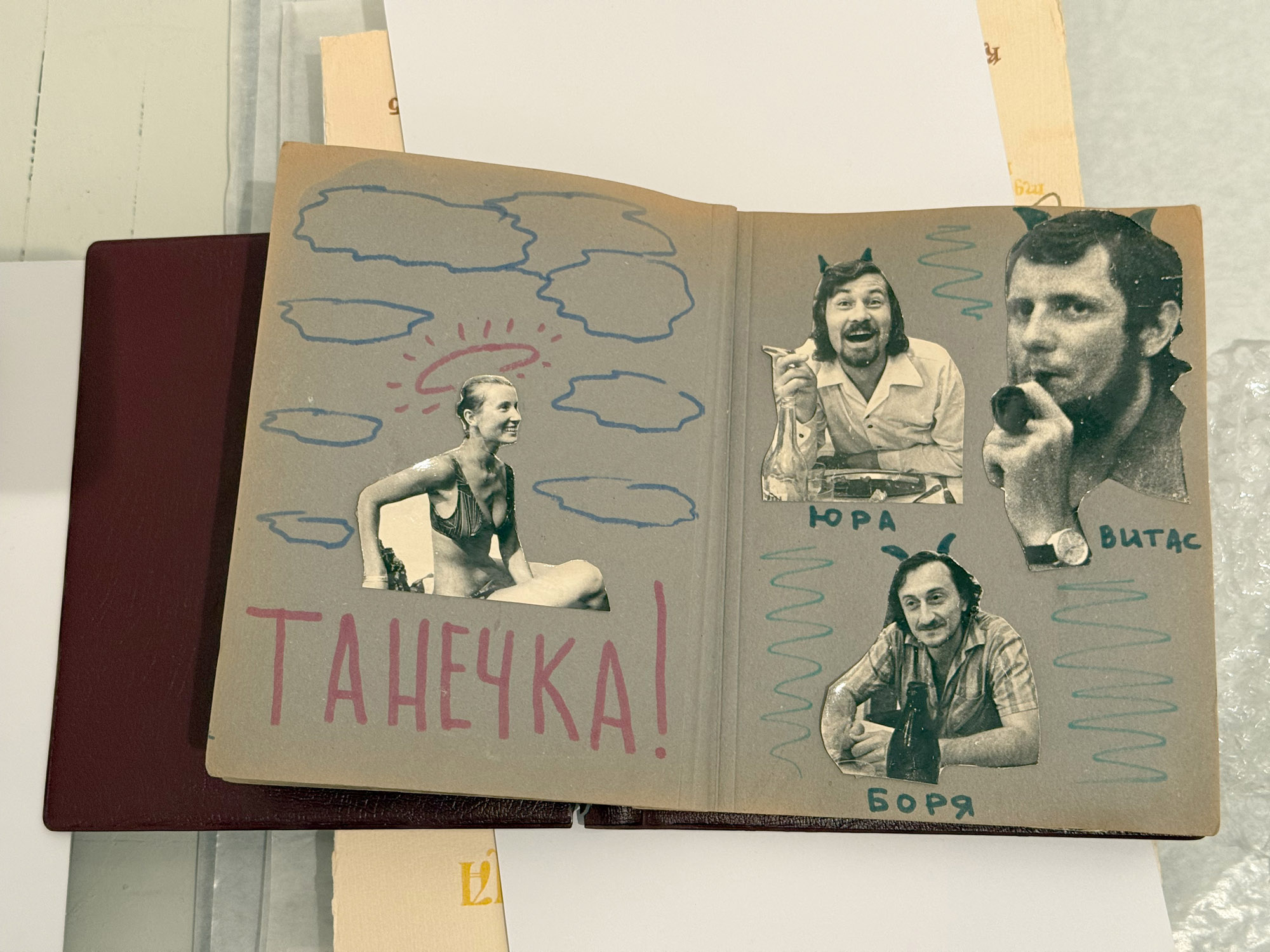
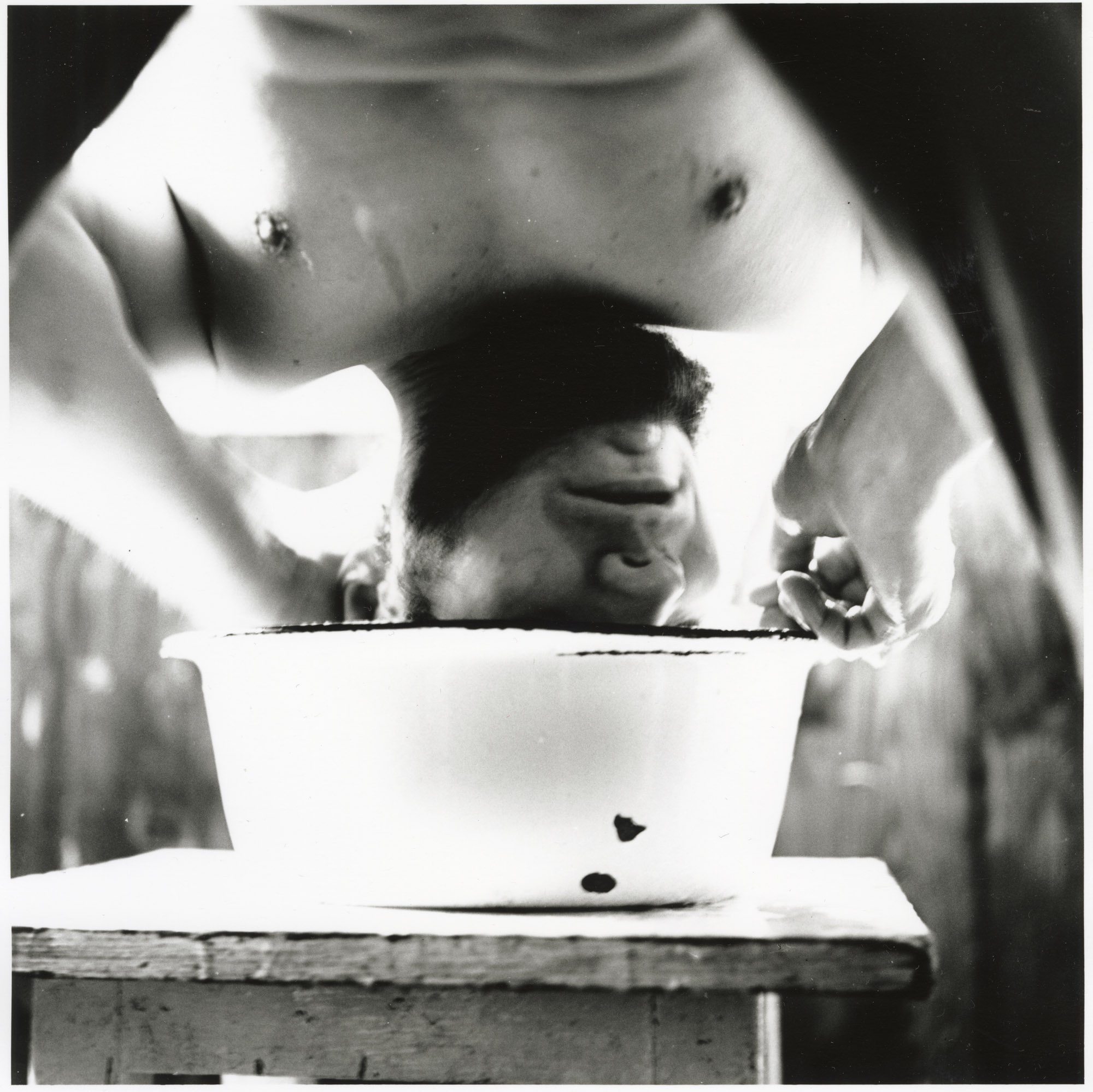
And, of course, documentary photographs also play a big role. The exposition presents a work by Oleg Malovanyy. In the early 70s, he visited Vitas Luckus and took a series of photographs of him just washing his head in a basin. I am sure that behind the scenes of the shoot, a lot of interesting things were happening.
During the installation of the exhibition, together with part of the team, we managed to visit Antanas Sutkus. I regret not getting to know him earlier; he is a man of great scale, who actually built the Lithuanian School of Photography. Sutkus talked to Boris Mikhailov, they thanked each other, and it was just very epic. At the end, he gave Mikhailov his very famous work "Pioneer."
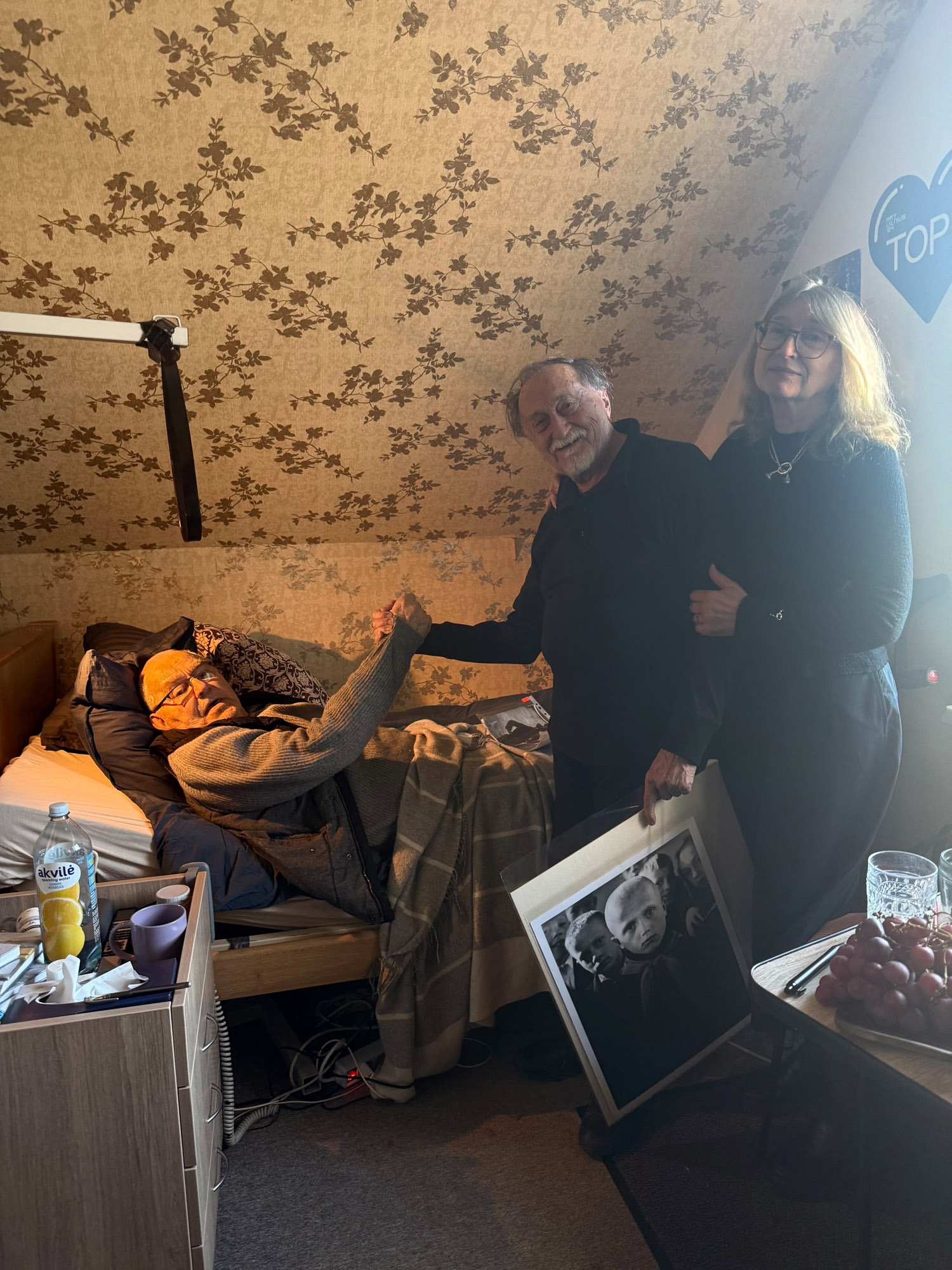
In general, the exhibition opening was a very warm and touching event. It seems to me that with this exhibition, we managed to close a kind of collective gestalt regarding the connection between the Kharkiv and Lithuanian schools of photography.
Of course, as a curator and director of MOKSOP, it is bitter to me that the exposition did not open in Kharkiv. The Museum of the Kharkiv School of Photography (MOKSOP) should physically be at home, that"s not even up for discussion. However, I am very grateful for the opportunity to show the works of several generations of the Kharkiv School of Photography in Lithuania, and before that—in Germany. My team and I worked a lot on the creation of this retrospective.
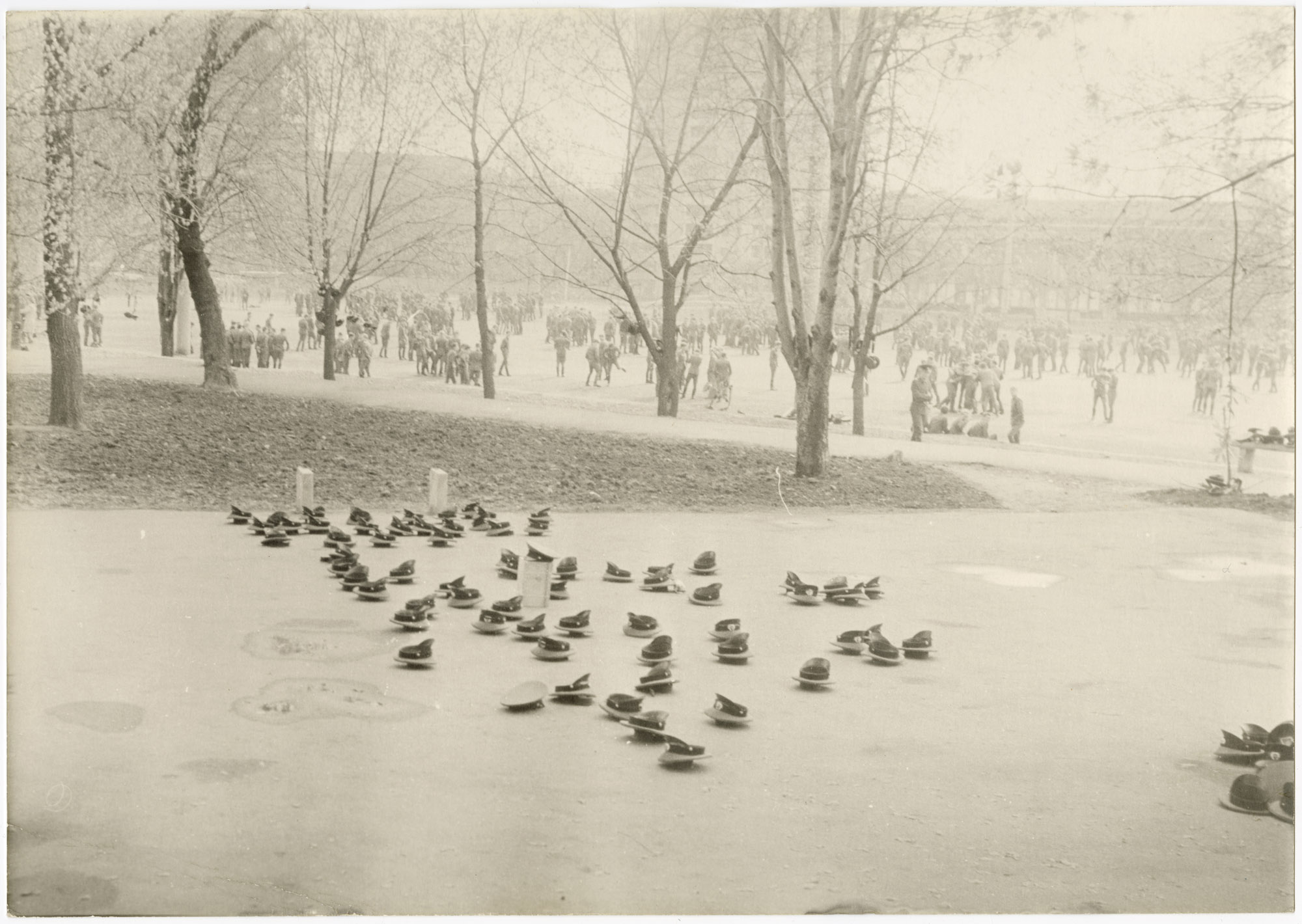
— The participants of the "Vremya" group invented the "theory of impact"—a concept that was supposed to lead the viewer out of the stupor of socialist realism. In your opinion, what surprises the works of the Kharkiv School of Photography today, when the world is oversaturated with images, including sensitive footage of war?
— The exhibition exposition surprises, first of all, by showing smart methods of creative reaction to everyday life—including censorship, social inequality, the pain and grief of people, and war. The exhibition shows many unique vintage works. For many, this is little-known and very powerful material, but this is already our classic. The path of the photographers, which they traveled in spite of everything, is impressive. This exhibition is already about analysis; there is no "impact for the sake of impact" here. And as for "impact," now one needs to surprise, first of all, with the size of donations for the military—everything else is secondary.
— In 2021, the Ukrainian Collectors Club offered works by Ukrainian authors to the Centre Pompidou in Paris. French curators selected 164 works, and most of them belonged precisely to the Kharkiv School of Photography. Are there works by representatives of the Kharkiv School of Photography in museums in Ukraine?
— I, unfortunately, know little about this. I think if there are any, there are few. In private collections, such as the collection of Boris and Tetyana Hrynyov, there are works of the KShP (Kharkiv School of Photography), and quite a few.
We are not members of the Ukrainian Collectors Club, however, when curators from the Centre Pompidou visited Kharkiv, our curator Oleksandra Osadcha had a meeting with them and additionally presented materials of the Kharkiv School. So we also joined as donors.
I remember the discussion online that they "gave away" the cultural heritage. But this is, of course, nonsense; such events help in promoting culture if it is handled systematically. And, it seems, after these discussions, nothing happened—I am not aware of the appearance of new people who would show interest in photography and go to save it from all sorts of Centres Pompidou and create foundations.
We, in turn, are open and try to encourage exhibition curators and heads of museum institutions to take our works for their expositions. Today, due to the evacuation, we primarily work with foreign institutions.
In general, step by step, our photographers are appearing in major collections: the Victoria and Albert Museum acquired works by Olena Subach, the Centre Pompidou—works by Oleksandr Chekmenev, Tate—Evgeniy Pavlov, the Army Museum in Paris—photographs by Pavlov and "Shylo." Of course, Boris Mikhailov has long been a key author of all major collections.
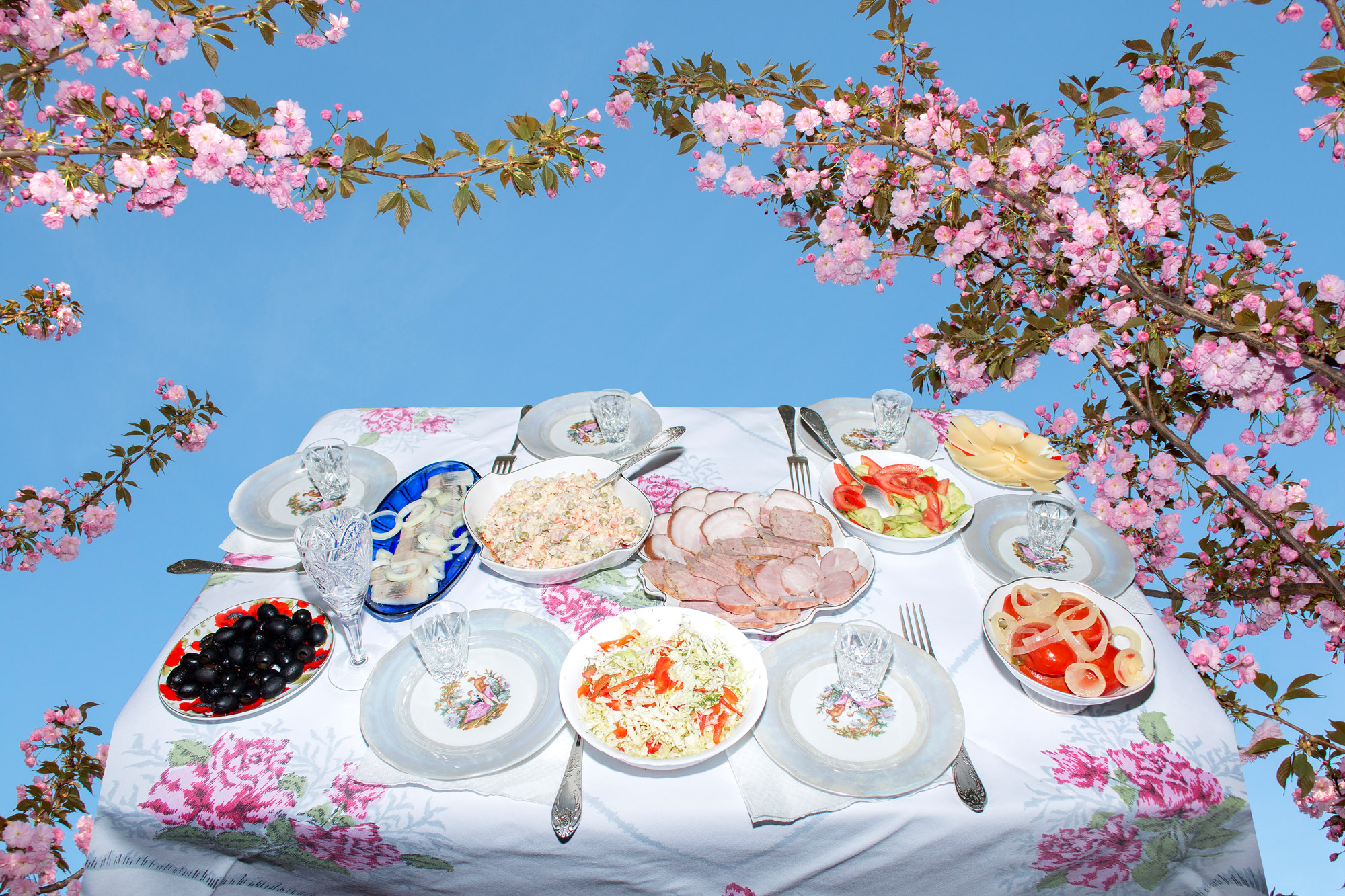
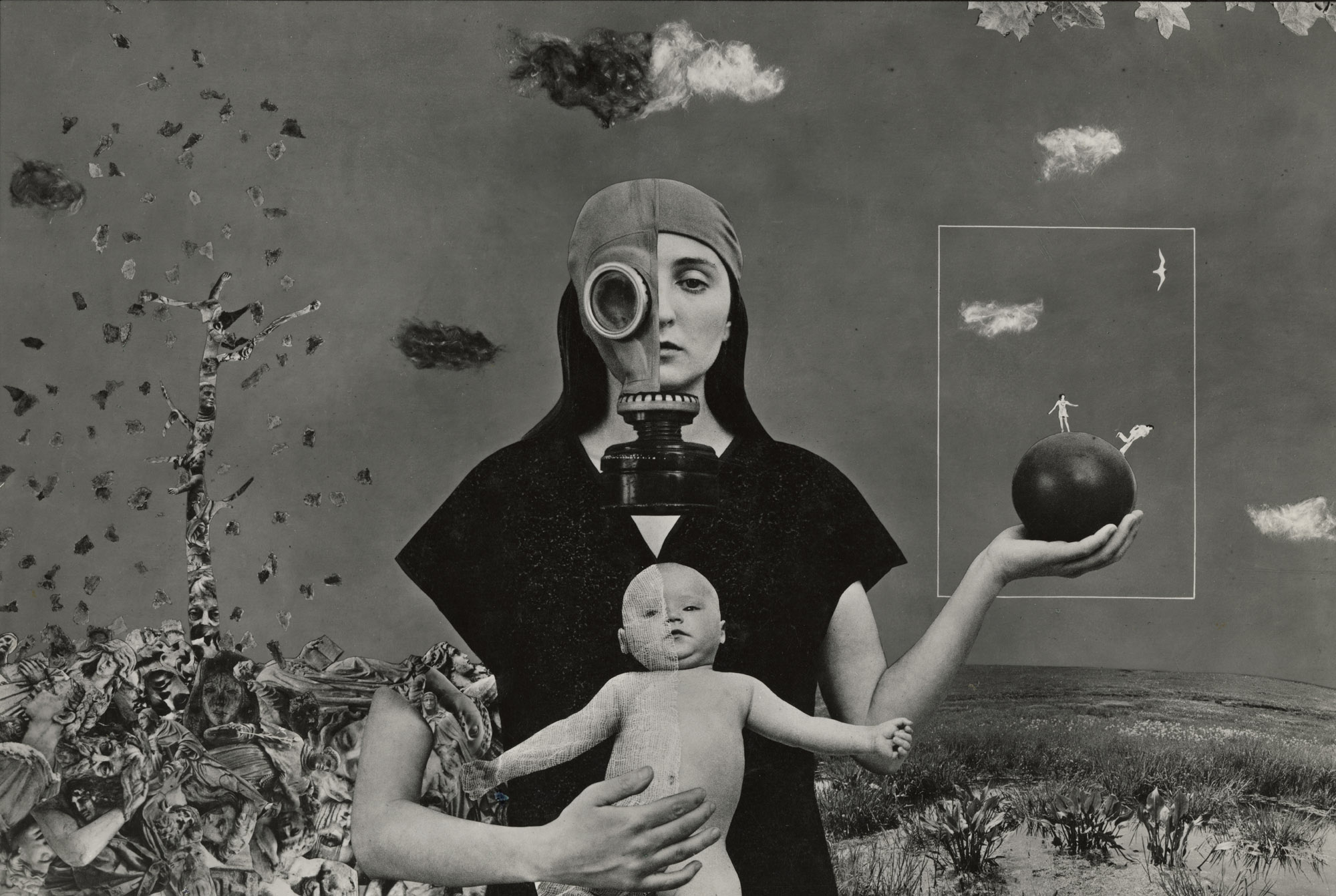
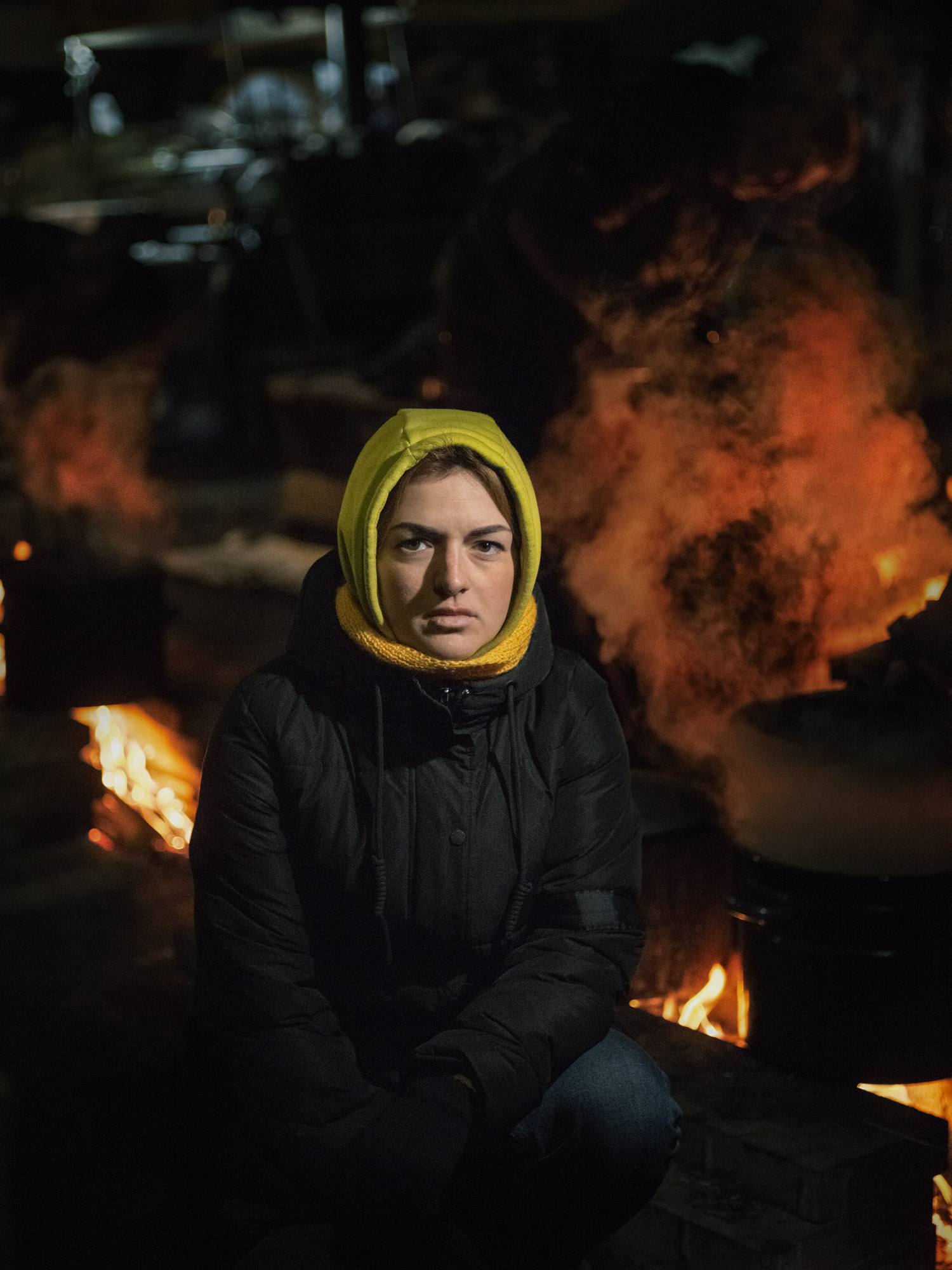
— In fact, the preservation of the heritage of the Kharkiv School of Photography is taken care of by a private initiative—the Museum of the Kharkiv School of Photography (MOKSOP), created in 2018. Is it normal for you that the preservation of world-class heritage rests on the shoulders of private institutions and enthusiasts?
— It seems that in the 21st century, this is not normal. For a long time, it was very uncomfortable for me because of this. But with each year, the feeling of discomfort decreases and there is more and more confidence in MOKSOP"s strategy. The support of colleagues, authors, and the photographic community helps a lot in this. Of course, this is a huge responsibility, and it"s not an abstract responsibility—we are talking primarily about a unique material heritage.
Once, before the start of the full-scale war, my colleague Oleksandra Osadcha and I met with the head of the culture department of the Kharkiv Regional Administration. We thought we would get acquainted, tell them a little about our work and plans. So, she didn"t even know who Boris Mikhailov was. It seems that in our conditions, private initiatives are very normal! Now this is, perhaps, if not the only mechanism available to society for working with cultural heritage.
— How exactly did the idea to create the Museum of the Kharkiv School of Photography, which for a long time existed as an underground movement, arise?
— The desire for such a museum to exist arose as soon as we from "Shylo" went abroad. There we saw hundreds of exhibitions of Martin Parr, Koudelka, Japanese photography. We walked through these exhibitions thinking: wait, this is all good, but you haven"t seen what real photography is! Such confidence, of course, was added to us by Boris Mikhailov through his achievements. But to create a museum…
We started getting to know the authors of the KShP in 2008–2009, visiting them. One of the vivid memories is Sergiy Solonsky"s studio in the premises of Karazin University. He showed us his works, told us about his activities in the "Fast Reaction Group," and it was very cool. All the authors were as open and friendly to us as possible. And I visited Boris and Vita Mikhailov for the first time in Berlin in 2009. I remember Boris Andriyovych analyzed my works very accurately, and I listened and thought about it: wow, how is it possible! But as soon as I stepped outside the door—almost everything flew out of my head. I had to go back many times.
Once, I thought that it would be nice to have at least one work of each author of the Kharkiv School of Photography on the wall, and I went with this question to Sergiy Solonsky, around 2016. That"s how it all started. I received a large credit of trust from many authors, and we are trying to justify it.
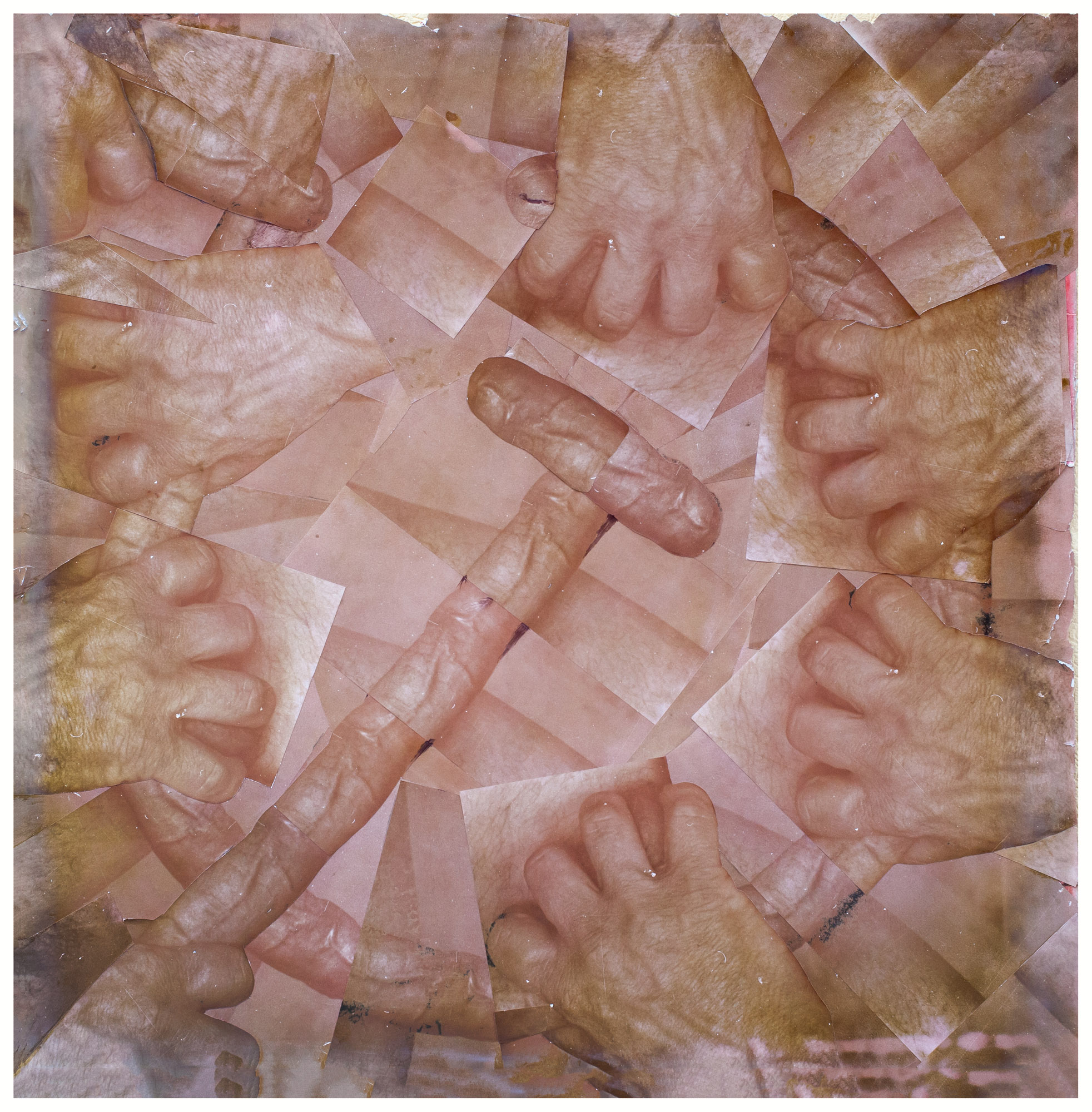
— Tell us, please, about the nearest prospects for the work of the Museum of the Kharkiv School of Photography.
— First of all, I really want our exhibition "Ukrainian Dreamers. Kharkiv School of Photography" to be able to travel the world. We also have many works in our archive to make retrospectives of the best Ukrainian, not just Kharkiv, photographers. We can fill the halls of major museums with works from the MOKSOP funds.
For example, recently we helped to organize an exhibition of photographs by Oleksandr Chekmenev in the museum of the German city of Bayreuth. It is important to us that photographs do not lie idle, but are exhibited in museums and galleries. I want to make several "blockbuster" exhibitions that would travel the world and tell about Ukraine.
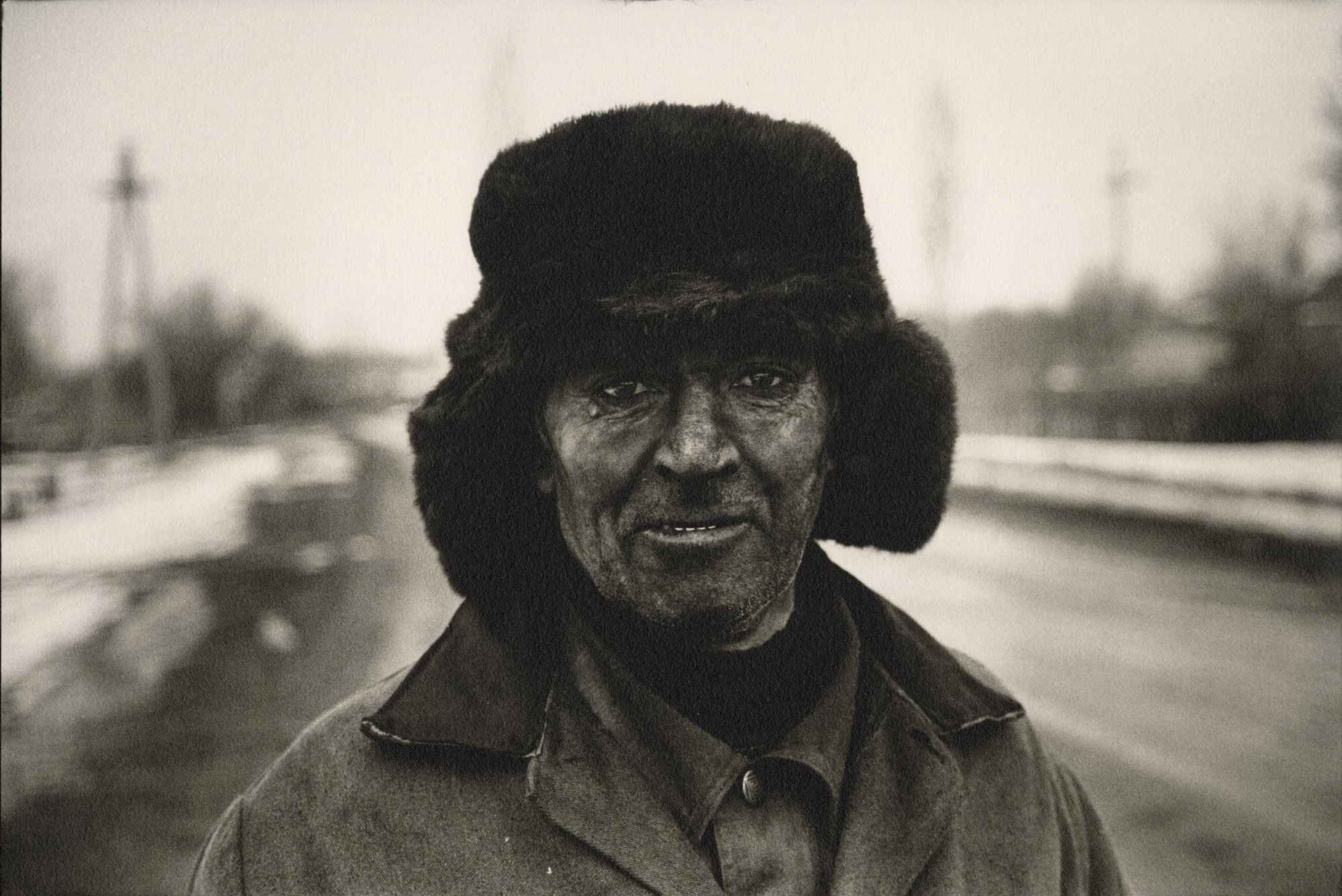
Besides exhibitions, we are working on creating art books. For example, Maksym Dondyuk"s "White" book is almost ready. We plan to make books for Kharkiv photographers Sergiy Solonsky, Oleksandr Suprun, and Evgeniy Pavlov, as well as publish a book by Oleksandr Chekmenev about Donbas. We have a lot of materials by Oleksandr Chekmenev, including a quite old and cool text that perfectly characterizes those times. We should do cultural projects about temporarily occupied territories, and not exclude them from our field of vision. We are also working on translations of books about photography. Of course, I really want to publish a book by Boris Mikhailov and a book about Boris Mikhailov.
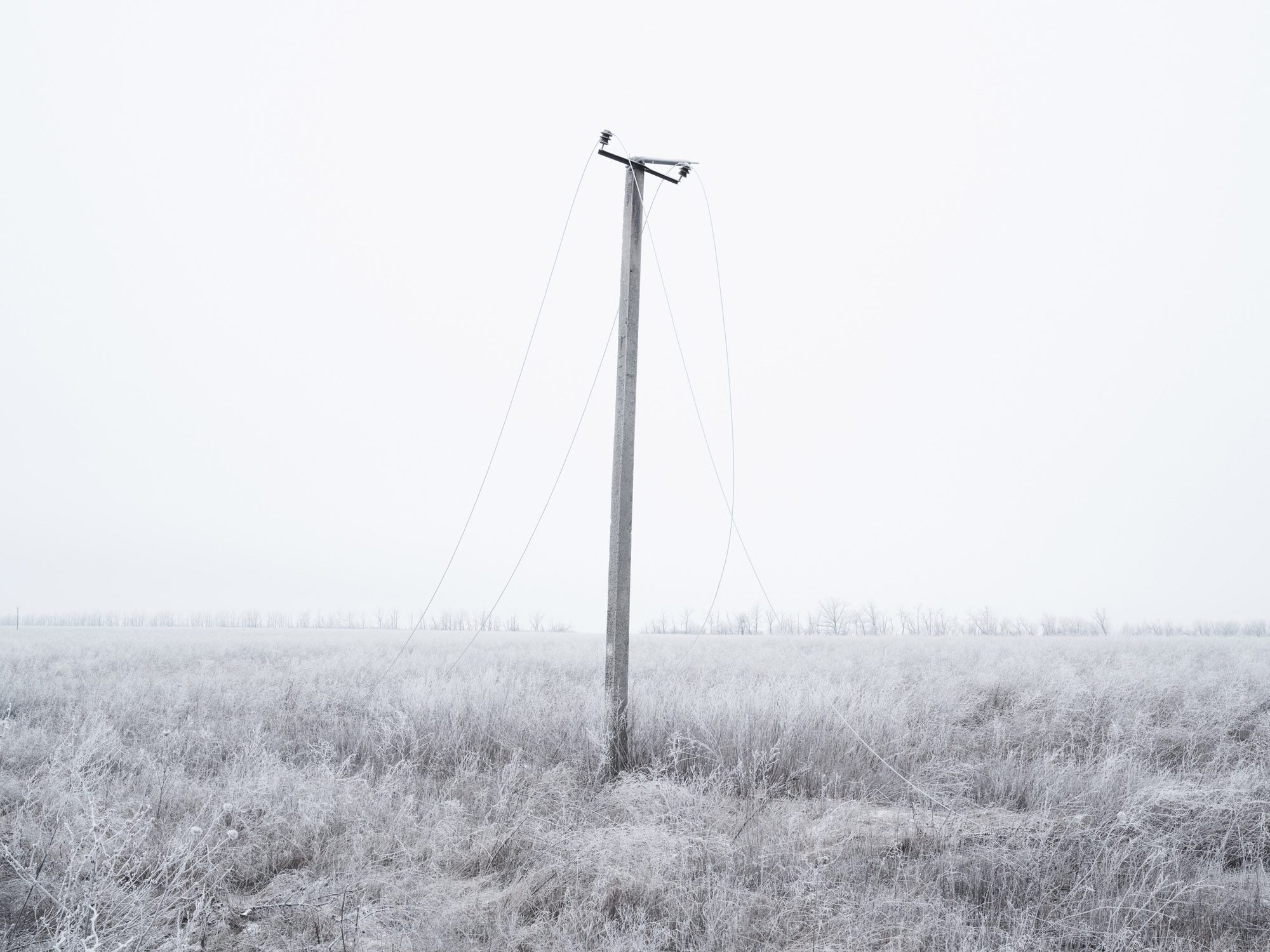
— When the Russian-Ukrainian war ends, the return of the collection to Kharkiv will be a complex logistical process. Do you already have a written plan for the return of the archive? Under what security conditions will you be ready to return?
— If the war, God forbid, drags on, and I don"t want to think about that at all, we will have to look for premises for the Museum of the Kharkiv School of Photography in Europe. However, at the first opportunity, we plan to return to Kharkiv. The museum must be at home. Returning home is not a problem at all; we have all the necessary customs documents since we exported the archive officially.
Now we are working under evacuation conditions; at this stage, we strive for Kharkiv photography to become one of the business cards of Ukrainian culture abroad.
***
The exhibition "Ukrainian Dreamers" will run until September 20, 2026.
Curatorial team: Sergiy Lebedynskyy, Boris and Vita Mikhailov, Darius Vaičekauskas, Olena Chervonyk, Oleksandra Osadcha.
Exhibition participants: Boris Mikhailov, Gennadiy Tubalev, Oleg Malovanyy, Oleksandr Suprun, Yuriy Rupin, Viktor Kochetov, Oleksandr Sytnychenko, Volodymyr Shaposhnikov, Evgeniy Pavlov, Anatoliy Makiienko, Vita Mikhailova, Tetyana Pavlova, Roman Pyatkovka, Volodymyr Starko, Misha Pedan, Sergiy Solonsky, Hryhoriy Okun, Boris Redko, Sergiy Bratkov, Ihor Manko, Sergiy Kochetov, Bella Logachova, Vasylisa Nezabarom, Yuliya Drozdek, Sergiy Popov, Vladyslav Krasnoshchok, Roman Minin, Sergiy Lebedynskyy, Mykola Ridnyi, Hanna Kryventsova, Ihor Chekachkov, Andriy Rachynskyy, Alina Kleitman.
MOKSOP — Museum of Kharkiv School of Photography — a museum dedicated to the preservation, research, and development of Ukrainian and world photography. The institution works with archives, collections, exhibition, research, publishing, and educational projects, paying special attention to the heritage of the Kharkiv School of Photography and its place in the broader context of contemporary visual culture.
MOKSOP promotes contemporary photography in Ukraine, Eastern Europe, and the international space, develops the culture of photographic education, supports research work in the field of photographic practices, and forms a space for professional dialogue between artists, curators, researchers, and cultural institutions. An important part of the museum"s activity is the creation and preservation of a collection of Ukrainian and world photography, the development of international cooperation and cultural exchange.
Material contributors:
Topic researchers, text authors: Sergiy Lebedynskyy, Katya Moskalyuk
Picture editors: Sergiy Lebedynskyy
Literary editor: Yuliya Futey
.png)