The team of the non-governmental organization After Silence has been collecting a photo collection from the time of the Second World War for five years. Some of these photos are transferred to us for permanent storage by private individuals, but most are found and purchased at online auctions and flea markets. Our collection currently holds over a thousand such photographs.
They primarily document Ukrainian experiences of captivity and forced labor. We attempt to identify the photographed individuals and investigate their fates using documents from Ukrainian and German archives. Additionally, we use these photos in our exhibition projects. Part of the collection is currently available in the online archive "During the Stay in Germany."
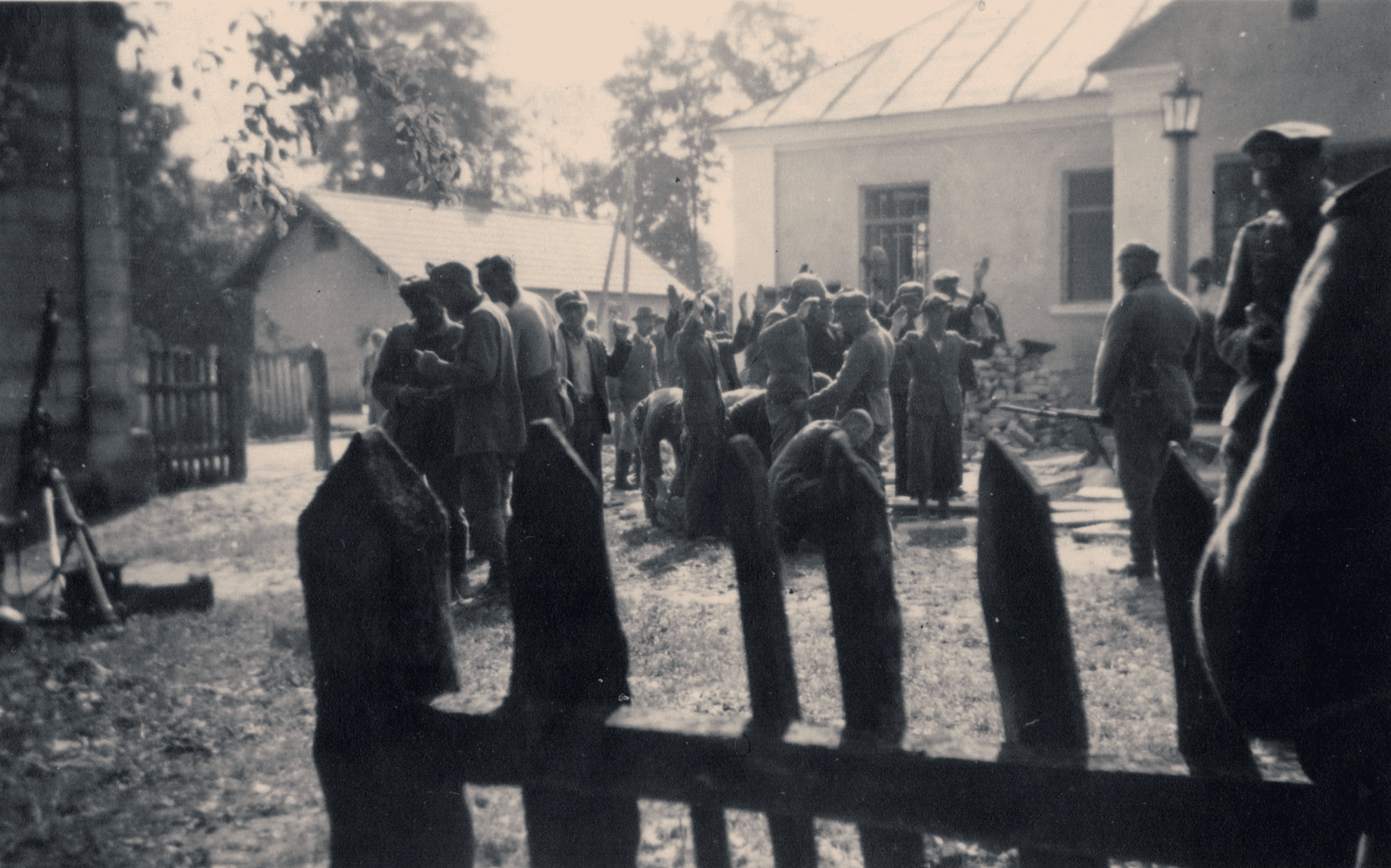
A photo from the first days of the German-Soviet War. The reverse side has an inscription, translated from German: "Captured partisans are being searched. Far right is me. In Ukraine, southeast of Lviv. July 1, 1941." It is unknown what happened to the detained men afterward, but very often, those suspected of partisan activities were shot without any investigation.
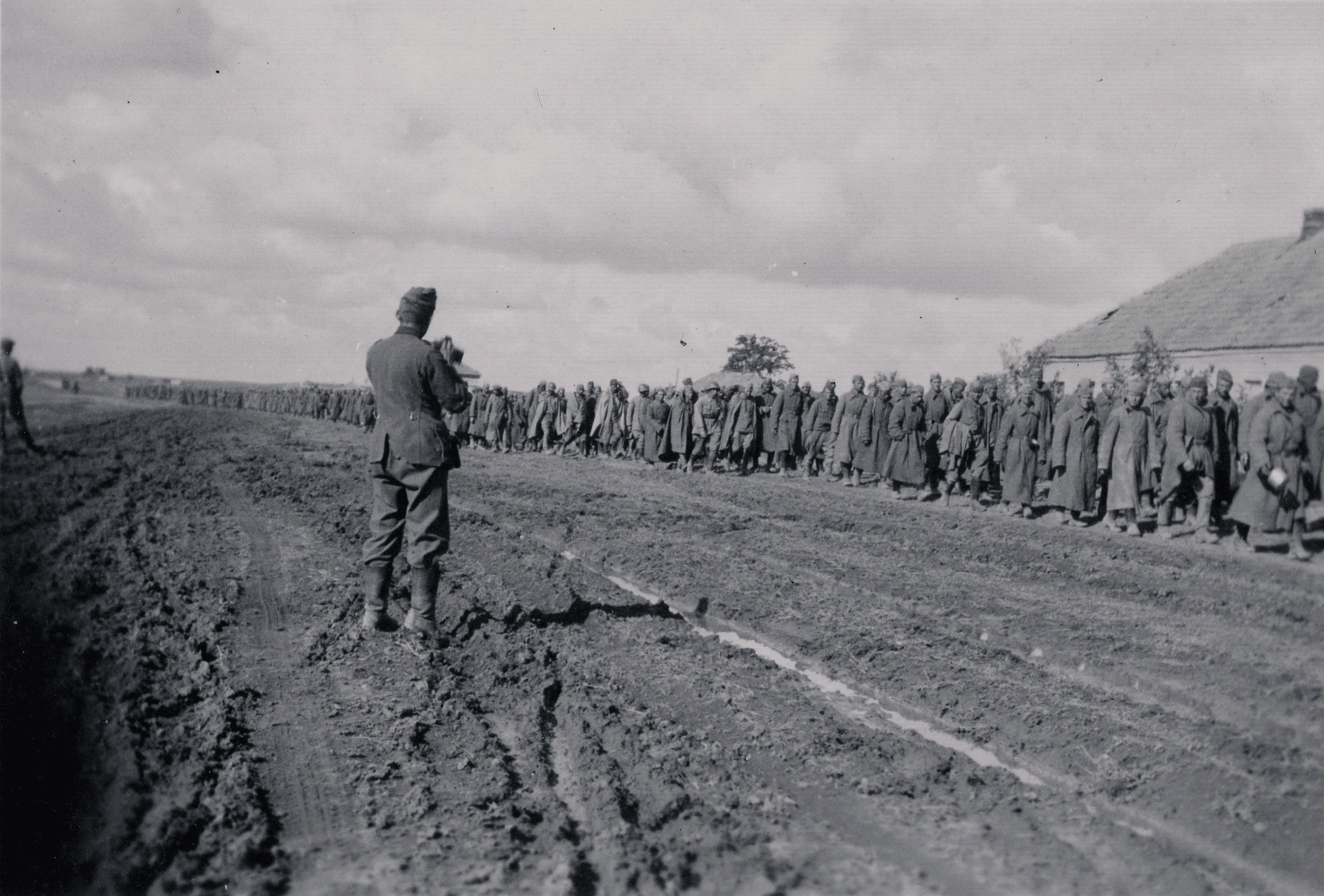
Endless columns of Soviet prisoners of war are one of the most common subjects in photos from the initial stage of the German-Soviet War. In total, more than 5 million Red Army soldiers were captured during the war, and 60% of them did not survive until its end.
This photo comes from the private album of a German serviceman. We can see another soldier in the photo holding a camera. Therefore, there is a chance that a similar photo from a slightly different angle may be found over time.
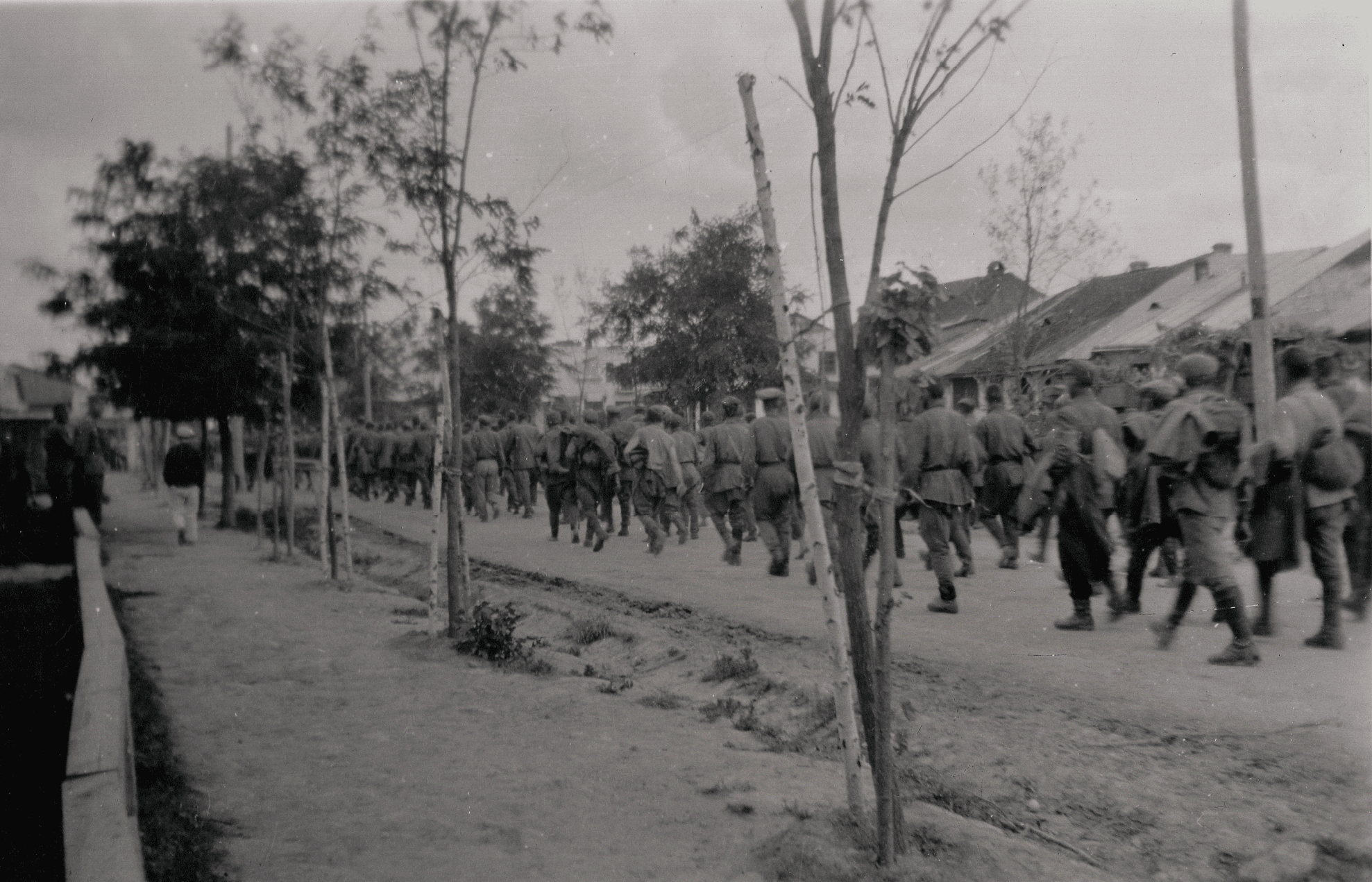
Another similar photo. Soviet prisoners of war are marching down the main street of the town of Pidkamin. Most likely, their final destination was the camp at the Citadel in Lviv. During the war, at least 40,000–50,000 prisoners of war died there from starvation, infectious diseases, the consequences of wounds, brutal treatment, and systematic executions.

This is one of the first photos in our collection. Mykola Ripenetskyi came from Khmelnytskyi Oblast. In 1943, he was taken for forced labor. Evidently, shortly after arriving, he had his portrait taken in a photo booth to send it home. For the Ostarbeiter, this was one of the few ways to spend their meager wages—everything else, such as food, clothing, or footwear, was only available with ration cards. The following year, Mykola was sent to Nazi concentration camps: first Flossenbürg, and then Mittelbau, where he died two months before the end of the war in Europe.
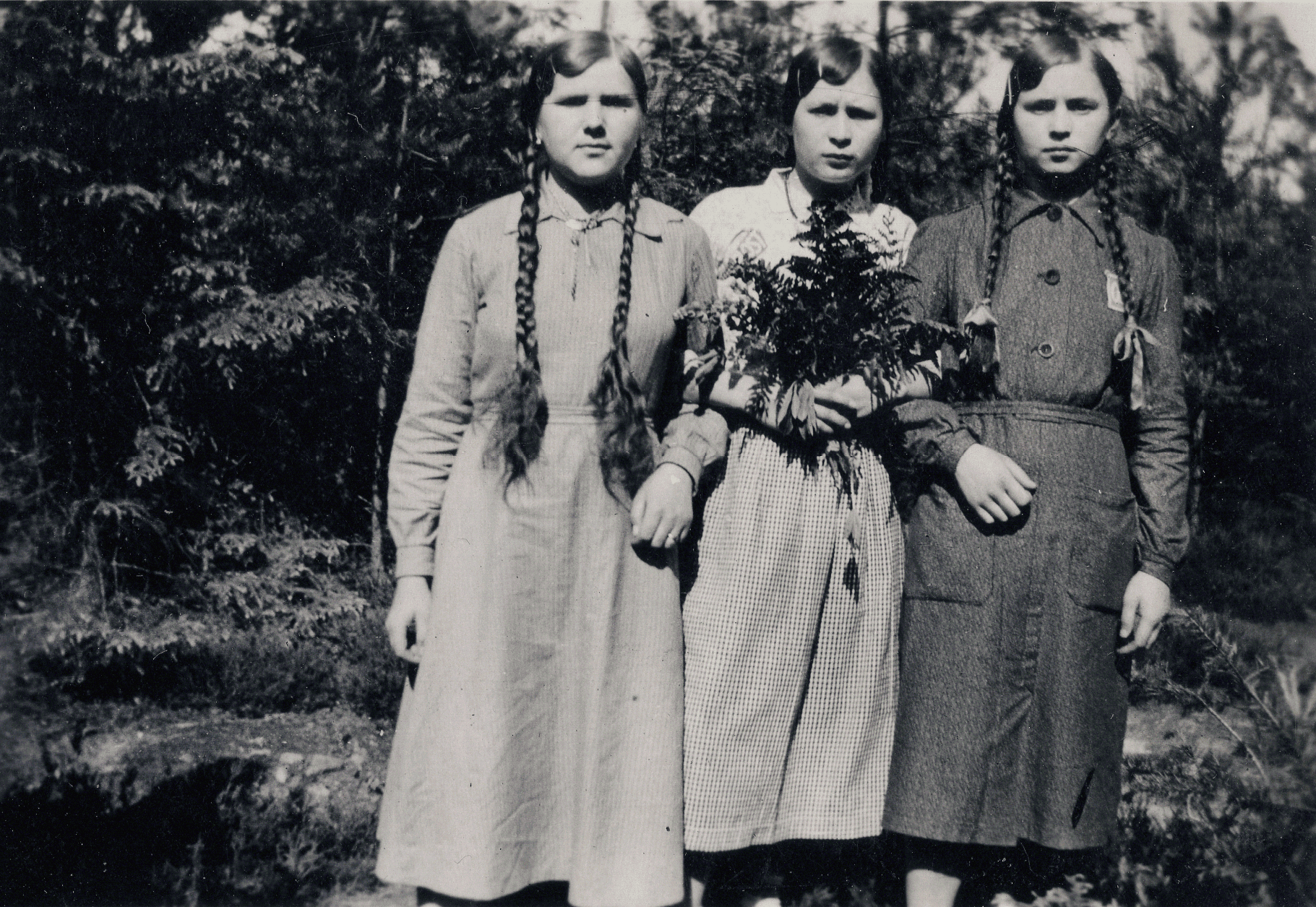
All Ostarbeiter were forced to wear patches with the inscription "OST" on their outer clothing. Violating this rule was punished with beatings, monetary fines, and even imprisonment. The Ostarbeiter themselves understood the discriminatory nature of these patches and even deciphered "OST" in their own ways, for example: "Beware of the Soviet creature." They often tried to hide them during photography in various ways—covering them with elements of clothing, hair, flowers, or branches.
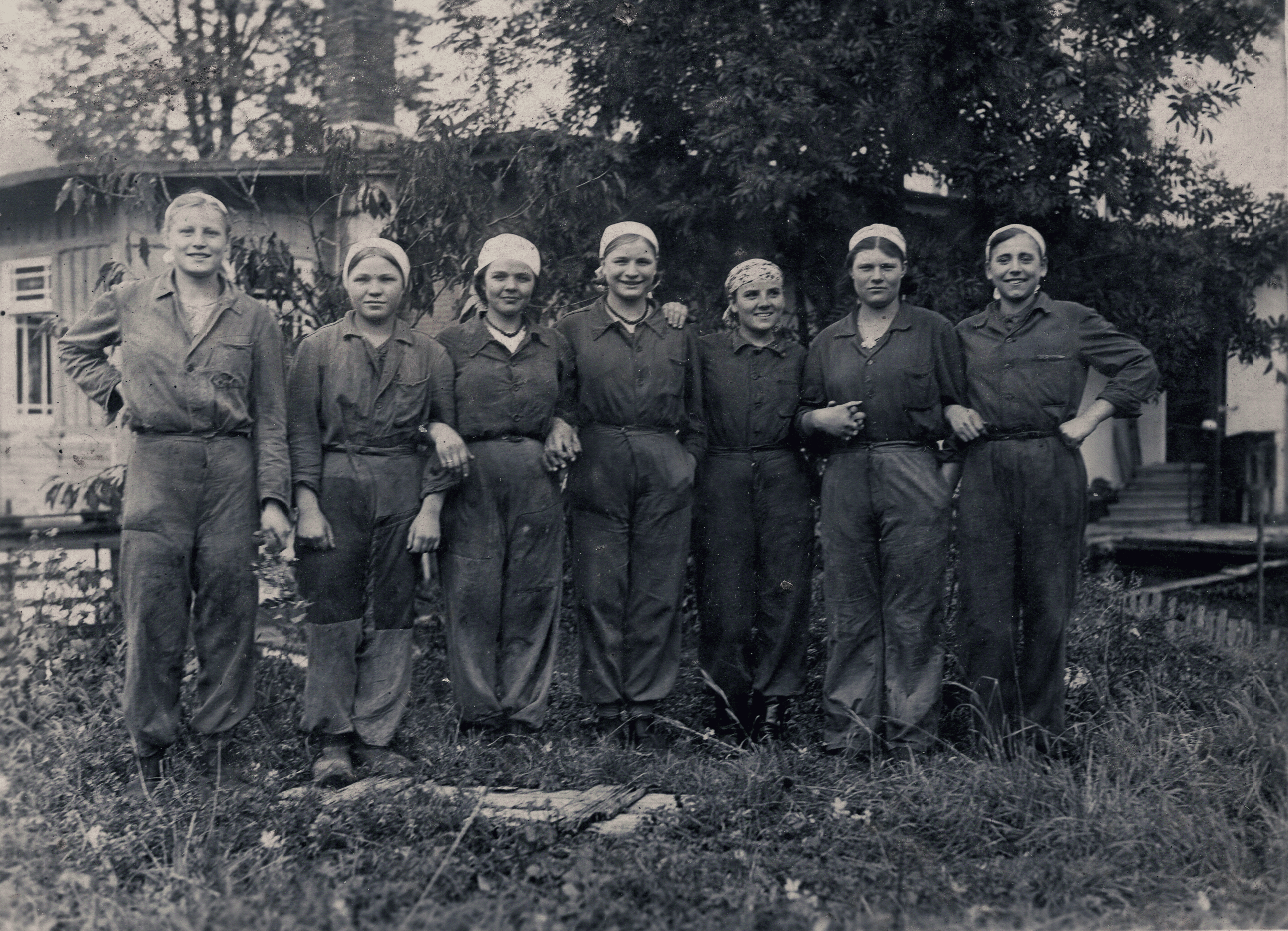
The textile industry of Nazi Germany manufactured special clothing and footwear for Ostarbeiter, including the so-called Holzschuhe—clogs entirely made of wood or with wooden soles. The Ostarbeiter themselves called them "clogs," "wooden things," or "trenchers." Wearing such footwear was uncomfortable, causing leg injuries, the effects of which were felt long after the war ended.
.png)
Photos taken during labor are extremely rare. In this one, there is at least one female forced laborer. She wrote "I" above her image with a ballpoint pen. Evidently, she was trying to preserve the memory of herself for posterity. However, this photo, among several others, ended up for sale. The name of the person photographed could not be established.
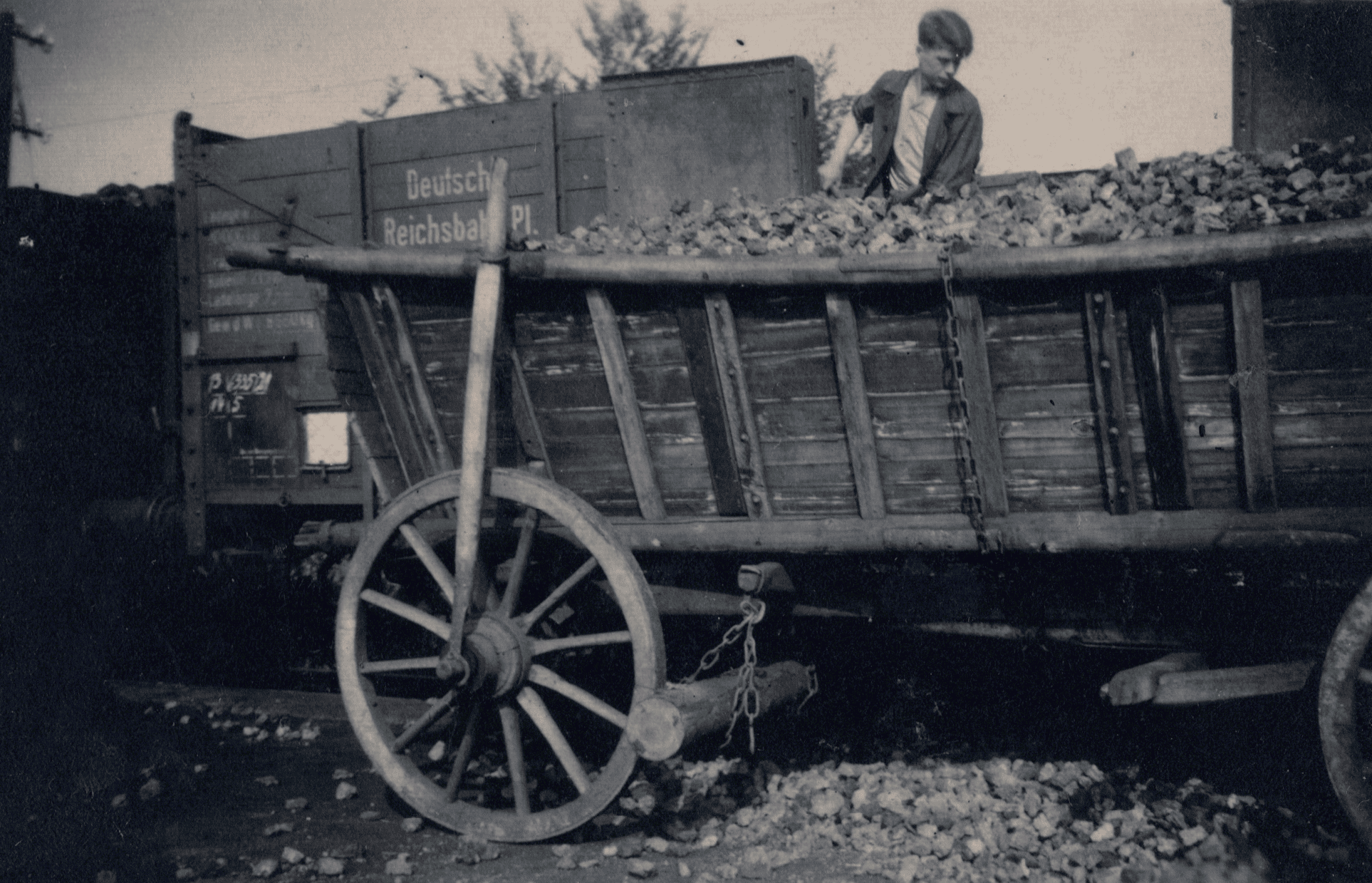
Another photo taken during labor. The name of the person photographed, the location, and the year of the shoot are known from the inscription on the reverse side. At that time, Borys Chalyk was 19 years old. The search for any additional information about him in the archives has not yet yielded results.

The Nazi authorities did not separate the Ostarbeiter by ethnic or regional origin and considered them all "Soviet Russians." However, most of them, about two million, came from Ukraine. Their Ukrainian identity can often be traced through photos. As in this case, they were photographed in national dress. Some managed to bring them from home or make them from improvised materials while already engaged in forced labor.
A few German words can be seen on the ribbons attached to the wreaths: "Sing Sang Kling Klang." This is a fragment of a popular folk song. Evidently, these ribbons were used during some celebration and later came into the possession of the Ukrainian girls.
.png)
Sixteen-year-old Anna Andreyeva was taken for forced labor from the village of Bokovo-Platove in Luhansk Oblast. In May 1943, she died of pneumonia. Her body was cremated and buried in the so-called foreigners' cemetery.
Approximately one-third of Ukrainian male and female forced laborers did not return home after the war ended. Some survived and emigrated to other countries, while others died. Very few of their graves have been preserved to this day.
After Silence (ГО «After Silence») is an independent Ukrainian public initiative established in 2021. The organization works at the intersection of memorial culture, public history, and social anthropology to foster critical reflection on Ukraine's past and present and to "return a voice" to stories that long remained silenced—in family misunderstandings, photo albums, and "unrecognized" landscapes of memory.
The main themes of After Silence are individual experiences and collective trauma, memory and post-memory, particularly those related to Soviet and Nazi violence, as well as the present-day war. The working tools include field research, oral history, digitalization of private archives, documentary projects, and media presentations.
This material was created with the support of the British Council’s “Creative Economy Grants” program
.png)