
Constant missile-and-drone strikes by the Russian army have turned Odesa into a frontline city. It, as well as Izmail, Chornomorsk, Kiliia, and other settlements in Odesa region, were included in the list of active combat areas. Air attacks on Odesa region go in unison with information attacks. Propagandists overlay old Kremlin narratives onto new events and contexts. In particular, the Russian army destroys civilian bridges, port, and energy infrastructure in the region, allegedly exclusively “in response” and out of necessity.
War at sea
At the turn of 2025–26, Russian attacks on ports and vessels in the Black Sea became significantly more frequent. For example, on December 12 and 13, 2025, during a massive attack on Odesa region, Russians damaged two foreign-flagged civilian vessels. Propaganda constantly justifies the destruction of port infrastructure by calling it “military,” and labels civilian vessels “pirate ships carrying military cargo for the Armed Forces of Ukraine”.

They claim that NATO cargo comes through the ports, that Odesa is full of foreign military bases where terrorist operations are planned, Ukrainian saboteurs are trained, and drone boats are assembled for strikes on civilian vessels in the Black Sea.
Russians, on the contrary, call their shadow fleet “civilian vessels.” The propaganda outlet Lenta.ru writes: “If Ukraine continues to violate conventions and agreements, and also engages in piracy against Russian ships, the Russian Armed Forces will be forced to strike toward Odesa, a major logistics hub from which weapons are delivered”. They claim Russia is forced to respond “to the criminal actions of the Kyiv regime,” which is allegedly controlled by British and French handlers.


At the same time, Russia’s shadow fleet numbers more than a thousand outdated tankers. They help Russia bypass Western sanctions and profit from oil exports, delivering it mainly to China and India. This fuels Russia’s “war machine,” the Main Intelligence Directorate of the Ministry of Defense of Ukraine reports.
The narrative that Ukraine is supposedly controlled by Western countries — i.e., “external governance” — advances the thesis that Ukraine is incapable of functioning independently, including without European money. That is why Russia seeks to deprive Ukraine of Western aid, because it believes that without it Ukraine will not hold out for long. From the start of the full-scale war, Russians have claimed that Ukraine is unable to conduct successful special operations on its own and, in general, to fight — meaning propaganda works to downplay the achievements of the SBU and other Ukrainian special services.
The bridge in Maiaky
Strikes on transport infrastructure in Odesa region, specifically on the bridge near the settlement of Maiaky, have resonated especially strongly. These are far from the first strikes on this bridge, but in December 2025 such strikes intensified noticeably. Before that, Russians systematically destroyed the road-and-rail bridge in Zatoka. Now the Russian army has focused on the bridge in Maiaky, located on the other side of the Dniester estuary.

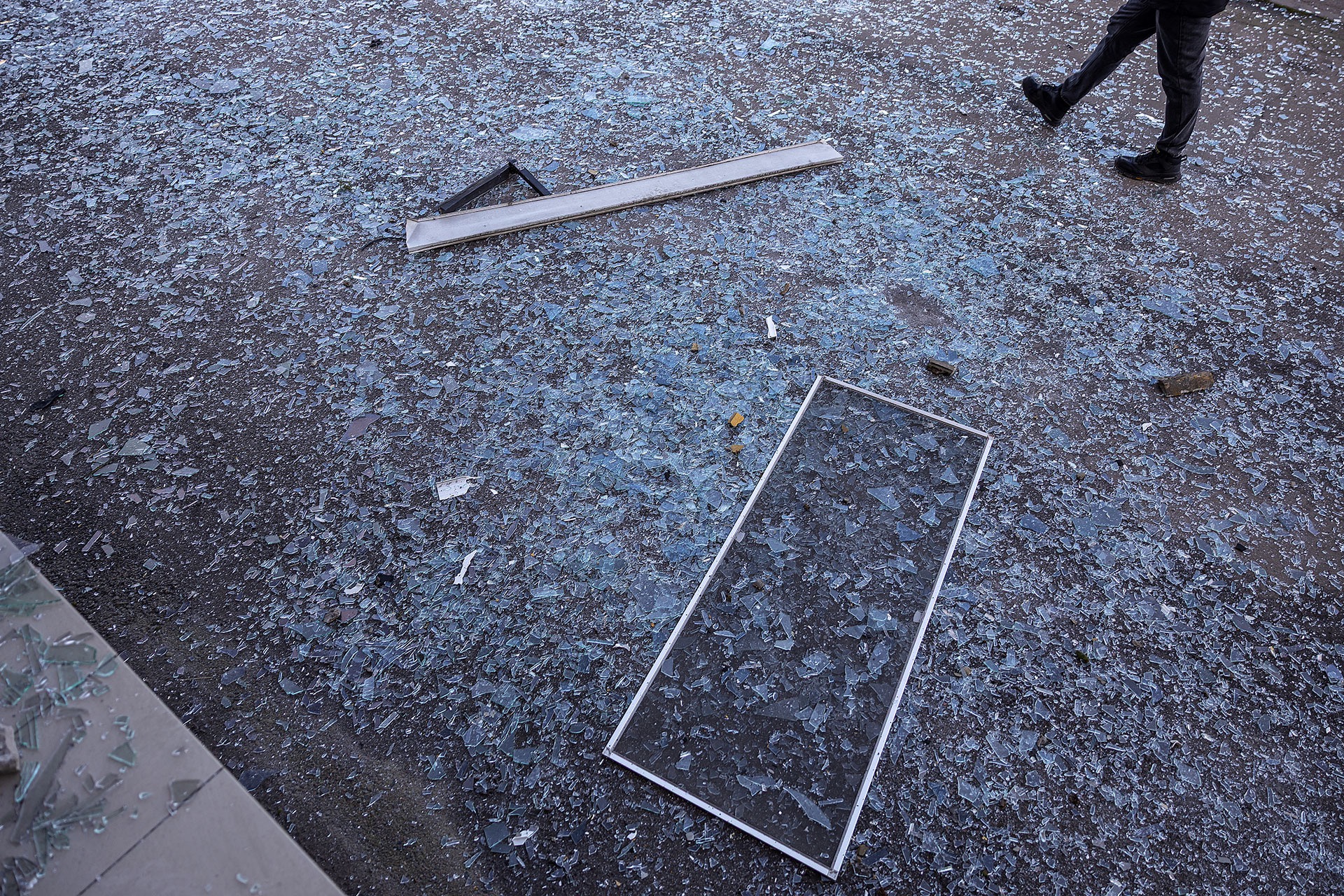
During one of the Russian attacks on December 18, a Russian strike hit a car traveling across the bridge. As a result, a woman was killed and her three children were hospitalized with injuries. Traffic across the bridge was hampered. In the cities of southern Odesa region, a brief rush was observed in supermarkets.
Russians launched an entire propaganda campaign to escalate the situation and intimidate the region’s population. Stories about a “crisis” and “collapse” in Bessarabia, from which there will be no salvation, go in parallel with stories about differences between this region and the rest of Ukraine. They claim the connection between these territories was weak throughout the entire history of independent Ukraine. Therefore, the Kyiv authorities allegedly provoked a crisis in the southern part of Odesa region themselves.
The bridge in Maiaky is a key crossing over the Dniester River and the main road to the southern part of the region near the border crossing with Moldova. Russians do not hide their desire to isolate this region and create a crisis for about one hundred thousand of its residents. Because then getting to settlements in Bessarabia will be difficult. At the same time, in the south of Odesa region there are ports and border crossing points, and therefore the destruction of the bridge could threaten a crisis for the region’s economy. The Ukrainian authorities are already developing alternative mobility solutions and holding talks with Moldova.
Advisor to the Ukrainian Parliament Commissioner for Human Rights Anton Hulidin says that Bessarabia is a complex region — ethnically diverse, economically vulnerable, with a high concentration of Russian interests, while also strategically important. The presence of the Transnistria region with its separatist pseudo-state entity nearby threatens Ukraine’s national security if the region ends up under blockade.
“What makes this situation especially dangerous is the Transnistria factor. On the territory of the unrecognized enclave, a Russian military contingent has been stationed for years — the operational group of Russian troops and so-called ‘peacekeepers’, totaling about 1,500 personnel, with access to ammunition depots in Kolbasna. This is a permanent Russian military foothold in Ukraine’s rear, tens of kilometers from Bessarabia,” — says Anton Hulidin.
In his view, it is now necessary to focus on stabilizing logistics infrastructure, coordinate actions with neighboring Moldova, ensure Ukraine’s real presence in the region, and apply political, diplomatic, and security pressure on Transnistria.
Winter in Odesa
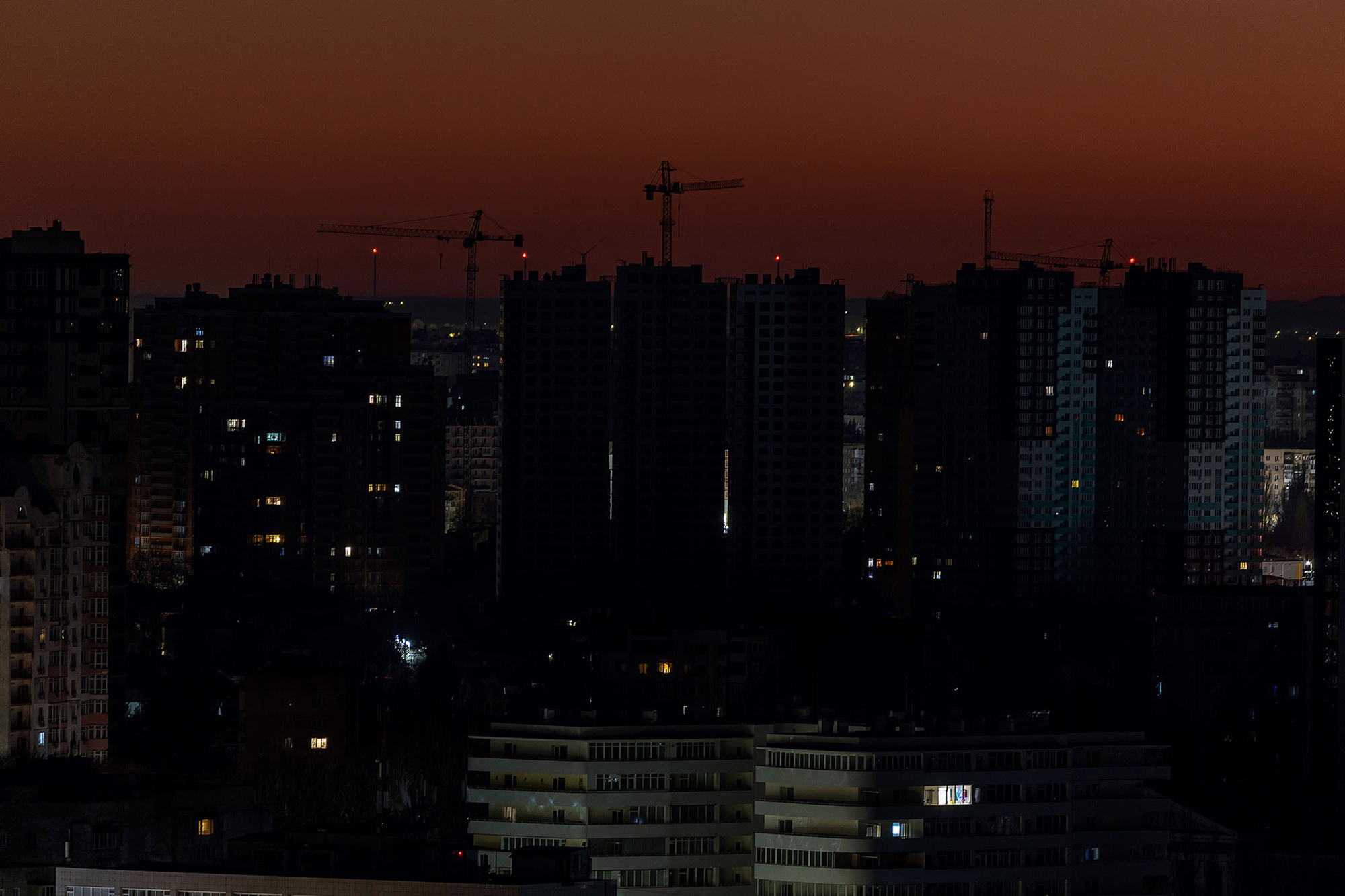
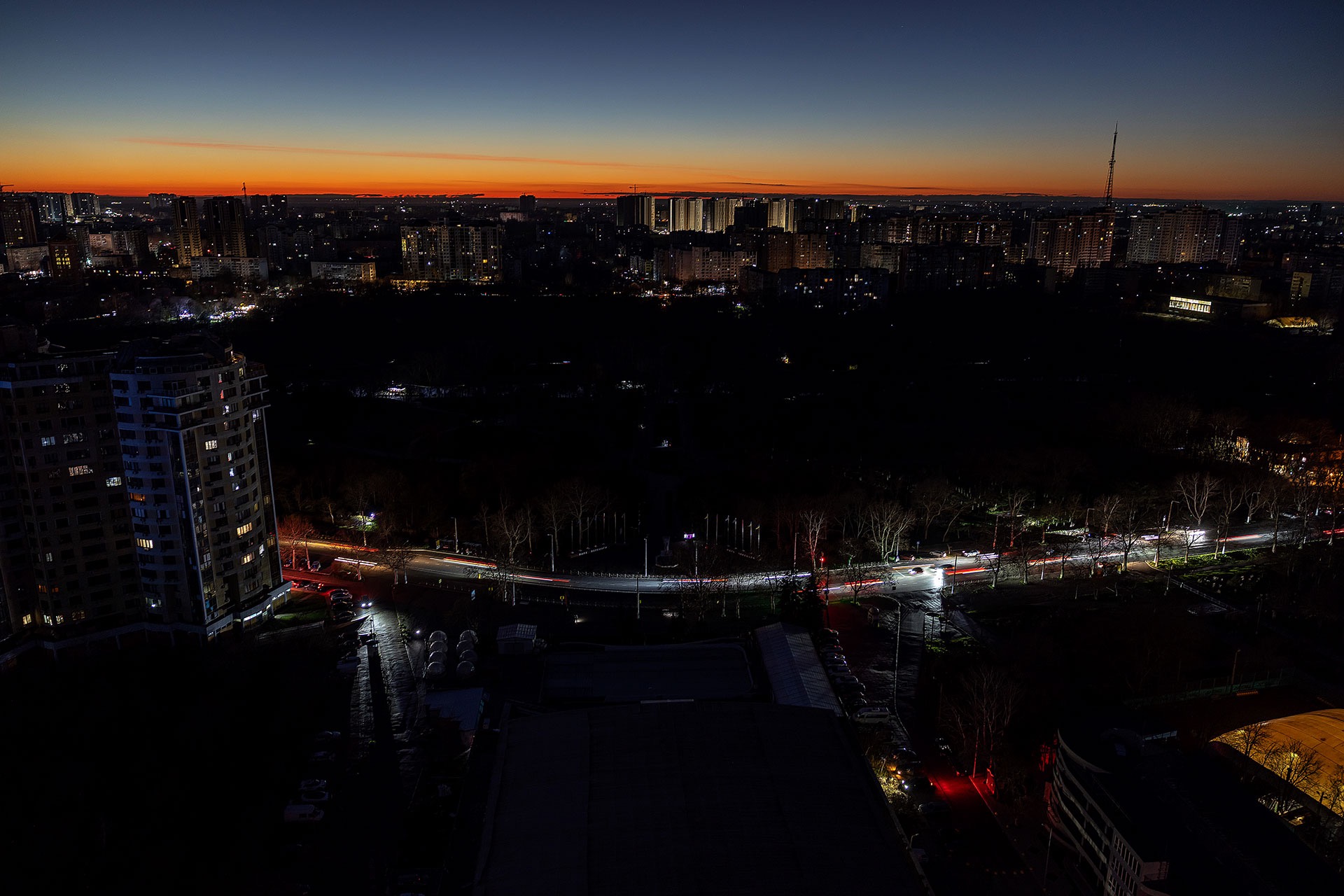
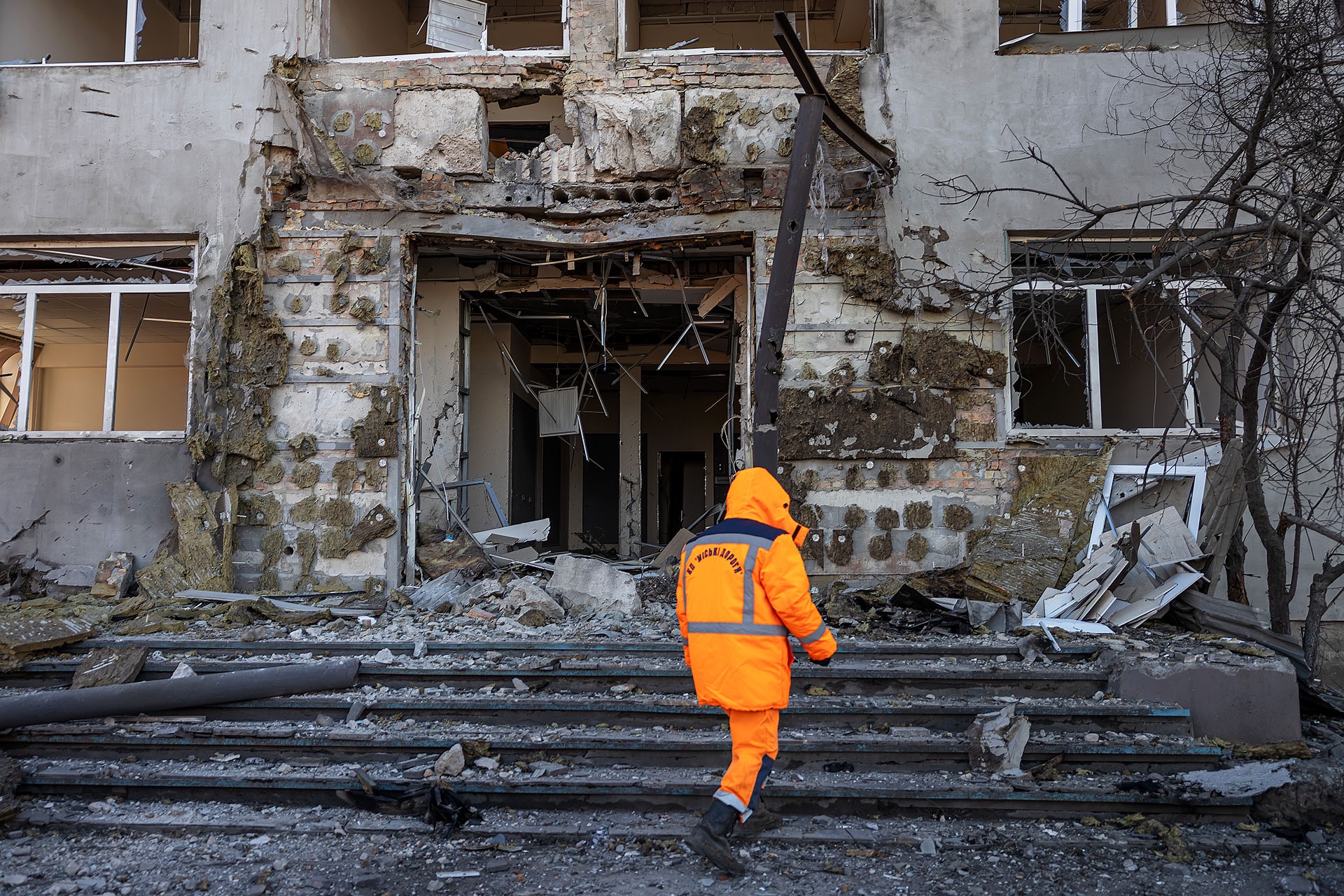
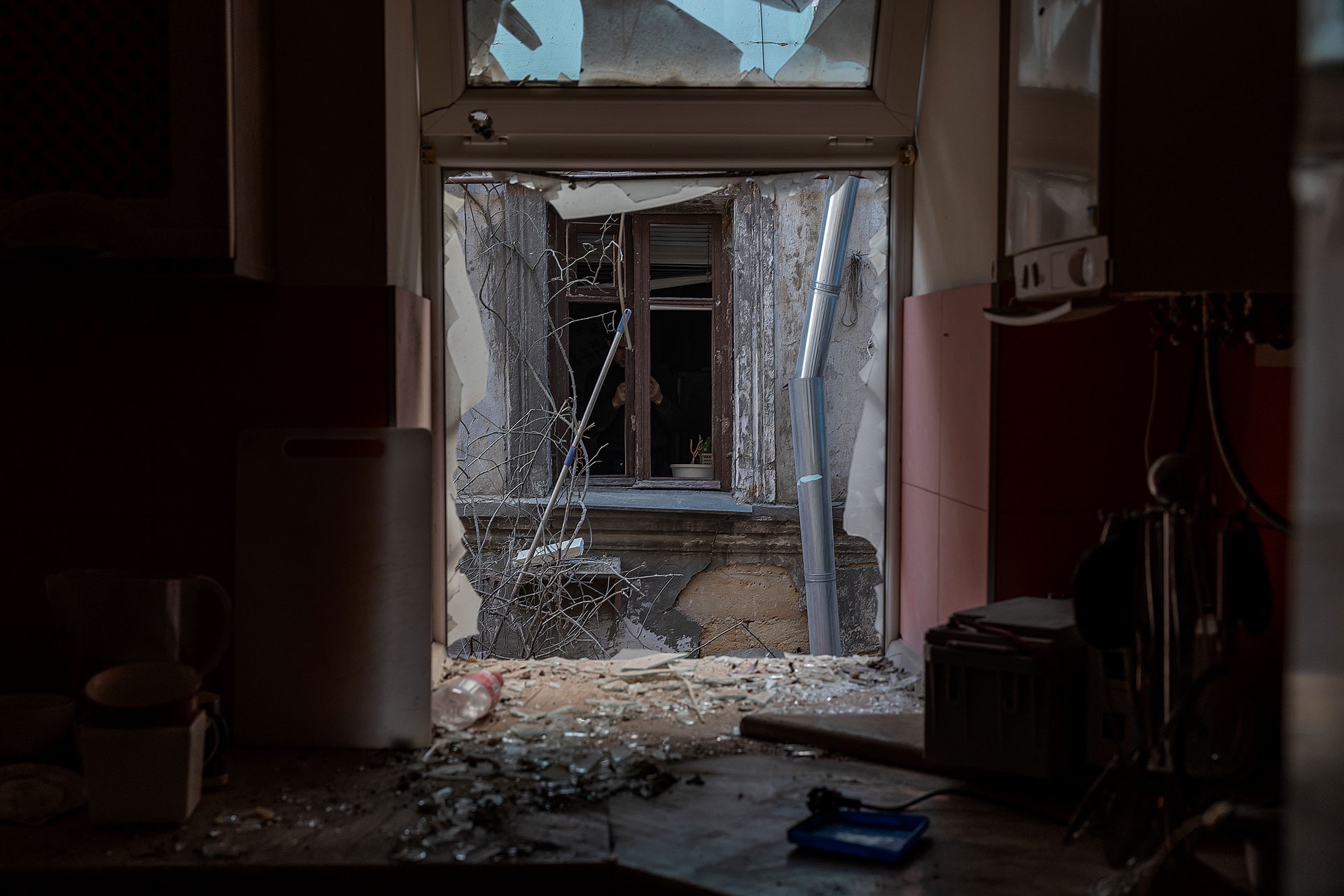
The autumn–winter period at the turn of 2025–26 brought Ukrainians and the Ukrainian authorities new trials in the form of intensified Russian shelling of infrastructure, in particular critical infrastructure. On December 12 and 13, 2025, the Russian army massively struck the power system in southern Ukraine. Odesa was hit hardest by the Russian attack: most of the city was left without power, and residents were left without electric public transport, water supply, and heating. However, on the night of December 14, Russians continued attacks on the region’s energy sector.
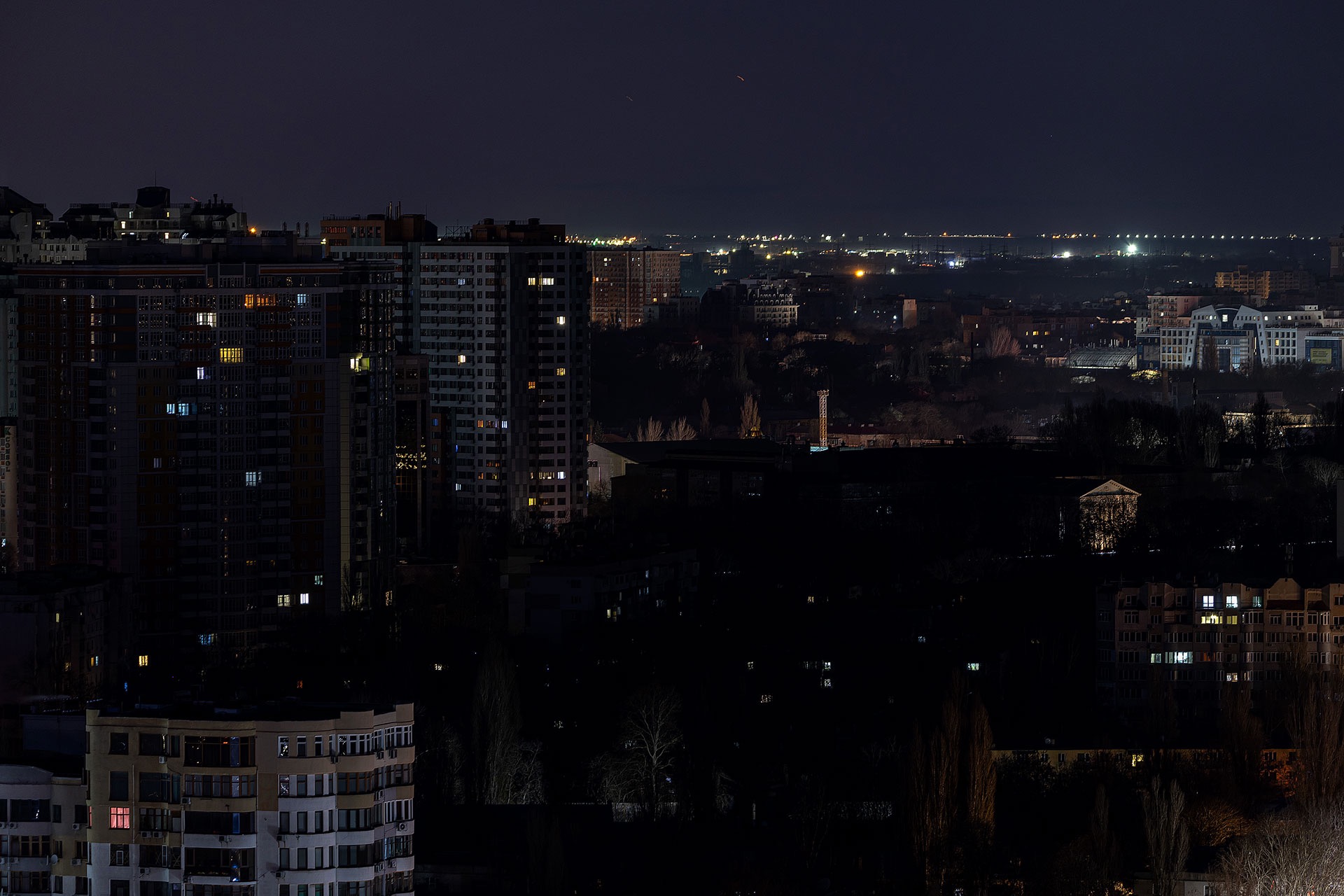
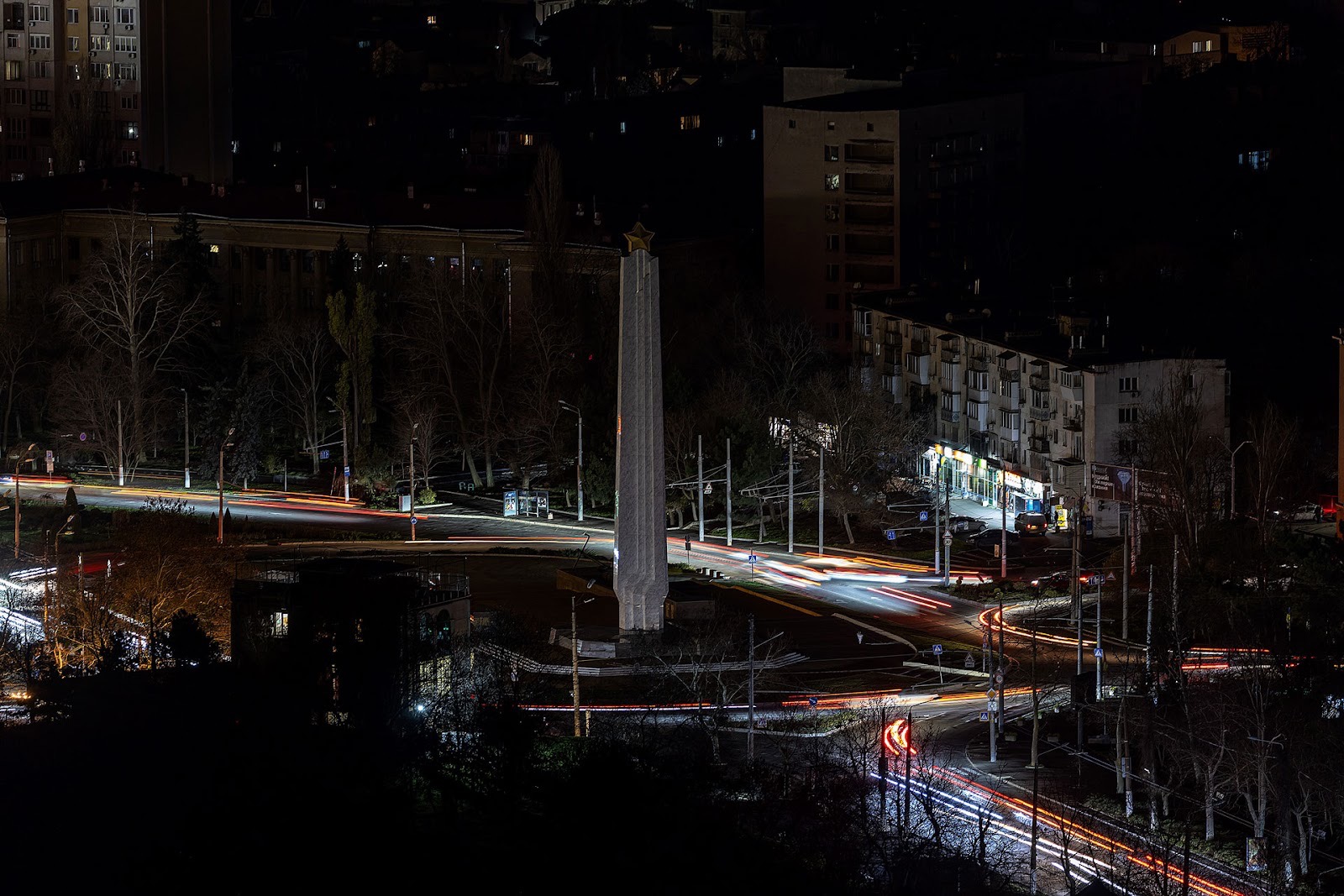
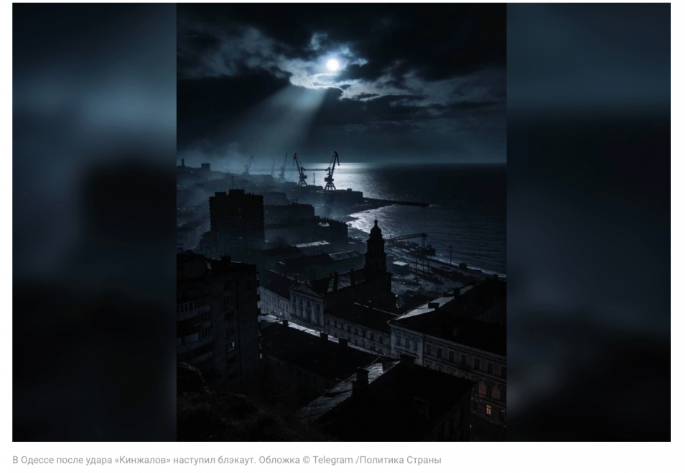
The fact-checking website Stopfake.org explained how, after the massive shelling on December 13, photos of Odesa plunged into darkness spread widely online to have an emotional impact on people. Fact-checkers found that the apocalyptic images of the city after the strike were fake and generated by AI. Several recognition tools indicated a forgery, as did incorrectly generated architecture and unrealistic moonlight lighting given its phase that night.
The real Odesa in darkness appeared in the photographs of Ukrainian documentarians on the very first evening of the blackout. In particular, local photojournalist of the online outlet “Dumskaya.net” Oleksandr Himanov shared frames from Odesa. The photographer told the Ukrainian Association of Professional Photographers how the city and its residents live after a prolonged power outage:
“More than a month has already passed since the day Russian terrorists staged a massive blackout that plunged almost the entire city into darkness. Municipal electric public transport still does not run. Buses have been put on routes, including those that other regional centers gave to our city, in particular Lviv, Poltava, Mykolaiv, and so on. Almost every day the enemy shells the energy infrastructure in Odesa region — as well as in many other regions of our country. Energy workers are doing the impossible, but the forces are unequal.”
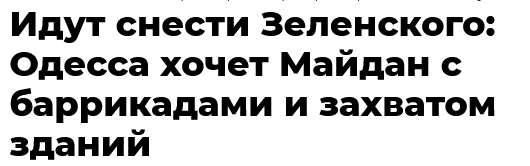
Pro-Russian narratives about a “collapse with no way out” and fake images, together with intensified shelling, are aimed at fueling protest sentiments among the population, which Russians see as an opportunity to win the war. Therefore, Russian propaganda tries to convince Ukrainians that they “deserved” these shellings for escalation at sea. Propaganda predicts mass riots in Odesa due to cold and hunger, with tents being set up and administrative buildings being seized.
However, deliberate Russian strikes on Ukraine’s civilian infrastructure are a war crime. Especially those unprecedented destructions of energy facilities in frosts down to minus fifteen that came to Ukraine in January 2026.
“The overwhelming majority of Odesa residents understand perfectly well who is the root cause of the lack of light. Over the past month, to my recollection, residents of apartment buildings blocked the road about five times,” — photojournalist Oleksandr Himanov says.
Right now, truthful communication from the authorities with the population and clear instructions from the authorities to each person are extremely important. As well as real help for those who need it. Because Ukraine’s national security depends on Ukrainians’ response to the situation in the energy sector.
In the opinion of Russian blogger “experts,” a “new Maidan” could facilitate the so-called “liberation” of Odesa by the Russian army. They claim there are many underground supporters in the city who help Russian intelligence and are waiting for the city’s “liberation.” And provided that Russia is ready to take the city physically, the U.S. administration would supposedly agree to hand Odesa over to Russian control.
Russians hope that thanks to their hybrid actions in 2026, military support for the Armed Forces of Ukraine from European countries and the United States will significantly decrease, and therefore Odesa will become one of the directions of a new front. However, Russians should remember well how in 2014 Odesa residents defended their city — and with it the entire country — how they repelled the “Russian Spring.”
“Now most people have no electricity for 14 hours; sometimes electricians manage to restore power earlier, sometimes stabilization schedules change to emergency ones and darkness lasts. The city continues to live. Cafes, restaurants, shops operate, concerts take place, there is an opportunity to watch a movie or a performance. In the worst case, at any time we can go and relax by the sea with hot coffee, bright scenery, and thoughts about victory,” — Oleksandr Himanov says.
Worked on the material:
Topic researcher, text author: Yana Yevmenova
Photo editor: Olga Kovalova
Literary editor: Yuliia Futei
.jpg)

.jpg)













.jpg)


