
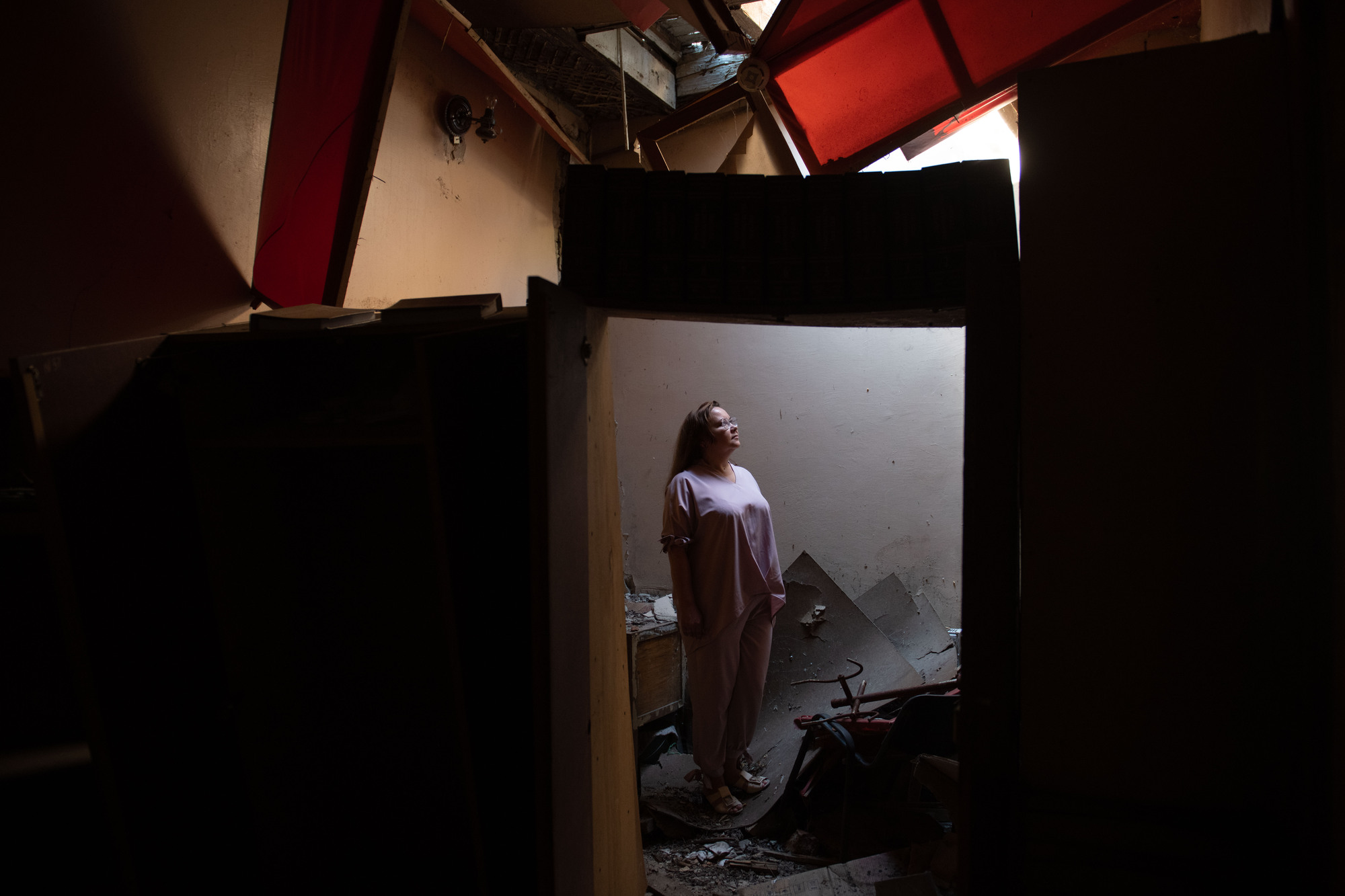
Ukrainian photographer Olga Ivashchenko explained why she spends much more time with people than is necessary for high-quality photography, and why photos from the war have deeper meanings than meets the eye.
“I never thought of journalism as a future profession.”
I started taking photos while studying at university. I was given a Zenit camera and took portraits of my friends on film. My friends supported my hobby and liked my photos, so I saved my scholarship money for about a year and eventually bought my first digital camera.
My photojournalism career began in my fifth year of university, in 2011. I saw a job opening on a local news website, opened the media outlet's page, and was surprised by the low quality of the photos. I asked if the media outlet needed a photographer. It turned out that they didn't need a photographer at the moment, but they were looking for a copywriter. I decided to give it a try, because some extra income on top of my scholarship would definitely come in handy. Gradually, I started writing less and taking more photos of local Kharkiv news — politics, culture, sports, etc.
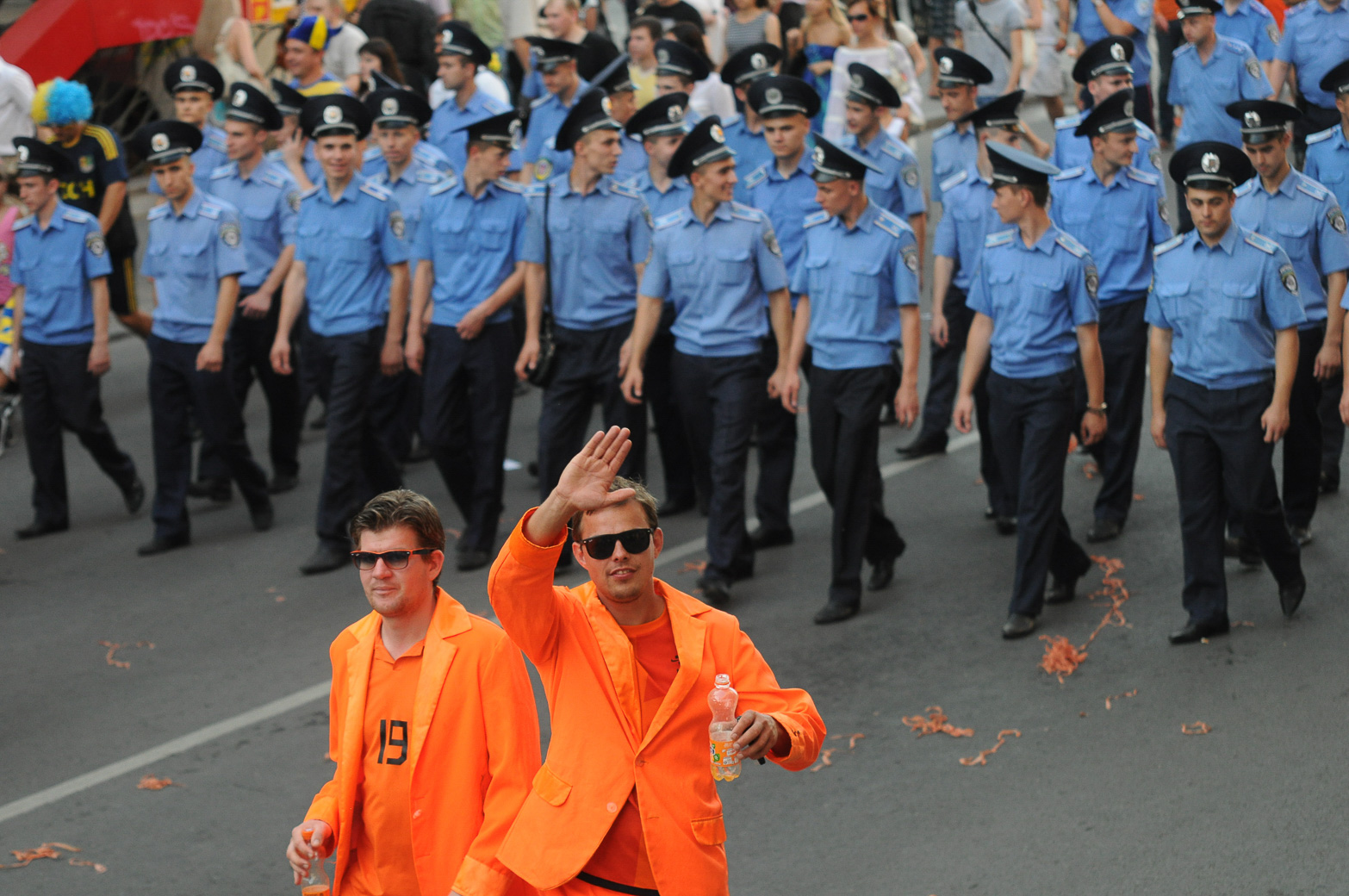
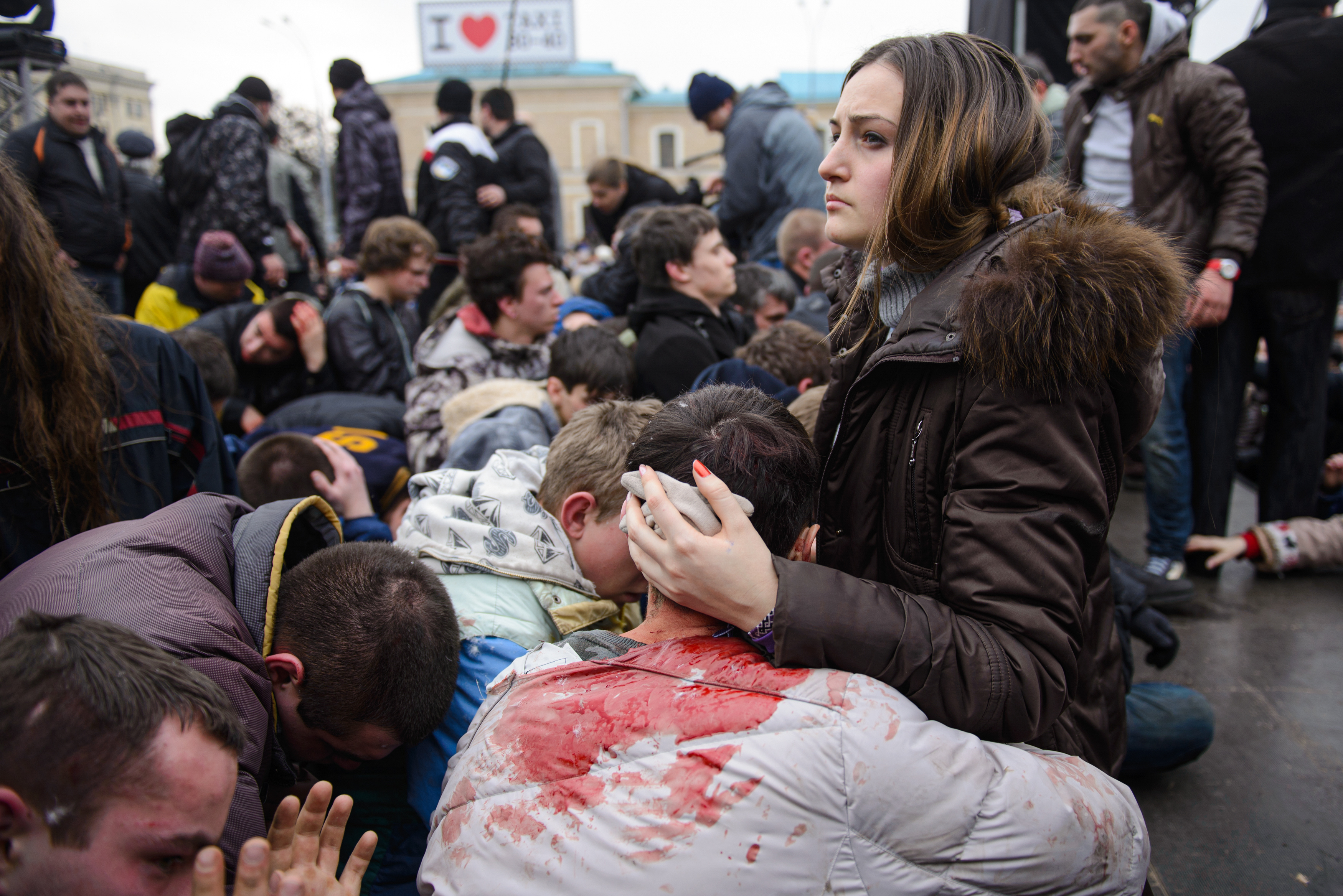
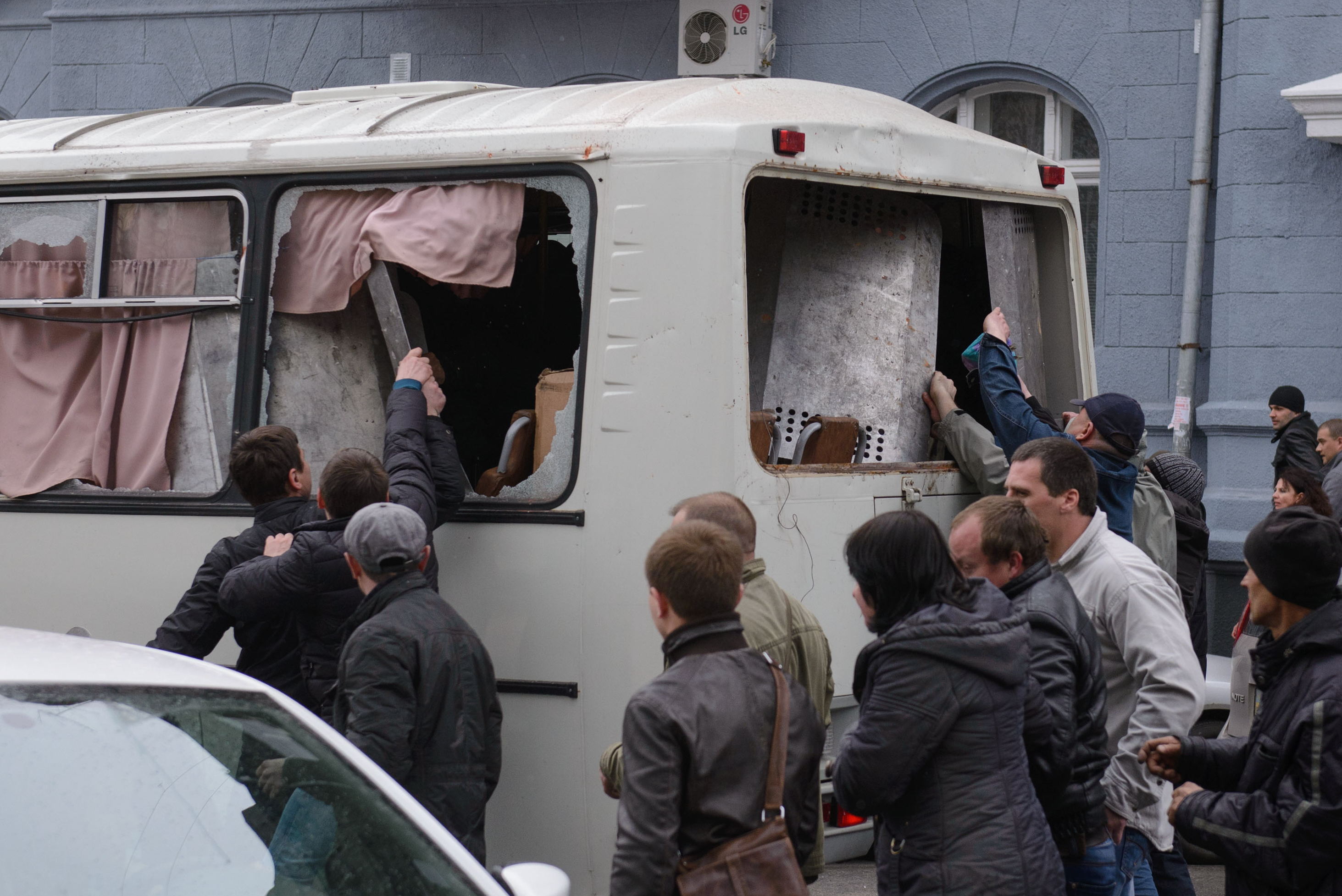
In 2012, Ukraine hosted the European Football Championship, and I was there taking photos. The Netherlands played their matches in Kharkiv, and because of the color of the players' uniforms and their fans' outfits, we had an orange summer. My colleagues and I later published a photo book. In 2013, I started photographing boxing and was invited to photograph a big boxing show in Kyiv. At that time, the Revolution of Dignity began — in the morning I photographed Maidan, and in the evening I photographed boxing. When I returned to Kharkiv, I also photographed all the events of the revolution. I managed to get into both camps — over time, they got used to me on both sides, which allowed me to get into the regional council when it was seized by anti-Maidan activists, as well as to photograph them mocking Maidan supporters in the central square in Kharkiv. I was shooting for international agencies at the time, and the whole world saw those photos. Back then, I didn't think about the risks, I just shot what I saw, and the understanding of everything that was happening came later, at home, when I sent the photos. Sometimes my hands would shake from what I had seen, and that was just the beginning.
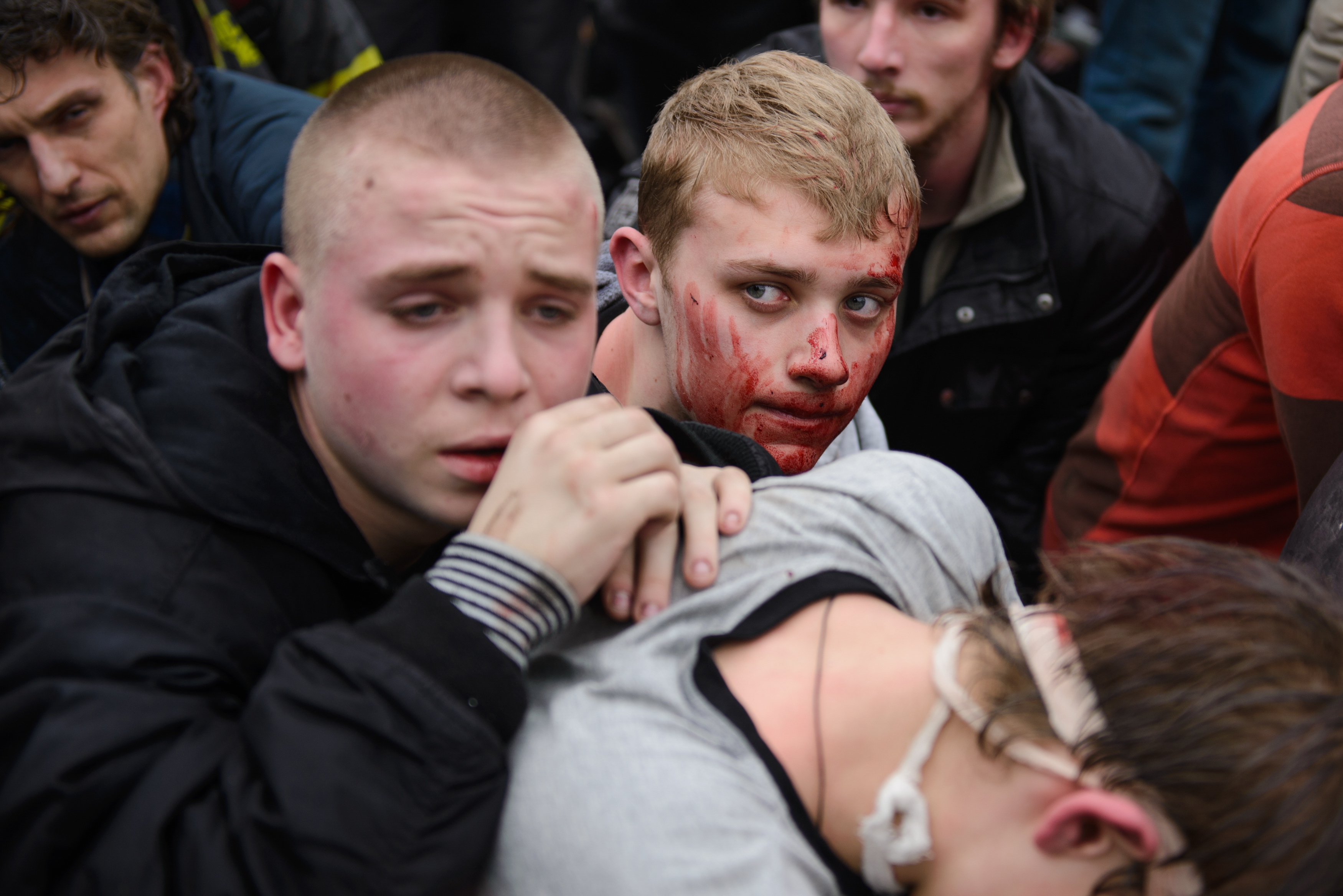
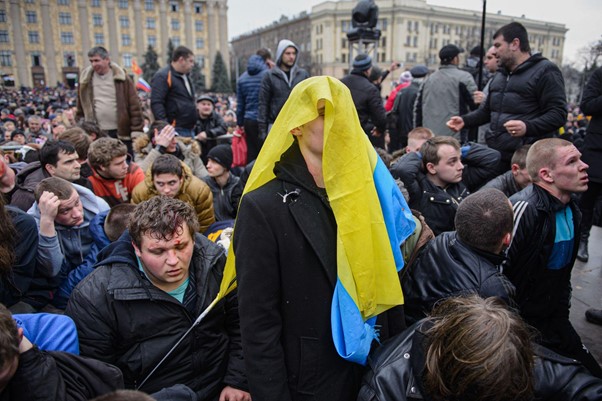
In the spring, anti-Maidan activists tried to seize the regional council building in Kharkiv. Then our special services freed the building from them. Kharkiv managed to defend Ukrainian power, and that was a turning point. I documented everything and sent the photos to several agencies. One day, photographer Yefrem Lukatsky called me and told me that my photos had been published in more than fifty international publications. I was very surprised because at that time I didn't even know how to see them. I still have screenshots of those publications — they were my first successes in photojournalism.
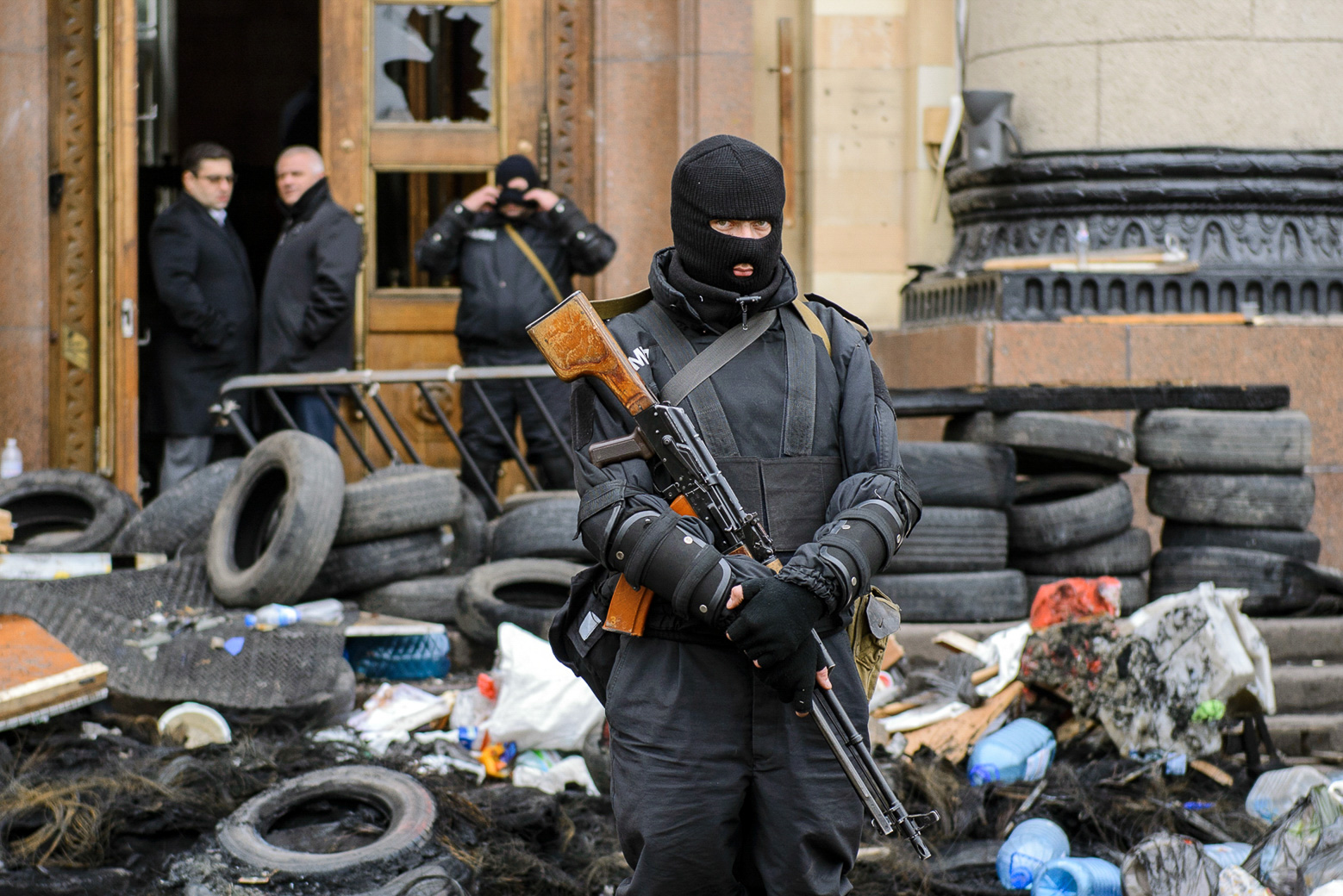
I am a biophysicist by profession and studied at the Radio Physics Department of Karazin University in Kharkiv. I never thought of journalism as my future profession. However, after university, when I found my first job in the media, I started working as a photojournalist. I was interested in exploring what was happening in my city and showing events in Kharkiv through photos. It would be difficult for me to work all day in an office — I love communicating with people and supporting conversations visually, with photographs.
When I first started working, I learned from my colleagues in Kharkiv and Kyiv, whose photos I looked at. I learned from those who were around me: Gleb Garanich, Yefrem Lukatsky, Andriy Marienko, and others. For example, when many photographers are shooting an event, you can analyze their work and compare it with your own photos. See what your colleagues paid attention to, who they photographed and from what angle. I was in the same conditions, so I could understand my mistakes and identify gaps. My senior colleagues helped and advised me — they told me about shooting angles, composition, foreground/background, and so on. When I submitted my photos to the agency, they suggested what else I needed to shoot, what was missing from the story. By the way, if Hlib Garanich hadn't woken me up with his call right after our special forces cleared the regional council of separatists and told me to go take pictures, there probably wouldn't have been these publications in the international media. I can't say that I encountered sexism or ageism at the beginning of my career. On the contrary, everyone helped me, gave me advice, and was open to communication.
When it comes to female photographers, I immediately think of the photographs of Lindsay Addario (an American photojournalist specializing in human rights, particularly women's rights — ed.). I once came across her book, in which she talks about her experience as a photographer and her personal life. I definitely wouldn't have been able to read 400 pages in English if I hadn't been so fascinated by her story and work. I like reportage and documentary photography. I grew up in the profession shooting for agencies, so now I work mainly in the reportage genre and shoot stories for international media — The Globe and Mail, Le Figaro, and others.
My career in photojournalism developed because there were many different events. First, I photographed Euro 2012 in Kharkiv, then Maidan in Kyiv and Kharkiv. I'm not sure I would have photographed the war if it had started in 2011 — I had just graduated from university and didn't have the experience or necessary contacts with colleagues. To work in a war zone, you need a reliable team, as well as funds for transportation, accommodation, logistics, etc. At first, I worked for a small editorial office that couldn't cover the cost of trips to the front. I traveled with volunteers and colleagues who worked for large agencies. Recently, a photographer who is interested in war photography and would also like to try shooting approached me. When I started listing what was needed for this, I realized once again how difficult it is to organize shooting near the front line now. For photographers at the beginning of their careers, this is indeed a big challenge.
“Stories from Ukraine can reach people even on the other side of the world.”
Photography became my main profession after graduating from university, when I started working for a local editorial office in 2011. Since then, I have had no desire to give up photojournalism. Only once did I consider trying something else, and at the end of 2021, I enrolled in programming courses. However, a full-scale war broke out in Ukraine, and I returned to photography without even finishing the course.
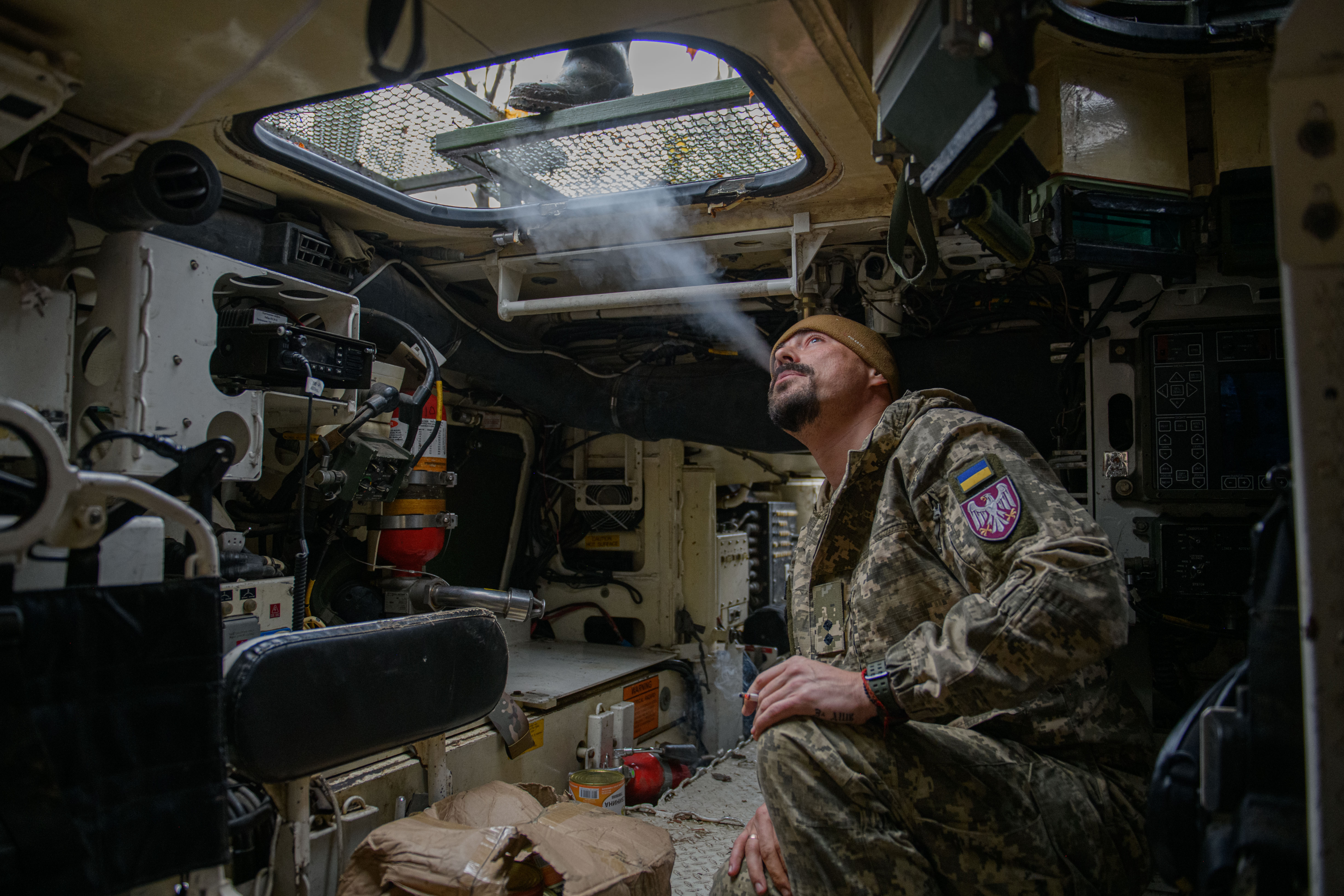
In 2022, many Ukrainian photographers began shooting for international media. I find this aspect very impressive, and I am truly delighted that we have all reached this level together. Many of my colleagues have won awards at prestigious competitions, and this undoubtedly raises the profile of Ukrainian photojournalism in the eyes of foreign colleagues, photo editors, and publishers.
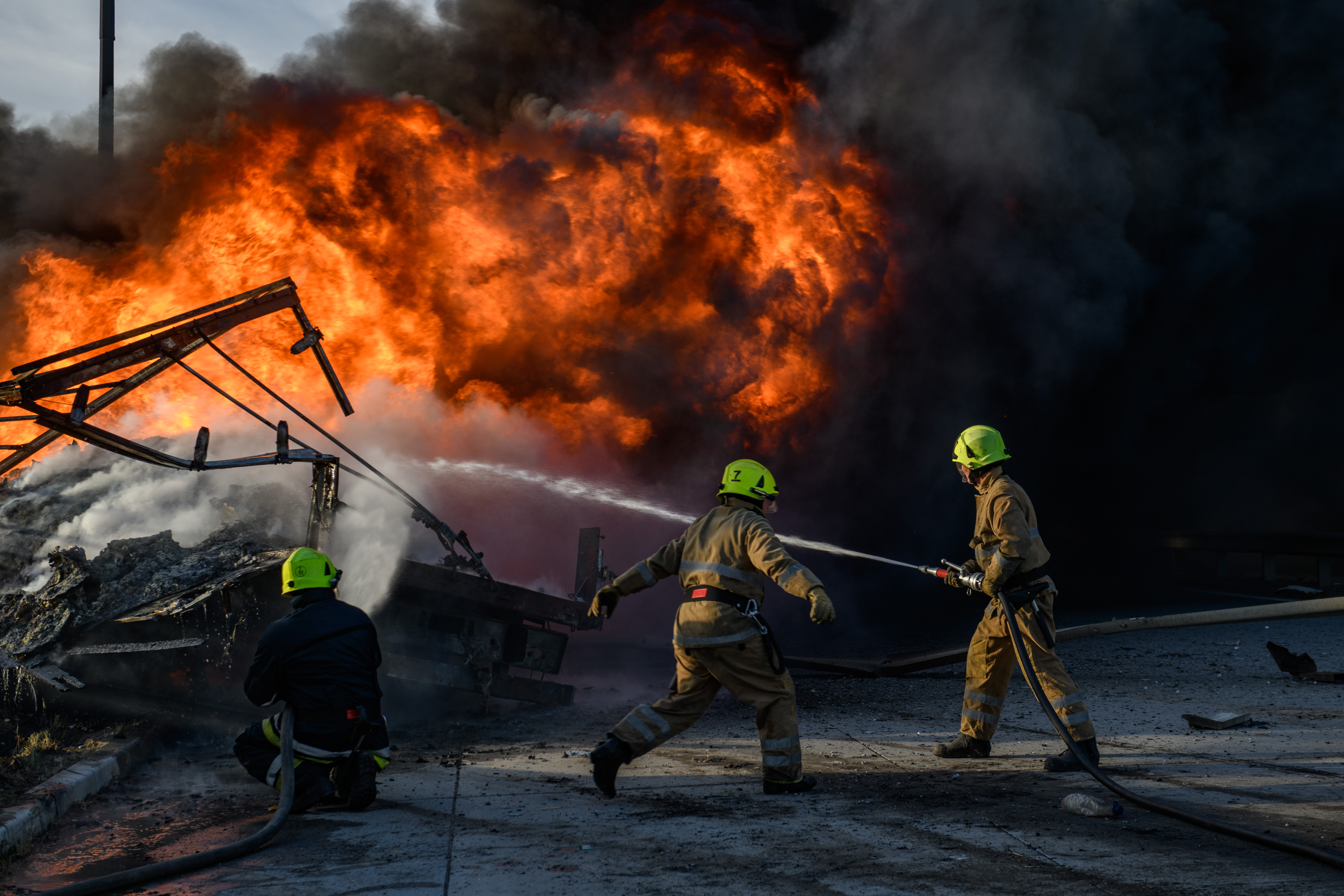
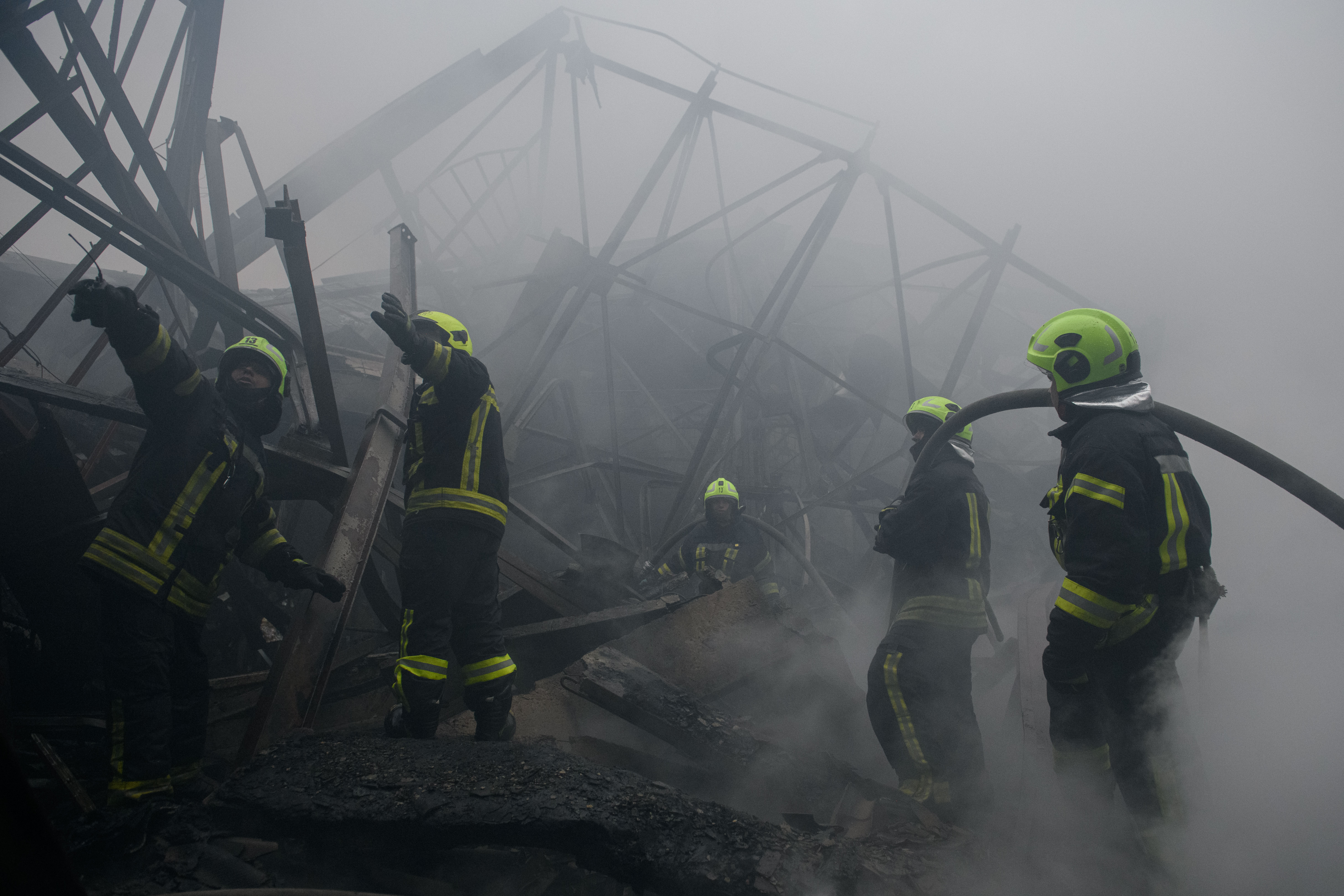
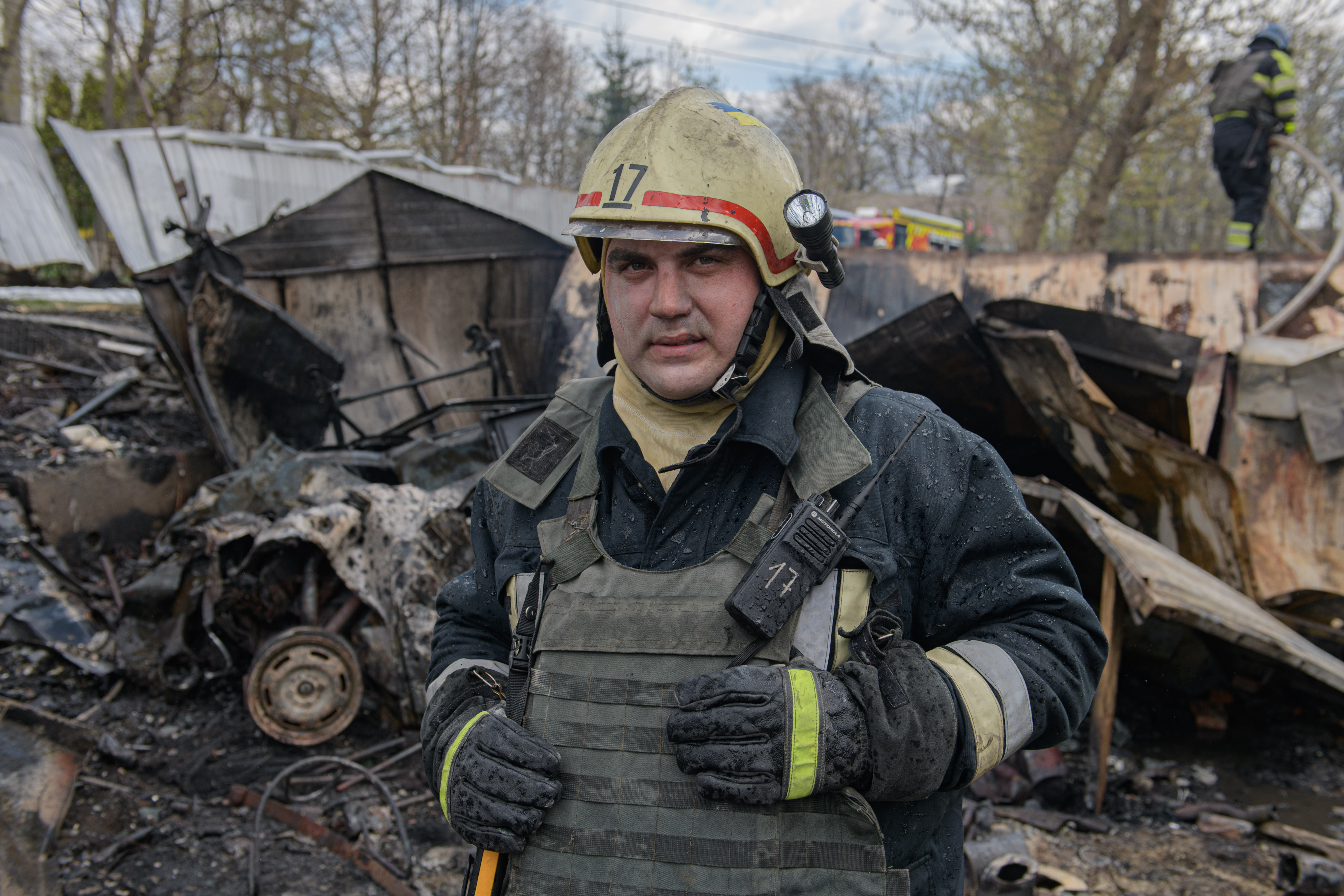
At the beginning of my career, I photographed local events for local media, but now I work on the topic of war for international publications. I would love to still be photographing local news, but instead I have to document cities destroyed by war and the fates of people. Of course, these stories are much more powerful; they stick in your memory and can touch people's hearts even on the other side of the world. Recently, the Canadian newspaper The Globe and Mail asked me to select a series of photos with stories for the third anniversary of the full-scale Russian-Ukrainian war.
I spoke to a large audience of international media as a photographer who tells the stories behind these photos. I was very impressed by the feedback from the editor-in-chief, journalists, and readers of the publication. I usually send photos to the media and don't get to hear feedback about my work from readers. However, I saw the comments under the photo selection, and it was truly a unique experience. The selection did not include photos with graphic content, but there were vulnerable stories. Such stories resonate with readers, regardless of where they live.
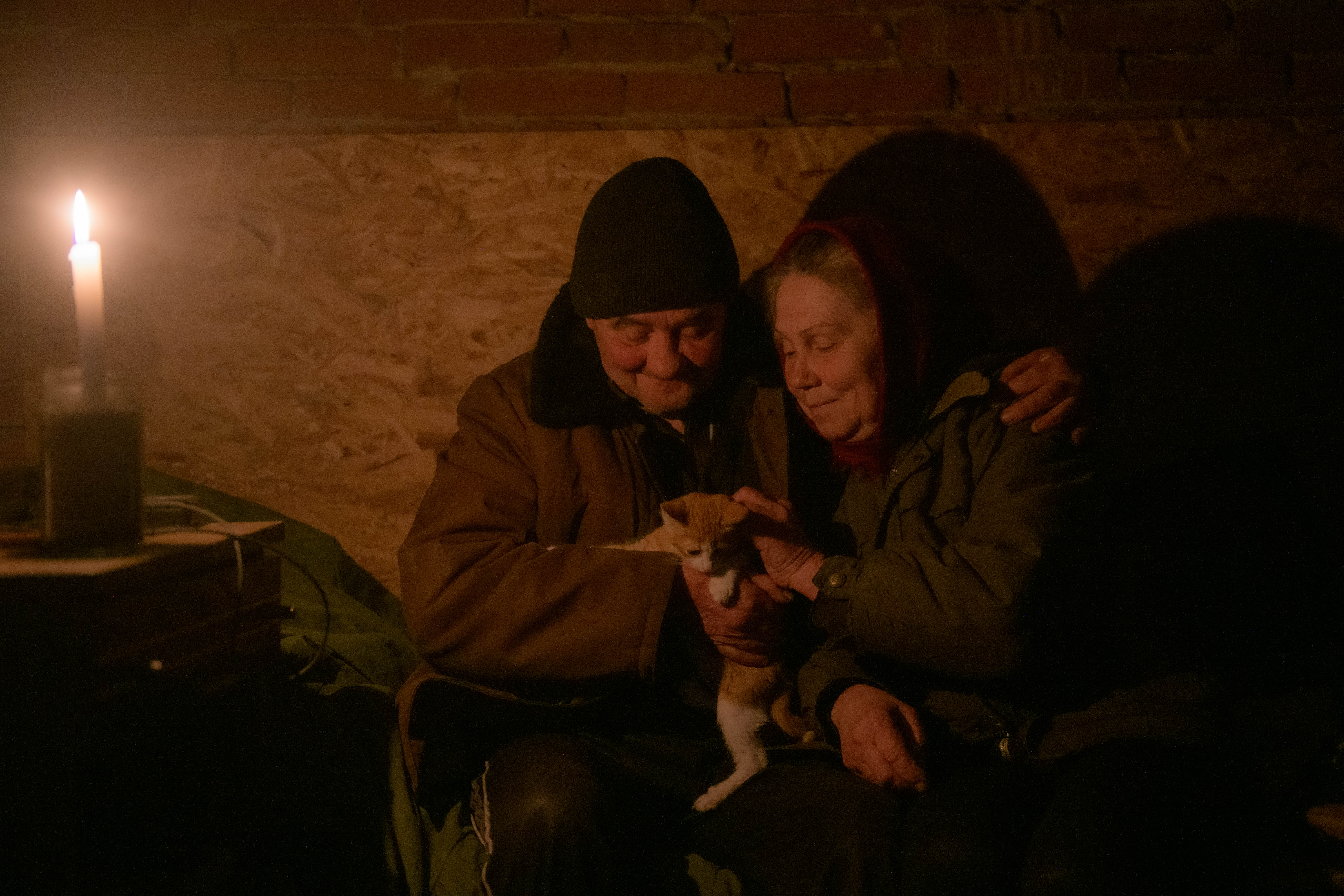
For example, there was a story we did for The Times about an elderly couple, Galina and Alexander, who live in the village of Mala Komyshuvakha in the Kharkiv region, where there has been no electricity, water, or communication for over a year. They have a dog named Max and 20 cats that they take care of. They live in a garage because their house was damaged by shelling, and every evening they read books to each other by candlelight. Max survived the occupation, and now every time Galina or Alexander leave the house, he trembles with fear. Even when the family was sitting in the garage, Max whined almost constantly, as if asking for help. I posted this story on my Instagram, and unexpectedly received a message from a friend in Senegal who wanted to help the family financially. I was touched to see such a response to a short post on social media.
Unfortunately, people have become accustomed to difficult photos from Ukraine and no longer want to look at misfortune. Therefore, we need to look for photos and stories that can touch people around the world. It is important for Western audiences to see the work of photographers in Ukraine.
“It is very difficult for me to take a photo at a moment when a person is defenseless.”
I often photograph sensitive subjects, but I try to keep all my emotions to myself. In addition, the camera helps me to abstract myself a little during such shoots, as I focus more on the technical aspects of shooting than on the subject's story. Listening to such stories or translating them for my foreign colleagues can be emotionally difficult. However, the events in Ukraine need to be recorded and shown, even if it is difficult morally or physically.
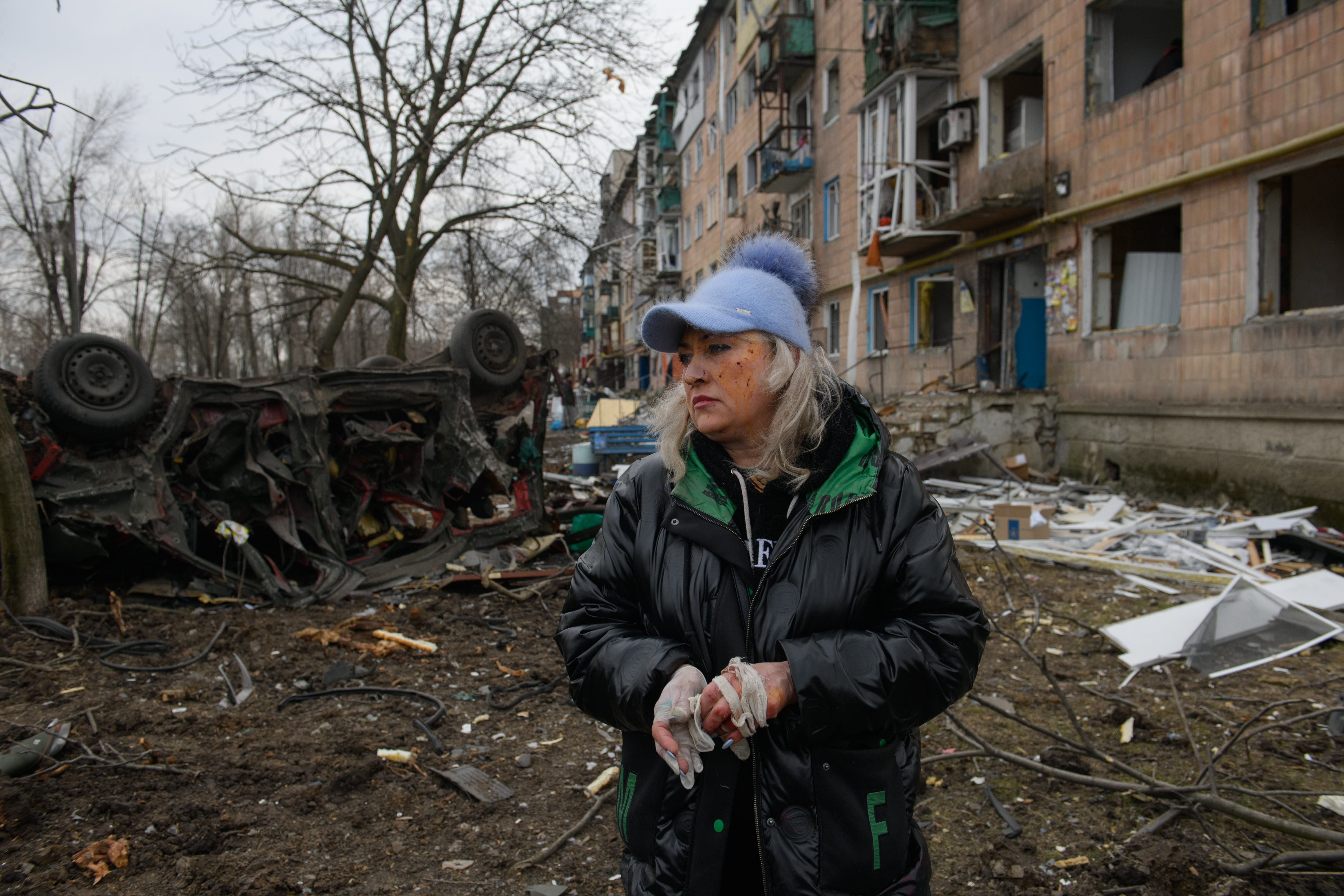
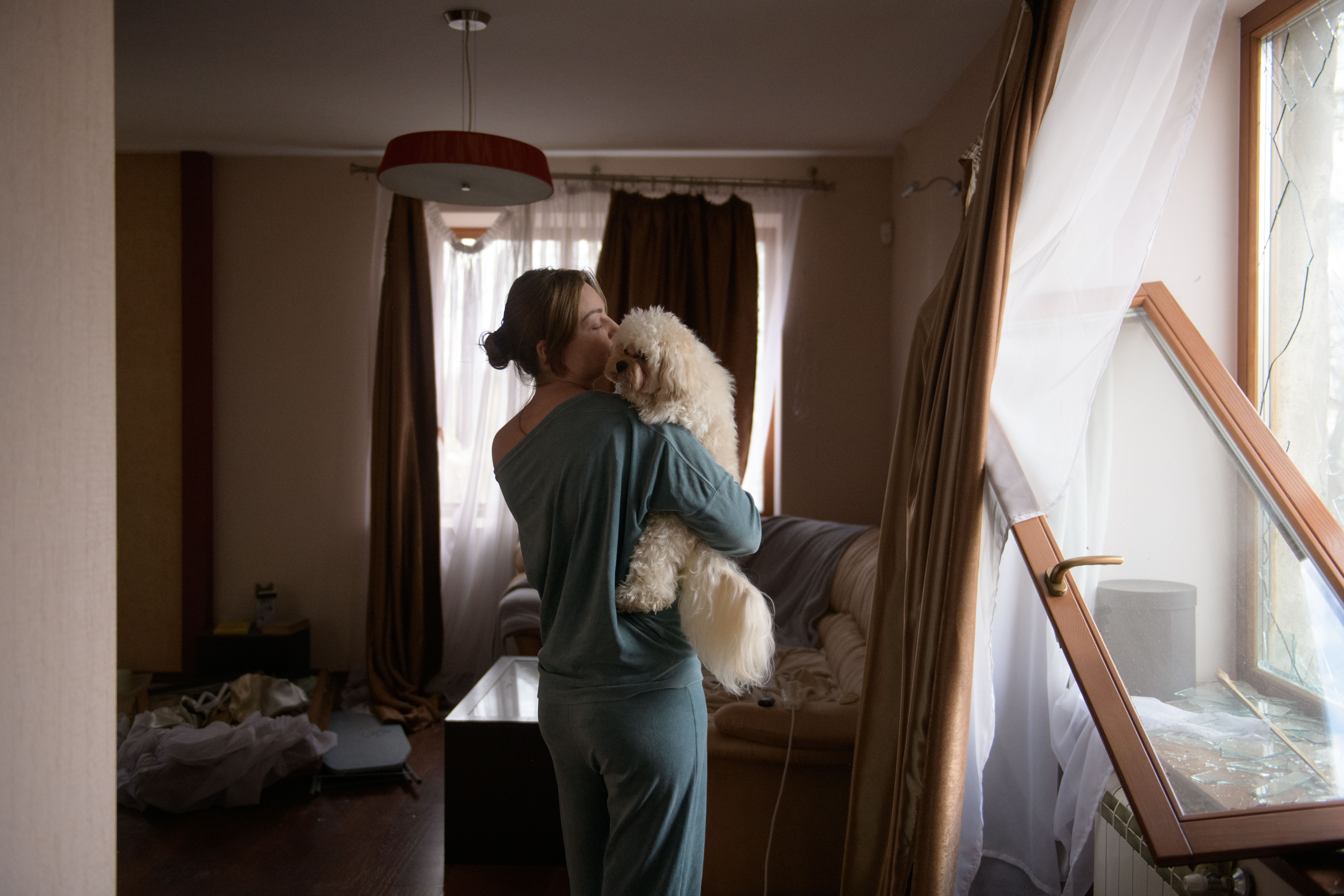
It can be difficult for me to take a photo at a moment when a person is vulnerable. For example, when someone is telling their story to a journalist and starts crying from pain and despair. For a professional photographer, this is an important moment to capture, because such shots evoke more emotion in the viewer. However, I want to listen to the person's story first and then take pictures. Although I am sure that if a person has agreed to an interview, they will not object to being photographed at such a moment. Nevertheless, I feel uncomfortable when I start taking pictures during such conversations. Of course, I will take photos, for example, when people run out of a burning building or sit crippled after another airstrike. If I were in these people's shoes, as a journalist, I would allow my colleagues to photograph me. That's the job. But as a person, I probably wouldn't want that.
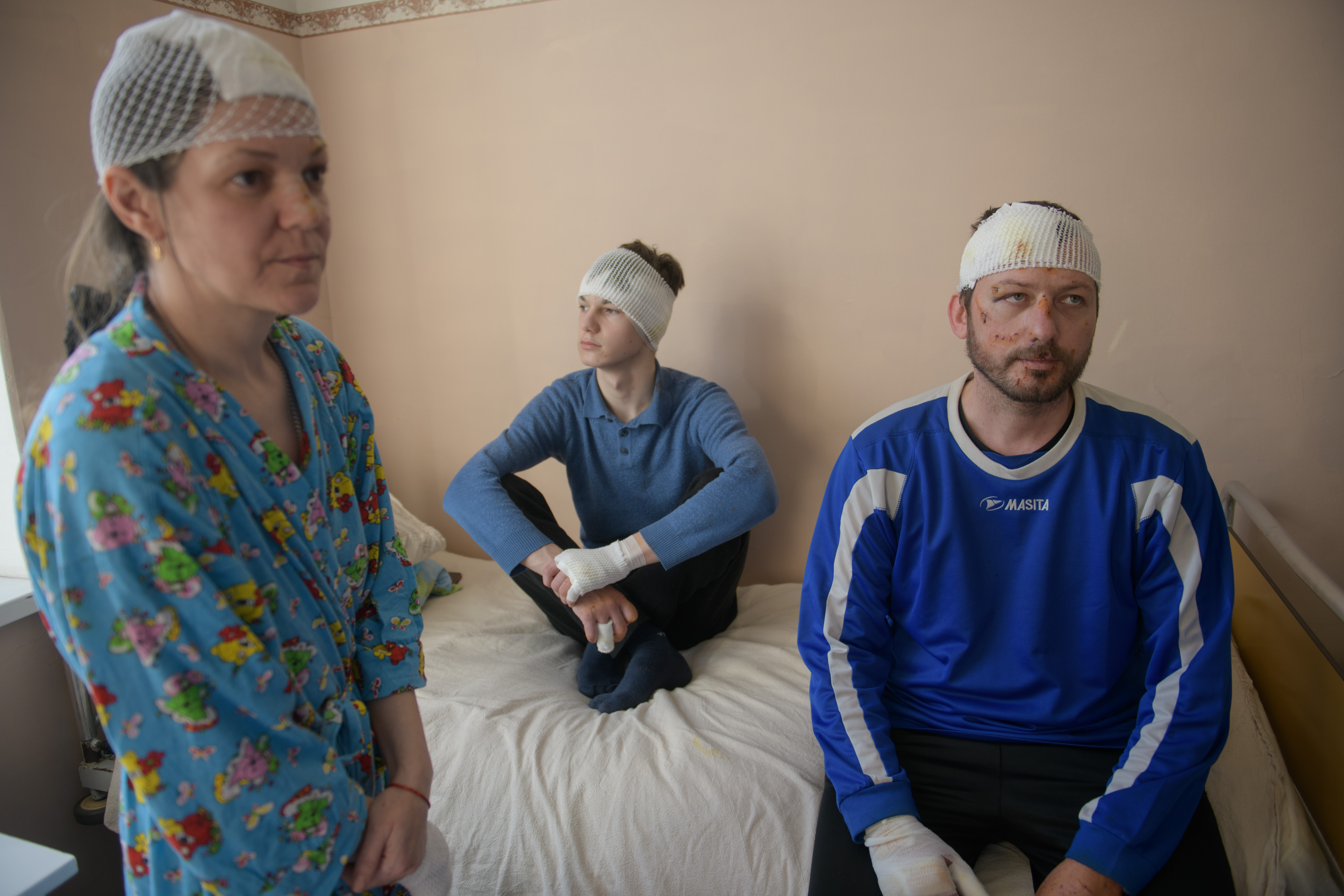
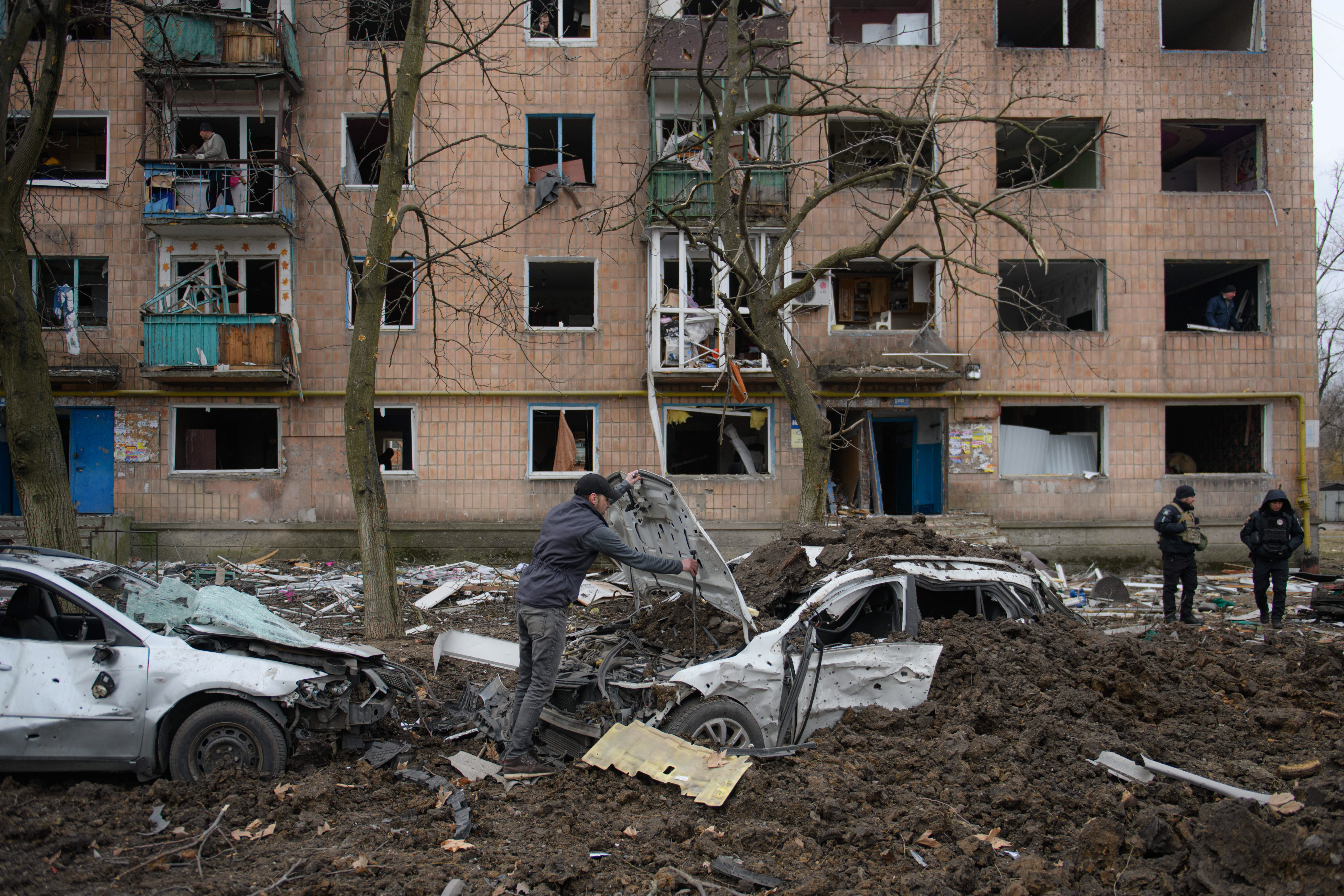
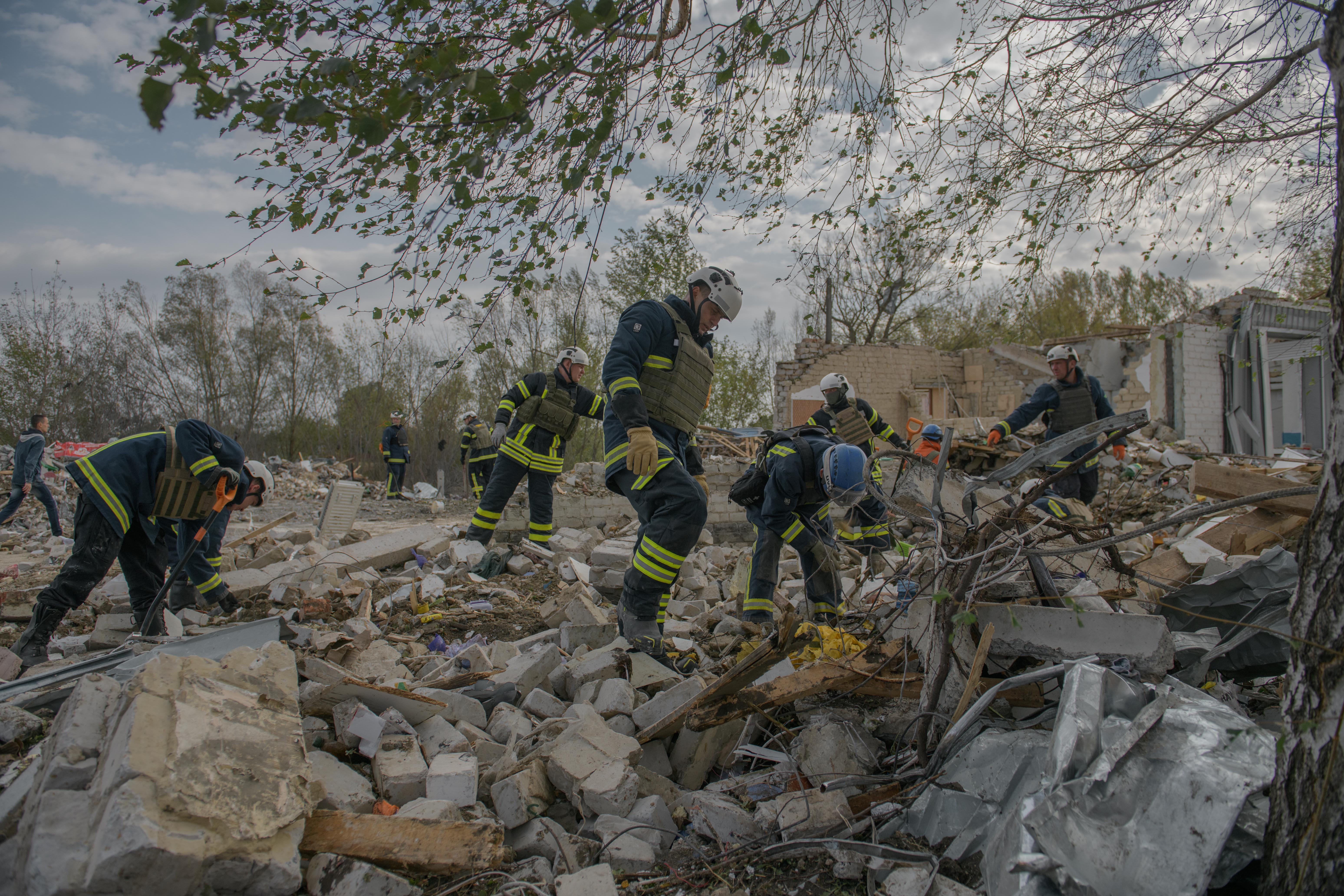
When we arrived in Groza, Kharkiv region, in the fall of 2023 after the shelling, we were pulling not even bodies from under the rubble, but human remains: pieces of skin, arms, and legs. I photographed everything, but no publication would accept such photos for printing. I know the rules of the publications I work with, and none of them would publish such photos either. However, I take photos anyway, and then decide with the editor or on my own whether to send such photos or not.
However, there were topics at the beginning of my work as a photojournalist that I did not want to photograph. When the first fake protests took place in Kharkiv, attended by Russians from neighboring regions who marched with Russian flags and St. George ribbons, I did not want to photograph them. These people came specifically to be photographed and to show everyone the so-called pro-Russian rallies. I didn't want to be a tool for their propaganda. I didn't want anyone to see the Russian flag being raised over the regional council building in Kharkiv. Because it wasn't us, the people of Kharkiv, who raised that flag.
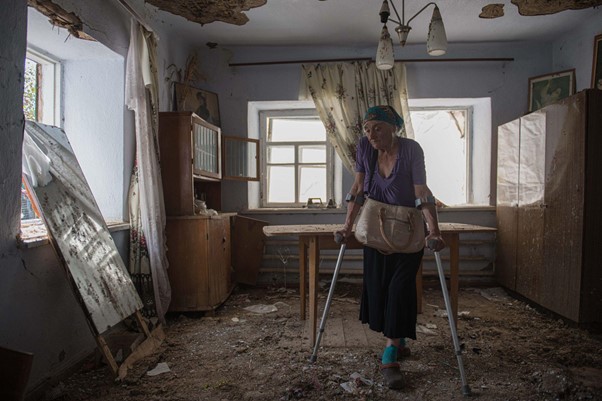
The biggest challenge for me now is not to lose interest in the people I encounter at work. I don't want the photos to look like I just used people — took pictures and left. I want people to feel that they are not abandoned, but rather that they can speak out and feel the importance of their experience for others. If I come to shoot alone, without journalists, I can spend more time with people than is necessary for the photos. It is important to show respect to a person who, for example, shows me their village of Mala Komyshuvakha and introduces me to their fellow villagers. For residents of frontline villages, who often live without electricity and communication, it is important to see and talk to other people, even foreigners who do not know the Ukrainian language at all. It is important for them to know that someone is coming and paying attention to them. For me, the main thing is not to lose my humanity and attentiveness to my heroes.
“War is always with us — we not only work in it, but also live in it.”
I have been filming the war since 2014, and to avoid burnout, I try to take short breaks from work. I work as a freelancer and, in theory, I could take several months off in a row, but I don't allow myself to do that. It is important to learn to balance: if you have free time, you need to use it to rest, not worry that there will be no work.
We live in Ukraine, and this is our war. Of course, there are foreign journalists who have been working here for a long time, but they have the opportunity to return home, go on vacation, that is, to be in a different reality. Instead, war is always with us — we not only work in it, but also live in it.
We must continue to invest meaning in our work, otherwise those who view the photographs will not notice it. We must also try not to let fatigue creep into our photographs, otherwise they will not be moving. We must be interested in the people we photograph and the stories we hear. Of course, not every photograph has to be a masterpiece; there is a lot of routine work that also needs to be done. However, if foreign media are interested in Ukraine, it is worth using every such platform. When a producer finds an interesting topic, a journalist and photographer will produce high-quality material, and we will be able to get not half a page for publication, but a spread or even a front page. Imagine that the editors of a Canadian newspaper are deciding what material to put on the spread — photos from Kupiansk in the Kharkiv region or, hypothetically, an article about local farmers. A lot depends on the quality of our work. For example, right now, news about another massive shelling of Ukraine is very difficult to compete with news about America striking nuclear facilities in Iran. Therefore, we need to find a unique angle for such a story so that it makes it into the newspaper, and if we succeed, that is already a success.
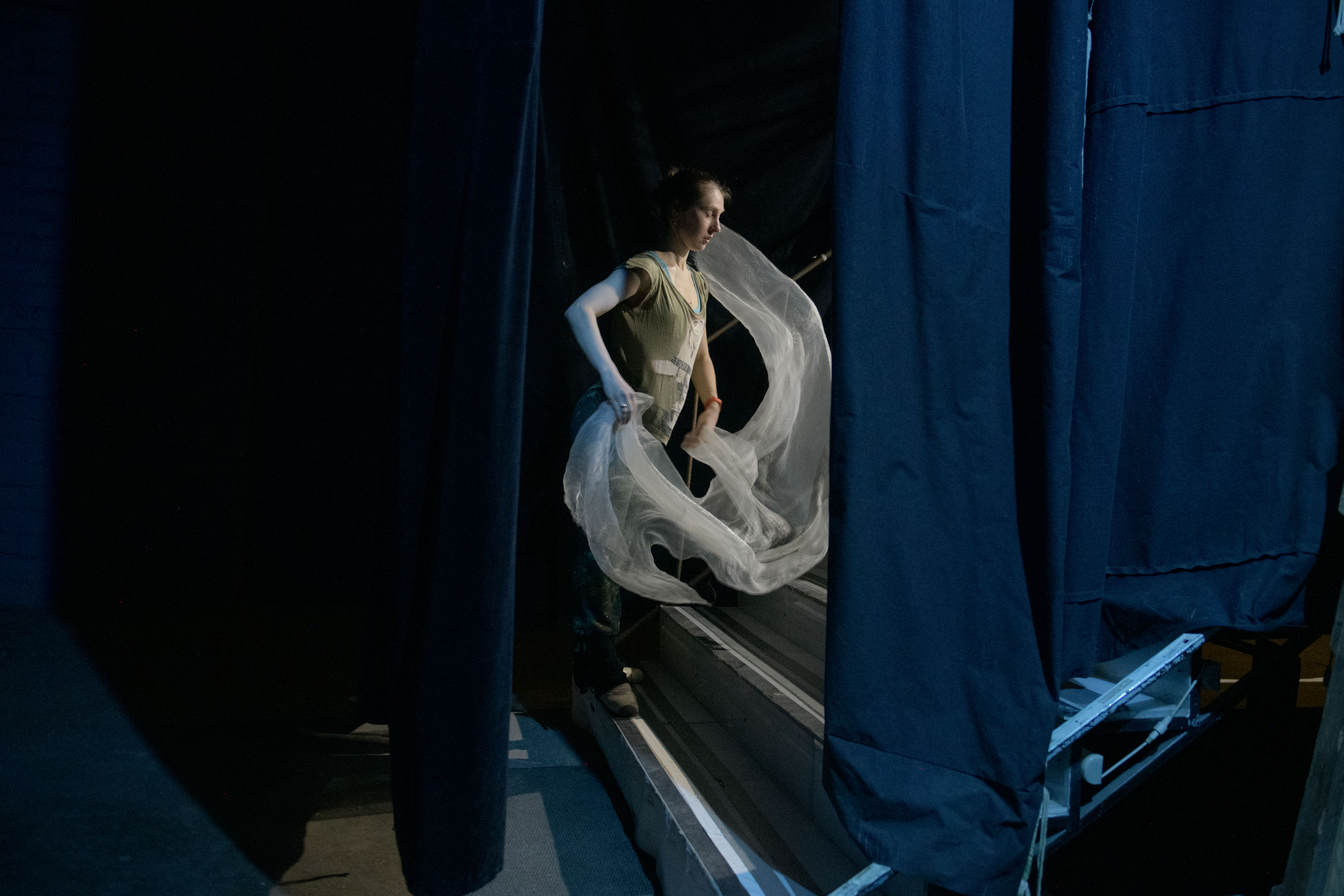
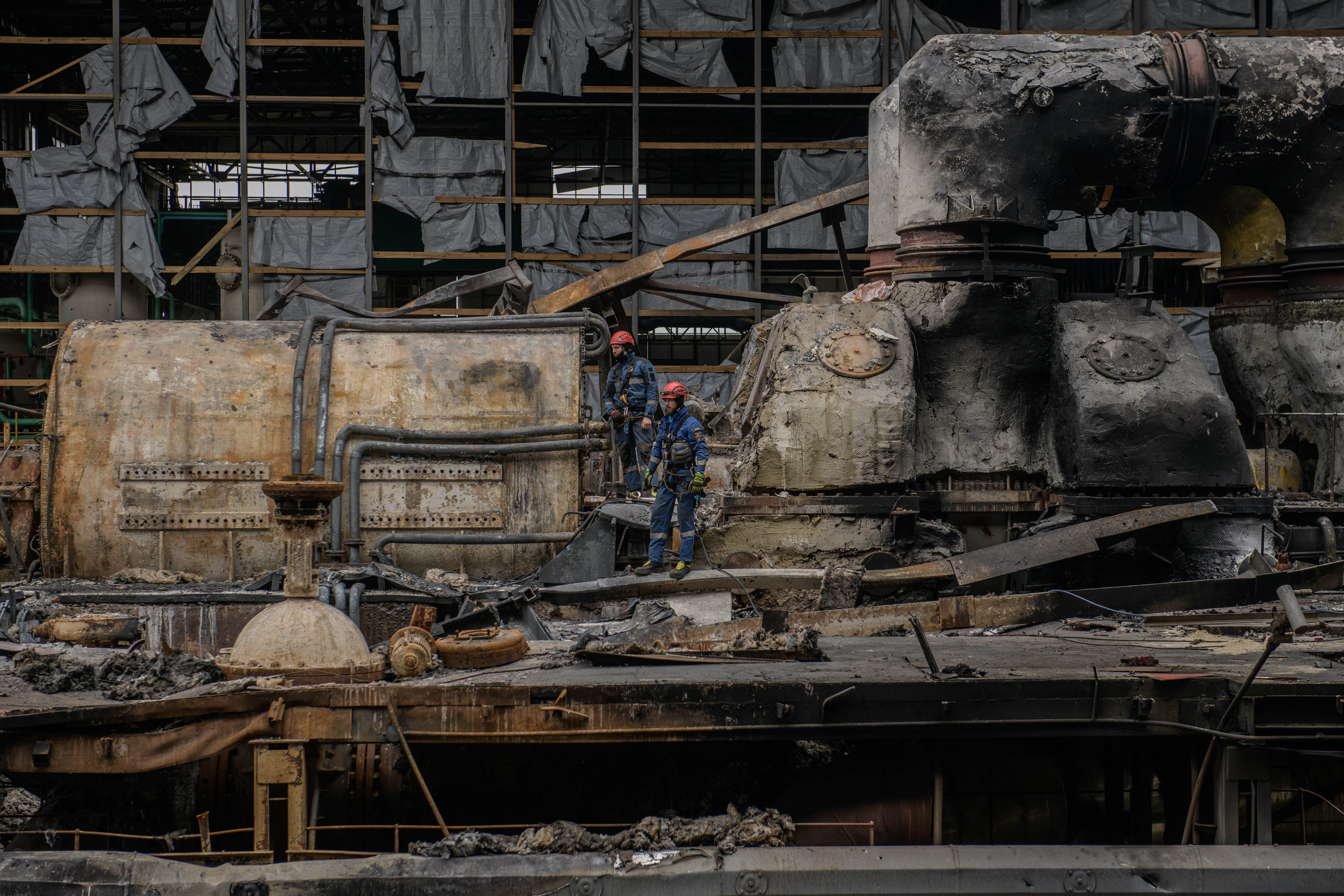
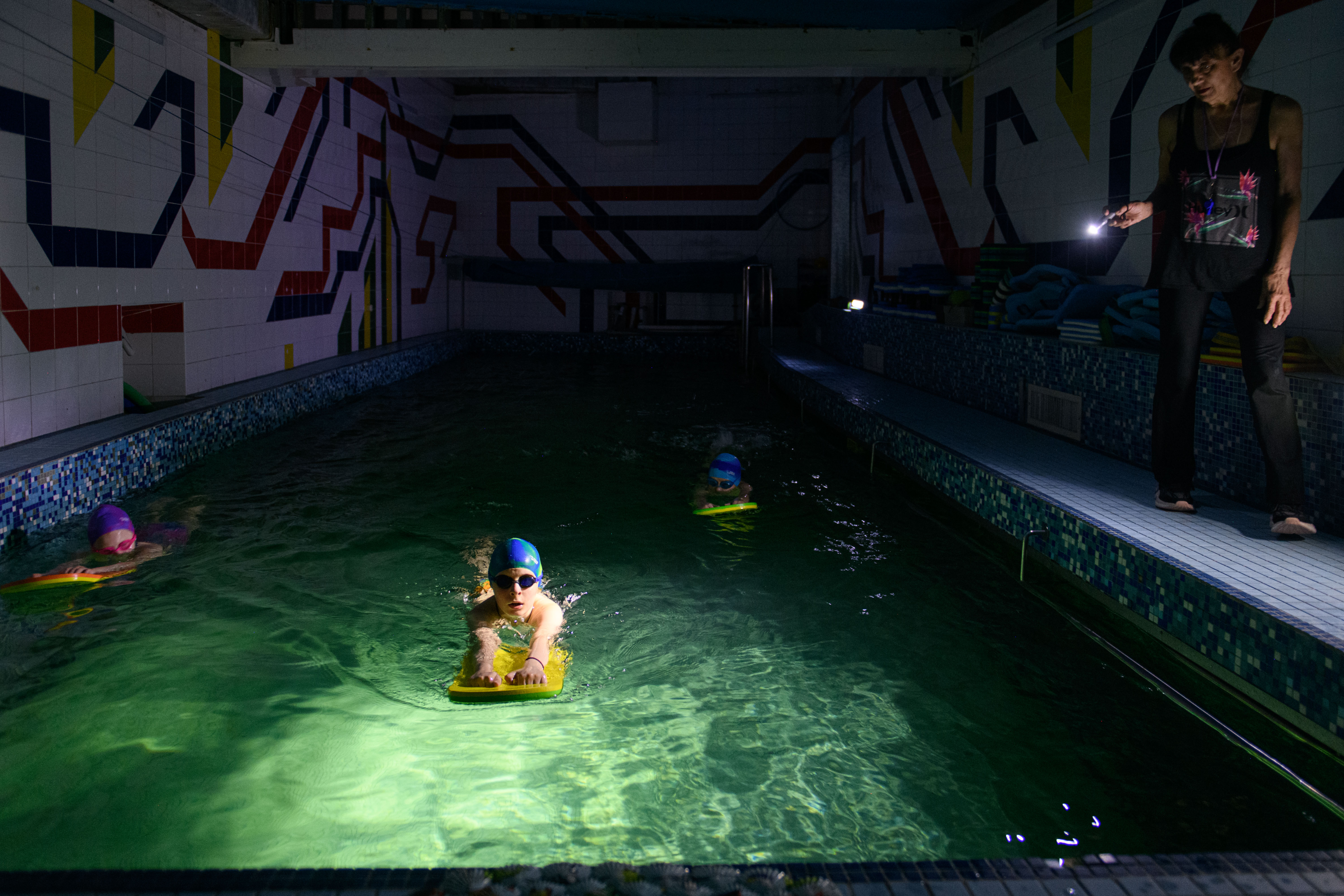
Perhaps working during the war has changed me. However, while I am in this work rhythm, I do not delve into my feelings. At the beginning of the full-scale invasion, I worked with humanitarian organizations, in particular for Amnesty International, where my colleagues and I prepared a report on the Mariupol Drama Theater. We traveled to Dnipro and Zaporizhzhia, approached shelters where there were long lines, and looked for people from Mariupol. There could be more than forty people in one line, and I approached each of them, took their contact information, and documented their stories. Each person had their own tragedy. Such stories cannot fail to leave a mark, because each of them is a drama, but I try not to analyze them deeply, otherwise I simply cannot bear it and cannot continue working. We also talked to women who had suffered sexual violence. Many of the girls were my age, so I could relate to all their stories. However, I tried to avoid comparisons, do my job as a photojournalist, and photograph these women with dignity. Once, while filming a psychologist, she inadvertently asked me how I was coping with it all, and then I couldn't hold back and burst into tears because I realized that we listen carefully to the stories of our subjects, keep all our feelings to ourselves, but no one ever asked me “how I was doing.”
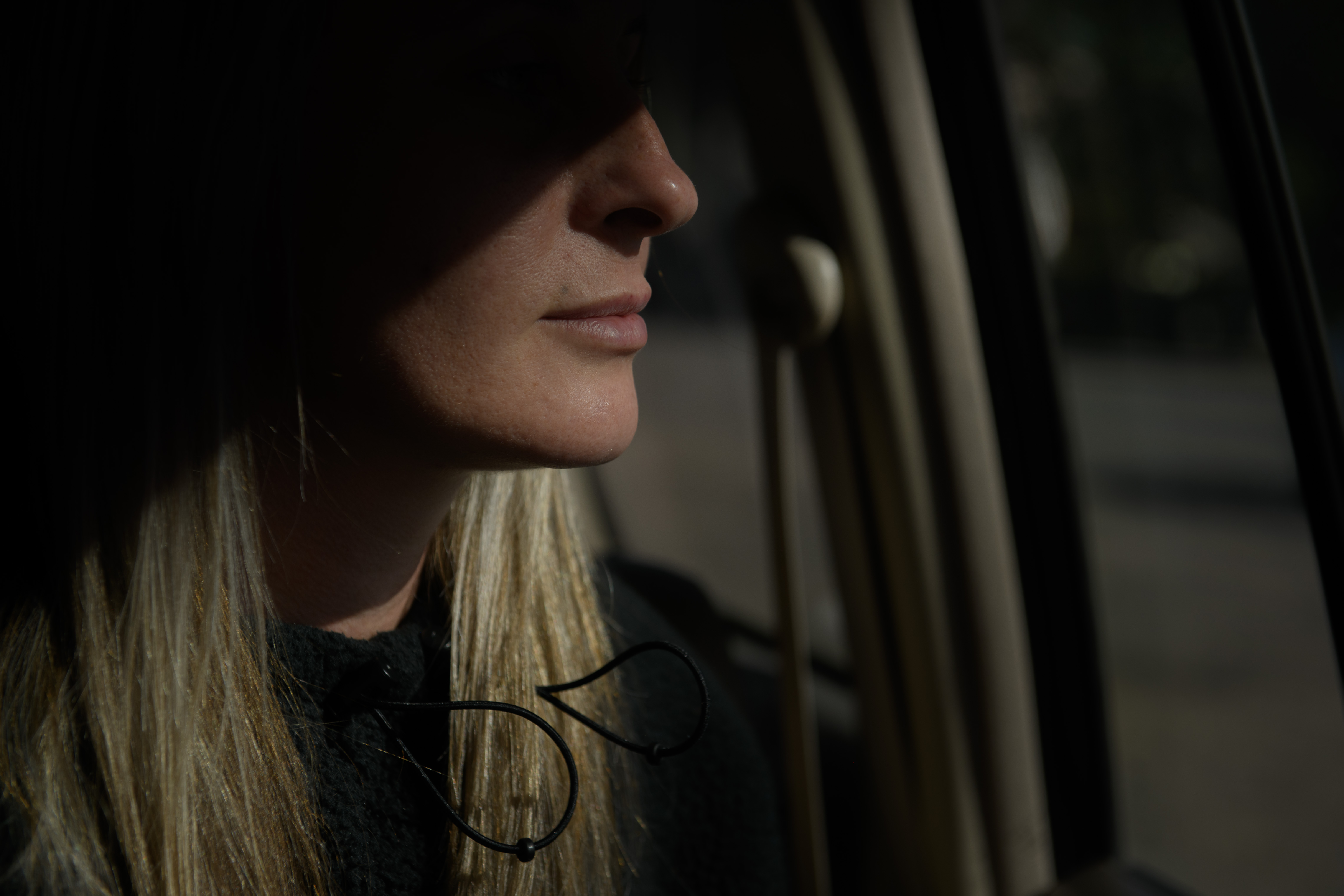

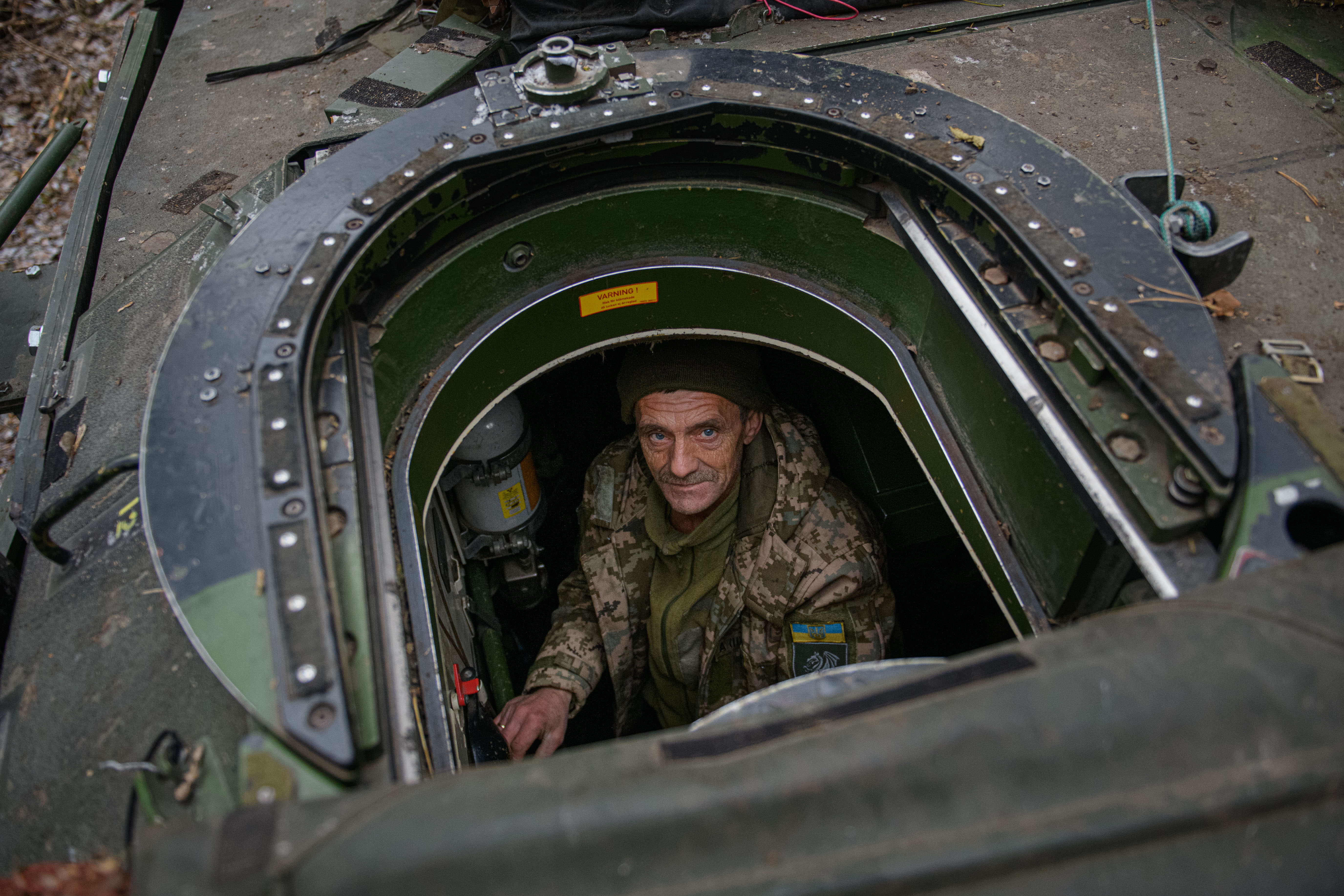
I wish there was no need to divide subjects for shooting into male and female. Sometimes a subject doesn't want to be photographed not because you are a woman or a man, but simply because they don't like you as a person. When I was photographing closer to the front line, the soldiers were attentive, tried to help, and gave us a hand, for example, to climb onto a tank. However, I also photographed female tank drivers, with whom we climbed onto a tank, and no one helped us. Photographers, like doctors, soldiers, or teachers, must be professionals in their field regardless of gender.

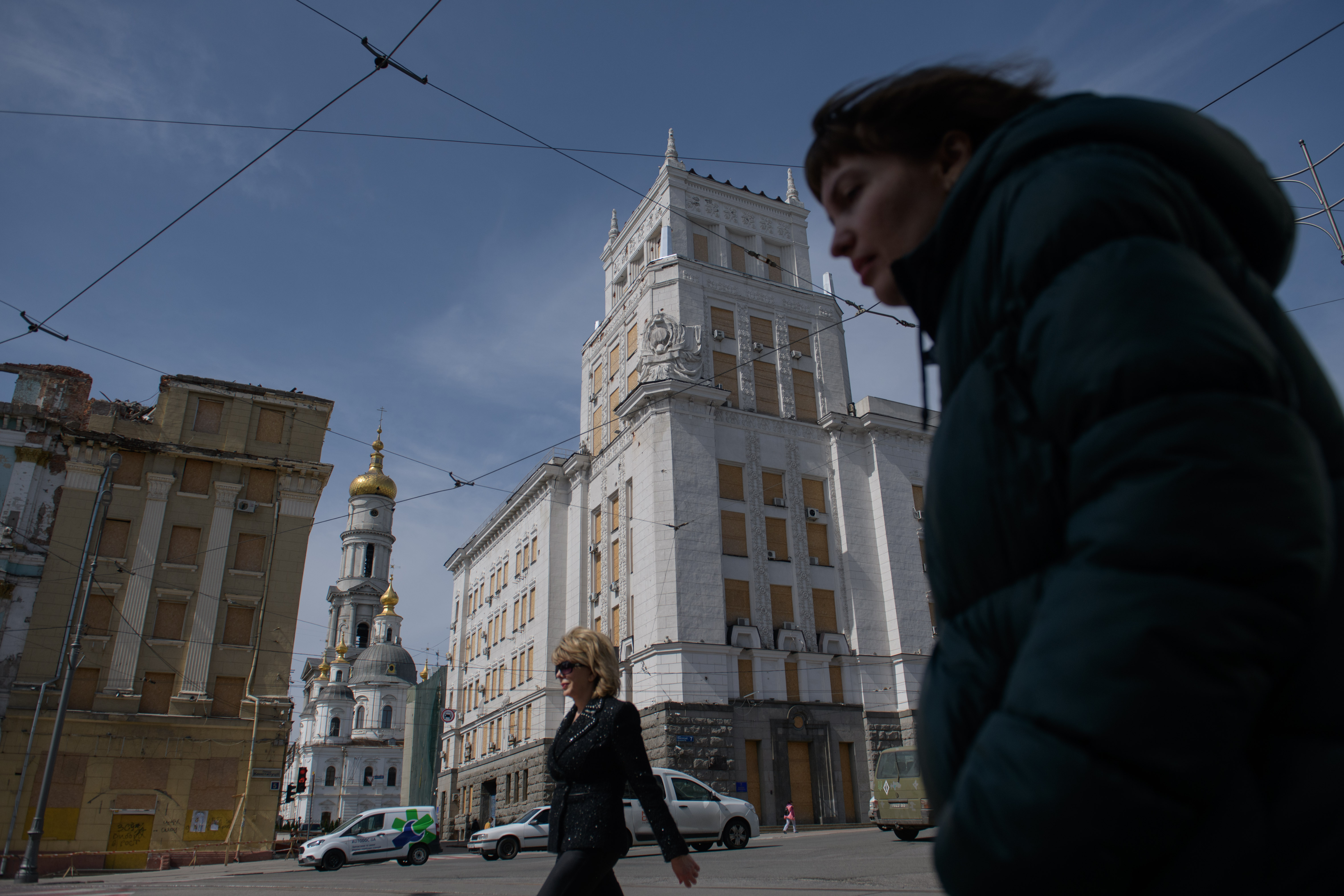
In recent years, especially since the start of full-scale war, attitudes toward female photographers have changed for the better. Now there are many women in the profession who are actively shooting on the front lines. Until 2022, there were also many female photojournalists and documentary photographers in Ukraine, but there was significantly less work. We didn't come out of nowhere at the beginning of the full-scale Russian invasion; these conditions simply highlighted our work. We began to work more actively on topics that are of interest to society not only in Ukraine but also around the world.
“I remember very well when I saw and felt what war is like.”
Working as a photographer helps me cope. It's hard for me without work, and if I hadn't been able to work during the war, it would have been much more difficult. I recently read a quote by Austrian psychiatrist and psychologist Viktor Frankl, who survived the Holocaust: “The first to break were those who believed it would end soon, then those who did not believe it would end soon, and those who survived were those who focused on their work without expecting it to happen.” This is our option — we just focus on our work and look for meaning in it. Then we can not only survive, but even live — here and now.
For me, the war did not begin in 2022. I remember very well when I saw and felt what war was like. My colleagues and I arrived in Sloviansk in the first days after the de-occupation in July 2014. The sign “Sloviansk” had not yet been painted over with flowers, and the area had not been cleaned up. Torn power lines hung everywhere, the remains of burned-out equipment lay on the ground, shell casings stuck out of the road, and people came out of basements and asked if the war was over. I was at an intersection with Slovyansk in one direction, Bakhmut (then Artemivsk) in another, and Kharkiv in the third. There was a sign indicating that Kharkiv was 164 kilometers away. That's when I realized how close the war had come to the city where I live. Yes, there were many different events in Kharkiv related to the Maidan, but there was no war with planes, helicopters, and artillery. I had been afraid of war since 2014, afraid that what I had seen in Sloviansk would happen in my hometown, that Kharkiv would be bombed. In 2022, war came to every Ukrainian city.
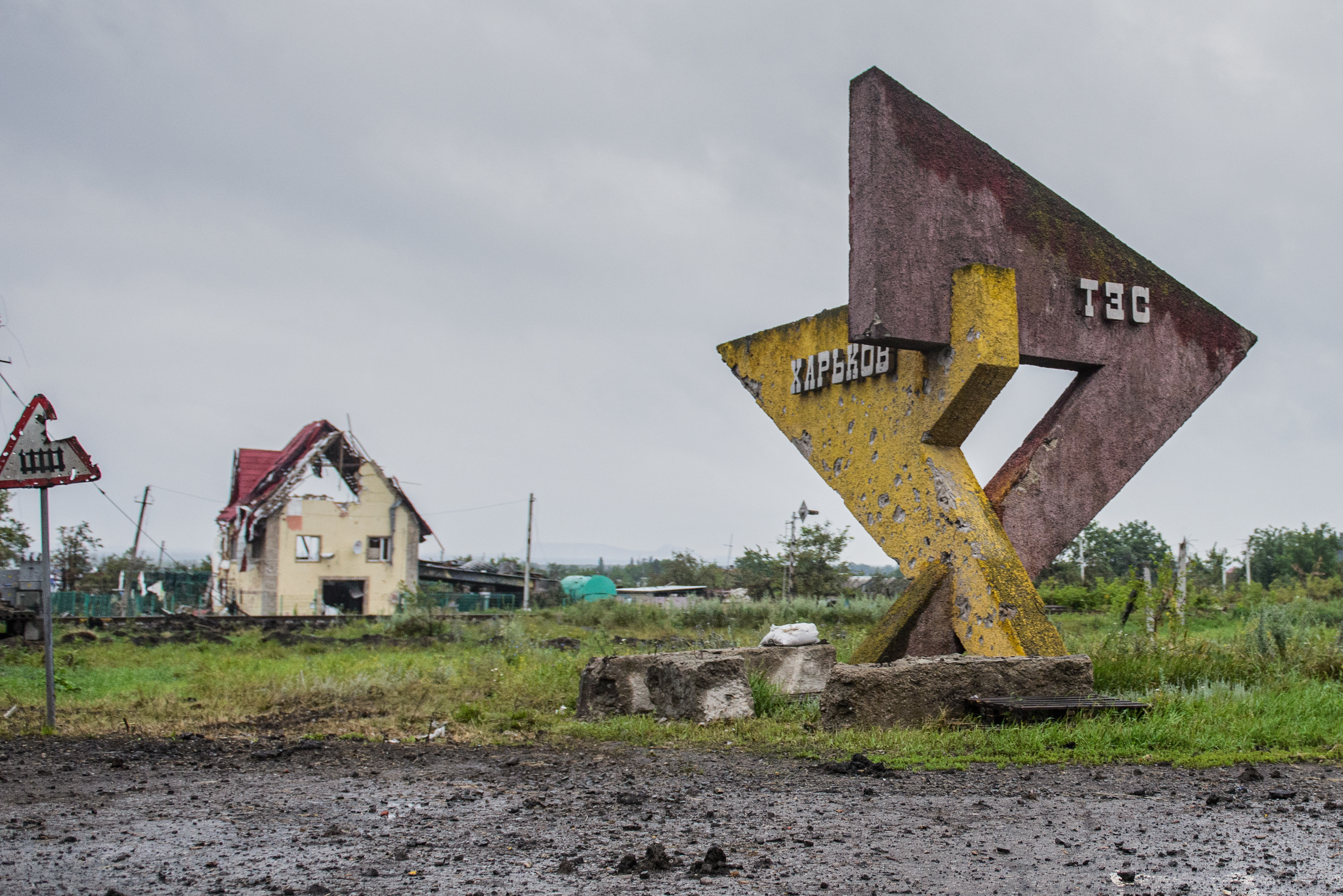

I continue to photograph the war in Ukraine. I am motivated by the work of my Ukrainian colleagues who live and work here. I am interested in new angles for presenting material and choosing topics, because the full-scale war has been going on for over three years now, and it is becoming increasingly difficult to interest people around the world in our events.
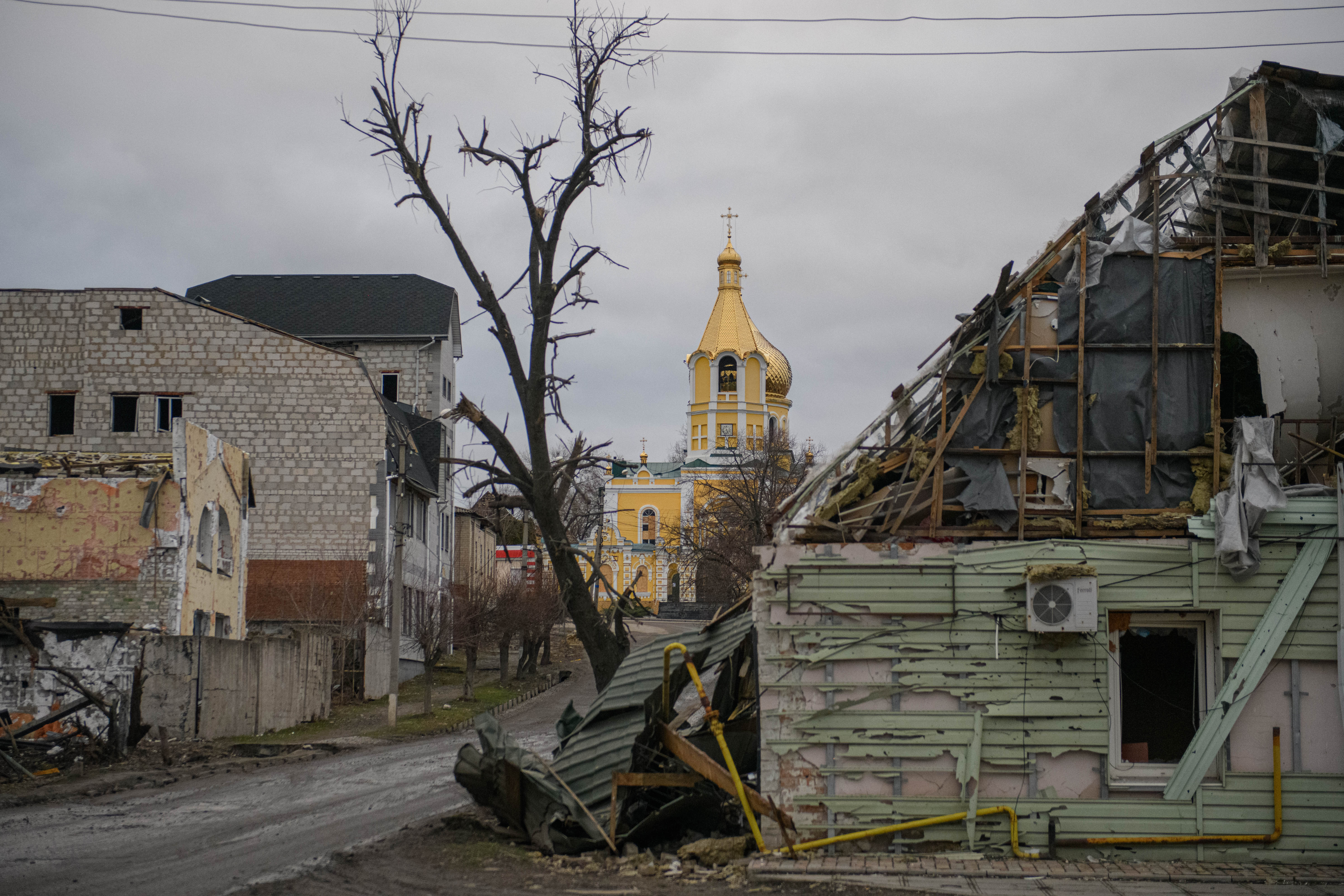
Working further inspires feedback on my photos — from editors, colleagues and media readers. Feedback is important to me, then I get certainty that I am not doing my job for nothing. After a recent trip to Kupyansk, I posted a photo of the city on my Instagram page. These footage began to be reposted by people who had previously lived in Kupyansk. They wrote very kind words about their city, and I almost physically felt their pain of loss. I saw many warm memories of people who still love their city, remember every hill and house of it. I was lucky enough to visit Kupiansk and photograph its streets for its residents. At that moment, I realized that this trip made much more sense than it seemed to me at first. Such moments are really important.
Olga Ivashchenko is a Ukrainian photojournalist and documentary photographer, originally from Kharkiv, lives and works in Kyiv.
Olga has been documenting the war in Ukraine since 2014. Cooperates with such international humanitarian organizations as the International Committee of the Red Cross (ICRC), the United Nations (UN), Amnesty International (AI), Human Rights Watch (HRW), as well as with various information publications. Focuses on news reporting and social topics.
Olga began her career as a photojournalist in 2011 in Kharkiv. Covered the Euro-2012 Football Championship. Since 2014, during the events unfolding in the east of Ukraine and in particular in Kharkiv, she began to cooperate with leading global news agencies such as Reuters, Associated Press (AP), European Photo Agency (EPA).
Since 2014, she worked as a parliamentary correspondent in the Verkhovna Rada of Ukraine for 5 years. He is also the official photographer of the Klitschko brothers' boxing promotion company K2 Promotions.
Olga Ivashchenko's work has been published by TIME, The New York Times, The Telegraph, Financial Times, Los Angeles Times, The Wall Street Journal, Die Ziet, Der Standard, The Globe and Mail, Liberation, Le Parisien, The Atlantic, Chicago Tribune, The Guardian and other publications.
Since the beginning of the full-scale invasion, Olga worked in many cities and villages of Ukraine, including on the border with Russia and Belarus. She recorded the consequences of the occupation of the Kharkiv region and the city of Kherson, the consequences of the Russian bombing of the Kakhovskaya HPP. She worked on documenting Russia's war crimes for Amnesty International's report on the bombing of the Drama Theater in the city of Mariupol. Olga still highlights the consequences of the Russian invasion and its impact on the civilian population of Ukraine.
Photographer's Instagram.
Contributors:
Researcher of the topic, author of the text: Katya Moskalyuk
Bild-editor: Olga Kovalova
Literary editor: Yulia Futei
Website manager: Vladyslav Kuhar













.jpg)


