
.jpg)
Oleg Pereverzev has been working as a photographer for almost twenty years. He has shot reports about extraordinary people and remarkable places in Ukraine, movie backstage scenes, studio portraits, and, in recent years, war. Oleg explained why a roll of film from the Svit film factory gave him freedom, why he was sometimes more interested in the technique of photography than the result, and why square-framed photographs of the world around him disappear after a day.
Thirty meters of film
I didn't have a father or grandfather who was involved in photography, developed film, and printed black-and-white photographs under a red lamp. However, in high school, I became interested in photography and joined a photography club at the Young Sailors Club. I even went to consult with the only graduate of Karpenko-Kary University in our city about admission and my future profession. I enrolled in the Professional College of Technology and Design in Kyiv, where I studied photography. During our studies, we had a lot of practical experience — we were constantly shooting something, developing and printing photos ourselves. I remember buying a 30-meter roll of black-and-white Svit film. I had reusable cassettes where I wound the cut film. I felt real freedom — I could take pictures to my heart's content.
During my studies, I shot with a Zenit-12sd camera — a small-format SLR camera with a built-in light meter, which made my work much easier. I had two lenses and a flash for it. My studies were a time for experimentation in photography. I photographed my friends in the dormitory, went on plein air trips with my classmates, learned to develop film and print photos in the lab. I tried to photograph in different genres, but at that time I was most interested in reportage. Even my thesis was devoted to photojournalism.
I wouldn't say that I have a visual education, but rather a technical one. However, on my own initiative, I attended various photo exhibitions and lectures. I remember, for example, an exhibition of the winners of the World Press Photo contest in Kyiv. Over time, I bought a digital camera, and with access to the internet, I was able to view photos by foreign photographers, communicate with colleagues, and browse various websites dedicated to photography. I learned photography from the works of other photographers. At that time, I thought the PHL Fotolenta photo agency and the UNIAN news agency were cool. I really liked how Fotolenta photographers took pictures, so I started working with this agency.
After graduating from college, I worked as a photographer. I can't even remember the names of all the publications I worked with. I was a staff photographer and freelancer for Fotolenta and Ukrinform, and did an internship at the newspaper Vechirni Visti. I worked for various niche publications, such as real estate. At that time, there were a lot of business trips all over Ukraine. We could go to Odesa for a day to photograph the opening of a supermarket, or to Kerch to photograph the laying of the first concrete block for the construction of a factory, or fly to Kharkiv for the opening of the city's new airport. Sometimes I had to spend three days on the road to photograph an event that lasted less than an hour.
Kilometers of travel
I have almost twenty years of experience as a photographer, but I never stayed long at one publication, three years at most. I worked in various editorial offices and collaborated with news agencies such as Ukrinform, Reuters, and EPA Images. Then I got a job at Ukrainian News, but just a few months later, they closed their photo service. By the way, I really enjoyed working at Ukrainian News — the team, the work, and the website were all great.
In addition to working with various media outlets, I have experience in advertising — I was an assistant photographer at an advertising studio. We took portraits, photographed interiors, and created brand books. What I remember most from that time is shooting a calendar for the Shakhtar football club. My colleagues and I lived near their sports base for almost a week, photographing the players — a unique concept was developed for each of them. It was a deep dive into photography — working with studio lighting, flashes, and other equipment. It was my first time shooting with a full-frame digital camera, which allowed me to see a whole new world with technically perfect photos.
I really enjoy working with different cameras; I love photography equipment as a phenomenon. However, I never had the camera I wanted. When I managed to get the camera of my dreams, it was already outdated. For example, I really wanted a Canon EOS-1D Mark II camera, but I got it when the fourth version was already out. I always wanted to have a better camera and new lenses to work at a higher level. I guess I'm not particularly different from other photographers in this desire.
At one point, he joined a community of photographers who photographed music, film, and art festivals. He photographed the first Gogolfest contemporary art festival in 2007 and several subsequent ones, as well as the Molodist and Docudays film festivals, the Odessa Film Festival, and the Book Arsenal. The fan zone shoot during the 2012 European Football Championship was particularly interesting — photos of Liverpool fans were widely circulated in various media outlets.
A few years ago, I began collaborating with the Ukraїner community — I went on expeditions with them and took studio portraits for interviews, including for a special project about Crimea. My first expedition with Ukraїner was to Zakarpattia for a large multimedia project about the national communities of Ukraine. Photos from this expedition were included in the printed book “Who Are We? National Communities and Indigenous Peoples of Ukraine.”
Then there was filming about Ukraine for Polish television. We drove around practically the whole of Ukraine, photographing people and different places. I especially liked doing backstage photography, when there are no other photographers around, you work alone and can fully concentrate on the photos and get great shots.
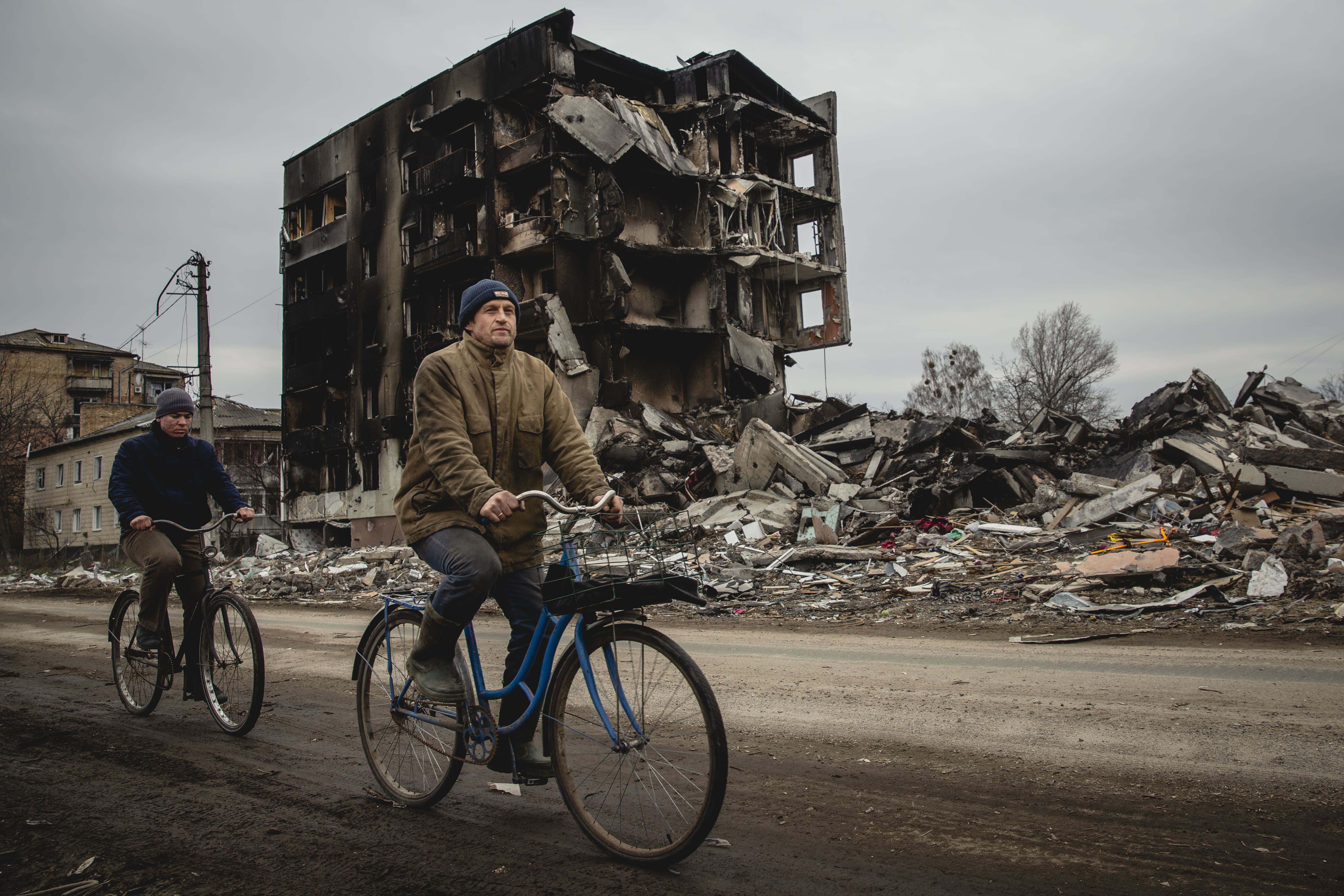

War from a car
When the full-scale war began, I was in Kyiv. I didn't have an emergency bag, I didn't have any plans. Ukraїner was organizing an evacuation for its employees and volunteers, but I decided not to go anywhere. At first, I didn't take any photos because I didn't have a photographer's ID and, accordingly, accreditation from the Armed Forces of Ukraine. I am very sorry that I did so little in the early days of the full-scale war, but without the proper documents, these shoots could have ended badly for me.
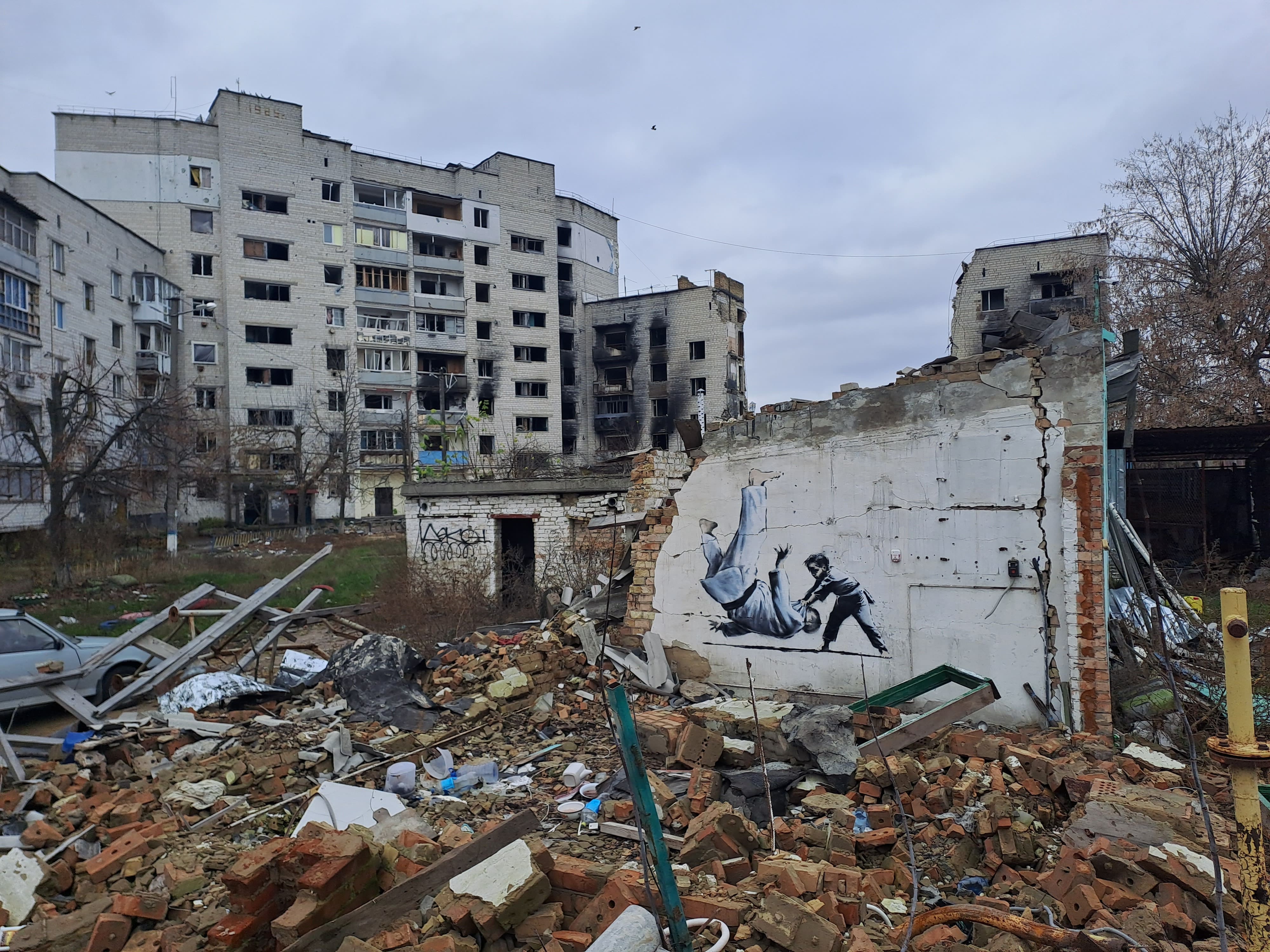
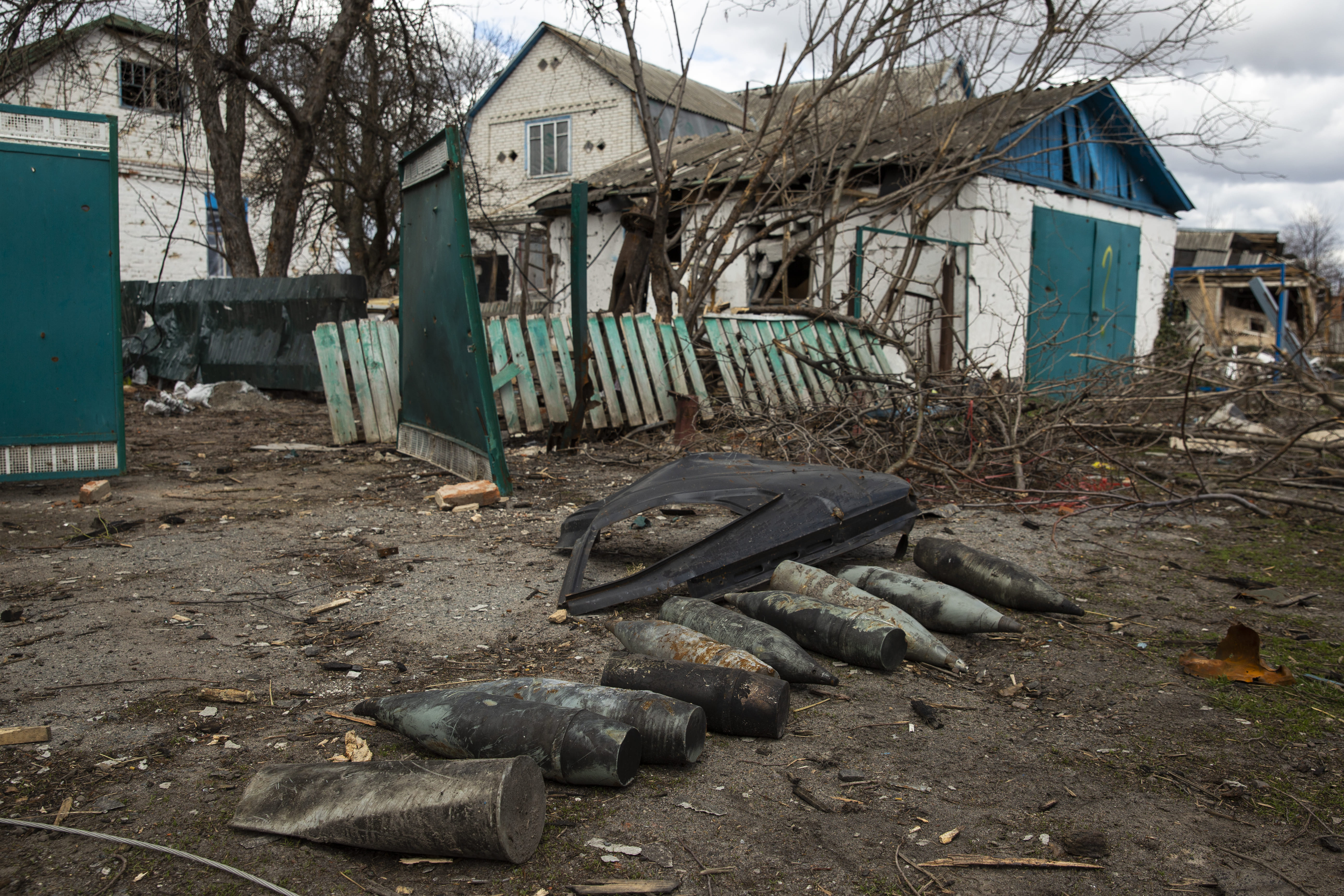
In March 2022, Maxim Dondyuk, whom I have known since the days of Fotolenta, offered me a job as his driver. Later, two more photographers joined Maxim Dondyuk — James Nachtwey and Jérôme Sessini. I drove them to the Kyiv and Kharkiv regions, and we were among the first to arrive in Kyiv, where we photographed destroyed buildings. The photos from the Kyiv region were probably my first shots during the full-scale Russian invasion. I took them with my phone and sent them to Reuters — many publications bought them.
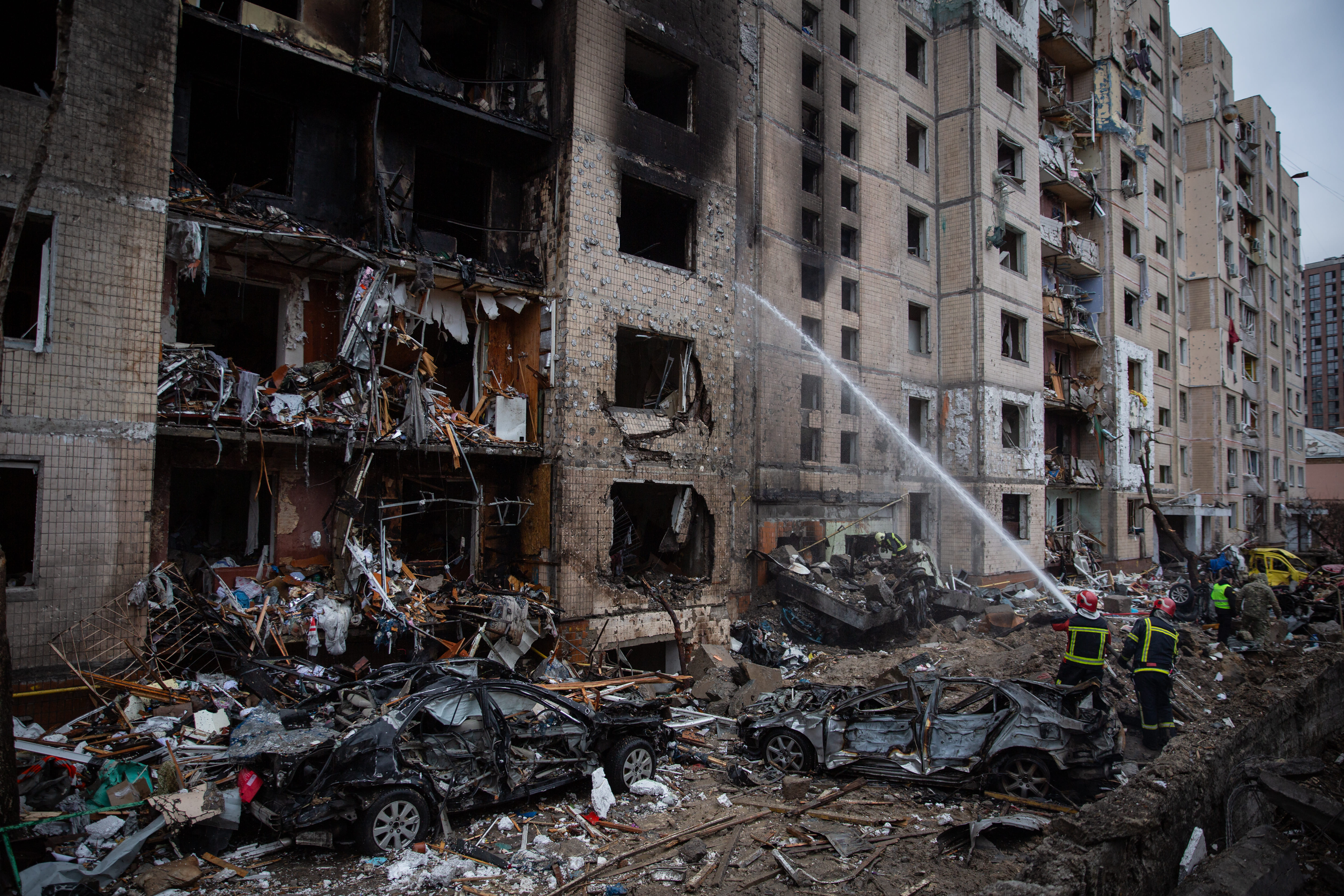
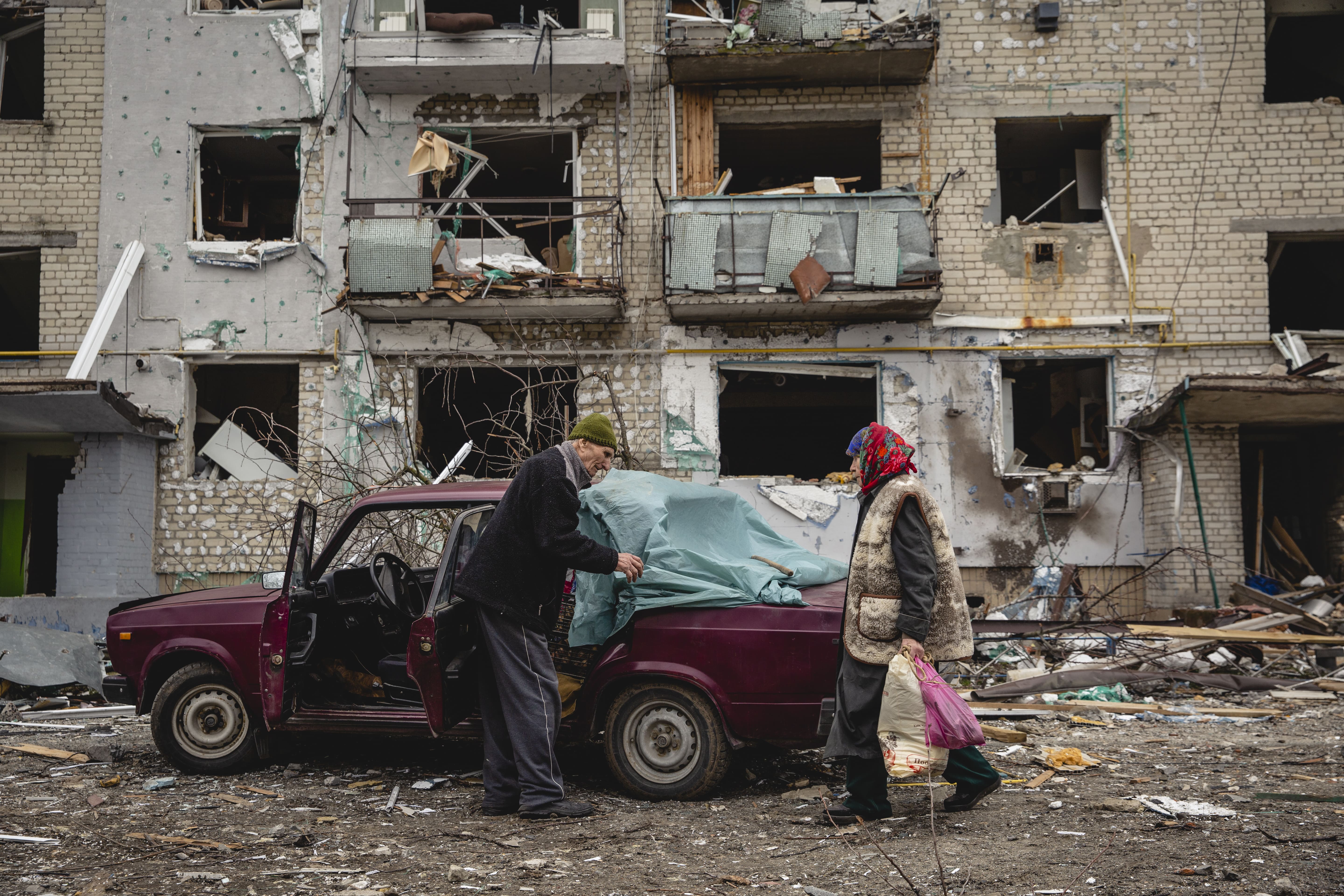
During our trips with Maksym Dondyuk, I hardly took any photos. I had an internal position — I was the driver and had to keep an eye on the car, not wander around looking for shots. We arrived at places where there was no communication, and in case of an urgent need to leave, I had to be near the car. My camera was deep in my bag, and I rarely took it out, but I managed to take some pictures in Trostyanets and Kharkiv. I arrived in Trostyanets with my colleagues on the second day after the city was liberated. Incidentally, we also arrived in Bucha and Borodianka in the Kyiv region in the first days after the de-occupation. Then I took photos for news publications, including several shoots for Babel. My last place of work before mobilization was Suspilne.
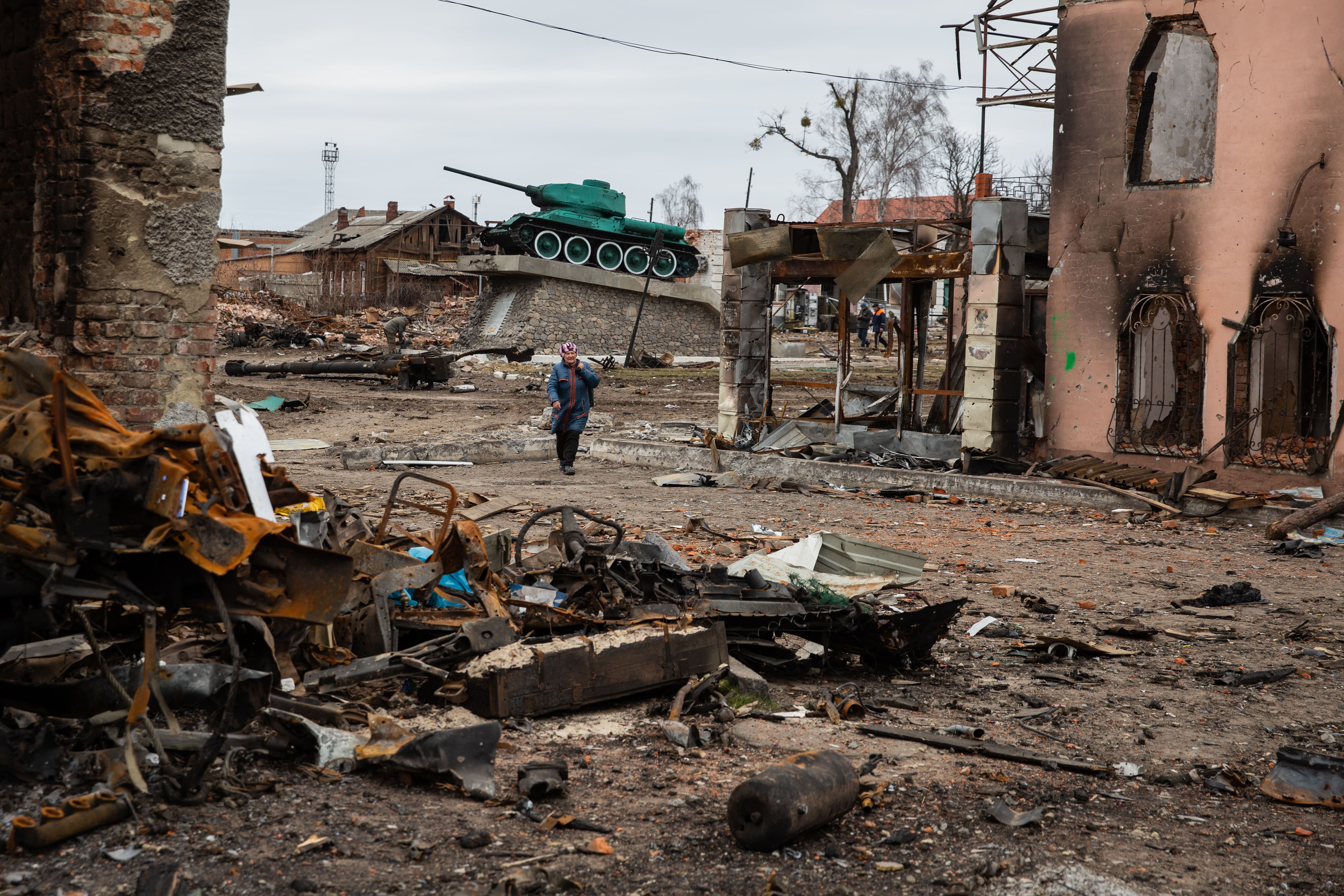
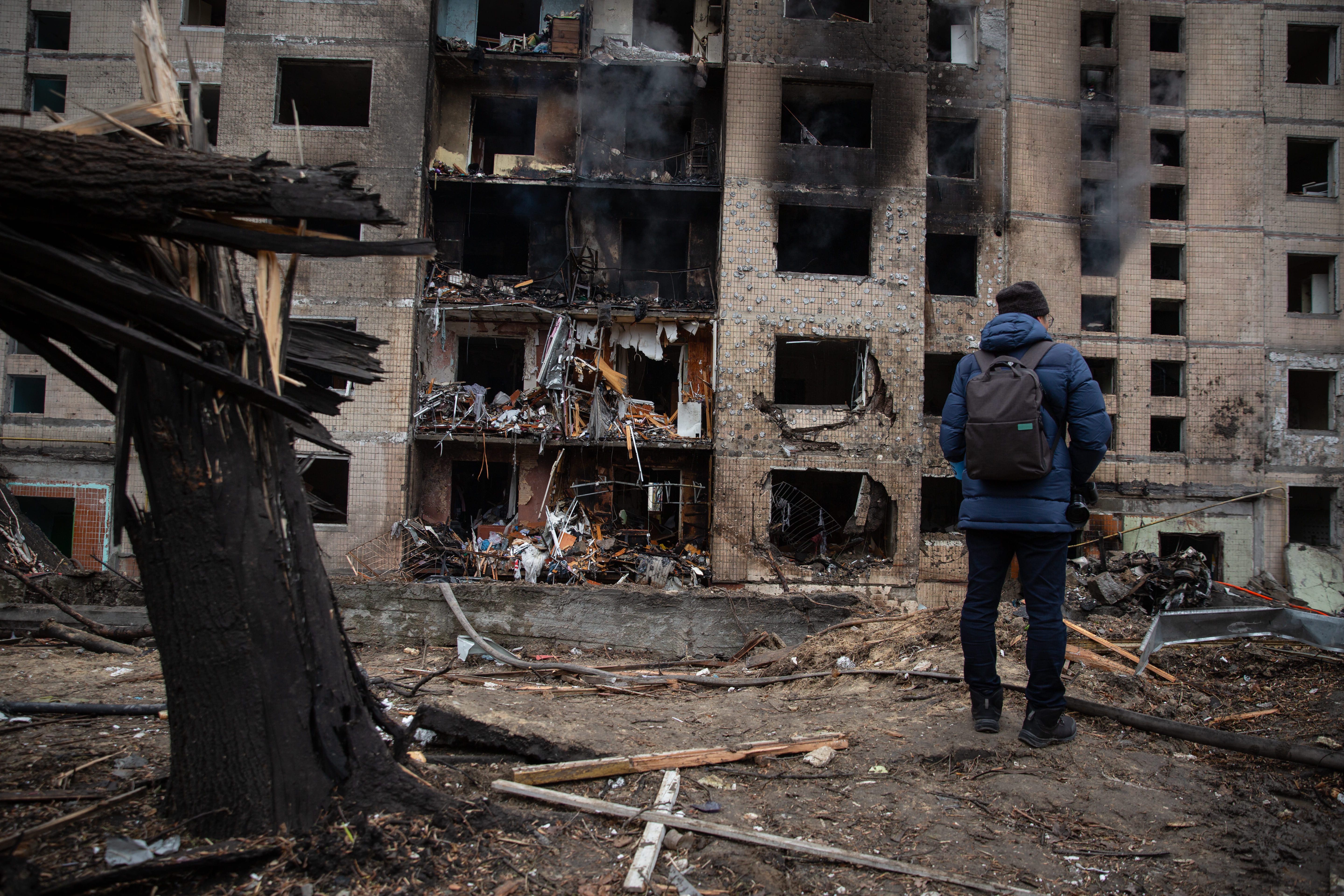
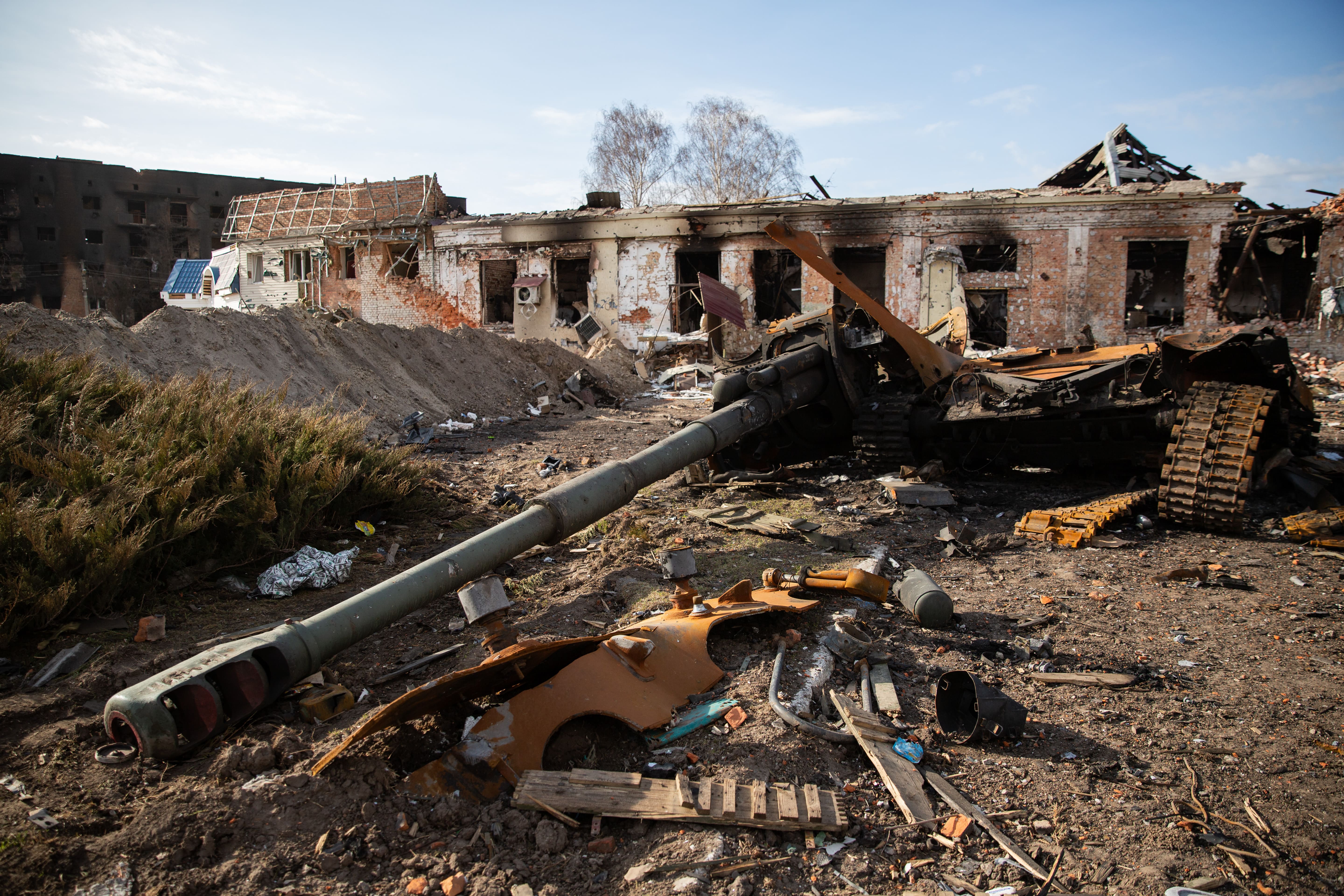
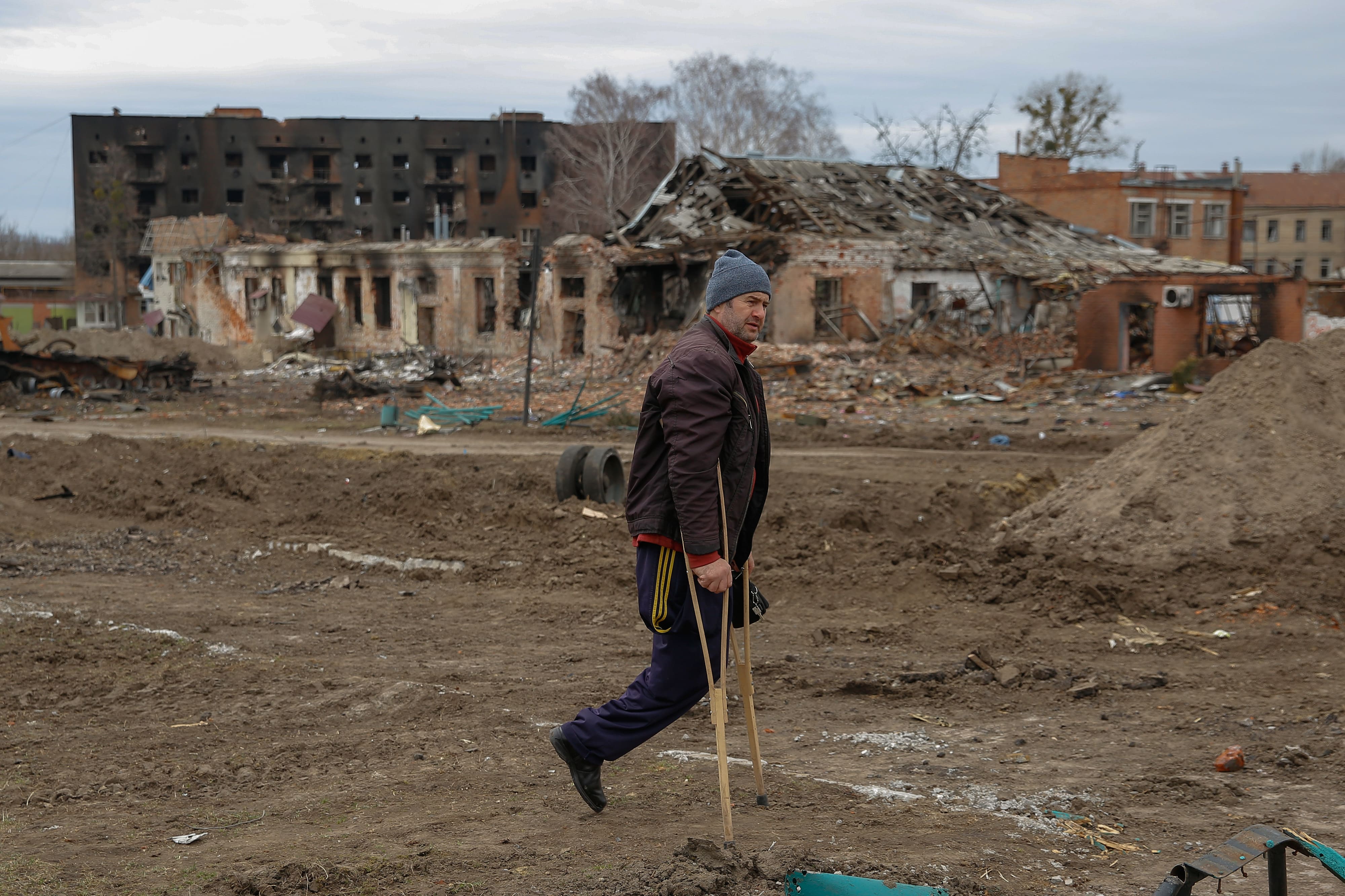
Photo per day
After mobilization, I didn't take any photos for a long time, but then I started taking a few photos on my phone for myself. I took a lot of photos on my phone even before the full-scale Russian invasion began. I could carry a camera with lenses with me, but I also took photos on my phone. Thanks to special apps, photos can be instantly edited and posted, for example, on Instagram. It wasn't so important for me to see people's reactions as it was to post the photo as if in a diary.

After getting injured, I decided to post photos in stories so that they would disappear after 24 hours. On the one hand, it was a kind of challenge for me, and on the other, I didn't want to post new photos on my page after all the previous shoots. For me, it's not even a diary, because it all depends on my mood. Sometimes during the day I don't feel like taking pictures, and there are days when I see and photograph many different scenes.
.jpg)
.jpg)
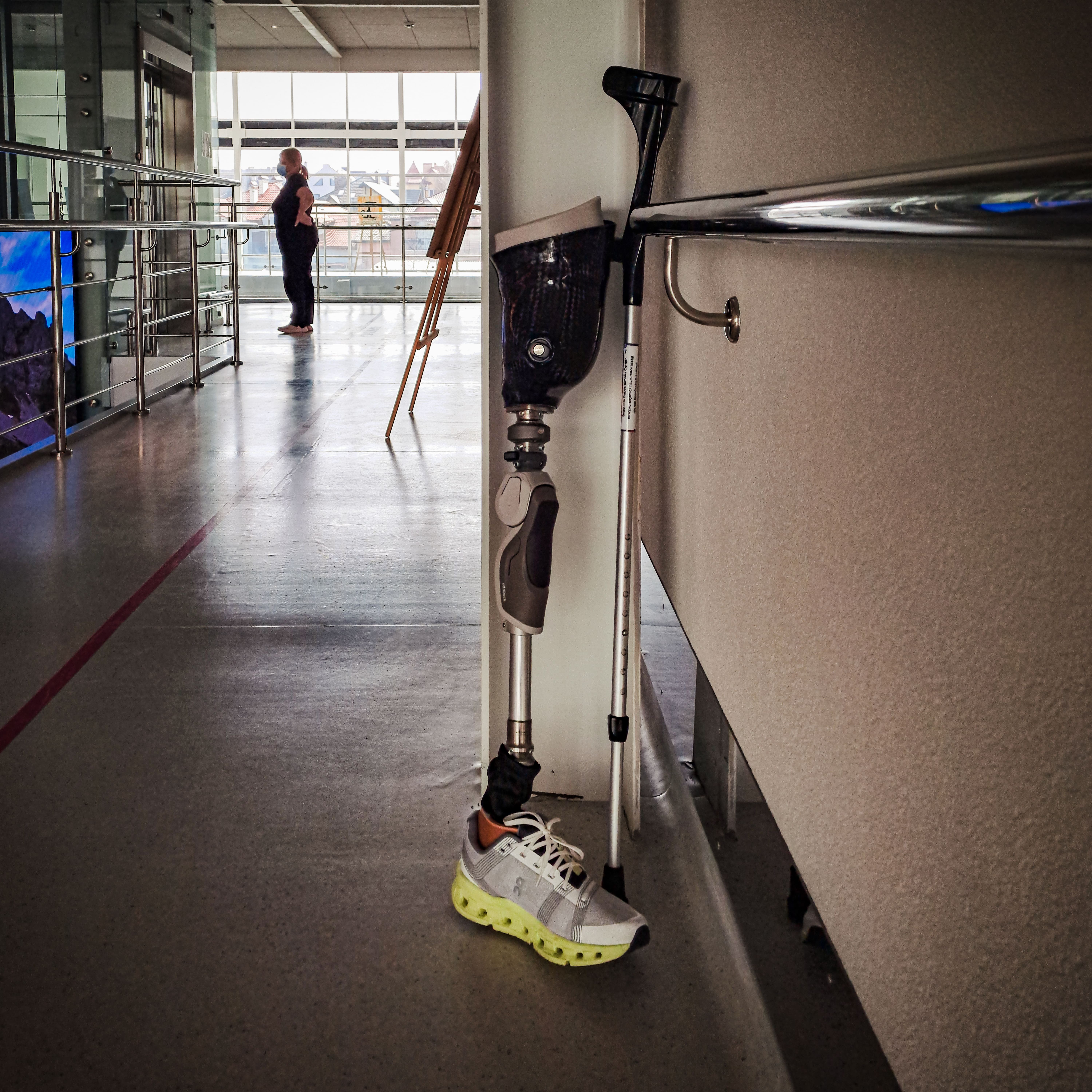
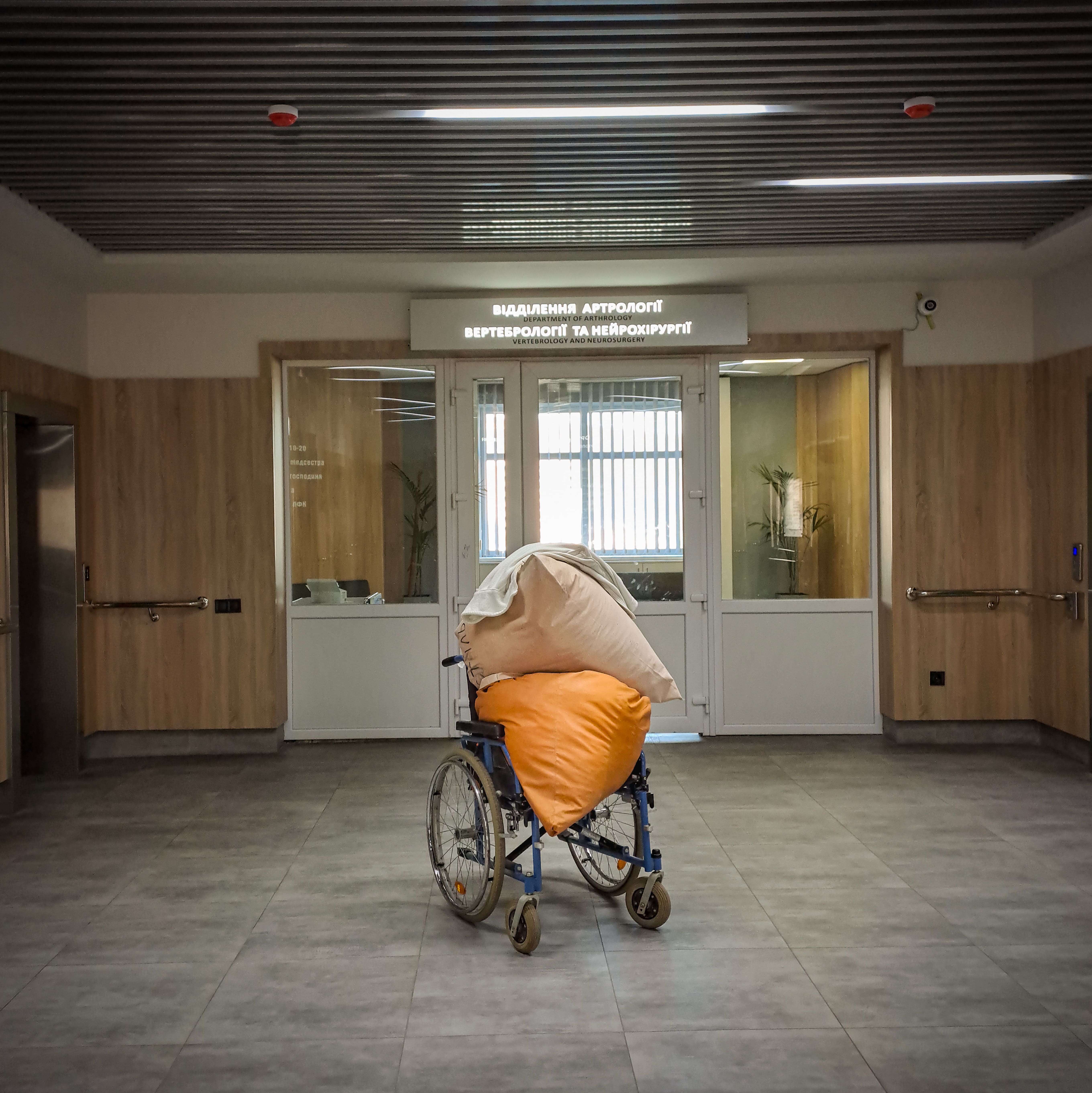
I met the PR manager and photographer of the Superhumans center — they had ideas for a joint project. However, it is still difficult for me to photograph people there. Photojournalists and many military personnel undergoing rehabilitation often visit the center, and they even have special stickers asking not to be photographed. So, for a long time, I've just been taking pictures of my surroundings. Oleksandr Homenko gave me his Fuji camera, but I hardly ever use it. Today, my phone is my main camera.
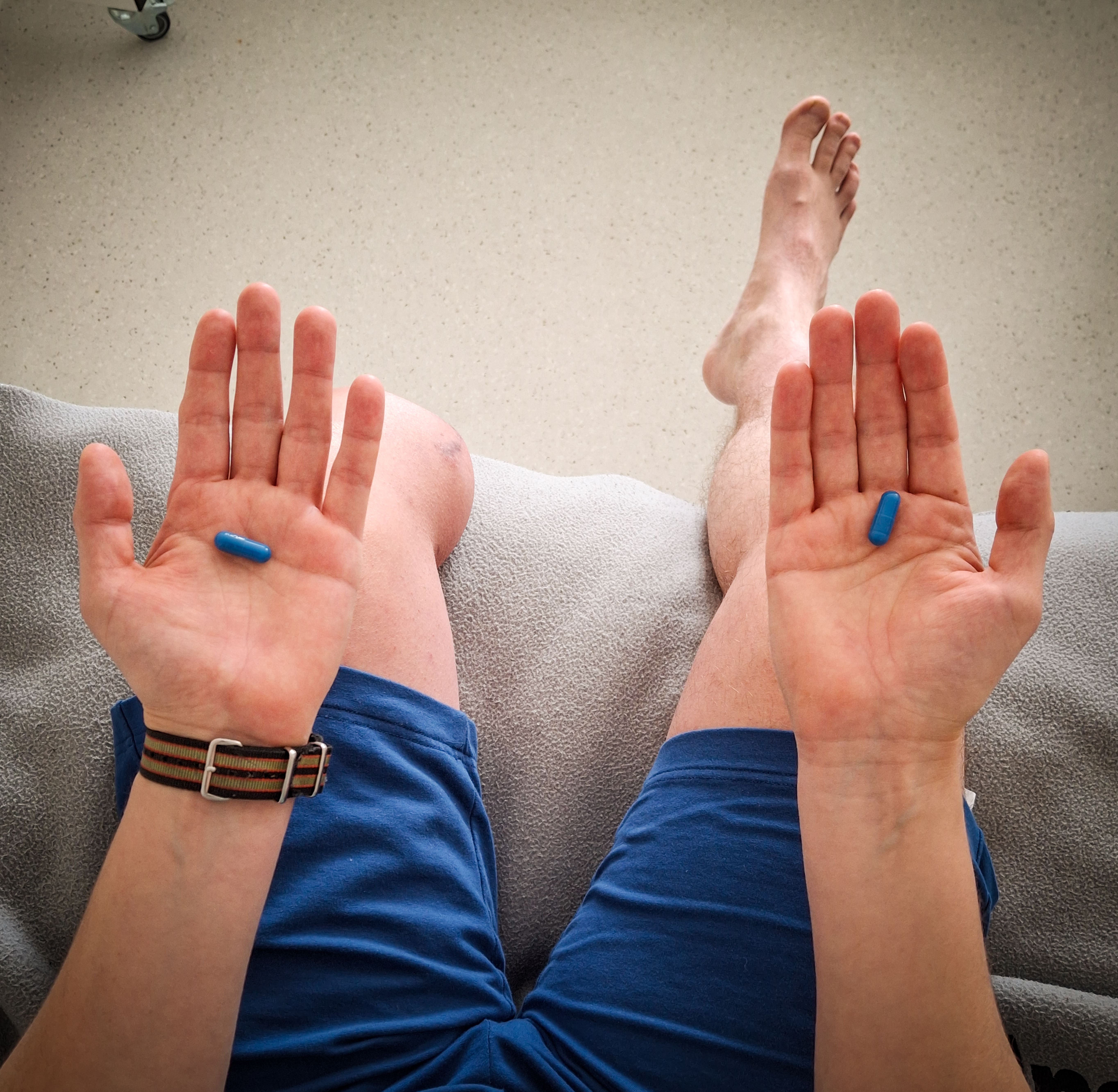
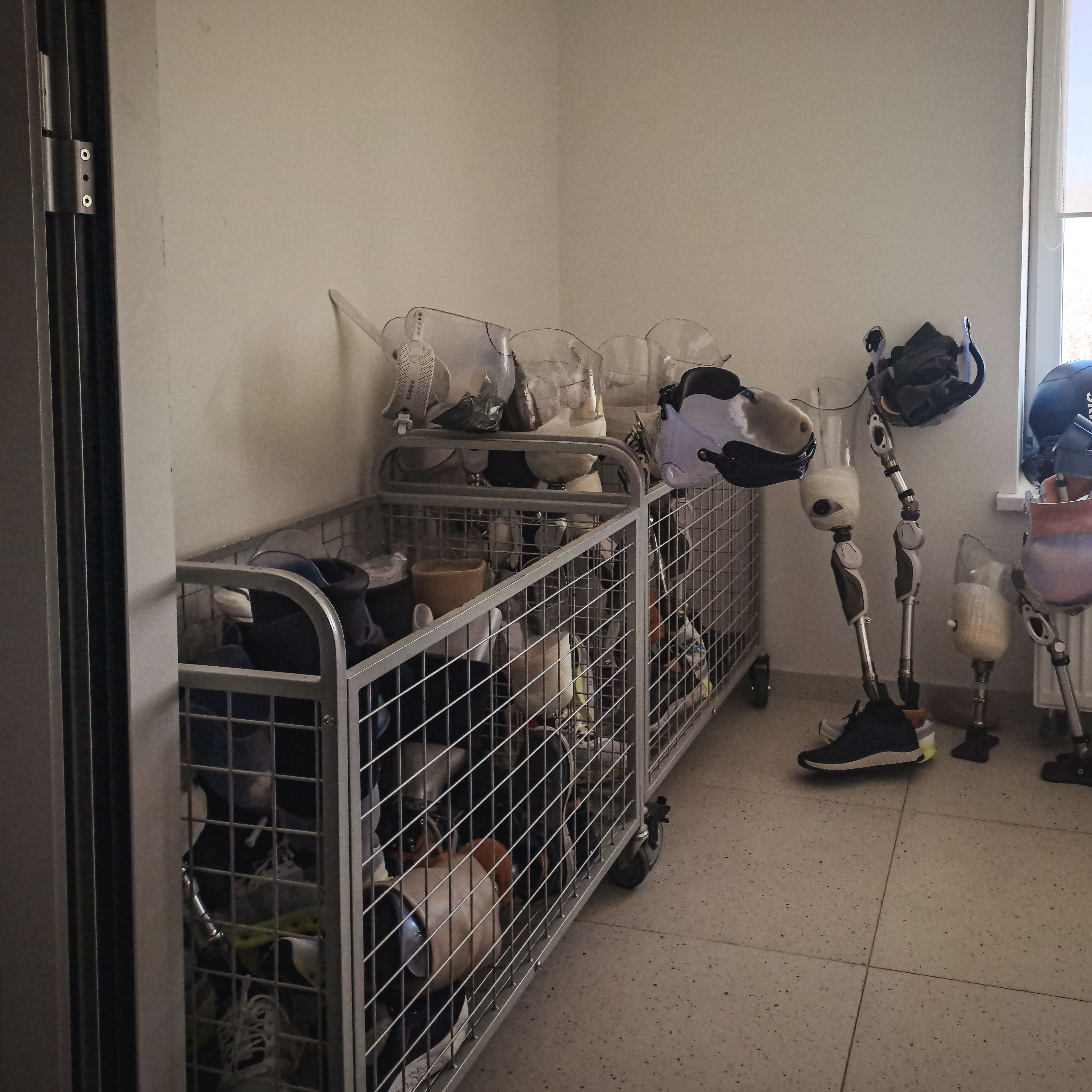
Most of my photos today are square. At some point, I realized that I don't like frames with a standard aspect ratio of two to three or three to four. I also like panoramas, but they don't look good enough on my phone. When I was in the hospital, I tried shooting one scene in the standard aspect ratio, making a panorama and a square. I settled on the latter. I mainly shoot medium-sized frames, where the perspective is not so elongated and there is a graphic quality to the lines. Over time, I developed a processing principle and formed a visual language common to my photographs. For me, photography today is a way to feel the life around me and just relax.

Oleg Pereverzev is a Ukrainian documentary photographer. His work has been published in Ukrainer and many other publications.
The photographer's social media accounts: Facebook, Instagram
Contributors:
Researcher, author: Katya Moskalyuk
Image editor: Olga Kovaleva
Literary editor: Yulia Futey
Website manager: Vladislav Kukhar













.jpg)


