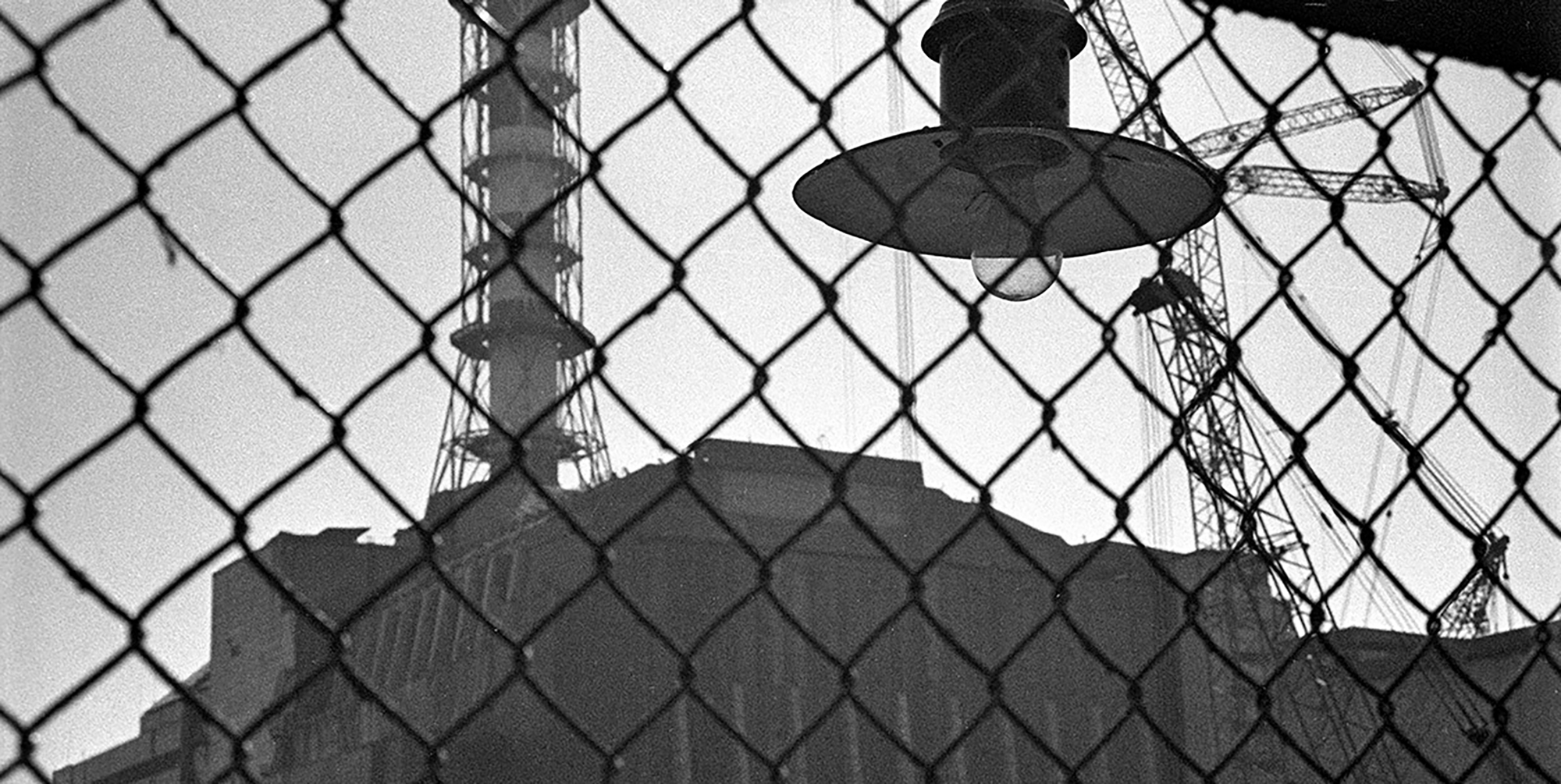
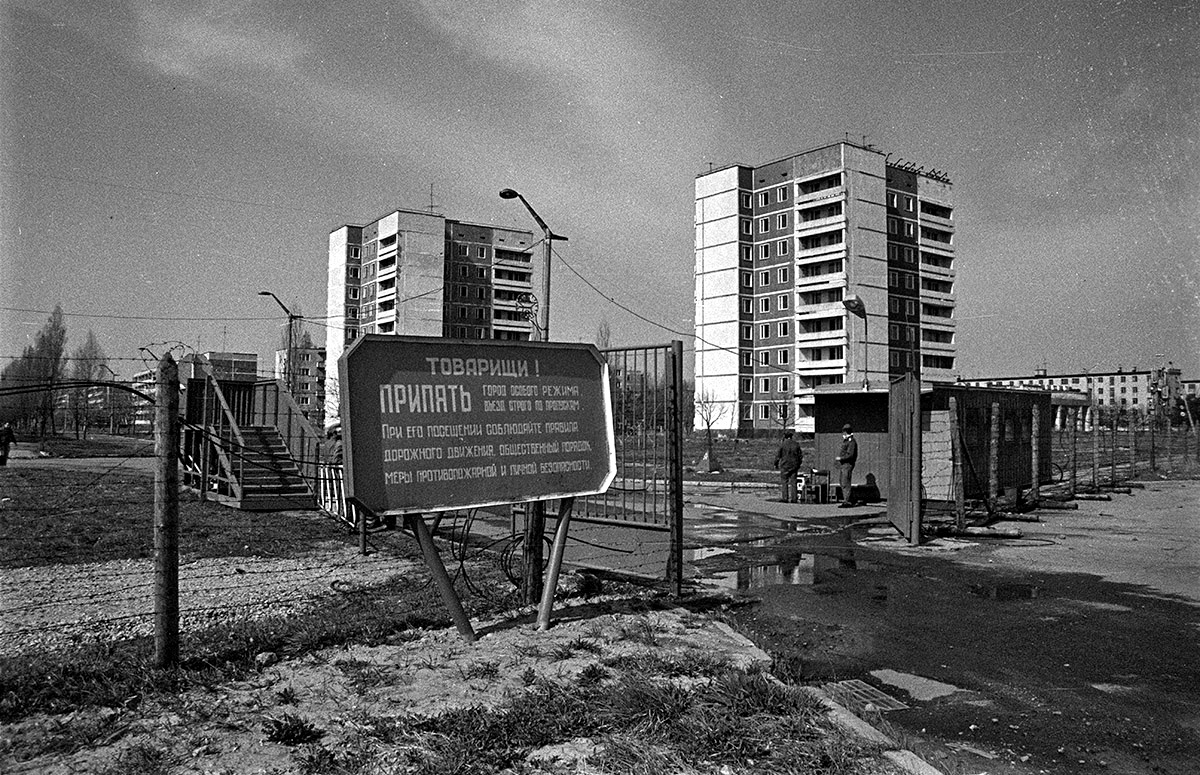
40 years ago, on April 26, 1986, one of the greatest man-made disasters in human history occurred—the accident at the Chornobyl Nuclear Power Plant. In early May, the Soviet leadership decided to evacuate the population from the 30-kilometer exclusion zone. By the end of 1986, over 90 thousand people had abandoned their homes. The authorities built housing for the forced migrants in the Kyiv, Zhytomyr, and Chernihiv regions.
Photographer Oleksandr Klymenko documented the process of constructing new settlements and the housewarming ceremonies for the people evacuated from the exclusion zone. At the housewarmings, the settlers simultaneously rejoiced and wept. These families would now be called internally displaced persons. During the Russian-Ukrainian war, far too many people know how difficult it is to leave their native places and start a new life elsewhere.
Oleksandr Klymenko spoke about his work as a photojournalist in the first months after the Chornobyl nuclear power plant accident, about shooting the construction of new homes for forced migrants, and the complex emotions of people who lost their homes. Below is the author’s direct account.
At 1 hour, 23 minutes, and 40 seconds on April 26, 1986, the first explosion, followed by a second, destroyed the reactor of the 4th unit of the V.I. Lenin Chornobyl NPP. The reactor contained 192 tons of nuclear fuel (uranium dioxide). Between five and thirty percent of this amount entered the surrounding environment. The cloud that arose over the ChNPP was carried north by the wind, covering the Ukrainian Polissia, some regions of Belarus, and Russia. Soon after, scientists detected radioactive emissions in Sweden, Finland, and subsequently in Poland, Germany, France, and other territories. Radiation penetrated the atmosphere of the entire Northern Hemisphere.
In Ukraine alone, more than 90 thousand people from 79 settlements were evacuated and resettled from the 30-kilometer zone around the plant. Liquidators of the consequences of the Chornobyl accident worked in shifts: those who accumulated the maximally permissible dose of radiation left, and others arrived in their place. The main part of the work was completed in 1986–1987, involving approximately 240 thousand people. The total number of liquidators over all the years is about 600 thousand people.
In early May, the wind blew toward Kyiv. On May 1, 1986, according to data from the Academy of Sciences of the Ukrainian SSR, the gamma-background value in the capital fluctuated throughout the day from 400 to 2500 microroentgens per hour, compared to an average background value of 15 microroentgens per hour... But despite the radiation, the May Day demonstration took place in the city.
The construction of the shelter over the site of the explosion was completed at the end of November 1986. Film operator Viktor Krypchenko, who was filming in the zone at the time, told me an interesting story about this. (Already deceased, he died of throat oncology.) The head of the government commission for liquidating the consequences of the accident, Deputy Chairman of the Council of Ministers of the USSR Borys Shcherbyna, was away when the construction of the sarcophagus was finished. When he returned, he saw the red flag of the Soviet Union on top of the shelter’s chimney. And he ordered a sniper to shoot down the banner. One can only guess the thoughts and motives of the high-ranking government official…
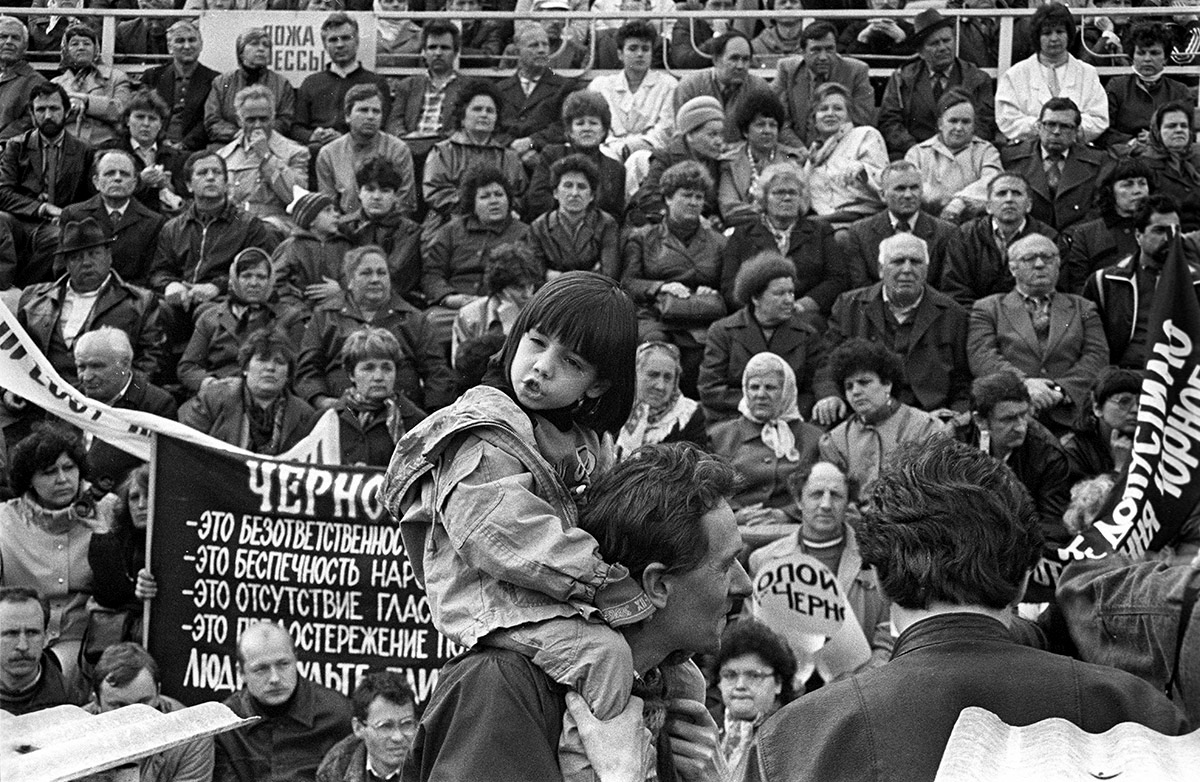
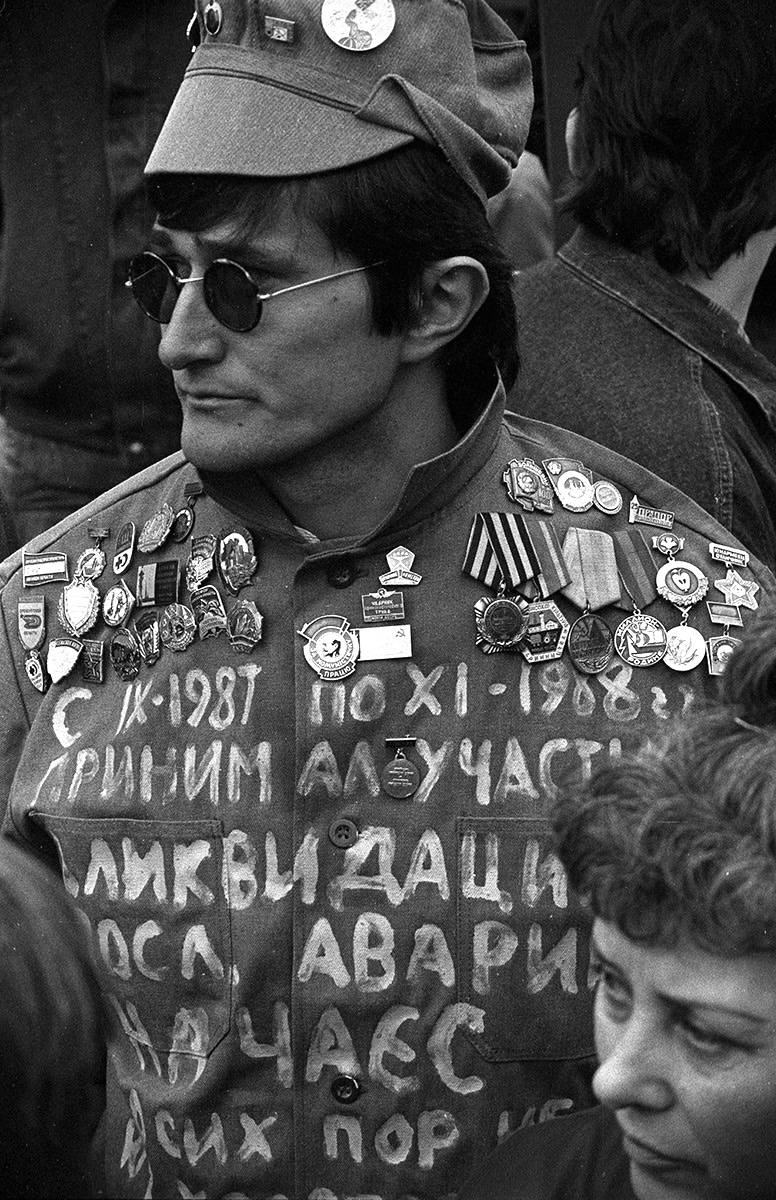
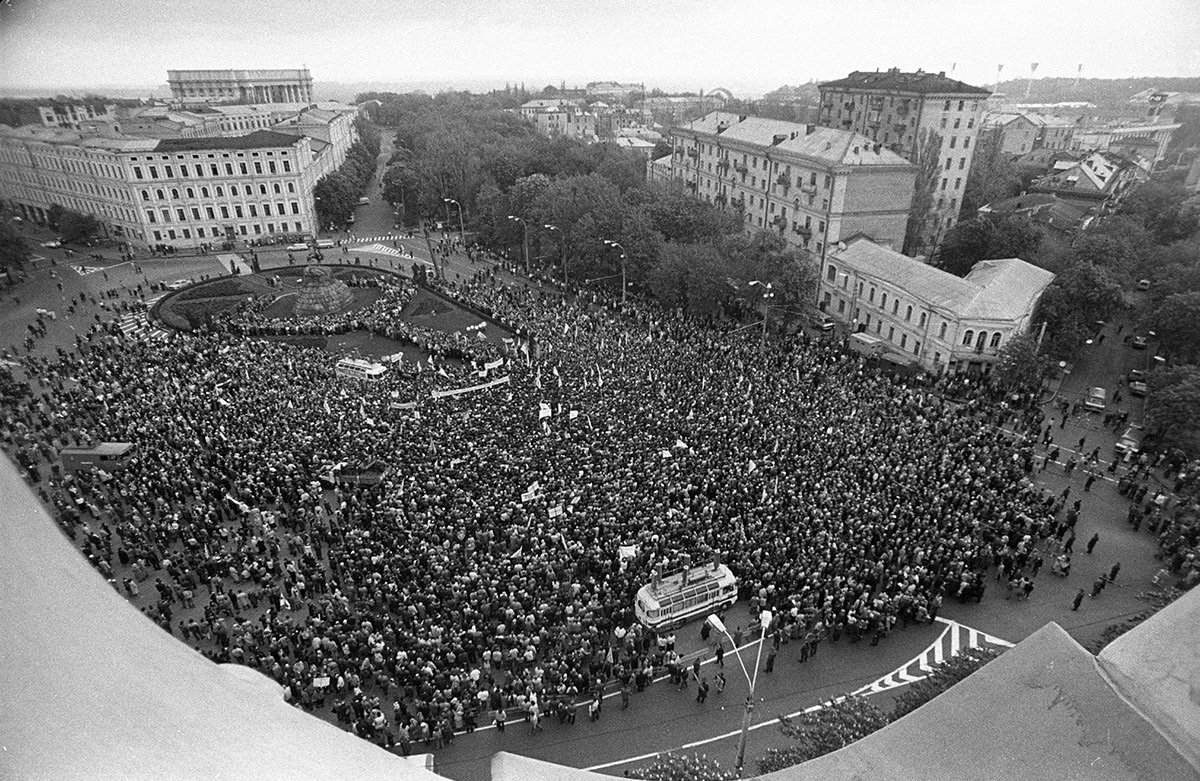
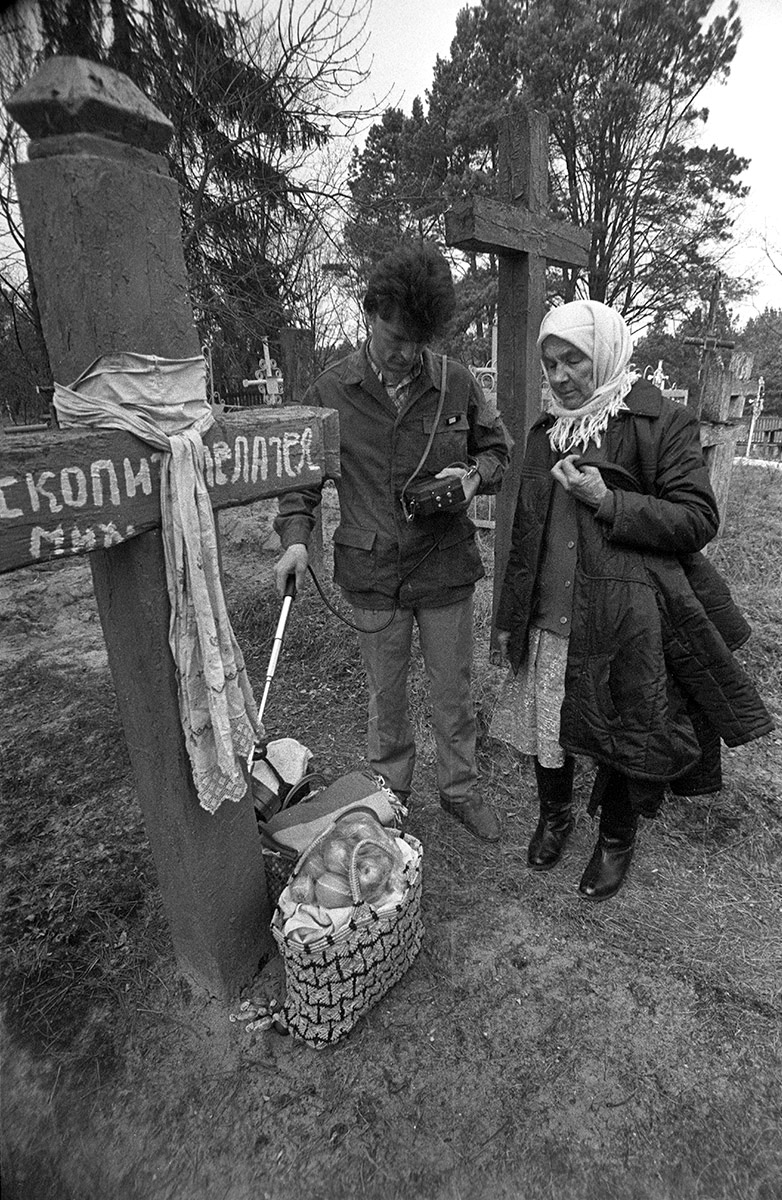
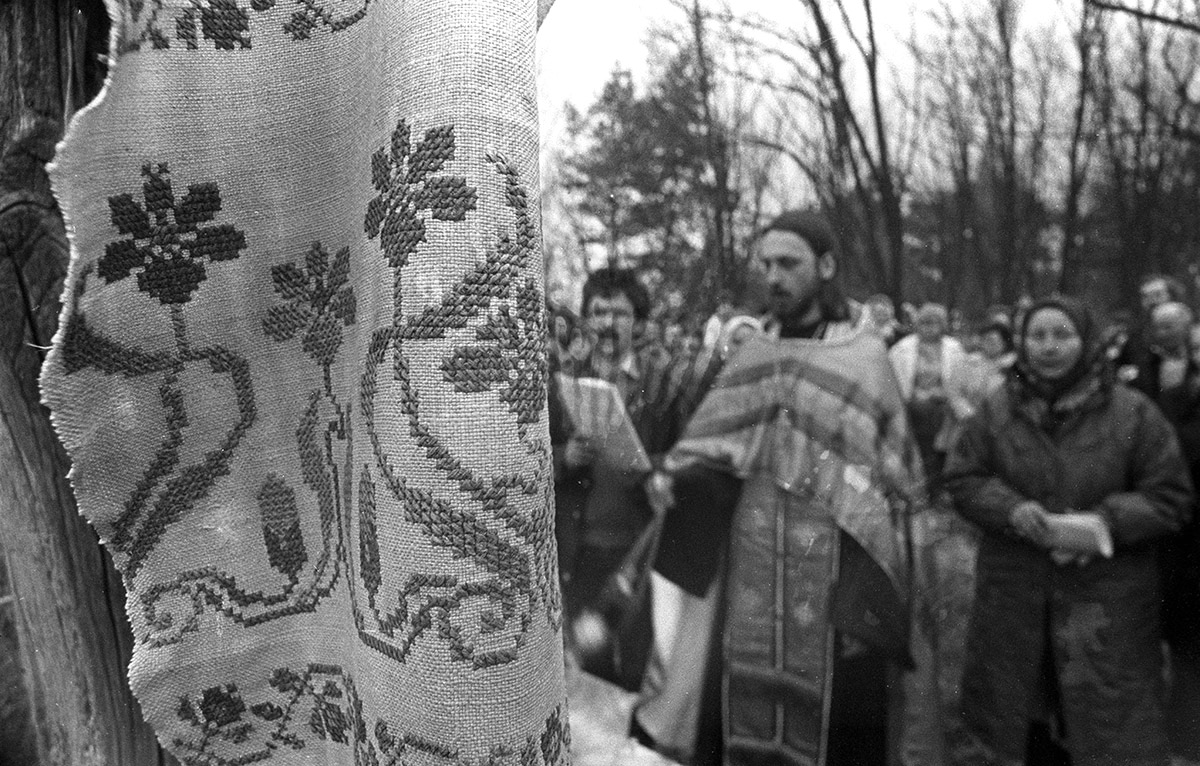
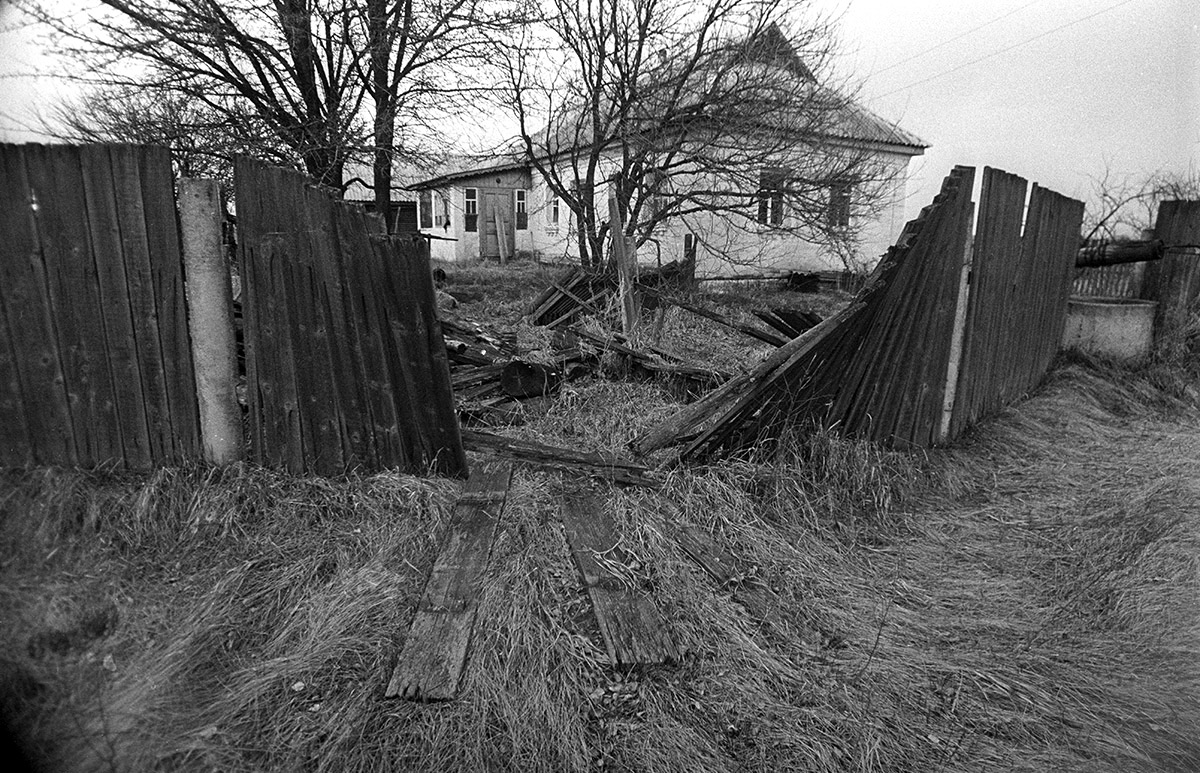
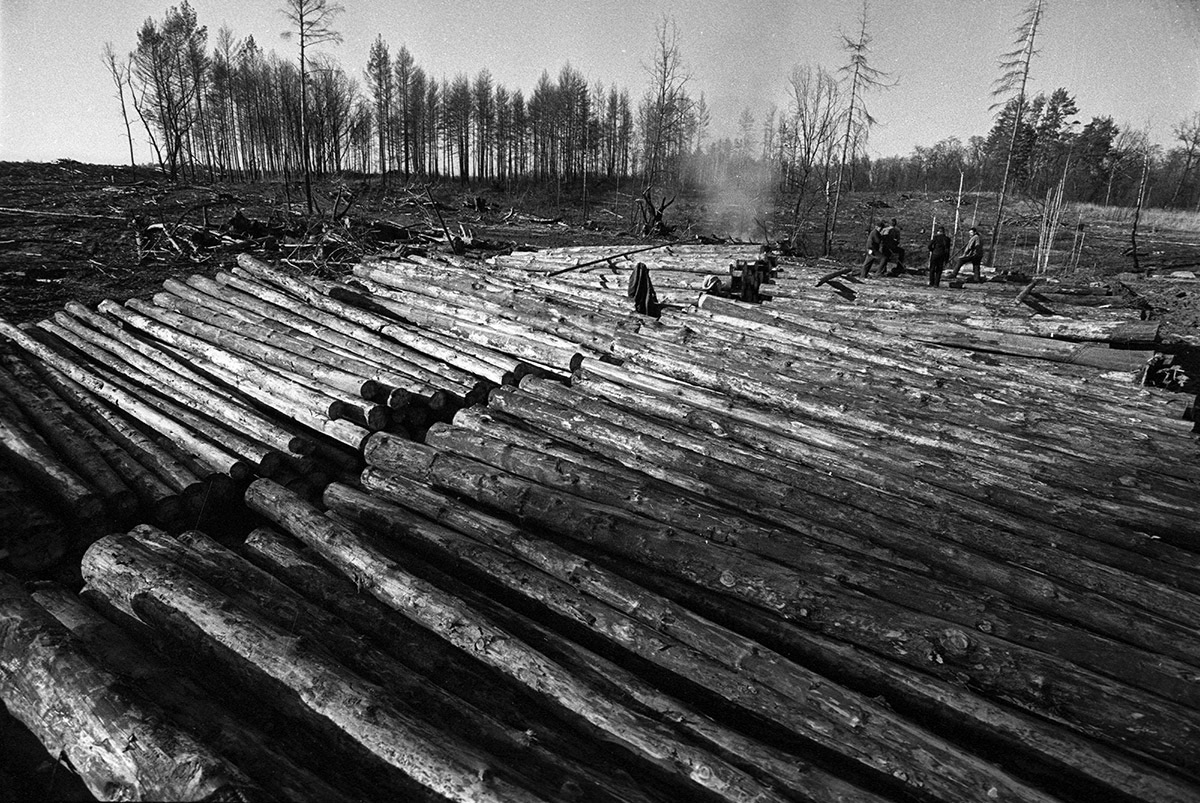
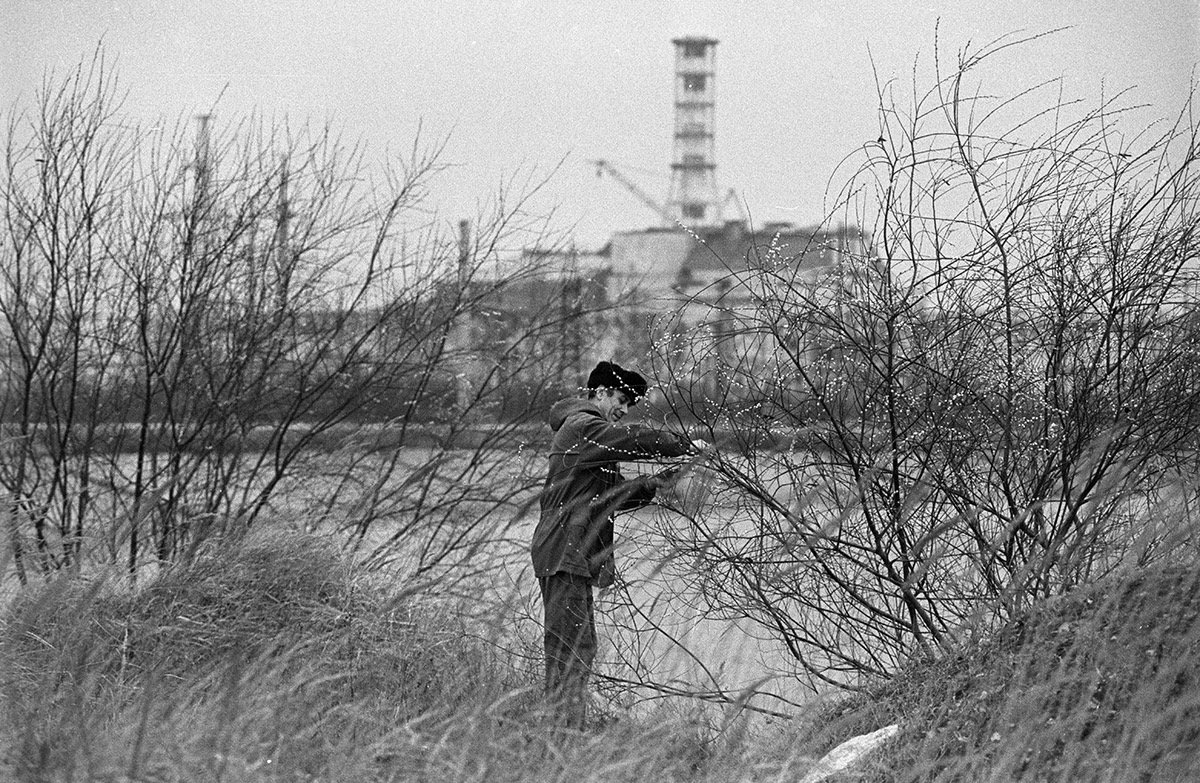
April 26, 1986, is one of the tragic dates in human history. The accident at the ChNPP, 110 kilometers from the capital of Ukraine, almost in the center of Europe, is the world's largest man-made and ecological catastrophe of planetary scale. Unfortunately, the current aggression by Russia in Ukraine is also the bloodiest and most terrible war of planetary scale. Only then it was the quiet murder of the people by radiation by the monster USSR, and now it is the deliberate destruction of Ukraine by the devil Russia.
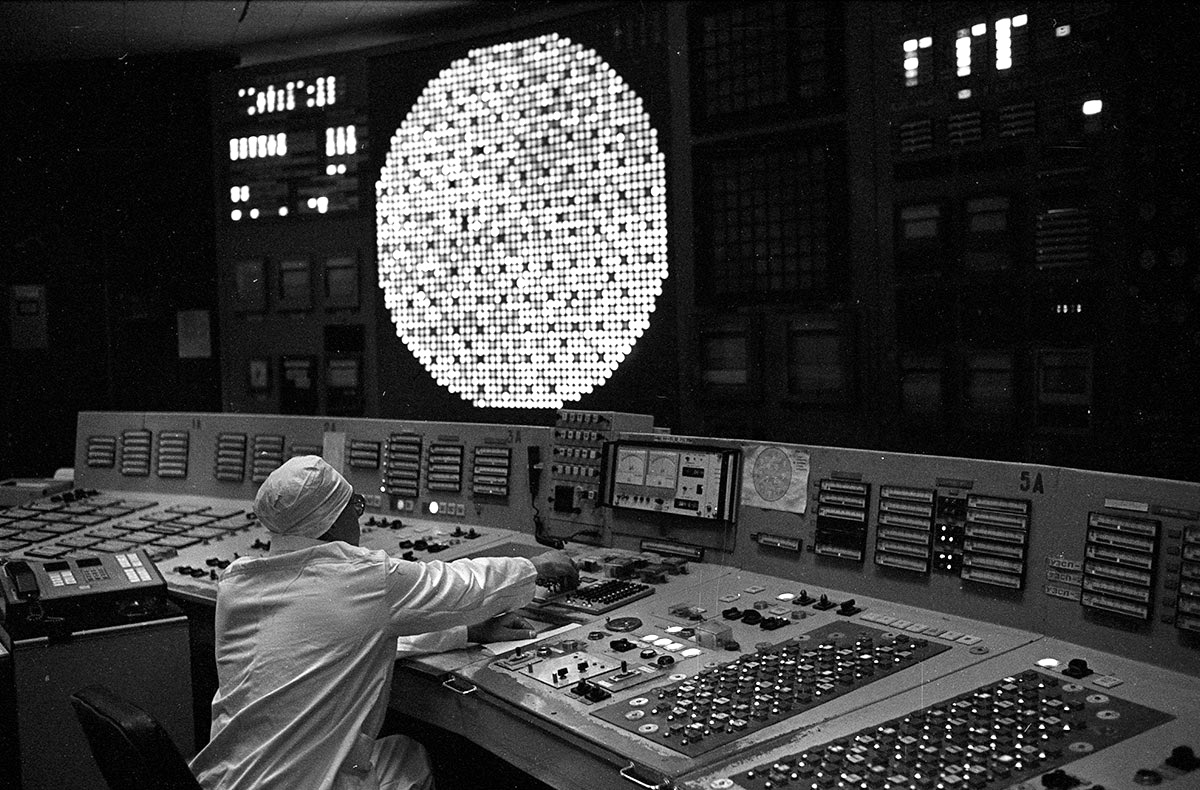
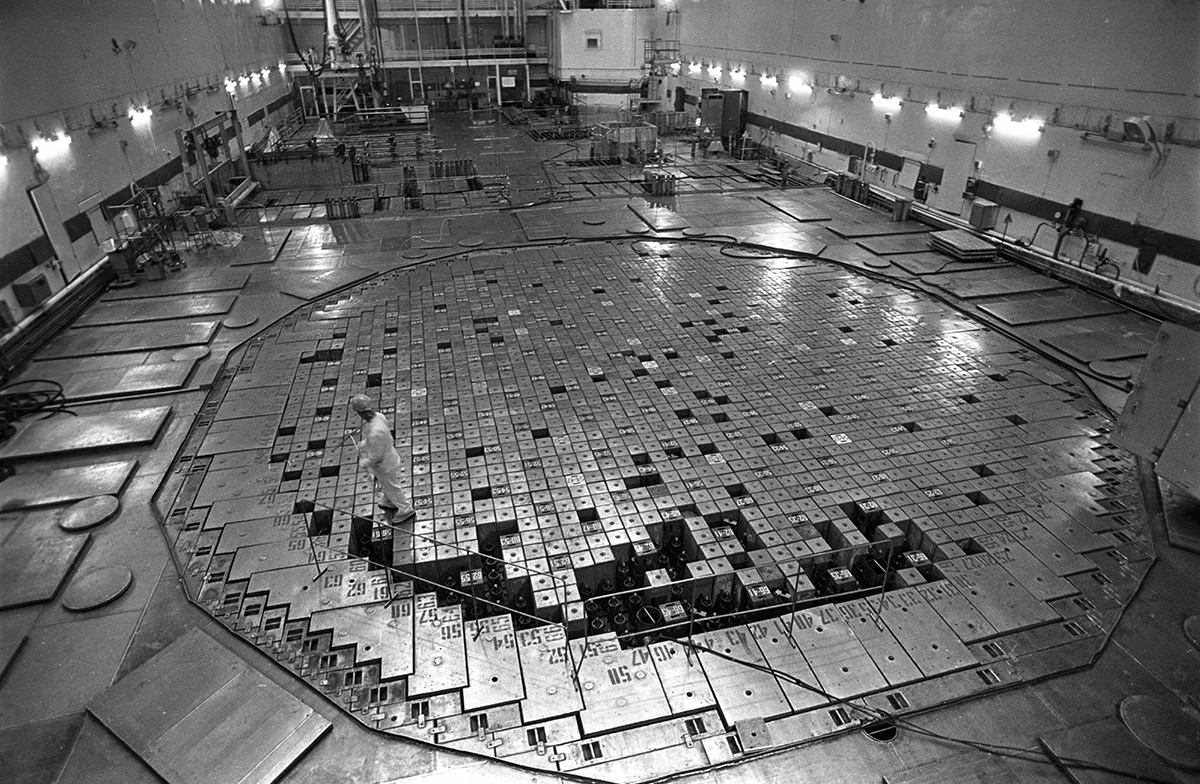
During my 40 years of work in the press (since 1986, the same year as the ChNPP catastrophe), first five years at the “Silski Visti” newspaper, then 33 years at the “Holos Ukrainy” newspaper, and currently two years at Ukrinform, I have had to visit the Chornobyl zone many times; there are thousands of frames shot. Today, let this be the selection for publication.
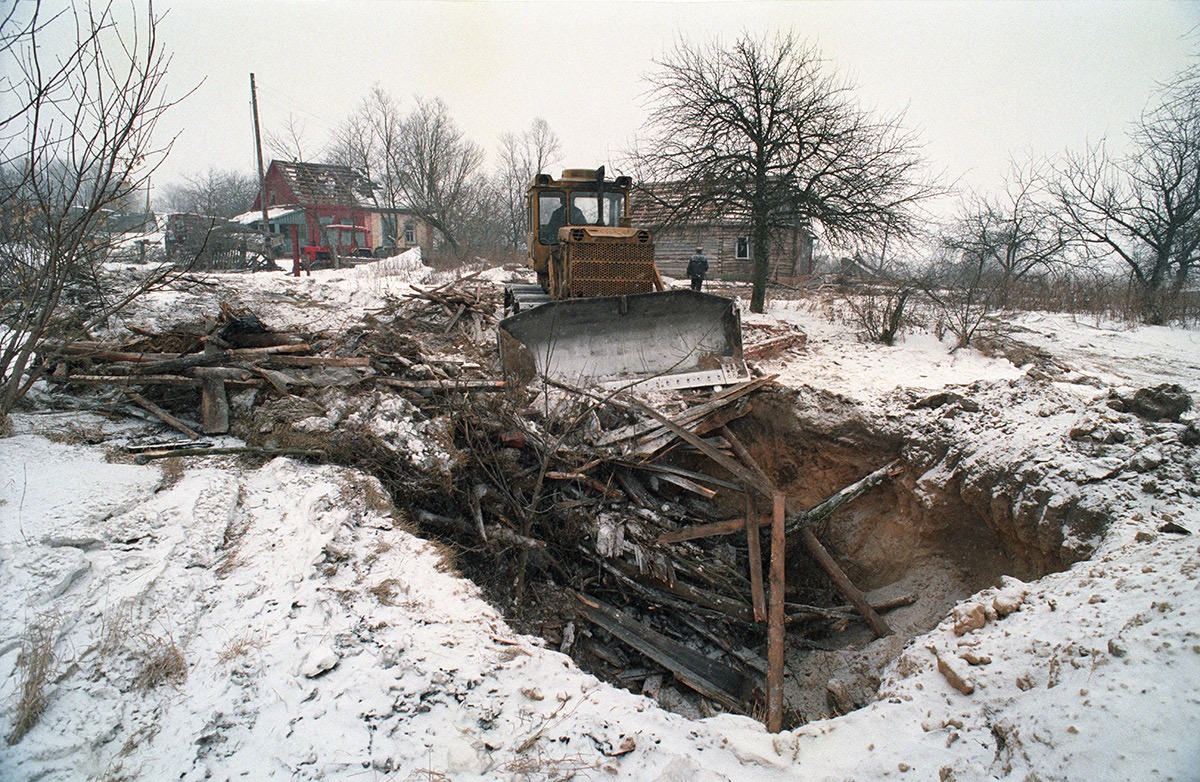
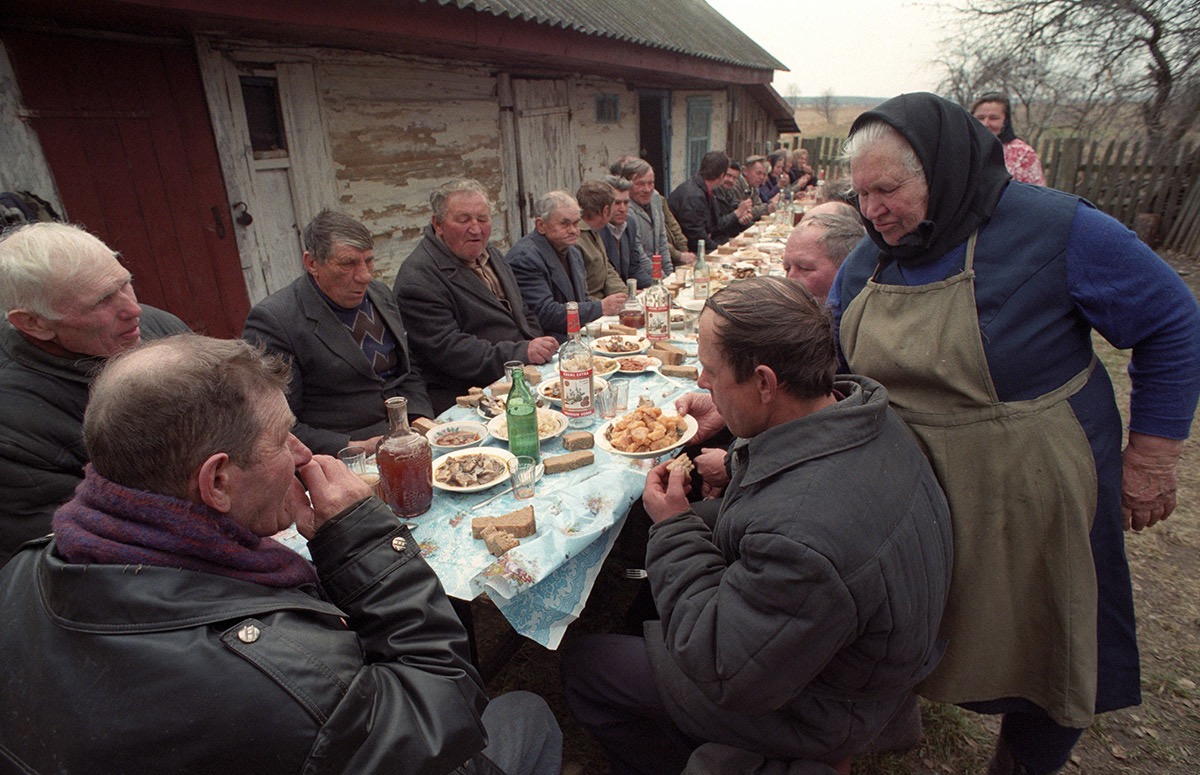
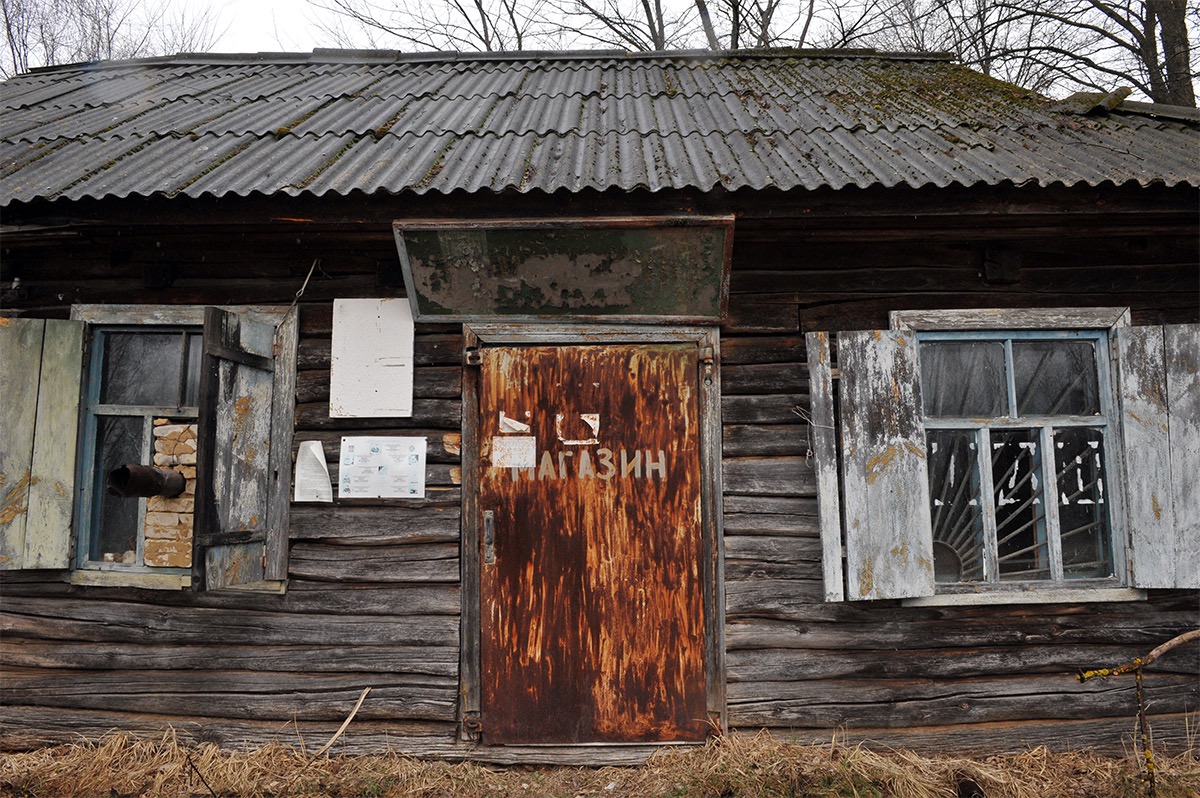
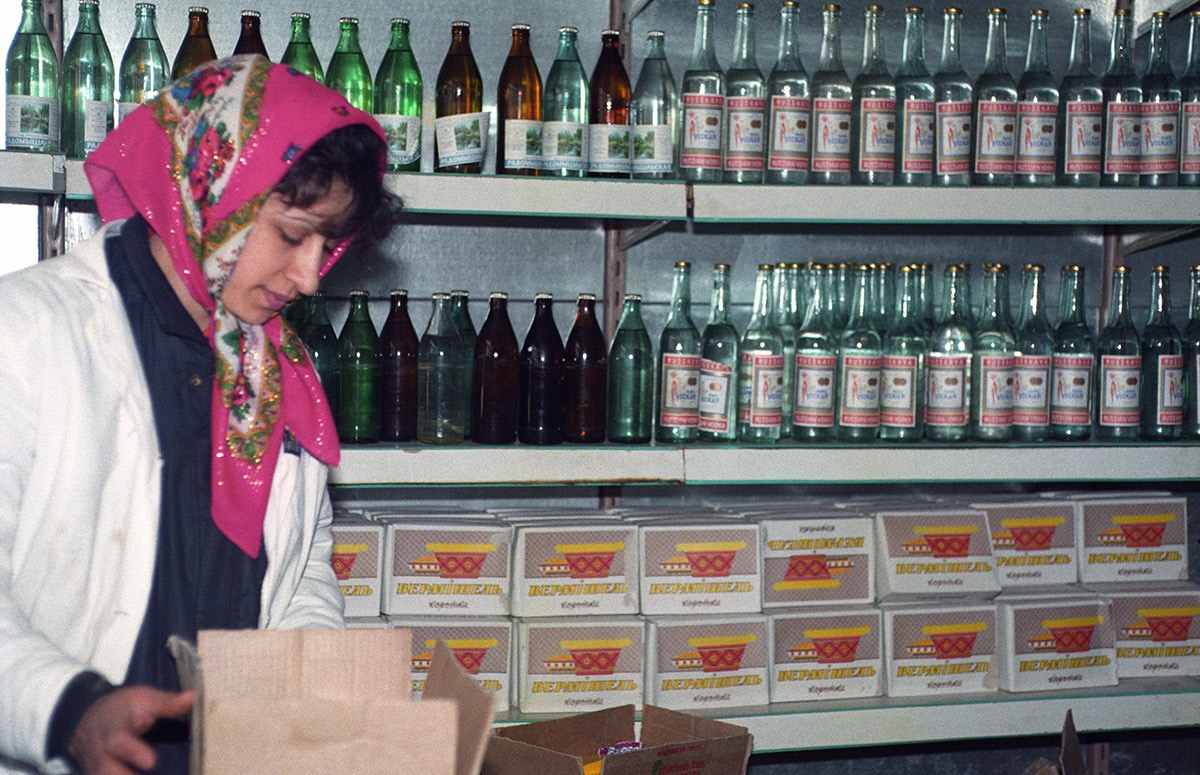
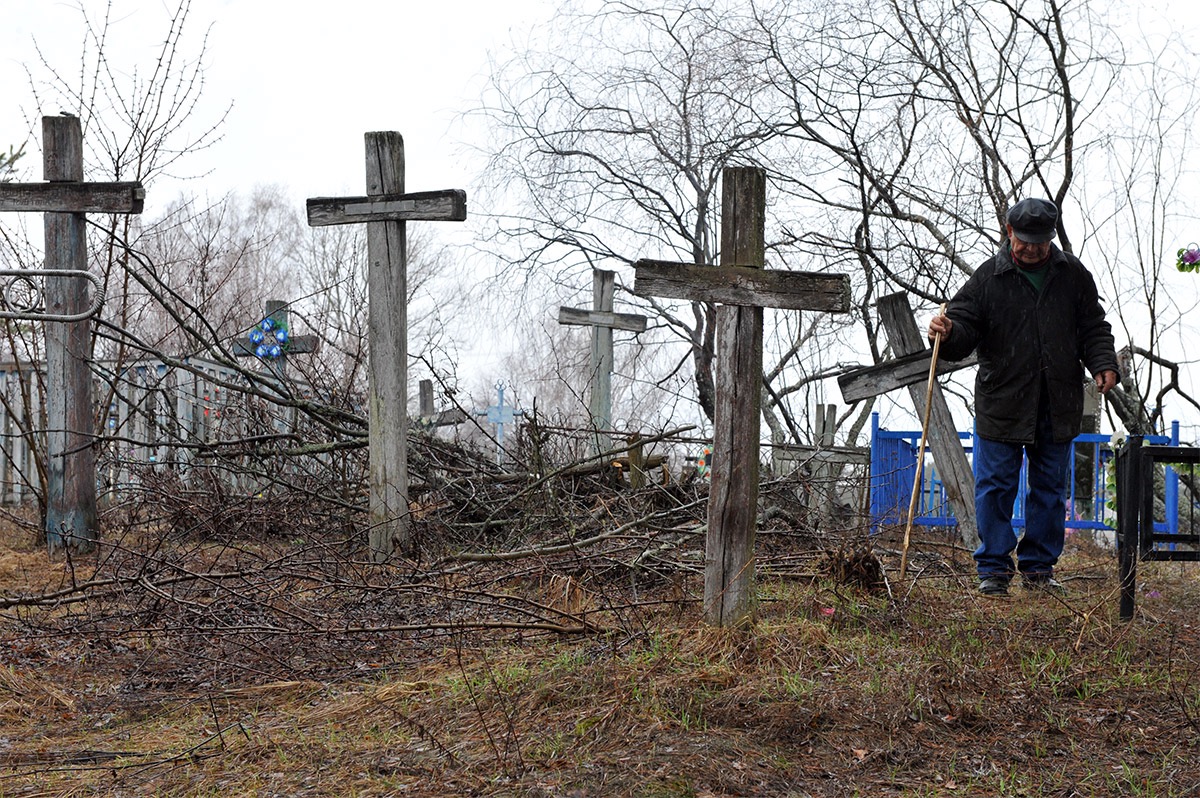
Photo from the archive of photojournalist Oleksandr Klymenko
Oleksandr Klymenkowas born in the Chernihiv region. A graduate of the Faculty of Journalism at Taras Shevchenko Kyiv National University. From 1991 to 2024, he was a photojournalist for the “Holos Ukrainy” newspaper. In 1992, he documented events in Transnistria, then in the countries of the former Yugoslavia, as well as in Lebanon, Kuwait, Sierra Leone, Liberia, Côte d'Ivoire, South Sudan, and the Democratic Republic of Congo. During the Revolution of Dignity, Oleksandr was wounded while in the epicenter of the events. Since the beginning of the Russian military aggression in 2014 in eastern Ukraine, he has been documenting events on the front line. Oleksandr is the author of several photo albums, including: “Ukraine. 10 Years of Progress” (2001), “Peacekeeping Activity of the Ukrainian Military. The First Decade” (2004), “Through Fire and Tears” (2009), “Frontline Album” (2016). “Modern History of Ukrainian Journalism. From Maidan to Maidan” in co-authorship with Yuriy Nesteriak, Yuliia Nesteriak (2022). He held personal photo exhibitions at the UN Headquarters in New York (2012), NATO Headquarters in Brussels (2012, 2013, 2014), in Lithuania (2015), Poland (2015, 2016, 2023), Luxembourg (2015), Norway (2023), Latvia (2022), and participated in collective exhibitions about the war in Ukraine in the parliaments of Great Britain (2015) and Denmark (2014).
This material was created with the support of the British Council program “Creative Economy Grants.”
Material Prepared by:
Author of the text: Oleksandr Klymenko
Photo selection: Oleksandr Klymenko
Literary Editor: Yuliia Futei