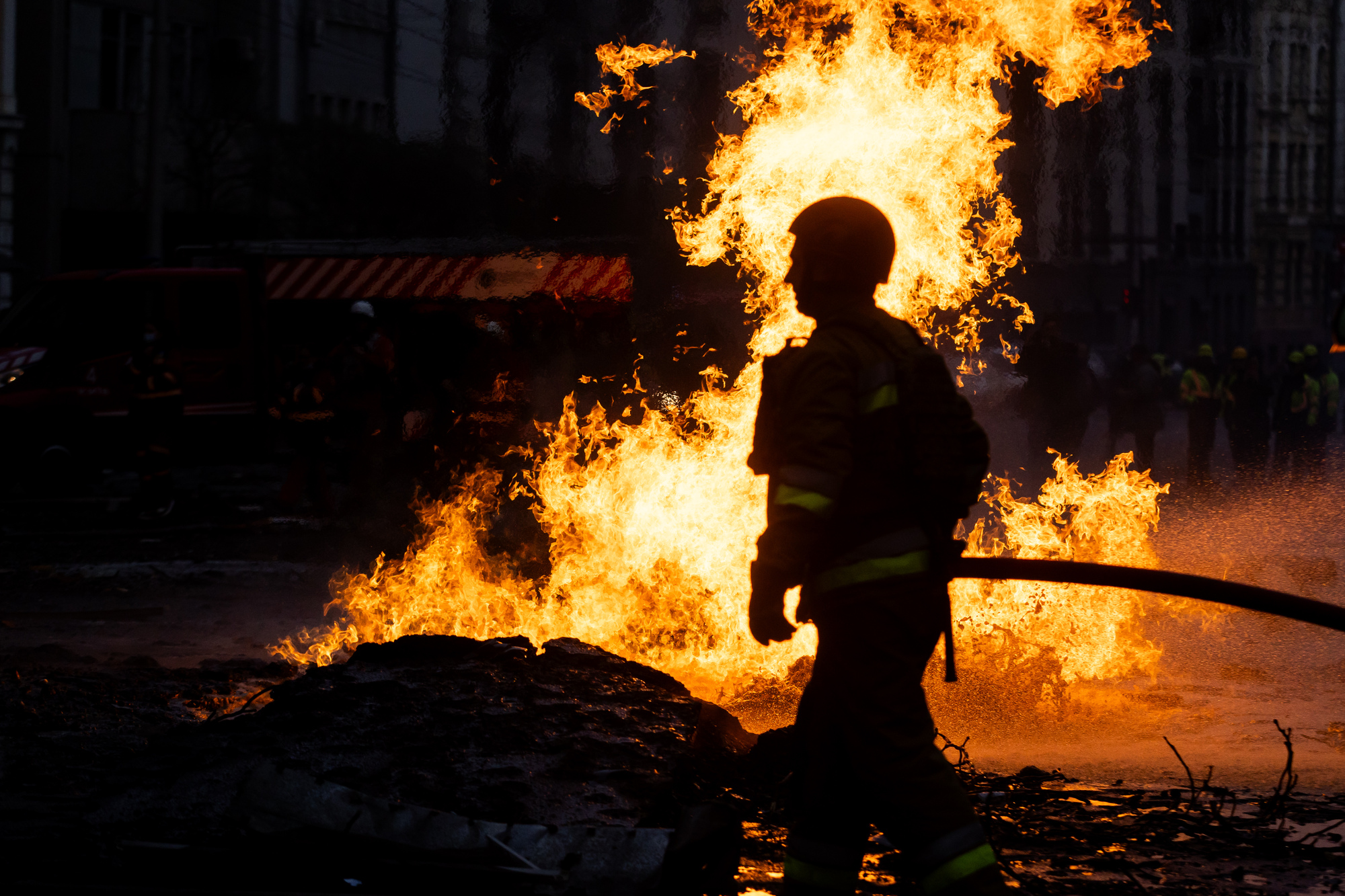
How can Ukrainian photographers get involved with Getty Images? What does the global market buy most often? Which photos are worth showing, and which are not?
We discussed all this in a conversation with representatives of Global Images Ukraine, which has been Getty Images' official partner in Ukraine for over 11 years. Director Oksana Antonova, Commercial Director Kirill Matvienko, and Senior Editor Tetiana Dovgal discussed the realities of working with visual content during wartime and the opportunities for Ukrainian photographers.
Over two decades in partnership with Getty Images
According to Oksana Antonova, director of Global Images Ukraine, the company has been the official representative of Getty Images in Ukraine for over 11 years. After the full-scale invasion began in March 2022, the team refocused on a new goal: to improve the representation of Ukrainian content on the global platform.
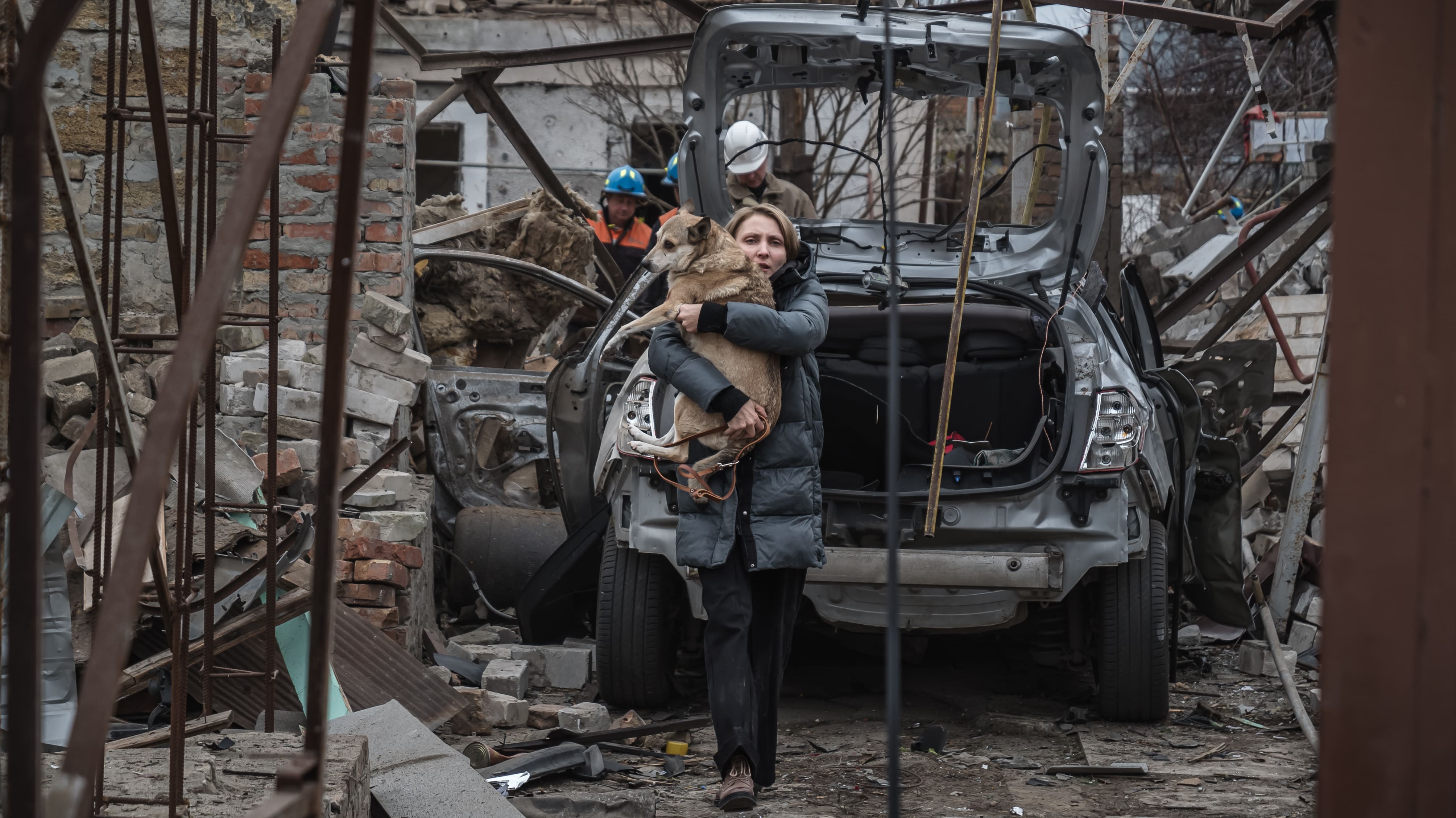
“Getty Images works with leading global media outlets — online publications, TV channels, agencies — that need high-quality content about Ukraine,” says Oksana Antonova. “Today, we are growing rapidly and have already uploaded a significant amount of Ukrainian material to the platform.”
After 2022: from commerce to documenting the war
Kirill Matvienko, commercial director of Global Images Ukraine, emphasizes that until 2022, the company's main activity was commercial licensing of photo, video, and music content for Ukrainian media, film, and advertising industries.
However, after the start of the full-scale invasion, the team realized the need to change focus and proposed a model of cooperation to Getty Images that was focused on documenting the war.
“We realized that we had to contribute to spreading the truth about Ukraine,” says Kirill Matvienko.
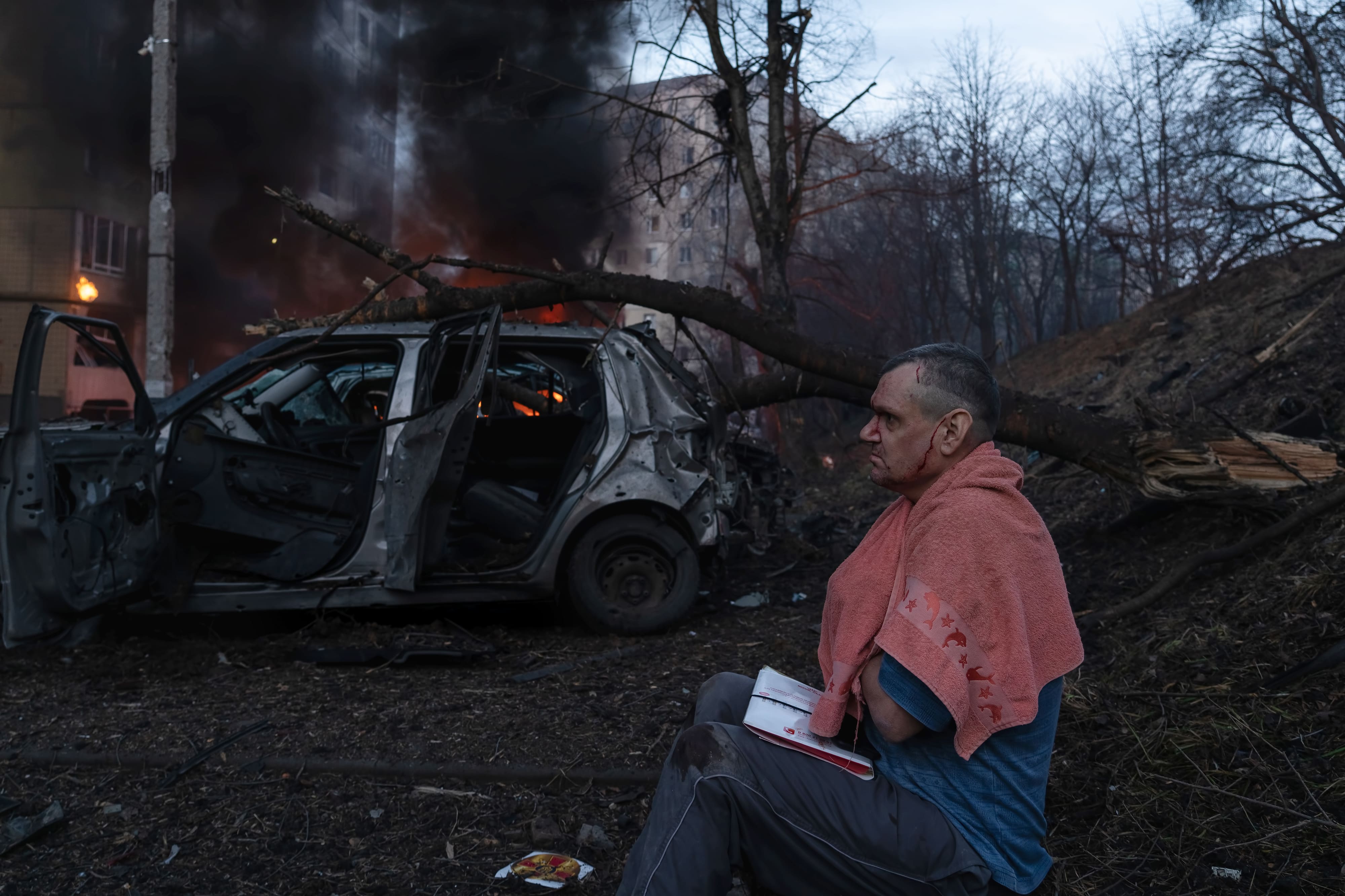
How Getty Images works
Getty Images has a staff of professional authors. At the same time, the company is actively developing a partner network — cooperates with the world's leading content producers, including Sony Pictures Entertainment, Universal Studios, NBC News Archives, Paramount Pictures, Kyodo News, the NBA, ITN, BBC Studios and others. Such cooperation allows Getty media clients to access a wide range of professional, relevant and thematically diverse news content from around the world.
Before the start of the full-scale invasion, Getty cooperated with a very limited circle of photographers from Ukraine. Most could not cooperate directly — was hindered by the language barrier, complex editorial requirements.
“In 2022, we were given carte blanche to recruit Ukrainian authors,” says Kirill Matvienko. “We became a strategic partner of Getty, which understands both the local context and Getty's high standards. This required serious preparation, negotiations, training of our editors, and a quick search for authors and technical support.”
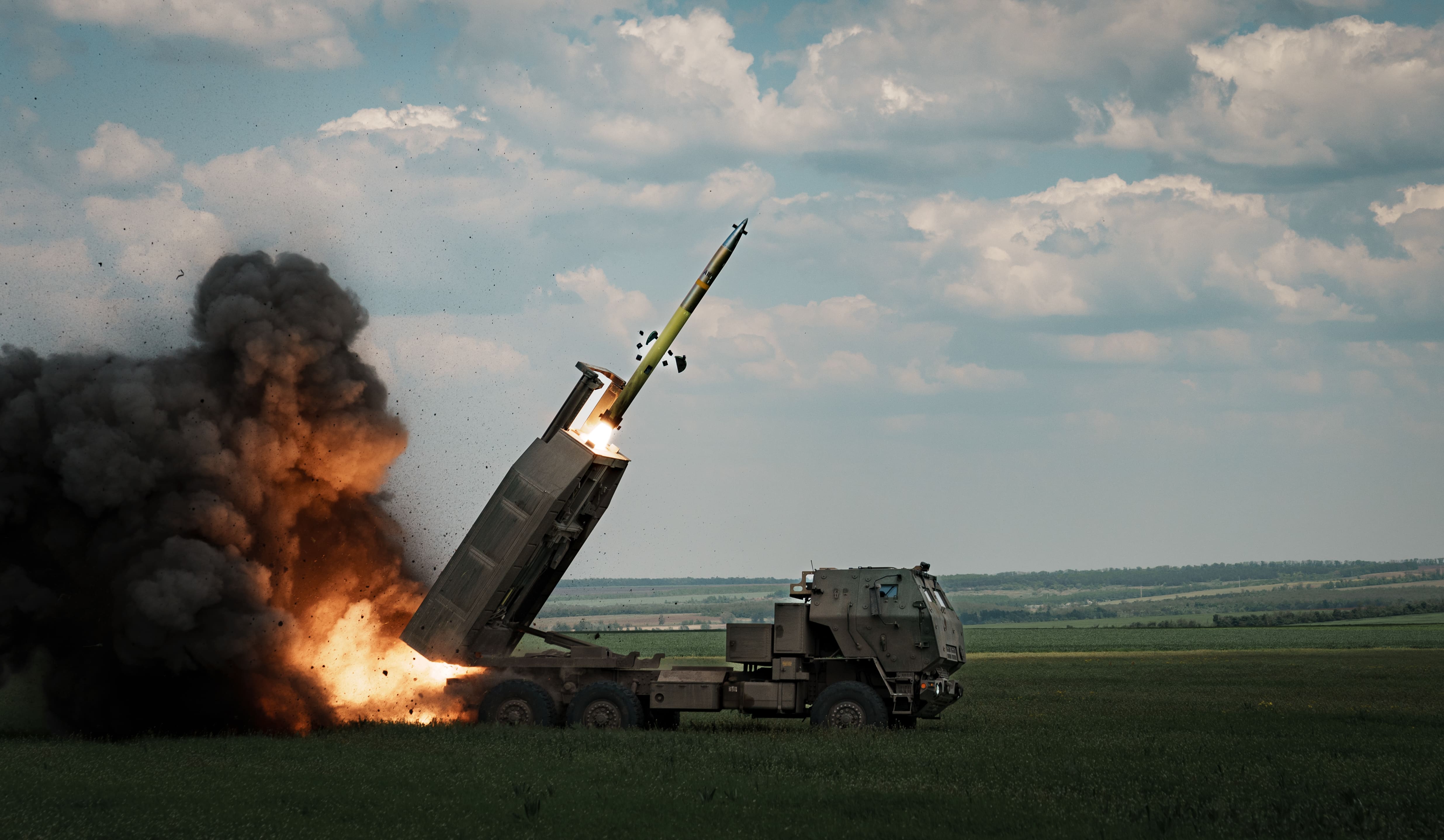
Searching for authors during the war: who was shooting under fire
With the start of the full-scale invasion, Global Images Ukraine began to form a new network of Ukrainian photographers who would be willing to work with Getty Images. The task proved to be difficult: many potential authors had left the country, were in danger, or simply did not have the technical means to work.
"In March 2022, we asked our clients and colleagues to recommend authors. It was a difficult process: many had evacuated, did not have stable internet access, or had no plans to shoot at all. But there were also those who, despite the rocket attacks, continued to film. They couldn't be stopped — they considered it their duty to document history," says Kirill Matvienko.
According to him, the key criterion for cooperation was not formal conditions, but sincerity and accuracy in reflecting events. “We did not impose strict restrictions on the authors — the main condition was sincerity and accuracy in recording reality. Today, we have a lot of unique materials that document the war and the realities of our time,” emphasizes the commercial director of Global Images Ukraine.
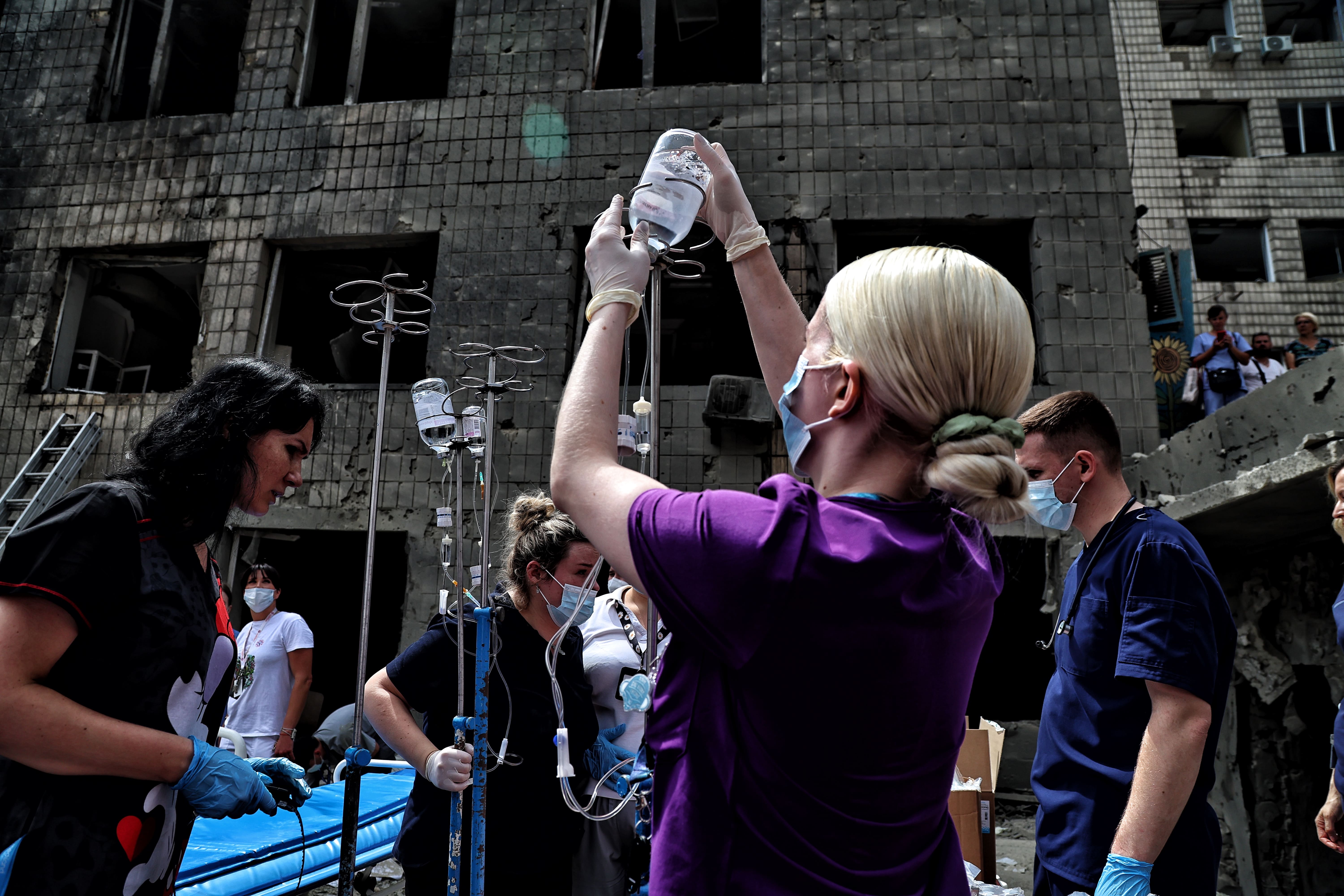
140,000 images: how Ukrainian content finds its way into global media
In three and a half years of collaboration with Getty Images, the Global Images Ukraine team has significantly increased the amount of Ukrainian content on the platform. This includes not only news photography, but also video, which is also actively used in international media and film production.
“In 3.5 years, we have uploaded about 140,000 pieces of content to the Getty Images platform: 40,000 videos and the rest photos,” says senior editor Tetiana Dovhal. “The content is purchased by major film studios, documentary projects, and news media from the US, UK, France, Japan, the Netherlands, and Poland.”

Ukrainian visual memory in the global archive
For Global Images Ukraine, working with content is not just about commerce. One of the most important aspects is preserving Ukrainian history in the global visual space. According to Kirill Matvienko, Getty Images has one of the largest and oldest private archives in the world, with access to over 150 million images dating back to the dawn of photography. From historical images created in the early 1800s to more contemporary images from the 1990s, the Getty Images archive contains a large number of socially significant historical photographs, frames, and prints, as well as content from over 35 editorial collections from partners, including Gamma-Rapho, Paris Match, The Bettmann, Sygma, and many other archives.
“The Ukrainian content we create also becomes part of this collection. It is already part of the global cultural heritage,” explains Kirill Matvienko.
This archive is not just about war. Tetiana Dovhal, senior editor at Global Images Ukraine, adds that one of the important areas of their work is the formation of a Ukrainian historical archive.
"We started uploading materials related to the Orange Revolution, the Revolution of Dignity, and other events in recent history. Our goal is to present these events through the works of Ukrainian authors in order to make them accessible to a global audience."
Kirill Matvienko emphasizes that it is important for Ukrainian content to be accessible legally — not through copying or piracy, but through honest cooperation. “Cooperation with Getty Images is a legal and transparent way to bring Ukrainian content to the global market. It is about fair monetization — authors receive fair compensation for their work.”
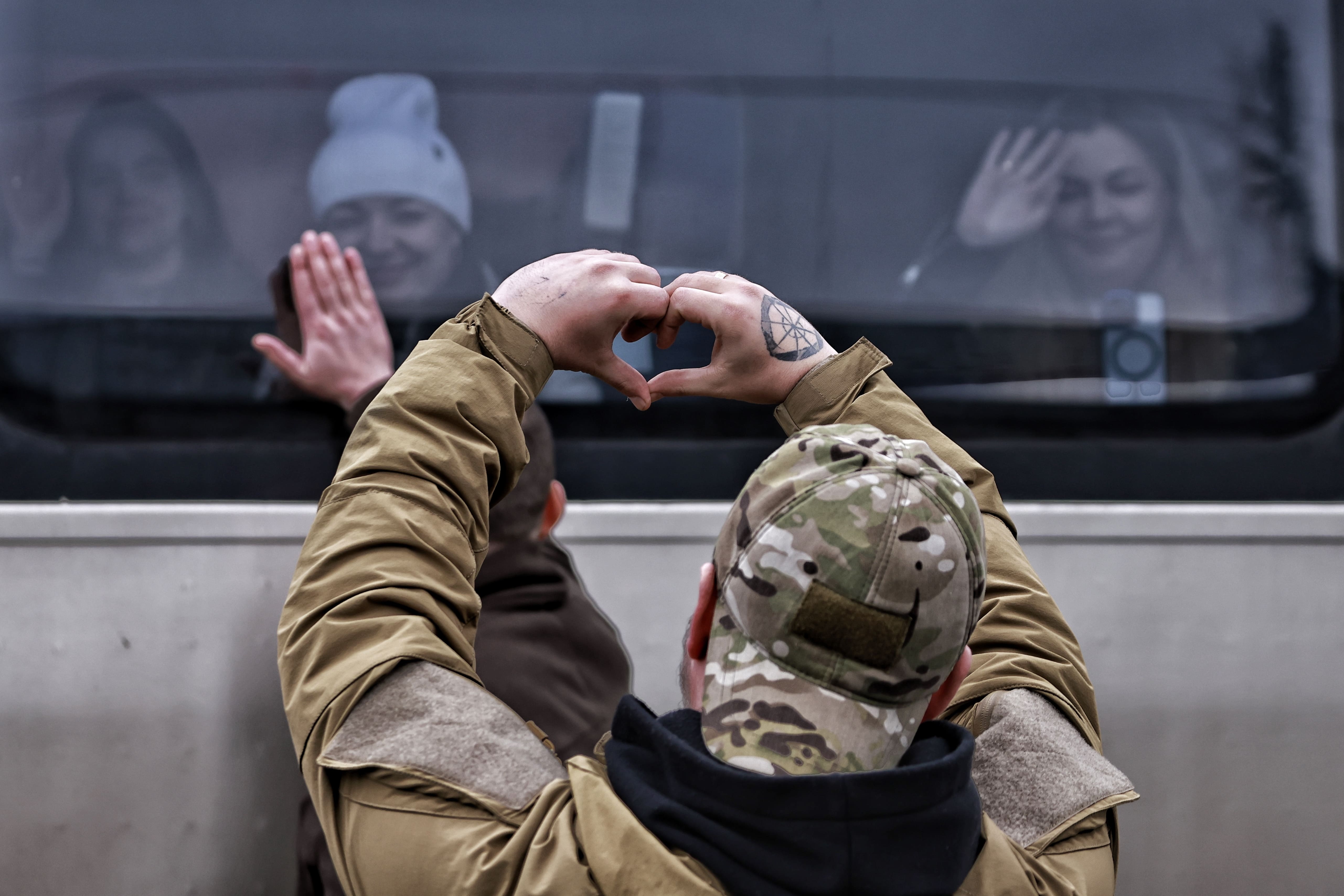
How Ukrainian photographers can join Getty Images: requirements, support, monetization
To start working with Getty Images through its Ukrainian representative Global Images Ukraine, photographers must take the initiative. As senior editor Tetiana Dovhal explains, the first step is to submit a portfolio.
"The main selection criteria are professionalism, previous experience, reputation, and compliance with Getty Images' technical and editorial requirements. We care not only about the quality of the images, but also about the subject matter. We work not only with archives, but also cover current news, cultural and sporting events, so we are looking for authors with different professional backgrounds," she notes.
After agreeing on cooperation, according to commercial director Kirill Matvienko, a contract is signed, and the photographer informs the editorial office about the events they plan to photograph. The Ukrainian editorial team provides support to the author: assistance with working in their personal account, checking, editing, and publishing uploaded content. Recommendations are also provided on current and potentially popular topics. The editor's task is to provide maximum support to the author so that the materials are published on the Getty platform as quickly as possible.
"Content is not published automatically — each piece of material is reviewed by Getty Images editors. We help with descriptions, keywords, and compliance with standards. If the content is a high priority, we can speed up the editorial process," says Tetyana Dovgal.
"We don't select the ‘best’ photos from a series — we publish everything that meets Getty's requirements. The author remains the owner of their materials and only transfers the rights of use. The photographer receives royalties from each sale. This means that the content can generate income repeatedly — every month, for many years."
Kirill Matvienko emphasizes that publishing on Getty is not just a commercial transaction, but an opportunity to join the global cultural process.
“Publishing on Getty is not just a way to sell photos, it is an opportunity to make your content part of the global information and cultural space. For a talented photographer, it is a kind of deposit that generates ‘interest’ — a stable income that grows over time and with the number of sales.”
The mission of Ukrainian photographers: to preserve life — and truth
Against the backdrop of these examples, the question of the role of Ukrainian photographers during the war becomes particularly acute. Kirill Matvienko puts it bluntly:
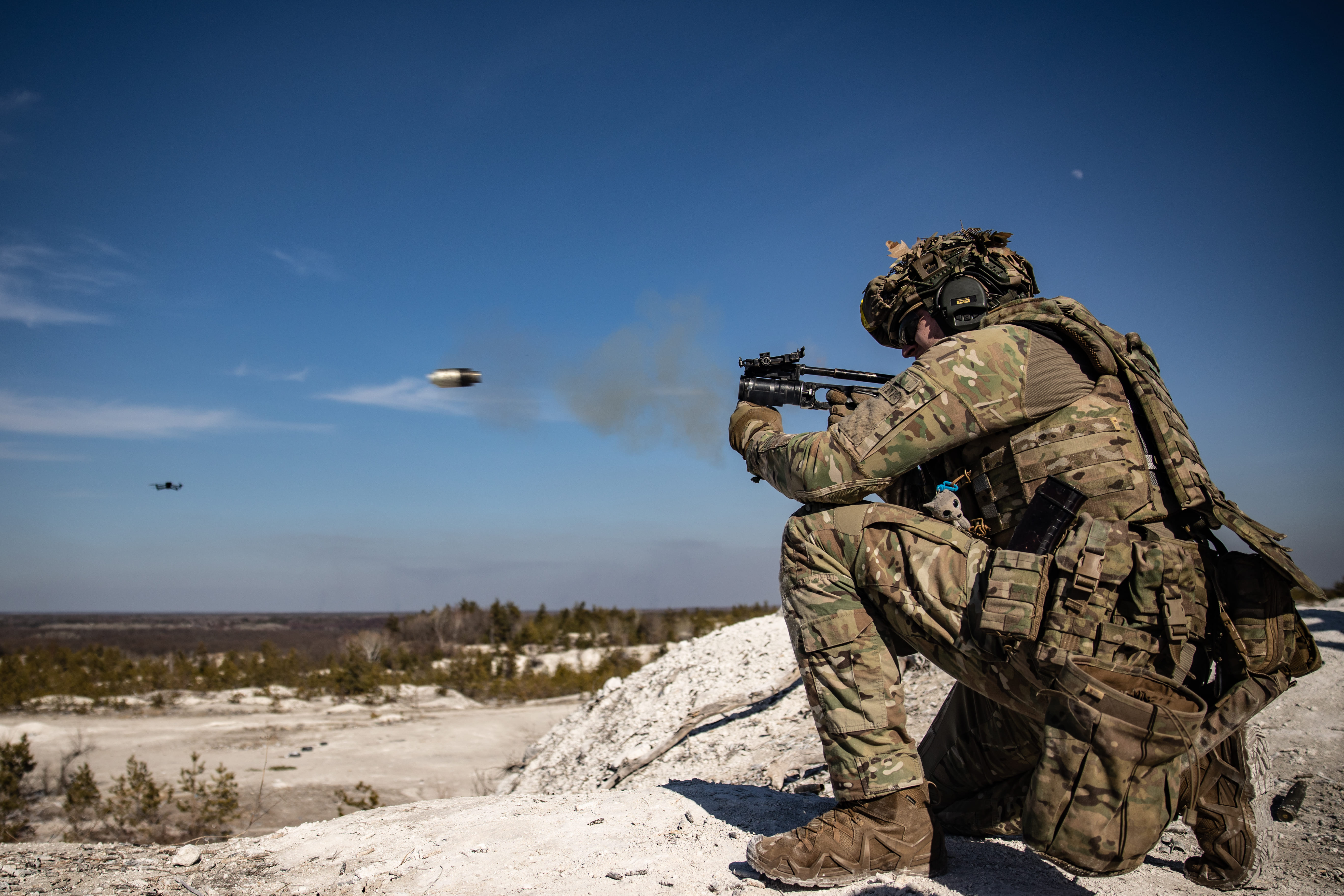
"We all agree on one thing: first and foremost, we must survive. For Ukrainian photographers today, this is not a figure of speech, but a literal reality. Photographing the aftermath of shelling, working near the front line, documenting tragedies — all this takes place in conditions of direct danger. The enemy deliberately repeats strikes on places where rescuers, journalists, and photographers are already working."
But in addition to physical danger, there are others — financial and psychological.
“Survival is not just about physical safety. It is also about endurance in conditions of economic instability and fierce competition,” adds Matvienko.
Images that change the world
Can a single photograph change perceptions of events — or even the course of history? For Kirill Matvienko, the answer is unequivocal: yes. In his work, he has repeatedly seen the power of images that have become more than just a frame.
Another example is the world-famous video footage from Tiananmen Square in Beijing in 1989. An unknown man stood in front of a column of tanks and literally stopped it.
“This video, shot from a hotel window, spread around the world and became a symbol of protest. It shows how a single moment captured by a camera can change the perception of an entire era. These examples are not about aesthetics or technique. They are about the power of truth and images that speak without words.”

From sports to war: images that reveal depth
Despite the dominance of the war theme, the Global Images Ukraine team does not limit itself exclusively to frontline content. Kirill Matvienko cites an example of a project that has a different emotional tone but is no less powerful — a series of portraits of Ukrainian Olympians by Serhii Mykhalchuk.
“When people ask me about projects that have impressed me recently, I think of Serhiy Mykhalchuk’s exhibition dedicated to Ukrainian Olympians. It is a series of portraits that we also published on Getty Images. It conveys not only physical strength, but also the inner drama of athletes — people who live and compete in wartime conditions. These images have an emotional depth that needs no explanation. It's a different world, a different context — and it's very eloquent."
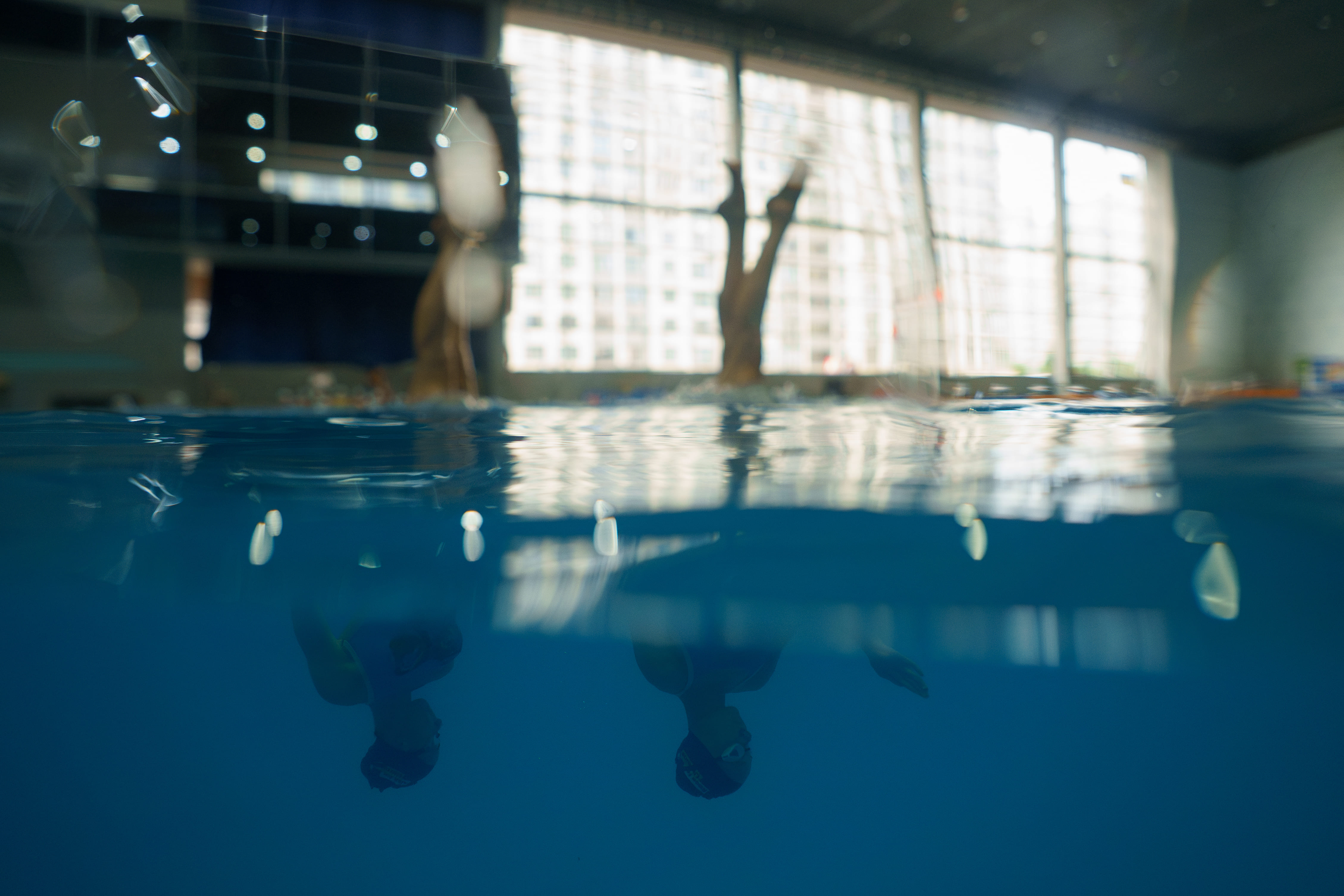
This example underscores the core belief shared by Getty Images: photography is not just a way of capturing reality, but a driver of change.
Images move the world
Getty Images' philosophy is simple: “Images move the world.” And this is not just a slogan. We see how a single frame can change perceptions of events, provoke international reactions, and become a visual symbol of the times. This is the main mission of Ukrainian photographers today: to be witnesses, to preserve history, and to show the truth," concludes Kirill Matvienko.
Contributors:
Researcher, author: Vira Labych
Image editor: Olga Kovalova
Literary editor: Yulia Futey
Website manager: Vladislav Kukhar
.png)
.png)