Oleksandr Navrotskyi is a Ukrainian photographer.Born, lives, and works in Kyiv. He has been engaged in photography since 2008;in his work he explores the theme of the urban environment. Participant ingroup exhibitions in Ukraine and Europe.
Oleksandr Navrotskyi spoke about working on series ofphotographs, about Kyiv’s “unique” Troieshchyna district, why film is exactlywhat gives him the opportunity to feel the urban landscape, and why he neverplans shoots.
— Why and when did photography appear in your life?
— I got intophotography in the late 2000s, when themed websites and LiveJournal (an onlineplatform for personal blogs — ed.)were popular. Back then, real battles and lively discussions unfolded underevery published shot. At first I watched with curiosity; then my first cameraappeared, and it became a great companion for unhurried walks around the city,which I really love. These mini-journeys change the usual rhythm of life, andthe camera helps focus your gaze and attention on the details of the worldaround you.
I don’t have aphotography or art education; instead, I devote quite a lot of time to thishobby. It gives me the opportunity to record my observations and share them.The camera is one of the tools for mastering, understanding, and sharpeningattention.
My first camerawas a digital Canon, but quite quickly I tried shooting on film, and I stillwork with it. Now a rangefinder and a 35 mm lens cover 90% of my creativeneeds. Sometimes, out of curiosity or when the opportunity arises, I can useother equipment.
Film createsconditions for a more responsible press of the shutter because of limitationsin sensitivity, the number of frames, and the absence of an instant result.This increases the level of concentration and, at the same time, sometimesprepares surprises that may be waiting after development.
— Who influenced your photographic style? Who did youlook to when you were just starting out? And is visual literacy important for aphotographer?
— My style wasshaped under the influence of the classics from the Magnum agency — hence myfascination with black-and-white imagery. As for vision, it was shaped firstand foremost by the place where I live, and also by personal life experience,which is different for everyone.
I’m convincedthat an artist must be open to everything. It’s unlikely that knowledge ofcinema, music, or modern science has ever gotten in an author’s way. On thecontrary, each new layer of knowledge — from classical painting to astronautics— can become fuel for creativity. Of course, visual experience helps, but itcan also have a reverse effect — when you subconsciously start copying othersor feel that “it’s all already been in The Simpsons.”
On the onehand, photography is very simple: you just need to press a button. That is themain condition for an image to appear — not the visual experience of the personpressing it. I have successful frames that happened precisely because ofmistakes. A project comes to mind in which a Polaroid camera was given to amonkey, and what the animal “shot” was later sold at Sotheby’s. Today,contemporary photography is increasingly not about visual literacy, but aboutawareness. But the chimpanzee experiment convinces me of something else.
Ideally, it’s abalance between an intellectual foundation and the ability to be amazed by theworld as if you were seeing it for the first time.
— Do you have more creative freedom becausephotography is not your main profession?
— “Stay anamateur and enjoy the process” — that’s the advice I once received during aportfolio review. It makes it possible to honestly do what I want.
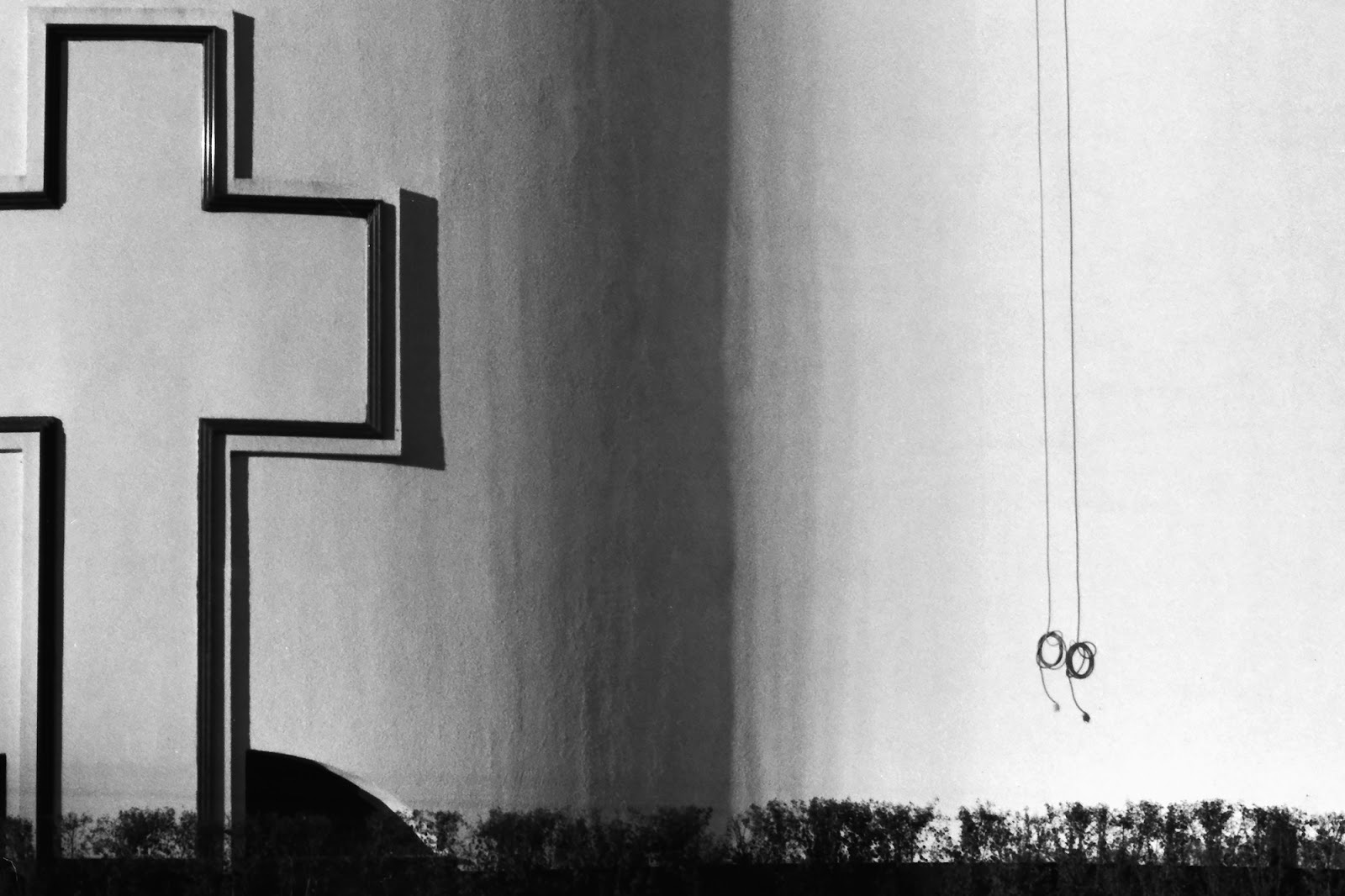
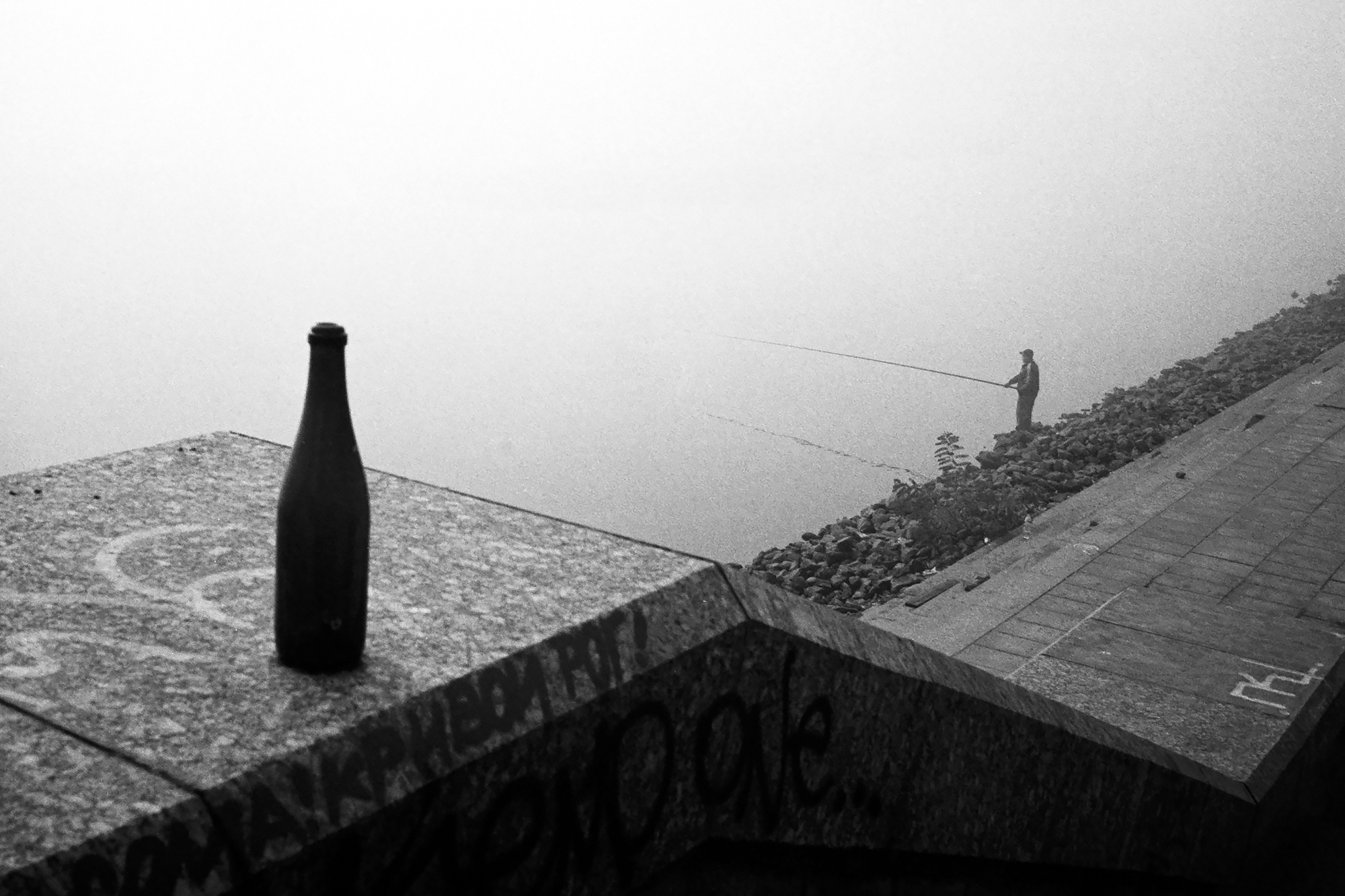
My method is, to some extent, street photography. I simply always carry a camera with me, not looking for anything specific, because life comes up with scenarios that are beyond any imagination. Usually, I don’t shoot projects with a specific plan, because I don’t feel ease and everything starts to seem artificial. I like working spontaneously, rather than looking for a frame that I invented in my head. Later, I analyze the material I’ve shot and combine it into series.
— Please tell us how your photo series came about. To what extent are photographs self-sufficient for you and do not require captions?
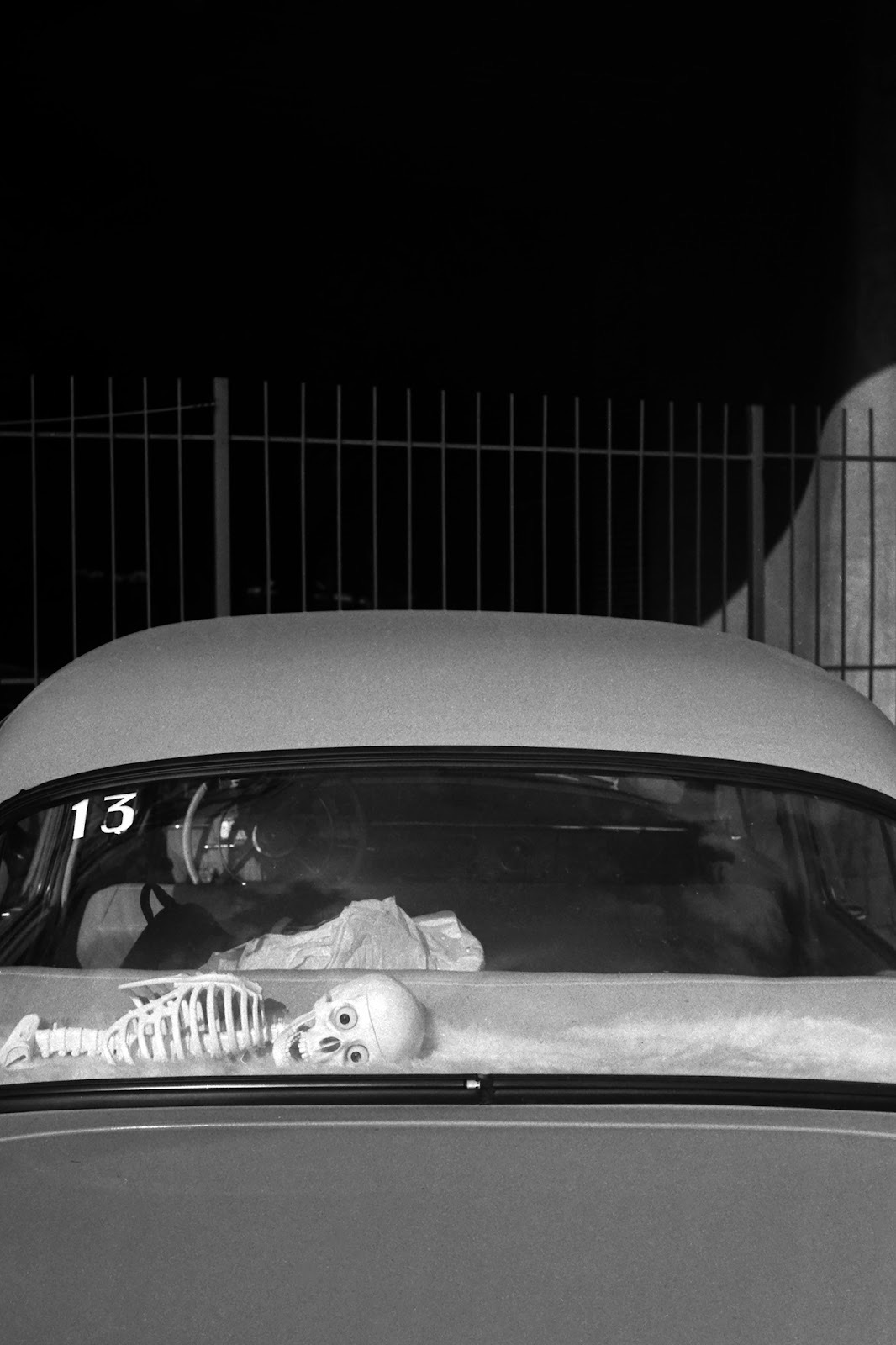
— The series Otherside took shape as an attempt to find magical realism in everyday life. I was looking for those special points of intersection in the urban environment where ordinary things suddenly form a new, unexpected visual shape.
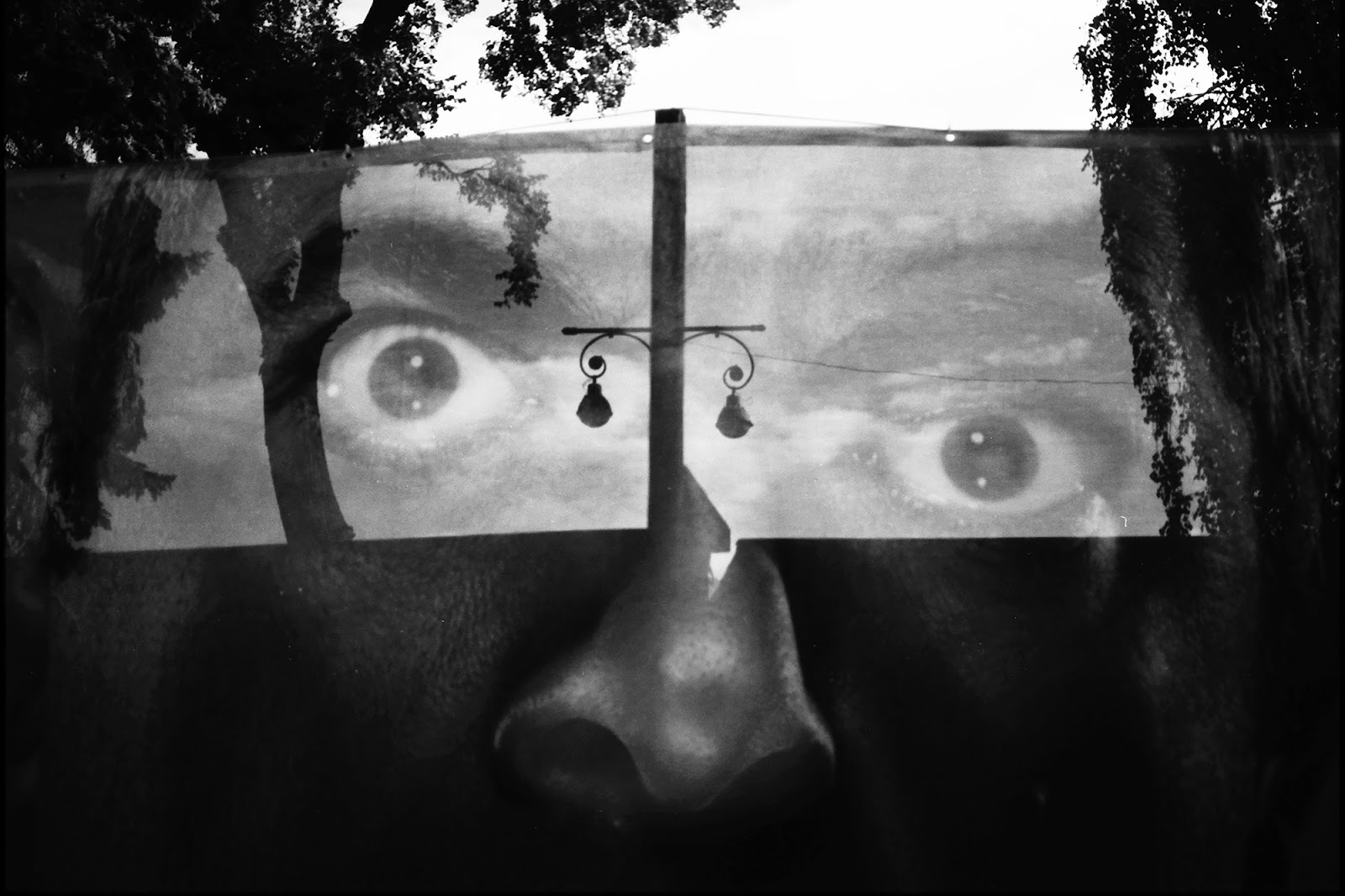
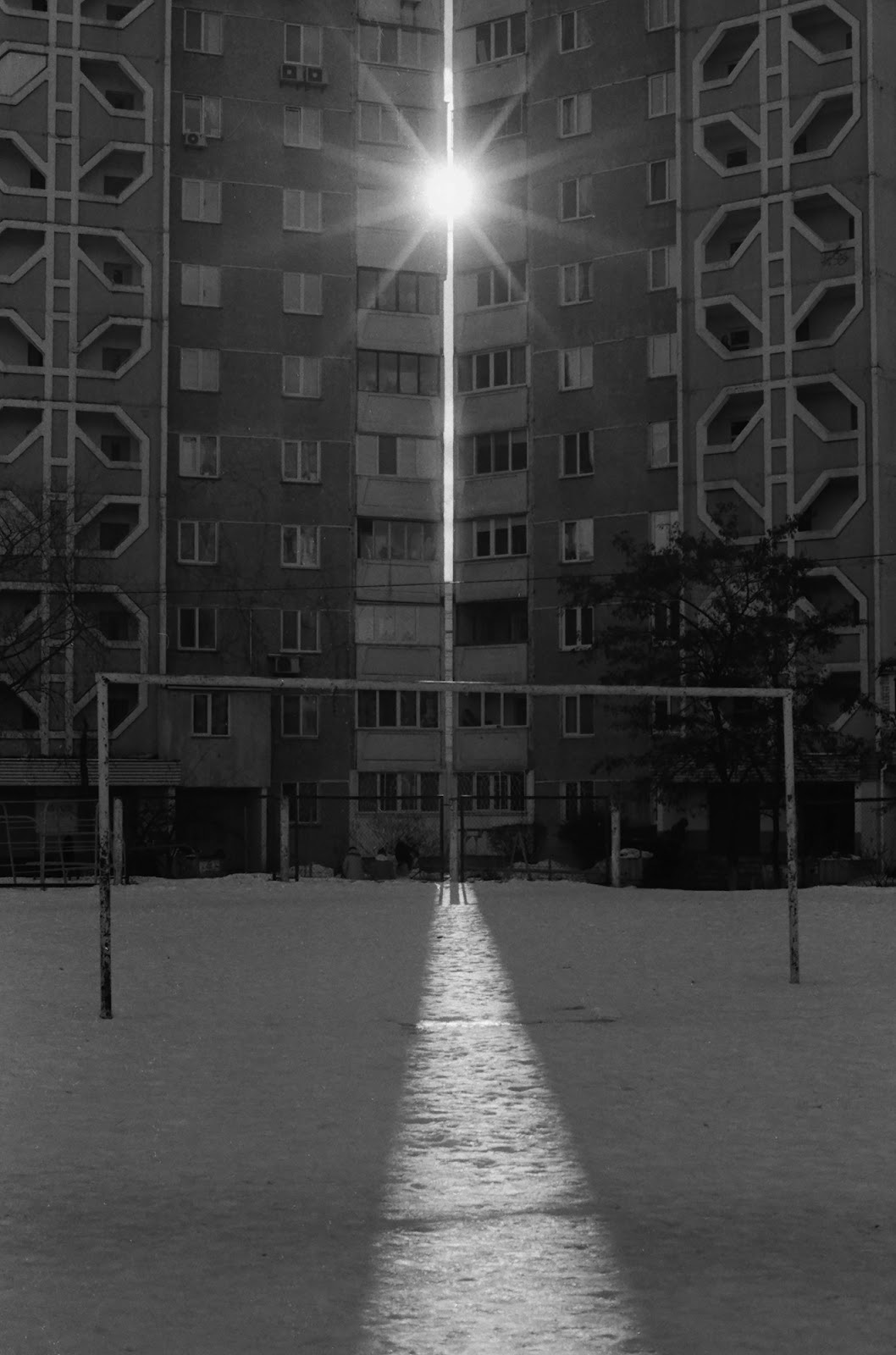
After that, I focused on the space where I live directly. Troieshchyna became my main field of research. The result was the project Raй:ON. The name refers to history: in ancient times, this territory was called “paradise” because a princely palace was located here. For me, this project is first and foremost about mastering space, searching for hidden patterns, and bringing this historical paradise into a contemporary view. At the same time, it is an attempt to go beyond my own biases and capture a changing area that constantly produces new bizarre combinations of artifacts of modernity.
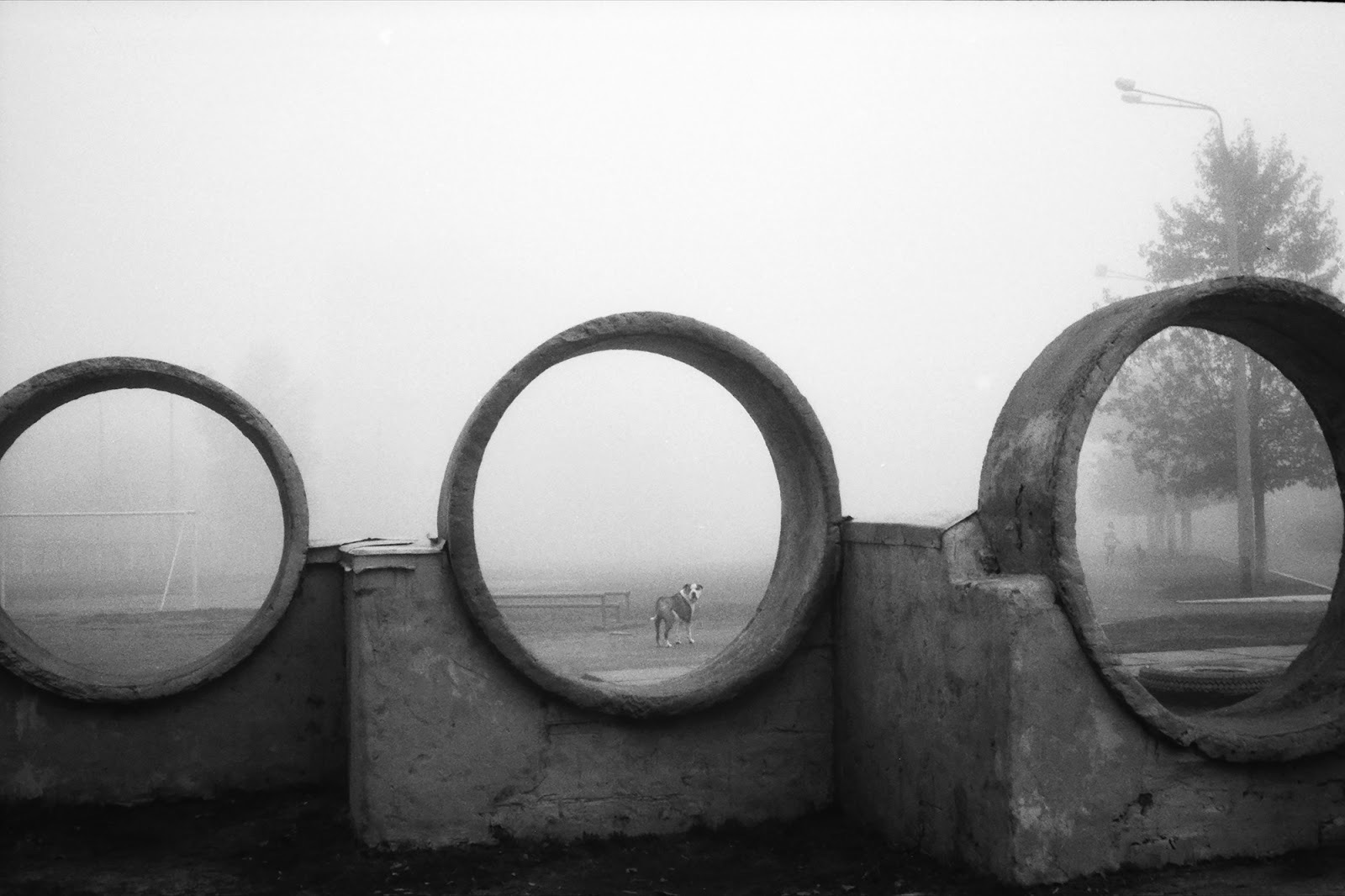
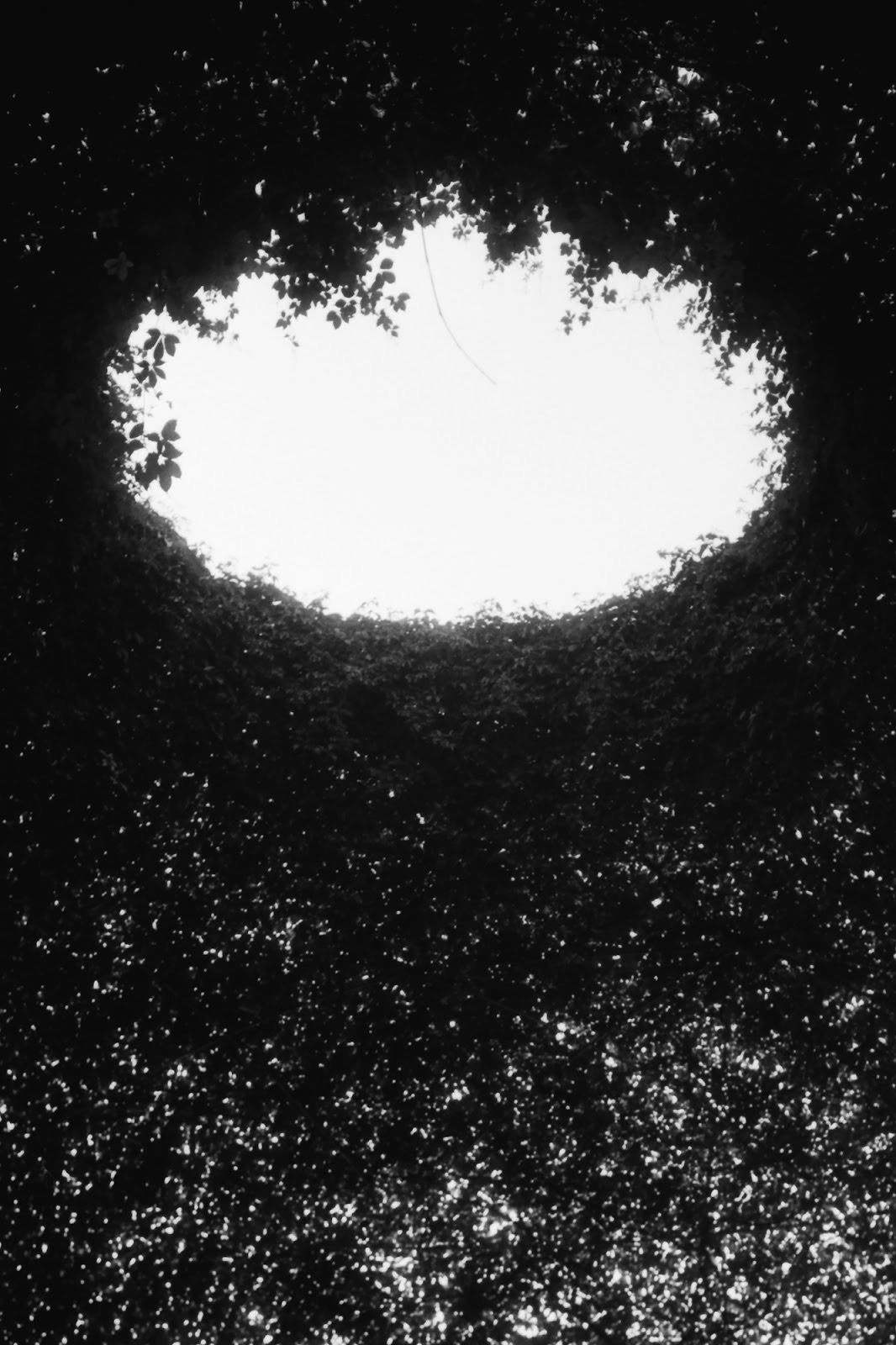
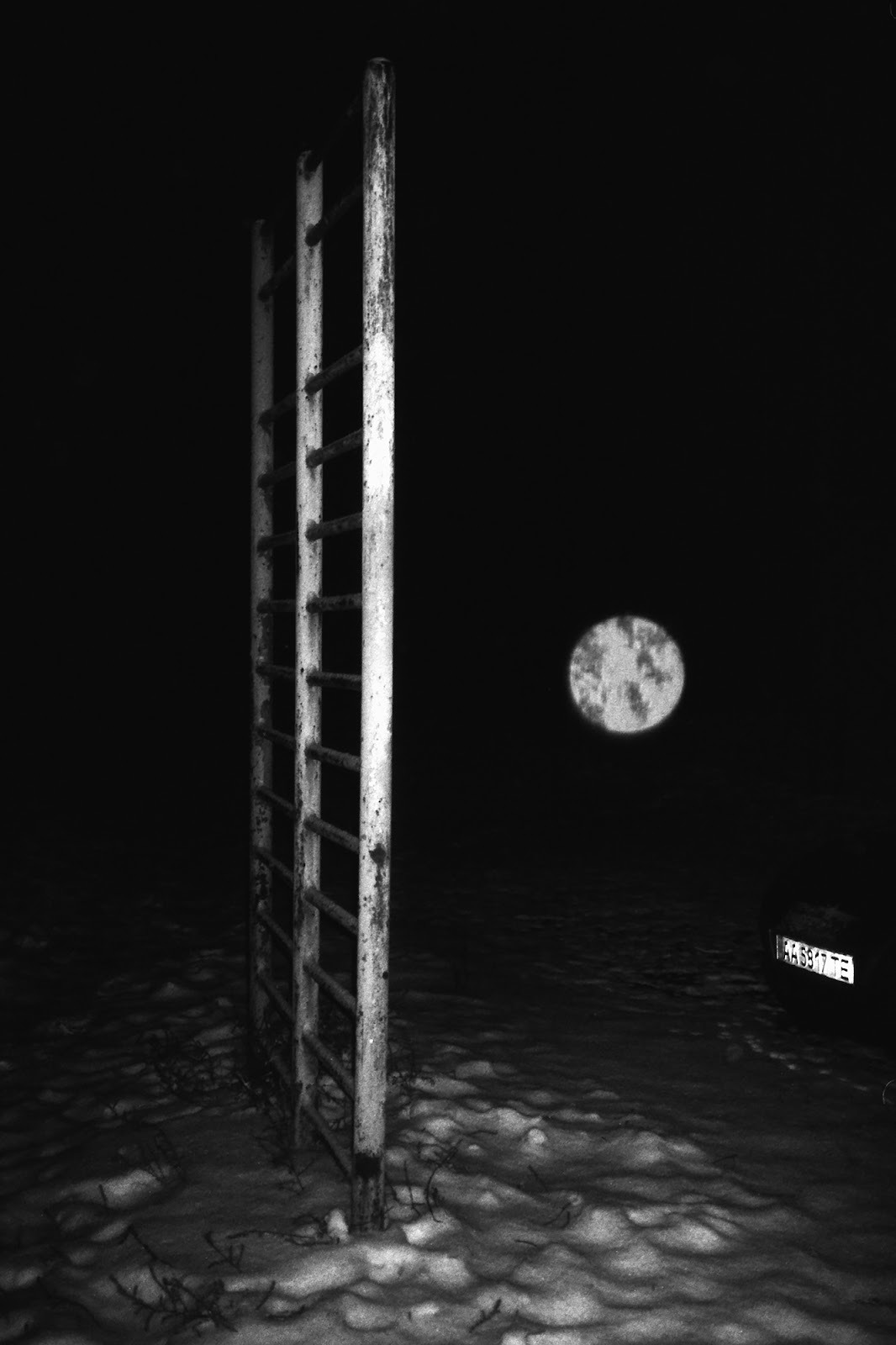
While working in Troieshchyna, I began noticing objects that ended up in unexpected places and, because of that, changed their essence. Breaking out of their usual context, they took on a different resonance, becoming barely perceptible abstract quantities. I was fascinated by this loss of ties to the natural environment, when an object begins to radiate new, multiple meanings. These vertical shots later became part of the series Slowly t.
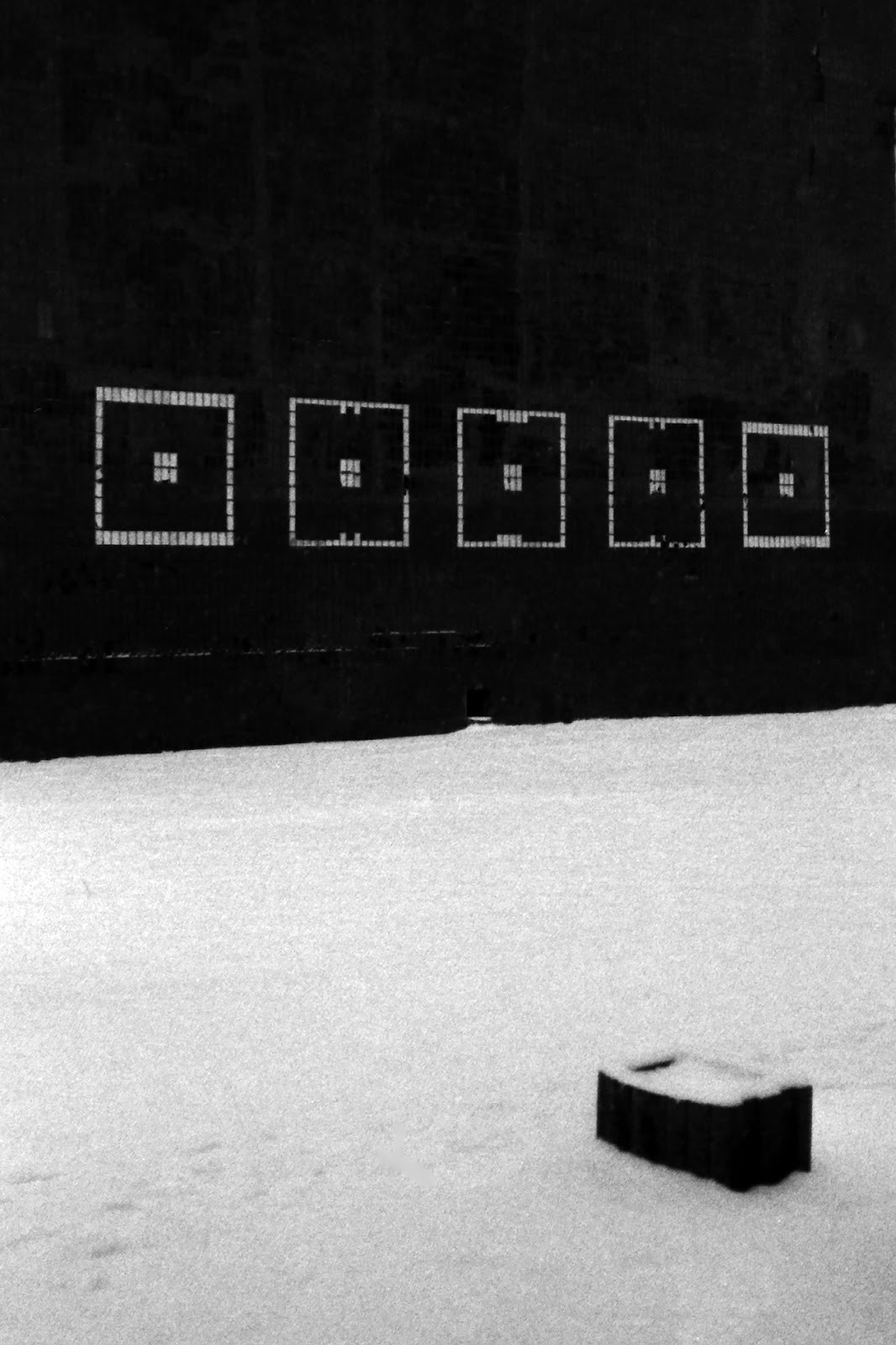
A logical continuation of the previous searches became the series Tetris. Here, the focus shifted from individual objects to accumulations and bizarre layers characteristic of a metropolis. This is a study of combinations in which disparate elements of the urban environment try to “seem” like a single whole.
As for captions, I consciously avoid unnecessary explanations of what is depicted in the photo; I indicate only the place and time.
— When and why did you start photographing Kyiv’s dovecots?
— In my practice, it often happens that one series smoothly grows out of another. I first came across dovecots in Troieshchyna as well. When about a dozen such structures were already in focus, I decided to look for them in other parts of Kyiv too. Over a year or two, a kind of collection-typology of Kyiv dovecots took shape.
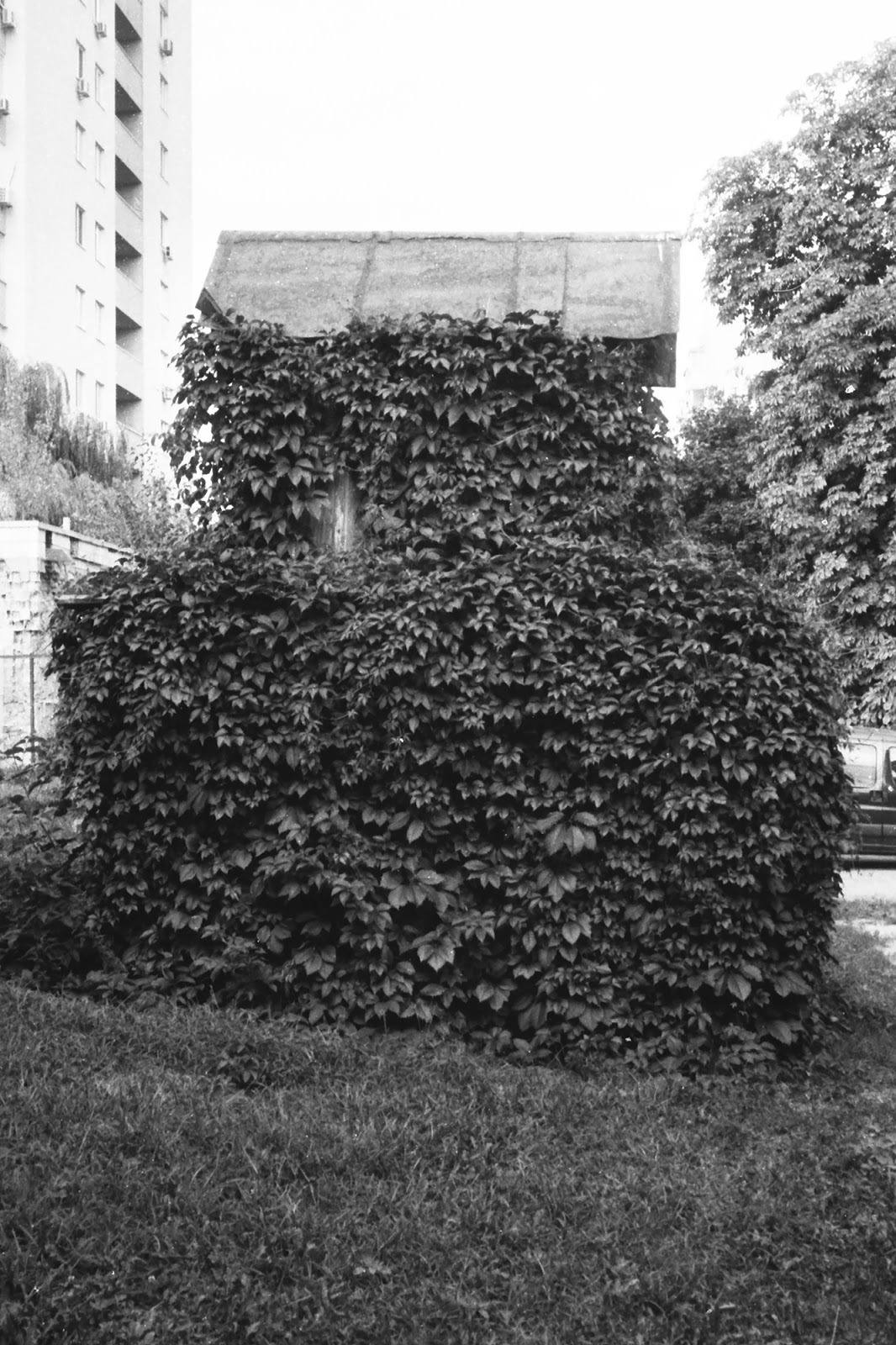
These naïve architectural forms captivated me with their originality and with how organically they are woven into the urban landscape. They were built by amateur enthusiasts of the past, and today this culture is disappearing: in new neighborhoods or in the city center, dovecots are impossible as a phenomenon. Today, dovecots are architectural relics — odd contraptions. They are no longer built and are gradually disappearing; most stand abandoned, like silent messengers from another time or a parallel world.
— Please tell us about your favorite shots.
— One of my favorite shots is the result of a lucky accident that cannot be repeated. Because of a technical glitch in the camera, the film did not advance, and two images overlapped. That’s how, from a random shadow, a “Ghost” suddenly appeared — a silhouette resembling a shark. It didn’t exist in reality — or I simply didn’t notice it — but the photograph made this image visible.
— How did the full-scale war affect you and your work?
— After the start of the full-scale invasion, I stopped shooting with the same enthusiasm as before; the war broke the former creative drive. I don’t have unique experience, and I feel that I have nothing to add to the big story of this war. At the same time, Kyiv is constantly changing under its pressure, and these barely noticeable — and sometimes painful — transformations inevitably find a place in my current photographs.
— Why is it important for you to become part of the community of the Ukrainian Association of Professional Photographers?
— I like that the Association’s values are not just declarations, but real actions. In an era of the devaluation of visual content, it is important for me to be part of a community that shapes professional ethics and protects authors’ interests. In UAPP, I see the same comfortable but demanding environment where mutual exchange of experience helps not only to grow professionally, but also to jointly create the contemporary visual code of Ukraine.
Oleksandr Navrotskyi — born in 1983 in Kyiv (Ukraine). He graduated from Kyiv National University of Technologies and Design (Faculty of Economics). He has been engaged in photography since 2008. He lives and works in Kyiv. He mainly works on themes of the urban environment. Solo exhibitions have been shown in Ukraine. He has participated in group exhibitions in Ukraine and Europe.
Photographer’s social media: Facebook
Worked on the material:
Topic researcher, text author: Katya Moskaliuk
Photo editor: Vladyslav Krasnoshchok
Literary editor: Yuliia Futei
.jpg)
.jpg)