Russia has always engaged in deception by twisting and interpreting historical events. To explain the desire to seize foreign lands to a pro-Russian audience, Russia created a positive image of war—a "sacred" war with the noble goal of helping a "brotherly nation." At the same time, the enemy was always blamed for the war, as they allegedly forced Russia to fight.
"Is Russia to Blame?"
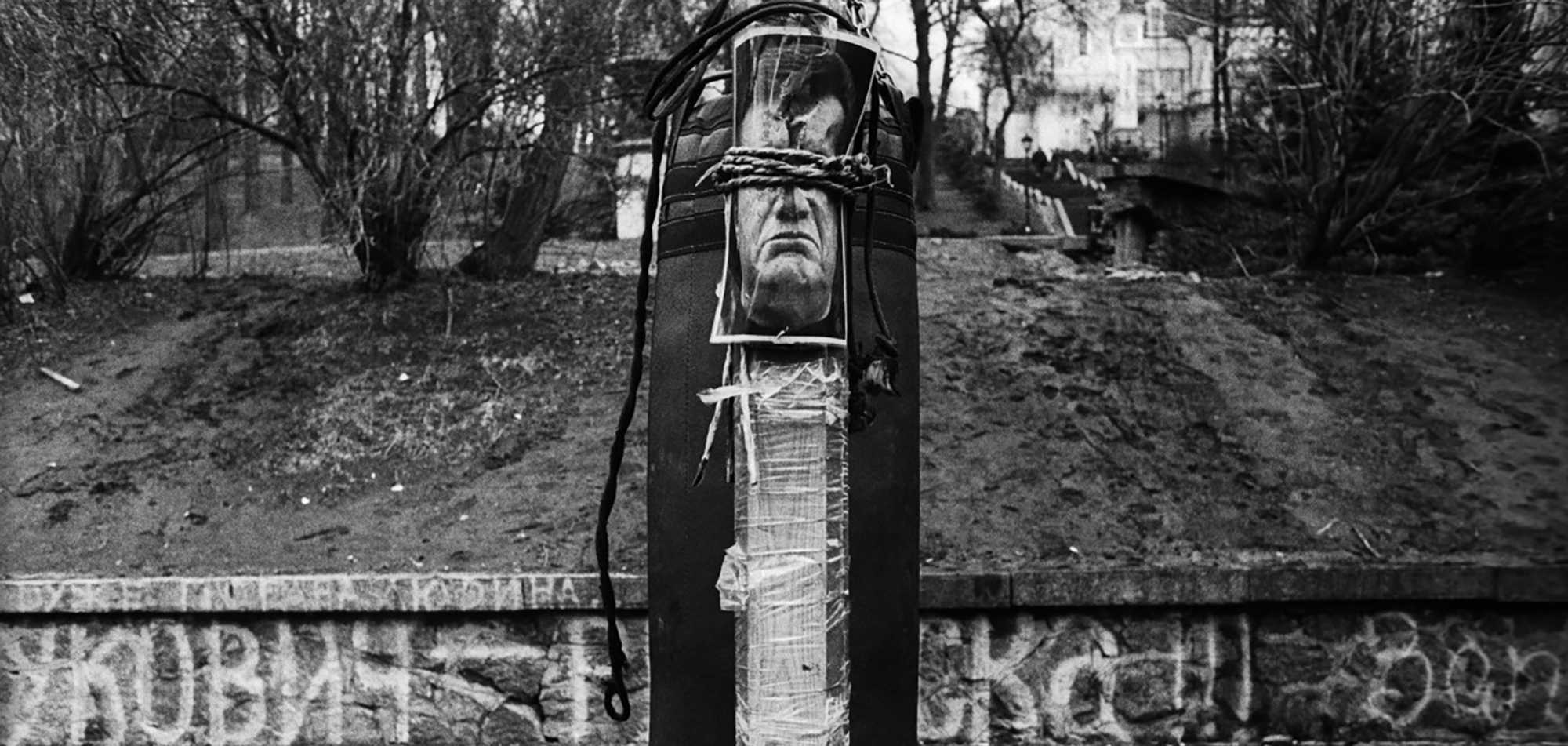
The substitution of concepts and the violation of cause-and-effect relationships are common techniques of Russian propaganda used against Ukrainians. The Kremlin manipulates the concepts of Euromaidan, the Anti-Terrorist Operation (ATO) in eastern Ukraine, the full-scale invasion, and the war. Propagandists, in particular, call the 2014 Maidan the cause of the Russian-Ukrainian war. In reality, Russia began implementing its military plans, using the Maidan as a pretext. Russian propaganda created a fake image of the Maidan and then built a pseudo-reality around it.
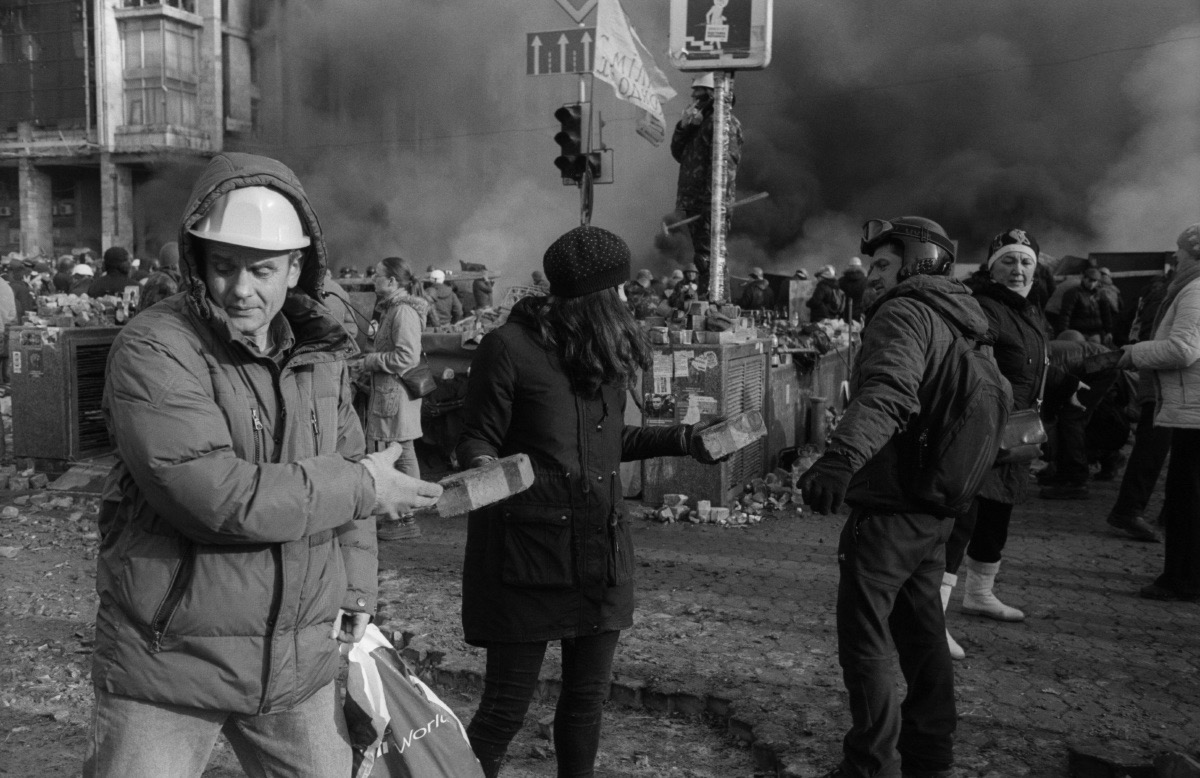
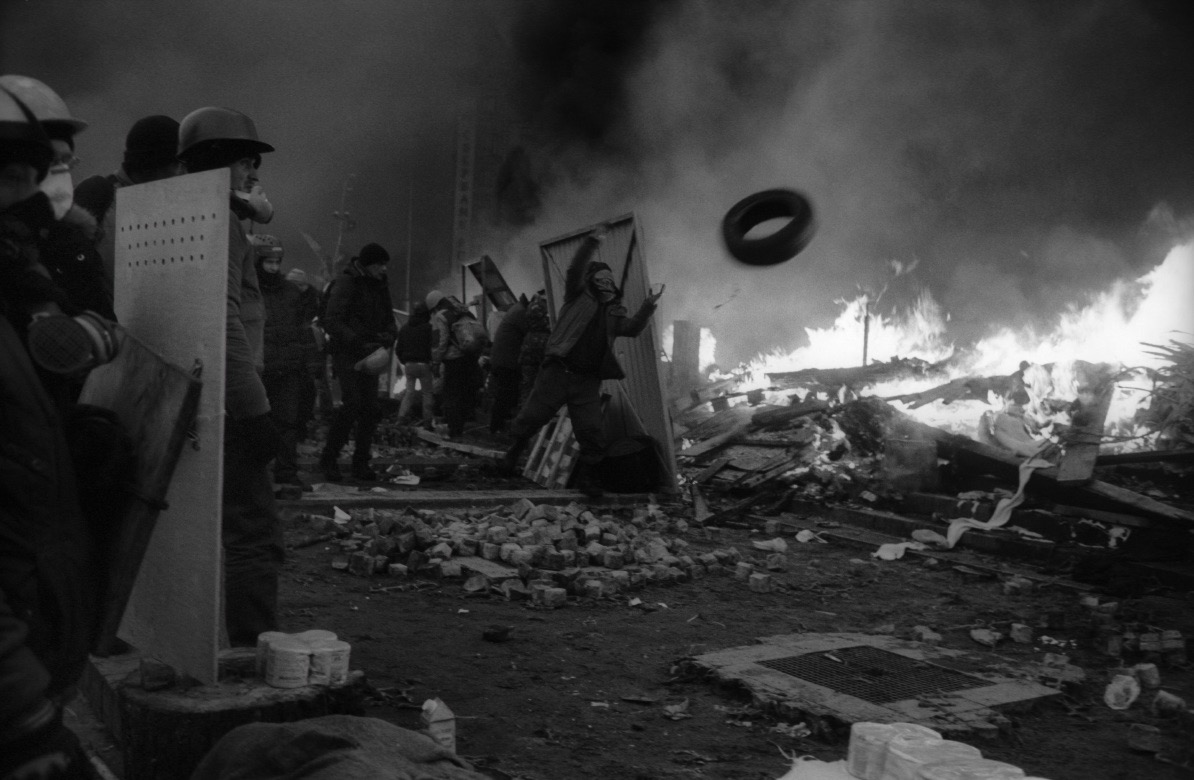
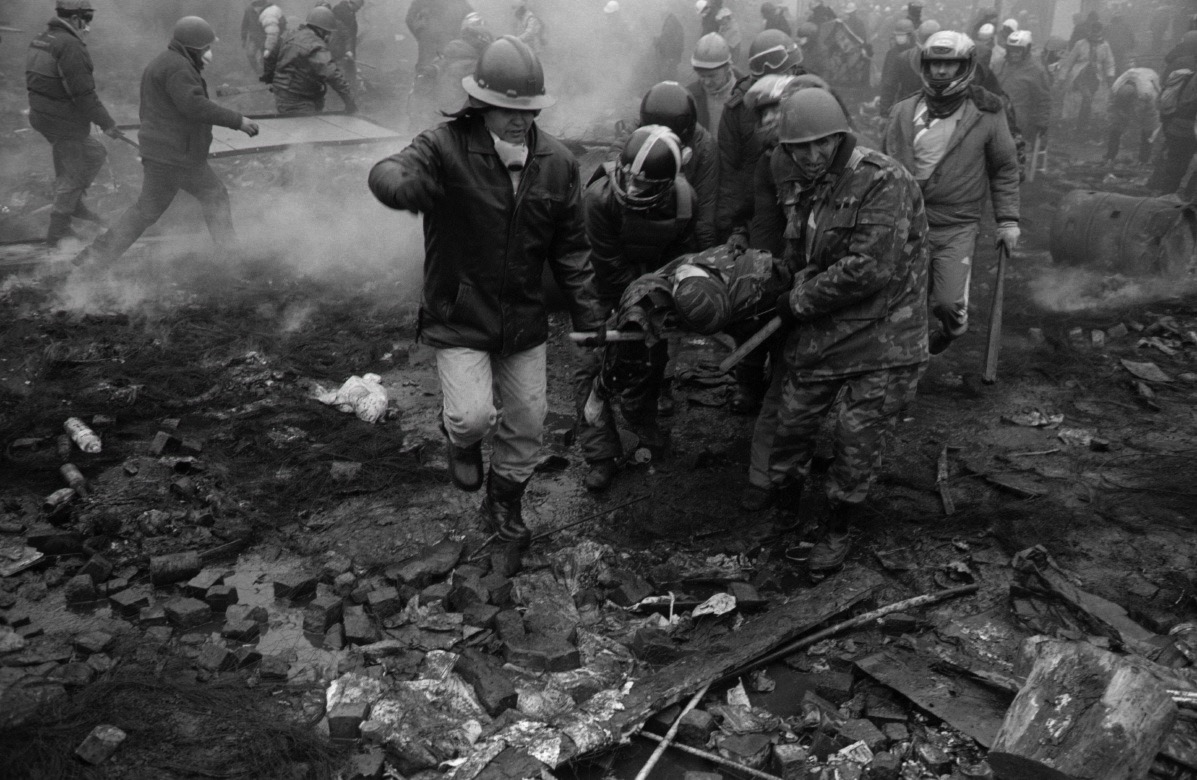
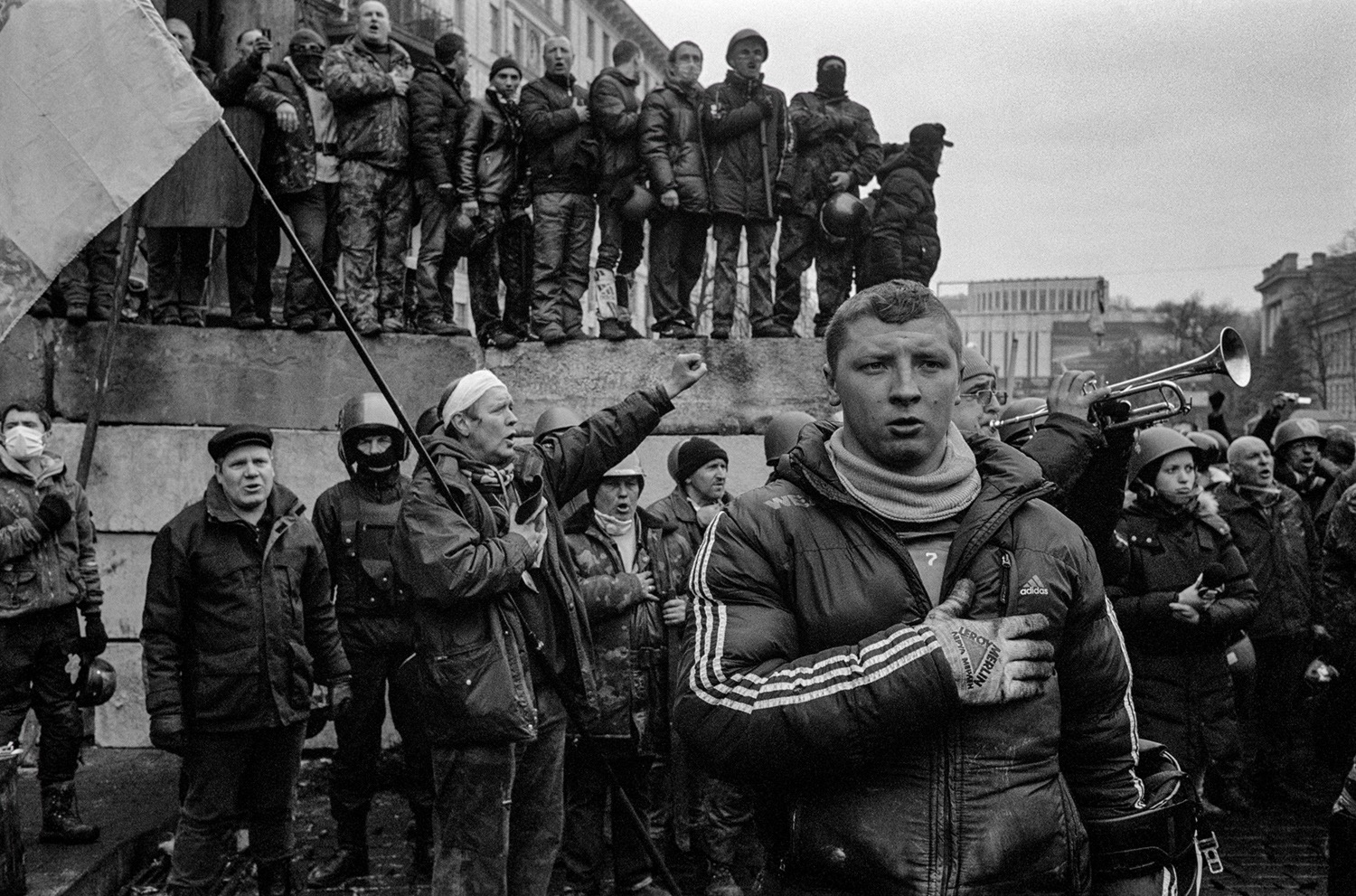
The story of how Russia—federal, Soviet, or imperialist—treated colonized countries with its narrative, and why the 2014 Maidan actually saved us, will be revealed through the memories of Ukrainian documentary photographer Oleksandr Glyadyelov, who photographed key historical events in Ukraine and the world.
In February 2026, pro-Russian media outlets emphatically distributed materials for the anniversary of Russia's invasion of Ukraine.
"Ukraine went from a coup d'état on the Maidan and a civil war in the east to Kyiv's decision to join NATO. The fight against the Russian language, the forceful suppression of Crimea, Donbas, Odesa, and Kharkiv, as well as the long-term pumping of weapons into Ukraine, turned the country into a NATO bridgehead near the Russian borders. Russia, in response, began a special military operation," writes the propaganda outlet "Ukraina.ru."
If even the most absurd lie is constantly repeated, people begin to perceive it as truth. Russia adheres to this simple yet effective rule.
In 2024, on the sidelines of the St. Petersburg International Economic Forum, Russian President Vladimir Putin said at a meeting with heads of world news agencies:
"Everyone thinks Russia started the war in Ukraine. But no one—I emphasize—no one in the West wants to remember how this tragedy began. It began with a coup d'état in Ukraine—an anti-constitutional coup d'état. That is the beginning of the war. Is Russia to blame for this coup? No."
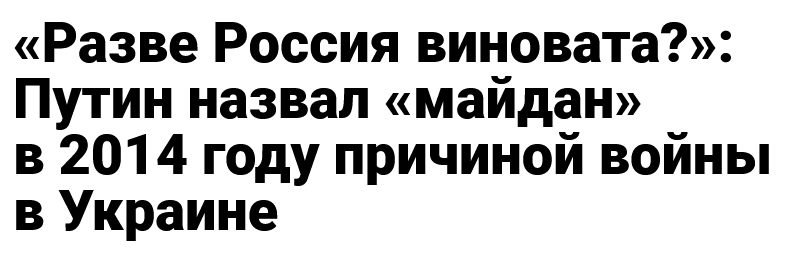
"Is Russia to Blame?: Putin Names 2014 Maidan as the Reason for the War in Ukraine"
The president of the aggressor country stated that it was after the coup that the residents of Crimea decided to leave Ukraine and the military conflict began in Donbas. The West, he claims, first tried to provoke a full-scale invasion of Russia into Ukraine with brutal provocations in Odesa and Mariupol in 2014, but this plan failed.
"Then they decided to crush Donbas," explains "Ukraina.ru" about the alleged change in the West's strategy. Meanwhile, Russia allegedly tried to find a formula for resolving the conflict by promoting the Minsk agreements. In the eyes of Kremlin propaganda consumers, the Ukraine of that time was a country under external Western control that did not adhere to the Minsk agreements and continued to arm Ukrainians.
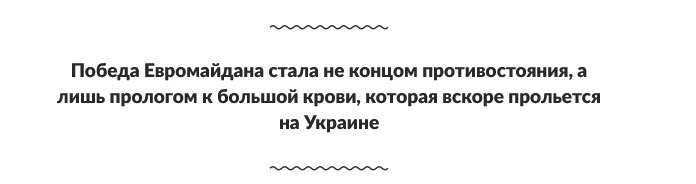
"The Victory of Euromaidan Was Not the End of the Confrontation, but only a Prelude to the Great Blood That Will Soon Be Spilled in Ukraine"
Russians say it would have been better for Ukraine to suppress or disperse the Maidan because, apart from bloodshed, it brought nothing to Ukrainians. In reality, the Maidan, or the Revolution of Dignity, was aimed at changing the authoritarian regime. The Kremlin's discrediting of the Maidan, in addition to Russia's occupation goals, is also an attempt to tarnish the protest movement and justify the aggression of law enforcement, disgrace the values of democracy, and manipulate rights and freedoms. Thanks to the events on the Maidan and the civil courage shown by Ukrainians, the country managed to defend its values and not lose its national identity.
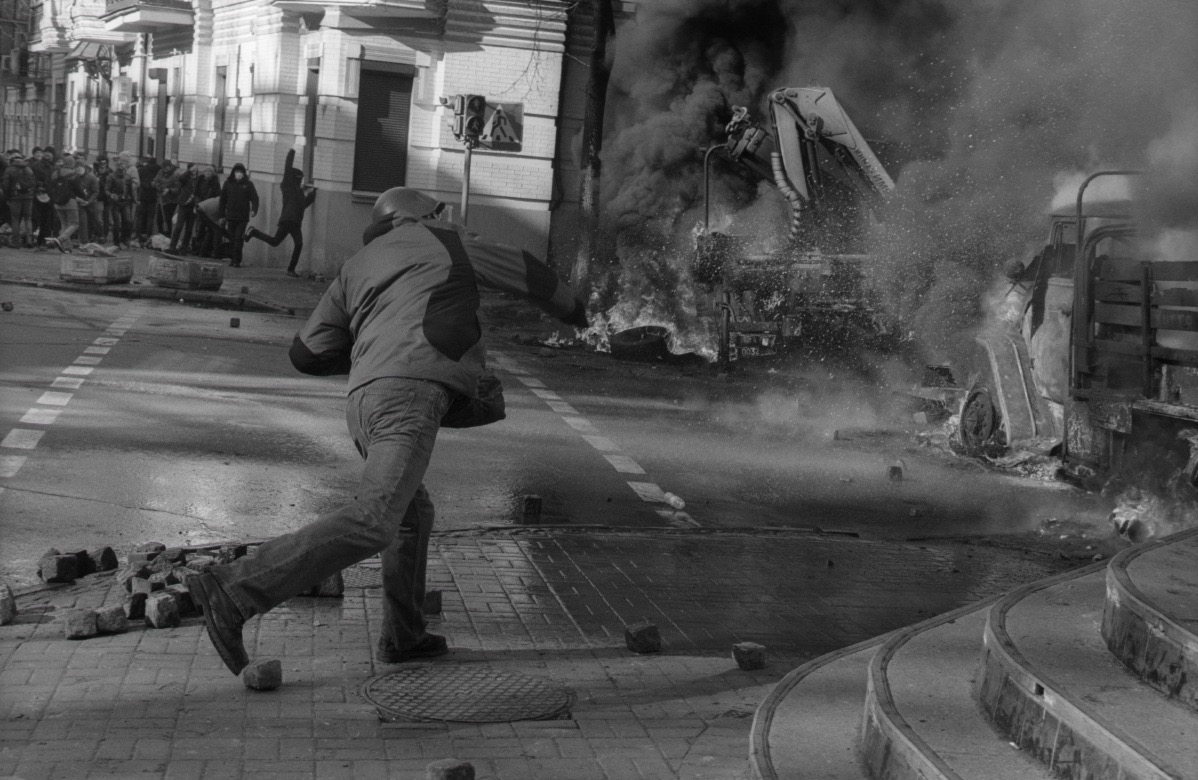
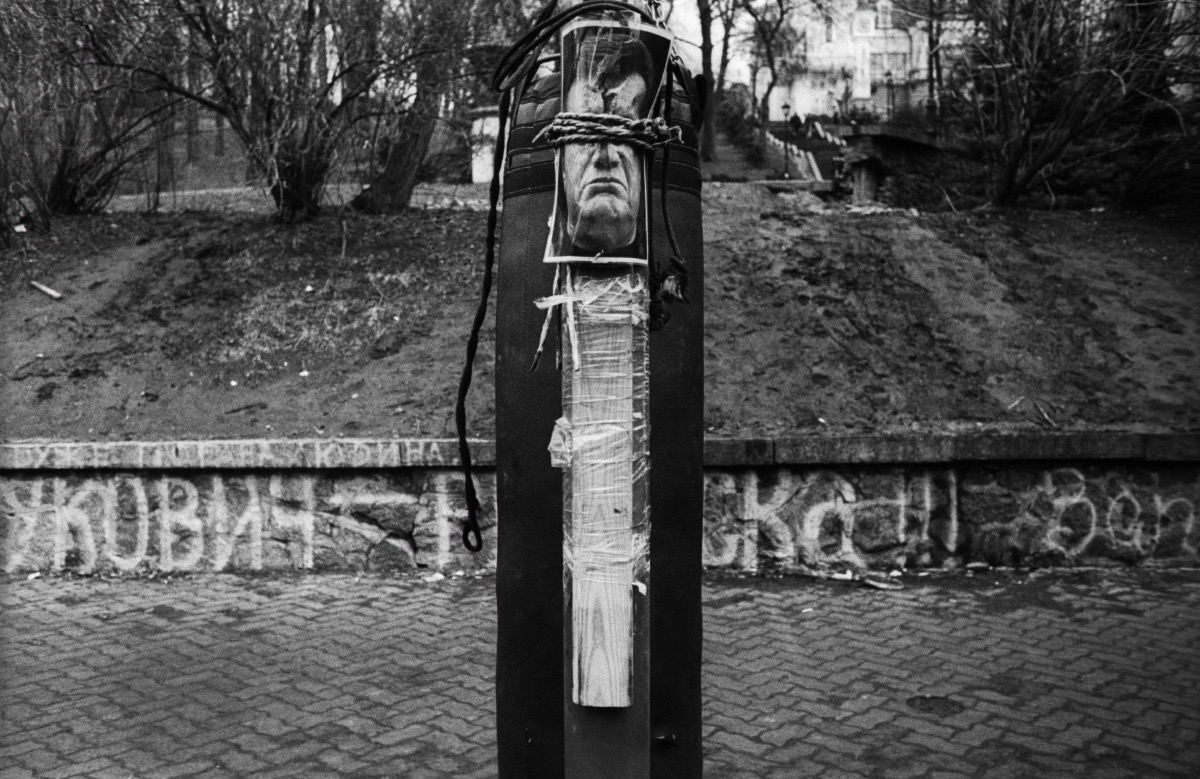
Oleksandr Glyadyelov: "Our Revolution of Dignity is the freedom of pure expression. This event became a landmark for very many people. I'll explain now. I was wounded in Ilovaisk and was in the hospital with our servicemen. When they found out that I had photos from the Maidan on my computer, they immediately asked to see them. The guys looked at the pictures and said they had chills. I said, 'Stop, you were just in such a battle.' Still, for them, the Revolution of Dignity is the defining event."
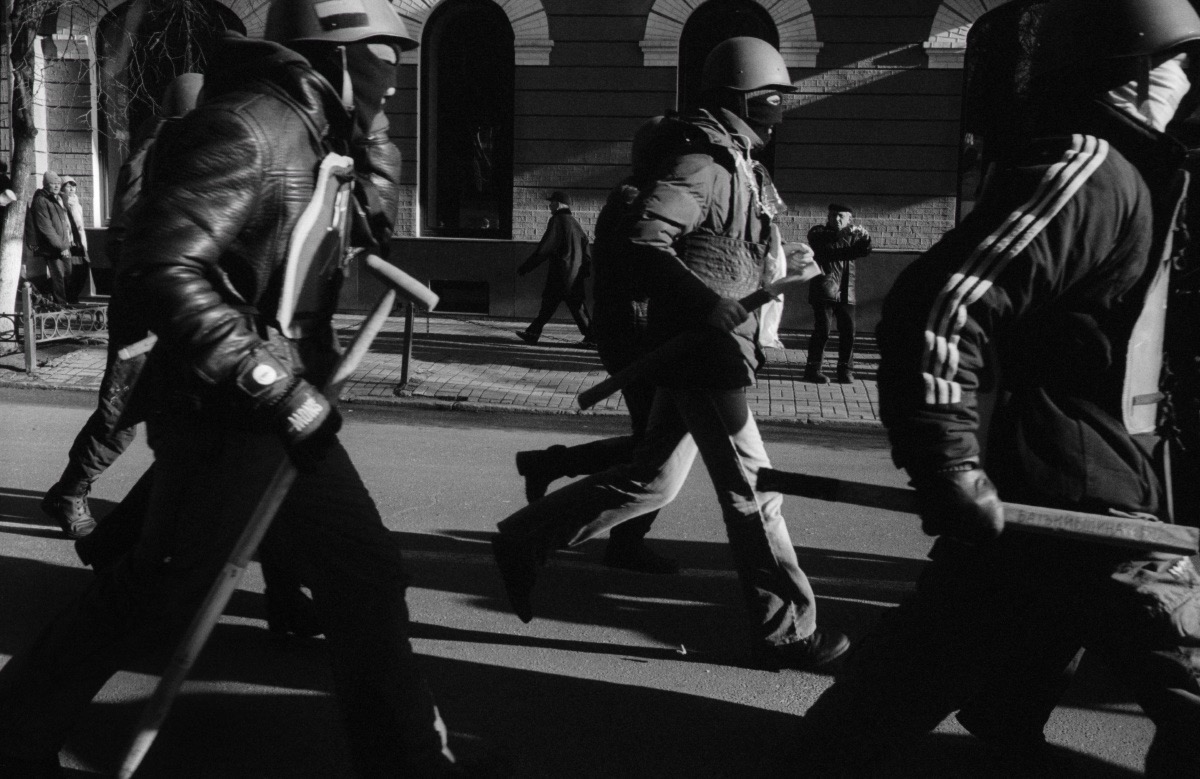
"Moscow Had No Other Choice"
Let's move to the Soviet era during the anti-communist uprisings that took place in socialist Hungary in 1956. They were brutally suppressed by the Soviet government, leading to the deaths of three thousand Hungarians, the wounding of tens of thousands, and many Hungarians being forced to flee the country.
Russia calls the suppression of the uprisings in Hungary legitimate and necessary and lists reasons very familiar to Ukrainians. Allegedly, these events were initiated materially and ideologically by the West. Russia could not allow NATO troops to appear on the territory of Hungary. And allegedly, the memory of the fallen soldiers in the so-called Great Patriotic War, particularly in the Budapest Operation, did not allow giving Hungary up to the enemy. Furthermore, the then-head of the Hungarian government, András Hegedüs, officially asked the USSR for military assistance.
Later, after the collapse of the USSR, using the Soviet era as a cover, Russia would mask its aggression against other countries, pretending to be a victim just like the other affected countries.
"'Moscow had no other choice.' What forced the USSR to interfere in the lives of other countries and dictate its orders?"
Let's recall how Lithuania fought for independence from the USSR. Lithuanians declared independence and withdrawal from the USSR on March 11, 1990. Russia responded with an economic blockade, cutting off oil and gas supplies, and an attempt to militarily suppress the liberation movement.
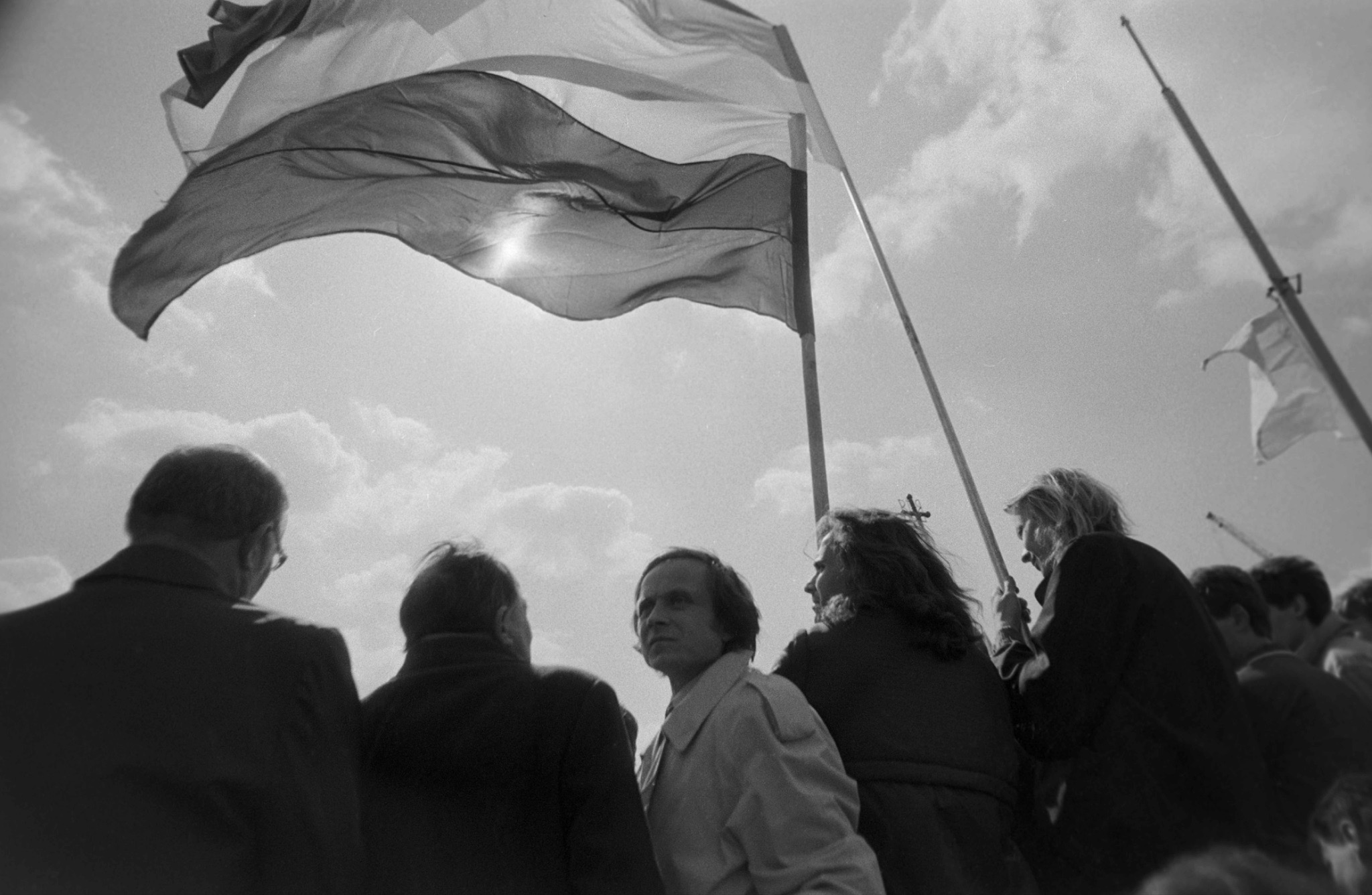
On the night of January 13, 1991, an unarmed protest against the Soviet government took place in Vilnius, which Russian propaganda calls clashes. However, these clashes were provoked by Russian military formations. They seized the television center and the television tower in Vilnius, which were guarded by peaceful Lithuanians. Mass clashes began, resulting in casualties among civilians and special forces. Fifteen peaceful Lithuanians died then, and hundreds were wounded. The initiators of the riots remained unknown, Russian propagandists say—suspects were from various republics, including Ukraine. This was an act of military aggression and an attempt to occupy Lithuania by the Russian supreme leadership of the USSR. However, on September 6, 1991, the USSR finally recognized Lithuania's independence.
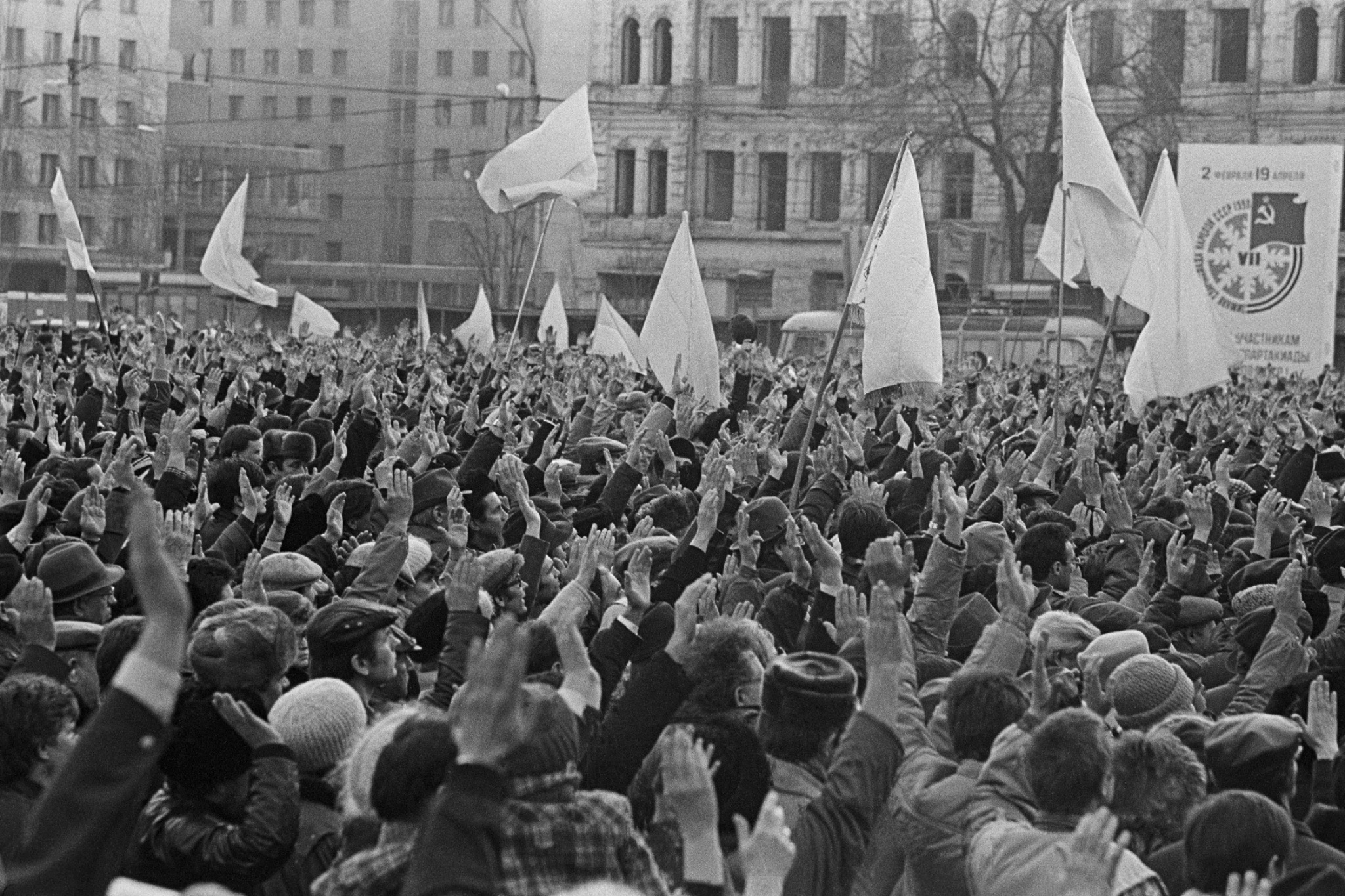

The Soviet government, in turn, claimed—they never wanted to fight, but were forced because they were constantly being attacked.
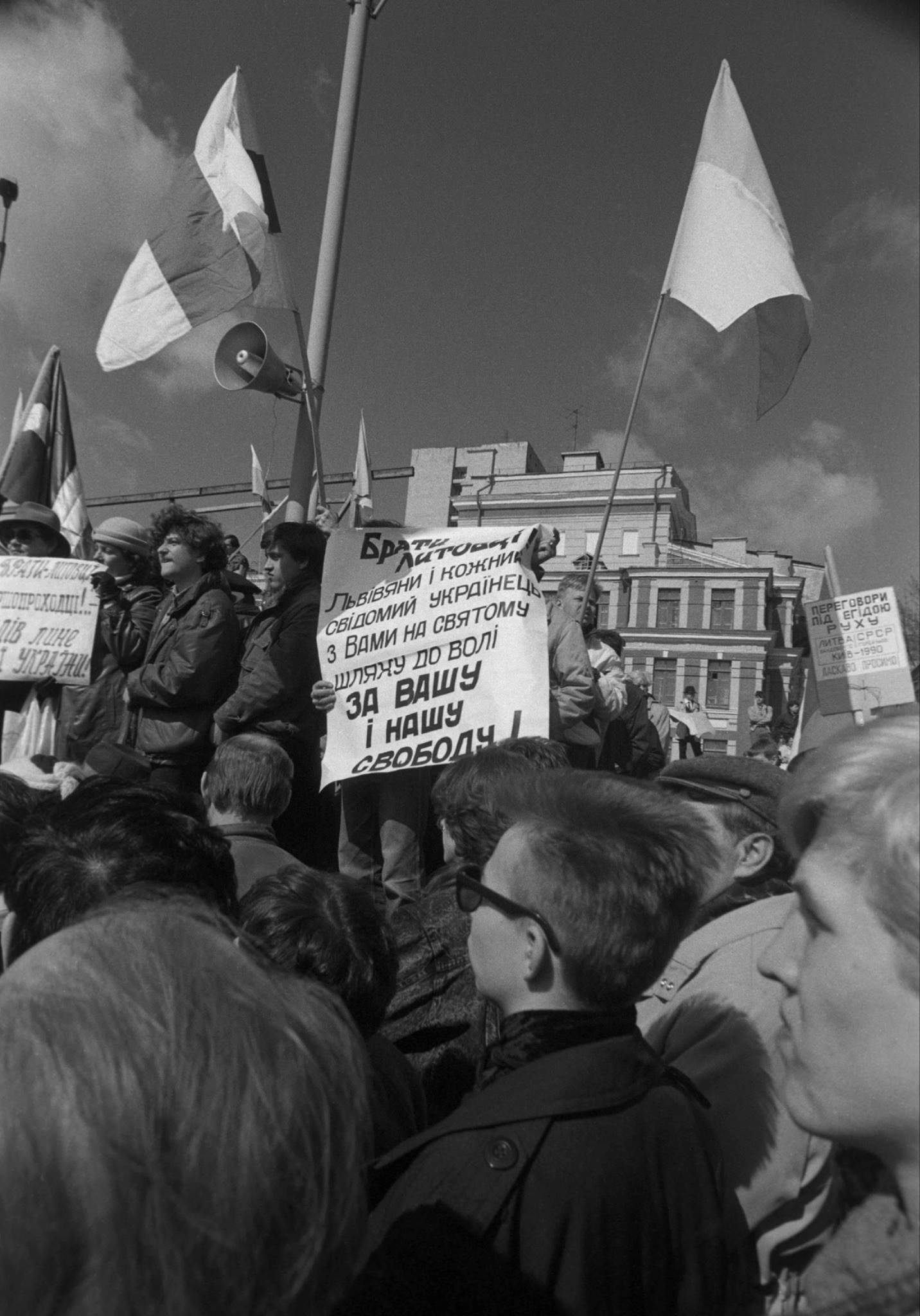
Oleksandr Glyadyelov: "In late March 1990, solidarity actions were held in Kyiv to support the independence of Lithuania, which declared it on March 11, 1990. Although the specific scale of these rallies is difficult to track, this period became a time of significant solidarity in Ukraine with the Baltic republics fighting for their freedom. This was a time when important processes of national revival were taking place in Ukraine, and many Ukrainians saw parallels with their own freedom for independence from the Soviet Union in Lithuania's actions."
After the Second World War, Russia called itself the main savior of the world from fascism and led the fight for peace. In 1949, the Soviet Peace Committee was established, and in 1950, the World Peace Council was created at the World Congress of Peace Supporters.
Russia's fight for peace is part of a hybrid war, the so-called Soviet "soft power," where the Kremlin's influence spreads throughout the world through culture, science, literature, sports, language, and so on. After the collapse of the USSR, Russia did not democratize and continued its imperial pressure.
It quickly "captured" Ukraine through pro-Russian politicians and managers in government institutions, the purchase of industrial facilities, cultural and religious occupation, and so on. The Ukrainian language was discriminated against in public places for many years and required protection.
Oleksandr Glyadyelov: "I started telling my friends that Russia would come with a great war back in the mid-90s. When I photographed in Chechnya, in Grozny, I understood what this war could be like. For me, the war in Ukraine was undesirable, but not unexpected. Such is human nature—even when you understand the obviousness of events, you hope until the last that it won't happen."
"SMO" for the Redivision of the World
Russia's emotional speeches about protecting the whole world and fighting for peace continue to manipulate not only its own audience but also the rest of the world. Returning to the anniversary of the Russian full-scale invasion, pro-Kremlin media circulate the speech of Russian Foreign Ministry spokeswoman Maria Zakharova, including the part about how Russian soldiers are courageously contributing to strengthening international stability.
"All goals of the 'SVO'will be achieved, and a stable peace is possible only if the root causes of the conflict are eliminated," Zakharova concluded her speech.
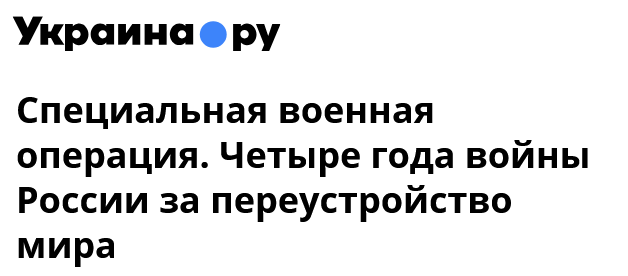
"Special Military Operation. Four Years of Russia's War for the Redivision of the World"
Now Russia accuses Ukraine and its international partners not only of allegedly starting the war but also of not wanting to end it. The Russian news service "The Moscow Times," citing Putin's words, recalls how Western partners allegedly insisted on the withdrawal of the Russian army when it was near Kyiv in 2022. The pretext was negotiations, which is why the Russians allegedly withdrew. However, then the Ukrainians supposedly rejected all agreements and decided to fight to the end.
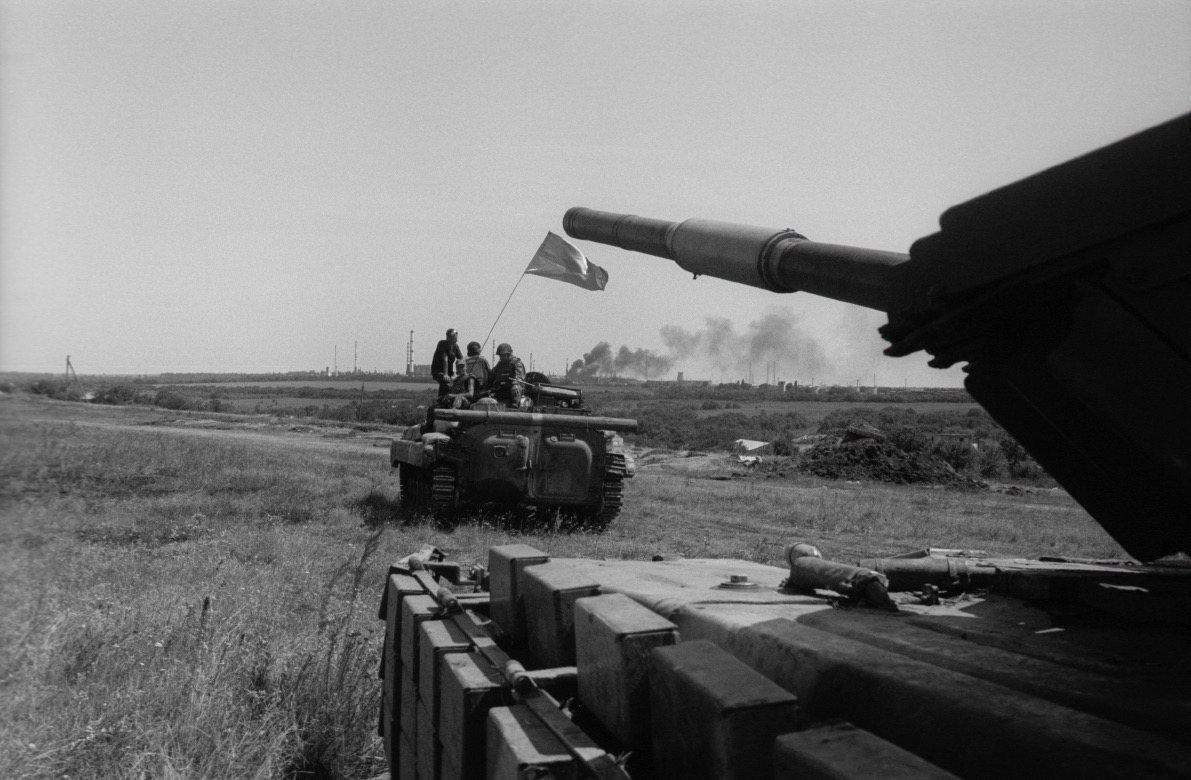
The so-called ambassador-at-large of the Russian Foreign Ministry, Rodion Miroshnyk (a collaborator and propagandist), called Ukraine a platform for military testing, whose survival directly depends on the help of European countries. Propagandists say that the "SMO" has long gone beyond the conflict between two countries and has become part of a global confrontation.
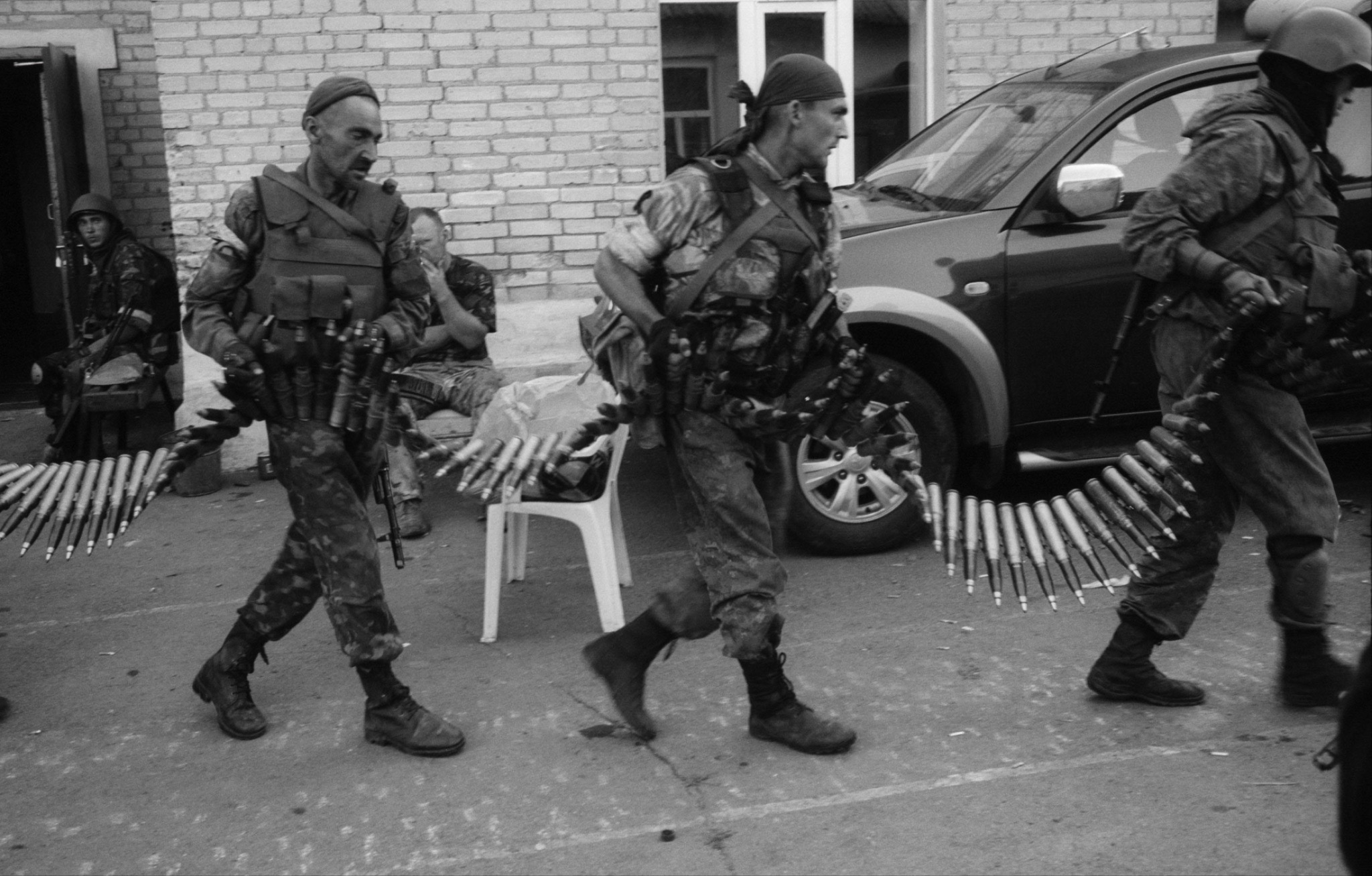
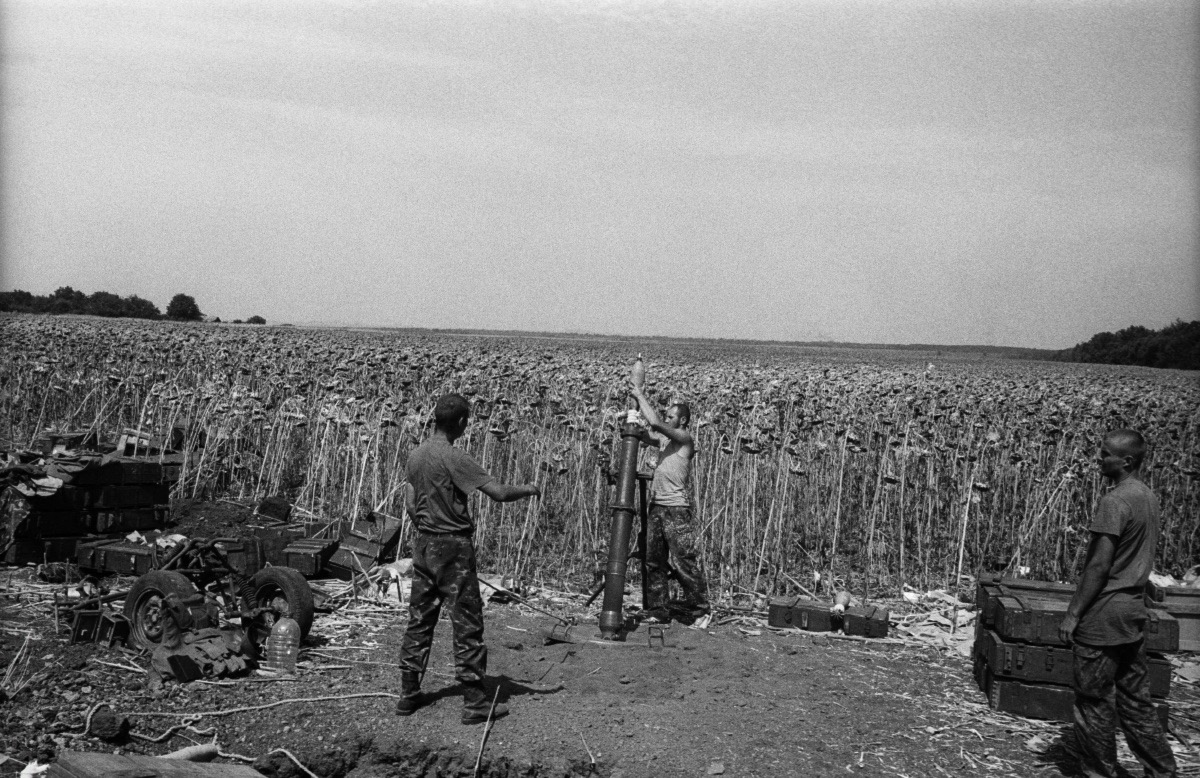
And while the battles rage on the front line, Russia continues to implant its ideology—on all platforms, it talks about establishing Russia's historical justice regarding Ukrainian territories. It is Ukraine that truly needs the restoration of historical justice. And for this, it is important to know the lessons of history.
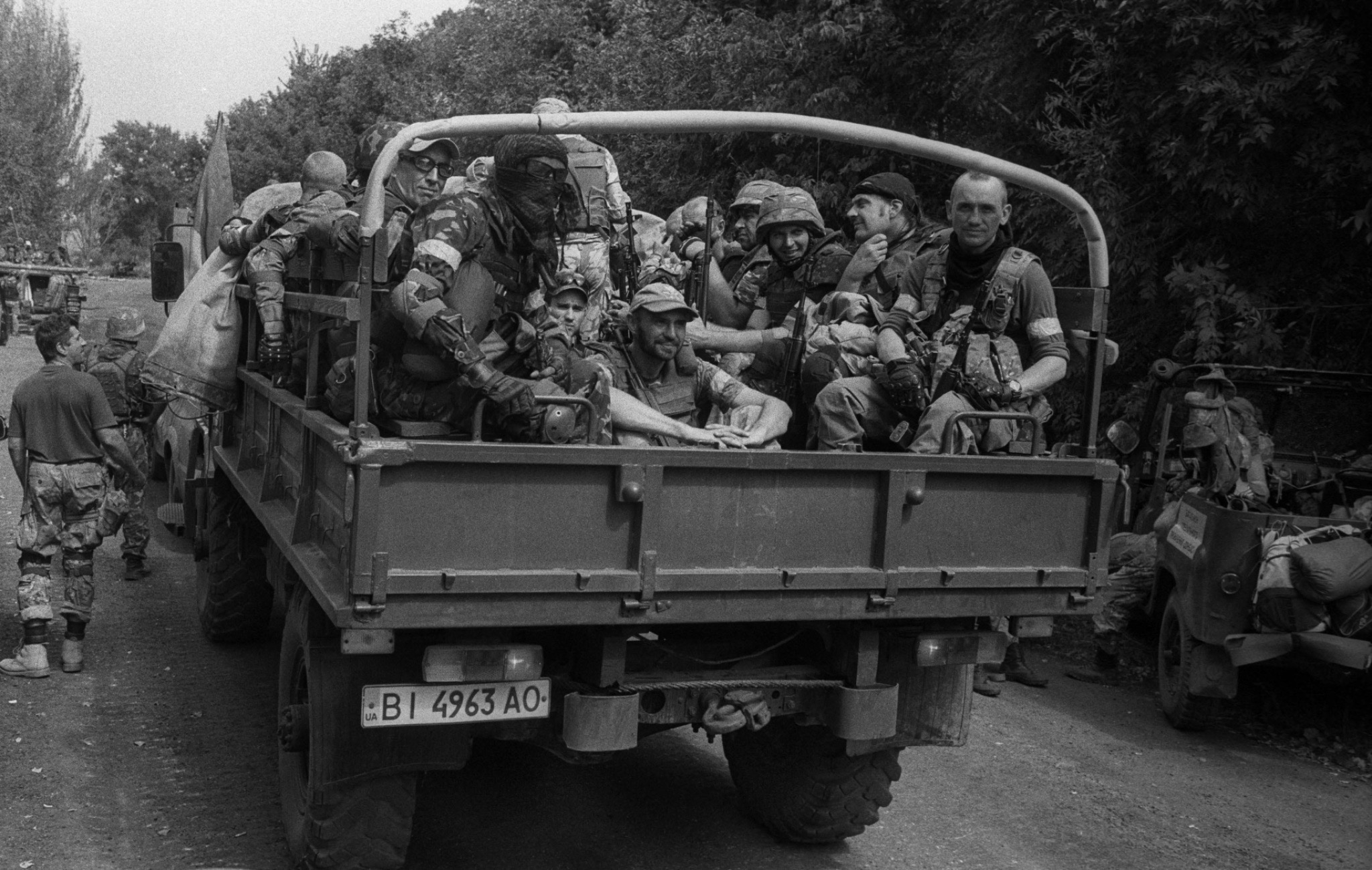
Oleksandr Glyadyelov: "I once said that documentary photography is the last trench of truth. Because lately, we hear and read too many lies. There is a lot of discussion in society about post-truth and talk about life in historical times when blood is being spilled on our land, and we have all been deceived. Even the leaders of the most powerful states can lie, despite treaties, agreements, and their word. In the end, everything can turn out to be a lie. By the way, it would be interesting if historians compared the promises of elected heads of state with the words of monarchs. Reflections on truth demonstrate the modern crisis of society. We understand that we must rely primarily on ourselves."
The material was prepared by:
Topic Researcher, Text Author: Yana Yevmenova
Photo Editor: Olga Kovalova
Literary Editor: Yuliia Futei
Exhibition Curators in Kaunas: Tetiana Lysun and Oleh Sosnov
.jpg)

.jpg)