"Heat of the Earth" is a poetic visual narrative by photographer Anton Cherniak about his grandfather's universe. Through the warmth of his grandfather's caring hands, life travels the path from a tiny seed to a ripe fruit. The surrounding nature gives strength and an inexhaustible thirst for life, filling it with wisdom and spirituality. A special island of tranquility amidst a world that exists according to its own laws can be seen in the project's photographs.
"In my hometown, taking photos happens just as organically as breathing"
Creating a photo project about one's relatives is, on one hand, very convenient — you have full access, an intuitive awareness of boundaries, and there's no awkwardness of a first meeting or relationship-building. However, it also has its downsides — being in a safe zone hardly encourages new discoveries or research. Unless this can be embodied through visual language.
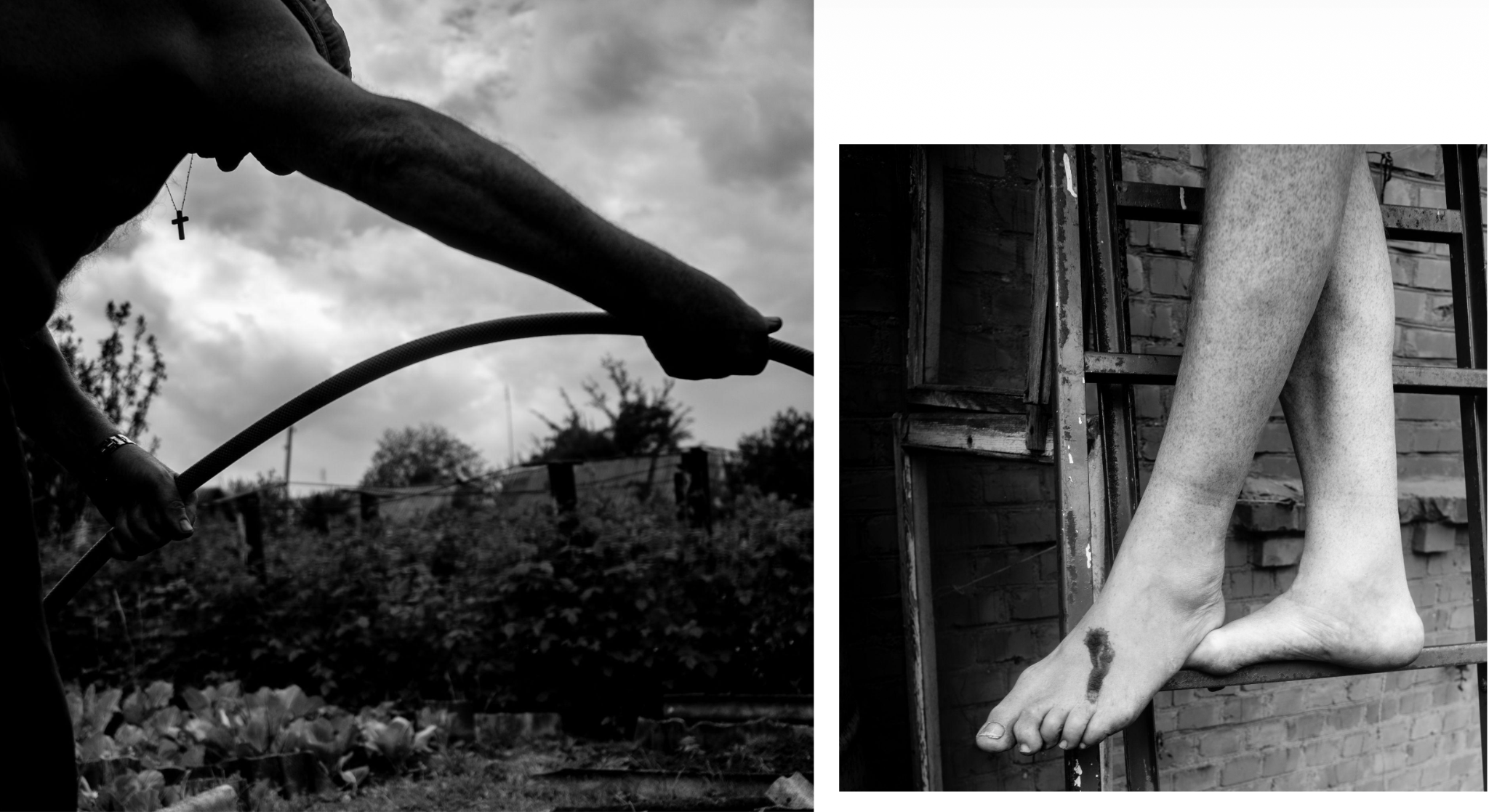
I have been shooting the "Heat of the Earth" project for more than four years. I started working on it while still studying to be a cinematographer at the Karpenko-Kary University. In my first year, we took many photos, and one of the assignments was a photo essay. The most expressive shots at that moment were photos of my grandfather, and I decided to continue shooting a story about him. Besides, it was 2022 — a full-scale war had begun, studies were remote, and I went to my native Koziatyn. I am absolutely comfortable photographing there — I don't need to get into the zone; it happens as organically as breathing.
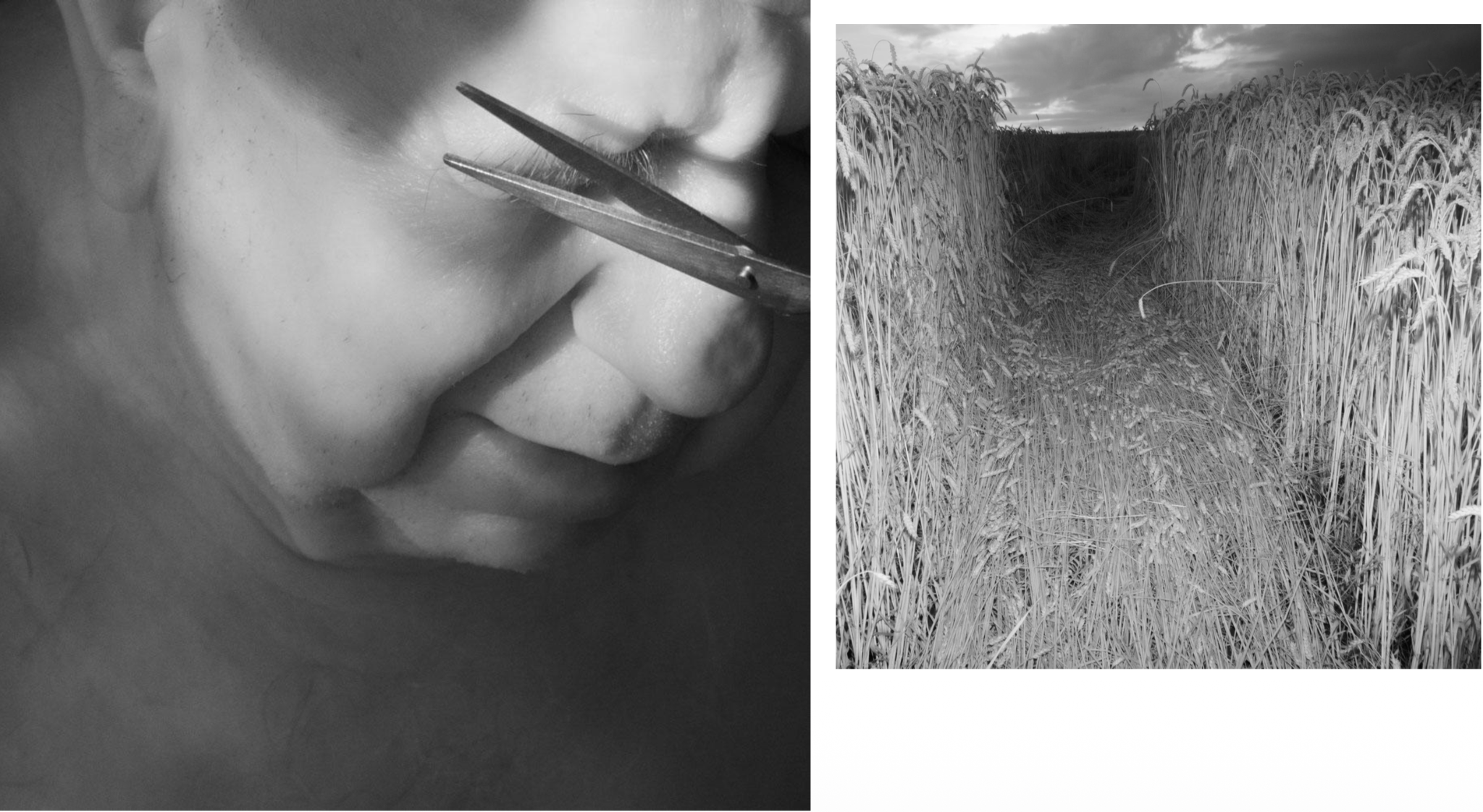
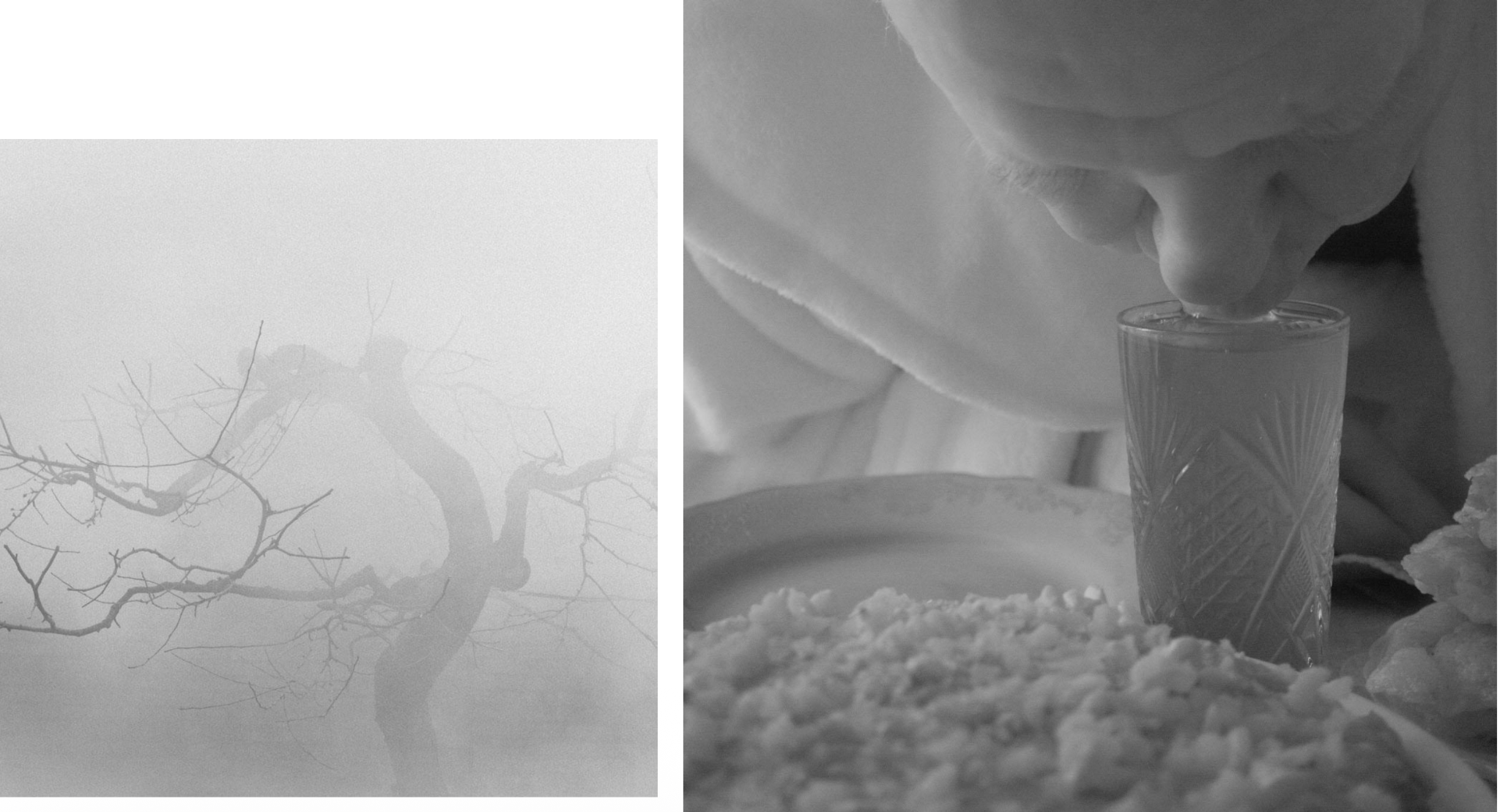
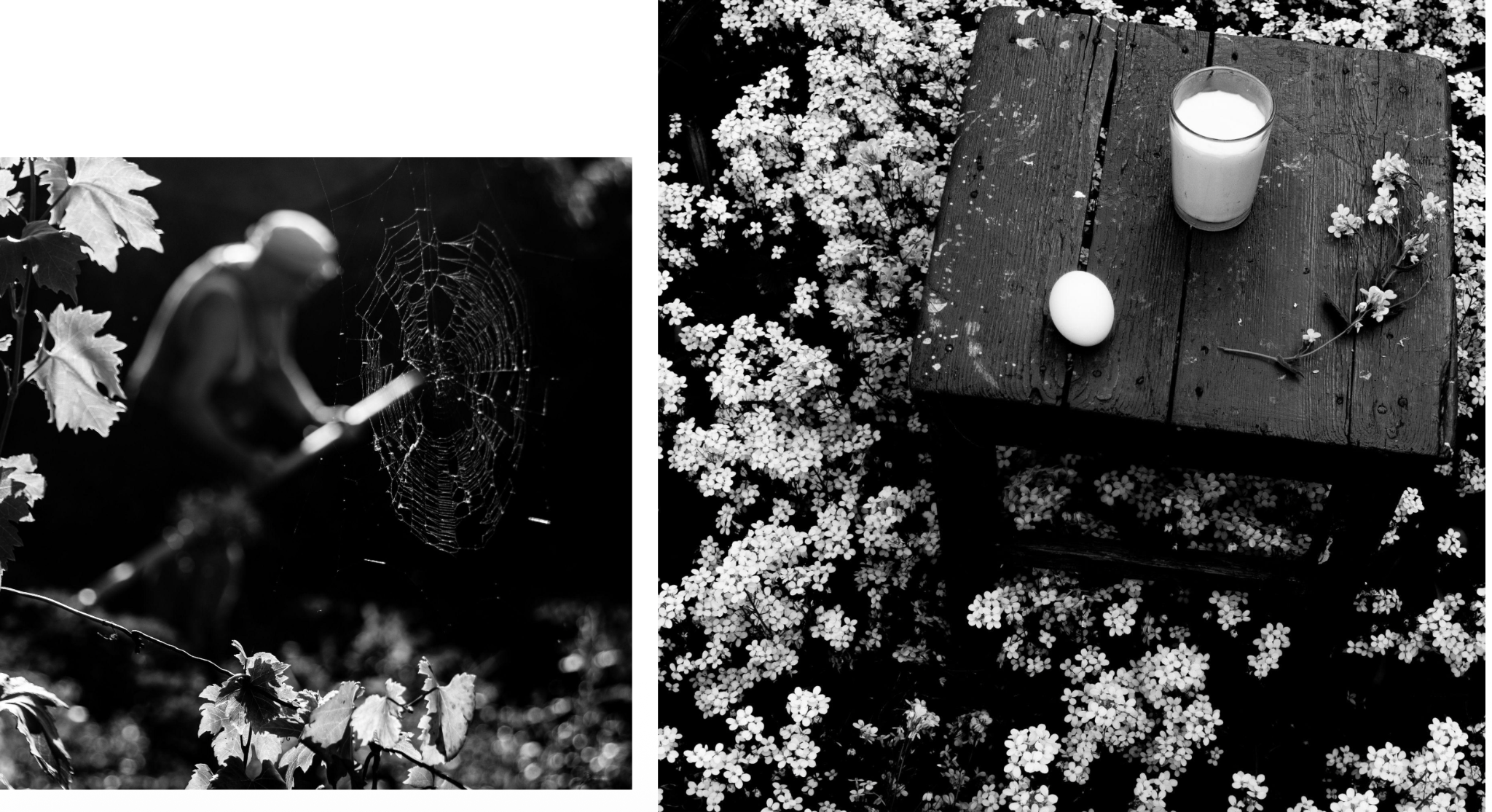
The title for the project arose on its own. When it gets warmer outside, my grandfather really loves to walk barefoot. He always tells me that he likes the warmth of the earth. This is part of my childhood memories, when in summer the earth gives warmth so generously, and it's as if dirt or ticks don't exist. The story about the earth is, at the same time, a very Ukrainian story. Deeply rooted in our art is the theme of rural idyll, the earth, and working on it. Of course, while working on the photo project, I was inspired by Oleksandr Dovzhenko's film "Earth."
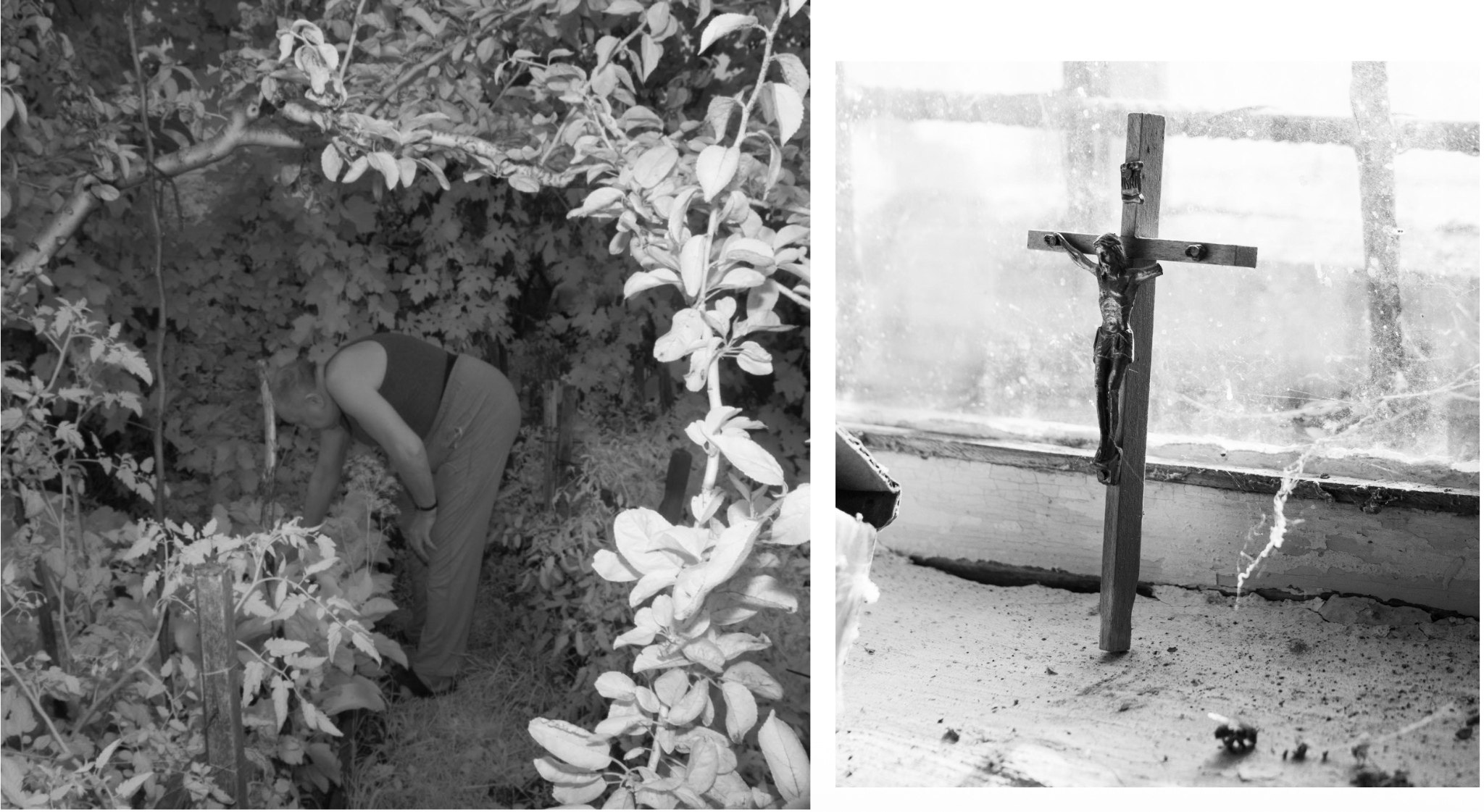
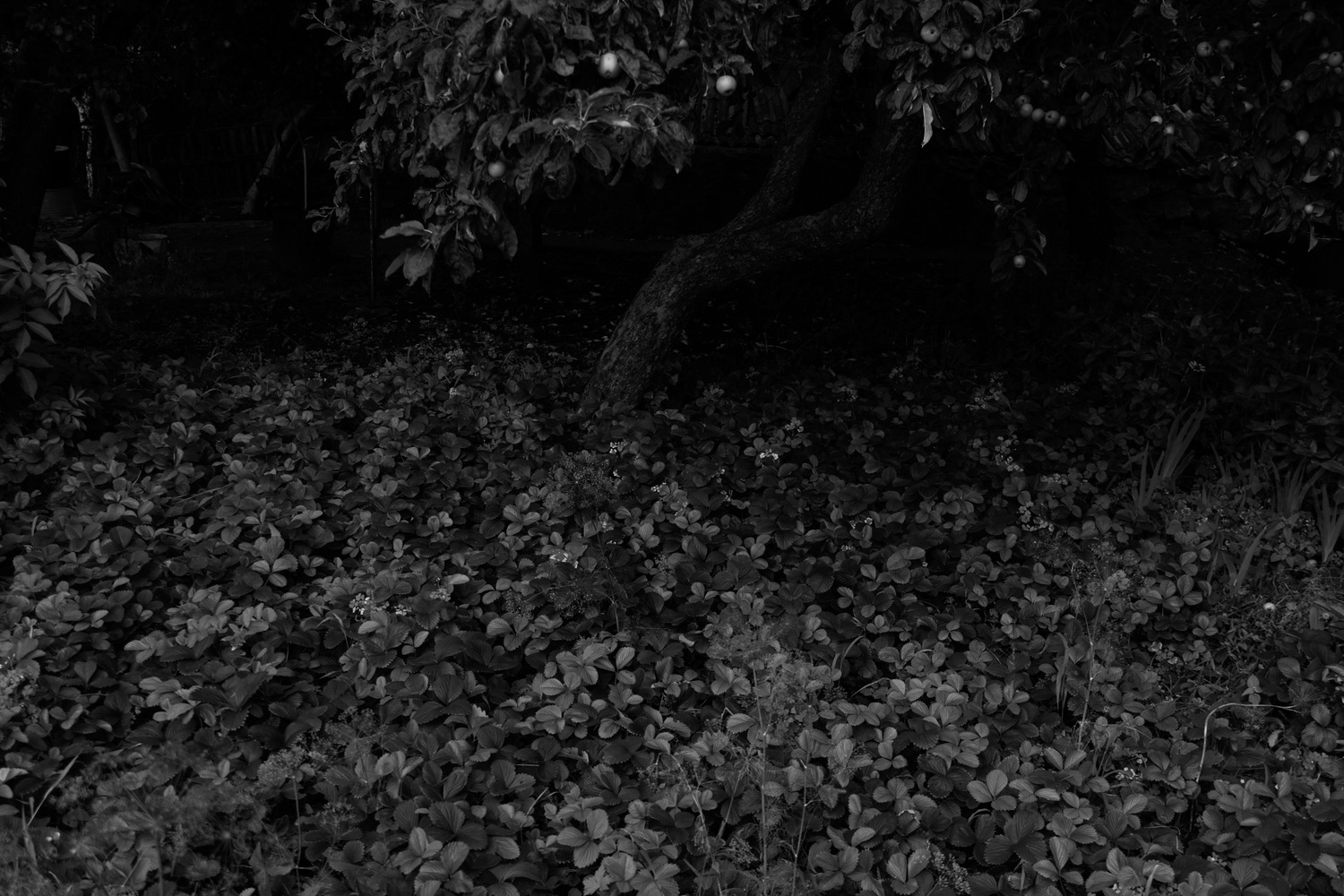
"Everything has its beginning and end, but right now it seems to me that this order of things will last forever"
Despite the fact that this photo project is a very personal story, it resonates with many. A kinship effect works here, where people see their own relatives in the image of my grandfather, and childhood memories emerge for them. I tried to create beautiful shots so that the project would be not only filled with meaning but also visually attractive.
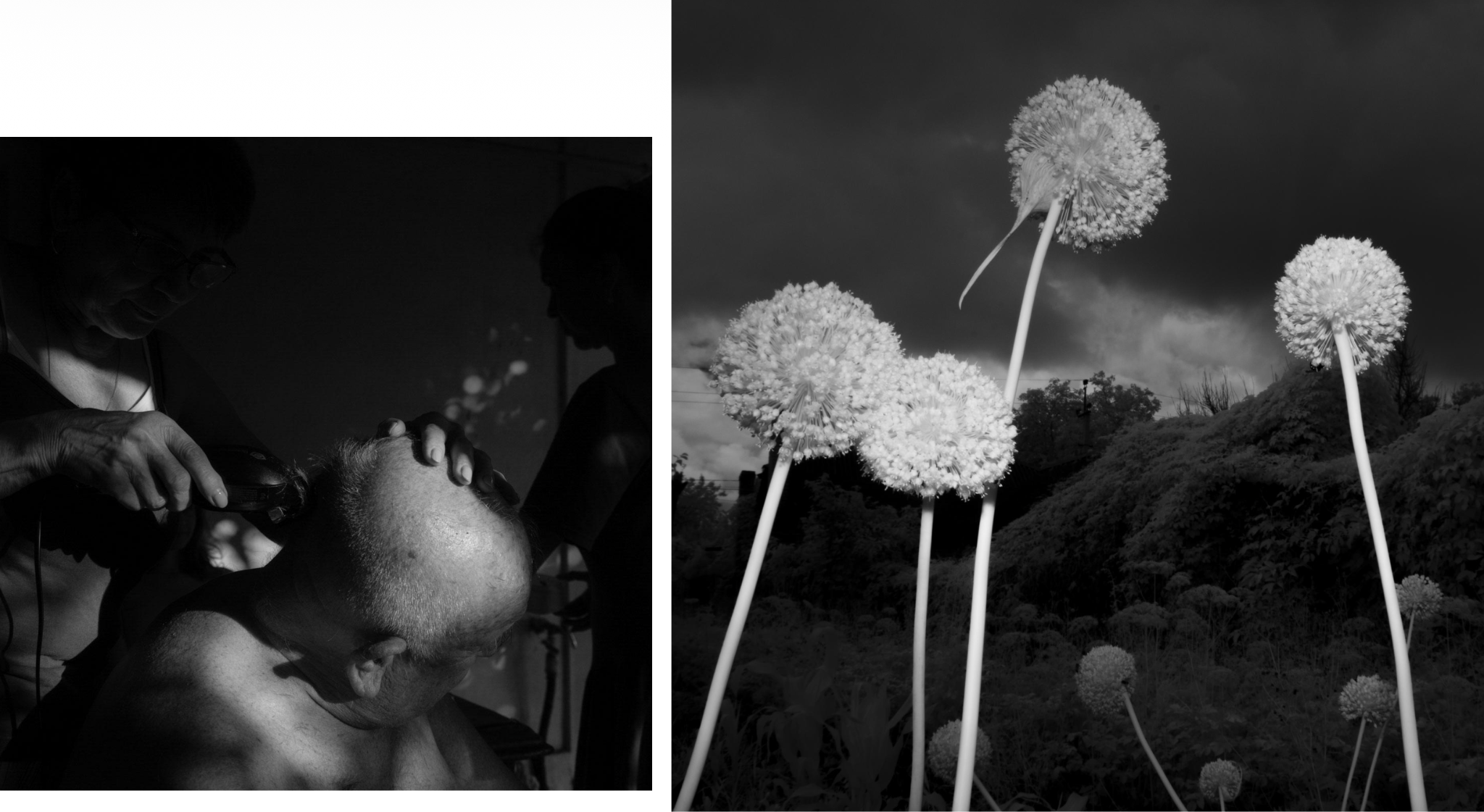
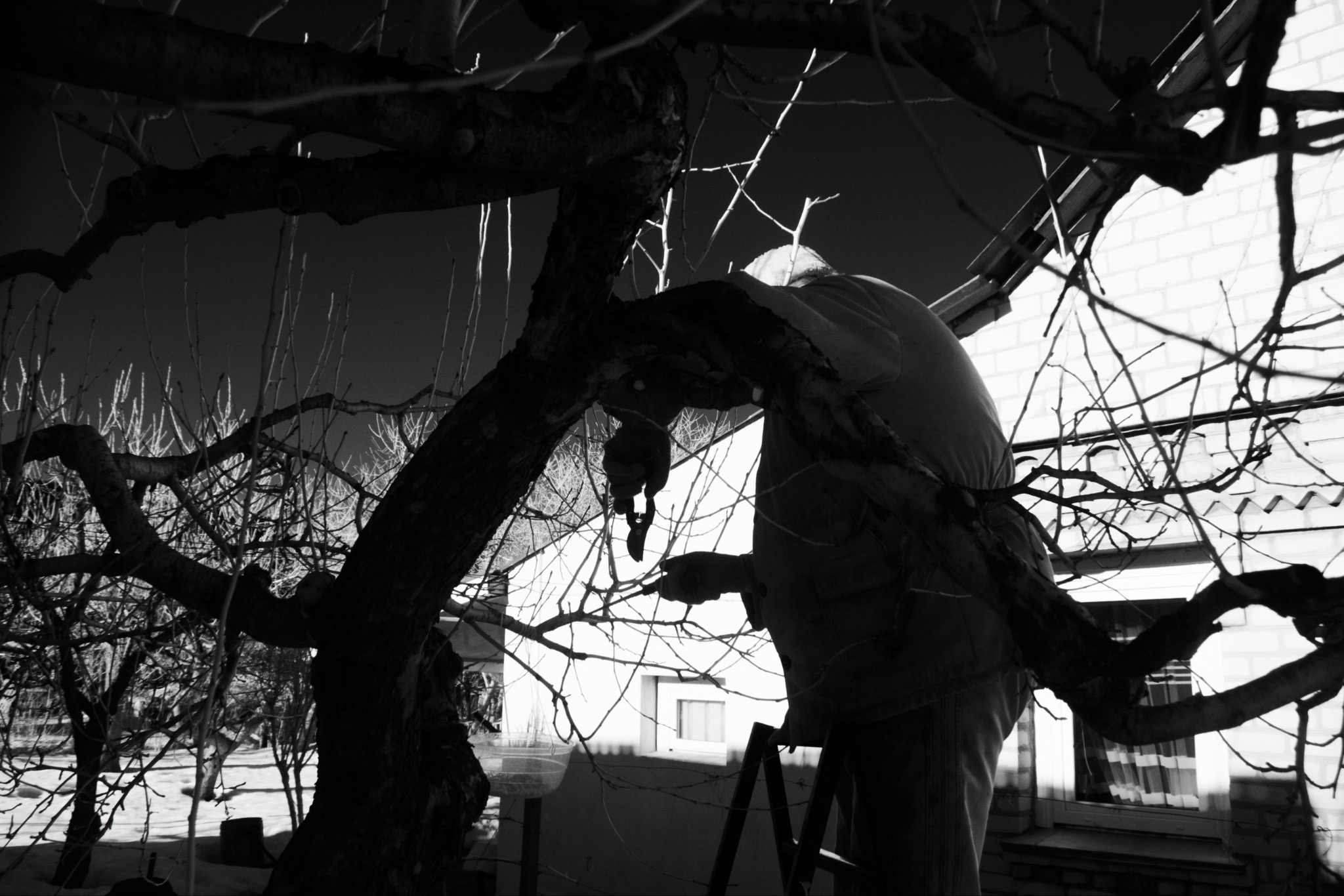
For me, the challenge is to keep every frame of the project in the appropriate aesthetic. The story about my grandfather is more of an observational format. When I come to visit him at home, we always work, talk, and try wine together. My grandfather is constantly doing something around the house — cleaning, taking care of the grapes. It is understandable that everything has its beginning and end, but right now it seems to me that this order of things will last forever. I truly cherish the moments spent beside my grandfather, and he, in turn, is happy to talk with his grandson, who has been living in Kyiv for so long.
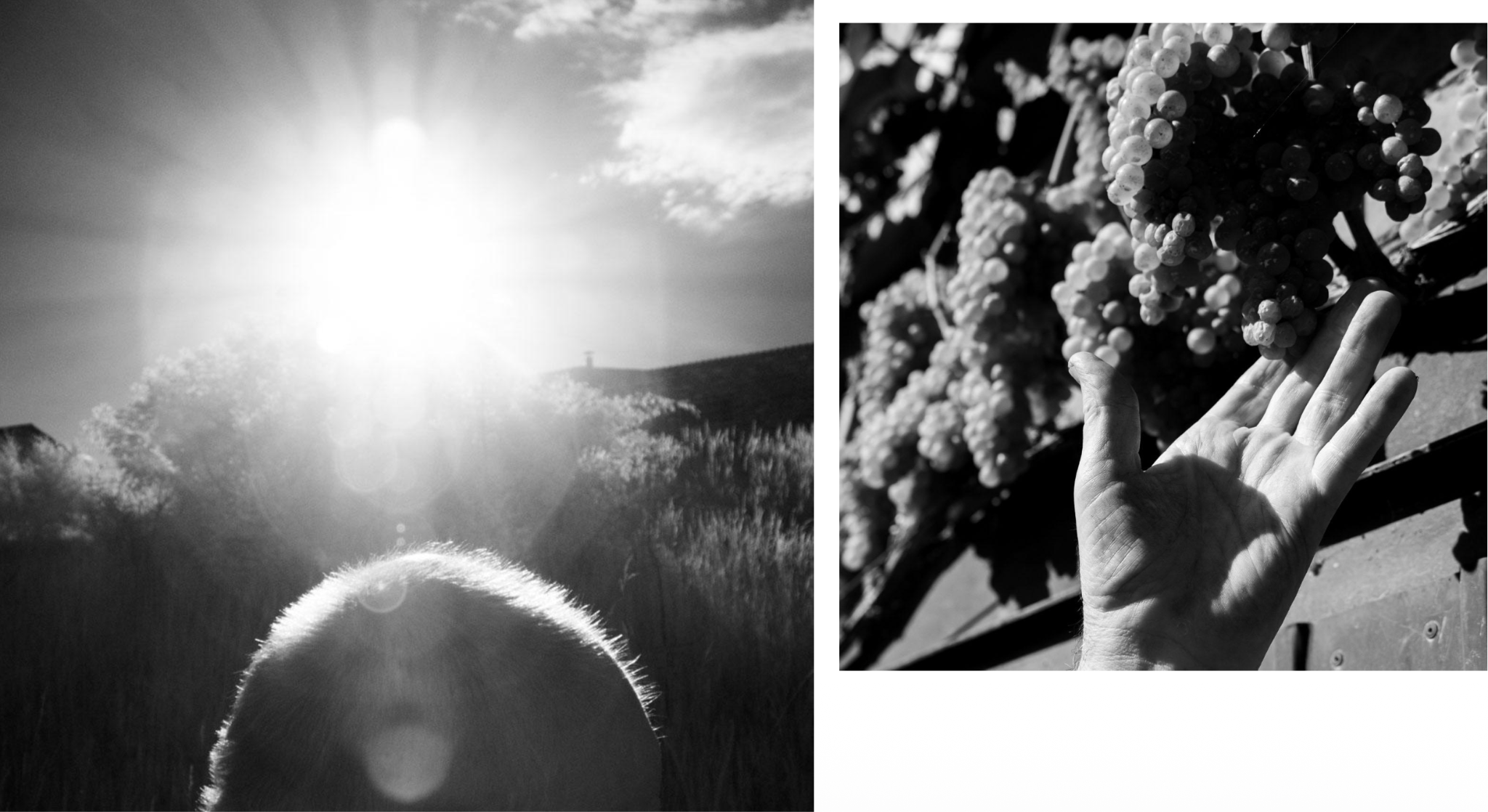
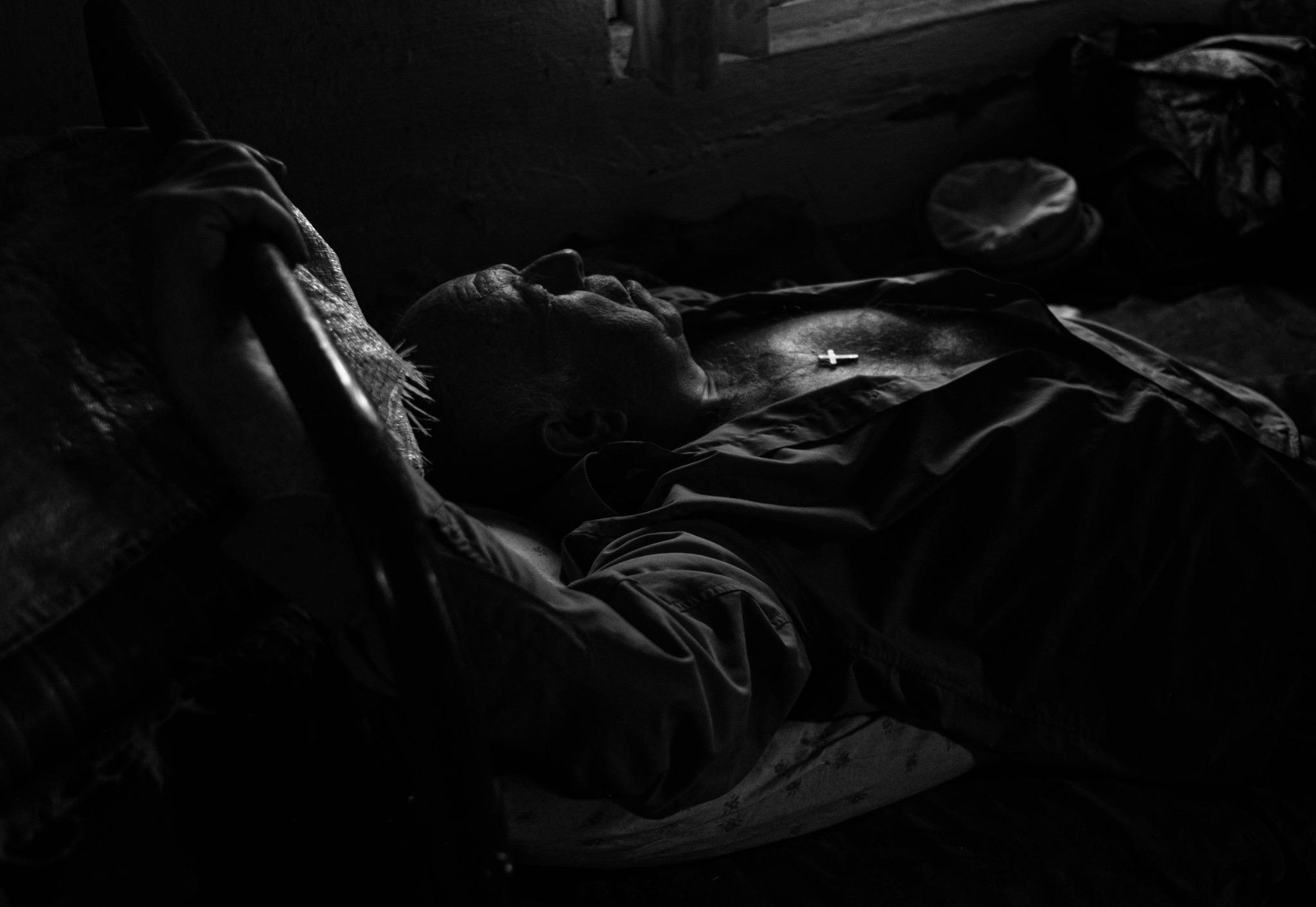
It would have been much harder for me to work on video, because my grandfather and I talk a lot, and these conversations don't always correspond to the visual image. For example, I have a photograph where my grandfather is lying down, and his cross seems to glow. In addition to the photo, I also made a video fragment in which my grandfather's voice can be heard. A great dissonance actually arises between his words on quite mundane topics and the image.
My grandfather was initially surprised by why I was photographing him. However, when I showed him the photos, he liked them. "Wow, is that really me," my grandfather smiled. Since then, we have been working on the project together, and my grandfather is also a co-participant in creating this story.
"My grandfather loves to repeat that he grew up in a black-and-white world"
Before I started photographing my grandfather, I watched the documentary "Pictures of the Old World" by the iconic Slovak filmmaker Dušan Hanák. The film tells about Slovak photography and the provinces, and the basis of its visual sequence is the black-and-white photographs of Martin Martinček. This film is often mentioned alongside Lithuanian photography, as Martinček worked in a similar style to the masters of the Lithuanian School of Humanistic Photography. I decided to create a similar project.
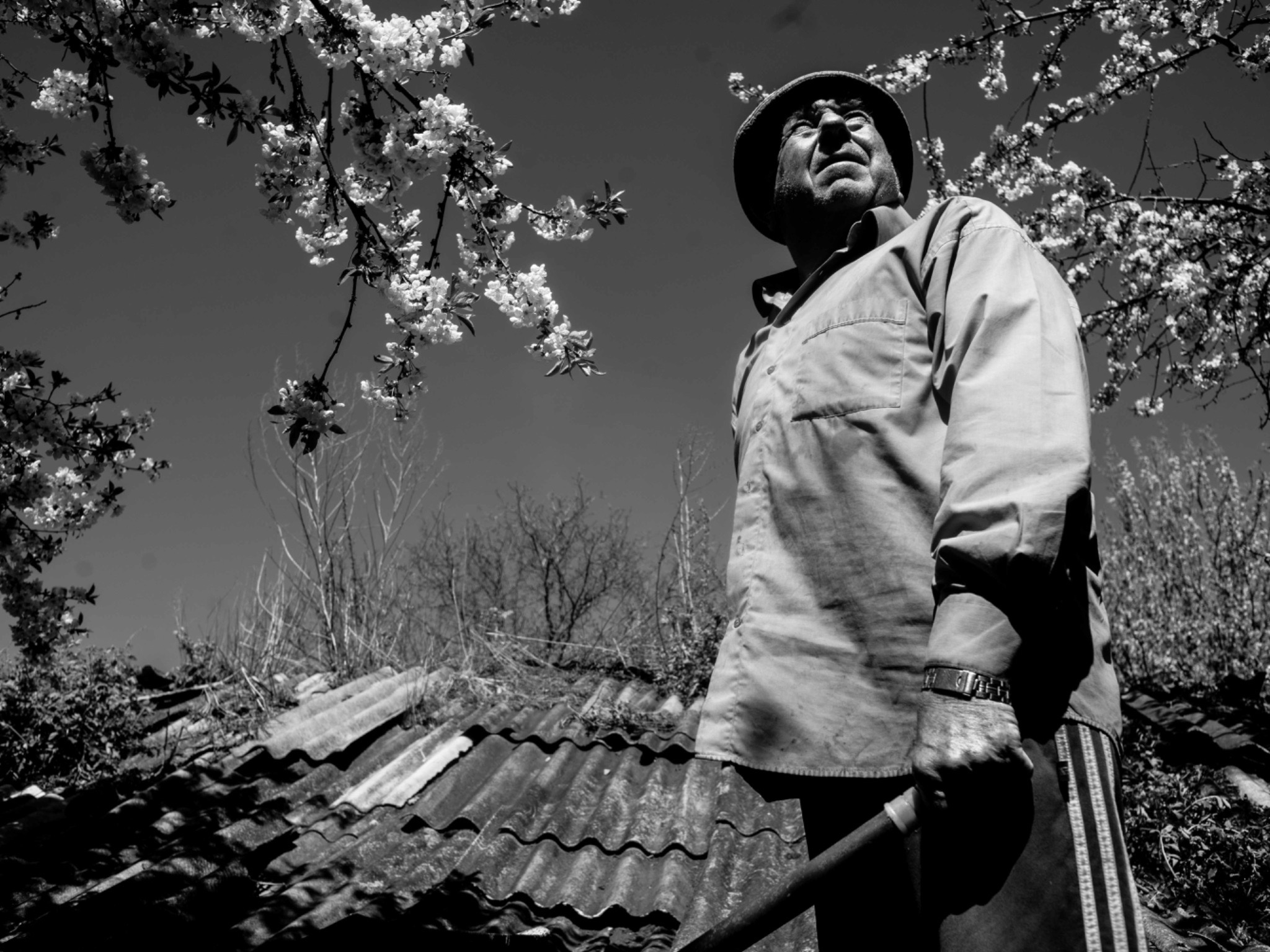
I was strongly impressed by the "Blossoming" series by Lithuanian photographer Romualdas Rakauskas, and I photographed my grandfather in a garden with blooming trees. I really like the poetic shots of Czech photographer Josef Sudek, and this admiration, perhaps, was reflected in my still lifes. I was also inspired by W. Eugene Smith's photo story "Country Doctor." I even tried to replicate one shot from that series.
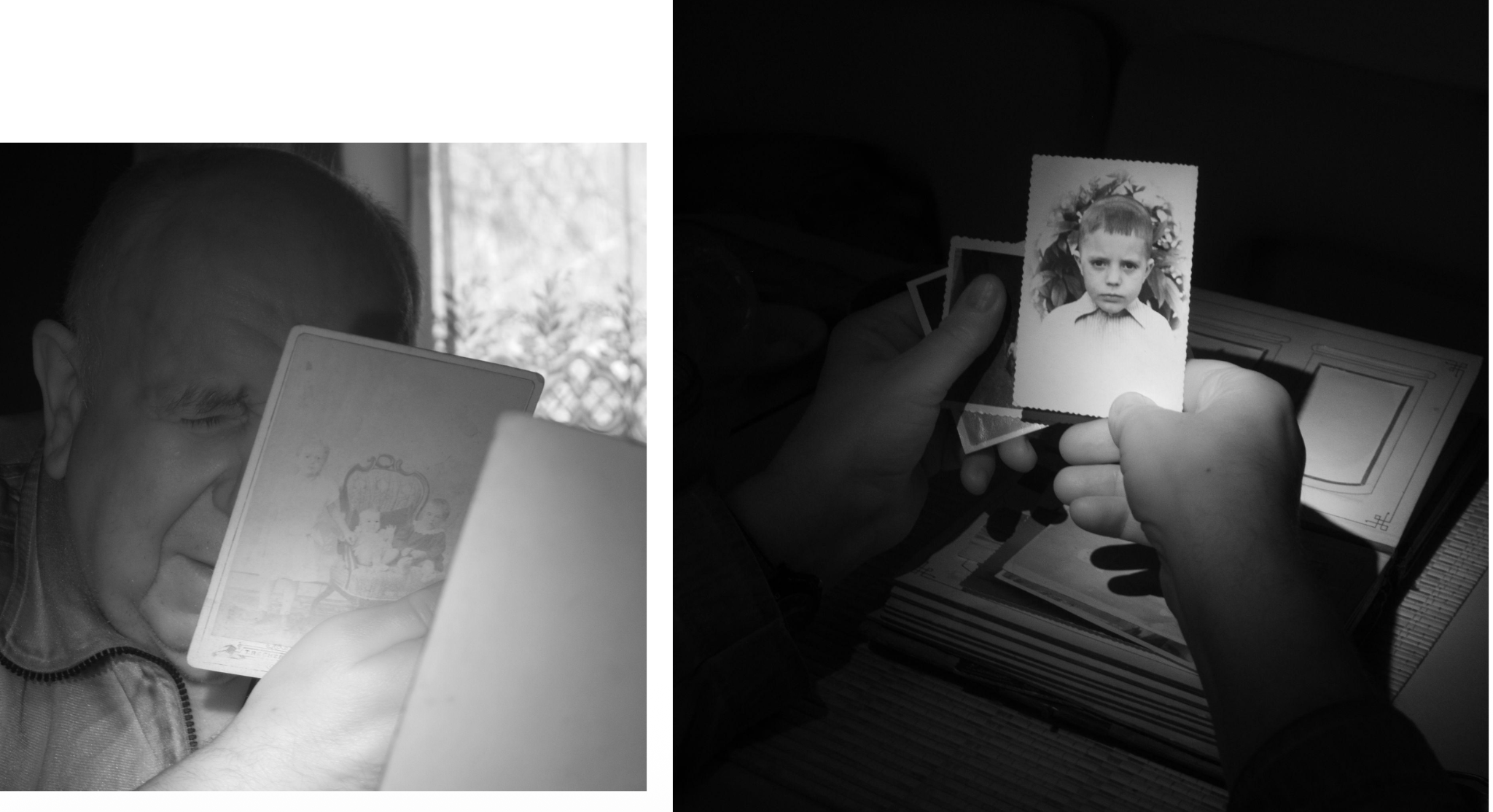
The "Heat of the Earth" photo project includes black-and-white photographs taken using various cameras and techniques. I didn't choose this format myself — the photo essay that we were assigned to do at university had to consist of black-and-white photos. We were initially learning to work with form, but I was very drawn to this idea. Besides, my grandfather loves to repeat that he grew up in a black-and-white world — that's what the buildings around were like, the school uniform, television, and newspapers. Only cars were colorful. I confess that when I was little, the past also seemed monochrome to me. After all, all films from that time are mostly black and white. That's my childhood interpretation of the world.
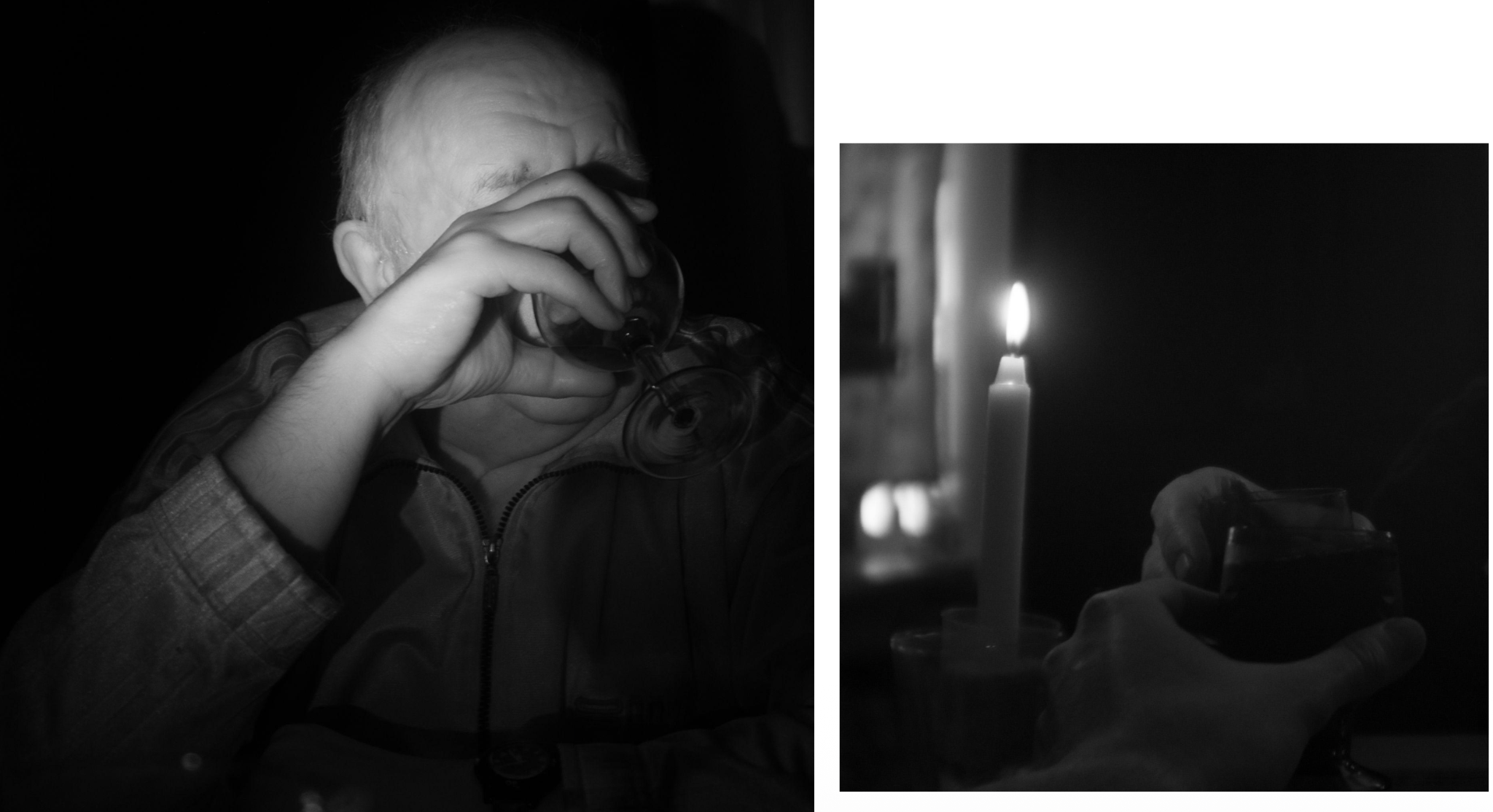
I photographed my grandfather for a whole year, but I added photos to the project taken mostly in spring and summer. In winter, my grandfather spends a lot of time at home, playing backgammon. The photos turned out interesting, but they tell a slightly different story, not about the earth.
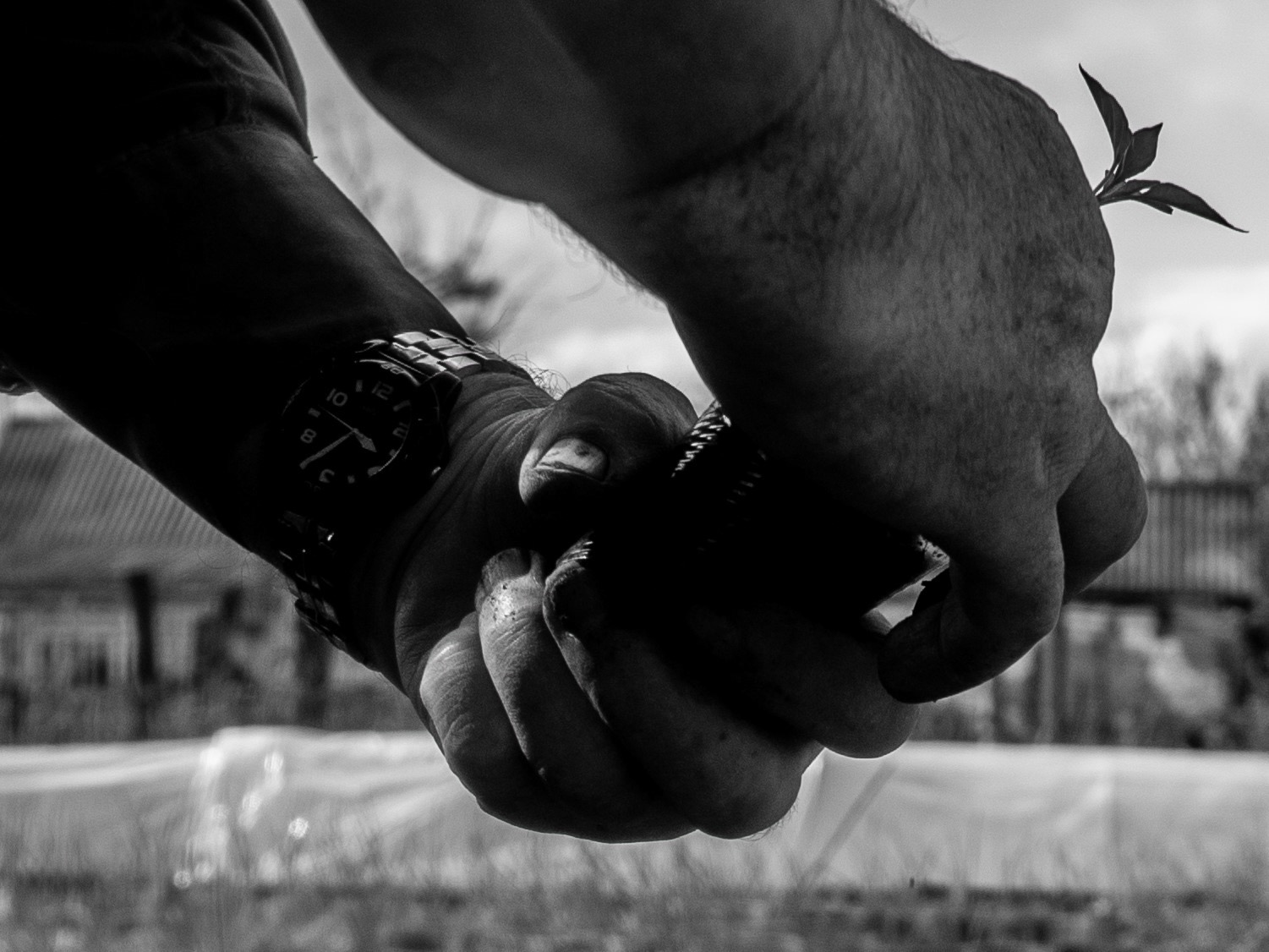
Every time I photograph my grandfather, I find new shots. Now I am trying to make the shots more figurative and pay a lot of attention to details, particularly hands. I devote time to framing the shot, its transformation — I am constructing my grandfather's world. If you look at the compositions, they have become closer-up. I simply started getting closer to people in every sense.
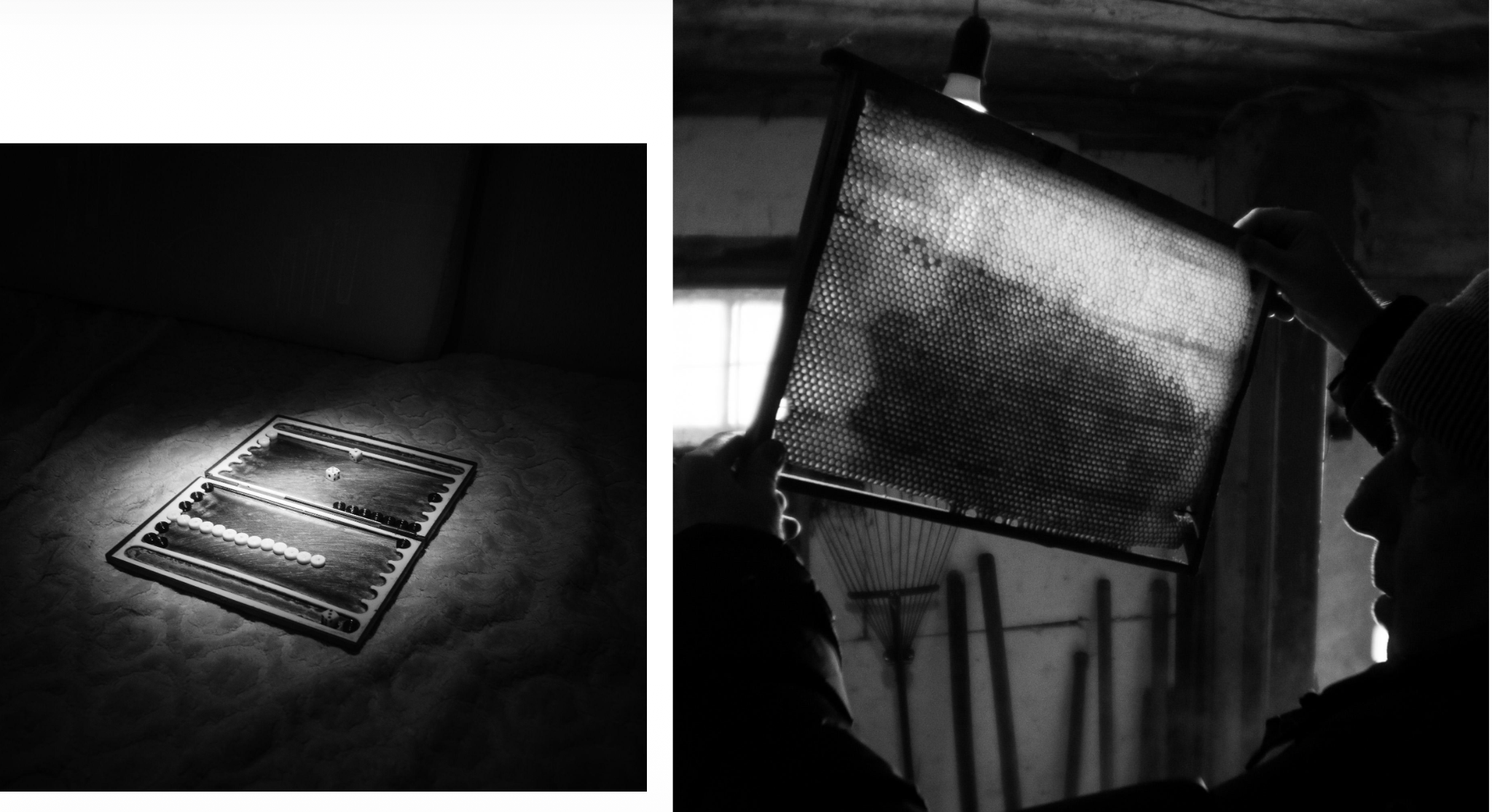
"War in my shots manifests itself in indirect gazes and uncertainty"
Over the years of my grandfather's life, much has changed, but his lifestyle has hardly changed at all. It is this constancy, which reminds me of a strong tree holding onto its native soil with its roots despite all the winds, that inspires me to continue working on the project.
My grandfather's entire life is connected with events iconic to the history of Ukraine. He actively participated in the fight for independence; even during the Soviet era, he went to various rallies. Then there was the crisis of the nineties, revolutions, and eventually, the full-scale Russian-Ukrainian war began.
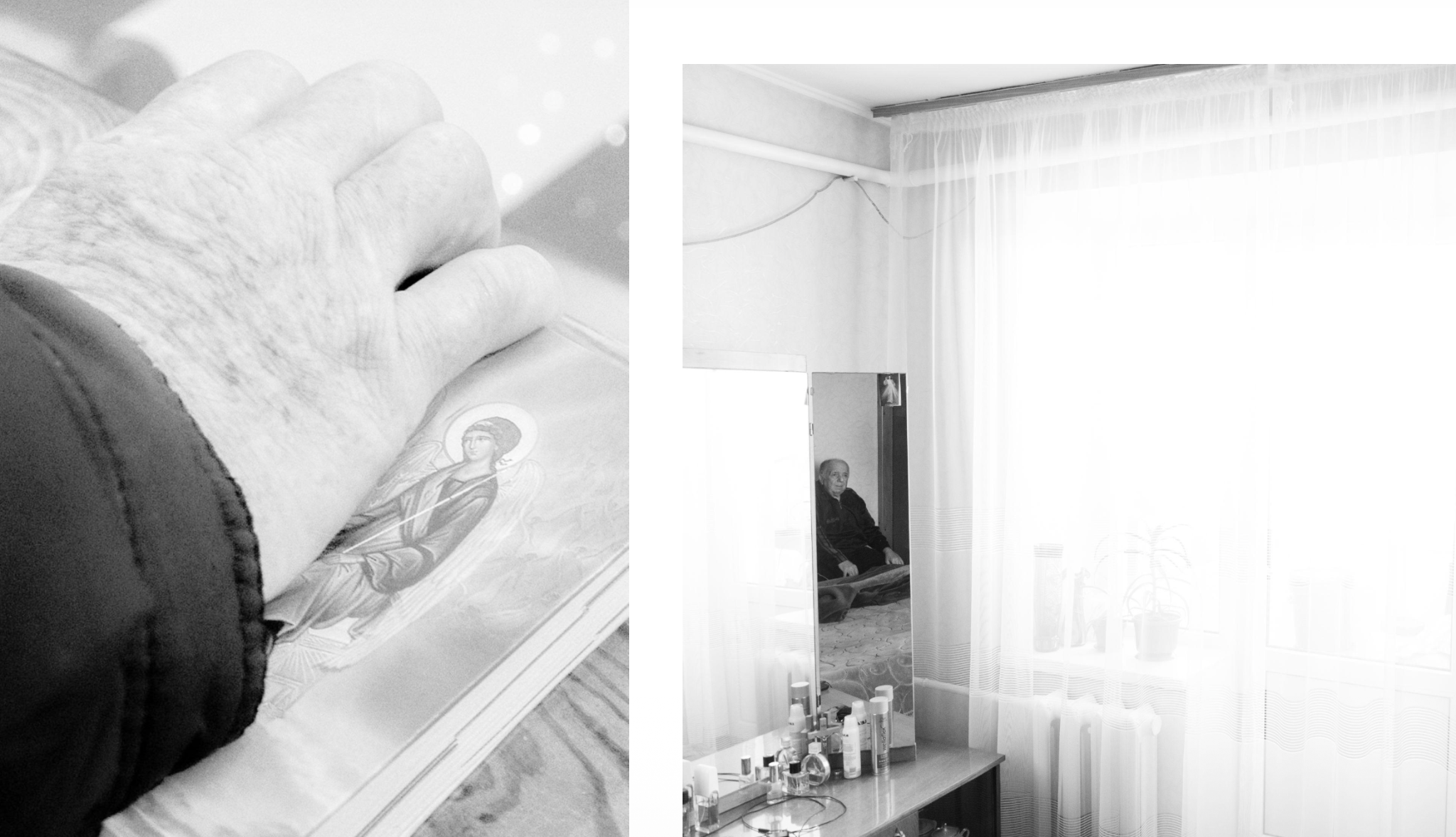
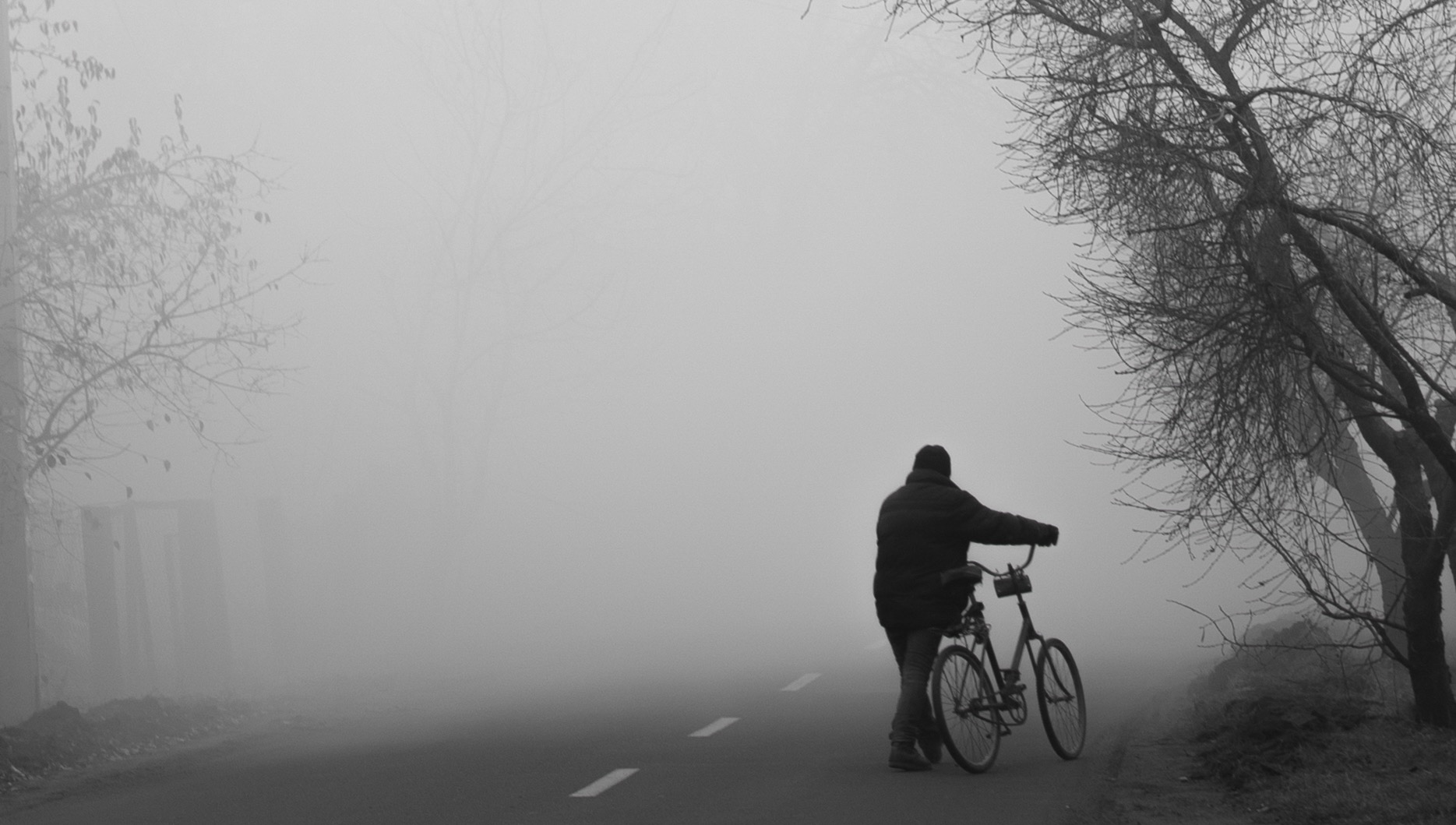
Our hometown of Koziatyn was shelled several times because it is an important railway hub of the country. I could have taken shots where my grandfather stands against the background of smoke from explosions. Or add to the series a shot I took at the beginning of the full-scale Russian invasion of Ukraine. In the frame, our entire family is sitting at the table, and the TV screen is displaying the message-instruction to the Russian warship. However, this picture would stand out strongly due to its visual language among other photos in the project. My project contains no frames depicting the direct impact of war — ruined buildings or dead people. War in my shots manifests itself in indirect gazes and uncertainty.
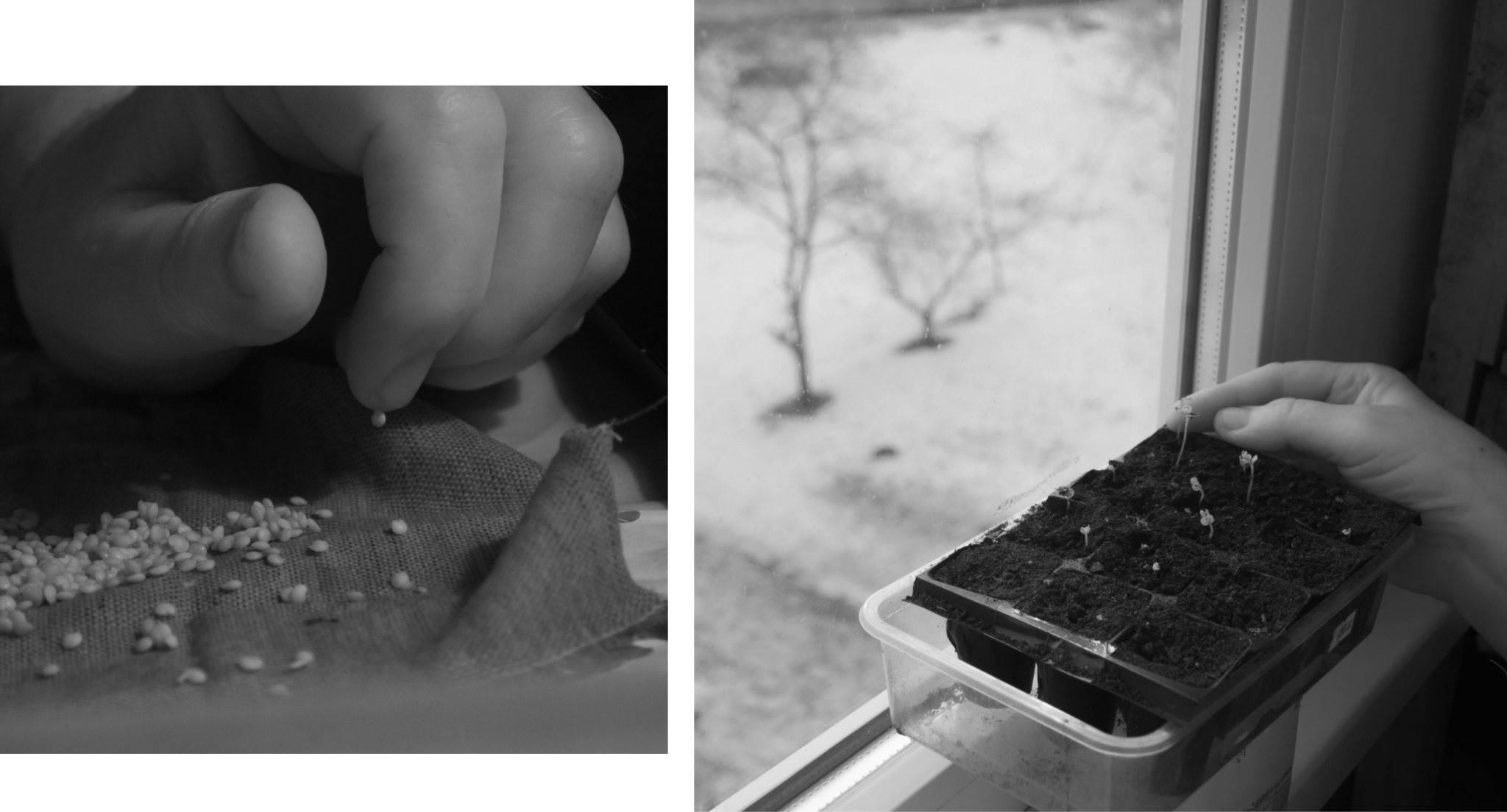
The "Heat of the Earth" photo project is, first and foremost, memory. Unfortunately, not everyone has enough family photographs. I will continue to photograph my grandfather, because good moments for photos can always happen. My grandfather has many photographs in his archive, so the project can be transformed and expanded over time.
Material created with the support of the British Council's "Grants for Creative Economy Development" program
Anton Cherniak — a photographer and cinematographer from Koziatyn (Vinnytsia region), living in Kyiv. He works primarily in documentary photography, capturing people and environments in real-life situations. He graduated from the Karpenko-Kary National University of Theatre, Film and Television with a degree in "cinematography," completing his bachelor's degree in Dmytro Tiashlov's workshop. He considers attentiveness, precise selection of the subject, and working with context to be key in his work; a turning point was filming his diploma project, which finally solidified his path in documentary work.Instagram of the author
Working on the material:
Researcher of the topic, author of the text: Katia Moskaliuk
Photo editor: Olha Kovalova
Literary editor: Yuliia Futei
.png)