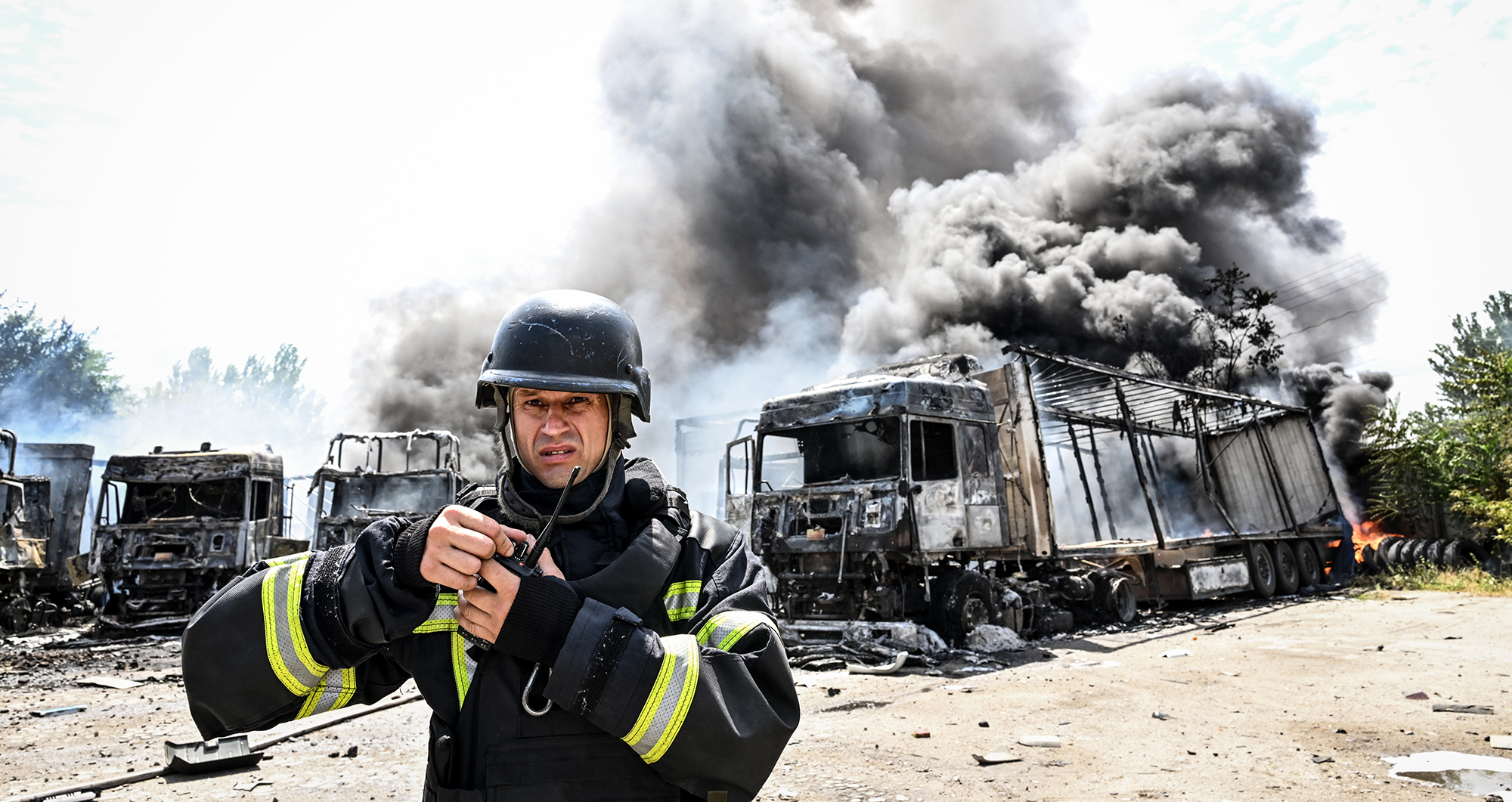
Russian troops are purposefully attacking fuel infrastructure in frontline regions. Just during June in the Sumy region, 13 strikes on gas stations were recorded. In Zaporizhzhia, service stations, gas stations, municipal and private enterprises are under attack daily. Under fire this week — energy facilities and Naftogaz assets. Due to continuous shelling, civilians continue to die: five people died from a ballistic strike in Kryvyi Rih, two humanitarian demining specialists lost their lives in the Kherson region (their colleagues are in the hospital), a Shahed fragment killed a young woman on a beach in the Odesa region, and a sailor of a civilian vessel died in the Black Sea. Strikes by ballistics were also recorded in Kyiv, injuring two people.
Chronicle of Russian shelling from June 22 to June 28, 2026
On the night of June 22, the Russians carried out an attack on civilian shipping in the Black Sea; merchant ships heading to Odesa ports were damaged. On one of the ships, a crew member, an Egyptian citizen, died, and a fire broke out on board. In the Odesa district, a ballistic strike on the territory of an agricultural enterprise caused vehicles and fuel tanks to catch fire; a warehouse building was destroyed, one person died, and three others were injured. In the industrial zone in Sloviansk, the enemy dropped a FAB-250, killing a man, injuring four people, and damaging eight high-rise buildings and infrastructure. In the Chernihiv region, residential houses, an enterprise, a railway station building, the territory of a lyceum, and energy facilities were under fire. In the Kharkiv and Dnipro regions, there was one fatality each, with severely wounded individuals reported. In Kharkiv, three apartment buildings and a scientific institution building were damaged. There were strikes on Kryvyi Rih and Pavlohrad.
23 June, the enemy attacked the Kyivskyi, Saltivskyi, and Nemyshlianskyi districts of Kharkiv with drones, damaging two private houses, cars, power grids, and a beauty salon; there are fatalities and injuries in the region. In Kryvyi Rih, as a result of an Iskander-M ballistic missile strike with cluster munitions, five people were killed and three dozen were injured, including a four-year-old boy; five people are in the hospital in serious condition, with a total of 17 hospitalized. Civilian infrastructure facilities, an enterprise, a light rail station, eight private houses, two educational and cultural institutions, several business facilities, gas stations, and cars were damaged, and several fires broke out. Three more people died in the Nikopol region, and six were injured, with two in the hospital. In Nikopol, the Russians carried out a repeated strike on rescuers who were eliminating the aftermath of the shelling; a fire tanker was damaged. On the Odesa coast, a 26-year-old woman died as a result of a Russian UAV attack, and a 39-year-old man was injured. The tragedy occurred during an air raid alert and air defense forces operation to repel an enemy strike on a beach that had not passed inspection and had not received official permission to open.
On the night of June 24, the enemy attacked Balakliia in the Kharkiv region; one woman died, one was injured, four private houses, a shop, and an outbuilding were damaged, and fires were raging. In Kherson, Russians attacked a critical infrastructure facility, temporarily leaving the central part of the city without electricity. Three employees of the enterprise were hospitalized, and a 16-year-old boy was wounded. As a result of shelling from MLRS, one person was killed and three were wounded; a drone hit a municipal carrier's minibus, injuring one more person. In the Kherson region, two demining specialists from the humanitarian organization NPA were killed due to Russian shelling, four others were wounded, and two remain in serious condition. As a result of shelling in the Dnipro region, two people were killed and five were wounded. Kryvyi Rih is in mourning for those killed in the missile strike. In Kramatorsk, Druzhkivka, and the Chernihiv region, residential buildings, administrative buildings, infrastructure, and industrial facilities were significantly damaged. Several Ukrnafta gas station complexes in the Zaporizhzhia, Mykolaiv, and Dnipropetrovsk regions, as well as production assets of the Naftogaz Group in the Poltava region, were under fire; one gas station employee is in serious condition, the gas station's operations were stopped, gas extraction and storage facilities were significantly damaged, and fires occurred, the company reported.
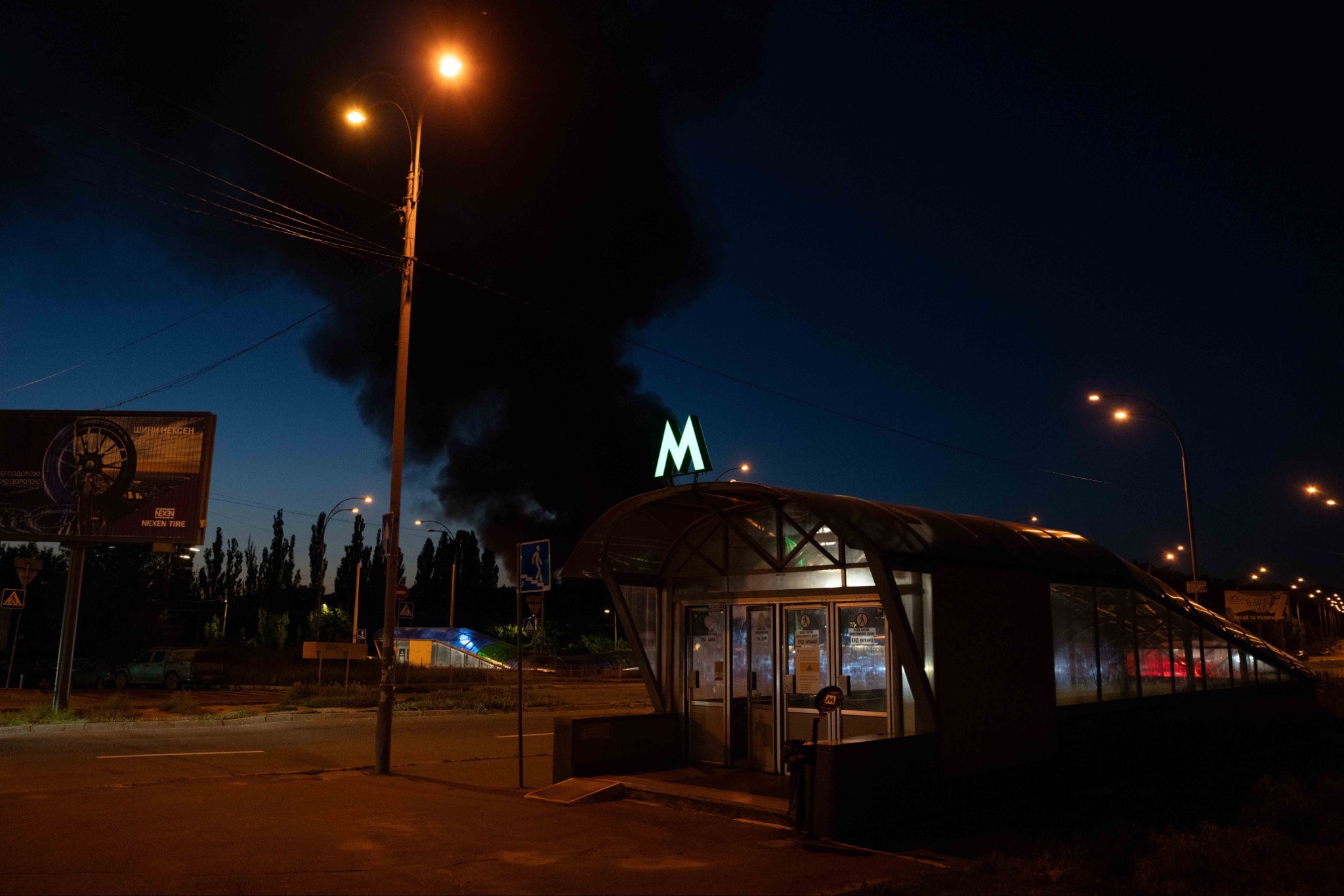
On the night of June 25, as a result of a Russian attack in the Poltava region, a fire occurred at an industrial facility. In Sloviansk, enemy UAVs attacked a medical facility; the roof of an administrative building and a car caught fire. In Kramatorsk, a drone struck a gas station, causing a fuel dispenser to ignite. In the Dnipro region, gas stations, infrastructure, residential developments, enterprises, and educational institutions were mangled; a warehouse with municipal equipment was burning. In Pavlohrad, a college, health complex, and dormitory were damaged, and fires broke out. In the evening, in the Darnytskyi district of Kyiv, warehouse premises caught fire due to an enemy ballistic strike, and missile debris also fell on open territory at another location. According to the Air Force Command of the Armed Forces of Ukraine, overnight on June 26, the enemy attacked the Kyiv and Poltava regions with seven Iskander-M ballistic missiles; three ballistic missiles were preliminarily intercepted.
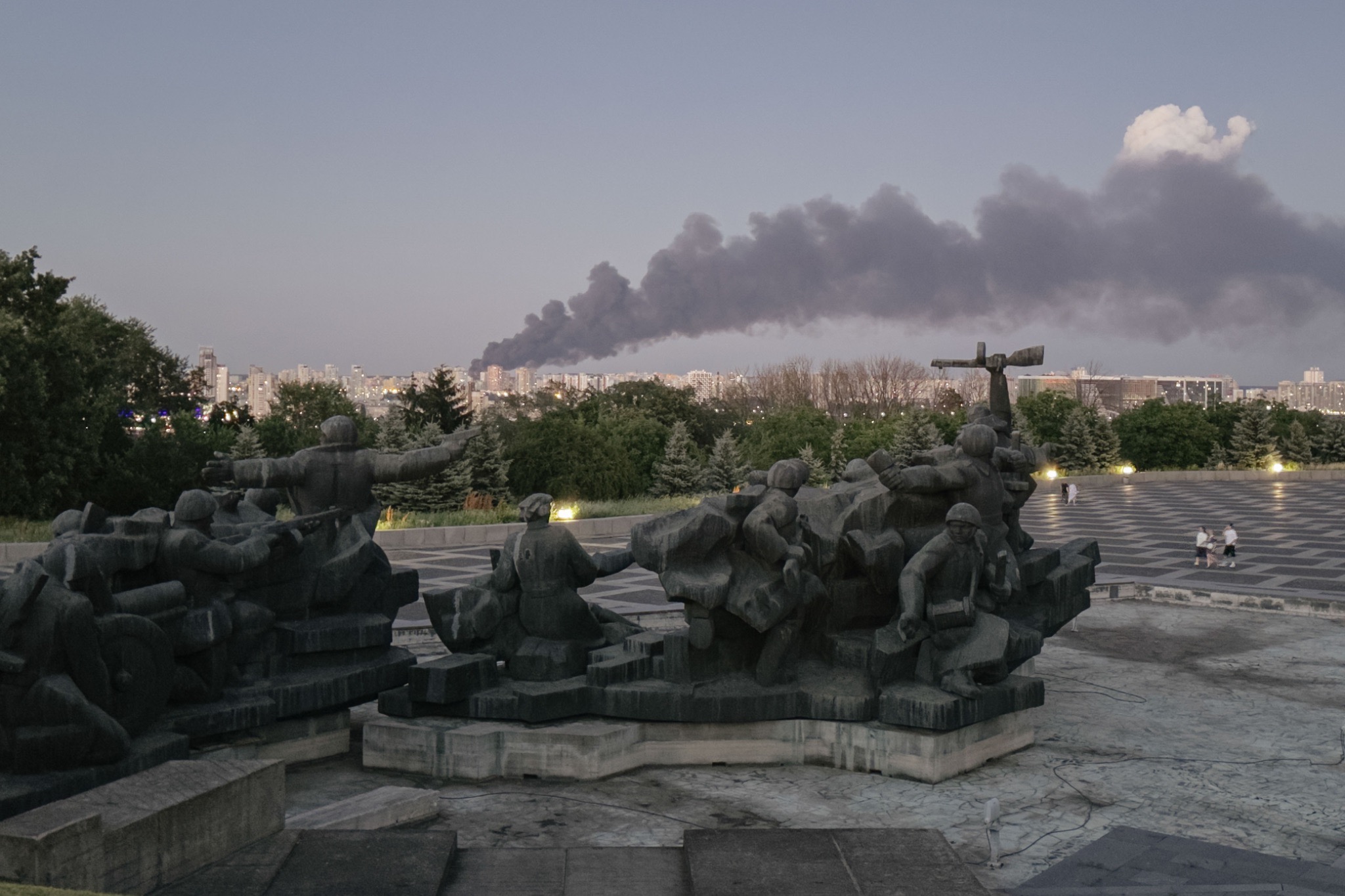
In the Izmail district of the Odesa region on June 26, the enemy attacked energy and civilian infrastructure; several settlements were left without power, a cottage house caught fire, and one person was injured. Russia launched an airstrike on Kherson's energy facilities; the city's Central district was left without power. Eight people are known to have been injured, including three employees of the enterprise; one woman also suffered a traumatic partial amputation of her left hand. There were attacks on residential buildings in the Central and Korabelnyi districts with fires and casualties; in the Dniprovskyi district, a person died due to a drone strike on a car. Gas and electric networks, as well as private houses in Zelenivka of the Kherson district, were damaged. In Izyum, Kharkiv region, a person died due to a UAV strike on a high-rise building, three others were injured, two high-rise buildings and about a dozen cars were damaged, and a fire broke out. Another person died in Bohodukhiv. In Nikopol, as a result of an FPV-drone attack on a minibus, two people were killed, and 13 others were wounded, including two 12-year-old girls; they and five other adults were hospitalized, with three patients in serious condition. In Marhanets, one person was injured due to an attack on a regular bus route. In Kramatorsk, a Russian FPV drone killed a man on the road.
Overnight on June 27, Sloviansk was shelled by MLRS with cluster munitions; private houses in the central part of the city were damaged, and one person was wounded. The Russian army carried out massive attacks on Naftogaz's production facilities in the Poltava and Kharkiv regions, using at least four ballistic missiles, including those with cluster elements, and attack drones over two days. There is destruction, and a shift bus was damaged. In Kharkiv, a gas station was damaged; three more gas stations were damaged in the region. In Kherson, an enemy drone flew into an apartment in a high-rise building, causing a fire and injuring the owner. In the Chernihiv region, enterprises were attacked: trucks, a farm building, warehouse and utility structures, a grain barn, and a local shop were damaged; many FPV-drones were reported in the border areas. Throughout the week, 15 regions were under attack by the RF army; the occupiers used about 1,400 attack drones, almost 1,500 guided aerial bombs, and 19 missiles of various types.
On the night of June 28, the enemy attacked Ukraine with two Zircon/Onyx anti-ship missiles, six Iskander-M/S-400 ballistic missiles, and 142 UAVs of various types. Overnight, Chernihiv was under a massive drone attack: two people were hospitalized with injuries; educational and medical institutions and private houses were damaged. In the region, there were strikes on gas stations, energy facilities, an enterprise, and residential houses. In Kharkiv, a civilian enterprise was damaged; a missile strike was recorded in the Osnovianskyi district. In the morning, in the Kyivskyi district, a UAV hit a high-rise building. In the Bohodukhivskyi, Kharkivskyi, and Berestynskyi districts, gas stations and infrastructure were damaged. In the Mykolaiv district, as a result of a drone attack, a warehouse and several buildings in a recreational zone were damaged. In the Dnipro region, two people died over the weekend, and five were injured. In the Darnytskyi district of Kyiv, as a result of an attack, a garage box and cars in an open area caught fire, with the fire area totaling 300 sq. m. At another location, SES pyrotechnicians removed a warhead and safe debris from a Russian missile; two people are known to have been injured.
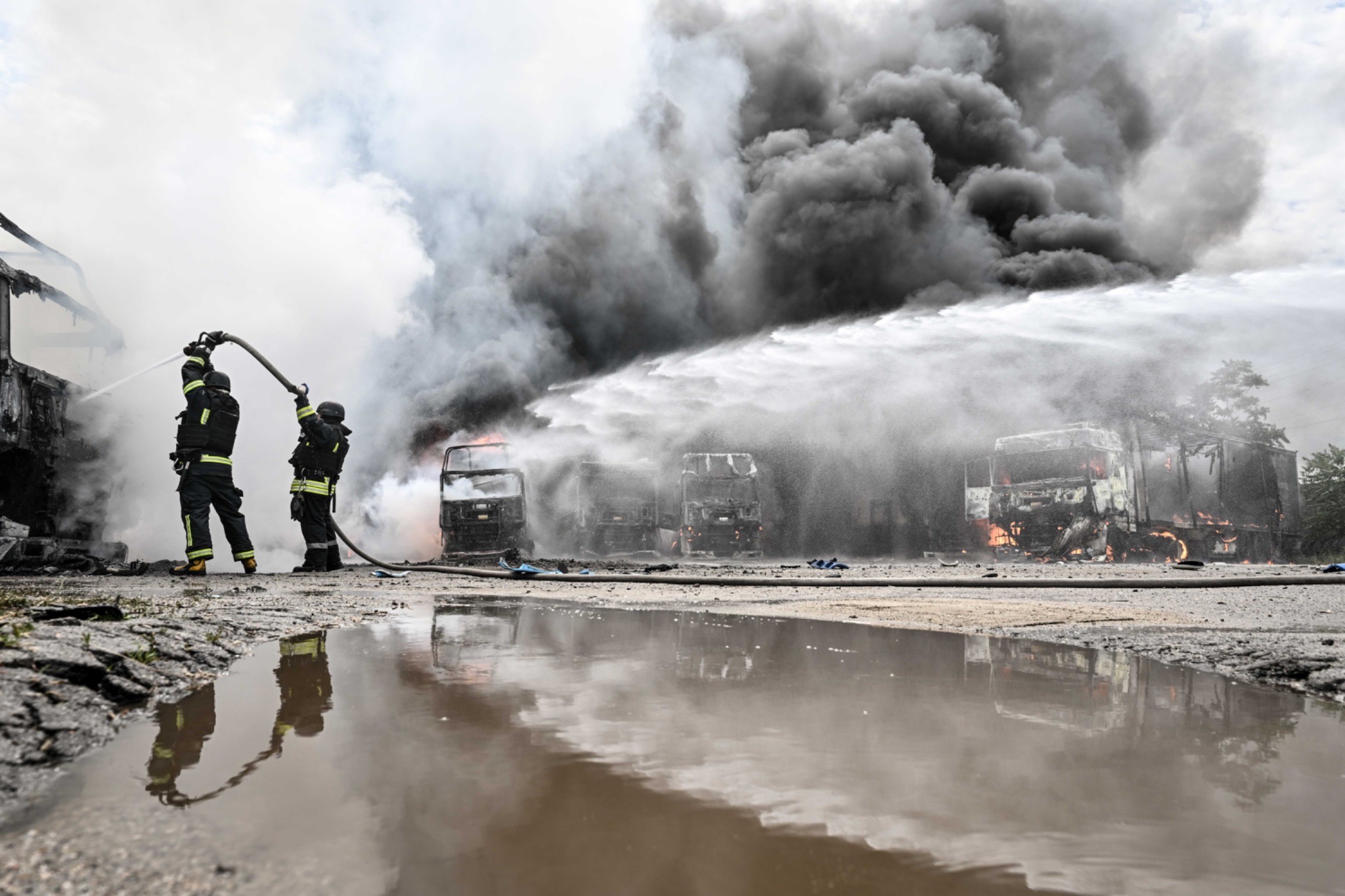
Zaporizhzhia: Not a Single Day Without Shelling
Ahead of the new work week, an airstrike on Zaporizhzhia caused significant damage to the City Palace of Children and Youth Creativity, a building of architectural value. The blast shattered windows and damaged the facade, classrooms, equipment, and interior decor, destroying parts of what had been achieved through years of painstaking reconstruction, including expensive equipment, reports the publication "Ukrainska Pravda. Zhyttia".
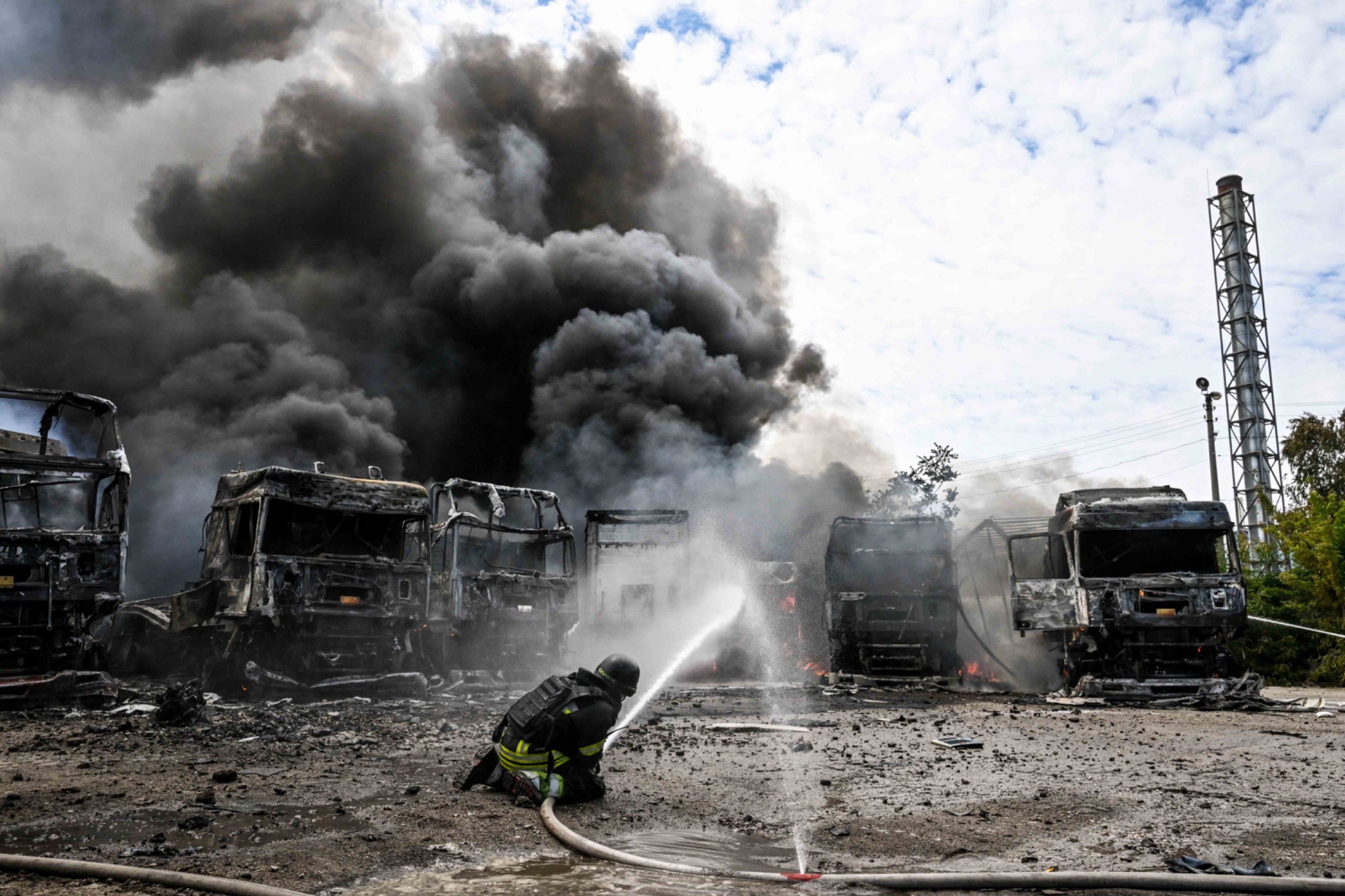
From June 22 to June 28, Zaporizhzhia and the settlements in the district suffered from cyclical attacks. The enemy used guided aerial bombs, strike drones, and artillery, deliberately targeting residential areas, gas stations, and engineering and transport infrastructure. There are fatalities in the region; 90 people are known to have been injured during the shelling, including children, specifically an 11-year-old and a nine-year-old boy. The enemy employed a tactic of repeated strikes: during the cleanup of one of the nightly attacks, Russians hit State Emergency Service rescuers with a drone, damaging their specialized equipment.
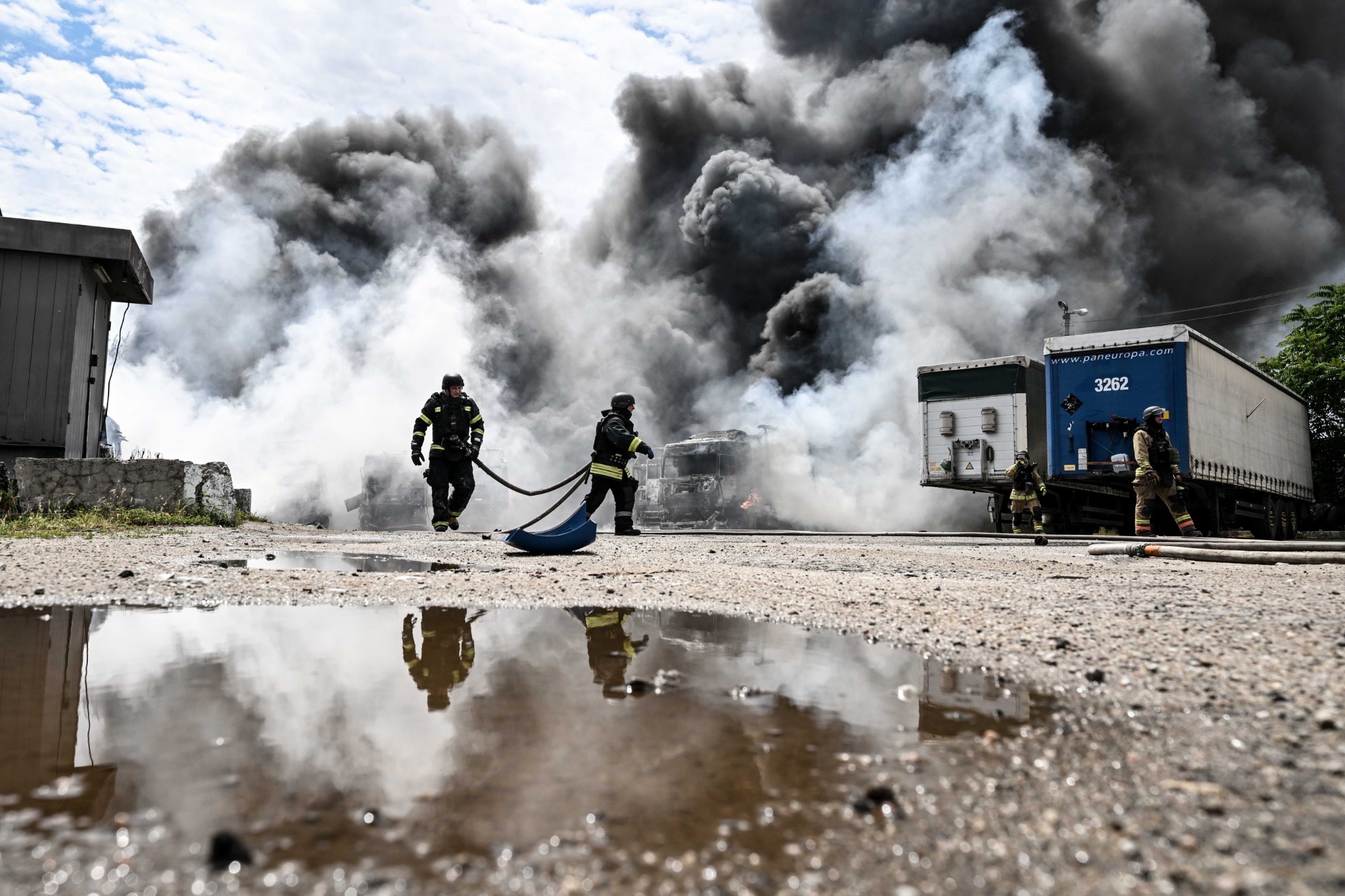
On the night of June 27, under strikes in the Shevchenkivskyi, Oleksandrivskyi, Kosmichnyi, and Khortytskyi districts of the city, 23 apartment buildings and 17 private houses were hit — in total, more than a hundred residents appealed to the authorities regarding damaged housing. In addition, the occupiers deliberately attacked civilian businesses for several consecutive days: local gas stations, service stations, parking lots, warehouses, and industrial facilities suffered destruction and large-scale fires, where dozens of cars and trucks were burned. Sunday morning in Zaporizhzhia was alarming: a result of another strike with guided aerial bombs (KABs) destroyed a house, caused fires, killed two people, and injured 16 others, including two children; a search and rescue operation is ongoing.
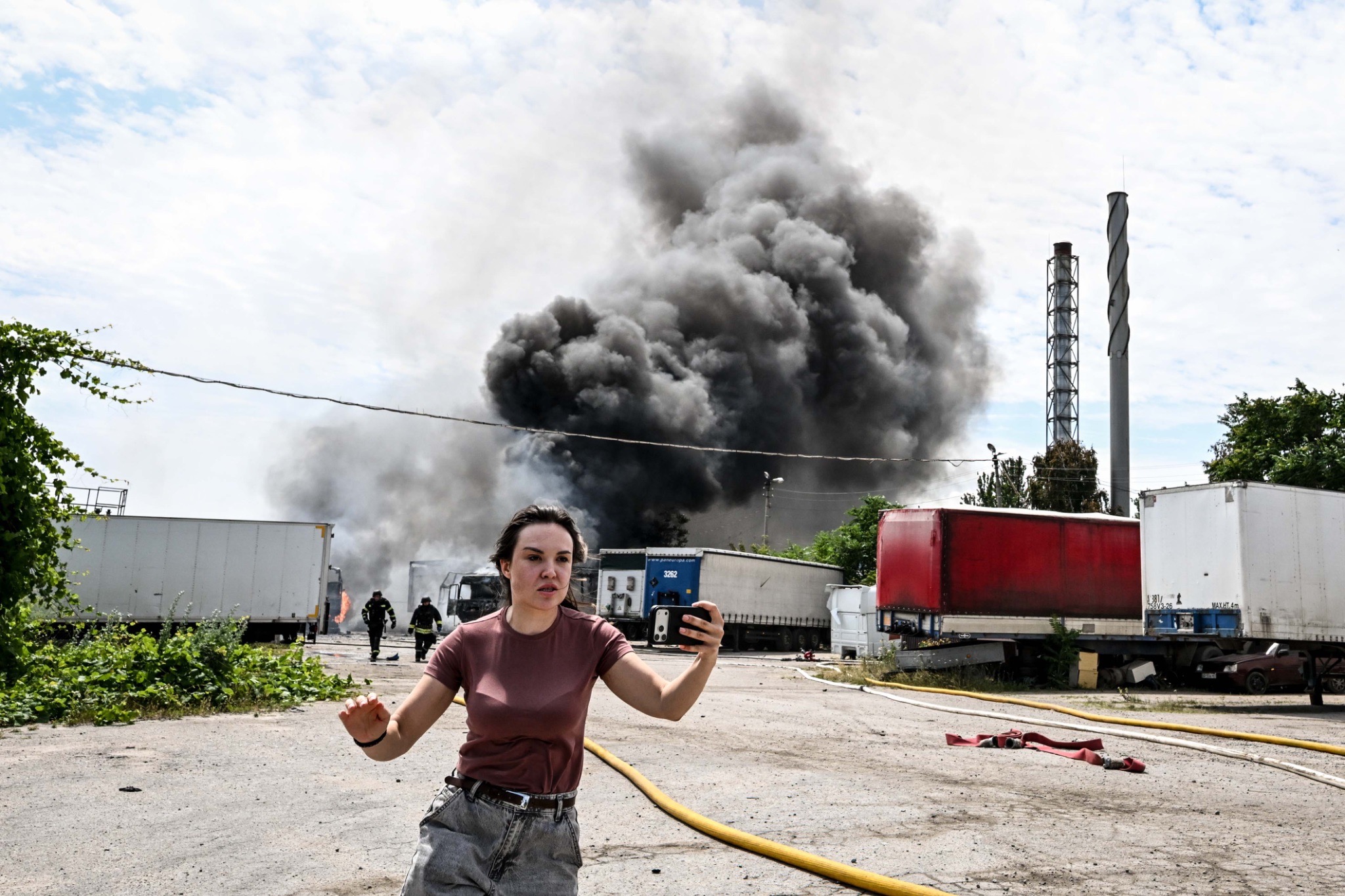
Attacks on the Zaporizhzhia district were no less exhausting. In one of the villages, a guided aerial bomb partially destroyed the building of a municipal enterprise, under the rubble of which a woman died; in another community, the building of the village council and the Administrative Services Center were damaged. The Russians also shelled a civilian car, killing the driver on the spot. Among the damaged objects were an educational facility and a historical building. On June 22, with a drone strike, the Russians completely destroyed a monument of architecture, urban planning, and history of local significance — the Myklashevskyi estate in Bilenke.
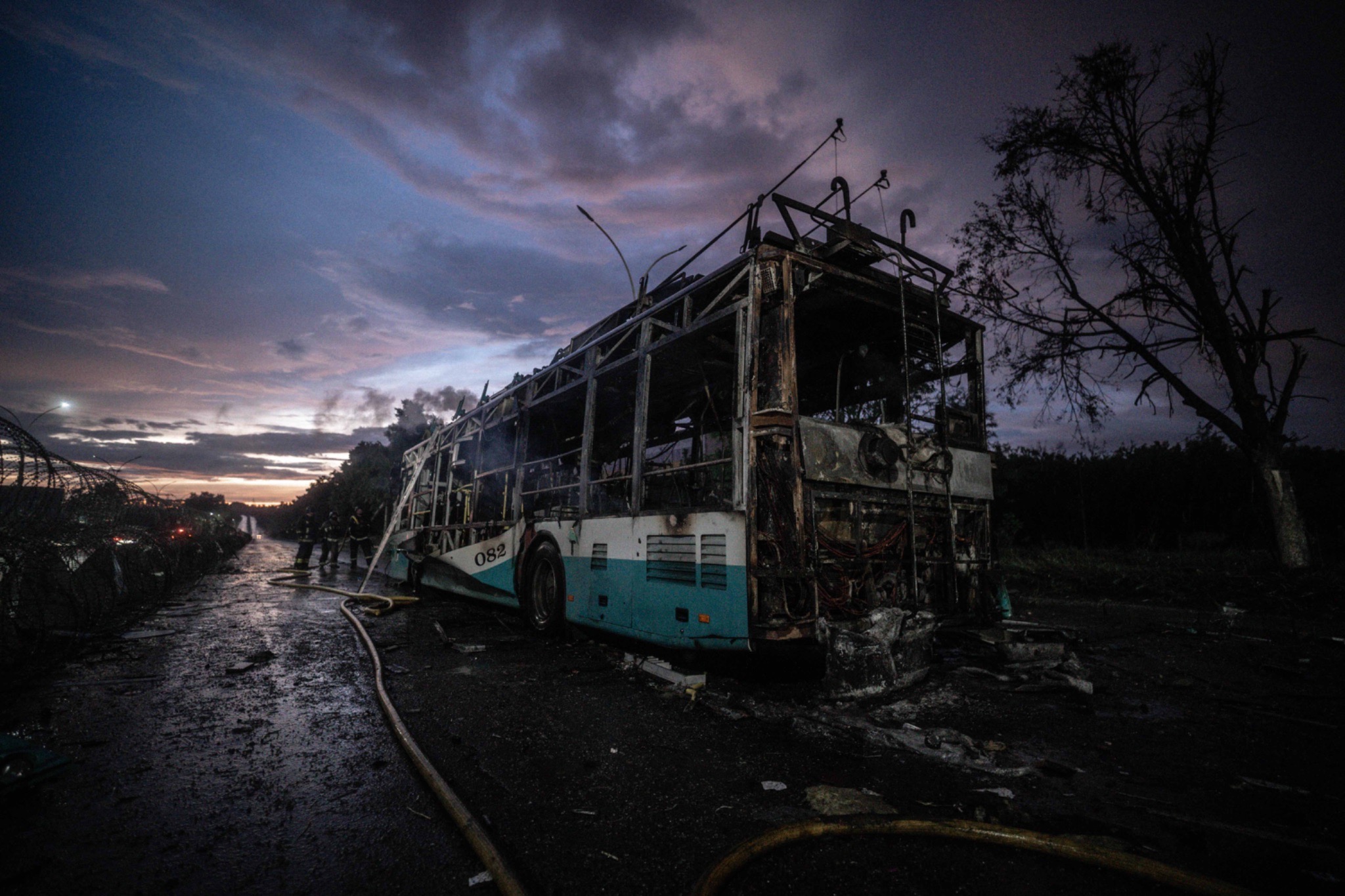
Sumy Under Guided Aerial Bombs
Throughout June 22–28, the Sumy region was under massive strikes by Russian aerial bombs and drones. The most tragic was the drone attack on a residential house of a large family in the Znob-Novhorodske community on the night of June 22, which claimed the lives of three people, including a 13-year-old boy; two other children and one adult were injured, and a 13-year-old girl is in critical condition.
The enemy deliberately destroyed social infrastructure: a missile strike damaged educational institutions in Bilopillia, and a drone attack damaged a cinema in Konotop. In Hlukhiv, the occupiers attacked a bakery during product loading, a warehouse burned down in the community, and in other communities of the region, gas stations, industrial facilities, and numerous private houses suffered destruction. The enemy attacked the "White Angel" evacuation crew during an evacuation from one of the communities; the car was damaged, reports the publication "Kordon Media." On the night of the weekend, June 27, a massive drone raid on the Okhtyrka district led to the injury of ten people, one of whom is in critical condition; there were hits on private houses and on the territory of gas stations.
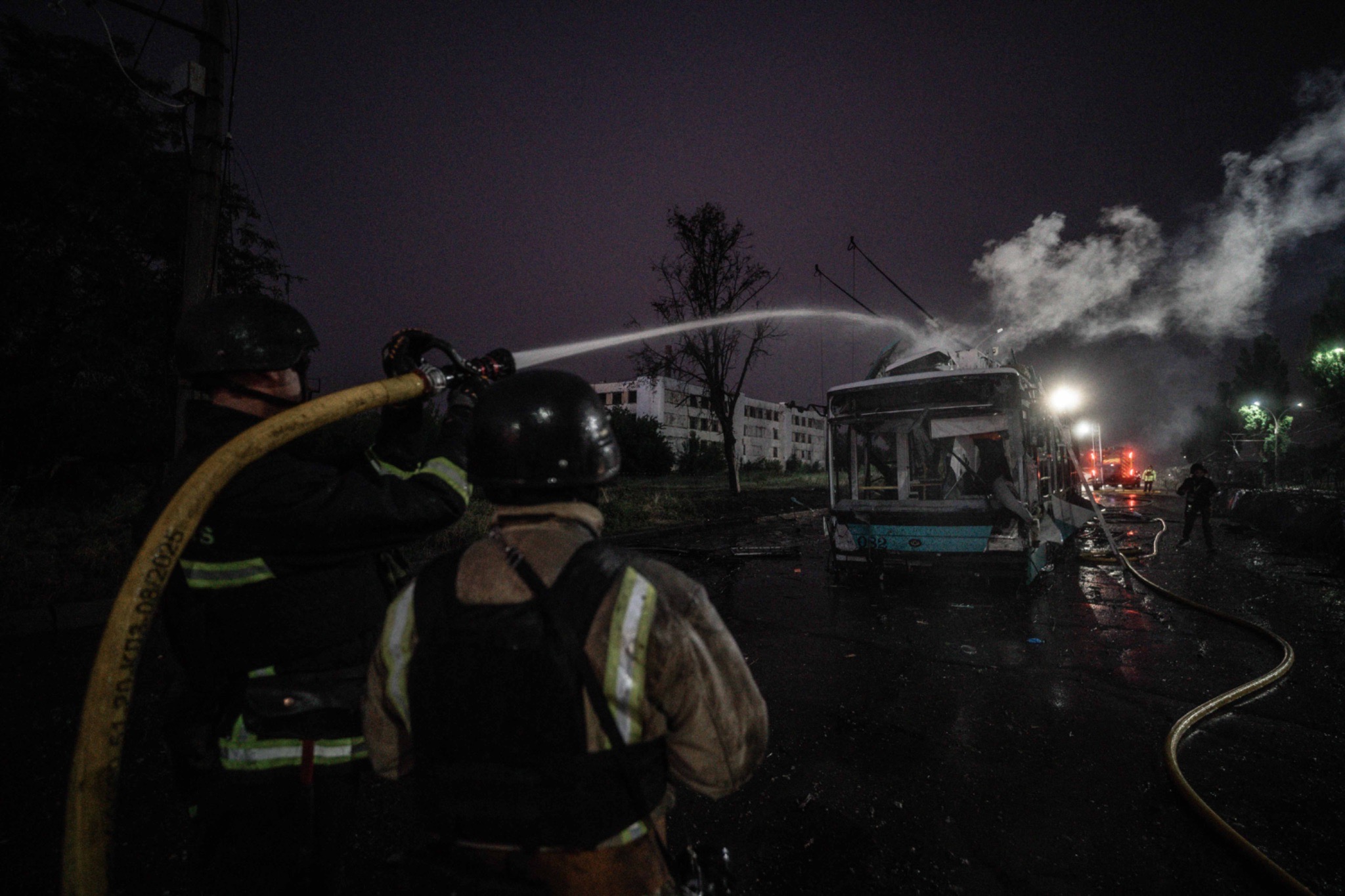
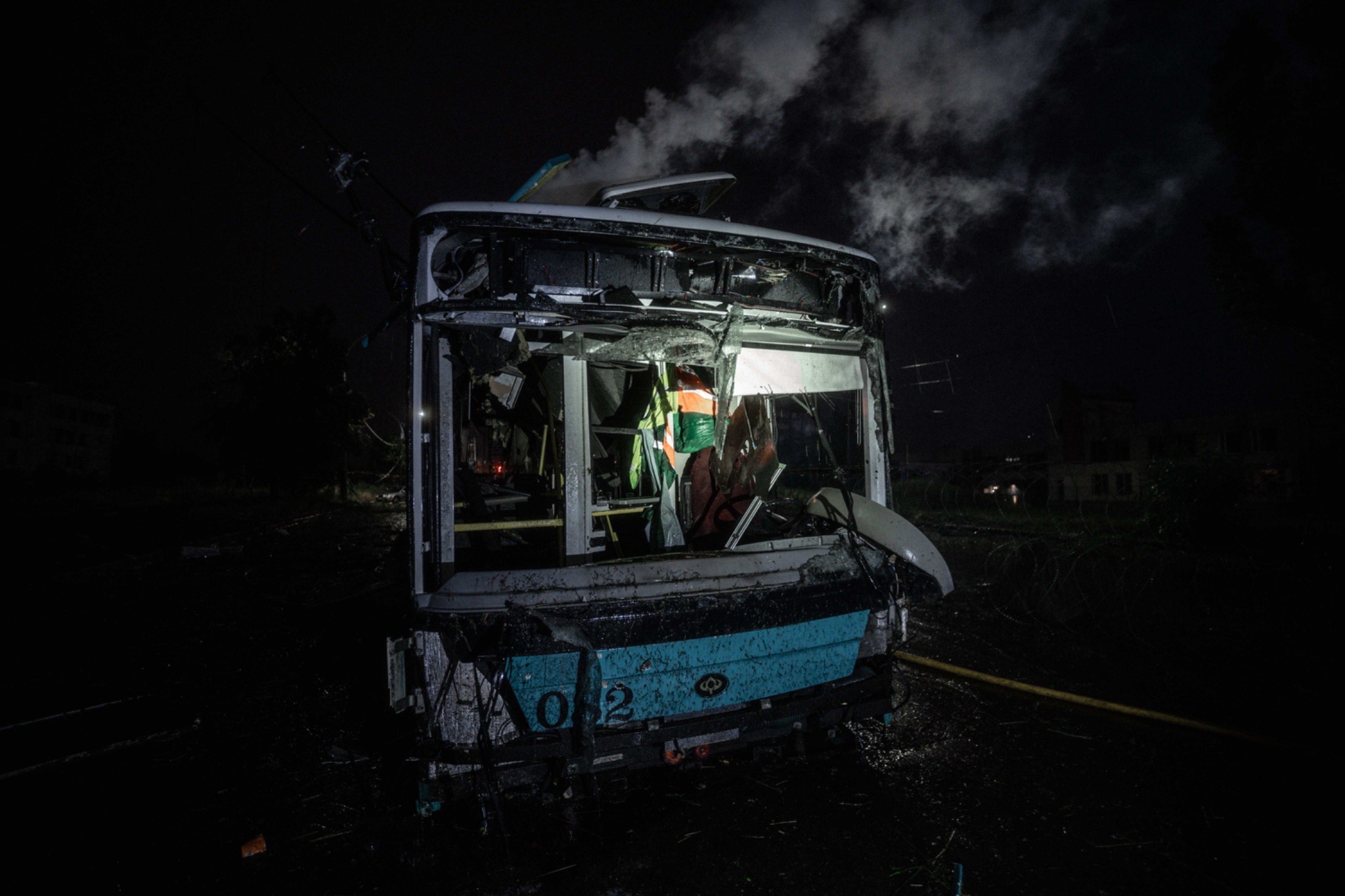
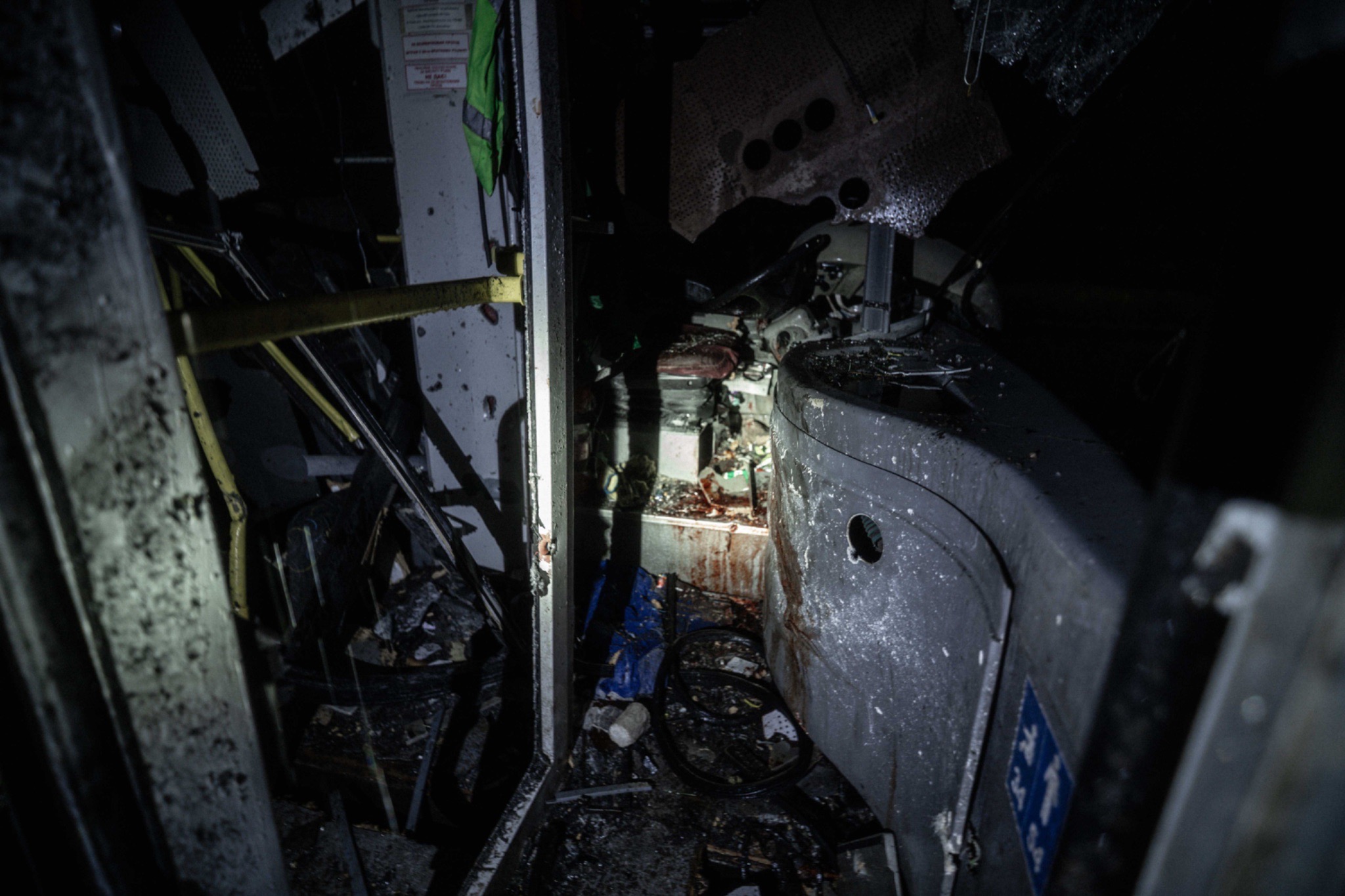
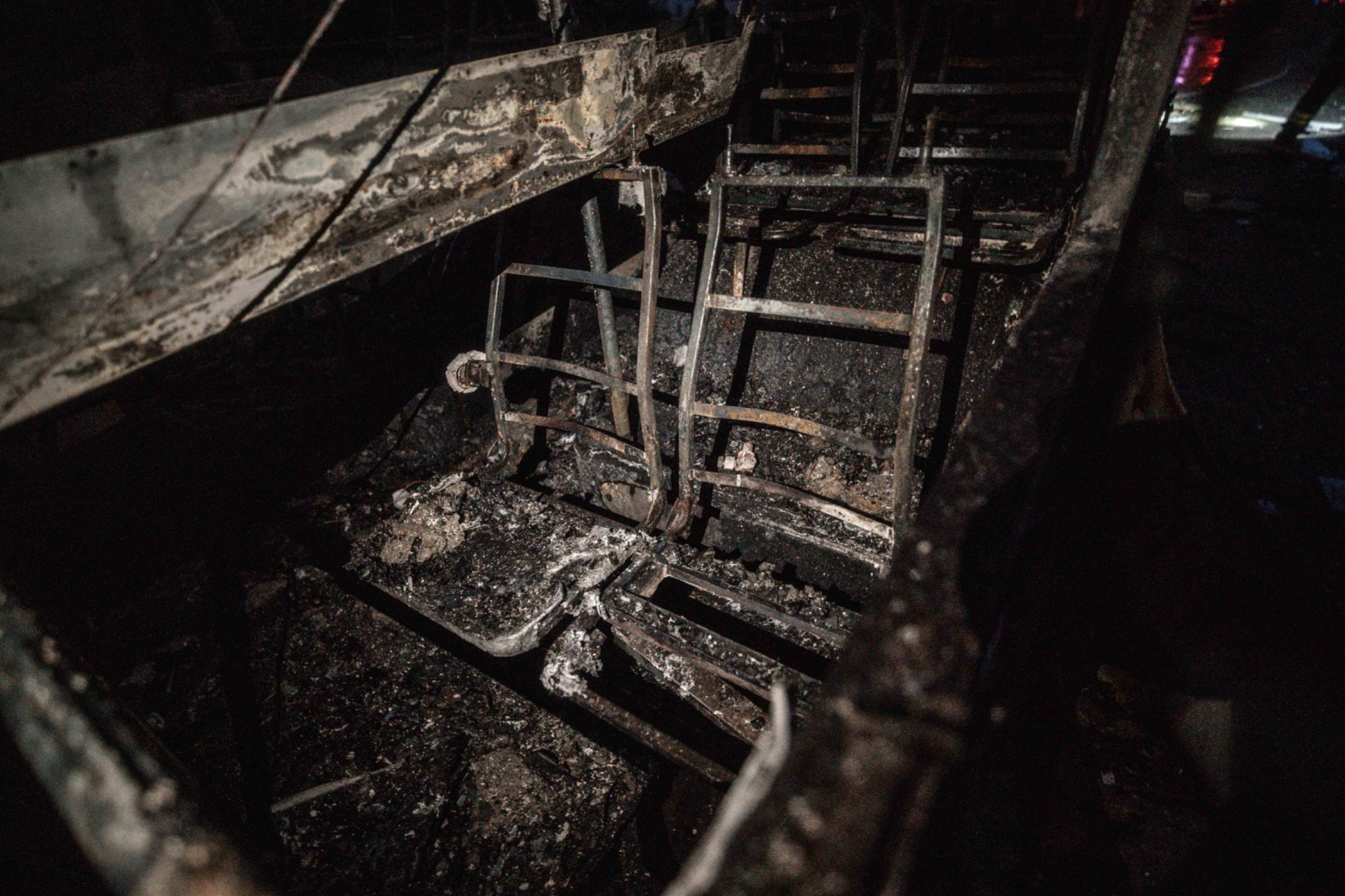
During the night of June 23, the industrial zone on the outskirts of Sumy came under the strike of six guided aerial bombs, injuring three people; one of them, a public transport driver, later died in the hospital. The deceased was Vasyl Kryshtop, 22 years old, who was dedicated to his work at "Electroavtotrans"; at the time of the strike, he was at the final stop and did not have time to take cover.
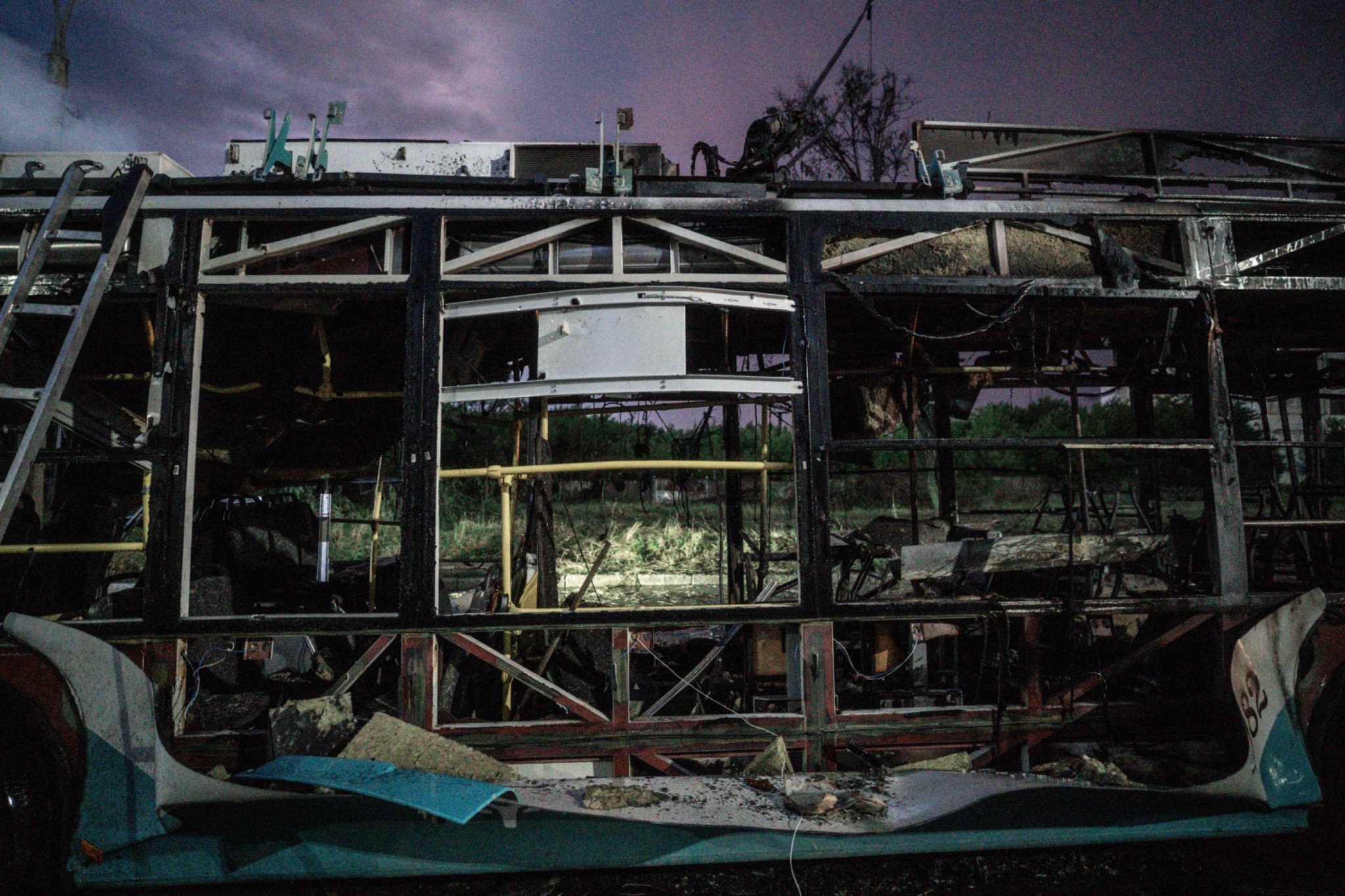
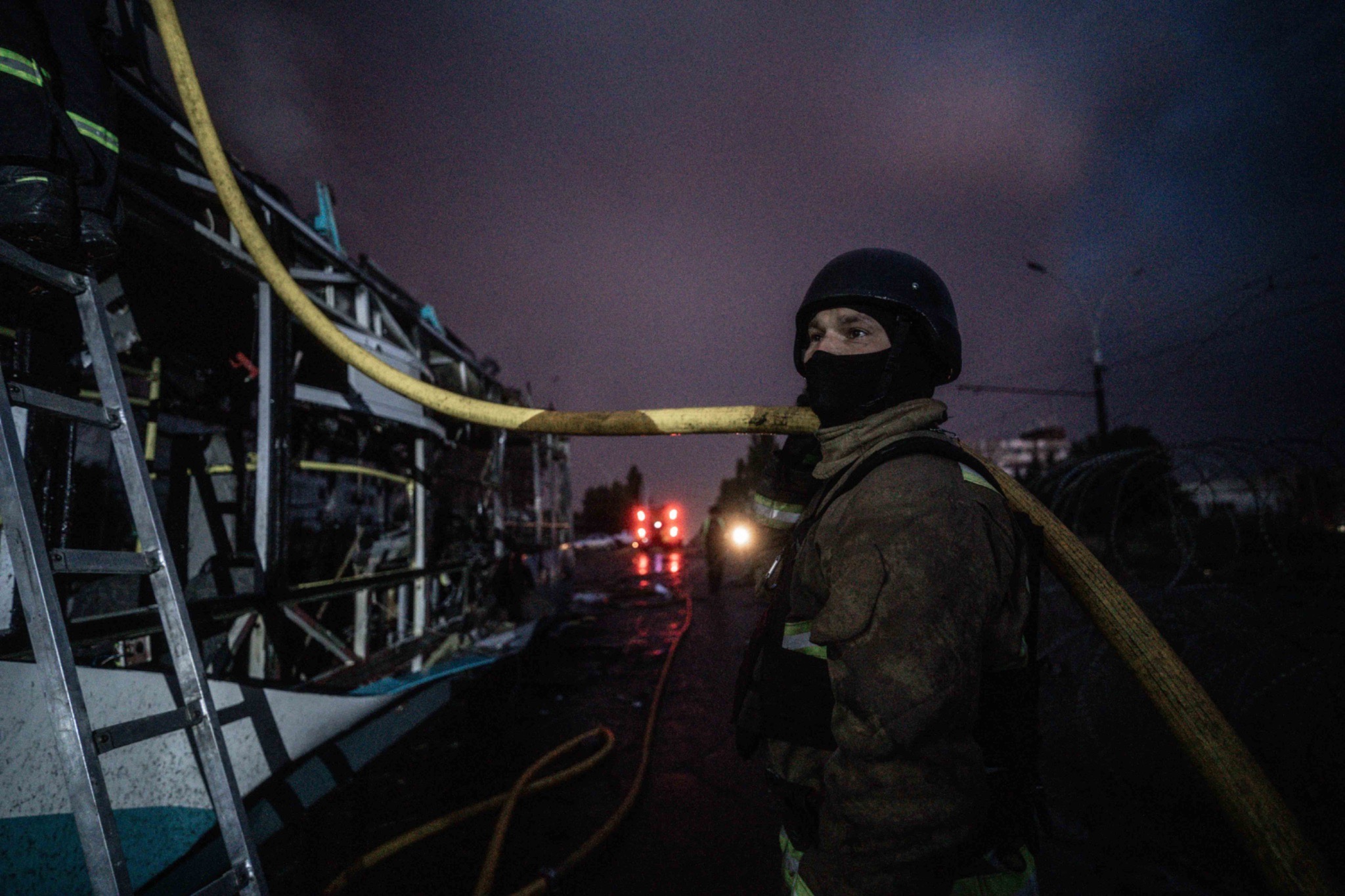
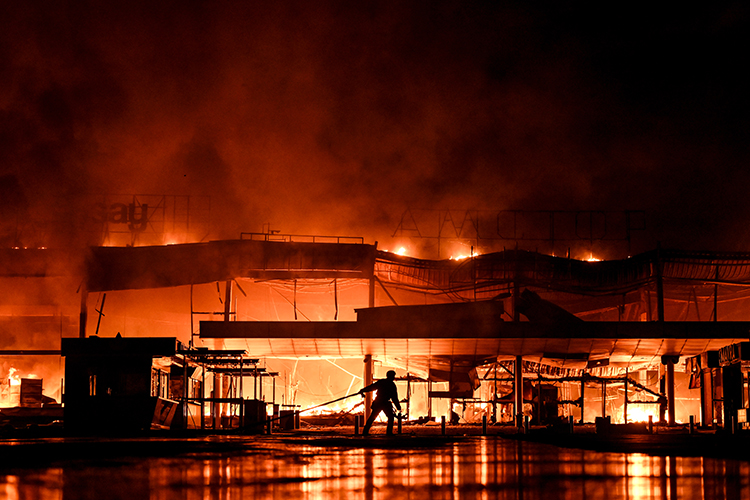
From June 24 to June 26, enemy drones systematically attacked city gas stations in Sumy; during one of the attacks on a gas station, four civilians were injured, including two employees of the enterprise.
Also on June 26, the enemy hit a nine-story building and a parking lot; about a dozen cars were damaged, and three people were injured.
During the morning attack of three jet-powered drones on June 27 in Sumy, 18 people were injured, including two children; apartment buildings and private houses were mangled. "Kordon Media" reported that two one-and-a-half-month-old infants were injured. Evening strikes with guided aerial bombs and drones on the Sumy community damaged industrial facilities, warehouses, and the residential sector. In Sumy, a woman was injured due to a drone hitting the roof of a house.
Contributors:
Research & Author: Yana Yevmenova
Photo Editor: Olga Kovalova
Copy Editor: Yuliia Futey
.png)