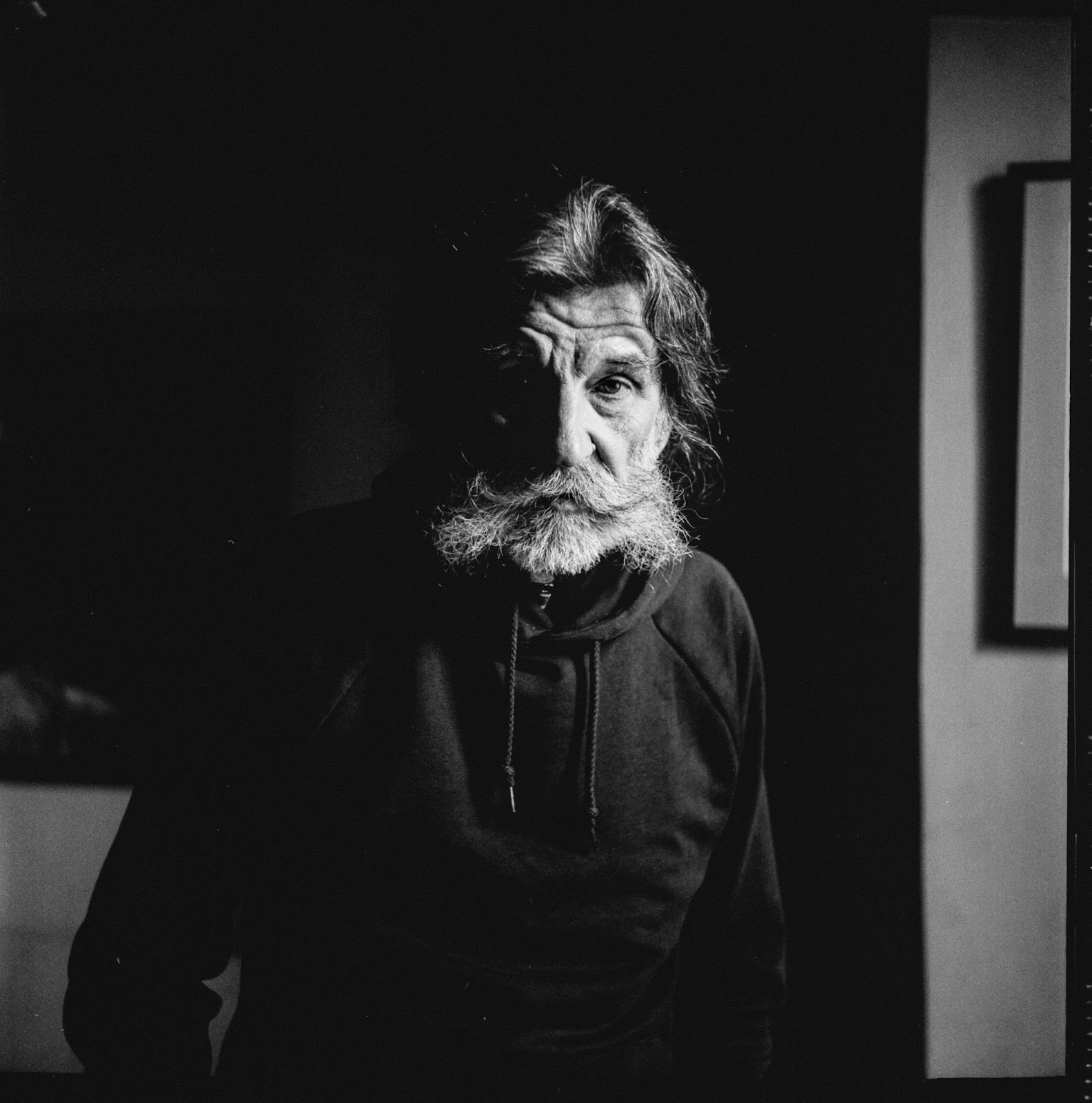
Ukrainian photographer Oleksandr Hliadelov spoke about why in Ukraine the concepts of freedom and revolution are identical, about photographing a generation of free people he first met on the Maidan and later in the war, and why today it is worth photographing not only at the front.
“Our Revolution of Dignity is freedom in its purest form”
Photography is more than a profession; it is my life. When something happens, I am there and I photograph. During my author-led tours of the exhibition “And I Saw”, which took place at the Ukrainian House, an eleven-year-old boy named Hordii came several times. He asked me about everything — including how it happened that I had been everywhere. The exhibition features photographs taken over the past 35 years — and that is quite a long period. I photographed key historical events because I wanted to be there.
I photographed the Revolution on Granite, which began on October 2, 1990, with students’ hunger strike on Maidan Nezalezhnosti. For many, this event was unexpected. Large rallies were held; people gathered and marched in columns to the Verkhovna Rada. There were many people on the streets of Kyiv, and among them there were many Ukrainian flags. This picture became familiar to many Kyiv residents. I’m sure it did for Lviv residents as well.
Students pitched their tents secretly in the middle of the night so they would not be stopped. Since Ukrainians love their younger generation — which later also played a role during Euromaidan — many people from different backgrounds began supporting the student protesters, including from the arts. The Revolution on Granite took place in the autumn of 1990, when Ukraine was still part of the USSR. The October Revolution holiday was approaching, and I have a photograph where people walk past the Maidan carrying an image of Lenin on a stick. Those were the times.
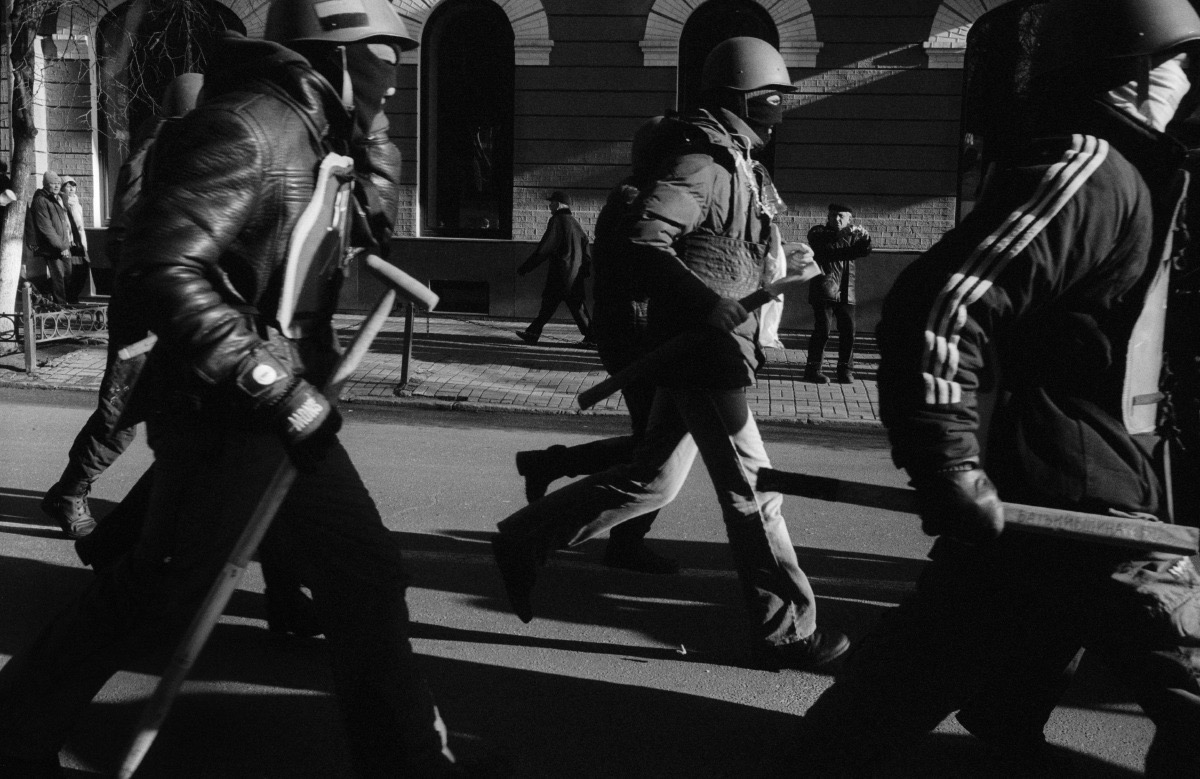
I photographed people and the course of events on the Maidan; I did not personally get to know people there. I expected that visitors to the exhibition at the Ukrainian House would recognize their relatives and acquaintances in the photographs. For example, Ukrainian human rights activist Maksym Butkevych recognized his friend in one of the photos where young people are holding a portrait of Petliura.
The atmosphere of the Orange Revolution and the Revolution of Dignity differed. Both Maidans had a sense of freedom and uplift, but the cheerfulness of Euromaidan ended after the dispersal of students. Back during the Orange Revolution, I met a man who felt like the commandant of part of Khreshchatyk — or at least that was his role. He told me that he had participated in suppressing protests in Baku in January 1990. He was a conscript soldier and entered Baku as part of the Soviet troops. This event became known as Black January or Bloody January: as a result of the extremely brutal and unjustified actions of the Soviet army, more than a hundred civilians in Baku were killed. So, as a protester almost 15 years later, he expected the same kind of actions — but this time against himself. He assumed it could all happen at night — in 15 minutes peaceful protests would be suppressed and then the blood would be washed away.
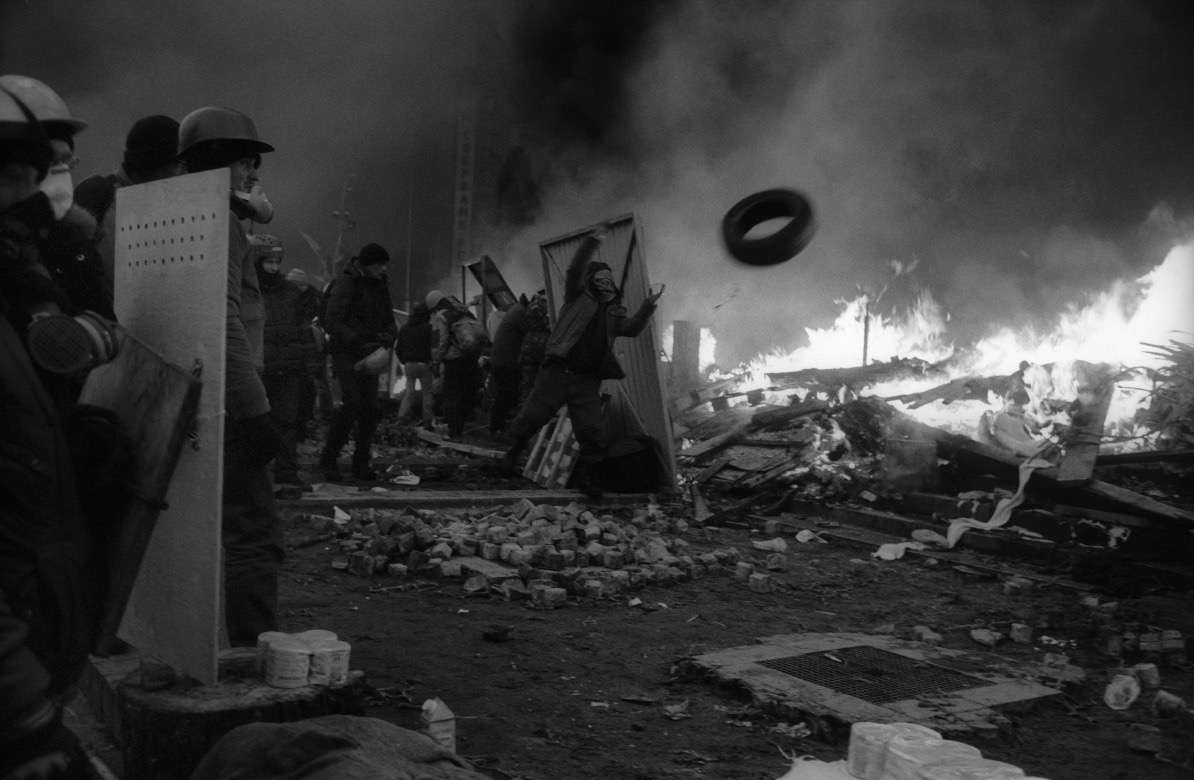
From the beginning of the events, some personnel of certain internal troops units and “Berkut” were in the government quarter, which was blocked by protesters. On the night of November 28–29, the authorities decided to suppress the demonstrations with weapons and brought in the military. These were internal troops regiments, and we remember them well from the Maidan. I was either on Kruglouniversytetska or on Shovkovychna. Kruglouniversytetska Street was blocked in the middle section by taxi cars, and above that there were simply rows of protesters. Shovkovychna Street, slightly below the intersection with Bohomoltsia Street, had a ridiculous barricade made of branches, behind which protesters huddled. At least here, several trucks with personnel tried to move up toward the government quarter, but they stopped and turned back.
Overall, during the Orange Revolution the atmosphere was inspired and cheerful; people sang a lot. The role of artists was noticeable then. Rally participants wrote a Letter to Putin from the Ukrainian people. It wasn’t on paper, but on a long piece of fabric — people wrote all sorts of things on it. I remember how this fabric was wound onto a pole in the workshop of Ukrainian artist Mykola Zhuravel on Khreshchatyk, and then brought to the Russian embassy and handed to the guards. Many artists took part in this process, including Vlad Troitskyi.
I did not have hope for Ukrainian society as a person who lived a large part of my life in the Soviet Union. I did not have such hope for any people except Lithuanians. And here Ukrainians gave everyone such a head start. The first such fantastic feeling was when the Orange Maidan began. It was a real resistance of society. People went to polling stations, voted, and then saw that the results did not match expectations at all. People came out to the Maidan — and it was very powerful. I hope that our aspiration for freedom as a nation will not be broken. But there is no guarantee; many things can be broken.
During the Orange Revolution I shot many frames, and there was a proposal from a friend who had a printing company to make a book. We even laid it out. However, at that time a whole bunch of photo books came out — all very bright and orange — and we decided not to take part in that. Now I regret it, because it could have been a good book, and today it would be appropriate.
“Lethargy is a heavy sleep our society was in”
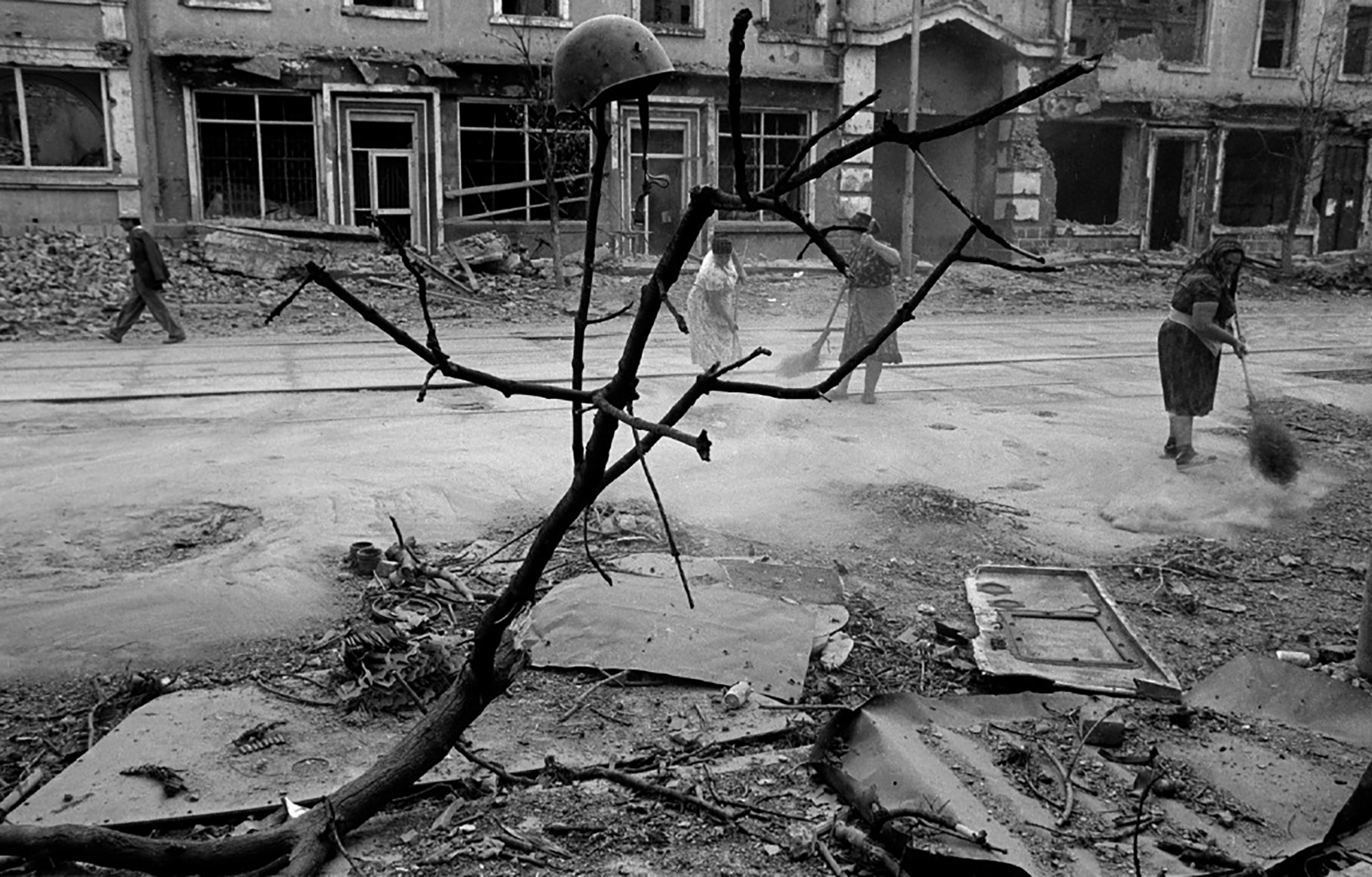
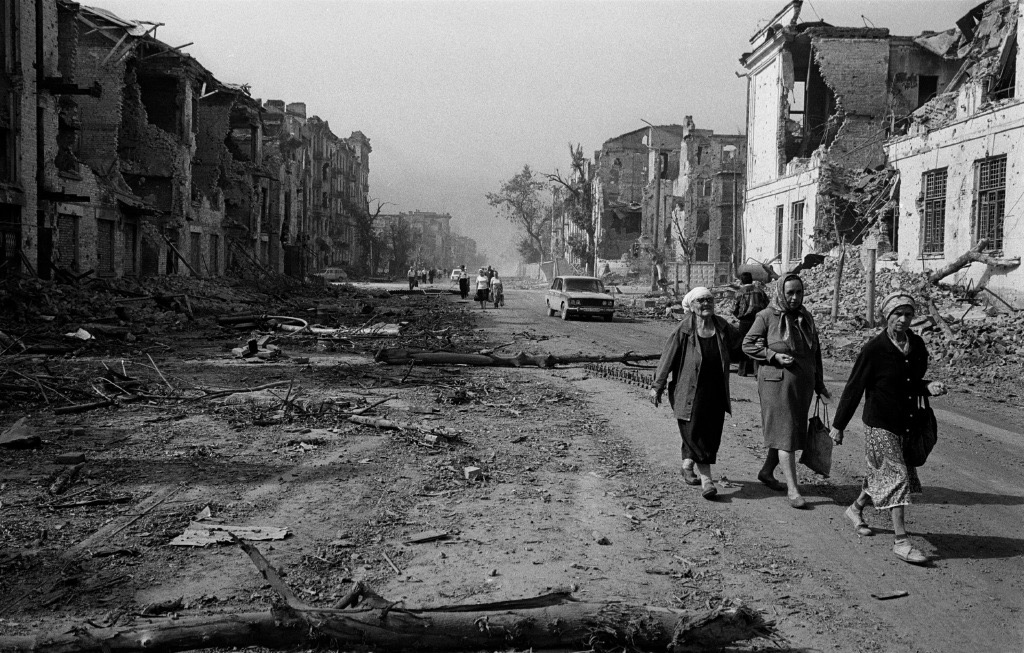
I began telling my friends back in the mid-1990s that Russia would come with a big war. When I photographed in Chechnya, in Grozny, I understood what this war could be like. For me, the war in Ukraine was undesirable, but not unexpected. That is human nature — even when you understand the obviousness of events, until the last moment you hope it will not happen.

In 2013, at the “Dzyga” gallery in Lviv, I held an exhibition called “Lethargy.” It featured works that spoke about the heavy darkness that hung over all of us. Lethargy is neither death nor life — a heavy sleep our society was in.
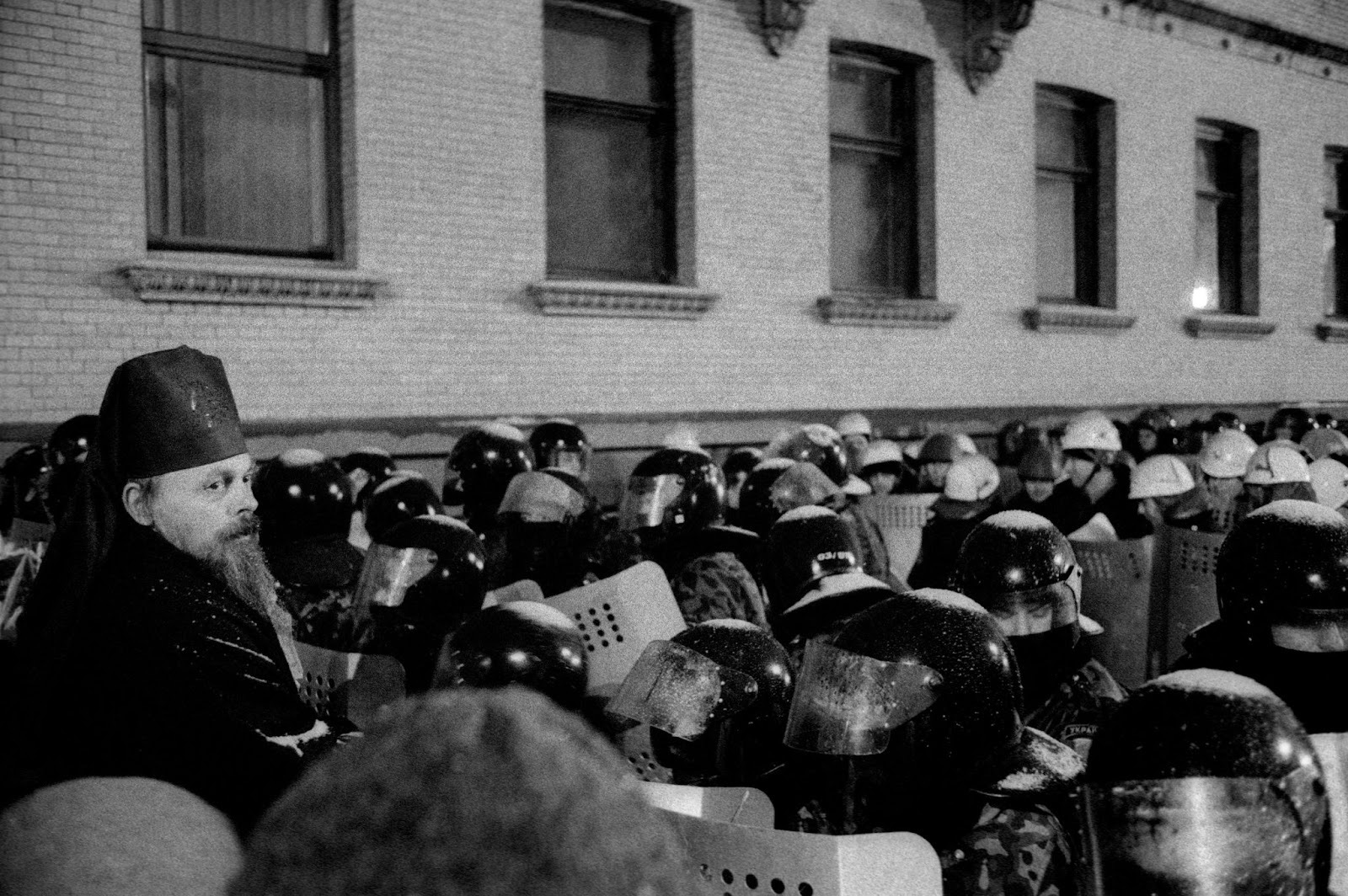
I have told more than once how the Revolution of Dignity began for me. On November 21, 2013, the Cabinet of Ministers decided to suspend the process of the Association Agreement between Ukraine and the European Union. My friends and I, grieving, came to a nice basement spot in Podil. Its owner was French, and there was always good wine there. After that we decided to have coffee near the Maidan and saw students who had come out to protest. When I arrived at Maidan Nezalezhnosti, there was a young guy standing on the roof of a van. Through a loudspeaker he said that in their dormitory they had locked the doors so students could not leave, and they were climbing out through second-floor windows. I felt ashamed that we, adults, had gone out to drink while the youth had risen up. I went home, changed into warm clothes, took my cameras and film, and went to the Maidan.
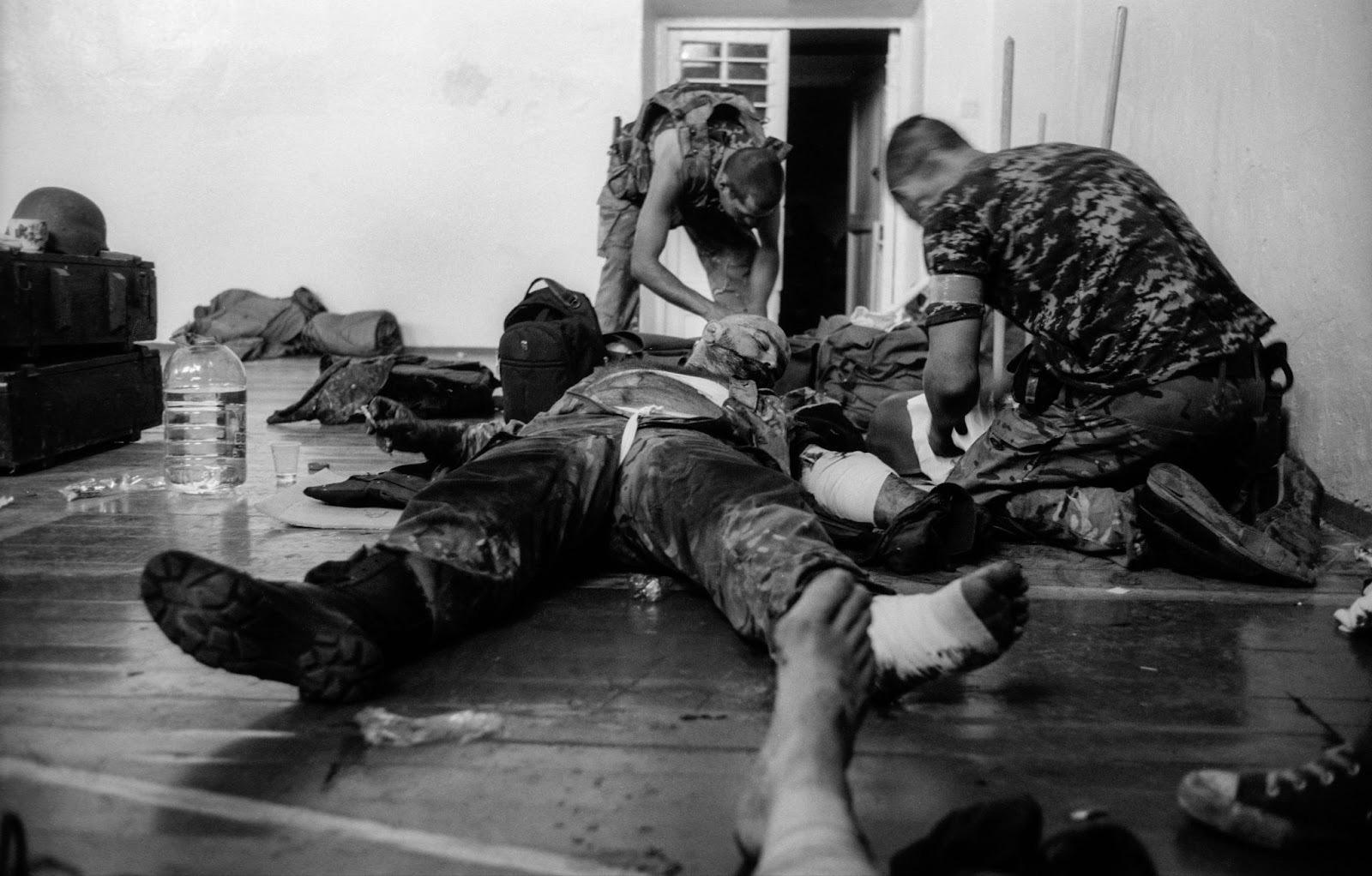
Our Revolution of Dignity is freedom in its purest form. This event became defining for very many people. I’ll explain. I was wounded in Ilovaisk and was in a hospital together with our service members. When they found out that my computer had photographs from the Maidan, they immediately asked to see them. The guys looked at the shots and said they got chills. I say: “Stop — you’ve just been through such hell.” Still, for them it is precisely the Revolution of Dignity that is the defining event.
At the start of the war in 2014, I didn’t photograph much — it was work more for reporters. I didn’t see what I could photograph there. In mid-June, information appeared that several family-type orphanages had left Donetsk region for Khortytsia. I had worked with this topic for many years, so I went to Zaporizhzhia. There I met volunteers who suggested I go with them to a checkpoint — to bring body armor and humanitarian aid to the military. After spending the night at the checkpoint, after looking at and listening to the guys, I realized this was already war. Since then I have been photographing the Russian-Ukrainian war. In the “Donbas” battalion, I met people whom I had photographed back in peaceful life in Donetsk. I cannot name names, but they are taking part in the full-scale Russian-Ukrainian war as well.
People will remember history through photographs — but not only through mine. They will look at the war through images not only by photographers, but also by those who directly take part in combat operations.
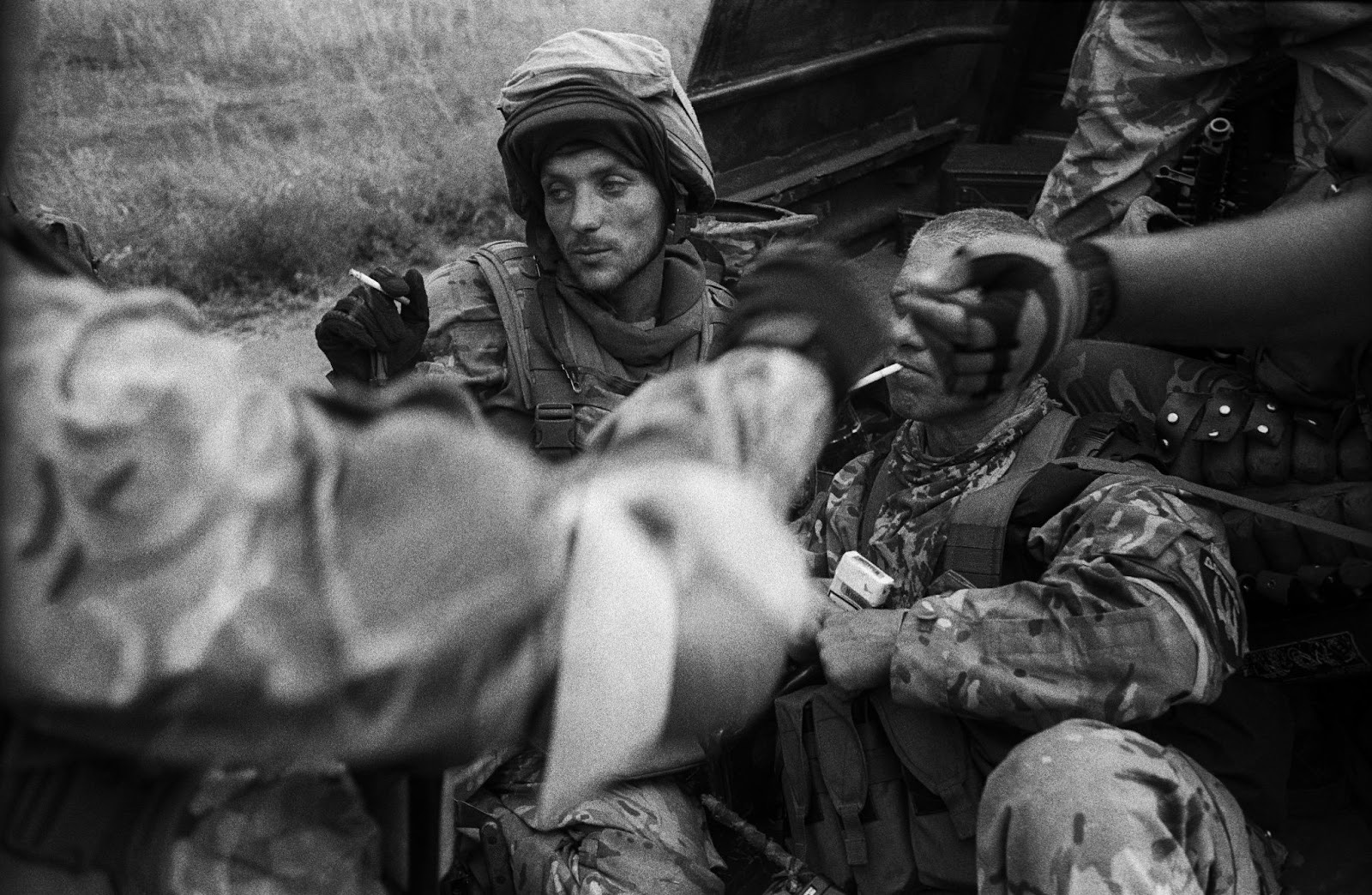
Let those who professionally evaluate photographs talk about what war or humanistic photography should be. But if you talk to philosophers, one of them will certainly say that our idea of humanism does not coincide with what remains of it today. For me, the human being has always been and remains the center of what I explore as a photographer in very different conditions — and not only in war. I photograph people who live in twilight conditions due to different life circumstances. For example, in 2018 I had an exhibition titled “Life, Death, Love and Other Inevitable Circumstances,” which was shown in Kyiv and Berlin.
“How to stay aliv“How to stay alive and photograph the war”e and photograph the war”
I don’t see the point in giving general advice to young photographers. If someone comes to me for advice, I’ll look at what they photograph, and then I may be able to suggest something. Today, many new names have appeared in photography in Ukraine. There was a time when in the West, for example, they didn’t know other Ukrainian photographers besides Borys Mykhailov.
After the full-scale Russian invasion, foreign media developed an interest in Ukraine. Ukrainian photographers received international awards — the “Oscar”, World Press Photo, and others. Many foreign photographers came to Ukraine at the beginning of the full-scale Russian invasion. But it turned out that we also have many photographers who can document the war. Today, those Western photographers who simply want to work here have remained. Others no longer come.
Many Ukrainian artists — not only photographers — live abroad today and try to reflect on our war. I say this without any judgment; it’s just that they lose a lot. You simply need to be here to photograph this war.
Today we face not only the question of how to photograph the war, but also how to stay alive and photograph the war. The kill zone expands every day, and how much can you photograph there today?
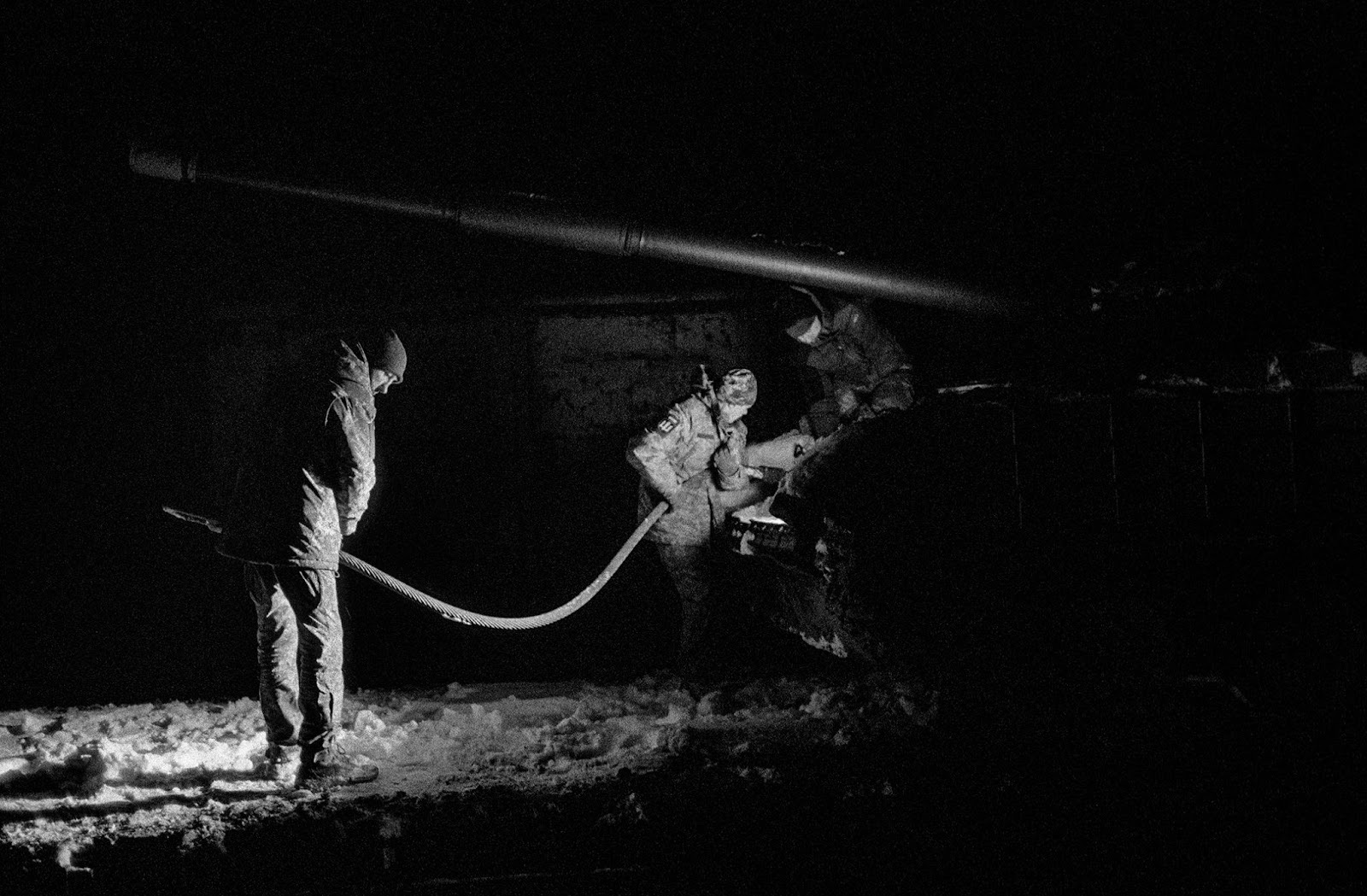
At the exhibition “And I Saw” there is one photograph with fighters near a tank. I was lucky that the moon was full and there was enough light for the shot. It is becoming harder and harder for photographers to work at the zero line. I have a feeling that in the race for frames at the front there will still be many photographers killed and wounded. We cannot do anything about it — that is the statistics. At the same time, we are missing many topics beyond the front line that are worth talking about.
Of course, in civilian life today you can find many topics. But there is a community of photographers sharpened on working in war. Because that is where everything is decided. I have a certain focus to direct my strength and resources toward documenting the war — this is truly the main thing. Everyday life also exists. But that is not media work, and few dare to document it — and to document it well.
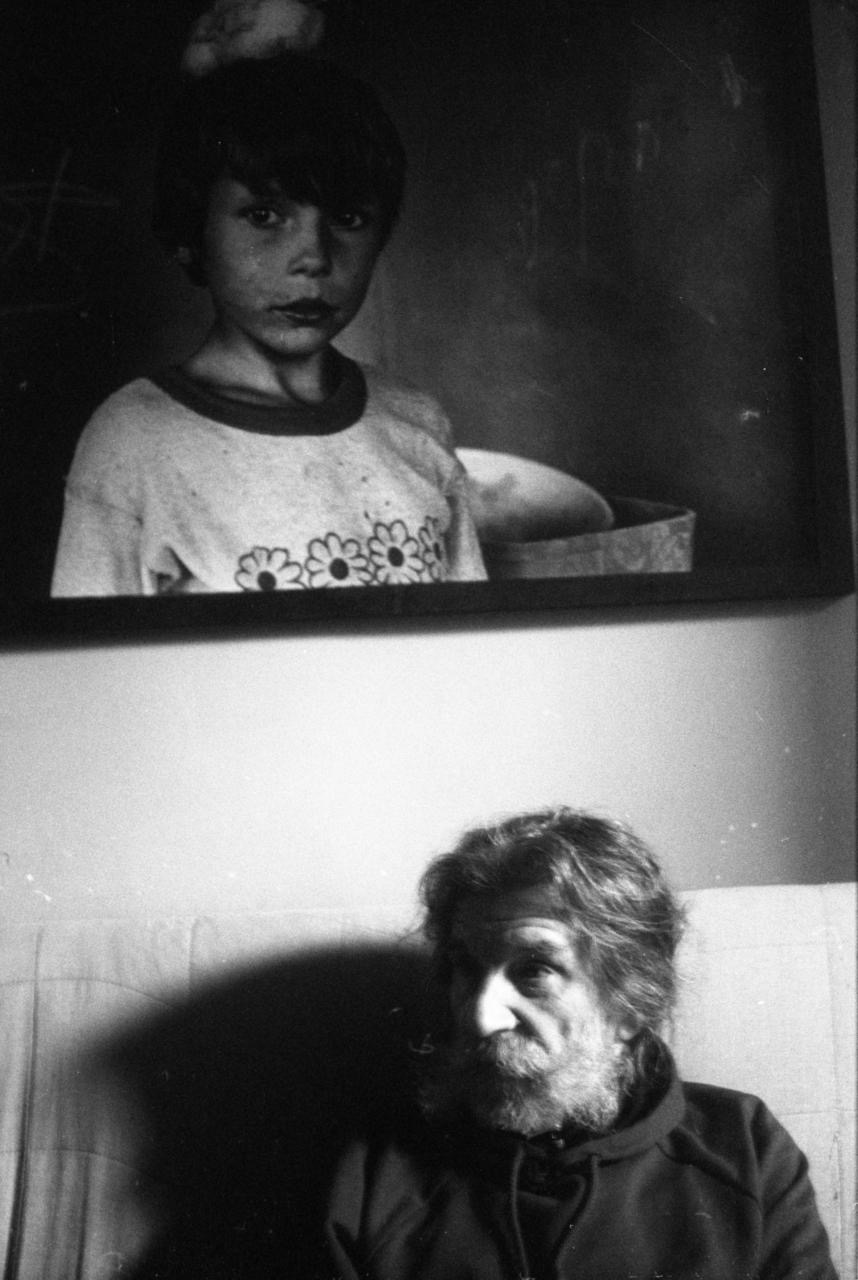
Today many people have started calling themselves documentary photographers, but a true documentarian must research a topic deeply, work on it. Of course, documentary photography uses straight photography as a tool. Many photographers now have good equipment and they photograph the aftermath of strikes. But documentary projects require far greater effort than simply running in and taking a picture.
The best photographs I am making right now that are not connected to the war are photographs of my niece’s daughter. She has already turned three, and it is incredibly interesting to photograph her.
“If events are not documented, they are simply erased from history”
Photography is universal. It is understood by all people, regardless of what language they speak. The Latin and Cyrillic alphabets transform language into graphics, while Chinese and Japanese, on the contrary, start from the image. Of course, not many people can master hieroglyphic writing, but photography is all-encompassing.
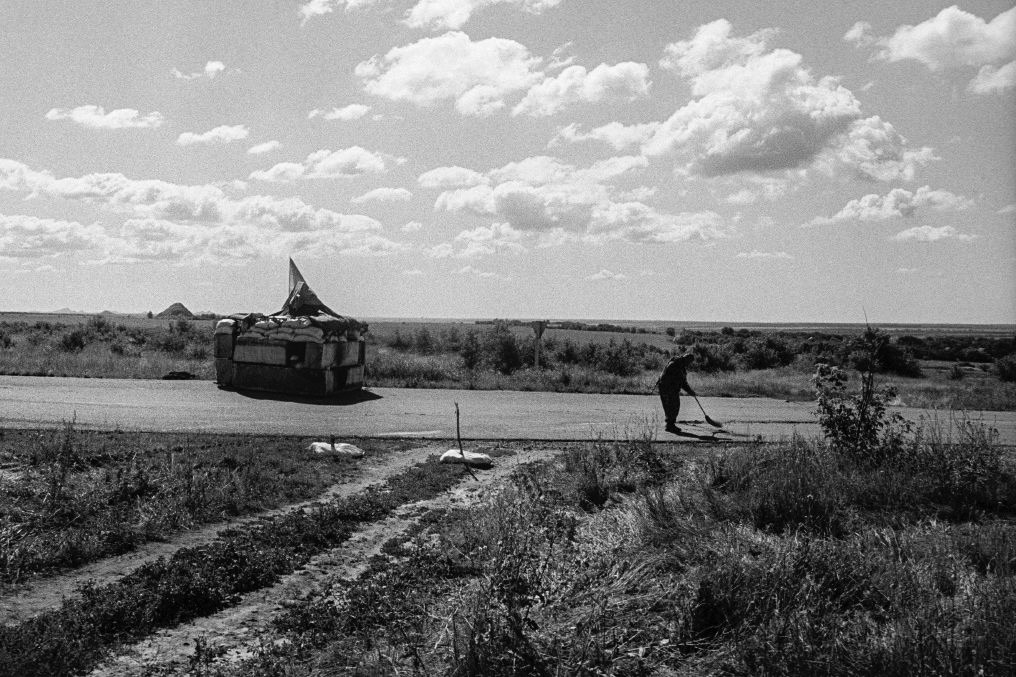
Once I said that documentary photography is the last trench of truth. Because in recent times we hear and read too many lies. In society there are many discussions about post-truth and talk about living in historic times, when blood is being spilled on our land and we have all been deceived. Even the leaders of the most powerful states can lie, despite treaties, agreements, and their word. In the end, everything can turn out to be a lie. By the way, it would be interesting if historians compared the promises of elected leaders of states with the words of monarchs. Reflections on truth demonstrate a contemporary crisis of society. We understand that first and foremost we must rely on ourselves.
Photography reflects truth. However, people can often interpret an image differently. This is connected to the fact that they do not want to and will not believe what is uncomfortable for them. It is easier to fence yourself off, tell yourself you don’t want to know this, that it’s not true, or convince yourself that someone simply could not have done such a thing. Probably even now there are those who consider the events in Auschwitz, Bucha, or Mariupol a fake.
If events are not documented, they are simply erased from history. For the photographs my colleagues and I made in Ilovaisk, every year we were thanked by a fighter with the call sign Apis — he was the commander of a combined (from the 17th and 93rd brigades) company of the Armed Forces of Ukraine that, together with the “Donbas” battalion, entered Ilovaisk. He came to an exhibition of photographs at Mykhailivska Square and said that if we photographers had not been there, then it was as if they, the military, had not been there either and had done nothing. “Thank you for life,” he wrote like that in the book about Ilovaisk, meaning memory in photographs.
“We will see our war after it ends”
Today people relate to our work in very different ways. I never encountered this in the West, where there was always respect for journalists’ work. But that was a long time ago. Today, we have already been through several crises of distrust toward people who work in the media. We all live in a state of trauma now, and it is very easy to find someone to direct your dissatisfaction at. For example, there is a strike, people end up in a horrific situation, and then they see a photographer in front of them photographing the consequences of shelling.
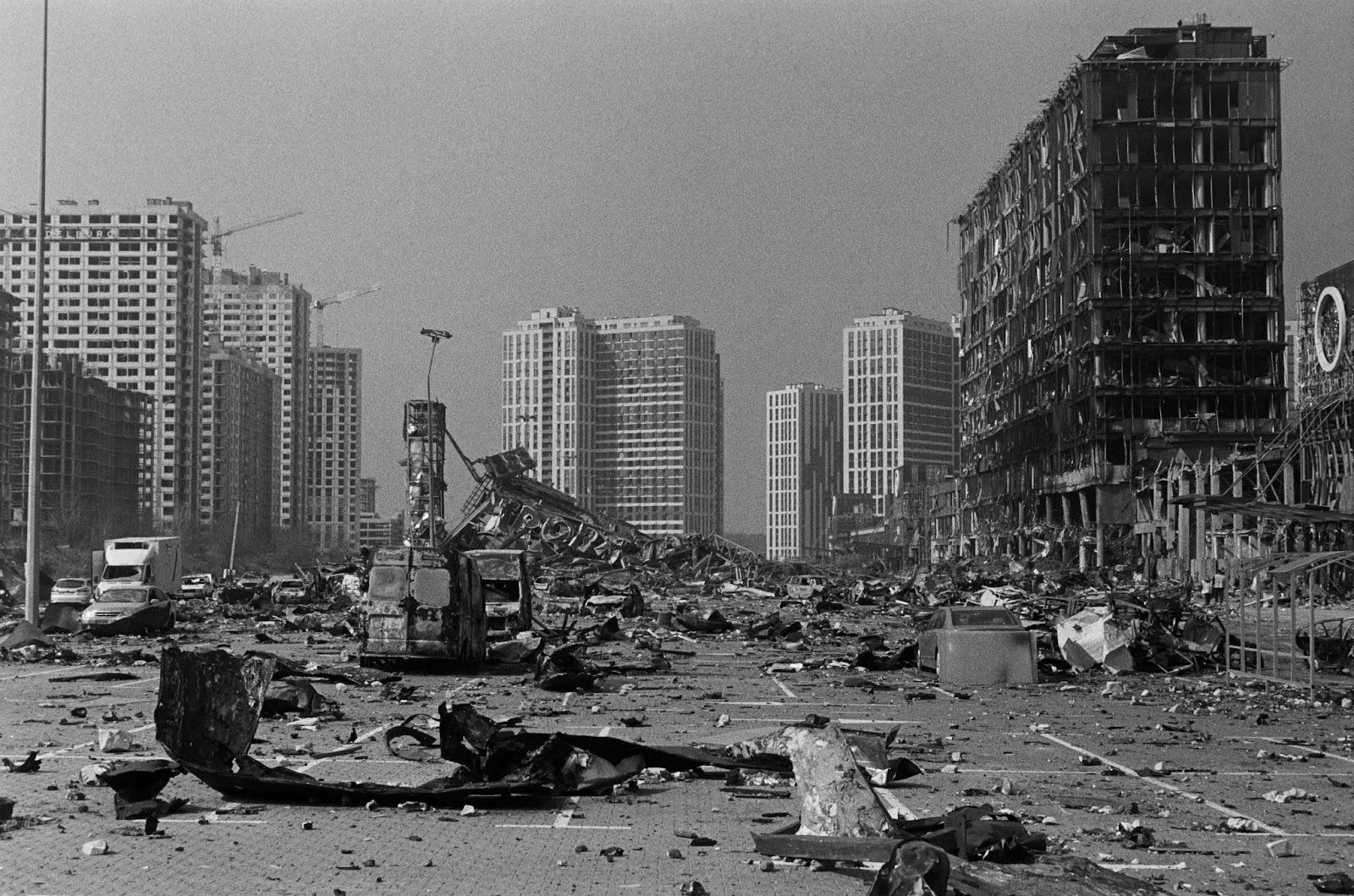
Perhaps this is a temporary crisis in our society, or perhaps the situation is much deeper. For us photographers, everything is clear, and we continue doing our work. In Vienna, where I recently traveled, the question of ethics came up. There was a discussion there about photography in war. I don’t recall whether it was the moderator or someone in the audience who brought up the topic. To the “favorite” question, I usually tell the story about a frame with a prisoner in South Sudan that I never took, or about the photograph of an execution in Bangladesh that was taken by Associated Press photographers Horst Faas and Michel Laurent. They said that if they had not been there, no one would have known what horrors were happening there.
Today I turn the discussion about ethics in a different direction and recall a 1992 photograph of an execution in Bosnia, in the city of Brčko. The photograph is very simple and at the same time absolutely horrifying. In the photo, Serbian soldier Goran Jelisić, who called himself the “Serbian Adolf,” shoots a Bosnian civilian in the back of the head in the middle of the street. For this frame, Serbian photographer Bojan Stojanović received the first prize at World Press Photo 1993 in the “Spot News” category. The photographer was accused of betrayal, because he was a Serb and photographed Serbian soldiers, and he was forced to hide in Amsterdam. They found him there. He was preparing to leave the house, he had a camera on him, and when they knocked on the door, he automatically opened it. In the car, where he was forcibly shoved, he began to fight back with the camera and jumped into a canal. I have never heard his surname anywhere else. I don’t even know whether he stayed in the profession or whether everything in his life changed.
I wrote an essay about this case — about how a person sometimes executes another simply because they can. There is a Balkan film, “No Man’s Land,” about events of the Bosnian War. A platoon of Bosnian soldiers got lost in the night fog. In the morning, the soldiers realized they had ended up right in front of Serbian positions, under enemy fire. After a brutal and quick fight, three wounded people ended up in a trench in the neutral strip — two Bosnians and a Serb. A weapon passes from hand to hand and determines a person’s actions — whether you will be a victim or an executioner. The only thing a victim can do is turn their face toward their death. For example, French Marshal Ney commanded his own execution. The Serbian photographer could have photographed, or could have stepped aside — because the soldiers were also Serbs, because it was frightening, because the question arises of what to do next with these photographs. You had to have courage to publish these images, understanding what would happen to you in your country.
Today ethical questions come down to choosing between taking a picture or not taking it, or taking it and showing it to no one. For me, the question of publishing images can only be related to the security of the military. In fact, we will see our war after it ends. Ultimately, the ethical question that has arisen in our society today is a sign of us maturing as a people and a sign of democracy, because we are discussing different issues.
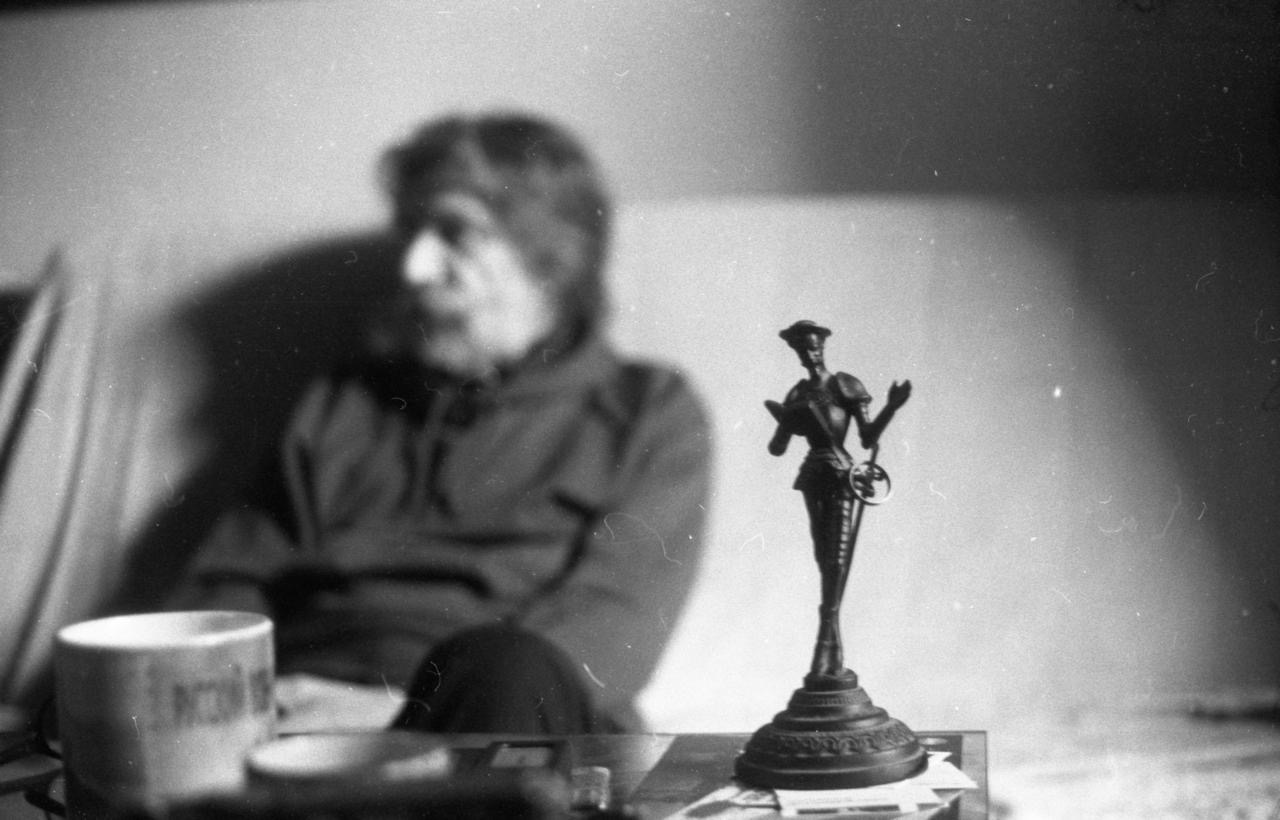
When I received the Shevchenko Prize for the project “Carousel”, I said that my photography is about humanity in inhuman circumstances. Today, the overwhelming majority of photographers work in exactly such conditions. The circumstances are inhuman, and we photograph our life.
“Oh, this will be hard, we don’t want to look”
When people look at my photographs, reactions can be very different. It all depends on the person. I remember two ladies coming into my first exhibition about homeless children: “Oh, this will be hard, we don’t want to look.” And they left. At an exhibition in Lisbon, a man and a woman came in; the man looked about fifty. They spent a little time in the gallery, and then the man came up to me and said he had a heart condition and would not be able to finish viewing the exhibition. He was crying; he empathized. Both those two ladies and that man did not finish the exhibition, but for such different reasons.
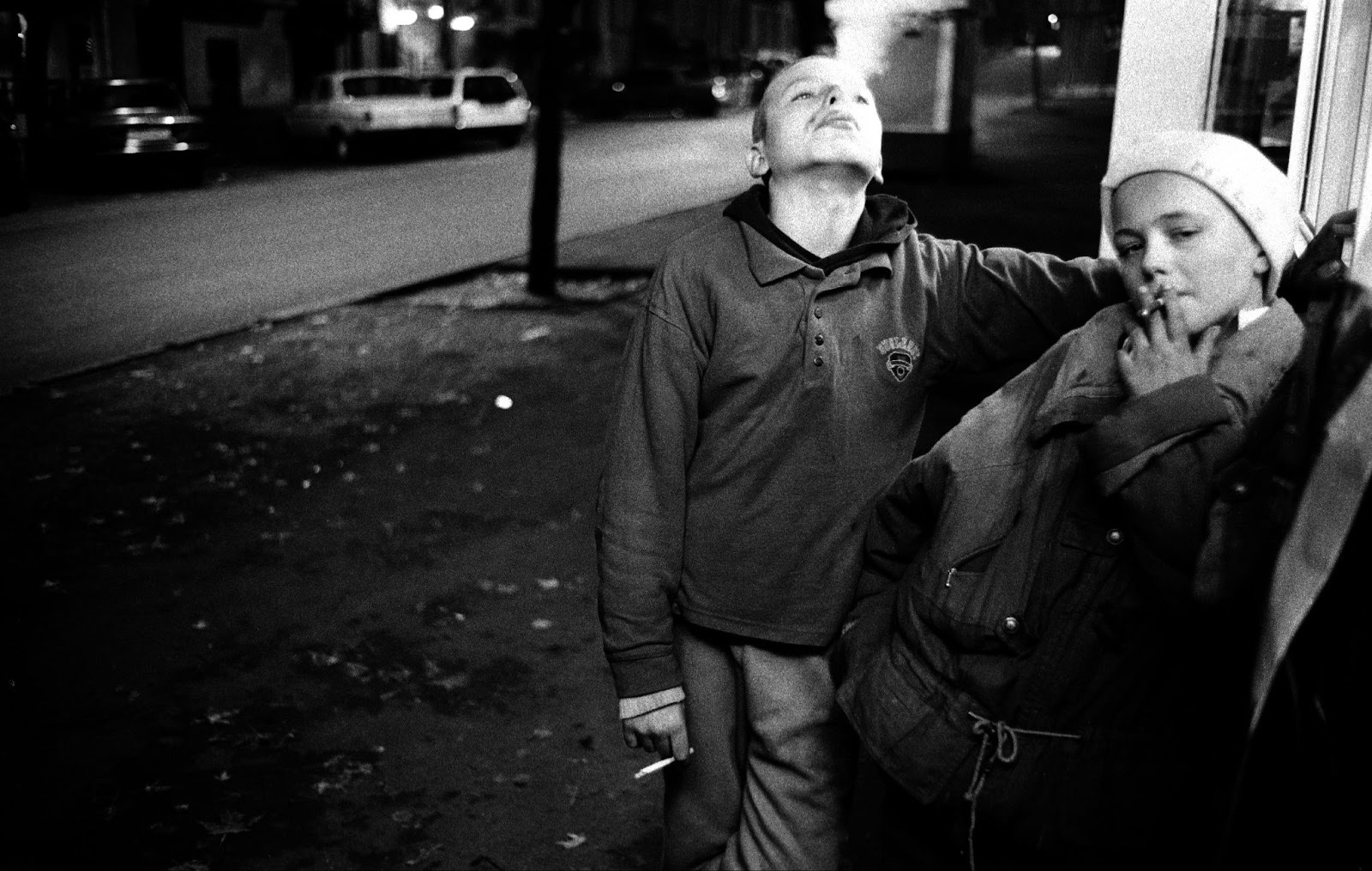
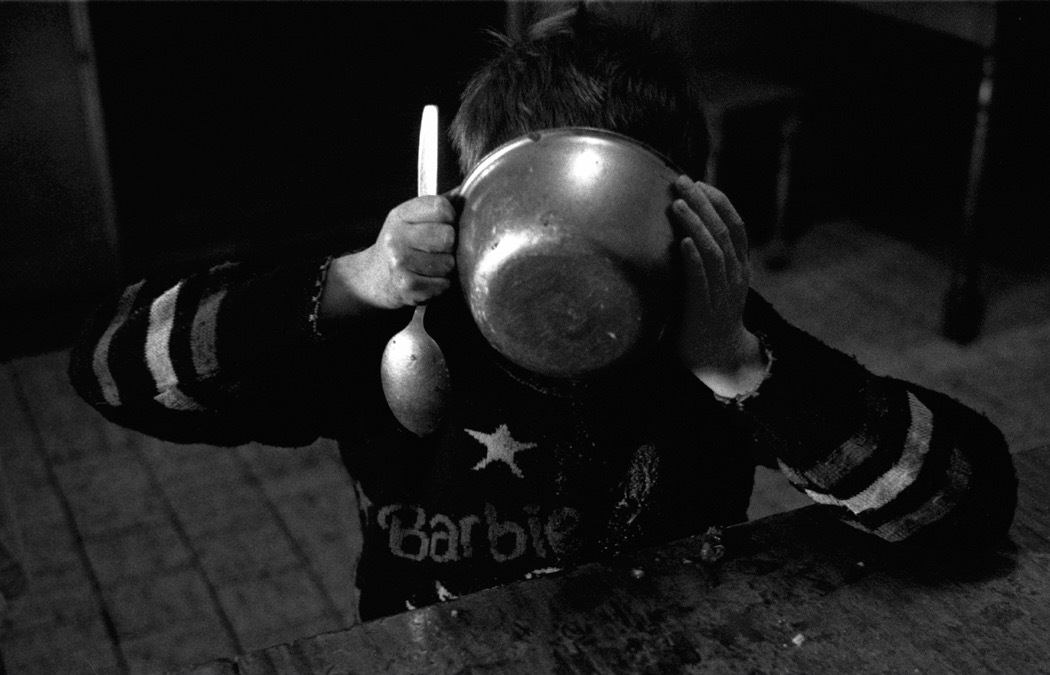
The best and most desirable visitors to my exhibitions are young people, because they react more sharply and think more. Young people reflect on what their life can be like, how it should be changed, and what the life of society and of the country as a whole can be like. Teenagers and young people stopped me in the street and thanked me for my work. Recently I was at the wedding of a soldier from the “Donbas” battalion and a volunteer. She is originally from Brovary, so they celebrated there. When we went outside to smoke, a woman came up to me and thanked me for the photographs. It seems to me that, despite all circumstances, we have not yet lost the ability for empathy.
“Standing up for justice sometimes leaves us no choice”
Behind the word “freedom,” everyone sees something of their own, and one-hundred-percent freedom does not exist. It is an ideal we must strive toward. A very high price has already been paid for our freedom.
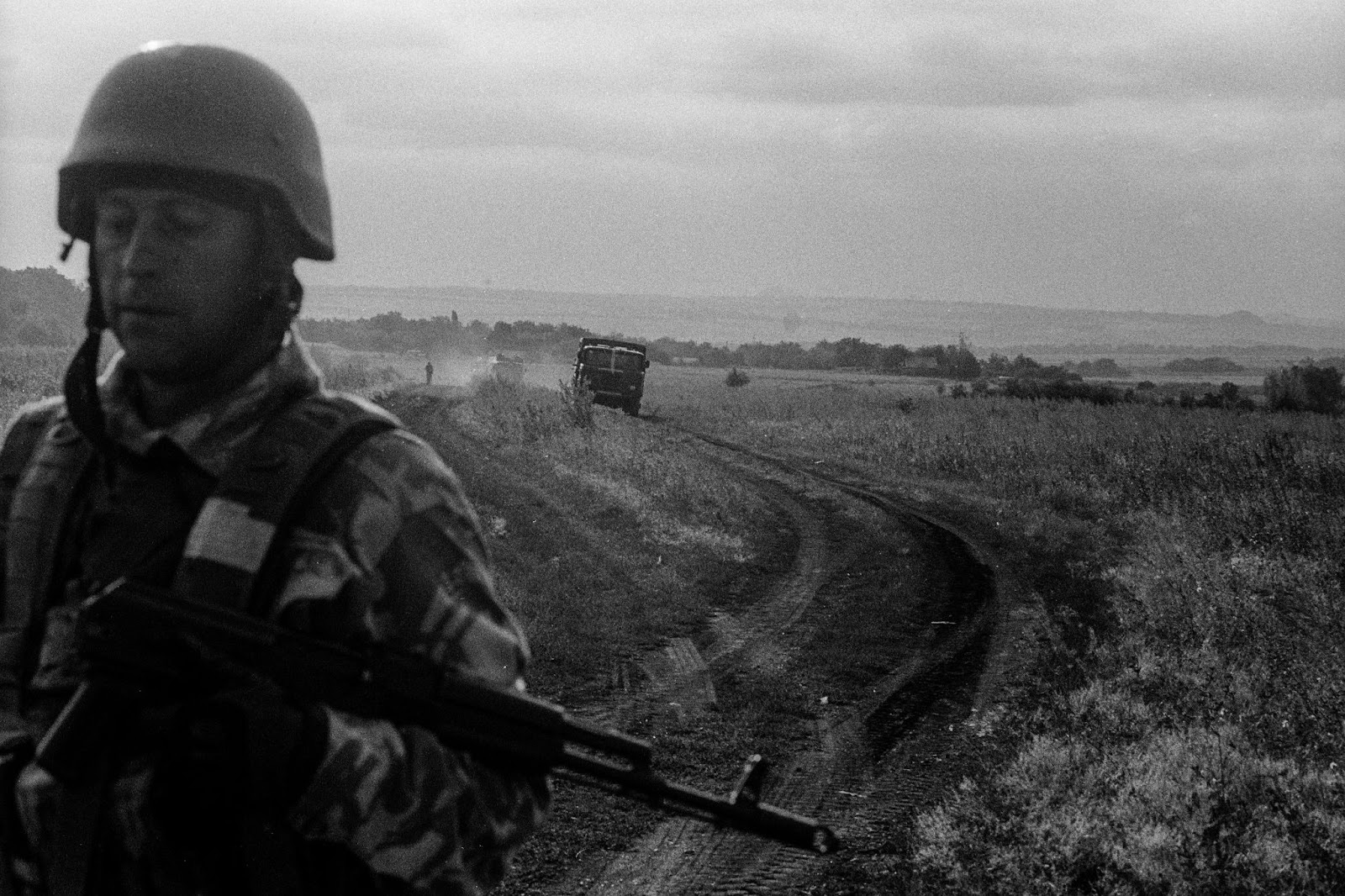
When the full-scale war began, I also wanted to go fight. And I still do, but by age I’m no longer fit — these limitations are not only formal, but also real. I get asked how humanism can be combined with the desire to go to war. For example, European pacifist colleagues often ask a Ukrainian human rights defender and serviceman of the Armed Forces of Ukraine how he could take up arms. I’ve known him for a long time, and he is a very kind person. Today, this is how it combines — humanism and the desire to fight the enemy. If we talk about humanism, the story of the Polish doctor Janusz Korczak is illustrative: during the Second World War he refused personal rescue and stayed with the children he cared for from the Warsaw Ghetto. In August 1942, Janusz Korczak, together with nearly 200 children and other caregivers, died in the gas chamber of the Nazi death camp Treblinka.
Standing up for justice sometimes leaves us no choice. Our enemies today also left us no choice — they came to our land. Today we have a right to hatred and to just revenge. Even medieval knights, when taking their oath, promised to protect those who cannot do so themselves. In fact, the formula was invented a very long time ago. Many questions we discuss today are, in fact, about humanity.
“I don’t try to make something in a photograph more beautiful than it really is”
Journalists often ask about ethics and the aestheticization of war. Anywhere there are people, there is also a certain aesthetics. Because this is inherent to our civilization in general. Look at what armies looked like before clashes 600 or 700 years ago. For example, the French army — in expensive uniforms, with plumes and flags; the hussars have the best horses; everything shines, everything is colorful. Beautiful. Look at German engravings depicting Landsknechts, at their clothing and weapons. Aesthetics. Of course, it is impossible for us to measure ourselves against that formula. But we are talking about photography, and photography works through aesthetics.
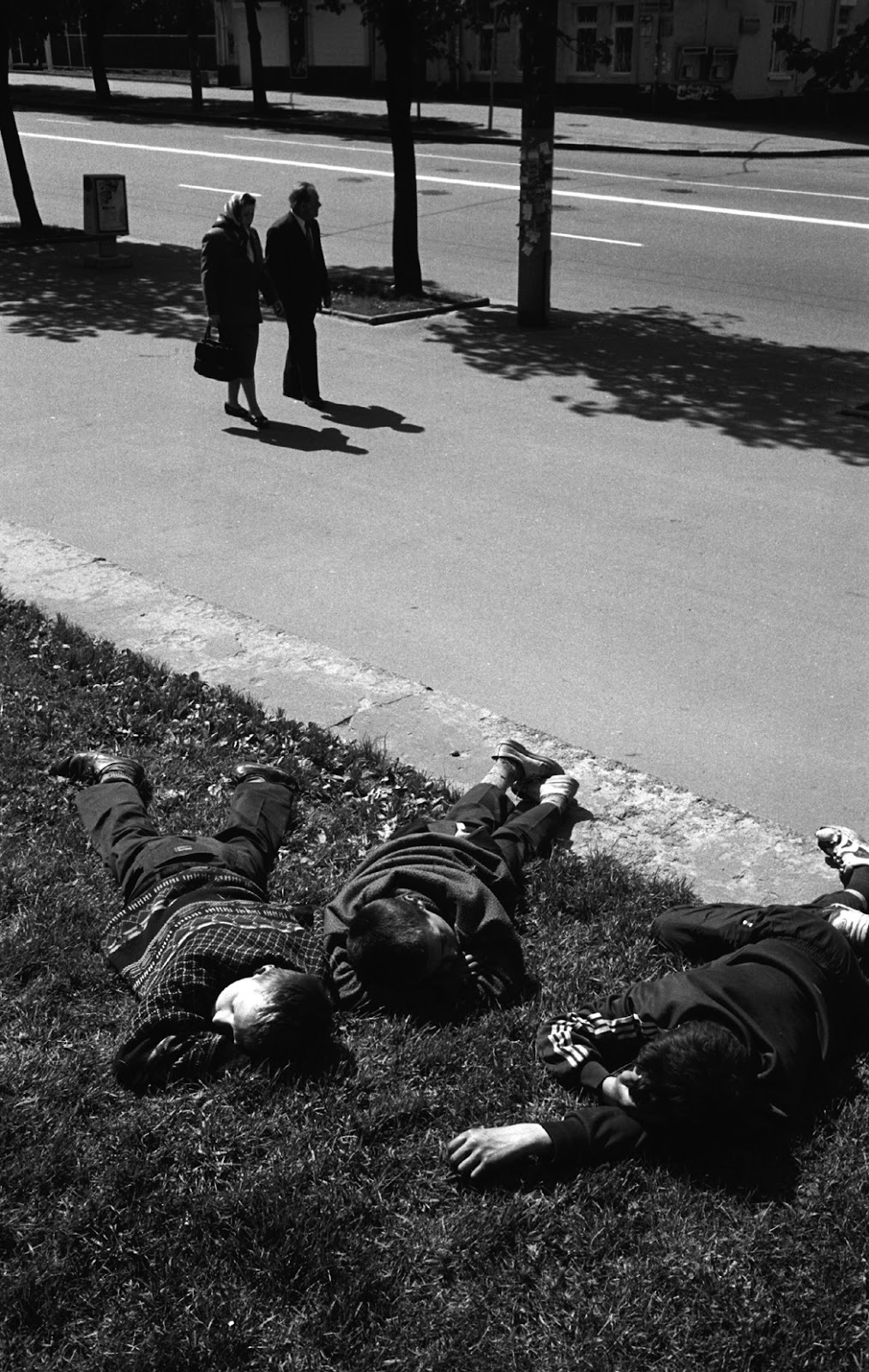
I have been photographing all my life. I have a certain visual language. If a photograph is about horror, aesthetics adds a certain sharpness to it. If a photograph is aesthetically strong, it simply makes the viewer stop, look, and think about what is depicted. After all, we look at Francisco Goya’s Caprichos; we examine Bosch and Bruegel’s paintings with a magnifying glass, even though their canvases depict the horrors of war.
I don’t try to make something in a photograph more beautiful than it really is. I simply see it that way. I photograph life. If I help others see it too — that’s good. In fact, talk about aestheticizing someone else’s pain is born in the minds of people who live in very comfortable conditions. They judge it from the outside, without living it through their own experience.
“If a photograph touches something in a person, then it can also change something in them”
I often quote a phrase by Marc Riboud (French photographer, photojournalist — ed.): “I don’t believe photography can change the world, but it shows how the world is changing.” We return again to the point that right now we are focused only on photographing the war. Yet everyday life is changing. It will never be the same as it was before the start of the full-scale Russian-Ukrainian war.
If a photograph touches something in a person, then it can also change something in them. Even during the exhibition “And I Saw” at the Ukrainian House, a young woman — probably a high school student — came up to me and said she would no longer be able to live after the exhibition the way she lived before it. In 2001, at the exhibition “In Search of the Lost”, a young man came up to me and told me that he was studying social pedagogy at the Mohyla Academy. He made that decision when he attended my exhibition about homeless children in 1997. This is photography’s direct work. And these are only a few examples from my personal experience.
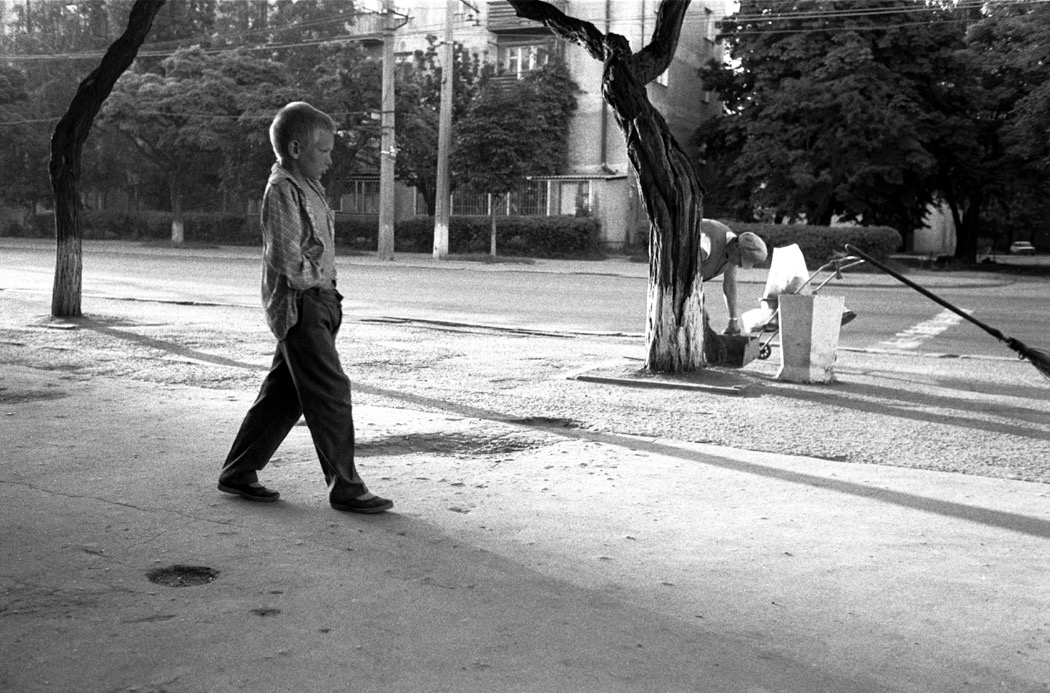
If we speak more broadly about the impact of photography, we cannot fail to mention the book by philosopher Roland Barthes “Camera lucida. Notes on Photography”. It is the author’s last work published during his lifetime, and it became one of the most important texts in the theory of visual arts. The book has a deep personal subtext, because a significant part of it is devoted to searching for the image of the author’s mother after her death. That is, even a photograph from a family album can have a strong impact on a person.
You have all probably watched the film “Black Hawk Down” — Ridley Scott’s historical war drama based on real events in Somalia in October 1993. The film tells the story of a U.S. Army special operation in the city of Mogadishu. During the raid, Somali insurgents shot down two UH-60 Black Hawk helicopters with RPGs. A quick mission turned into a prolonged battle and rescue operation.
American soldiers found themselves surrounded by thousands of armed militants. It was one of the most brutal clashes involving U.S. forces since Vietnam and ended with the deaths of 18 American soldiers and hundreds of Somalis. This situation deeply affected American society — journalists photographed these events. When I first went to Somalia, even staff from Doctors Without Borders said that before that incident, Americans were convinced their military had been carrying out only humanitarian missions there.
As a result of the publicity around Somalia, President Clinton was afraid to send peacekeepers to Rwanda. Of course, this is not only the impact of photography, but thanks to photographs published in the media, the American authorities were afraid to deploy their military power in another part of the world. It was quite a good feedback loop for the shooting. As a photographer, I have the right to think that this happened precisely thanks to photography. Let someone prove to me that it didn’t.
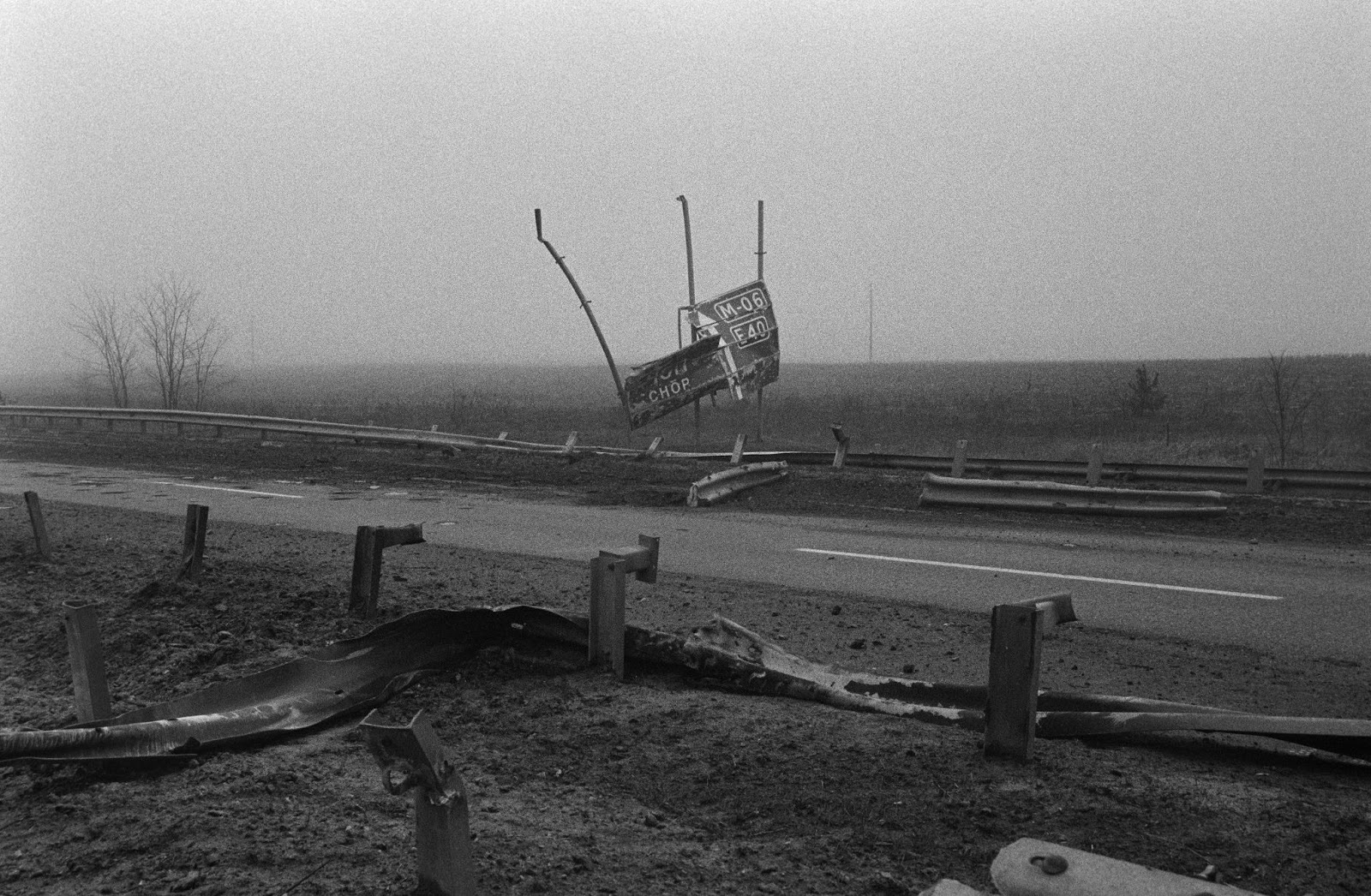
I can’t say that someone’s photograph, person, or event had a powerful personal impact on me. If there were such an image, I wouldn’t hesitate — I would tell you about it immediately. I recall shooting in the Chornobyl zone soon after the accident at the plant. I was deeply struck by the drama of people whom the Soviet authorities simply abandoned — forced them to leave their homes. It was not an evacuation, but a mandatory resettlement of the population with minimal financial support. I saw how people dragged firewood and potatoes with them and, by doing so, spread radiation across the entire country. They — especially older people — had a deep grievance against the state they had fought for and rebuilt, because Polischuks were among the best soldiers and partisans.
I was struck by a story I saw on the first day of shooting prisons in Siberia. A prisoner was removed from a transport stage because of his poor physical condition. That same day he died. The country had no death penalty, but people could be deprived of life through torture and hunger. I can’t say I became a different person after that story; I simply understood clearly what I should focus on in my work. I realized that I was photographing not post-Soviet prisons, but post-GULAG. I ended up in the classic penal servitude of the Russian Empire. Along the Trans-Siberian Railway region, on-foot “chain-gang stages” went from the European part of the country. The head of the Novokuznetsk pre-trial detention center proudly told me: “Our prison is built on the site of the church where Dostoevsky got married.” It seems to me this is a very good description of our neighbor. In fact, there’s nothing more to add.
Oleksandr Hliadelov — a Ukrainian documentary photographer who has covered wars and armed conflicts in Moldova, Nagorno-Karabakh, Chechnya, and Ukraine. Beyond frontline shooting, he has carried out long-term projects about vulnerable children, the HIV/AIDS epidemic, and post-Soviet prisons. His photographs have been widely exhibited, published in photobooks, and recognized with numerous awards, including the Taras Shevchenko National Prize (2020).
Social media: Facebook, Instagram
Worked on the material:
Topic researchers, text authors: Olga Kovalova, Katya Moskaliuk
Photo editor: Vladyslav Krasnoshchok
Literary editor: Yuliia Futei

.jpg)
.jpg)