
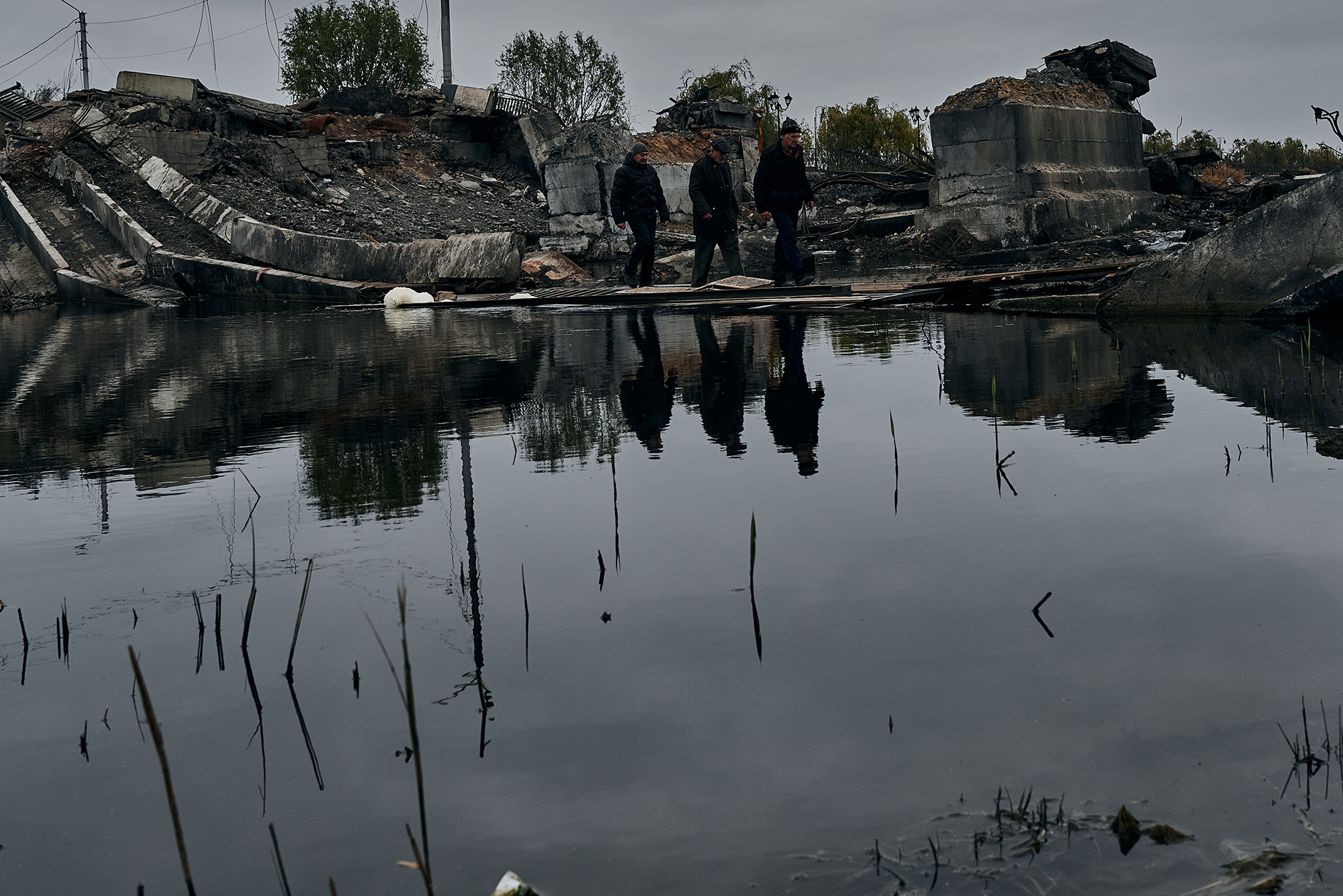
Since late July 2025, occupied Donetsk and its suburbs have suffered from a lack of water in the taps. This is an eloquent testament to the fact that Russia views the occupied territories exclusively as a springboard for further military action, disregarding the welfare of the local population.
“Water Blockade”
Before the full-scale invasion, Donetsk was supplied with water through a complex water supply system. This system consisted of the Siversky Donets – Donbas canal, a network of pumping and filtering stations, pipelines, and reserve reservoirs. The canal supplied water to the civilian and industrial infrastructure of Donetsk region and partly to Luhansk region.
The region's water system was disrupted since the start of Russian aggression in 2014. However, water continued to flow uninterruptedly to the occupied territories, even though the occupying authorities refused to pay for it.
Since the start of the great war, fierce battles and shelling by the enemy have begun on the Siversky Donets river and in the area where the canal runs—the cities of Bakhmut, Chasiv Yar, Toretsk, and others.

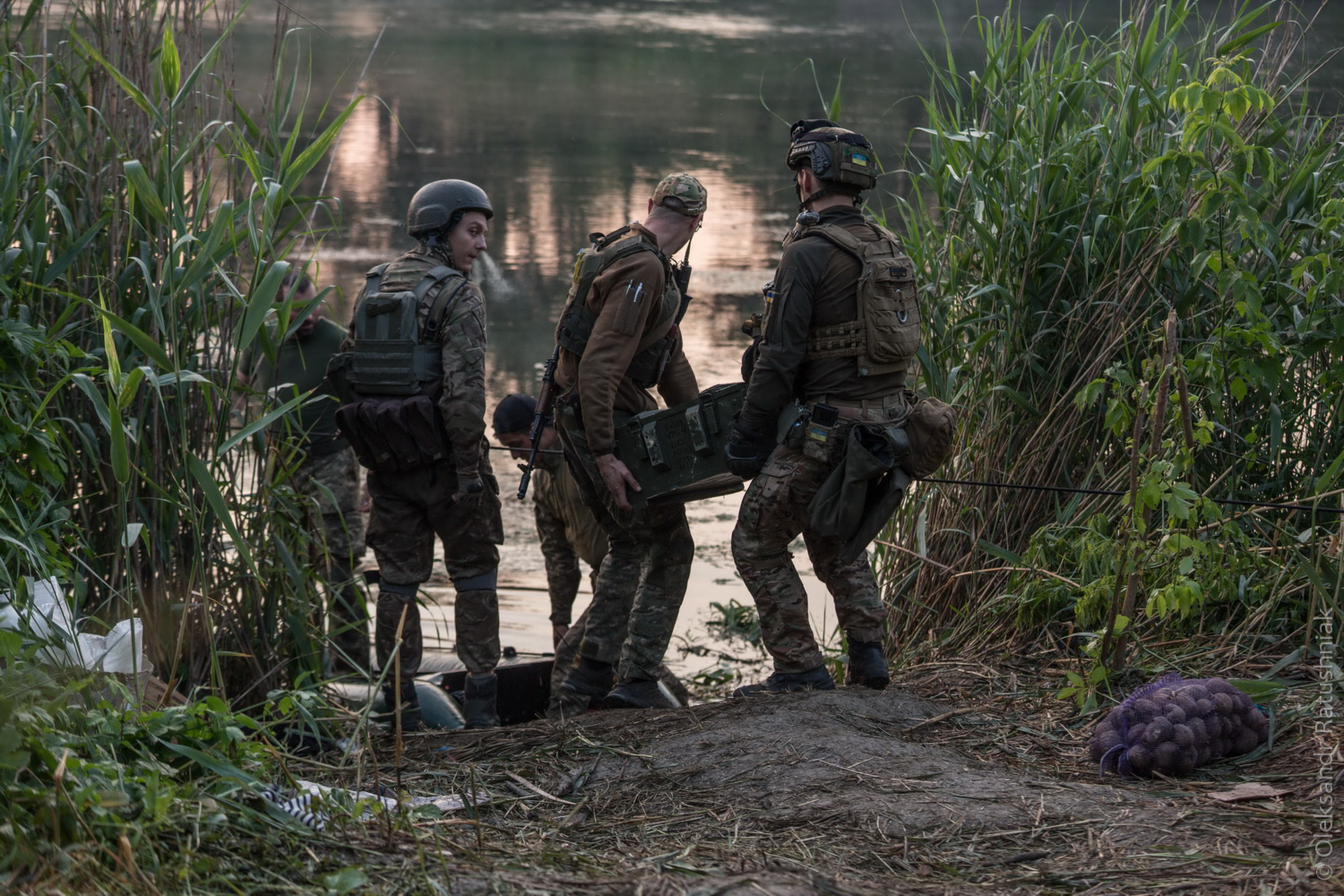
Photo by Oleksandr Ratushniak
The occupying authorities appointed by the Kremlin began talking about a water emergency in the region in late July 2025, shifting the blame onto Ukraine. “The Kyiv regime organized a water blockade of the residents of Donbas, which is affecting all cities of the Donetsk agglomeration,” writes the propaganda publication “Arguments and Facts”.
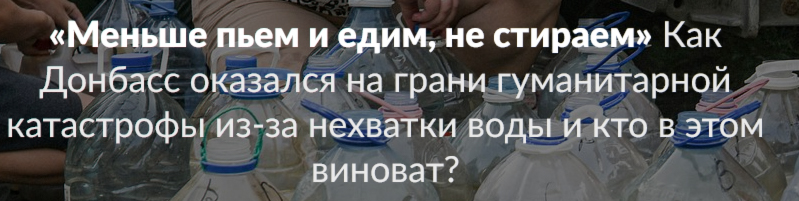
Propagandists insist that the reason for the “water blockade” is simple: “Bankova believes that the keys to Donetsk are at the beginning of the Siversky Donets – Donbas canal. It is fundamentally important for Zelenskyy and his European allies that the residents of the ‘DNR’ capital suffer without water,” writes “Ukraina.ru”.
The Russians call the “water blockade” a series of actions allegedly taken by Ukraine since the start of the “SMO.” The Russian authorities accused Ukraine of:
- turning off the pumping station by the AFU in the Kramatorsk area in spring 2022;
- artillery shelling and mining of the filtering station through which all the water enters the city;
- neglect of the pipeline network.
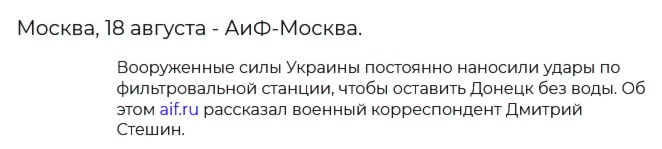
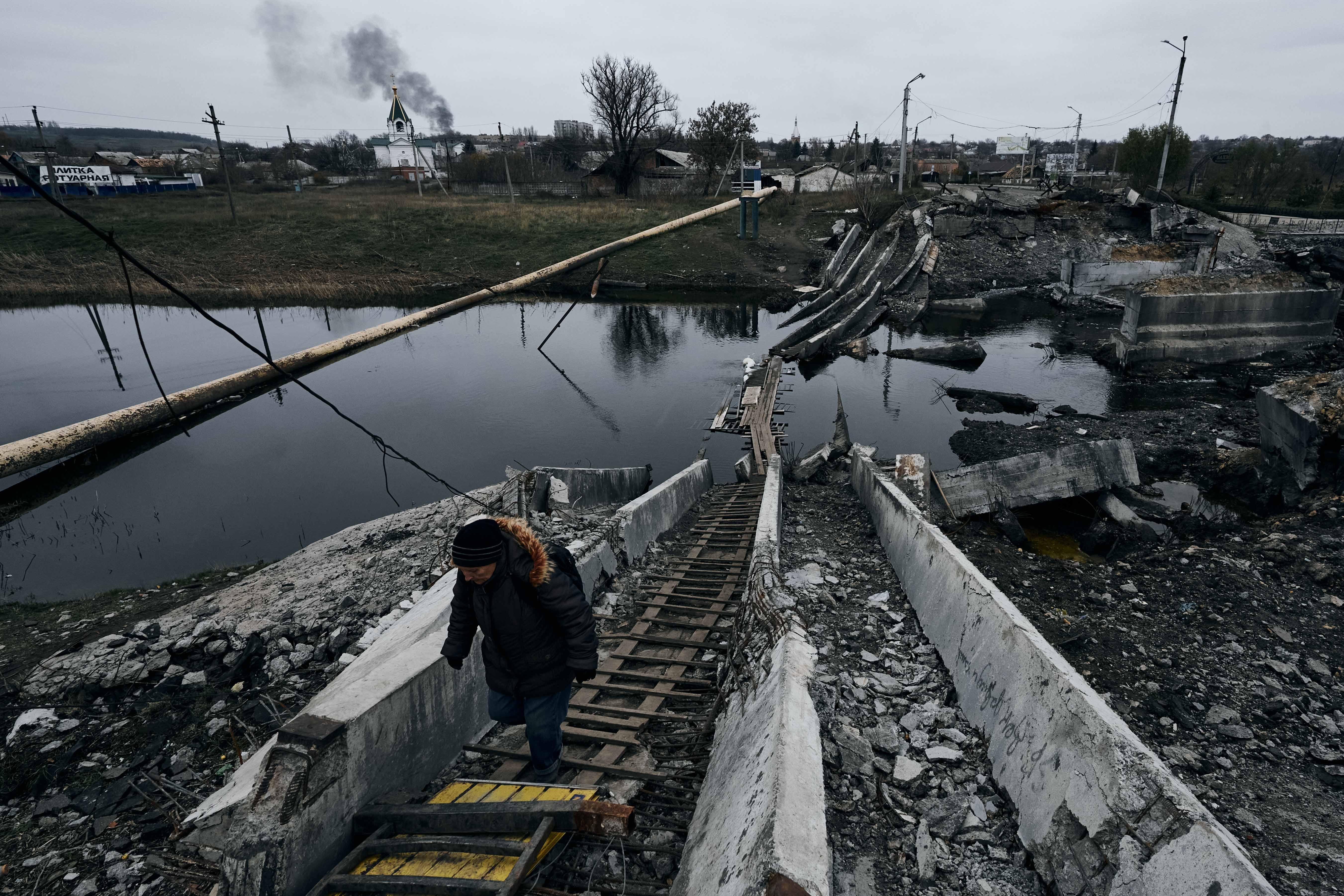
Photo by Kostiantyn and Vlada Liberov

Photo by Kostiantyn and Vlada Liberov
The Russian online media «Lenta.ru» even blamed the weather, but not the Russian army: «The water blockade by the AFU combined with the anomalous heat and the collapse of the worn-out infrastructure from the USSR era have negatively affected the water supply in Donbas».
Regarding the worn-out infrastructure, the Ukrainian government attracted international financial assistance in 2020 to modernize the canal and the rest of the system, which was built half a century ago. Meanwhile, in Luhansk region, 80% of the water supply networks are in disrepair, primarily in the territory seized by Russia in 2014. Oleksii Kharchenko, Head of the Luhansk Regional Military Administration, reported this. Due to active mobilization in the region, there was a shortage of utility workers, the American media The New York Timesrelays the words of a local resident.
War on the Canal
In September 2022, Russians destroyed the dam of the Oskil Reservoir in Kharkiv region. As a result, it became 70 percent shallower. This negatively affected the ecosystem of the main river of the east, the Siversky Donets, in whose basin the canal begins.
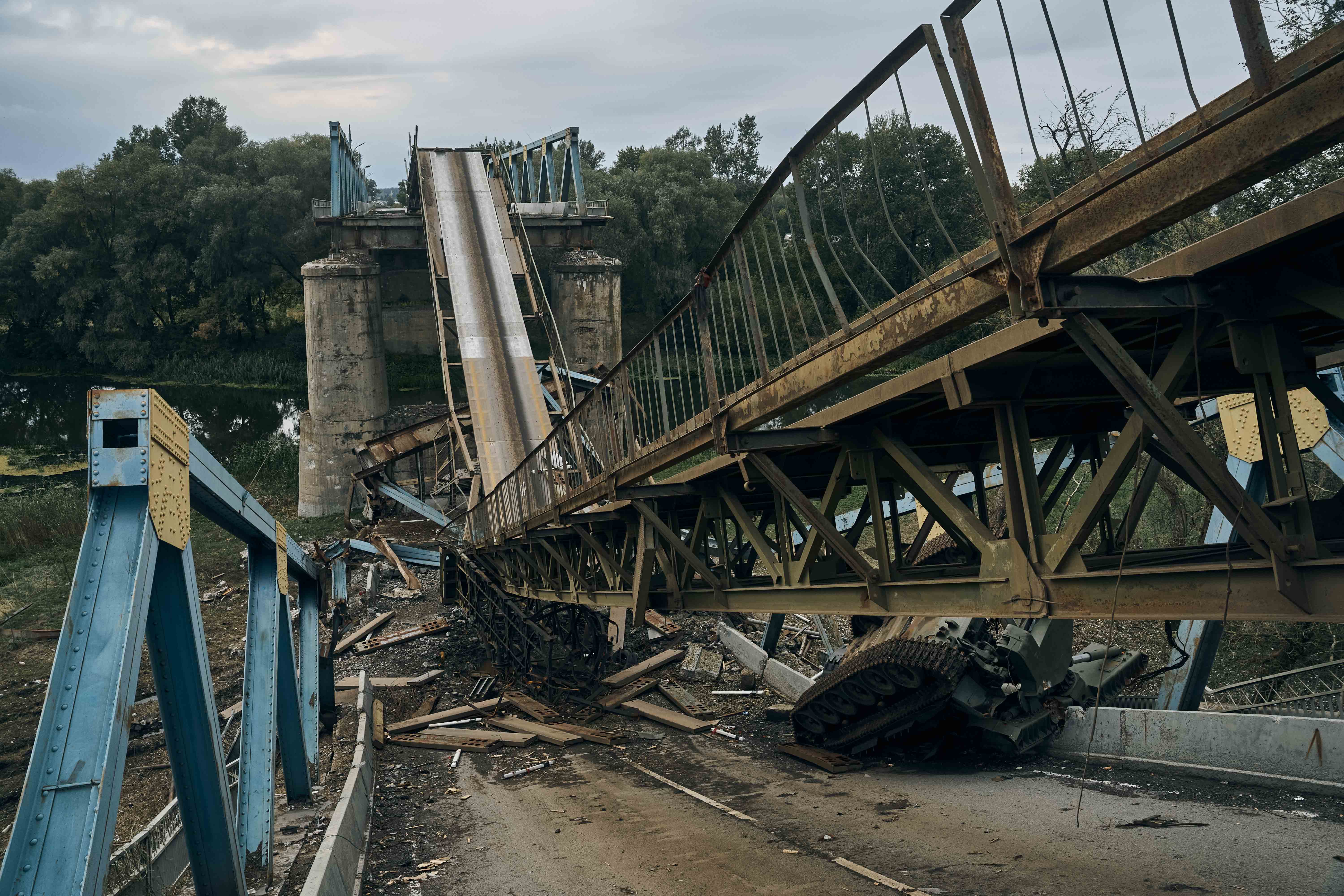
Photo by Kostiantyn and Vlada Liberov
Over the years of the full-scale war, power grids and water infrastructure have been destroyed. The river itself and its channels have become a defensive line against the invading army.
Ukrainian photo documentarians embarked on dangerous assignments to the east and accompanied military assaults to tell the world the truth about the brutality of this war, particularly in the area where the canal runs.
Photo documentarian Heorhii Ivanchenko documented life in semi-destroyed Bakhmut at the turn of 2022–2023. He lived in the basement of a kindergarten near the Bakhmutka river, a tributary of the Siversky Donets. Russian positions were only a kilometer and a half away.
«I had never been to Bakhmut before. The first day in the city was only winter, cold, grayness, destroyed or damaged buildings all around, the smell of burnt metal, and explosions without intermissions during the walk,» says Ivanchenko.
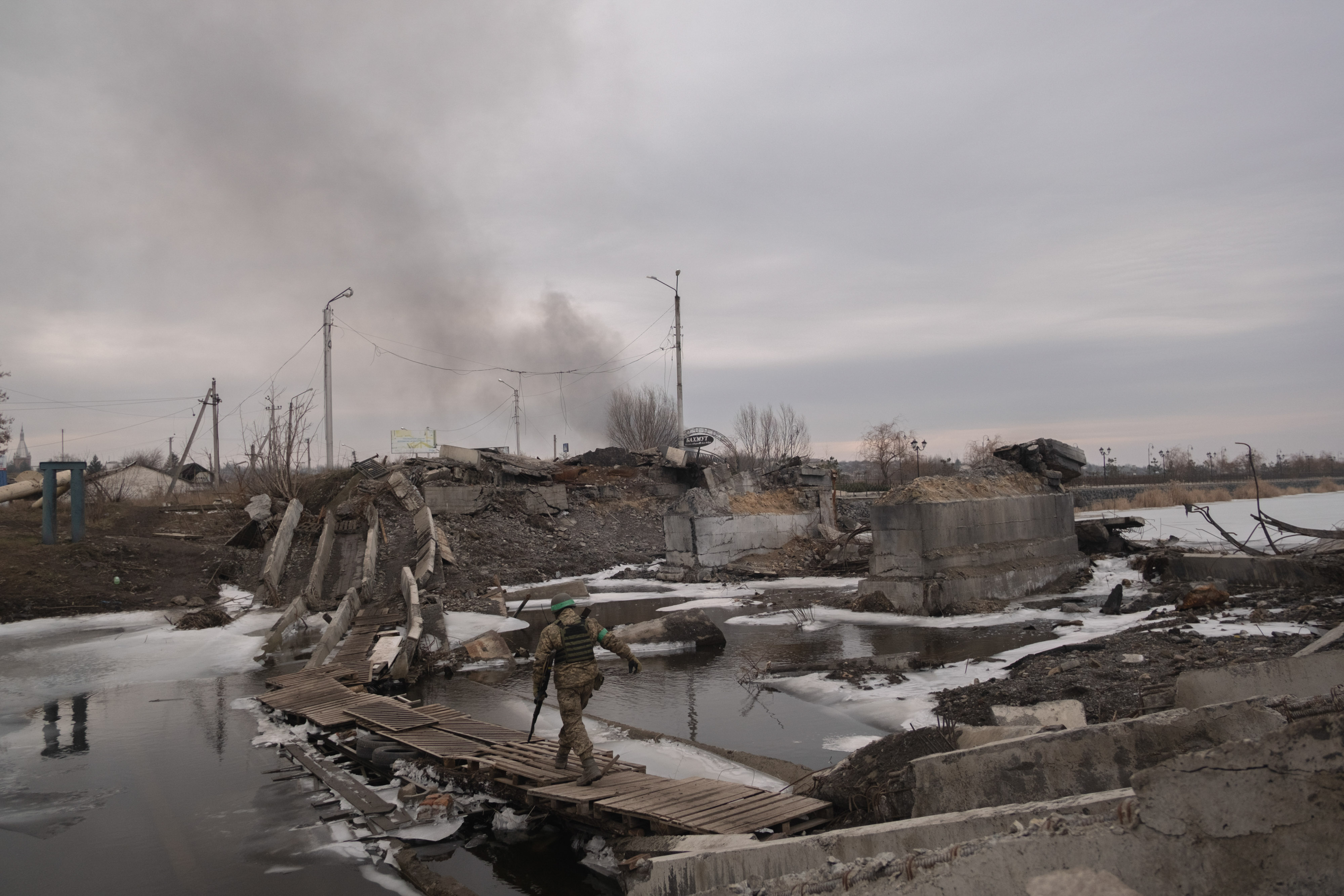
Photo by Heorhii Ivanchenko
Photo documentarians Kostiantyn and Vlada Liberov visited the city of Chasiv Yar in July 2024. The city, which has become a symbol of Ukrainian resistance, has been stormed by Russians since April 2024. The Siversky Donets – Donbas canal runs through it.
«Chasiv Yar. Russia has approached the city and turned it into ruins, like everything it touches. According to DeepState maps, we pushed the enemy out of the city as recently as June 27, and now the Russians have completely occupied the Canal microdistrict. And erased it from the face of the earth. Despite the fact that the soldiers defending Chasiv Yar are ready to stand until the end, today there is a real threat that we will lose the city,» Kostiantyn and Vlada shared their thoughts on the situation in the city.
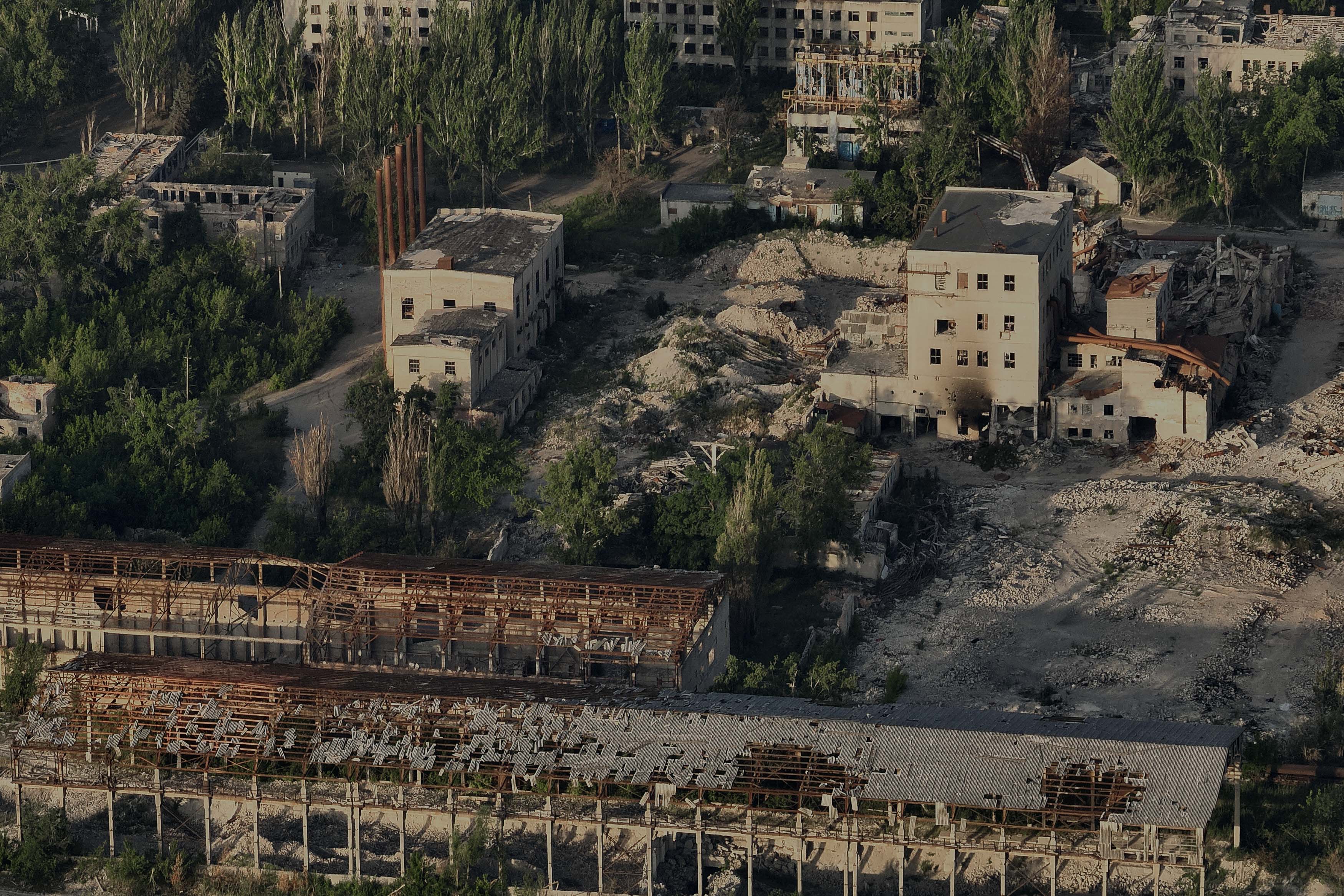
Photo by Vlada and Kostiantyn Liberov
However, shelling and fighting were not the only things that destroyed the region's water infrastructure. The Russian army used the canal's pipes and channels for advancement.
The Ukrainian online media Ukrinform published a statement by Anastasia Bobovnikova, press secretary of the “Luhansk” operational-tactical group, in December 2024 about the accumulation of enemy resources and personnel in the canal pipe in the city of Chasiv Yar. «[...]They climb over the Siversky Donets – Donbas canal, which partially looks like a channel and partially like a pipe. And in this pipe, they set up hiding places [...]», Bobovnikova refuted the Russian accusations.
In January 2025, to speed up the offensive on the city, Russians blew up the canal pipes. Despite the enemy pressure, the city continues to resist.
The New York Times outlines the reason for the water crisis in Donetsk region with the words of sociologist and historian Sophie Lambroschini from Paris Nanterre University, who studied water supply in war-torn Ukraine: «The war has completely disrupted the entire water balance of the region».
“Argumentative” Aggression
Propaganda media publish emotional slogans, such as “our task is to ensure there is always water in homes” («Lenta.ru»).

They insist that the Russian authorities are doing everything possible: clearing riverbeds, deepening the bottom of reservoirs, and building new water conduits, but here too, Ukraine is obstructing. For example, the new Don – Donbas water pipeline, commissioned in spring 2023, allegedly helped avert a catastrophe, but they claim it is working intermittently due to shelling from the AFU.
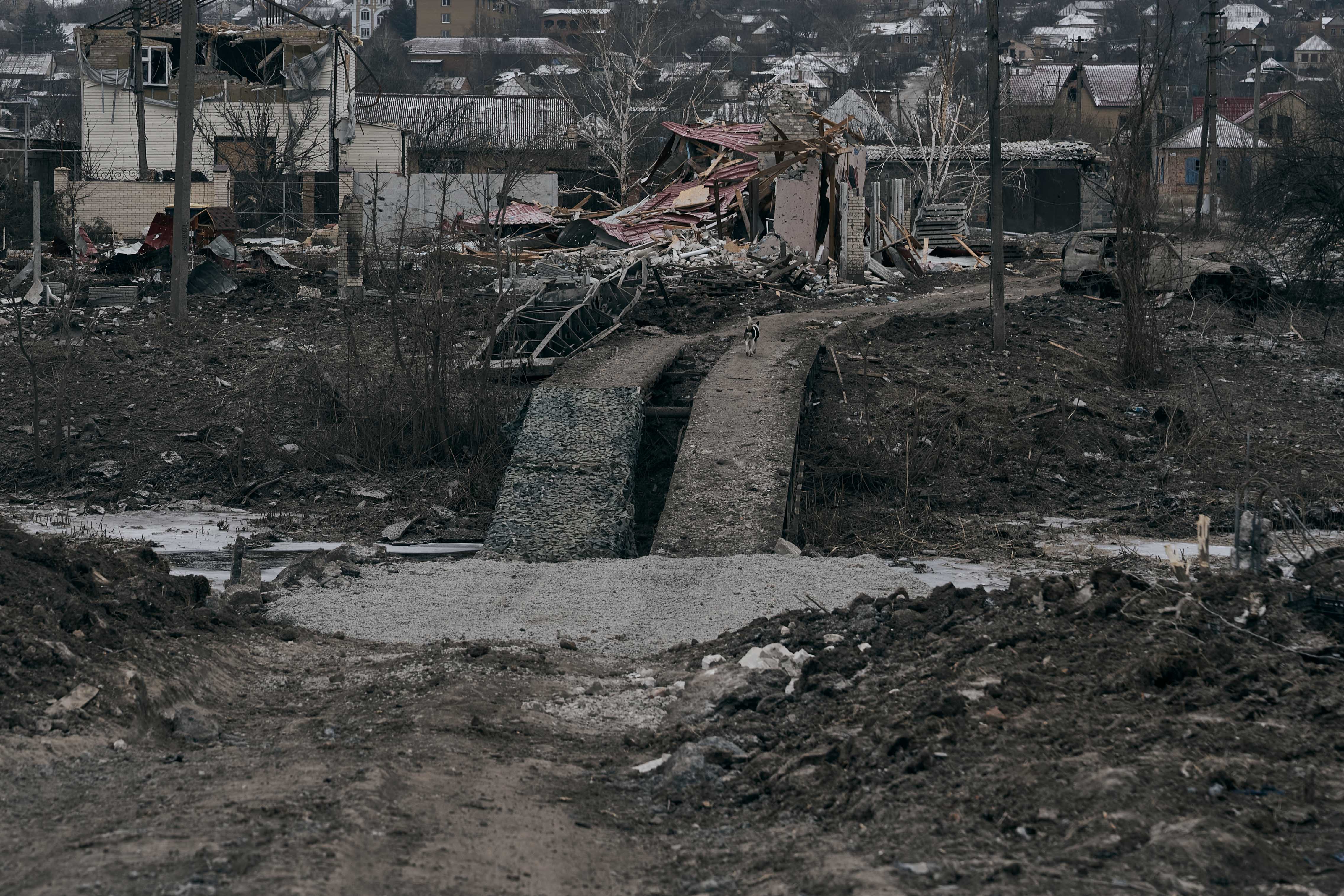
Photo by Kostiantyn and Vlada Liberov
In reality, the problems with the new water pipeline, which stretches from southern Russia to the occupied east, are due to corruption within the Russian government. It is known that the former Deputy Minister of Defense of Russia, Serhiy Shoigu, Timur Ivanov, who was jailed for 13 years for embezzlement, was involved in the new water pipeline project.
Russian officials and gauleiters, state media, and publics disseminate claims about the importance of capturing Sloviansk. Because the canal's water intake from the Siversky Donets river is located there, in the “territory controlled by Ukraine.”
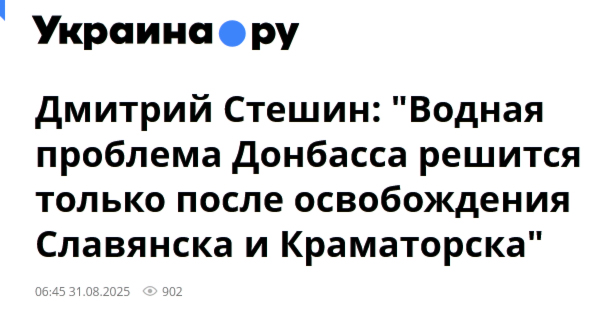
Thus, Russian propaganda is using the water crisis to justify strikes on Kramatorsk and Sloviansk, which are heavily fortified defensive zones of Ukraine, and further military aggression. Allegedly, the Russian army is destroying the powerful Ukrainian air defense covering the agglomeration and the large number of Ukrainian SAM and radar systems in this direction.
Chronicles of Dehydration
In the free territory of Donetsk region, the first water problems arose in autumn 2024. At that time, the Ukrainian authorities began searching for alternative water supply methods, such as drilling wells and others.
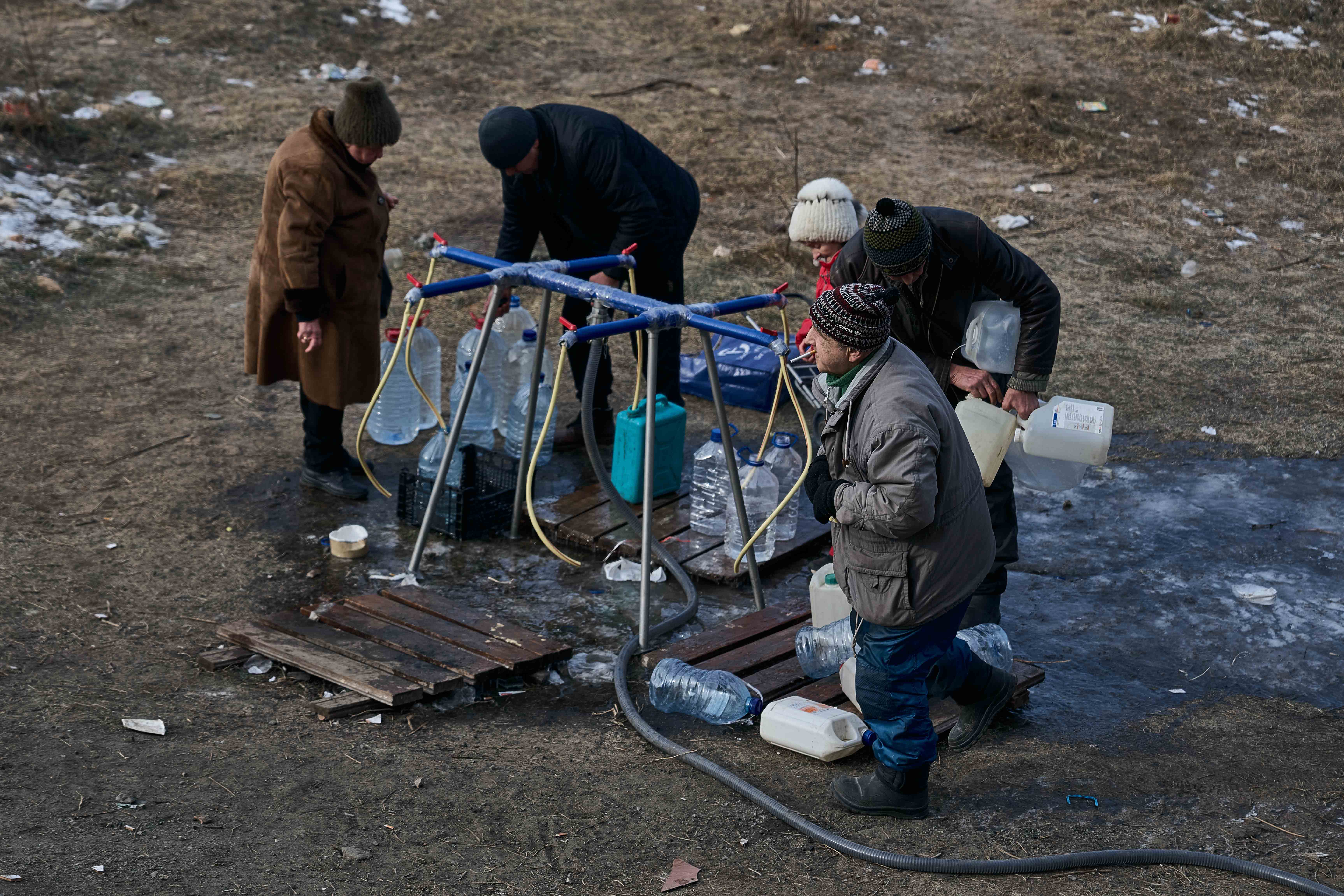
Photo by Kostiantyn and Vlada Liberov
Documentarian Olga Kovalova visited Toretsk in early 2024, when the front line was seven kilometers away. She documented the absence of gas and utilities in the city, which was shattered by enemy shelling.

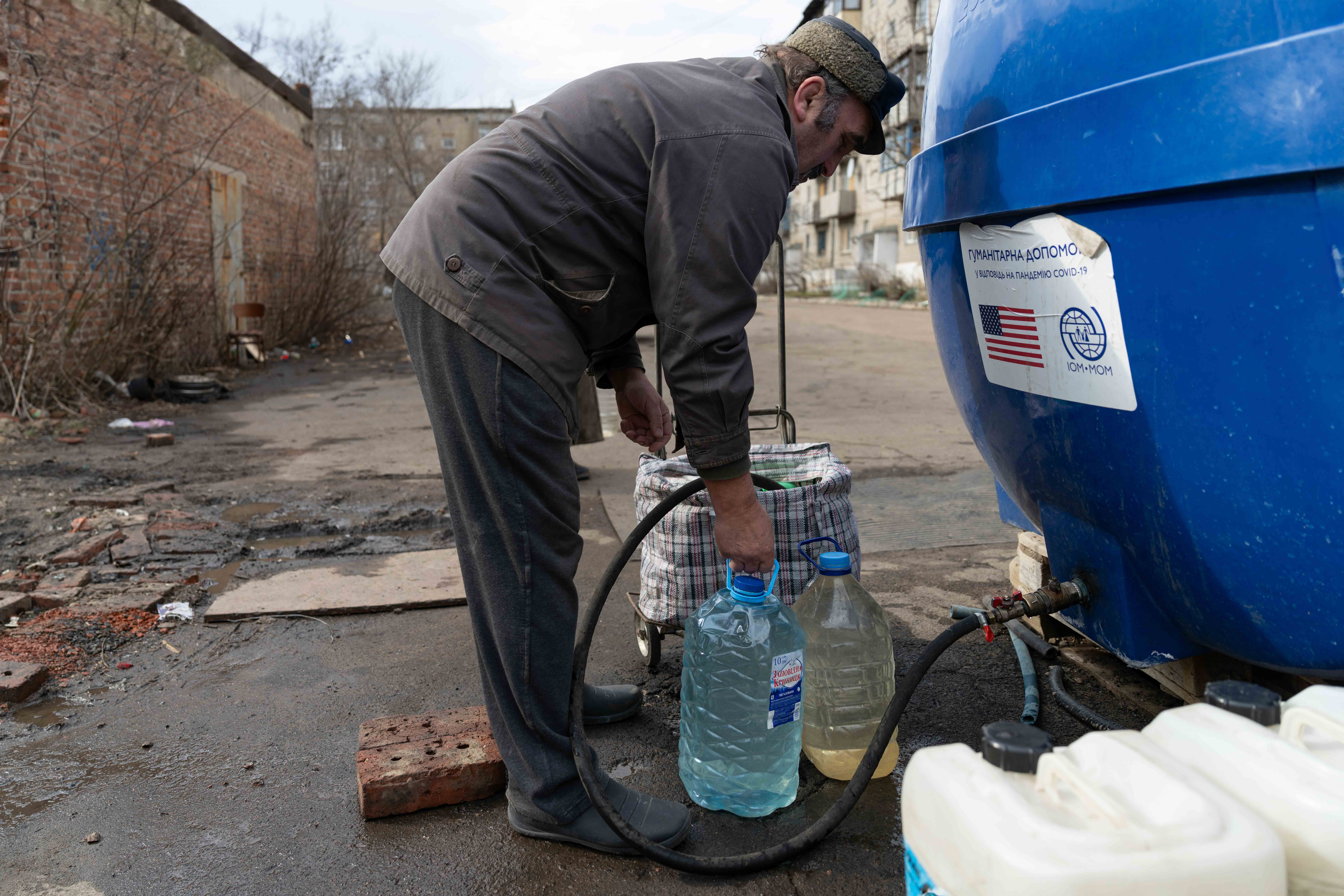
Photo by Olga Kovalova
«Since 2014, shells and mines constantly hit the Toretsk – Horlivka water pipeline. Because of this, the city often found itself without drinking water. During the full-scale invasion, the water situation became critical: drinking water is brought only by charitable foundations and organizations, and technical water can be obtained in reservoirs,» the Ukrainian Association of Professional Photographers reported in its material.
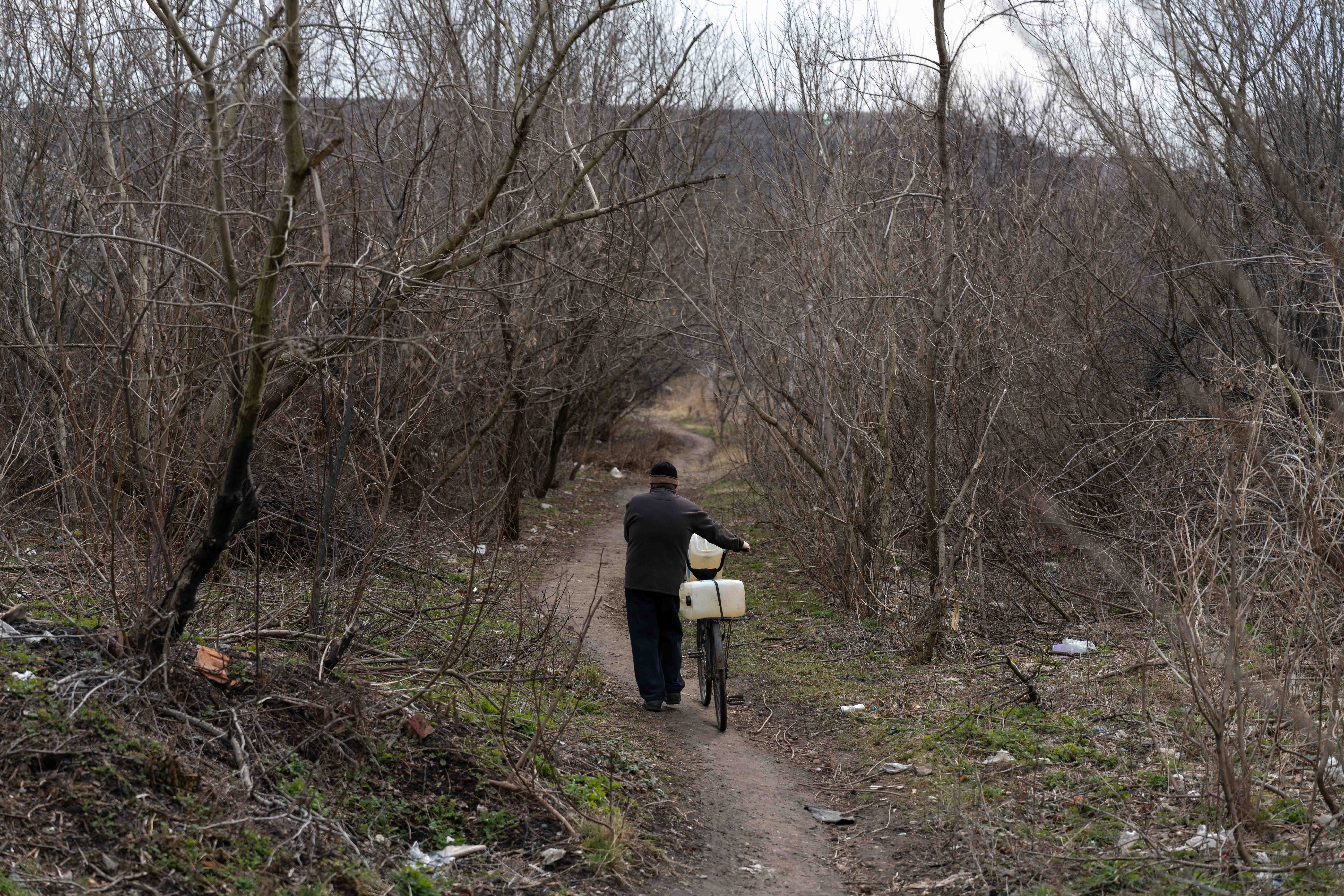
Photo by Olga Kovalova
In the occupied territory, water problems began immediately after the full-scale invasion in 2022. The reservoir network saved the first years of the war, but they too have become critically shallow. As of autumn-winter 2025, Russian officials expect power outages may begin if the level of reservoirs supplying thermal power plants drops below a critical point. Life in once modern Donetsk has turned into an existence waiting for water from the tap.
Currently, water is supplied to most residential buildings in Donetsk once every three days for a few hours. The water is murky, smells of swamp, and is suitable exclusively for technical and household needs. At the same time, there is not enough water pressure on the upper floors even for washing hands. A similar situation exists in Mariupol, Horlivka, Debaltseve, and Yenakiieve; it is slightly better in Luhansk and Alchevsk. It is especially difficult for hospitals. There is no question of private farming—there is barely enough water for industry and energy, «Lenta.ru» recounts the sad story of life in Donetsk.

Despite the critical situation in the city, reports from Donetsk are covered by Russian media in a positive light. They praise the citizens for their professionalism in choosing containers, call them specialists in comfortable living, eagerly recounting Donetsk life hacks for “obtaining” water. The Russian authorities are praised for the “social price” of water and the delivery of water by tankers.
Kremlin propaganda creates a picture of the submissive life of “Donbas residents,” who, they claim, are ready to endure water difficulties just as they endured the shelling.

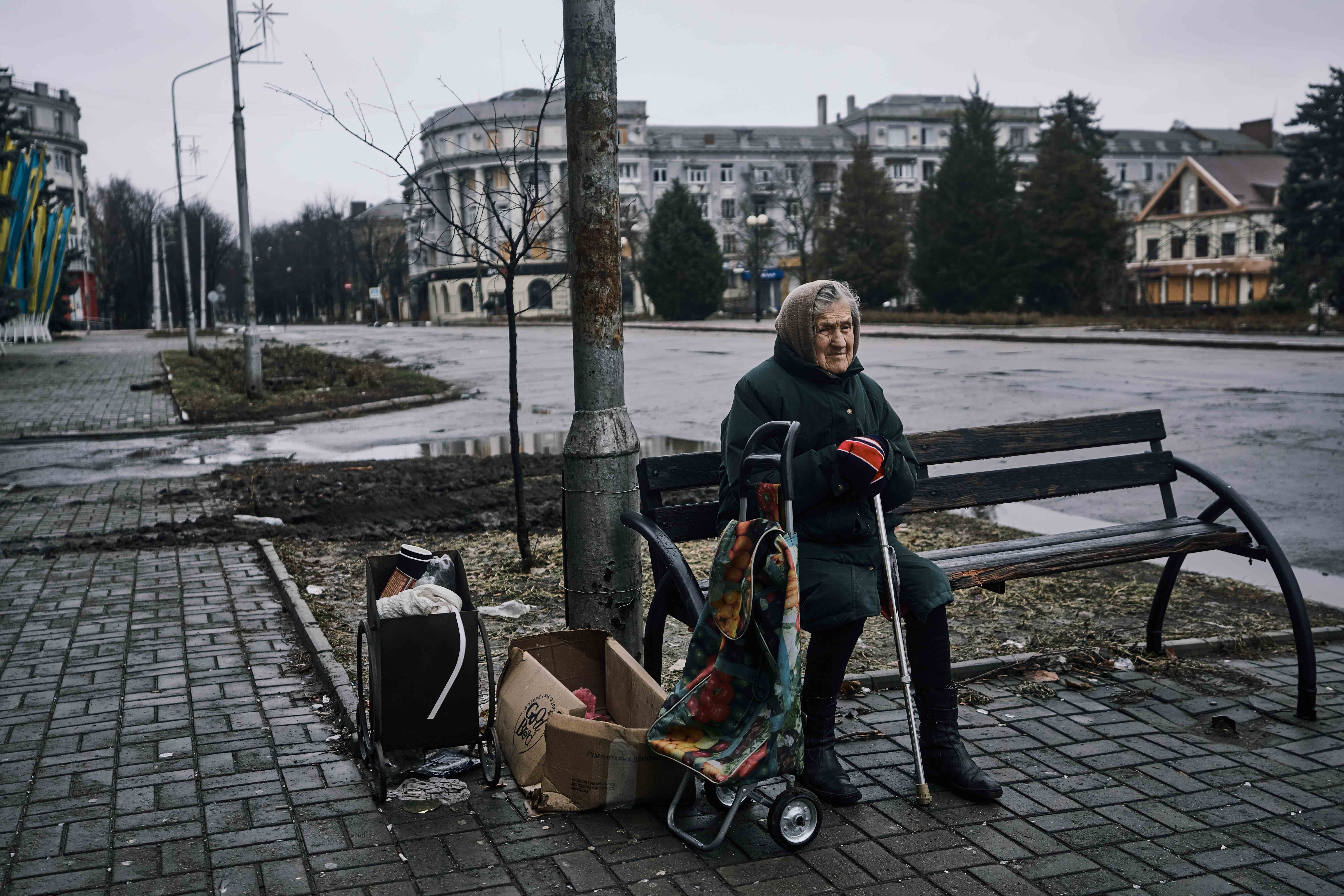
Photo by Kostiantyn and Vlada Liberov
The suppression of any dissatisfaction with the Russian government is characteristic of the Russian Federation. Therefore, appeals by children to the Russian president to solve the water problem, which are circulating online, are intended to justify further hostilities in the region.
The American publication The New York Times notes that Ukrainians see the face of the “Russian world” in waterless Donetsk. «As the Kremlin demands that Ukraine hand over the parts of eastern Ukraine that Kyiv controls as part of a peace deal, many Ukrainians see the Donetsk emergency as a cautionary tale for any future under Russian occupation,» the publication recounts.
The material was prepared by:
Topic Researcher, Text Author: Yana Yevmenova
Visual Editor: Olga Kovalova
Literary Editor: Yuliia Futei
.jpg)
.jpg)














.jpg)


