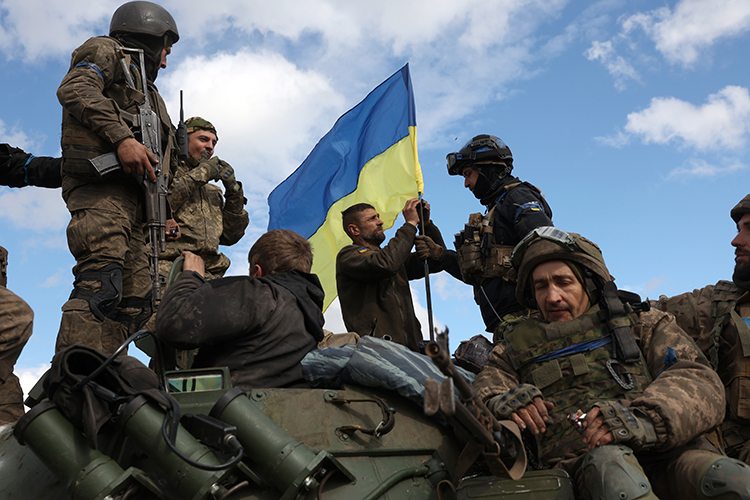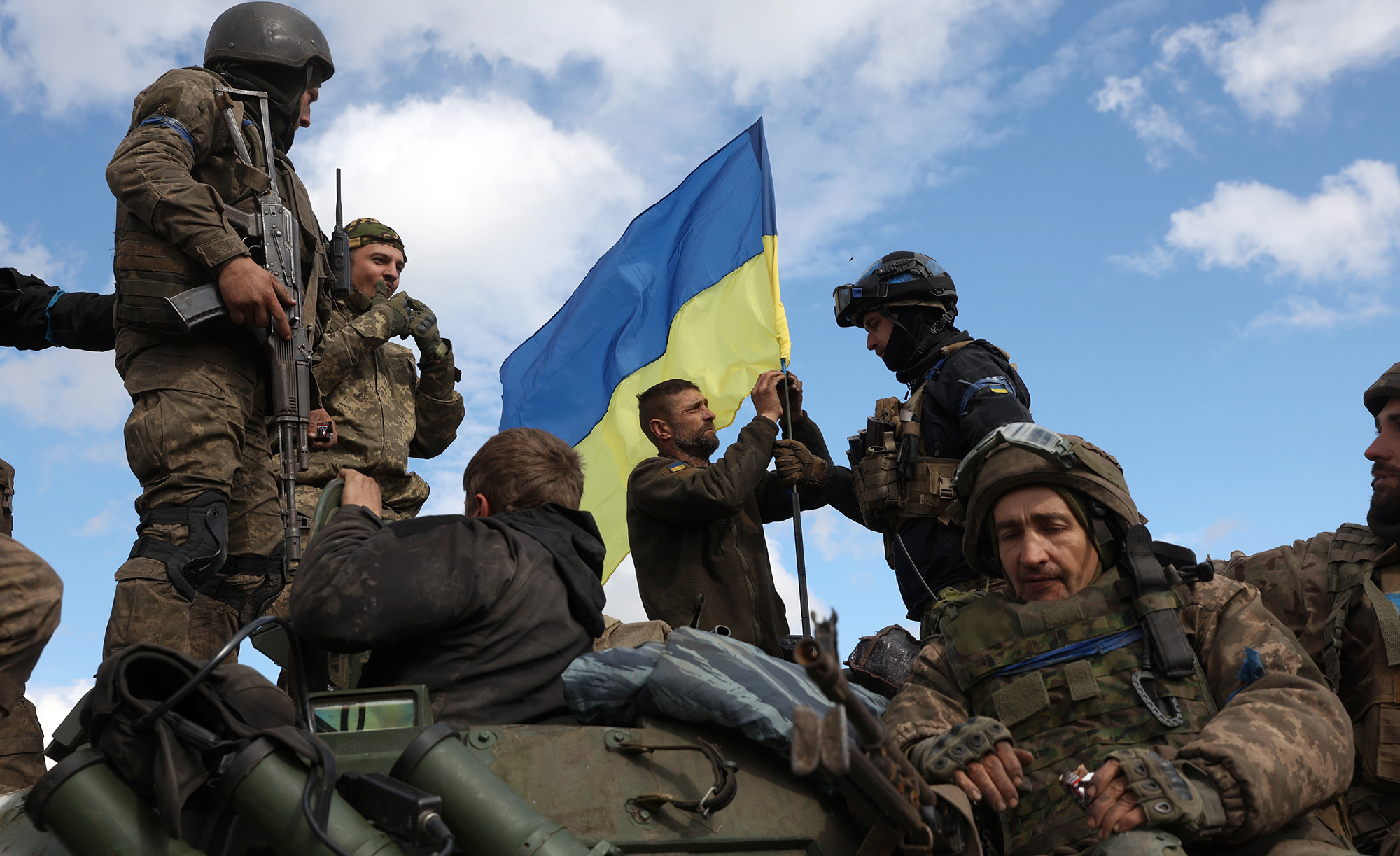
In the autumn of 2022, the Armed Forces of Ukraine liberated over five hundred settlements across Kharkiv, Donetsk, and Luhansk regions. The Ukrainian Association of Professional Photographers publishes a unique photographic chronicle by Anatolii Stepanov, who set out along the war-torn roads of eastern Ukraine to document the cost of victory, the scale of destruction, and the stories of people who survived the horrors of occupation.
“That October, there was no shortage of uplifting material. You simply got into your car and drove through the liberated towns and villages,” Anatolii Stepanov recalls.
The Path of Battle
The Sloboda offensive operation began on September 6, 2022. Thanks to covert preparation and high-precision strikes by the Ukrainian Defense Forces targeting enemy command posts and logistics, Russian troops lost control in the very first days of the offensive and were unable to mount an effective defense. The panic-stricken retreat of the occupiers from Balakliya on September 8, as well as from Izyum and Kupiansk on September 10, culminated in the route of the enemy grouping in the Kharkiv region and the liberation of more than ten thousand square kilometers of territory. This eliminated the threat to Ukrainian units in the Donetsk region and created a direct prerequisite for the advance on Lyman.
Anatolii Stepanov did not photograph the start of the Kharkiv counteroffensive, as he was at home at the time.
“An operational blackout was in effect back then. But you could practically feel a turning point in the air along the front line. Information began leaking online that Ukrainian troops were pressing hard in the Kharkiv direction. Reports were also trickling in from military friends that the enemy was literally running... I arrived in Kramatorsk about a week after Izyum was liberated, and the first place I visited was Bakhmut. The city was suffering from intense artillery shelling. I worked in the city, capturing its defenders, the daily destruction and fires, and the work of the emergency services,” the photographer says.
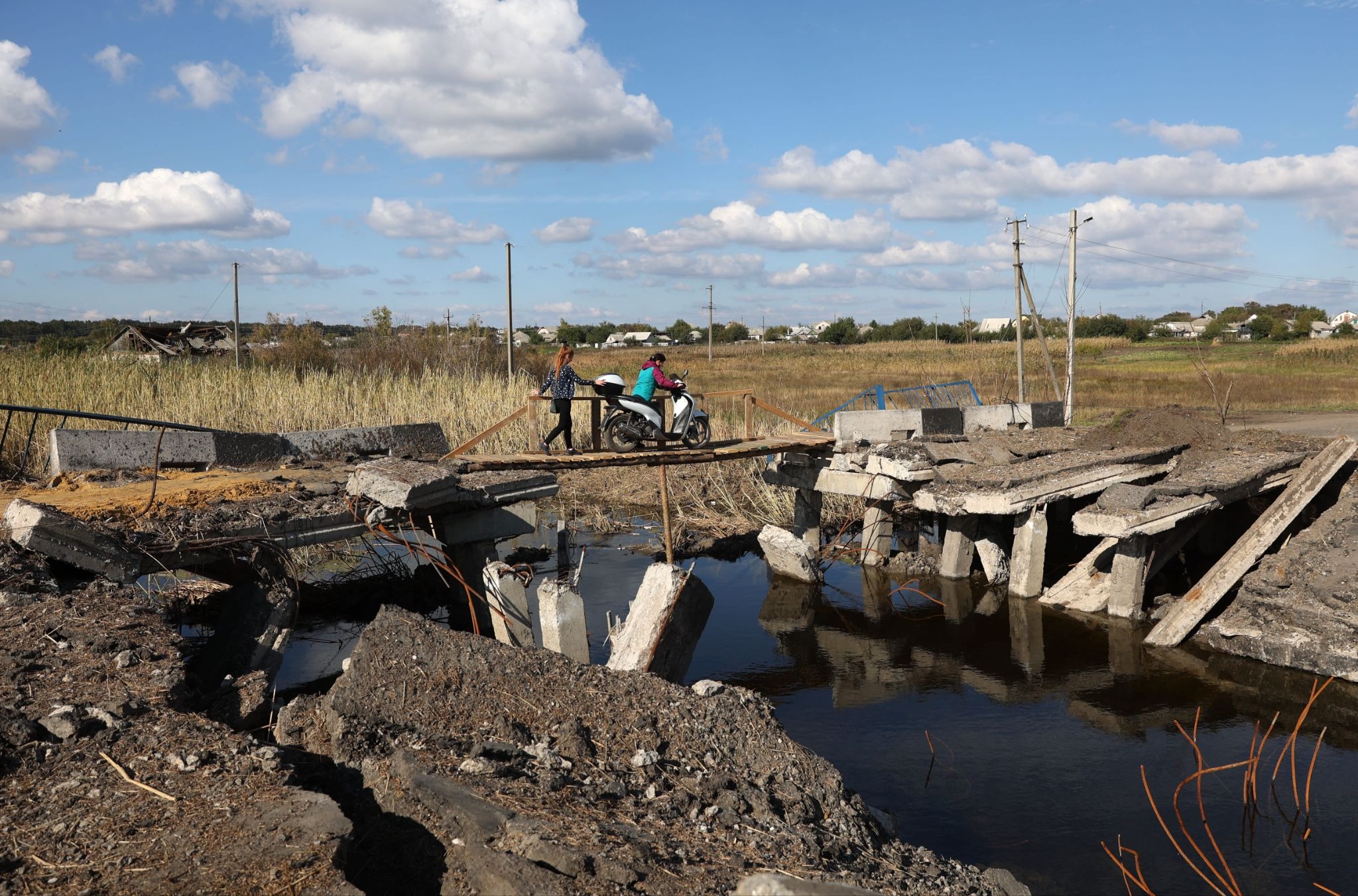
In the second half of September, the Armed Forces of Ukraine breached Russian defensive lines along the Oskil River and crossed to its left bank, establishing a foothold near Kupiansk and the settlement of Borova. Battles for the liberation of the Lyman community lasted nearly a month, with Ukrainian soldiers advancing through devastated villages. Despite the numerical superiority of the adversary and heavy artillery shelling by the occupiers, Ukrainian forces pressed forward with offensive actions.
After liberating Svyatohirsk and the surrounding area, the Defense Forces encircled Lyman from several directions. The assault itself lasted several days and culminated on October 1 in the complete de-occupation of the city.
“By late September, it was clear that the Russians could not hold Lyman. News arrived daily of fierce battles north of the city. Ukrainian paratroopers resolutely assaulted villages like Koroviy Yar, Shandryholove, and Drobysheve. I saw livestreams of Russians retreating chaotically from near Lyman, and on October 1, news broke that Lyman was liberated,” Anatolii Stepanov recalls.
Restoring Ukrainian control over Lyman blocked the enemy's route to Siversk and Sloviansk and opened up prospects for the Ukrainian Armed Forces to advance into Luhansk region. Between October 4 and 6, Ukrainian forces crossed the Luhansk region border, liberating the region's first villages.
First Stop
The first liberated settlement visited by Anatolii Stepanov and his colleagues was the village of Dolyna on September 22, where "the Russian forces advancing into Donetsk region met fierce resistance and broke their teeth against Ukrainian paratroopers."
The village of Dolyna, part of the Svyatohirsk community, spent six months at the epicenter of relentless assaults and daily shelling. The enemy was unable to capture the settlement, but turned it into ruins, leaving a profound impression on the photographer:
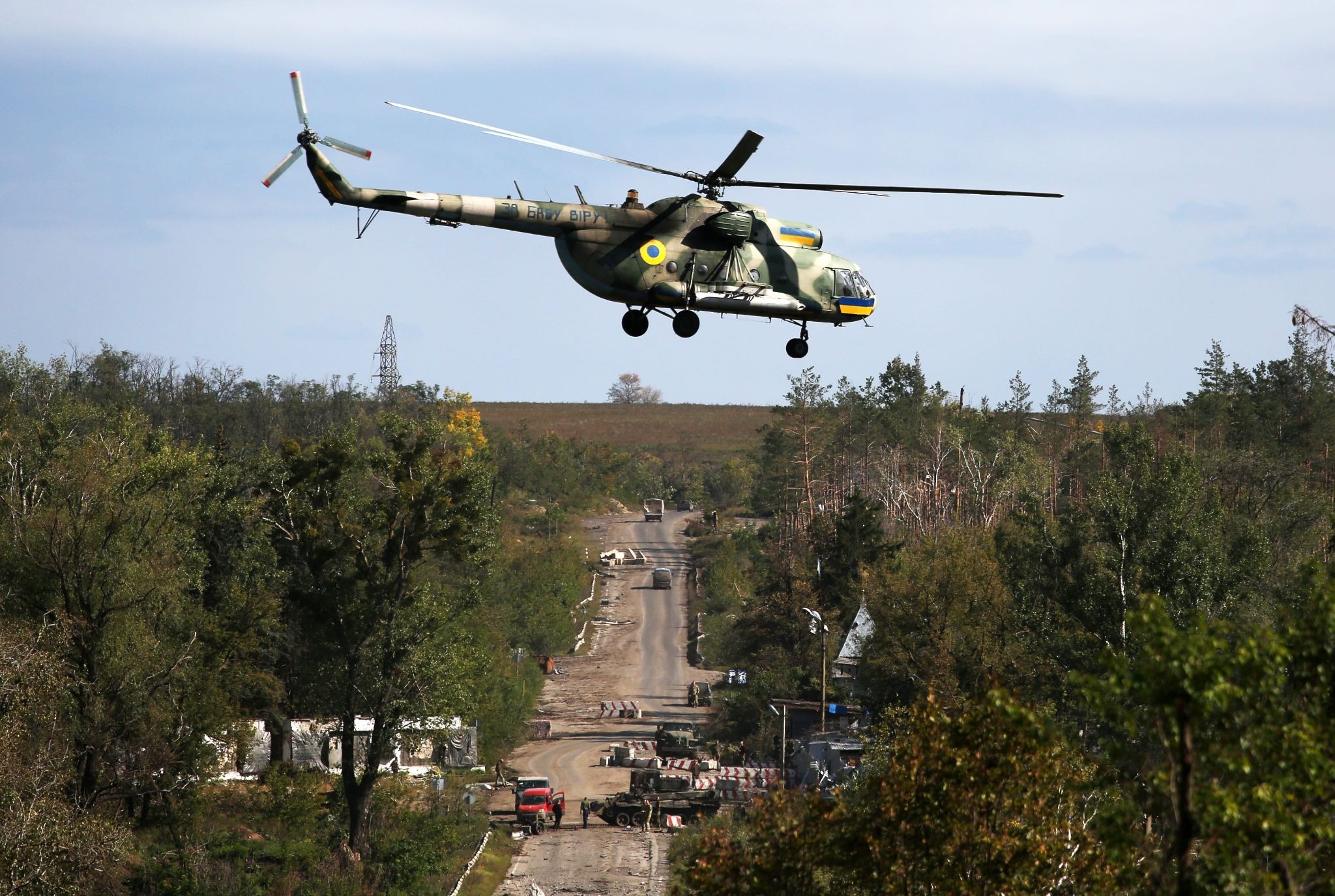
“The scene there was simply staggering. The ruins of a monastery, not a single intact building. A littered small roadside church with dirty mattresses inside where Russian soldiers had lived. Piles of burned-out military hardware, landmines everywhere. Puppies played among anti-tank mines right on the road, while helicopters buzzed overhead on missions toward the Lyman direction.”
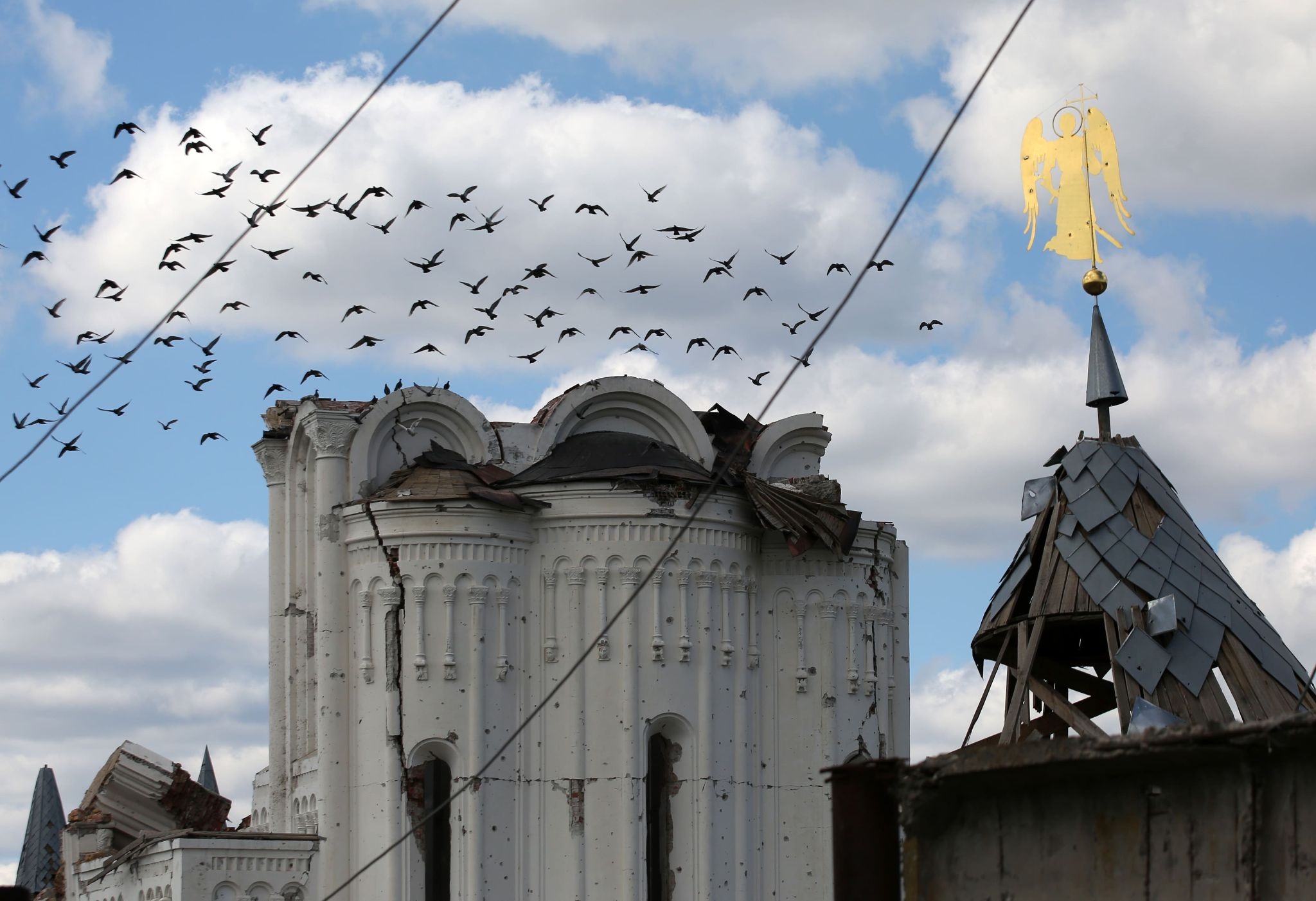
Anatolii recalls the 150-year-old Church of St. George the Victorious in Dolyna, destroyed by Russian bombardment.
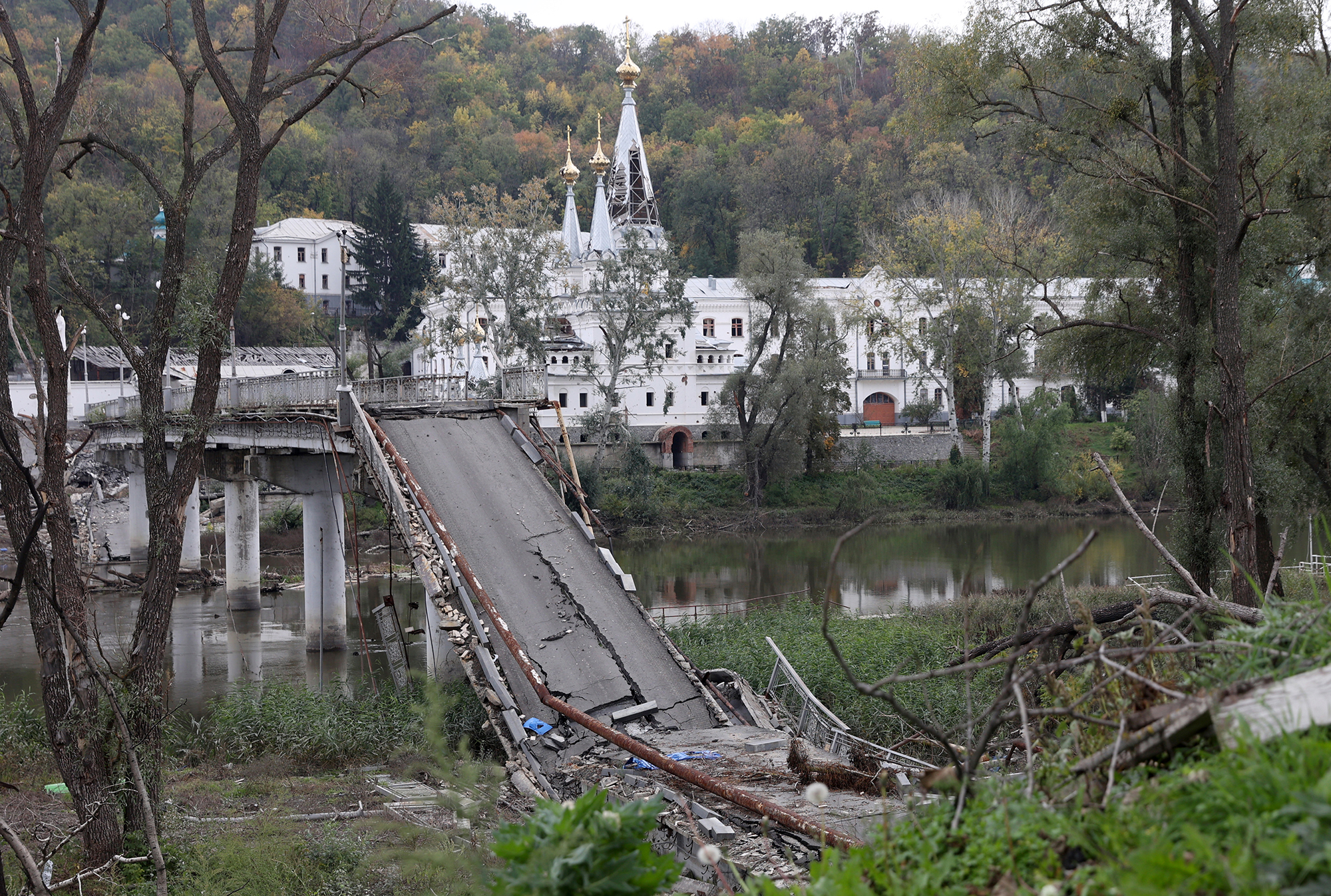
In addition to Dolyna, Anatolii Stepanov documented the aftermath of fighting in Svyatohirsk itself and nearby Sosnove, capturing destroyed religious sites and a graveyard of destroyed enemy equipment:
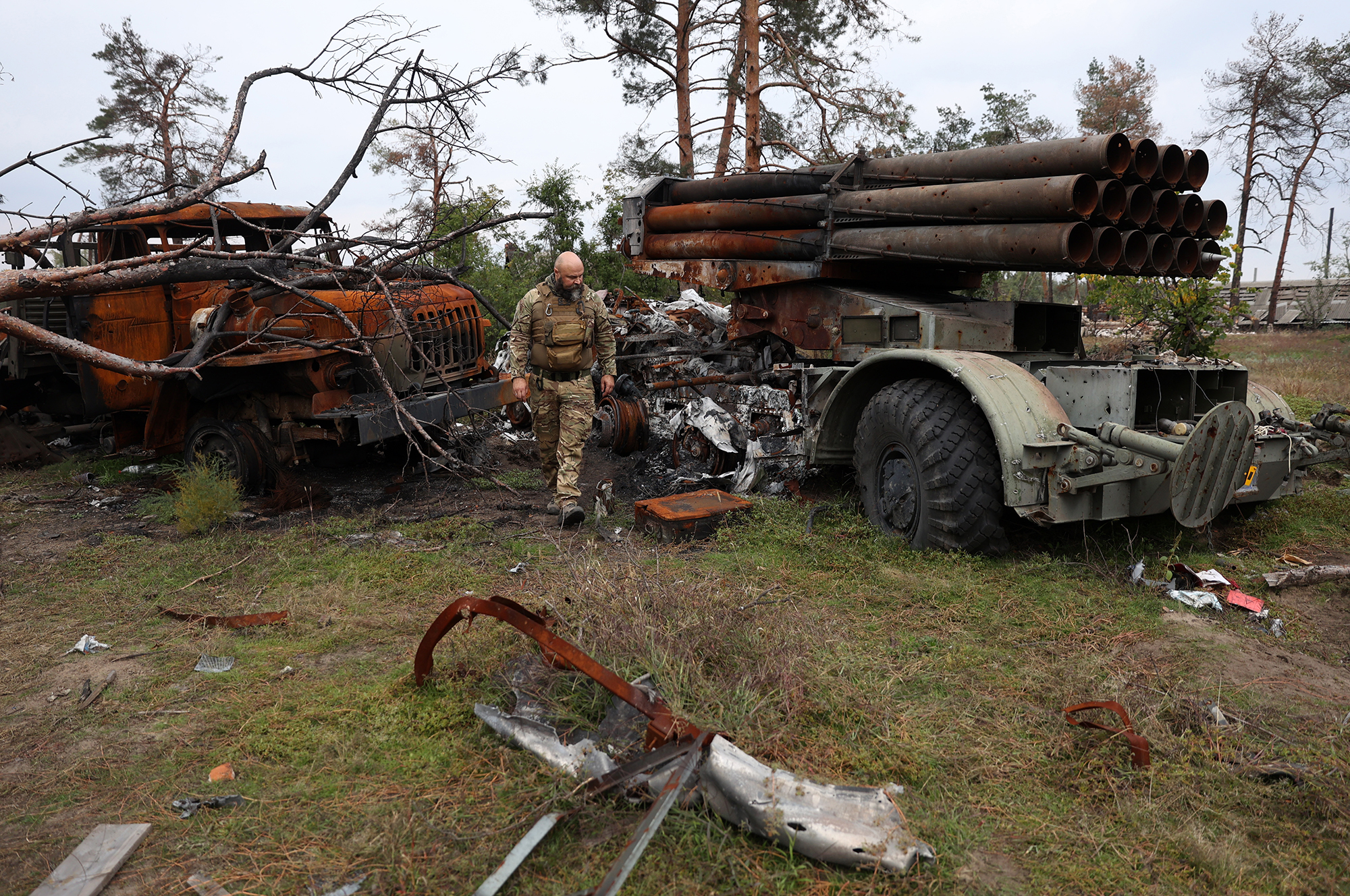
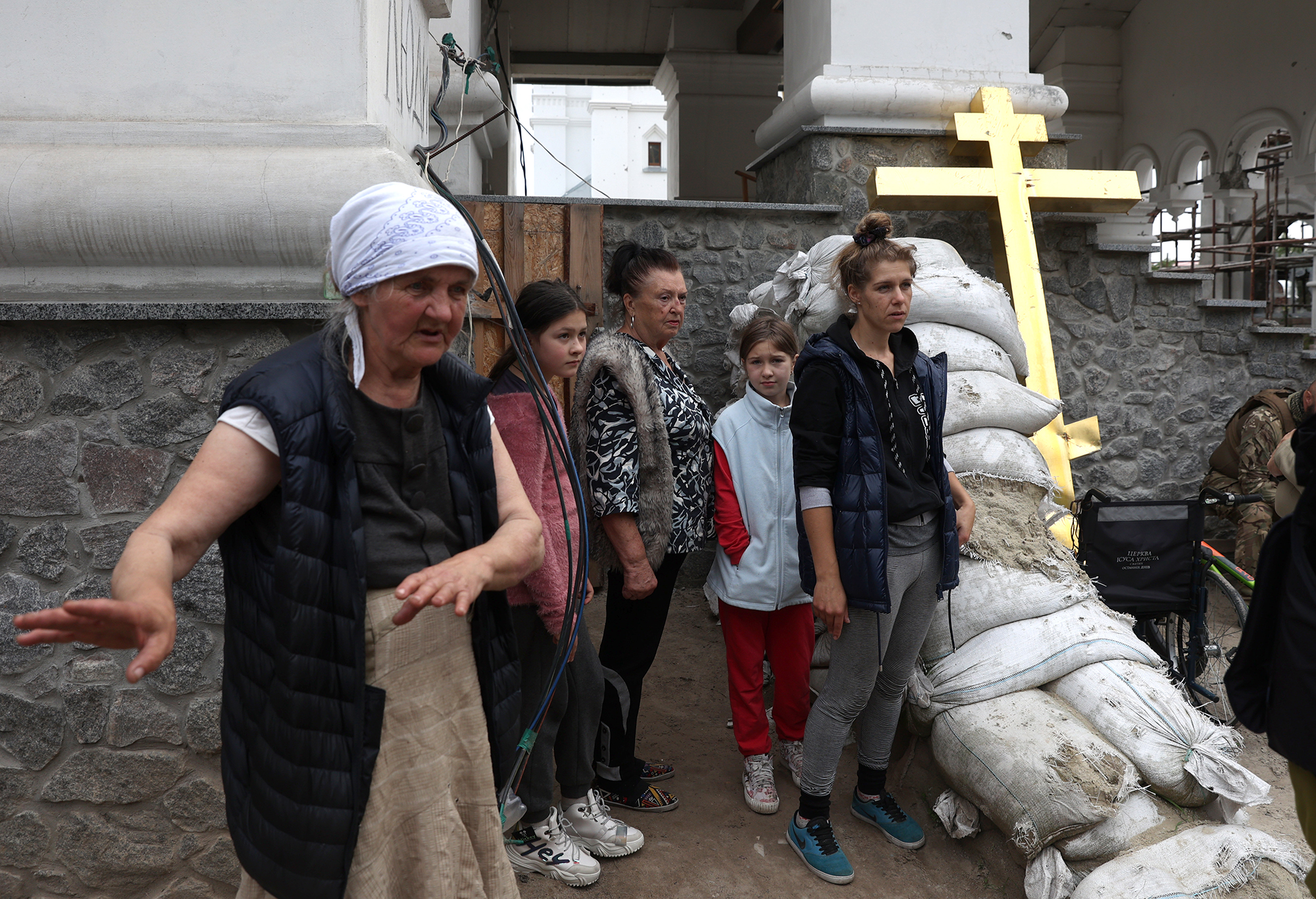
“I remember devastated Svyatohirsk. The Lavra was largely spared from shelling, but the Church of the Intercession of the Holy Virgin at the other end of town took heavy damage. It had sheltered many civilians, and the surrounding streets and yards were filled with burned Russian vehicles. Nearby, the village of Sosnove had a completely ruined train station and destroyed buildings. I was struck by the number of burned Uragan MLRS launcher vehicles in that village. In a single precise strike, Ukrainian forces destroyed an entire Russian rocket artillery brigade there.”
In Izyum
The liberation of territory during the Sloboda operation changed not only the battle map, but also war logistics. For those who had traveled to the front for years, it held a deeply personal dimension. Recalling his first trip along the reclaimed Kramatorsk–Izyum highway, Anatolii Stepanov admits that the feeling of an open road was incredible, despite the horrors surrounding it. The destroyed equipment of the occupiers served as a reminder of the main point: this road was free once more and belonged to Ukraine.
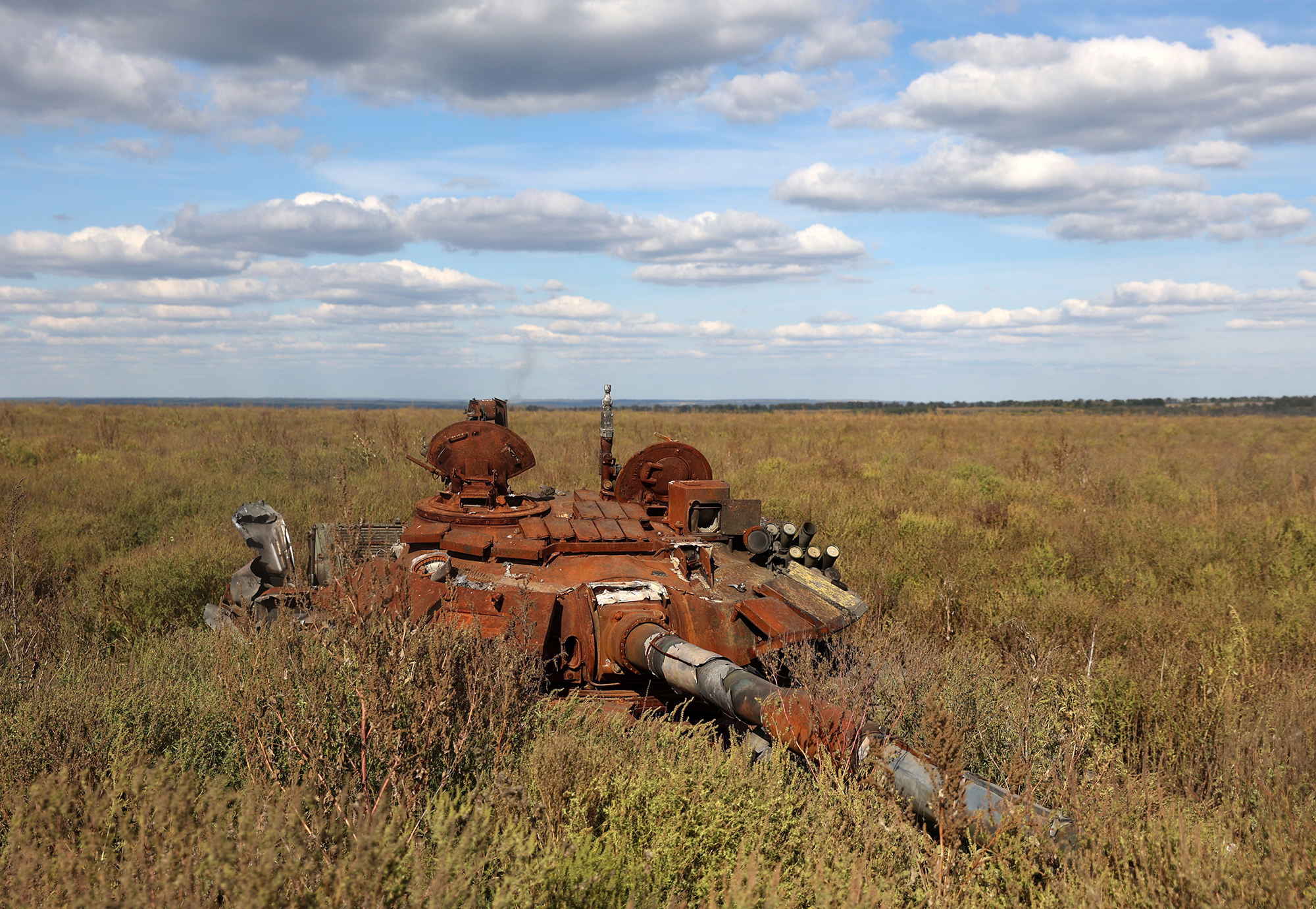
“It was an incredible feeling to drive down the Kramatorsk–Izyum highway again. All that time leading up to the autumn of 2022, I had reached Donbas via Dnipro and Pokrovsk. Now the road to Kharkiv, though still dangerous, was free. Traces of combat were everywhere: burned Russian tanks, armored vehicles. I remember one of those tanks on the road. Rusting metal, streaks of melted aluminum on the asphalt from the road wheels, and a pile of burned bones and ash inside the hull. It is unlikely the Russian tanker's relatives will ever learn his fate. To them, he will remain missing in action forever.”
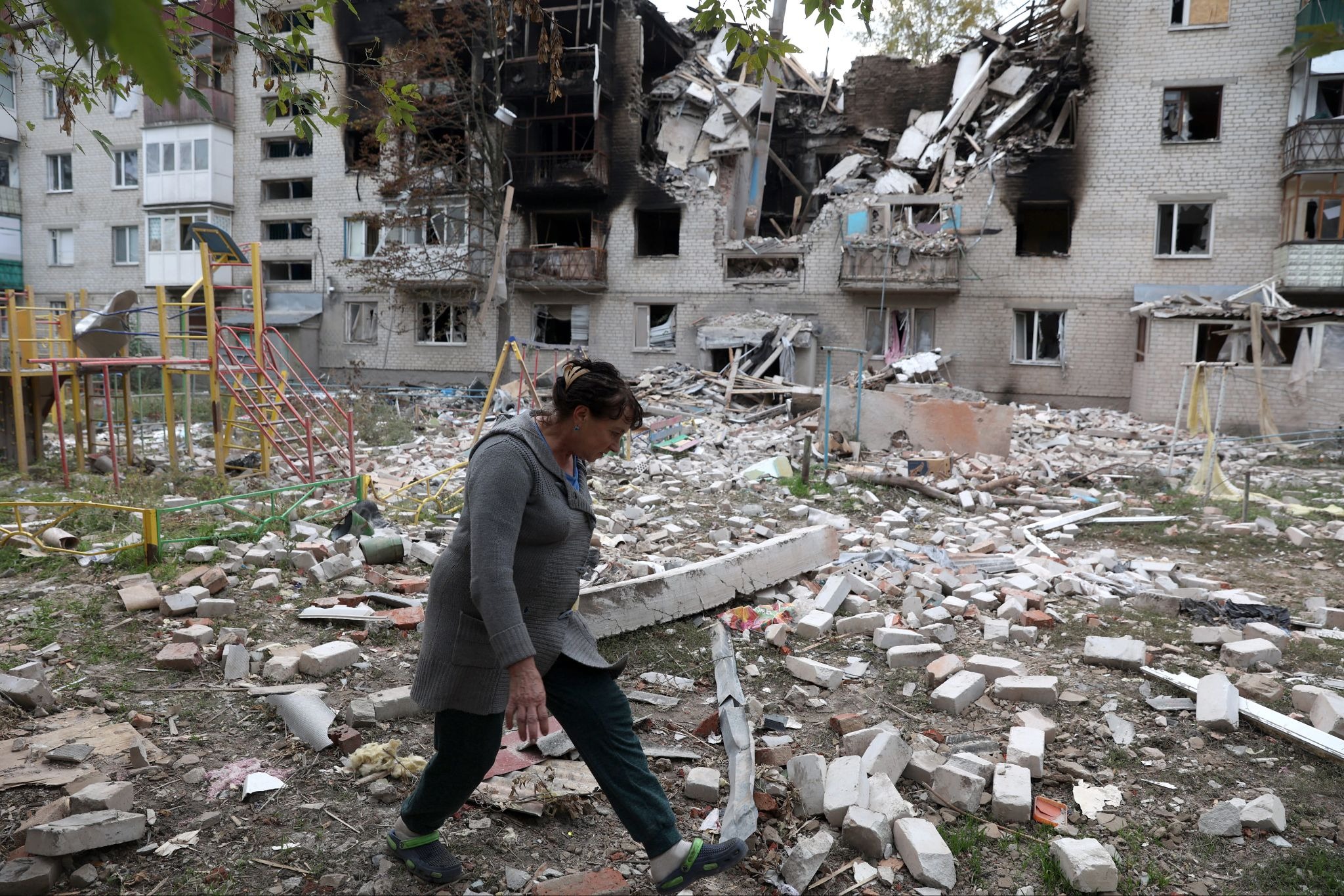
On September 24, Anatolii Stepanov visited heavily shelled Izyum. Despite his extensive experience working on the front lines, under siege, or at missile strike locations, this trip gave the photographer a visceral feeling of immersion into the core of war. Scorched earth stretched out all around, and settlements had been destroyed first by enemy fire, then by fierce battles for liberation.
Izyum was liberated on September 10, 2022, following five months of occupation. The picturesque town along the banks of the Siverskyi Donets River had been turned into complete ruins, with Russian aviation destroying roughly 80 percent of all infrastructure.
“I was deeply struck by the sight of five-story apartment buildings destroyed by Russian airstrikes. I remember news reports from that spring in Kramatorsk—a bus filled with people shot at from an aircraft, a bombed building, accounts from people who managed to escape the artillery hell unleashed by Russian forces in Izyum. Now I was seeing the consequences with my own eyes. Almost daily, I drove past that bus. Icon lamps and photos of residents who perished under the rubble of their building from an airstrike. Photo albums with pictures of children among the ruins, a marriage certificate on a charred windowsill...” Anatolii Stepanov shares these painful memories.
.jpg)
One of the most tragic bombardments of Izyum took place on March 9, 2022, while battles for control of the city were still ongoing. The occupiers dropped an aerial bomb on a residential building, then completed its destruction with direct tank fire. At least 44 civilians died under the rubble, including an entire family of six.
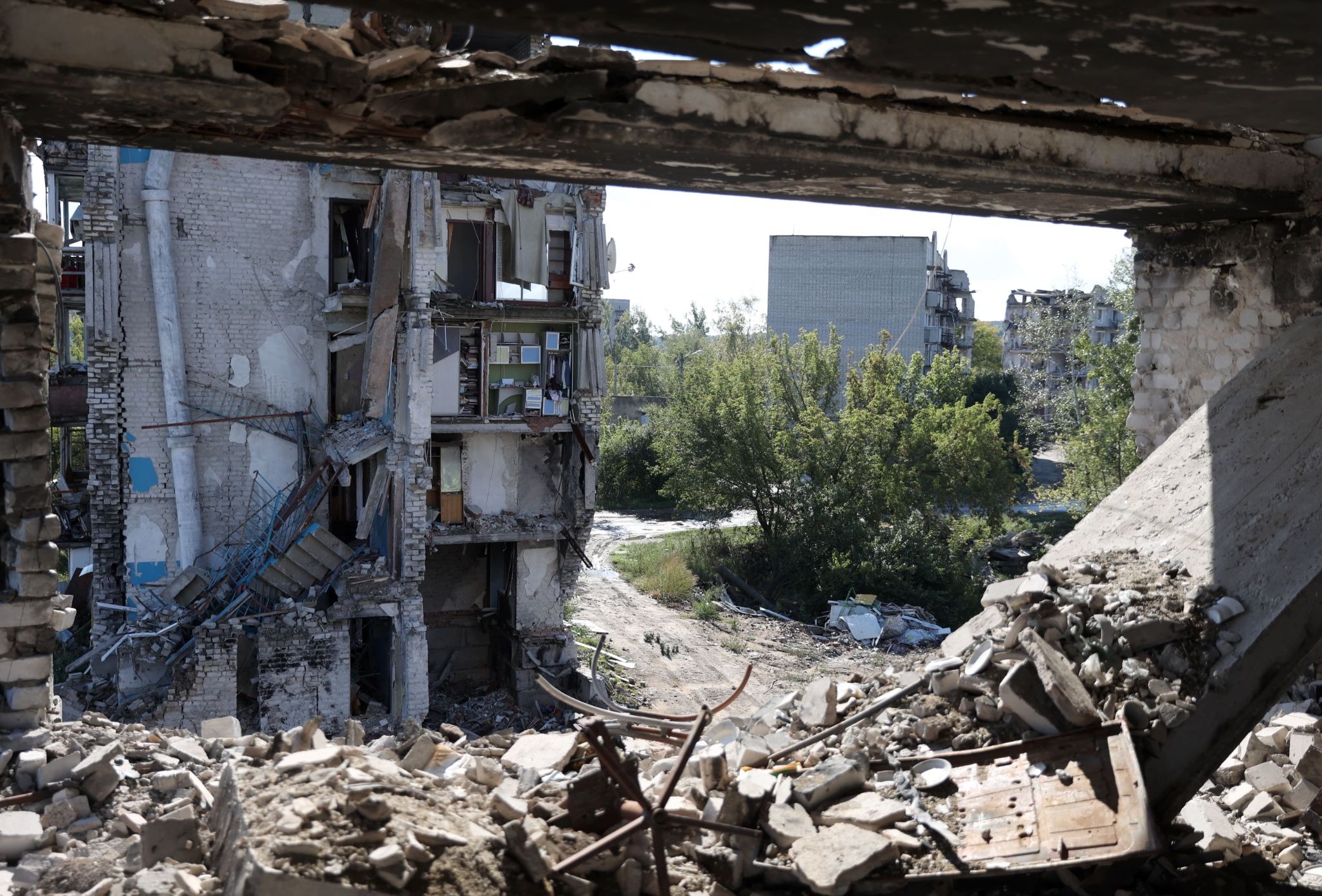
Those who survived the shelling found themselves trapped in occupation. In freezing basements without basic living conditions or medicine, people endured true hardship. This experience left a deep mark on their behavior and mental state, as reflected in one of the photographer's poignant memories:
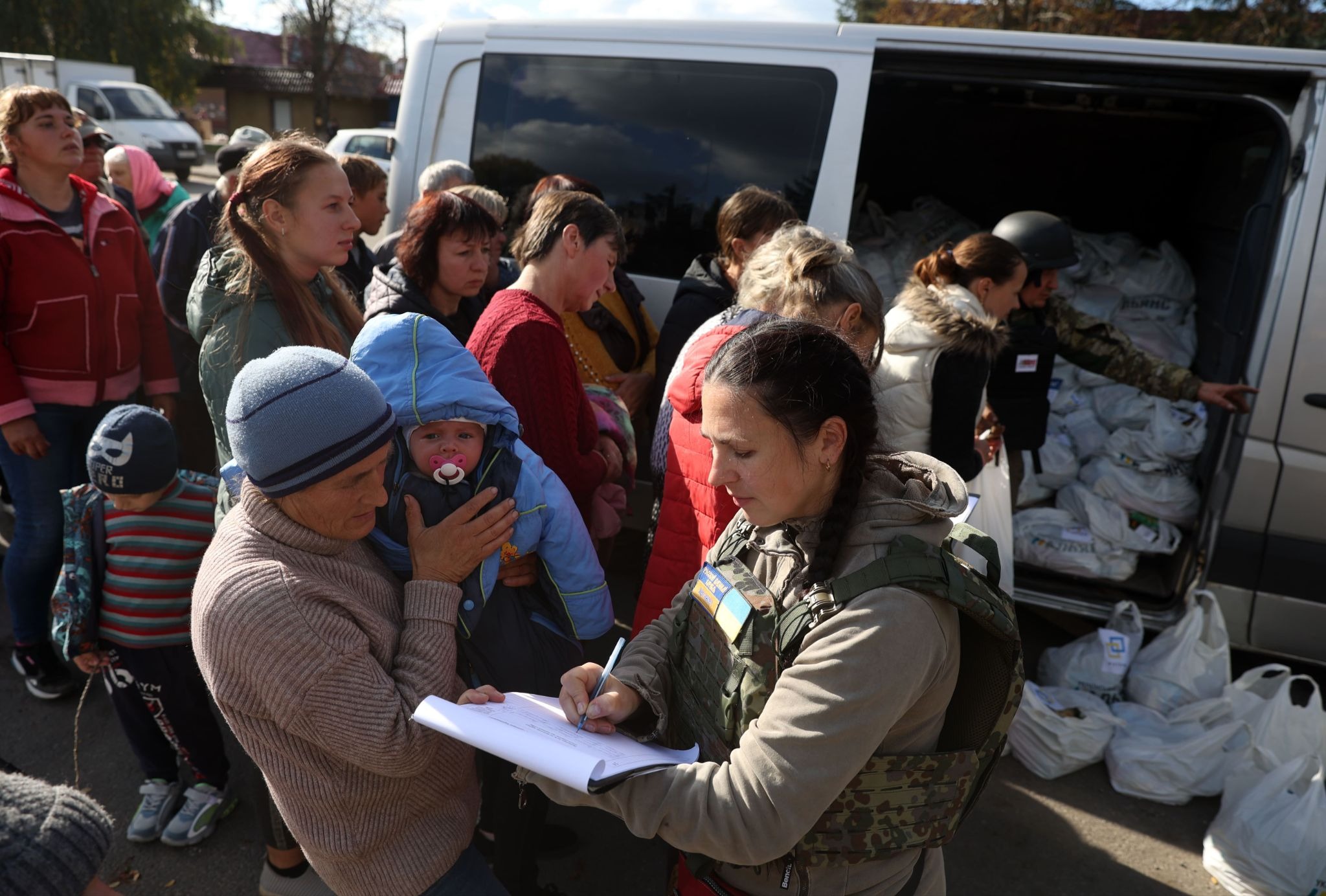
“Volunteers were distributing food on the streets of Izyum. I will never forget a woman with a grey, exhausted face clutching a small pile of beets she had received in the food line. She gently pressed her cheek against them, as if holding something precious...”
.jpg)
Alongside grim scenes of humanitarian disaster, completely different stories unfolded—filled with pride for those who returned the city to Ukraine, and the joyful emotions of the first days of freedom.
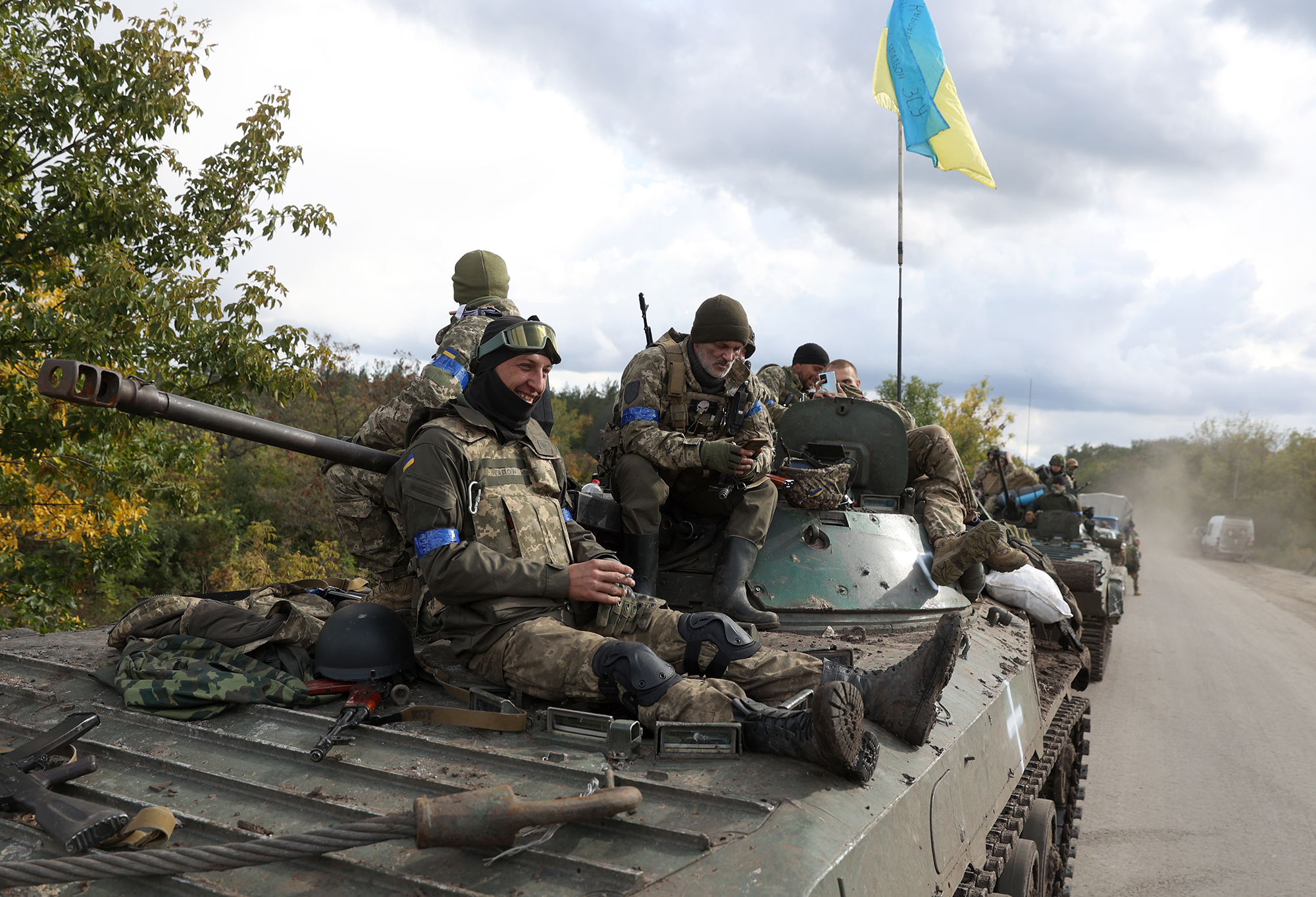
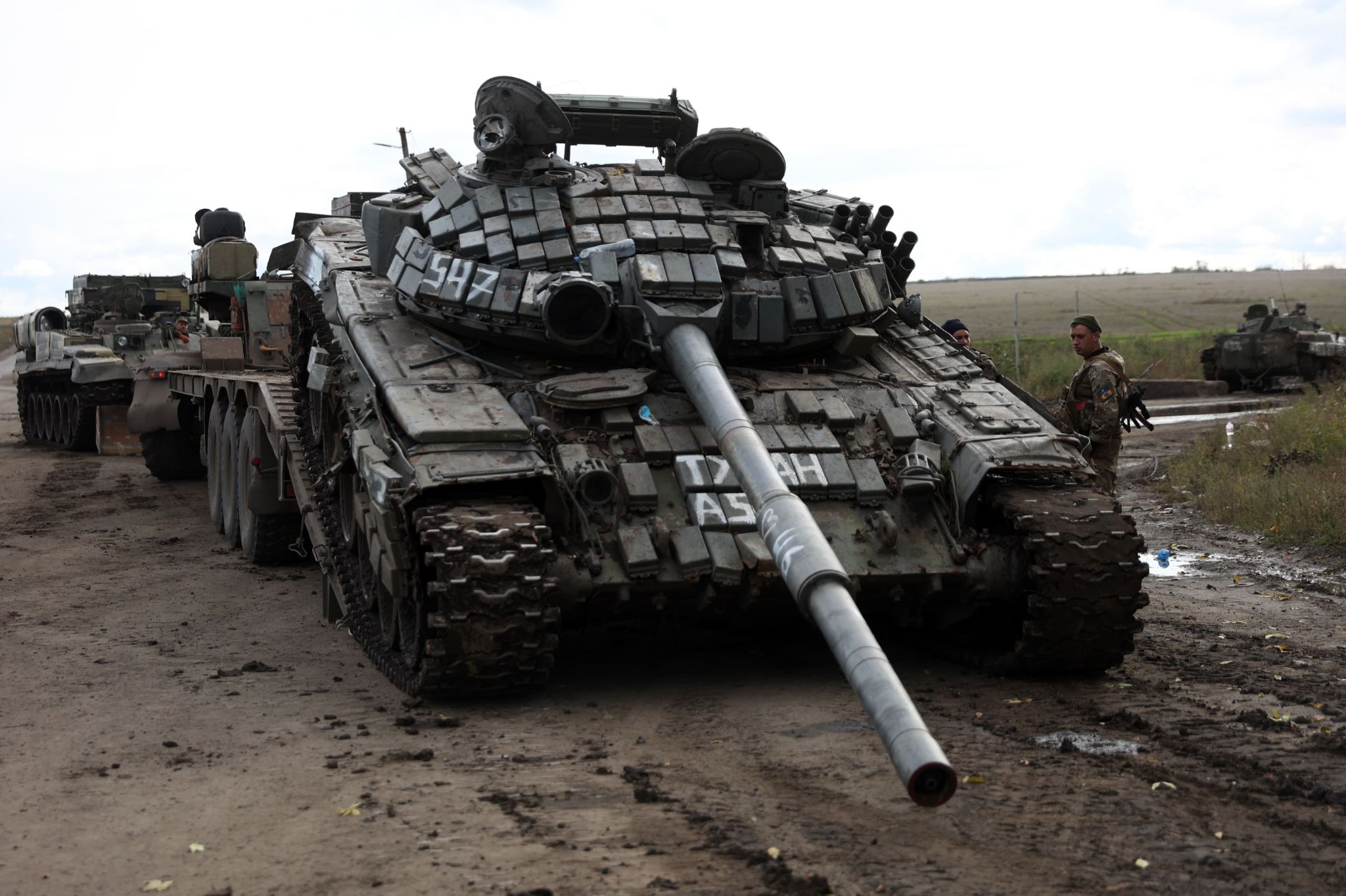
“That same day we met fighters from the Karpatska Sich Battalion who took part in liberating Izyum. The guys were in high spirits. A bit further down at a checkpoint, tankers were loading a captured Russian tank onto a flatbed trailer. The tank looked brand new...” the photographer says, describing the atmosphere of military victory in Izyum.
The Road to Lyman
Lyman is a strategically vital railway hub and community center in eastern Ukraine, referred to before the full-scale invasion as the "gem of Donetsk region." The city experienced occupation twice. Pro-Russian forces first seized Lyman in April 2014, but the Ukrainian Armed Forces liberated it in June of that year. In late May 2022, Russian forces occupied the city again; defenders successfully expelled the invaders on October 1, 2022.
“The city was closed to the press. The administration announced a press tour would be organized, but we couldn't wait any longer and drove to Lyman on our own on October 4,” Anatolii Stepanov admits.
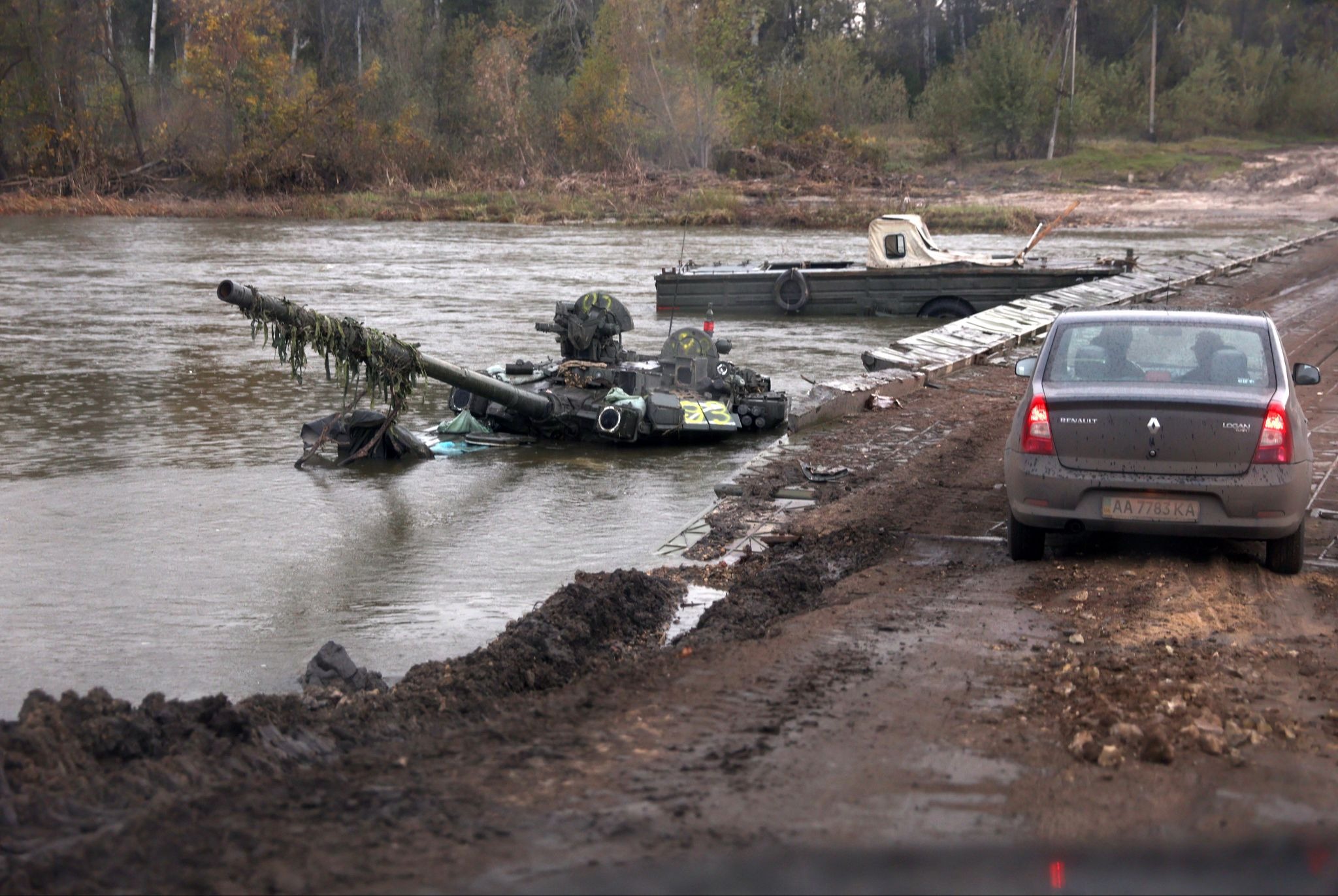
Although the photographer did not make it into Lyman itself, the journey toward the city remained vividly etched in his memory. Anatolii recalls a convoy of vehicles from several television channels departing Izyum along a damaged road. In the village of Oskil near a river crossing, they saw a Russian tank submerged up to its turret in water, essentially supporting a pontoon bridge across the Siverskyi Donets River. Beyond lay completely destroyed Yatskivka, with wreckage of Russian military equipment scattered across yards and roads.
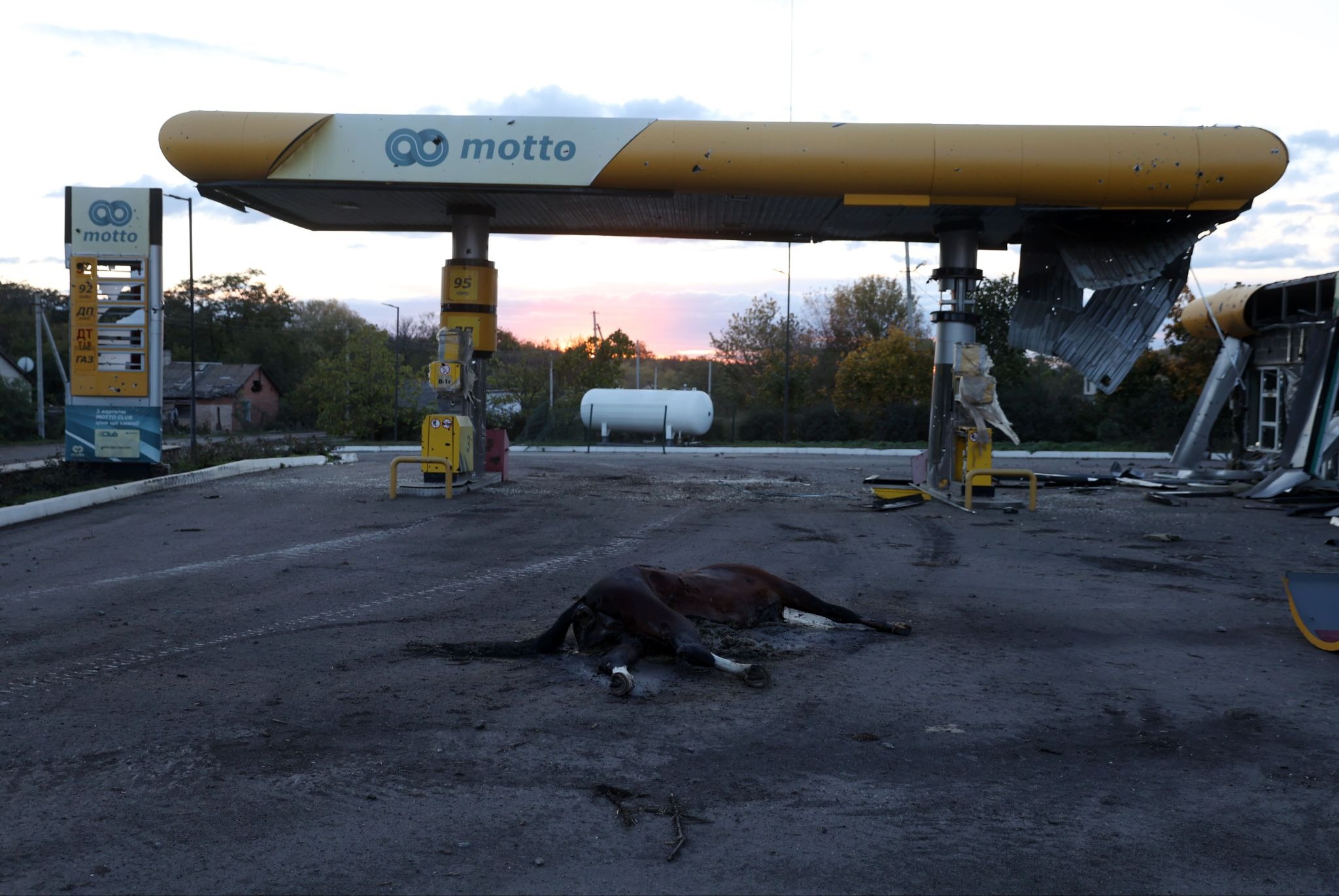
“At a destroyed gas station beyond Yatskivka lay the half-decomposed carcass of a horse. Imagine our surprise when beautiful horses suddenly bounded onto the road past the village. They weren't afraid of cars at all, running excitedly along the road, then ducking into nearby corrals. Neighing loudly, they rolled on their backs in the dust. A man arrived and began pouring corn from a sack onto the ground. The horses happily ate the grain, paying no attention to us. The man turned out to be the owner of a horse farm in the village of Rubtsi,” Anatolii recalls. “His story deeply affected all of us. What the people and animals endured in that village is hard to imagine. Out of twenty-four Orlov Trotter horses, only six survived the shelling and airstrikes. I noticed that all of them carried wounds and shrapnel scars. The farm owner told us Pushilin had come from Donetsk to pick a horse for himself, and several had been sent as gifts to Ramzan Kadyrov. Now they were being prepared for evacuation. Those animals radiated joy and a will to live.”

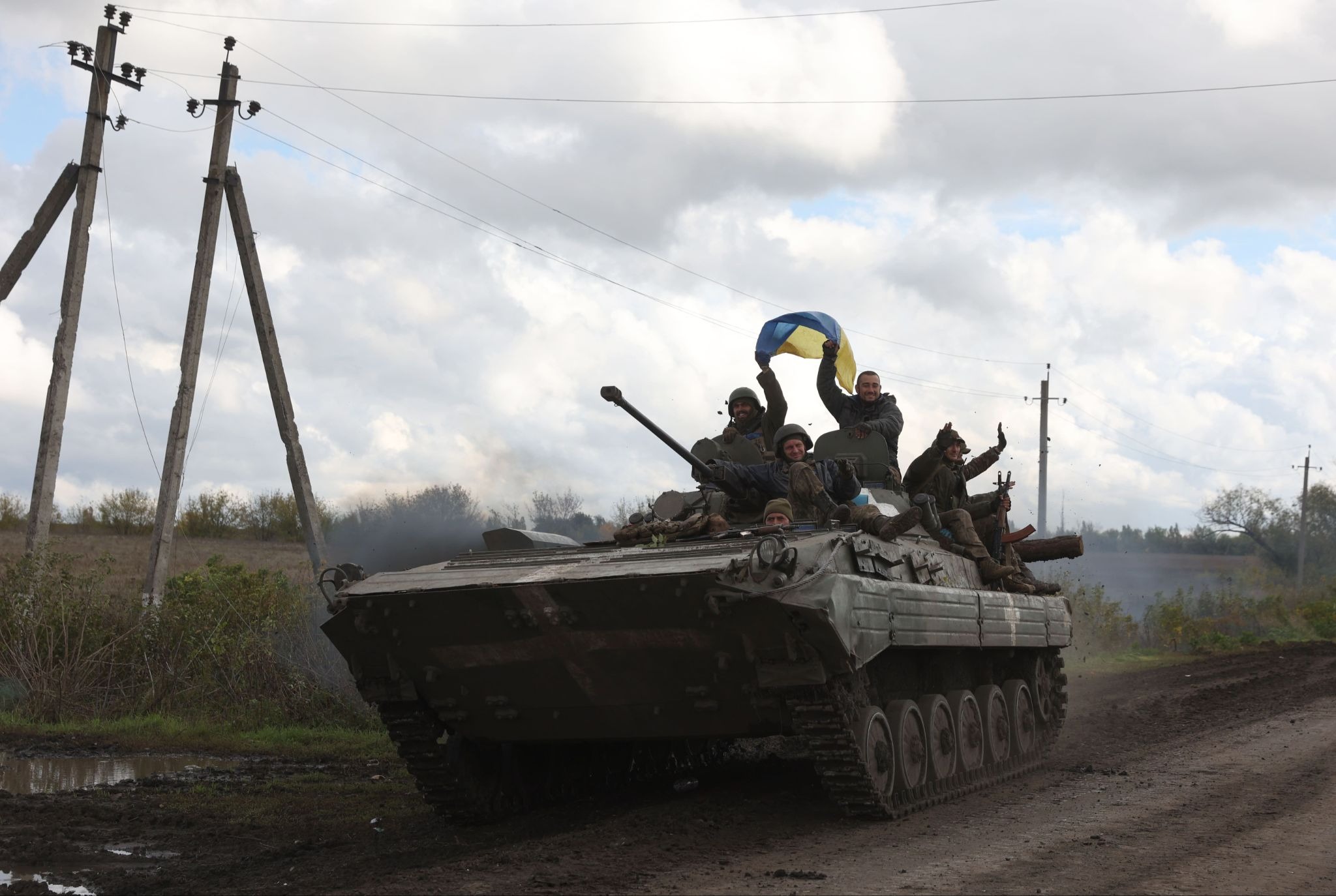
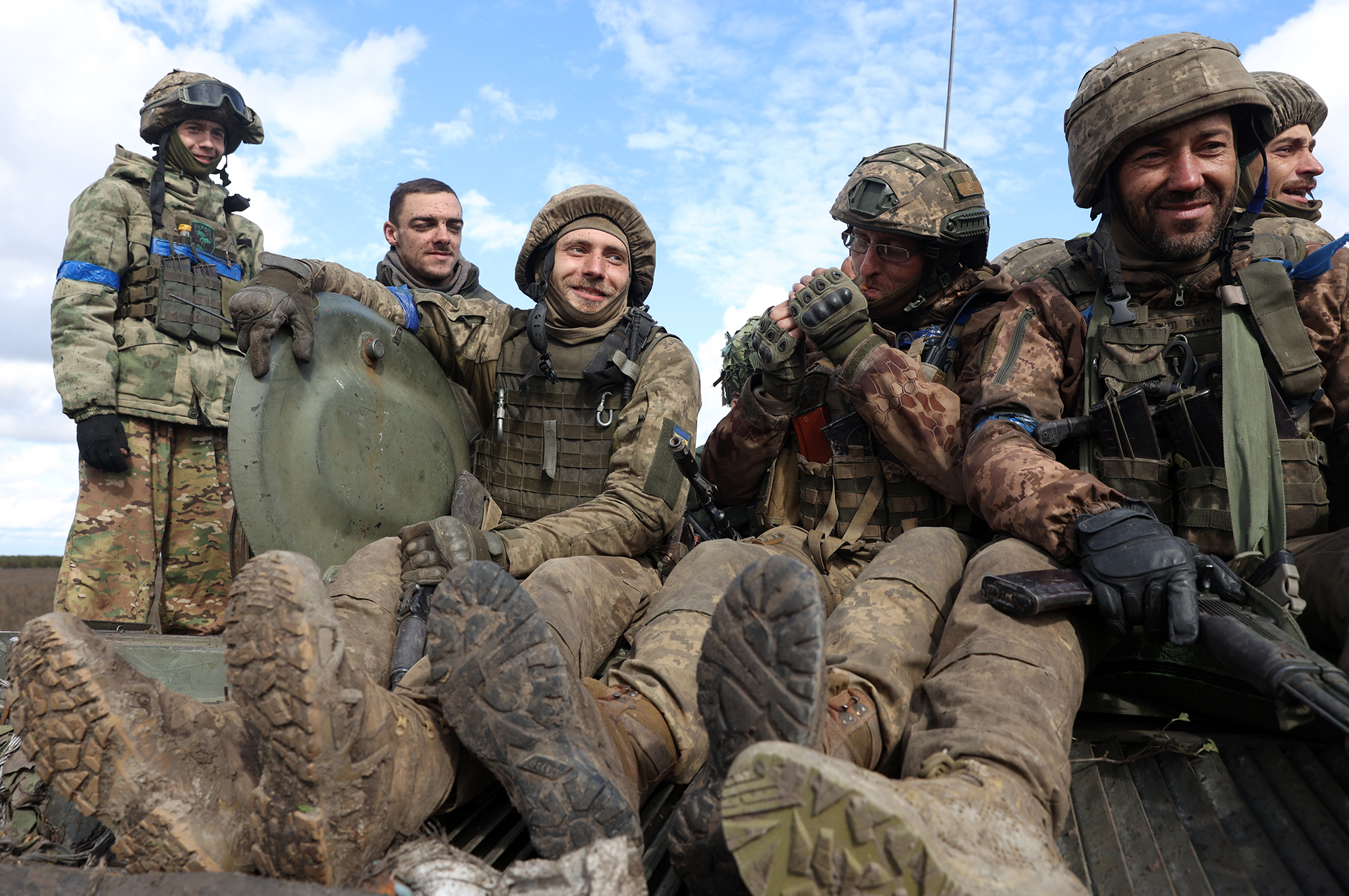
Further on, the route to Lyman passed through the village of Koroviy Yar. Trucks towing captured Russian artillery pieces sped past Stepanov and his colleagues one after another. On nearby hillsides, local residents stood holding their phones high, hoping to catch a cellular signal. It was here that a column of paratroopers from the 25th Brigade suddenly rounded a bend—the soldiers were returning after the assault on Lyman. As soon as the journalists stepped out of their vehicles, the military column came to a halt.
“For the first time since the full-scale invasion began, I saw such happy faces on soldiers. Exhausted, covered in grime and dirt, but incredibly joyful. Their eyes were glowing, and smiles lit up their faces. Some were smoking, others eating candy. We talked with the soldiers and didn't want to let them go. When the column moved on, the soldiers waved Ukrainian flags,” Anatolii Stepanov reflects.
The road to Lyman continued past a demolished river crossing near Shandryholove and a completely destroyed village where local residents wandered the streets like ghosts. A ransacked shop was all that remained of former life there: amid piles of empty vodka bottles on the counters lay dirt and waste. In Drobysheve, Ukrainian forces were clearing houses left by occupiers, leaving roadside ditches cluttered with abandoned gear. In the forest on the approaches to Lyman itself, a destroyed column of Russian military vehicles sat motionless on the road.
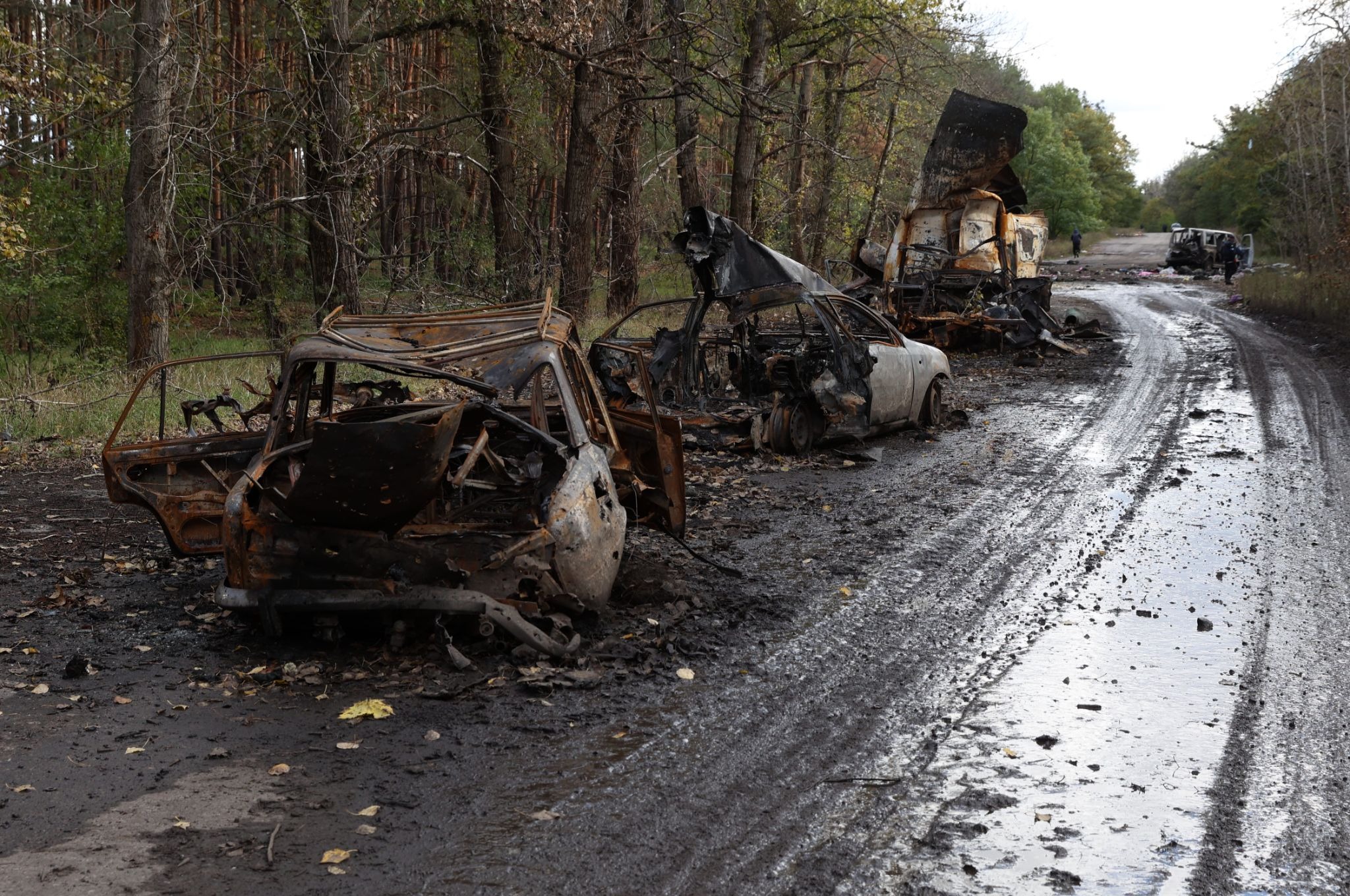
“They were fleeing in vans and cars and were ruthlessly destroyed right on the road. Police units were working here, and emergency responders were checking for remaining explosives. Mutilated bodies of Russian soldiers still lay nearby... We had to exit our cars and take cover behind an armored vehicle during a controlled detonation of anti-tank mines discovered by sappers,” the photographer shares.
A short drive later, the journalists arrived at a checkpoint at the entrance to Lyman. However, their journey ended right at the checkpoint—personnel firmly refused them entry. The press tour was scheduled for October 11, but according to Anatolii, traveling there then no longer made sense, so the journalists turned back:
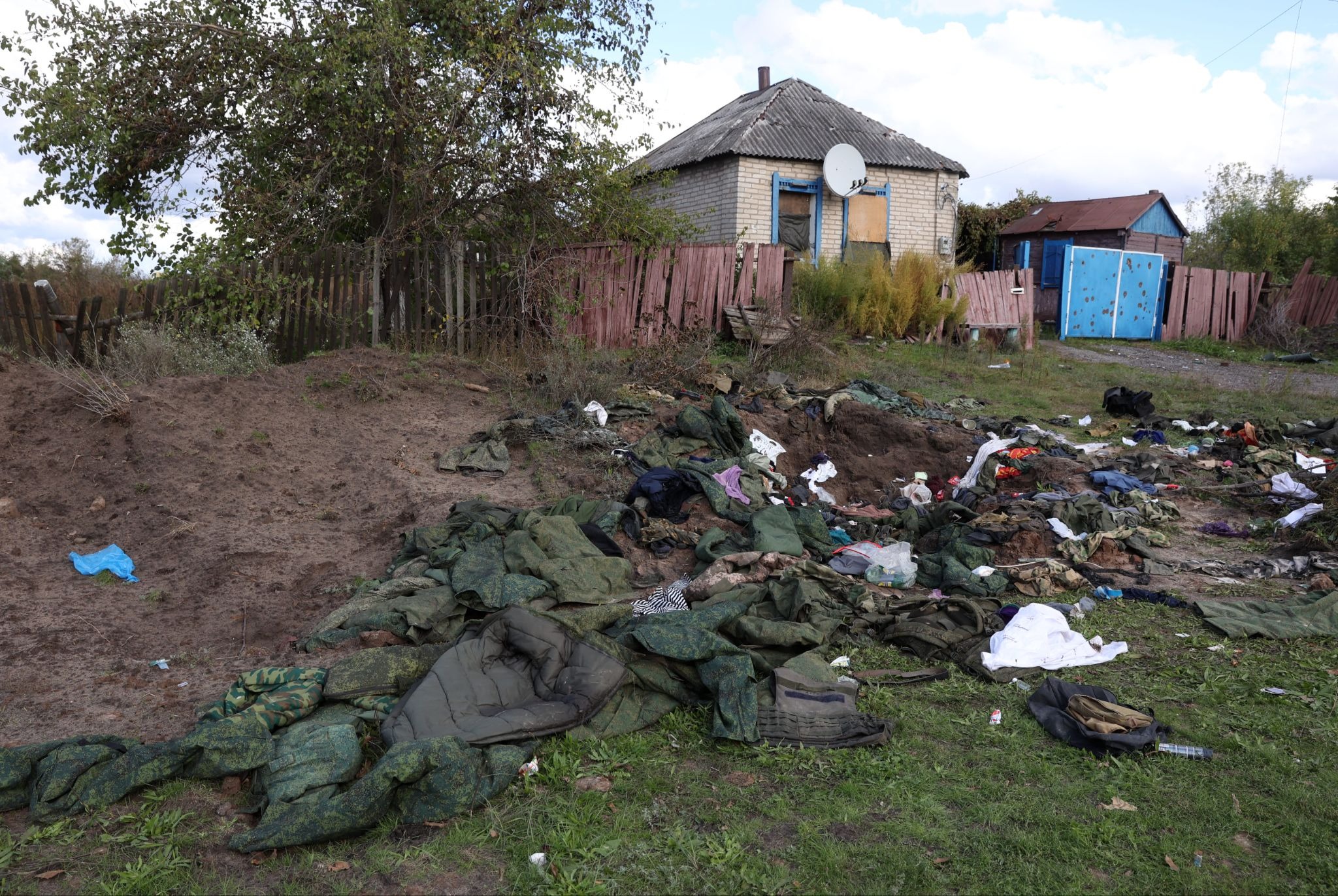
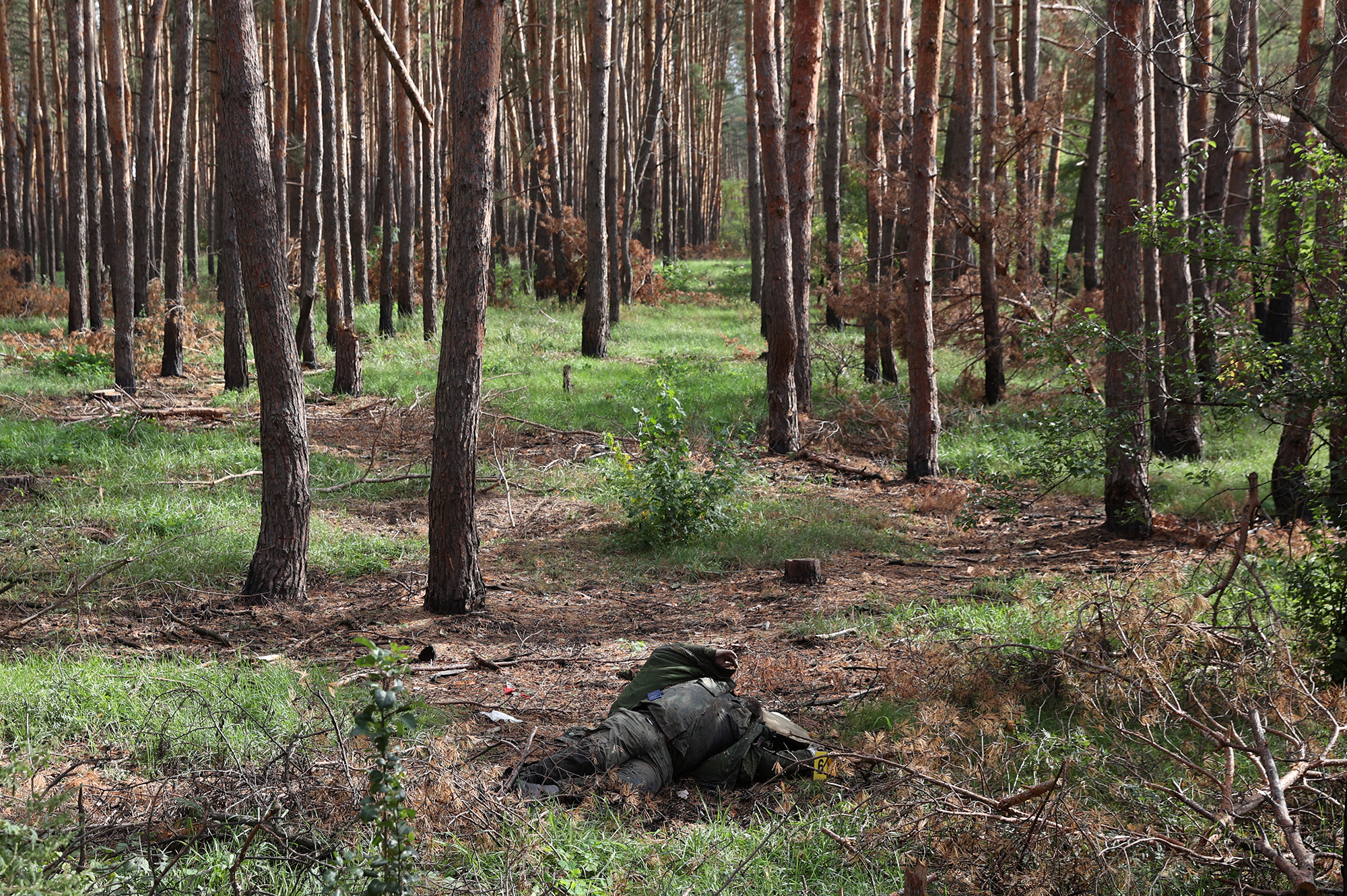
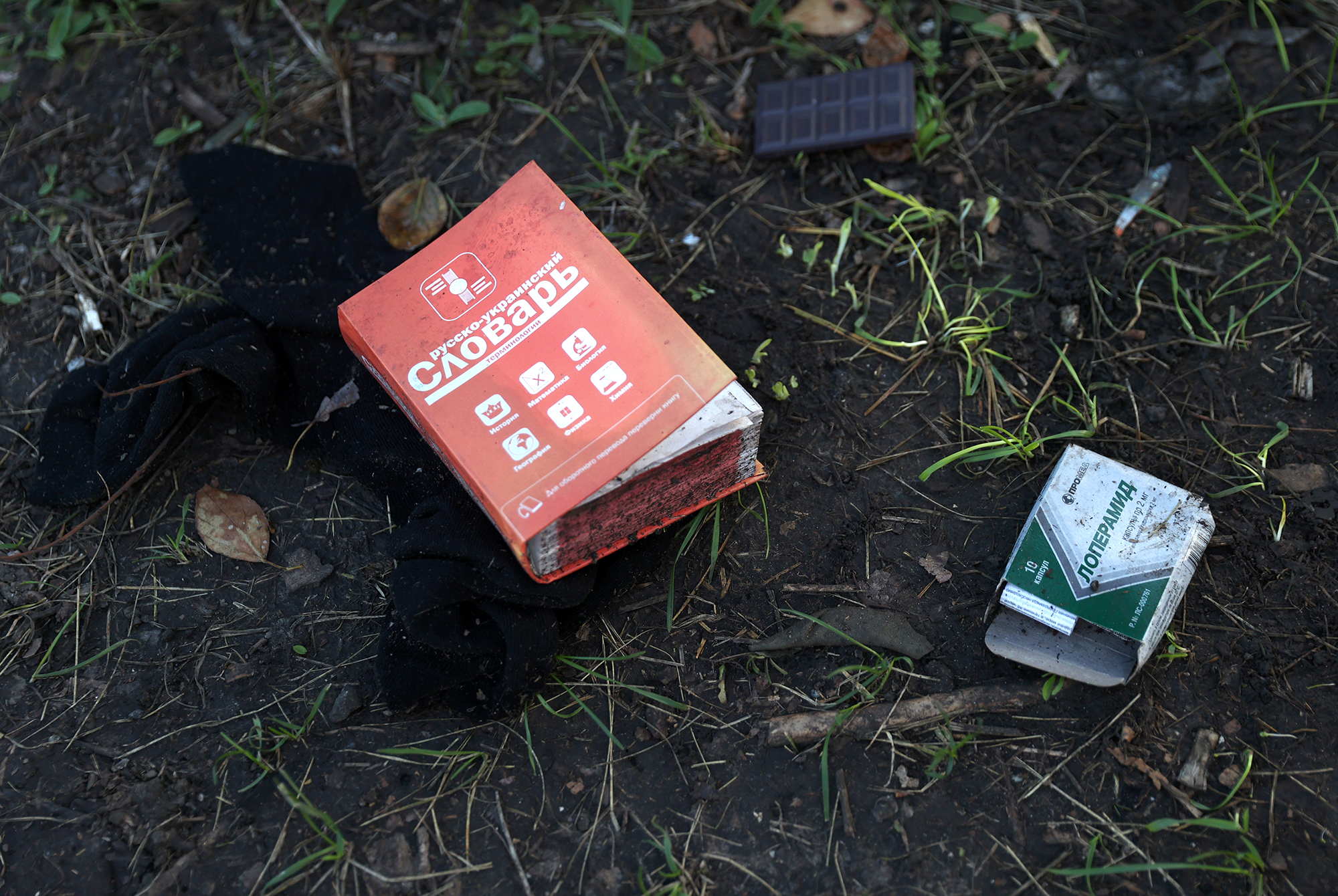
“On the way back, we walked along the roadside past Shandryholove, examining abandoned Russian positions. The pace of the offensive was so fast that the Russians had no time to build serious fortifications. Scattered belongings lay among shallow trenches, and the smell of decay drifted from a nearby treeline.”
Through Borova
The settlement of Borova is located on the left bank of the Oskil River in the Kharkiv region. Borova remained under Russian occupation for nearly six months—from April 13 through early October. The first videos featuring Ukrainian defenders in the village appeared on October 3, and on October 6, Defense Intelligence officially announced its liberation, after which the first humanitarian convoy arrived in the community. Borova became the last major settlement liberated during the counteroffensive in the Kharkiv region.
“On October 7, the central square of Borova was buzzing with a large crowd. Volunteers from Kharkiv brought entire truckloads of food, and residents who survived the occupation formed queues near the vehicles,” Anatolii Stepanov recalls.
Since the bridge toward Kupiansk was destroyed, Anatolii and his colleagues headed further east. As they moved away from the settlement, traces of heavy combat became increasingly visible: churned-up roadsides, rusted metal remains of equipment, and discarded gear. Artillery fire ahead did not alarm the journalists until several shells landed in a field about a kilometer away. A road turning off to the right appeared safer, so they took it.
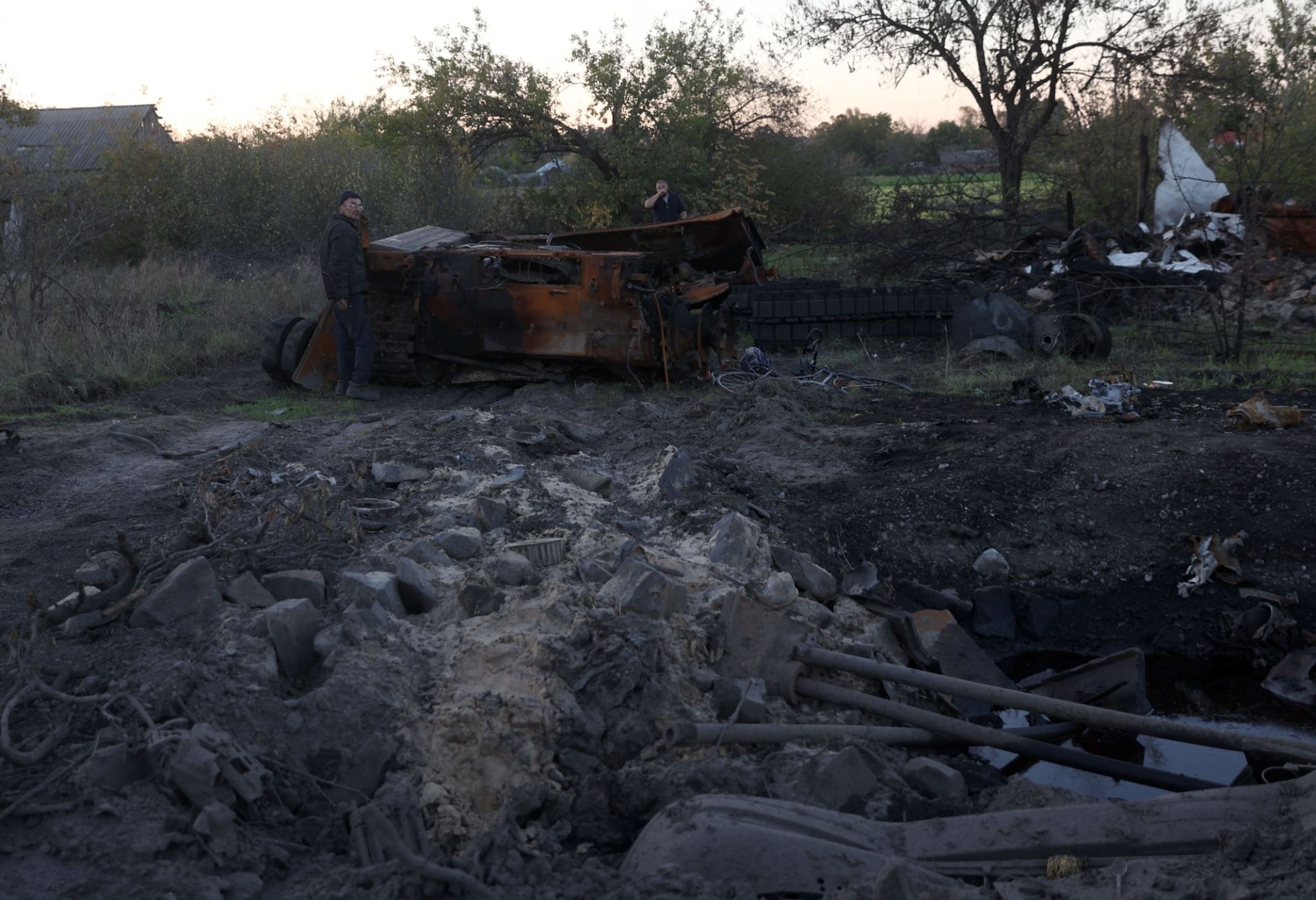
“A cluster of destroyed equipment in a treeline drew our attention: a BTR, an MTLB, and a scorched heap of rusted iron that was once a tank. A bit further in the field lay road wheels blown off by an explosion, and a foul smell of burnt fat drifted from the tank itself...” the photojournalist describes.
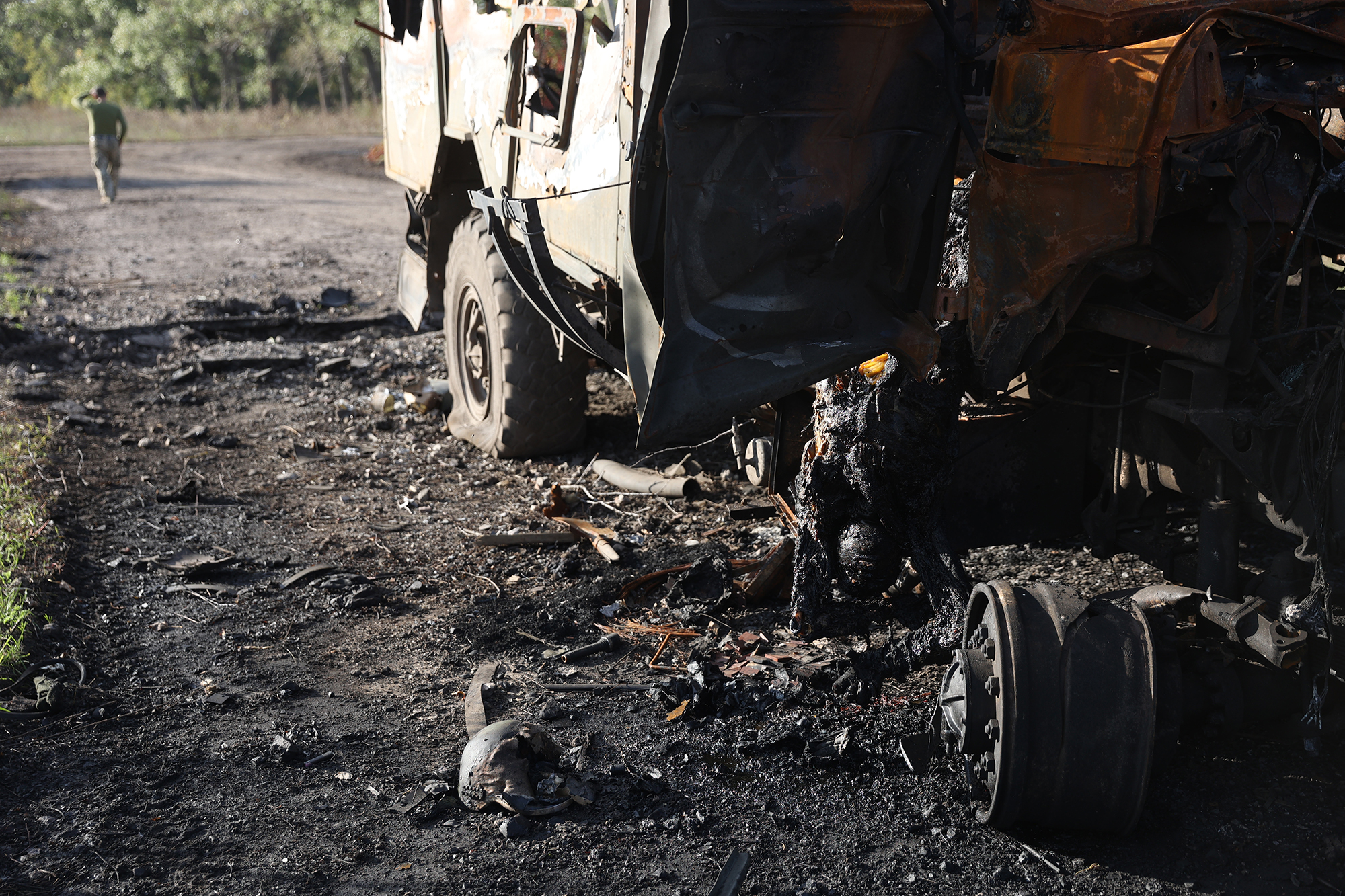
Near the village of Izyumske, the road proved challenging: while steering around a burned Russian box truck surrounded by anti-tank mines, the journalists punctured a rear tire on a sharp shell fragment.
“Driving those roads without a jack was a bad idea... Fortunately, a local resident helped us out, and while changing the tire, I walked over to the box truck. The stench of burnt flesh returned. Swarms of flies hovered over a shapeless dark mass inside the cargo body. The charred body of a second Russian soldier hung upside down from the open cabin door, above a slick pool glistening in the evening sun,” Anatolii Stepanov says.
Artillery fire echoed from the direction of Makiivka. A civilian car sped past along the shoulder, followed by an M113 towing a captured BTR. Ukrainian soldiers stopped briefly, gazing indifferently at the remnants of the truck and its occupants before driving on. The village of Makiivka in Luhansk region was liberated in early November 2022, marking the final stage of de-occupation during the counteroffensive. Anatolii and his colleagues decided not to push further and returned to Kramatorsk. According to the photographer, death felt commonplace along those post-offensive roads.
Traces of Occupation
Following the liberation of settlements in Kharkiv and Donetsk regions, terrifying consequences of Russian occupation were uncovered. On the outskirts of Lyman, investigators found numerous informal graves and two mass burial sites. In a forest near Izyum, a mass burial site containing 449 bodies was discovered alongside graves marked with wooden crosses and numbers. Most civilians, children, and Ukrainian soldiers buried there died from airstrikes, artillery fire, and landmines. However, numerous bodies also bore clear signs of torture. Among the exhumed remains was children's writer Volodymyr Vakulenko, who was shot in the spring of 2022.
Anatolii Stepanov recounts an Izyum resident's story detailing inhuman conditions and violence committed by Russian forces:
“One September day in Izyum, we met a local man. He offered to show us mass burial sites at a different cemetery. The burials at the cemetery near the city entrance from Kharkiv had drawn major attention, but were already covered by the media. So we searched for similar locations elsewhere. The man showed us another cemetery, though mass graves weren't present there. What truly shocked me was his candidness about living under occupation—how he and his wife struggled to survive alongside Russian soldiers who assaulted his wife under threat of killing them both...”
Liberated towns revealed more than destruction and mass graves. In Svyatohirsk, Lyman, and Izyum, occupiers left behind a network of torture chambers. Set up in police stations, schools, kindergartens, boarding houses, and churches, these facilities subjected both civilians and prisoners of war to systematic abuse.
Anatolii Stepanov witnessed evidence of Russian war crimes across the towns and villages he visited, where local residents openly shared their experiences.
“By October, I traveled extensively through liberated villages where the Kharkiv and Donetsk regions meet. In the village of Rubtsi, one property caught my eye—or rather, what was left of it: a massive crater from an aerial bomb surrounded by debris. An elderly man approached and invited me into his yard. He and his family lived in an outdoor kitchen, while the house itself was reduced to charred walls. The man recounted the day Russian troops arrived and described his conversations with them. Later that night, one of the soldiers entered the yard, broke a windowpane with an automatic rifle barrel, and fired tracer rounds into a sofa inside. The owner happened to be sleeping in a different room, so no one was on the sofa, but the house caught fire and burned down,” Anatolii Stepanov shares another vivid memory.
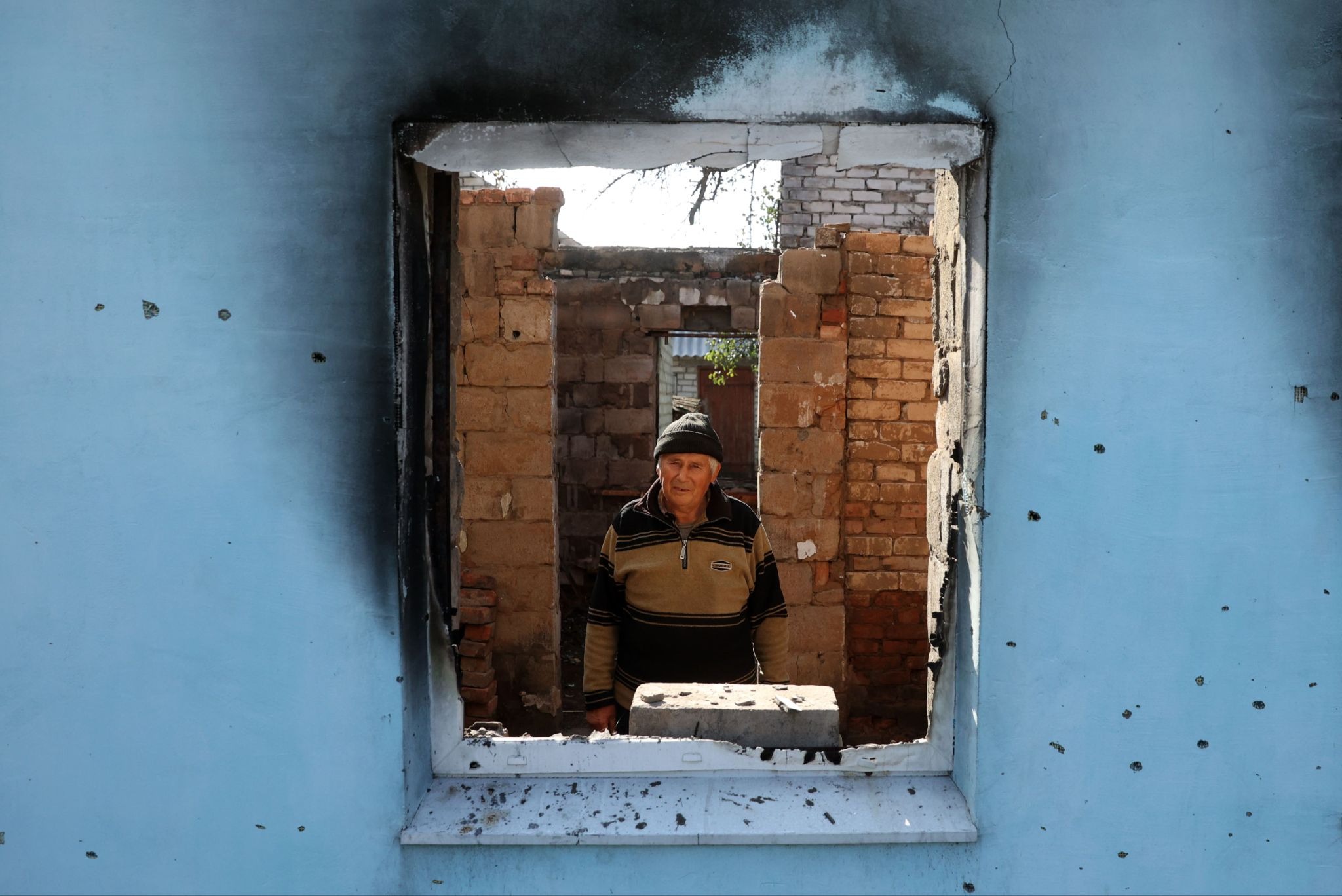
Reflecting on those events, Anatolii notes that amidst the destruction and fierce fighting, he witnessed something fundamental—the resilient spirit of people reclaiming their land:
“I consider October 4 a gift of fate. Those shrapnel-scarred horses filled with a drive to live, the paratroopers coming out of fierce assaults glowing with joy and quiet composure—even as some carried grief for fallen comrades. Those days in October inspired us and offered hope.”
Anatolii Stepanov is a Ukrainian photographer born and raised in Kyiv, educated as an engineer. In 2004, he graduated from the Victor Marushchenko School of Photography and has since worked as a professional photojournalist for various Ukrainian outlets and international agencies. His work has appeared in National Geographic, Spiegel, Stern, Time, and numerous other international publications, and he has participated in international photo exhibitions.
In November 2017, he presented a report on his front-line work during the RAW photo book launch at the Ukrainian Museum in New York. His project "Independents," dedicated to Ukrainian youth fighting for their country, is featured in an online exhibition at the Ukrainian National Museum in Chicago. Anatolii Stepanov has covered Russian aggression against Ukraine since the first days of 2014.
Photographer's social networks: Instagram, Facebook.
Project Team:
Researcher, Author: Yana Yevmenova
Picture Editor: Marusya Maruzhenko
Copy Editor: Yulia Futey
.jpg)
.jpg)