
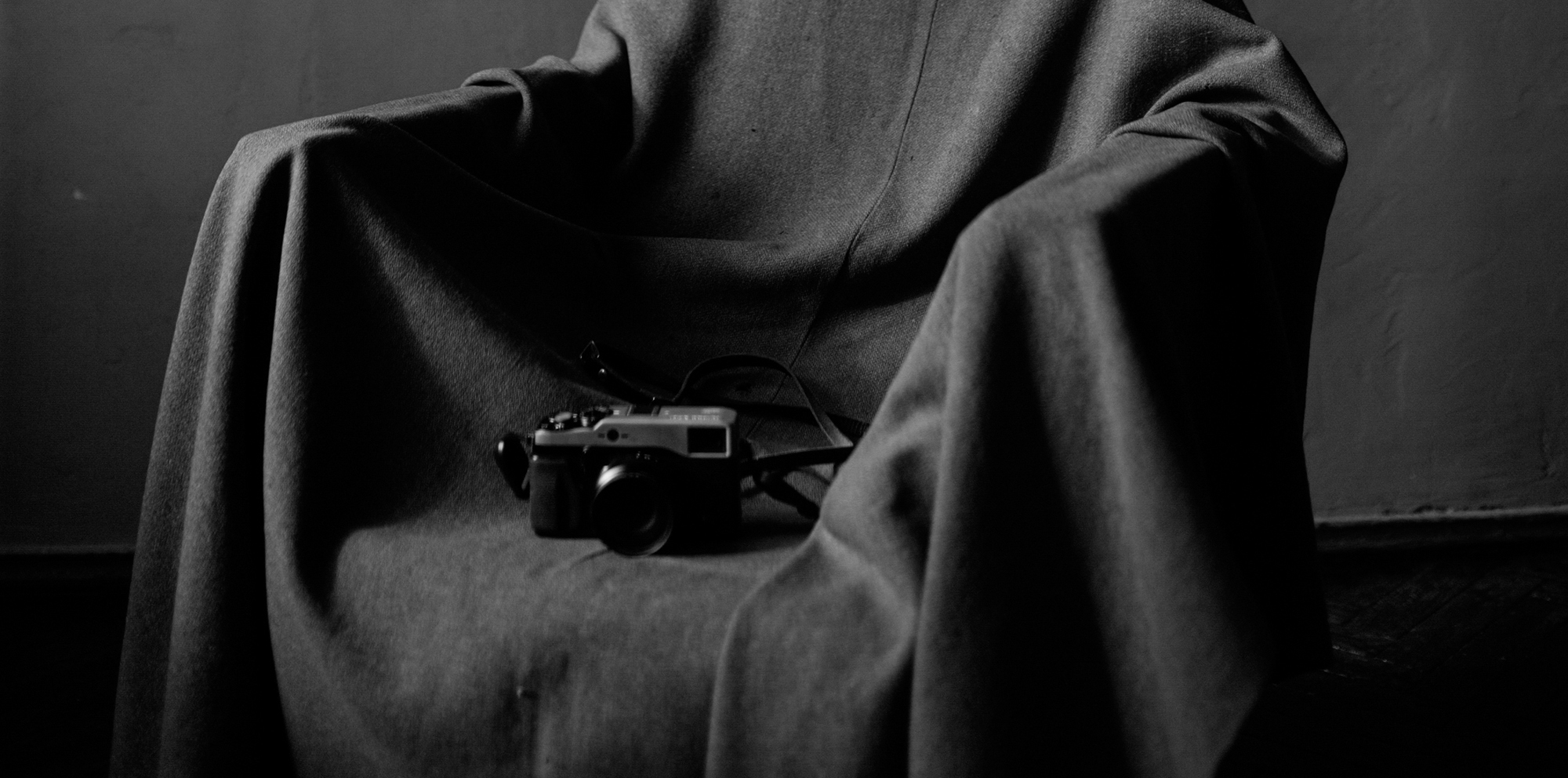
What if the entire archive of humanity is a catalog of the ephemeral
This chair was occupied by our late colleague—documentary photographer and serviceman Kostiantyn Huzenko. The entire series of his portraits, compiled by another photographer, Ihor Yefimov, seems like a farewell, becoming a continuous narrative of something inevitable, something we still cannot bear—which makes the pain even deeper.
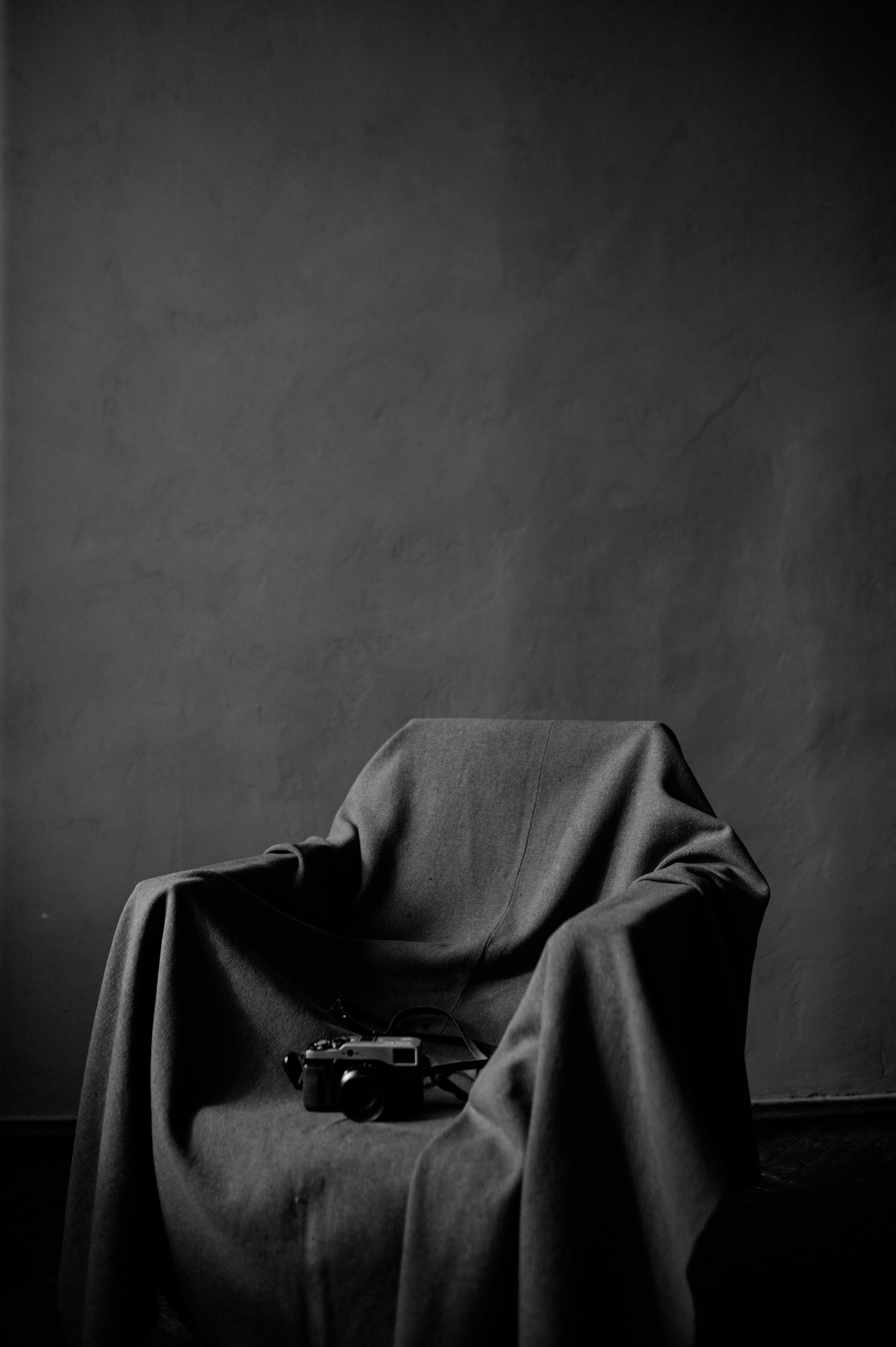
The entire history of our lives is an accumulation of losses. And in this sense, the entire archive (photos, texts, music, and so much more) of humanity is a catalog—or, if you will, a collection of what is lost and ephemeral, given to all of us.
In the gentle word "history," we often sense, upon pronunciation, the feeling of the past, but also a path forward. Yet, looking closer, we see that this is a history of destructions from which we have not turned away. We did not want this collection from the past, yet we have it and carry it—as if in disagreement with the past’s finitude, its conclusiveness.
A documentarian is a chronicler of entropy, because everything that enters the document has already ended. Any documentation, in this case, is an acknowledgment of loss. Lifting the pen from the paper, lowering the camera after a shot, we acknowledge that this moment has already vanished.
Here, the understanding of this finitude and the movement toward a merciless end is close to me — in the reflections of the German writer W.G. Sebald, in his melancholic, brilliant workThe Rings of Saturn, where ruin is present in everything: in perfect architecture, cherished landscapes, a masterful book. Time is a sea that washes us away. The shadow of oblivion trails all of us, and only curiosity, self-dedication, and keen observation of the world, to capture all its most important moments even by the edge, is some form of resistance. A rebellion against entropy that will never escalate into a revolution.**
Sontag wrote that photographs are a way to domesticate horror. And, I think, to make it recognizable.
Today, any moment can be the last. This terriblefuneral seasonarrives one day—and never ends. Our colleagues give their lives, agreeing in a way to trade the world and life for eyes, to see and to show. To bear witness. This is perhaps the most worthy form of love for life itself.
Photo: Ihor Yefimov
Text: Vira Kuryko










.jpg)


