Photographer Ira Lupu spoke about why, visually, photographing war operates within a fairly limited register, yet photography still remains her favorite medium; why it is worth taking on seemingly obvious topics at first glance; and how to look for depth within them.
“I like working with symbolic, sometimes metaphorical things that, at first glance, are not very depictable in a photograph”
I became interested in photography quite early. It was an inner calling — no one around me was shooting. At 16, I went to Viktor Marushchenko’s School of Photography. He opened his first experimental “studio” in Odesa, where I lived then, and it was something special. I brought Marushchenko my photographs — with deliberately broken composition, crooked angles, and lots of portraits of my friend Maks Chaika from beach parties and nationalist marches. There were several technically skilled people in the group, and I was very surprised then why Viktor paid attention specifically to my photographs and unexpectedly singled me out from everyone. Now, many years later, I understand why: instead of “how it should be,” there was a lot of visual searching in them.
However, my boyfriend at the time assured me that doing photography was shameful, and for many years I worked as a cultural journalist and editor. I often came up with art and media projects, invited photographers to participate, and whispered to them what shot to make, because I was ashamed to do it myself.
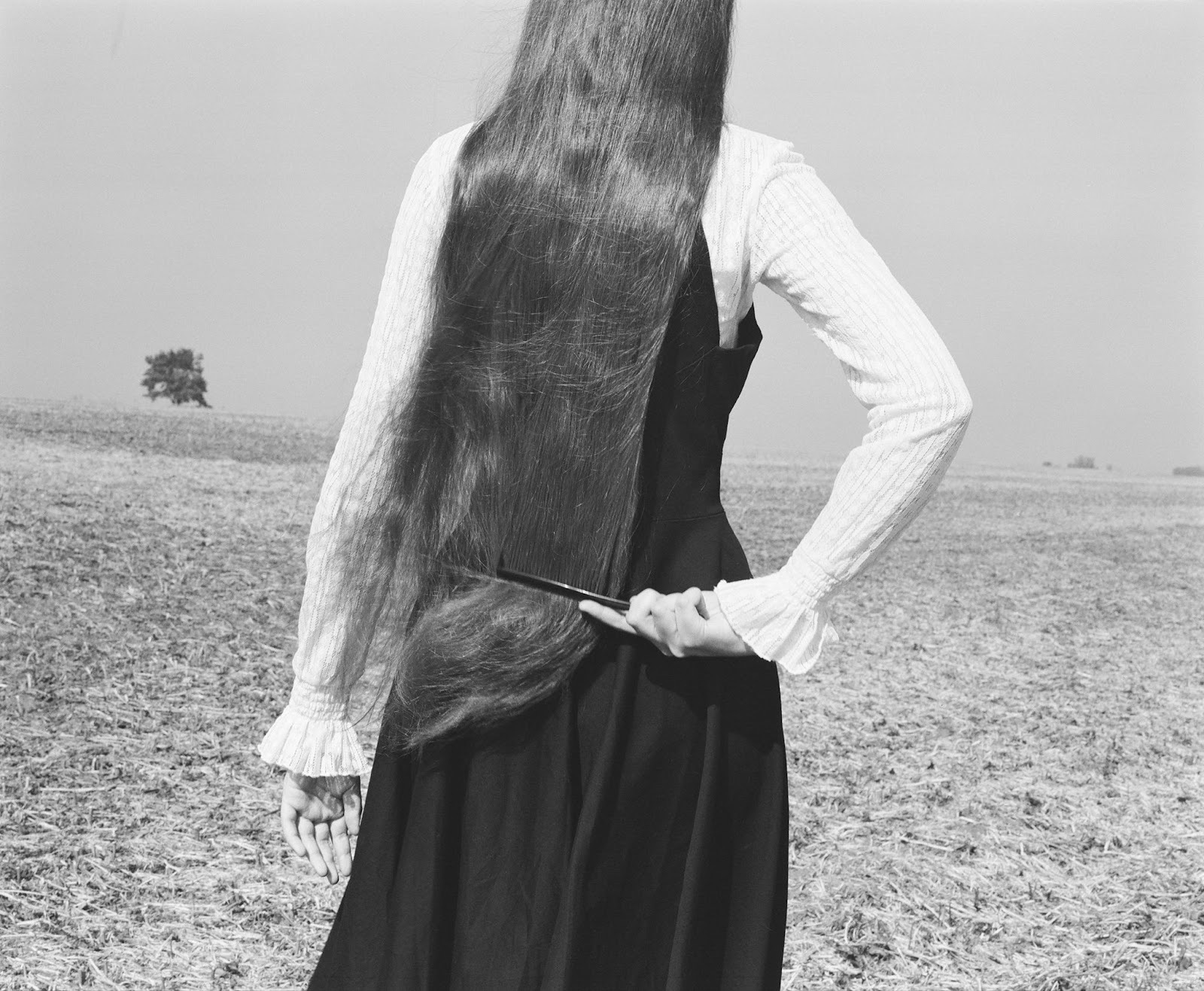
I started photographing more consciously in 2015. My own turbulent coming-of-age overlapped with the Maidan, the occupation of Crimea, the events of May 2 in Odesa, and the war. At some point, I sharply felt that words were no longer enough for self-expression, and I took up a camera. A friend and I, who was also in a strange state, went to the long-dreamed-of Kinburn Spit, now occupied. Lera was a rare model — the presence of a camera did not affect her self-presentation in any way, so I photographed shifts in her mood, often quite radical — from mischief to rage. This shoot shaped my current approach to photography — I like working with metaphor and with things that, at first glance, are not very depictable in a photograph.

Of course, studying at the International Center of Photography (ICP) in New York had a strong impact on me. I didn’t have serious plans to get an art education or move somewhere — it seemed too unrealistic — but a person appeared in my life who assured me that I and this school were a perfect match. And indeed, I managed to get in and study almost for free, in an experimental program that explored interdisciplinary practices in photography — from audio, video, and performance to AI, which was only just emerging, and AR, popular at the time. So, in the U.S., my conscious path began, and the recognition that I didn’t have at home arrived.
Visual education is not something mandatory, but it helps save a lot of time. Studying at ICP was an extreme exercise in searching for and making sense of your practice. However, I admire self-taught photographers whose images have freedom and nonconventionality.
“I learned to do things the way I want and see them, not the way someone needs”
I rarely look at other people’s photographs in search of inspiration, and I never work from references, because I like finding the image within myself. Still, there were people who influenced my approach, became mentors, and then close friends. The honorary dean and founder of ICP’s documentary program, Fred Ritchin (Fred Ritchin), was my teacher for visual strategies for human rights, and we still work closely together. Fred is an incorrigible humanist; he foresaw the impact of Photoshop on society’s perception of reality, and now he explores similar issues with AI. He calls me a 19th-century novelist with a camera, because I’m drawn to more psychologically oriented themes.
I met Yelena Yemchuk (Yelena Yemchuk) in Ukraine in 2013, when I interviewed her for a magazine. Two years later, she found me and suggested that we collaborate on her photobook Odesa. The material was ready much earlier, but the book came out only at the beginning of the full-scale war. We assembled it from two of our souls: there is a lot of my Odesa in it — its secret places, characters, and feelings that aligned very closely with Yelena’s surreal-romantic perception of the city. Working side by side, I watched for the first time how an author’s project is created and learned to do things the way I want and see them, not the way someone needs.
Photographer, artist, teacher, and simply a punk legend, Leigh Ledare (Leigh Ledare), is a very generous and empathetic person who reached out to me in the hardest times, and as of this year is also literally my psychoanalyst by the Lacanian method. Through communicating with and learning from him, I synthesized and reassembled from scratch my entire artistic experience — and my human one too.
I have a very “human-centered” practice, so it’s not surprising that it is people who influence it so strongly. When my classmate died in September — someone I hadn’t been in touch with for quite a long time — I realized how strongly she had influenced my photography. In high school, Ania and I ruthlessly, sometimes for weeks, skipped classes — we took cameras, imaginatively immersed ourselves in mad worlds like in Kira Muratova’s films, wandered around Odesa (often literally crossing paths in the streets with Muratova’s actors), and invented our own images.
“Visually, photographing war operates within a fairly limited register”
At the moment, I’m most closely connected specifically with the photographic image and I love it the most, but I wouldn’t call myself a photographer in the pure sense. Photographing from morning to night would be boring for me. My early project On Dreams and Screens is known first and foremost as photographic, but it has iterations with a research, audio-video, performative, and even VR component, which were shown only at exhibitions. Since my teenage years, I have been interested in what is now called OSINT, and I dream of making a crazy lens-based project with elements of a real investigation — and a fictitious narrative in the spirit of works by Omer Fast or Debbie Cornwall.
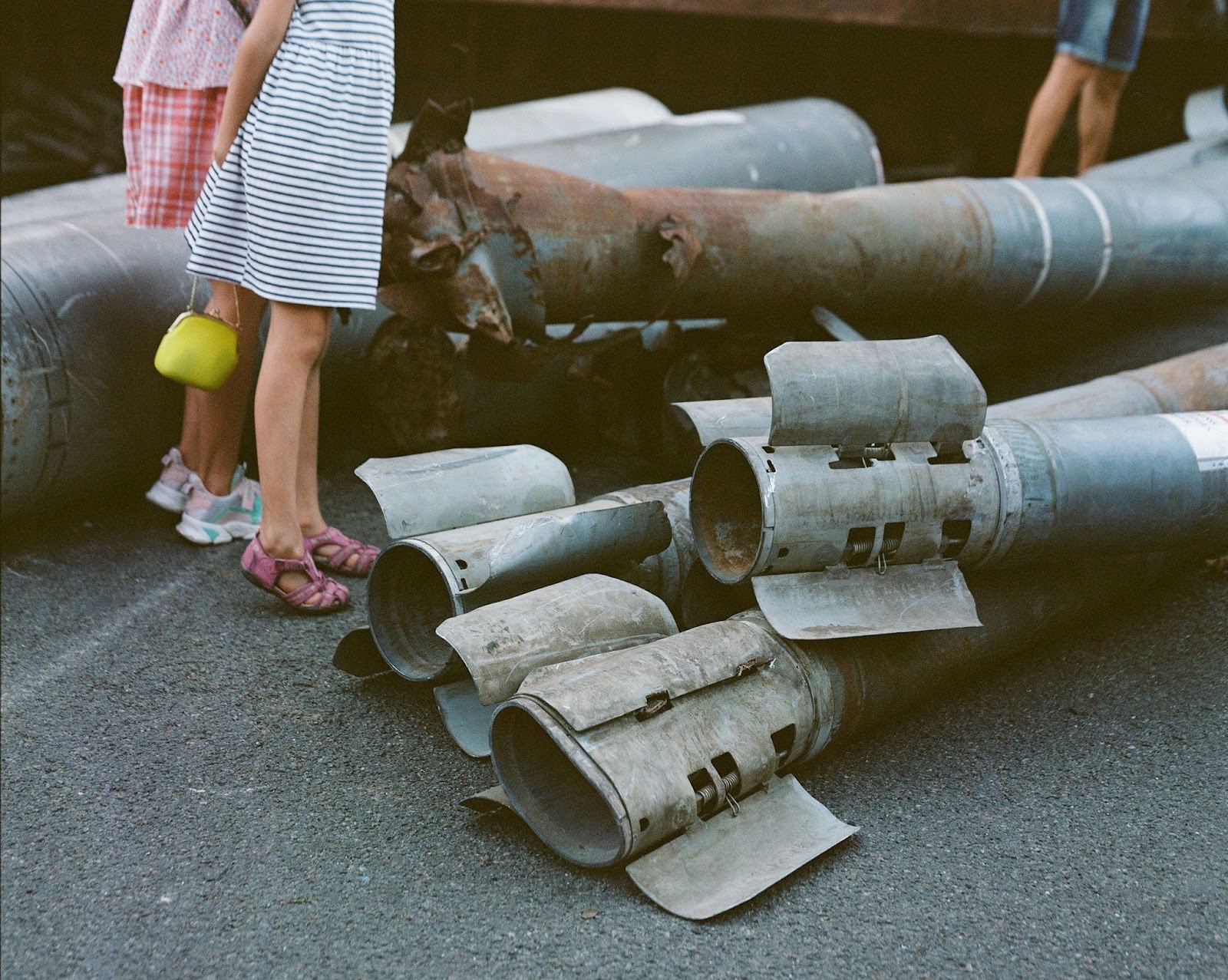
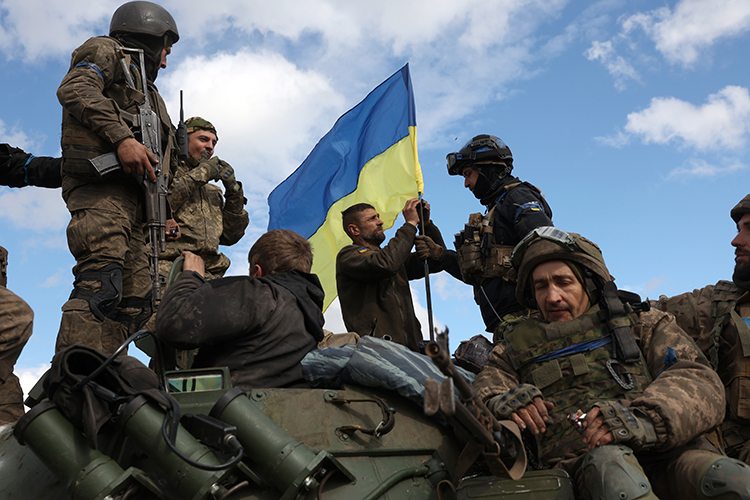
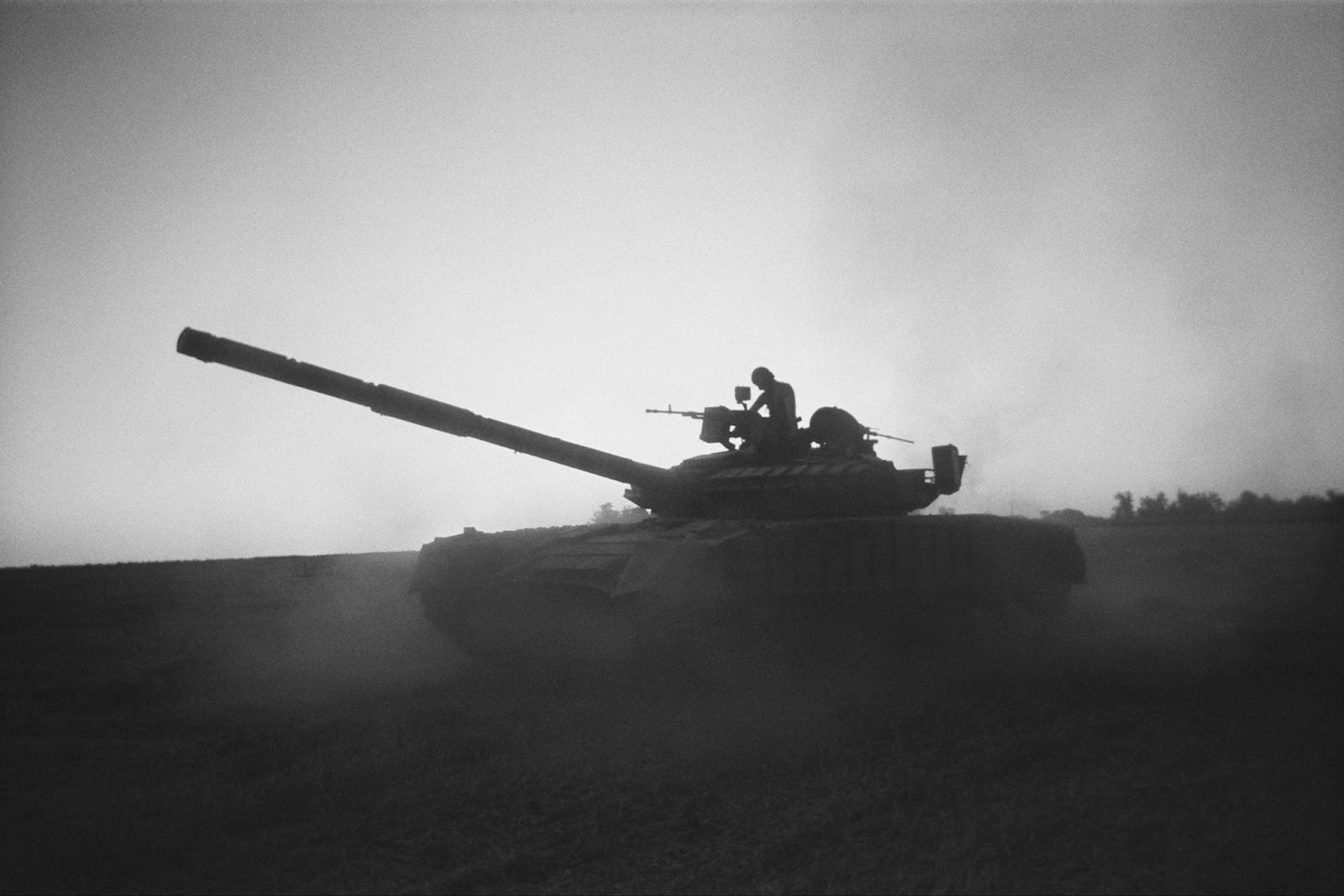
The certain limitation of photography as a medium became more obvious to me during the full-scale invasion. Quoting Ukrainian researcher Olia Zikrata, contemporary culture is very oculocentric. And in visual terms, war has a fairly limited register. In its visual vocabulary: weapons; destroyed objects and environments; a person killed, or wounded, or grieving; a person in military uniform. And that’s more or less it. However, war is far more multidimensional than pictures: it also has sound, a lot of sound, and smells, and invisible traumas, and the feeling familiar to all Ukrainians of collective sadness that hangs in our shared mental space after especially heavy news. To fit all of this into the photographic is an almost impossible task — something one must be aware of, but at the same time it is a creative challenge.
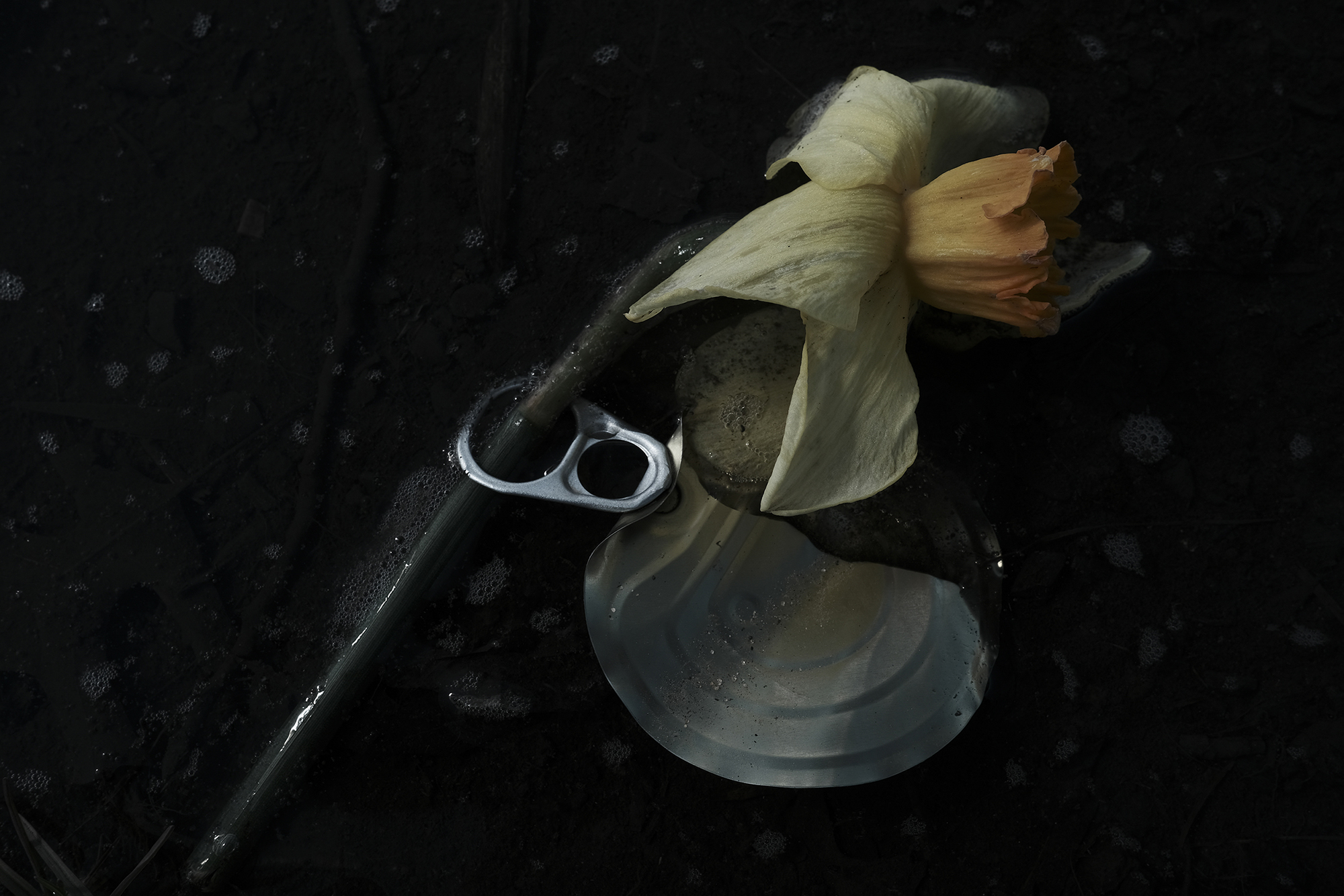
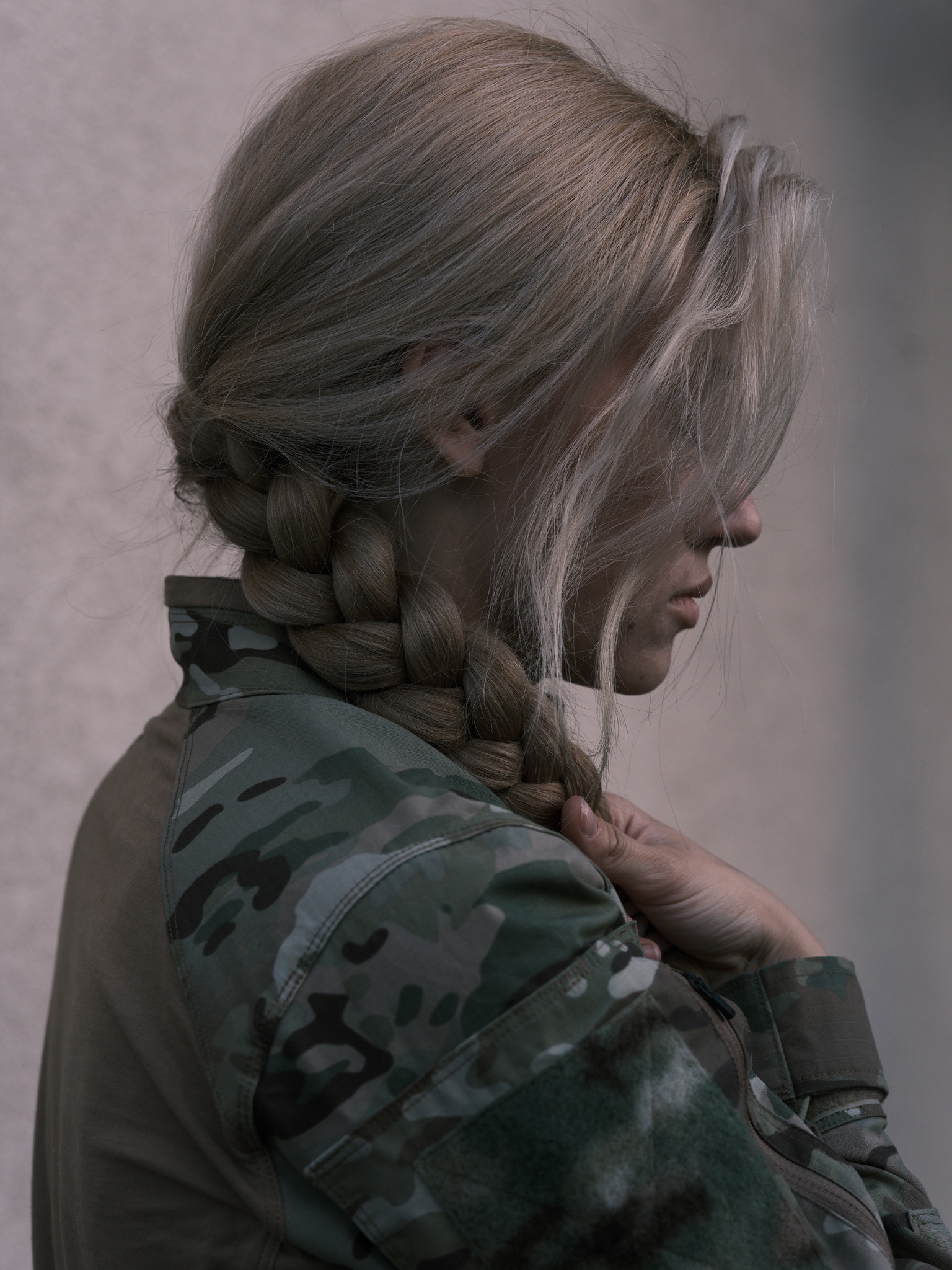
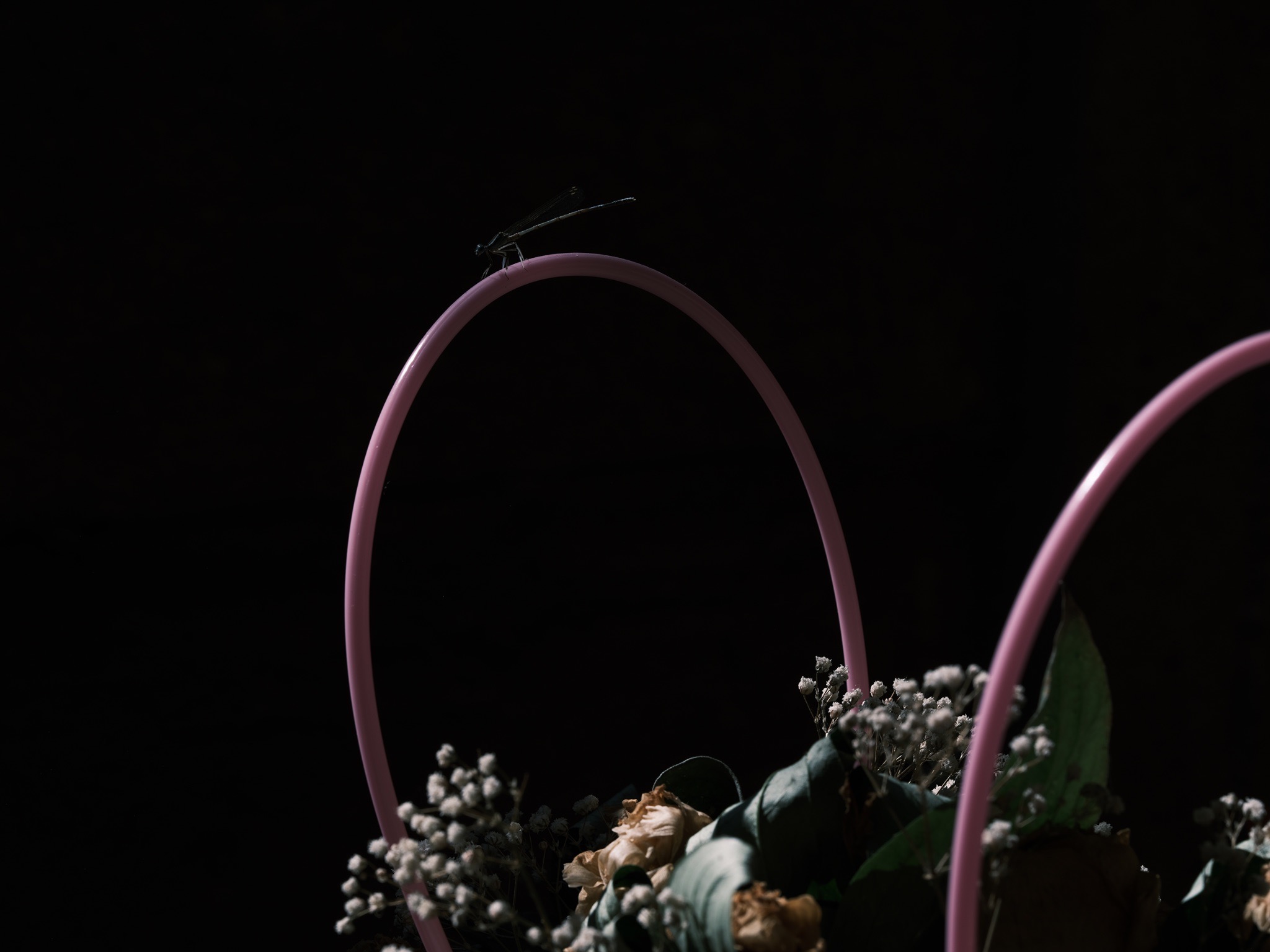
Perhaps that is precisely why I’m interested in testing the limits of so-called documentary photography and leaning somewhere toward an almost spiritual, mediumistic way of creating it. For me, interaction with the protagonists is also important; here, too, everything happens not according to the standard old-school journalistic practice where you must keep distance and not be biased. As far as this is ethical and possible, I often erase the boundary between myself and the protagonists, even if they are, conditionally speaking, inanimate — such as exhausted garbage in a park in Queens, as in the series Pensieve, or Zmiinyi Island in one of my current projects. This is not about becoming someone you are not, but about extreme empathy, a non-invasive merging that an artist can manifest when depicting reality. Yes, in the project with the working title Too Many Dragonflies, which I worked on with the “Khartiia” brigade in the summer (and hope to add to this winter), it was important for me to immerse myself as much as possible in the life of a woman in the Ukrainian army. But while keeping in mind that I did not become military as a result and can only claim a part of the truth — and my own interpretation of this complex human experience. That way, I hope, it becomes something more than just an illustrative project about women in the military.
“It was difficult for me to return to ordinary life”
Sonya Kvasha and Sasha Kryvosheia from the Kyiv production company Baby Prod suggested that I work on Too Many Dragonflies. In preliminary research, we found that in photography and in the history of visual art in general, there are surprisingly few projects that deeply reveal the figure of a fighting woman and do not slide into clichés. Beyond this starting point, we looked at women as a social group in Ukraine that has an active choice — to join the military or not; we immersed ourselves in research and a subjective analysis of the psychophysical aspects of this experience, and came to a semi-diary format of storytelling as the most authentic.
I spent two and a half weeks together with female service members — eating, sleeping, studying, attending psychological cohesion sessions and combat outings with them. I lived with military medics, observing their work daily. All my previous positive stereotypes fell short of reality. There were people who returned to the military — to literally around-the-clock saving of others — even after their own complex injuries or a stroke. Examples of full dedication and self-sacrifice that were hard to process when returning to the civilian world of Kharkiv. Even after such an episodic, though intense experience, it was difficult to return to ordinary life.
“If every Ukrainian had this kind of empirical experience, we would have a completely different society”
In the first days of working, it felt wrong to distract people with photographing when they were doing such important work. For a long time I didn’t dare approach one girl whose work looked especially serious. In the end, it turned out to be my friend and colleague, one of the warmest people in the world — and I became the first person from civilian life she had met over the last half year. She noted that, in her observations, service members often seem very closed and inaccessible at first glance, but in fact are sincere people. I was quickly convinced of this. The first person I photographed was a career servicewoman who had dreamed of serving since childhood. It seemed she was not very comfortable and wanted to leave as soon as possible. However, the next day she silently gave me a pile of chocolates, only briefly noting that her mom had sent them to her. I understood that this was her way of telling me she was grateful for this new experience.
The ice began to melt, as did my worries that I would remain at a distance in every sense and would not be able to make the project well. But I was lucky to end up with a wonderful team and quickly feel like part of a family. It was one of the most valuable experiences I have had. I think that if every Ukrainian had even a one-day empirical experience of being in the space of the military, we would have a completely different society.
On a combat outing to remote infantry positions, we were led in by Alina Shukh, formerly a track-and-field athlete and a financial advisor. A few days later, she also led us out when the situation worsened. I don’t know who else you could feel safer with in almost empty fields, under swarms of FPV drones and a constant mortar threat. When saying goodbye, I told her: “Alina, you can entrust your life to you. And I did.”
“I really felt what it means to be a target”
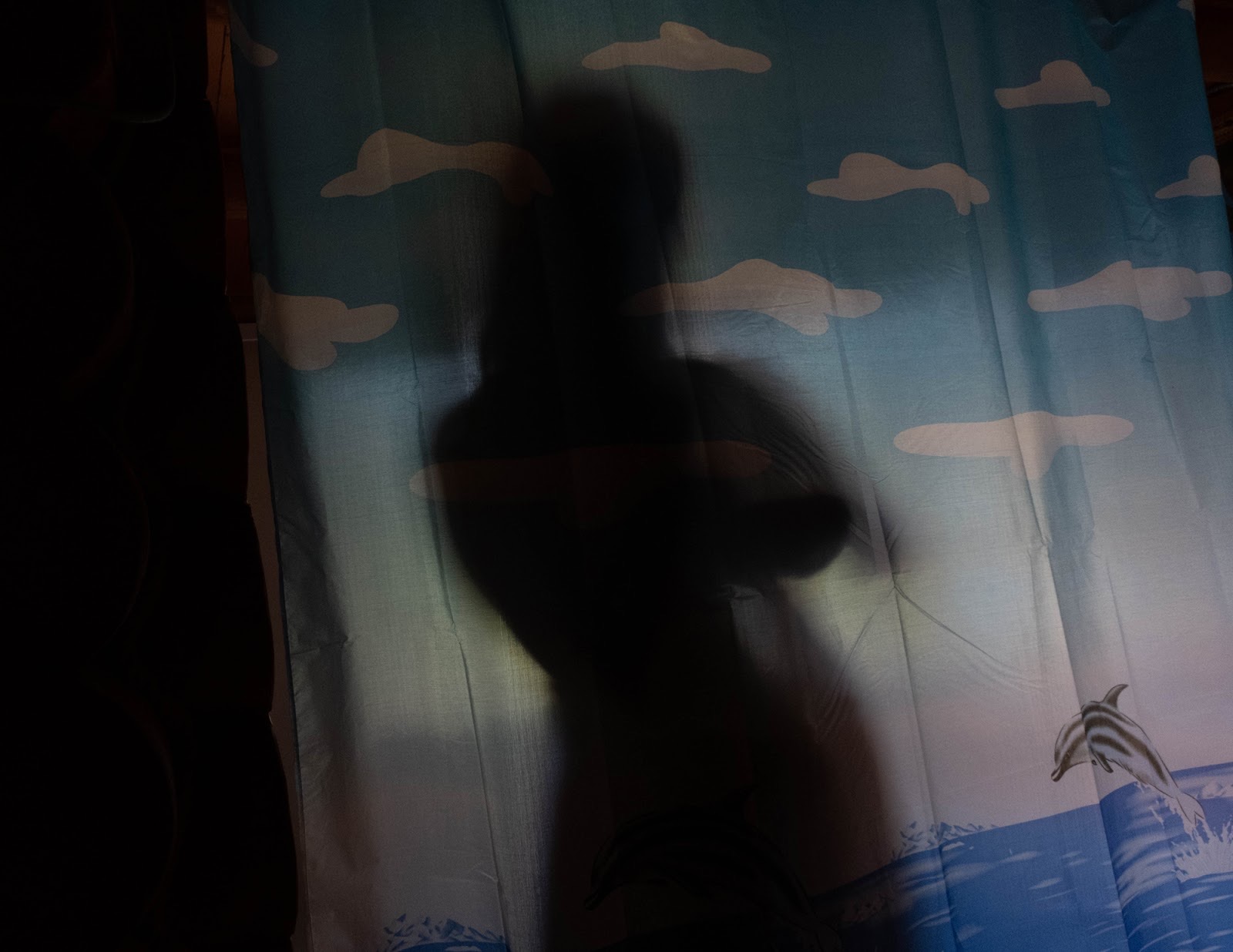
On the shoot, I had a lot of lighting with me, which I ended up deciding not to use, and I made the project in a darker key that matched the real conditions — the headquarters, the dugout, the sleeping room at the PTP, the windows of which are covered with blackout curtains so that there is a chance to sleep at any time of day. It was important for me to shoot in the moment, not to create overly controlled situations. At the same time, Too Many Dragonflies contains many slow photographs — a kind of fragments of consciousness, shot in moments when my psyche was slipping a little.
I remember that when I had just arrived at the location, I felt on a physical level that I had entered a different environment. Artillery was constantly sounding in the background. I sat by a pond in a light trance and tried to hold within myself the magnitude of the valor, heroism, and sacrifice of these people, which was palpable even before further acquaintances. A huge number of dragonflies were circling over the water. Just an incredible number of dragonflies. Later, we pulled in these associations with mythical ideas around dragonflies, as well as an allusion to FPV drones, from which we had to hide more than once. I really felt what it means to be a target.
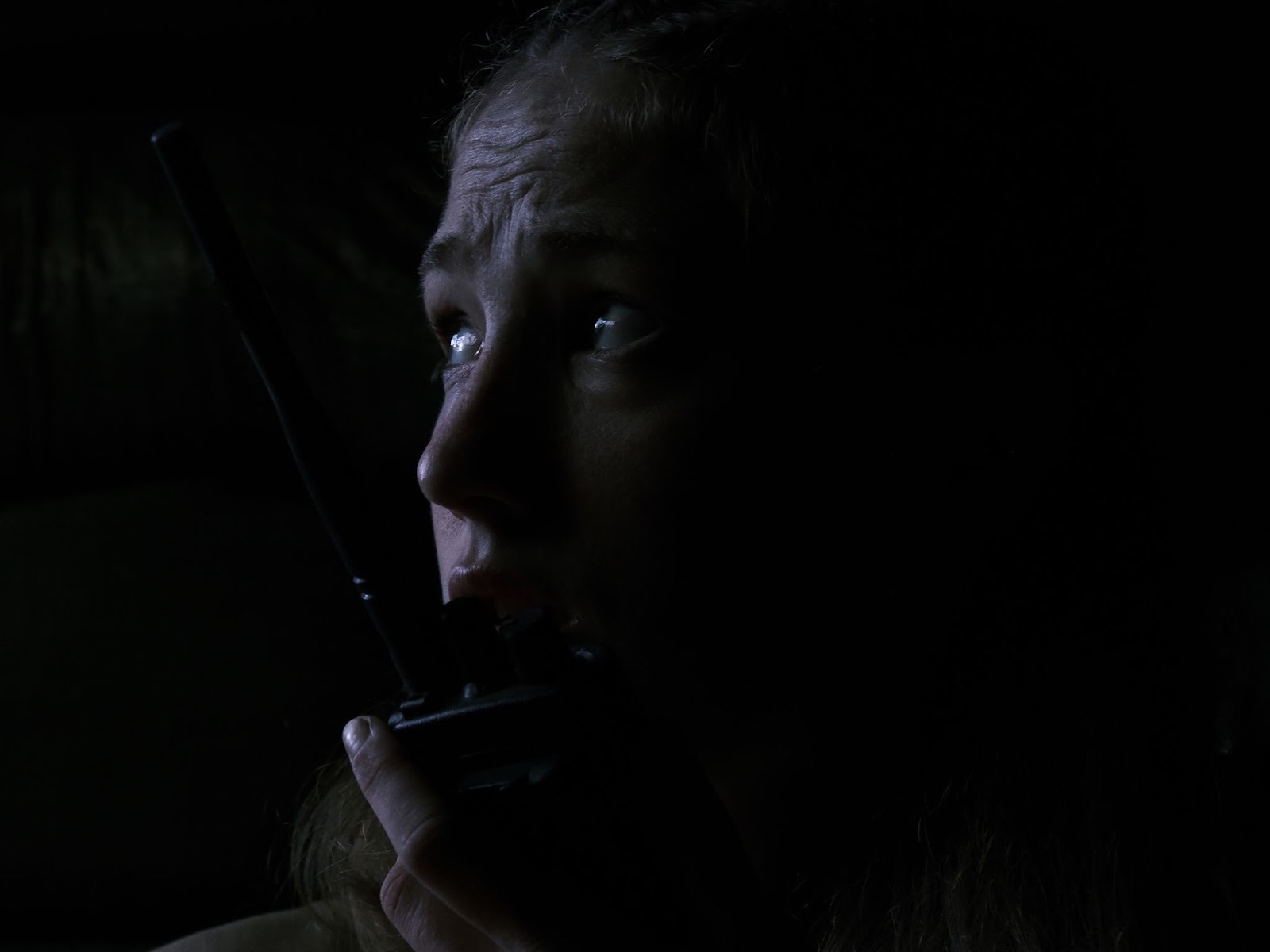
I have never been as tired from shooting as on this project. From morning to night, you had to handle a lot of details and decisions — human, technical, conceptual. In the final photos there is a lot of human vulnerability in war, different aspects of fragility and brittleness, and at the same time a demonstration of sincere resilience and strength.
“I turn inner stories inside out”
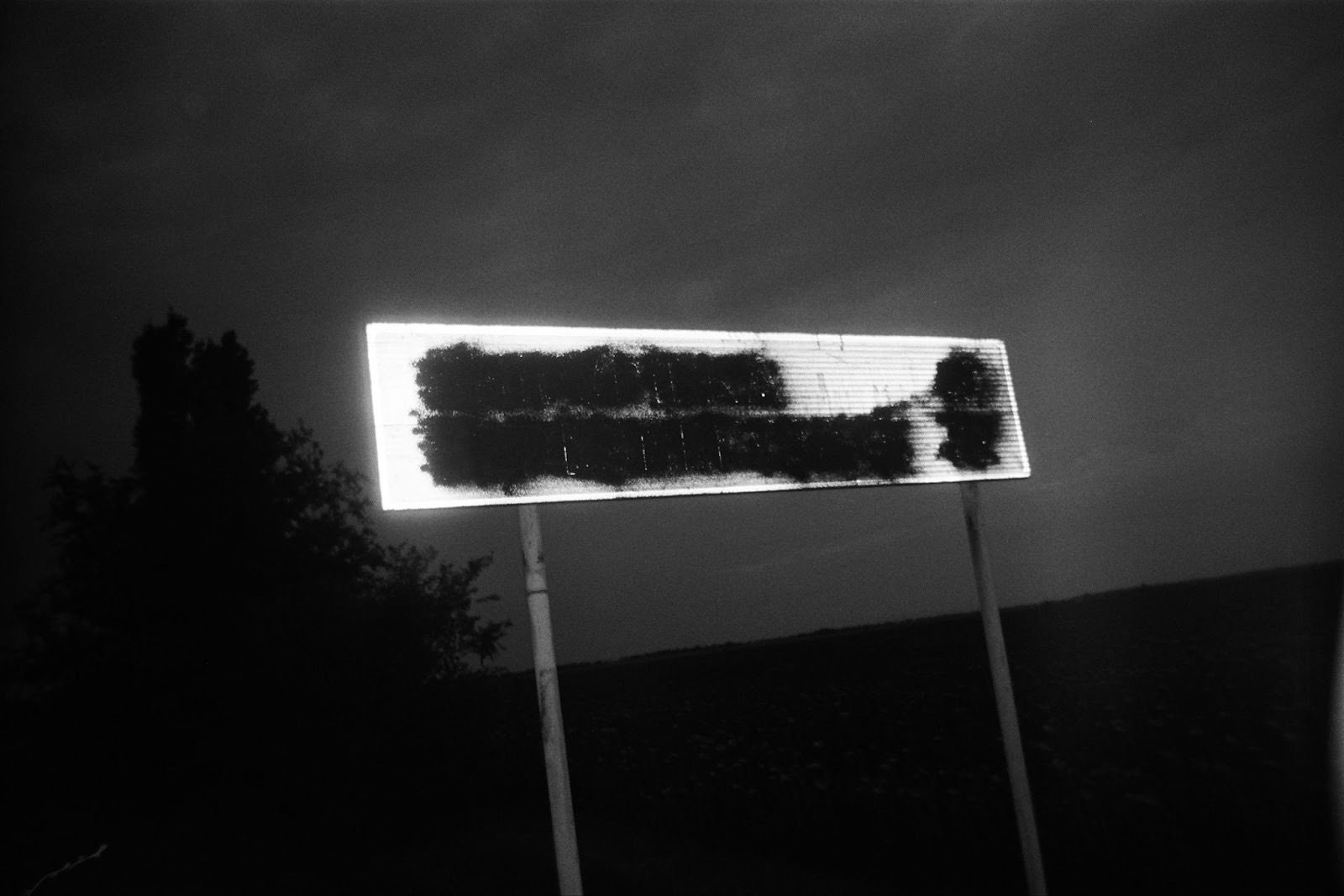
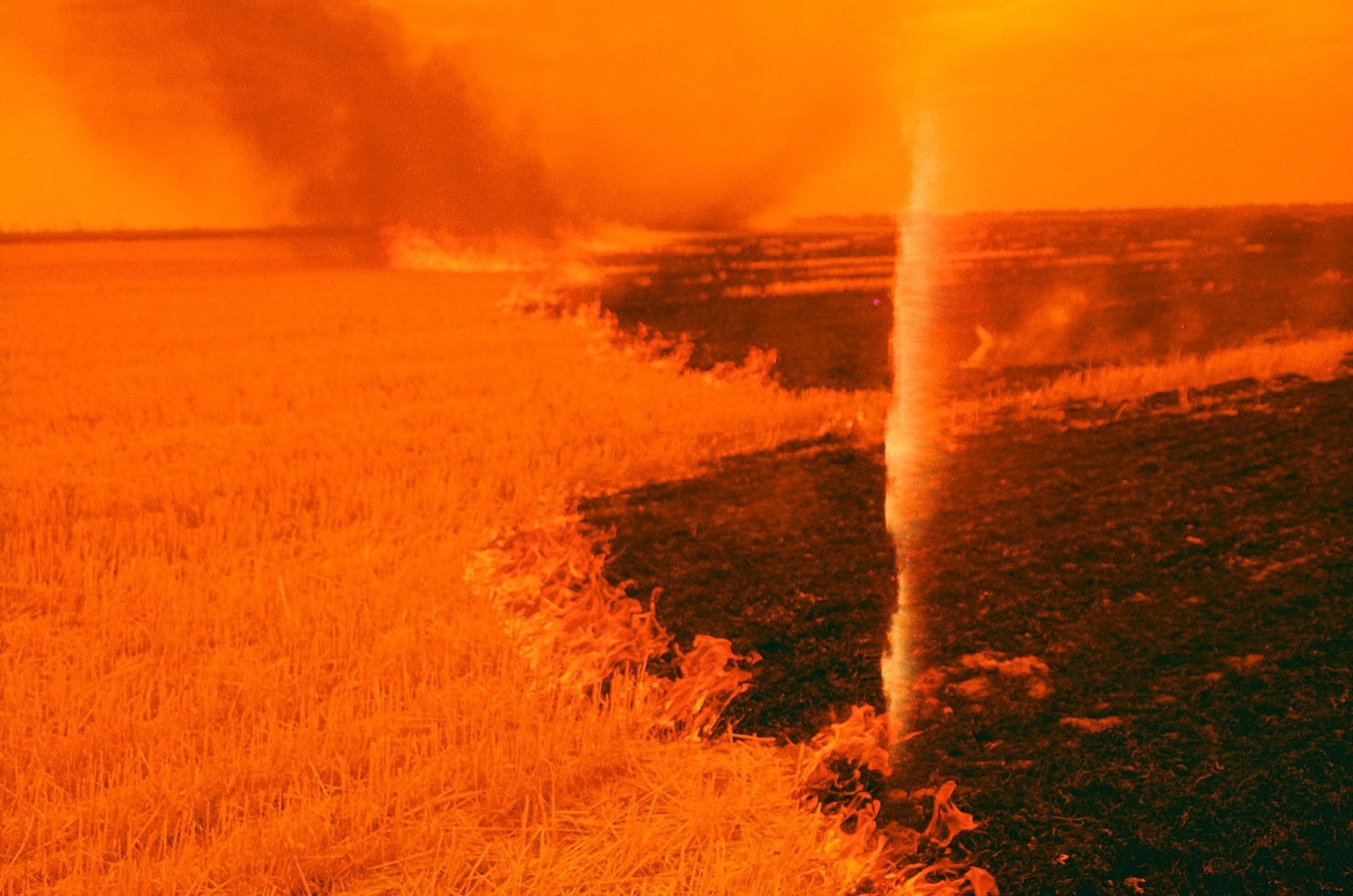
My project “Сповідь” from last year was created with the support of Magnum Photos and Odesa Photo Days and was presented in many countries around the world, from the U.S. to Nigeria, Kazakhstan, and Cambodia, as well as in the group exhibition Beyond the Silence at the Jam Factory gallery in Lviv. We — together with the project curator Kateryna Radchenko — combined the black-and-white photographs and the fiery-red inverted negatives into a collage-like composition that resembles a torn mine — or, considering the pastoral vibe of many of the photos, a whirlwind of being.
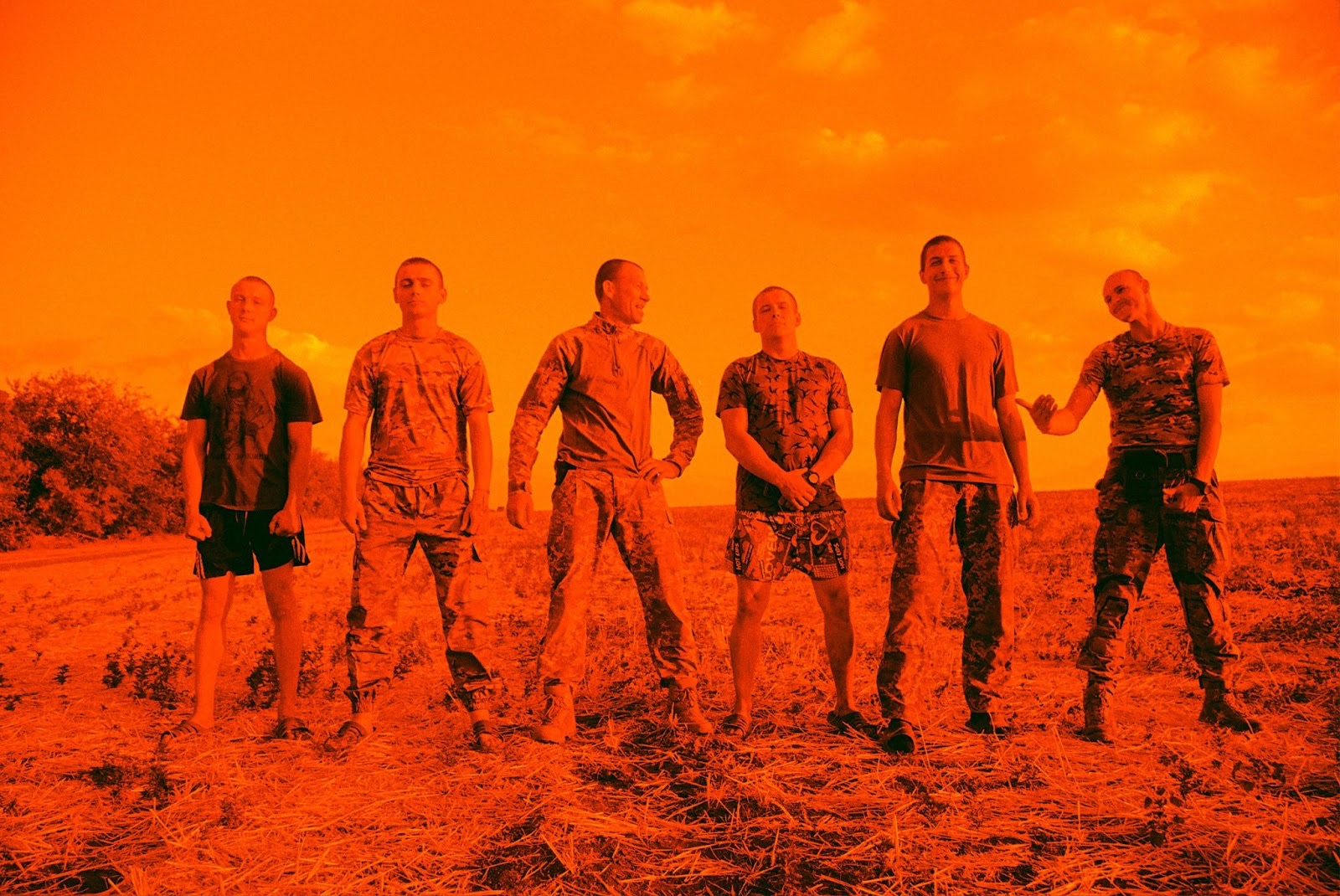
At first, I didn’t attach great importance to the fact of inversion — I simply liked photographing on redscale film, and I clearly felt that something had to be photographed specifically on it. Later, I felt that this negative, turned inside out with the red layer outward, is exactly what I do in the project “Сповідь” — I turn inner stories inside out.
In the project, I focused on young people aged 18 to 35 from all the backgrounds that wartime offers — from a couple in love who, at that moment, had gone into party frenzy and radical self-isolation from external realities, and a transgender woman from the diaspora who came to the homeland to search for herself, to protagonists as directly as possible involved in the war. I worked with a group of service members who were former prisoners and chose to go to war instead of serving their sentences. A fighter with the call sign Chasik, originally from Chasiv Yar, was a very motivated warrior. He had less than a year left in prison and could have not fought for some time. But, roughly paraphrasing him: “why live like that.” A stereotypical petty thief with a clear prison ideology and aesthetics, he quickly became the unquestioned leader of the platoon, and on one of the first outings he burned alive from a tank shot. A fighter with the call sign Mongol took part in the ATO, and ended up in prison because he attacked restaurant visitors with a knife because — perhaps due to PTSD — it seemed to him they were Russian military. He was like a father to the guys, taught everyone, and died among the first — he took on additional risk. That is how, during war, the figure of a thief quickly changes into the figure of a hero, and vice versa.
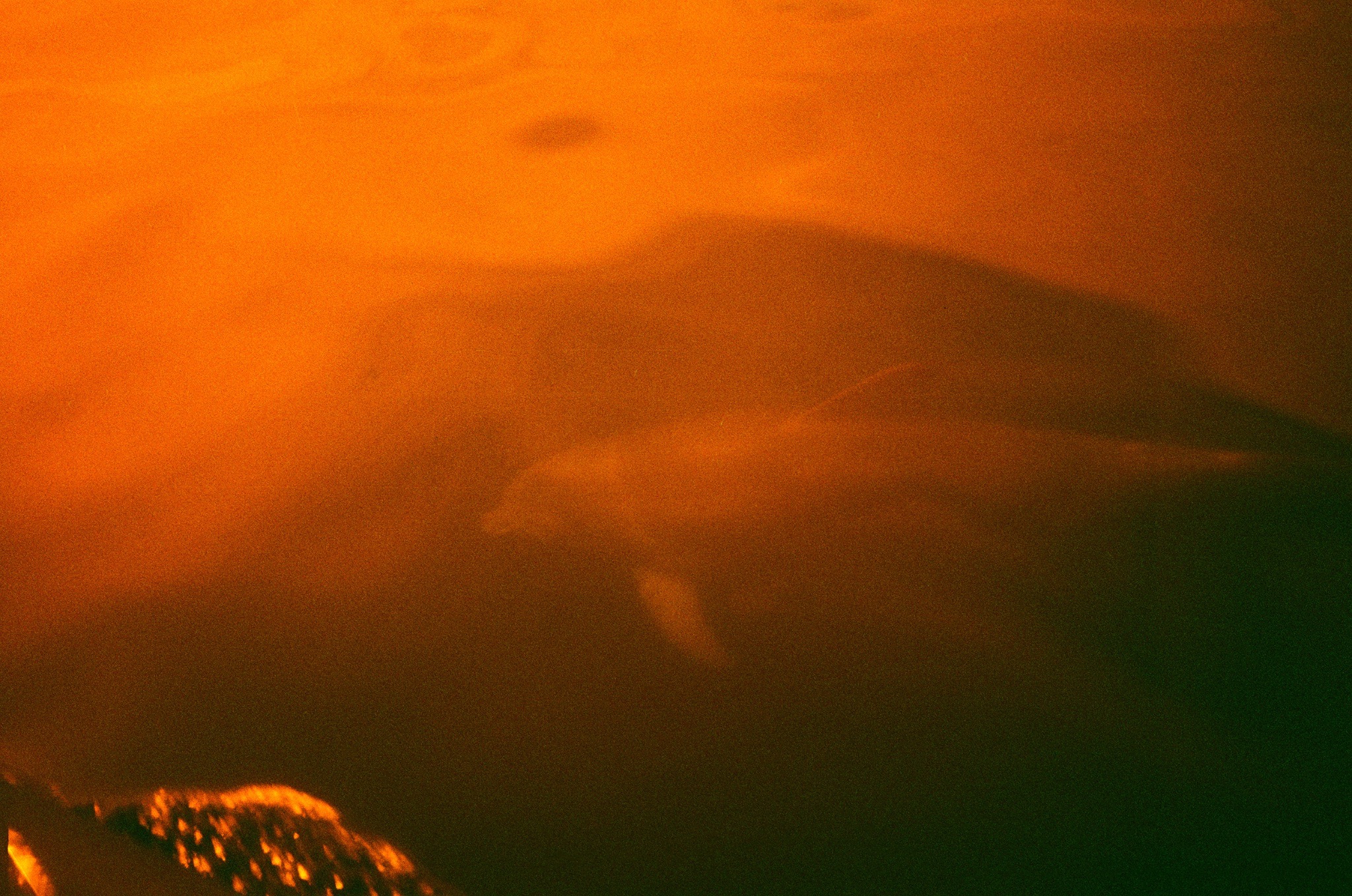
“Confession” is about this immeasurable spectrum of wartime experiences, about postponed, not fully lived-through grieving that gathers at the edges of the body, and an “advance nostalgia” for people and phenomena that drift before your eyes. In one photograph, somewhere in the Wild Field, five men stand laughing — I know for sure that only one remained alive. In another, it is the moment a close person appeared in my life, which ended with such an unexpected disappearance.
There is a frame that shows a Kherson field with sunflowers, and a piece of my finger got into it. And it is impossible to discard, because it is an imprint of the moment, a mistake that also becomes part of the story. And over time you understand about the worst moments in life that they were the most alive.
“Photographs can age quite quickly”
A Ukrainian documentarian has a specific task — to live through the war together with everyone, but at the same time to look at it from the outside. We have this wandering insider–outsider perspective. Since the beginning of the invasion, we have traveled a path from direct depiction of what happened to deeper attempts to understand what is happening to us now and what will happen next. Images age quickly, and sometimes in quite unpredictable ways.
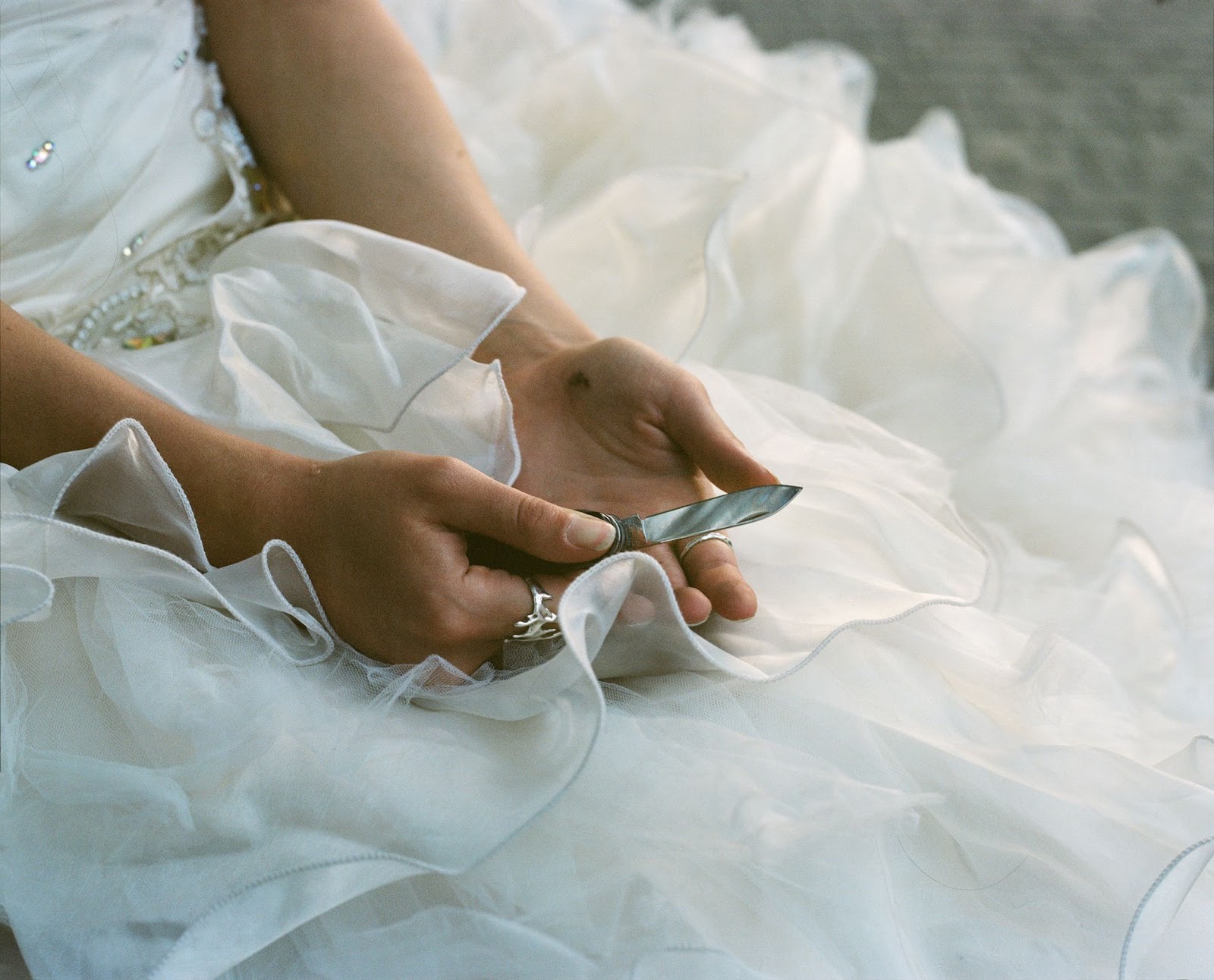
Yes, Time of the Phoenix was created in 2022 as an attempt to grasp what happened and what is now happening to your home and to yourself. Like eyes widened in an attempt to internalize a new reality. Now those times seem uplifting and, perhaps, naive. You look less and less for understanding from the international community and focus on an internal audience. Many Ukrainians, viewing the photos and listening to the accompanying audio for “Сповідь”, began to cry. I was glad that the project touched people and gave some emotional release, but at the same time I thought about the real impact such projects can have on members of the represented group, and about possible retraumatization. At one of the discussion panels at Jam Factory, literary scholar Iryna Starovoit wisely noted that such questions can be left for the future, and that now it is necessary to continue this living “report” from the very mouth of events.
None of us knows when the war will end — tomorrow, or never. Our death counter keeps ticking. In the first days of the full-scale war, my colleague, Armenian documentary photographer Biayna Mahari, told me that the most difficult time comes when the war ends. I still often recall these words.
Perhaps the best thing we can do right now is to do our work — and do it as well as possible.
I recall another panel discussion held by Ukrainian House of Photography (it is precisely at such events that a rare opportunity appears to collectively talk about these things). Someone from the audience asked photographer Oleksandr Hliadelov whether photography can be healing. He said: yes, it can. And he didn’t say anything more. Then the whole hall burst into laughter. Perhaps the irony is that no one knows for sure how exactly photography can be healing. And the answer may lie in banal things, such as beauty.
“We realized the value of human relationships, the fragility and vulnerability of human life”
I love working, on the one hand, with reality, and on the other hand with the hidden dimensions of reality — but not with fully fantastical worlds (I don’t believe they exist). Since childhood, I have been interested in the eternal questions of the meaning of being and of death. Perhaps I am still searching for these answers, and the present times are very fertile for such research. Now we have realized the value of human relationships, the fragility and vulnerability of human life.
And also the boundary set by survival instincts. In the summer, I ran a workshop for teenagers in Kramatorsk; at that time, a strike hit a building. Workers at the evacuation center where I was staying asked me to photograph the aftermath. The building was completely destroyed, and near the neighboring building, which was badly damaged, elderly women were walking around — picking something up from the ground, throwing it back. It resembled social scenes from the films of the already-mentioned Muratova: senseless repetitive movement and the cacophony of incoherent words of people who do not know what to do and whom there is no one to help. The team clearing the rubble reported the possibility of ammunition detonation. I quickly left the scene — with a few photographs that will change nothing. And the women stayed by their home. If we lived in some other kind of film — like American biopics about war photographers — then perhaps I would have had to stay with people to the last.
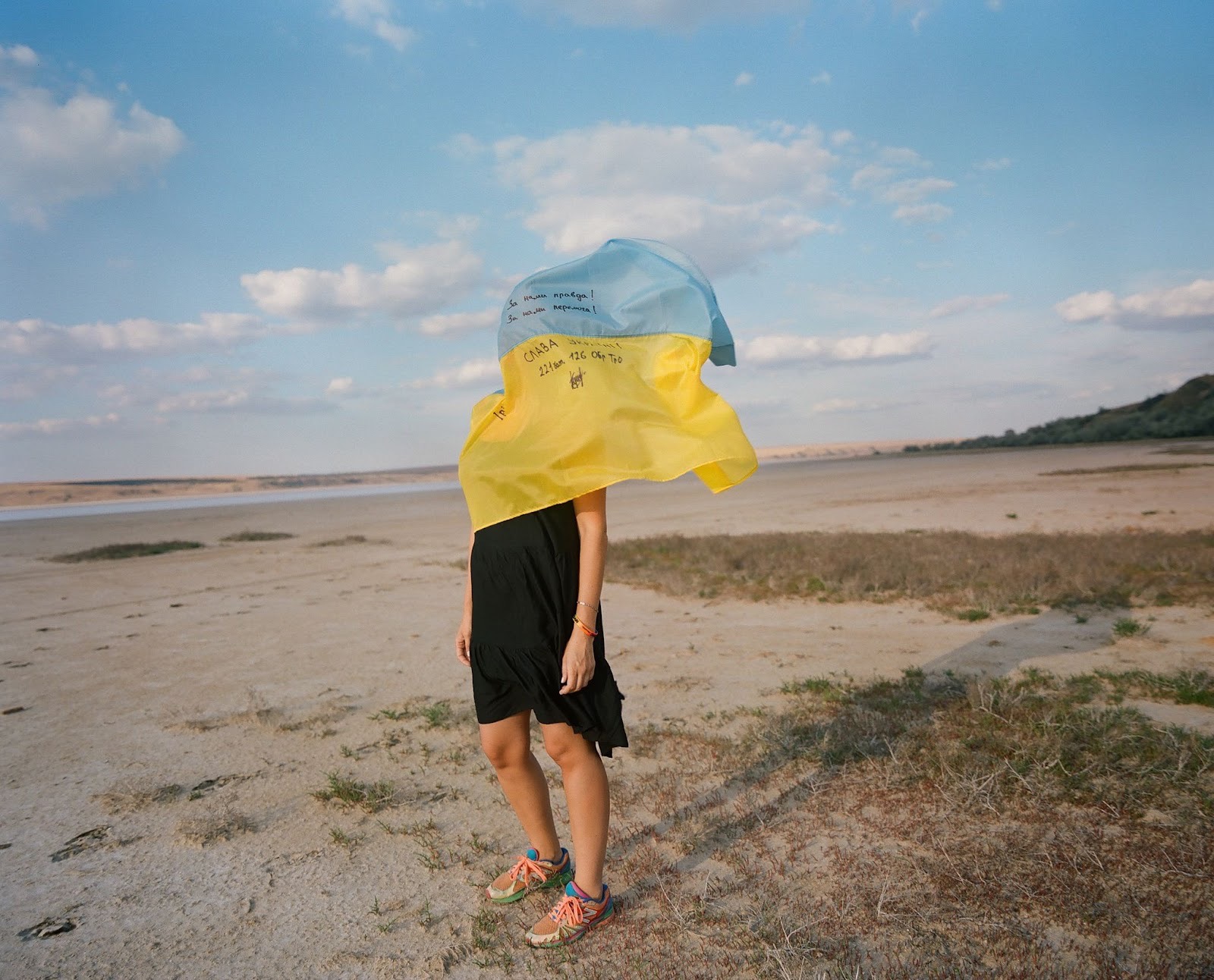
But did I become more empathetic during wartime? Probably yes. I have always tried to protect my protagonists, sometimes from themselves. Working with young girls who do online sex work, I often decided not to publish their direct portraits, even if they were not against it. Because I understood that they still do not realize that their views can change greatly, and the photos will live online for years, and I did not want to take even part of the responsibility for that. I have seen similar cases and how indifferent photographers can be to this. So in wartime you scan yourself and your work for such dynamics constantly and relentlessly, as if by the MARCH protocol.
Photography during war is art and memory, reflection, a way of communicating, informing, and understanding. It is both a technical process and magic; a document and an amalgam that can be freely interpreted, like a “Rorschach blot.” Everything at once — and nothing too. Every photographer knows that feeling when everything aligned — the light on the prism, something in the figure of the person in front of you, and the moment of being.
Ira Lupu — a photographer and visual artist working between Ukraine and New York. In her practice, she combines metaphorical visual language with thoroughly researched human narratives. Through long-term projects, Lupu explores intimacy and alienation, trauma, power, and the politics of the gaze, often blurring the boundaries between documentary and art.Her works have been exhibited internationally, including at the Manifesta biennial, at Christie’s in London and Paris, at Wembley Park, and at Copenhagen Photo Festival. Lupu’s projects have been supported by Magnum Photos, Aperture, and Google; her images have been commissioned and published by The New York Times, BBC, The Guardian, The Economist, The British Journal of Photography, Vice, Dazed, and Vogue.Lupu has participated in public talks and panels at institutions such as the New York Public Library, Bronx Documentary Center, the Piedmont Institute for the History of the Resistance Movement, and the University of Miami. Her works are held in public and private collections, including Bonnefanten museum (Maastricht), Ethan Cohen gallery (New York), and Van Every/Smith galleries (Davidson). She is a member of the Diversify.Photo and Women Photograph communities, works with Kintzing Licensing, and is represented on Artsy by Darling Pearls & Co gallery (London). Ira Lupu studied at the International Center of Photography in New York and at Viktor Marushchenko’s School of Photography in Kyiv.
Photographer’s social media: Instagram
Worked on the material:
Topic researcher, text author: Katya Moskaliuk
Photo editor: Vladyslav Krasnoshchok
Literary editor: Yuliia Futei
.jpg)
.jpg)