
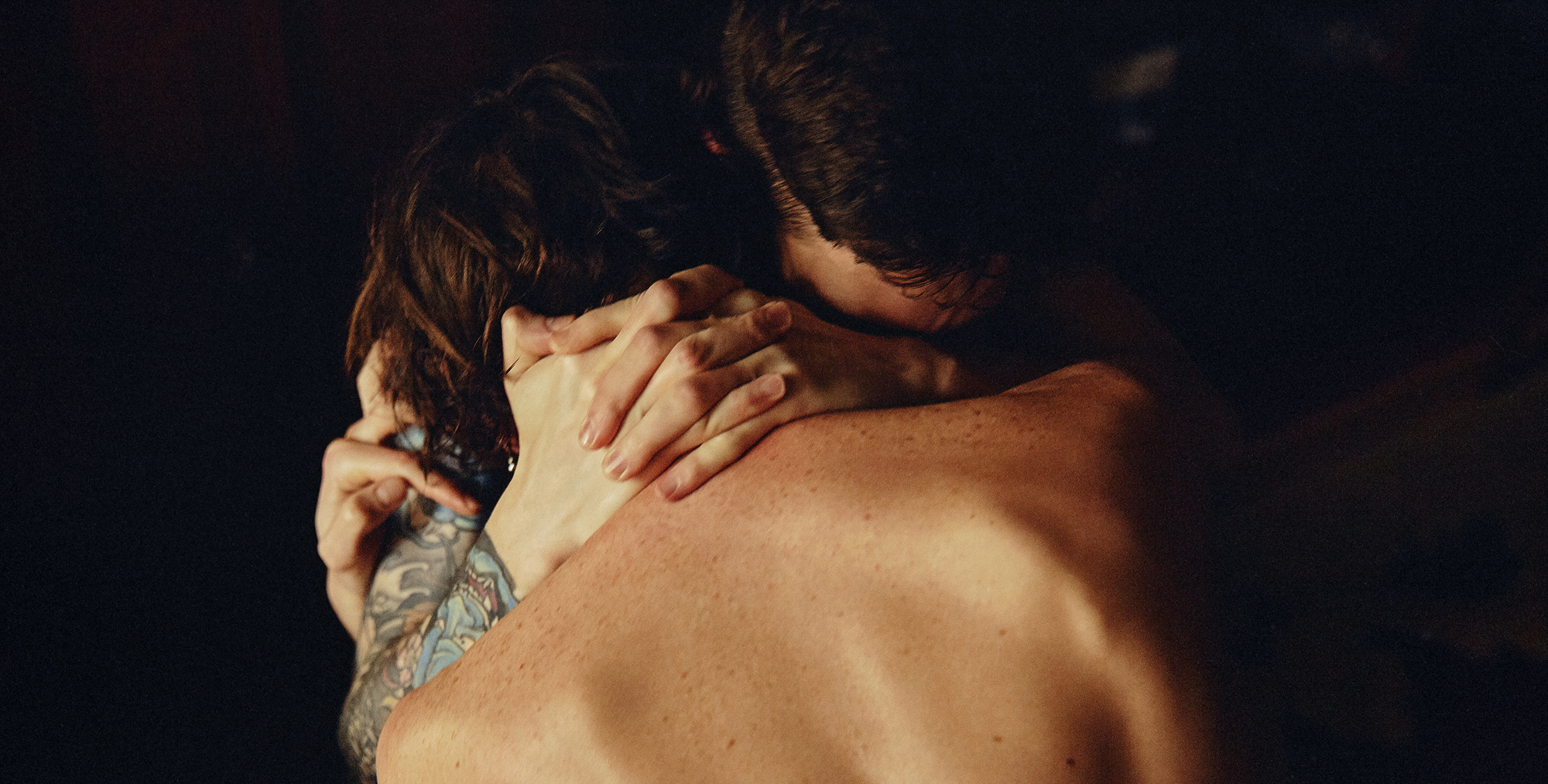
Ukrainian photographer Marysia Mianovska explains why her photos have become more empathetic and genuine than before the war, and why personal stories help reveal global world issues better than daily event coverage.
“Photography can be art, and it is worth speaking through it”
Photography entered my life by chance — 12 years ago. Before that, I dreamed of an acting career, performing in plays at the Teatr na Pechersku. But over time, I realized I wanted something else. While searching for myself, my husband reminded me of my first attempts to shoot on a film "Zenit" and suggested I try it professionally. I started—first with actor test shoots for friends, then weddings, love stories. I photographed everything, with the exception of food.
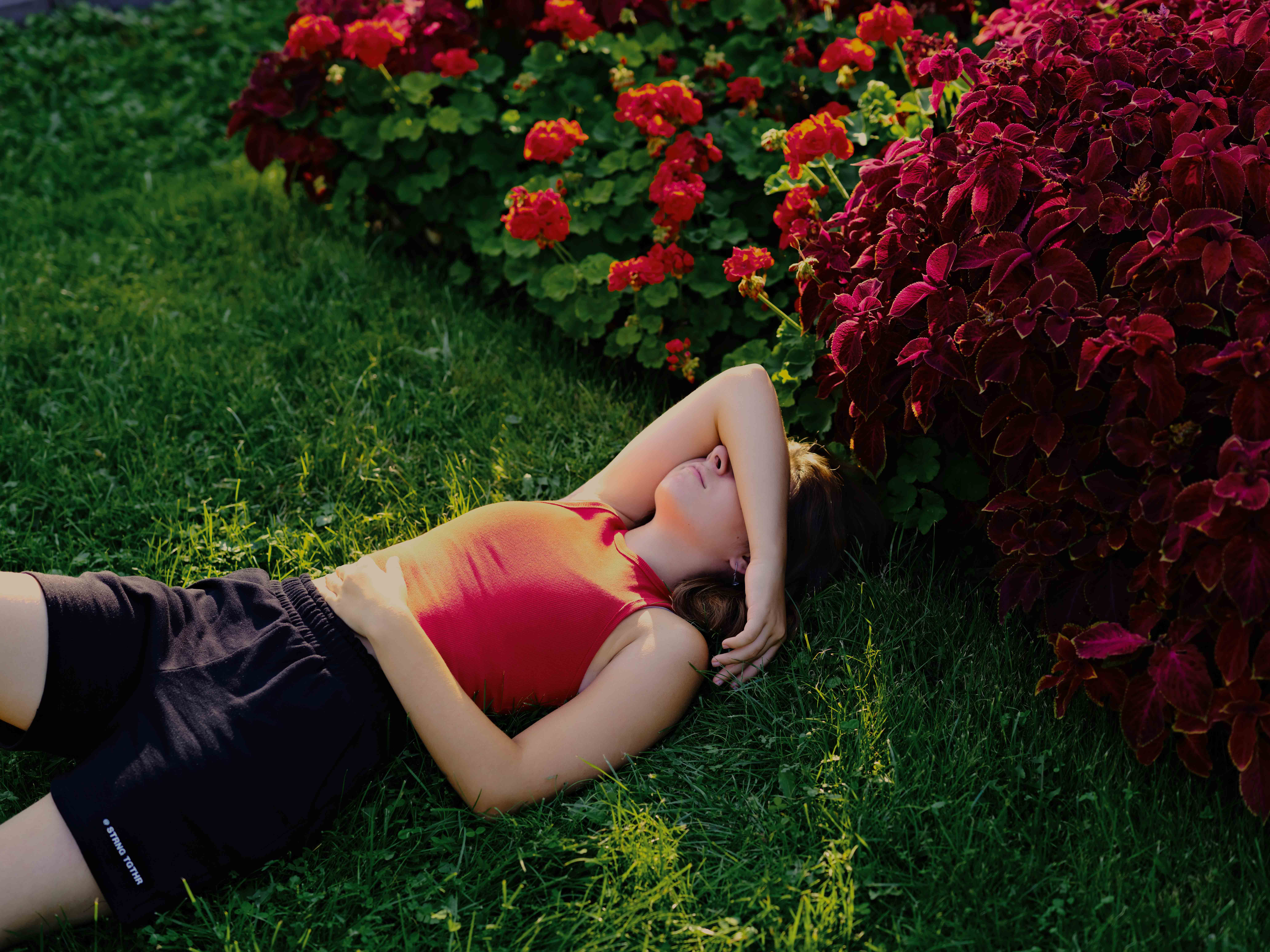
For a while, I was interested in erotic and sensual shoots—through them, I explored my own sexuality and femininity. Then I moved into fashion: it provided space for working with form, but I eventually burned out. After all, most commercial shoots are not Vogue and not Tilda Swinton, but a stream of images “for sale.” I felt a need for deeper meaning.
Everything changed after studying at Viktor Marushchenko’s School of Photography and with Valeriy Miloserdov. They showed that photography can be a serious statement. Since then, commercial work receded, and documentary photography came to the fore. I learned to exist outside the market—thanks to grants and competitions.
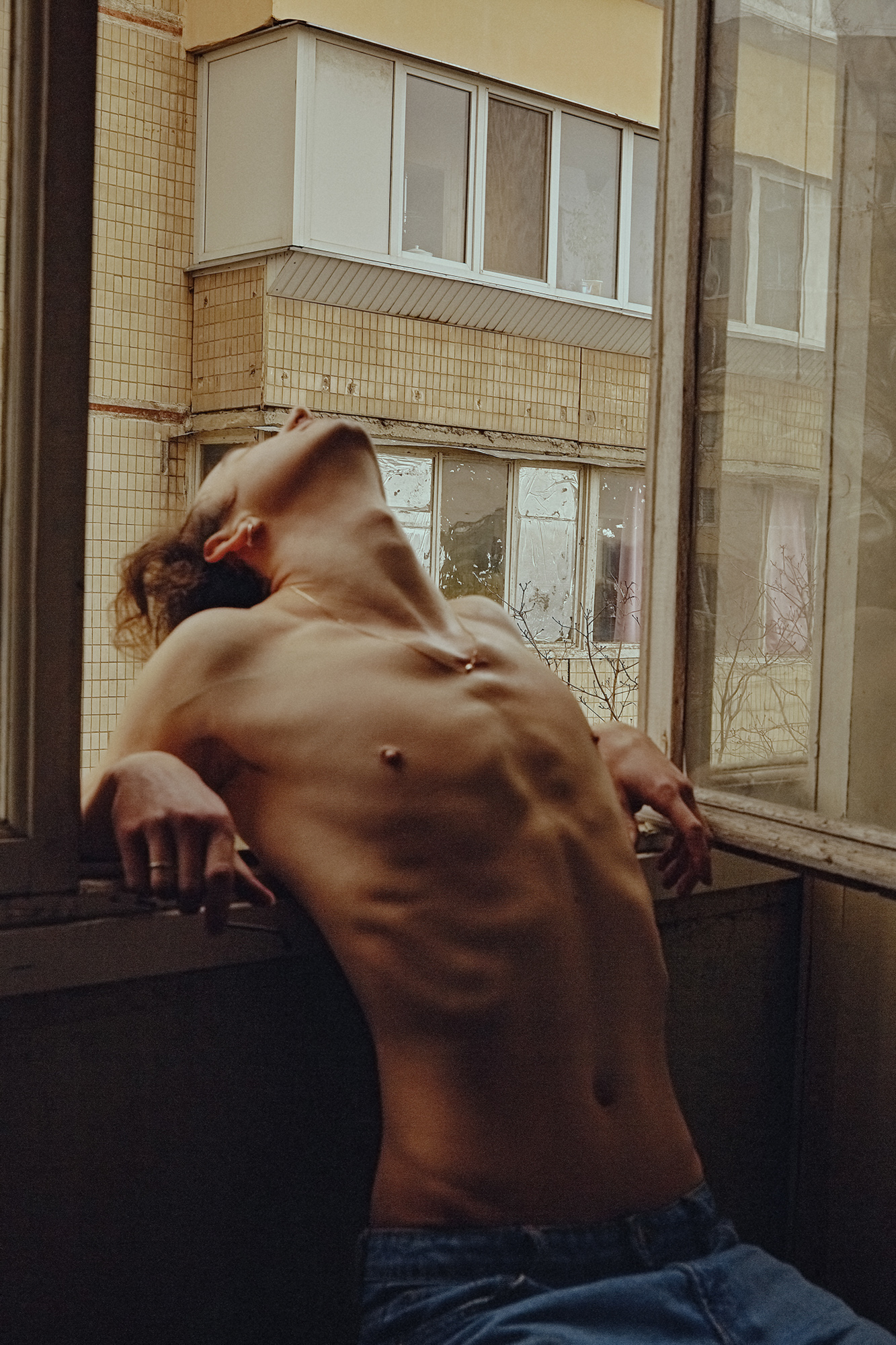
I was influenced by August Sander (August Sander) with his cataloging of portraits, Alec Soth (Alec Soth) with his melancholic view of the world, and Todd Hido (Todd Hido) with his atmospheric sensibility. I think the mood of my shots largely echoes these authors. Among female photographers, I am inspired by Laia Abril (Laia Abril); I really like what she does. I own all her books. I admire how she works with documents and imagination. Taryn Simon (Taryn Simon) is also impressive, especially her projects on the unjustly incarcerated and the project Tracing bloodlines, which explores blood ties between people on many levels.
Interestingly, I relate more to the aesthetic perception of male photographers, but with female photographers' projects, it is their approach to theme exploration.
“One must know how to give oneself time for reflection”
Photography quickly became my profession. The support of friends, my husband, and Serhiy Zhadan, with whom we created a joint book during COVID, “Псалом авіації” [“Aviation Psalm”], helped me find my project theme.
Since 2023, I have been working in the military sector—first with the VETERANKA movement, and currently at the “Boryviter” Military School. Simultaneously, I continue my personal projects.
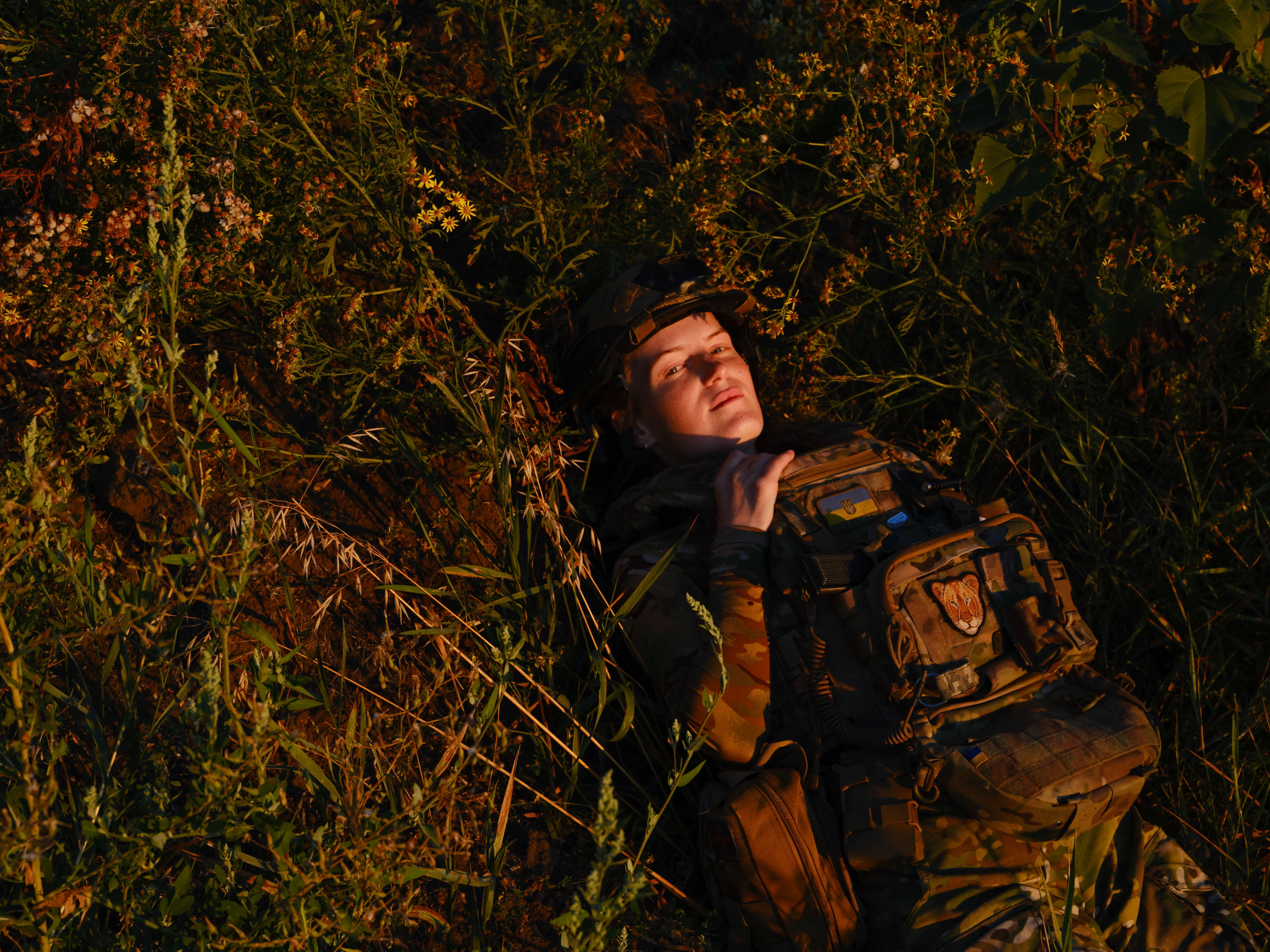
In my first documentary project “Oh, where are you, brother?” I was inspired by my brother. I tell the story of different generations of youth in Troieshchyna—in the 1990s and today. I pose the question of how the place you were born affects your fate. When I started the project in 2019, I had no idea that war would enter the story and that I would capture another key historical turning point that would directly interfere with the lives of my subjects. But it happened that way. History writes itself; I only have to keep documenting. I took a break from this project in 2023. I needed time and strength to remove myself from the context of war and view the changes not as a participant, but as a documentarian and author. Today, I continue to shoot this story. However, I believe the focus has now shifted from personal to global issues.
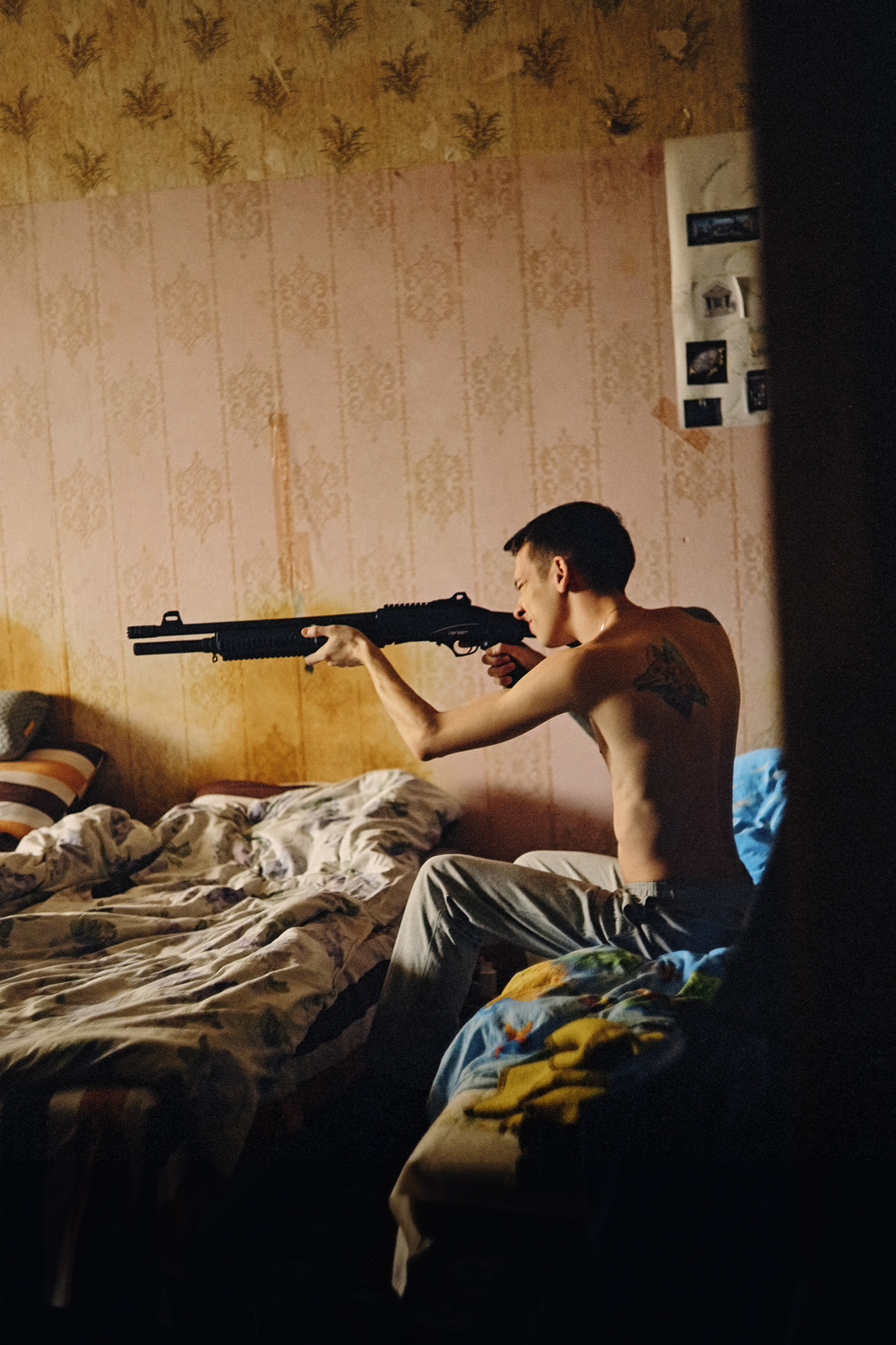
In 2022, the series “How Deep the Bullet Lies” emerged—about teenagers in Chernihiv who survived the invasion. It is a story of losing a “safe” childhood and of trauma that subtly shapes adulthood.
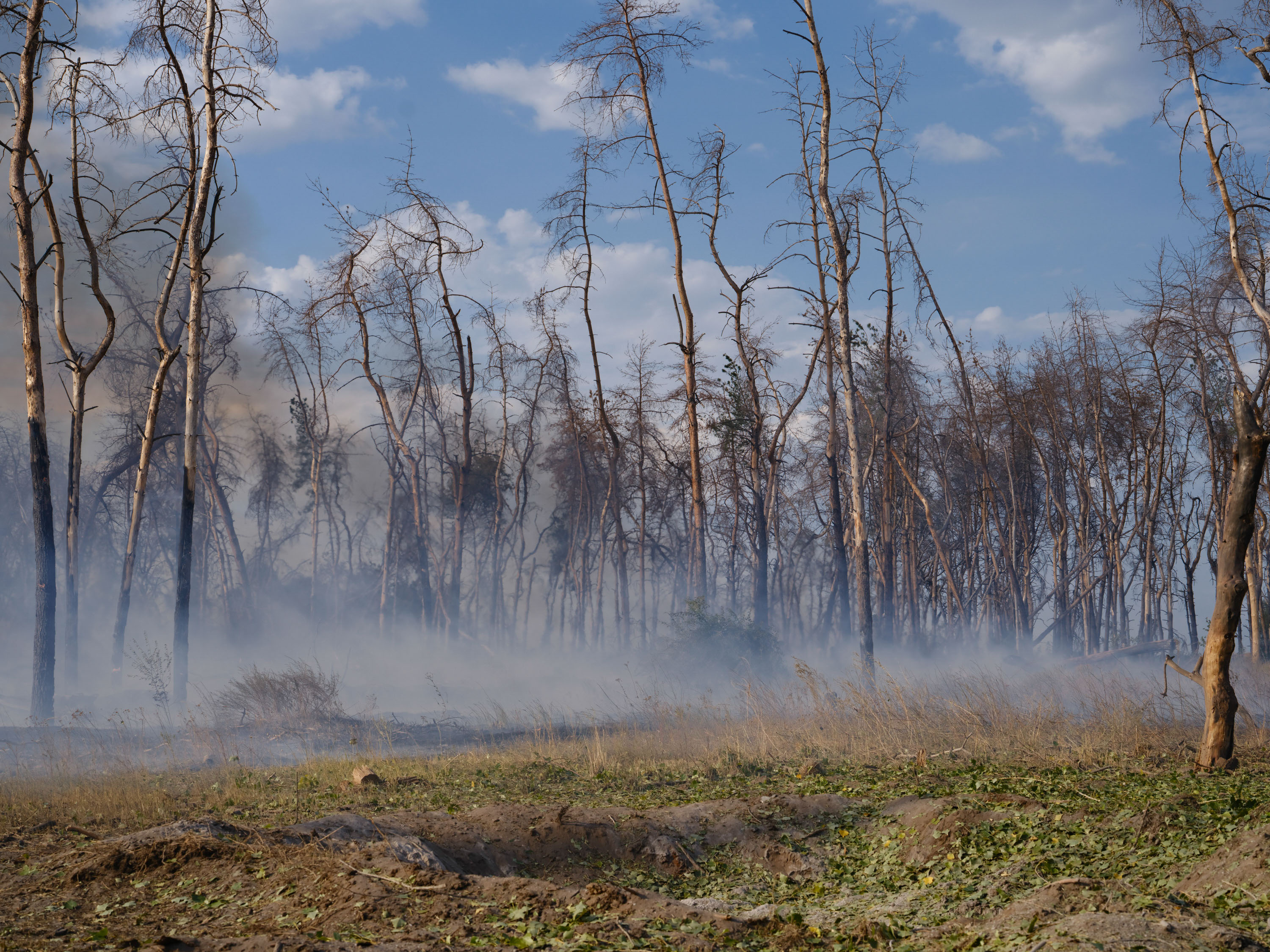
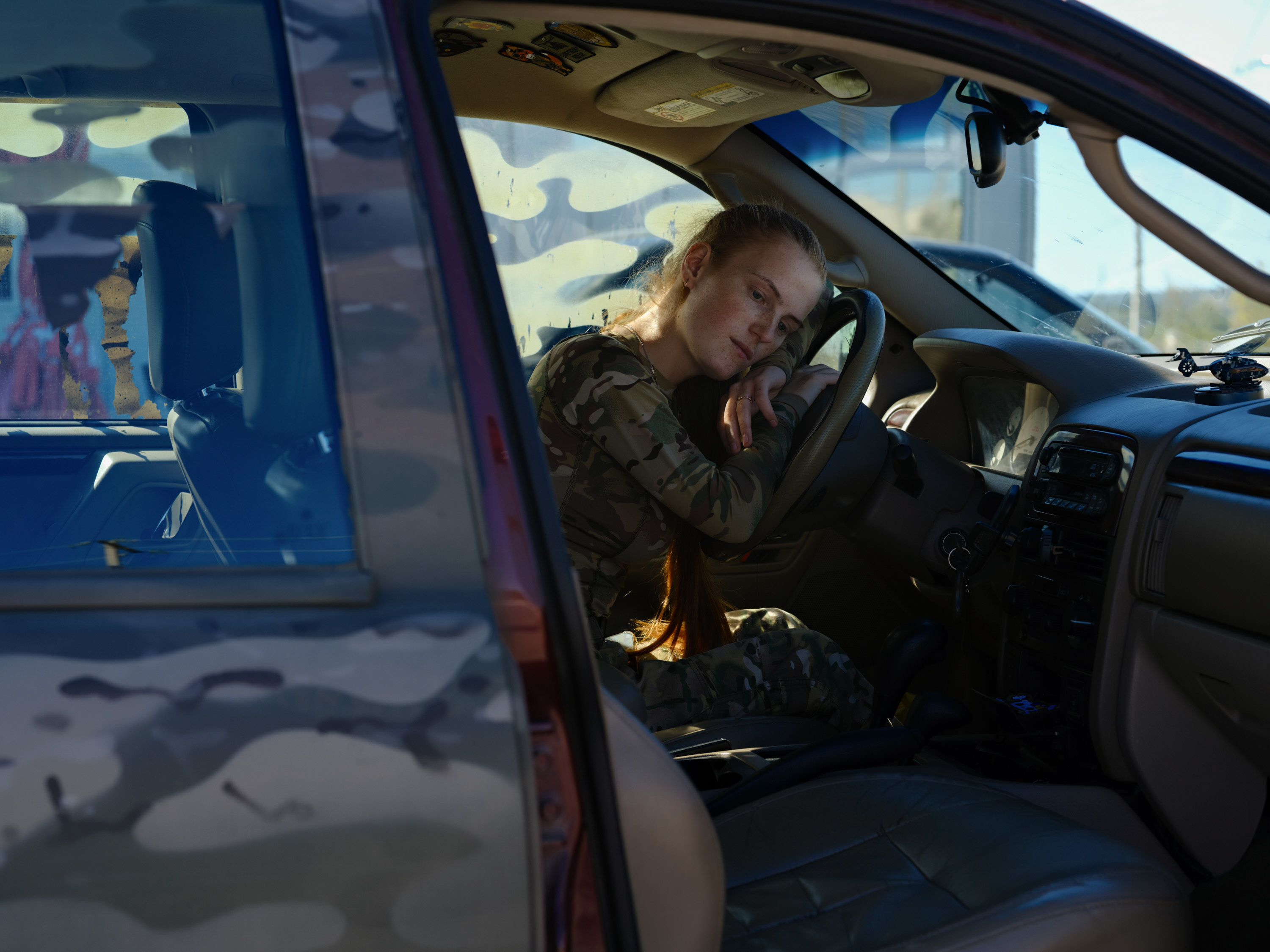
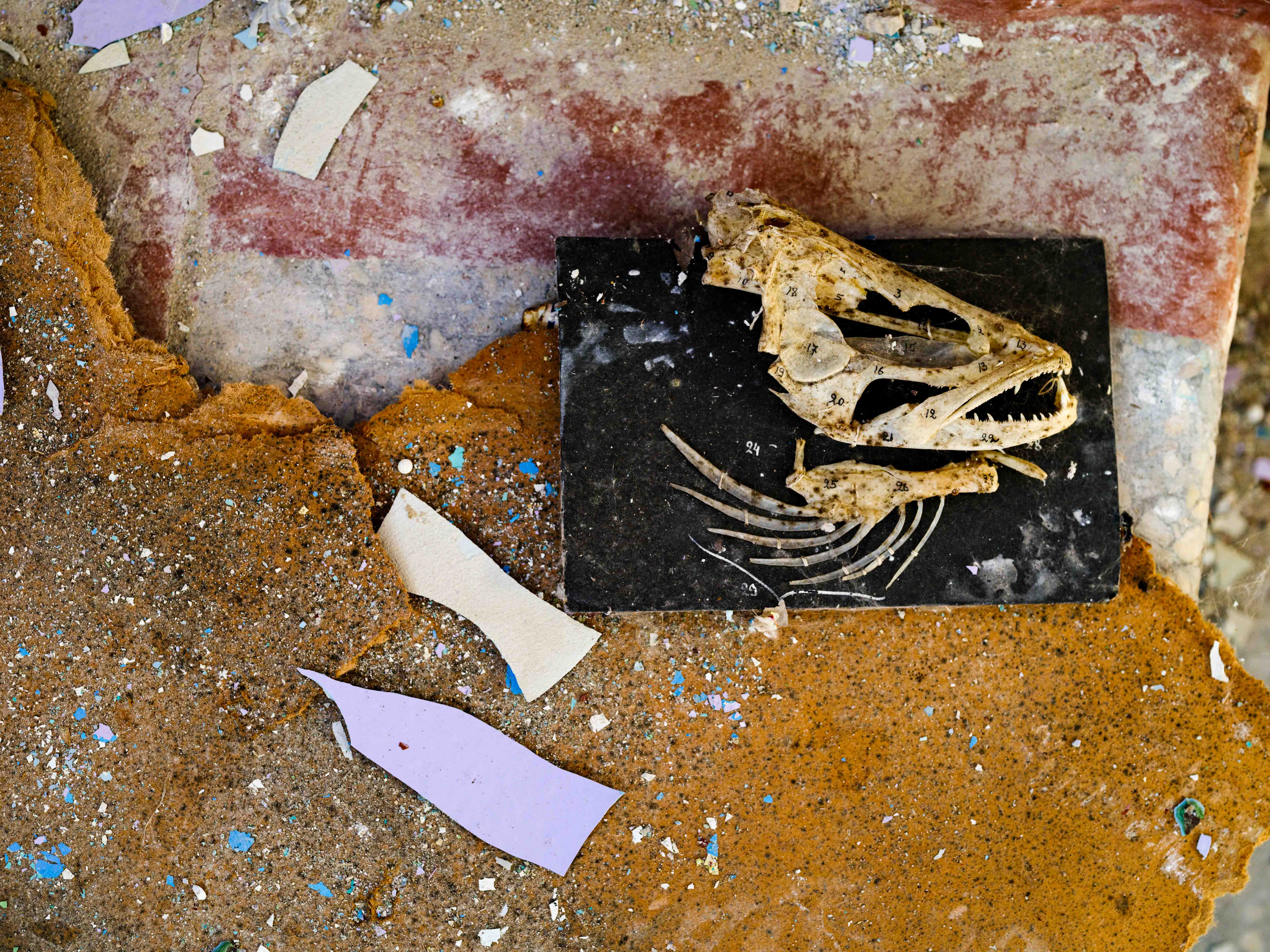
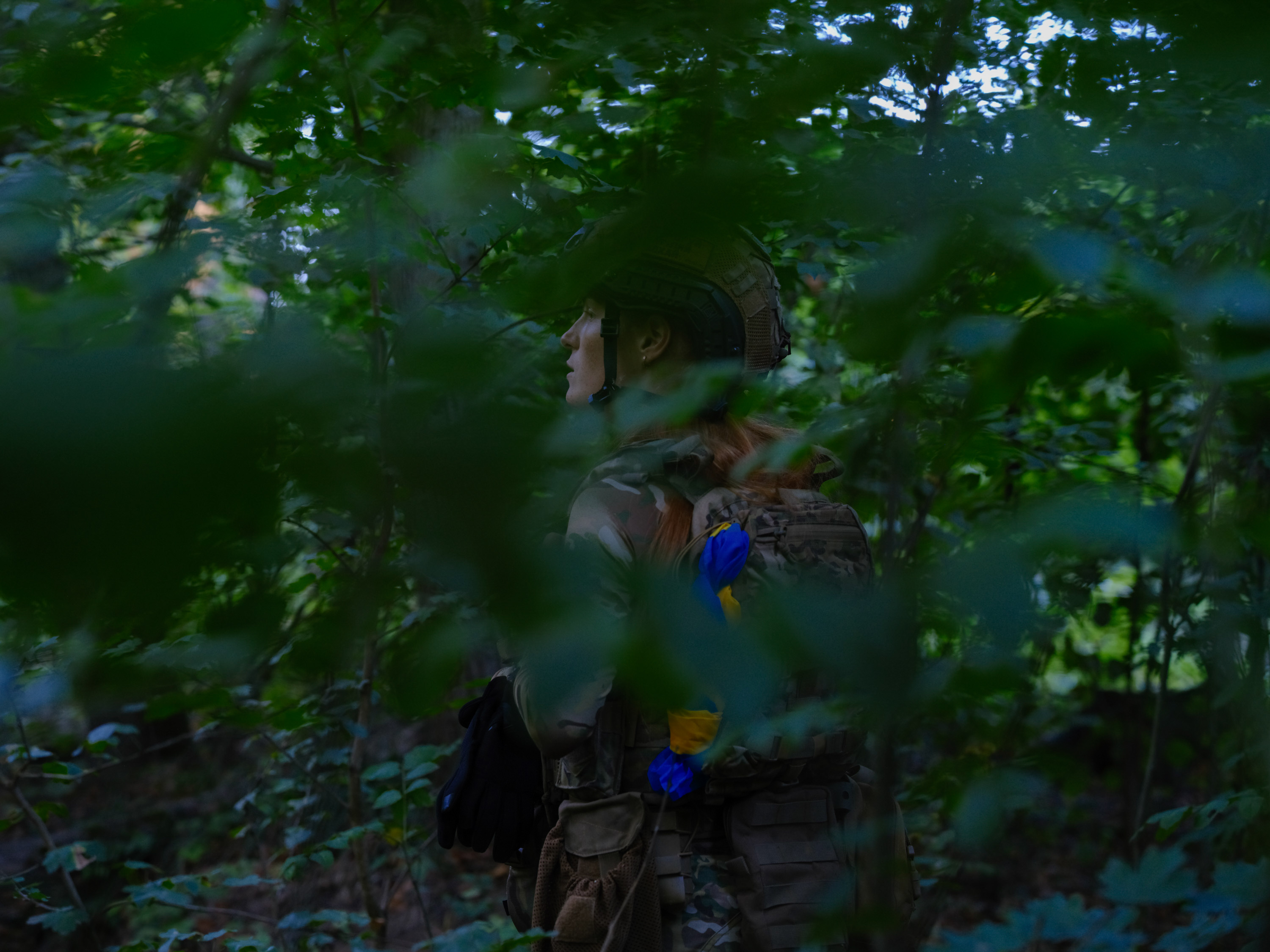
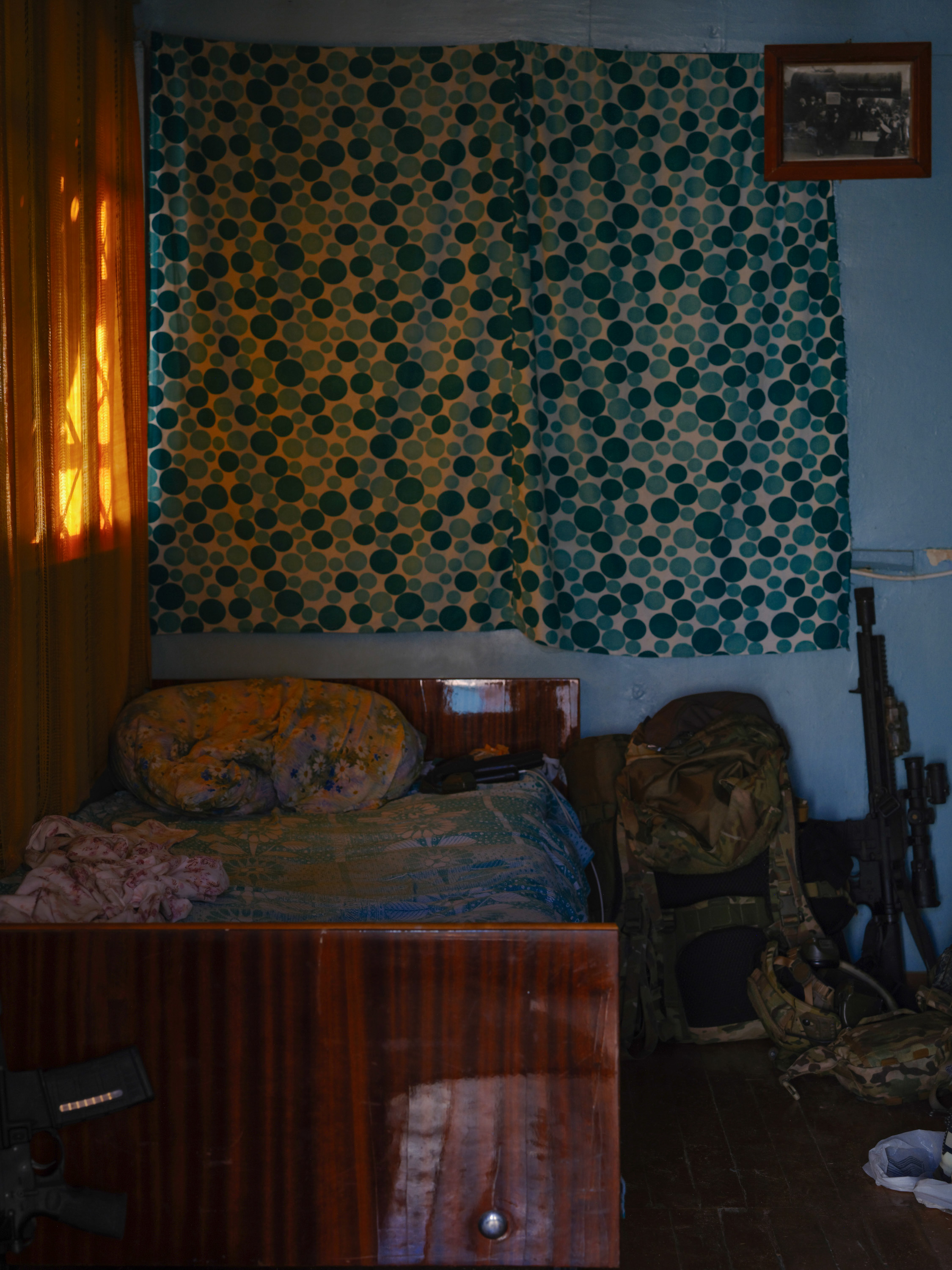
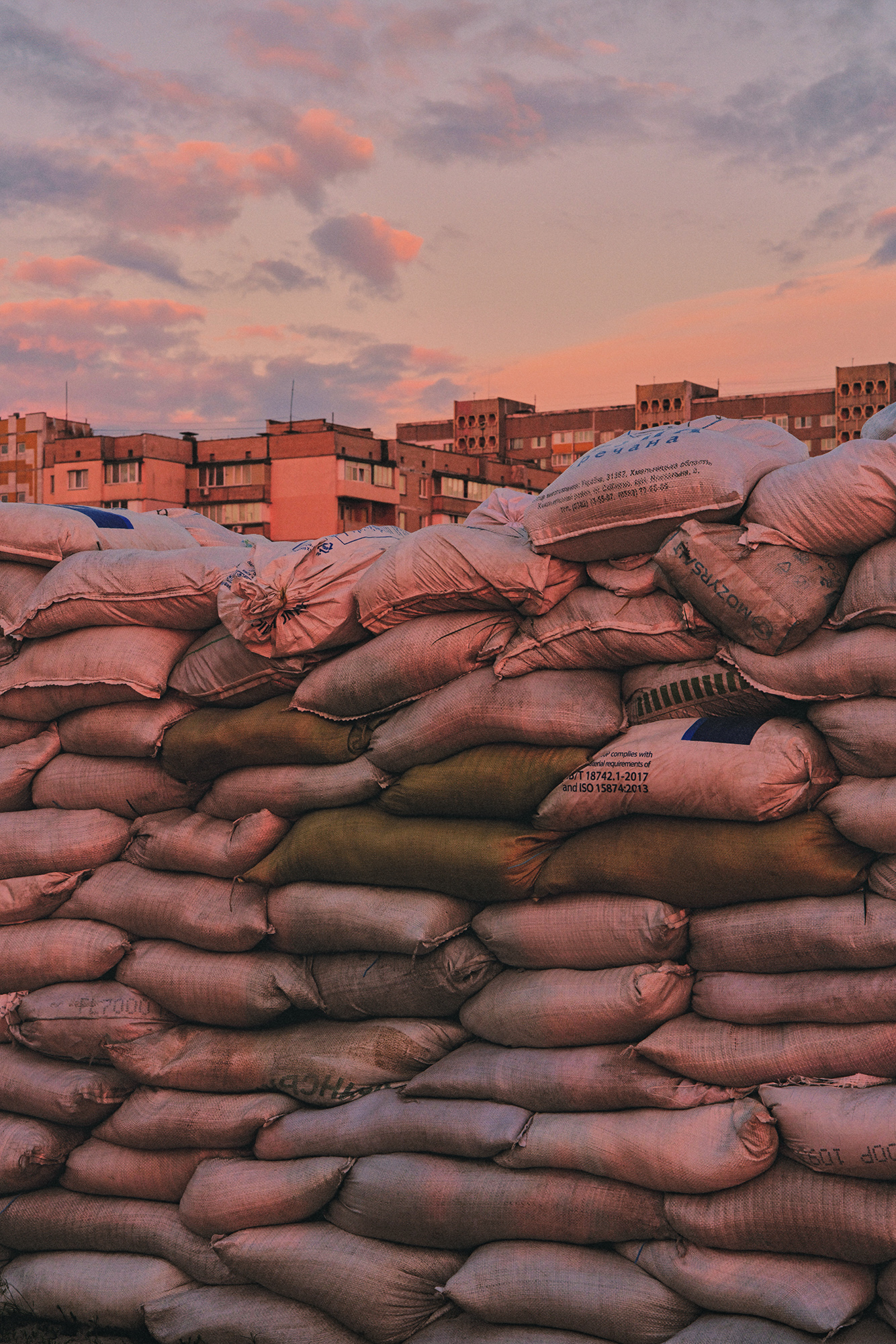
In 2024, I traveled to the combat zone for the first time. The series “Seismic Activity Zone” became my personal initiation. For the first time, I plunged into a subject where I had no experience. Everything happening around me became my personal experience. I lived through everything for the first time. This experience unequivocally changed me both as a person and as an author. I entered circumstances where it was impossible to conduct prior research or do homework. One can only live through and try to reflect on this experience. Thus, I focused on the theme of identity and personal space. In the series, I explore what happens to personal space in war, how it contracts and, ultimately, migrates inward. The personal universe in war resembles the debris of civilian life. The same as the landscape around. And then the question arises: what happens to the external world when the personal one vanishes, forced to migrate deep inside? I am also continuing to shoot this series.
“I lost the sense of the world’s lightness”
The full-scale war stripped me of the illusion that peace is the norm. History proves that humanity lives in wars most of the time. And such a perception of the world differs significantly from how people live in Western Europe.
I think, in a way, the war peeled back my skin. I started to value time and what or whom I spend it on more. To value people who maintain their dignity despite the grief and horror. It is true that in dark times, it becomes clearer who is who.
“Photography allows me to return to myself, reminding me who I am and why I am here”
When I return from shoots in the combat zone, I want to be alone for a few days; I crave silence and peace. When you live 24/7 with other people, even very close and wonderful ones, it is exhausting. And the realization that the longer you stay there, the more destruction, death, and suffering become the norm of life is also exhausting. Solitude, long walks, and sports help me recover. I like to talk to friends one-on-one. In recent years, I have felt uncomfortable in large companies. Although sometimes I want to gather all my close people for a cozy evening on the Dnieper coast. Maybe that will happen someday.
Photography is such a constant that allows me to return to myself, reminding me who I am and why I am here. When I lose myself and my place in life, photography becomes a foundation and, at the same time, a bridge that connects my “then” and “now.”
I am inspired by the achievements of my colleagues. Ironically, it was the war that opened up the names of young Ukrainian artists to the world. People started to see and listen to us. Therefore, it is important to seize this opportunity, to hold the line, and to understand that there might not be another chance to take our rightful place among other countries.
Marysia Mianovska is a conceptual photographer and volunteer. She graduated from Viktor Marushchenko’s School of Contemporary Photography and the NOOR agency photojournalism course in Düsseldorf. She was born and lives in Kyiv and, in recent years, lived between Poland and Ukraine but returned to Ukraine in 2023. Marysia explores generational changes through her photo projects. Her first project tells the story of her late brother Valeriy and teenagers from Troieshchyna. She is currently focused on images of youth fighting for Ukraine.
Marysia's Instagram.
Credits:
Researcher, Text Author: Katia Moskalyuk
Photo Editor: Vladyslav Krasnoshchok
Literary Editor: Yuliia Futei













.jpg)


