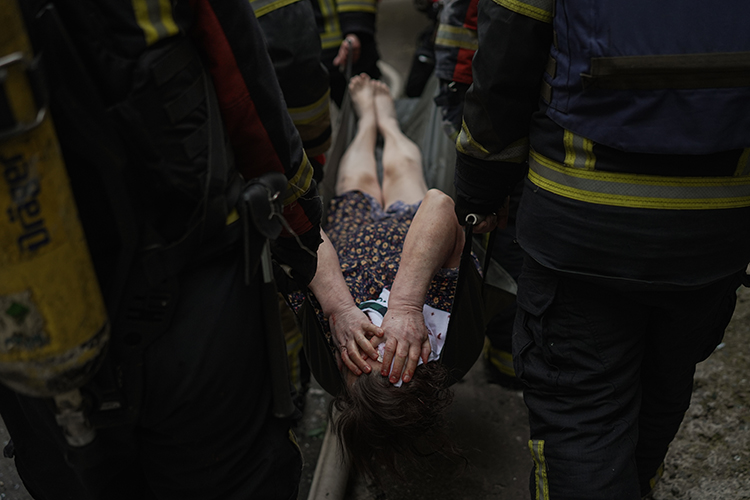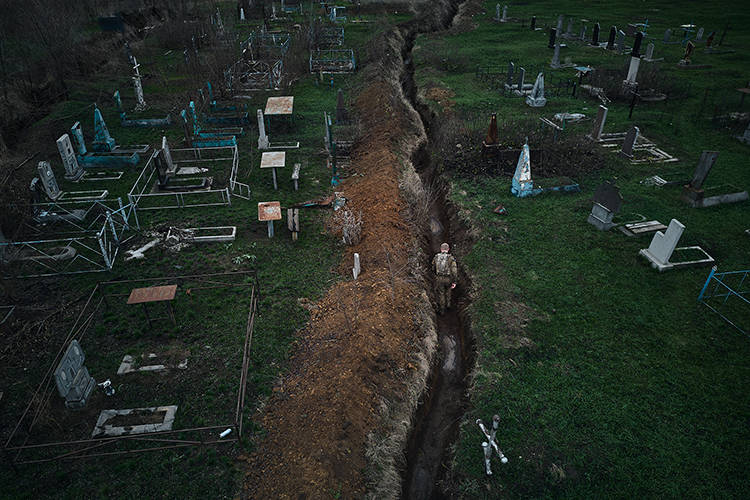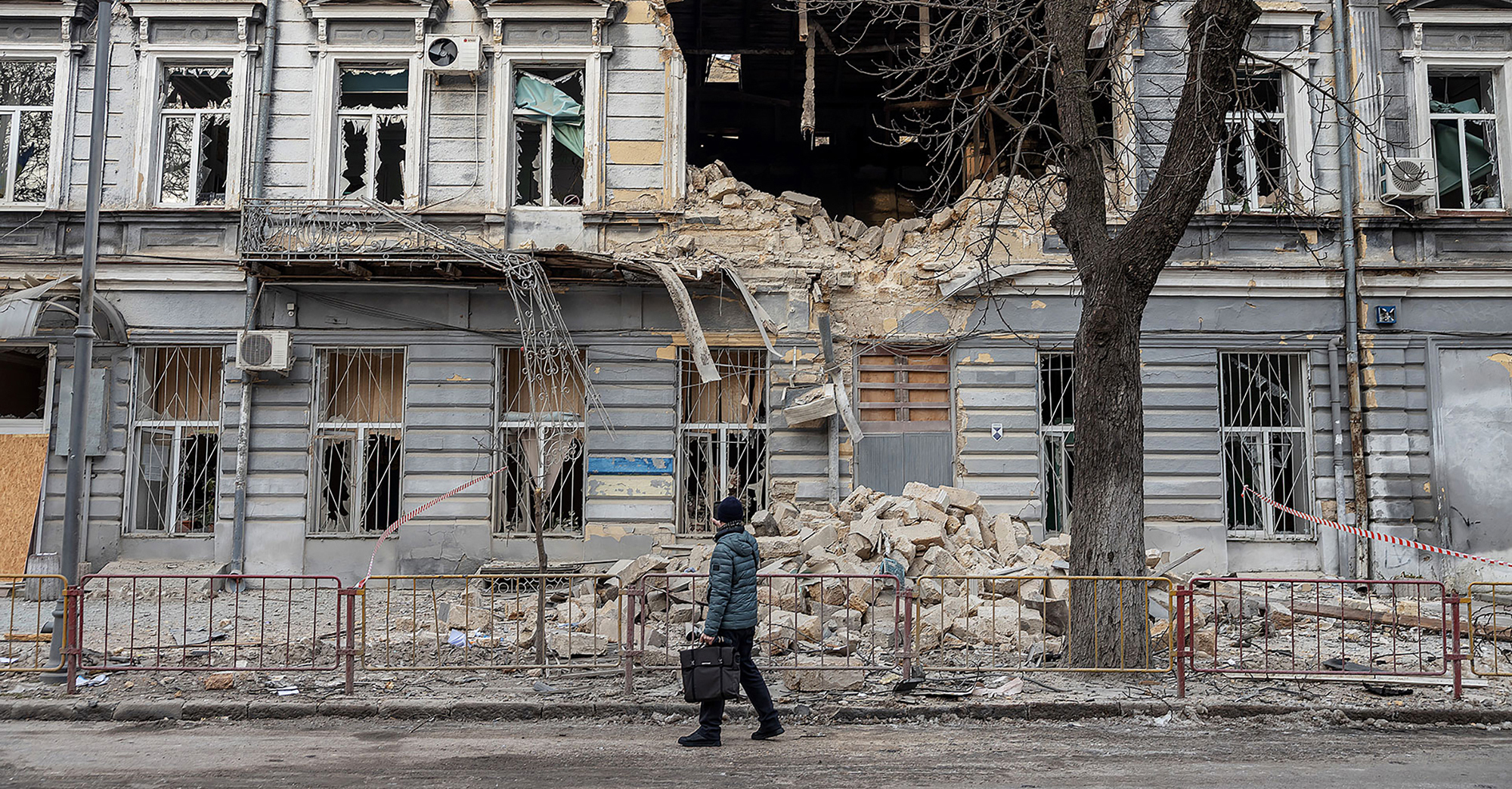
The week once again became a trial for Odesa due to Russian shelling: the enemy carried out three large‑scale attacks on energy infrastructure, destroyed residential buildings and architectural landmarks. Zaporizhzhia, Kherson, Sumy region, Kharkiv region, and Dnipropetrovsk region also suffered from enemy fire. There were casualties among those who rescue and restore electricity to homes — three energy workers, four police officers, and a female medic were killed. There were also massive attacks across the entire territory of Ukraine. On Tuesday, Russians struck 12 regions. The week ended with a combined attack on Kyiv region and a terrorist attack in Lviv.
Chronicle of Russian shelling from 16 to 22 February 2026
Every day, residential neighborhoods and infrastructure in Kherson were under attack. On 16 February, an educational institution and a medical facility were hit by shelling — two medical workers were injured there. During a repeated UAV attack, a fire truck was damaged. Among the injured civilians in Kharkiv region was a 15‑year‑old child. The enemy continues to destroy infrastructure in the border areas of Chernihiv region.
On the night of 17 February, the enemy attacked Ukraine with 29 missiles and 396 drones, about 250 of them Shaheds. The targets were energy, transport, and residential infrastructure in 12 regions, as well as industrial facilities. By morning, consumers in Dnipropetrovsk, Odesa, Donetsk, Kharkiv, and Zaporizhzhia regions were left without power; disruptions to heat supply were recorded in Sumy and Odesa. As a result of the nighttime attack, nine people were injured, including children.
The enemy shelled Dnipropetrovsk region with missiles, drones, aerial bombs, and artillery. Enterprises were attacked in Dnipro and Kryvyi Rih, and one person was killed in the region. In Okhtyrka district of Sumy region, a Russian attack on the residential sector caused a fire and killed a woman; six others were injured, including two children. From the morning, the enemy carried out a massive attack on Sumy — residential buildings were damaged in the city, six people were injured, and a fire raged in the central part of the city. In Chernihiv region, Russian drones damaged a gymnasium building and struck transport infrastructure. During the first two days of the week, there were injured people in Zaporizhzhia and Kherson regions. On the morning of 17 February, residential areas of Kherson were under attack; high‑rise buildings and one of the buildings of Kherson State University were damaged. As a result of the shelling, one person was injured, and critical infrastructure of the Kherson community was also damaged; consumers and life‑support facilities in the Dniprovskyi district were left without electricity. In Donetsk region, three people were killed and one injured when an FPV drone struck a vehicle carrying employees of the Sloviansk Thermal Power Plant.
On the night of 18 February, Russians attacked Zaporizhzhia with strike UAVs. One person was killed and seven injured, including a one‑and‑a‑half‑year‑old child and an 11‑year‑old child. Two apartment buildings were damaged by the blast wave and debris. In Dnipropetrovsk region, a man was killed under the rubble of a building. One person was injured in Chernihiv region; transport and residential infrastructure were shelled. In Donetsk region, three people were killed and two injured.
On 19 February, the enemy attacked a farm in Kharkiv region, killing about 100 pigs and injuring a man. In the morning, Kherson came under shelling; a private enterprise was destroyed, shops were damaged, and a cargo vehicle was hit. Russians launched a ballistic attack on Nizhyn in Chernihiv region; one person sustained shrapnel injuries. The region also saw strikes on transport and civilian infrastructure and residential buildings. Three people were injured in Dnipropetrovsk region, two of whom were hospitalized in moderate condition.
On the night of 20 February, Russians struck an industrial facility in Poltava region; 150 firefighters extinguished a large‑scale fire. In Kharkiv region, Russian drones attacked a civilian enterprise, destroying a warehouse building and causing a fire covering 3,000 square meters. Three people were killed under the rubble of the building, and two were injured. Overnight, the enemy attacked critical infrastructure in Zaporizhzhia; 41,000 consumers were temporarily without electricity. Russians carried out an airstrike on Zaporizhzhia district; three people were injured, a four‑story residential building was damaged, and a fire broke out in one of the apartments. In Dnipropetrovsk region, six people were injured by Russian attacks, four of them hospitalized. In the morning, Russian drones again struck a municipal enterprise of the Kherson City Council, damaging several vehicles. In Mykolaiv region, the enemy launched a ballistic strike on open terrain; Russian UAVs attacked critical infrastructure facilities, leaving consumers in Bashтанskyi district without power.
On the night of 21 February, the enemy struck the Sumy community with a guided aerial bomb; private homes were destroyed and damaged, three people were injured, including a five‑year‑old child and a 17‑year‑old girl, and one person was hospitalized. Russians struck the American company Mondelez in the Trostianets community with a missile. The enemy carried out two deadly attacks on vehicles, killing six people. One of the vehicles was an emergency medical vehicle; among the dead were a 17‑year‑old boy, a female medic, and a police officer. In Kharkiv region over the day, two people were killed and five injured. In the settlement of Serednii Burluk, police officers of the “White Angel” unit were killed during an evacuation. In Dnipropetrovsk region, Russians carried out more than 30 attacks in one day, injuring a man. In Chernihiv region, a hangar of a farming enterprise burned down; communication facilities and residential buildings were damaged.
On the night of 22 February, the Russian army carried out a massive attack on Ukraine’s critical infrastructure. The enemy used about fifty missiles and 297 drones of various types. The most severe consequences were recorded in Kyiv region, Odesa region, Kirovohrad region, and Poltava region; Mykolaiv region, Zaporizhzhia, and Cherkasy region were also affected. In Mykolaiv, transport and energy infrastructure were damaged, and 16,000 consumers were left without electricity. In Zaporizhzhia, transport infrastructure was also hit; two people were killed in the region over the day. A woman with a child from a suburb was hospitalized in a Kyiv hospital. In Kyiv region, five districts were affected: Boryspil, Brovary, Fastiv, Bucha, and Obukhiv. Residential buildings, a farm building, a garage cooperative, and warehouse facilities were damaged; fires broke out. As a result of the attack, one person was killed in the region, and 15 were injured, including four children. Eight people were rescued from under the rubble, including one child.
The night of 22 February was especially difficult in Lviv — a terrorist attack occurred there; 24 people were injured, and a 23‑year‑old police officer, Viktoriia Shpylka, was killed.
Odesa region: continuation of terror
Odesa is one of the regional centers that suffered the most this week from Russian attacks. Due to a massive nighttime attack on 17 February, serious damage to an energy facility was recorded in Odesa region; tens of thousands of people in parts of the region and the city of Odesa were left without heat and water supply. Over the course of a day of restoration work, 60.5 thousand consumers were fully or partially reconnected. Consumers in Odesa’s Kyivskyi district remained without electricity. Additional heating points were deployed in the city; in total, 340 points of resilience and 20 heating points are operating. In the region, the Odesa, Bilhorod‑Dnistrovskyi, Bolhrad, and Izmail districts remain without electricity.
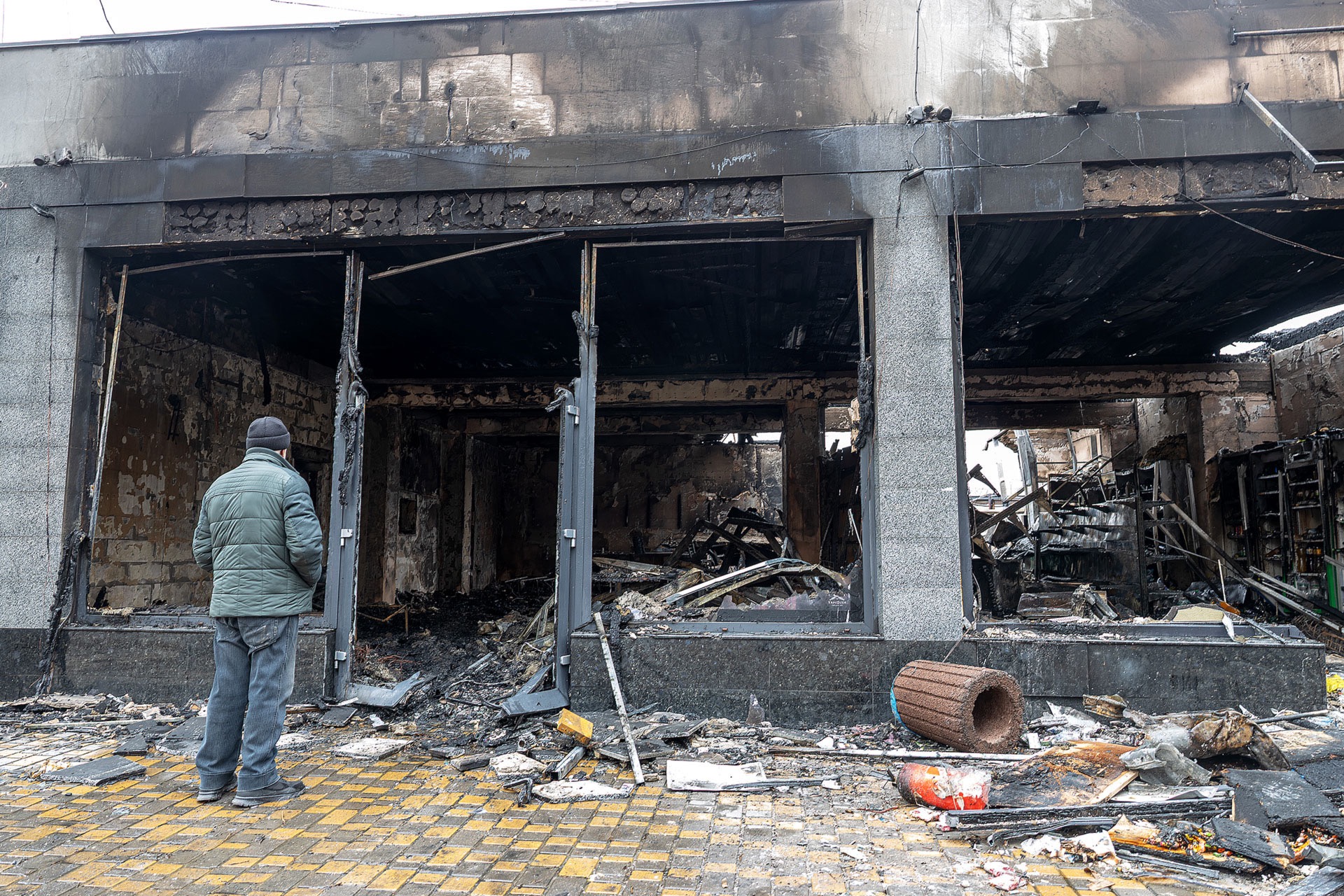
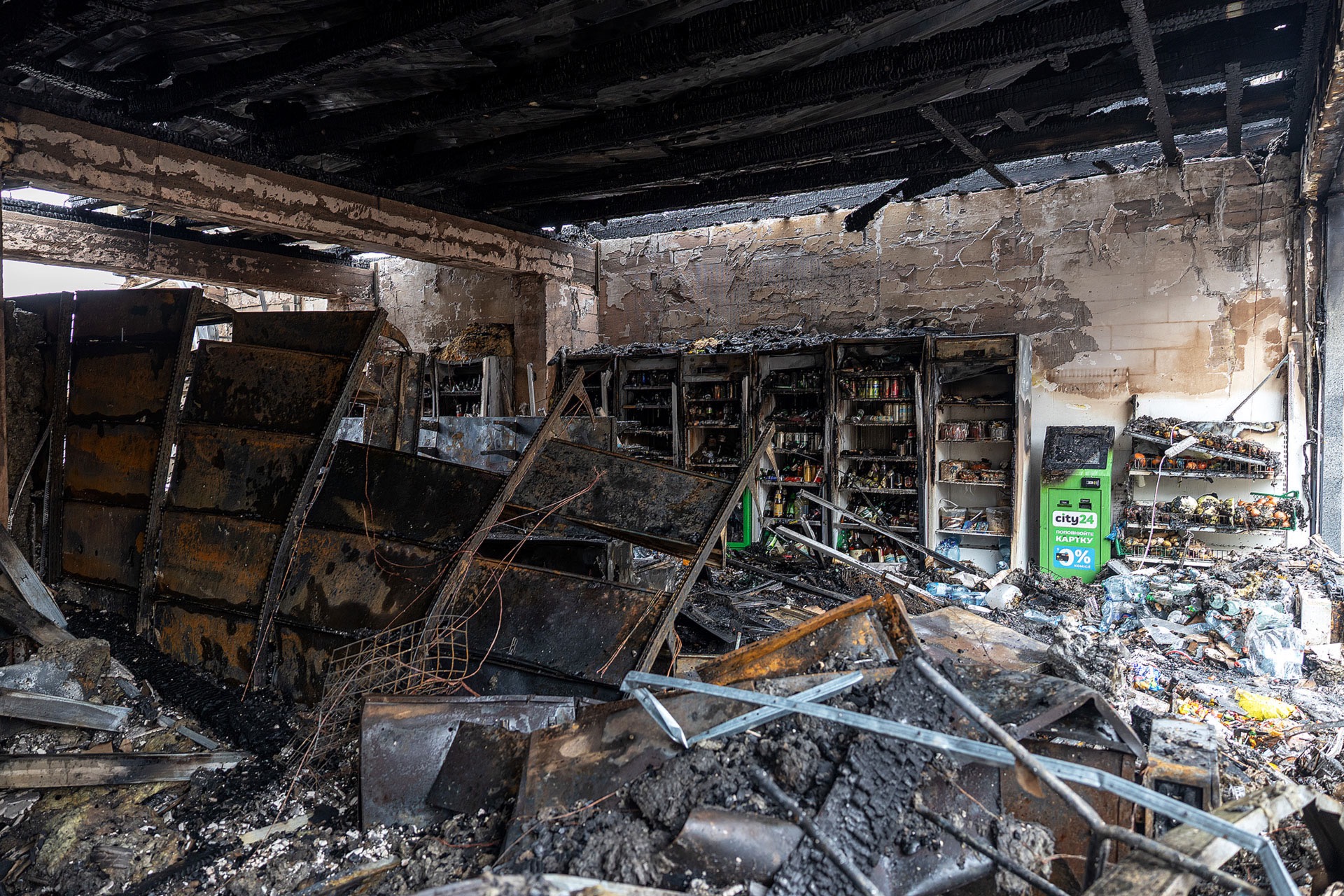
“The tents set up by the State Emergency Service are packed with people. Here, you can warm up after an unbearably cold night, charge your phone, receive hot food, tea, and biscuits, and most importantly — support and sincere human interaction,” said Odesa photojournalist Oleksandr Himanov, who documented the consequences of Russian shelling.
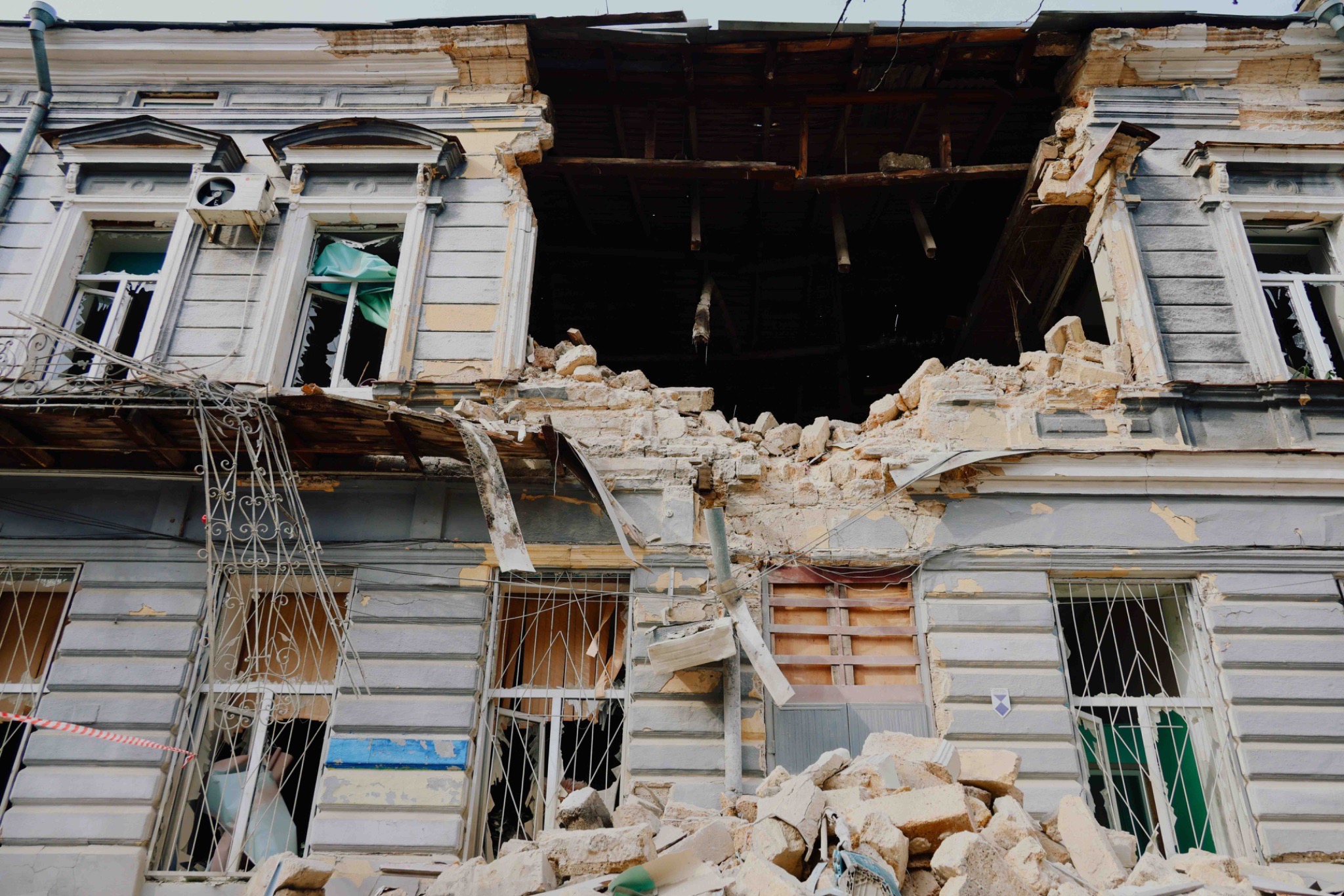
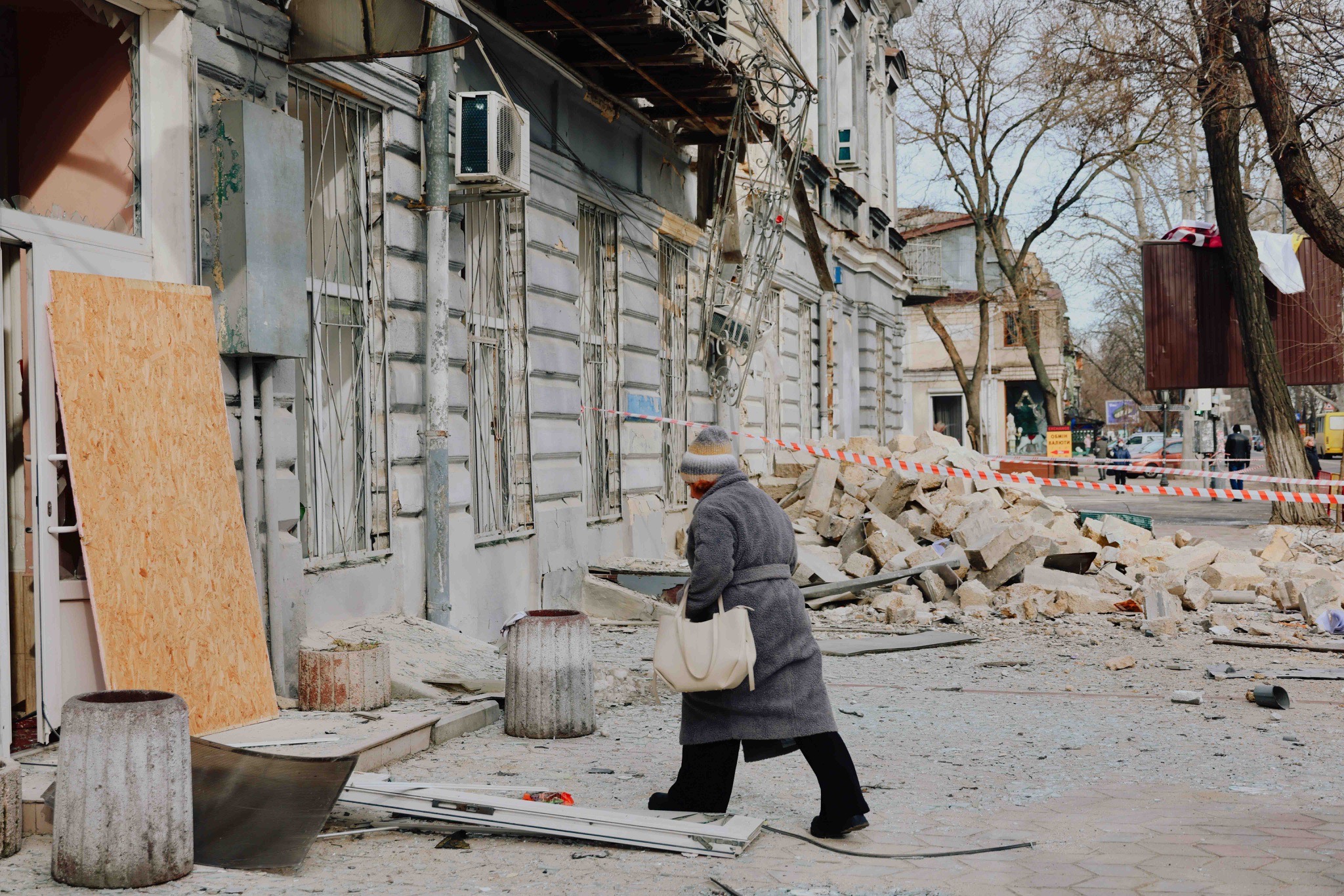

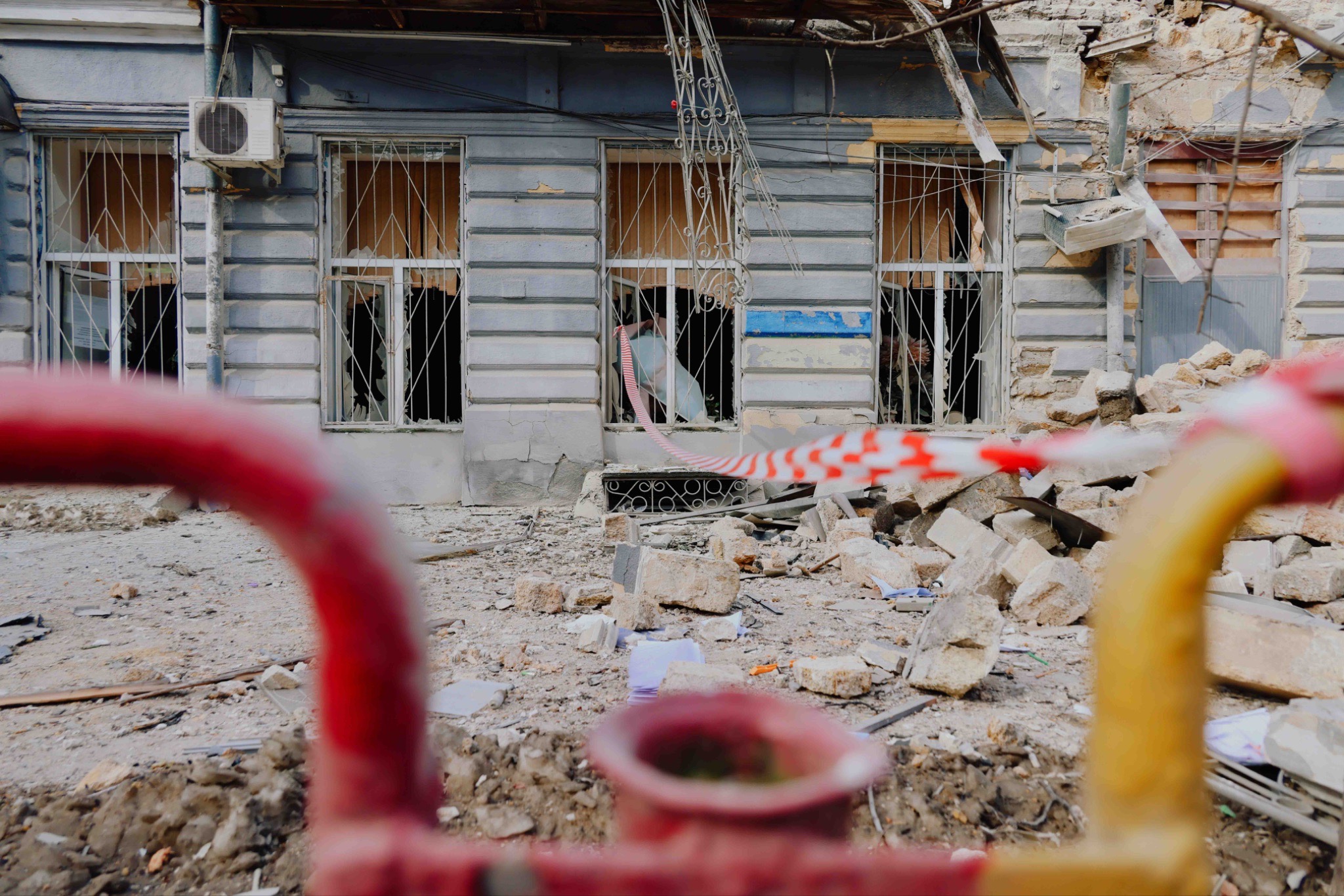
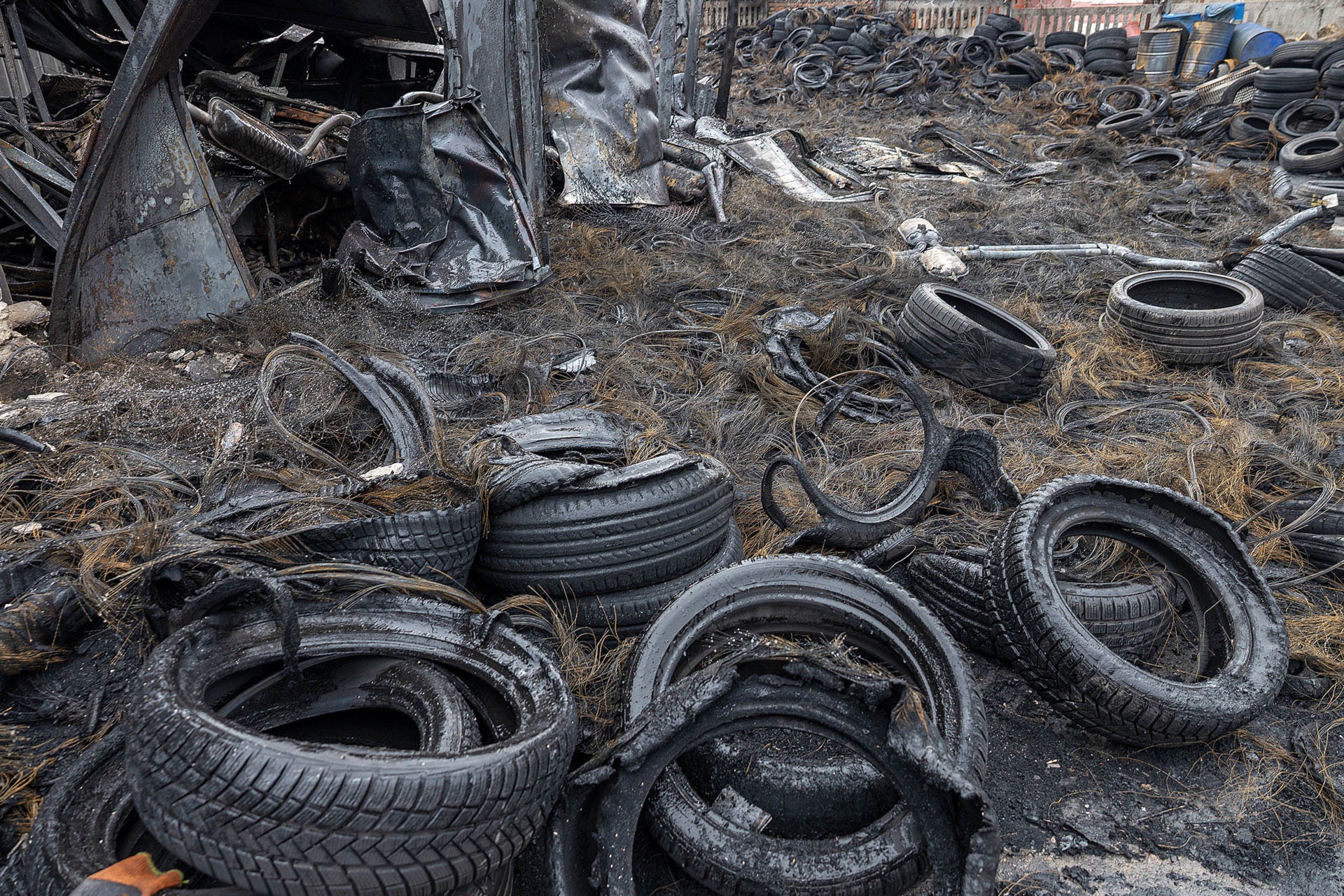
In Odesa, as a result of a Russian attack, three people were injured; two were hospitalized, one in serious condition. A high‑rise building was hit on its upper floors, as well as warehouse buildings and a service station; cars were burning. Due to falling drones, a private house and garages on the territory of a garage cooperative were damaged.
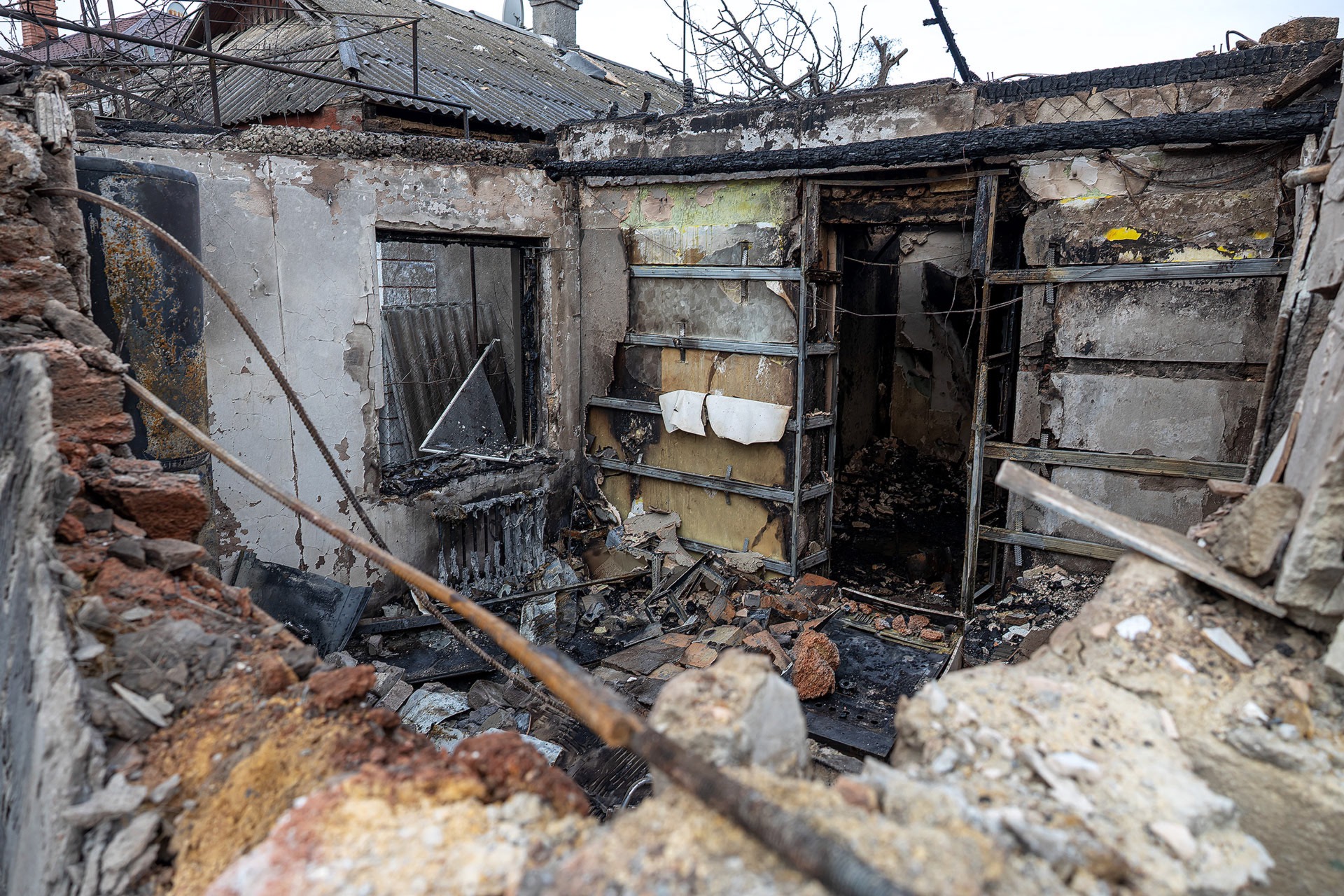
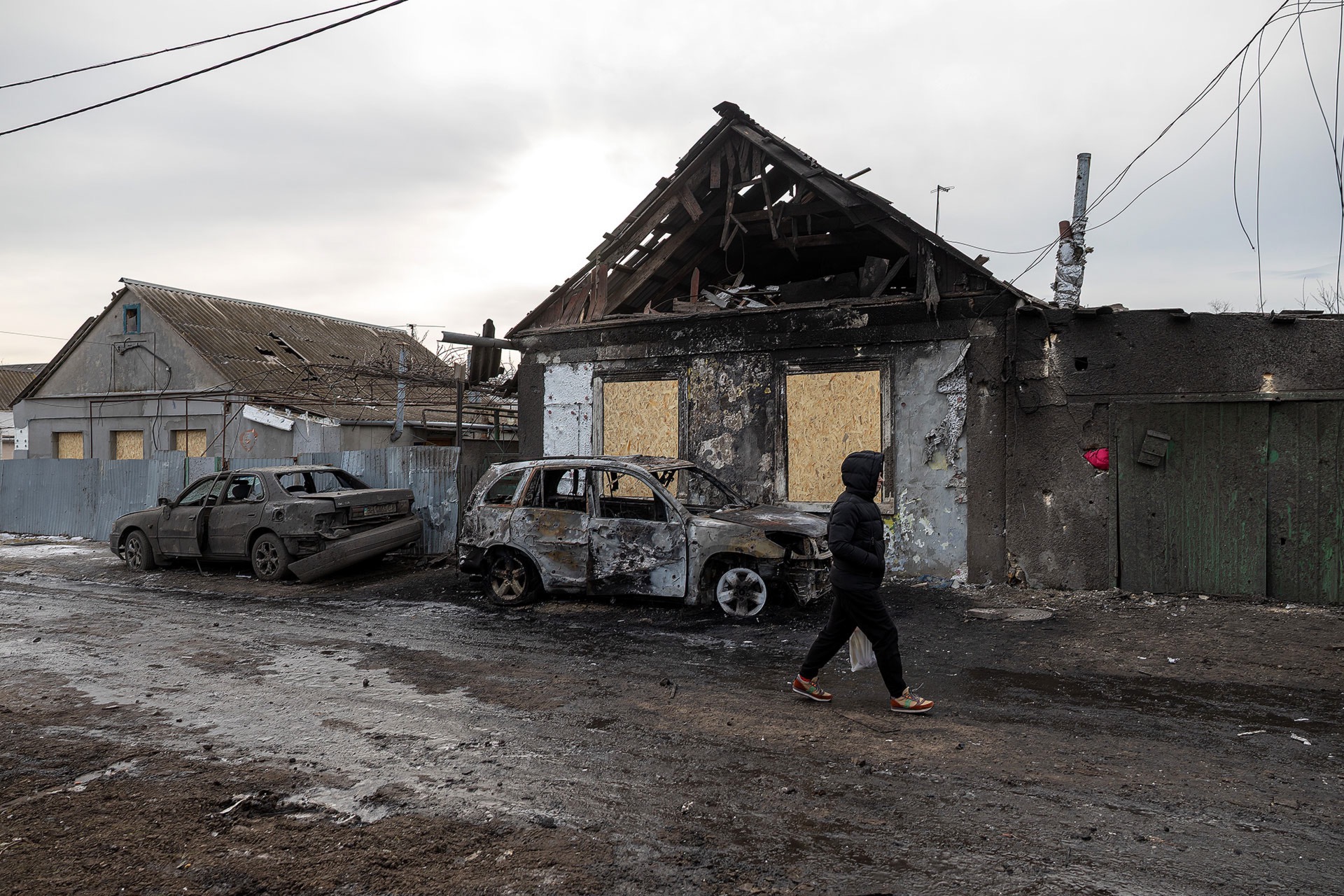
On the night of 21 February, Odesa district came under a massive drone attack; civilian and energy infrastructure were damaged. The Khadzhybeiskyi and Prymorskyi districts of the city were affected. Private houses, a four‑apartment building, garages, cars were destroyed and burned; warehouses and an energy company facility were damaged. A lyceum was severely damaged — the second floor of the building was destroyed. It was reported that Russians destroyed the historic building of the law lyceum, which is an architectural landmark. Two people were injured in the nighttime attack; a man was hospitalized with burns.
During the massive nighttime attack on 22 February, energy facilities in Odesa region were damaged; strikes and fires over large areas were recorded.
Worked on the material:
Topic researcher, text author: Yana Yevmenova
Photo editor: Olga Kovalova
Literary editor: Yuliia Futei