
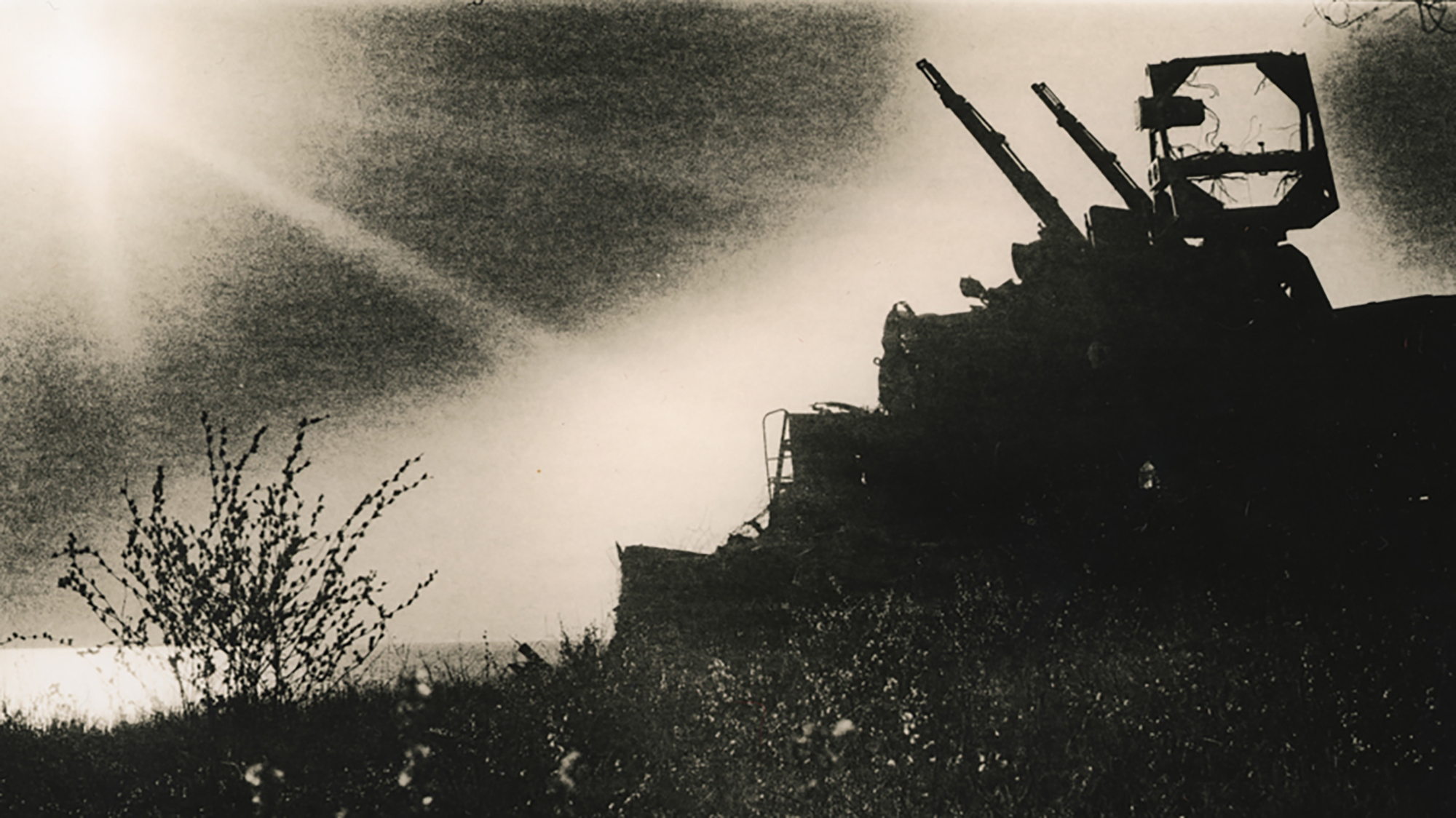
The road to Snake Island (Zmiinyi Island) in good weather takes about two hours. At a certain point on the route, if you peer into the horizon, you can see a chain of ships waiting their turn to enter the port. This is the grain corridor—one of the biggest victories of the Security and Defense Forces in the battle for the Black Sea.
— This calms me. This is what we fought for and what many Ukrainian warriors gave their lives for, — says the commander of the special operations unit “Nobody,” part of the Defense Intelligence of Ukraine’s “Timur’s Special Unit,” with the call sign Ned, peering into the horizon.
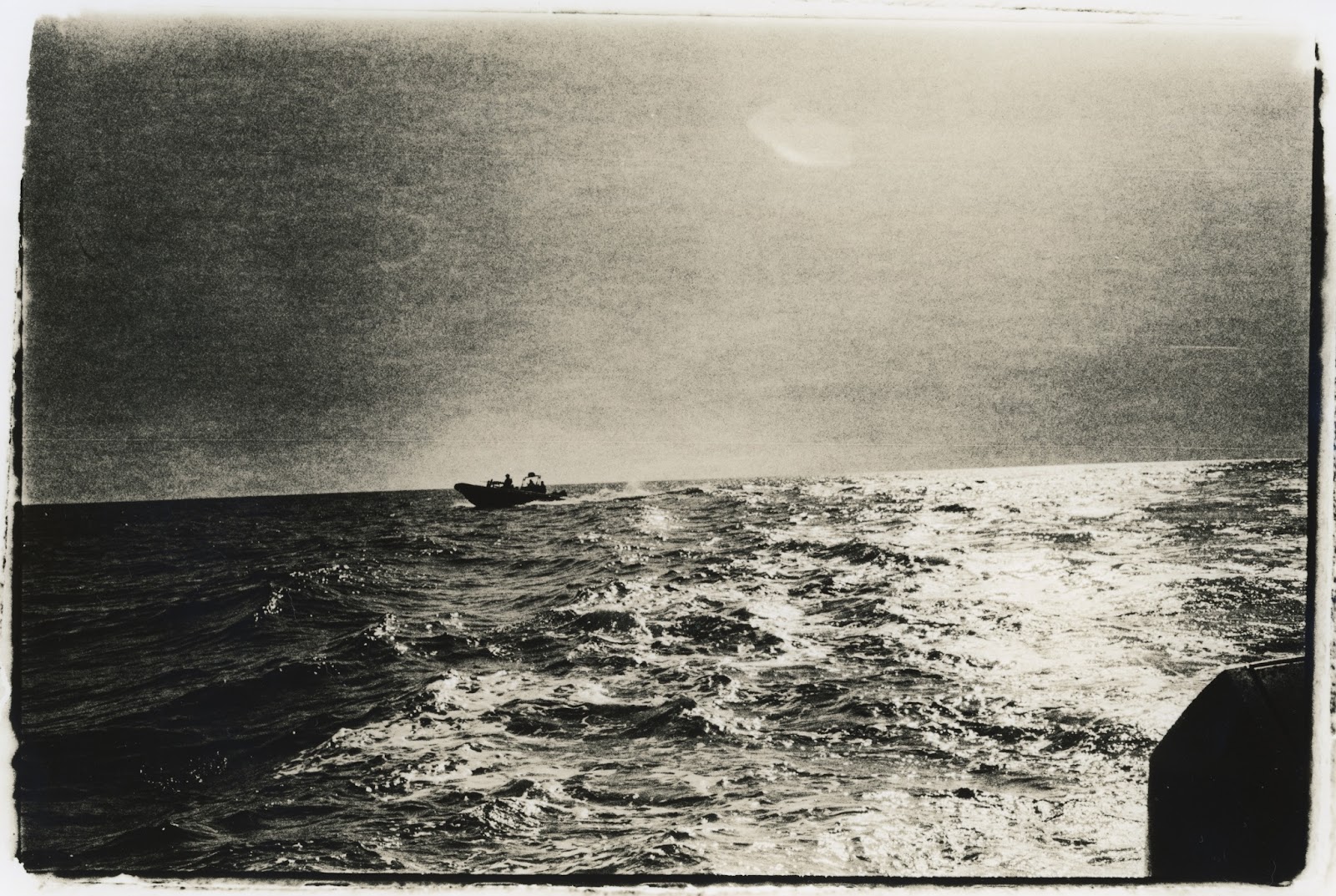

Most of his fighters are currently performing tasks on the mainland, while some are on combat duty on the island. Ned has been to Snake Island dozens of times. The unit first landed there in 2023.
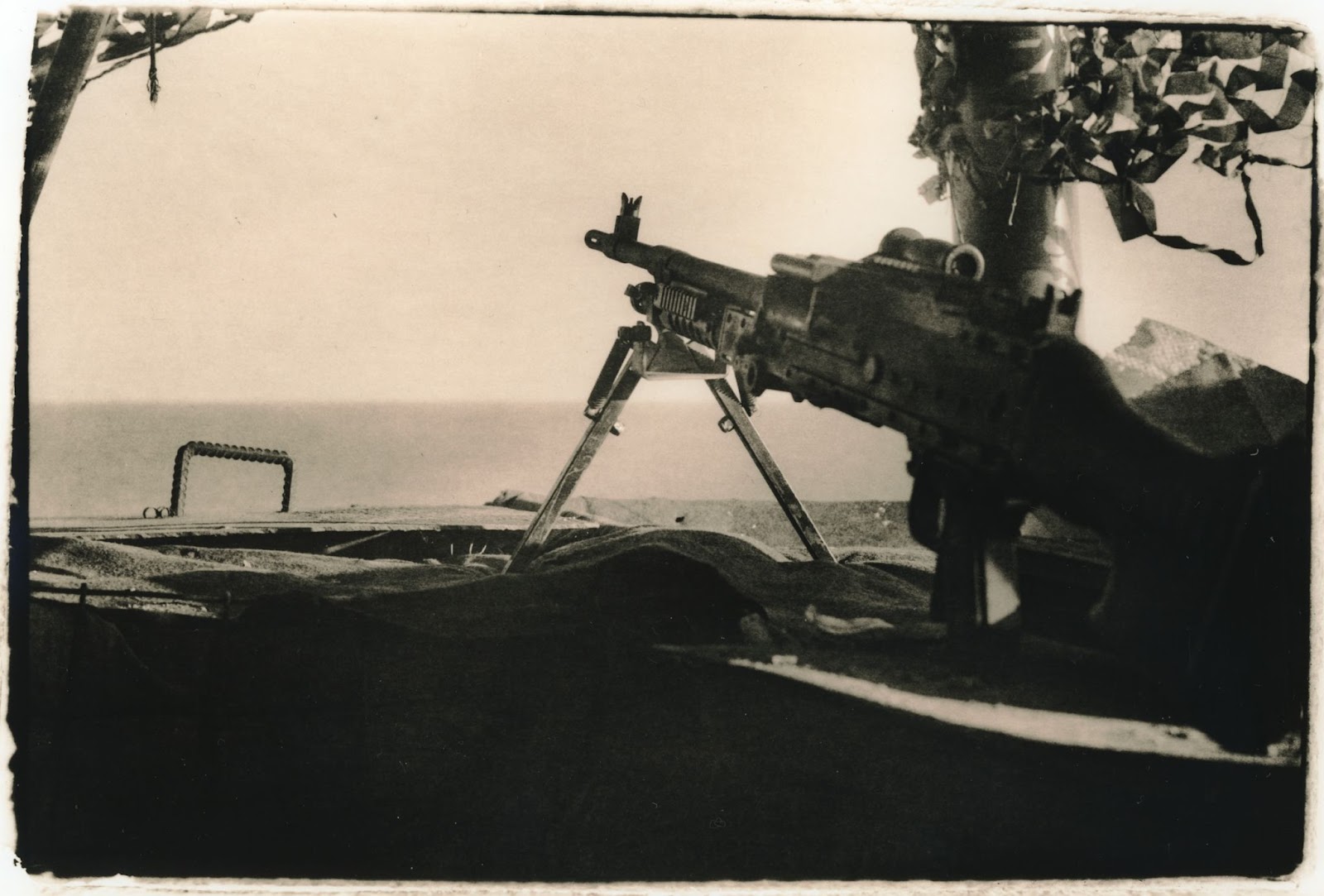
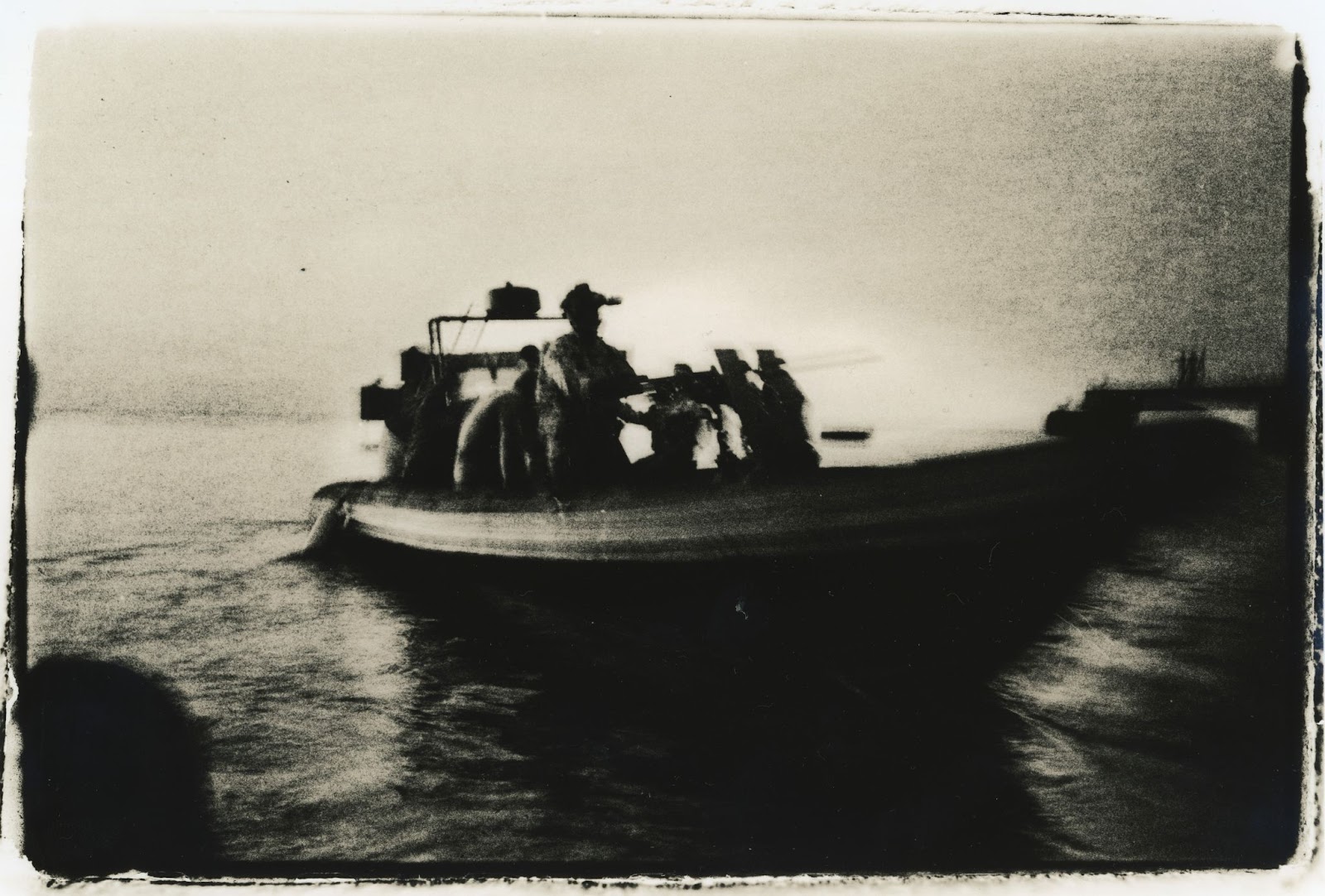
The speed is 27 knots (approximately 50 km/h). There is a machine gun on the bow of the boat. The fighter with the call sign Kozak loads the cartridges and fires a long burst into the water.
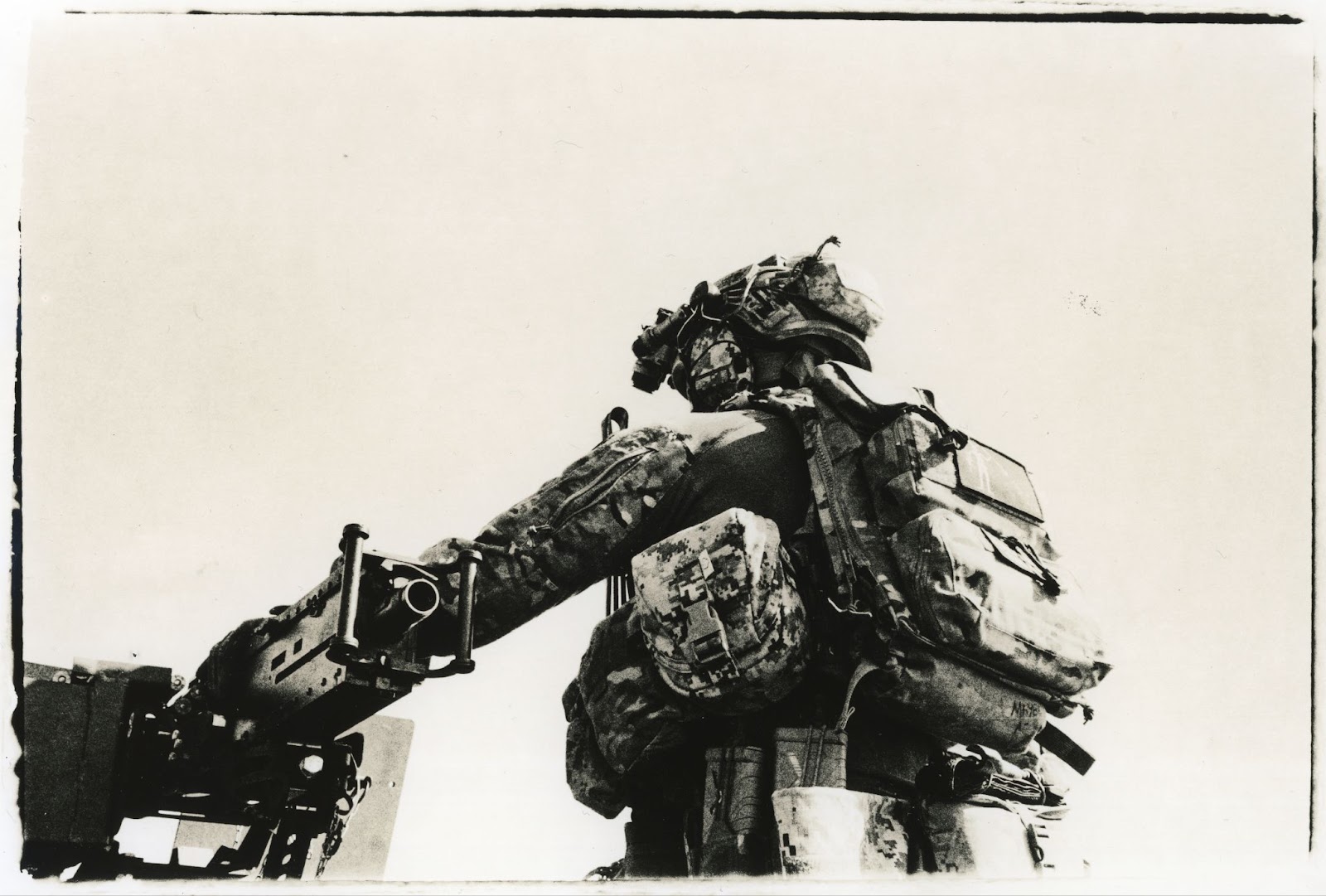
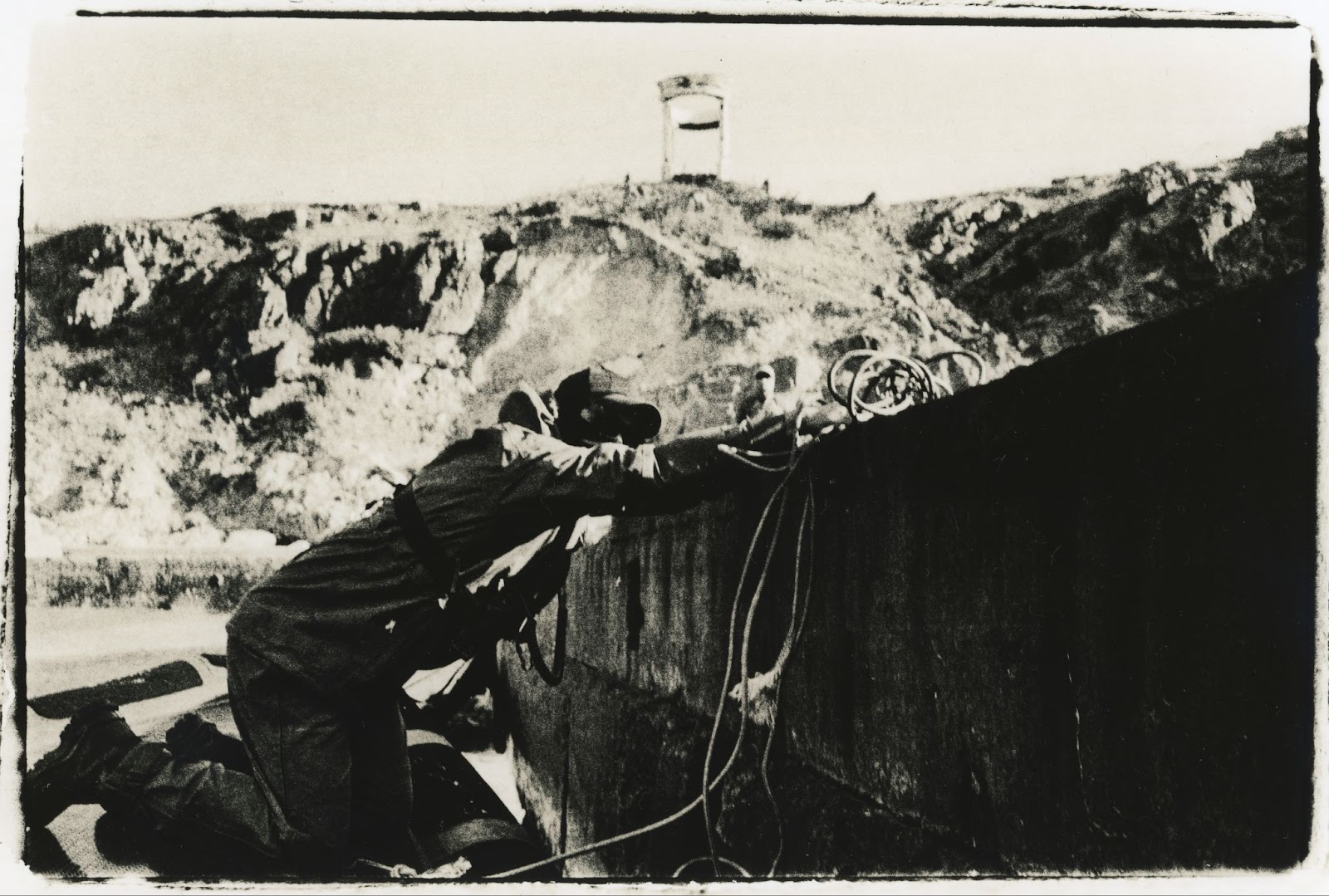
— We received new machine guns and wanted to test them in working conditions, — explains Ned. — The threat of enemy actions is still very high: both aviation and drones. The Russians have not given up on the desire to take back the island—it’s like a bone in their throat. Yesterday, when we were here, they launched two cruise missiles at us. We managed to descend into the shelter in time. This was the first shelling of the island in a long time. I heard the arrival, it was about 100 meters from the shelter, and for a person with combat experience, that is quite far, so yesterday I said with relief, ‘not at us,’ — the commander smiles.

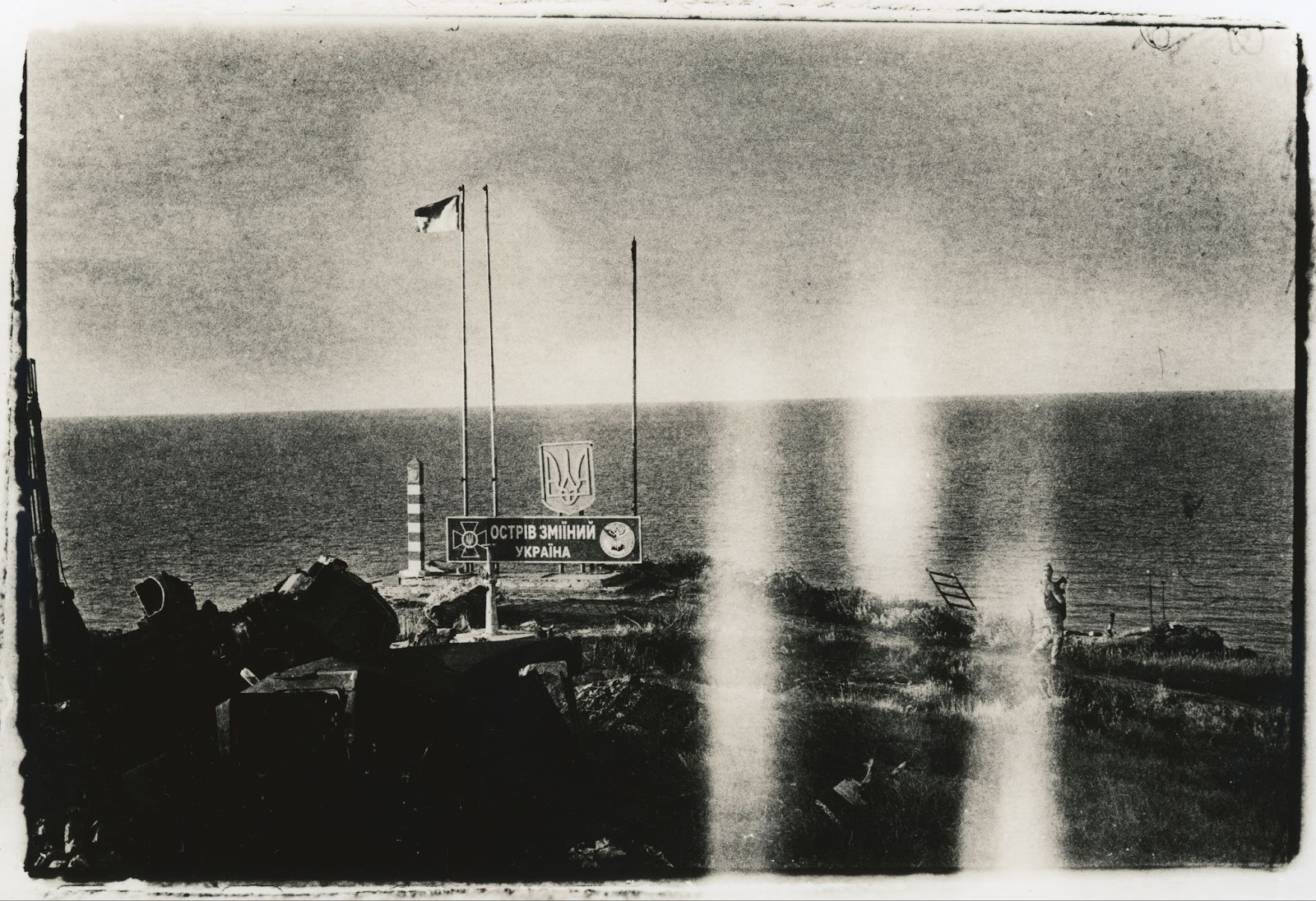
On the day of our trip, it became known that a Russian Su-30 had sunk in the Black Sea near the island. It is possible that it was the one that launched the missiles at Snake Island the day before.
— Yesterday, a fighter who told the Russian ship to go fuck itself in February 2022 was with us. This was his first time here since the liberation. When we were sitting in the bunker, we asked him to repeat it, this time for the Su-jet. He told it off—and you see the result—the plane is in the sea, — Ned laughs.
— In reality, the Russians have few experienced pilots left, so they send them to the Black Sea as a relatively safe zone for training. But, as you can see, they are unlucky here too.
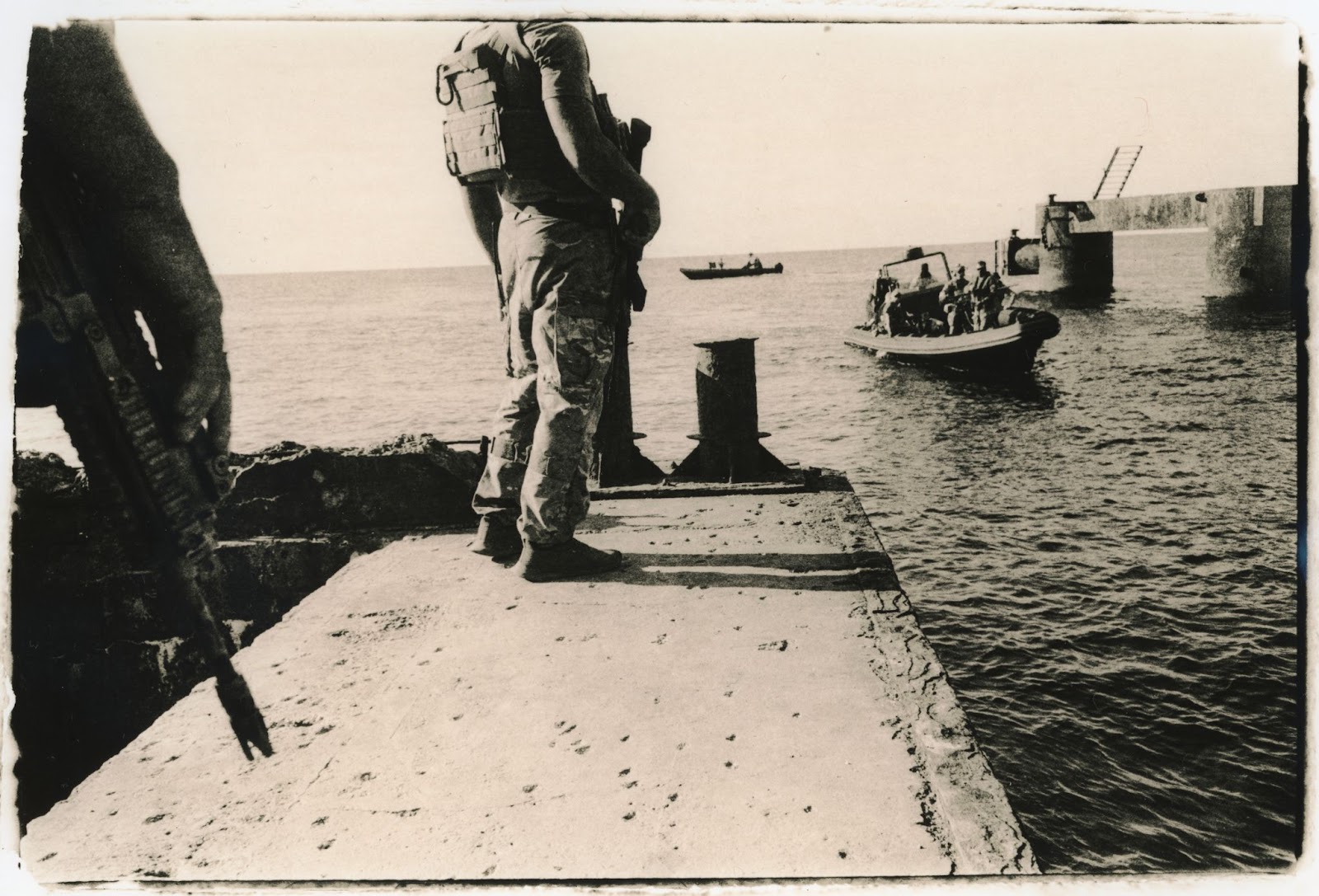
We approach closer. The sun dips toward the horizon, the water turns ultramarine blue, and the island seems to glow amidst the waves… From the water, it looks like a real stone fortress. After a quick mooring, we finally step onto the shore.
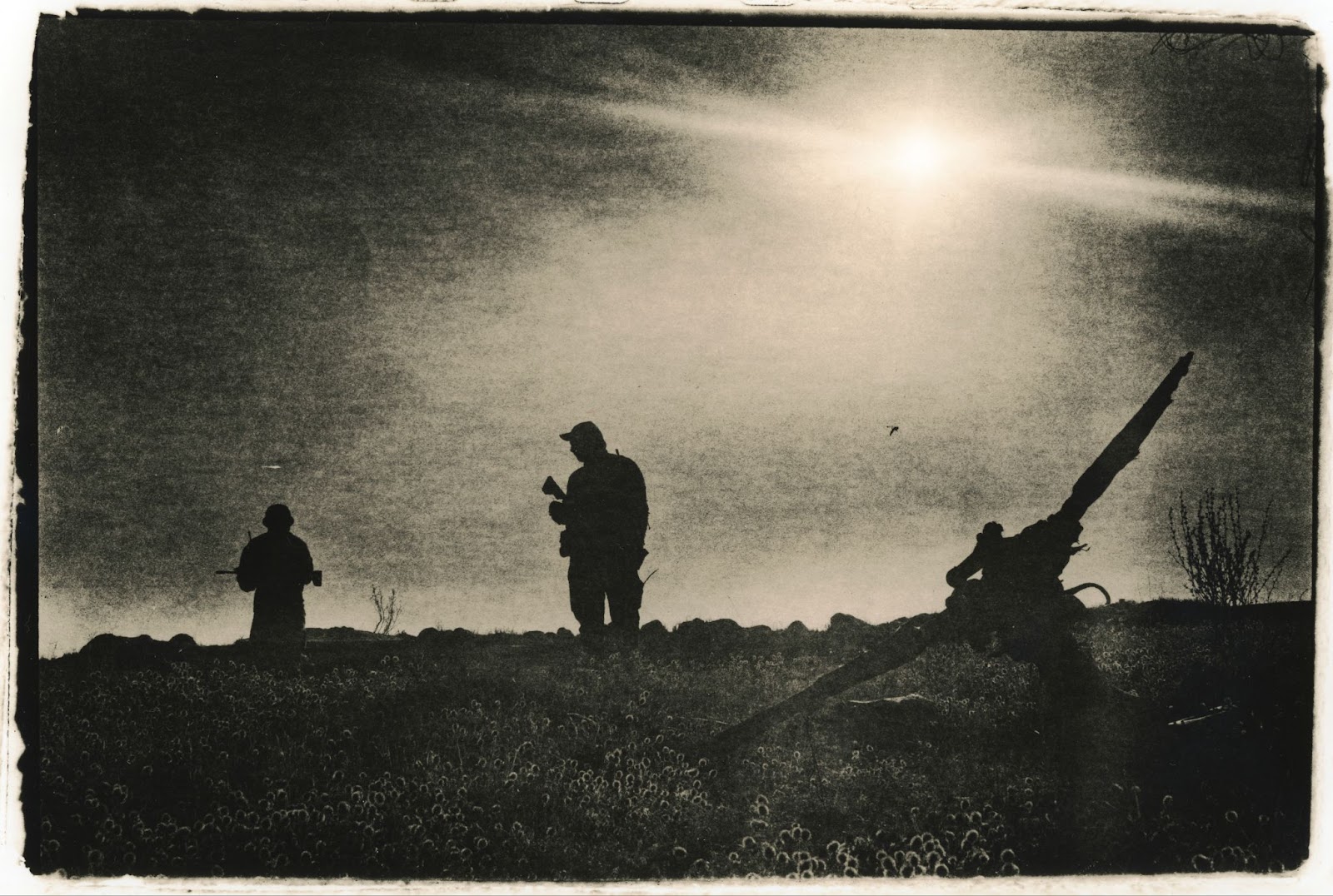
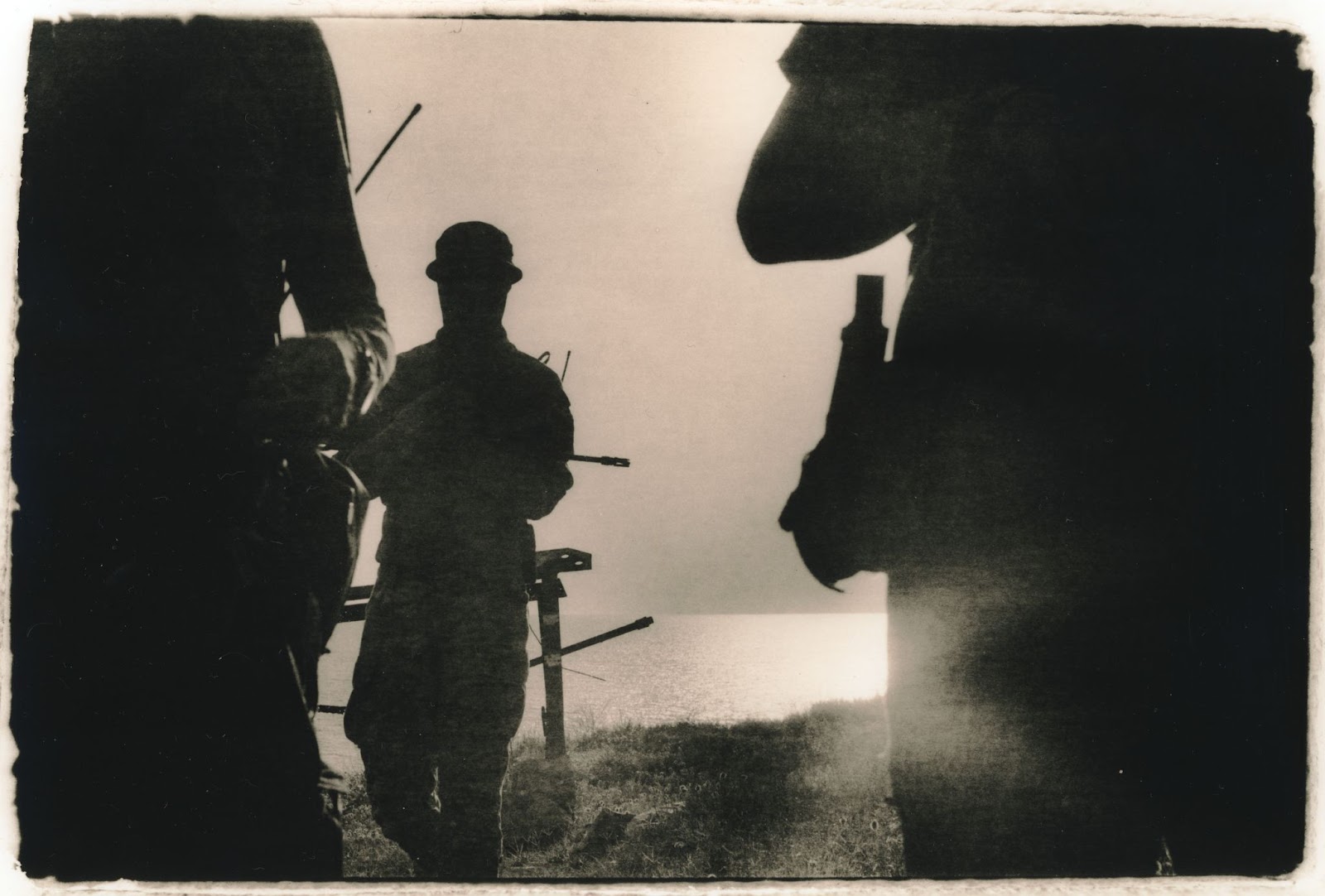
— The entire territory of the island is densely mined. The Russians did this before their retreat. Despite all the engineering work, there are still many mines here, so watch your step.
We were only allowed to move around the island accompanied by a guide and only along worn paths, often following in his footsteps, step by step.
— Animals often step on mines here—cats and dogs, when they stray from the paths. So be careful, — says the fighter with the call sign Phil.
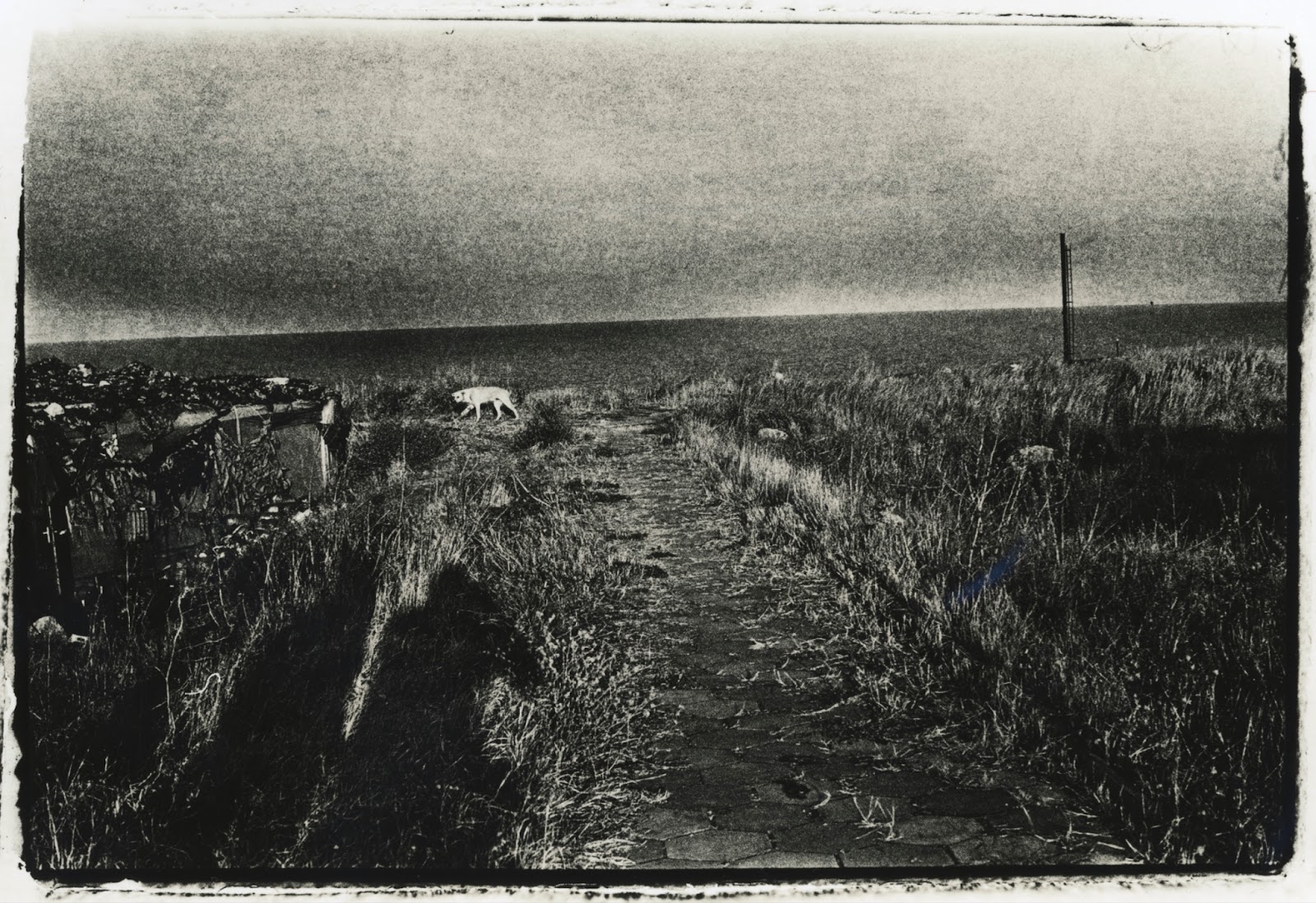
— There used to be goats here. All of them blew up on mines. And the one that remained couldn’t stand the loneliness and jumped off a cliff, — Ned adds ironically.
There are many cats on the island. Some have injuries. The guys have tried multiple times to evacuate them and transfer them to shelters on the mainland, but they were refused: there are currently too many stray animals. So the fighters bring the food themselves.
— When I first got here, I couldn't believe the island was so big. I imagined it to be small, but it turned out to be huge, — recalls Phil.
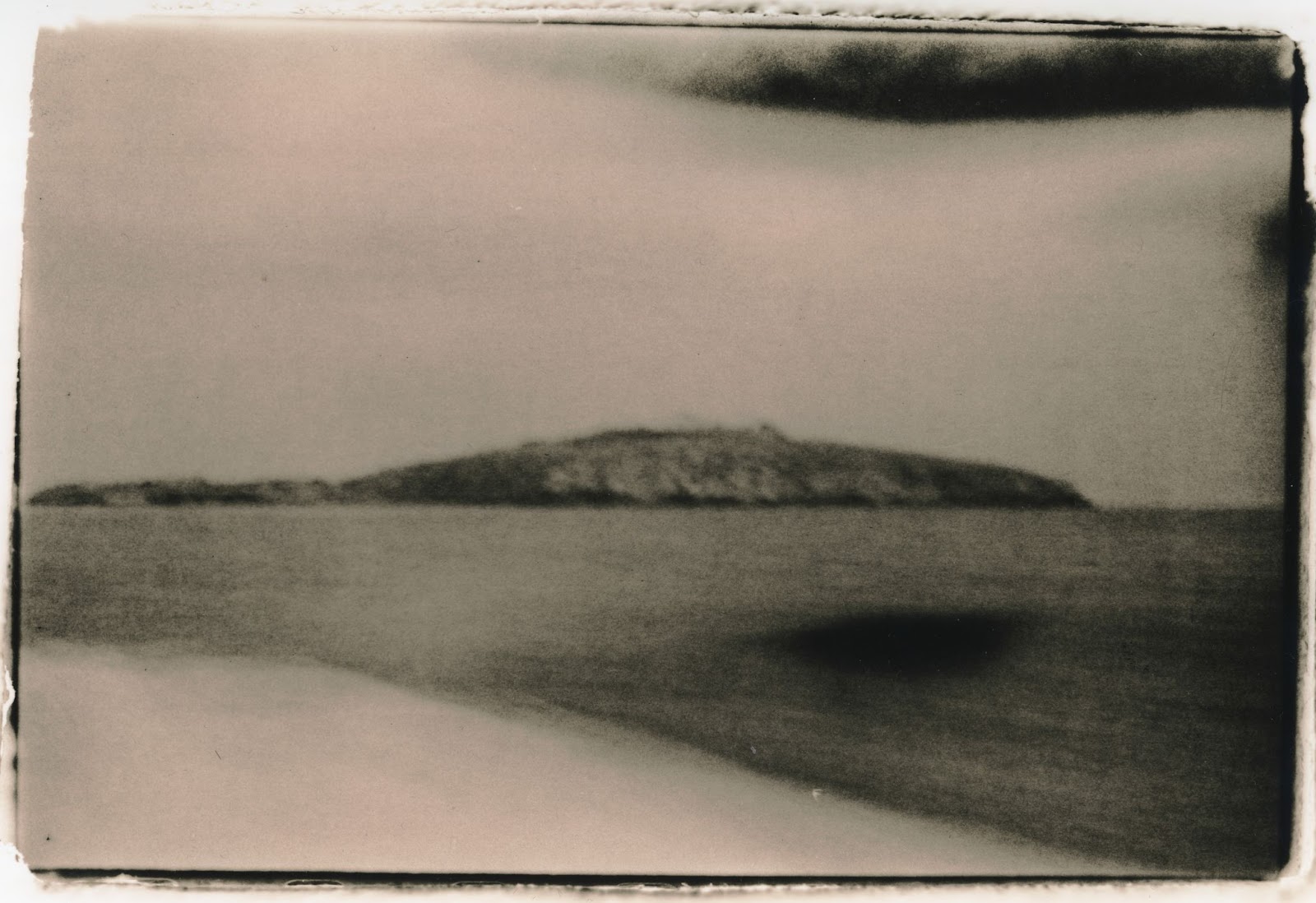
The island’s area is about 20 hectares, and its length is half a kilometer. The subtropical landscape intertwines with the ruins of buildings and the remnants of Russian equipment. Every meter resembles a new location from the game Counter-Strike.
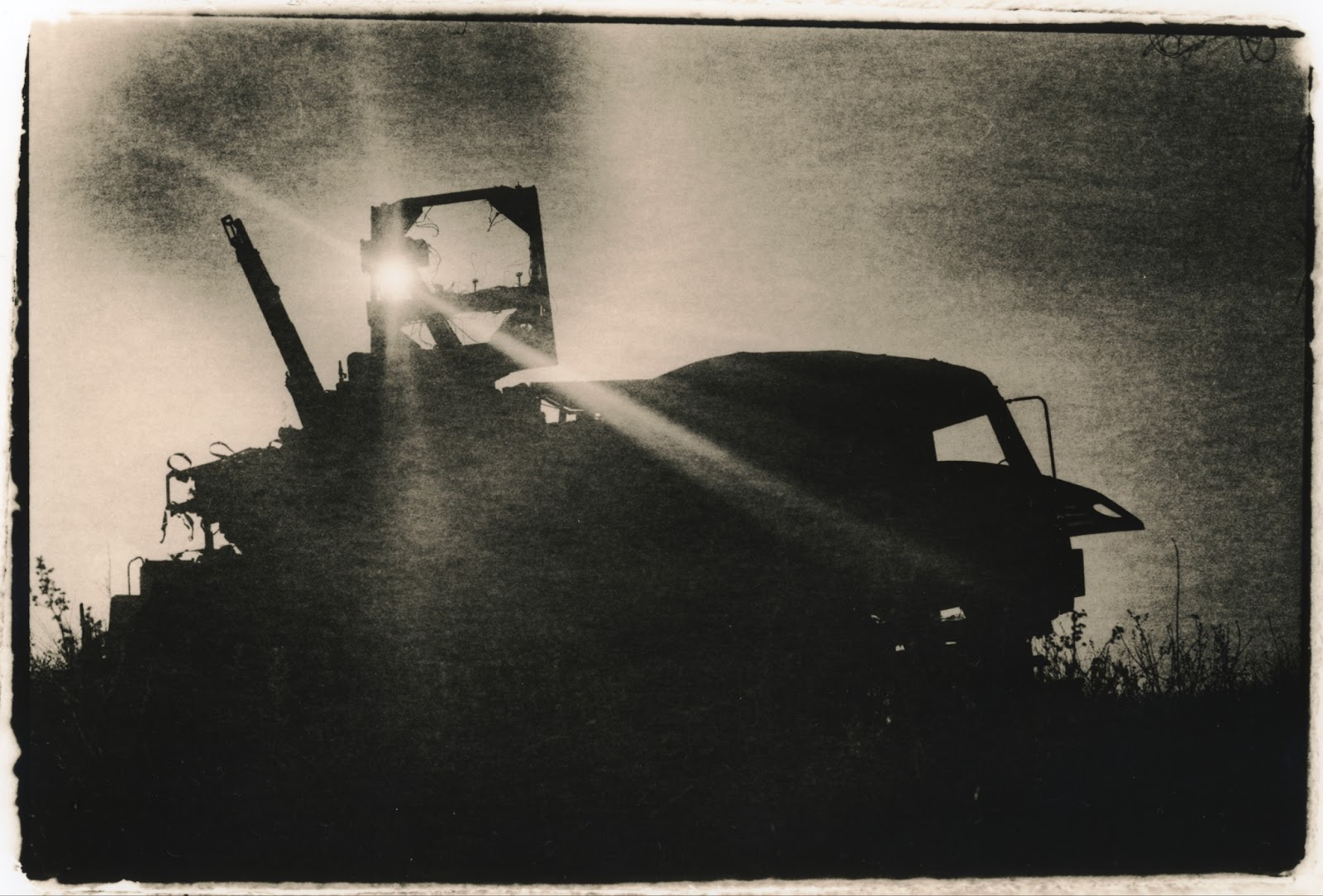
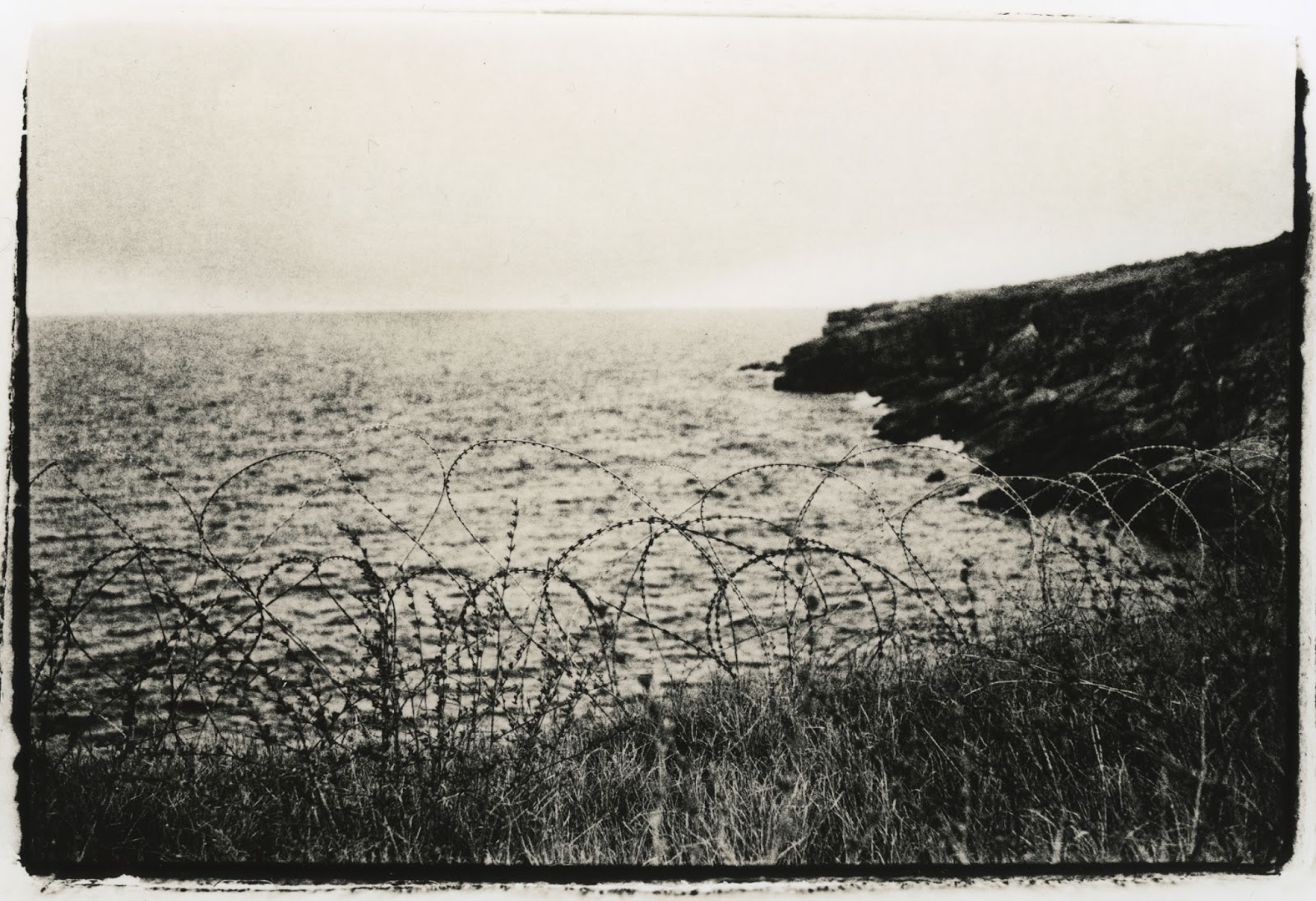
Thorny xerophytes—thistles and burrs—are wrapped in barbed wire almost everywhere to slow the enemy's advance in case of defense. The fighters are on duty around the clock: the danger remains both from the sea and the air.
— Of course, it may look like a resort. But we conduct constant observation here, train in our free time, and fortify positions, — says Phil.
— You ask what is hardest for me? It's a sin to complain, but when you stay here for more than three weeks, you start to feel something similar to seasickness—as if you are constantly being tossed and swayed. Because all around are just waves that never subside.
And this is true, the Black Sea knows no rest here; sometimes it seems as if the waves are talking to the stone. There are no trees on the island, only shrubs and low-growing plants, partially scorched by missile fire. Thus, the harsh landscape of the island merges with the boundless expanse of the sea. It exudes loneliness and ascetic resilience.
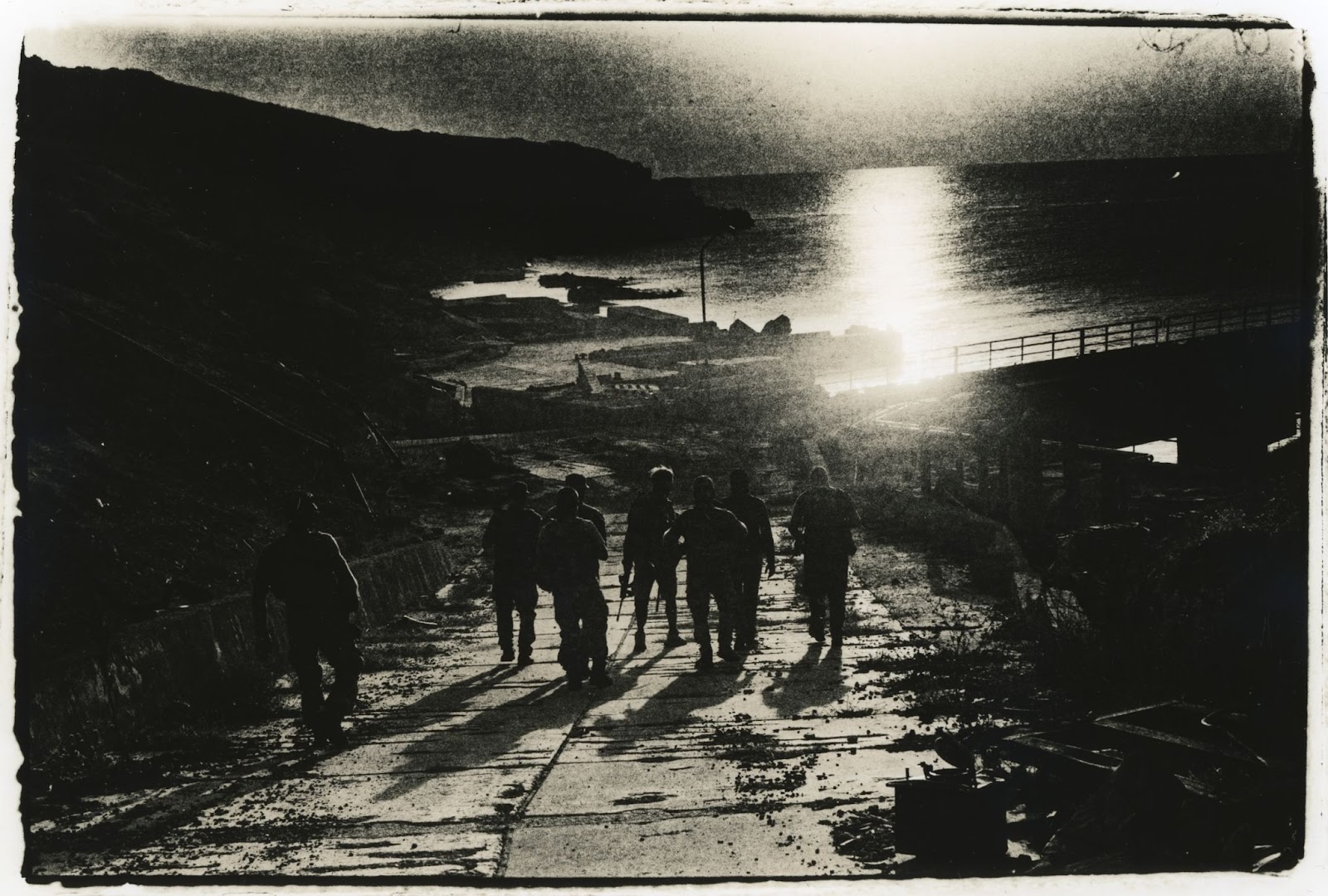
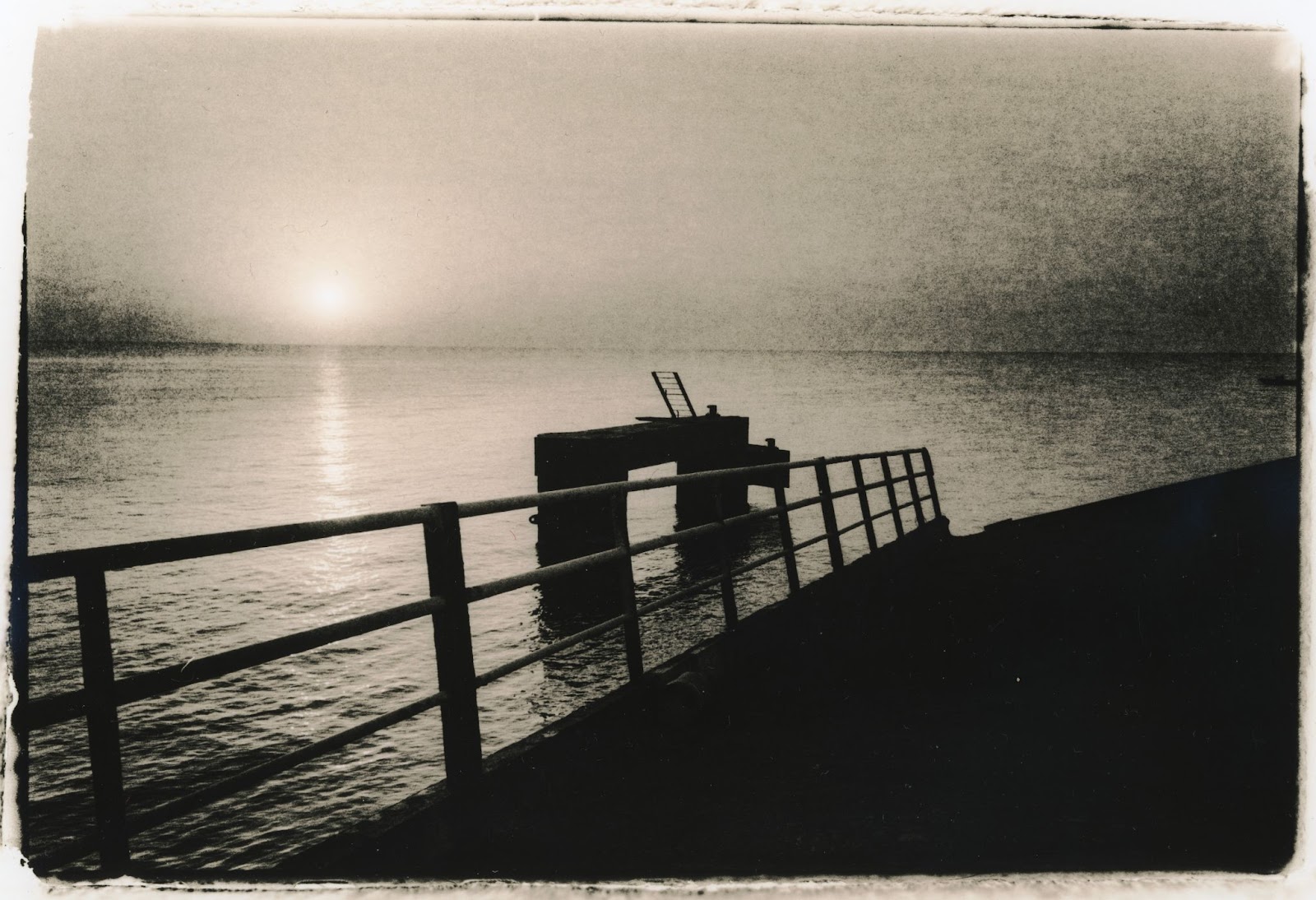
Moreover, on Snake Island, the feeling and premonition of Crimea never leave you. The left bank of the island resembles the rocky coasts from Fiolent to Tarkhankut. The same transparent water, the same crabs scurrying over the ruined pier slabs at sunset, the same cry of cormorants that suddenly slices the silence. But above all—the smell. The smell of salt and iodine, bitter wormwood and dry grasses, scorched stone and heat. The island smells of Crimea.
It is difficult to recover from this feeling.
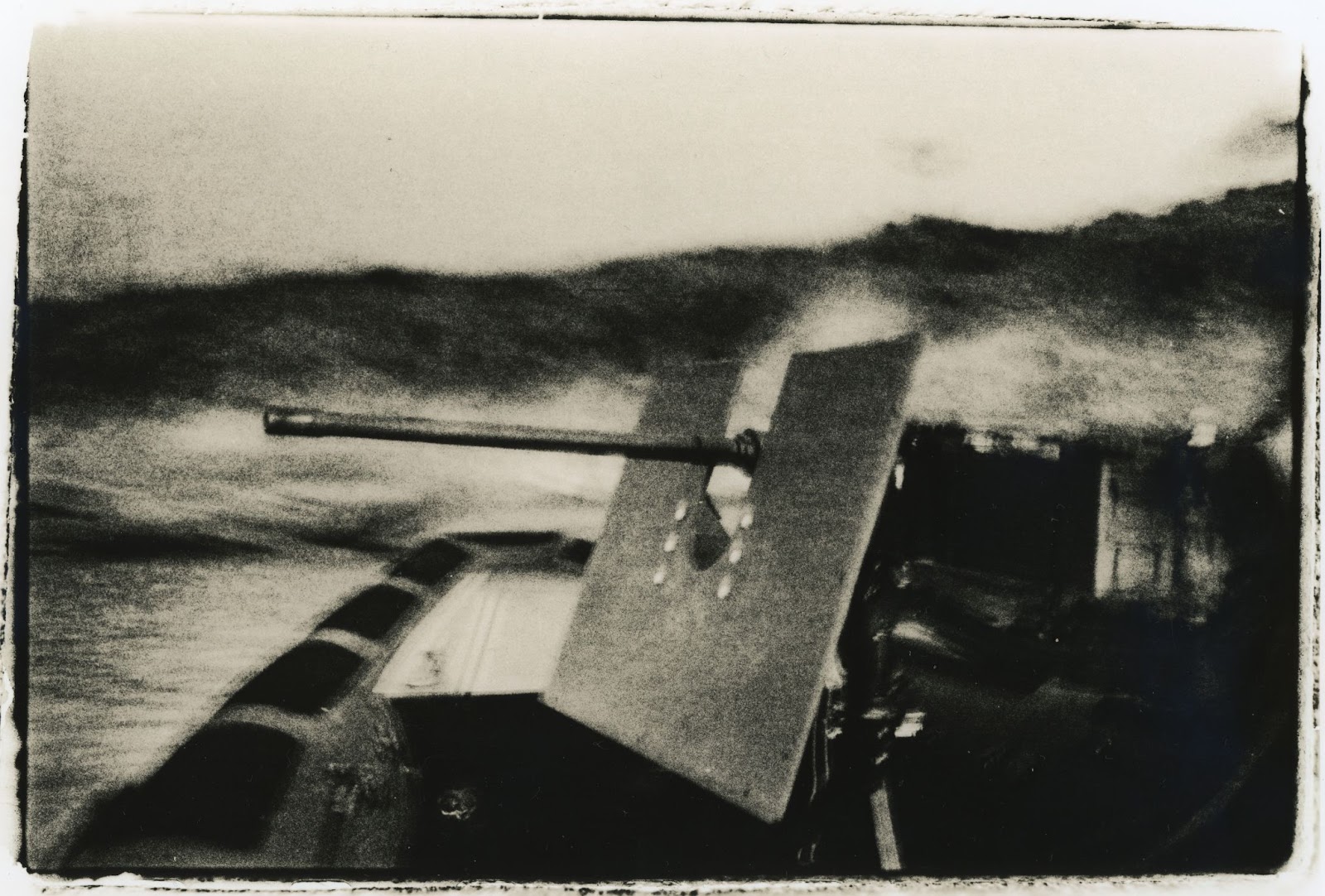
After sunset, we board the boats and head back. The island moves away, but it clings to memories somewhere deep inside. Everything on Snake Island is reminiscent of Crimea and resonates with a deep, lingering longing. And at the same time—with a fragile hope. The hope that the Russian fleet and aviation will turn into rust and ashes, overgrown with thistles and shrubs, just like here, on Snake Island—where a burned Russian helicopter and dozens of scorched combat vehicles already lie. And that each of us will still be able to breathe that same scent—of salt and iodine, bitter wormwood and dry grasses, scorched stone, and freedom—which the wind is already scattering over the sea.
You can find more information about the course of events on Snake Island and its history in a special feature: “Whoever Controls Snake Island—Controls the Sea”
Vladyslav Krasnoshchok — a Kharkiv artist. From 1997–2002, he studied at the Faculty of Dentistry at Kharkiv State Medical University. From 2004–2018, he worked at the O. I. Meshchaninov Kharkiv State Clinical Emergency and Urgent Care Hospital. He has been involved in photography since 2008, and in 2010 he became a member of the “Shylo” group alongside Serhiy Lebedynskyi, Vadym Trykoz, and Vasylisa Nezabarom. In addition to documentary photography, which is aesthetically transformed through technical manipulations, he works with archives and hand-coloring—techniques that emerged in Kharkiv photography from the late 1970s. He also combines frames with three-dimensional sculptural objects. He engages in easel and printed graphics, and street art.
Social media for the photographer: Facebook, Instagram
Contributors:
Researcher of the topic, author of the text: Karina Pilugina
Picture editor: Olga Kovalova
Literary Editor: Julia Futei
Site Manager: Vladislav Kuhar















.jpg)


