
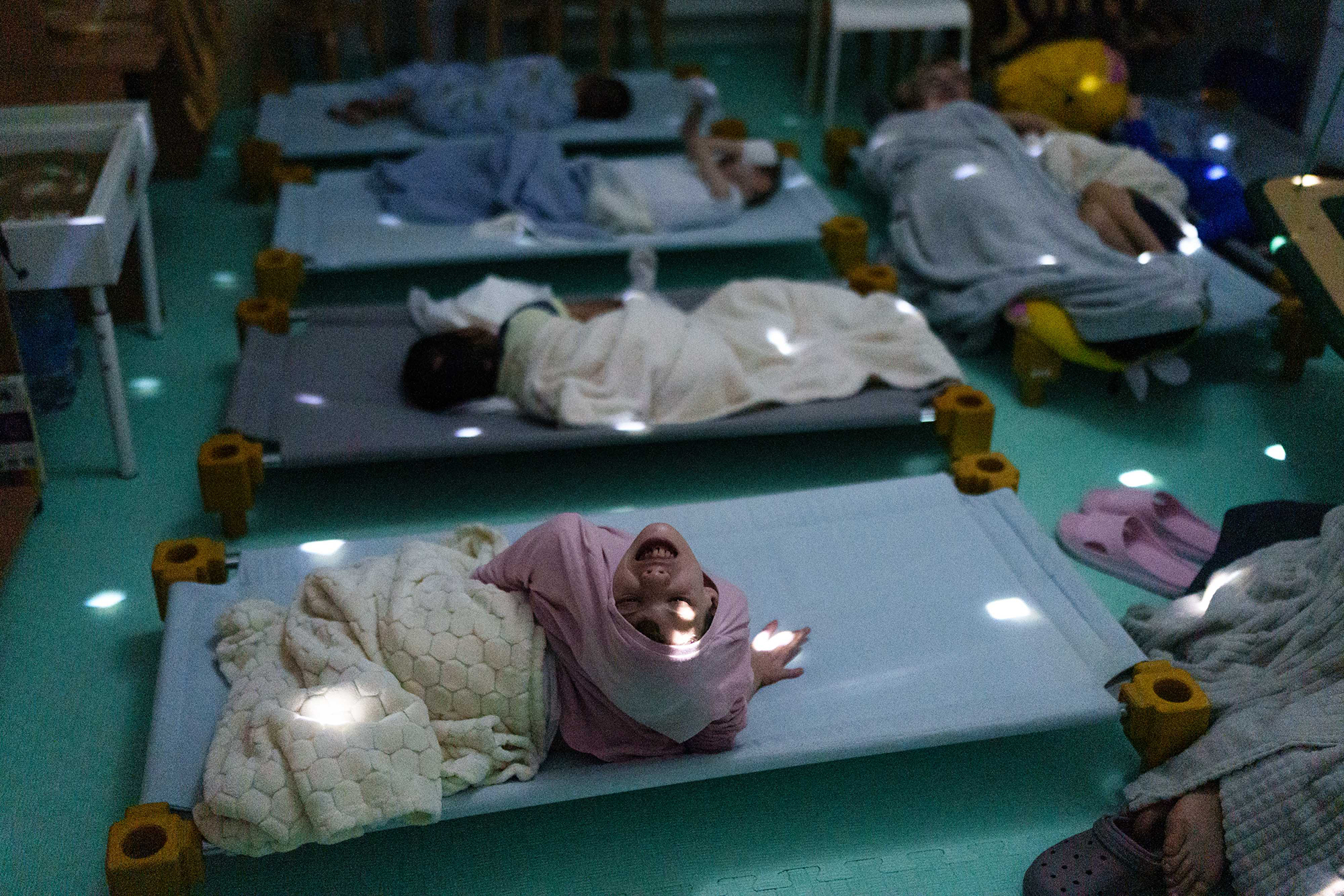
“City of Goodness” is a nationwide Ukrainian project launched by philanthropist Marta Levchenko in 2016. Today it is a large-scale centre providing comprehensive support to women and children who have found themselves in difficult life circumstances—for example, survivors of domestic violence, those at risk of becoming homeless, those who need support with socialization and reintegration, or those living below the poverty line. Since the start of Russia’s full-scale invasion, the centre has also been helping children who were forced to evacuate because of the war.
“This is a territory of love, comfort, safety, development, and a place where a new life begins for the mothers and children of Ukraine… Respect for everyone’s dignity, attention to the smallest details, openness, and being filled with a philosophy of kindness make this place truly unique,” reads the “City of Goodness” website. Ukrainian documentary photographer Serhii Korovainyi saw this for himself. He spent several days at the City of Goodness and photographed moments from the lives of children in the palliative care unit—“Butterfly House.”
Bittersweet stories
“This is an incredibly powerful and extraordinary project. Concentrated goodness—and at the same time, concentrated pain—of people who need help and who receive it there,” says photographer Serhii Korovainyi, sharing his first impressions of his time at the City of Goodness.
He had experience working with sensitive topics during the first years of the Anti-Terrorist Operation in eastern Ukraine. One of Serhii Korovainyi’s first projects was about the summer camp in Kyiv oblast, “Lisova Zastava,” for children from internally displaced families. The photographer came there many times for several weeks at a time and documented how the space transformed—from tent camps into a full-fledged recreation centre. In addition to displaced children, the camp began to host children of service members participating in the Russo-Ukrainian war.
“I became friends with almost everyone there. I lived at the camp for weeks—lit campfires and swam in the summer, skied and heated the sauna in the winter,” Serhii Korovainyi recalls.
Back then, finding common ground with the children was made easier by a shared small homeland: the photographer was born in the city of Khartsyzk in Donetsk oblast.
“Of course, everything today is in one way or another connected to the war. Still, the story of the City of Goodness is not a direct story about the war in Ukraine. For a documentarian, it’s a real find,” Serhii Korovainyi says. “It weaves together themes of war and vulnerable groups. There you can understand how the war has affected not only front-line areas, but also sick children, older people, and families who already had deep-seated problems. The war amplified and sharpened every hardship.”
Serhii Korovainyi, first, wanted to tell the story of the City of Goodness staff and volunteers who do enormous and important work—and second, to share the stories of its residents.
“I’m a war photographer. In Ukraine today, you can’t really be anything else. But I’m looking for less obvious ways to talk about our war—I’m looking for niches where the war can be told indirectly,” Serhii explains. “Stories from the front are very necessary. But quite often they are similar. It’s worth trying to find warm and bright stories—bittersweet ones—that Ukrainians and foreigners can understand and empathize with. City of Goodness is exactly that kind of story.”
Stories of light and darkness
Serhii Korovainyi says that before travelling to the City of Goodness, he had certain ideas about the place and possible topics for his shoot. He knew there were elderly women and children from Donetsk oblast there. The photographer wondered, for example, whether grandmothers from Bakhmut help small children from Pokrovsk. It turned out that with skillful management and facilitation, the City of Goodness’ vulnerable groups—different in age and in the hardships they face—often intersect and help one another.
The photographer read all the materials he could find about the City of Goodness and formed an overall sense of it, but decided not to create a detailed shooting plan.
“I arrived with a very open mind; I tried to keep my perception fresh,” Serhii Korovainyi says. “I came for a few days. On the first day, I barely photographed at all—I walked around the grounds, greeted everyone, and introduced myself. There is so much there, and I tried to put that mosaic together into a coherent picture for myself.”
Serhii Korovainyi visited the house for mothers with children and for women who had experienced domestic violence or found themselves in other difficult life circumstances. Mothers can send their children to kindergarten or school and spend their free time studying at the “Mama Sews” academy. Tailoring and sewing courses give women the chance to master a new profession so they can work and provide for themselves and their child.
“I’m completely comfortable working with women and mothers who have found themselves in difficult life circumstances. Still, I understand I will never tell this story the way a woman photographer would. It seems to me that a woman will open up much more easily to another woman, and a woman photographer will understand her subject far better,” Serhii Korovainyi says.
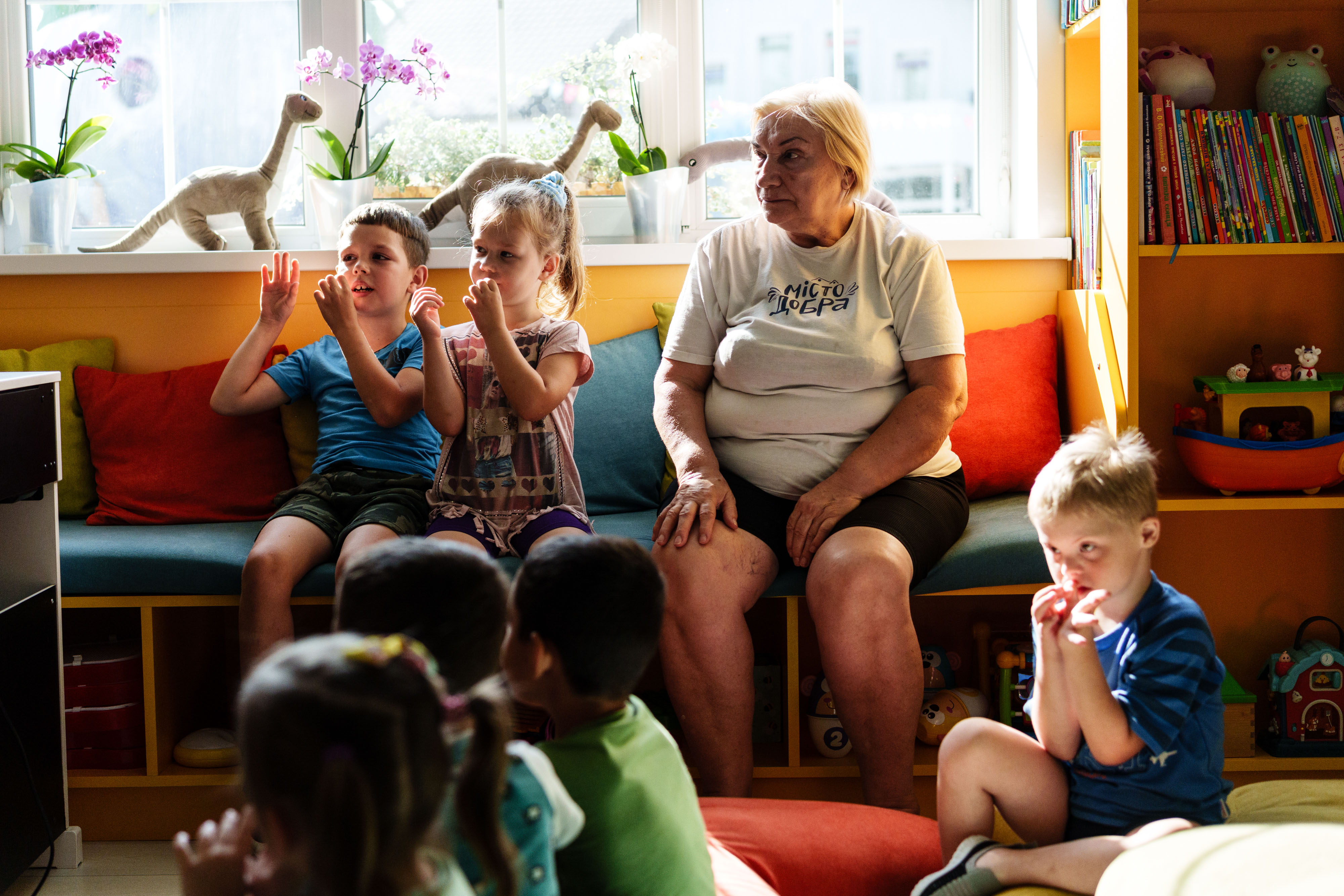
The City of Goodness includes a Department for the Protection of Women’s Rights, a Medical Centre with rehabilitation and palliative units, plans to build an inclusive school, an animal shelter called “Khvostyky,” a Canine-Assisted Therapy Centre, and other programmes. Since the start of Russia’s full-scale invasion, it has taken in evacuated children from boarding schools.
“People welcomed me kindly and warmly. I have a hypothesis that in this place they themselves have received love, and have become more open to the world—even if they weren’t like that before,” the photographer says.
Stories of life—and another kind of life
“Empathy and dignity are probably the most important things in stories this sensitive. People who have already been through so much need to feel comfortable with the photographer,” Serhii Korovainyi says. “Shooting at the City of Goodness is a chance to switch gears from stories from the front, where everything is fairly clear, straightforward, and harsh.”
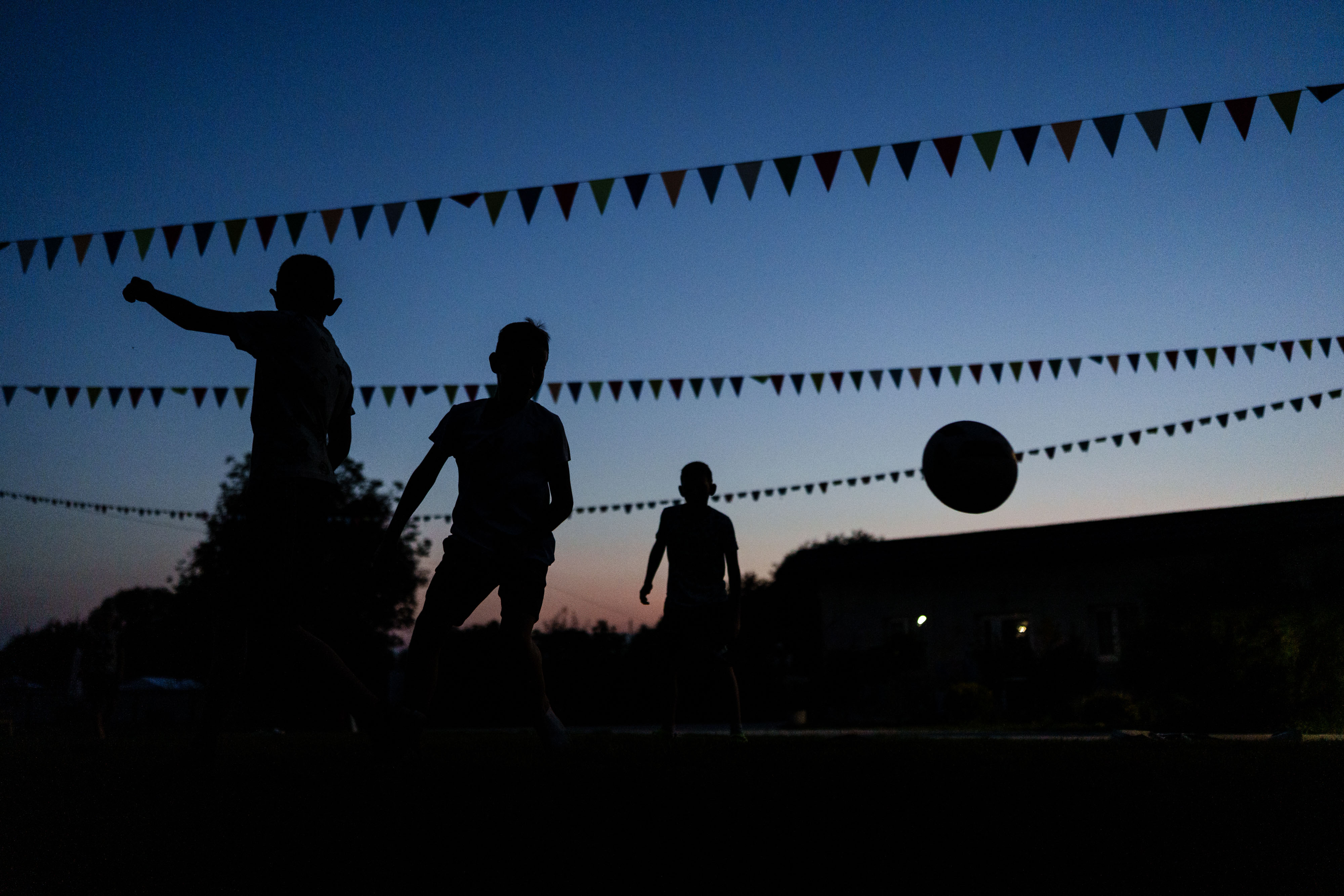
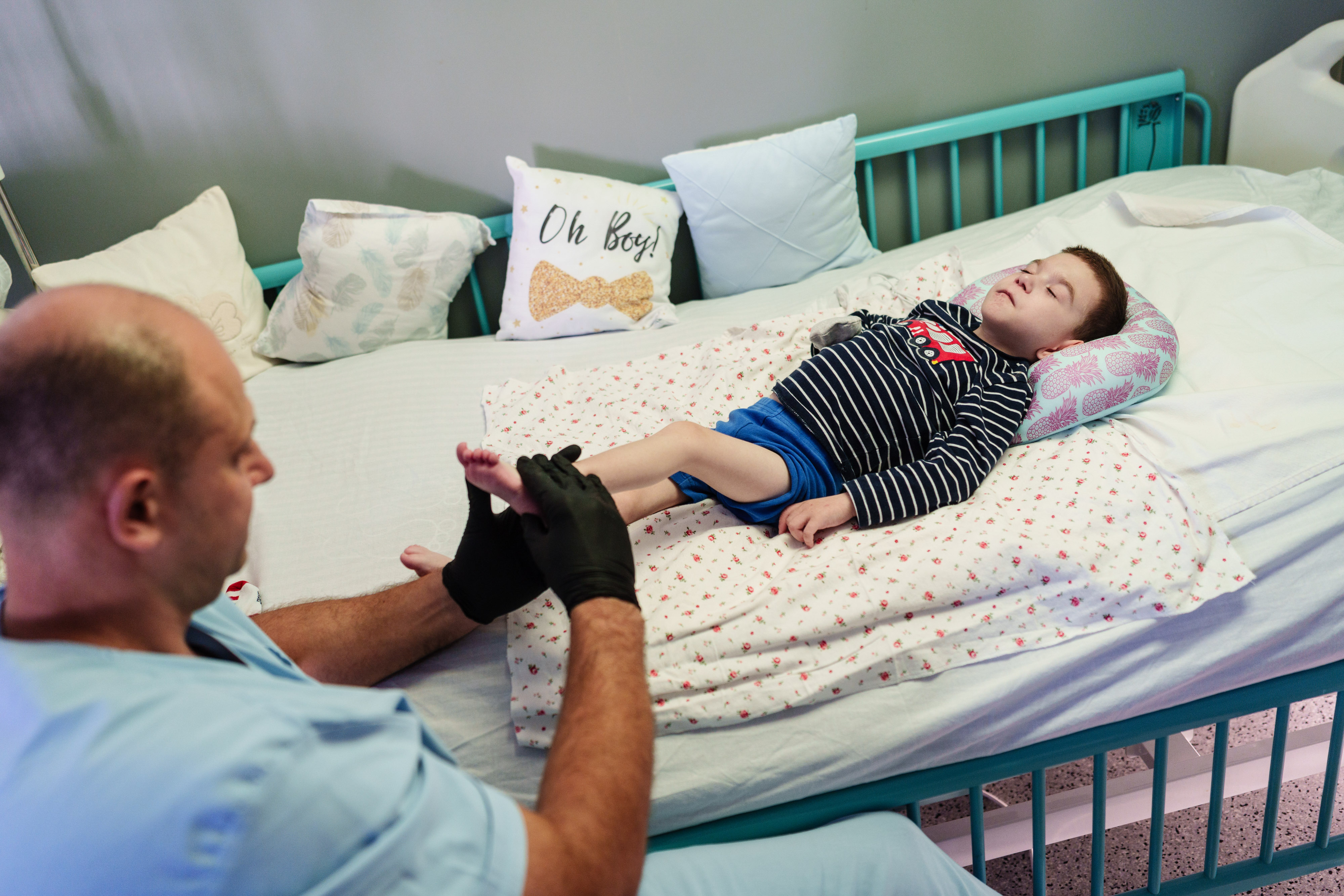
The photographer was especially moved by the City of Goodness palliative centre, where staff work with children who may never recover.
“There are children of all ages there, with illnesses of varying severity, from all over Ukraine. Many of them cannot communicate or walk. A lot of the little ones are from front-line areas—Sumy, Kharkiv, Dnipropetrovsk, and Zaporizhzhia oblasts,” Serhii Korovainyi says. “The children live a dignified and bright life, as much as their illnesses allow. Light and death walk side by side there.”

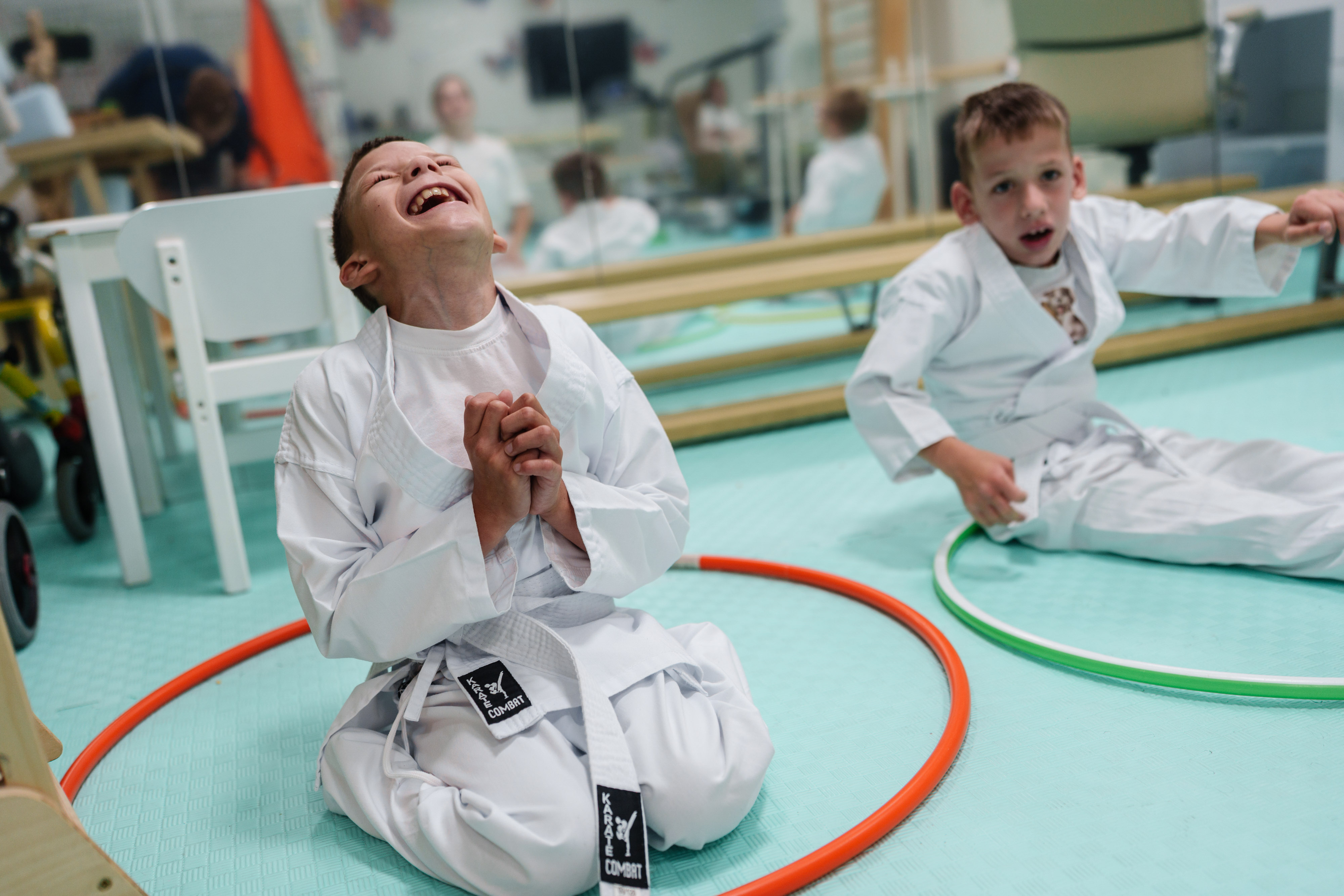
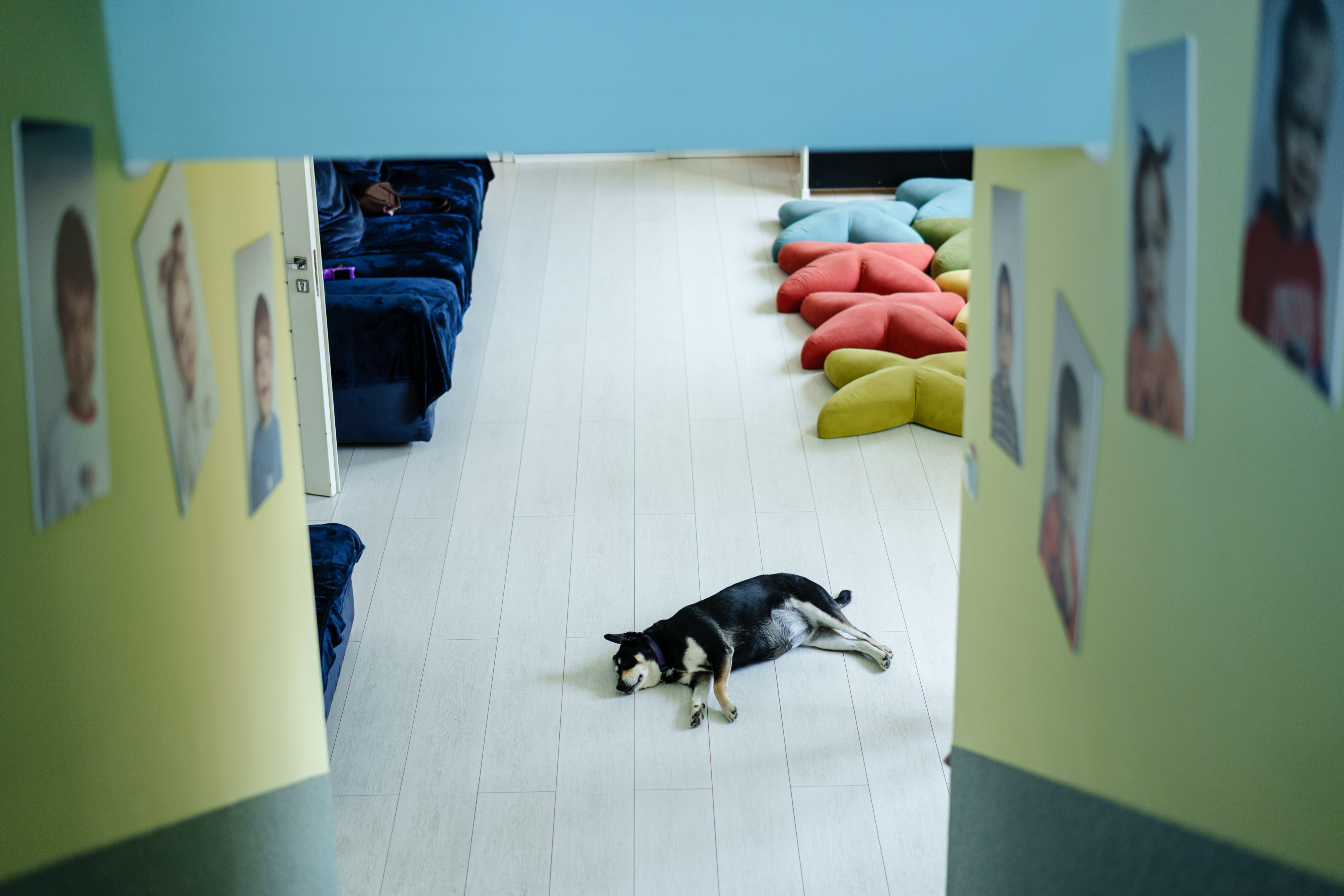
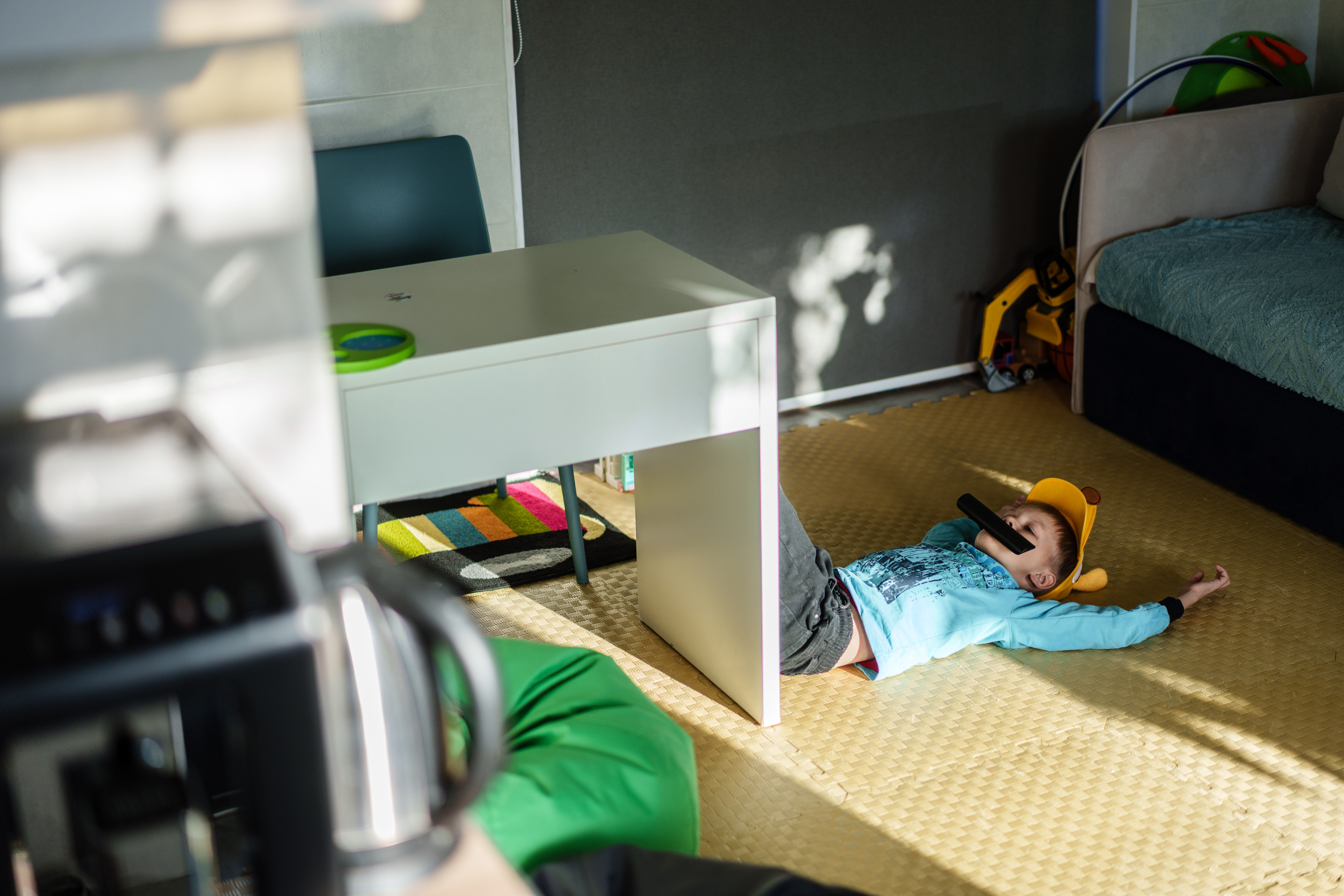
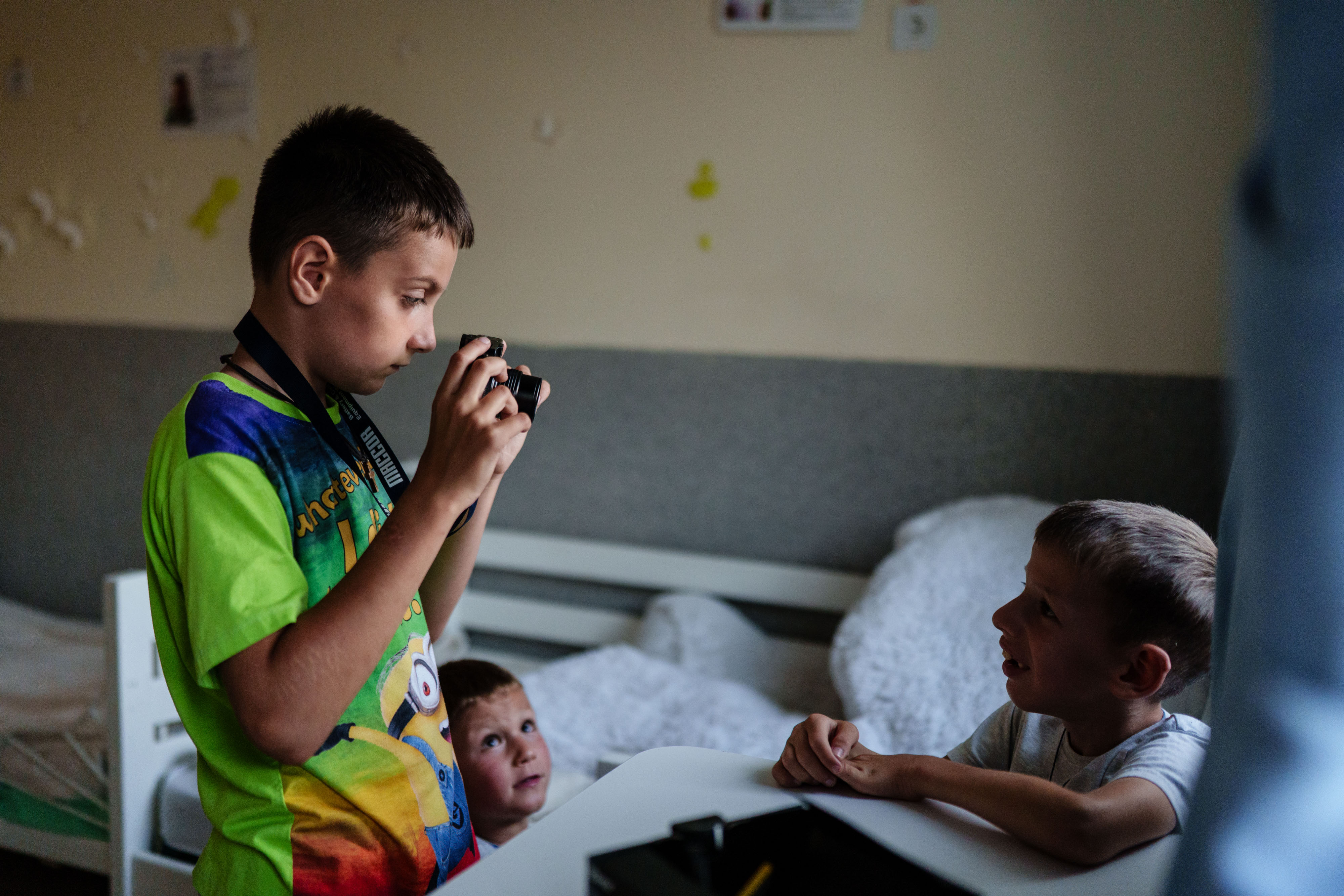
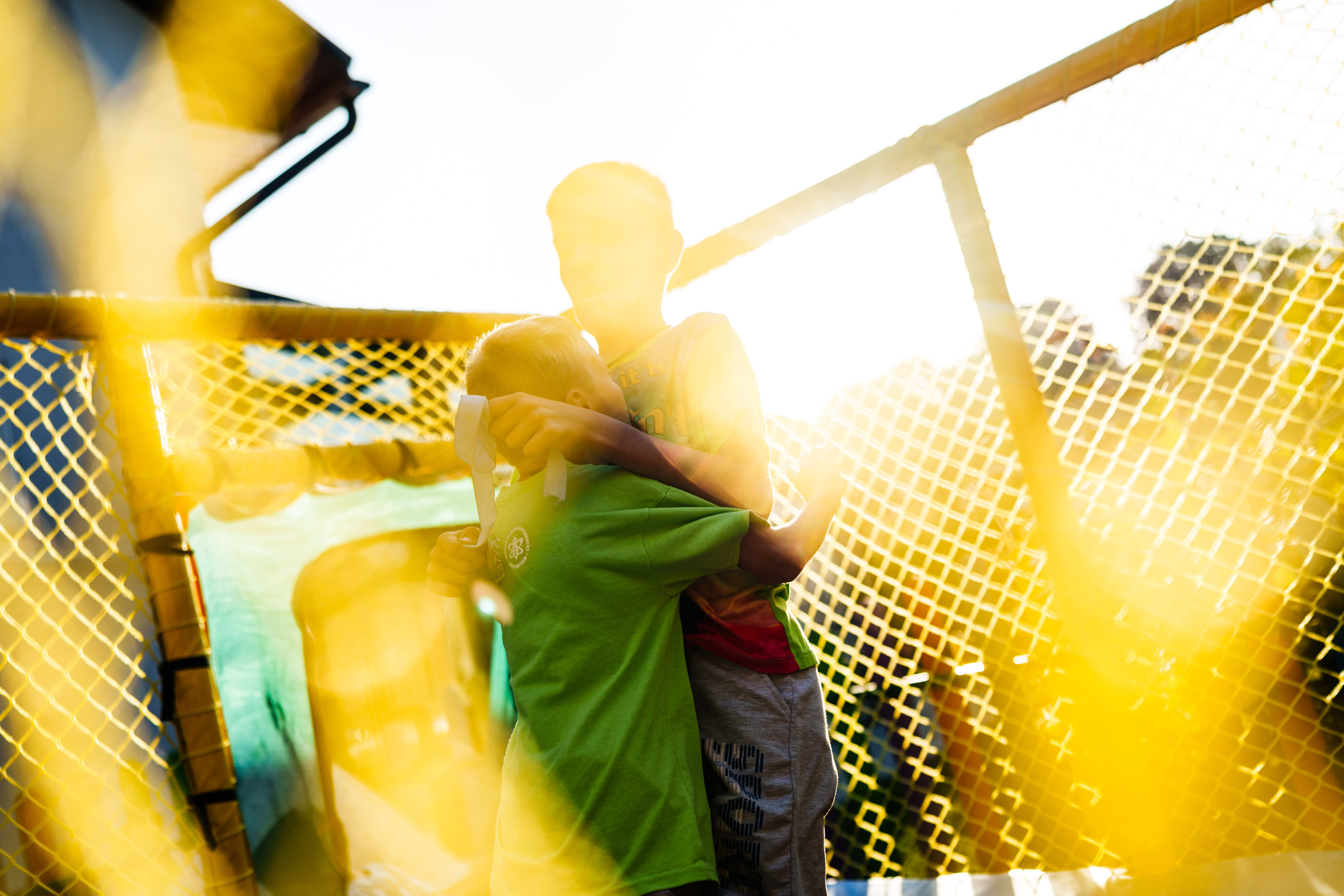
Serhii Korovainyi spent several days with older children from the palliative centre; some of them had recently arrived from Donetsk oblast. He plans to continue photographing their stories: through the stories of a few protagonists, to show other aspects of how the war has affected society; to tell the stories of people for whom life was not easy even before the war, and who were forced to leave their homes.
“Several boys live in one room at the centre. They all have serious illnesses, different circumstances, and they came to the City of Goodness from different parts of Ukraine. Some are from front-line areas, others from comparatively calmer regions. The boys are very different, and it’s heartbreaking to watch them spend time together,” the photographer shares.
Serhii Korovainyi is a Ukrainian documentary photographer who actively covers the events of the Russo-Ukrainian war. He works with international outlets including The Wall Street Journal, The Washington Post, The Guardian, the Financial Times, and others. In his projects, he focuses on the Russo-Ukrainian war, ecology, and various aspects of contemporary Ukraine. He earned his degree in the United States in the MA programme in Visual Storytelling as a Fulbright Program scholar. In 2018, he joined The Gate, a leading Ukrainian photo agency. His work has been shown in numerous solo and group exhibitions in Ukraine, the United States, and the EU.The photographer’s social media: Instagram, Facebook
Produced by:
Researcher, text author: Katia Moskaliuk
Photo editor: Vladyslav Krasnoshchok
Literary editor: Yuliia Futei














.jpg)


