Many people have stories they are still afraid to share with those closest to them, so as not to cause harm or pain. There are albums with torn‑out pages or with relatives’ faces painted over or cut out — people whose presence there could have led to arrests or exile for the entire family. There are memories of traumatic experiences connected to the era of Soviet and National Socialist violence that remain unspoken within families and are carefully preserved in silence.
The public organization “After Silence” researches topics that were taboo for a long time, tells ignored stories, and gives a voice to people who were forced to remain silent. For five years, the organization has been working in the fields of public history, memorial culture, and non‑formal education. The activities of “After Silence” focus on documenting and preserving stories that remained outside official narratives, in particular the experiences of people during repression and wars.
How to break the silence
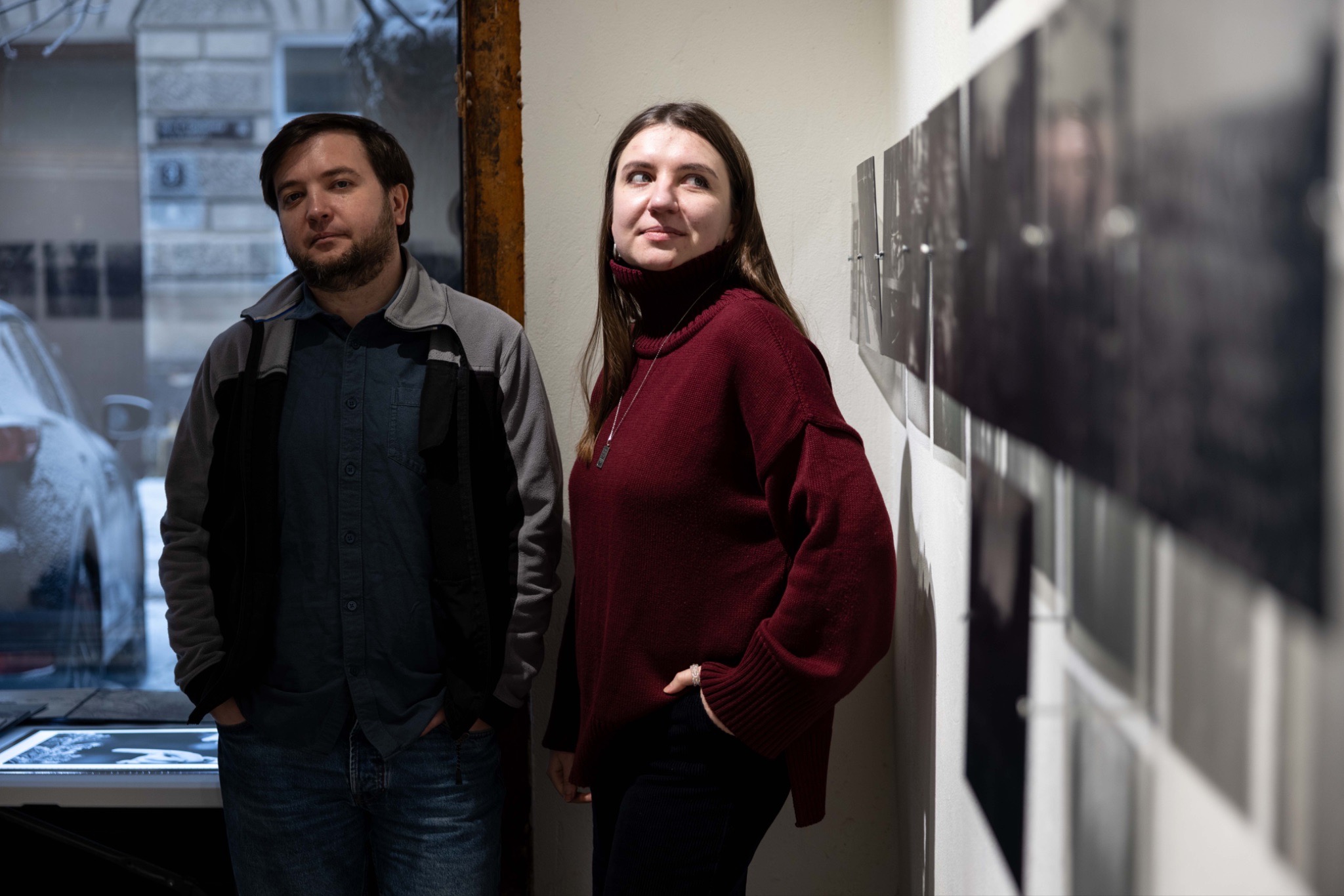
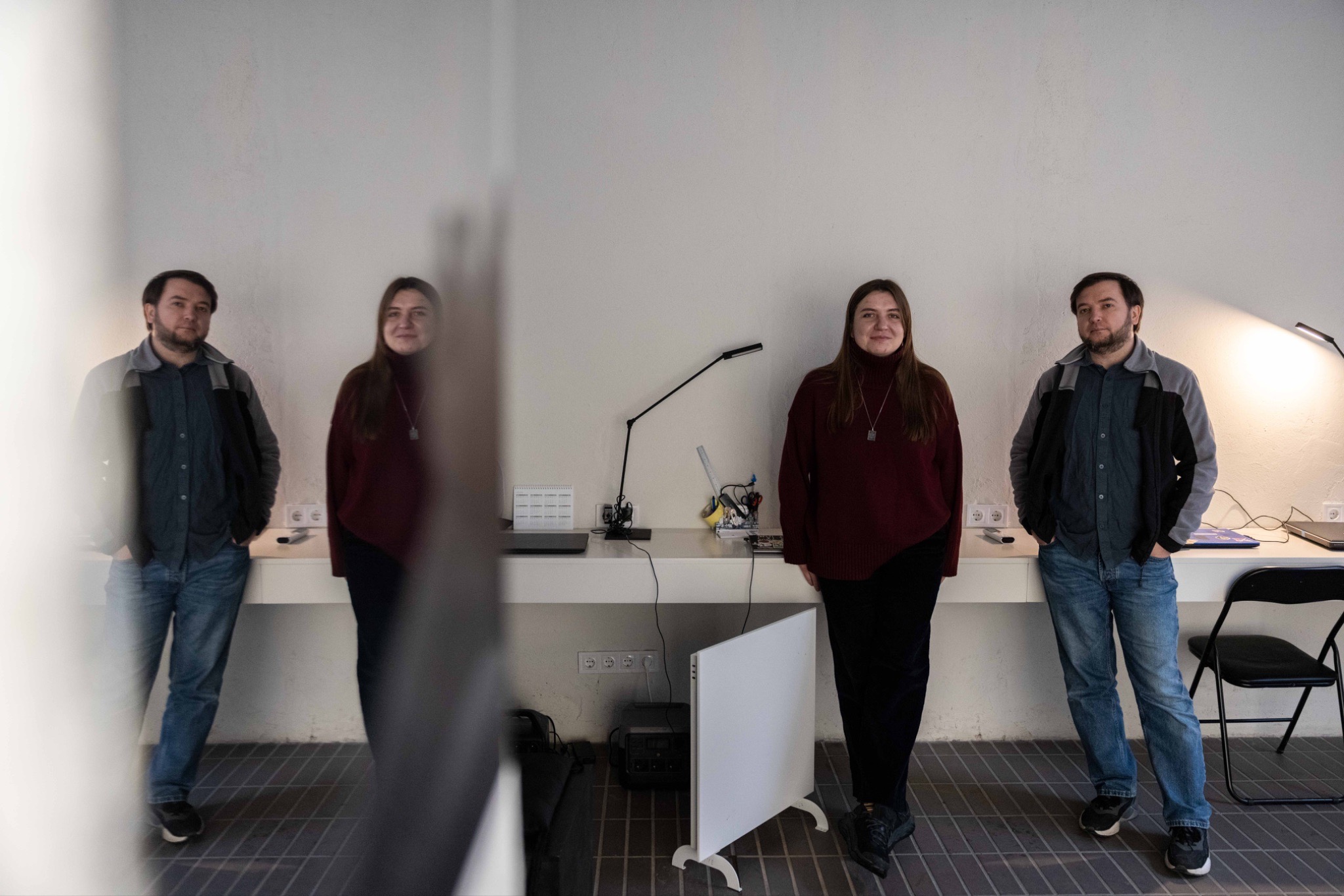
“We were looking for new formats to tell Ukrainian history in an engaging way without simplifications, while remaining empathetic and relying solely on facts. We decided that a public organization would be the ideal platform for implementing our ideas and projects,” say the founders of “After Silence”, Anna Yatsenko and Andrii Usach. The name “After Silence” symbolizes the breaking of silence around the traumatic events of the mid‑twentieth century, such as the Second World War, the Holocaust, forced labor in Nazi Germany, and Soviet mass repressions, including deportations from western Ukraine to Siberia and the Far East.
The first project of “After Silence” focused on the history of the Holocaust in the town of Turka in the Lviv region. The result was a documentary film and a study of the memory of the Holocaust in a town where Jews no longer live. “I was asked to find the site of the mass killing of Jews in Turka, and it was almost impossible — there were no eyewitnesses left, the landscapes had changed,” recalls Andrii Usach. “Several years later, we returned to Turka with a team to film a documentary. We asked people who might remember their Jewish neighbors and what happened to them, searched for testimonies in family archives, and looked for objects that could help tell the story. It was important for us to understand whether there is a memory of the Holocaust carried by non‑Jews.” The project about the town of Turka is an example of working with the history of small local communities and an algorithm for researching one’s village or town using oral history.
Oral history is a research method and scholarly field based on recording, preserving, and interpreting people’s memories and narratives about past events. Historians record in‑depth thematic interviews with eyewitnesses, participants, and witnesses of various events. This method of studying history appeared even before the Second World War in Britain and was aimed at researching social groups that could not tell their own stories — for example, factory workers who were poorly educated. As a result, history was written by famous and wealthy people who could leave memoirs to future generations.
In Ukraine, the oral history method emerged after independence in the 1990s. “In Soviet times, the stories told by ordinary people did not correlate at all with the vision of the authorities of that time. History, however, can be studied from different perspectives,” says Andrii Usach. “After Silence” travels to different regions of Ukraine to record interviews with witnesses of events and cooperates with organizations and initiatives that also work in the field of oral history. “However, oral history archives are quite fragmented — we do not have a single database of recordings. Many materials were also lost due to negligence and a lack of understanding of their value,” adds Andrii Usach.
How to see the past
Research using the oral history method requires careful verification of all data and comparison with reliably known facts. “We recorded one woman who invented a first and last name for herself during her arrest so that her family would not suffer. She lived with that name until the collapse of the Soviet Union. If we had not heard this story, we would never have been able to find her case in the archive. Such cases are far from rare,” says Anna Yatsenko. People often conceal many facts and do not name names because deep fear still lingers in them, or because they do not want to damage relationships with fellow villagers or neighbors who may be descendants of their abuser.
In addition to interviews and working with documents, historians ask people to prepare archival photographs. “People select 10–15 photographs where they like themselves more or where they are nicely dressed. They will not show, first of all, a photograph from exile — in snow and felt boots. Yet their albums contain many more images, which are usually far more interesting for researchers. It is worth seeing not only the framed photographs displayed for public viewing, but also the images hidden in drawers,” says Andrii Usach.
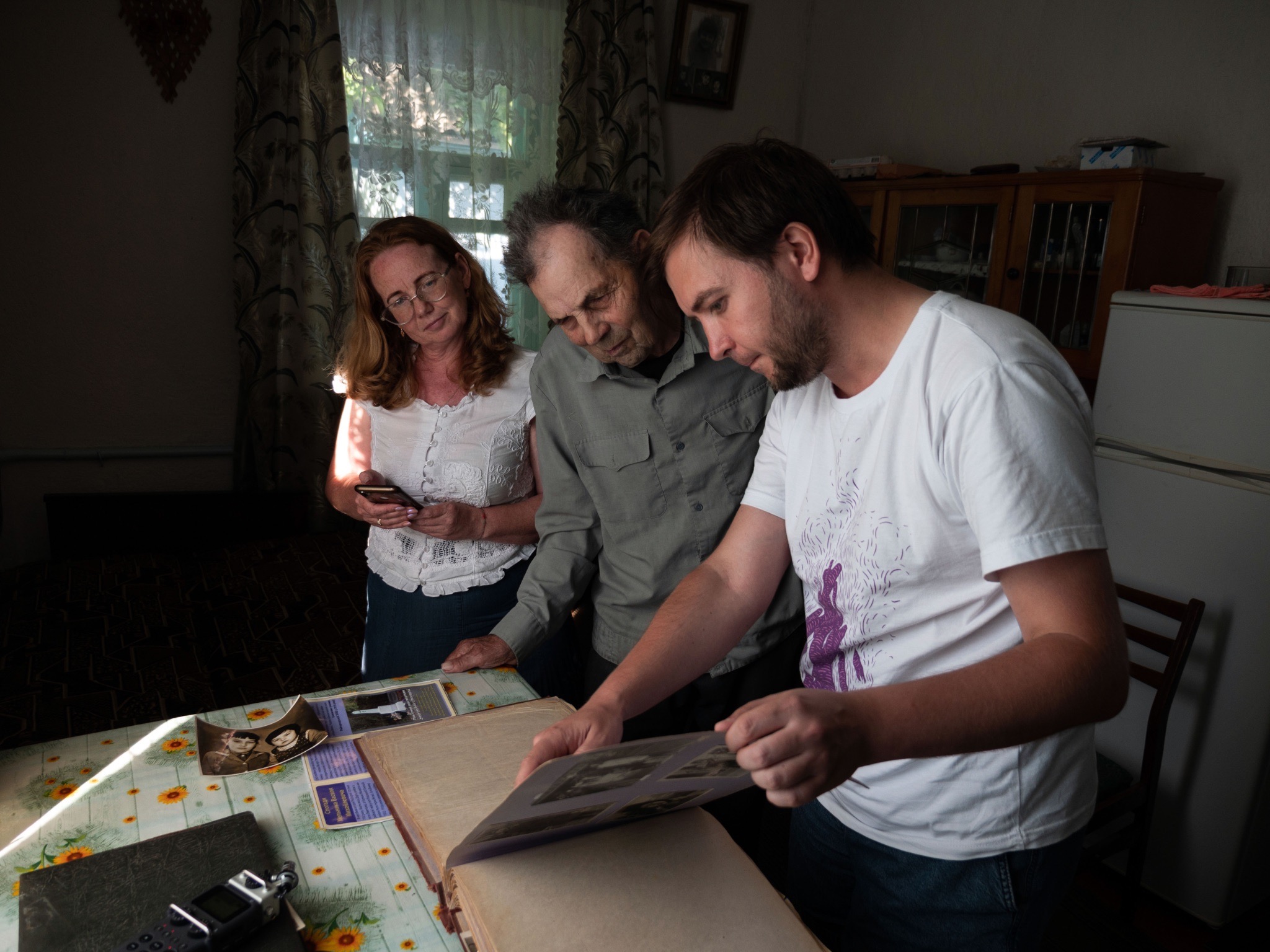
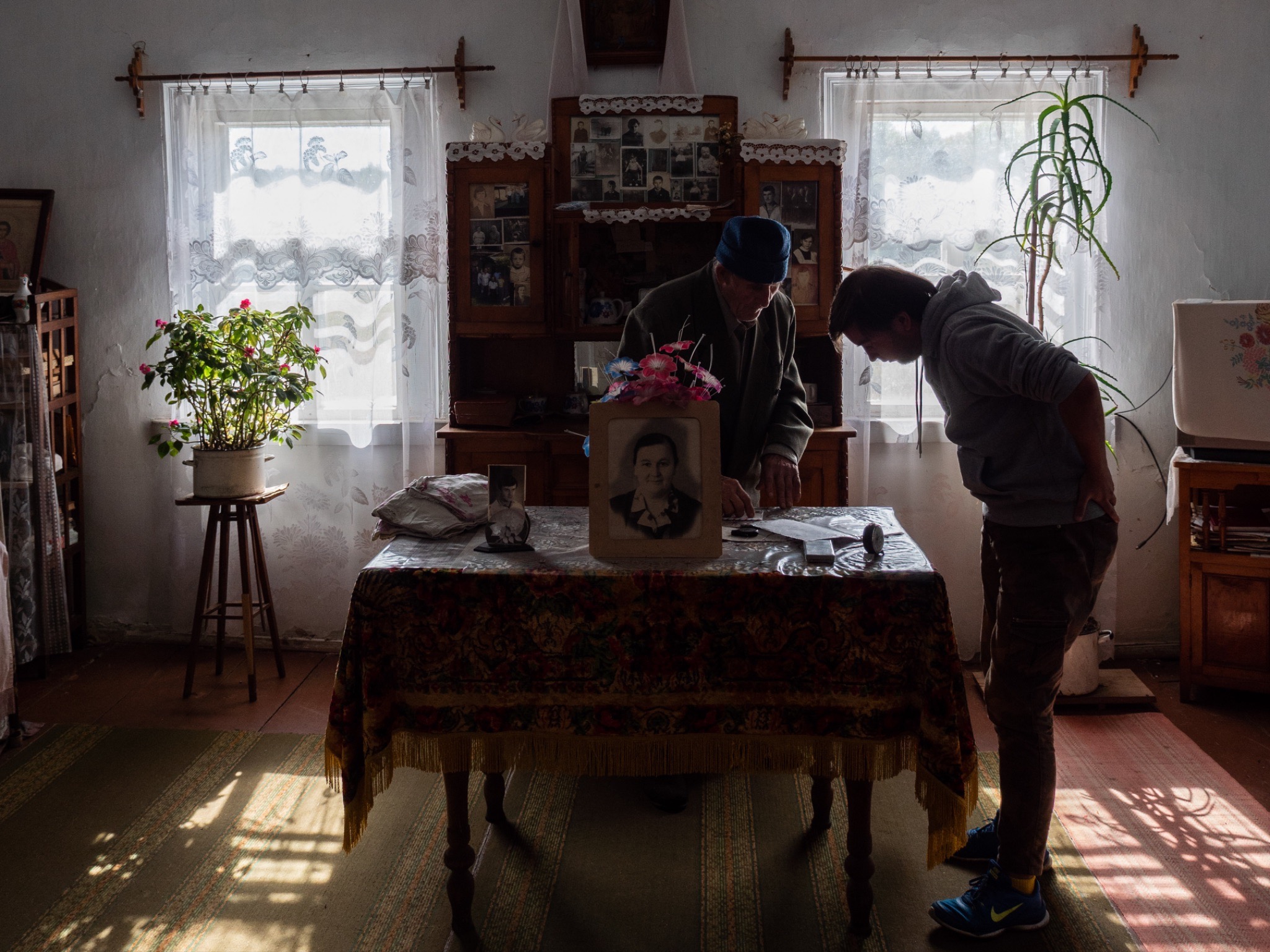
“At After Silence, there is a substantial archive of more than ten thousand photographs scanned in the highest quality. They purchase photographs at online auctions and flea markets, or people donate images and albums that have been left without owners and are no longer needed by anyone. “First, we scan and preserve the images in the highest quality — TIFF format and at least 600 dpi — so they can later be used for exhibitions or books. Second, many people have small‑format photographs, and enlarging them on a computer screen allows us to see more details and identify faces,” explains Anna Yatsenko. For people who show archival photographs, this helps them recall the conditions in which the images were taken and additional nuances of the story.
Over time, historians became interested in how people store their photographs, which images they do not want to show and why, which frames they consider the best, and whether they know their authors. Cut‑out or painted‑over faces in photographs also say a great deal. “We scan not only the image itself, but also the borders and backs of photographs. It is important for us to see what kind of edges the photographs have — simple, decorated, or figuratively cut — and whether there are inscriptions or stamps on the reverse,” says Andrii Usach. “This helps, for example, to connect photographs from the archives of different families and determine who may have taken them.”
Photography constructs reality rather than reflects it. Very often, people who were in exile or camps wanted to send their loved ones photographs that would convince them that everything was fine, that they were alive. Photographs had a social function and were sent to relatives in Ukraine. Therefore, people in such images are usually well dressed and smiling. “We must examine images carefully and take context into account — to understand when, under what conditions, and for what purpose they were created,” explains Andrii Usach.
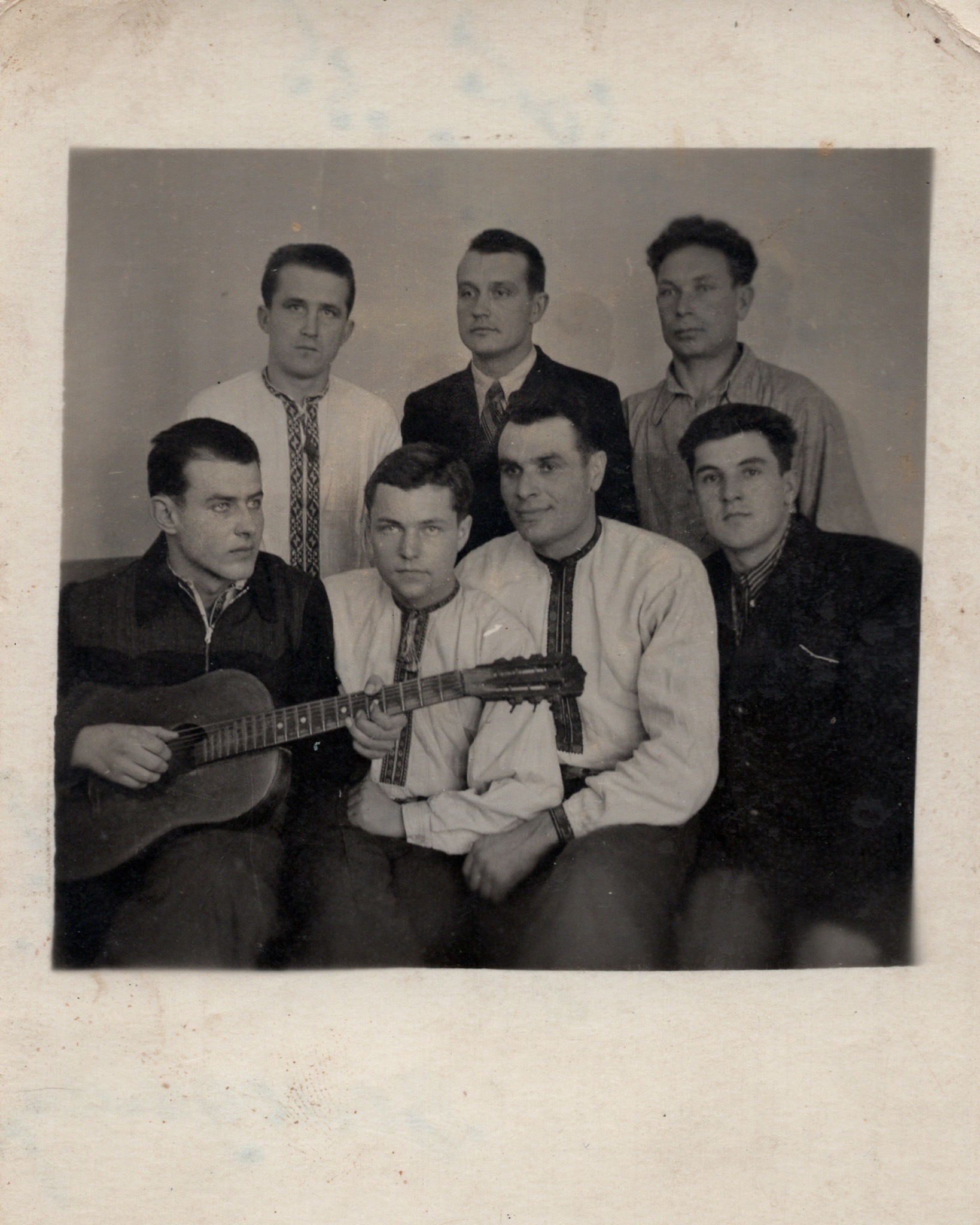
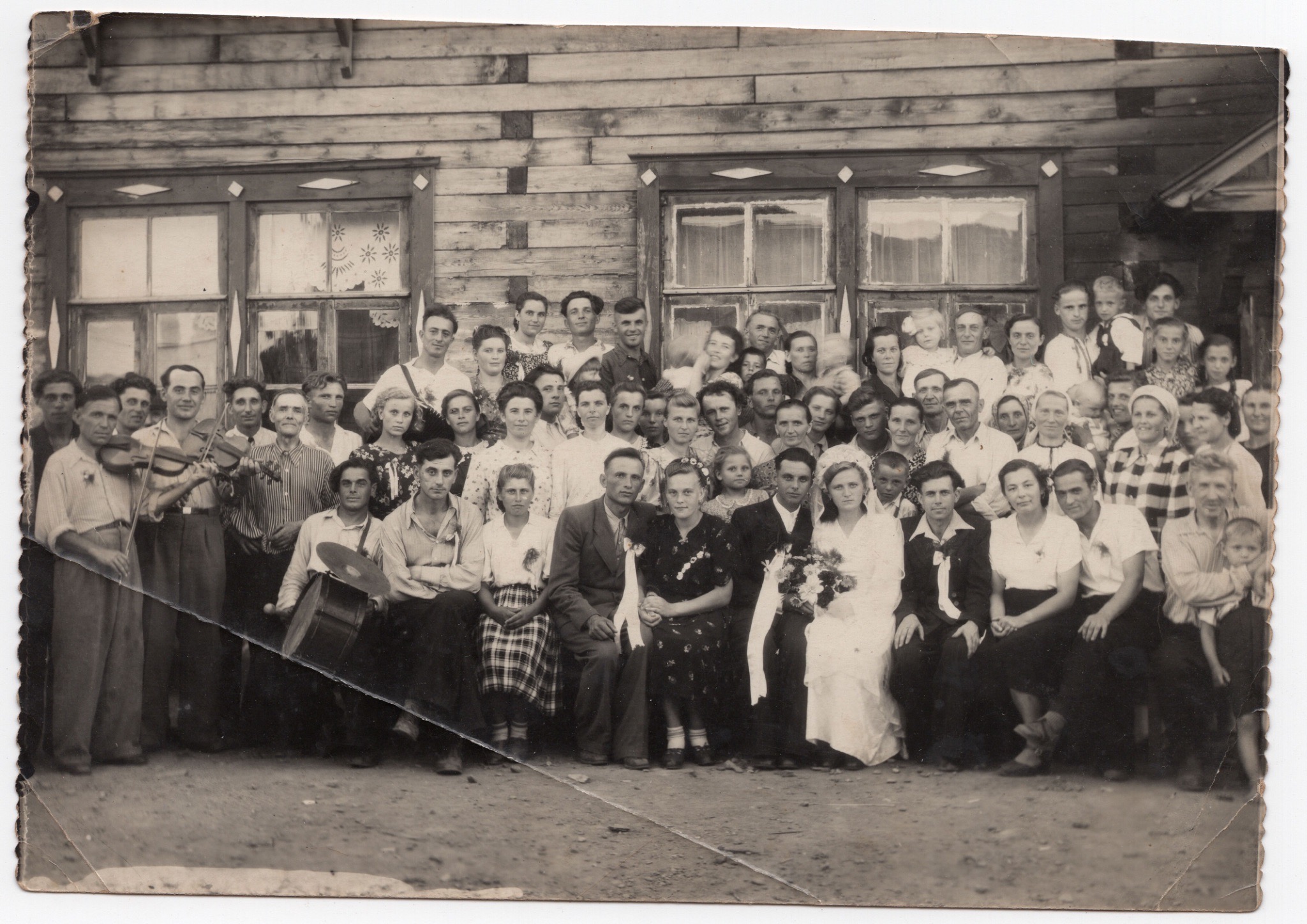
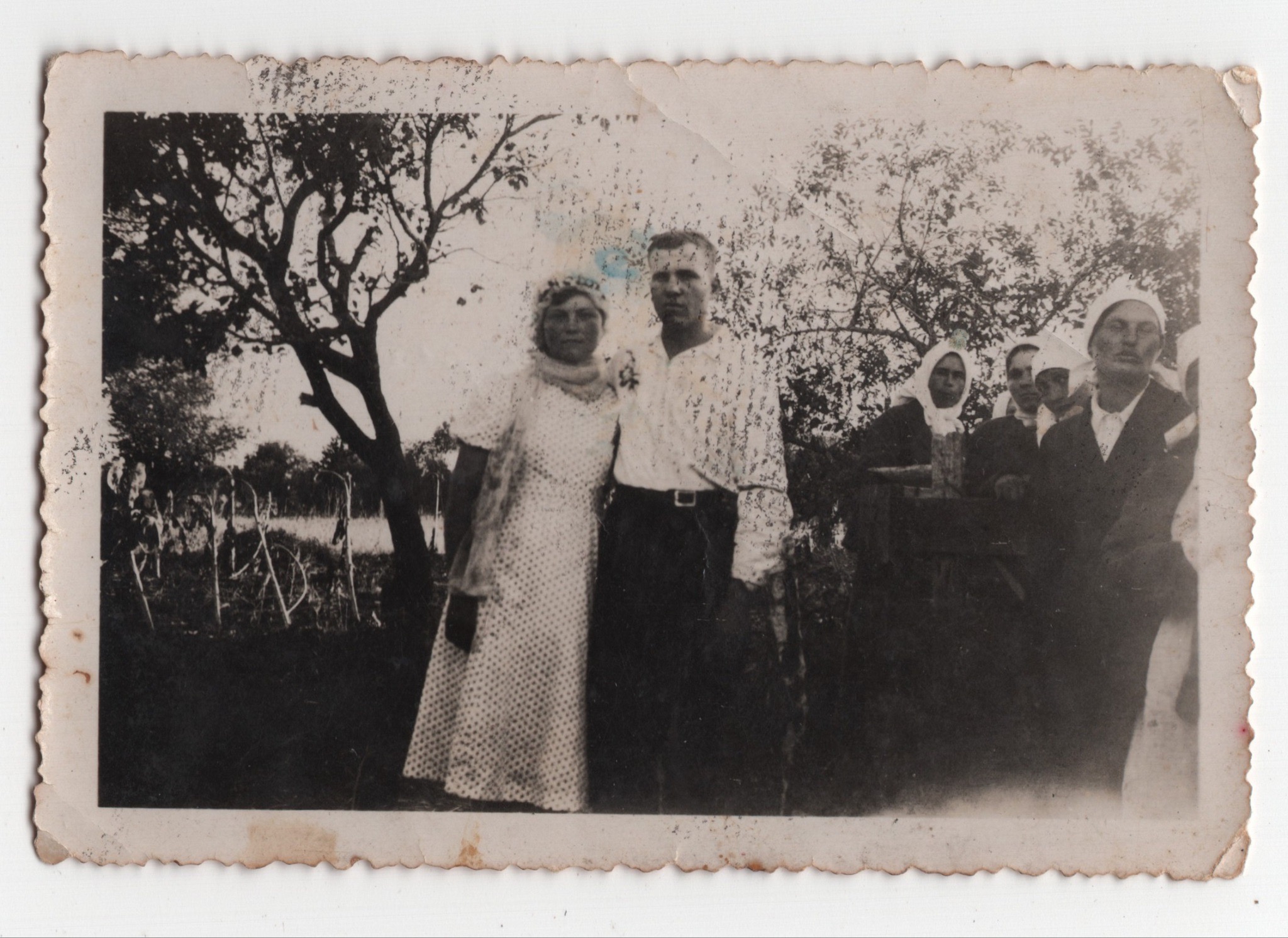
The organization “After Silence” works primarily with vernacular photography — amateur and everyday images that document personal history and daily life. “For people, for example, in exile, the process of photography became an outlet, an opportunity to escape routine, engage in something interesting, and ultimately earn money. Under such conditions, people simply had no chance to become professional photographers,” adds Anna Yatsenko.
How to show the invisible
The collection of “After Silence” contains many interesting and unique images. For example, in the Vinnytsia region, historians recorded an interview with a woman who had just turned one hundred years old. Together with her, her children, and grandchildren, they looked through albums that included wedding photographs. It turned out that the couple married by arrangement in 1942 so they would not be taken to Germany for forced labor. At that time, married people were not deported to Germany. The wedding was fake, but married life turned out to be a happy one.
“The photograph of the newlyweds was taken by German soldiers with their own camera and later brought to them. First, they photographed the couple, and then took a photograph together with them,” recalls Anna Yatsenko. “The woman kept the photograph with her husband as a memento, and burned the photograph with the German soldiers in the stove during Soviet times while looking through the album. She described how the Germans looked in the photograph, what they were wearing, and how they were standing. The photograph exists in the memory of several generations, even though the image itself no longer exists.” Andrii Usach adds that the photograph could have been printed in several copies and may still be found in a family album in Germany.
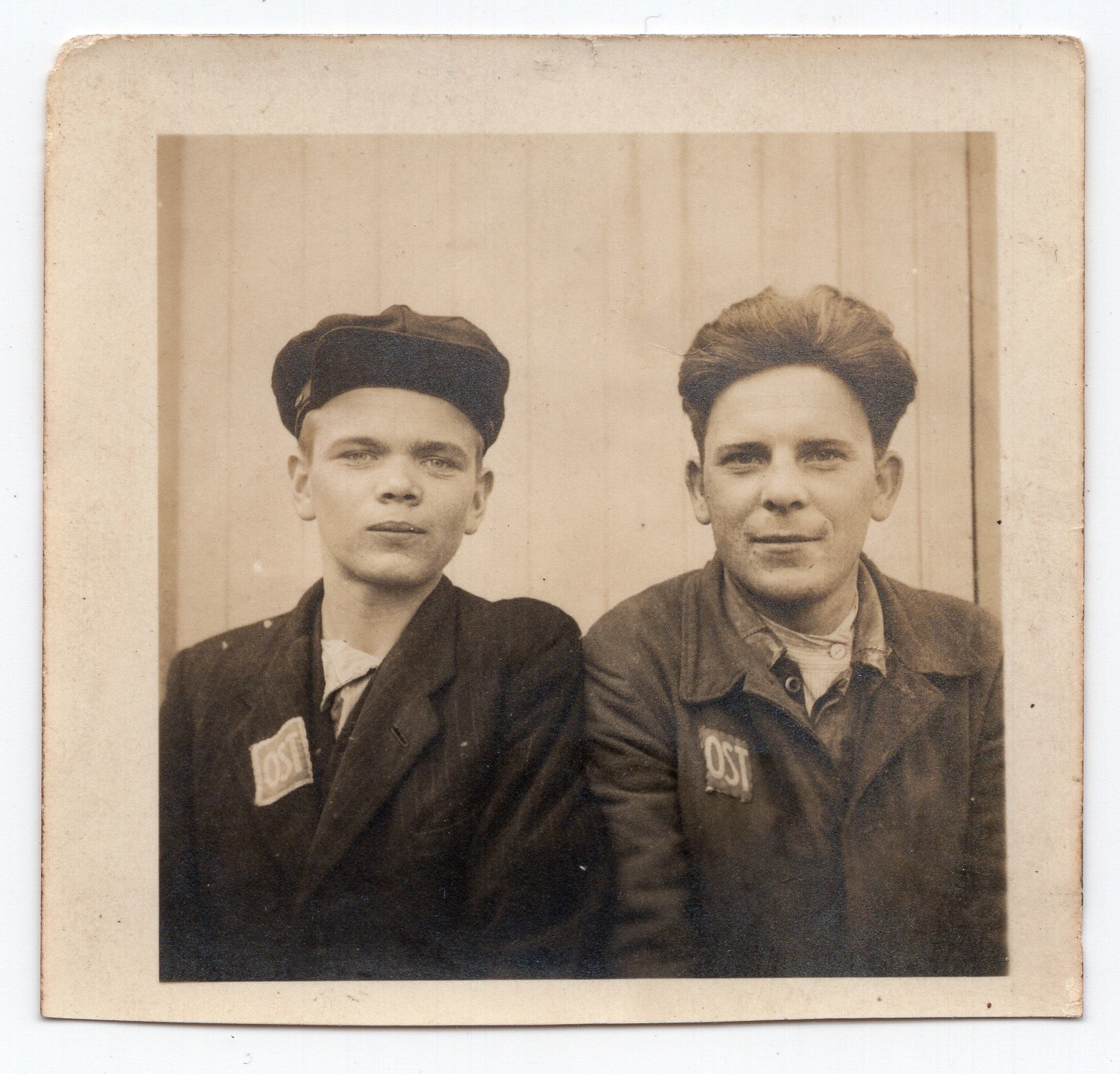
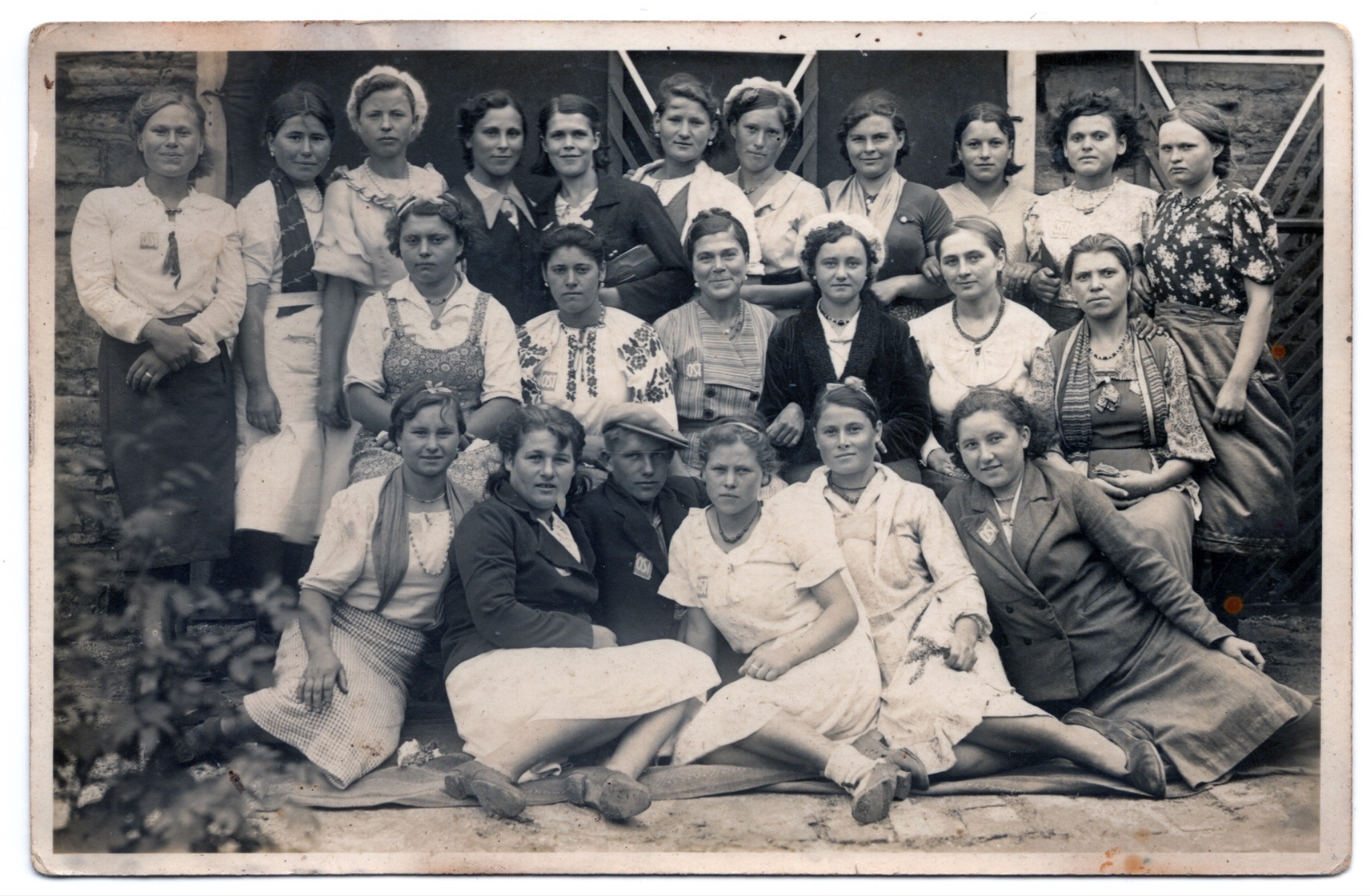
“At After Silence, there is a large archive of ‘Ostarbeiter’ photographs that is constantly expanding. The photos are published online, captioned, and indexed. “People taken to forced labor in Germany received meager wages and had little opportunity to spend them. They saved money and bought a mug of beer or went to have their photograph taken at a studio. For photographs, people dressed nicely and smiled, because they sent the images to their relatives. Without the inscriptions on the backs, we would not even be able to understand where and under what conditions these photographs were taken,” says Andrii Usach. There are not many images of ‘Ostarbeiters’ taken during work. Ukrainians were not allowed to have cameras — photographs were mainly taken by Germans for propaganda or by forced laborers from other countries who had better living and working conditions.
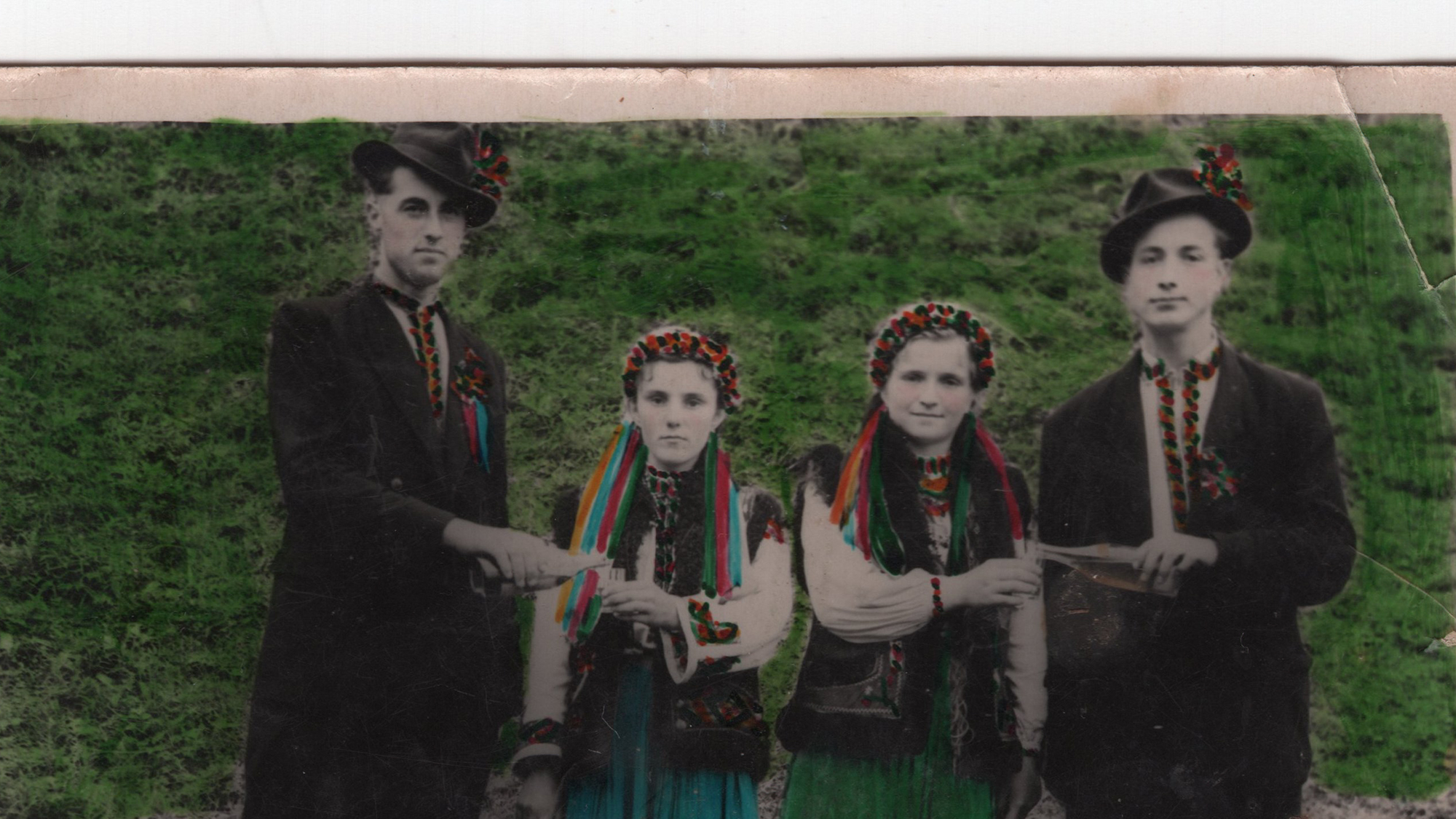
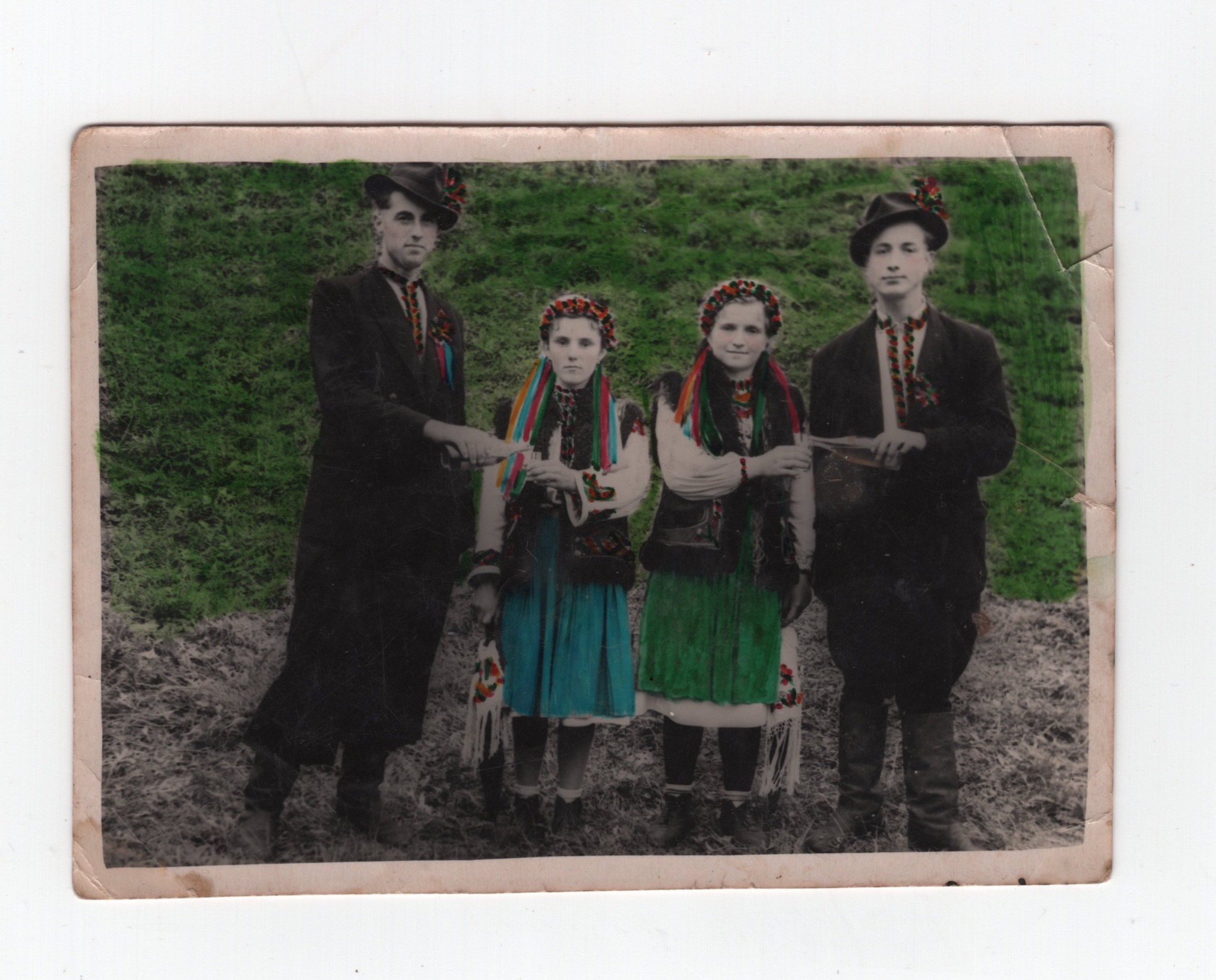
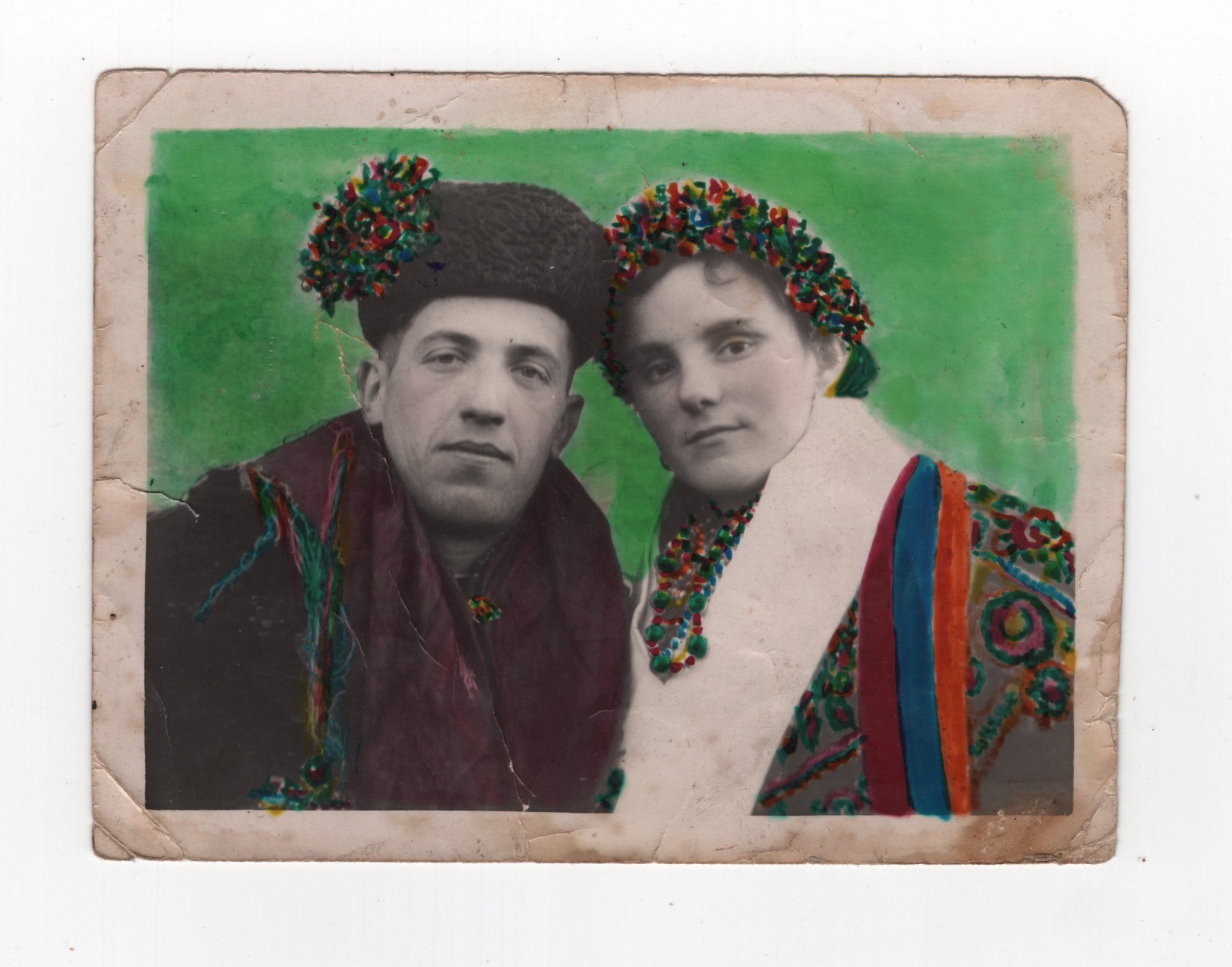
The archive of “After Silence” includes a collection of colorized photographs from the village of Richky in the Kosiv district of Hutsulshchyna. “People from the village and surrounding areas brought photographs to a craftswoman who knew how to color photographs — embroidered parts of clothing or the background were colored. People brought their family photographs from very different periods of life. Perhaps at that time such a fashion emerged and everyone wanted to have ‘color’ photographs,” says Anna Yatsenko.
How to preserve memory
Today, there are very few researchers in Ukraine who work with photography as a document. Images are used as illustrations for books, but not as a source of information. The organization “After Silence” approaches working with photographs differently — they often organize physical and virtual exhibitions and work on projects in which the main emphasis is placed on photographs. “We made a documentary film together with Suspilne Broadcasting about how people remember persecution experienced in Soviet times. One episode was entirely dedicated to the preservation of photographic heritage,” says Anna Yatsenko.
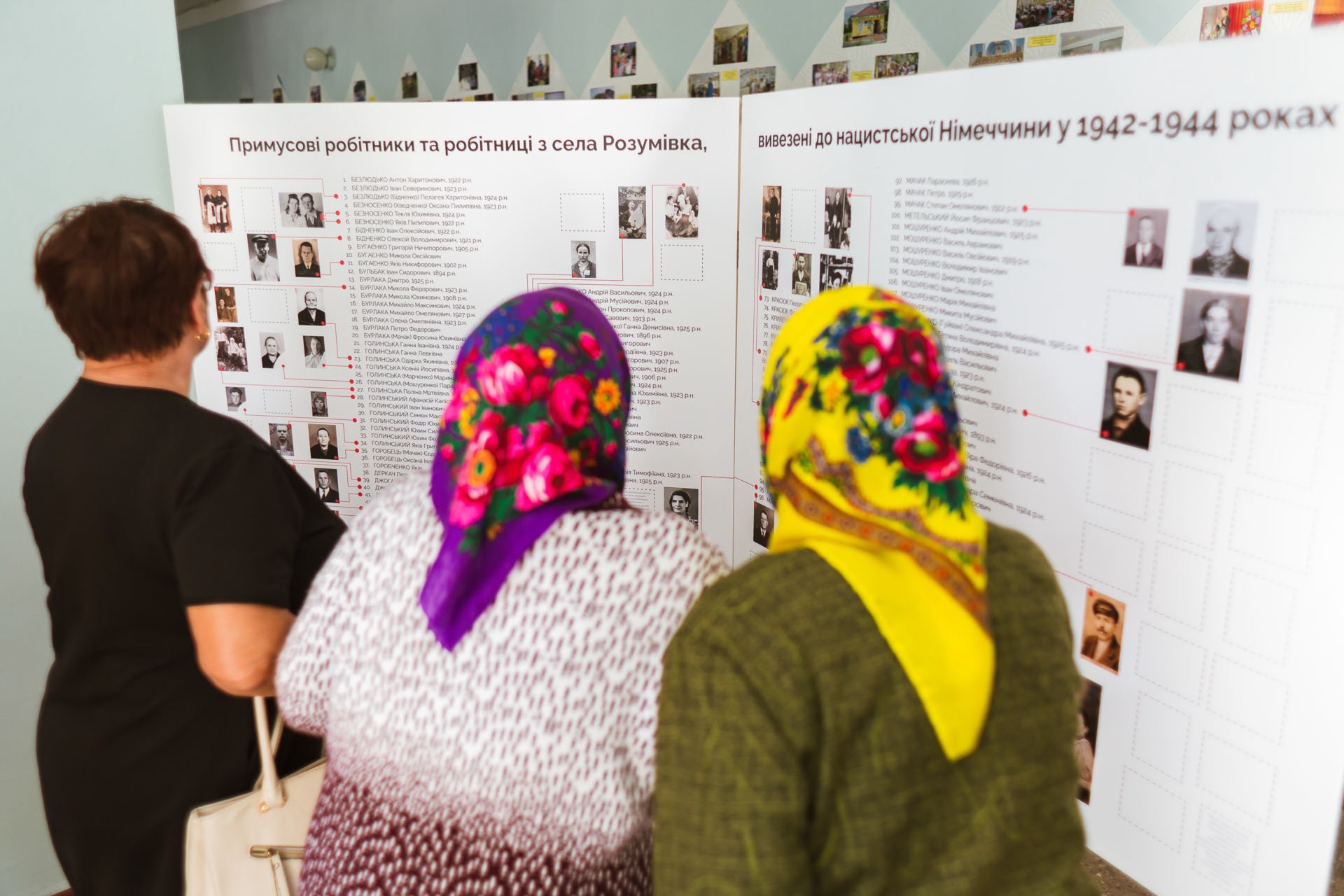
One of the organization’s first exhibitions took place in the village of Rozumivka in the Kirovohrad region. It was titled “How Bitterly We Lived in Germany” and was dedicated to Ostarbeiters. “We found the contacts of the local museum and library and told them that we had an archive of photographs of a forced laborer and wanted to learn more about him,” recalls Andrii Usach. “However, the village community turned out to be very active, and the idea arose to collect the names and photographs of people who had been taken from Rozumivka for forced labor.”
Museum and library staff communicated with village residents, asked about the fate of their relatives, and requested photographs. “At first, people cautiously gave their photographs. But when they came to the exhibition and saw the names of their grandmothers or grandfathers on the stands, they later brought their photographs as well,” says Anna Yatsenko. “The story of one man led us to a large exhibition about the village. It is very valuable to us when museums are interested in the history of their region and when one can learn about the village’s residents, not only about well‑known historical events.”
Subsequent exhibitions dedicated to the fates of Ostarbeiters during the Second World War were held by “After Silence” in Germany. For example, in the town of Furtwangen im Schwarzwald, the exhibition “Where the Blooming Years Passed” focused on the personal stories of female workers who worked at Furtwangen enterprises in 1942–1945. Historians reconstructed people’s biographies based on private photo archives and letters found at online auctions. “We wrote again to the local city museum and discovered that it was the German Clock Museum, which has a huge collection of exhibits. The museum was created on the basis of a clock factory that worked for the needs of the military during the Second World War,” says Andrii Usach.
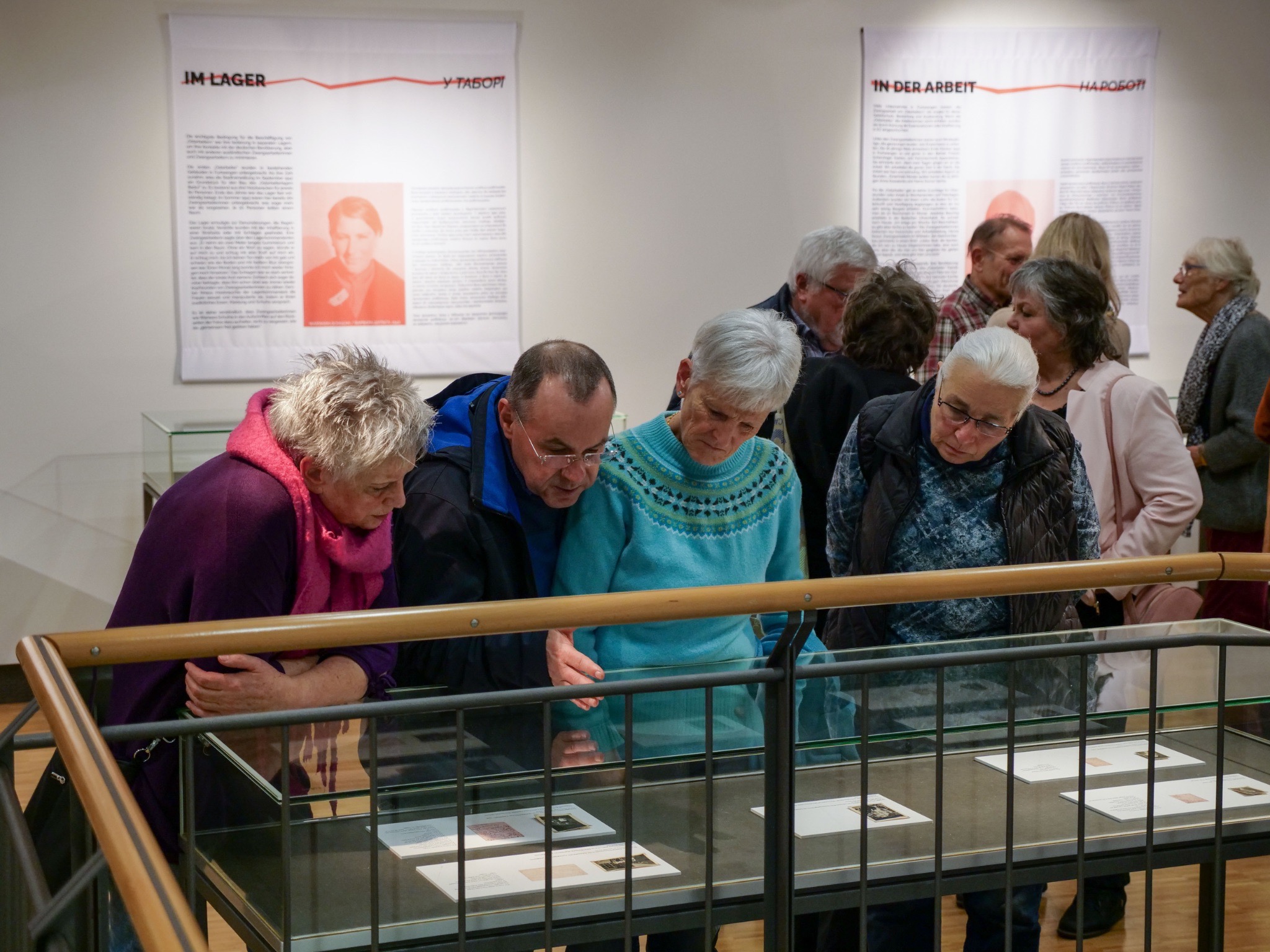
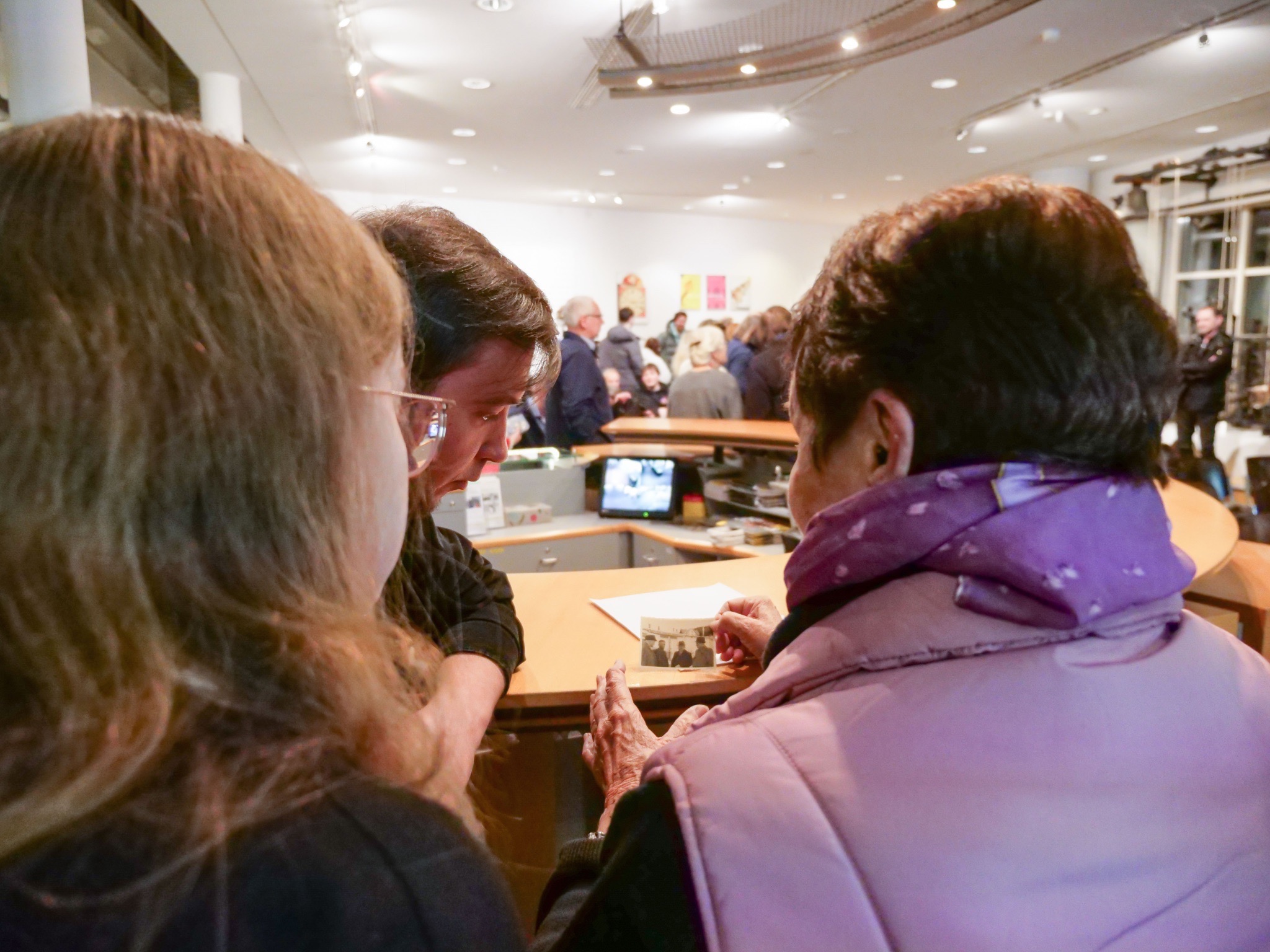
More than a hundred people attended the opening of the exhibition — a very large number for a small town. Local residents came, as well as Ukrainians who had moved to Germany during the full‑scale Russian‑Ukrainian war. “At the exhibition, an elderly local woman approached us; she had been a child during the Second World War. Her father was the director of the clock factory at the time, and she remembers how forced laborers came to their house and her mother gave them clothes and food. She remembered how the women said the word ‘tsybulia’ — they were Ukrainian,” says Andrii Usach.
The woman brought a photograph in which, among other people, there was a man with a Nazi badge and his face partially covered by his hand. She said he was the camp commandant and a very cruel man. She had never shown this photograph to anyone, and it was the exhibition that prompted her to tell this story. “We learned his name and found archival materials about him. He abused the girls; there were cases of rape. Yet there are photographs where he sits surrounded by girls who are sweetly smiling in the image. Without the woman’s story, we would not have known the context of this photograph,” adds Andrii Usach. The exhibition became a catalyst for the town — they organized a tour of industrial labor sites and developed a virtual tour.
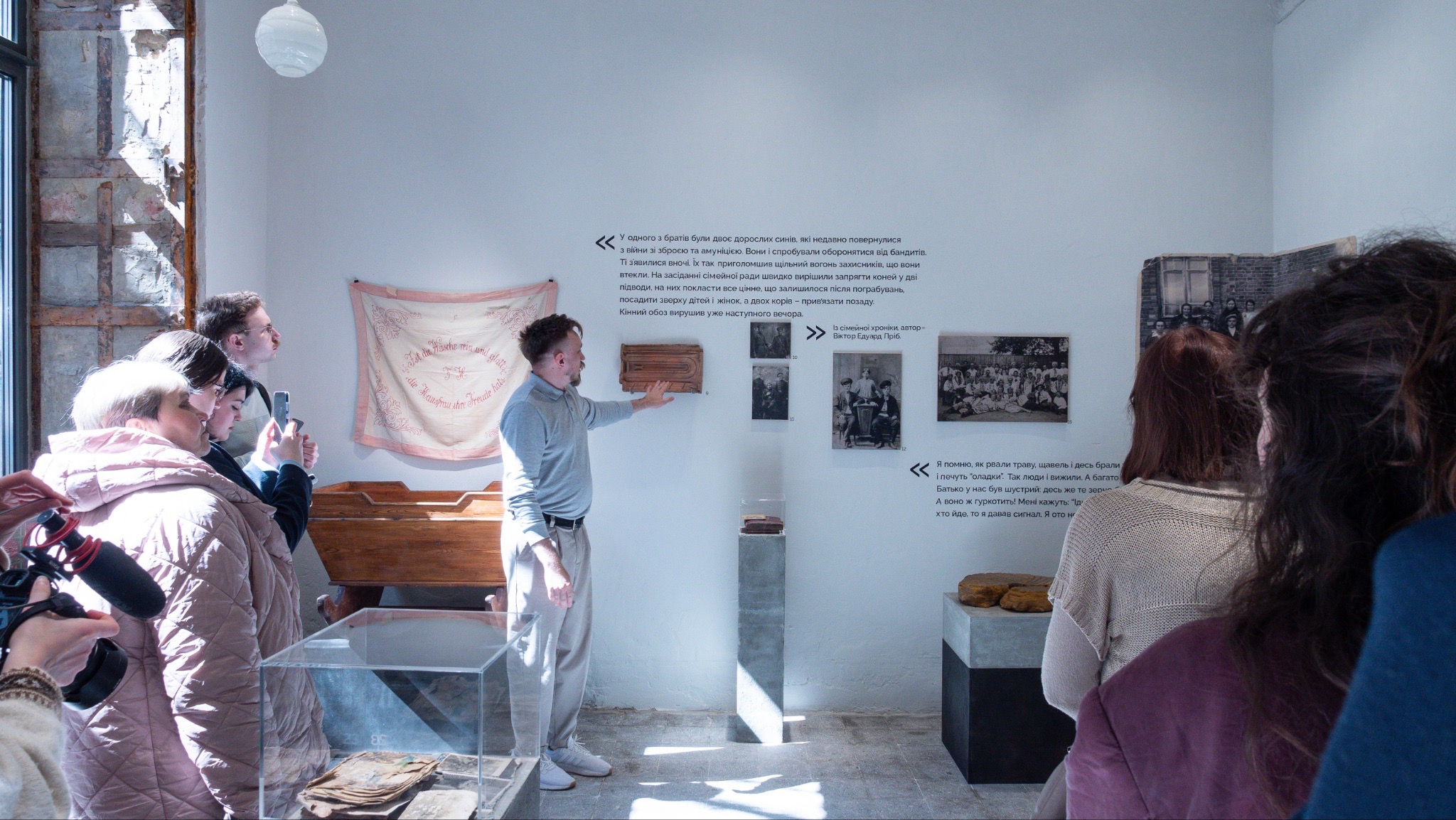
Last year, the organization “After Silence” opened its own exhibition space in Lviv. The first exhibition, “Huliaipole. Temporarily Displaced Histories”, presented antiquities saved from shelling and testimonies about the traumatic past of the twentieth century. The exhibition was created jointly with the organization “Huliaipole Antiquities” and historian Serhii Zvilinskyi and displays objects moved to storage for preservation. Serhii Zvilinskyi collects and evacuates cultural heritage from frontline areas of the Zaporizhzhia region. “We even displayed photographs riddled with shrapnel as an example of what could happen to all our family albums and photographs,” says Andrii Usach.
In the first year of the full‑scale Russian‑Ukrainian war, Anna Yatsenko and Andrii Usach recorded the largest number of interviews and digitized the largest number of archives compared to other years of their work. “People began to take greater interest in their family history. Many forcibly displaced families lost their photo archives forever,” explains Anna Yatsenko. “When we recorded the stories of internally displaced people and asked what items they did not manage to take with them and what they regretted the most, most mentioned family albums.”
Worked on the material:
Researcher, text author: Katya Moskaliuk
Photo editor: Olga Kovalova
Literary editor: Yuliia Futei
.png)