Throughout 2024–2026, the Ukrainian Association of Professional Photographers (UAPP), in partnership with the international organization FotoEvidence, implemented the FotoEvidence Ukraine project, aimed at preserving national memory, supporting documentarians, and restoring Ukraine's cultural fund.
Relying on over a decade of experience in creating and publishing significant photo books, the FotoEvidence Ukraine project set out to collect documentary material from Ukrainian photographers who have been documenting the Russian invasion since 2014, to publish it, and to distribute it for free among schools and libraries. The total print run of the published photo books amounted to four thousand copies, of which over three thousand were distributed among libraries and educational institutions in various regions of Ukraine and abroad. The Ukrainian Association of Professional Photographers is summarizing the results of the two-year project.
About the project
FotoEvidence is an international organization and publishing house working at the intersection of human rights and photography. A landmark project of the organization is the book "Ukraine: War Crime," which brought together over 360 photographs and 35 testimonies from over 90 photojournalists from 29 countries. The publication was recognized as "Photo Book of the Year" (International Photography Awards, New York) and has received a number of prestigious international awards, while the traveling exhibition of the same name has been presented at 19 venues in Ukraine, the USA, Europe, and the Western Balkans.
Russia's full-scale invasion of Ukraine in February 2022 forced FotoEvidence to change its approach: instead of supporting individual authors, the organization united the photo community to document events in Ukraine collectively. The collaboration between FotoEvidence and UAPP reached a new level through the implementation of the FotoEvidence Ukraine initiative, aimed at supporting the community of Ukrainian photographers and helping to preserve and revive Ukrainian history and culture through the publication of photo books.
The FotoEvidence Ukraine project team was led by Director Svetlana Bachevanova, project manager in Ukraine from UAPP Olga Kovalova, and Editor-in-Chief Irynka Hromotska. The initiative involved 16 prominent Ukrainian and foreign photojournalists and editors who helped the authors create profound visual stories, uniting all participants into a single collaborative team.
"Thanks to our efforts and cooperation with partners such as FotoEvidence, we demonstrate that photography is not only art, but also an important tool for preserving memory and fighting for the truth," notes Olga Kovalova.
As a key partner of the project, the Ukrainian Association of Professional Photographers (UAPP) coordinated the involvement of Ukrainian photographers, supported the selection of materials for photo books, and ensured their promotion to an international audience. This initiative helped UAPP fulfill its main task — to support the Ukrainian photo community during the war, return to photographers a sense of the value of their dangerous work, help structure portfolios, and integrate into the global context.
Securing support from the International Renaissance Foundation and Open Society Foundations allowed the team to successfully implement the project. Importantly, the entire cycle of pre-press preparation and printing of the books took place directly in Ukraine, thereby supporting the domestic creative industry during challenging times.
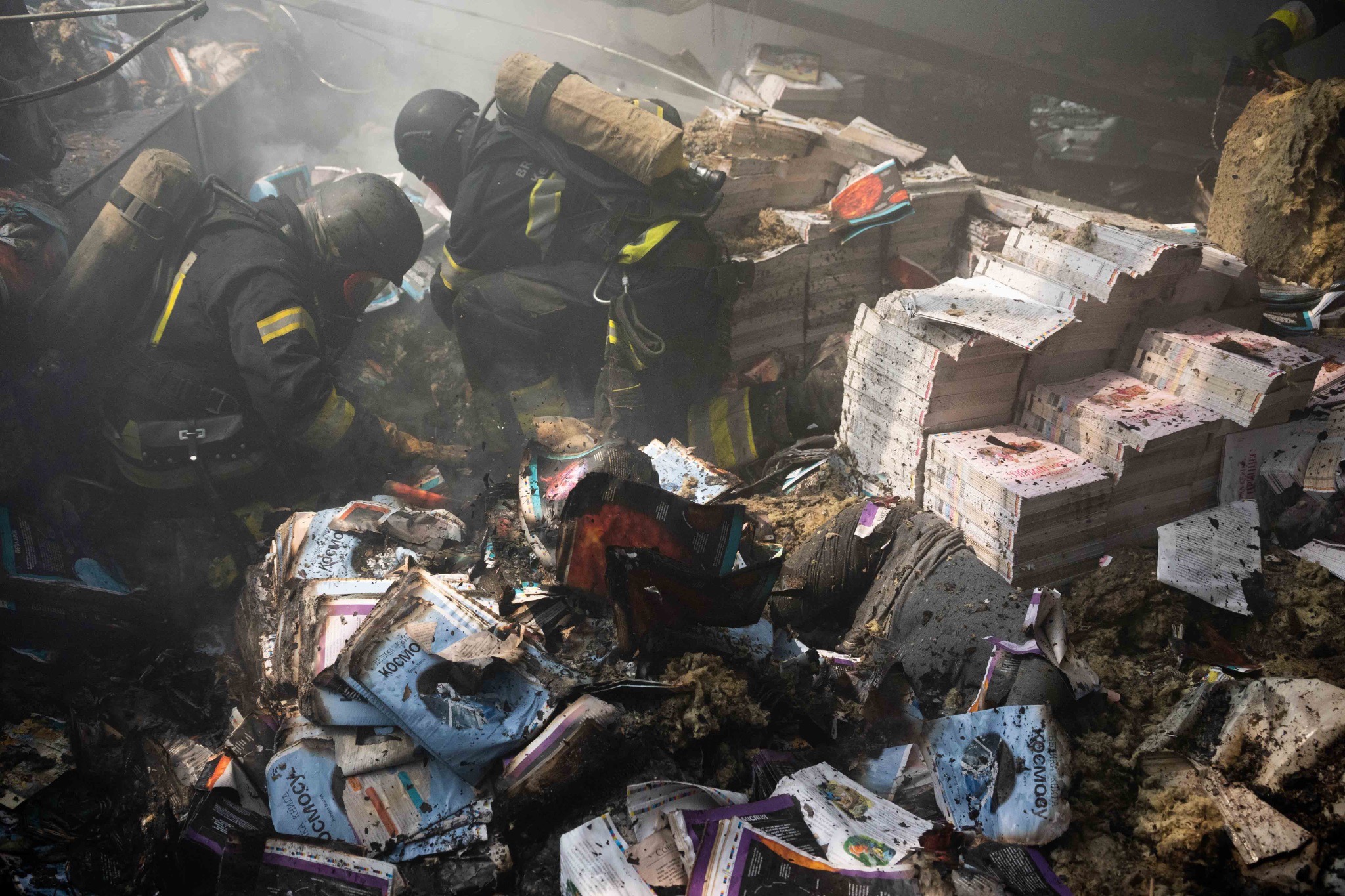
Project publications
Within the framework of the FotoEvidence Ukraine initiative, in partnership with UAPP and FotoEvidence, three unique publications were released.
"War Chronicles: Ukraine 2014–2025" — the debut publication and the most extensive visual archive of Ukraine's ten-year resistance — over 360 photographs and dozens of stories — created by about 50 Ukrainian authors. The photographs collected in the book help create a cohesive image of the Ukrainian people, documenting the incredible strength and love that rallies society around the defense of life and peace.
The book is unique in terms of design and perception: on horizontal pages, panoramic shots look maximally scaled, and the layout creates the effect of an exhibition hall, immersing the reader in the details and atmosphere of the photographs. The visual narrative is supplemented by texts by writer Myroslav Laiuk and an introduction by UAPP founder Mstyslav Chernov.
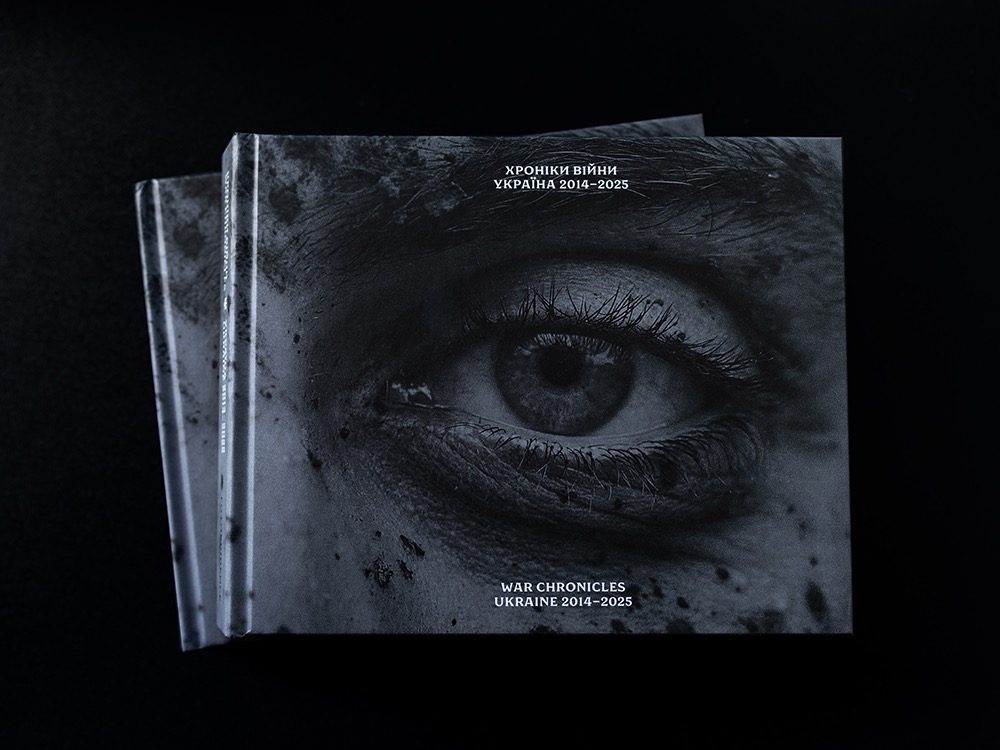
The first edition was released with a print run of 2,000 copies, the majority of which were donated to school libraries that suffered from hostilities.
"War Photo Chronicles" is more than a book. It is an archive of our history, our pain and struggle, which we are preserving for future generations and showing to the world. This cooperation strengthens UAPP's role as a cultural and professional hub for Ukrainian photography," says Olga Kovalova.
The project and the exhibition of the same name were first presented at the 13th International "Book Arsenal" Festival on May 28, 2025.
The second publication within the partnership is the book "Donbas, a Land of Hell and Love". This is a deeply personal diary-book by photographer Serhii Korovainyi, originally from Khartsyzk, about the loss and love for his native Donbas. It contains over a hundred documentary photographs from 2000–2025 and reflections on war and destruction, where there is also a place for human warmth and tenderness. This is symbolically conveyed by the cover depicting a starry sky and the light of a thermal imager — a unique shot taken during a visit to the military on the front line.
"This photograph corresponds very well to the book title 'Donbas, a Land of Hell and Love.' It is a photo book about everything that exists in Donbas. I was looking for a way to immerse readers in the Donbas they might not have known," says Serhii Korovainyi.
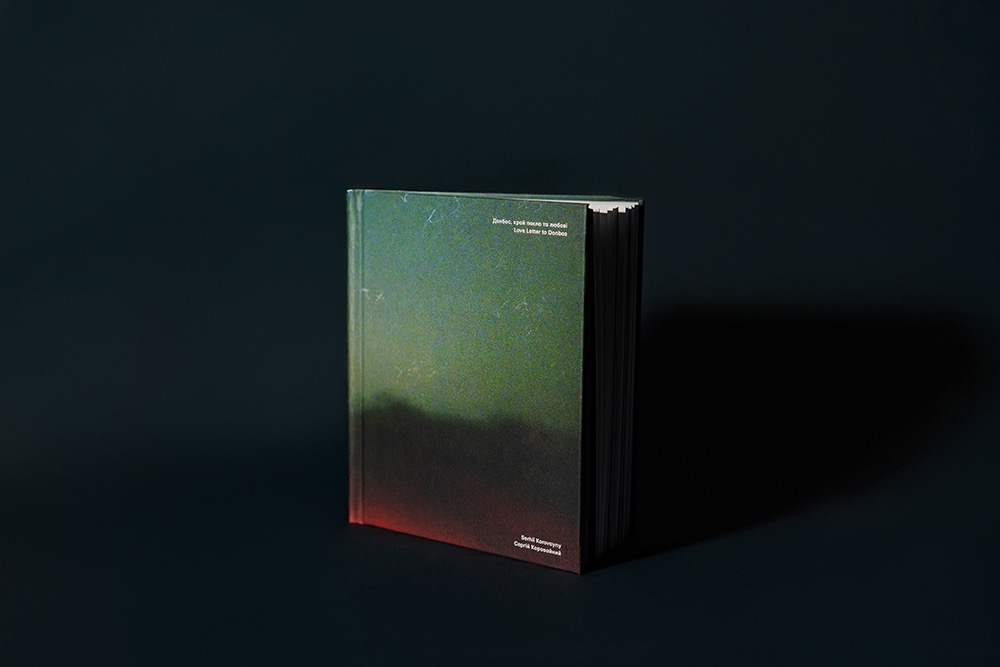
The photo book combines iconic and very warm images of Donbas for the author: its factories, waste heaps, and people. A special spread in it features a photo of the photographer's grandfather and a sailboat he made, which Serhii took with him to Kyiv. The book's design is maximally restrained to focus attention solely on the photographs. The English texts were written by the photographer himself, and the Ukrainian ones by journalist Vira Kuryko.
For Serhii Korovainyi, the photo book became the only format capable of uniting his multi-year shots of Donbas into one personal and socially significant story, although until 2024 he had not planned to create a separate project.
The presentation of the "Donbas, a Land of Hell and Love" publication took place on February 3 at the PEN Ukraine space.
The third publication within the project is the book "Here They Build Houses from Ashes" by photographer Liza Bukrieieva. A chamber-style authorial research of civilian life in frontline and de-occupied communities. The project seeks an answer to a paradoxical and at the same time complex question: why do people remain where the war has destroyed all daily life and danger has become a part of everyday existence?
Liza collected material for the book from the end of 2023 and throughout 2024, documenting life in the Donetsk, Kherson, Kharkiv, Mykolaiv regions, and the Nikopol district of the Dnipropetrovsk region. The book's title emerged from what was seen in the frontline territories: despite total ruins, people are not just planning for the future, but literally rebuilding their lives from the debris of war.
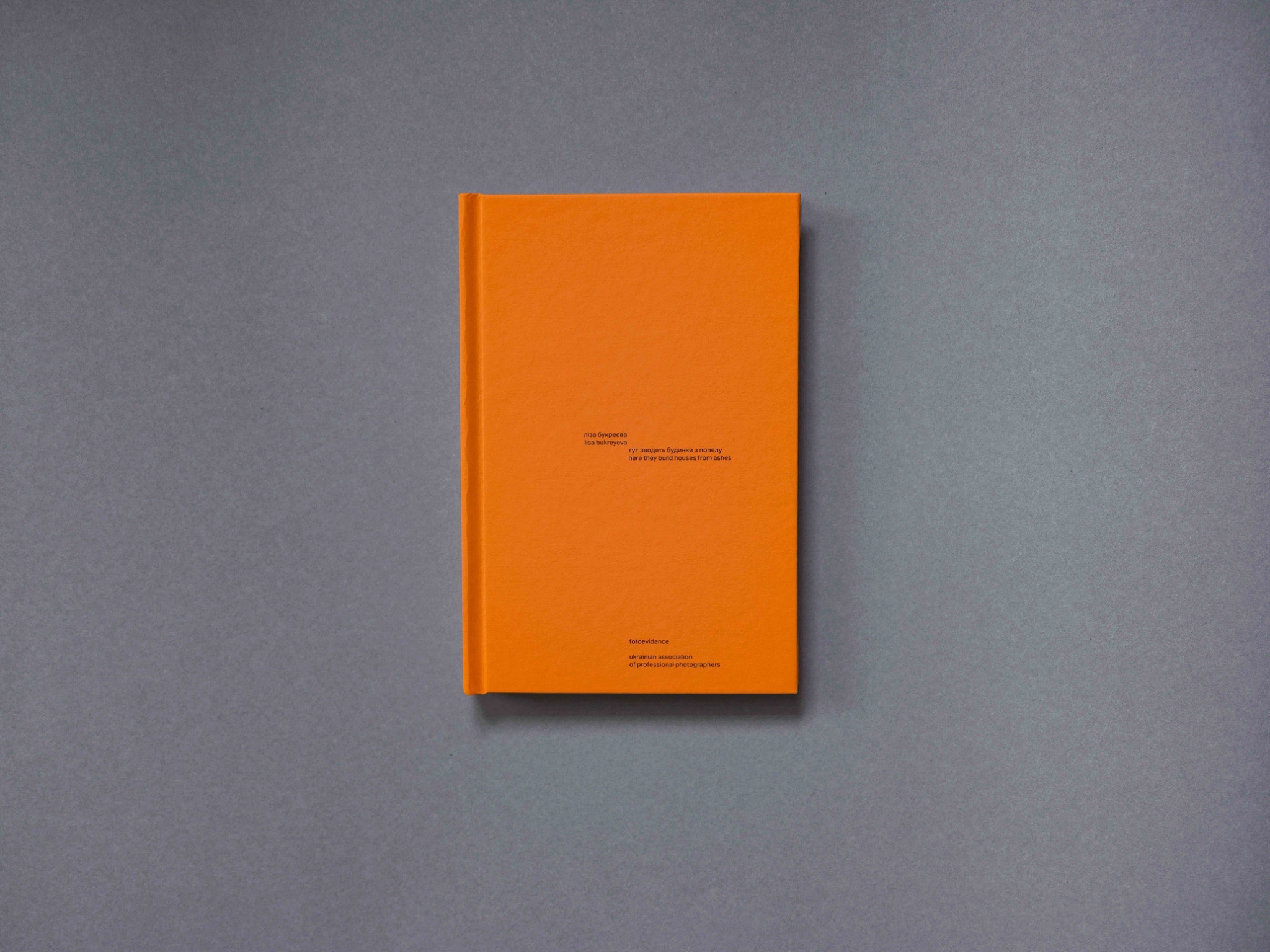
The basis of the project itself was a large series of portraits taken by the author during her travels. The book contains authorial notes from the trips and captions for the frames. The main visual solution of the book is contrast: from the fiery cover and ashen endpapers to the photographs themselves. Vivid and sharp portraits of people here are contrasted with soft, blurred landscapes that transmit the atmosphere of an uncertain future and the depth of destruction.
"It seems to me that good art does not need complex explanations and is accessible to everyone. I hope the book "Here They Build Houses from Ashes" will have many attentive viewers who might even see more in it than I did," says Liza Bukrieieva.
The presentation of Liza Bukrieieva's photo book "Here They Build Houses from Ashes" took place on March 17, 2026, at the PEN Ukraine space.
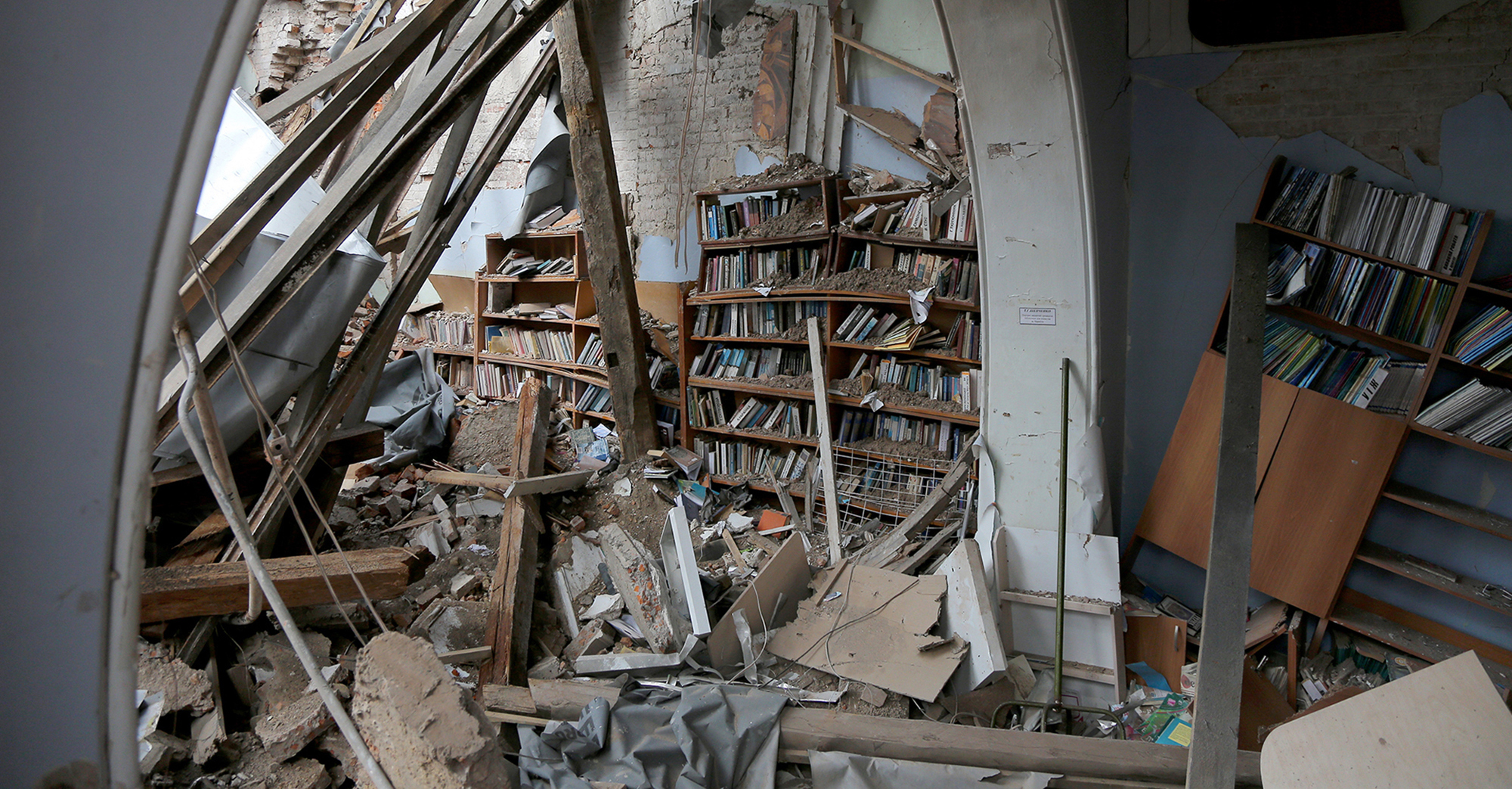
Modern Ukrainian libraries have long outgrown the status of ordinary "book repositories," turning into powerful hubs of memory, culture, and spaces for community gathering. Books about the Russian-Ukrainian war, created within the framework of the FotoEvidence Ukraine initiative, have also made their contribution to the development of these spaces. These books, containing visual testimonies of historical events, will become a significant source for everyone seeking to understand the recent history of Ukraine.
Readership community
Photo books published within the FotoEvidence Ukraine initiative were received by cultural and educational centers: children's, youth, scientific, and family libraries, leisure centers, press clubs, and the National Art Museum of Ukraine.
The Lviv Municipal Library received 150 photo books. Its project manager, Vira Simpson, said that the books have already been processed, cataloged, and have begun to reach all branches of the library so that they can reach readers as quickly as possible. Librarians of branches No. 36 and No. 13 record significant demand for the new arrivals and share the first feedback from visitors.
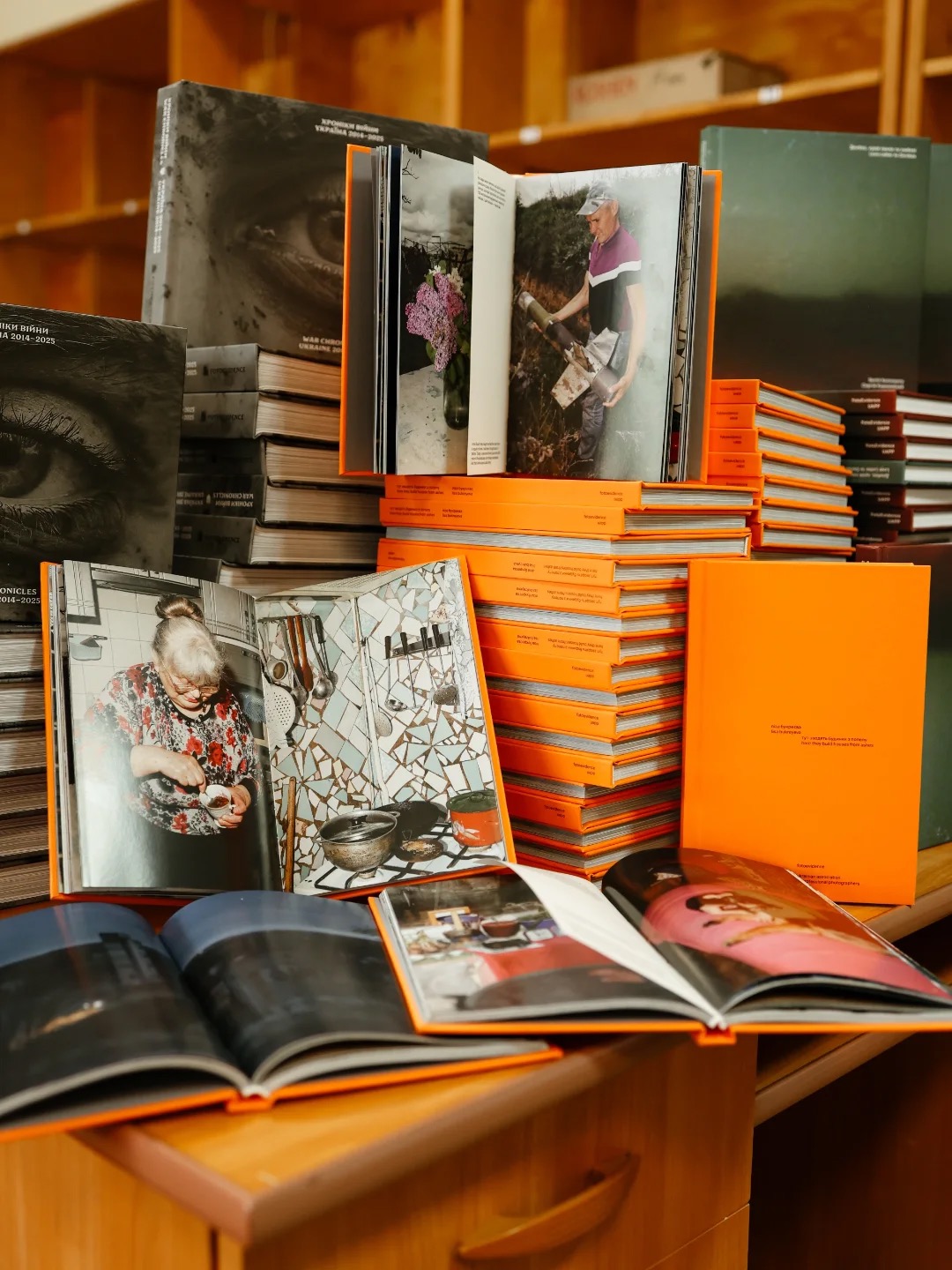
"The books have been received and readers have already browsed through them more than once. The feedback is positive; they said the photos are very high quality, powerful. One reader even found a photo of their soldier nephew," share the librarians of branch No. 36.
"Everyone notes, first and foremost, the high quality, emotional significance, and power of the moments captured," note the librarians of branch No. 13.
The materials received will not sit on shelves — libraries are integrating them into their public events, presentations, and thematic exhibitions to introduce visitors to the truth of the present.
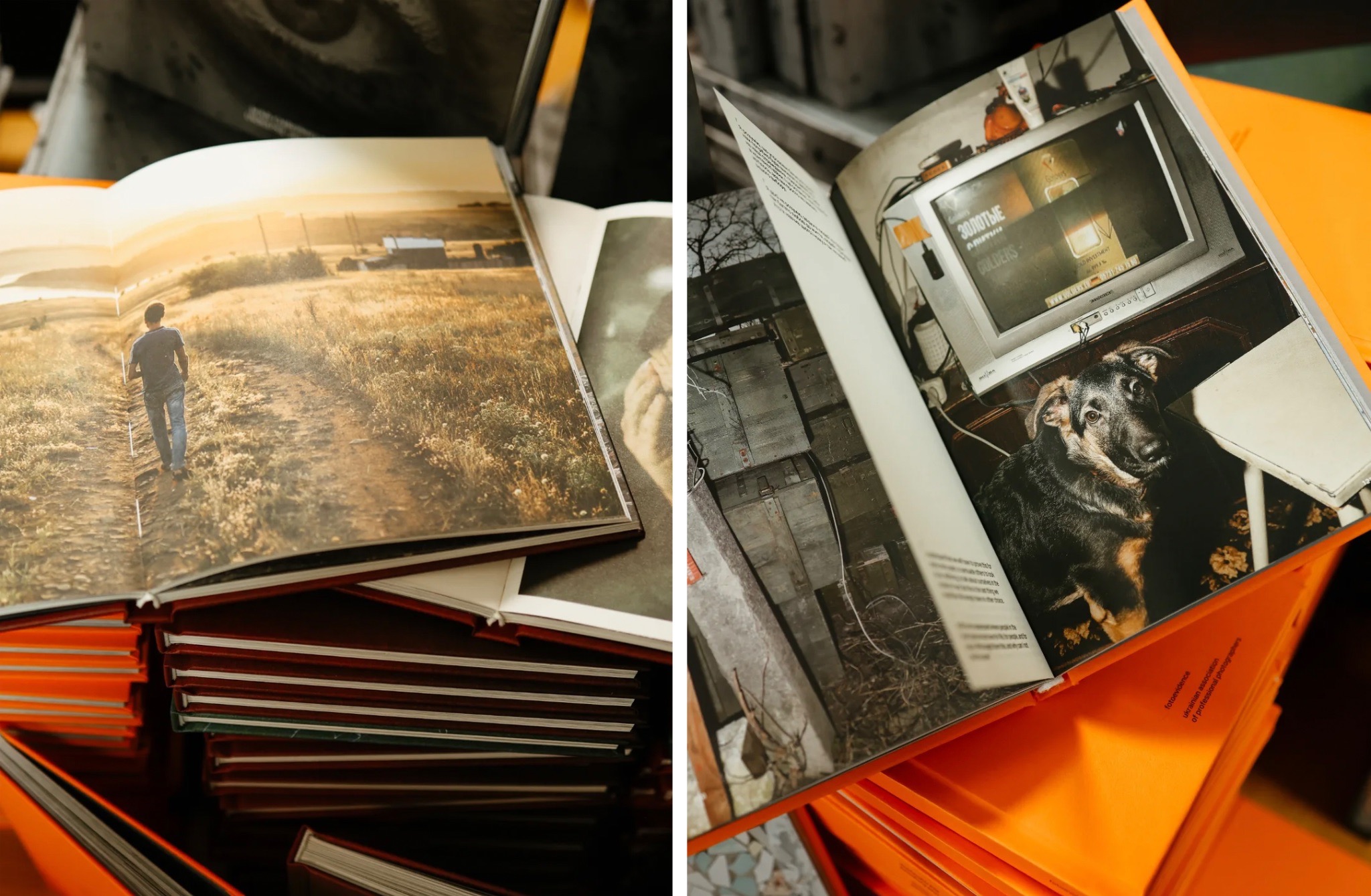
Photo books also enriched the collections of libraries in frontline and de-occupied territories: thanks to Ukrainian PEN, a portion of the books went directly to communities that suffered the most from the war.
PEN Ukraine space manager and coordinator of the "Unbreakable Libraries" project, Anna Shevchenko, spoke about the importance of documentary books in regions scarred by war:
"Documentary photo books are important evidence of modern Ukrainian history and have significant value for library collections, as through visual images they capture events and the experience of war, which often speak more than words. While handing over the publications to libraries in the Zaporizhzhia, Chernihiv, Kharkiv, Kyiv, Mykolaiv, Sumy, and Dnipropetrovsk regions, we saw the sincere interest of librarians and readers and felt how important such publications are for communities. In regions that have suffered from the war, they help make sense of current events, preserve memory, and open space for conversation about the lived experience. We continue to distribute and send books to libraries in different corners of Ukraine to make these documentary testimonies available to as many readers as possible. The demand for such publications is palpable, which once again confirms their importance for preserving memory."
Educational institutions also received copies: books went to schools, lyceums, as well as to departments and libraries of the country's leading universities, including the Ivan Franko National University of Lviv, the University of Customs and Finance, the A. S. Makarenko Sumy State Pedagogical University, the Odessa National University of Technology, the Vasyl Stus Donetsk National University, the National Pedagogical Dragomanov University, the H. S. Skovoroda Kharkiv National Pedagogical University, and others.
Since the publications were created from the beginning with a focus on the educational environment, they are being actively integrated into curricula to educate future generations.
A striking example is the Faculty of Journalism at the Ivan Franko National University of Lviv. Within the mandatory discipline "Audiovisual Content" for second-year students majoring in "Journalism," a special practical assignment was developed. Students analyzed the photo stories from the book in detail and created over a hundred authorial reflective essays. For future media professionals, this experience became an opportunity not only to evaluate the relevance and historical value of the publication but also to process the visual images, which will be forever etched in their memory.
The publications also found readers abroad, where they gained high international reach: they were presented to a wide audience at events such as the "Book Arsenal" in Kyiv, the International Month of Photojournalism in Padua, Italy, and an exhibition in Sofia, Bulgaria. The project was also presented at festivals such as Visa Pour L’Image in France, WARM in Sarajevo, ZEG in Georgia, and the Arles Photo Book Festival; at photo fairs such as the ICP Book Fair and the Bologna Photo Book Fair; and presented at the European Parliament in Brussels. The presentation of the books took place in various modern formats: from classic public and digital exhibitions to video presentations and multimedia displays.
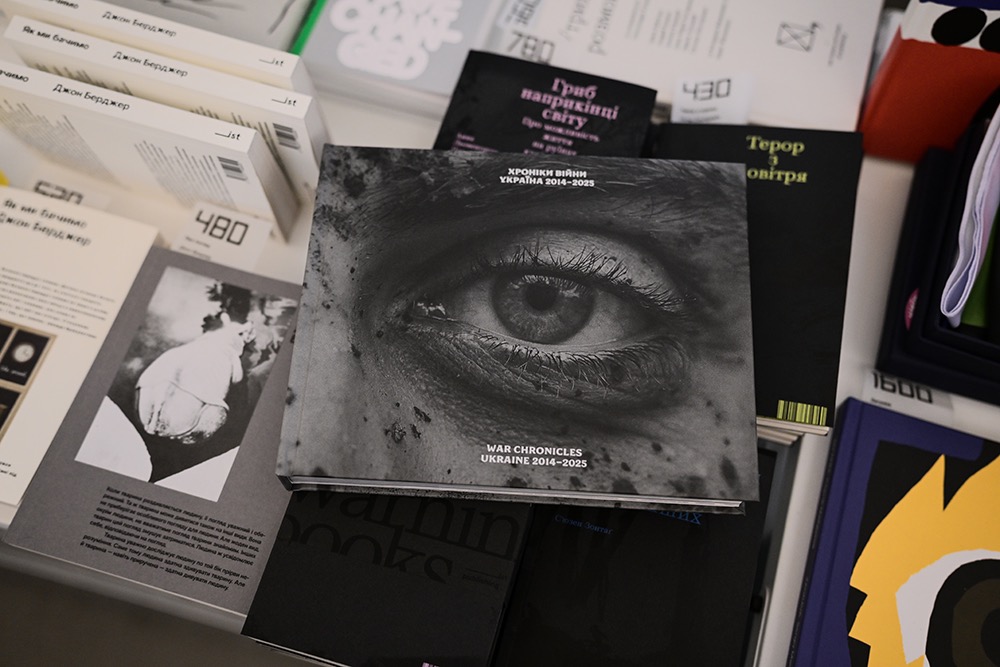
Furthermore, copies of the books were donated to the New York Public Library, the New York University Library, the Bronx Documentary Center, and the Ukrainian Cultural Center; publications were handed to members of the European Parliament and Open Society Foundations. Copies of the photo collections are now also stored in the Ukrainian Library and the library of the non-profit art organization Lumenvisum Company Limited in Hong Kong.
The books are designed in two languages, Ukrainian and English, thus serving as an accessible source of information about modern Ukraine for a foreign audience.
Material created with the support of the British Council's "Grants for Creative Economy Development" program
Contributors to the material:
Topic researcher, author of the text: Yana Yevmenova
Photo editor: Olga Kovalova
Literary editor: Yuliia Futei
.png)