UAPP Logo
Destroyed infrastructure, civilians kept in fear: a week of Russian drone attacks
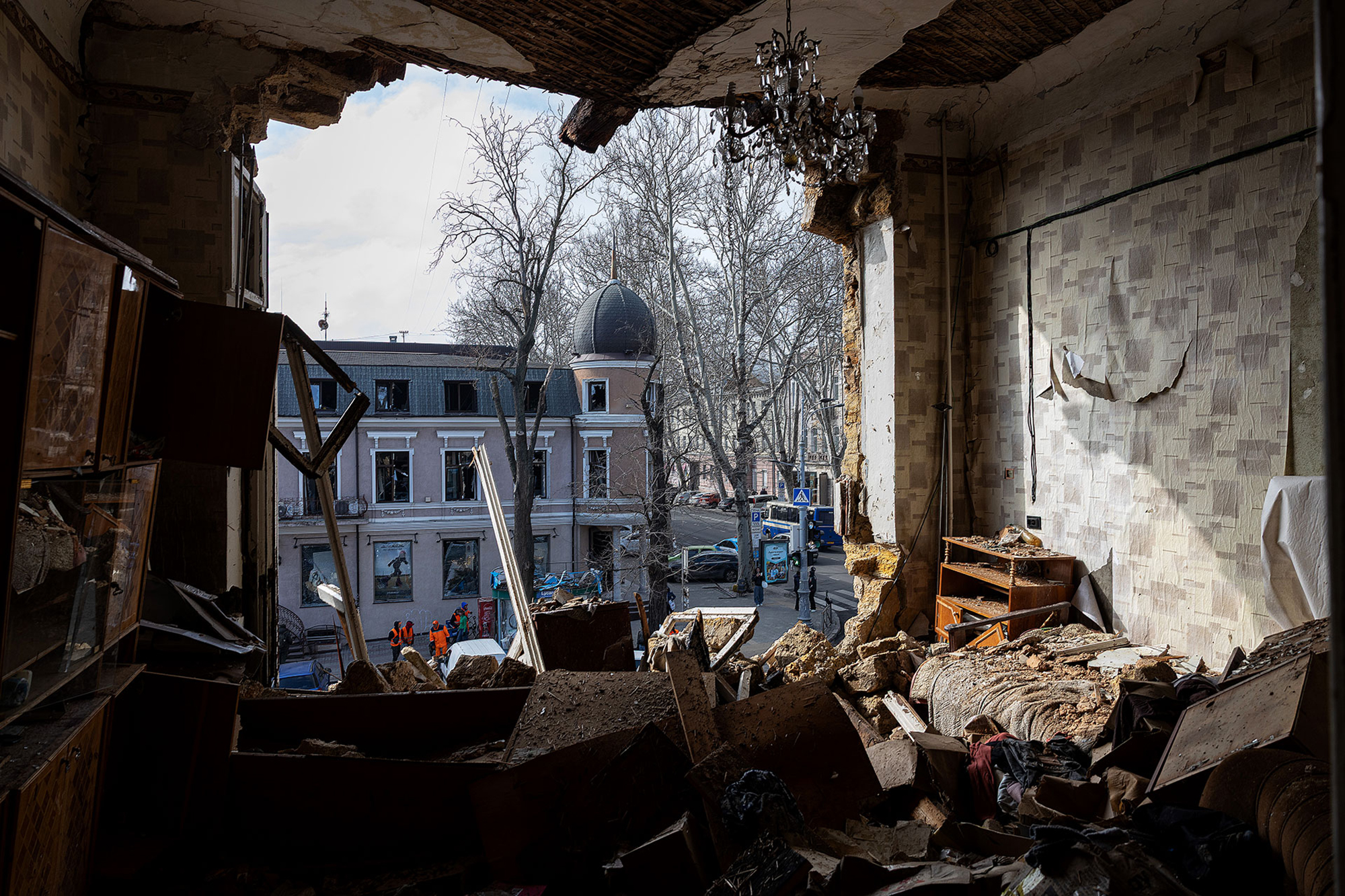
Russia has sharply intensified drone attacks in border and frontline regions. Throughout the week, air‑defense forces worked to intercept enemy UAVs over the capital. Drones also reached the western and central regions of the country. The enemy targeted railway, energy, and port infrastructure, industrial facilities, residential buildings, and civilian transport. Toward the end of the workweek, drones launched a massive attack on Odesa. Over the weekend, enemy strikes completely cut off power to Chernihiv and most of the region. The aftermath of the devastating drone attack on Odesa is captured in photo reports by documentarians Oleksandr Himanov and Tymofii Melnykov.
read more
Destroyed infrastructure, civilians kept in fear: a week of Russian drone attacks
Russia has sharply intensified drone attacks in border and frontline regions. Throughout the week, air‑defense forces worked to intercept enemy UAVs over the capital. Drones also reached the western and central regions of the country. The enemy targeted railway, energy, and port infrastructure, industrial facilities, residential buildings, and civilian transport. Toward the end of the workweek, drones launched a massive attack on Odesa. Over the weekend, enemy strikes completely cut off power to Chernihiv and most of the region. The aftermath of the devastating drone attack on Odesa is captured in photo reports by documentarians Oleksandr Himanov and Tymofii Melnykov.
read more
5 killed and 184 facilities damaged in the Kyiv region: a week of Russian attacks on Ukraine
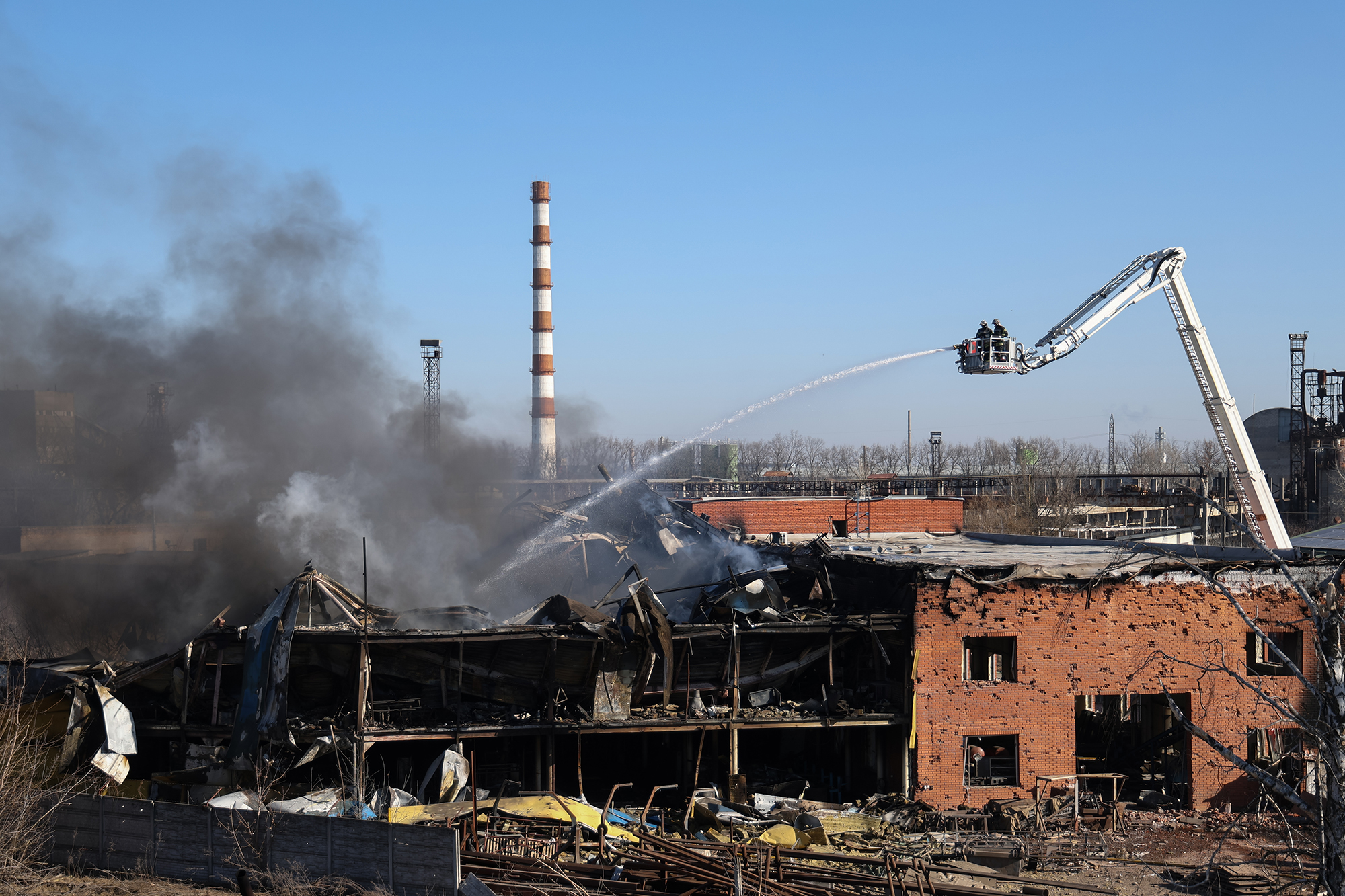
Russia deliberately targets civilian homes, public transport, and evacuation vehicles. The week in Ukraine began with mourning for those killed in the March 8 missile strike on a residential building in Kharkiv. And on the night before the weekend, Russians brutally attacked the Kyiv region with drones and missiles. The enemy is trying to inflict material damage by striking industrial facilities and disrupting civilian logistics in frontline and border regions by attacking the railway. Donetsk, Sumy, and Zaporizhzhia regions suffer from airstrikes — the enemy is destroying historic buildings and well‑known architectural ensembles of Ukrainian cities. Every day, the occupying army devastates the urban landscape of Kherson. In total, over the week, Russia used 1,770 attack drones, more than 1,530 glide bombs, and 86 missiles — including over 20 ballistic ones — against Ukraine.
read more
“Checkered Landscape.” The frontline vistas of Orikhiv through the lenses of Kostiantyn and Vlada Liberov
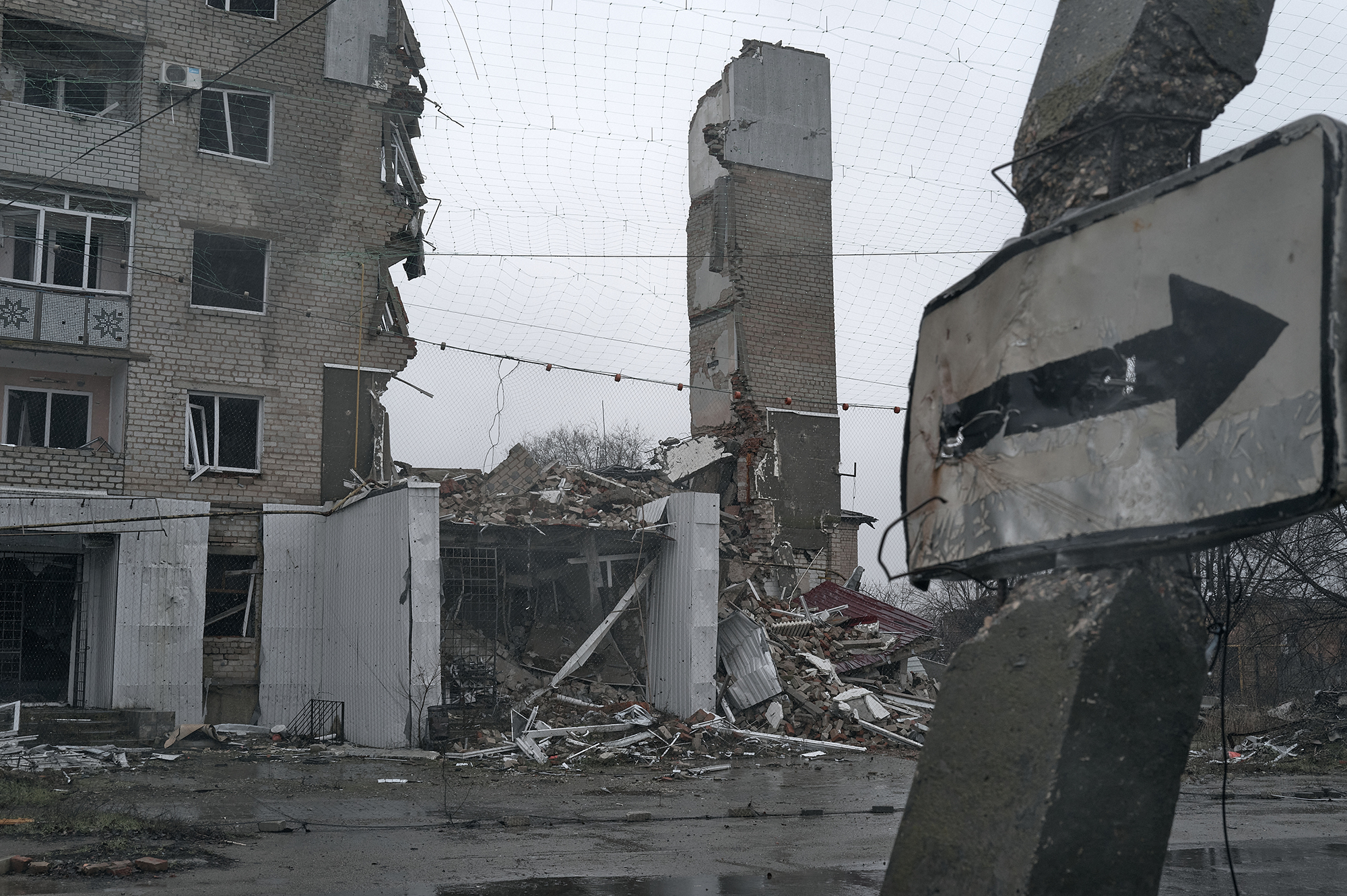
After the full‑scale invasion of Ukraine by the Russian army, the panorama of cities located near the front line will never be the same. It is a point of no return to the life that once existed: people are killed or forced to flee, and buildings are burned by enemy weapons. The permanence of war turns Ukrainian cities into directions on the map. One such city is the hero city of Orikhiv. For four years now, Ukraine’s Defense Forces have been holding the line in this sector. The line of contact is rather blurred and dynamic, and according to DeepState, it lies approximately 7–10 kilometers from Orikhiv. The news agency Ukrinform reports that Russian units have been tasked with advancing as close as possible to Orikhiv and securing positions on its outskirts.
read more
Heavenly photographers. Documentarians, naturalists, and commercial photographers who were killed by Russians in the war
Eternal memory to the brave and talented photographers who were killed while documenting the Russian invasion or while defending their country with a rifle instead of a camera.
read more
Breaking News
News
This week, Russia continued its missile and drone terror against Ukrainian cities. Hundreds of Shahed-type UAVs and dozens of tactical missiles were launched every day — from the well-known Iskander missiles to the latest Grom-1 models.
·
This week, Russia continued its missile and drone terror against Ukrainian cities. Hundreds of Shahed-type UAVs and dozens of tactical missiles were launched every day — from the well-known Iskander missiles to the latest Grom-1 models.
·
News Stories
22.3.2026
This is some text inside of a div block.
Destroyed infrastructure, civilians kept in fear: a week of Russian drone attacks
Russia has sharply intensified drone attacks in border and frontline regions. Throughout the week, air‑defense forces worked to intercept enemy UAVs over the capital. Drones also reached the western and central regions of the country. The enemy targeted railway, energy, and port infrastructure, industrial facilities, residential buildings, and civilian transport. Toward the end of the workweek, drones launched a massive attack on Odesa. Over the weekend, enemy strikes completely cut off power to Chernihiv and most of the region. The aftermath of the devastating drone attack on Odesa is captured in photo reports by documentarians Oleksandr Himanov and Tymofii Melnykov.
News Stories
22.3.2026
Destroyed infrastructure, civilians kept in fear: a week of Russian drone attacks
Russia has sharply intensified drone attacks in border and frontline regions. Throughout the week, air‑defense forces worked to intercept enemy UAVs over the capital. Drones also reached the western and central regions of the country. The enemy targeted railway, energy, and port infrastructure, industrial facilities, residential buildings, and civilian transport. Toward the end of the workweek, drones launched a massive attack on Odesa. Over the weekend, enemy strikes completely cut off power to Chernihiv and most of the region. The aftermath of the devastating drone attack on Odesa is captured in photo reports by documentarians Oleksandr Himanov and Tymofii Melnykov.
Photo Stories
18.3.2026
This is some text inside of a div block.
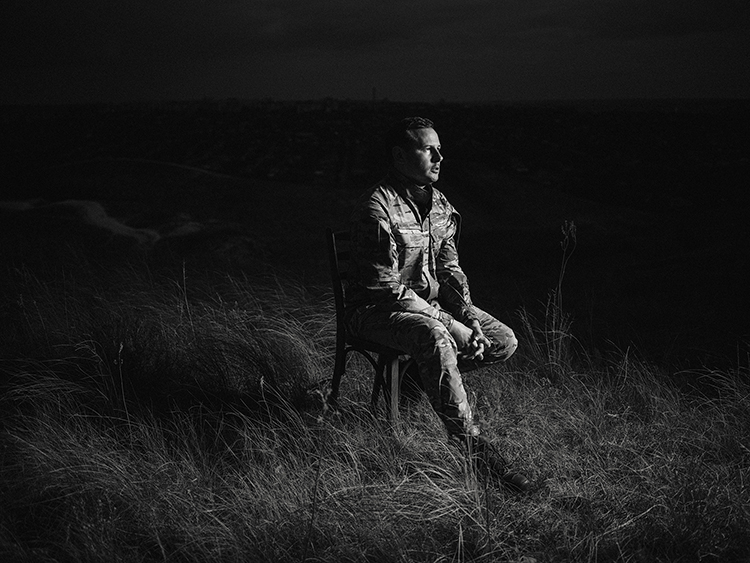
“Warmth of the Earth” — a project by Anton Cherniak
“Warmth of the Earth” is one of the projects selected within the third annual micro‑grant program supporting Ukrainian documentarians, implemented by UAPP. The goal of the program is to support authors who continue to record the experience of a country resisting aggression and who create visual evidence of events shaping the history of contemporary Ukraine. The program is carried out with the support of the Embassy of the Kingdom of the Netherlands in Ukraine.
Photo Stories
18.3.2026
“Warmth of the Earth” — a project by Anton Cherniak
“Warmth of the Earth” is one of the projects selected within the third annual micro‑grant program supporting Ukrainian documentarians, implemented by UAPP. The goal of the program is to support authors who continue to record the experience of a country resisting aggression and who create visual evidence of events shaping the history of contemporary Ukraine. The program is carried out with the support of the Embassy of the Kingdom of the Netherlands in Ukraine.
News Stories
15.3.2026
This is some text inside of a div block.
5 killed and 184 facilities damaged in the Kyiv region: a week of Russian attacks on Ukraine
Russia deliberately targets civilian homes, public transport, and evacuation vehicles. The week in Ukraine began with mourning for those killed in the March 8 missile strike on a residential building in Kharkiv. And on the night before the weekend, Russians brutally attacked the Kyiv region with drones and missiles. The enemy is trying to inflict material damage by striking industrial facilities and disrupting civilian logistics in frontline and border regions by attacking the railway. Donetsk, Sumy, and Zaporizhzhia regions suffer from airstrikes — the enemy is destroying historic buildings and well‑known architectural ensembles of Ukrainian cities. Every day, the occupying army devastates the urban landscape of Kherson. In total, over the week, Russia used 1,770 attack drones, more than 1,530 glide bombs, and 86 missiles — including over 20 ballistic ones — against Ukraine.
News Stories
15.3.2026
5 killed and 184 facilities damaged in the Kyiv region: a week of Russian attacks on Ukraine
Russia deliberately targets civilian homes, public transport, and evacuation vehicles. The week in Ukraine began with mourning for those killed in the March 8 missile strike on a residential building in Kharkiv. And on the night before the weekend, Russians brutally attacked the Kyiv region with drones and missiles. The enemy is trying to inflict material damage by striking industrial facilities and disrupting civilian logistics in frontline and border regions by attacking the railway. Donetsk, Sumy, and Zaporizhzhia regions suffer from airstrikes — the enemy is destroying historic buildings and well‑known architectural ensembles of Ukrainian cities. Every day, the occupying army devastates the urban landscape of Kherson. In total, over the week, Russia used 1,770 attack drones, more than 1,530 glide bombs, and 86 missiles — including over 20 ballistic ones — against Ukraine.
News Stories
13.3.2026
This is some text inside of a div block.
“Checkered Landscape.” The frontline vistas of Orikhiv through the lenses of Kostiantyn and Vlada Liberov
After the full‑scale invasion of Ukraine by the Russian army, the panorama of cities located near the front line will never be the same. It is a point of no return to the life that once existed: people are killed or forced to flee, and buildings are burned by enemy weapons. The permanence of war turns Ukrainian cities into directions on the map. One such city is the hero city of Orikhiv. For four years now, Ukraine’s Defense Forces have been holding the line in this sector. The line of contact is rather blurred and dynamic, and according to DeepState, it lies approximately 7–10 kilometers from Orikhiv. The news agency Ukrinform reports that Russian units have been tasked with advancing as close as possible to Orikhiv and securing positions on its outskirts.
News Stories
13.3.2026
“Checkered Landscape.” The frontline vistas of Orikhiv through the lenses of Kostiantyn and Vlada Liberov
After the full‑scale invasion of Ukraine by the Russian army, the panorama of cities located near the front line will never be the same. It is a point of no return to the life that once existed: people are killed or forced to flee, and buildings are burned by enemy weapons. The permanence of war turns Ukrainian cities into directions on the map. One such city is the hero city of Orikhiv. For four years now, Ukraine’s Defense Forces have been holding the line in this sector. The line of contact is rather blurred and dynamic, and according to DeepState, it lies approximately 7–10 kilometers from Orikhiv. The news agency Ukrinform reports that Russian units have been tasked with advancing as close as possible to Orikhiv and securing positions on its outskirts.
News Stories
13.3.2026
This is some text inside of a div block.
Heavenly photographers. Documentarians, naturalists, and commercial photographers who were killed by Russians in the war
Eternal memory to the brave and talented photographers who were killed while documenting the Russian invasion or while defending their country with a rifle instead of a camera.
News Stories
13.3.2026
Heavenly photographers. Documentarians, naturalists, and commercial photographers who were killed by Russians in the war
Eternal memory to the brave and talented photographers who were killed while documenting the Russian invasion or while defending their country with a rifle instead of a camera.
Photo Stories
12.3.2026
This is some text inside of a div block.
“Thermal Objects” — a documentary project by Marysia Mianovska
“Thermal Objects” is one of the projects selected within the third annual micro‑grant program supporting Ukrainian documentarians, implemented by UAPP. The goal of the program is to support authors who continue to record the experience of a country resisting aggression and who create visual evidence of events that define the history of contemporary Ukraine. The program is carried out with the support of the Embassy of the Kingdom of the Netherlands in Ukraine.
Photo Stories
12.3.2026
“Thermal Objects” — a documentary project by Marysia Mianovska
“Thermal Objects” is one of the projects selected within the third annual micro‑grant program supporting Ukrainian documentarians, implemented by UAPP. The goal of the program is to support authors who continue to record the experience of a country resisting aggression and who create visual evidence of events that define the history of contemporary Ukraine. The program is carried out with the support of the Embassy of the Kingdom of the Netherlands in Ukraine.

Photo Stories

У цьому розділі зібрані кращі кадри місяця, інтерв'ю з фотографами та великі візуальні матеріали. Відкрийте для себе цікаві історії та події через об'єктив наших талановитих авторів.

Photo Stories
18.3.2026
“Warmth of the Earth” — a project by Anton Cherniak
Photo Stories
12.3.2026
“Thermal Objects” — a documentary project by Marysia Mianovska
Photo Stories
10.3.2026
Desire to live at home. Liza Bukreeva’s photobook “Here They Build Houses from Ash”
Photo Stories
4.3.2026
“Nature ‘300’”: a documentary project by Andrii Kasianchuk
Photo Stories
1.3.2026
10 photos of February
Photo Stories
23.2.2026
Without a final period. Vladyslav Krasnoshchok’s photobook “Documentation of the War”

Our partners

We tell the world about Ukraine through the prism of photography.

Join and support the community of Ukrainian photographers.

UAPP is an independent association of professional Ukrainian photographers, designed to protect their interests, support, develop and promote Ukrainian photography as an important element of national culture.

UAPP's activities span educational, social, research and cultural initiatives, as well as book publishing.

UAPP represents Ukrainian professional photography in the international photographic community and is an official member of the Federation of European Photographers (FEP) — an international organization representing more than 50,000 professional photographers in Europe and other countries around the world.

Support and join us
A couple of men walking across a grass covered field.