UAPP Logo
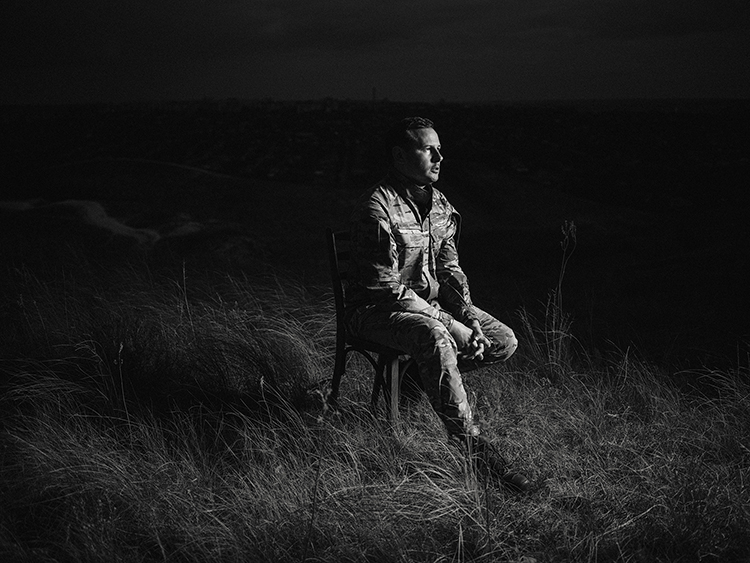
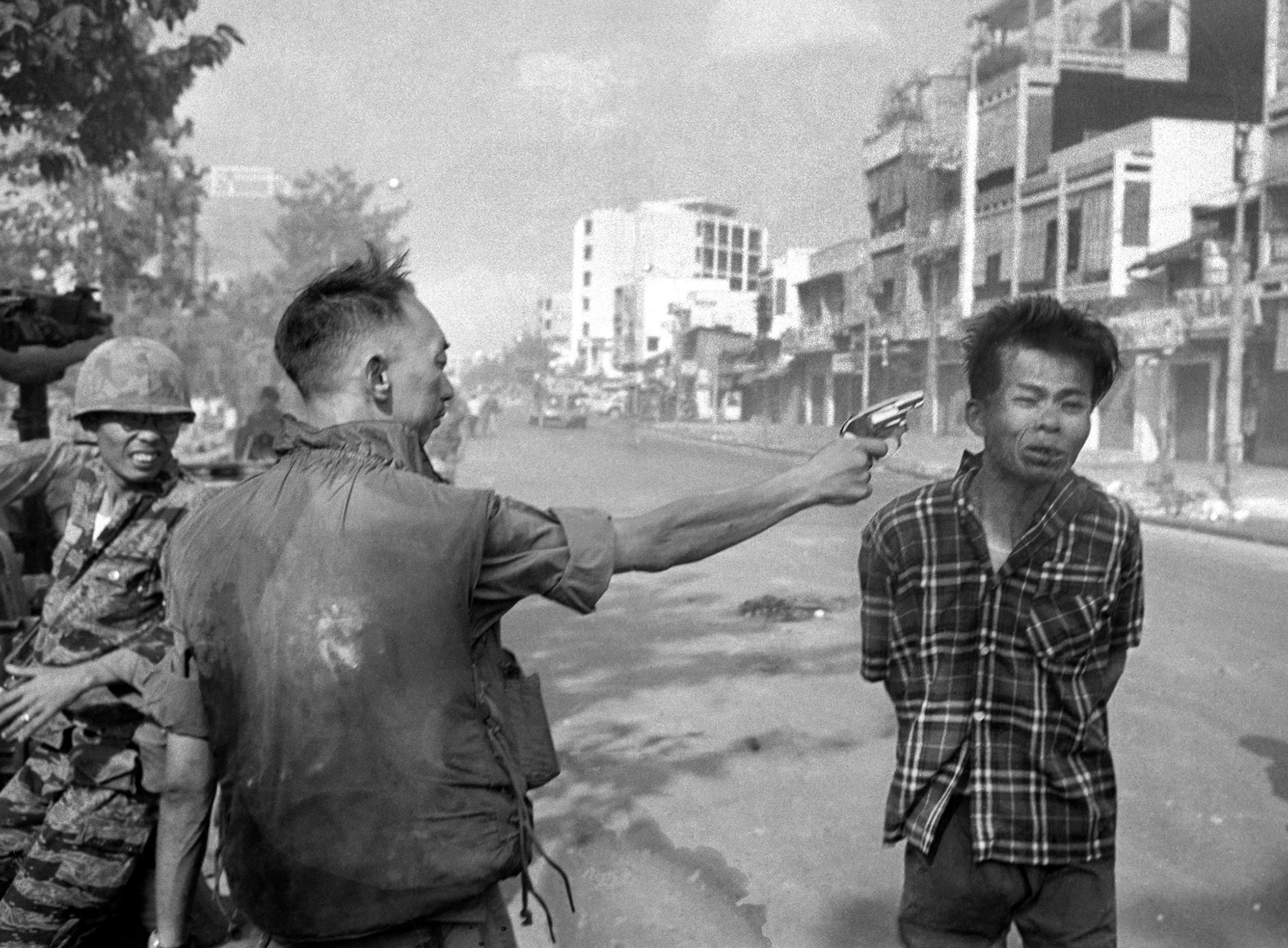
When the photograph doesn’t lie: how context, staging, editing, and AI reshape the truth about war
For International Fact‑Checking Day — on why manipulation in photography begins not only with the choice of frame, but also with the substitution of its meaning.
read more
When the photograph doesn’t lie: how context, staging, editing, and AI reshape the truth about war
For International Fact‑Checking Day — on why manipulation in photography begins not only with the choice of frame, but also with the substitution of its meaning.
read more
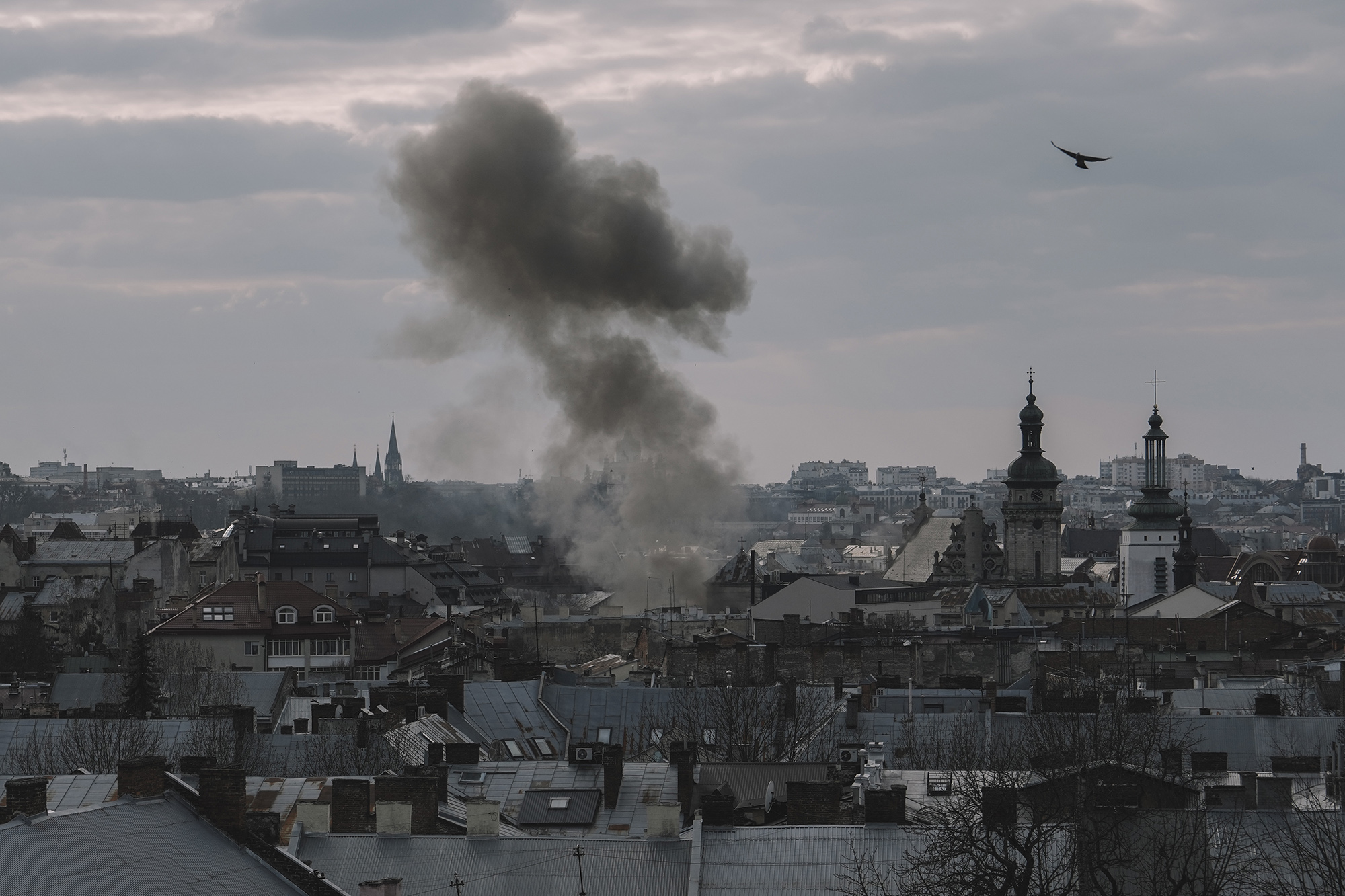
Strike on UNESCO cultural heritage in Lviv, and the shelling of Dnipro and Odesa: intensified Russian air attacks on Ukraine
The last week of March will be remembered for unprecedented drone attacks that swept across almost every region of Ukraine, both day and night. On 24 March, Russian forces carried out the most massive UAV strike on Ukraine to date, launching nearly 1,000 drones in a single day. They targeted the centers of Ukrainian cities, cultural landmarks, maternity hospitals, and people’s homes. The historic center of Lviv was among the sites damaged. One of the most tragic episodes occurred near a maternity hospital in Ivano-Frankivsk, where a father and his daughter were killed while visiting his wife, who had just given birth. It was also a devastating week for Dnipro and Odesa — Russian drones struck residential buildings and a medical facility. Over the course of the week, three maternity hospitals became targets of Russian attacks, and at least four kindergartens were damaged.
read more
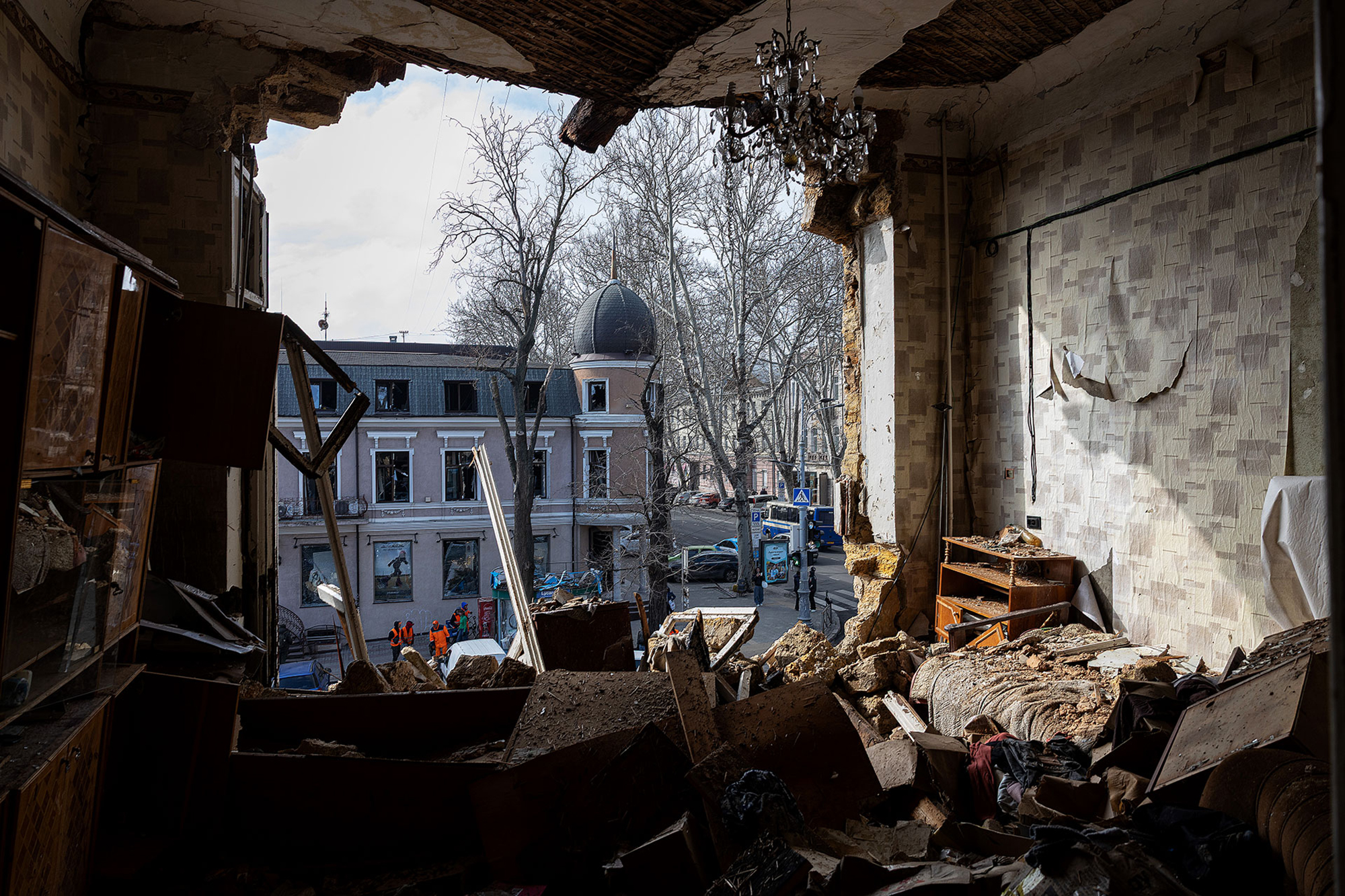
Destroyed infrastructure, civilians kept in fear: a week of Russian drone attacks
Russia has sharply intensified drone attacks in border and frontline regions. Throughout the week, air‑defense forces worked to intercept enemy UAVs over the capital. Drones also reached the western and central regions of the country. The enemy targeted railway, energy, and port infrastructure, industrial facilities, residential buildings, and civilian transport. Toward the end of the workweek, drones launched a massive attack on Odesa. Over the weekend, enemy strikes completely cut off power to Chernihiv and most of the region. The aftermath of the devastating drone attack on Odesa is captured in photo reports by documentarians Oleksandr Himanov and Tymofii Melnykov.
read more
5 killed and 184 facilities damaged in the Kyiv region: a week of Russian attacks on Ukraine
Russia deliberately targets civilian homes, public transport, and evacuation vehicles. The week in Ukraine began with mourning for those killed in the March 8 missile strike on a residential building in Kharkiv. And on the night before the weekend, Russians brutally attacked the Kyiv region with drones and missiles. The enemy is trying to inflict material damage by striking industrial facilities and disrupting civilian logistics in frontline and border regions by attacking the railway. Donetsk, Sumy, and Zaporizhzhia regions suffer from airstrikes — the enemy is destroying historic buildings and well‑known architectural ensembles of Ukrainian cities. Every day, the occupying army devastates the urban landscape of Kherson. In total, over the week, Russia used 1,770 attack drones, more than 1,530 glide bombs, and 86 missiles — including over 20 ballistic ones — against Ukraine.
read more
Breaking News
News
This week, Russia continued its missile and drone terror against Ukrainian cities. Hundreds of Shahed-type UAVs and dozens of tactical missiles were launched every day — from the well-known Iskander missiles to the latest Grom-1 models.
·
This week, Russia continued its missile and drone terror against Ukrainian cities. Hundreds of Shahed-type UAVs and dozens of tactical missiles were launched every day — from the well-known Iskander missiles to the latest Grom-1 models.
·
News Stories
8.7.2024
This is some text inside of a div block.
“Deliberately targeted children.” The ruins of Kyiv’s Ohmatdyt after Russian missiles in the photographs of documentarians
Wounded children, frightened adults, white medical coats stained with blood — these are the consequences of yet another Russian combined attack against Ukrainians. On the morning of July 8, Russian forces launched a missile strike on Kyiv, and Ukraine’s largest children’s hospital, Ohmatdyt, came under enemy fire.
News Stories
8.7.2024
“Deliberately targeted children.” The ruins of Kyiv’s Ohmatdyt after Russian missiles in the photographs of documentarians
Wounded children, frightened adults, white medical coats stained with blood — these are the consequences of yet another Russian combined attack against Ukrainians. On the morning of July 8, Russian forces launched a missile strike on Kyiv, and Ukraine’s largest children’s hospital, Ohmatdyt, came under enemy fire.
News Stories
4.7.2024
This is some text inside of a div block.
The battles for Karachun and Savur‑Mohyla, or Where the fighting for Donbas began. The hot summer of 2014 through the lens of Oleksandr Kly
On April 13, 2014, the National Security and Defense Council of Ukraine launched a large‑scale anti‑terrorist operation, which eventually escalated into a war against the Russian army. The battles for Karachun and for Savur‑Mohyla went down in history as some of the bloodiest clashes in Donbas at the beginning of the ATO.
News Stories
4.7.2024
The battles for Karachun and Savur‑Mohyla, or Where the fighting for Donbas began. The hot summer of 2014 through the lens of Oleksandr Kly
On April 13, 2014, the National Security and Defense Council of Ukraine launched a large‑scale anti‑terrorist operation, which eventually escalated into a war against the Russian army. The battles for Karachun and for Savur‑Mohyla went down in history as some of the bloodiest clashes in Donbas at the beginning of the ATO.
News Stories
30.6.2024
This is some text inside of a div block.
“Hungry. Exhausted. Happy.” Photographers Kostiantyn and Vlada Liberov showed the condition in which Ukrainians return from Russian captivity
On June 25, 2024, another 90 Ukrainians returned home from Russian captivity: 32 National Guard servicemen, 18 border guards, 17 members of the Naval Forces, 15 Armed Forces soldiers, and 8 Territorial Defense fighters. Among them were 59 defenders of Mariupol, 52 of whom had held out at Azovstal. Also returning to Ukrainian soil were 5 National Guard soldiers who had been on duty at the Chornobyl Nuclear Power Plant at the start of the invasion.
News Stories
30.6.2024
“Hungry. Exhausted. Happy.” Photographers Kostiantyn and Vlada Liberov showed the condition in which Ukrainians return from Russian captivity
On June 25, 2024, another 90 Ukrainians returned home from Russian captivity: 32 National Guard servicemen, 18 border guards, 17 members of the Naval Forces, 15 Armed Forces soldiers, and 8 Territorial Defense fighters. Among them were 59 defenders of Mariupol, 52 of whom had held out at Azovstal. Also returning to Ukrainian soil were 5 National Guard soldiers who had been on duty at the Chornobyl Nuclear Power Plant at the start of the invasion.
News Stories
30.6.2024
This is some text inside of a div block.
“Workers were unloading parcels.” The aftermath of the Russian airstrike on Nova Poshta in Kharkiv in the photos by Yakiv Liashenko and Olha Kovalova
On June 30, 2024, at around 16:30, Russian forces once again carried out an airstrike on Kharkiv. A guided aerial bomb flew approximately 80 kilometers and hit just a few meters from the Nova Poshta facility in the city’s Slobidskyi district.
News Stories
30.6.2024
“Workers were unloading parcels.” The aftermath of the Russian airstrike on Nova Poshta in Kharkiv in the photos by Yakiv Liashenko and Olha Kovalova
On June 30, 2024, at around 16:30, Russian forces once again carried out an airstrike on Kharkiv. A guided aerial bomb flew approximately 80 kilometers and hit just a few meters from the Nova Poshta facility in the city’s Slobidskyi district.
News Stories
27.6.2024
This is some text inside of a div block.
Seven days and nights the fighting for “Almaz‑2” in Avdiivka continued. The aftermath of the battle in the photographs of documentarian Oleksandr Klymenko
On the morning of January 31, 2017, the Armed Forces of Ukraine recaptured the militants’ stronghold “Almaz‑2” in Avdiivka, Donetsk region. The position was strategically important within the country’s overall defense system, as it allowed control over the Donetsk–Luhansk and Donetsk–Horlivka roads.
News Stories
27.6.2024
Seven days and nights the fighting for “Almaz‑2” in Avdiivka continued. The aftermath of the battle in the photographs of documentarian Oleksandr Klymenko
On the morning of January 31, 2017, the Armed Forces of Ukraine recaptured the militants’ stronghold “Almaz‑2” in Avdiivka, Donetsk region. The position was strategically important within the country’s overall defense system, as it allowed control over the Donetsk–Luhansk and Donetsk–Horlivka roads.
News Stories
27.6.2024
This is some text inside of a div block.
Weary soldiers and a green corridor under fire. The withdrawal of Ukrainian troops from Debaltseve through the lens of Oleksandr Klymenko
The fighting in Debaltseve became one of the key events in the confrontation in Donbas. The most intense phase of the battle lasted from January 25 to February 18, 2015, involving massive artillery attacks, close‑range firefights with small arms, as well as street and tank battles. According to the General Staff of the Armed Forces of Ukraine, about 5,000 Ukrainian soldiers defended Debaltseve, facing an enemy force four times larger. The battles for the city and the operation to withdraw Ukrainian troops became some of the most tragic and large‑scale events of the entire ATO/JFO period.
News Stories
27.6.2024
Weary soldiers and a green corridor under fire. The withdrawal of Ukrainian troops from Debaltseve through the lens of Oleksandr Klymenko
The fighting in Debaltseve became one of the key events in the confrontation in Donbas. The most intense phase of the battle lasted from January 25 to February 18, 2015, involving massive artillery attacks, close‑range firefights with small arms, as well as street and tank battles. According to the General Staff of the Armed Forces of Ukraine, about 5,000 Ukrainian soldiers defended Debaltseve, facing an enemy force four times larger. The battles for the city and the operation to withdraw Ukrainian troops became some of the most tragic and large‑scale events of the entire ATO/JFO period.

Photo Stories

У цьому розділі зібрані кращі кадри місяця, інтерв'ю з фотографами та великі візуальні матеріали. Відкрийте для себе цікаві історії та події через об'єктив наших талановитих авторів.

Photo Stories
1.4.2026
10 photos of March
Photo Stories
31.3.2026
“Carrying the Light” — a documentary photo project by Taras Fedorenko
Photo Stories
30.3.2026
Iryna Kabysh: “My love for the nature of light helps me work, because photons either move or do not exist”
Photo Stories
25.3.2026
“Pre Mortem” — a documentary project by Semen Kuchvara
Photo Stories
23.3.2026
Donetsk 2006. A photo series by Dmytro Kupriian about a lost city
Photo Stories
18.3.2026
“Warmth of the Earth” — a project by Anton Cherniak

Our partners

We tell the world about Ukraine through the prism of photography.

Join and support the community of Ukrainian photographers.

UAPP is an independent association of professional Ukrainian photographers, designed to protect their interests, support, develop and promote Ukrainian photography as an important element of national culture.

UAPP's activities span educational, social, research and cultural initiatives, as well as book publishing.

UAPP represents Ukrainian professional photography in the international photographic community and is an official member of the Federation of European Photographers (FEP) — an international organization representing more than 50,000 professional photographers in Europe and other countries around the world.

Support and join us
A couple of men walking across a grass covered field.