UAPP Logo
Daytime mass attacks, deadly strikes, and new safety measures on the railway: what the beginning of April will be remembered for in Ukraine
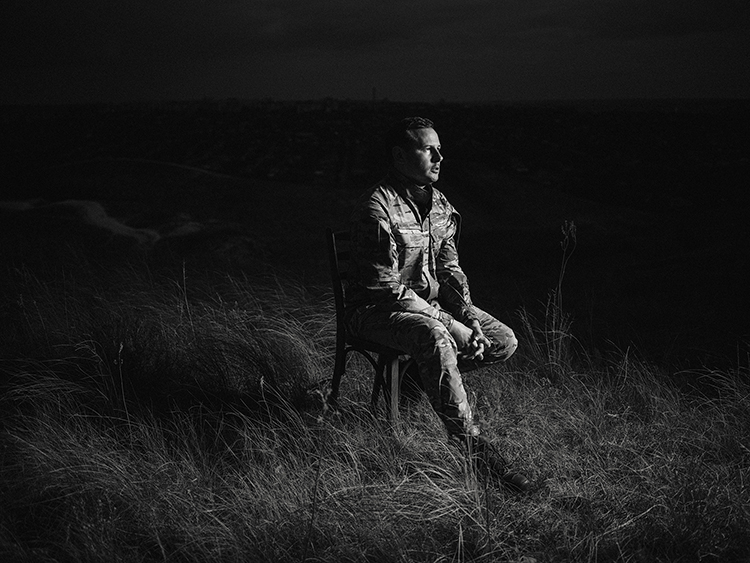
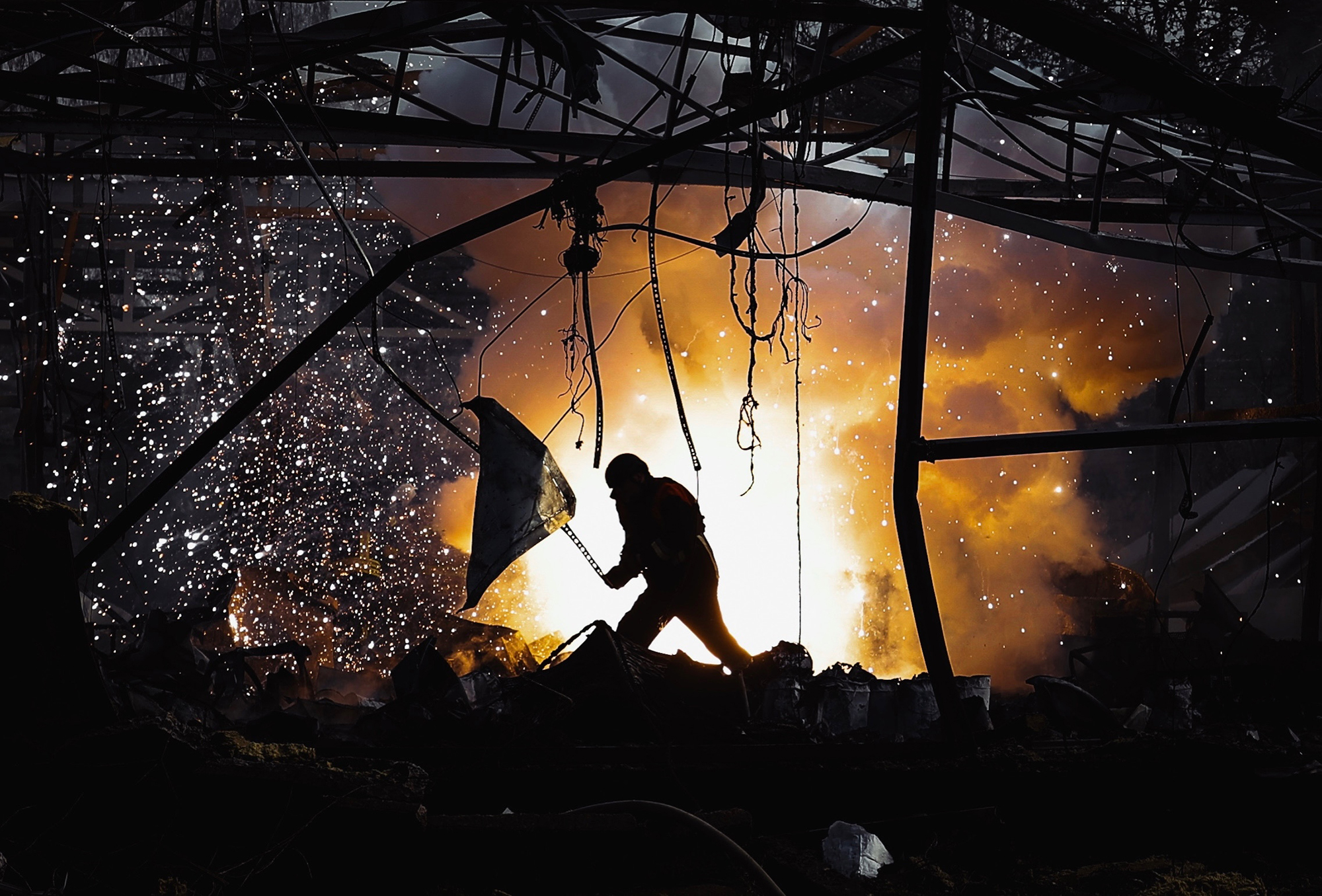
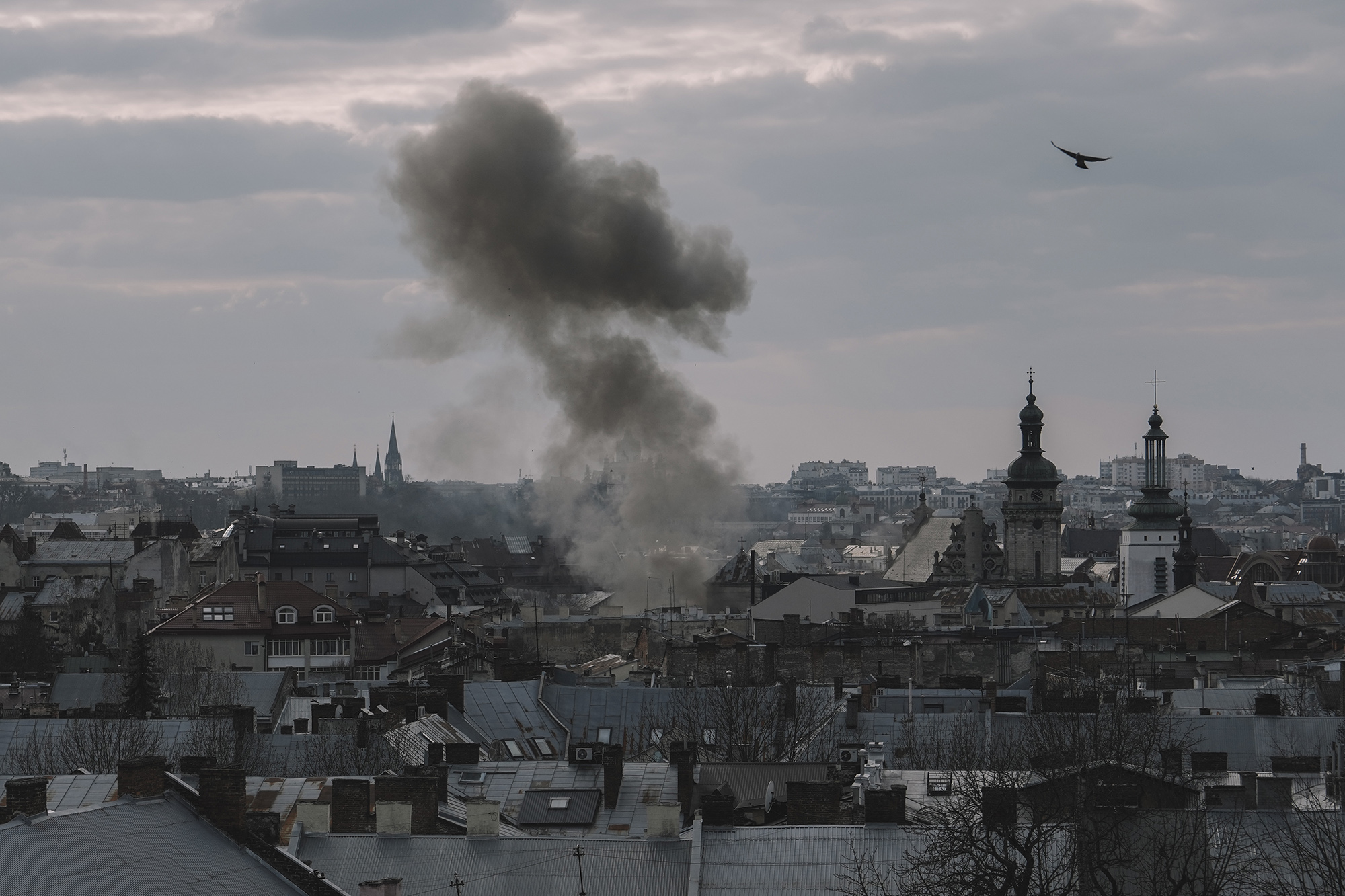
Russia is increasingly choosing daytime hours for its massive strikes, expanding the zone of destruction across Ukraine. The beginning of April will be remembered for devastating attacks on Lutsk, Poltava, and Zhytomyr region; Kharkiv endured several consecutive days under fire, and there were strikes on Odesa, Sumy, and Chernihiv. Over the weekend, the Russian army carried out a deadly attack on a market in Nikopol, and the day before, drones and missiles targeted Kyiv region. Every day, Donetsk and Sumy regions face bombings and drone raids. Drones and artillery continue to hit Kherson, while the enemy scatters antipersonnel mines throughout the city. Among the targets of Russian attacks this week were: a veterinary clinic with animals inside, food warehouses, a Nova Poshta terminal, and the only maternity hospital in Donetsk region. Due to constant aerial threats, railway routes experienced delays and passenger evacuations from trains.
read more
Daytime mass attacks, deadly strikes, and new safety measures on the railway: what the beginning of April will be remembered for in Ukraine
Russia is increasingly choosing daytime hours for its massive strikes, expanding the zone of destruction across Ukraine. The beginning of April will be remembered for devastating attacks on Lutsk, Poltava, and Zhytomyr region; Kharkiv endured several consecutive days under fire, and there were strikes on Odesa, Sumy, and Chernihiv. Over the weekend, the Russian army carried out a deadly attack on a market in Nikopol, and the day before, drones and missiles targeted Kyiv region. Every day, Donetsk and Sumy regions face bombings and drone raids. Drones and artillery continue to hit Kherson, while the enemy scatters antipersonnel mines throughout the city. Among the targets of Russian attacks this week were: a veterinary clinic with animals inside, food warehouses, a Nova Poshta terminal, and the only maternity hospital in Donetsk region. Due to constant aerial threats, railway routes experienced delays and passenger evacuations from trains.
read more
When the photograph doesn’t lie: how context, staging, editing, and AI reshape the truth about war
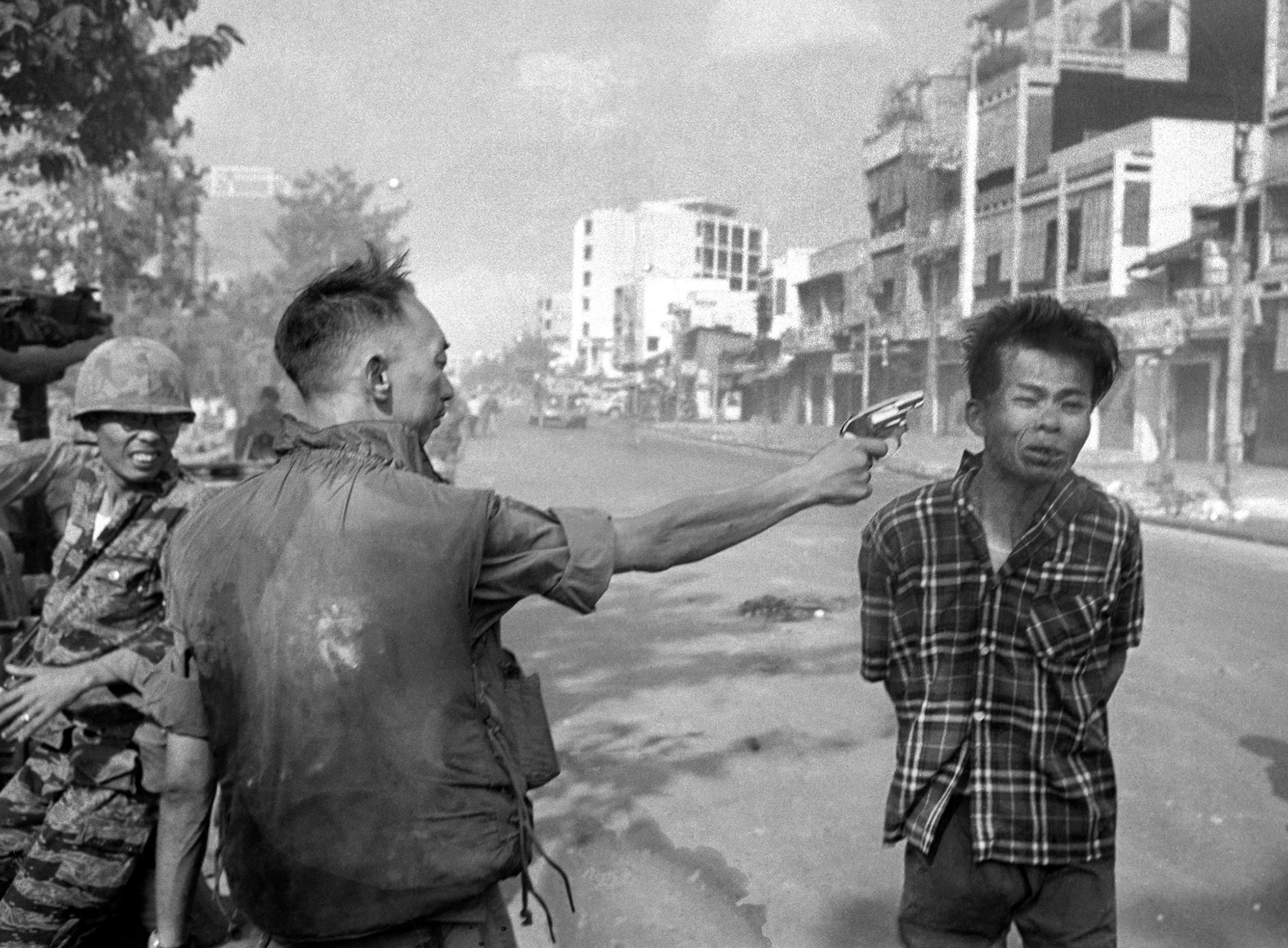
For International Fact‑Checking Day — on why manipulation in photography begins not only with the choice of frame, but also with the substitution of its meaning.
read more
Strike on UNESCO cultural heritage in Lviv, and the shelling of Dnipro and Odesa: intensified Russian air attacks on Ukraine
The last week of March will be remembered for unprecedented drone attacks that swept across almost every region of Ukraine, both day and night. On 24 March, Russian forces carried out the most massive UAV strike on Ukraine to date, launching nearly 1,000 drones in a single day. They targeted the centers of Ukrainian cities, cultural landmarks, maternity hospitals, and people’s homes. The historic center of Lviv was among the sites damaged. One of the most tragic episodes occurred near a maternity hospital in Ivano-Frankivsk, where a father and his daughter were killed while visiting his wife, who had just given birth. It was also a devastating week for Dnipro and Odesa — Russian drones struck residential buildings and a medical facility. Over the course of the week, three maternity hospitals became targets of Russian attacks, and at least four kindergartens were damaged.
read more
Destroyed infrastructure, civilians kept in fear: a week of Russian drone attacks
Russia has sharply intensified drone attacks in border and frontline regions. Throughout the week, air‑defense forces worked to intercept enemy UAVs over the capital. Drones also reached the western and central regions of the country. The enemy targeted railway, energy, and port infrastructure, industrial facilities, residential buildings, and civilian transport. Toward the end of the workweek, drones launched a massive attack on Odesa. Over the weekend, enemy strikes completely cut off power to Chernihiv and most of the region. The aftermath of the devastating drone attack on Odesa is captured in photo reports by documentarians Oleksandr Himanov and Tymofii Melnykov.
read more
Breaking News
News
This week, Russia continued its missile and drone terror against Ukrainian cities. Hundreds of Shahed-type UAVs and dozens of tactical missiles were launched every day — from the well-known Iskander missiles to the latest Grom-1 models.
·
This week, Russia continued its missile and drone terror against Ukrainian cities. Hundreds of Shahed-type UAVs and dozens of tactical missiles were launched every day — from the well-known Iskander missiles to the latest Grom-1 models.
·
News Stories
29.4.2024
This is some text inside of a div block.
Seven kilometres to the front line. How Russians are trying to destroy Toretsk — and how Ukrainians are trying to protect it
Toretsk is a city in the Bakhmut district of Donetsk region, located roughly 7 kilometres from the front line. Every day the occupiers shell Toretsk, as they do every Ukrainian frontline settlement. In 2014, Dzerzhynsk — now decommunized and renamed Toretsk — was a typical mining town surrounded by spoil tips. One of its mines was until recently named “St. Matrona of Moscow”; now it is simply “St. Matrona”.
News Stories
29.4.2024
Seven kilometres to the front line. How Russians are trying to destroy Toretsk — and how Ukrainians are trying to protect it
Toretsk is a city in the Bakhmut district of Donetsk region, located roughly 7 kilometres from the front line. Every day the occupiers shell Toretsk, as they do every Ukrainian frontline settlement. In 2014, Dzerzhynsk — now decommunized and renamed Toretsk — was a typical mining town surrounded by spoil tips. One of its mines was until recently named “St. Matrona of Moscow”; now it is simply “St. Matrona”.
Photo Stories
26.4.2024
This is some text inside of a div block.
The Chernobyl explosion and nuclear terror during the Russian occupation. The suffering of Chernobyl captured by Ukrainian documentary filmmakers
April 26, 2025 marks 39 years since the explosion at the Chernobyl nuclear power plant. However, since 2022 — this day they remember another tragedy that Chernobyl had to experience — the invasion of Russian troops.
Photo Stories
26.4.2024
The Chernobyl explosion and nuclear terror during the Russian occupation. The suffering of Chernobyl captured by Ukrainian documentary filmmakers
April 26, 2025 marks 39 years since the explosion at the Chernobyl nuclear power plant. However, since 2022 — this day they remember another tragedy that Chernobyl had to experience — the invasion of Russian troops.
Photo Stories
25.4.2024
This is some text inside of a div block.
This war has shaken the concept of objectivity. A conversation with Yevgeny Maloletka and Anastasia Vlasova
We continue with a series of interviews with professional Ukrainian documentarians. In this issue you will talk about the new generation of Ukrainian documentary photographers, the objectivity of documentary filmmaking, the ethics of documentation and what documentary photography will be like next.
Photo Stories
25.4.2024
This war has shaken the concept of objectivity. A conversation with Yevgeny Maloletka and Anastasia Vlasova
We continue with a series of interviews with professional Ukrainian documentarians. In this issue you will talk about the new generation of Ukrainian documentary photographers, the objectivity of documentary filmmaking, the ethics of documentation and what documentary photography will be like next.
News Stories
24.4.2024
This is some text inside of a div block.
Flooded and shelled Kherson: the aftermath of the destruction of the Kakhovka Hydroelectric Power Plant in photographs by Mstislav Chernov, Danil Pavlov, and Konstantin and Vlada Liberov
On June 6, 2023, around three o'clock, the Russian military blew up the dam of the Kakhovskaya hydroelectric power plant in the Kherson region. It was the fifth largest hydroelectric power plant in Ukraine. By destroying it, the Russian invaders caused the largest man-made disaster on our continent since the explosion at the Chernobyl nuclear power plant.
News Stories
24.4.2024
Flooded and shelled Kherson: the aftermath of the destruction of the Kakhovka Hydroelectric Power Plant in photographs by Mstislav Chernov, Danil Pavlov, and Konstantin and Vlada Liberov
On June 6, 2023, around three o'clock, the Russian military blew up the dam of the Kakhovskaya hydroelectric power plant in the Kherson region. It was the fifth largest hydroelectric power plant in Ukraine. By destroying it, the Russian invaders caused the largest man-made disaster on our continent since the explosion at the Chernobyl nuclear power plant.
News Stories
23.4.2024
This is some text inside of a div block.
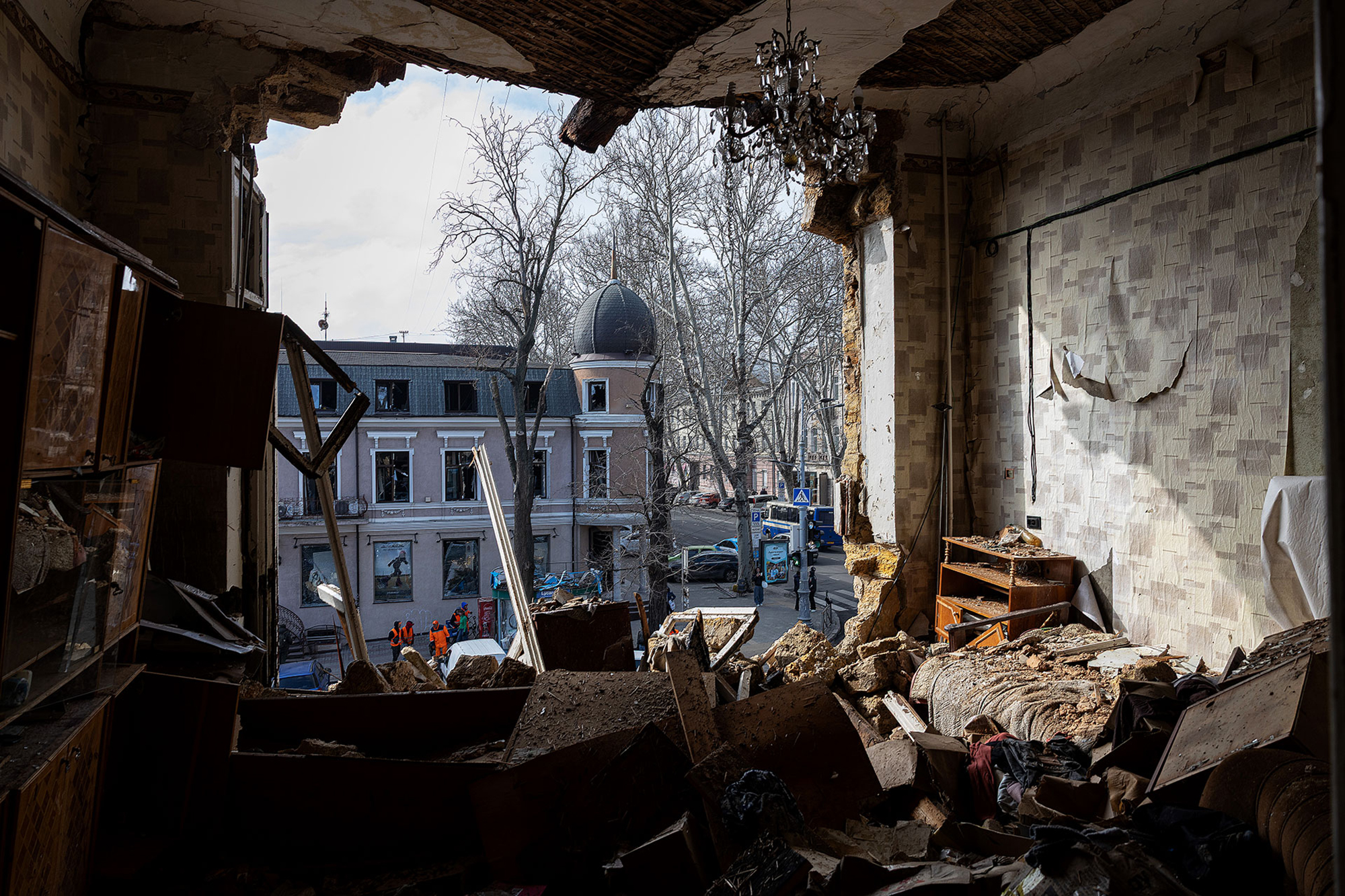
Victims and destruction in Odesa: the consequences of the Russian drone attack in the lens of photographer Timofey Melnikov
On the night of April 23, the Russians attacked the south of Ukraine with Shahed-131/136 attack UAVs. The residential sector of Odessa fell under the enemy's sights. As a result of the enemy attack on the city, damage was recorded to almost 60 apartments in 22 houses. Nine people were also injured, including four children. This is a boy and a girl of 5 and 9 months and two boys of 9 and 12 years. Children and three adults with injuries of varying severity were taken to the hospital. This is reported in the Odessa Regional Prosecutor's Office.
News Stories
23.4.2024
Victims and destruction in Odesa: the consequences of the Russian drone attack in the lens of photographer Timofey Melnikov
On the night of April 23, the Russians attacked the south of Ukraine with Shahed-131/136 attack UAVs. The residential sector of Odessa fell under the enemy's sights. As a result of the enemy attack on the city, damage was recorded to almost 60 apartments in 22 houses. Nine people were also injured, including four children. This is a boy and a girl of 5 and 9 months and two boys of 9 and 12 years. Children and three adults with injuries of varying severity were taken to the hospital. This is reported in the Odessa Regional Prosecutor's Office.
News Stories
19.4.2024
This is some text inside of a div block.
The Russians attacked the center of the Dnipro and the objects of Ukrzaliznytsia: the consequences in the photos of Mykola Sinelnikov
On the night of April 19, Russian troops once again attacked Ukraine. The occupiers launched 22 missiles of various types and 14 drones. The air force shot down all the Shaheds and 15 rockets. During the combined attack, the Dnieper and the region were most affected. The occupiers killed eight people: two adults in Dnipro and four adults and two children (a girl 14 years old and a boy 8 years old) in Sinelnikovo.
News Stories
19.4.2024
The Russians attacked the center of the Dnipro and the objects of Ukrzaliznytsia: the consequences in the photos of Mykola Sinelnikov
On the night of April 19, Russian troops once again attacked Ukraine. The occupiers launched 22 missiles of various types and 14 drones. The air force shot down all the Shaheds and 15 rockets. During the combined attack, the Dnieper and the region were most affected. The occupiers killed eight people: two adults in Dnipro and four adults and two children (a girl 14 years old and a boy 8 years old) in Sinelnikovo.

Photo Stories

This section features the best images of the month, interviews with photographers, and in-depth visual stories. Discover compelling narratives and events through the lens of our talented authors.

Photo Stories
1.4.2026
10 photos of March
Photo Stories
31.3.2026
“Carrying the Light” — a documentary photo project by Taras Fedorenko
Photo Stories
30.3.2026
Iryna Kabysh: “My love for the nature of light helps me work, because photons either move or do not exist”
Photo Stories
25.3.2026
“Pre Mortem” — a documentary project by Semen Kuchvara
Photo Stories
23.3.2026
Donetsk 2006. A photo series by Dmytro Kupriian about a lost city
Photo Stories
18.3.2026
“Warmth of the Earth” — a project by Anton Cherniak

Our partners

We tell the world about Ukraine through the prism of photography.

Join and support the community of Ukrainian photographers.

UAPP is an independent association of professional Ukrainian photographers, designed to protect their interests, support, develop and promote Ukrainian photography as an important element of national culture.

UAPP's activities span educational, social, research and cultural initiatives, as well as book publishing.

UAPP represents Ukrainian professional photography in the international photographic community and is an official member of the Federation of European Photographers (FEP) — an international organization representing more than 50,000 professional photographers in Europe and other countries around the world.

Support and join us
A couple of men walking across a grass covered field.