UAPP Logo
Tragic consequences of Russian attacks during Holy Week
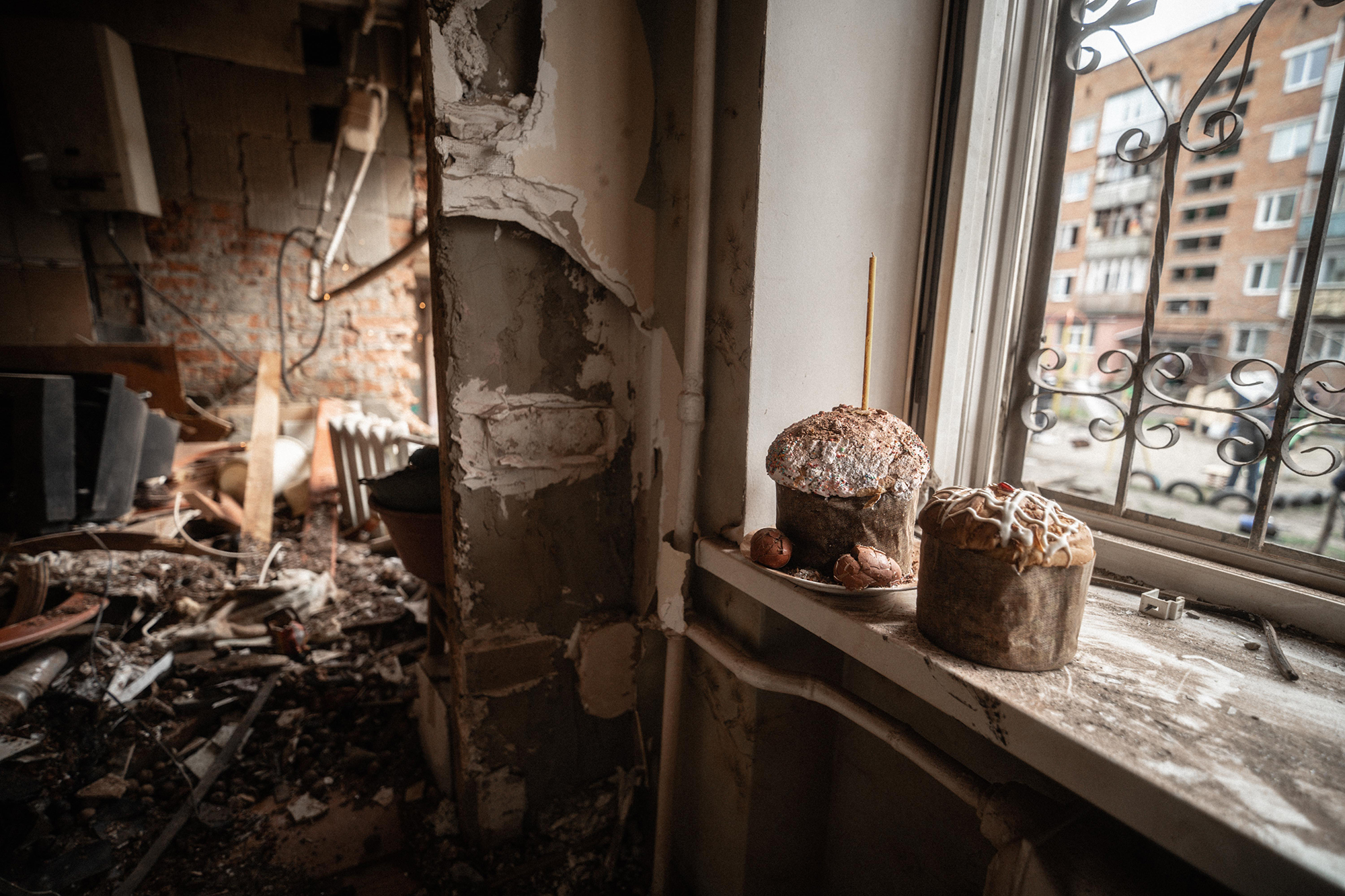
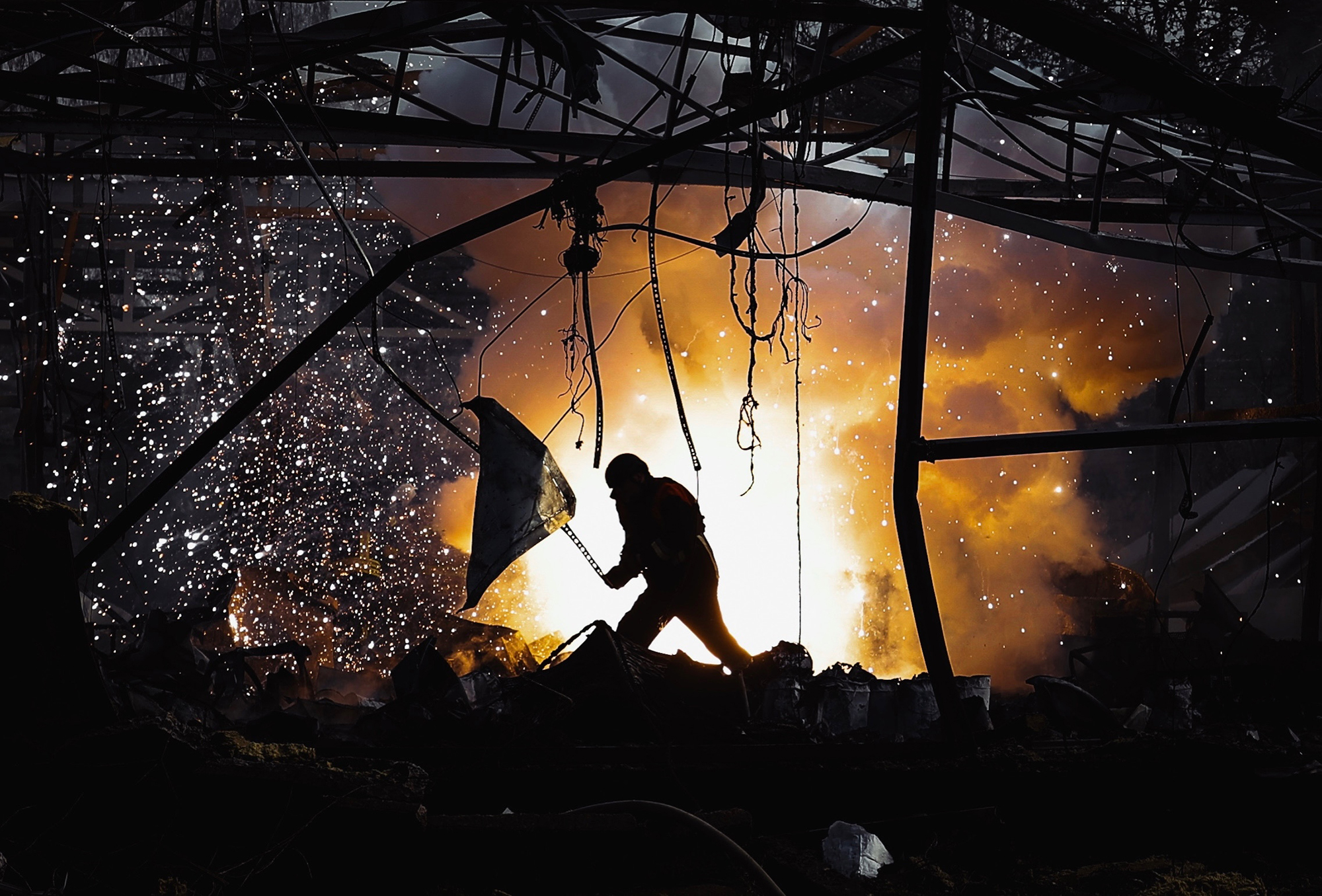
On the eve of Easter, Russian forces deliberately struck peaceful towns and villages. The enemy targeted energy infrastructure, administrative buildings during working hours, crowded markets, public transport, cultural and historical landmarks, and the homes of ordinary Ukrainians. Odesa, Nikopol, and Kramatorsk were in mourning for the dead. In Nikopol — a city of about 40,000 residents — more than 100 people have been killed or injured since the beginning of April, according to Ukrainska Pravda. Life. Civilian casualties are also high in Kherson, which remains under constant threat from shelling and remote mining.The scale of destruction to residential areas is captured in photo reports from Odesa, Kharkiv, Sumy, Kherson, and Kramatorsk.
read more
Tragic consequences of Russian attacks during Holy Week
On the eve of Easter, Russian forces deliberately struck peaceful towns and villages. The enemy targeted energy infrastructure, administrative buildings during working hours, crowded markets, public transport, cultural and historical landmarks, and the homes of ordinary Ukrainians. Odesa, Nikopol, and Kramatorsk were in mourning for the dead. In Nikopol — a city of about 40,000 residents — more than 100 people have been killed or injured since the beginning of April, according to Ukrainska Pravda. Life. Civilian casualties are also high in Kherson, which remains under constant threat from shelling and remote mining.The scale of destruction to residential areas is captured in photo reports from Odesa, Kharkiv, Sumy, Kherson, and Kramatorsk.
read more
Four years since the terrorist attack at the Kramatorsk railway station
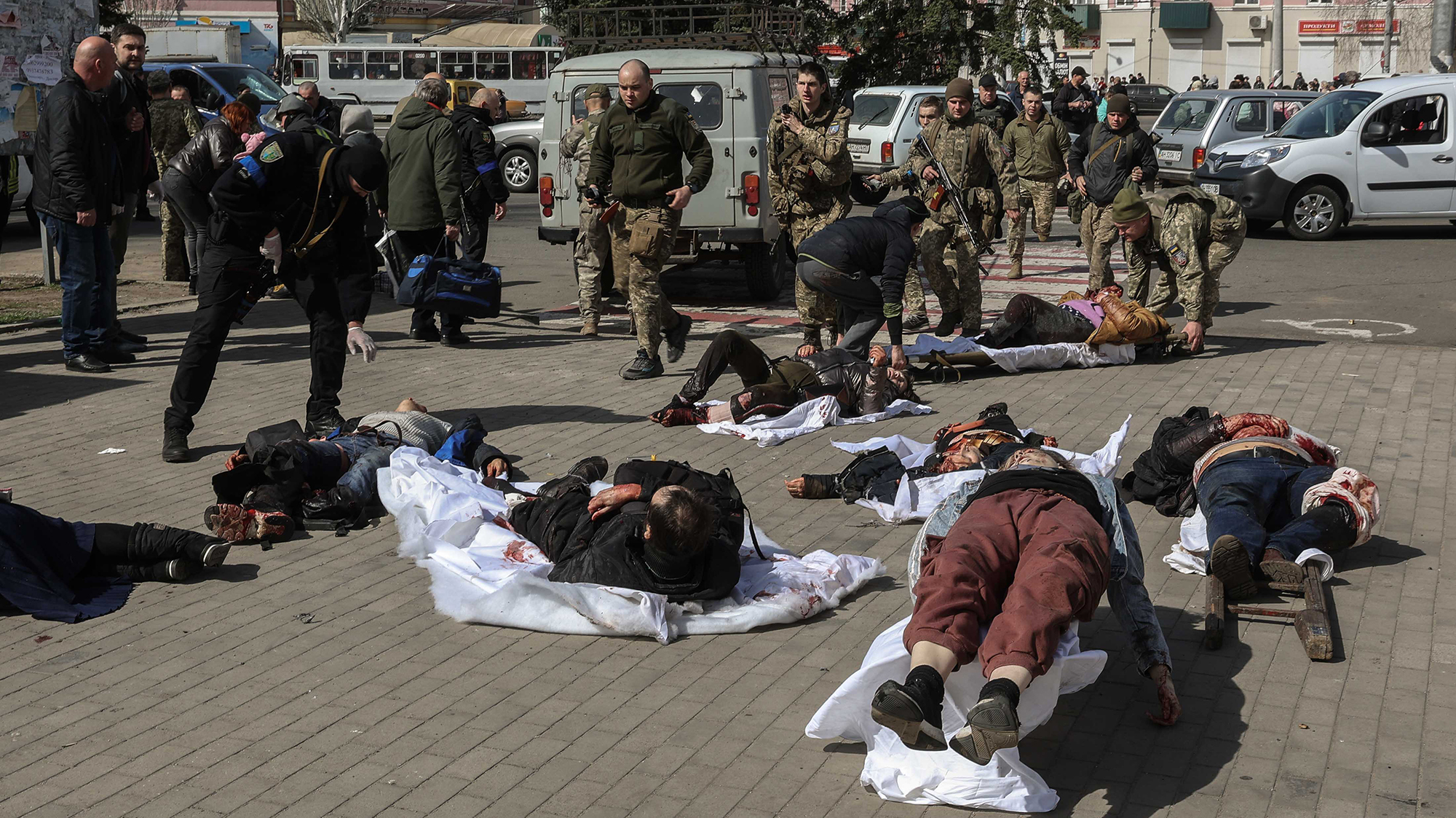
In memory of the victims — and in the name of justice — we recall how Ukrainian and international documentarians, along with human rights organizations, disproved Russian disinformation about the missile strike on the Kramatorsk railway station on April 8, 2022. On that day, a Russian missile armed with cluster munitions turned a crowded train station into a battlefield, cutting short the lives of people who were trying to flee the war.
read more
Daytime mass attacks, deadly strikes, and new safety measures on the railway: what the beginning of April will be remembered for in Ukraine
Russia is increasingly choosing daytime hours for its massive strikes, expanding the zone of destruction across Ukraine. The beginning of April will be remembered for devastating attacks on Lutsk, Poltava, and Zhytomyr region; Kharkiv endured several consecutive days under fire, and there were strikes on Odesa, Sumy, and Chernihiv. Over the weekend, the Russian army carried out a deadly attack on a market in Nikopol, and the day before, drones and missiles targeted Kyiv region. Every day, Donetsk and Sumy regions face bombings and drone raids. Drones and artillery continue to hit Kherson, while the enemy scatters antipersonnel mines throughout the city. Among the targets of Russian attacks this week were: a veterinary clinic with animals inside, food warehouses, a Nova Poshta terminal, and the only maternity hospital in Donetsk region. Due to constant aerial threats, railway routes experienced delays and passenger evacuations from trains.
read more
When the photograph doesn’t lie: how context, staging, editing, and AI reshape the truth about war
For International Fact‑Checking Day — on why manipulation in photography begins not only with the choice of frame, but also with the substitution of its meaning.
read more
Breaking News
News
This week, Russia continued its missile and drone terror against Ukrainian cities. Hundreds of Shahed-type UAVs and dozens of tactical missiles were launched every day — from the well-known Iskander missiles to the latest Grom-1 models.
·
This week, Russia continued its missile and drone terror against Ukrainian cities. Hundreds of Shahed-type UAVs and dozens of tactical missiles were launched every day — from the well-known Iskander missiles to the latest Grom-1 models.
·
News Stories
22.5.2024
This is some text inside of a div block.
Ruins and blood after the strike in Kharkiv. Documentary photographs by Georhii Ivanchenko and Vlada and Kostiantyn Liberov
Damaged apartment blocks, a shattered tram and trolleybus, burned‑out cars, wounded and frightened people — these are the consequences of the Russian strike on Kharkiv with UMPB D‑30 munitions. The explosion occurred in the city on 22 May 2024. Once again, the enemy hit residential districts — Shevchenkivskyi and Kholodnohirskyi — from the territory of Russia’s Belgorod region.
News Stories
22.5.2024
Ruins and blood after the strike in Kharkiv. Documentary photographs by Georhii Ivanchenko and Vlada and Kostiantyn Liberov
Damaged apartment blocks, a shattered tram and trolleybus, burned‑out cars, wounded and frightened people — these are the consequences of the Russian strike on Kharkiv with UMPB D‑30 munitions. The explosion occurred in the city on 22 May 2024. Once again, the enemy hit residential districts — Shevchenkivskyi and Kholodnohirskyi — from the territory of Russia’s Belgorod region.
News Stories
20.5.2024
This is some text inside of a div block.
The tragedy of a destroyed holiday resort on the outskirts of Kharkiv, captured on film by Vladyslav Krasnoshchok
Destroyed pavilions and bodies trapped beneath the rubble — the result of yet another Russian attack on civilians. On the morning of 19 May 2024, Russian forces carried out double strikes with Iskander‑M missiles on a recreational area in the outskirts of Kharkiv. A holiday resort in the village of Cherkaska Lozova, where around fifty people were present, came under fire.
News Stories
20.5.2024
The tragedy of a destroyed holiday resort on the outskirts of Kharkiv, captured on film by Vladyslav Krasnoshchok
Destroyed pavilions and bodies trapped beneath the rubble — the result of yet another Russian attack on civilians. On the morning of 19 May 2024, Russian forces carried out double strikes with Iskander‑M missiles on a recreational area in the outskirts of Kharkiv. A holiday resort in the village of Cherkaska Lozova, where around fifty people were present, came under fire.
News Stories
19.5.2024
This is some text inside of a div block.
The forbidden and wounded Kherson region through the lens of photographer Ivan Antypenko
Ivan Antypenko is a Ukrainian journalist, photographer, and videographer who primarily covers the Russian‑Ukrainian war in the South of Ukraine. On February 24, 2022, Russians came to his home in his native city of Kherson. He returned on November 13, but under shelling and surrounded by floodwaters he continues his work. We speak with Ivan Antypenko about his favourite ruined places in Kherson, about occupation and liberation, about flooding and shelling, and about the restrictions and permissions for shooting.
News Stories
19.5.2024
The forbidden and wounded Kherson region through the lens of photographer Ivan Antypenko
Ivan Antypenko is a Ukrainian journalist, photographer, and videographer who primarily covers the Russian‑Ukrainian war in the South of Ukraine. On February 24, 2022, Russians came to his home in his native city of Kherson. He returned on November 13, but under shelling and surrounded by floodwaters he continues his work. We speak with Ivan Antypenko about his favourite ruined places in Kherson, about occupation and liberation, about flooding and shelling, and about the restrictions and permissions for shooting.
Photo Stories
18.5.2024
This is some text inside of a div block.
Life after deportation and before occupation. Crimean Tatars of Gennady Minchenko
On May 18, Ukraine honors the memory of the victims of the genocide of the Crimean Tatars. 80 years ago at 3:00am on May 18, 1944, the Soviet authorities began the evacuation of all Crimean Tatars from their native peninsula. At that time, about 200,000 people were forcibly taken out in goods wagons. Almost half died on the road or in the first years after deportation.
Photo Stories
18.5.2024
Life after deportation and before occupation. Crimean Tatars of Gennady Minchenko
On May 18, Ukraine honors the memory of the victims of the genocide of the Crimean Tatars. 80 years ago at 3:00am on May 18, 1944, the Soviet authorities began the evacuation of all Crimean Tatars from their native peninsula. At that time, about 200,000 people were forcibly taken out in goods wagons. Almost half died on the road or in the first years after deportation.
News Stories
15.5.2024
This is some text inside of a div block.
Shelling, Evacuation and Threat of Re-Occupation of Volchansk in Documentary Pictures by Georgy Ivanchenko and Yakov Lyashenko
Volchansk is a city in Kharkiv region, located 4 km from the border with the Russian Federation and almost 50 km from Kharkiv itself. For the sixth day in a row, the city does not leave the front pages of the world media. Shelling, fire and destruction. Today, the city is under constant fire from the Russians. For the second time in the entire period of the Russian full-scale invasion, Volchansk may be captured. The invaders are trying to surround Volchansk, approaching it from different sides.
News Stories
15.5.2024
Shelling, Evacuation and Threat of Re-Occupation of Volchansk in Documentary Pictures by Georgy Ivanchenko and Yakov Lyashenko
Volchansk is a city in Kharkiv region, located 4 km from the border with the Russian Federation and almost 50 km from Kharkiv itself. For the sixth day in a row, the city does not leave the front pages of the world media. Shelling, fire and destruction. Today, the city is under constant fire from the Russians. For the second time in the entire period of the Russian full-scale invasion, Volchansk may be captured. The invaders are trying to surround Volchansk, approaching it from different sides.
News Stories
14.5.2024
This is some text inside of a div block.
Russians have been shelling Kharkiv all day: injured residents, fires, and destruction in documentary photographers’ images
On the afternoon of Wednesday, 14 May 2024, Russians shelled Kharkiv several times. A series of explosions was heard across the city. The first strike hit a residential high‑rise in the city center. As a result of this attack, apartments from the 9th to the 13th floors were destroyed.
News Stories
14.5.2024
Russians have been shelling Kharkiv all day: injured residents, fires, and destruction in documentary photographers’ images
On the afternoon of Wednesday, 14 May 2024, Russians shelled Kharkiv several times. A series of explosions was heard across the city. The first strike hit a residential high‑rise in the city center. As a result of this attack, apartments from the 9th to the 13th floors were destroyed.

Photo Stories

This section features the best images of the month, interviews with photographers, and in-depth visual stories. Discover compelling narratives and events through the lens of our talented authors.

Photo Stories
17.4.2026
The art of war and routine. Dmytro Kupriian’s photobook about the everyday life of soldiers
Photo Stories
15.4.2026
“Not Alone” — a documentary project by Dasha Tenditna
Photo Stories
7.4.2026
“Untitled for now” — a documentary project by Khrystyna Voitkiv
Photo Stories
1.4.2026
10 photos of March
Photo Stories
31.3.2026
“Carrying the Light” — a documentary photo project by Taras Fedorenko
Photo Stories
30.3.2026
Iryna Kabysh: “My love for the nature of light helps me work, because photons either move or do not exist”

Our partners

We tell the world about Ukraine through the prism of photography.

Join and support the community of Ukrainian photographers.

UAPP is an independent association of professional Ukrainian photographers, designed to protect their interests, support, develop and promote Ukrainian photography as an important element of national culture.

UAPP's activities span educational, social, research and cultural initiatives, as well as book publishing.

UAPP represents Ukrainian professional photography in the international photographic community and is an official member of the Federation of European Photographers (FEP) — an international organization representing more than 50,000 professional photographers in Europe and other countries around the world.

Support and join us
A couple of men walking across a grass covered field.