UAPP Logo
Daytime mass attacks, deadly strikes, and new safety measures on the railway: what the beginning of April will be remembered for in Ukraine
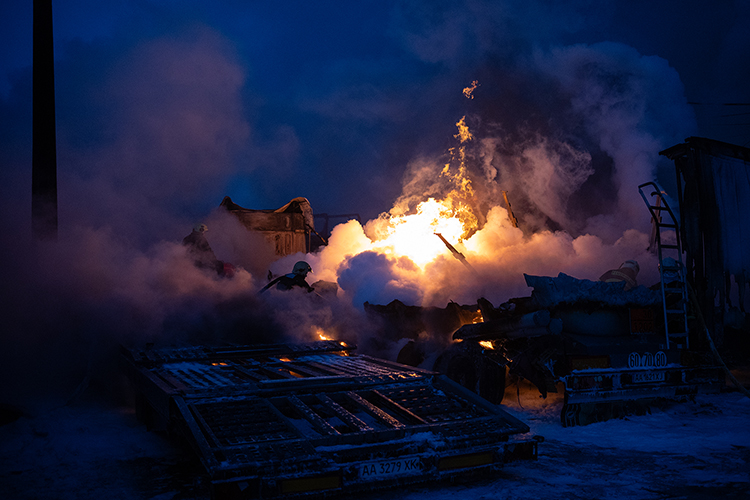
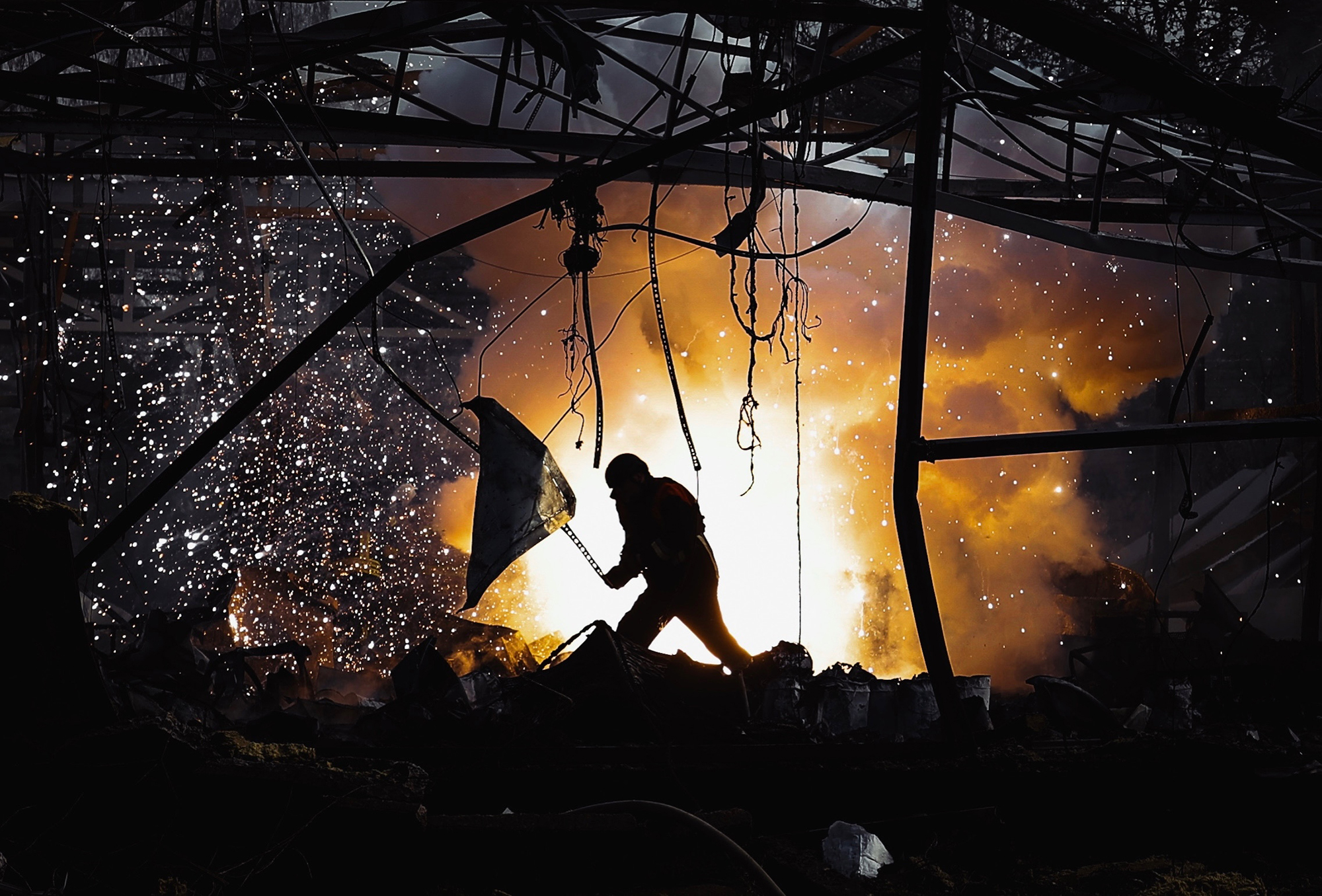
Russia is increasingly choosing daytime hours for its massive strikes, expanding the zone of destruction across Ukraine. The beginning of April will be remembered for devastating attacks on Lutsk, Poltava, and Zhytomyr region; Kharkiv endured several consecutive days under fire, and there were strikes on Odesa, Sumy, and Chernihiv. Over the weekend, the Russian army carried out a deadly attack on a market in Nikopol, and the day before, drones and missiles targeted Kyiv region. Every day, Donetsk and Sumy regions face bombings and drone raids. Drones and artillery continue to hit Kherson, while the enemy scatters antipersonnel mines throughout the city. Among the targets of Russian attacks this week were: a veterinary clinic with animals inside, food warehouses, a Nova Poshta terminal, and the only maternity hospital in Donetsk region. Due to constant aerial threats, railway routes experienced delays and passenger evacuations from trains.
read more
Daytime mass attacks, deadly strikes, and new safety measures on the railway: what the beginning of April will be remembered for in Ukraine
Russia is increasingly choosing daytime hours for its massive strikes, expanding the zone of destruction across Ukraine. The beginning of April will be remembered for devastating attacks on Lutsk, Poltava, and Zhytomyr region; Kharkiv endured several consecutive days under fire, and there were strikes on Odesa, Sumy, and Chernihiv. Over the weekend, the Russian army carried out a deadly attack on a market in Nikopol, and the day before, drones and missiles targeted Kyiv region. Every day, Donetsk and Sumy regions face bombings and drone raids. Drones and artillery continue to hit Kherson, while the enemy scatters antipersonnel mines throughout the city. Among the targets of Russian attacks this week were: a veterinary clinic with animals inside, food warehouses, a Nova Poshta terminal, and the only maternity hospital in Donetsk region. Due to constant aerial threats, railway routes experienced delays and passenger evacuations from trains.
read more
When the photograph doesn’t lie: how context, staging, editing, and AI reshape the truth about war
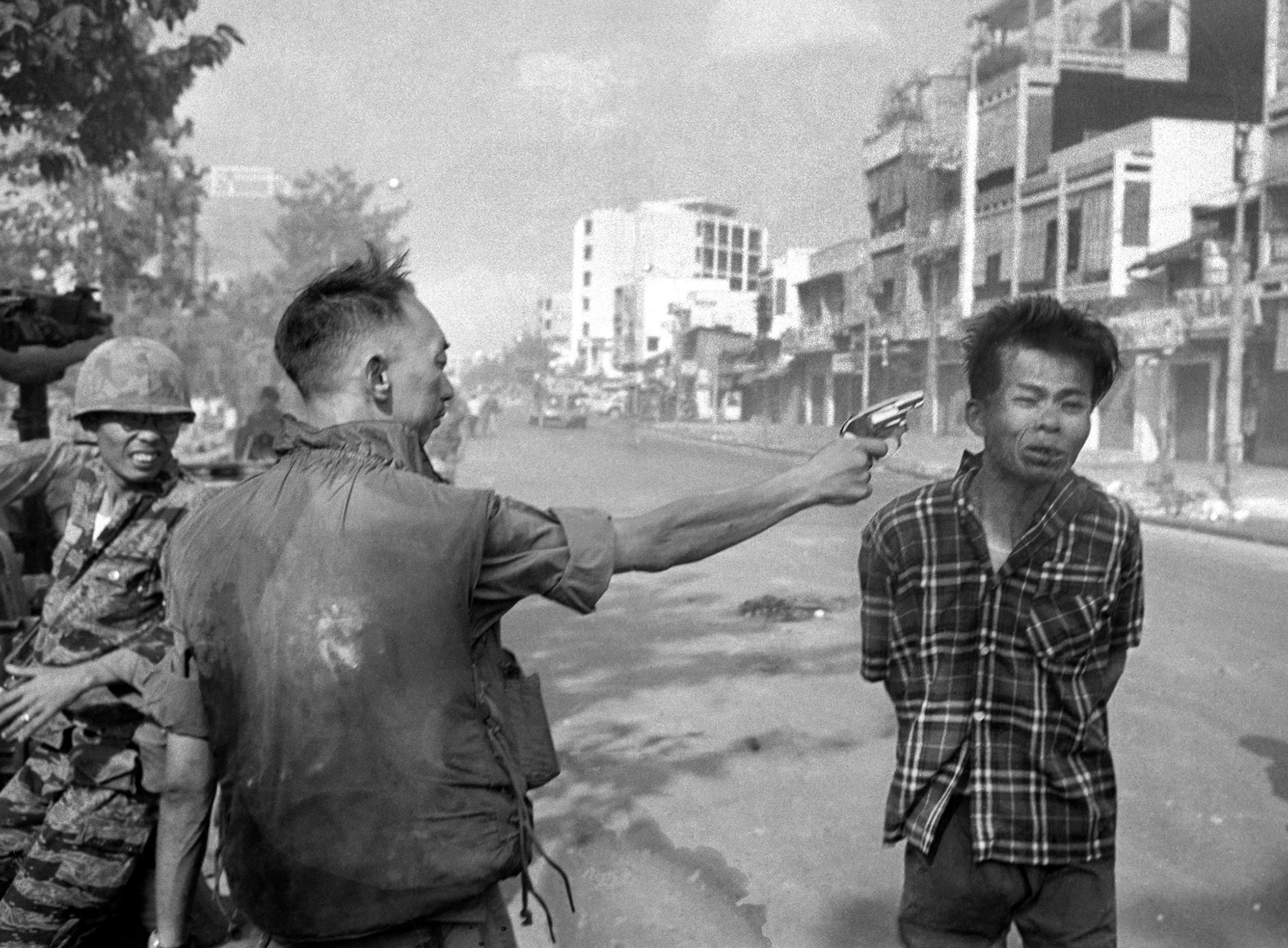
For International Fact‑Checking Day — on why manipulation in photography begins not only with the choice of frame, but also with the substitution of its meaning.
read more
Strike on UNESCO cultural heritage in Lviv, and the shelling of Dnipro and Odesa: intensified Russian air attacks on Ukraine
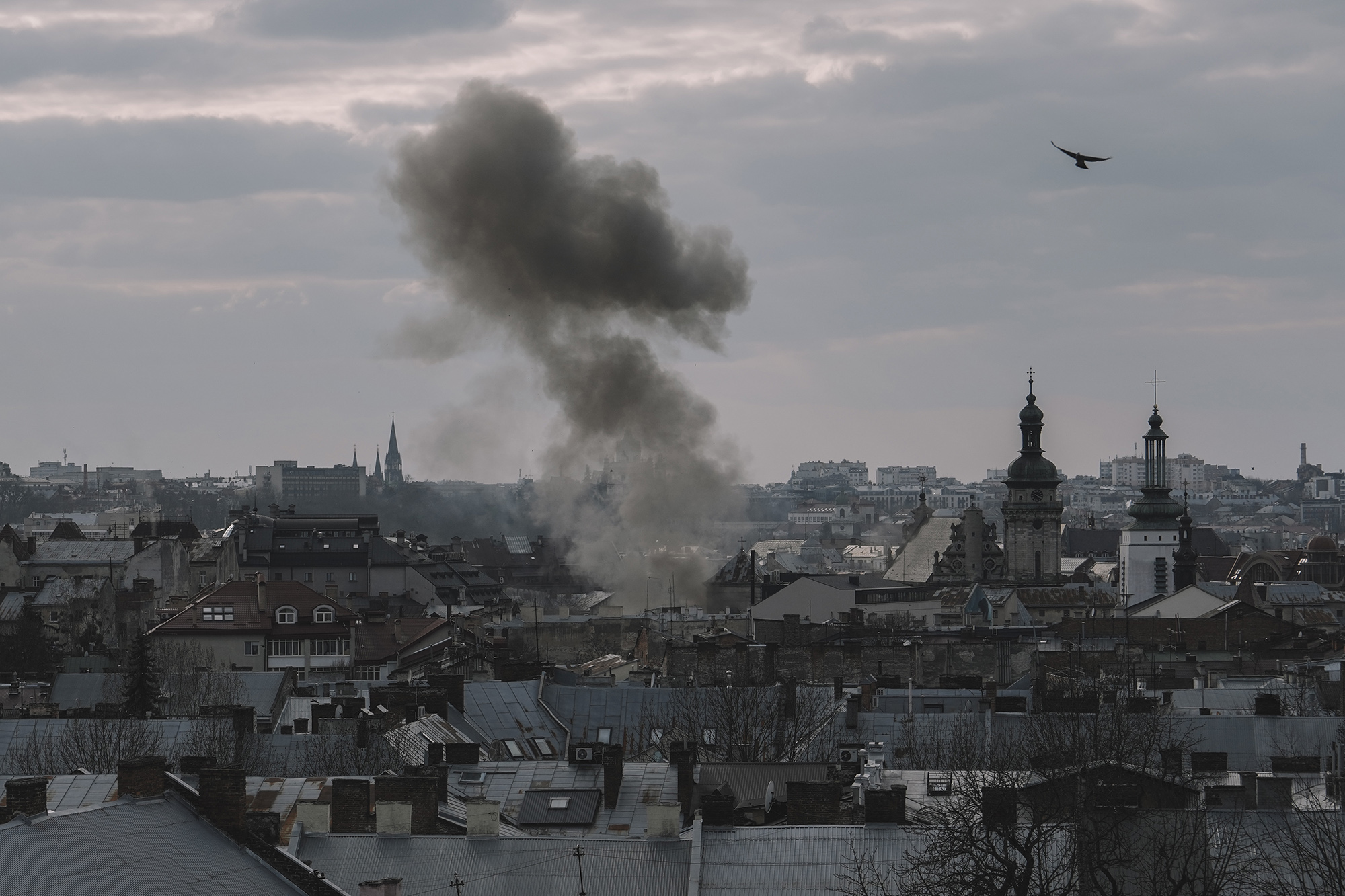
The last week of March will be remembered for unprecedented drone attacks that swept across almost every region of Ukraine, both day and night. On 24 March, Russian forces carried out the most massive UAV strike on Ukraine to date, launching nearly 1,000 drones in a single day. They targeted the centers of Ukrainian cities, cultural landmarks, maternity hospitals, and people’s homes. The historic center of Lviv was among the sites damaged. One of the most tragic episodes occurred near a maternity hospital in Ivano-Frankivsk, where a father and his daughter were killed while visiting his wife, who had just given birth. It was also a devastating week for Dnipro and Odesa — Russian drones struck residential buildings and a medical facility. Over the course of the week, three maternity hospitals became targets of Russian attacks, and at least four kindergartens were damaged.
read more
Destroyed infrastructure, civilians kept in fear: a week of Russian drone attacks
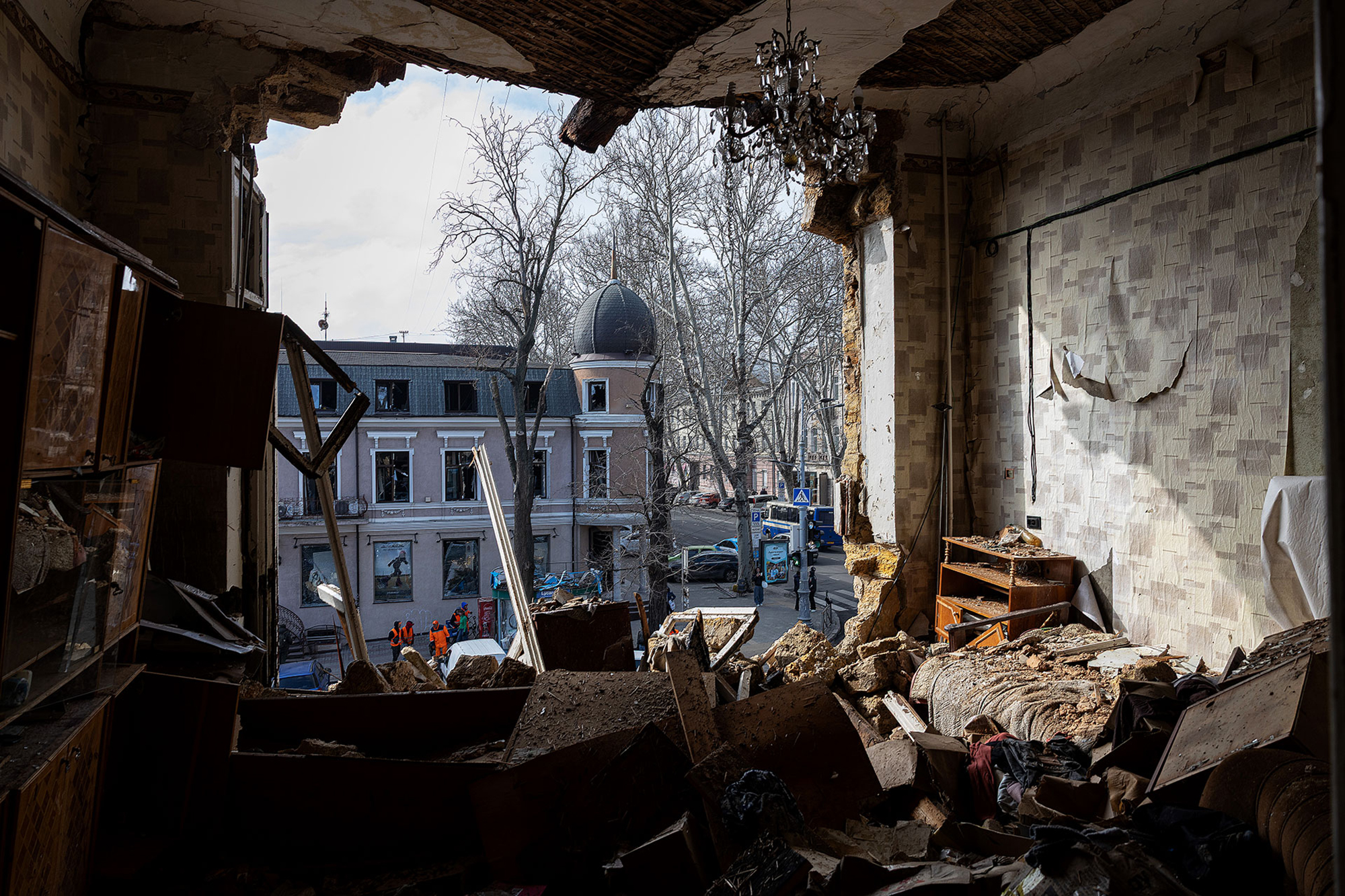
Russia has sharply intensified drone attacks in border and frontline regions. Throughout the week, air‑defense forces worked to intercept enemy UAVs over the capital. Drones also reached the western and central regions of the country. The enemy targeted railway, energy, and port infrastructure, industrial facilities, residential buildings, and civilian transport. Toward the end of the workweek, drones launched a massive attack on Odesa. Over the weekend, enemy strikes completely cut off power to Chernihiv and most of the region. The aftermath of the devastating drone attack on Odesa is captured in photo reports by documentarians Oleksandr Himanov and Tymofii Melnykov.
read more
Breaking News
News
This week, Russia continued its missile and drone terror against Ukrainian cities. Hundreds of Shahed-type UAVs and dozens of tactical missiles were launched every day — from the well-known Iskander missiles to the latest Grom-1 models.
·
This week, Russia continued its missile and drone terror against Ukrainian cities. Hundreds of Shahed-type UAVs and dozens of tactical missiles were launched every day — from the well-known Iskander missiles to the latest Grom-1 models.
·
News Stories
26.1.2026
This is some text inside of a div block.
The documentary film “2,000 Meters to Andriivka” by Mstyslav Chernov — a cultural voice of the war in Ukraine
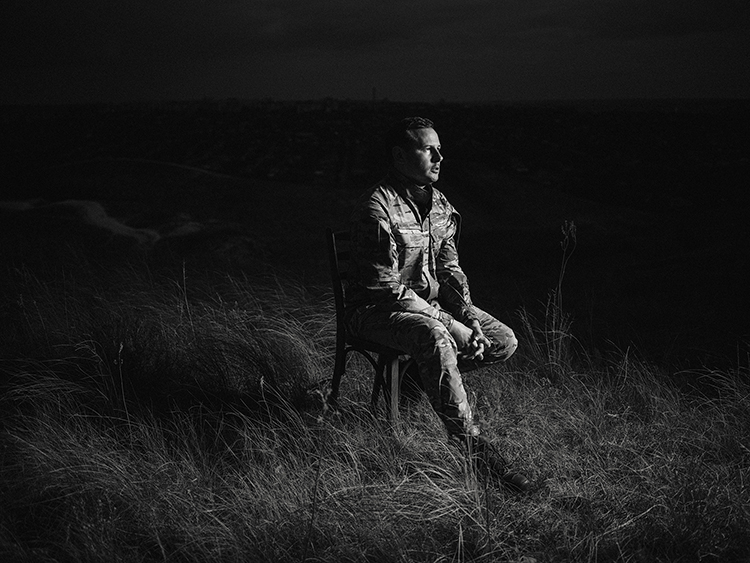
The documentary film *“2,000 Meters to Andriivka”* by director, journalist, and founder of the Ukrainian Association of Professional Photographers, Mstyslav Chernov, is destined to remain in the history of world documentary cinema as one of the fifteen best films of 2025. The Ukrainian film did not make it onto the shortlist for the Academy Awards announced the day before by the American Academy of Motion Picture Arts and Sciences. However, beyond the path toward a second Oscar, the creators of *“2,000 Meters to Andriivka”* spent the entire year bringing the voices of Ukrainian soldiers to the international community across every possible platform — and making sure those voices were heard. Ultimately, as Mstyslav Chernov notes, this is the film’s primary purpose.
News Stories
26.1.2026
The documentary film “2,000 Meters to Andriivka” by Mstyslav Chernov — a cultural voice of the war in Ukraine
The documentary film *“2,000 Meters to Andriivka”* by director, journalist, and founder of the Ukrainian Association of Professional Photographers, Mstyslav Chernov, is destined to remain in the history of world documentary cinema as one of the fifteen best films of 2025. The Ukrainian film did not make it onto the shortlist for the Academy Awards announced the day before by the American Academy of Motion Picture Arts and Sciences. However, beyond the path toward a second Oscar, the creators of *“2,000 Meters to Andriivka”* spent the entire year bringing the voices of Ukrainian soldiers to the international community across every possible platform — and making sure those voices were heard. Ultimately, as Mstyslav Chernov notes, this is the film’s primary purpose.
News Stories
25.1.2026
This is some text inside of a div block.
A week of fighting for warmth and light
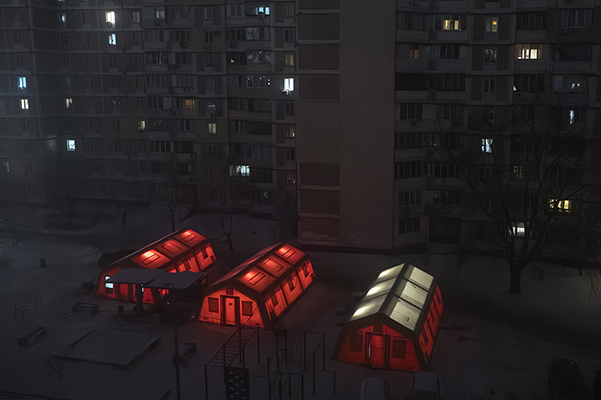
Due to constant Russian attacks on Ukraine’s power grid, the situation with electricity across the country remained difficult throughout the week. The energy system was operating at the limits of its capacity, and several energy facilities required emergency repairs after accidents. According to Energy Minister Denys Shmyhal, the situation on January 22 was the most challenging since the blackout of November 2022. This week, the enemy focused its aggression on frontline and border regions, as well as Kyiv oblast and Odesa oblast. The most destructive and deadly attacks targeted Kyiv, Kharkiv, Dnipro, Kryvyi Rih, Zaporizhzhia, and the Kramatorsk district in Donetsk region.
News Stories
25.1.2026
A week of fighting for warmth and light
Due to constant Russian attacks on Ukraine’s power grid, the situation with electricity across the country remained difficult throughout the week. The energy system was operating at the limits of its capacity, and several energy facilities required emergency repairs after accidents. According to Energy Minister Denys Shmyhal, the situation on January 22 was the most challenging since the blackout of November 2022. This week, the enemy focused its aggression on frontline and border regions, as well as Kyiv oblast and Odesa oblast. The most destructive and deadly attacks targeted Kyiv, Kharkiv, Dnipro, Kryvyi Rih, Zaporizhzhia, and the Kramatorsk district in Donetsk region.
News Stories
23.1.2026
This is some text inside of a div block.
“‘Retaliatory strikes’, ‘black winter’, ‘collapse’: how Russian propaganda fuels public discontent in Odesa region”
Constant missile and drone strikes by the Russian army have turned Odesa into a frontline city. It, along with Izmail, Chornomorsk, Kiliia, and other settlements in Odesa region, has been added to the list of active combat zones. Air attacks on Odesa region go hand in hand with information attacks. Propagandists overlay new events and contexts with old Kremlin narratives. In particular, the Russian army destroys civilian bridges, port facilities, and energy infrastructure in the region allegedly only “in response” and under duress.
News Stories
23.1.2026
“‘Retaliatory strikes’, ‘black winter’, ‘collapse’: how Russian propaganda fuels public discontent in Odesa region”
Constant missile and drone strikes by the Russian army have turned Odesa into a frontline city. It, along with Izmail, Chornomorsk, Kiliia, and other settlements in Odesa region, has been added to the list of active combat zones. Air attacks on Odesa region go hand in hand with information attacks. Propagandists overlay new events and contexts with old Kremlin narratives. In particular, the Russian army destroys civilian bridges, port facilities, and energy infrastructure in the region allegedly only “in response” and under duress.
News Stories
18.1.2026
This is some text inside of a div block.
Not a single day without strikes on the energy sector: how the week of severe frost unfolded in Ukraine
Russian strikes continue to test Ukraine’s energy system every day. In Kyiv, a state of emergency in the energy sector has been introduced, emergency response headquarters have been activated, and rules for residents’ movement during curfew have been adjusted. The most devastating and tragic attack targeted the Nova Poshta terminal in the outskirts of Kharkiv, killing four men. Among those injured throughout the week were medical workers, police officers, and employees of the regional energy company. Large‑scale enemy strikes also continue in Odesa region. Across the country, energy workers, emergency responders, police, utility services, and other specialists have been working around the clock at the limits of what is possible.
News Stories
18.1.2026
Not a single day without strikes on the energy sector: how the week of severe frost unfolded in Ukraine
Russian strikes continue to test Ukraine’s energy system every day. In Kyiv, a state of emergency in the energy sector has been introduced, emergency response headquarters have been activated, and rules for residents’ movement during curfew have been adjusted. The most devastating and tragic attack targeted the Nova Poshta terminal in the outskirts of Kharkiv, killing four men. Among those injured throughout the week were medical workers, police officers, and employees of the regional energy company. Large‑scale enemy strikes also continue in Odesa region. Across the country, energy workers, emergency responders, police, utility services, and other specialists have been working around the clock at the limits of what is possible.
Photo Stories
16.1.2026
This is some text inside of a div block.
“Frontline Tapes: photographs, letters, and artifacts of Ukrainian soldiers” — a project by Serhii Melnychenko about memory, life, and war
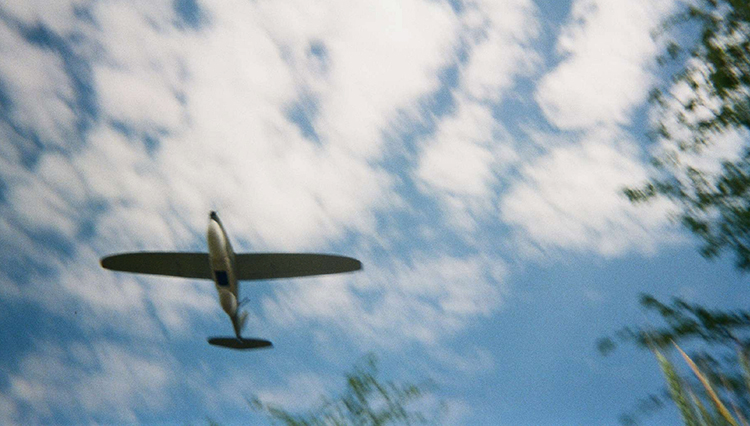
Photographer Serhii Melnychenko has presented his project *“Frontline Tapes: photographs, letters, and artifacts of Ukrainian soldiers”*, which he worked on throughout 2025. Melnychenko sent disposable film cameras to Ukrainian soldiers and asked them to document their daily life, their work, and the war. However, the project grew beyond photography: together with the cameras, Melnychenko asked the soldiers to send him handwritten letters and artifacts they chose themselves. The result is not only a collection of images and documents of the war, but also a tapestry of personal stories and memories of the people who are defending Ukraine’s independence today.
Photo Stories
16.1.2026
“Frontline Tapes: photographs, letters, and artifacts of Ukrainian soldiers” — a project by Serhii Melnychenko about memory, life, and war
Photographer Serhii Melnychenko has presented his project *“Frontline Tapes: photographs, letters, and artifacts of Ukrainian soldiers”*, which he worked on throughout 2025. Melnychenko sent disposable film cameras to Ukrainian soldiers and asked them to document their daily life, their work, and the war. However, the project grew beyond photography: together with the cameras, Melnychenko asked the soldiers to send him handwritten letters and artifacts they chose themselves. The result is not only a collection of images and documents of the war, but also a tapestry of personal stories and memories of the people who are defending Ukraine’s independence today.
News Stories
11.1.2026
This is some text inside of a div block.
Boiler houses, residential buildings, hospitals: where the Russian army aimed its strikes this week
Every week, Russia demonstrates to Ukrainians its supposed “desire for peace.” On the eve of the forecasted cold spell in Ukraine, the Russian army struck energy and heating facilities and destroyed people’s homes. The consequences of these attacks on the energy sector were felt most acutely in Kyiv, Dnipro, and Zaporizhzhia regions. During the massive overnight attack on the capital on January 9, the enemy launched an “Oreshnik” ballistic missile at a critical infrastructure facility in Lviv region — less than 70 km from the EU border. The week was marked by tragic events such as Russian strikes on hospitals and emergency services: one medical worker was killed, others were injured, and rescuers were wounded as well. Meanwhile, in Kharkiv, search‑and‑rescue operations continued throughout the week at the site of the Russian missile strike on January 2. Thanks to the work of Ukrainian documentarians, we can revisit this week and appreciate the courage of those who rush to help.
News Stories
11.1.2026
Boiler houses, residential buildings, hospitals: where the Russian army aimed its strikes this week
Every week, Russia demonstrates to Ukrainians its supposed “desire for peace.” On the eve of the forecasted cold spell in Ukraine, the Russian army struck energy and heating facilities and destroyed people’s homes. The consequences of these attacks on the energy sector were felt most acutely in Kyiv, Dnipro, and Zaporizhzhia regions. During the massive overnight attack on the capital on January 9, the enemy launched an “Oreshnik” ballistic missile at a critical infrastructure facility in Lviv region — less than 70 km from the EU border. The week was marked by tragic events such as Russian strikes on hospitals and emergency services: one medical worker was killed, others were injured, and rescuers were wounded as well. Meanwhile, in Kharkiv, search‑and‑rescue operations continued throughout the week at the site of the Russian missile strike on January 2. Thanks to the work of Ukrainian documentarians, we can revisit this week and appreciate the courage of those who rush to help.

Photo Stories

This section features the best images of the month, interviews with photographers, and in-depth visual stories. Discover compelling narratives and events through the lens of our talented authors.

Photo Stories
7.4.2026
“Untitled for now” — a documentary project by Khrystyna Voitkiv
Photo Stories
1.4.2026
10 photos of March
Photo Stories
31.3.2026
“Carrying the Light” — a documentary photo project by Taras Fedorenko
Photo Stories
30.3.2026
Iryna Kabysh: “My love for the nature of light helps me work, because photons either move or do not exist”
Photo Stories
25.3.2026
“Pre Mortem” — a documentary project by Semen Kuchvara
Photo Stories
23.3.2026
Donetsk 2006. A photo series by Dmytro Kupriian about a lost city

Our partners

We tell the world about Ukraine through the prism of photography.

Join and support the community of Ukrainian photographers.

UAPP is an independent association of professional Ukrainian photographers, designed to protect their interests, support, develop and promote Ukrainian photography as an important element of national culture.

UAPP's activities span educational, social, research and cultural initiatives, as well as book publishing.

UAPP represents Ukrainian professional photography in the international photographic community and is an official member of the Federation of European Photographers (FEP) — an international organization representing more than 50,000 professional photographers in Europe and other countries around the world.

Support and join us
A couple of men walking across a grass covered field.